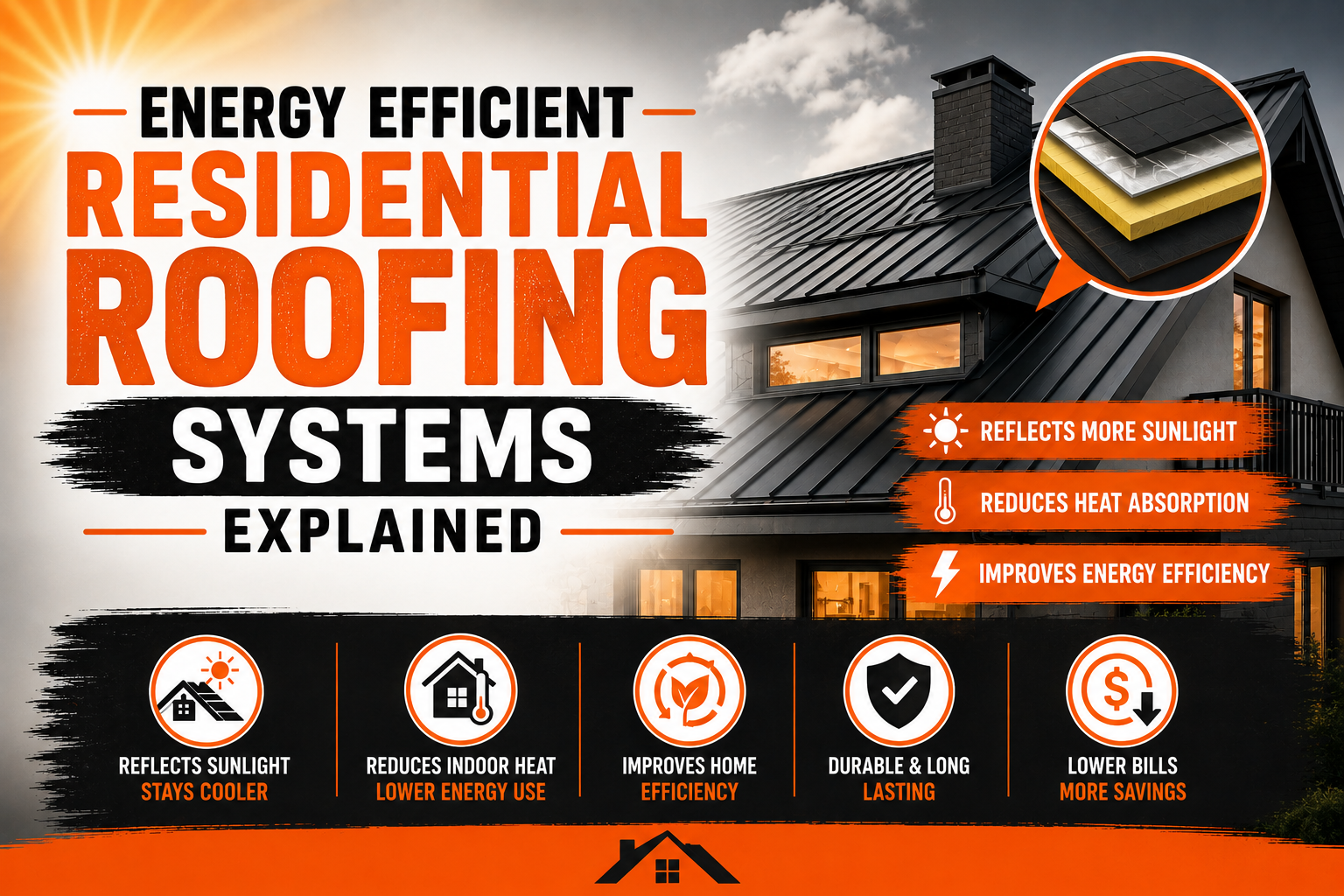
Energy Efficient Residential Roofing Systems Explained
Introduction
A residential roof does much more than protect a home from rain, wind, and sunlight. It also plays an important role in how efficiently a house uses energy throughout the year. The materials installed on the roof, the amount of insulation underneath it, the condition of the attic, and the way the roofing system is ventilated can all influence indoor temperatures and heating or cooling demands.
During hot weather, a roof can receive intense sunlight for several hours and absorb a significant amount of heat. That heat can move through the roofing assembly and raise attic temperatures, making the living areas below more difficult to cool. During colder weather, inadequate insulation and air leakage can allow valuable indoor heat to escape through the upper portion of the home.
An energy-efficient roofing system is designed to reduce unnecessary heat transfer while maintaining effective protection from the elements. It combines suitable roofing materials with insulation, ventilation, underlayment, air sealing, and professional installation. When these components work together, homeowners can create a more comfortable indoor environment while potentially reducing the amount of energy required for heating and cooling.
Understanding how these systems work is useful for homeowners planning a new roof, replacing an aging roof, or looking for ways to improve the performance of their existing home. Energy efficiency should not be viewed as a single roofing product or feature. Instead, it is the result of several connected components working together as one system.
Understanding Energy-Efficient Roofing
Energy-efficient roofing refers to roofing systems designed to reduce unwanted heat transfer and improve the overall thermal performance of a home. A roof can influence how much solar heat enters the building during summer and how much conditioned air is lost during other seasons. The goal is to create a roofing assembly that works with the rest of the home’s envelope rather than allowing the roof to become a major source of energy waste.
One of the most important characteristics of an energy-efficient roof is its ability to manage solar radiation. Roofing materials can differ significantly in how much sunlight they reflect and how much heat they absorb. A roof that reflects more solar energy can remain cooler under direct sunlight, which may reduce the amount of heat transferred into the attic.
Thermal emittance is another important factor. After a roofing surface absorbs solar energy, some materials can release that heat more effectively than others. A roofing material with appropriate reflective and emissive properties can therefore help manage heat more effectively, particularly in climates where cooling is a major household energy expense.
However, reflective roofing material alone does not make an entire roofing system energy efficient. The roof also needs adequate insulation and appropriate ventilation. If the roofing surface reflects sunlight but the attic has poor insulation or uncontrolled air leakage, the home can still experience significant heat transfer.
An efficient roofing system can include several interconnected elements:
- Reflective or thermally suitable roofing materials
- Adequate insulation beneath the roof or at the attic boundary
- Proper intake and exhaust ventilation
- Effective air sealing around penetrations and joints
- Durable underlayment and moisture protection
- Correct installation and detailing around roof openings
These components need to be selected according to the home’s design and local climate. A roofing solution that performs well in one region may not provide the same advantages in another. Homeowners should therefore consider the complete building system instead of choosing materials based only on appearance or advertised energy-saving features.
How a Roof Affects Home Energy Bills
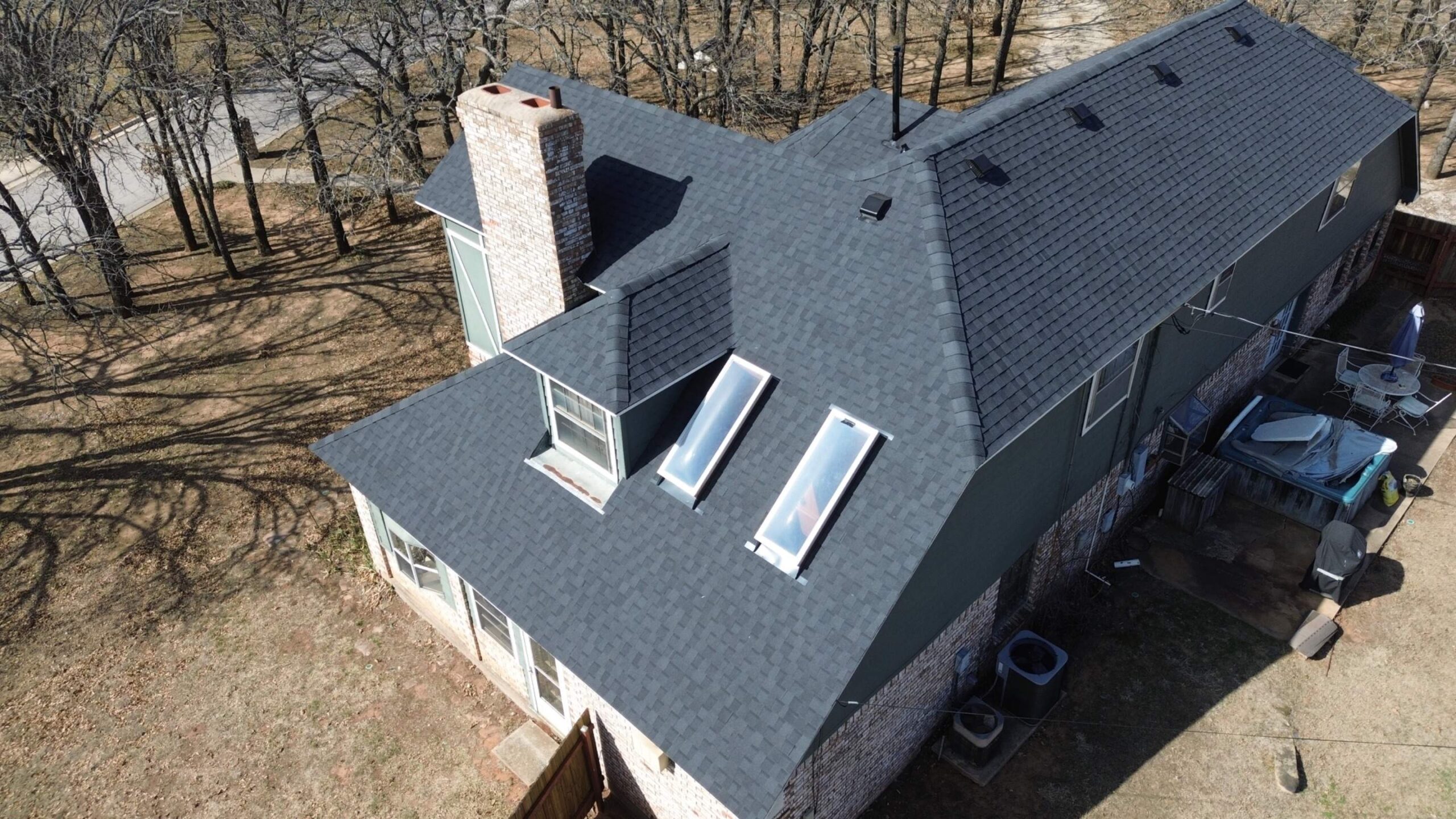
The roof is part of the building envelope, meaning it separates the conditioned interior from outdoor environmental conditions. Because of its location and large surface area, it can have a substantial influence on heat movement between the inside and outside of a home.
During summer, solar radiation strikes the roof and heats its surface. Dark or highly absorptive materials can become considerably hotter than the surrounding air. Some of this heat can move through the roofing assembly into the attic and eventually affect the rooms below.
When an attic becomes excessively hot, the cooling system may need to operate for longer periods to maintain the desired indoor temperature. This additional workload can contribute to higher electricity consumption, particularly during extended periods of hot weather. Improving the thermal performance of the roof and attic can help reduce unnecessary heat transfer.
Winter presents a different challenge. Instead of preventing outdoor heat from entering, the roofing assembly needs to help retain heat generated inside the home. Poor insulation, gaps, and air leakage can allow warm indoor air to move into colder parts of the building assembly.
A properly insulated and sealed roof can reduce this unwanted movement of heat. The result can be a more stable indoor temperature and less dependence on heating equipment. The exact energy savings will depend on factors such as climate, home size, HVAC efficiency, insulation levels, occupant behavior, and the existing condition of the building.
The attic is particularly important because it sits directly below many residential roof structures. If the attic is poorly insulated, extremely hot in summer, or affected by uncontrolled air movement, improving the roofing surface alone may not solve the home’s energy problems.
For this reason, homeowners evaluating energy efficiency should look beyond visible shingles, tiles, or metal panels. The performance of the entire roof assembly matters, including what is installed underneath the visible roofing material.
Key Components of an Energy-Efficient Roofing System
An energy-efficient residential roofing system depends on several components working together. Changing one component while ignoring major weaknesses elsewhere may produce limited results. A balanced approach considers the roof covering, insulation, ventilation, air sealing, moisture control, and installation quality.
Reflective Roofing Materials
Roofing materials influence how much solar energy is reflected and absorbed by the roof surface. Some products are specifically designed to improve solar reflectance, helping the roof remain cooler when exposed to strong sunlight.
Reflective shingles, coated metal roofing, certain tile products, and specialized roof coatings can all be used in appropriate applications. Their effectiveness depends on the specific product, installation method, roof design, and local environmental conditions.
Proper Roof Insulation
Insulation slows the movement of heat between areas with different temperatures. In a residential roof assembly, properly installed insulation can help prevent excessive outdoor heat from reaching conditioned areas during summer and reduce indoor heat loss during colder periods.
The location and type of insulation should match the home’s construction. Some homes use insulation at the attic floor, while other designs place insulation along the roofline. The correct approach depends on factors such as attic use, ventilation strategy, moisture control, and the overall building design.
Attic Ventilation
Ventilation helps manage heat and moisture within an attic space. A properly designed ventilation system generally allows outdoor air to enter through intake openings and leave through exhaust openings.
Good ventilation can help reduce excessive heat and moisture accumulation, but ventilation should not be treated as a substitute for insulation or air sealing. Poorly balanced ventilation can also reduce performance, especially when insulation blocks intended airflow paths.
Underlayment and Moisture Protection
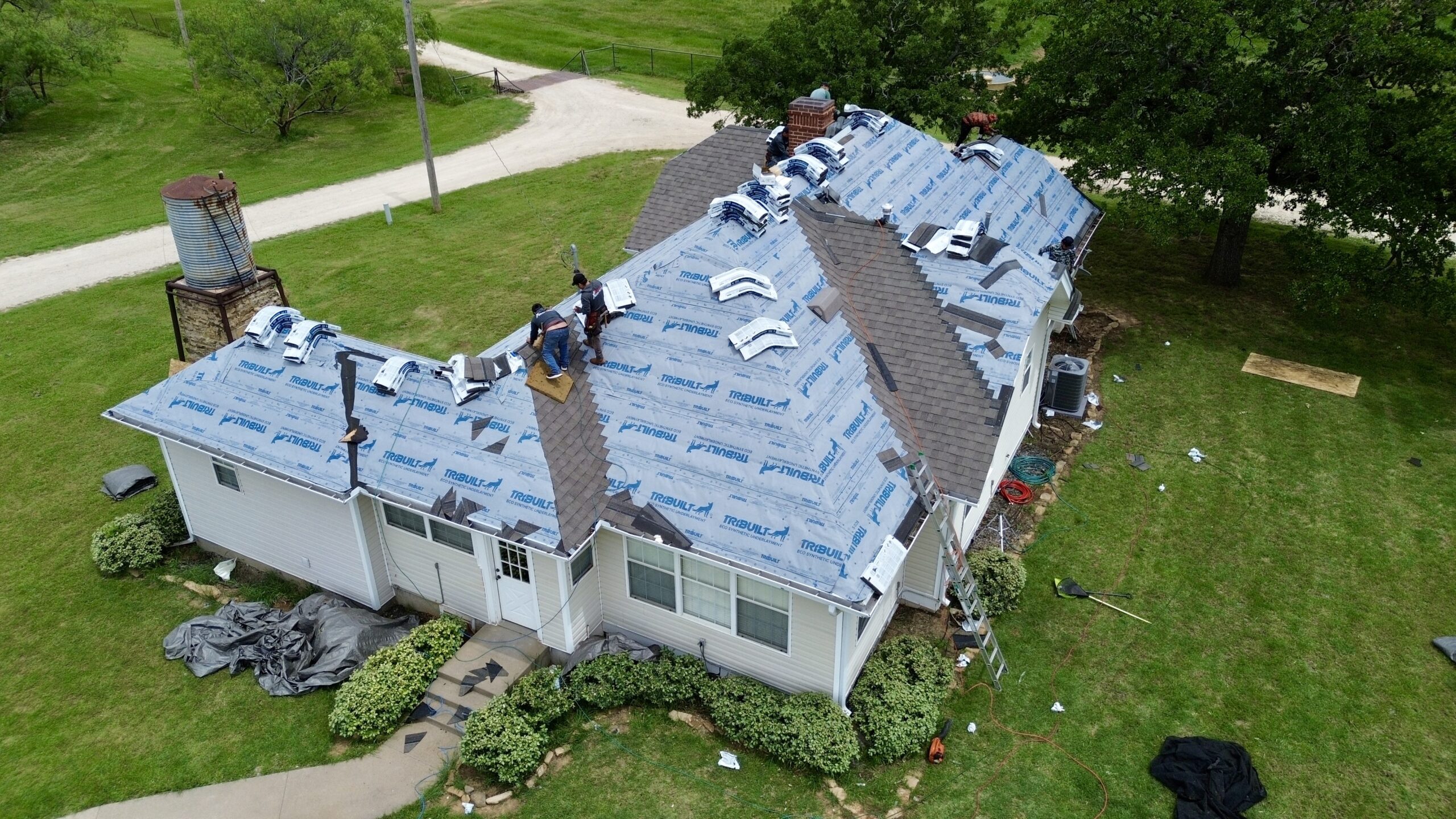
The visible roof covering is only one part of the roofing system. Underlayment provides an additional protective layer beneath shingles, tiles, or other roof coverings and can help protect the structure from moisture that gets beneath the primary roofing material.
Moisture control is closely connected to energy efficiency because wet insulation can lose effectiveness and moisture problems can damage building materials. A properly designed roof therefore needs to manage both heat and water.
Air Sealing and Thermal Control
Air movement through gaps and penetrations can carry heat and moisture into areas where they do not belong. Common leakage locations can include openings around pipes, electrical components, ducts, recessed fixtures, attic access points, and other penetrations.
Sealing appropriate gaps can improve the performance of insulation and reduce uncontrolled air movement. This is particularly important when the attic is directly connected to conditioned areas through small openings or poorly sealed transitions.
Cool Roofing Materials and Their Benefits
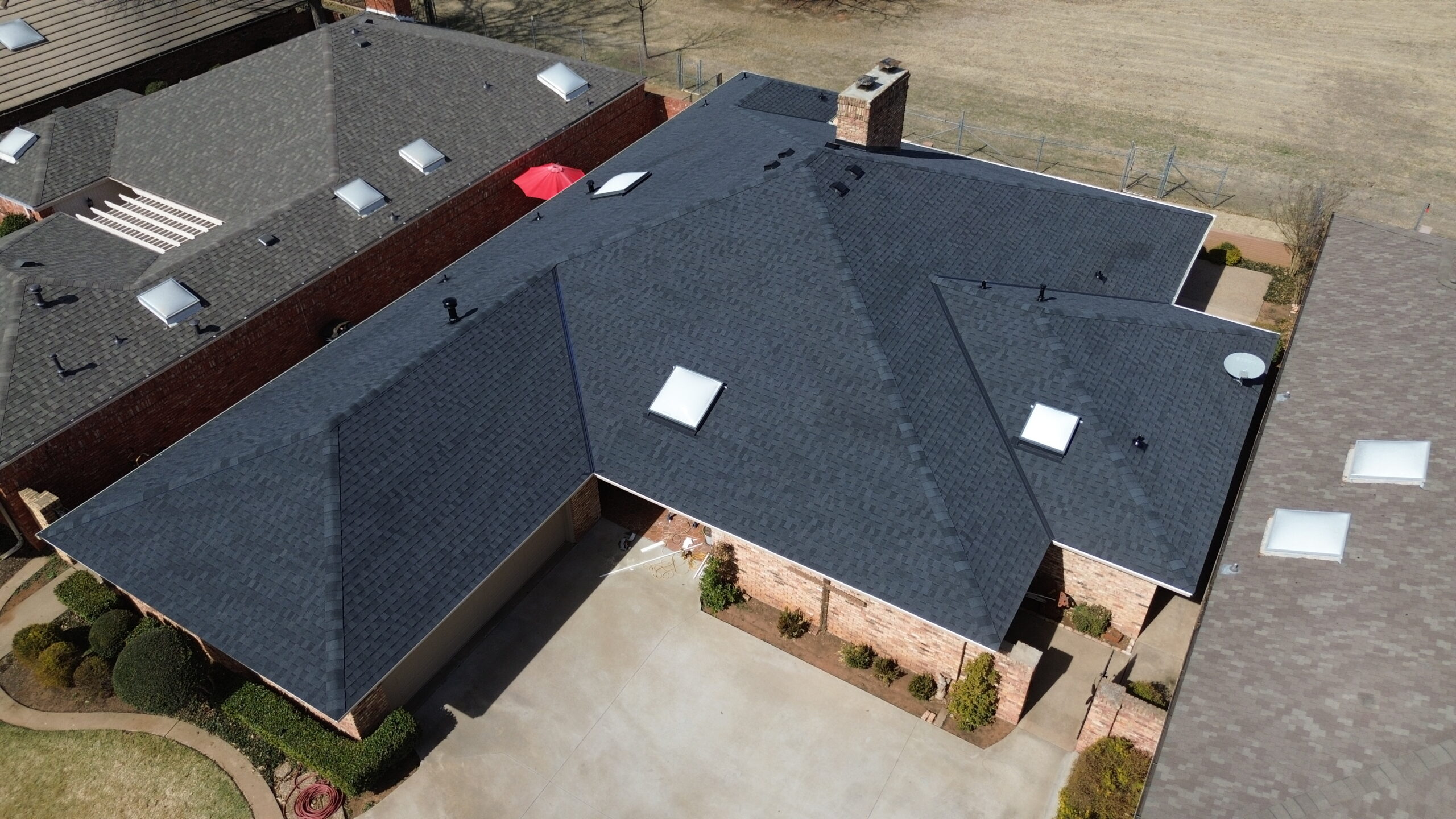
Cool roofing is an approach that focuses on reducing the amount of solar heat absorbed by a roof. These roofing products generally use surfaces with higher solar reflectance and appropriate thermal emittance. Their main purpose is to keep the roof surface cooler under sunlight and reduce heat transfer into the building.
One common cool roofing option is reflective roofing material. Depending on the product, reflective surfaces can be incorporated into shingles, metal panels, membranes, coatings, or other roofing systems. The best option depends on the roof design, climate, appearance requirements, and budget.
Asphalt shingles are widely used in residential construction and are available in different colors and formulations. Some manufacturers offer shingles designed with reflective properties that can provide improved solar performance compared with conventional products.
Metal roofing can also provide useful energy-efficiency characteristics. Metal surfaces can be manufactured with reflective finishes, and certain systems can be designed with coatings that improve solar performance. When installed as part of a properly insulated and ventilated roof assembly, metal roofing can contribute to effective heat management.
Roof coatings may be suitable for certain roof types and can sometimes be applied to improve reflectivity. However, coatings are not appropriate for every residential roofing material or situation. The existing roof condition, product compatibility, installation requirements, and expected service life should all be considered before applying a coating.
Tile roofing can also perform well in suitable climates. Clay and concrete tiles can provide useful thermal characteristics, and the design of the roof assembly can create additional opportunities for air movement beneath the tiles. Their weight and installation requirements, however, mean that structural considerations should be evaluated before installation.
The performance of a roofing material should not be judged by color alone. Solar reflectance and thermal emittance provide a more meaningful way to understand how a roof handles solar energy. Homeowners should review product specifications and consider the complete roofing assembly rather than relying solely on visual appearance.
Roof Color and Energy Efficiency
Roof color can influence solar heat absorption, particularly when the roof receives significant direct sunlight. Dark surfaces generally absorb more solar radiation than lighter surfaces, while lighter and more reflective surfaces can reflect a greater portion of incoming sunlight.
This difference can become especially noticeable in hot climates where cooling is required for long periods. A highly absorptive roof can become very hot during the day, increasing the amount of heat that may be transferred into the roofing assembly and attic.
However, choosing a roof color should not be based entirely on whether it is light or dark. Modern roofing products can incorporate reflective technologies that improve solar performance without limiting homeowners to a narrow range of colors.
The impact of roof color also depends on other parts of the building. A well-insulated and properly ventilated attic can reduce the amount of roof heat that reaches the living space. As a result, two homes with similarly colored roofs may perform differently because their insulation, ventilation, air sealing, and roofing materials differ.
Homeowners should also consider the climate when selecting a roof color. In regions with long, hot summers, solar reflectance can be particularly valuable. In colder regions, other factors such as insulation, air sealing, snow conditions, and heating requirements may play a larger role in overall roof performance.
Appearance remains an important consideration because a roof is a major visual element of a home. Fortunately, energy-conscious homeowners do not necessarily have to sacrifice aesthetics. Many modern roofing products offer multiple colors and styles while also providing improved thermal performance.
Before choosing a roof color, homeowners should look at the product’s technical specifications rather than assuming that a particular shade will automatically provide better energy efficiency. The material’s reflective properties, insulation, ventilation, installation quality, and local climate all contribute to the final result.
Understanding these factors provides a foundation for evaluating a complete energy-efficient roofing system. The next stage is to examine the insulation, attic ventilation, material choices, and climate-specific considerations that determine how effectively the roof performs throughout the year.
Roofing Insulation and Thermal Performance
Roofing insulation is one of the most important parts of an energy-efficient residential roofing system. While the roof covering helps manage exposure to sunlight, rain, and wind, insulation helps slow the movement of heat between the interior of the home and the outdoor environment. Without adequate insulation, even a high-quality roofing material may not deliver its full energy-efficiency potential.
During summer, insulation helps limit the amount of heat moving from a hot attic or roof assembly toward the conditioned rooms below. During winter, it helps retain heat inside the home and reduces the amount of energy needed to maintain comfortable indoor temperatures. The effectiveness of insulation depends on its type, thickness, installation quality, and whether gaps or compressed areas are present.
Common insulation materials include fiberglass, mineral wool, cellulose, and spray foam. Each material has different characteristics, installation requirements, and performance considerations. The most suitable option depends on the home’s construction, local climate, attic configuration, budget, and desired level of thermal performance.
One important consideration is continuity. Insulation should form a reasonably continuous thermal barrier across the areas where heat transfer needs to be controlled. Missing sections, gaps, compression, or poorly fitted insulation can create weak points where heat moves more easily.
Insulation also needs to work correctly with the ventilation strategy. In a vented attic, insulation is commonly installed at the attic floor while ventilation channels are maintained near the roof edges. Blocking these airflow pathways can interfere with ventilation and may contribute to moisture or heat-management problems.
Homeowners should also understand the difference between insulation and air sealing. Insulation slows heat transfer, while air sealing helps control uncontrolled air movement through gaps and openings. A roof assembly can have substantial insulation but still perform poorly if warm or conditioned air moves freely through unsealed openings.
For this reason, an energy-efficiency improvement project should evaluate insulation and air leakage together. Improving both can create a more effective thermal boundary and help the home maintain more consistent temperatures.
The Importance of Proper Attic Ventilation
Attic ventilation is another important part of residential roofing performance. A properly designed ventilation system helps move air through the attic and can reduce the accumulation of excessive heat and moisture. This is particularly important in homes exposed to strong sunlight or humid weather.
A typical vented attic uses a combination of intake and exhaust ventilation. Intake vents allow outdoor air to enter the attic, often near the lower edge of the roof, while exhaust vents allow warmer or moisture-laden air to leave through higher points.
The goal is to create a balanced airflow path rather than simply adding as many vents as possible. If intake ventilation is restricted, exhaust vents may not receive enough replacement air. Similarly, poorly positioned or improperly installed vents may not provide the expected airflow.
Soffit vents are commonly used as intake openings. Ridge vents, box vents, turbine vents, and other exhaust systems may be used depending on the roof design. The appropriate combination depends on the structure, roof geometry, local requirements, and ventilation strategy.
Ventilation can help reduce attic temperatures, but it should not be considered a replacement for insulation. A well-ventilated attic can still transfer substantial heat into the home if the insulation separating the attic from the living space is inadequate.
Moisture control is another major reason ventilation matters. Indoor activities such as cooking, bathing, and washing can introduce moisture into the air. If moisture enters an attic and cannot escape properly, it may contribute to condensation and deterioration of building materials.
Ventilation systems should therefore be designed as part of the complete roof assembly. Insulation, air sealing, ventilation, and moisture management need to work together instead of being treated as separate improvements.
Energy-Efficient Roofing Materials Compared
The roofing material selected for a home can influence durability, maintenance requirements, appearance, and thermal performance. There is no single material that is automatically the most energy efficient for every property. Climate, roof design, installation quality, insulation, and the homeowner’s priorities all affect the final choice.
Asphalt Shingles
Asphalt shingles remain one of the most common residential roofing materials. They are available in a wide range of colors, styles, and price points, making them suitable for many different home designs.
Modern asphalt shingles can include options designed to provide improved solar reflectance. These products can help reduce solar heat absorption while maintaining the familiar appearance many homeowners prefer.
The overall performance of an asphalt shingle roof still depends heavily on the underlying assembly. Proper ventilation, insulation, flashing, underlayment, and installation are necessary for the roof to perform effectively over time.
Metal Roofing
Metal roofing is another option that can provide strong long-term performance when correctly selected and installed. Metal can be manufactured with reflective finishes that reduce solar heat absorption, and some systems can be designed to support improved thermal performance.
Metal roofs are also available in many colors and profiles. Their durability can make them attractive to homeowners who want a long-lasting roofing system rather than a short-term solution.
However, metal roofing should not automatically be considered energy efficient simply because it is metal. The surface finish, insulation, roof assembly, ventilation, and installation details all influence how the system performs.
Clay and Concrete Tiles
Clay and concrete tiles can provide useful thermal characteristics, particularly when used in appropriate climates. Their shape and installation can create air spaces beneath the tiles, while their mass can influence how heat moves through the roofing assembly.
These materials are often associated with warm-climate architecture and can provide a distinctive appearance. They can also offer durability when installed correctly and maintained appropriately.
Their weight is an important consideration. Before choosing a tile roof, the structure should be evaluated to ensure it can safely support the proposed roofing system.
Synthetic Roofing Materials
Synthetic roofing products are manufactured to replicate the appearance of materials such as slate or wood while offering different performance and maintenance characteristics. Some products may include features that support improved energy efficiency.
Their performance varies considerably between products. Homeowners should review manufacturer specifications and consider solar reflectance, durability, thermal characteristics, installation requirements, and expected service life.
Green Roofing Systems
Green roofs incorporate vegetation and growing media into the roofing system. They are more commonly associated with certain building designs and climates rather than conventional detached residential homes, but they can provide useful environmental and thermal benefits when properly designed.
Vegetation and growing media can help reduce direct solar exposure and influence the temperature of the roof surface. They can also provide stormwater management benefits in suitable applications.
Because green roofs require structural support, waterproofing, drainage, vegetation management, and specialized installation, they are not suitable for every residential property. They should be considered as a complete roofing system rather than simply adding plants to an existing roof.
Weather and Climate Considerations
Climate should be one of the first factors considered when selecting an energy-efficient roofing system. A roof that performs well in a hot, dry region may require different characteristics from one installed in a cold or wet environment.
In hot climates, reducing solar heat gain is often a major priority. Reflective roofing materials, appropriate insulation, effective attic ventilation, and light or reflective roof surfaces can help manage the amount of heat entering the home.
In cold climates, retaining indoor heat becomes more important. Strong insulation and air sealing can reduce heat loss, while the roofing system must also be able to handle conditions such as snow, ice, freezing temperatures, and repeated temperature changes.
Humid climates create additional concerns because moisture management becomes especially important. Roofing systems need effective drainage, reliable flashing, appropriate ventilation where applicable, and materials capable of handling prolonged exposure to moisture.
Rainy regions also require careful attention to roof slope and drainage. Water should be directed away from vulnerable areas rather than allowed to remain on the roof for extended periods. Properly installed flashing around chimneys, skylights, vents, walls, and other penetrations can help reduce the risk of water intrusion.
Wind exposure is another consideration. Roofing materials and installation methods should be selected according to the expected environmental conditions. Strong winds can damage poorly secured materials and create openings through which water can enter.
Local building requirements should also be considered before selecting materials or changing a roofing assembly. Roofing professionals can help homeowners identify appropriate products and installation methods for the local climate and structure.
Solar Panels and Energy-Efficient Roofing
Solar panels and energy-efficient roofing can complement each other when they are planned together. A roof with good solar exposure may provide an effective location for photovoltaic panels, but the roof’s condition should be evaluated before installation.
Installing solar panels on an aging roof can create complications later. If the roof needs replacement soon after the solar system is installed, the panels may need to be removed and reinstalled, increasing the cost and complexity of the project.
For this reason, homeowners considering both solar energy and roof replacement should evaluate the expected service life of the roofing system. Installing a durable roof before adding solar panels may help avoid unnecessary future work.
Roof structure is another consideration. Solar panels and their mounting equipment add weight and create attachment points that need to be properly integrated with the roofing system. The structure and attachment method should be evaluated by qualified professionals.
The roof’s orientation and available sunlight also influence solar performance. Areas shaded by nearby buildings, trees, or other structures may receive less solar exposure. Roof sections with suitable orientation and minimal shading are generally more attractive for solar installations.
Water management around solar mounting points is especially important. Penetrations must be properly sealed and flashed to reduce the risk of leaks. Poor installation can compromise an otherwise well-performing roof.
Solar panels can reduce reliance on grid electricity by generating power from sunlight, while an energy-efficient roof can reduce the amount of electricity needed for heating and cooling. Together, these improvements can contribute to a more efficient home energy strategy.
Roofing Design and Installation Factors
Energy efficiency depends not only on materials but also on the design and installation of the roofing system. Even high-performance products can provide disappointing results when they are installed incorrectly or combined with unsuitable components.
Roof pitch can influence drainage, material selection, ventilation, and solar exposure. Steeper roofs may move water and snow differently from low-slope roofs, while roof orientation can influence the amount of sunlight received throughout the day.
Roof penetrations require particular attention. Plumbing vents, chimneys, skylights, exhaust fans, and other openings create areas where the roofing system is interrupted. These locations need appropriate flashing and sealing to prevent water intrusion and uncontrolled air movement.
Flashing is especially important around roof-to-wall transitions and other vulnerable locations. Correctly installed flashing directs water away from joints and openings instead of allowing it to enter the underlying structure.
Installation quality also affects the expected lifespan of roofing materials. Incorrect fastening, poor alignment, inadequate sealing, damaged materials, or improper ventilation details can reduce performance and create problems that may become expensive to repair.
An energy-efficient roof therefore requires more than purchasing a high-performance product. The complete system should be designed and installed so that each component supports the others.
Maintenance and Long-Term Energy Efficiency
A roof’s energy performance can change as the system ages. Damaged shingles, deteriorated flashing, blocked ventilation openings, moisture problems, and declining insulation performance can all reduce the effectiveness of an otherwise well-designed roofing system.
Regular inspections can help identify developing problems before they become more serious. Homeowners should pay attention to visible signs of roof damage, attic moisture, unusual indoor temperature changes, and areas where insulation appears damaged or displaced.
Ventilation openings should also remain functional. Leaves, dust, debris, insects, and other obstructions can restrict airflow through intake or exhaust vents. Keeping these components clear can help maintain the intended ventilation pathway.
Attic insulation should be checked when there are signs of thermal problems. Uneven temperatures between rooms, unusually hot ceilings, excessive winter heat loss, or high heating and cooling demand can sometimes indicate weaknesses in the insulation or air barrier.
Roof maintenance should also include attention to drainage. Gutters, downspouts, roof valleys, and drainage paths should be kept functional so that rainwater can move away from the roof efficiently.
Repairs should be completed promptly when damage is identified. A small roofing problem can eventually allow moisture into insulation or structural materials, creating issues that affect both durability and energy performance.
Long-term efficiency is therefore an ongoing process. The best roofing system will still require appropriate inspections, maintenance, repairs, and eventual replacement when its useful service life comes to an end.
Evaluating the Complete Roofing System
The most effective approach to residential roofing efficiency is to evaluate the roof as a complete system rather than focusing on one material or feature. The visible roof covering, insulation, ventilation, air sealing, moisture control, and installation details all contribute to overall performance.
Homeowners planning improvements should consider how each change affects the other components. For example, adding insulation without considering existing ventilation can create problems if airflow pathways become blocked. Similarly, replacing roof materials without addressing major air leaks may leave important sources of energy loss unresolved.
A professional roofing assessment can help identify weaknesses in the existing system. Depending on the property, the assessment may consider roof condition, attic insulation, ventilation, flashing, drainage, moisture indicators, and the suitability of the existing roofing material.
The goal is not simply to install the most expensive roofing product available. Instead, homeowners should look for a balanced system that provides appropriate thermal performance, durability, weather resistance, and value for the specific property.
By understanding these connected components, homeowners can make better decisions about roofing improvements and avoid treating energy efficiency as a single-product purchase. The next step is to consider how homeowners can select, budget for, and maintain an energy-efficient roofing system while avoiding common mistakes that reduce its long-term benefits.
Choosing the Right Energy-Efficient Roofing System
Choosing an energy-efficient roofing system requires more than selecting a roofing material with a high-performance label. Homeowners need to consider the local climate, roof design, insulation, ventilation, existing roof condition, budget, and expected lifespan. The best solution is one that works as a complete system and addresses the home’s specific energy and weather-related requirements.
Climate should be one of the first considerations because roofing performance can vary depending on environmental conditions. Homes in hot regions may benefit from reflective surfaces and strong heat-control measures, while homes in colder areas may place greater emphasis on insulation and air sealing. Humid and rainy locations also require careful moisture management to prevent water intrusion and condensation problems.
The existing roof should be inspected before any major improvement is planned. If the roofing material is severely deteriorated, damaged, or near the end of its useful life, replacing it may make more sense than investing heavily in temporary improvements. If the roof remains structurally sound, improvements such as insulation, ventilation, air sealing, or reflective treatments may provide useful performance benefits.
Homeowners should also consider how long they plan to remain in the property. A higher-quality roofing system may have a greater upfront cost but can provide benefits through durability, reduced maintenance, improved comfort, and potentially lower energy consumption over many years.
Working with a qualified roofing professional can help identify the most appropriate combination of materials and improvements. A professional can evaluate roof condition, ventilation, insulation, drainage, flashing, and installation requirements before recommending a solution.
Cost Factors and Potential Energy Savings
The cost of an energy-efficient roofing system depends on several factors, including roof size, material selection, labor, roof complexity, insulation requirements, ventilation improvements, and the condition of the existing roof. Additional features such as skylights, chimneys, solar panels, and complex roof angles can also increase installation requirements.
Energy efficiency should be viewed as a long-term investment rather than a decision based only on the initial installation price. A lower-cost roofing material may have a shorter service life or require more maintenance, while a higher-quality system may provide greater durability and better thermal performance over time.
Potential energy savings also depend on the condition of the home before improvements are made. A house with poor insulation, significant air leakage, and an overheated attic may have more opportunities for improvement than a home that already has a well-insulated and properly ventilated roofing system.
It is important to avoid promising a specific amount of energy savings without evaluating the property. Energy consumption is affected by HVAC equipment, windows, doors, wall insulation, occupancy patterns, weather, thermostat settings, and many other factors beyond the roof.
A better approach is to consider the complete value of the roofing system. Homeowners can compare expected service life, maintenance requirements, comfort improvements, durability, weather protection, and potential energy benefits alongside the initial cost.
Common Mistakes Homeowners Should Avoid
One common mistake is choosing roofing materials based almost entirely on appearance. Color and style are important because the roof contributes significantly to a home’s exterior, but appearance alone does not determine thermal performance. Homeowners should also review the material’s reflective properties, durability, installation requirements, and compatibility with the existing roof assembly.
Another mistake is focusing on the roof surface while ignoring the attic. A new roof covering may improve solar performance, but inadequate insulation or uncontrolled air leakage can continue to reduce the home’s energy efficiency.
Blocking ventilation pathways is another problem that can occur during insulation improvements. Insulation should be installed in a way that maintains the intended airflow paths in a vented attic, allowing the ventilation system to operate properly.
Improper installation can also reduce the benefits of energy-efficient materials. Even high-quality roofing products can develop problems when fasteners, flashing, underlayment, ventilation components, or roof penetrations are installed incorrectly.
Homeowners should also avoid delaying necessary repairs. A small leak or damaged section can allow moisture to enter the roof assembly, potentially affecting insulation and structural materials. Addressing problems early can help preserve both roof performance and the condition of the home.
Finally, homeowners should be cautious about selecting products solely because they are marketed as energy efficient. A product’s actual performance depends on the entire roofing assembly and how it is installed. Reviewing technical specifications and discussing the application with a qualified professional can provide a more realistic understanding of expected performance.
Signs Your Current Roof May Be Energy Inefficient
An inefficient roof does not always show obvious visible damage. Sometimes the first signs appear inside the home through temperature changes, increased HVAC use, or unusual attic conditions.
One possible sign is excessive heat in upper rooms during summer. If bedrooms or other spaces directly below the roof become significantly hotter than the rest of the home, the attic insulation, ventilation, roof surface, or air barrier may require evaluation.
Uneven indoor temperatures can also indicate problems with the building envelope. When some rooms remain comfortable while others become unusually hot or cold, weak insulation areas or uncontrolled air movement may be contributing to the difference.
Higher-than-expected heating or cooling demand can be another warning sign. Energy consumption is influenced by many factors, so high utility bills do not automatically mean the roof is responsible. However, when high energy use occurs alongside attic heat, poor insulation, or noticeable temperature problems, the roofing assembly may deserve closer inspection.
A very hot attic during summer can also indicate inadequate thermal protection or ventilation. Attic temperature alone does not establish that a roof is defective, but unusually high heat combined with other performance issues can justify further evaluation.
Visible deterioration is another reason to inspect the roof. Missing or damaged shingles, cracked tiles, deteriorated flashing, exposed underlayment, moisture staining, and damaged ventilation components can affect both weather protection and the long-term performance of the roofing system.
Practical Ways to Improve an Existing Roof
Not every home needs a complete roof replacement to become more energy efficient. Depending on the roof’s age and condition, targeted improvements may provide useful benefits while extending the performance of the existing system.
Improve Attic Insulation
Increasing inadequate insulation can reduce heat transfer between the attic and living areas. Before adding insulation, existing conditions should be assessed to identify moisture problems, air leaks, damaged insulation, or blocked ventilation pathways.
Improving insulation can be especially useful when indoor temperatures fluctuate significantly. A continuous and properly installed insulation layer can help the HVAC system maintain desired temperatures more consistently.
Improve Attic Ventilation
If the attic ventilation system is inadequate or obstructed, improvements may help manage heat and moisture. Intake and exhaust ventilation should be evaluated as a complete system rather than adding individual vents without considering airflow balance.
Ventilation improvements should be compatible with the roof’s design and local requirements. A professional can help determine whether existing soffit, ridge, gable, or other ventilation components are functioning as intended.
Use Reflective Roofing Products Where Appropriate
Reflective coatings or roofing products can sometimes reduce solar heat absorption. Their suitability depends on the existing roof material, condition, climate, and product requirements.
Coatings should not be used to hide serious roof deterioration. If the existing roof has significant leaks, structural problems, or extensive material failure, a more comprehensive repair or replacement may be necessary.
Seal Uncontrolled Air Leaks
Air leaks around attic penetrations can reduce the effectiveness of insulation. Sealing suitable openings around pipes, ducts, wiring, attic access points, and other penetrations can help strengthen the home’s thermal boundary.
Air sealing should be completed carefully because some openings may require specific treatment for safety, moisture, or ventilation reasons. The objective is to control unintended air movement without interfering with components that require airflow.
Repair Damaged Roofing Components
Small roofing problems should be addressed before they develop into larger failures. Damaged shingles, cracked tiles, deteriorated flashing, blocked drainage paths, and defective seals can allow moisture into the roofing assembly.
Prompt repairs can protect insulation and structural materials from moisture damage. Maintaining the roof also helps preserve the performance benefits of energy-efficient improvements already made.
Consider Replacement When the Roof Has Reached the End of Its Service Life
If a roof is severely aged or repeatedly requires repairs, replacement may provide a better long-term solution. A replacement project creates an opportunity to improve roofing materials, insulation, ventilation, flashing, and other components at the same time.
Homeowners should use this opportunity to evaluate the entire system rather than simply replacing the visible roof covering. Coordinating multiple improvements during a replacement can help create a more consistent and effective roofing assembly.
Energy-Efficient Roofing and Home Comfort
Energy efficiency is not only about utility costs. A properly designed roofing system can also contribute to a more comfortable living environment by reducing unwanted temperature changes.
During hot weather, controlling solar heat gain can help prevent excessive heat from reaching the attic and upper areas of the home. When combined with effective insulation and air sealing, this can support more stable indoor temperatures.
During colder weather, insulation and air sealing can help reduce heat loss through the upper part of the home. This may make it easier for heating equipment to maintain a comfortable indoor environment.
Better temperature consistency can also reduce the difference between rooms. While many factors affect room-to-room temperature variation, improving weak areas of the building envelope can help address some sources of unwanted heat transfer.
A comfortable home should also have appropriate moisture control. Roofing, ventilation, insulation, and air sealing need to work together to reduce the risk of condensation and moisture-related deterioration.
The result is a roofing system that contributes to overall building performance rather than simply serving as an exterior protective layer.
Long-Term Benefits of Energy-Efficient Roofing
An energy-efficient roofing system can provide benefits that extend beyond immediate improvements in temperature control. Properly selected materials and well-executed installation can support long-term durability and reduce the likelihood of certain maintenance problems.
One important benefit is improved thermal performance. By controlling heat transfer through the roof and attic, an efficient system can help reduce unnecessary heating and cooling demand. The actual impact will vary depending on the home’s existing condition and other energy-related factors.
Another benefit is improved indoor comfort. Better insulation, air sealing, and heat management can help create more stable temperatures throughout the home. This can be particularly valuable in rooms located directly beneath the roof.
Durability is also an important part of efficiency. A roofing system that is properly installed and maintained is more likely to protect the structure from moisture and weather exposure over its expected service life.
Energy-efficient roofing can also support broader home improvement goals. When combined with efficient windows, HVAC equipment, insulation, lighting, appliances, and renewable energy systems, roofing improvements can become part of a more comprehensive strategy for reducing household energy demand.
The long-term value of a roofing project should therefore be measured through several factors rather than energy savings alone. Comfort, durability, maintenance, weather protection, appearance, and expected service life can all contribute to the overall value of the investment.
Comparing Key Energy-Efficiency Considerations
| Roofing consideration | How it supports efficiency | Important factor to evaluate |
|---|---|---|
| Reflective roofing | Reduces solar heat absorption | Climate and roof exposure |
| Roof insulation | Slows heat transfer | Insulation level and installation quality |
| Attic ventilation | Helps manage attic heat and moisture | Balanced intake and exhaust airflow |
| Air sealing | Limits uncontrolled air movement | Penetrations and attic access points |
| Underlayment | Supports moisture protection | Material compatibility and installation |
| Roof color | Can influence solar absorption | Reflectance and local climate |
| Metal roofing | Can provide reflective and durable options | Finish, insulation, and assembly |
| Tile roofing | Can provide thermal and durability benefits | Weight, climate, and structure |
This comparison shows why no single feature determines whether a residential roof is energy efficient. The strongest results generally come from combining suitable materials with proper insulation, ventilation, air sealing, moisture management, and installation.
Building a More Efficient Roofing Strategy
Homeowners who want to improve roofing efficiency should begin by understanding the current condition of the roof and attic. A professional inspection can help identify areas where heat transfer, air leakage, moisture, or material deterioration may be affecting performance.
The next step is to prioritize improvements based on the home’s actual needs. A property with a relatively new roof may benefit more from insulation and air sealing, while an aging roof may be a better candidate for complete replacement with an upgraded roofing assembly.
Budget should also be considered carefully. Energy-efficient improvements do not always require choosing the most expensive materials available. A balanced solution can combine practical roofing products with improvements that address the home’s biggest sources of heat transfer.
Homeowners should also consider future plans. If solar panels, attic renovations, HVAC upgrades, or other major projects are planned, roofing improvements may need to be coordinated with those projects.
A well-planned roofing strategy should ultimately provide protection, thermal performance, durability, and value. The goal is to create a system that performs effectively under the weather conditions the home experiences while supporting comfortable indoor temperatures throughout the year.
Conclusion
Energy-efficient residential roofing is best understood as a complete system rather than a single roofing material. The roof covering, insulation, ventilation, air sealing, underlayment, flashing, drainage, and installation quality all influence how effectively a home manages heat and moisture.
Choosing reflective roofing materials can help reduce solar heat absorption in suitable climates, while properly installed insulation can slow unwanted heat transfer. Attic ventilation can help manage heat and moisture, and effective air sealing can reduce uncontrolled movement of conditioned air through gaps and penetrations.
Climate should always be considered when selecting an energy-efficient roofing solution. Hot regions may benefit from stronger solar heat control, while colder climates often require greater attention to insulation and heat retention. Humid and rainy environments also require careful moisture management to protect the roofing assembly and the home beneath it.
Homeowners should also remember that energy efficiency does not depend solely on replacing the roof. Improving insulation, ventilation, air sealing, and maintenance can sometimes provide meaningful benefits without a complete replacement. When a roof has reached the end of its useful life, however, replacement provides an opportunity to upgrade the entire roofing system.
The most effective approach is to evaluate the home’s existing conditions, identify the biggest sources of energy loss or heat gain, and select improvements that work together. With thoughtful material selection, proper installation, regular maintenance, and attention to the home’s climate, an energy-efficient roofing system can support better comfort, durability, and long-term residential performance.