
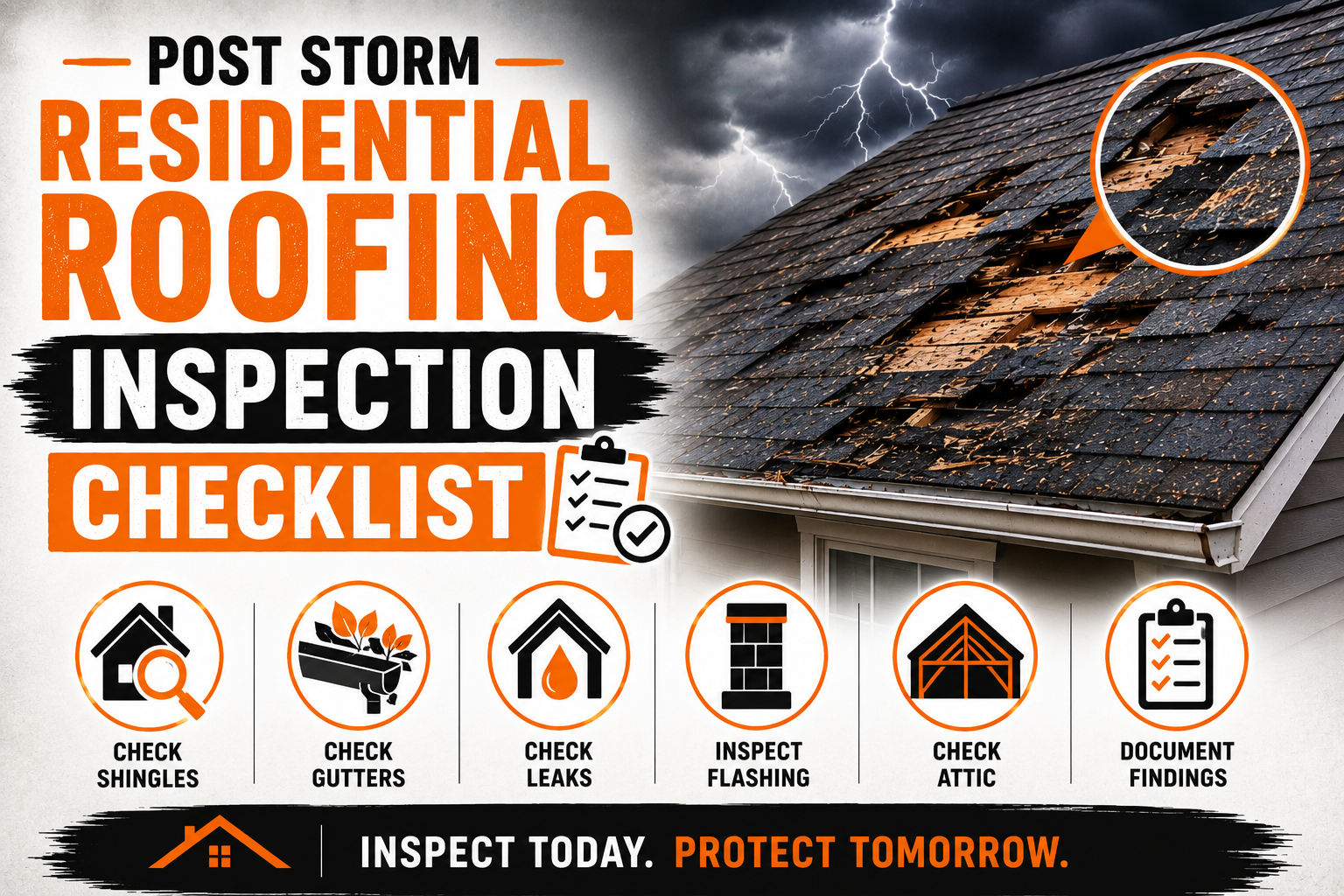
Post Storm Residential Roofing Inspection Checklist
Introduction
Severe weather can affect a residential roofing system in ways that are not always visible immediately after a storm. Strong winds, hail, heavy rainfall, lightning, fallen branches, and flying debris can damage shingles, tiles, flashing, gutters, roof edges, and underlying structural components. Some problems may appear obvious, while others can remain hidden until water enters the home or roofing materials begin to deteriorate.
A post-storm residential roofing inspection helps homeowners identify potential problems before minor damage develops into a more expensive repair. Checking the roof soon after severe weather can also help establish when damage occurred and provide useful information for maintenance, professional repairs, or an insurance claim.
Homeowners should never place themselves in danger simply to inspect a roof. Wet surfaces, loose roofing materials, damaged structures, fallen trees, and electrical hazards can make post-storm conditions particularly dangerous. A ground-level inspection is often the safest first step, followed by a professional roof inspection when damage is suspected.
The goal of a post-storm inspection is not simply to look for missing shingles. A complete evaluation considers the roofing surface, roof edges, drainage components, flashing, penetrations, attic, ceilings, walls, and other areas that may reveal signs of storm-related problems. Understanding what to check can help homeowners respond more effectively after severe weather.
Why a Post-Storm Roof Inspection Is Important
Storm damage can compromise the protective function of a residential roof even when the roof still looks relatively normal from the ground. A few displaced shingles or damaged flashing components can create openings through which rainwater enters the roofing system. If these problems remain unnoticed, moisture can gradually affect insulation, decking, framing, ceilings, and interior finishes.
Wind is one of the most common causes of storm-related roofing damage. Strong gusts can lift shingle edges, loosen fasteners, remove individual shingles, or affect larger sections of the roof. Wind can also damage ridge caps, flashing, vents, gutters, and roof edges, especially when the storm produces sudden changes in wind direction.
Hail can create a different type of damage. Repeated impacts may bruise or fracture roofing materials, remove protective granules from asphalt shingles, crack tiles, or dent metal components. Some hail damage can be difficult to identify without a close professional inspection, particularly when marks are subtle.
Heavy rainfall can expose weaknesses created by wind or impact. If storm damage opens a pathway through the roofing system, water can enter the attic and travel along structural materials before appearing inside the home. This means that an interior leak may not be located directly below the exterior point of damage.
Fallen branches and other debris can cause concentrated impact damage. A branch can break shingles, puncture the roof deck, damage gutters, or affect flashing around roof penetrations. Larger objects may create structural damage that requires more extensive assessment.
A post-storm inspection also provides an opportunity to identify pre-existing problems that may have become worse during the weather event. Aging materials, deteriorated flashing, blocked gutters, and previous repairs can become more vulnerable during severe conditions. Separating new storm damage from older conditions is important when planning repairs.
Prompt inspection can also help homeowners prioritize urgent problems. A small cosmetic issue may not require the same response as a roof opening that allows active water intrusion. Identifying the difference helps homeowners arrange appropriate repairs without unnecessary delays.
Homeowners should consider maintaining a record of roof inspections over time. Previous photographs and inspection reports can help show how the roof looked before and after a storm. This information can be particularly useful when evaluating whether a condition is new or part of normal aging.
Safety Checks Before Inspecting the Roof
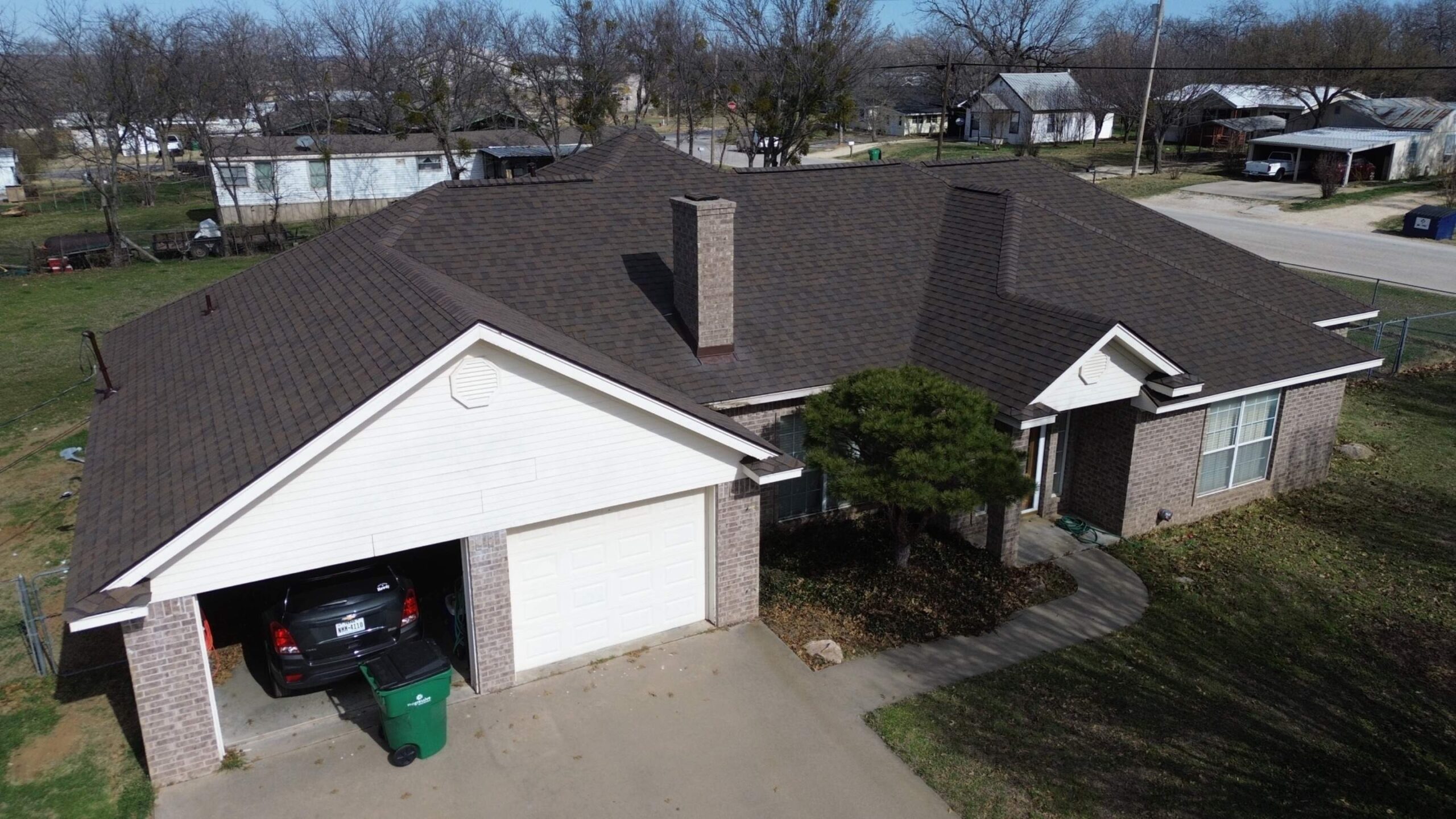
Safety should always be the first part of a post-storm roofing inspection. Homeowners should begin by observing the property from the ground rather than immediately climbing a ladder. Severe weather can create hazards that are not obvious until the property is viewed carefully.
Look for fallen trees, broken branches, damaged utility lines, standing water, unstable structures, and debris around the home. Electrical wires that have fallen or are touching trees, roofing materials, fences, or other objects should be treated as dangerous. Homeowners should stay away and contact the appropriate utility or emergency professionals.
A wet roof can be extremely slippery. Rain may leave roofing surfaces covered with moisture, algae, dirt, or loose granules, making walking unsafe. Even experienced homeowners should avoid climbing onto a wet or visibly damaged roof.
Ladders can also become unstable after storms. Soft ground, wind, debris, and damaged gutters can make ladder placement more difficult. If roof access is necessary, it is safer to have a qualified professional perform the inspection using appropriate equipment.
Homeowners should also look for signs that the roof structure may be unstable. Sagging roof sections, large holes, displaced decking, broken framing, or visible movement can indicate serious structural problems. These conditions should not be investigated by walking on the roof.
If a large tree has landed on the home, the property should be treated as a potentially unstable structure. The tree itself may shift, branches may fall, and the roof may have lost some of its structural capacity. Tree removal and structural assessment should be handled by qualified professionals.
Interior safety matters as well. If water has reached electrical fixtures, outlets, or wiring, homeowners should avoid touching the affected components. Electrical problems combined with water intrusion can create serious hazards.
Pets and children should be kept away from storm debris and damaged areas. Broken glass, nails, sharp roofing materials, and unstable branches can cause injuries. Creating a safe perimeter around the affected area can reduce unnecessary risks.
The safest approach is to conduct a visual inspection from accessible ground-level locations and call a professional when the roof requires closer examination. A homeowner does not need to personally climb onto the roof to document every problem.
Exterior Signs of Storm-Related Roof Damage
Once the property is safe to approach, homeowners can examine the roof from the ground for visible signs of damage. Binoculars or a camera with a zoom function can help identify conditions without requiring roof access. Observations should be documented with photographs whenever possible.
Missing shingles are one of the easiest problems to identify. Strong winds can remove individual shingles or larger groups, leaving exposed areas beneath. Missing materials should be addressed promptly because exposed underlayment or decking can become vulnerable to rainfall.
Look for shingles that appear lifted, curled, creased, or displaced. A shingle may remain attached while its edges have been lifted by wind. These conditions can reduce the roof’s ability to shed water and may become worse during another storm.
Granule loss can also indicate damage, although some granule loss naturally occurs as asphalt shingles age. After hail or severe weather, unusually concentrated areas of missing granules may deserve professional evaluation. Homeowners should avoid assuming that every patch of granule loss is storm damage.
Broken or cracked roofing materials should also be noted. Tile, slate, wood, and synthetic roofing products can fracture when struck by hail or debris. Cracks may allow moisture to reach underlying layers.
Look along the roofline for displaced ridge caps. Ridge caps cover the highest points of many roofing systems and can be particularly exposed to strong winds. Missing or shifted ridge materials can leave vulnerable areas open to weather.
Visible holes or punctures require immediate attention. These can occur when branches, large debris, or other objects strike the roof. Even a relatively small opening can allow significant water intrusion during heavy rainfall.
Homeowners should also look for unusual roof depressions or sagging. A roof surface that appears uneven after a storm may indicate damaged decking or structural framing. This condition should be assessed by a professional rather than investigated by walking on the roof.
Debris accumulation should be documented as well. Leaves and small branches may not create immediate structural damage, but they can block drainage areas and retain moisture. Large branches can place additional weight on roofing materials and may have caused impact damage beneath them.
The roof should be viewed from several sides of the property when possible. A damaged area may be hidden from one angle but visible from another. Checking front, rear, and side elevations provides a more complete ground-level assessment.
Checking Shingles, Tiles, and Other Roofing Materials
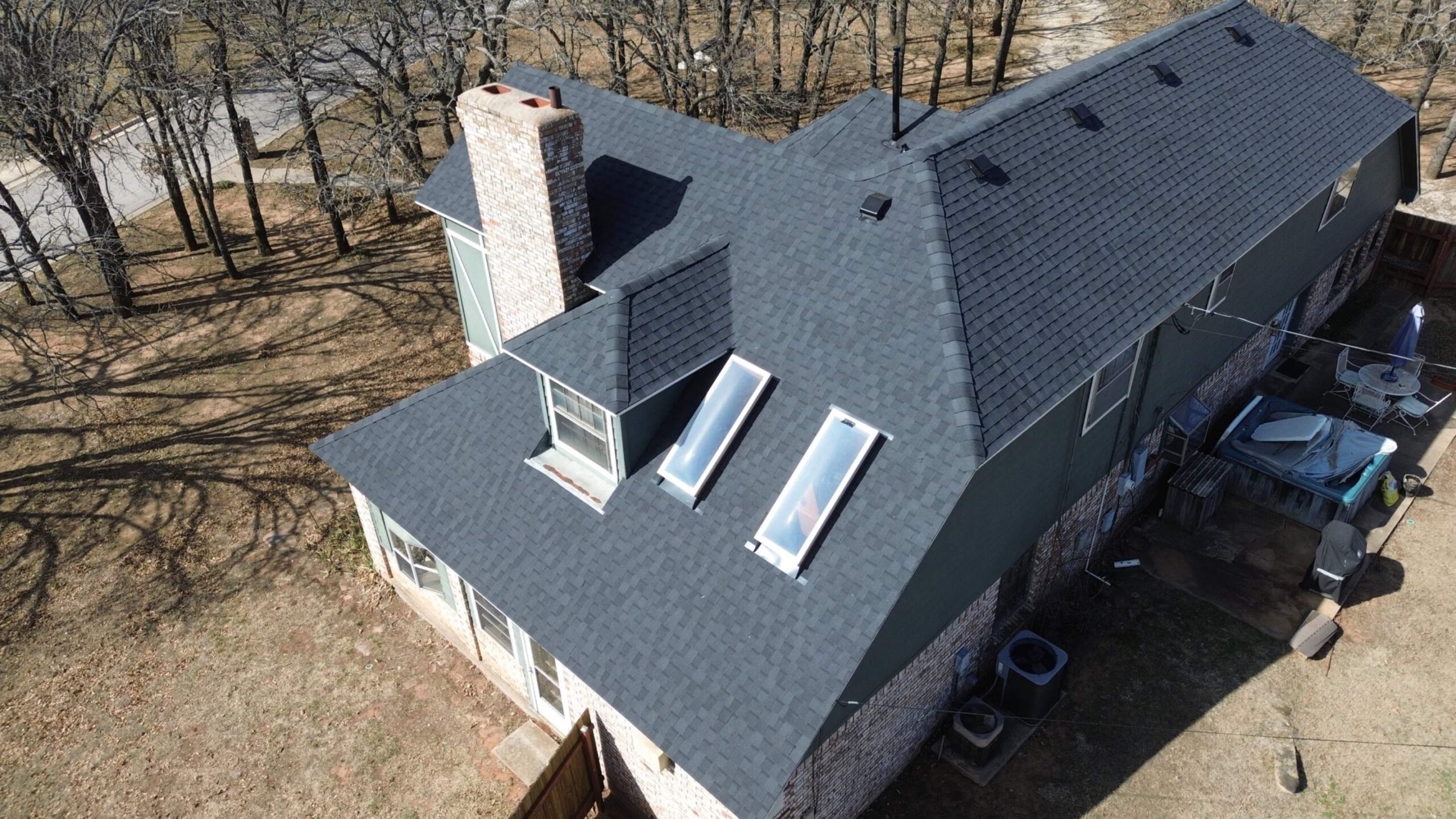
Different roofing materials respond differently to storm conditions, so the inspection should consider the specific roofing system installed on the home. Asphalt shingles may show lifting, missing sections, exposed fasteners, granule loss, creasing, or impact damage.
Hail can leave marks that are not always obvious from ground level. Multiple impacts may affect shingles across different roof slopes. A professional inspector can evaluate whether suspected marks are consistent with hail and whether the roofing material has been compromised.
Clay and concrete tiles can crack or break when struck by hail or debris. Even if only a few tiles appear damaged, the surrounding area should be evaluated because impact can loosen adjacent pieces. Walking directly on tile roofing can cause additional damage and should be left to trained professionals.
Wood shingles and shakes can split, fracture, or become displaced during high winds. Moisture can enter through damaged sections and contribute to deterioration. Any visible gaps or broken pieces should be documented for further evaluation.
Metal roofing may show dents, bends, punctures, loose fasteners, or separated seams. Some dents may be cosmetic, while others can compromise protective coatings or water-shedding performance. A professional assessment can help determine whether the affected panels require repair or replacement.
Synthetic roofing materials may also experience cracks, displacement, or impact marks. Their condition should be evaluated according to the manufacturer’s design and installation requirements. Homeowners should avoid making repair decisions based solely on how a material looks from the ground.
Underlayment is usually hidden beneath the roof covering, so damage to it may not be visible during a ground-level inspection. If the roof covering has been displaced or punctured, the underlying layers should be checked by a professional.
Roof penetrations deserve additional attention. Chimneys, skylights, plumbing vents, exhaust vents, and other penetrations can become vulnerable during severe weather. Damage around these areas can create pathways for water even when the main roof surface looks intact.
The condition of surrounding roofing materials should also be considered. Storm forces can loosen materials near an impact area even when those materials have not visibly fallen away. A professional inspection can identify these less obvious conditions.
Inspecting Roof Edges, Flashing, Vents, and Gutters
Roof edges and accessories play an important role in protecting the home from water. After a storm, homeowners should look for damaged gutters, displaced flashing, bent drip edges, damaged fascia, cracked soffits, and displaced vents. These components can be affected even when the main roofing surface appears normal.
Gutters should be checked for obvious crushing, separation, sagging, or sections that have pulled away from the roof edge. A fallen branch can damage a gutter directly, while strong winds can loosen its fasteners. Damaged gutters may prevent proper drainage during the next rainfall.
Downspouts should also be observed for dents, separation, or displacement. If a downspout is no longer connected properly, water may discharge against the exterior wall or foundation. Drainage problems should be corrected as part of the overall storm repair.
Flashing around chimneys, valleys, skylights, and roof-to-wall transitions should be examined from a safe distance. Bent or displaced flashing can create openings where water enters. Because flashing is often partially hidden beneath roofing materials, professional inspection may be necessary to determine the full extent of the problem.
Roof vents can be damaged by hail, branches, or high winds. Look for cracked housings, missing covers, displaced components, or visible gaps around the base. Damaged ventilation components can also become water-entry points.
The roof edge should be checked for missing or bent drip-edge materials. These components help direct water away from vulnerable roof edges. Damage can interfere with drainage and expose underlying materials.
Fascia and soffits should also be observed for cracks, holes, or displacement. Storm debris can strike these areas, while high winds can loosen sections. Openings may allow moisture, insects, or animals to enter the roof assembly.
Homeowners should document all visible exterior damage before cleanup whenever it is safe. Photographs should show the damaged component and its location on the property. This creates a useful record for professional inspectors, contractors, and insurance documentation.
A post-storm inspection should end with a clear understanding of which conditions require professional attention. Homeowners do not need to diagnose every issue themselves. Their most important role is to identify visible warning signs safely, document what they observe, and arrange a qualified inspection when the roof may have been compromised.

Checking for Hidden Roof Damage
A post-storm inspection should go beyond visible damage because some of the most important roofing problems can remain hidden beneath shingles, tiles, metal panels, or other exterior materials. Strong wind, hail, and falling debris can damage the layers underneath the roof covering without creating an obvious opening. Hidden problems can later lead to leaks, deterioration, or structural concerns.
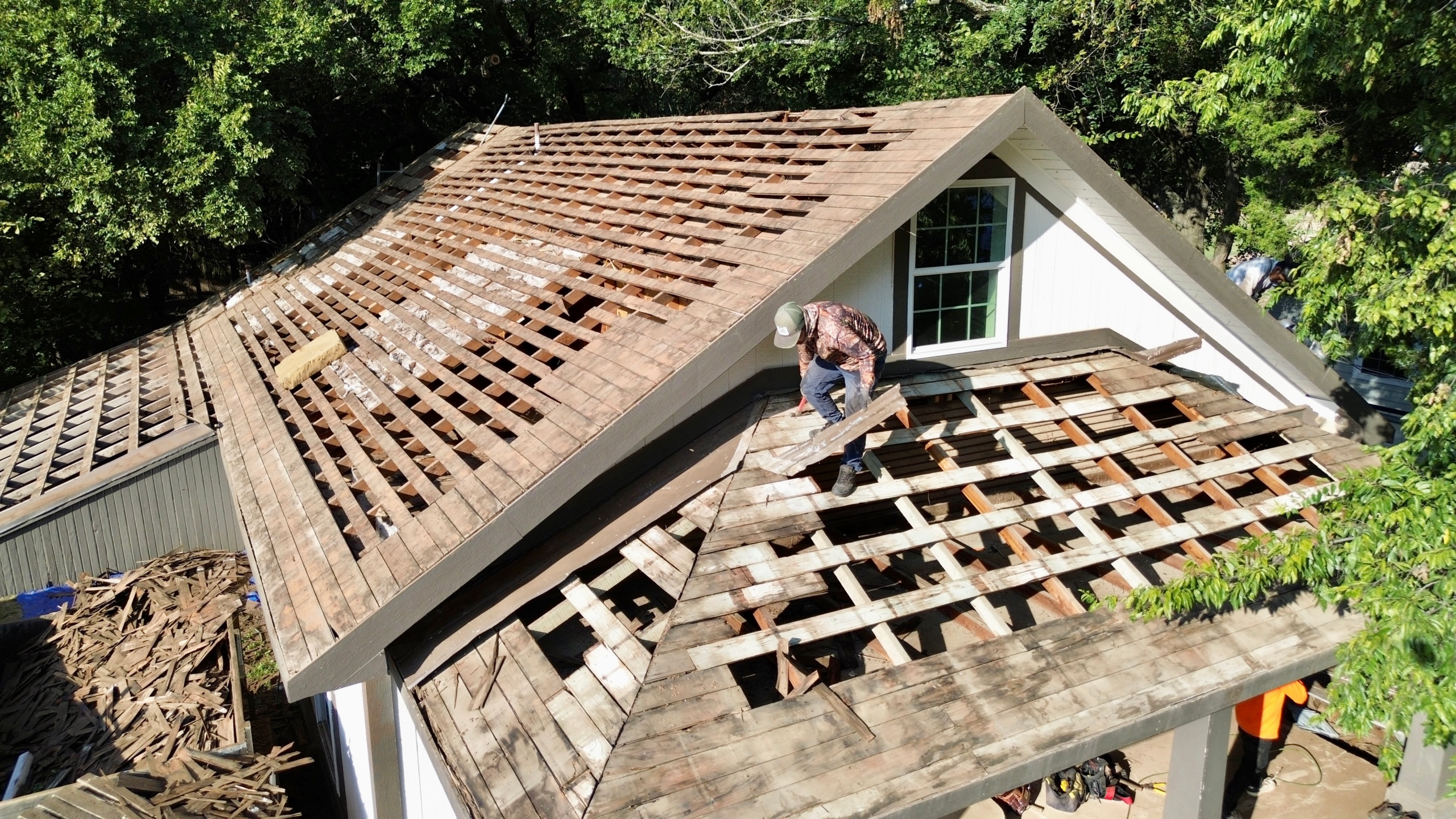
One area that may require attention is the roof decking. Decking provides a supporting surface beneath many roofing materials, and a significant impact can crack, split, or puncture it. If the decking has been damaged, simply replacing the visible shingles may not restore the roof properly.
Moisture can also enter through small openings that are difficult to see from the ground. Water may travel along decking or framing before appearing inside the home. This is why the location of an interior stain does not always identify the exact point where water entered the roof.
Wind can create hidden damage by loosening fasteners or lifting roofing materials without completely removing them. A shingle that looks nearly normal from the ground may have lost some of its secure attachment. Professional inspection can determine whether roofing materials remain properly secured.
Flashing is another common source of concealed problems. Storm forces may bend or loosen flashing around chimneys, skylights, valleys, and roof-to-wall transitions. Because these areas often overlap with other roofing components, the damage may not be obvious without closer examination.
Roof penetrations should also be evaluated carefully. Vents, skylights, plumbing pipes, and other openings can develop gaps or damaged seals during severe weather. Even a small opening around a penetration can allow repeated water entry during future rainfall.
The condition of the roof beneath accumulated debris should also be considered. Branches and leaves can conceal damaged materials, while their weight may place additional stress on the roof. Debris should be removed carefully by qualified professionals when it is heavy or located on an unsafe section.
Hidden structural damage is particularly important after a major storm. Sagging areas, unusual roof movement, damaged framing, or changes in the roofline can indicate problems beneath the surface. Homeowners should not walk on or disturb a roof that appears structurally compromised.
A professional inspection may involve examining the attic, roof surface, structural framing, and other components together. This broader assessment can help determine whether the damage is limited to the roof covering or extends deeper into the roofing system.
Inspecting the Attic for Moisture and Structural Problems
The attic can provide valuable information about storm-related roof damage because it allows professionals to examine areas beneath the exterior roof covering. Signs of water entry or structural problems may be easier to identify from inside the attic than from the ground.
Homeowners should only enter the attic when it is safe to do so. If the roof has visible structural damage, a large opening, significant water intrusion, or signs of instability, professional assistance should be arranged instead. Attic spaces can also contain exposed nails, electrical components, insulation, and other hazards.
Water stains on roof decking are common indicators of moisture intrusion. Darkened wood, discoloration, or damp areas may suggest that water entered during or after the storm. The affected area should be documented and evaluated to determine whether the roof opening remains active.
Wet insulation is another warning sign. Insulation can absorb or retain moisture after a roof leak, particularly when water enters through a damaged section of decking. Continued moisture can contribute to deterioration and may reduce the effectiveness of the insulation.
Daylight visible through an unexpected roof opening is a clear reason for further assessment. It may indicate that shingles, underlayment, or decking have been displaced. The location should be photographed from a safe position and reported to a qualified roofing professional.
The attic framing should also be observed for obvious cracks, splits, displacement, or unusual movement. A severe storm or falling tree can affect rafters and trusses. Structural concerns should be evaluated by qualified professionals rather than repaired based only on visual assumptions.
Moisture may not always be visible immediately after a storm. Some leaks become apparent only during later rainfall, particularly when wind pushes water beneath roofing materials. Homeowners should continue observing the attic and interior for new signs after the initial inspection.
Ventilation components should also be checked when accessible and safe. Damaged roof vents can allow rainwater into the attic while also affecting normal airflow. A professional can determine whether the vent, surrounding flashing, or adjacent roofing materials require repair.
Insulation that has become wet should not simply be covered up. The source of moisture needs to be identified first, and affected materials may require drying, cleaning, or replacement depending on the severity. Proper restoration helps prevent continuing moisture problems.
An attic inspection should therefore be treated as part of the overall roofing evaluation rather than a separate task. Exterior and interior findings should be compared so that the source and extent of storm damage can be understood more accurately.
Identifying Interior Signs of Roof Leaks
Storm-related roofing damage can produce interior warning signs even when the exterior roof looks relatively intact. Homeowners should check ceilings, upper walls, attic spaces, and rooms located beneath damaged roof areas. Early identification of moisture can help reduce additional damage.
Ceiling stains are among the most common signs of a roof leak. They may appear as brown, yellow, gray, or darkened areas on drywall or other ceiling materials. A new stain following a storm should be photographed and reported for professional evaluation.
Water droplets or active dripping require prompt attention. Continued water entry can damage ceilings, insulation, flooring, furniture, and other belongings. Homeowners should focus on keeping people safe and contacting appropriate professionals rather than attempting unsafe roof repairs.
Peeling paint can also indicate moisture problems. Water entering behind painted surfaces may cause paint to bubble, blister, crack, or separate. While these signs can have several causes, their appearance after a storm warrants further inspection.
Warped or swollen drywall may indicate prolonged moisture exposure. If the material has changed shape after heavy rainfall, the source of the water should be identified. Simply repainting the damaged area will not resolve the underlying roof problem.
Musty odors can be another warning sign. Persistent moisture in insulation, wood, or other building materials can create noticeable smells. A professional assessment can determine whether the odor is related to storm water entering the roofing system.
Homeowners should also inspect around ceiling-mounted fixtures when safe. Water can travel through building cavities and appear around lights, fans, or other openings. If electrical components are wet, homeowners should avoid touching them and seek qualified assistance.
Cracks around upper walls or ceilings may also deserve attention after a major impact. A falling tree or heavy debris can transfer force through the roof structure. Not every crack indicates structural damage, but new or unusual cracks should be documented.
Interior damage may occur some distance away from the exterior roof opening. Water can travel along rafters, decking, insulation, and other pathways before reaching a visible point. This makes professional tracing important when the source of a leak is unclear.
Furniture and personal belongings should be moved away from active leaks when possible. Containers can temporarily catch dripping water, but they do not solve the source of the problem. Temporary measures should be followed by professional assessment and appropriate repairs.
Assessing Wind, Hail, and Debris Damage
Different types of storms leave different patterns of roofing damage. Understanding the general signs can help homeowners organize their observations, although determining the exact cause should be left to qualified professionals when the condition is uncertain.
Wind damage commonly involves displaced or missing shingles, lifted edges, damaged ridge caps, and loose flashing. Strong gusts can also affect gutters, vents, fascia, and soffits. Damage may occur on one roof slope or across several exposed areas.
Hail damage can involve dents, cracks, bruising, and concentrated impact marks. Asphalt shingles may show areas of granule loss, while metal components may develop visible dents. Tiles and other brittle materials can crack under repeated impact.
Debris damage can be more concentrated. Branches, tree limbs, and other objects may strike the roof and create punctures, broken shingles, or damaged decking. Larger objects can also produce structural damage that extends beyond the immediate impact location.
Heavy rainfall can reveal problems created by wind or debris. If water enters through damaged roofing materials, interior leaks may develop during or after the storm. The timing of these leaks should be recorded because it can help professionals understand the sequence of events.
Homeowners should photograph damage from safe positions. Wide photographs can show the overall roof condition, while closer photographs can document individual damaged components when they can be captured without unsafe access. Photographs should be stored securely with the date and relevant location when possible.
Storm damage should be distinguished from normal aging. Curling, discoloration, gradual granule loss, and general deterioration can occur as roofing materials age. A professional inspection can help determine whether a particular condition is consistent with a recent weather event.
Previous repairs should also be considered. A roof may contain patched areas, replacement shingles, or older damage from earlier storms. Keeping previous inspection and repair records can help establish which conditions are new.
The entire property should be considered rather than only the roof. Damaged trees, broken fences, dented exterior equipment, and debris patterns can provide context about the severity of the storm. These observations may support the overall assessment without replacing a professional roof inspection.
Temporary Protection After Storm Damage
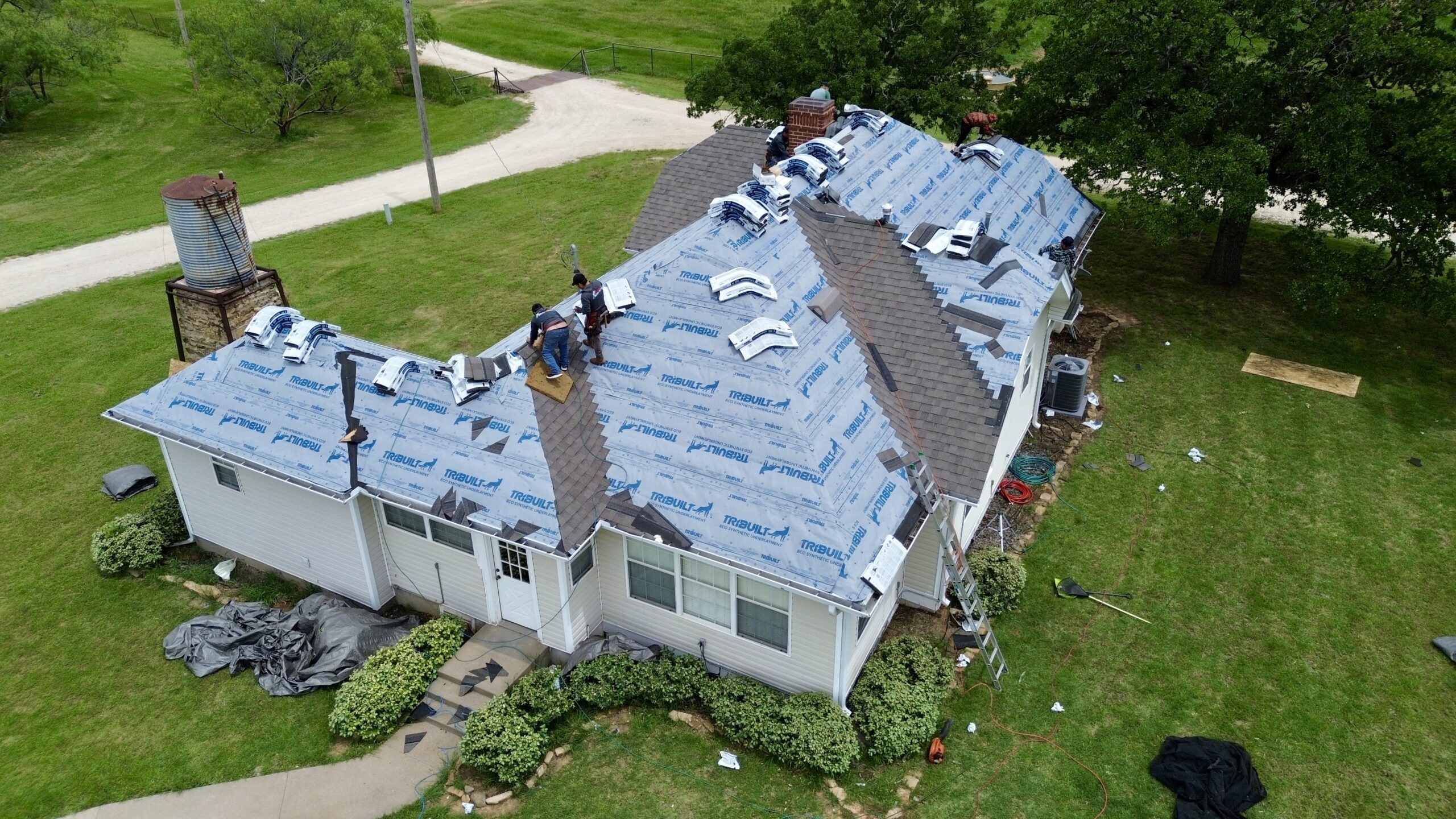
When storm damage creates an opening in a residential roof, temporary protection may be necessary to reduce additional water intrusion. However, homeowners should not climb onto the roof to install a tarp or perform emergency repairs when the roof is wet, unstable, or visibly damaged.
Qualified roofing or restoration professionals can install temporary protection using appropriate equipment and methods. The type of protection depends on the size and location of the opening, weather conditions, and structural stability. Temporary measures should be designed to reduce exposure until permanent repairs can be completed.
If a fallen branch remains on the roof, it should not be dragged away without professional assessment. Moving heavy debris can cause additional damage or shift an unstable structure. Tree removal specialists can determine the safest way to remove large branches or trunks.
Homeowners should document the roof before temporary protection is installed whenever possible. Photographs of the original opening, displaced materials, debris, and interior moisture can provide an important record. This information may also be useful when preparing repair estimates.
Temporary protection should be checked after additional severe weather. Strong winds can loosen coverings, while heavy rainfall can reveal areas that were not adequately protected. Homeowners should observe the property from a safe location and contact professionals if protection appears compromised.
Interior areas should also be monitored while temporary measures remain in place. New stains, damp insulation, dripping water, or musty odors can indicate continuing moisture intrusion. These signs should be documented and communicated to the roofing or restoration team.
Emergency repairs should focus on preventing additional damage rather than creating a permanent solution. A temporary covering does not repair damaged decking, framing, shingles, flashing, or other components. Permanent repairs should follow a proper inspection and repair plan.
Homeowners should retain receipts for emergency services and temporary protection. Organized records can help track the cost of responding to the storm and provide useful information for insurance documentation where applicable.
When to Call a Professional Roofing Inspector
A professional roofing inspector should be contacted whenever storm damage is suspected beyond what can be safely evaluated from the ground. Missing shingles, visible punctures, roof sagging, damaged flashing, extensive debris, or interior leaks are all reasons to arrange a closer inspection.
Professional assistance is especially important when structural damage may be involved. Sagging roof sections, damaged framing, large openings, or a fallen tree can create unstable conditions that homeowners should not investigate themselves.
A professional can evaluate the roof covering and underlying components together. This may include shingles, tiles, metal panels, flashing, roof penetrations, decking, gutters, attic conditions, and other areas affected by the storm. The findings can then be used to develop an appropriate repair plan.
Homeowners should ask for a written inspection report when appropriate. The report can describe observed damage, affected areas, photographs, and recommended repairs. A detailed report provides a useful record for future maintenance and repair decisions.
Professional inspections can also help identify damage that is not obvious from the ground. Trained inspectors know where storm-related weaknesses commonly occur and can evaluate vulnerable areas without relying solely on visible symptoms.
The timing of an inspection is also important. Prompt assessment can reduce the chance that an exposed roof remains vulnerable to additional rainfall and wind. However, safety should always take priority over speed.
Homeowners should avoid hiring someone solely because they arrive unexpectedly after a storm. Instead, they should verify the contractor’s information, experience, and ability to perform the required work. Taking time to choose appropriate professionals can help prevent unnecessary repairs or poor-quality work.
A thorough post-storm inspection ultimately provides homeowners with a clearer understanding of the roof’s condition. By combining safe visual checks, interior observations, professional assessment, and careful documentation, homeowners can respond to storm damage more effectively while protecting the home from additional problems.
Reviewing the Roof Inspection Findings
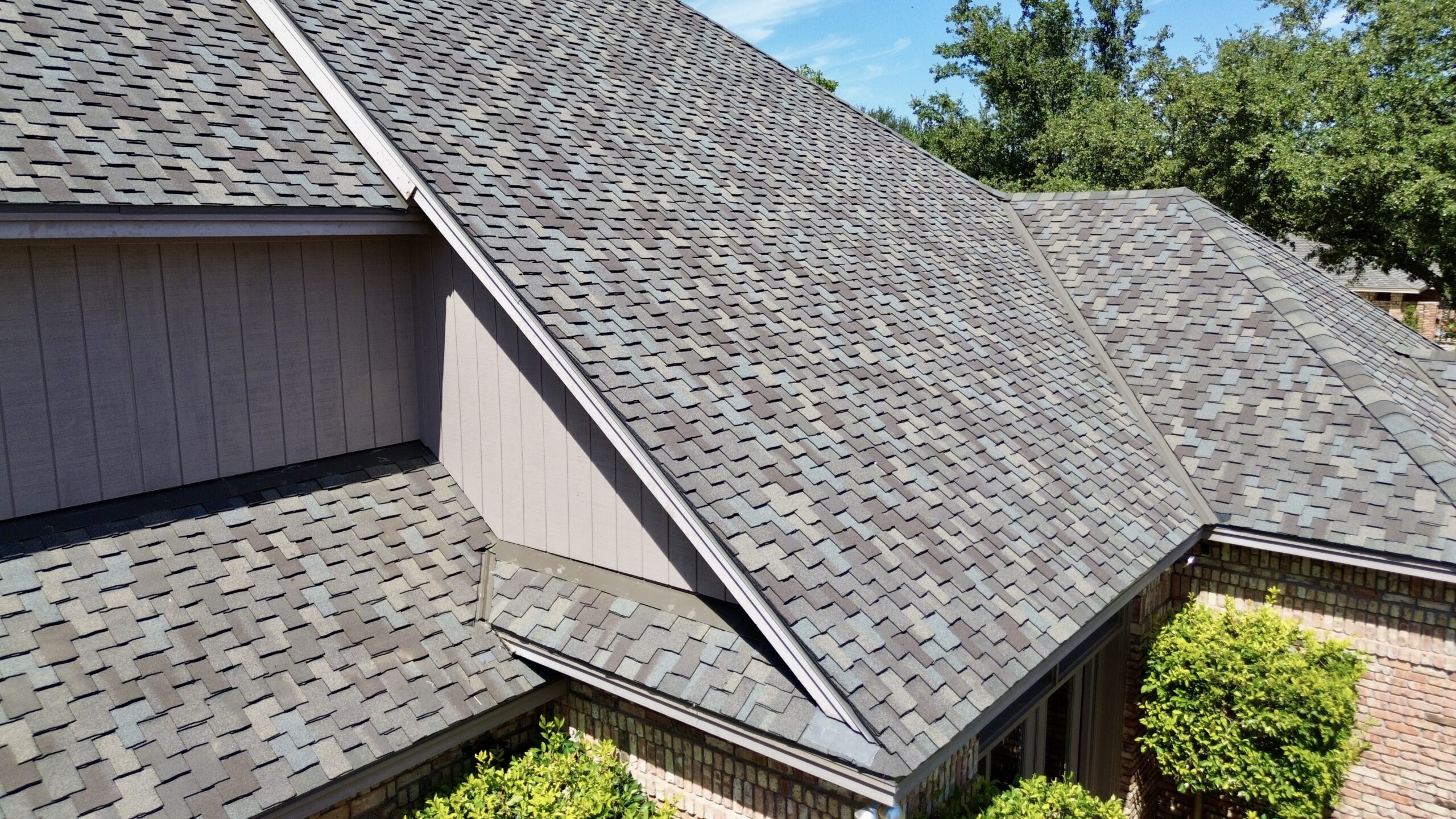
Once the initial post-storm inspection has been completed, homeowners should review the findings carefully before arranging permanent repairs. A professional inspection can identify visible and hidden damage, but the homeowner still needs to understand what was found and which problems require immediate attention. A clear review makes it easier to prioritize repairs and avoid overlooking smaller issues that could become serious later.
Start by comparing the inspection findings with the areas that were visibly affected by the storm. Check whether the report addresses missing or damaged shingles, cracked tiles, damaged metal panels, flashing problems, gutters, vents, roof edges, and any visible structural concerns. If the report identifies damage that was not obvious during the ground-level inspection, ask the professional to explain where it was found and why it matters.
Photographs can make inspection findings easier to understand. A good report may include images showing damaged roofing materials, punctures, lifted shingles, damaged flashing, or interior moisture. Homeowners should keep these photographs with their other property records so they can refer to them during repairs and future inspections.
The inspection should also distinguish between storm-related damage and existing roof deterioration. Older roofs can already have curling shingles, worn surfaces, previous repairs, or deteriorated flashing before a storm occurs. Understanding which conditions are new and which existed previously can help homeowners develop a realistic repair plan.
Homeowners should pay particular attention to any findings involving structural components. Damaged decking, rafters, trusses, roof supports, or significant sagging can require more extensive work than surface repairs. Structural concerns should be addressed before cosmetic roofing work is completed.
If water intrusion was discovered, the report should identify affected areas as accurately as possible. Water can travel through roof assemblies before becoming visible inside the home, so the location of a ceiling stain may not be the exact location of the roof opening. Correctly identifying the source is important for preventing recurring leaks.
The homeowner should also ask whether temporary protection is still necessary. If damaged roofing materials remain exposed, another period of rain or wind can increase the damage. Temporary measures may be needed until permanent repairs can safely begin.
Finally, homeowners should create a list of urgent, important, and routine repairs. Emergency issues such as active leaks, major openings, or structural instability should receive immediate attention. Less urgent maintenance issues can be scheduled separately when they do not compromise the roof’s ability to protect the home.
Creating a Residential Roof Repair Plan
After the inspection findings are understood, the next step is developing a repair plan. The plan should address the cause and extent of the damage rather than focusing only on visible surface problems. A professional roofing contractor can explain which materials need repair, replacement, or further evaluation.
Minor storm damage may require localized repairs. Individual shingles, flashing sections, vents, gutters, or other components may be replaced when the surrounding roofing system remains in suitable condition. Repairs should be installed properly so they integrate with the existing roof.
More extensive damage may require replacement of larger sections. If wind has affected several roof slopes or a large amount of hail damage is present, localized repairs may not always be the most practical solution. The contractor should explain why a particular scope of work is recommended.
Roof decking should be replaced when it has been significantly damaged by impact or moisture. Installing new roofing materials over compromised decking can leave structural or water-related problems unresolved. The condition of the decking should therefore be considered before final roofing materials are installed.
The roof’s age and overall condition should also be considered when planning repairs. An older roofing system may have widespread deterioration unrelated to the recent storm. Homeowners should discuss whether repairs are practical or whether broader replacement would provide a more appropriate long-term solution.
A repair estimate should clearly describe the proposed work. It should identify the major materials, labor, removal of damaged components, disposal, and other relevant services. Homeowners should ask questions about anything they do not understand before signing an agreement.
If several contractors provide estimates, homeowners should compare the scope rather than focusing only on the lowest price. A low estimate may exclude important work or use different materials. Comparing the actual repair details provides a more meaningful basis for choosing a contractor.
The repair schedule should also account for weather conditions. Roofing work may require dry conditions for proper installation, while emergency protection may be needed if permanent repairs cannot begin immediately. The contractor should explain how weather may affect the project.
Once the repair plan is approved, homeowners should keep a copy of the contract and any updated estimates. Changes discovered during construction should be documented clearly. This helps maintain an accurate record of what was originally planned and what additional work became necessary.
Insurance Documentation and Storm Damage Claims
Storm-related roof damage may involve an insurance claim depending on the homeowner’s policy and the circumstances of the loss. Coverage varies between policies, so homeowners should review their policy and contact their insurance provider for specific information. A roofing contractor can document physical damage, but the insurer determines coverage according to the policy.
Photographs should be taken before major cleanup whenever it is safe to do so. Images can show fallen branches, missing roofing materials, punctures, damaged gutters, broken tiles, interior stains, and other conditions. Wide and close photographs together can provide a clearer record of the property.
The date of the storm should be recorded along with the date the damage was discovered. Homeowners should also keep records of inspection appointments, temporary repairs, contractor visits, and permanent repair work. A simple timeline can make the claim process easier to follow.
Inspection reports and repair estimates should be stored together with the insurance correspondence. If the contractor discovers additional damage after removing roofing materials, photographs and written explanations should be retained. This documentation can help explain why the repair scope changed.
Homeowners should also keep receipts for emergency services. Temporary roof protection, water mitigation, debris removal, or other necessary services may generate costs that should be documented. Whether these expenses are covered depends on the policy and claim circumstances.
The deductible should be considered when reviewing potential repair costs. The insurance estimate may not represent the exact amount the homeowner will receive because deductibles, depreciation, limits, or other policy provisions may apply. Homeowners should ask the insurer to explain how the final payment is calculated.
If an insurance inspection identifies different damage from the roofing contractor’s inspection, homeowners should compare the findings carefully. Differences do not necessarily mean one inspection is incorrect. The homeowner can request clarification and provide additional documentation when a specific condition appears to have been overlooked.
All communication should remain factual and organized. Homeowners should describe what they observed and provide supporting evidence rather than exaggerating the extent of damage. Accurate documentation creates a stronger record throughout the claims process.
Common Post-Storm Inspection Mistakes
One common mistake is climbing onto the roof immediately after a storm. Wet surfaces, loose materials, structural damage, and hidden electrical hazards can make the roof extremely dangerous. A ground-level inspection is usually the safer starting point, with professional access used when a closer assessment is required.
Another mistake is assuming that visible damage represents the entire problem. A missing shingle may be obvious, but damage beneath it could involve underlayment or decking. Similarly, a small ceiling stain may be connected to a larger moisture pathway inside the roof assembly.
Homeowners may also overlook gutters and roof drainage components. A storm can bend gutters, damage downspouts, or pull sections away from the fascia. These issues can continue causing water problems even after roofing materials have been repaired.
Ignoring attic signs is another common error. Wet insulation, darkened decking, daylight, or water stains can indicate problems that are not visible from outside. When attic access is safe, these areas can provide useful information, but serious structural conditions should be evaluated by professionals.
Some homeowners also clean up debris before documenting the damage. When practical and safe, photographs should be taken before major cleanup. Heavy trees and unstable branches should never be moved simply to obtain better photographs.
Delaying temporary protection can create additional problems. If the roof has an exposed opening and another storm arrives, water may enter the home and increase the extent of the damage. Professional temporary protection can reduce this risk while permanent repairs are arranged.
Choosing a contractor based only on the lowest estimate can also create problems. Roofing work involves materials, installation methods, safety procedures, and workmanship quality. Homeowners should consider the complete scope of work and the contractor’s qualifications rather than price alone.
Finally, homeowners should not treat storm inspection as a one-time task. A roof can develop additional problems after the initial inspection, especially if temporary protection remains in place or severe weather continues. Continued observation and appropriate professional follow-up can help ensure that repairs are completed properly.
Preventing Future Storm-Related Roofing Damage
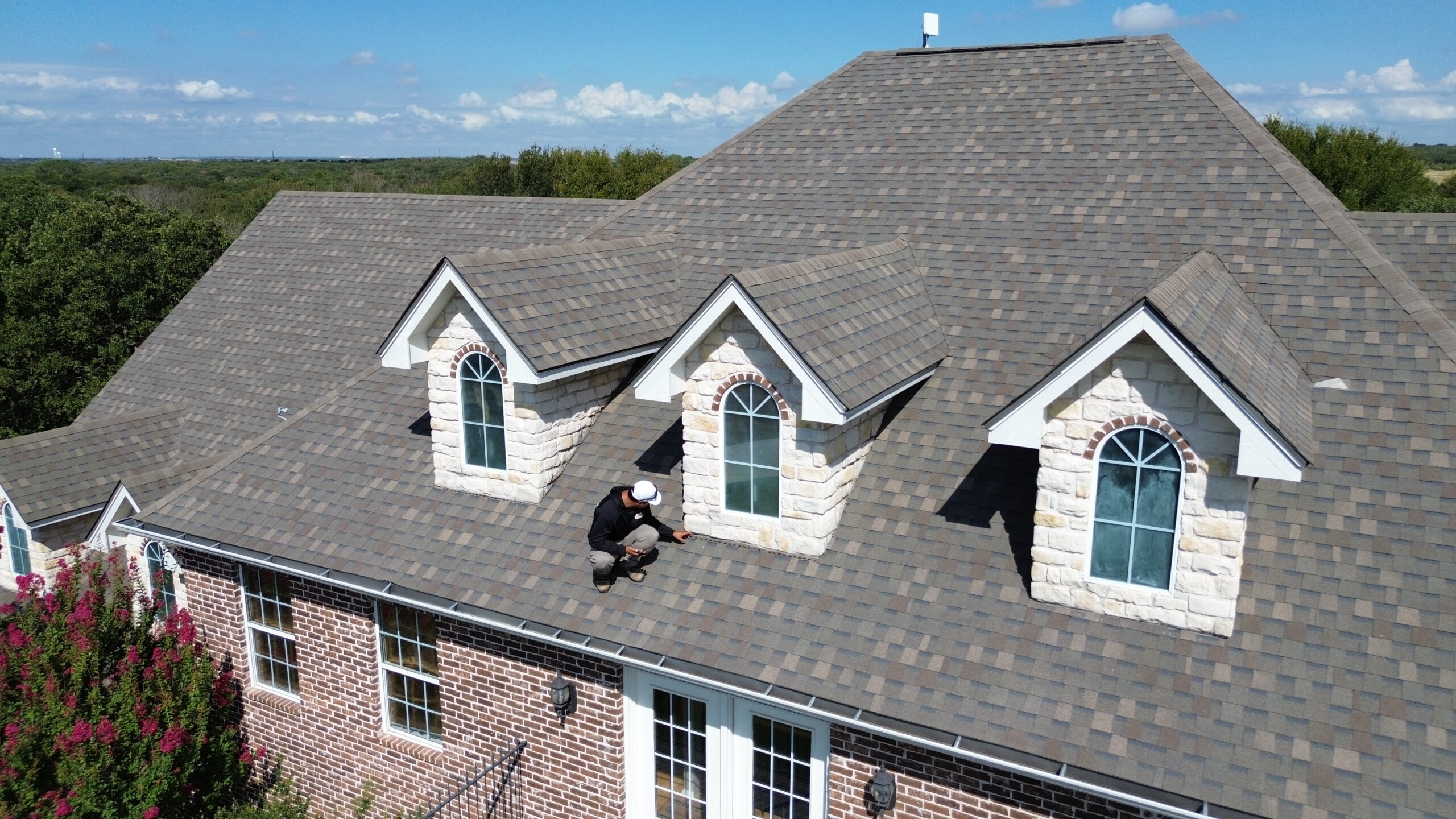
A post-storm inspection should not only address current damage but also help homeowners prepare for future weather events. Regular roof maintenance can identify weaknesses before they are exposed to another severe storm. Small repairs completed during routine maintenance may reduce the chance of larger problems later.
Homeowners should arrange professional roof inspections based on the age, material, condition, and weather exposure of the roofing system. Older roofs and properties frequently exposed to severe weather may benefit from closer monitoring. Professional inspections can identify deterioration that may not be visible from the ground.
Trees around the home should also be maintained. Dead branches, weak limbs, and branches that extend heavily over the roof can become hazards during high winds. Qualified tree professionals can identify and address risks that homeowners may not safely manage themselves.
Gutters and downspouts should be kept clear of leaves, branches, and accumulated debris. Proper drainage helps move rainwater away from the roof and foundation. After severe weather, homeowners should observe the system for obvious sagging, separation, or displacement.
Roof penetrations should receive attention during routine maintenance. Chimneys, skylights, plumbing vents, and exhaust vents can become vulnerable as materials age. Keeping flashing and surrounding roofing components in good condition can reduce potential water-entry points.
Homeowners should also maintain a record of roof repairs and inspections. Photographs taken before and after repairs can establish a useful history of the property’s condition. This information can become especially valuable if the home experiences another storm.
Preparing an emergency response plan can also help. Homeowners should know which qualified roofing and tree professionals they can contact after severe weather. Having appropriate contacts available can make it easier to arrange temporary protection before additional rainfall occurs.
Weather awareness is another useful part of prevention. When severe weather is forecast, outdoor items that could become airborne should be secured where practical. Trees and vulnerable exterior components should be monitored regularly rather than waiting for a major storm to reveal problems.
A well-maintained roof cannot prevent every type of storm damage, but proactive care can reduce avoidable vulnerabilities. Regular inspections, responsible tree maintenance, proper drainage, and prompt repairs all contribute to better long-term roof performance.
Conclusion
A post-storm residential roofing inspection is an important step in protecting a home after severe weather. Storms can affect shingles, tiles, metal panels, flashing, gutters, vents, decking, framing, and interior building materials, with some damage remaining hidden until water or structural problems develop.
Safety should always come before inspection. Homeowners can begin by observing the property from the ground, checking for fallen trees, damaged utility lines, loose debris, visible roof openings, and other hazards. Roof access should be left to qualified professionals when surfaces are wet, unstable, or visibly damaged.
A complete inspection should consider both exterior and interior conditions. Missing or displaced roofing materials, damaged flashing, broken gutters, and visible punctures can provide important clues, while attic moisture, ceiling stains, wet insulation, and structural changes may reveal problems that cannot be seen from outside.
Documentation is another essential part of the process. Photographs, inspection reports, repair estimates, receipts, and maintenance records can help homeowners understand the damage and maintain an accurate property history. These documents can also be useful when an insurance claim is appropriate.
Once the damage has been assessed, homeowners should create a repair plan based on the actual condition of the roofing system. Repairs should address underlying problems rather than simply covering visible damage. Structural issues, damaged decking, and continuing water intrusion should receive appropriate professional attention before final roofing work is completed.
Homeowners should also avoid common mistakes such as climbing onto unsafe roofs, ignoring attic signs, delaying temporary protection, or choosing contractors based only on price. A careful and organized approach can reduce unnecessary risks and improve the quality of the repair process.
Finally, post-storm inspection should become part of a broader roof maintenance routine. Regular professional inspections, tree maintenance, clean gutters, properly maintained flashing, and timely repairs can help reduce future vulnerabilities. Keeping detailed records also makes it easier to compare the roof’s condition after future storms.
The purpose of a post-storm residential roofing inspection is not simply to find damage. It is to understand the condition of the entire roofing system, protect the home from additional problems, and make informed decisions about repairs and maintenance. By combining safe observation, professional evaluation, accurate documentation, and preventive care, homeowners can respond to storm damage with greater confidence and protect their roofing investment over the long term.