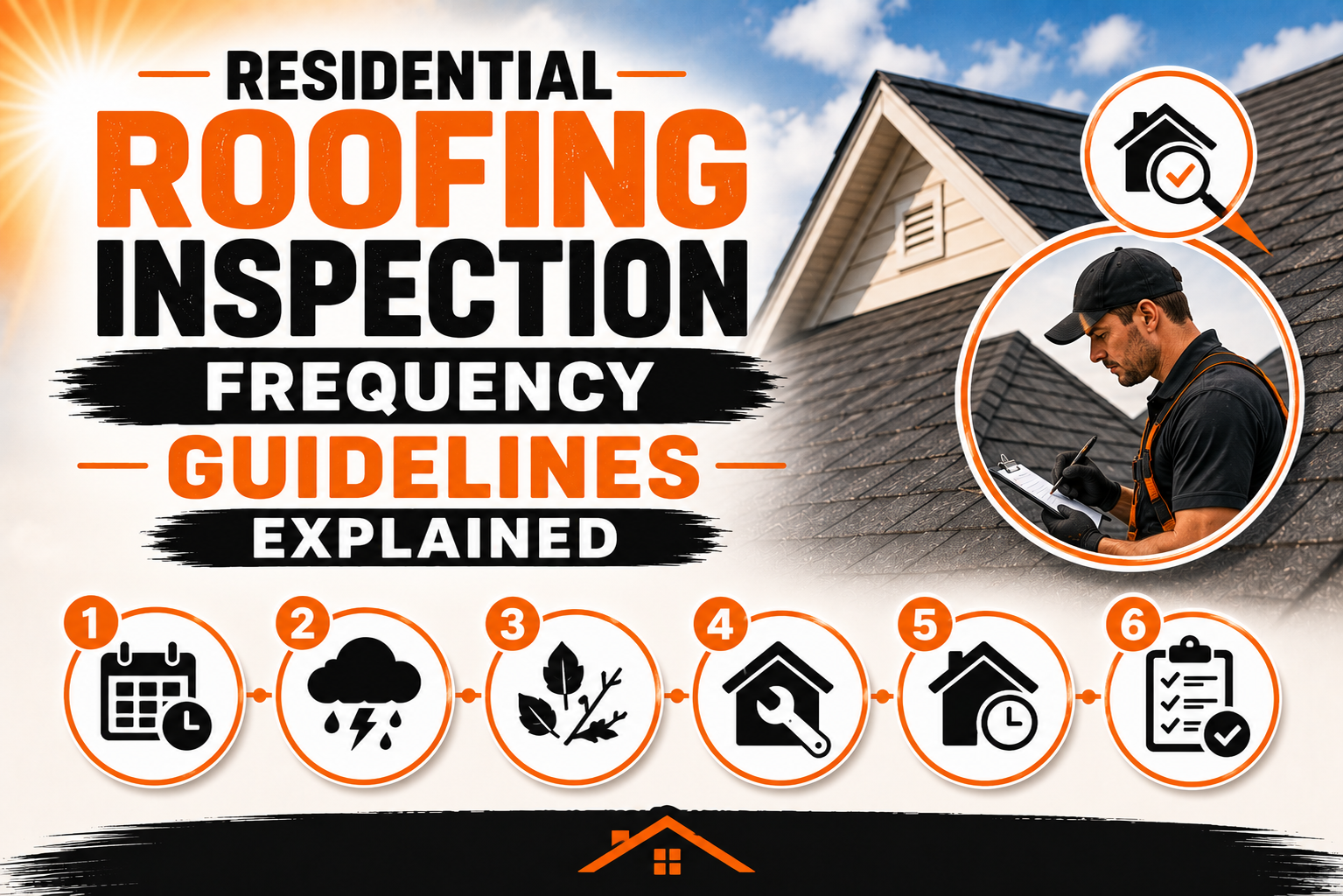
Residential Roofing Inspection Frequency Guidelines Explained
Introduction
Residential roofing inspections are an important part of maintaining a safe and functional home, but many homeowners are unsure how often their roof should actually be inspected. Some wait until a leak appears, while others assume that a roof only needs attention when it reaches the end of its expected service life. In reality, regular inspections can help identify developing problems before they become more expensive or disruptive.
The appropriate inspection frequency depends on several factors, including the roof’s age, material, condition, weather exposure, maintenance history, and surrounding environment. A newer roof in good condition may require less frequent attention than an older roof exposed to frequent storms. Understanding these factors allows homeowners to create a practical inspection schedule instead of relying on a one-size-fits-all approach.
Professional inspections are especially useful because many roofing problems are not immediately visible from the ground. Damaged flashing, loose materials, drainage issues, and early signs of moisture intrusion can develop without producing an obvious interior leak. Regular evaluations give homeowners an opportunity to identify these concerns while they are still manageable.
A roofing inspection schedule should also be flexible enough to respond to unexpected events. Severe storms, fallen branches, unusually strong winds, and other weather conditions can change the condition of a roof quickly. In these situations, waiting for the next regularly scheduled inspection may not be appropriate.
Why Residential Roofing Inspection Frequency Matters
A roof is continuously exposed to environmental conditions that can gradually affect its materials and components. Sunlight, rain, wind, temperature changes, humidity, debris, and seasonal weather can all contribute to wear. Regular inspections help homeowners understand how these conditions are affecting their particular roofing system.
Inspection frequency matters because roofing problems often develop gradually. A small crack, loose shingle, deteriorated flashing component, or blocked drainage area may initially have little visible impact. If the condition remains unresolved, however, repeated exposure to water and weather can increase the extent of the damage.
Regular inspections can also support preventive maintenance. Instead of discovering a problem only after water reaches an interior ceiling, homeowners can identify potential weak points earlier. This allows maintenance and repairs to be planned rather than handled as unexpected emergencies.
The frequency of inspections can also help homeowners manage the expected life of their roofing system. A roof that receives consistent attention may provide useful information about when certain components are beginning to deteriorate. This does not guarantee a specific lifespan, but it gives homeowners better information for maintenance and replacement planning.
Inspection records can become particularly useful over time. Keeping reports, photographs, and repair information allows homeowners to compare the roof’s condition from one inspection to another. Changes that may be difficult to notice during everyday life can become more apparent when documented over several years.
General Guidelines for How Often to Inspect a Roof
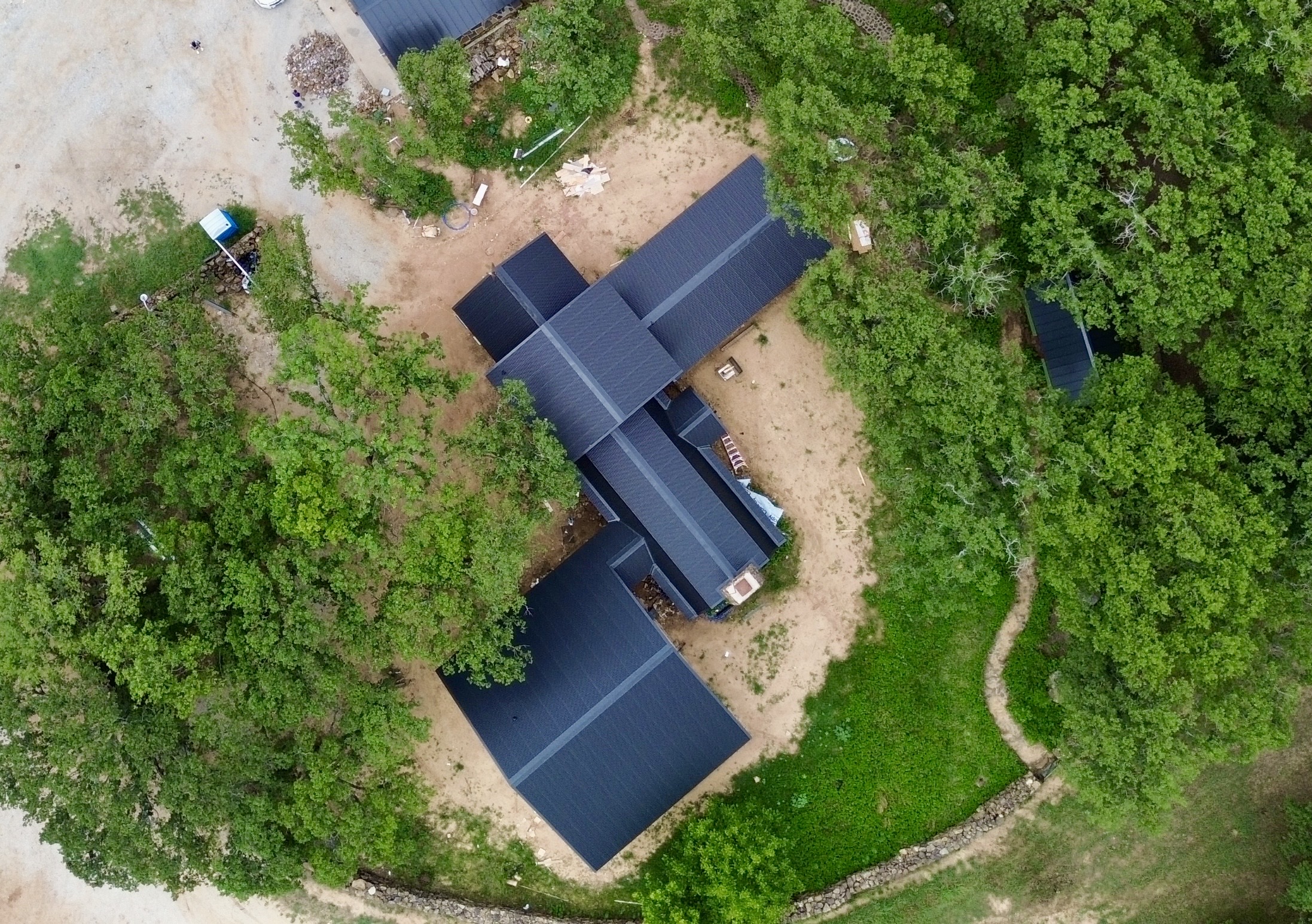
For many residential properties, a professional roofing inspection at least once a year is a practical general guideline. An annual inspection provides an opportunity to evaluate the roof before small issues have more time to develop. However, annual inspection should be viewed as a starting point rather than a universal rule for every property.
Some roofs may benefit from inspections more frequently than once a year. Older roofs, roofs exposed to severe weather, and properties with a history of leaks or recurring repairs may require additional attention. The inspection schedule should reflect the actual conditions affecting the roofing system.
Homeowners should also understand that regular inspections do not replace inspections triggered by specific events. A roof that was inspected several months earlier may still need another evaluation after significant storm damage. Weather can change roofing conditions much faster than a standard annual schedule assumes.
A practical inspection schedule can therefore include both routine and event-based inspections. Routine inspections help monitor normal aging, while event-based inspections respond to unusual conditions or warning signs.
The following factors commonly influence how frequently a roof should be inspected:
- Roof age and overall condition
- Roofing material and installation type
- Local weather exposure
- Previous repairs or recurring problems
- Nearby trees and environmental conditions
- Signs of moisture or interior damage
- Recent severe weather events
These factors should be considered together rather than used individually. For example, an older roof located in an area with frequent storms may need considerably more attention than a newer roof in a relatively sheltered environment.
Annual Roofing Inspections for Homeowners
An annual professional roofing inspection can provide a useful baseline for monitoring residential roof condition. During a routine inspection, the professional can examine accessible roofing materials, flashing, drainage components, penetrations, roof edges, and other visible areas. Depending on the inspection scope, attic and interior areas may also be evaluated for signs of moisture or ventilation concerns.
Annual inspections are particularly useful because roofing conditions can change even when the homeowner has not noticed any obvious problem. Materials may gradually deteriorate, flashing may loosen, gutters may become obstructed, and weather exposure can create small defects. A professional inspection gives these areas focused attention.
The timing of an annual inspection can also be selected strategically. Some homeowners prefer to schedule an inspection after a season of severe weather, while others choose a consistent time each year so it becomes part of their normal home maintenance routine. The most important consideration is maintaining a regular schedule that is appropriate for the property.
Homeowners should not assume that a recently inspected roof requires no attention until the next annual appointment. Visible changes, leaks, storm damage, or unusual conditions should be evaluated when they occur. The annual inspection is a routine checkpoint, not a reason to ignore problems between inspections.
An annual inspection can also help homeowners maintain documentation. If the same property is inspected periodically, reports can provide a useful history of changing roof conditions. This information may help identify whether a problem is isolated, recurring, or gradually becoming more significant.
When Seasonal Roof Inspections Are Recommended
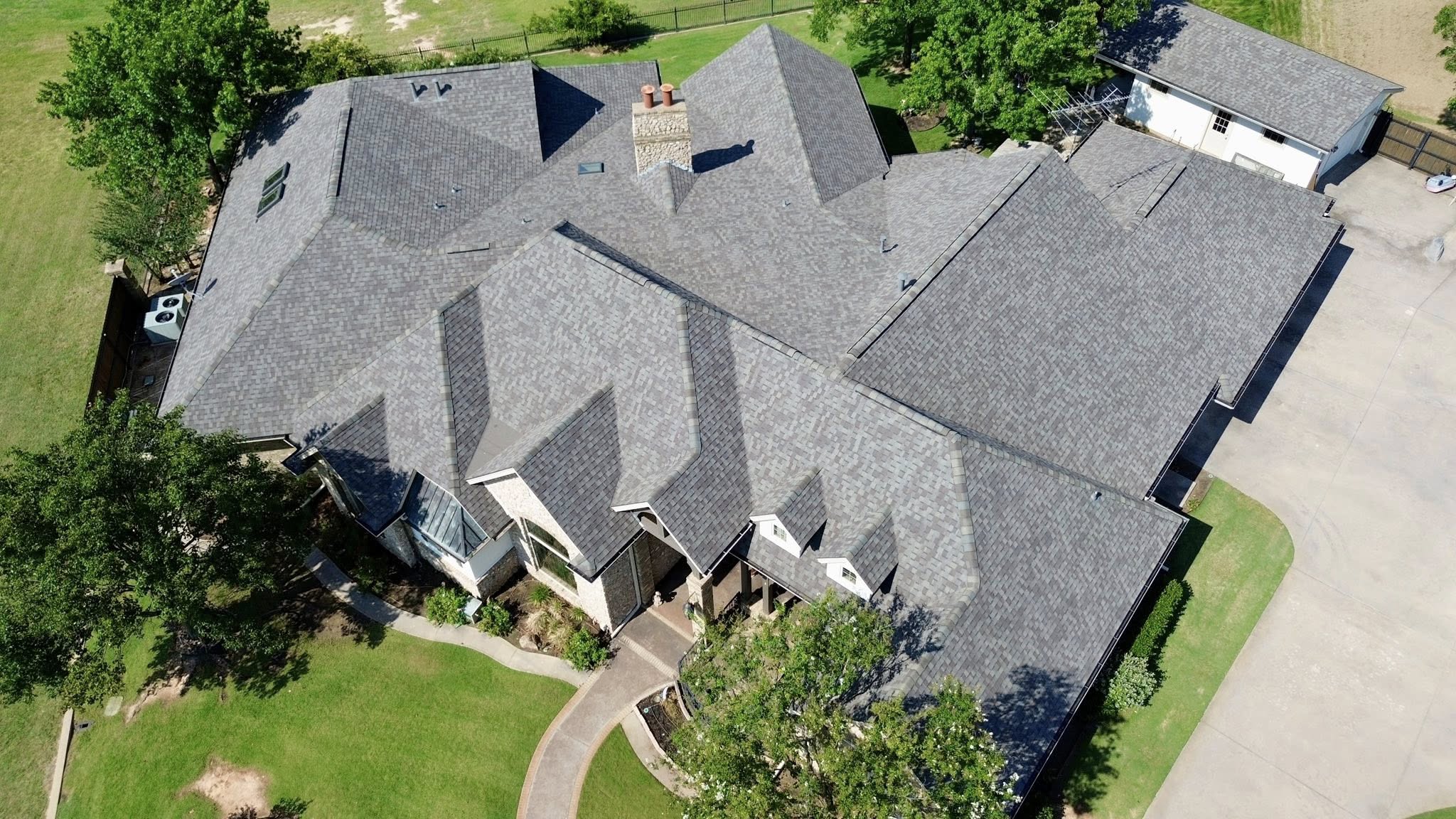
Some homes may benefit from inspections around major seasonal changes, especially when weather conditions place additional stress on the roofing system. Seasonal inspections can be useful when a property experiences significant temperature changes, heavy rainfall, snow, strong winds, or other recurring environmental conditions.
A pre-storm-season inspection can help identify obvious vulnerabilities before severe weather arrives. Loose roofing materials, damaged flashing, blocked drainage components, and deteriorated roof edges may be more concerning when strong winds and heavy rainfall are expected.
A post-season inspection can serve a different purpose. After a period of severe weather, the roof may have experienced damage that is not immediately visible from the ground. An inspection can help identify conditions that developed during the season and determine whether repairs or further evaluation are appropriate.
Not every home requires inspections during every season. The decision depends on local climate, roof condition, and exposure. A property in an area with relatively mild weather may follow a simpler annual schedule, while a property frequently exposed to severe storms may benefit from more frequent evaluations.
Seasonal maintenance should also be considered alongside inspections. Cleaning gutters, keeping drainage paths clear, trimming appropriate vegetation, and addressing visible deterioration can help support roof performance. However, maintenance tasks should not be treated as substitutes for professional inspection when specialized evaluation is needed.
Roof Age and Its Effect on Inspection Frequency
The age of a roof is one of the most important factors when determining inspection frequency. Roofing materials naturally experience wear over time, and older systems may have a higher likelihood of deterioration. As a roof becomes older, homeowners often benefit from paying closer attention to changes in its condition.
A relatively new roof in good condition may not require unusually frequent professional inspections unless weather events or visible problems create a reason for additional evaluation. Routine monitoring can still help confirm that the roofing system is performing as expected.
As the roof becomes older, inspections can become increasingly valuable. Inspectors may look more closely for widespread material deterioration, aging flashing, drainage problems, previous repair areas, and signs that components are approaching the end of their useful service period.
Older roofs can also contain a combination of original and repaired components. Previous repairs may have addressed some areas while other components continue to age. A professional inspection can help homeowners understand the overall condition rather than focusing on one recently repaired section.
The roof’s age should never be considered in isolation. Two roofs of the same age may have very different conditions because of differences in material quality, installation, ventilation, maintenance, weather exposure, and environmental factors. Inspection findings provide a more useful basis for decisions than age alone.
For older roofing systems, homeowners may also benefit from keeping detailed records of inspections and repairs. These records can help track deterioration and make it easier to plan future maintenance or replacement when the time becomes appropriate.
How Roofing Materials Affect Inspection Schedules
Different roofing materials respond differently to weather, aging, impact, moisture, and maintenance conditions. As a result, the material used on a residential roof can influence how frequently professional inspections are useful.
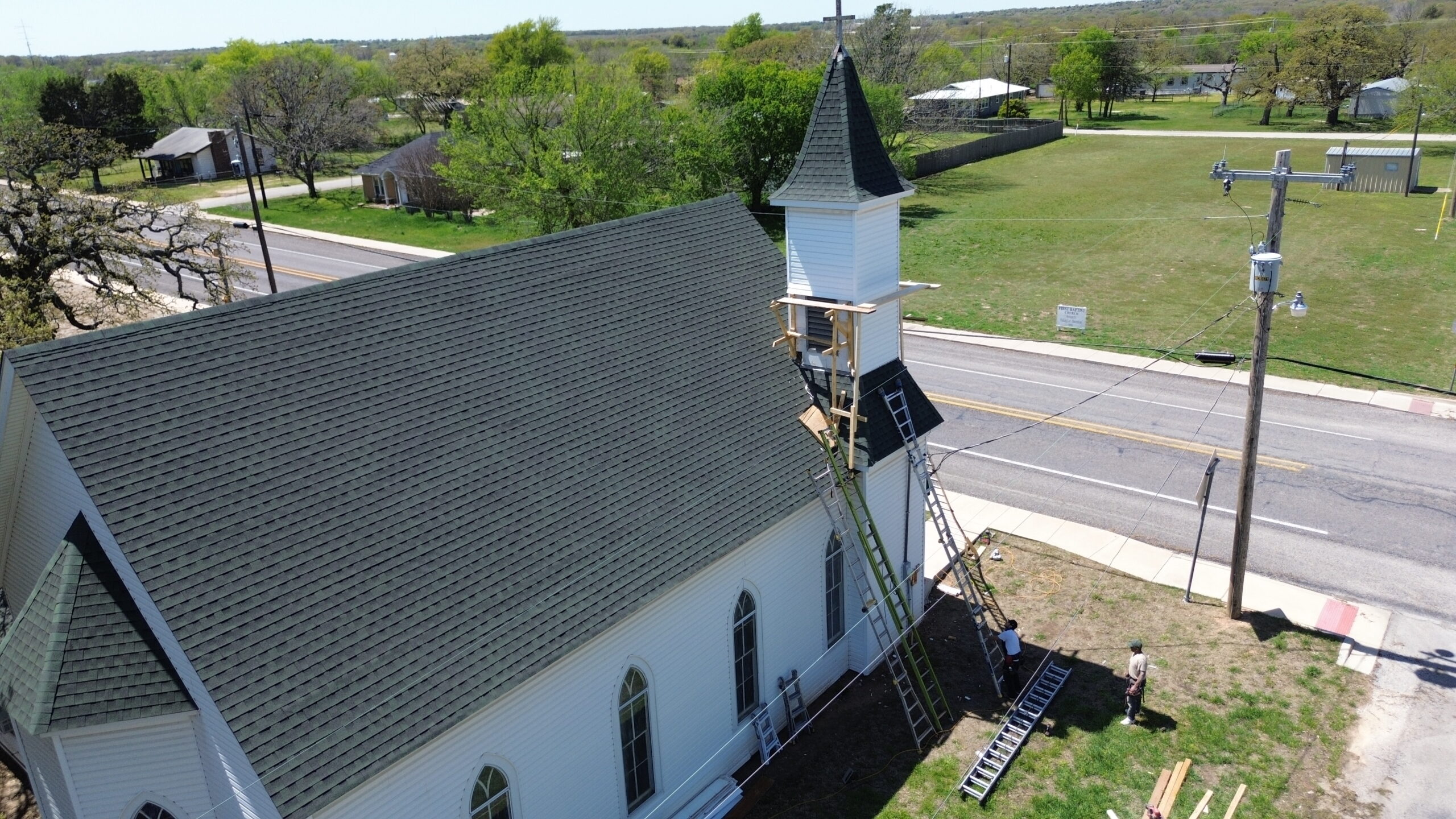
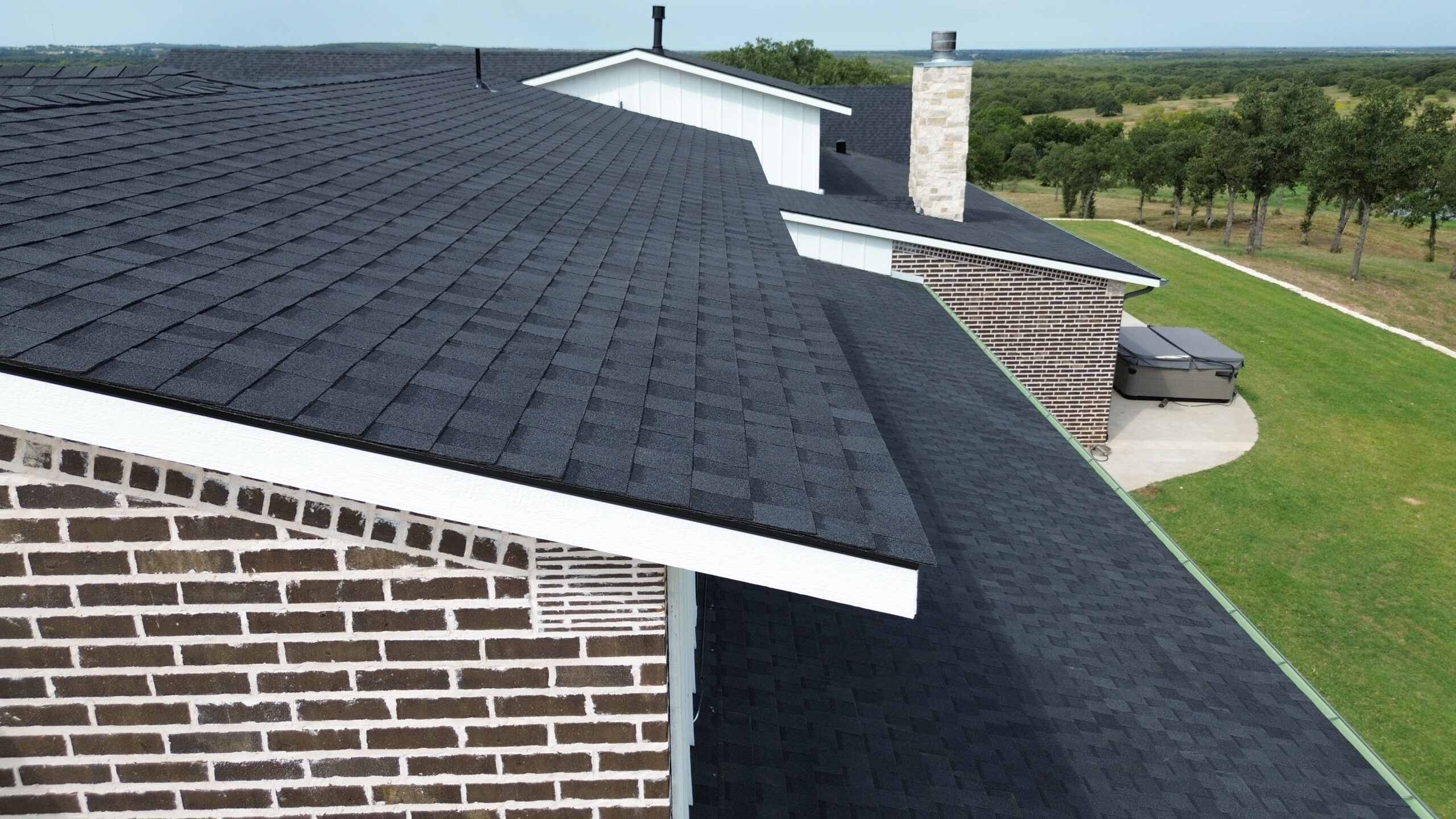
Asphalt shingles are widely used and can experience issues such as cracking, curling, granule loss, wind displacement, and general aging. Regular inspections can help identify these conditions and determine whether they are isolated defects or part of broader deterioration.
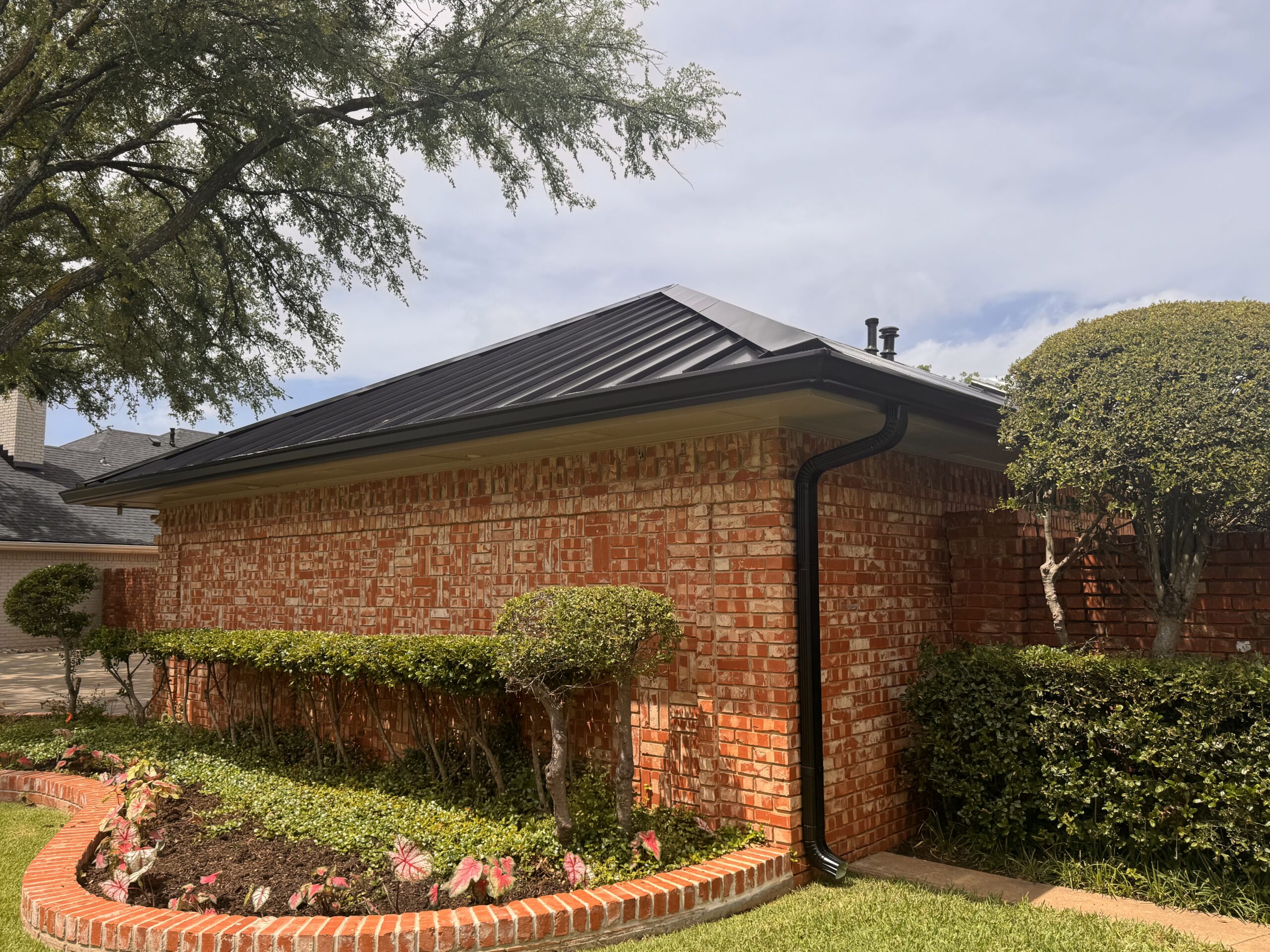
Metal roofing systems have different inspection considerations. Professionals may examine panels, seams, fasteners, coatings, flashing, and areas where corrosion or movement may occur. Even when the main panels appear durable, related components can still require attention.
Tile roofing also requires a material-specific approach. Cracked, broken, or displaced tiles can create vulnerabilities, while the underlying components may also need consideration. Walking on some tile roofs can cause damage, so inspection methods should account for the material’s characteristics.
Other roofing systems may have their own maintenance and inspection considerations. The roof’s slope, installation method, drainage design, and surrounding components can influence how it performs and what inspectors need to examine.
For this reason, homeowners should avoid assuming that every roof follows exactly the same inspection schedule. Material type is one factor among many that should be considered when developing a practical inspection routine.
A professional roofing inspection provides an opportunity to evaluate the actual condition of the materials rather than relying only on their general expected lifespan. By combining roof age, material, weather exposure, maintenance history, and visible conditions, homeowners can create an inspection schedule that is more appropriate for their property.
How Severe Weather Changes Inspection Frequency
Severe weather can significantly affect how often a residential roof should be inspected. Strong winds, hail, heavy rain, lightning, falling branches, and other weather events can damage roofing materials or expose weaknesses that were not previously visible. Even when there is no obvious leak inside the home, the roof may still need professional evaluation after a significant weather event.
Wind can loosen or displace roofing materials, particularly around roof edges, corners, ridges, and other exposed areas. Hail can create impact damage that may be difficult to identify from the ground. Heavy rainfall can also expose problems with flashing, valleys, drainage systems, and roof penetrations.
A roof that was inspected shortly before a major storm may still require another inspection afterward. Routine inspection schedules are designed to monitor normal conditions and do not account for sudden changes caused by severe weather. An event-based inspection can therefore be appropriate even when the next scheduled annual inspection is several months away.
Homeowners should pay attention to visible signs following severe weather. Missing or displaced roofing materials, fallen branches, damaged gutters, new ceiling stains, or water entering the attic can all indicate a reason for prompt evaluation. Waiting for a regular inspection date may allow a small weather-related problem to worsen.
Post-storm inspections can also provide useful documentation. Photographs and written observations can establish what conditions were visible at the time of the inspection. This information can help homeowners understand the extent of damage and communicate more clearly with qualified roofing professionals about necessary repairs.
Not every storm requires a professional inspection. The decision depends on the severity of the weather, the roof’s age and condition, and any visible signs of damage. When homeowners are uncertain, professional evaluation can help determine whether further action is necessary.
Inspection Guidelines for Older Residential Roofs
Older roofs generally require closer monitoring because roofing materials and supporting components naturally deteriorate over time. As materials age, the likelihood of problems such as surface deterioration, flashing wear, drainage concerns, and previous repair failures may increase. A consistent inspection schedule can help homeowners keep track of these changes.
An older roof does not automatically mean that replacement is necessary. Some roofs remain functional for many years when they have been properly installed and maintained. Professional inspections can help distinguish between normal aging, repairable conditions, and widespread deterioration.
Inspection frequency may become more important as a roof approaches the later portion of its expected service life. Professionals can examine areas that are more likely to show aging, including exposed roofing surfaces, valleys, roof edges, flashing, penetrations, and drainage components. The condition of these areas can help homeowners understand whether continued maintenance is practical.
Previous repairs should also be considered when inspecting an older roof. A roof with multiple repair areas may have different conditions across its surface. Some sections may still perform well while others have experienced repeated problems.
Older roofs can also have outdated components or modifications made over many years. An inspection may reveal inconsistent materials, aging ventilation components, deteriorated flashing, or drainage changes. These findings can be useful when planning future work.
Homeowners with older roofs should keep inspection and repair records whenever possible. A history of documented conditions can help identify patterns and provide useful information when deciding whether to repair individual areas or begin planning for larger roofing work.
When to Inspect After Storm or Weather Damage
A professional roof inspection may be appropriate soon after a significant storm, particularly when there are visible signs that the roof may have been affected. The timing depends on the circumstances, but homeowners should not wait for an interior leak before considering an evaluation.
One reason for inspecting after severe weather is that damage can occur without immediately producing visible indoor symptoms. Roofing materials may be displaced, flashing may be damaged, or small openings may develop. Water intrusion might not become noticeable until a later rainfall event.
Homeowners should also consider the condition of nearby trees after a storm. Broken branches can strike roofing materials or fall onto the roof even when the main structure of the roof appears intact. Branches and debris can also block gutters and drainage paths.
If a storm has caused widespread damage in the surrounding area, homeowners may want to pay closer attention to their own property even if they do not see obvious problems. Strong weather can affect roofs differently depending on orientation, surrounding structures, roof slope, and material condition.
When a professional inspection is performed after a storm, the inspector can document visible conditions and identify areas that may require repair or additional assessment. Homeowners should avoid climbing onto the roof themselves to look for damage, particularly when surfaces are wet, unstable, or difficult to access safely.
A post-storm inspection can be especially valuable when combined with previous inspection records. Comparing the roof’s documented condition before and after an event may make changes easier to identify. This can provide a clearer understanding of whether a condition appears new or was already present.
Roofing Inspections Before Buying or Selling a Home
A roof inspection can be an important part of preparing a home for purchase or sale. The roof is a major component of a residential property, and its condition can influence maintenance expectations and future expenses. A professional inspection provides focused information that may not be available through a general visual review.
For buyers, a roofing inspection can help identify visible concerns before completing a purchase. The inspection may reveal damaged materials, aging components, drainage problems, flashing concerns, or signs of moisture. This information can help buyers better understand the condition of the property.
For sellers, an inspection can provide an opportunity to identify roofing issues before listing the property. Addressing appropriate repairs in advance may make the home easier to present and can reduce the possibility of unexpected findings later in the transaction.
A roof inspection should not be treated as a guarantee that every hidden defect will be discovered. It provides an assessment based on the inspection scope and accessible conditions at the time. Buyers and sellers should understand any limitations documented in the report.
The timing of a pre-sale inspection can vary. Some homeowners may choose to inspect well before listing so they have time to address maintenance needs. Others may schedule an inspection closer to the transaction. The best timing depends on the property and the amount of preparation needed.
For buyers, it can also be useful to review available maintenance records. Previous inspection reports, repair invoices, and roofing documentation may provide additional context about the system’s history. A current inspection can then be considered alongside that information.
Signs That a Roof Needs an Immediate Inspection
Routine inspection schedules are useful, but homeowners should not wait for the next scheduled appointment when warning signs appear. Certain conditions may indicate that the roof needs prompt professional evaluation. Recognizing these signs can help prevent a developing problem from becoming more extensive.
Water stains on ceilings or walls are among the most noticeable warning signs. A stain may represent an old problem rather than an active leak, but it still deserves attention if its source has not been confirmed. Water can travel through roof and building components before becoming visible inside the home.
Missing, cracked, curled, or visibly displaced roofing materials can also justify an inspection. These conditions may expose vulnerable areas of the roof to weather. The seriousness of the issue depends on its location, extent, and the condition of surrounding materials.
Homeowners should also pay attention to damaged or sagging gutters, visible flashing problems, and unusual amounts of roofing debris around the property. These observations do not automatically establish that the roof has failed, but they can provide reasons for further evaluation.
Changes in the attic may also be significant. Damp insulation, water staining, damaged wood, or unusual moisture conditions can indicate that the roof assembly or ventilation system requires attention. Because attic conditions can be difficult to evaluate safely, professional inspection is often appropriate.
After major weather events, homeowners should also watch for fallen branches, new debris, or visible changes to the roofline. Any condition suggesting that the roof has been physically impacted may justify an inspection, especially if the property experienced strong winds or hail.
How Maintenance History Affects Inspection Frequency
A roof’s maintenance history can have a significant influence on its inspection needs. A system that has been consistently maintained and documented may have a different inspection profile from one that has experienced recurring leaks, neglected drainage, or multiple unresolved repairs.
Previous repairs should be reviewed when possible because they can reveal areas that have required repeated attention. A recurring issue in the same location may indicate that an underlying cause has not been fully addressed. Regular inspections can help determine whether the condition is stable or continuing to develop.
Properties with a history of water intrusion may also benefit from closer monitoring. Even after a repair has been completed, an inspection can help confirm that surrounding components remain in satisfactory condition. Moisture-related problems can sometimes affect more than the original point of entry.
Poor maintenance can also influence inspection frequency. Blocked gutters, uncontrolled debris accumulation, neglected vegetation, or unaddressed minor damage can place additional stress on roofing components. In these situations, more consistent professional attention may be useful until the property is brought into a better maintenance routine.
On the other hand, a well-maintained roof with regular inspection records may allow homeowners to follow a more predictable schedule. This does not eliminate the need for inspections after severe weather or when warning signs appear, but it can make routine monitoring easier.
Homeowners should therefore consider maintenance history when deciding how often to schedule professional inspections. The objective is not simply to inspect the roof as often as possible, but to establish a frequency that reflects its actual risk factors and condition.
A practical schedule should combine routine inspections with additional evaluations when circumstances change. Annual assessments can provide a consistent baseline, while older roofs, severe weather exposure, previous problems, and visible warning signs may justify more frequent attention. By adjusting inspection frequency to the roof’s real-world conditions, homeowners can monitor deterioration more effectively and make better-informed maintenance decisions.
Inspection Frequency for Different Roof Conditions
Not every residential roof requires the same inspection schedule. The appropriate frequency depends on the roof’s age, material, condition, weather exposure, previous repairs, and the presence of visible warning signs. Creating a schedule around these factors is more practical than relying on a fixed rule for every property.
A newer roof that is properly installed and has no known problems may generally be monitored through routine professional inspections. An annual inspection can provide a useful baseline while allowing a professional to identify early signs of deterioration. Additional inspections may still be appropriate after severe weather or when visible problems develop.
A roof in average condition may also benefit from regular annual inspections, particularly when the property is exposed to normal seasonal weather. Consistent inspections allow homeowners to track changes in roofing materials, flashing, drainage, and other components. This approach can make maintenance decisions easier because problems can be addressed according to their actual condition.
Older roofs often deserve closer attention because deterioration can become more widespread as materials age. Homeowners may benefit from discussing a more frequent inspection schedule with a qualified roofing professional when the roof is approaching the later part of its expected service life. The goal is to identify changes early and provide enough time to plan appropriate repairs or replacement.
Roofs with recurring leaks, previous storm damage, repeated repairs, or known drainage problems may also require additional inspections. A roof with a history of problems should not necessarily be treated the same way as a roof with a stable maintenance record. More frequent monitoring can help determine whether previous issues have been resolved successfully.
The following general approach can help homeowners think about inspection frequency:
- Newer roofs: Follow a routine inspection schedule and arrange additional inspections after significant weather or visible damage.
- Mid-life roofs: Continue regular inspections while paying closer attention to aging materials and previous repair areas.
- Older roofs: Consider more frequent professional evaluation and begin planning for potential major repairs or replacement when conditions warrant.
- Problematic roofs: Use the inspection history and professional recommendations to determine whether closer monitoring is appropriate.
These are general guidelines rather than strict requirements. A roofing professional can recommend a schedule based on the actual condition and exposure of a particular property.
How Regular Inspections Support Preventive Maintenance
Regular roofing inspections are most valuable when they become part of a broader preventive maintenance strategy. The purpose is not simply to discover problems but to understand how the roof is changing over time. Consistent monitoring can help homeowners respond to developing issues before they become larger concerns.
Preventive maintenance begins with awareness. A professional inspection can identify areas that may need cleaning, adjustment, repair, or closer observation. When homeowners understand these conditions, they can organize maintenance according to priority instead of waiting for a major problem to appear.
Drainage is one example of an area where preventive maintenance can make a difference. Gutters and downspouts can collect leaves, branches, dirt, and other debris, particularly when trees are located near the property. Keeping drainage paths clear can help water move away from the roof and reduce unnecessary moisture exposure.
Roof penetrations and flashing also benefit from periodic attention. These areas are exposed to weather and can deteriorate over time. Regular inspections can identify visible changes before they become more serious water management problems.
Preventive maintenance should also include attention to the surrounding property. Overhanging branches can contribute to debris accumulation and may damage roofing materials during strong winds. Appropriate vegetation management can reduce some of these risks while also making the roof easier to monitor.
Homeowners should remember that preventive maintenance does not mean repairing every minor condition immediately. Some findings may simply need monitoring, while others may require prompt attention. Professional recommendations can help determine which issues deserve priority.
Regular inspections also provide an opportunity to update maintenance records. Keeping reports, photographs, repair information, and dates of previous inspections creates a useful history of the roof. This documentation can support better decisions when conditions change.
What Homeowners Should Expect During Routine Inspections
Understanding what happens during a routine inspection can help homeowners prepare for the process. A professional typically begins by reviewing the property’s roof design, visible conditions, and relevant history before examining accessible areas more closely. The exact inspection method depends on the roof type, safety conditions, and scope of the service.
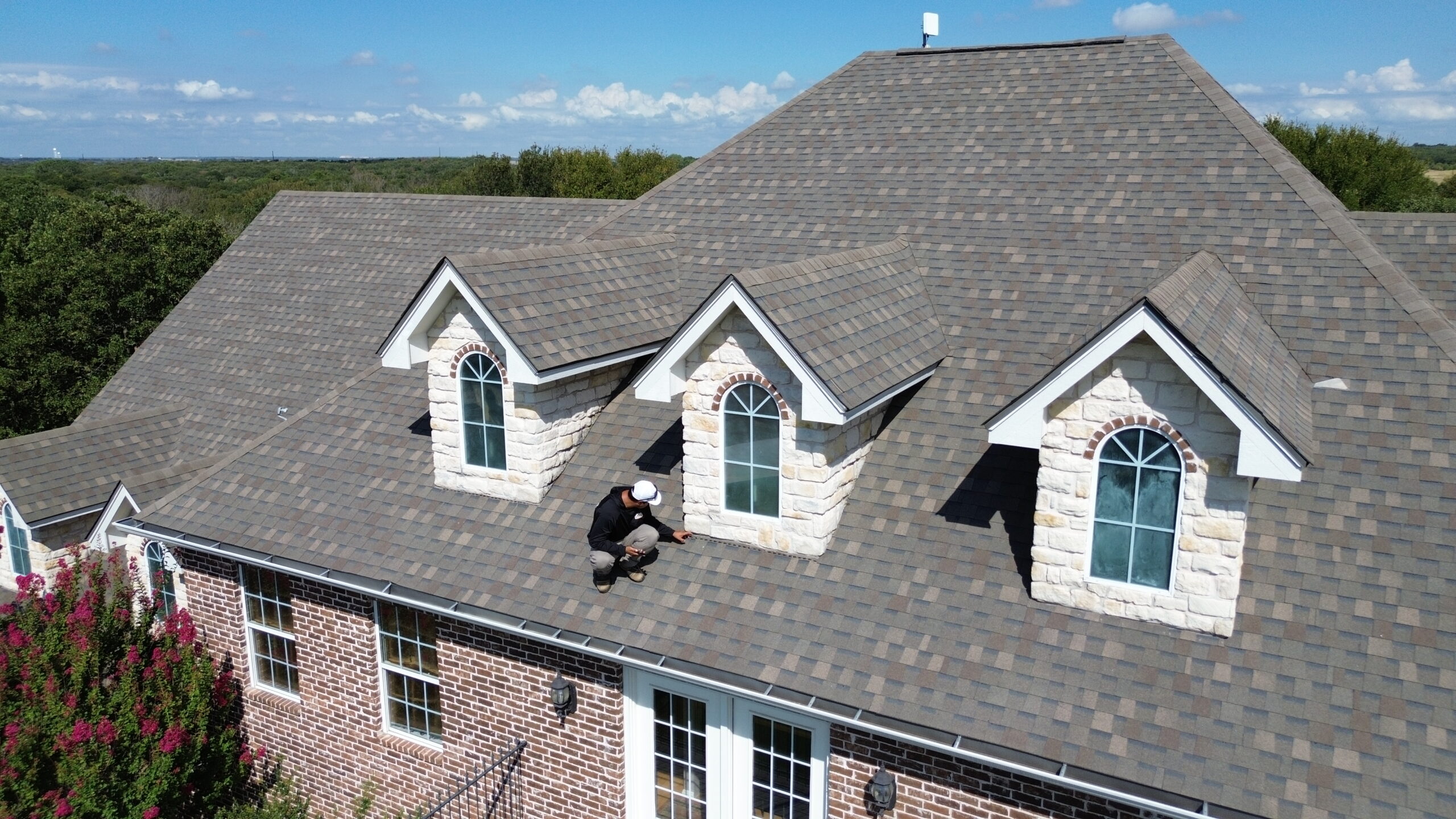
The exterior evaluation may include roofing materials, flashing, valleys, penetrations, roof edges, gutters, downspouts, and other visible components. The inspector looks for deterioration, displacement, damage, drainage concerns, and other conditions that may affect performance. Photographs may be taken to document significant findings.
Depending on the inspection scope, the attic and interior areas may also be evaluated. These spaces can provide clues about moisture intrusion, ventilation conditions, insulation concerns, or deterioration beneath the roofing surface. Interior observations can be particularly useful when combined with exterior findings.
Safety remains an important consideration throughout the inspection. Not every roof can be safely accessed, particularly when surfaces are wet, steep, fragile, or damaged. If direct access is not appropriate, the professional may use other methods to evaluate accessible areas and document any inspection limitations.
Homeowners should be prepared to provide information about previous repairs and known concerns. If a ceiling stain appears only during heavy rain or a leak occurs near a particular area, sharing that information can help focus the inspection. A roof’s history can provide useful context that cannot always be determined from a visual examination.
At the end of the inspection, homeowners should receive information about significant findings and recommended next steps. The report format can vary between inspection companies, but useful documentation generally explains observed conditions clearly and identifies areas that may require repair, monitoring, or additional evaluation.
Creating a Practical Residential Roof Inspection Schedule
A practical inspection schedule should be simple enough for homeowners to follow consistently while remaining flexible enough to respond to changing conditions. The schedule can begin with a routine professional inspection and then be adjusted based on roof age, condition, weather exposure, and maintenance history.
Homeowners can choose a recurring period each year for their routine inspection. Keeping the inspection around a consistent time can make it easier to remember and can create comparable records from one year to the next. The timing may also be selected around local weather patterns when that makes sense for the property.
Additional inspections should be considered after significant weather events. A major storm can change the roof’s condition quickly, so homeowners should not assume that the next annual inspection will be sufficient. Visible damage or interior warning signs should also trigger evaluation regardless of the normal schedule.
Roof age can be used to determine whether closer monitoring may be appropriate. As a roof becomes older, homeowners can discuss inspection frequency with a professional and consider whether certain components require additional attention. This can also help with long-term replacement planning.
A simple schedule can include four main considerations:
- Routine inspection: Arrange a regular professional evaluation to establish and maintain a record of roof condition.
- Weather-related inspection: Consider an inspection after significant storms, hail, high winds, or other events that could cause damage.
- Warning-sign inspection: Arrange prompt evaluation when leaks, damaged materials, unusual attic moisture, or other concerns appear.
- Life-cycle inspection: Increase attention as the roof becomes older or begins showing broader signs of deterioration.
This approach keeps inspection frequency connected to real conditions rather than relying entirely on the calendar. It also helps homeowners avoid both extremes of neglecting the roof and arranging unnecessary inspections without a specific reason.
Common Mistakes Homeowners Make With Inspection Frequency
One common mistake is waiting until a leak appears before arranging a professional inspection. Although leaks are an important warning sign, they may occur after damage has already progressed. Regular inspections can provide an opportunity to identify potential problems before water reaches the interior.
Another mistake is assuming that a newer roof does not require inspection. Newer materials can still experience installation problems, weather-related damage, drainage concerns, or other defects. Routine evaluation helps confirm that the roof continues to perform as expected.
Some homeowners also assume that a roof only needs to be inspected once at the end of its expected lifespan. This approach can overlook years of gradual deterioration. Roof age is important, but condition and exposure are equally relevant when deciding how often professional evaluation is useful.
Ignoring severe weather is another frequent mistake. A roof may look normal from ground level after a storm while still having damaged shingles, flashing, or other components. When significant weather occurs, homeowners should consider whether an additional inspection is appropriate.
Homeowners may also focus entirely on roofing materials while overlooking drainage and surrounding components. Gutters, downspouts, flashing, penetrations, and attic conditions can all influence roof performance. A comprehensive inspection considers these related areas rather than evaluating shingles alone.
Finally, homeowners sometimes fail to keep inspection and repair records. Without documentation, it can be difficult to determine whether a condition is new, recurring, or gradually worsening. Maintaining a simple history of inspections and repairs can make future maintenance decisions more informed.
Conclusion
Residential roofing inspection frequency should be based on the condition and circumstances of the roof rather than a single schedule that applies to every home. Annual professional inspections can provide a useful foundation for many properties, while older roofs, severe weather exposure, recurring problems, and visible warning signs may justify additional evaluations.
The most effective approach combines routine inspections with event-based assessments. A roof should be evaluated after significant weather when damage may have occurred, and homeowners should arrange prompt professional attention whenever leaks, damaged roofing materials, moisture evidence, or other warning signs appear.
Roof age, material type, maintenance history, and environmental exposure should also influence inspection frequency. A newer, well-maintained roof may follow a straightforward routine schedule, while an older or repeatedly repaired roof may benefit from closer monitoring and more detailed documentation.
Regular inspections can support preventive maintenance by identifying developing conditions before they become more extensive. They can also help homeowners understand the difference between minor maintenance needs, repairable problems, and conditions that may eventually require major roofing work.
Creating a practical inspection schedule does not have to be complicated. Homeowners can establish a recurring annual inspection, arrange additional evaluations after significant weather, respond promptly to visible warning signs, and adjust the schedule as the roof ages or its condition changes.
Professional inspections are not a guarantee that every hidden roofing problem will be discovered, but they provide valuable information about observable conditions and help homeowners make better-informed decisions. When combined with proper maintenance and timely repairs, regular inspections can help protect the roofing system and the home beneath it.
Ultimately, the best inspection schedule is one that reflects the property’s actual needs. By treating roof inspections as part of ongoing home maintenance rather than an emergency-only service, homeowners can monitor their roof more effectively, plan future work with greater confidence, and reduce the likelihood of being surprised by preventable roofing problems.