
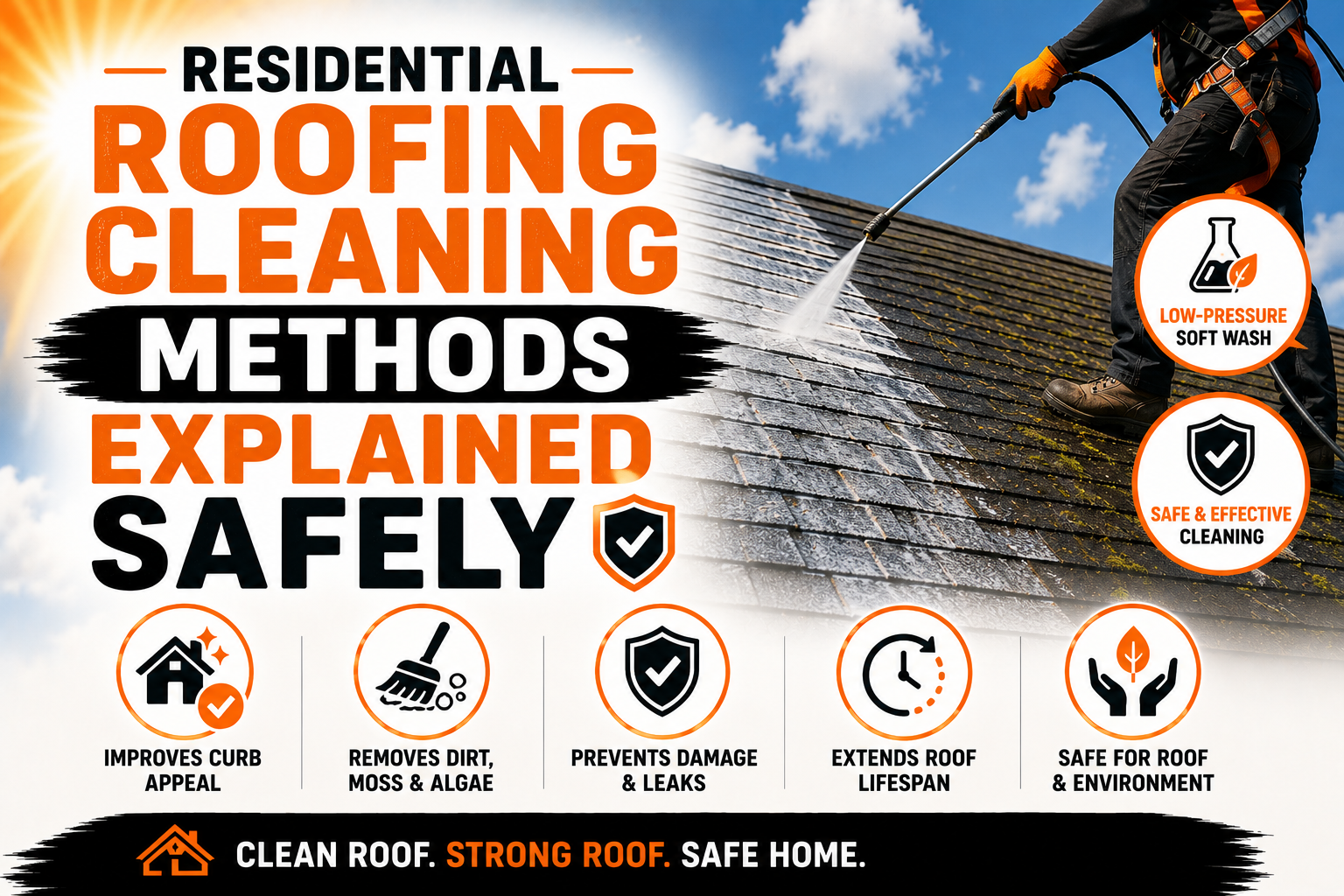
Residential Roofing Cleaning Methods Explained Safely
Introduction
Residential roof cleaning is an important part of property maintenance, but it should never be approached as a simple pressure-washing job. Roofing materials are exposed to sunlight, rain, wind, dirt, leaves, moss, algae, and other environmental conditions throughout the year. Over time, this exposure can create visible buildup and may contribute to moisture retention or drainage problems.
A clean roof can be easier to inspect and maintain because damaged or deteriorating areas are less likely to be hidden beneath layers of debris or organic growth. However, cleaning methods must match the roofing material and its condition. Using excessive pressure, harsh chemicals, or unsuitable tools can damage shingles, tiles, protective coatings, flashing, and other components.
Safety is equally important. Residential roofs can be steep, slippery, fragile, and difficult to access, especially when they are wet or covered with moss. Homeowners should avoid climbing onto the roof unless they have the appropriate training, equipment, and experience. Many cleaning tasks can be completed safely from the ground or by hiring a qualified professional.
The purpose of roof cleaning should be more than improving appearance. Appropriate cleaning can help remove debris, improve visibility during inspections, support proper drainage, and reduce conditions that encourage unwanted organic growth. At the same time, cleaning should not be used as a substitute for repairing damaged roofing materials.
Different roofing systems require different care. Asphalt shingles, clay tiles, concrete tiles, metal roofing, wood shakes, and synthetic materials can respond differently to water pressure and cleaning products. Before starting any cleaning project, homeowners should understand the material installed on their roof and follow applicable manufacturer recommendations.
A safe roof cleaning approach therefore begins with inspection and planning. Homeowners should identify the type and condition of the roofing system, evaluate the surrounding property, choose an appropriate method, and recognize when professional assistance is necessary.
Why Residential Roof Cleaning Matters
Roof cleaning can help maintain the appearance and general condition of a residential roofing system. Dirt, leaves, branches, moss, algae, and other organic material can accumulate over time, particularly in shaded or damp areas. Removing this buildup can make the roof easier to inspect and maintain.
Debris is one of the simplest cleaning concerns. Leaves and small branches can collect in valleys, around roof penetrations, and near gutters. When wet materials remain against roofing surfaces for extended periods, they can retain moisture and make it more difficult for the roof to dry.
Organic growth can create additional concerns. Moss may grow across or between certain roofing materials, while algae can create dark stains or discoloration on some roofs. These conditions do not always mean that the roof is failing, but significant growth can affect appearance and may contribute to persistent moisture.
Cleaning can also improve visibility. A roof covered with debris can make it difficult to notice cracked, displaced, or deteriorating materials. Once loose debris and excessive growth are removed safely, homeowners or professionals may have a clearer view of the roof’s condition.
Maintaining clean drainage areas is especially important. Leaves and organic debris can move into gutters and downspouts during rainfall. If these pathways become blocked, water may overflow or remain around vulnerable areas of the roofing system.
Roof cleaning can also be useful before certain maintenance activities. A professional may need a relatively clear surface to evaluate flashing, roofing materials, valleys, vents, or other components. Cleaning should be performed carefully so that the process does not create new damage.
However, homeowners should understand that cleaning alone cannot solve structural or waterproofing problems. If shingles are missing, tiles are cracked, flashing is damaged, or the roof is leaking, those issues require appropriate repair rather than simply more cleaning.
The goal is to maintain a roof that is reasonably free of harmful buildup while preserving the materials that provide protection. A gentle, material-appropriate approach is generally more beneficial than aggressive cleaning designed only to produce an immediately spotless appearance.
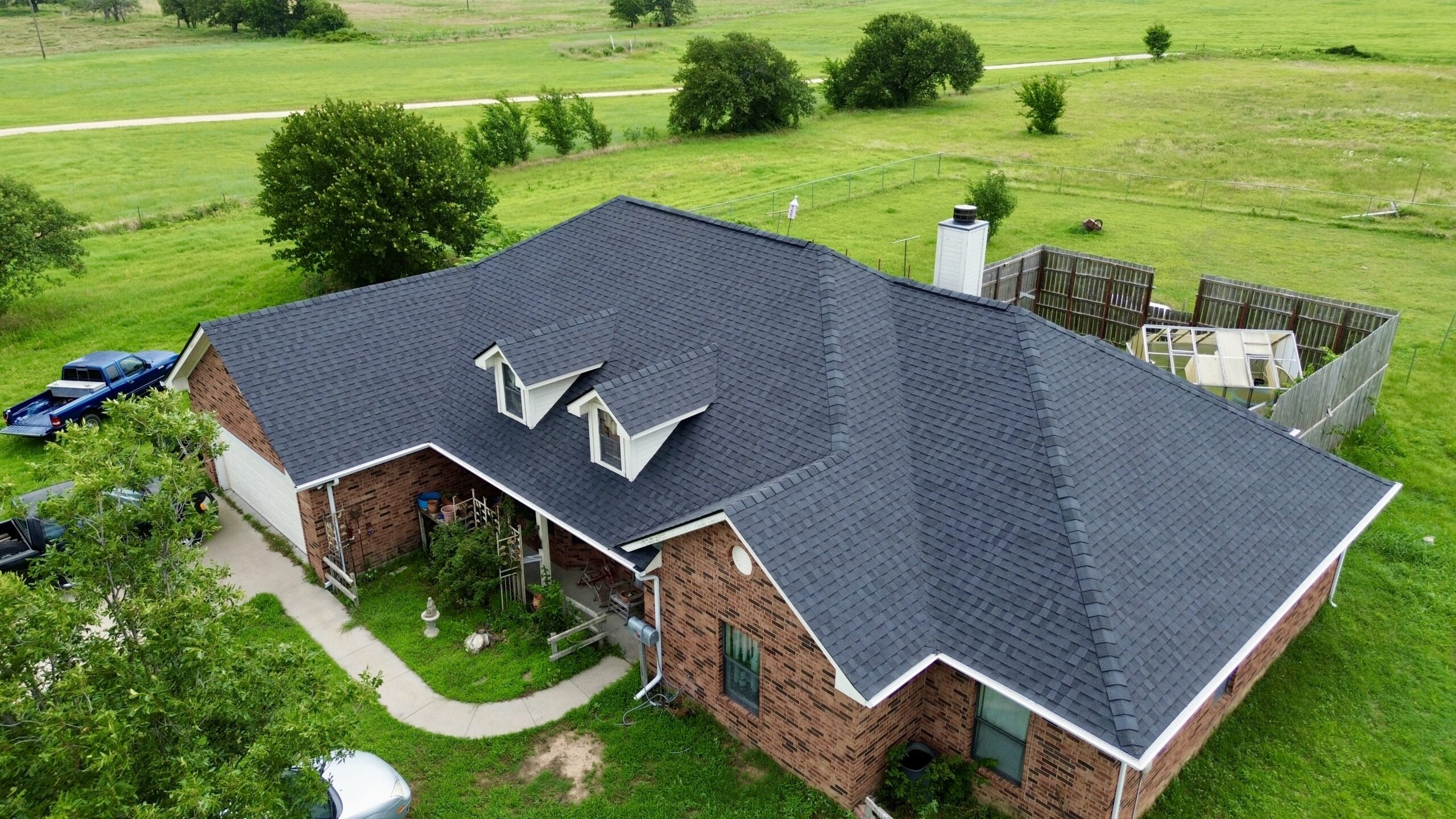
Understanding Different Roofing Materials Before Cleaning
The roofing material should determine the cleaning method. A technique that may be acceptable for one roofing system can damage another. Before beginning any project, homeowners should identify the roofing material and check available manufacturer care instructions.
Asphalt shingles are widely used on residential properties and require careful treatment. Their surfaces contain protective components that can be damaged by aggressive scrubbing or high-pressure water. Cleaning methods should therefore focus on gentle removal of debris and appropriate treatment of organic growth rather than forceful washing.
Tile roofing can include clay or concrete products, and both can be vulnerable to breakage under foot traffic or excessive pressure. Homeowners should avoid walking directly across fragile tiles simply to clean them. Professional equipment and experience may be necessary for safe access.
Metal roofing can usually be cleaned differently from asphalt shingles or tile. Dirt and organic buildup can often be removed with suitable low-pressure methods, but homeowners should pay attention to coatings, seams, fasteners, and areas where corrosion may already be present.
Wood shingles and shakes require particular care because excessive moisture and harsh cleaning can affect the material. Aggressive pressure washing can damage the surface and remove material that contributes to the roof’s protection. A professional should be consulted when substantial cleaning is required.
Synthetic roofing products vary considerably. Some are designed to resemble slate, wood, or other materials, but their cleaning requirements depend on the specific product. Homeowners should not assume that a synthetic roof can be treated exactly like the material it resembles.
The condition of the roof is just as important as the material. Older, brittle, cracked, or deteriorating roofing should not be subjected to unnecessary physical stress. Cleaning can expose or worsen existing weaknesses if the method is too aggressive.
Roof coatings and protective finishes should also be considered. Certain chemicals can discolor surfaces or interfere with coatings. When the appropriate cleaning product is uncertain, checking the manufacturer’s recommendations or contacting a qualified roofing professional is safer than experimenting.
A basic material assessment can therefore prevent many cleaning mistakes. Homeowners should know what is installed, understand its condition, and select a method designed for that particular roofing system.
Safe Roof Inspection Before Cleaning Begins
A roof should be inspected before any cleaning work begins. The inspection helps determine whether cleaning is appropriate and identifies areas that may require repair before water or cleaning solutions are introduced.
Homeowners can begin with a ground-level inspection. Binoculars can help identify visible debris, moss, algae, damaged shingles, cracked tiles, loose components, or other concerns without requiring roof access. This approach is particularly useful for steep or high roofs.
The condition of gutters and downspouts should also be checked. If they are already blocked or damaged, cleaning the roof may send additional debris into the drainage system. Gutter protection and cleanup should be included in the overall plan.
Homeowners should look for signs of existing leaks inside the home. Water stains, damp areas, peeling paint, or musty odors around ceilings and upper walls may indicate a roofing problem. Cleaning should not be used to conceal or postpone investigation of a leak.
The roof’s slope and accessibility should be considered carefully. Steep roofs create a greater fall risk, while wet surfaces become even more dangerous during cleaning. If safe access cannot be established, homeowners should hire a professional.
Weather conditions matter as well. Rain, strong winds, extreme heat, or freezing temperatures can make cleaning more hazardous or reduce the effectiveness of certain cleaning methods. Choosing a suitable weather window can improve both safety and results.
Nearby electrical equipment should also be considered. Roofs may have electrical connections, solar equipment, antennas, or other installations that require special precautions. Homeowners should avoid spraying water around electrical components without appropriate guidance.
Before using any cleaning solution, surrounding surfaces should be considered. Some products can affect siding, painted surfaces, plants, landscaping, or outdoor fixtures. Protective measures may be necessary to prevent accidental damage.
The inspection should finish with a simple decision: is the roof suitable for cleaning, or does it need professional repair or evaluation first? If the roof is severely damaged, fragile, leaking, or unsafe to access, cleaning should not be the immediate priority.
Gentle Roof Cleaning Methods for Homeowners
The safest residential roof cleaning methods generally focus on gentle removal rather than aggressive force. Homeowners should select the least aggressive method that can reasonably remove the type of debris or growth present on the roof.
Loose leaves and small debris can often be removed from safe locations using appropriate tools. A soft brush or suitable roof-cleaning equipment may be used where manufacturer guidance permits it. Homeowners should avoid dragging heavy tools across roofing materials.
For some roofs, a garden hose with controlled, low-pressure water may be appropriate for rinsing. The water should not be directed forcefully beneath shingles, flashing, or other components. High-pressure water can push moisture into areas that are designed to remain protected.
Soft cleaning methods are especially important for asphalt shingles. Excessive pressure or aggressive brushing can remove surface granules and reduce the protective quality of the material. The objective should be to remove unwanted buildup while preserving the roof surface.
Cleaning solutions may be appropriate for certain types of algae or moss, but the product must be compatible with the roofing material. Homeowners should follow product directions carefully and avoid mixing chemicals.
A cleaning solution should never be assumed to be safe simply because it is marketed for outdoor use. Some chemicals can affect roofing materials, metals, plants, or painted surfaces. When there is uncertainty, professional advice is preferable.
Homeowners should also avoid scraping organic growth aggressively. Moss can sometimes attach firmly to roofing surfaces, and forceful removal may damage shingles or other materials. Treating the growth appropriately and allowing it to loosen gradually may be safer than trying to remove everything mechanically.
Cleaning should also proceed in a controlled manner. Large amounts of water or debris should not be allowed to accumulate in gutters or valleys. Drainage components may need to be cleaned during or immediately after the roof-cleaning process.
The safest approach is often the one that uses minimal force and avoids unnecessary roof traffic. If achieving a satisfactory result requires climbing onto a steep roof, using specialized equipment, or applying chemicals extensively, professional cleaning may be the better option.
Removing Leaves, Branches, and Loose Roof Debris
Leaves, twigs, branches, and other loose debris are among the most common materials found on residential roofs. They can accumulate naturally, particularly beneath trees or in areas where wind directs debris. Removing this material can help maintain drainage and make the roofing surface easier to inspect.
Small amounts of loose debris may sometimes be removed safely from the ground using appropriate equipment. However, homeowners should not throw heavy tools or objects onto the roof because they can damage roofing materials.
Roof valleys require particular attention because they collect water from multiple sections. Leaves and branches that accumulate in these areas can interfere with drainage and remain wet after rainfall. If the valley cannot be accessed safely, professional cleaning is recommended.
Gutters should be checked after roof debris is removed. Loose material can move downward during cleaning and accumulate inside the drainage system. Clearing gutters and downspouts helps prevent the newly cleaned roof from immediately creating a drainage problem.
Large branches should not be moved by homeowners if they are resting on the roof or caught in overhead structures. A branch may be heavier or more unstable than it appears and could damage the roof further during removal. Professional tree or roofing services may be needed depending on the situation.
Debris should also be removed after severe weather. Storms can deposit branches, leaves, and other materials on roofing surfaces, sometimes alongside hidden damage. A post-storm inspection should therefore focus on both debris and the condition of the roof underneath it.
Trees that consistently deposit large amounts of debris may require long-term management. Proper trimming can reduce the amount of material reaching the roof while also reducing the risk of branches rubbing against roofing surfaces.
The purpose of debris removal is not to make the roof look perfect at all times. It is to reduce moisture retention, maintain drainage, improve visibility, and prevent loose material from creating avoidable problems. When performed carefully and safely, basic debris management can be a useful part of residential roof maintenance.
Cleaning Moss, Algae, and Organic Growth Safely
Moss and algae are common concerns on residential roofs, particularly in areas that remain shaded or exposed to frequent moisture. Although some organic growth is mainly an appearance issue, heavy or persistent growth can retain moisture and make the roof surface more difficult to inspect. Safe removal requires a method that controls the growth without damaging the roofing material.
Moss can be more challenging than loose dirt because it may attach itself to roofing surfaces and grow between materials. Pulling or scraping it aggressively can loosen shingles, remove protective granules, or damage the surface. A gentle treatment method is usually preferable to forceful removal.
Algae can create dark streaks or discoloration on some asphalt shingle roofs. Its presence does not automatically mean that the roofing system is failing. However, significant growth can affect the appearance of the property and may indicate that the roof remains damp for extended periods.
Homeowners should identify the roofing material before selecting a cleaning product. A solution that is suitable for one material may cause discoloration or deterioration on another. Manufacturer instructions should be followed whenever they are available.
Chemical treatments should never be mixed casually. Combining cleaning products can create dangerous reactions and may produce fumes that are harmful to people, plants, or roofing materials. Products should be used exactly as directed, with appropriate protective measures.
Plants and landscaping should also be protected during cleaning. Some roof cleaning solutions can damage grass, shrubs, flowers, or other vegetation if they run off the roof. Homeowners should consider where water and cleaning solutions will travel before beginning the process.
Heavy moss growth can also hide damaged roofing materials. Cleaning should therefore be followed by an inspection of the exposed surface. If shingles, tiles, flashing, or other components appear damaged, repairs may be required.
Pressure should not be used as the primary solution for removing stubborn organic growth. High-pressure washing can cause significant damage to certain roofing systems and may shorten their service life. A slower, gentler process is often safer.
If moss or algae covers a large portion of the roof, professional cleaning is generally the better option. Experienced contractors can select an appropriate treatment and work from suitable access points without unnecessarily damaging the roof.
Low-Pressure Washing and When It Is Appropriate
Low-pressure washing can be useful for certain residential roof cleaning situations, but it should not be confused with conventional high-pressure power washing. The objective is to use controlled water flow that removes surface dirt without forcing water beneath roofing materials.
The suitability of low-pressure cleaning depends on the roofing material and its condition. Some surfaces can tolerate gentle rinsing, while others require specialized methods. Homeowners should always confirm that the approach is compatible with the roof before applying water.
Asphalt shingles require particular care because their protective granules can be loosened by excessive pressure. Water should never be directed aggressively against shingle edges, seams, flashing, or other vulnerable areas.
Metal roofs may tolerate certain low-pressure cleaning methods, but seams, fasteners, coatings, and areas affected by corrosion still require attention. Water should be controlled so that it does not enter openings or damaged joints.
Tile roofs can also be damaged by improper pressure or foot traffic. Even if the tile itself appears strong, pressure can cause cracking or displacement, especially on older surfaces. Professional cleaning is often preferable when extensive roof access is necessary.
The direction of water matters as well. Water should generally be applied in a way that does not force moisture beneath overlapping roofing materials. Improper spraying can create leaks even when the roof did not previously have one.
Low-pressure cleaning should also be used with appropriate safety precautions. A wet roof becomes slippery, and ladders can become unstable when exposed to water. Homeowners should not place themselves at unnecessary risk simply to clean a roof.
In many cases, homeowners can avoid roof access altogether by using ground-based methods or hiring professionals. A clean roof is useful, but personal safety and preservation of the roofing system are more important than achieving a particular appearance.
Low-pressure washing is therefore a method rather than a universal solution. It can be effective when properly selected and controlled, but homeowners should consider material, roof condition, slope, weather, access, and drainage before using it.
Choosing Safe Roof Cleaning Solutions
The right cleaning solution can help remove organic growth and stains without unnecessarily affecting roofing materials. However, homeowners should never assume that a strong chemical is automatically a more effective or safer choice.
Roofing materials can react differently to cleaning products. Asphalt shingles, painted metal, tile, wood, and synthetic materials may have different chemical tolerances. Product labels should be checked carefully, and manufacturer recommendations should take priority.
Homeowners should also consider the age and condition of the roof. A newer roof in good condition may tolerate an appropriate cleaning treatment, while an older or deteriorating roof may be more vulnerable to damage. If the surface is already brittle or failing, cleaning may need to wait until a professional assessment is completed.
Cleaning products should be applied according to their instructions. Using excessive concentrations or leaving a solution on the roof longer than recommended can increase the chance of damage. More product does not necessarily mean better results.
Protective equipment may be required depending on the product. Gloves, eye protection, suitable clothing, and other precautions can reduce exposure. Children and pets should be kept away from areas where cleaning solutions are being used.
Runoff should also be controlled. A chemical that is safe for a roofing material may still harm plants, painted surfaces, or outdoor fixtures. Homeowners should plan how water will move from the roof before applying a cleaning solution.
Mixing different products should be avoided unless the manufacturer explicitly states that they are compatible. Household cleaning chemicals can react unexpectedly, creating dangerous conditions.
Homeowners should also be cautious about homemade cleaning formulas found online. A mixture that works for one property may be unsuitable for another roof or environment. Professional products and manufacturer-approved methods generally provide a more reliable approach.
When the appropriate cleaning solution is uncertain, hiring a professional can prevent expensive mistakes. The cost of proper cleaning may be much lower than repairing roofing materials damaged by an unsuitable chemical.
Protecting Gutters, Landscaping, and Exterior Surfaces
Roof cleaning affects more than the roofing surface itself. Water, debris, and cleaning solutions move downward, so homeowners should consider gutters, siding, windows, plants, decks, and other exterior surfaces before beginning.
Gutters should be checked before cleaning starts. If they are already full of debris, water and organic material from the roof may cause additional blockage. Cleaning the drainage system as part of the project can help prevent this problem.
Downspouts should also be inspected. They need to provide a clear path for water to leave the property. If cleaning runoff contains debris or chemical residue, homeowners should consider where the water will discharge.
Landscaping can be particularly vulnerable to cleaning solutions. Plants beneath roof edges may receive runoff during rinsing. Appropriate protective measures can help reduce exposure, but homeowners should follow product-specific guidance rather than assuming every plant can tolerate the solution.
Exterior walls and siding should also be considered. Some cleaning chemicals may cause staining or discoloration. Windows, doors, painted surfaces, outdoor furniture, and decorative elements may require protection.
Solar panels or other rooftop equipment can create additional complications. Homeowners should avoid spraying cleaning solutions or water directly onto equipment unless the manufacturer provides appropriate cleaning instructions. Professional assistance may be necessary when roofing and equipment systems overlap.
Outdoor electrical components should be treated carefully. Water should not be directed toward electrical outlets, fixtures, connections, or other equipment that could create a hazard.
After cleaning, gutters and downspouts should be checked again. Debris loosened from the roof can collect in the drainage system and reduce its effectiveness. A final inspection can help ensure that the property is left in good condition.
Planning runoff before cleaning begins is a simple step that can prevent unnecessary property damage. The safest cleaning project is one that considers the complete path of water and debris rather than focusing only on the roof surface.
Common Roof Cleaning Mistakes That Cause Damage
One of the most damaging mistakes is using excessive pressure. High-pressure washing can remove protective granules from asphalt shingles, damage coatings, crack fragile materials, and force water beneath roofing components. The immediate result may look clean, but the long-term consequences can be costly.
Another common mistake is walking across the roof unnecessarily. Foot traffic can damage fragile shingles, tiles, and aging materials while also creating a serious fall hazard. Homeowners should use ground-based methods whenever possible.
Using the wrong chemical is another significant problem. Strong cleaners may discolor or deteriorate certain roofing materials. Products should always be checked for compatibility before use.
Homeowners may also make the mistake of cleaning without inspecting the roof first. Existing cracks, missing materials, loose flashing, or leaks can become worse during the cleaning process. A pre-cleaning assessment helps determine whether cleaning is appropriate.
Ignoring gutters is another common error. Roof debris can quickly enter drainage systems during cleaning and cause blockages. Gutters should be monitored throughout the process and cleaned afterward when necessary.
Cleaning during unsuitable weather can create safety and performance problems. Wet conditions increase slip risks, while strong winds can make ladders and equipment difficult to control. Extremely hot conditions may also affect some cleaning products.
Some homeowners attempt to remove moss by pulling it off aggressively. This can disturb roofing materials and create openings where water can enter. Organic growth should be treated according to the roofing material and an appropriate cleaning method.
Finally, homeowners sometimes focus too much on appearance. A roof that looks completely clean is not necessarily a healthier roof if the cleaning process has damaged the surface. The goal should be safe maintenance and preservation rather than aggressive cosmetic improvement.
When Professional Roof Cleaning Is the Safer Choice
Professional roof cleaning is often the safest option when a roof is steep, high, fragile, heavily contaminated, or difficult to access. Professionals have experience with different roofing materials and can select cleaning methods that reduce unnecessary damage.
Large amounts of moss or algae may require specialized treatment. Professionals can assess whether the organic growth has affected the roofing material and determine whether cleaning, repair, or another solution is appropriate.
Older roofs may also benefit from professional handling. Aging materials can become brittle and more vulnerable to pressure, chemicals, and foot traffic. A professional can evaluate the condition before deciding whether cleaning is advisable.
Professional assistance is especially valuable when roof access requires specialized ladders, harnesses, scaffolding, or other safety equipment. Homeowners should not take unnecessary risks to complete a maintenance task that can be performed by trained workers.
A professional can also identify problems that cleaning may reveal. Damaged shingles, deteriorated flashing, exposed underlayment, structural concerns, or drainage problems may require additional attention.
Homeowners should look for qualified roofing or exterior maintenance professionals with appropriate insurance and relevant experience. A written description of the cleaning process can help clarify what methods and products will be used.
The safest roof cleaning decision is not always the one that costs the least initially. Protecting the roofing system and avoiding personal injury can be more valuable than saving money through an unsuitable DIY method.
Professional cleaning should therefore be viewed as a practical option rather than a sign that homeowners cannot maintain their property. When the roof presents significant safety or technical challenges, expert assistance can provide a safer and more controlled result.
Creating a Safe Residential Roof Cleaning Routine
A safe roof cleaning routine begins with regular observation rather than waiting until the roof looks heavily stained or covered with debris. Homeowners can monitor the roof from the ground, check accessible gutters, and watch for moss, algae, leaves, branches, and other buildup. Regular observation makes it easier to decide when cleaning is actually necessary and whether professional assistance is appropriate.
Cleaning frequency depends on the roofing material, surrounding trees, local weather, roof slope, and amount of moisture exposure. A shaded roof surrounded by mature trees may accumulate organic growth more quickly than a roof exposed to direct sunlight. Homeowners should therefore avoid following a rigid cleaning schedule without considering the property’s actual conditions.
Before cleaning begins, the roof should be inspected for visible damage. Missing shingles, cracked tiles, loose metal panels, damaged flashing, exposed underlayment, or sagging areas should be evaluated before cleaning. Applying water or chemicals to a damaged roof can make an existing problem more complicated.
Homeowners should also select cleaning equipment carefully. Soft brushes, suitable hoses, and manufacturer-approved cleaning solutions are generally preferable to aggressive tools. Equipment should be chosen according to the specific roofing material rather than simply based on how quickly it can remove dirt.
A safe routine should also include preparation of the surrounding property. Gutters and downspouts should be checked, nearby plants protected when necessary, and outdoor furniture or other vulnerable surfaces moved away from runoff. Cleaning should be planned so that water and debris can be controlled.
If roof access is necessary, safety equipment and appropriate training become essential. Steep, wet, fragile, or high roofs should generally be handled by professionals. A homeowner should never risk a serious fall simply to complete a cosmetic cleaning task.
Seasonal Roof Cleaning Considerations
Different seasons can affect how frequently a residential roof needs cleaning. Spring may bring leaves, pollen, small branches, and other debris, especially when trees are located close to the home. Removing accumulated material can help keep drainage areas clear and make the roof easier to inspect.
Summer conditions can encourage algae growth in warm and humid environments. Strong sunlight can also highlight dark stains and discoloration on some roofing materials. Homeowners should focus on appropriate cleaning methods rather than using excessive pressure to improve the roof’s appearance.
Autumn can be particularly important for properties surrounded by deciduous trees. Falling leaves can collect on roof surfaces, in valleys, and inside gutters. Removing excessive accumulation before periods of heavy rainfall can help reduce drainage problems.
Winter maintenance depends heavily on the local climate. In colder areas, homeowners may need to consider snow, ice, freezing temperatures, and repeated freeze-thaw cycles. Roof cleaning should not be performed when surfaces are icy or unsafe, and homeowners should seek professional assistance when winter conditions create hazards.
After severe weather in any season, the roof should be visually inspected. Strong winds may leave branches or debris on the roof, while heavy rainfall can reveal leaks or drainage problems. Cleaning should never begin before possible storm damage has been considered.
Seasonal maintenance does not mean that the roof needs to be cleaned after every weather event. The goal is to identify conditions that create excessive buildup or interfere with roof performance. A roof that remains relatively clean and drains properly may require less frequent cleaning.
The best seasonal approach is therefore based on observation. Homeowners should consider the amount of debris, organic growth, moisture, and weather exposure before deciding whether cleaning is necessary. This approach reduces unnecessary cleaning and helps protect the roofing materials.
Maintaining Roof Drainage After Cleaning
Roof drainage should remain a priority during and after cleaning. Water needs to move efficiently from the roof into gutters, downspouts, and appropriate drainage areas. If cleaning loosens large amounts of debris, that material can quickly create blockages.
Gutters should be inspected before cleaning begins. Removing existing debris first can reduce the amount of material that becomes trapped during the roof-cleaning process. Downspouts should also be checked to make sure water has a clear path away from the building.
Roof valleys require particular attention because they collect water from multiple roof sections. Leaves, moss, and dirt can accumulate in these areas and interfere with normal drainage. If cleaning a valley requires unsafe roof access, a professional should handle the work.
After cleaning is completed, gutters should be checked again. Small pieces of moss, leaves, shingle granules, and other debris may have moved downward during rinsing. Removing this material helps prevent the freshly cleaned roof from immediately creating a drainage problem.
Downspout outlets should also be observed during rainfall when possible. Water should discharge in a location that does not cause excessive erosion or remain against the foundation. Persistent drainage problems may require improvements beyond simple gutter cleaning.
Homeowners should watch for signs of poor drainage after cleaning. Overflowing gutters, water stains beneath roof edges, sagging gutter sections, and pooling near the foundation can indicate that the drainage system needs attention.
Maintaining drainage is especially important because a clean roof can still experience moisture-related problems if water cannot leave the surface properly. Cleaning and drainage maintenance should therefore be treated as connected tasks rather than separate activities.
How Safe Cleaning Supports Roof Lifespan
Proper cleaning can support roof longevity by reducing conditions that contribute to unnecessary deterioration. Removing loose debris can help roofing surfaces dry more effectively, while maintaining clear drainage pathways can reduce prolonged water exposure.
Organic growth also deserves attention. Moss can retain moisture against some roofing materials, while algae can contribute to staining and surface buildup. Safe treatment can reduce these concerns without exposing the roof to unnecessary physical or chemical damage.
The method used for cleaning is critical to this benefit. Aggressive pressure washing may make a roof look clean immediately but can damage protective granules, coatings, seals, or fragile materials. Such damage can shorten the roof’s useful life rather than extending it.
Gentle cleaning methods are generally more appropriate when the goal is long-term preservation. Homeowners should use methods recommended for the specific roofing material and avoid unnecessary scraping, brushing, or high-pressure spraying.
Cleaning also makes inspections easier. A roof covered in debris or organic growth can hide cracks, missing materials, deteriorated flashing, and other problems. Once excessive buildup is safely removed, these conditions may be easier to identify.
However, cleaning should never be considered a replacement for repair. If the roof has damaged materials, leaks, structural problems, or deteriorated flashing, those issues must be addressed separately. Cleaning a damaged roof without resolving the underlying problem can create a false impression that the roof has been restored.
Safe cleaning also protects the surrounding roofing components. Water should not be forced beneath shingles or into seams, while chemicals should not be allowed to damage metal components, gutters, plants, or exterior finishes.
The long-term value of cleaning comes from careful maintenance rather than cosmetic improvement alone. When performed correctly, it can help preserve the appearance and condition of the roof while making future inspections and maintenance easier.
Roof Cleaning and Repair or Replacement Decisions
Roof cleaning can sometimes reveal problems that were previously hidden beneath dirt, moss, algae, or debris. Once the surface becomes more visible, homeowners may discover cracked shingles, missing tiles, deteriorated flashing, or areas where roofing materials have reached an advanced stage of wear.
A roof should not automatically be replaced simply because it is dirty or has organic growth. Many roofs can be cleaned and maintained successfully when the underlying materials remain in good condition. A professional assessment can help determine whether cleaning is sufficient.
On the other hand, cleaning should not be used to make a severely deteriorated roof appear newer than it actually is. Widespread cracking, significant material loss, repeated leaks, sagging, or extensive water damage may indicate that repair or replacement is more appropriate.
Roof age can also influence the decision. An older roof with widespread deterioration may have limited remaining service life even after cleaning. In such cases, homeowners should consider whether investing heavily in cleaning provides meaningful long-term value.
Repairs may be appropriate when damage is localized. A professional may identify specific areas that can be repaired without replacing the entire roofing system. This can be a practical solution when the majority of the roof remains in good condition.
Cleaning should also be coordinated with repairs when necessary. For example, heavily affected areas may need to be cleaned before a professional can properly inspect or repair them. However, the contractor should determine the safest sequence of work.
Homeowners should request a clear explanation when a contractor recommends replacement. A trustworthy assessment should identify the condition of the roofing system and explain why cleaning, repair, or replacement is being recommended.
The decision should ultimately be based on the roof’s overall condition rather than appearance alone. A clean roof can still be damaged, while a stained roof may still have substantial useful life remaining.
Practical Safety Checklist for Homeowners
Safety should remain the most important consideration throughout any roof cleaning project. Homeowners should first determine whether the cleaning can be completed safely without climbing onto the roof. Ground-level observation and professional services are often preferable to unnecessary roof access.
Before starting, homeowners should check weather conditions. Strong wind, rain, ice, or other unsafe conditions can increase the risk of slips, falls, and uncontrolled equipment. Cleaning should be postponed when conditions are unsuitable.
The roofing material should also be identified before selecting tools or cleaning solutions. Manufacturer instructions should be reviewed when available, particularly for specialized or newer roofing products.
Homeowners should avoid high-pressure washing unless a qualified professional confirms that the method is appropriate for the specific roofing system. Excessive pressure can cause damage that may not become visible immediately.
Cleaning chemicals should be handled according to their instructions. Protective equipment should be used where required, and products should never be mixed unless the manufacturer specifically confirms compatibility.
Plants, pets, children, windows, siding, and outdoor equipment should be protected from runoff when necessary. Cleaning solutions can affect surfaces beyond the roof, so the movement of water should be considered before application.
A basic safety checklist includes:
- Inspect the roof from a safe location before cleaning.
- Identify the roofing material and appropriate cleaning method.
- Avoid walking on steep, wet, or fragile roofing.
- Never use aggressive pressure without confirming compatibility.
- Protect landscaping and exterior surfaces from runoff.
- Keep gutters and downspouts clear during the process.
- Stop work if conditions become unsafe.
- Hire a professional when roof access or specialized equipment is required.
These precautions can reduce the likelihood of injury and property damage. A cleaning project is successful when the roof is maintained without creating new problems.
Conclusion
Residential roof cleaning can be a valuable part of property maintenance when it is performed carefully and with the correct method. Removing excessive leaves, branches, moss, algae, and other buildup can improve the appearance of the roof, support drainage, make inspections easier, and reduce unnecessary moisture retention.
The most important principle is to clean according to the roofing material rather than using a universal method. Asphalt shingles, tile, metal, wood, and synthetic roofing products can respond differently to pressure, chemicals, brushes, and water. Choosing the wrong technique can damage the roof and potentially shorten its useful life.
Safety should always come before cosmetic results. Homeowners can often handle ground-level observation and some basic debris management, but steep, fragile, heavily contaminated, or difficult-to-access roofs are better handled by qualified professionals.
Regular cleaning should also be connected with broader roof maintenance. Gutters and downspouts should remain clear, nearby trees should be managed, and the roof should be inspected for signs of damage. Cleaning should never replace necessary repairs or delay professional evaluation of leaks and structural concerns.
Seasonal conditions can influence cleaning needs, particularly when properties experience heavy leaf fall, high humidity, frequent storms, or extended periods of moisture. A flexible maintenance routine allows homeowners to clean when buildup becomes a genuine concern instead of relying on unnecessary frequent cleaning.
Homeowners should also understand that a clean roof is not necessarily a healthy roof. The real goal is to preserve roofing materials while controlling debris and organic growth. Gentle techniques, suitable products, proper drainage, and careful safety practices provide a more reliable approach than aggressive cleaning.
When homeowners are uncertain about the correct method, professional advice can prevent expensive mistakes. A qualified roofing professional can evaluate the material and condition of the roof, determine whether cleaning is appropriate, and recommend a method that balances appearance, safety, and long-term roof performance.