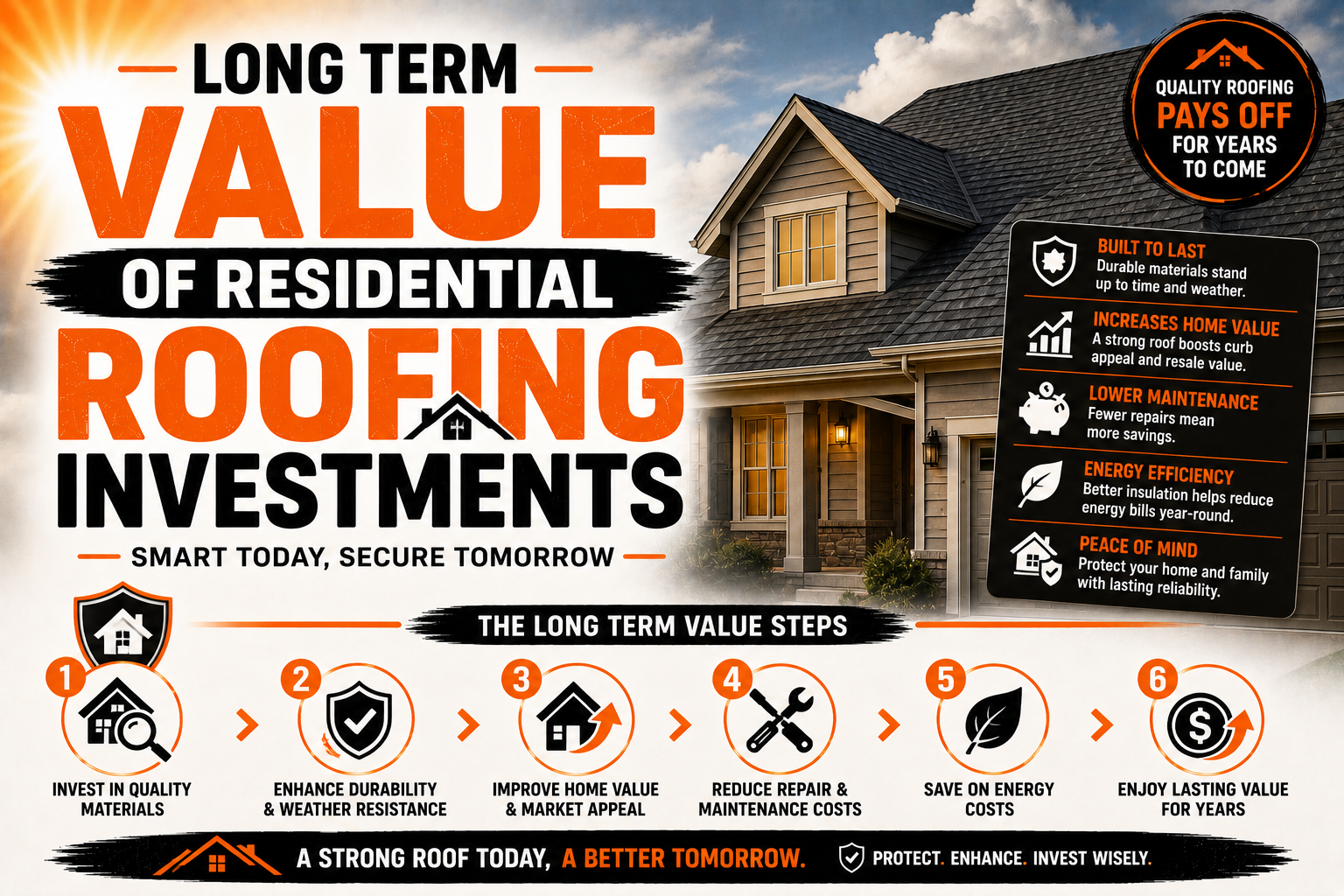
Long Term Value of Residential Roofing Investments
Introduction
A residential roof is more than a protective covering placed over a home. It is a major investment that influences structural protection, energy performance, maintenance requirements, appearance, and the long term financial condition of the property. When homeowners evaluate roofing costs, focusing only on the initial installation price can make it difficult to understand the true value that a quality roofing system can provide over many years.
A properly selected and installed roof can protect a home from rain, wind, sunlight, temperature changes, and other environmental conditions. It can also help protect insulation, ceilings, walls, electrical systems, and personal belongings from moisture-related damage. When a roofing system performs reliably, homeowners may avoid many expenses associated with repeated repairs and premature replacement.
Long term roofing value depends on several connected factors. Material quality, installation workmanship, roof design, climate, maintenance, ventilation, drainage, and timely repairs can all influence how long a roof remains effective. A relatively inexpensive roof may not provide good long term value if it requires frequent repairs or needs early replacement.
Homeowners should therefore think about roofing as a long term property investment rather than a one-time construction expense. Understanding how different roofing decisions affect future costs can make it easier to select a system that balances affordability, durability, performance, and appearance.
How Roofing Quality Influences Long Term Value
Roofing quality has a direct relationship with how well a roof performs throughout its service life. Quality involves more than choosing an expensive roofing material because the complete system must be properly designed, installed, and maintained. Even premium materials can perform poorly when installation is inadequate or underlying problems are ignored.
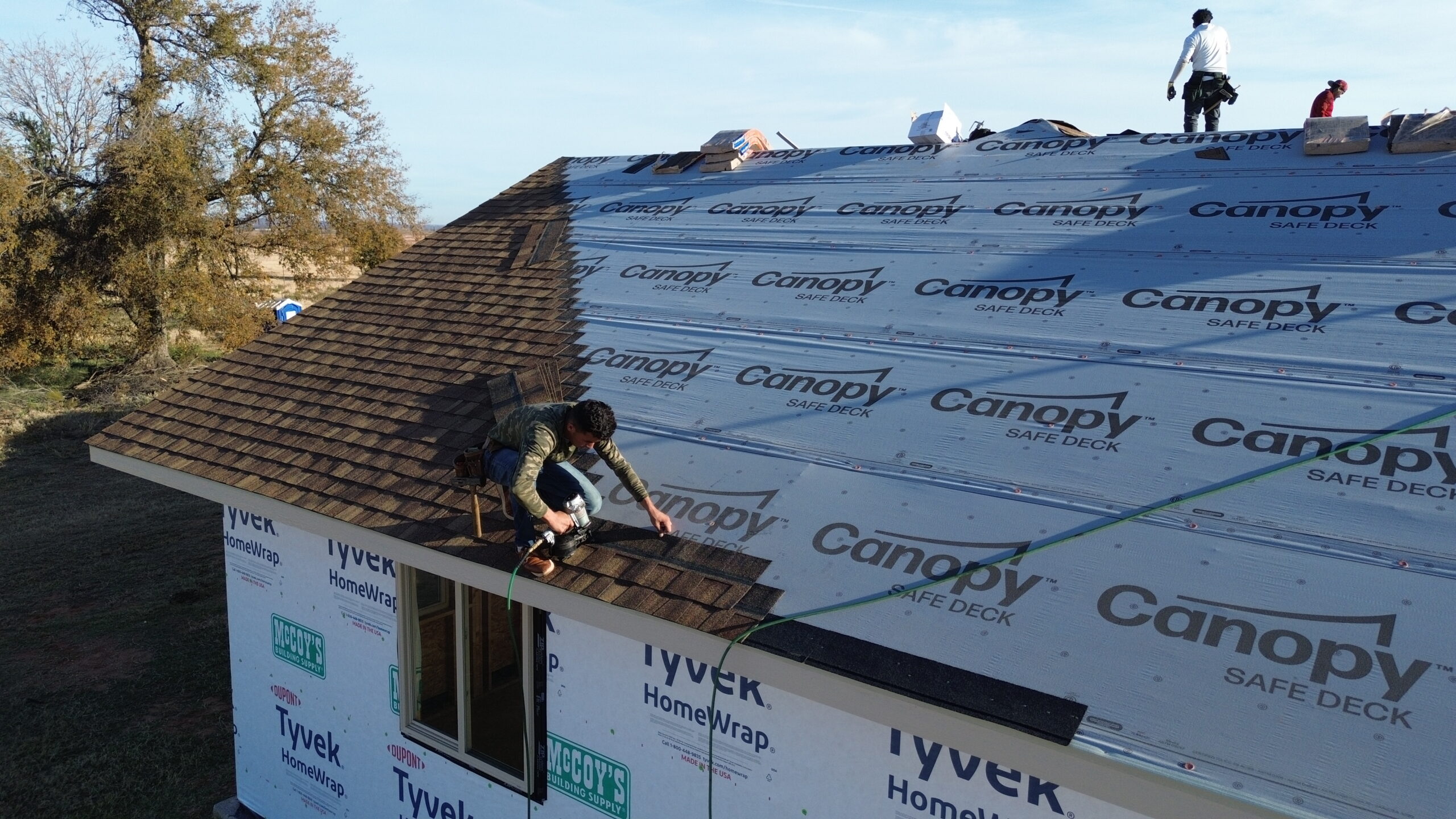
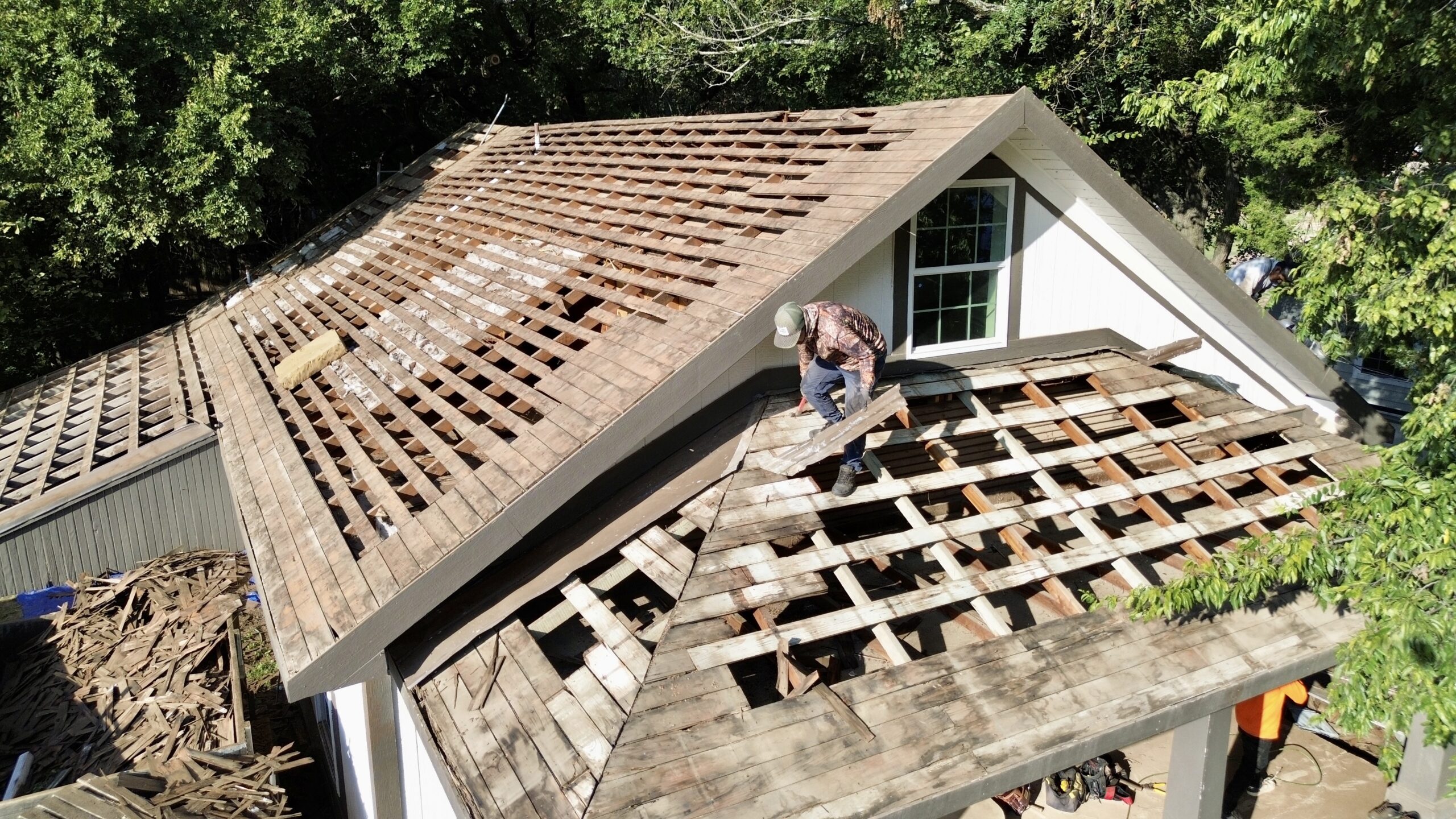
A quality roofing system begins with appropriate preparation. The existing roof must be properly removed when replacement is required, and the underlying deck should be inspected for damage. Installing new materials over an unsuitable or deteriorated surface can create problems that reduce the expected service life of the new roof.
Installation workmanship is equally important. Roofing materials must be positioned, fastened, sealed, and integrated with flashing and ventilation according to appropriate requirements. Small installation mistakes can eventually allow moisture to enter the structure or cause materials to deteriorate prematurely.
Quality also involves selecting materials that are suitable for the property’s environment. A roofing product should be capable of handling the expected weather conditions and should be appropriate for the roof’s pitch and design. Choosing a product simply because it has a low purchase price may result in higher maintenance or replacement expenses later.
A well-built roof can provide value in several ways:
- Reducing the frequency of major repairs
- Protecting the home’s structural components
- Supporting better energy performance
- Improving exterior appearance
- Increasing confidence in long term property protection
Quality should therefore be considered as part of the total investment rather than an optional upgrade. Spending more on appropriate materials and skilled installation can sometimes reduce future costs by improving durability and reducing the likelihood of premature problems.
Homeowners should also consider the reputation and experience of the roofing contractor. A reliable contractor can help identify unsuitable materials, installation concerns, ventilation problems, and other issues that may affect long term performance. Selecting the right contractor is therefore an important part of protecting the value of the roofing investment.
Initial Roofing Cost vs Long Term Investment
The initial price of a roofing project is important, but it does not tell the complete financial story. Homeowners should consider how much a roof will cost to maintain, repair, and eventually replace throughout its useful life. A lower upfront price can sometimes lead to greater long term spending if the roofing system has a shorter service life or requires frequent repairs.
A more expensive roofing material may provide greater durability or better resistance to particular environmental conditions. However, higher initial cost does not automatically guarantee better value. The material must be appropriate for the property, installed correctly, and maintained properly to justify the additional investment.
The useful way to compare roofing options is to consider the expected ownership period. A homeowner planning to remain in a property for many years may place greater importance on durability and maintenance requirements than someone planning to sell the home relatively soon. Different circumstances can therefore make different roofing choices financially reasonable.
Long term cost can include several categories beyond the original installation. Repairs, maintenance, cleaning, moisture damage, energy-related expenses, and eventual replacement can all contribute to the overall financial impact. Considering these factors provides a broader understanding of what the roof may cost throughout its life.
For example, a roof that requires frequent repairs may appear affordable when first installed but become expensive over time. Repeated service calls, replacement materials, and damage to surrounding components can gradually increase the total cost of ownership.
On the other hand, homeowners should avoid assuming that the most expensive roofing system is always the best investment. A premium product may provide benefits that are unnecessary for a particular property. The goal should be to choose a roofing system that offers an appropriate balance between initial cost, expected durability, maintenance needs, and performance.
A long term approach can help homeowners make better decisions before installation. Instead of asking only, “How much will this roof cost?” homeowners can also ask how long it is expected to perform, what maintenance it requires, how it handles local conditions, and what expenses may occur later.
Roofing Materials and Expected Service Life
The type of roofing material plays a major role in determining long term value. Different materials have different durability characteristics, maintenance requirements, installation costs, and expected service lives. Homeowners should understand these differences before choosing a material based only on appearance or initial price.
Asphalt shingles are widely used in residential construction because they offer a combination of affordability, availability, and relatively straightforward installation. Different grades of asphalt shingles can have different performance characteristics, so homeowners should review the manufacturer’s specifications and warranty information when comparing products.
Metal roofing can provide long service when properly selected and installed. Metal systems are available in several designs and finishes, and their performance can vary depending on the material, coating, installation method, and environmental exposure. Their initial cost may be higher than some basic roofing products, but durability can contribute to long term value.
Tile roofing can offer strong durability and distinctive appearance. However, tiles are heavier than many other roofing materials, so the home’s structure must be suitable for the additional load. Installation can also require specialized labor, making the total investment different from a standard shingle roof.
Slate is another material associated with long service life when properly installed and maintained. Its initial investment and installation requirements can be substantial, and repairs may require specialized knowledge. For suitable properties, however, its durability can make it a long term roofing option.
Material choice should always consider the complete roofing system. Underlayment, flashing, fasteners, ventilation, and installation quality contribute to overall performance. A durable material cannot compensate for poor preparation or improper installation.
Homeowners should also consider future maintenance. Some roofing systems may require specialized repair services or replacement components that are less readily available. Understanding these future requirements can help homeowners determine whether a particular material represents practical long term value for their property.
Energy Efficiency and Ongoing Household Savings
A roofing system can influence the energy performance of a home, although its impact depends on several factors beyond the roof covering itself. Roof color, material properties, ventilation, insulation, attic conditions, and local climate can all affect how heat moves through the building. A well-designed roofing system can support more consistent indoor temperatures and potentially reduce heating or cooling demands.
The roof’s surface is exposed directly to sunlight and outdoor temperatures. During hot weather, solar heat can increase temperatures in the roof and attic areas. Appropriate roofing materials and ventilation strategies can help manage heat, particularly when combined with adequate insulation.
Ventilation plays an important role in long term roof performance. Proper airflow can help manage heat and moisture within the attic space. Excessive moisture can contribute to deterioration, mold growth, insulation problems, and damage to structural components.
Energy efficiency should therefore be evaluated as part of the entire roof and attic system. Installing a reflective roofing product without addressing inadequate insulation or ventilation may not provide the expected results. Homeowners should consider how the roofing system works together with other parts of the building envelope.
Potential energy savings can contribute to the long term value of a roofing investment. Even modest reductions in heating or cooling demand can accumulate over many years. The actual savings will depend on climate, household energy use, insulation levels, HVAC efficiency, roof design, and other factors.
Homeowners should also consider durability when evaluating energy-related roofing improvements. An improvement that reduces heat absorption but requires frequent replacement may not provide the same long term value as a durable system that delivers consistent performance.
Professional assessment can help identify the most useful improvements. A contractor or building professional may recommend changes to ventilation, insulation, roof materials, or other components based on the property’s existing condition. These improvements can be evaluated according to both their initial cost and expected long term benefits.
How Proper Installation Protects Roofing Investment
Proper installation is one of the strongest factors affecting the long term value of a residential roof. Even high-quality roofing materials can fail to deliver their expected service life when they are installed incorrectly. Workmanship influences how effectively the roof handles water, wind, temperature changes, and everyday environmental exposure.
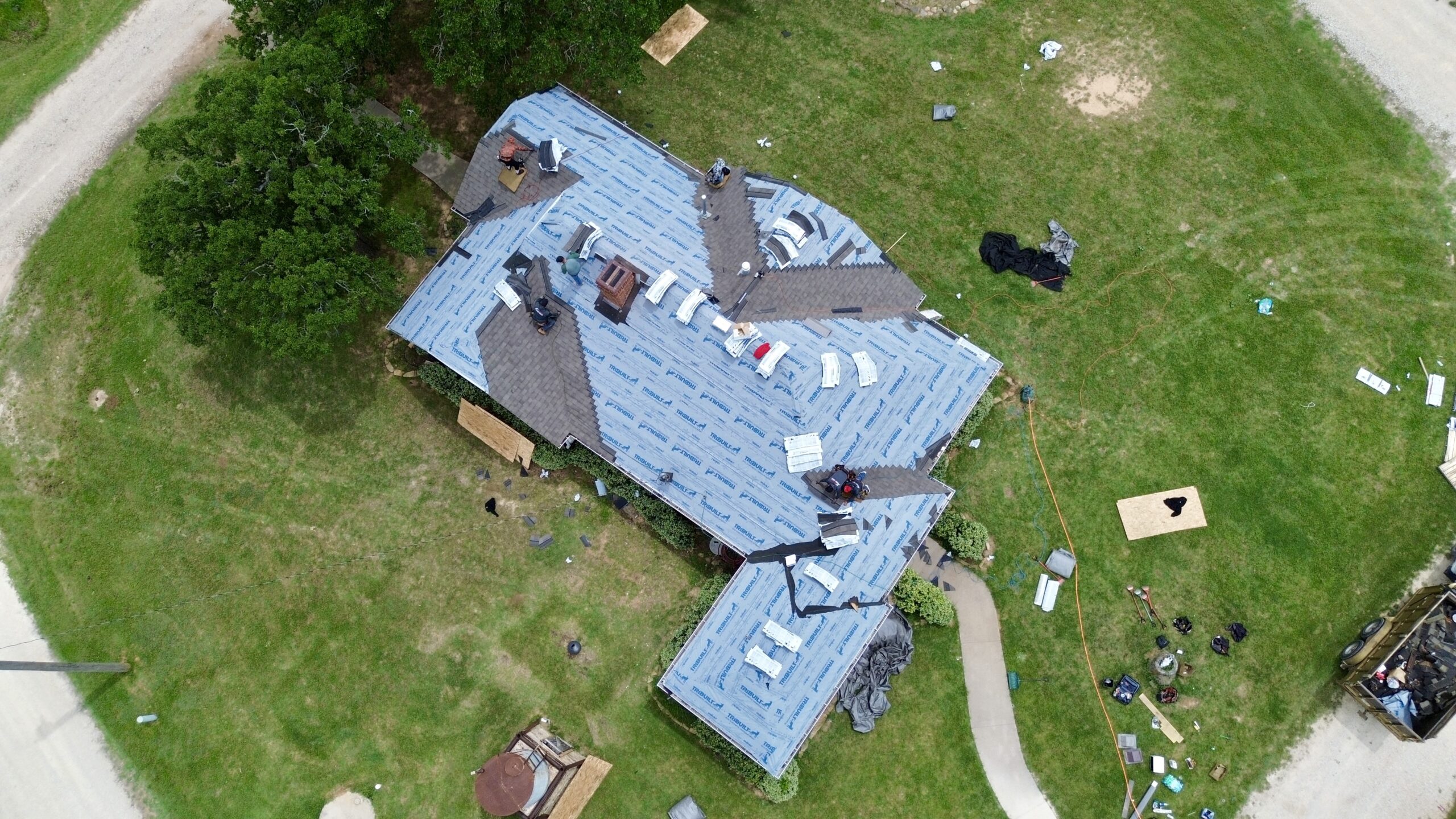
Installation begins with preparing the roof surface correctly. Damaged decking, deteriorated flashing, and unsuitable existing components should be identified before new roofing materials are installed. Proper preparation creates a stable foundation for the roofing system.
Water management is particularly important. Roofing materials must be installed so that water flows toward the appropriate drainage areas rather than collecting around vulnerable sections. Valleys, edges, penetrations, chimneys, skylights, and roof intersections require careful attention because they can become potential points of water entry.
Fastening and material placement also matter. Roofing products generally have specific installation requirements related to fastener type, spacing, overlap, alignment, and placement. Following these requirements helps the system perform as intended and can also support applicable manufacturer warranty conditions.
Ventilation and flashing should be integrated into the installation rather than treated as minor details. Poorly installed flashing can allow water to enter around penetrations, while inadequate ventilation can contribute to moisture and temperature-related problems. Addressing these components correctly can protect the roof and the underlying structure.
Homeowners should therefore evaluate contractor quality alongside material selection. A skilled roofing crew may cost more initially, but proper installation can help reduce the risk of premature deterioration and expensive repairs. The value of professional workmanship becomes especially clear over the years as the roof is exposed to changing weather and normal wear.
A long term roofing investment is ultimately protected by combining suitable materials, proper preparation, skilled installation, and ongoing care. When these elements work together, the roof can provide dependable protection while reducing avoidable expenses throughout its useful life.
Preventive Maintenance and Roof Longevity
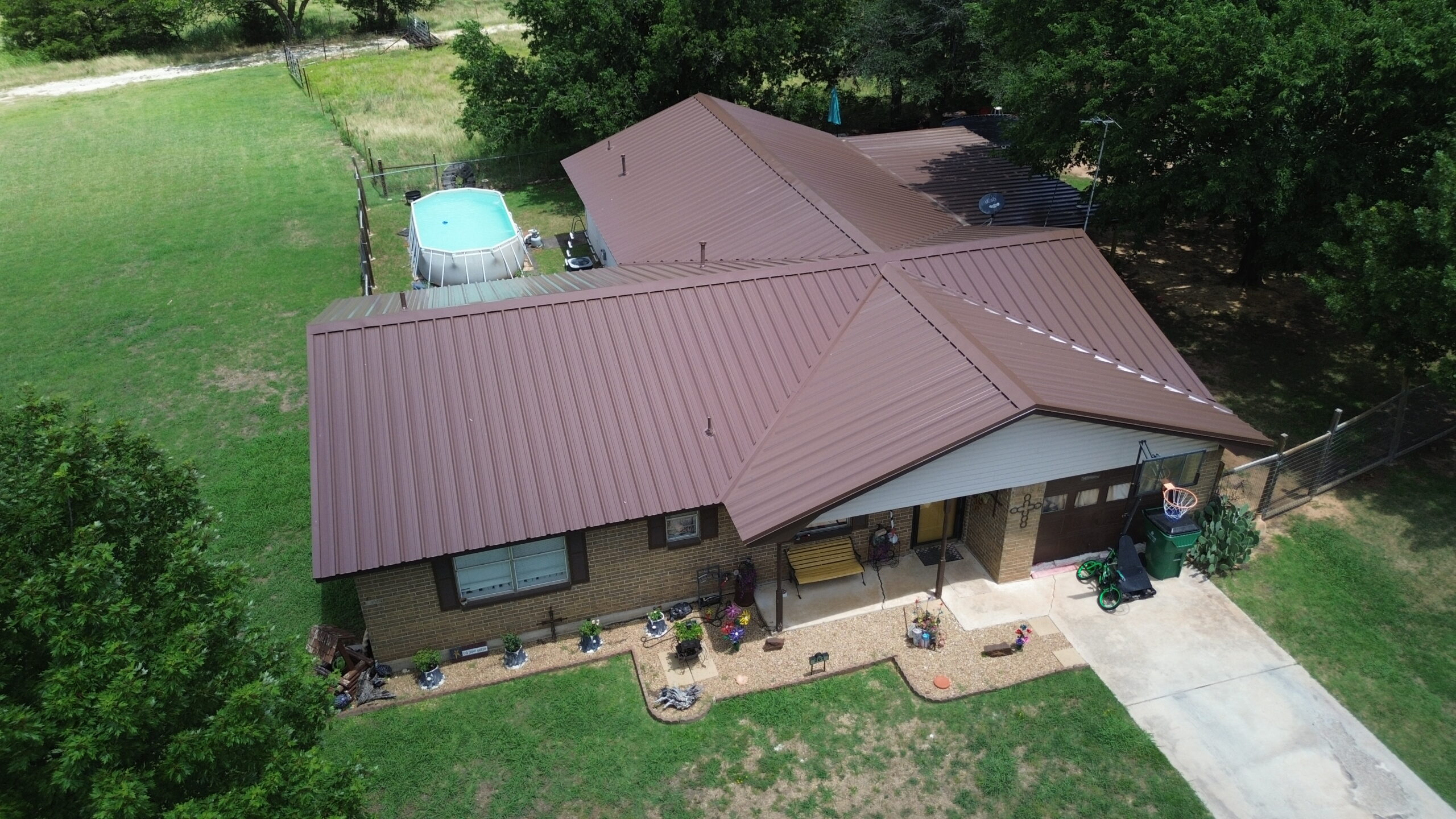
Preventive maintenance is one of the most effective ways homeowners can protect the long term value of a residential roofing investment. Even a high-quality roof is continuously exposed to sunlight, rain, wind, temperature changes, debris, and seasonal weather. Regular inspections and basic maintenance can help identify developing problems before they become expensive repairs.
Roof inspections can reveal issues that are not always visible from inside the home. Damaged shingles, loose flashing, deteriorated sealants, blocked drainage, and damaged roof edges can gradually affect performance. Finding these conditions early gives homeowners an opportunity to address them before moisture reaches the underlying structure.
Cleaning and maintaining drainage systems is also important. Gutters and downspouts should remain clear so that rainwater can move away from the roof efficiently. When drainage becomes blocked, water may collect near roof edges or overflow against exterior walls, potentially contributing to moisture-related damage.
Vegetation should also be managed around the roof. Overhanging branches can scrape roofing materials during windy conditions and may drop leaves or other debris onto the surface. Keeping nearby trees properly maintained can reduce physical damage while helping the roof remain cleaner.
Homeowners should also pay attention to changes inside the property. Water stains on ceilings or walls, unusual attic moisture, peeling paint, or musty odors may indicate roofing or drainage problems. These signs should not be ignored because a small leak can eventually affect insulation, wood components, and interior finishes.
Preventive maintenance does not mean homeowners should perform dangerous roof work themselves. Walking on a roof can be hazardous, particularly on steep or wet surfaces. Professional inspections can provide a safer and more detailed assessment while allowing trained workers to identify conditions that may be difficult for an untrained homeowner to recognize.
Maintenance records can also support long term planning. Homeowners can document inspections, repairs, replaced components, and other roofing work. These records make it easier to understand the roof’s history and estimate when larger maintenance or replacement expenses may become necessary.
How Roof Repairs Preserve Long Term Value
Timely repairs can protect a roofing investment by preventing localized problems from becoming larger structural issues. Roofing damage rarely improves on its own, and delaying necessary repairs can allow moisture to spread into areas that were originally unaffected. Early intervention can therefore help control both repair scope and future expenses.
Small areas of damaged roofing may be relatively straightforward to address when discovered early. A contractor may be able to replace damaged materials, repair flashing, or correct a drainage problem without disturbing a large portion of the roofing system. Waiting until the problem becomes extensive can require more materials, labor, and preparation.
Leaks deserve particular attention because visible water inside the home does not always indicate the exact location of the roof problem. Water can travel beneath roofing materials or along structural components before appearing inside. Professional assessment can help identify the source and determine whether surrounding areas have also been affected.
Repairs can also extend the practical usefulness of an otherwise serviceable roof. If the main roofing system remains in good condition, addressing isolated damage may delay the need for complete replacement. This can help homeowners manage expenses while continuing to protect the property.
However, repeated repairs are not always a sign that continued maintenance is financially sensible. When a roof is approaching the end of its expected service life and requires frequent intervention, replacement may provide better long term value. Homeowners should evaluate the age, condition, repair history, and expected remaining service life before deciding between another repair and replacement.
The quality of repairs also matters. Temporary patches or poorly matched materials may provide limited protection and can sometimes create additional problems. Repairs should be completed using appropriate materials and methods so they integrate effectively with the existing roofing system.
Homeowners should maintain records of completed repairs and their costs. Over time, these records can reveal whether repair expenses are becoming excessive. This information can help homeowners decide when continued repairs are no longer the most economical approach.
Weather Resistance and Protection Against Property Damage
A major source of long term roofing value comes from the roof’s ability to protect the entire home against weather. Rain, wind, hail, snow where applicable, intense sunlight, and temperature fluctuations can gradually affect roofing materials. A properly designed and maintained system helps reduce the risk that these conditions will cause significant damage.
Water protection is particularly important because moisture can affect many parts of a building. Once water enters beneath the roofing system, it may reach decking, insulation, framing, ceilings, and interior finishes. The cost of repairing these secondary areas can be considerably higher than addressing the original roofing problem.
Wind resistance also contributes to long term value. Strong winds can loosen or damage roofing materials, particularly when installation is inadequate or materials have deteriorated. Proper fastening, edge treatment, flashing, and material selection can help the roof withstand expected environmental conditions.
Hail and falling debris can create sudden damage. Even when the roof remains functional after a storm, individual materials may be weakened or cracked. A professional inspection after a significant weather event can help identify damage before it develops into a larger problem.
Sun exposure can also affect roofing materials over time. Repeated ultraviolet exposure can contribute to fading, drying, cracking, or deterioration depending on the product. Selecting materials suitable for the local climate can help improve long term performance.
Weather resistance should therefore be considered when selecting roofing materials. Homeowners should evaluate products according to the conditions they are likely to experience rather than choosing solely according to appearance or initial cost. A suitable material can provide greater value by reducing weather-related repair requirements.
Regular inspections after severe weather are another useful part of protecting the investment. Problems identified soon after a storm may be easier to address than damage discovered months later. Prompt assessment can also help homeowners document the condition of the roof and organize necessary repairs.
Roof Ventilation, Insulation, and Moisture Management
A roof’s long term value depends partly on conditions beneath the roof covering. Attic ventilation and insulation influence temperature and moisture levels, which can affect both the roof structure and indoor comfort. A roofing investment should therefore be considered as part of the broader building envelope rather than as an isolated exterior component.
Proper ventilation allows air to move through appropriate attic pathways. During hot conditions, ventilation can help manage accumulated heat, while during colder periods it can support moisture control. The exact ventilation strategy depends on the home’s design and existing construction.
Insulation has a different but complementary function. It helps reduce heat transfer between the living space and the attic or exterior environment. Adequate insulation can support energy efficiency while helping maintain more stable indoor temperatures.
Moisture management is especially important because excessive attic moisture can contribute to deterioration. Condensation can affect wood components, insulation, and other materials when conditions allow moisture to accumulate. Over time, these problems can reduce the performance and lifespan of the roofing system.
Roofing replacement provides an opportunity to evaluate ventilation and insulation conditions. If problems are discovered during the project, homeowners can discuss appropriate improvements with qualified professionals. Addressing these issues while other roofing work is underway may be more efficient than waiting until a later project.
Ventilation should not be added without considering the complete airflow system. Simply installing additional vents does not necessarily solve a ventilation problem if adequate intake airflow is unavailable. A balanced approach is important for achieving the intended performance.
Moisture problems can also originate from sources inside the home, including bathrooms, kitchens, or poorly controlled indoor humidity. Roofing professionals can identify signs of attic moisture, but homeowners may need additional building professionals to determine the exact source and appropriate solution.
By maintaining proper ventilation, insulation, and moisture management, homeowners can support the performance of the roofing system and surrounding structure. These improvements may not always be visible from outside, but they can contribute significantly to long term roofing value.
Curb Appeal and Residential Property Value
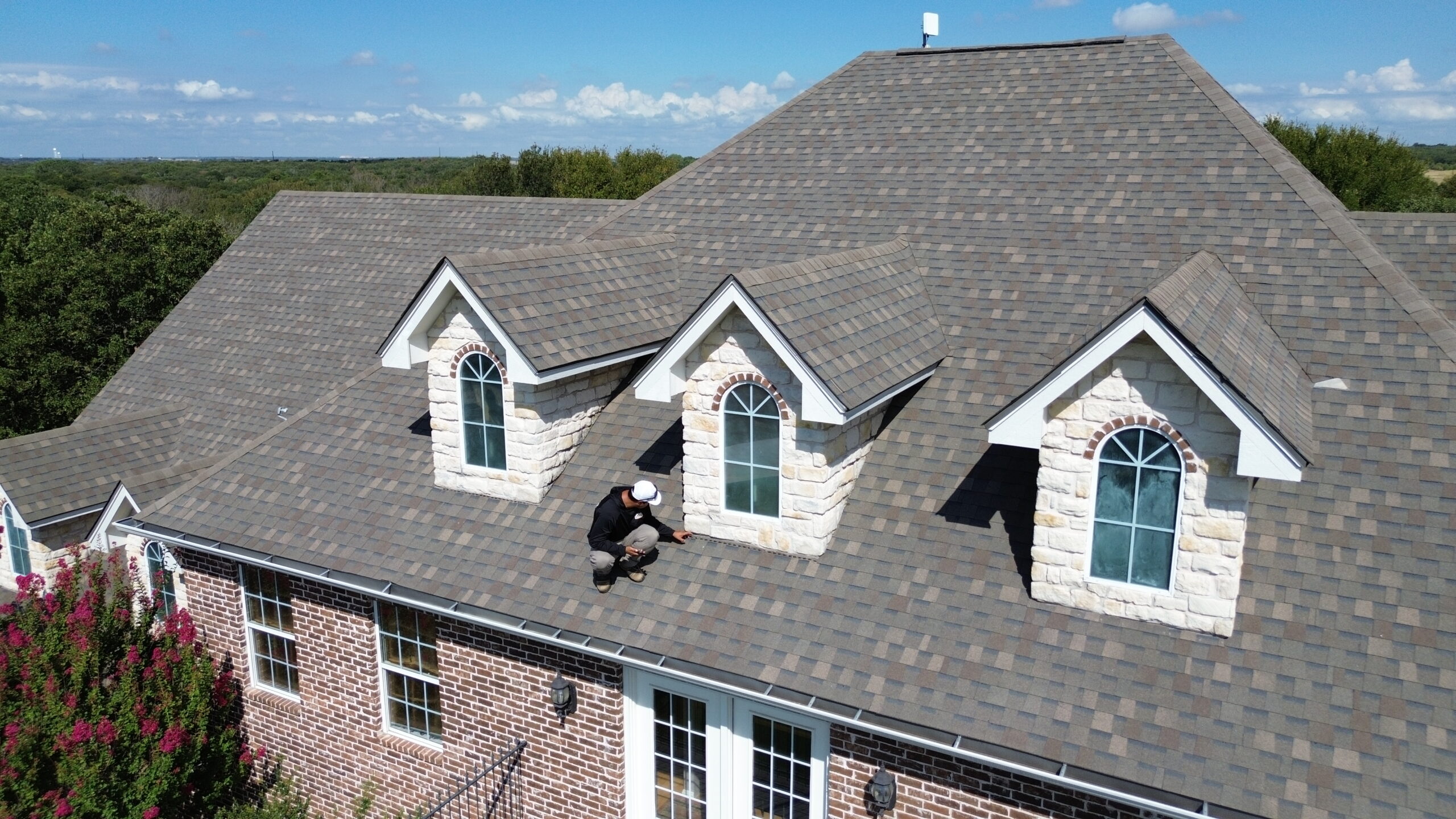
A well-maintained roof contributes to the appearance and overall condition of a residential property. Because the roof is one of the largest visible components of many homes, its condition can influence how the property is perceived by visitors, neighbors, and potential buyers. A deteriorated roof can make an otherwise attractive home appear neglected.
Roofing materials come in different colors, textures, profiles, and styles, allowing homeowners to select products that complement the architecture of the property. A suitable design can improve visual consistency and create a more finished exterior appearance.
However, appearance should not be considered separately from performance. A visually attractive roofing material provides limited long term value if it is unsuitable for the climate or installed incorrectly. Homeowners should balance design preferences with durability, maintenance requirements, and compatibility with the building.
A well-maintained roof can also contribute to buyer confidence. Prospective buyers may pay close attention to the age and condition of major components because roof replacement can represent a substantial expense. A documented history of professional maintenance and repairs can provide useful information during a future property transaction.
Roof condition can also influence negotiations. A roof nearing the end of its service life may become a concern during a home sale, potentially leading buyers to request repairs, replacement, or price adjustments. Maintaining the roof throughout ownership can reduce the likelihood of such issues.
Exterior appearance also extends beyond the roof covering. Clean gutters, properly maintained flashing, intact roof edges, and coordinated roofing details can contribute to the overall presentation of the property. Small maintenance tasks can therefore help preserve both functional and visual value.
Homeowners should avoid choosing roofing materials solely because they may appeal to future buyers. Personal preferences, local architectural styles, climate suitability, and practical maintenance requirements should remain important considerations. A roof that performs well and complements the property is more likely to provide meaningful long term value.
Warranty Coverage and Long Term Financial Protection
Warranty coverage can provide another layer of protection for a residential roofing investment. Roofing warranties vary considerably, and homeowners should understand what is actually covered before selecting a material or contractor. A warranty may address manufacturing defects, workmanship, or specific performance conditions depending on its terms.
Material warranties are generally provided by the manufacturer and may have different requirements. Some warranties can depend on correct installation, approved materials, or specific maintenance practices. Homeowners should read the documentation rather than assuming that every roofing problem will automatically qualify for warranty service.
Workmanship warranties are different because they relate to the installation performed by the contractor. Their duration and conditions can vary from one company to another. Homeowners should ask who provides the workmanship coverage and what circumstances could limit or exclude protection.
Documentation is important for preserving warranty value. Homeowners should keep invoices, product information, installation records, inspection reports, and warranty documents in an accessible location. These records may be needed if a problem occurs several years after installation.
Warranty coverage should not be the only factor used to choose a roofing system. A long warranty period does not guarantee that a roof will never require maintenance or repairs. Homeowners should consider material quality, installation standards, contractor reputation, maintenance requirements, and actual expected performance alongside warranty terms.
Understanding exclusions is equally important. Some warranties may not cover damage caused by severe weather, improper maintenance, structural movement, unauthorized modifications, or installation by unqualified contractors. Knowing these limitations can prevent unrealistic expectations about future protection.
A strong roofing investment combines warranty protection with responsible ownership. Proper maintenance, timely repairs, appropriate installation, and good documentation can help homeowners receive the intended benefits of their roofing system. When these practices are maintained over time, the roof can provide reliable protection while helping control future ownership costs.
How to Evaluate the Return on a Roofing Investment
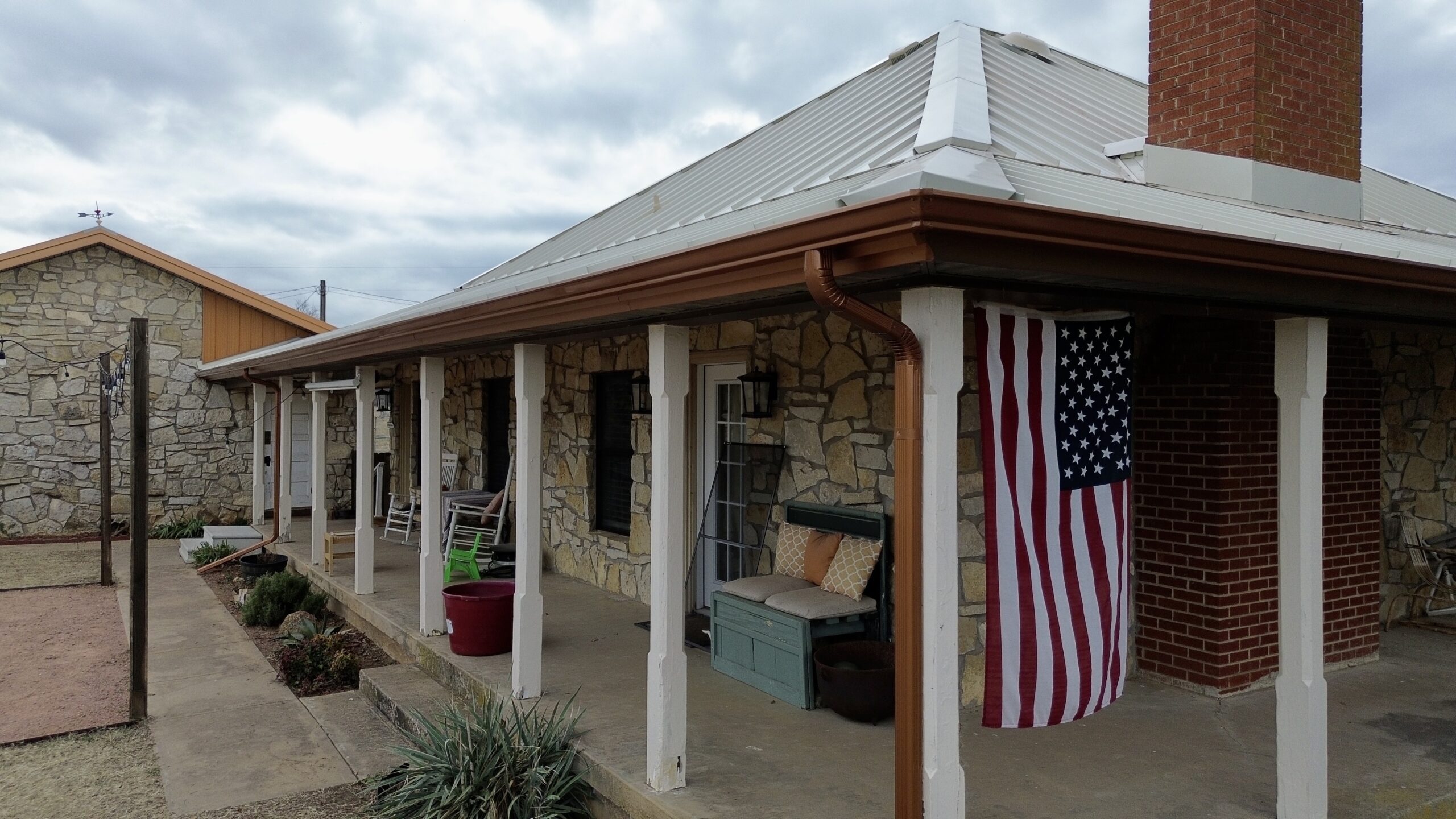
Evaluating the long term value of a residential roof requires looking beyond the original installation price. A roofing investment should be considered in relation to its expected service life, maintenance requirements, energy performance, repair history, and ability to protect the property. This broader approach helps homeowners understand whether the money spent on a roof is providing meaningful value over time.
One useful approach is to compare the initial cost with the number of years the roofing system is expected to perform effectively. A roof with a higher installation cost may provide better long term value if it lasts significantly longer and requires fewer major repairs. However, homeowners should always consider actual product specifications and installation quality rather than assuming that a higher price automatically means greater durability.
Maintenance costs should also be included when evaluating roofing value. Regular inspections and minor repairs represent ongoing expenses, but they can help prevent more expensive problems. A roof that receives appropriate maintenance may remain functional longer and reduce the likelihood of sudden replacement costs.
Energy performance can contribute to the overall return as well. Roofing materials, ventilation, insulation, and attic conditions can influence heating and cooling requirements. Although energy savings vary between homes, improvements that reduce unnecessary heat transfer may provide financial benefits throughout the life of the roof.
Protection against property damage is another important form of value. A properly functioning roof helps protect structural components, insulation, ceilings, walls, and personal belongings from water and weather exposure. Avoiding these secondary repair costs can represent a significant benefit that is not immediately visible in the original roofing invoice.
Homeowners should also consider how the roof affects future property decisions. A well-maintained and reasonably modern roof can make a property more attractive to potential buyers. Keeping records of installation, repairs, inspections, and maintenance can provide evidence of responsible ownership and help demonstrate the condition of the roofing system.
Replacement Timing and Avoiding Premature Roofing Costs
Timing a roof replacement correctly can have a major effect on long term financial value. Replacing a roof too early can result in unnecessary spending, while waiting too long can allow deterioration to spread and create additional repair costs. Homeowners should consider the roof’s age, condition, repair history, and remaining useful life when deciding when replacement is appropriate.
Visible damage does not always mean that a complete replacement is immediately necessary. Some roofs may have isolated problems that can be repaired effectively, particularly when the main roofing system remains in good condition. A professional inspection can help determine whether repair or replacement is the more practical choice.
At the same time, repeated repairs can become expensive when a roof is already near the end of its service life. Continually repairing individual areas may provide temporary protection while the overall system continues to deteriorate. When repair costs become frequent or extensive, investing in replacement may offer better long term value.
Water intrusion should receive particular attention when considering timing. A small leak can gradually damage decking, insulation, framing, and interior finishes. Delaying necessary work can therefore turn a manageable roofing expense into a much larger property repair project.
Homeowners should also consider the condition of roofing materials across the entire surface. Widespread cracking, curling, loss of protective surface material, deterioration around flashing, or repeated storm damage may indicate that the system is approaching the end of its practical life. These conditions should be assessed by a qualified professional rather than judged solely from ground level.
Planning replacement before a major emergency can provide additional financial advantages. Homeowners have more time to compare contractors, select materials, arrange financing if necessary, and schedule the work. Emergency replacement can create pressure to make quick decisions when immediate protection is required.
A planned replacement also provides an opportunity to address related issues. Ventilation, insulation, drainage, flashing, and damaged decking can be evaluated while the roof is being replaced. Addressing these components together can help create a more reliable system and reduce the need for separate projects later.
Choosing Roofing Improvements That Add Lasting Value
Not every roofing improvement provides the same long term benefit, so homeowners should prioritize upgrades according to the property’s actual needs. Improvements should ideally contribute to durability, protection, energy performance, maintenance efficiency, or another meaningful aspect of the home’s long term condition.
One important improvement may involve better water management. Proper flashing, effective drainage, and well-maintained gutters can help direct water away from vulnerable areas. These components may not be as visually noticeable as the roofing material, but they can play a major role in protecting the structure.
Ventilation improvements can also support long term performance when the existing system is inadequate. A properly designed ventilation system can help manage heat and moisture in the attic. However, homeowners should seek professional assessment because adding vents without considering the entire airflow system may not solve the underlying problem.
Material upgrades can provide value when they are appropriate for the property’s environment. A homeowner in an area exposed to severe weather may prioritize products with suitable resistance characteristics. The right choice depends on climate, roof design, budget, maintenance expectations, and manufacturer requirements.
Improving installation quality is often one of the most valuable investments homeowners can make. Proper flashing, fastening, underlayment, edge treatment, and material placement can have a major influence on roof performance. Spending more on skilled installation can help prevent problems that would otherwise require repairs.
Homeowners should also consider improvements that make future maintenance easier. Accessible inspection points, properly designed drainage, and durable exterior components can reduce maintenance difficulties. These improvements may have a moderate initial cost but can provide practical benefits over many years.
Before approving an upgrade, homeowners should ask whether it solves a genuine property need. Not every premium feature will provide meaningful value in every home. The strongest investments are generally those that address specific environmental, structural, maintenance, or performance requirements.
Common Mistakes That Reduce Roofing Investment Value
Poor planning can reduce the long term value of an otherwise significant roofing investment. One common mistake is selecting a contractor primarily because the initial price is the lowest. A low bid may appear attractive, but missing services, poor workmanship, or inadequate preparation can create additional expenses later.
Another mistake is choosing materials without considering the property’s conditions. Roofing products differ in durability, installation requirements, maintenance needs, and weather performance. A material that works well in one environment may not provide the same value in another.
Ignoring the roof deck is another potential problem. Installing new roofing materials over damaged or deteriorated decking can compromise the entire system. Proper inspection and preparation are essential because the new roof depends on the condition of the surface beneath it.
Homeowners may also overlook ventilation and drainage. A roof can appear new and attractive while still having underlying airflow or water-management problems. These issues can gradually affect performance and may reduce the useful life of the roofing system.
Delaying minor repairs is another mistake that can reduce long term value. Small problems may be relatively inexpensive to correct when they are first discovered. If ignored, they can develop into larger areas of damage requiring more extensive labor and materials.
Improper maintenance can also shorten roof life. Allowing gutters to remain blocked, ignoring damaged flashing, permitting branches to rub against the roof, or failing to inspect after severe weather can increase the risk of deterioration.
Finally, homeowners should avoid assuming that a warranty eliminates the need for maintenance. Warranty terms often include conditions and exclusions, and normal wear or maintenance-related problems may not be covered. Responsible ownership remains important even when the roofing system has strong warranty protection.
Planning a Long Term Residential Roofing Budget
A long term roofing budget should include both the initial installation and the expected costs of ownership. Homeowners can begin by estimating the replacement cost based on roof size, material, labor, complexity, and preparation. They should then consider routine inspections, maintenance, potential repairs, and eventual replacement.
Setting aside a maintenance reserve can make future roofing expenses easier to manage. Even a durable roof will eventually require attention, and having funds available for minor repairs can reduce financial pressure. The amount needed will vary depending on the roof’s age, material, condition, and environmental exposure.
Homeowners should also maintain a record of roofing expenses. Keeping invoices, inspection reports, warranties, repair receipts, and material information creates a useful history of the investment. This information can help with future maintenance decisions and may also be useful when selling the property.
Budget planning should include potential unexpected costs. Storm damage, hidden decking deterioration, drainage problems, or other conditions can require additional work. A reasonable contingency reserve gives homeowners flexibility without forcing them to delay necessary repairs.
Financing decisions should also be evaluated according to long term affordability. Homeowners should understand the complete cost of any financing arrangement rather than focusing only on the monthly payment. A roofing project should improve property protection without creating an unsustainable financial burden.
Long term budgeting also benefits from regular reassessment. A roof that was in excellent condition several years ago may require more attention as it ages. Reviewing its condition periodically allows homeowners to anticipate larger expenses instead of responding only after a serious failure occurs.
Ultimately, a good roofing budget focuses on value rather than simply minimizing spending. The goal is to invest enough in materials, installation, maintenance, and timely repairs to protect the home while avoiding unnecessary expenses. This approach can make the roofing investment more predictable throughout the property’s ownership period.
Conclusion
A residential roof represents a significant investment because it protects nearly every part of the home from outdoor conditions. Its long term value depends on much more than the original installation price. Material quality, professional installation, maintenance, weather resistance, ventilation, drainage, repairs, and replacement timing all influence how effectively the roof performs over the years.
Homeowners can maximize this value by considering the complete cost of ownership rather than focusing only on upfront expenses. A durable roofing system that is properly installed and maintained may reduce repair requirements and provide reliable protection for a longer period. At the same time, homeowners should avoid paying for premium features that do not address actual property needs.
Regular maintenance remains one of the simplest ways to protect the investment. Inspections, gutter care, timely repairs, vegetation management, and attention to warning signs can help prevent minor issues from becoming expensive problems. Maintaining accurate records also makes it easier to understand the roof’s condition and plan future work.
Choosing the right time for replacement is equally important. Replacing a roof before it is necessary can create avoidable expenses, while waiting until severe deterioration occurs can increase repair and emergency costs. Monitoring the roof’s age and condition allows homeowners to plan replacement when it provides the best balance between remaining useful life and future repair requirements.
The quality of installation should always remain a priority. Even the most durable roofing material can provide disappointing results when preparation, flashing, fastening, drainage, or ventilation work is performed incorrectly. Selecting an experienced contractor and reviewing the complete scope of work can help protect the investment from preventable workmanship problems.
A long term roofing investment is ultimately about protecting the home while managing future costs responsibly. When homeowners select appropriate materials, invest in quality installation, maintain the roof regularly, address problems promptly, and plan for eventual replacement, they can obtain greater value from their roofing system. This thoughtful approach can support property protection, appearance, energy performance, and financial stability throughout the life of the roof.