
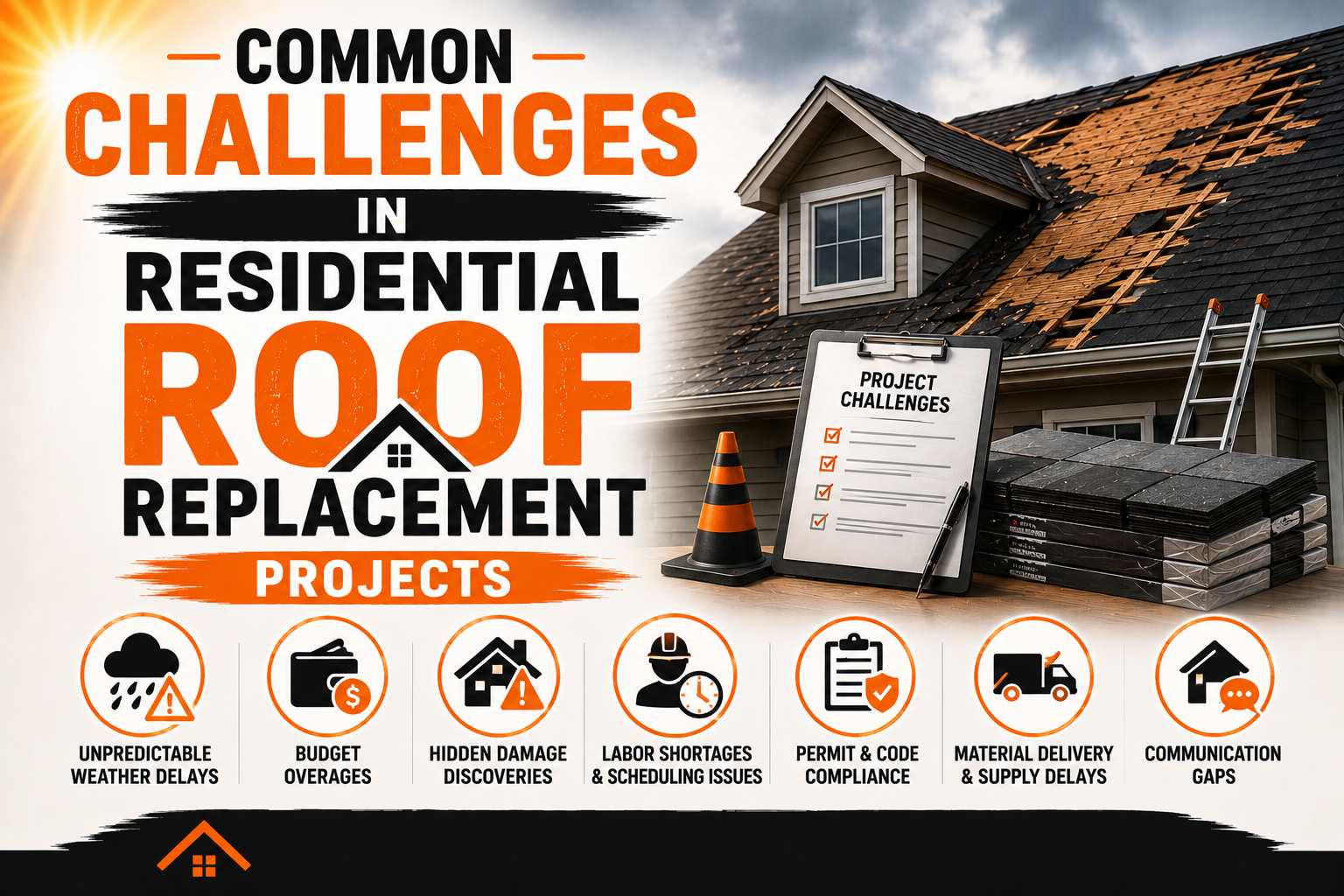
Common Challenges in Residential Roof Replacement Projects
Introduction
Residential roof replacement is a major home improvement project that requires careful planning, skilled installation, and coordination between homeowners, contractors, suppliers, and other professionals. Although replacing an old roof can improve protection and appearance, the process can involve unexpected challenges that affect cost, scheduling, materials, and the overall project experience.
Some challenges are easy to anticipate, such as construction noise, temporary disruption, and weather-related delays. Others may not become apparent until the existing roofing materials are removed, when contractors can discover damaged decking, hidden moisture problems, outdated flashing, inadequate ventilation, or structural concerns.
Homeowners often expect the project to follow the original estimate and schedule exactly. However, roofing conditions can change once work begins, and factors outside the contractor’s control can affect the timeline. Understanding these challenges before replacement begins helps homeowners prepare for potential changes and communicate more effectively with their roofing contractor.
A successful project does not necessarily mean that nothing unexpected happens. Instead, it means that challenges are identified, communicated, and managed properly without compromising the quality or safety of the finished roofing system.
The most common difficulties involve planning, weather, concealed damage, material availability, contractor coordination, and household disruption. By understanding how these challenges develop, homeowners can make better decisions and reduce unnecessary stress during the replacement process.
Unexpected Damage Beneath the Existing Roof
One of the most common challenges in residential roof replacement is discovering damage beneath the existing roofing materials. During the initial inspection, contractors can examine visible areas, but some problems remain hidden until old shingles, underlayment, or other materials are removed.
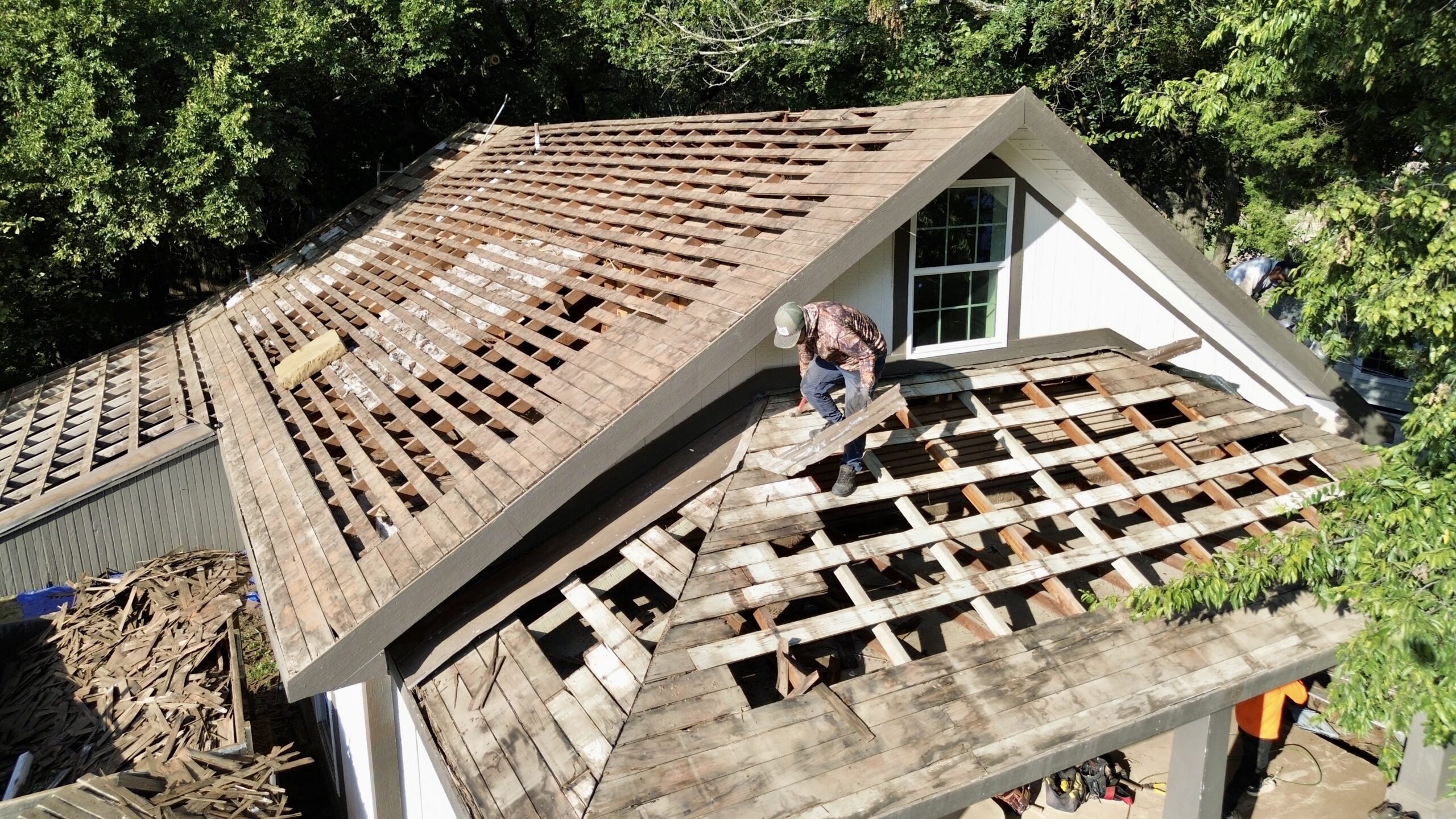
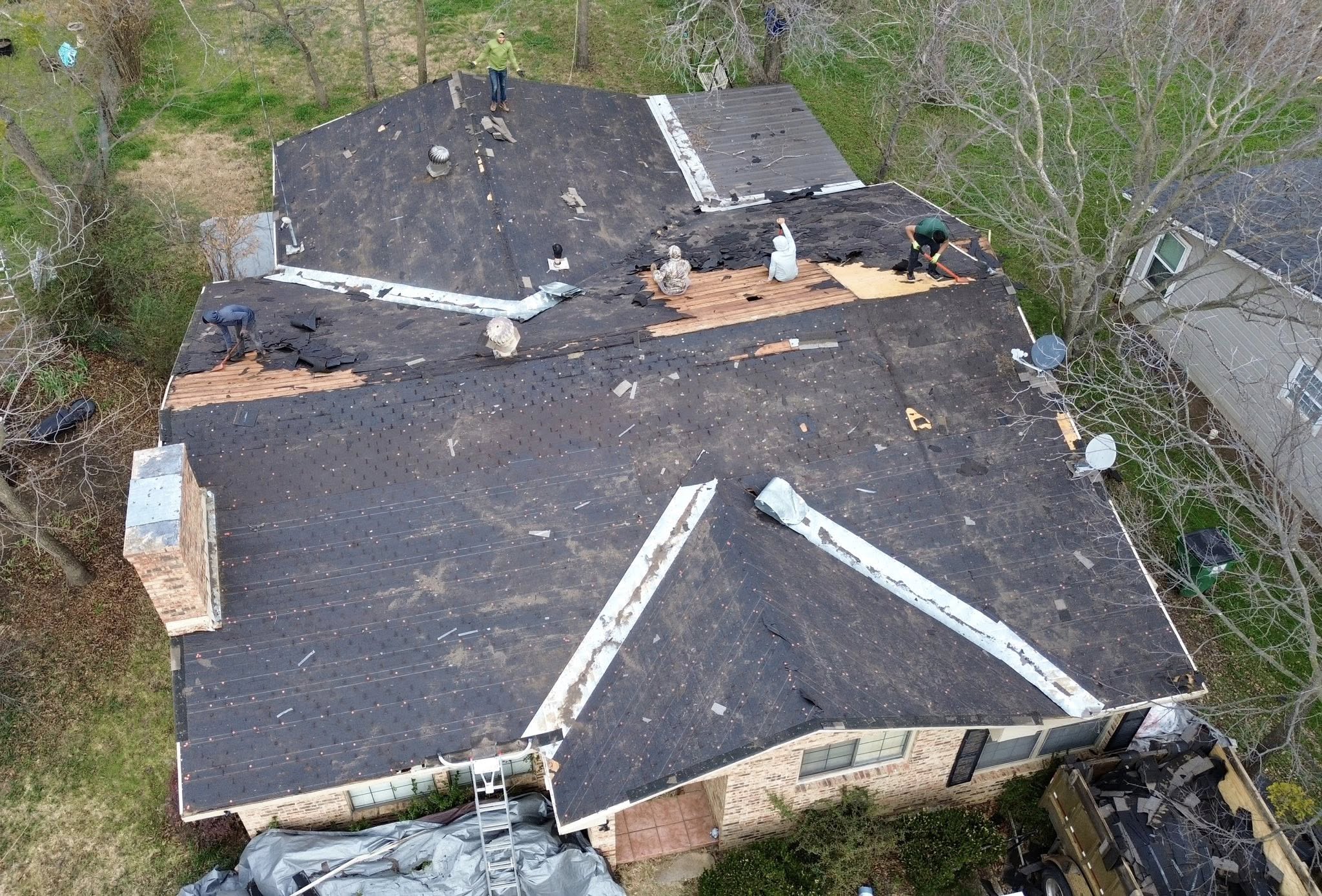
The roof deck is particularly important because it provides the foundation for the new roofing system. If sections of the decking have been weakened by long-term moisture exposure, rot, cracking, or other deterioration, those areas may need to be replaced before the new roofing materials can be installed.
Hidden moisture damage can occur around roof valleys, chimneys, skylights, vents, flashing, and other vulnerable locations. Water may travel beneath roofing materials before entering the home, making it difficult to determine the full extent of the problem from the exterior.
Homeowners may be surprised when the contractor reports additional repairs after the project has already started. These repairs can increase the total cost and extend the schedule, particularly if significant sections of decking or structural components need attention.
A clear agreement before construction can reduce confusion when concealed damage is discovered. Homeowners should ask how the contractor will document unexpected problems, whether additional work requires approval, and how changes to the original estimate will be communicated.
Photographs are especially useful in these situations. A contractor can show the homeowner the damaged area and explain why replacement or repair is necessary rather than simply adding an unexplained charge to the final invoice.
Not every damaged-looking area requires the same type of repair. A qualified contractor should determine whether the issue affects the roof deck, framing, insulation, flashing, or another component and recommend work based on the actual condition.
The key is not to ignore hidden damage simply to keep the project within its original budget. Installing a new roofing surface over a weakened or moisture-damaged foundation can create problems that become more expensive to correct later.
Homeowners should therefore include a reasonable contingency in their replacement budget. Having some financial flexibility can make it easier to address legitimate concealed problems without delaying necessary work.
Weather Delays and Unpredictable Working Conditions
Weather is another major challenge that can affect residential roof replacement projects. Roofing work is performed outdoors, so rain, strong winds, storms, extreme temperatures, and other conditions can interfere with installation and worker safety.
Rain can create particularly serious problems because roofing materials and exposed roof decks need appropriate protection from moisture. Installing certain materials during unsuitable conditions may affect adhesion, fastening, sealing, or overall installation quality.
Strong winds can also create safety concerns. Roofing materials, tools, and temporary coverings can become difficult to control during high winds, so contractors may postpone work until conditions are safer.
Weather delays can be frustrating for homeowners who have already scheduled time away from work or made other arrangements. However, continuing installation during unsafe or unsuitable conditions can create greater problems than waiting for an appropriate weather window.
Contractors should have procedures for protecting the home if weather changes while the roof is partially completed. Temporary coverings and other protective measures may be used to reduce exposure until permanent installation can continue.
Seasonal conditions can also affect scheduling. Some periods of the year may have more predictable weather, while others can bring frequent storms or temperature extremes that make scheduling more difficult.
Homeowners should discuss weather policies with the contractor before the project begins. Understanding how weather delays are handled can help establish realistic expectations about the completion date.
Weather can also affect material delivery and other construction activities. A delay in roofing installation may cause equipment, workers, or deliveries to be rescheduled, creating a chain reaction that extends the overall project.
A flexible approach is therefore valuable. Homeowners should focus on ensuring that the roof is installed correctly and safely rather than pressuring the contractor to continue during conditions that could compromise workmanship.
Good communication can make weather-related delays easier to manage. Contractors should provide updates when possible, while homeowners should understand that some schedule changes are necessary to protect workers, materials, and the home itself.
Choosing and Obtaining the Right Roofing Materials
Selecting appropriate roofing materials can become challenging when homeowners are faced with numerous products, colors, styles, performance ratings, and price ranges. The material that looks attractive or has the lowest initial cost may not necessarily be the best choice for the property.
Different roofing systems have different installation requirements. Asphalt shingles, metal roofing, tile, slate, and other materials vary in weight, fastening methods, maintenance needs, expected service life, and compatibility with specific roof designs.
Homeowners should consider the roof’s pitch and structure before making a final material decision. Heavier materials may require structural evaluation, while certain products may not be appropriate for specific slopes without additional waterproofing or specialized installation.
Local weather conditions should also influence material selection. Areas exposed to strong winds, heavy rainfall, intense sunlight, hail, or frequent temperature changes may require materials with suitable performance characteristics.
Availability can create another challenge. A particular color, product line, or specialty material may not always be immediately available, especially when suppliers experience high demand or shipping delays.
Material shortages can affect project schedules when products are ordered too late. Homeowners should finalize material choices early enough for the contractor to confirm availability and arrange delivery before installation begins.
Changes to material selection after work has started can also cause delays or additional costs. For example, switching to a different product may require changes in installation methods, flashing, underlayment, or other components.
Homeowners should carefully review material specifications and warranties before making a final decision. A qualified contractor can explain the practical differences between options and help identify which products are suitable for the property’s design and environmental conditions.
The complete roofing system should also be considered rather than focusing only on the visible outer material. Underlayment, flashing, ventilation, drip edges, fasteners, and drainage components all contribute to the roof’s performance.
A useful material decision should consider:
- Compatibility with the roof structure and pitch
- Expected performance in local weather conditions
- Initial installation and material costs
- Maintenance requirements
- Expected service life
- Product and workmanship warranty terms
Choosing materials carefully before installation begins can reduce changes and delays later. It also helps ensure that the completed roof meets the homeowner’s expectations for appearance, performance, and long-term value.
Contractor Coordination and Communication Problems
Communication problems between homeowners and roofing contractors can create unnecessary challenges during replacement. Even when the contractor performs quality work, unclear expectations about materials, timing, payment, repairs, or cleanup can lead to disagreements.
The project should begin with a detailed written agreement. The contract should identify the roofing materials, scope of work, removal and disposal procedures, estimated timeline, payment terms, warranties, and how unexpected work will be handled.
Homeowners should ask questions before signing rather than waiting until construction begins. Important details can include who will obtain permits when required, who will remove debris, how landscaping will be protected, and who should be contacted when decisions need to be made.
Communication becomes especially important when concealed damage is discovered. The contractor should explain what was found, provide evidence where possible, and describe the recommended repair before proceeding with significant additional work.
Homeowners should also understand that estimates can change when actual conditions differ from what was visible during the initial inspection. However, changes should be communicated clearly rather than appearing unexpectedly on the final invoice.
Another potential challenge involves subcontractors. Some roofing companies use subcontracted crews, while others employ their own workers. Homeowners should understand who will perform the work and who is responsible for supervising the installation.
Material substitutions can also cause disagreements. If the specified product becomes unavailable, the contractor should communicate with the homeowner before replacing it with a different material, particularly when the change affects appearance, performance, cost, or warranty.
Payment schedules should be clear from the beginning. Homeowners should avoid making assumptions about when payments are due and should keep records of invoices and completed payments.
The homeowner should also maintain copies of important project documents. Written communication, estimates, contracts, photographs, receipts, and warranty information can provide useful records if questions arise later.
A professional contractor should be willing to communicate openly throughout the project. Homeowners should feel comfortable asking for clarification when something does not match the original agreement.
Strong communication cannot eliminate every roofing challenge, but it can prevent many misunderstandings. Clear expectations and timely updates allow homeowners and contractors to respond to unexpected conditions without turning ordinary project changes into major disputes.
Managing Household Disruption During Roof Replacement
Roof replacement can temporarily disrupt normal household routines. Construction noise, workers moving around the property, material deliveries, equipment, debris, and restricted access can make the project more noticeable than many homeowners expect.
Noise is one of the most immediate disruptions. Removing old roofing materials and installing new components can create significant sounds throughout the working day, particularly when workers are moving materials and fastening roofing components.
Families should plan around this disruption when possible. People who work from home may need an alternative workspace, while children and pets should remain away from active construction areas for safety.
Outdoor areas may also become temporarily unavailable. Driveways, patios, walkways, and parts of the yard may be used for material storage, equipment, waste containers, or worker access.
Homeowners should move fragile outdoor items before work begins. Patio furniture, decorations, planters, and other movable objects can be damaged if they remain too close to the construction zone.
The attic may also be affected by vibrations. Dust or small particles can move during roof removal and installation, so homeowners may want to protect or relocate fragile belongings stored directly beneath the roof.
Construction debris is another consideration. Professional contractors generally use cleanup procedures to collect discarded roofing materials, but homeowners should still understand how debris will be handled and where waste containers will be placed.
Temporary access restrictions may occur as well. Homeowners should discuss where vehicles can be parked and whether entrances, gates, or other areas will need to remain accessible to the roofing crew.
Safety should remain a priority throughout the project. Children and pets should not enter work zones, and homeowners should follow any instructions provided by the contractor regarding ladders, equipment, materials, and temporary barriers.
Most household disruption is temporary and ends when the project is completed. Preparing for the inconvenience in advance can make the experience easier and help the roofing crew work more efficiently.
Homeowners should remember that some disruption is a normal part of major construction. The goal is to manage it safely and efficiently without allowing convenience concerns to compromise the quality of the replacement.
Budget Changes and Unexpected Project Costs
Budget uncertainty is one of the most stressful challenges homeowners can face during roof replacement. Although a contractor may provide a detailed estimate before work begins, the final cost can change when hidden damage, material changes, additional repairs, or other unexpected conditions are discovered.
The original estimate should be reviewed carefully to understand what is included. Removal of old roofing materials, disposal, underlayment, flashing, ventilation, cleanup, and standard installation should be clearly identified.
Roof decking is one of the most common sources of unexpected costs. Damage that was hidden beneath the existing roofing material may only become visible after removal, requiring additional materials and labor.
Structural repairs can create larger changes to the budget. If damaged framing or other significant components are discovered, the contractor may need to involve additional professionals or obtain approval before continuing.
Material changes can also affect costs. Homeowners who decide to upgrade to a premium product after the project has been priced should understand that the difference may increase the final expense.
Permits, disposal fees, equipment, and other project requirements can also influence the total cost depending on local regulations and property conditions. These items should be discussed before construction begins.
A contingency budget can provide useful protection against legitimate unexpected expenses. Homeowners should avoid setting their budget so tightly that there is no room for necessary repairs discovered during construction.
When costs change, homeowners should request a clear explanation. The contractor should identify what caused the increase and provide a revised estimate or written change order when appropriate.
Homeowners should not feel pressured to approve expensive additional work without understanding why it is needed. At the same time, necessary structural or moisture-related repairs should not be ignored simply because they were not included in the original estimate.
Careful planning can reduce financial surprises, but it cannot eliminate every unknown condition in an older roof. A realistic budget, detailed contract, and open communication provide the strongest foundation for managing costs.
By preparing for concealed damage, weather delays, material issues, household disruption, and changing project conditions, homeowners can approach roof replacement with more realistic expectations. These challenges are manageable when the project is properly planned and the contractor maintains clear communication from the beginning.
Structural Issues That Become Visible After Roof Removal
One of the most difficult challenges in a residential roof replacement project is discovering structural problems after the existing roofing system has been removed. A roof can appear reasonably sound from the outside while concealed deterioration has been developing underneath the shingles or other surface materials for years.
The roof deck is one of the first areas contractors examine after removal. Water intrusion, repeated leaks, age, and poor ventilation can cause sections of decking to become soft, warped, cracked, or weakened, making them unsuitable as a base for the new roofing system.
Moisture damage can also extend beyond the decking. In more serious situations, roof framing, insulation, fascia boards, or other structural components may have been affected. The extent of the damage depends on how long moisture has been present and whether previous leaks were properly addressed.
Homeowners may find these discoveries frustrating because they can increase both project costs and completion time. However, covering damaged structural components with new roofing materials would only hide the problem and could create more serious issues later.
Contractors should document significant structural findings before additional work is performed. Photographs and written explanations can help homeowners understand the condition and determine which repairs are necessary for the new roofing system.
When substantial structural damage is discovered, the contractor may recommend bringing in another qualified professional. Depending on the nature of the problem, a structural specialist, carpenter, or other building professional may need to evaluate the affected components before roofing work continues.
Homeowners should also distinguish between essential repairs and optional improvements. Replacing deteriorated decking may be necessary for proper installation, while other proposed changes may be improvements that are not directly required for the roof replacement.
A written change order can help manage unexpected structural work. It should explain the additional materials, labor, estimated cost, and reason for the change so the homeowner understands what is being approved.
Older homes can present additional challenges because construction methods and materials may differ from current practices. Contractors may need to work carefully around existing framing, electrical components, ventilation systems, or other features that were installed many years earlier.
Addressing structural problems before installing the new roof creates a stronger foundation for the replacement. Although these repairs can make the project more complicated, dealing with them during replacement is generally preferable to discovering the same problems after the new roof has been installed.
Problems With Ventilation, Insulation, and Moisture Control
Roof replacement projects can reveal ventilation and moisture-control problems that were not obvious during the initial inspection. These issues can affect the performance and service life of the new roofing system if they are ignored during installation.
Proper attic ventilation helps manage heat and moisture within the roof assembly. Depending on the home’s design, ventilation may involve intake openings, exhaust vents, ridge vents, soffit vents, or other components that work together to encourage appropriate airflow.
Poor ventilation can allow excessive heat to accumulate in the attic during hot weather. Persistent moisture can also create condensation on surfaces, contributing to deterioration of wood components, insulation problems, and unpleasant odors.
Homeowners may discover signs of ventilation problems when the existing roof is removed. Contractors may find moisture staining, deteriorated decking, blocked vents, or other evidence that airflow has not been functioning properly.
Replacing the roof without addressing these conditions can reduce the effectiveness of the new roofing system. New shingles or panels cannot compensate for an underlying moisture problem that continues to affect the roof structure.
Insulation can also become part of the discussion. Damaged or moisture-affected insulation may need evaluation, particularly when leaks have been present for an extended period. Homeowners should ask whether insulation problems are related to the roofing issue or another source of moisture.
Improving ventilation requires more than simply adding vents wherever space is available. Intake and exhaust components should work together according to the roof’s design, and existing openings should not be blocked by insulation or other materials.
Different roofing systems can have different ventilation requirements. The contractor should follow the applicable manufacturer’s installation instructions and local requirements when determining how the completed system should be ventilated.
Moisture control also depends on the home’s interior environment. Bathroom exhaust fans, kitchen ventilation, insulation, and air sealing can influence how much warm indoor air reaches the attic. A roofing contractor may identify conditions that require attention beyond the roof itself.
Homeowners should therefore treat ventilation as part of the complete replacement rather than an optional finishing detail. Correcting moisture and airflow problems during the project can help protect the new roof and reduce the likelihood of premature deterioration.
Flashing and Roof Penetration Challenges
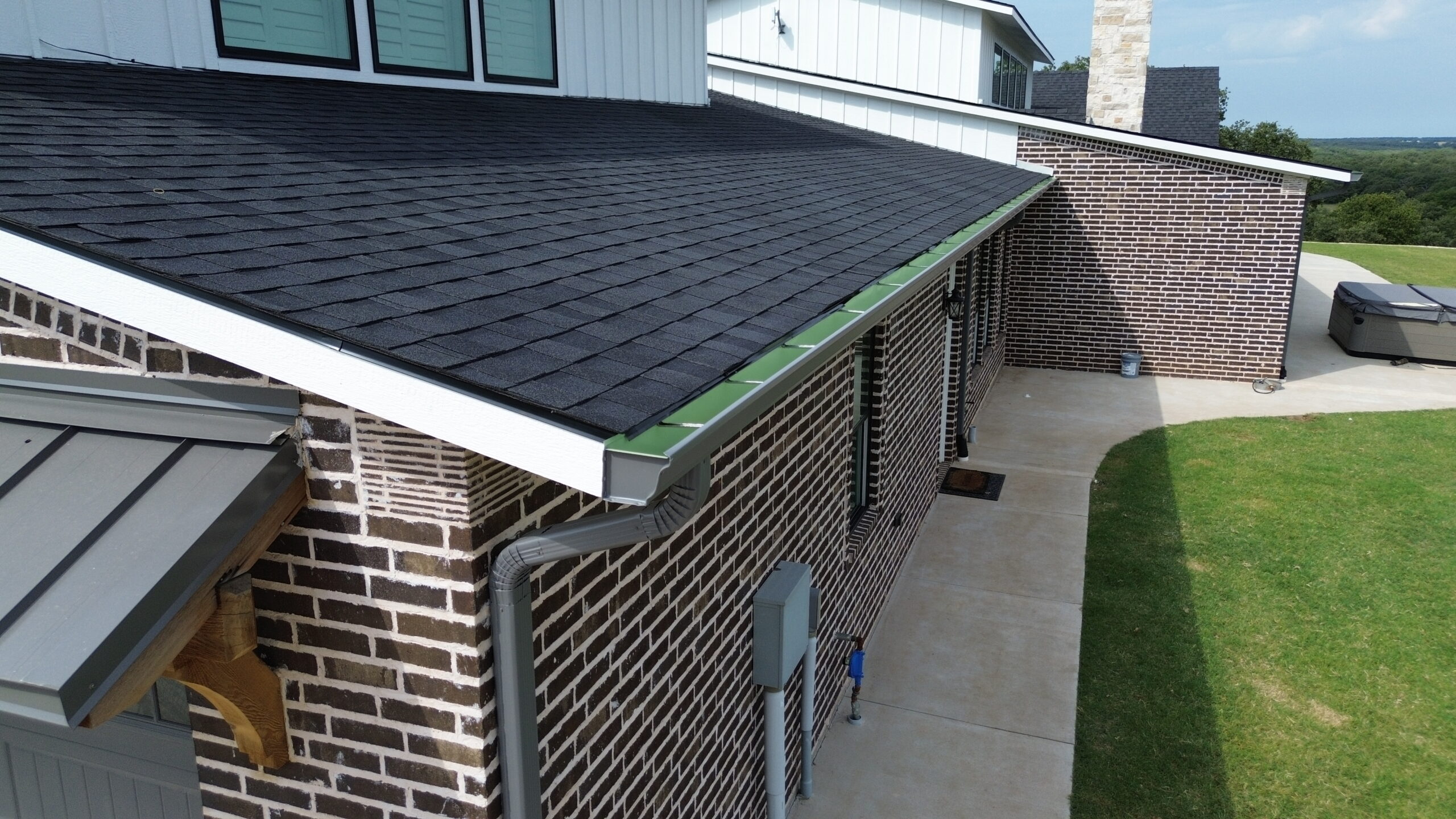
Flashing is another area that can create complications during residential roof replacement. Flashing helps protect transitions where roofing materials meet chimneys, skylights, walls, vents, valleys, and other structures, making proper installation essential for water resistance.
Existing flashing may appear acceptable during a basic inspection but become unsuitable once the old roofing materials are removed. Metal can corrode, bend, crack, or separate from adjoining surfaces, while older installation methods may not work well with the new roofing system.
Homeowners sometimes expect contractors to reuse all existing flashing to reduce costs. However, retaining deteriorated or incompatible flashing can create unnecessary risks around vulnerable areas of the new roof.
Chimneys are particularly challenging because they involve several layers and transitions. Proper flashing may need to coordinate with the chimney structure, surrounding roofing materials, and existing counterflashing.
Skylights can present similar difficulties. The condition of the skylight itself, its flashing system, and the surrounding roofing materials all need to be considered. A skylight that is already old or damaged may require separate attention during replacement.
Roof valleys also require careful detailing because they collect and direct significant amounts of water. Depending on the roofing system, the contractor may use specialized membranes, metal components, or other approved methods to protect these areas.
Plumbing vents and other roof penetrations need proper integration with the new roofing materials. Damaged boots, seals, or flashing can create leakage points even when the surrounding roof is installed correctly.
Complex roof designs increase the number of transitions that must be handled. Dormers, intersecting roof slopes, wall connections, and multiple penetrations can make installation slower and require greater attention to detail.
Homeowners should ask the contractor to explain how flashing will be handled before work begins. The written scope should make it clear whether existing flashing will be reused, repaired, or replaced and what materials will be used.
The cost of replacing flashing can vary depending on the number and complexity of roof penetrations. Although replacing these components can increase the project price, properly addressing vulnerable transitions can help reduce the likelihood of future leaks.
Material Delivery, Availability, and Installation Delays
Material availability can create unexpected delays in residential roof replacement projects. Roofing materials are often ordered in advance, but supply problems, shipping delays, seasonal demand, or product discontinuation can affect when the required materials arrive.
Standard roofing materials may be easier to obtain than specialty products. Homeowners who choose unusual colors, premium materials, custom profiles, or imported products may need to allow additional time for ordering and delivery.
Material availability should therefore be confirmed before the project is scheduled. The contractor should verify that the selected products are available in the required quantities and that all necessary components can be obtained.
A shortage of one component can delay the entire installation. For example, the primary roofing material may arrive on time while specific flashing, ventilation components, fasteners, or accessories remain unavailable.
Homeowners should avoid changing materials at the last moment without understanding the consequences. A substitute product may have different installation requirements, appearance, warranty terms, or performance characteristics.
If a material becomes unavailable after the contract is signed, the contractor should communicate with the homeowner before making a substitution. The homeowner should understand why the change is necessary and whether the replacement product affects the agreed price.
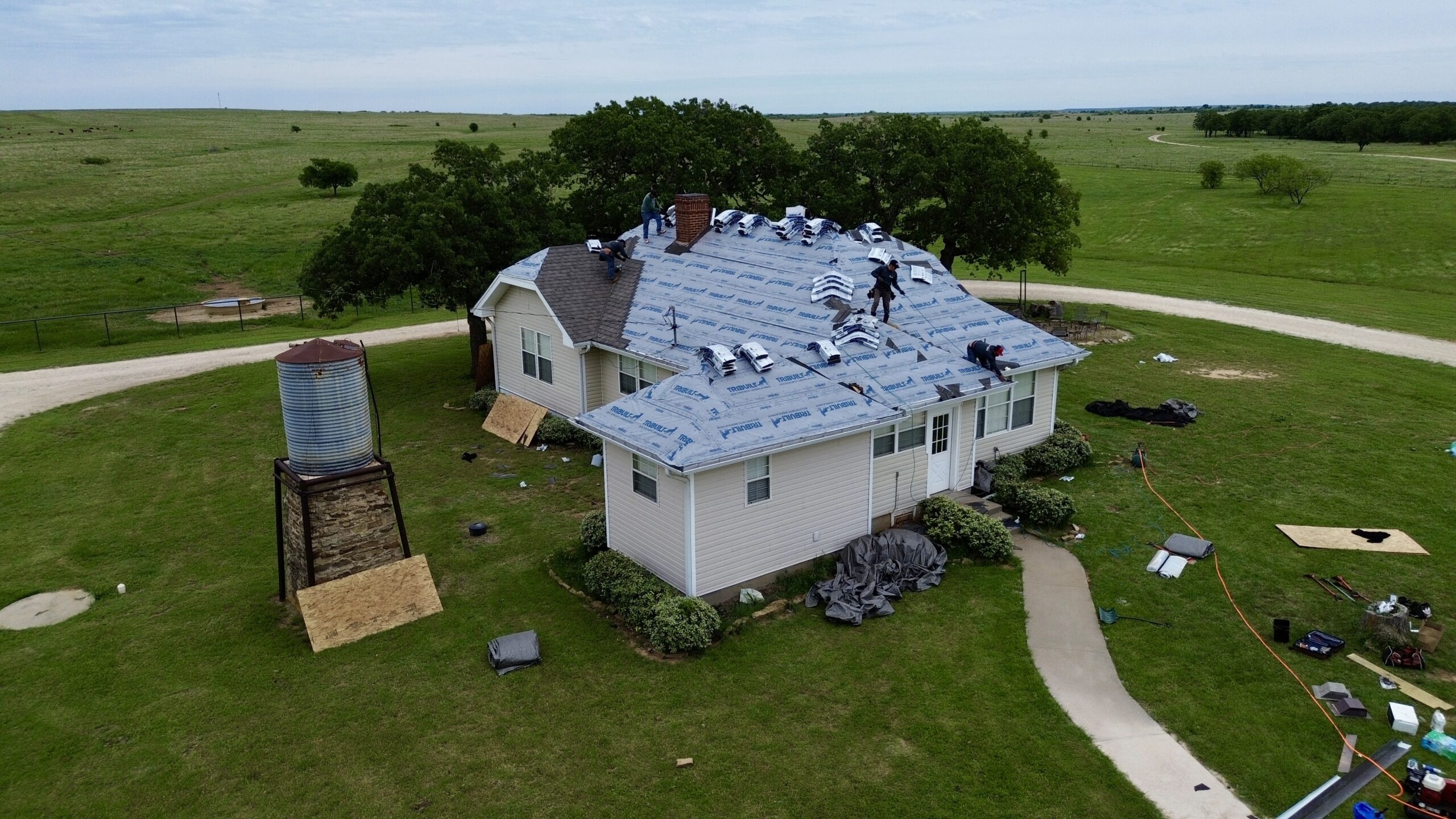
Delivery logistics can also be challenging. Roofing materials may need to be delivered by large vehicles and placed in locations that provide convenient access to the work area. Poorly planned deliveries can interfere with driveways, landscaping, neighboring properties, or household access.
Storage is another consideration. Materials should be placed in appropriate locations where they will not create unnecessary hazards or become damaged before installation.
Some roofing materials are particularly sensitive to handling and storage conditions. Contractors should follow manufacturer recommendations for storing and protecting materials before they are installed.
Scheduling should allow reasonable flexibility when material delays occur. Homeowners may want the project completed on a specific date, but rushing installation because materials arrived late can create quality or safety concerns.
Planning material orders early and confirming availability with suppliers can reduce these problems. Good communication between the contractor, supplier, and homeowner is particularly important when the project involves specialty materials.
Permits, Building Requirements, and Inspection Issues
Residential roof replacement can involve permits and inspections depending on the location, scope of work, property type, and applicable building regulations. Failing to understand these requirements can create delays and complications before or during construction.
Permit requirements vary between jurisdictions. Some replacement projects may require formal approval, while others may have different requirements depending on whether structural changes are involved.
Homeowners should ask the contractor who is responsible for obtaining required permits. This responsibility should be clear before work begins so that the project does not face unnecessary interruptions.
Building requirements can also affect the materials and installation methods used. Current requirements may address structural safety, fire resistance, wind performance, ventilation, drainage, flashing, or other roofing components.
A replacement project may reveal conditions that require additional work to meet current requirements. For example, an existing ventilation arrangement may not be adequate for the planned replacement, or certain structural components may need improvement before installation.
Inspections can add another scheduling consideration. If an authority requires an inspection during or after construction, the contractor may need to coordinate the timing so that relevant work is accessible for review.
Homeowners should not assume that a contractor’s estimate includes every possible permit or inspection cost. These items should be discussed in advance and identified in the written agreement when applicable.
Insurance claims can create additional complexity when building requirements affect the replacement scope. Whether additional code-related expenses are covered depends on the applicable policy and circumstances, so homeowners should communicate with their insurer when a covered loss is involved.
Documentation is also important. Permit records, inspection approvals, material specifications, and contractor documents should be retained after the project is completed.
Working with a contractor who understands local requirements can reduce unnecessary complications. Proper planning ensures that the roof is not only visually complete but also installed according to applicable construction standards.
Safety Risks During Residential Roof Replacement
Safety is one of the most important challenges in any residential roof replacement project. Roofing work involves elevated surfaces, ladders, tools, heavy materials, sharp debris, and changing weather conditions, so appropriate precautions are essential.
Falls are among the most serious risks associated with roofing work. Roof slopes can be steep or slippery, and conditions can change quickly when surfaces become wet or covered with debris.
Homeowners should stay away from active work areas. Children and pets should not be allowed near ladders, roofing materials, tools, or debris because they may not recognize the hazards created by an ongoing construction project.
Workers also need to manage falling materials carefully. Old shingles, nails, wood fragments, and other debris can fall from the roof during removal. Protective equipment, controlled work practices, and designated debris collection areas can help reduce these risks.
Weather can increase safety concerns. Strong winds, rain, extreme heat, and other conditions can make roofing work more hazardous. Professional crews may stop work when conditions become unsafe rather than continuing simply to meet a schedule.
Electrical hazards should also be considered. Roofing work may occur near overhead electrical lines, rooftop equipment, or electrical components, so workers need to identify and manage these hazards before beginning.
Material handling presents another challenge. Roofing products can be heavy and awkward to move, especially when workers need to transport them up ladders or use specialized equipment.
Homeowners should follow instructions about where they can safely walk during the project. Temporary barriers, warning signs, and designated access paths should be respected.
Safety should never be sacrificed to reduce project costs or shorten the schedule. A delayed project is generally preferable to an accident caused by unsafe working conditions.
Contractors should maintain appropriate safety procedures throughout the replacement. Homeowners can contribute by keeping household members away from work zones, communicating relevant property hazards, and following the contractor’s safety instructions.
Understanding these challenges allows homeowners to prepare for a more realistic roofing replacement experience. Structural discoveries, ventilation concerns, flashing complications, material delays, regulatory requirements, and safety risks can all affect the project, but careful planning and communication can help keep the work organized as it moves toward completion.
Managing Changes to the Project Schedule
Even with careful planning, a residential roof replacement schedule can change after work begins. Weather, material availability, hidden damage, permit requirements, and unexpected repairs can all affect the original completion date.
Homeowners should understand that a roofing schedule is usually an estimate rather than an absolute guarantee. Outdoor construction depends heavily on suitable conditions, and rushing the installation to meet an unrealistic deadline can create safety or workmanship problems.
Material delays can also affect scheduling. If a required roofing product, flashing component, or ventilation part is unavailable, the contractor may need to wait for delivery or discuss an appropriate alternative with the homeowner.
Unexpected structural repairs can create additional delays as well. If damaged decking or framing is discovered, the contractor may need to stop part of the installation while the condition is evaluated and the necessary repair is approved.
A good contractor should communicate schedule changes as soon as practical. Homeowners should ask for an updated timeline and understand which factors are causing the delay rather than assuming that the project has been abandoned or poorly managed.
The following factors commonly influence the final completion date:
| Challenge | Possible effect on project |
|---|---|
| Severe weather | Work may be temporarily postponed |
| Hidden roof damage | Additional repair time and materials may be required |
| Material shortages | Installation may wait for deliveries |
| Permit or inspection requirements | Certain stages may need to be rescheduled |
| Complex roof design | Installation may take longer than a simple roof |
Flexibility is especially important when replacing an older roof. A homeowner who understands that unexpected conditions can affect the schedule is generally better prepared to make reasonable decisions when changes occur.
Handling Cleanup and Property Protection
Roof replacement creates considerable construction debris, and keeping the property clean and protected can be challenging throughout the project. Old shingles, nails, damaged decking, packaging, and other materials must be collected and removed properly.
Professional roofing crews commonly use tarps and other protective measures around landscaping, windows, doors, exterior walls, and outdoor equipment. These measures can reduce the risk of damage, although homeowners should still inspect the property after the work is complete.
Gutters can collect small amounts of roofing debris during removal and installation. They should be checked and cleaned as necessary so that construction material does not interfere with normal drainage.
Driveways and walkways may also contain small debris after roofing work. Nails can be particularly difficult to see, so contractors should make reasonable efforts to collect them using appropriate cleanup equipment.
Homeowners should keep children and pets away from construction areas until cleanup is complete. Even when most visible debris has been removed, small sharp materials can remain in landscaping or less accessible areas.
Outdoor furniture and decorations should ideally be moved before work begins. This creates more space for workers and reduces the possibility of accidental damage from falling materials.
The contractor should explain what cleanup is included in the project agreement. Homeowners should know whether debris removal, magnetic nail collection, gutter cleaning, and removal of temporary protective materials are part of the contracted work.
A final property inspection is useful before the contractor leaves. Walking around the home with the project manager can help identify areas that require additional cleanup or attention.
Resolving Differences Between Homeowners and Contractors
Disagreements can occur during roof replacement even when both sides begin the project with good intentions. Most disputes can be reduced by using a detailed contract, maintaining clear communication, and addressing concerns as soon as they appear.
One common disagreement involves additional costs. Hidden damage may require extra work, but homeowners may become concerned if the original estimate changes significantly. The contractor should explain the reason for each major cost increase and provide appropriate documentation.
Another issue can involve material substitutions. If the agreed product becomes unavailable, the homeowner should be informed before a different material is installed. The replacement should be evaluated for quality, appearance, performance, cost, and warranty implications.
Homeowners may also have concerns about workmanship. If something appears incomplete or different from the agreed scope, it is usually better to discuss the issue promptly rather than waiting until the project is completely finished.
A practical approach is to follow these steps:
- Identify the specific concern and document it with photographs when appropriate.
- Compare the issue with the written contract or approved scope of work.
- Ask the contractor to explain the situation and proposed solution.
- Request written confirmation of significant changes or agreements.
- Keep records of estimates, invoices, communications, and completed work.
Professional communication is important even when disagreements become frustrating. The goal should be to determine whether the work meets the agreed requirements and applicable installation standards.
Homeowners should also avoid making payments or signing documents they do not understand. If a serious contractual disagreement cannot be resolved through normal communication, appropriate professional or legal guidance may be considered depending on the circumstances.
Maintaining Quality When Challenges Arise
Unexpected challenges should never become an excuse for reducing installation quality. A roof replacement is a long-term investment, and shortcuts taken during construction can create leaks, premature deterioration, or other problems after the project is finished.
Contractors should continue following the manufacturer’s installation requirements even when the schedule changes. Fastening, flashing, underlayment, ventilation, and material placement all need to be completed correctly rather than rushed to compensate for earlier delays.
Homeowners should be particularly cautious when contractors suggest changes that affect major roofing components. A cheaper alternative may not provide the same performance or warranty coverage as the material originally selected.
Quality control should occur throughout the project rather than only during the final inspection. Contractors can identify problems while each stage is being completed, reducing the likelihood that an issue will remain hidden beneath later layers.
The final inspection should cover the entire roofing system. Visible materials, flashing, roof edges, valleys, penetrations, ventilation components, drainage paths, and cleanup should all receive appropriate attention.
Homeowners can ask the contractor to explain important finishing details. They do not need to perform the inspection themselves, but understanding what was installed can help them recognize the value of the completed work.
Documentation can also support quality control. Photographs of concealed repairs, decking replacement, flashing, and other important stages can provide a useful record for future maintenance.
A successful roof replacement should prioritize safety and workmanship over speed. When challenges arise, the contractor should adjust the schedule or scope appropriately rather than taking shortcuts that could reduce the roof’s long-term performance.
Preparing for Future Roofing Maintenance
The completion of a replacement project does not eliminate the need for ongoing care. Regular maintenance can help homeowners identify problems early and protect the investment made in the new roofing system.
Gutters and downspouts should remain clear so rainwater can move away from the roof properly. Leaves, branches, and other debris can interfere with drainage and contribute to moisture problems around roof edges.
Trees near the home should also be maintained. Overhanging branches can scrape roofing materials, drop debris onto the roof, and increase the possibility of damage during severe weather.
Homeowners should monitor the roof after major storms. Visible missing materials, damaged flashing, fallen branches, or signs of water intrusion should be evaluated promptly rather than ignored.
Attic conditions can also provide useful information about roof performance. Moisture, condensation, staining, or unusual odors may indicate ventilation or water-related problems that require professional investigation.
Homeowners should avoid unnecessary foot traffic on the new roof. Many roofing materials can be damaged by improper walking, and professional inspection is generally safer when the roof is steep, fragile, or difficult to access.
Keeping records of maintenance and repairs is also beneficial. The homeowner should retain the original contract, material information, warranties, inspection reports, and invoices so future contractors have a clear history of the roofing system.
Conclusion
Residential roof replacement can involve many challenges, but most can be managed successfully through careful planning, realistic expectations, and consistent communication. Hidden structural damage, weather delays, material availability, ventilation problems, flashing complications, permit requirements, safety concerns, and unexpected costs can all affect the project.
Homeowners should understand that the original estimate and schedule may change when concealed conditions become visible. What matters most is that changes are explained clearly, necessary repairs are properly documented, and the work continues according to appropriate safety and installation requirements.
Choosing suitable materials and an experienced contractor can reduce many common problems before construction begins. A detailed written agreement should establish the materials, scope of work, payment arrangements, cleanup responsibilities, warranties, and process for handling unexpected conditions.
Communication remains one of the most effective ways to manage challenges. Homeowners should ask questions, document significant changes, review additional costs, and maintain records throughout the project.
Safety should always remain a priority. Roofing involves elevated work, heavy materials, sharp debris, ladders, tools, and changing weather, so homeowners and household members should remain away from active work areas and follow contractor instructions.
Quality should never be sacrificed to meet an original deadline or reduce an unexpected expense. Proper flashing, ventilation, underlayment, fastening, drainage, and roof deck preparation are essential parts of a complete roofing system.
Once the project is finished, homeowners should continue protecting the new roof through regular maintenance. Keeping gutters clear, managing nearby trees, monitoring the attic, checking for storm damage, and arranging professional inspections when needed can help extend the roof’s useful life.
The most successful residential roof replacement projects are not necessarily those without unexpected challenges. They are projects where challenges are identified early, explained clearly, addressed correctly, and managed without compromising the safety or performance of the finished roof. With realistic planning and a qualified roofing professional, homeowners can navigate the replacement process more confidently and achieve a durable roofing system that provides reliable protection for years to come.