
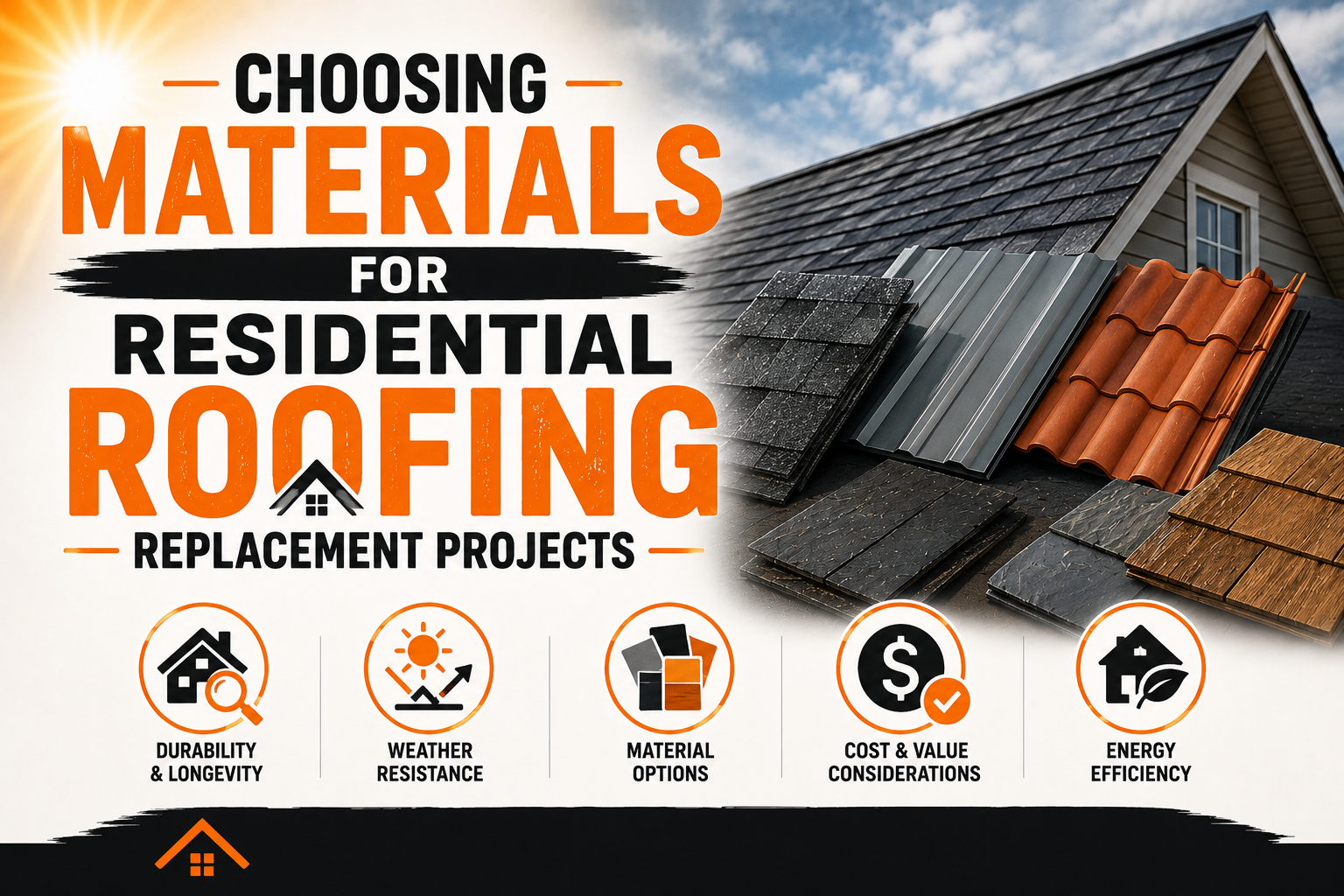
Choosing Materials for Residential Roofing Replacement Projects
Introduction
Choosing the right roofing material is one of the most important decisions homeowners make during a residential roof replacement project. The selected material affects the home’s appearance, weather resistance, maintenance requirements, expected service life, installation process, and overall project cost. Because roofing materials are expected to protect the home for many years, homeowners should evaluate more than the initial purchase price before making a final decision.
Residential roofing materials are available in many styles, colors, textures, and performance levels. Asphalt shingles remain a common choice because they offer a practical combination of affordability and appearance, while metal, tile, slate, and other materials can provide different advantages. Each option has specific installation requirements and may perform differently depending on the home’s design and local environmental conditions.
The best roofing material is not necessarily the most expensive or the longest-lasting option available. Instead, it should match the home’s structure, roof design, climate, maintenance expectations, appearance preferences, and available budget. A material that works well for one property may not be suitable for another because every roofing system has different requirements.
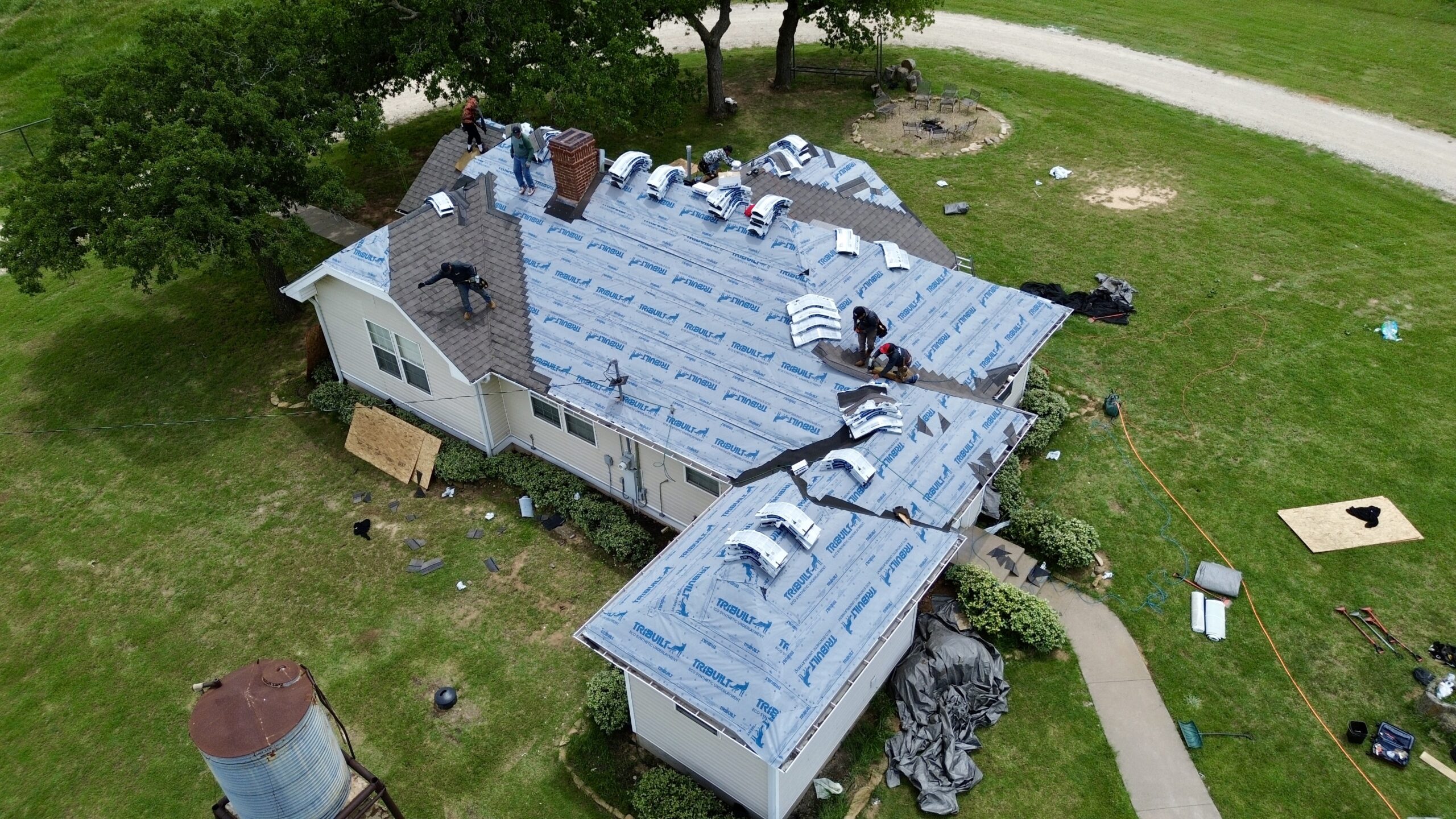
Homeowners should also consider the entire roofing assembly rather than viewing the outer material as an isolated product. Underlayment, flashing, ventilation, drainage, roof decking, fasteners, and installation quality all contribute to the performance of the finished roof. Selecting a suitable material is therefore only one part of creating a reliable replacement system.
Understanding the major factors involved in material selection can make the replacement process easier. With proper research and professional guidance, homeowners can compare options based on long-term value and choose a roofing system that provides appropriate protection for their property.
Evaluating the Home and Existing Roof Before Choosing Materials
Before selecting a roofing material, homeowners should understand the characteristics of the existing roof. The roof’s pitch, shape, size, structural condition, drainage design, and existing components can influence which materials are practical for replacement.
Roof pitch is particularly important because different materials have different installation requirements. Some roofing products are designed for specific slope ranges, while others may require additional waterproofing or specialized installation methods when used on certain roof designs.
The structural condition of the roof should also be evaluated. Some materials are significantly heavier than others, and the existing structure may need to be capable of supporting the selected roofing system. A professional contractor can determine whether structural improvements are necessary before a heavier material is considered.
The condition of the roof deck is another important factor. A replacement project provides an opportunity to inspect the decking after the old roofing materials are removed. If damaged or weakened areas are discovered, they should be repaired before the new roofing material is installed.
Homeowners should also examine how the existing roof handles water. Valleys, gutters, downspouts, eaves, and other drainage components need to work effectively with the selected roofing system. A material change may require adjustments to flashing or other components to ensure that water continues moving away from vulnerable areas.
The home’s architectural style can influence the visual suitability of different materials. A traditional house may look appropriate with conventional shingles, while another property may benefit from the clean appearance of metal or the distinctive character of tile.
Local requirements should also be reviewed before selecting a material. Building regulations, fire-resistance requirements, wind considerations, and other construction standards may affect which roofing systems can be used in a particular location.
An inspection before material selection can prevent homeowners from choosing a product that is unsuitable for the property. It also provides useful information about repairs, ventilation improvements, and other preparation work that may need to be included in the replacement plan.
Comparing Asphalt Shingles for Residential Roof Replacement
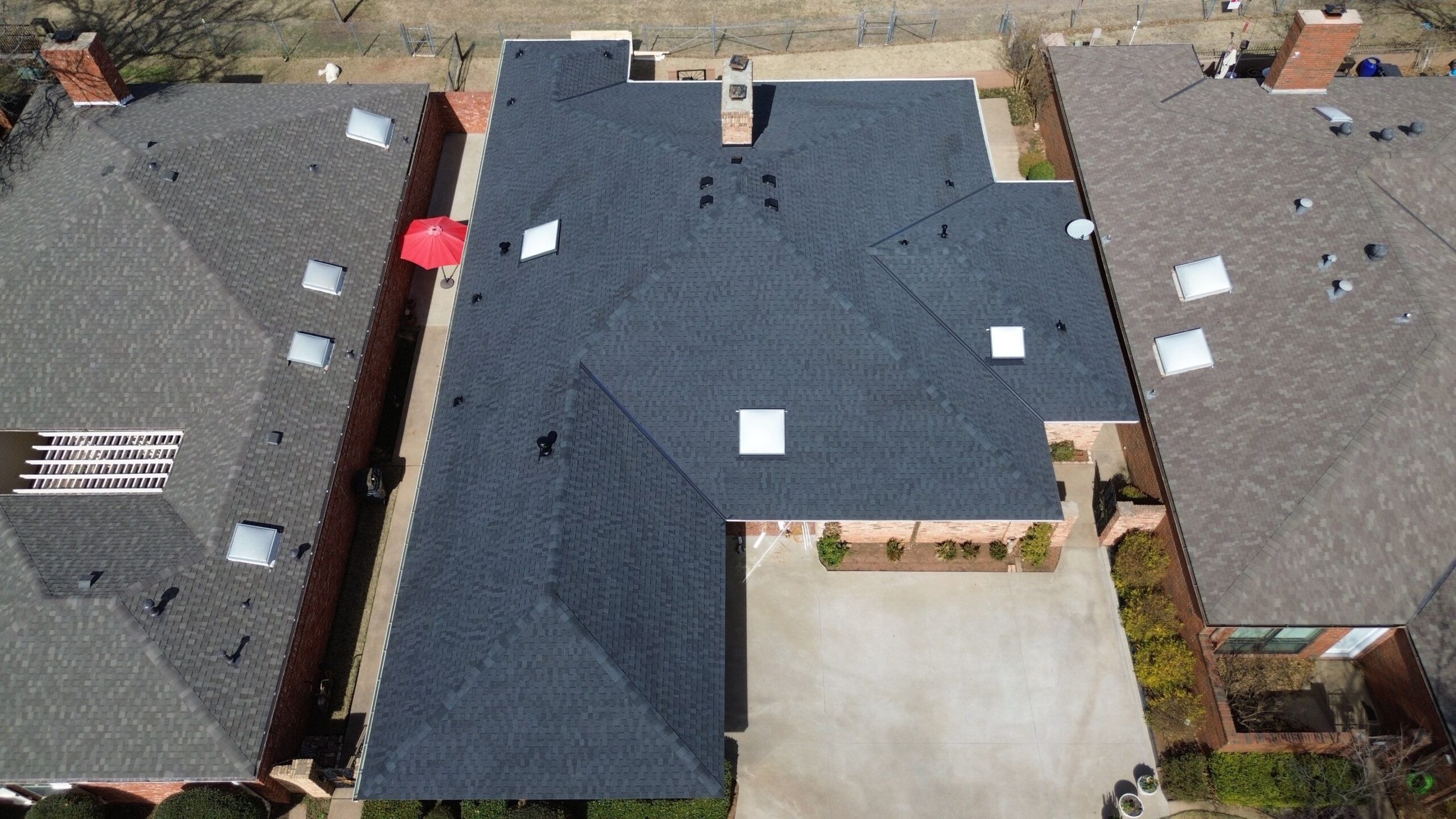
Asphalt shingles are among the most widely used roofing materials for residential properties. Their popularity comes from their broad availability, relatively straightforward installation, variety of styles, and range of price options. For many homeowners, they provide a practical balance between appearance, performance, and budget.
There are different types of asphalt shingles, and homeowners should understand the differences before making a selection. Basic three-tab shingles have a simpler appearance, while architectural shingles generally provide a more dimensional design and can offer different performance characteristics.
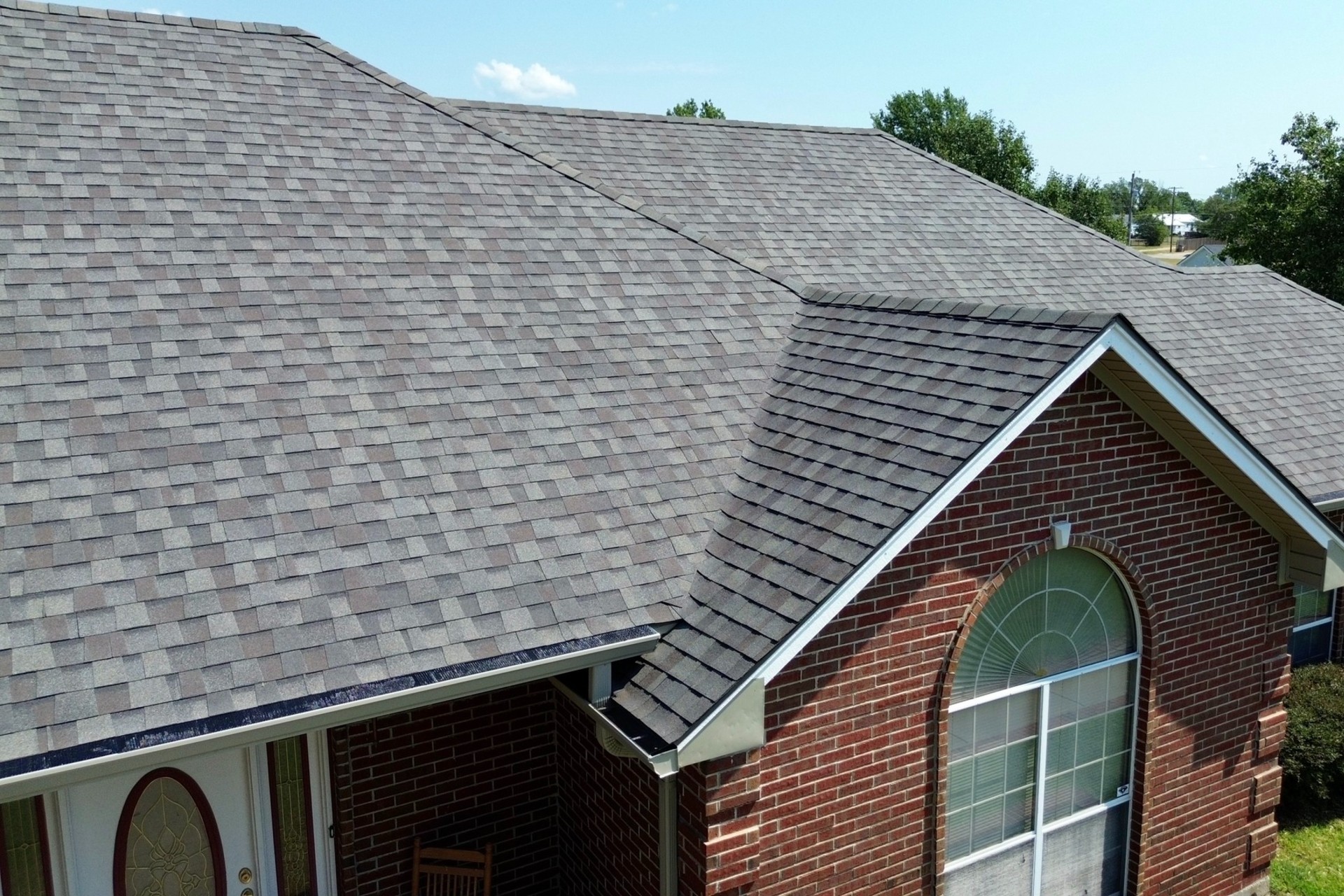
Architectural shingles can create a more textured appearance because their layers and profiles produce additional visual depth. They are often selected by homeowners who want the familiar appearance of asphalt roofing while achieving a more substantial look.
Asphalt shingles are available in numerous colors and patterns, making them suitable for a wide range of residential styles. Color selection should consider the home’s exterior materials, existing architectural features, and the appearance of the roof from surrounding properties.
Cost is another reason asphalt shingles remain popular. They generally require a lower initial investment than many premium roofing materials, although the actual cost depends on product quality, roof complexity, labor, removal requirements, and other project factors.
Maintenance requirements should also be considered. Asphalt shingles can be affected by strong winds, hail, temperature changes, algae growth, and normal aging, so homeowners should continue with appropriate inspections and maintenance after installation.
The quality of installation is particularly important. Even a high-quality shingle can perform poorly if it is incorrectly fastened, improperly aligned, or installed without suitable underlayment and flashing. Homeowners should therefore evaluate the contractor as carefully as the product itself.
When comparing asphalt shingles, homeowners should review the manufacturer’s specifications and warranty terms. The lowest-priced product may not always provide the desired combination of durability, appearance, and expected service life.
Considering Metal Roofing for Long-Term Performance
Metal roofing has become an increasingly considered option for residential replacement projects because of its durability, appearance, and range of available designs. Metal roofs can be produced in different profiles and finishes, allowing them to complement both traditional and modern homes.
One of the main advantages of metal roofing is its potential for long service life when properly selected and installed. The material can provide strong resistance to many weather conditions, although performance depends on the specific product, coating, installation method, and environmental exposure.
Metal roofing is also available in several forms. Standing seam panels create a clean appearance with concealed fastening systems, while metal panels designed to resemble shingles, slate, or tile can provide a more traditional appearance.
Homeowners should consider the installation requirements carefully. Metal roofing can require specialized tools, fastening methods, flashing details, and experienced installers. A contractor without suitable experience may not be the best choice for a complex metal roofing project.
Noise is sometimes a concern for homeowners considering metal roofs. However, the overall sound level inside a properly constructed home depends on the roof assembly, insulation, underlayment, ceiling construction, and other factors rather than the metal surface alone.
The initial cost can also be higher than standard asphalt shingles. Homeowners should compare the upfront investment with expected service life, maintenance requirements, energy considerations, and the property’s long-term plans.
Metal roofing can be a strong option for homeowners who prioritize durability and want a different appearance from conventional shingles. However, the decision should be based on the specific home and product rather than assuming that every metal roof provides identical performance.
Exploring Tile, Slate, and Other Premium Roofing Materials
Tile and slate are often considered premium roofing materials because of their distinctive appearance, durability, and potential for long service life. These materials can create a strong architectural statement, but they also require careful consideration before being selected for a replacement project.
Tile roofing may be manufactured from materials such as clay or concrete. Different tile profiles can create different visual effects, while the material itself can provide resistance to many outdoor conditions when properly installed and maintained.
Slate roofing has a natural appearance that can complement certain architectural styles. Quality slate can provide exceptional longevity, but the material is heavy, specialized, and generally requires experienced installation.
Weight is an important consideration for both tile and slate. Before selecting these materials, homeowners should have the roof structure evaluated to determine whether it can support the additional load safely and whether structural modifications are required.
Installation expertise is another major factor. Premium materials can be expensive, and mistakes during installation may affect both performance and appearance. Contractors should understand the specific requirements of the selected roofing system and have appropriate experience with the material.
Maintenance can vary depending on the product and installation. Individual tiles or slate pieces may occasionally become damaged and need replacement, while flashing and other supporting components also require periodic inspection.
Homeowners should consider whether the property’s architectural style suits the material. Premium roofing can significantly change the appearance of a home, so samples or photographs can help homeowners visualize how the finished roof may look before committing to the project.
The higher initial investment may make sense for homeowners who value longevity, appearance, and long-term property considerations. However, premium materials should be selected only after confirming that the roof structure, installation requirements, budget, and maintenance expectations are suitable.
Balancing Cost, Durability, Appearance, and Maintenance
The final roofing material decision should balance several factors rather than being based on one feature. A homeowner may prefer a particular appearance, but the material must also be appropriate for the roof structure, climate, budget, and expected maintenance routine.
Initial cost is naturally important, but it should be considered alongside expected service life. A lower-cost material may require replacement sooner, while a more expensive system may provide longer service when properly installed and maintained.
Durability is another major consideration. Homeowners should examine how the material is expected to perform against the conditions commonly experienced at the property, including strong winds, heavy rain, intense sunlight, hail, temperature changes, or other environmental factors.
Maintenance requirements should also be realistic. Every roofing system requires some level of inspection and care, but the frequency and type of maintenance can vary. Homeowners who prefer a simpler maintenance routine should discuss these expectations with their contractor before selecting a material.
Appearance can influence the property’s overall character. The roof occupies a large portion of the visible exterior, so its color, texture, and profile can affect how the entire home looks.
A useful comparison can include several key factors:
| Roofing material | Main advantage | Important consideration |
|---|---|---|
| Asphalt shingles | Practical cost and wide selection | May require earlier replacement than premium materials |
| Metal roofing | Durability and design variety | Higher initial cost and specialized installation |
| Tile roofing | Distinctive appearance and durability | Greater weight and structural requirements |
| Slate roofing | Long potential service life and natural appearance | High cost and specialized installation |
Homeowners should also consider warranties carefully. A product warranty does not necessarily cover every type of damage or installation problem, so the terms should be reviewed before the final purchase decision.
Ultimately, choosing roofing materials is about finding the right balance for the property rather than selecting a universally superior product. A well-matched material, combined with proper preparation and skilled installation, can provide dependable protection and support the long-term value of the home.
Considering Climate and Local Weather Conditions
Climate should be one of the main considerations when selecting roofing materials because a roof must withstand the environmental conditions experienced by the property throughout the year. A material that performs well in a mild climate may require different specifications or maintenance in an area exposed to intense sunlight, heavy rainfall, strong winds, hail, or frequent temperature changes.
Sun exposure can gradually affect roofing materials. Ultraviolet radiation can contribute to fading, surface deterioration, brittleness, and loss of protective properties over time. Homeowners in areas with strong sunlight should discuss products designed to withstand prolonged exposure and consider how different colors and finishes may respond to the local environment.
Heavy rainfall creates another important consideration. Roofing materials, underlayment, flashing, valleys, gutters, and drainage components must work together to move water away from the building. A material alone cannot compensate for poor drainage or improperly installed flashing, so the complete roofing system should be evaluated.
Wind resistance is particularly important in locations that experience strong storms. Homeowners should review the wind performance specifications of the selected roofing product and make sure the installation method follows the manufacturer’s requirements. Proper fastening, edge detailing, flashing, and installation practices can all influence how well the roof performs during severe weather.
Hail can also affect material selection. Different roofing products have different levels of resistance to impact, and homeowners should discuss available options if hail is a recurring concern in their area. A product marketed as durable should still be evaluated according to its actual specifications rather than general claims.
Temperature changes can affect roofing materials through repeated expansion and contraction. Materials and installation systems should be selected with the local climate in mind so that the roof can accommodate normal environmental movement without developing unnecessary stress.
Moisture and humidity are also worth considering. Persistent moisture can encourage algae, moss, and deterioration in some roofing environments, particularly where roofs remain shaded for long periods. Proper ventilation, drainage, material selection, and maintenance should therefore be considered together.
Local weather conditions should ultimately influence the material decision without becoming the only deciding factor. Homeowners should discuss the property’s specific exposure with a qualified roofing contractor who can explain which products are suitable and how they should be installed for reliable performance.
Evaluating Roof Design, Pitch, and Structural Requirements
The physical design of a residential roof can significantly influence which materials are suitable for replacement. Roofs can have simple slopes or complex designs involving multiple valleys, dormers, skylights, intersecting sections, and changes in pitch. These features affect material requirements, installation methods, drainage, and labor.
Roof pitch is particularly important because some roofing materials are designed for specific slope ranges. A material that works well on a steep roof may not be appropriate for a low-slope section without additional waterproofing measures or a different roofing system.
Complex roofs may also require more flashing and specialized installation details. Every transition creates another location where water needs to be managed correctly, so homeowners should consider how the selected material will integrate with the existing roof design.
Structural capacity should also be evaluated before selecting heavier materials. Tile and slate, for example, can place significantly different loads on a structure compared with lighter roofing systems. A professional assessment can determine whether the existing roof framing is suitable or whether structural improvements would be required.
The roof deck also contributes to the overall installation. A deck that has been weakened by long-term moisture exposure may require repairs before new materials are installed. Replacing the surface material without addressing damaged decking can compromise the performance of the entire roofing system.
Roof complexity can affect project cost as well. A large, simple roof may require fewer labor hours than a smaller roof containing numerous valleys, penetrations, steep sections, or architectural details. Homeowners should therefore compare estimates based on the complete project rather than using material price alone.
Ventilation requirements can also be influenced by roof design. Certain roofing systems depend on properly positioned intake and exhaust ventilation, while complex roof shapes may require additional planning to maintain appropriate airflow.
Drainage should be considered at the same time. Valleys and slopes need to direct water toward gutters or other approved drainage paths without creating areas where water can accumulate.
Before selecting a material, homeowners should have the complete roof evaluated. Understanding the roof’s pitch, structure, drainage, ventilation, and complexity can prevent unsuitable material choices and help establish a realistic replacement budget.
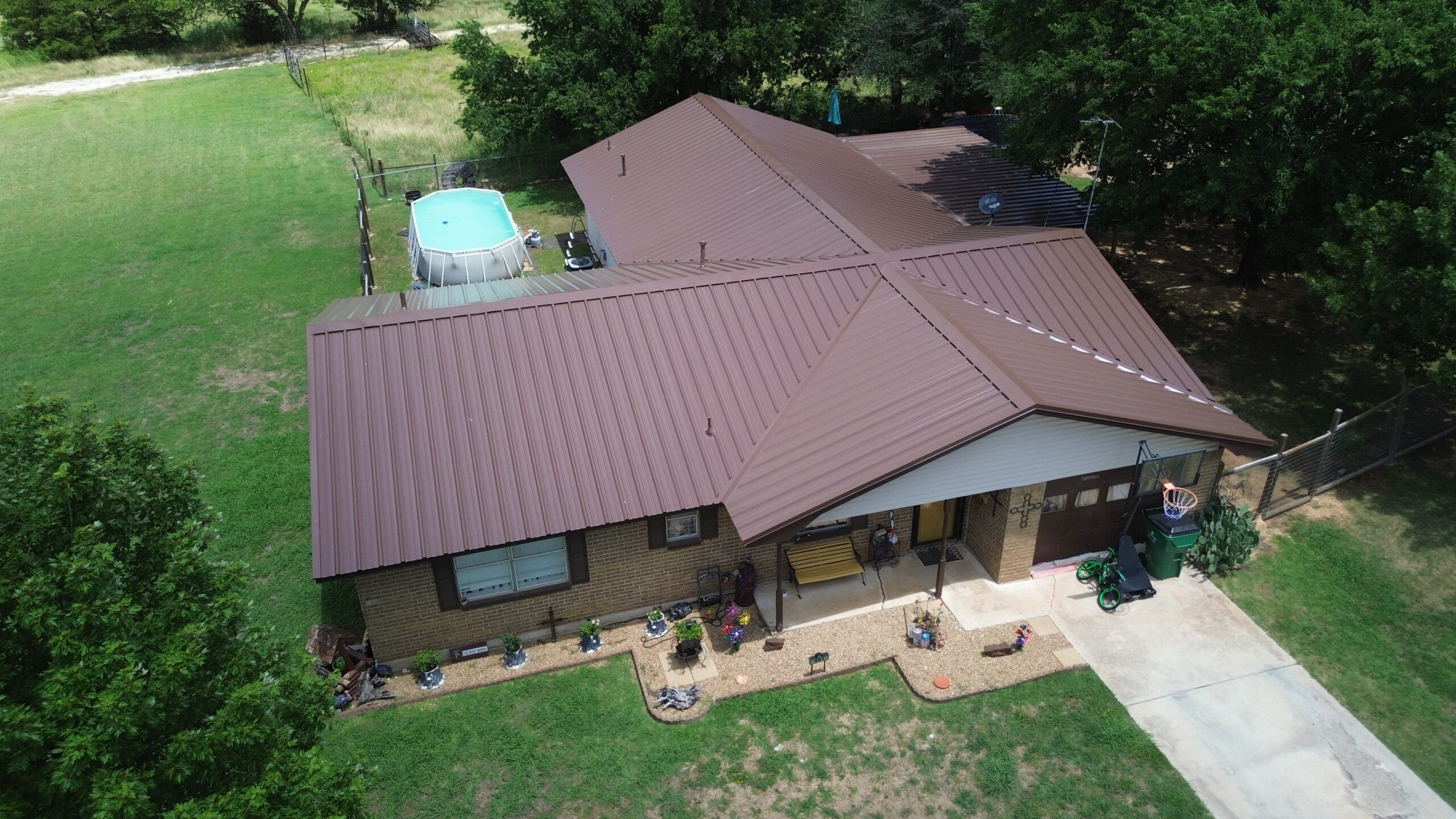
Comparing Material Weight, Installation Requirements, and Labor
The material itself represents only part of the roofing replacement cost. Installation requirements can vary substantially between roofing systems, and labor can become a significant portion of the total project depending on roof complexity and the expertise required.
Some roofing materials can be installed using relatively common residential roofing techniques, while others require specialized tools, experience, and installation procedures. Metal panels, tile, and slate can have specific requirements that differ considerably from standard asphalt shingle installation.
Material weight is another important factor. Lightweight products may be suitable for many conventional residential structures, while heavier systems may require additional structural evaluation before installation. Homeowners should never assume that an existing roof can support any material simply because another roofing system was previously installed.
Fastening requirements can also vary. Different products may require specific fasteners, spacing, overlap patterns, clips, or attachment methods. Following these requirements is important because improper fastening can affect wind resistance, water protection, appearance, and warranty coverage.
Flashing details may also be material-specific. A roofing contractor needs to understand how the selected product should connect around chimneys, skylights, walls, vents, valleys, and roof edges. These details are especially important because many roofing leaks occur around transitions rather than across the main field of the roof.
Installation time can vary as well. A straightforward roof using readily available materials may progress more quickly than a complex roof requiring specialized cutting, fitting, or detailing. Homeowners should ask contractors to explain the expected schedule and what factors could cause delays.
Labor quality should be considered when comparing materials. Choosing a premium product does not guarantee good performance if the installer lacks experience with that particular roofing system.
Homeowners should ask contractors about previous projects involving the material under consideration. Experience with similar roofs can provide confidence that the crew understands the manufacturer’s requirements and can handle the installation details correctly.
The best material choice is therefore one that matches both the property and the available installation expertise. A roofing system should not be selected solely because it looks attractive or has a long advertised lifespan if qualified installation is difficult to obtain locally.
Understanding Roofing Warranties and Expected Service Life
Warranties are an important part of comparing roofing materials, but homeowners should understand what they actually cover before making a decision. Roofing warranties can vary by manufacturer, product line, installation method, and contractor, so two products with similar prices may offer very different terms.
A manufacturer’s warranty generally relates to defects or performance issues associated with the roofing product. It does not necessarily cover every problem that can occur after installation, particularly damage caused by severe weather, improper maintenance, unauthorized modifications, or incorrect installation.
A workmanship warranty is different because it relates to the contractor’s installation. The length and conditions of workmanship coverage depend on the contractor and the agreement, making it important to review these terms before signing a contract.
Homeowners should also understand the difference between an advertised service life and an actual guarantee. A material may be marketed as capable of lasting for a particular period under suitable conditions, but real-world performance depends on climate, installation quality, maintenance, ventilation, and other factors.
Warranty requirements may include specific installation procedures. Some manufacturers require their products to be installed according to detailed instructions, and failure to follow those requirements can affect coverage.
Maintenance responsibilities should also be reviewed. Homeowners may need to keep documentation of inspections, repairs, or other work if a warranty claim becomes necessary.
The warranty should not be the only reason for choosing a roofing material. A long warranty can sound attractive, but homeowners should also evaluate the product’s actual specifications, local suitability, contractor experience, maintenance needs, and total cost.
Before purchasing, homeowners can ask these questions:
- What parts of the roofing system does the warranty cover?
- How long does the coverage last?
- Are there conditions that reduce or limit coverage?
- Does installation by an approved contractor affect the warranty?
- What maintenance or documentation is required?
- What process must be followed if a problem develops?
Understanding these details can prevent unrealistic expectations after installation. A clear warranty is valuable, but the best protection comes from combining suitable materials with proper installation and responsible maintenance.
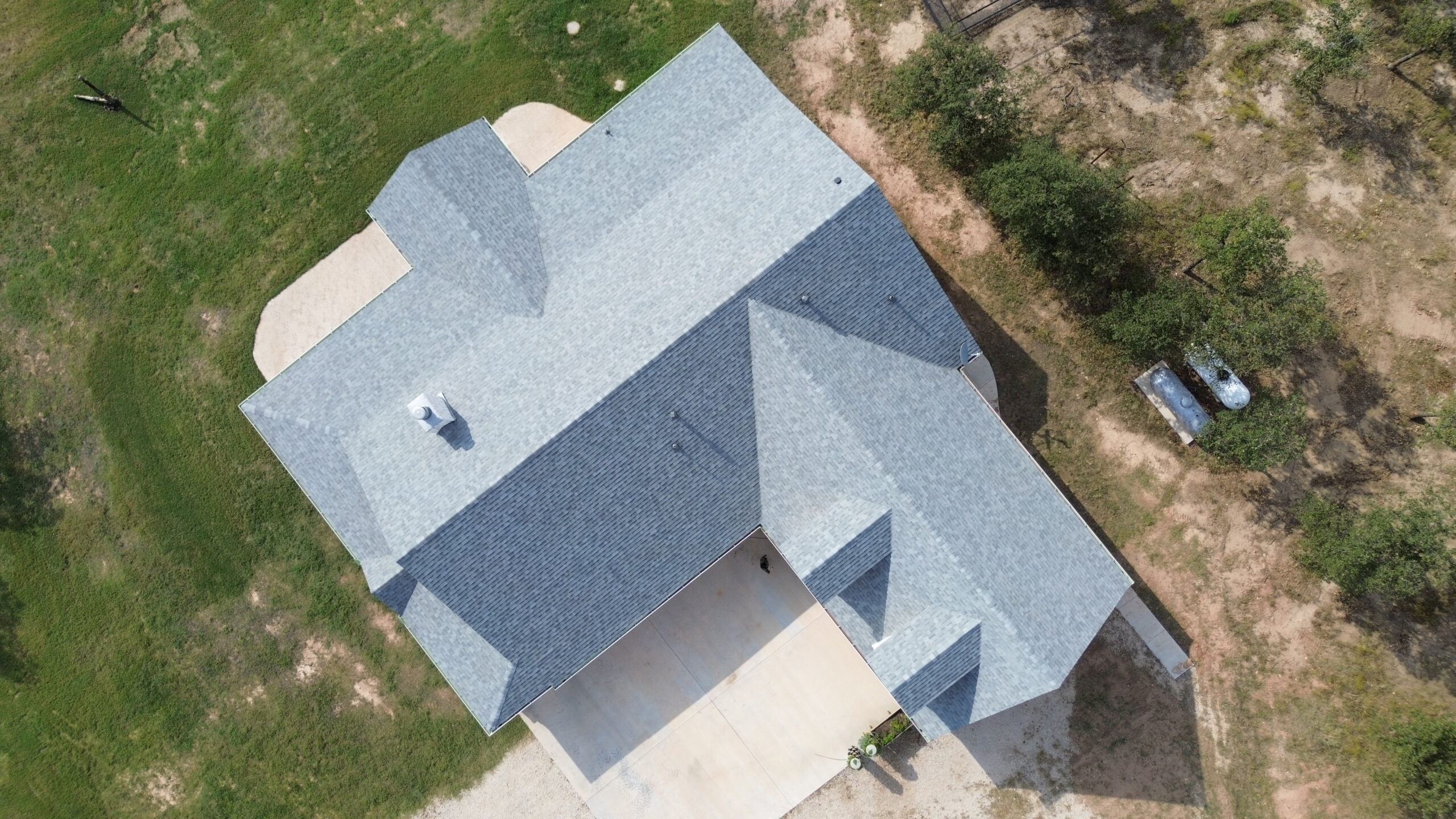
Choosing Colors, Styles, and Materials That Suit the Home
Roofing material selection is not only a technical decision. The roof has a major visual impact on a property, so homeowners should consider how the material, color, texture, and profile will complement the home’s exterior.
Asphalt shingles are available in many colors and patterns, allowing homeowners to coordinate the roof with siding, brick, stone, trim, doors, and other exterior features. Architectural shingles can also provide additional texture and dimension compared with simpler roofing profiles.
Metal roofing offers a wide range of appearances. Some systems have a modern standing seam design, while others are manufactured to resemble traditional shingles, slate, or tile. This variety allows metal to work with different architectural styles.
Tile can provide a distinctive appearance with curved or flat profiles and a range of natural or manufactured finishes. Slate has a different visual character because each piece can contribute natural texture and variation to the finished roof.
Color should be considered in relation to the home’s surroundings as well. A roof that looks attractive in a small sample may appear substantially different when installed across a large surface. Homeowners should review larger samples or photographs of completed installations whenever possible.
The architectural style of the home should remain a central consideration. Traditional homes may suit classic roofing profiles, while contemporary properties may benefit from simpler lines and modern materials.
Homeowners should also consider future resale appeal. Highly unusual colors or designs may reflect personal preferences but could be less appealing to future buyers. Choosing a style that complements the property without being excessively dependent on current trends can provide a more lasting appearance.
Neighborhood considerations may also matter. Some communities, homeowner associations, or local regulations may restrict certain colors, materials, or roofing styles. These requirements should be confirmed before materials are ordered.
A visually attractive roof should still meet the property’s technical needs. The ideal choice combines appropriate performance with an appearance that supports the home’s architectural character and the homeowner’s long-term preferences.
Building a Practical Roofing Material Budget
Budget planning should begin before a final roofing material is selected because the cost of a replacement includes much more than the visible roofing product. Removal of the existing roof, labor, underlayment, flashing, ventilation, decking repairs, disposal, permits, and other components can all influence the final price.
Material costs can vary widely between basic and premium products. However, homeowners should avoid choosing solely according to the lowest initial price because a cheaper material may not provide the desired durability, appearance, or maintenance characteristics.
The size and complexity of the roof also affect the budget. A large roof naturally requires more material, while steep slopes, valleys, dormers, skylights, chimneys, and other details can increase labor and installation time.
Unexpected repairs should also be considered. Roof decking may appear acceptable before removal but reveal moisture damage once the existing materials are taken away. Setting aside a reasonable contingency can help homeowners manage these situations without disrupting the project.
The contractor’s estimate should clearly separate or explain major costs. Homeowners should ask whether the quoted price includes removal, disposal, underlayment, flashing, ventilation components, cleanup, and potential deck repairs.
Long-term costs deserve attention as well. A roofing material with a higher purchase price may offer longer service life or different maintenance requirements, while a lower-cost system may require replacement sooner.
Homeowners should compare value rather than simply comparing prices. A useful evaluation considers the material’s expected performance, installation quality, warranty, maintenance needs, appearance, and compatibility with the property.
Before making the final decision, homeowners should obtain detailed estimates from qualified contractors and review the scope of work carefully. This approach makes it easier to select a roofing material that fits both the home’s requirements and the available budget, while leaving the project prepared for the final installation decisions.
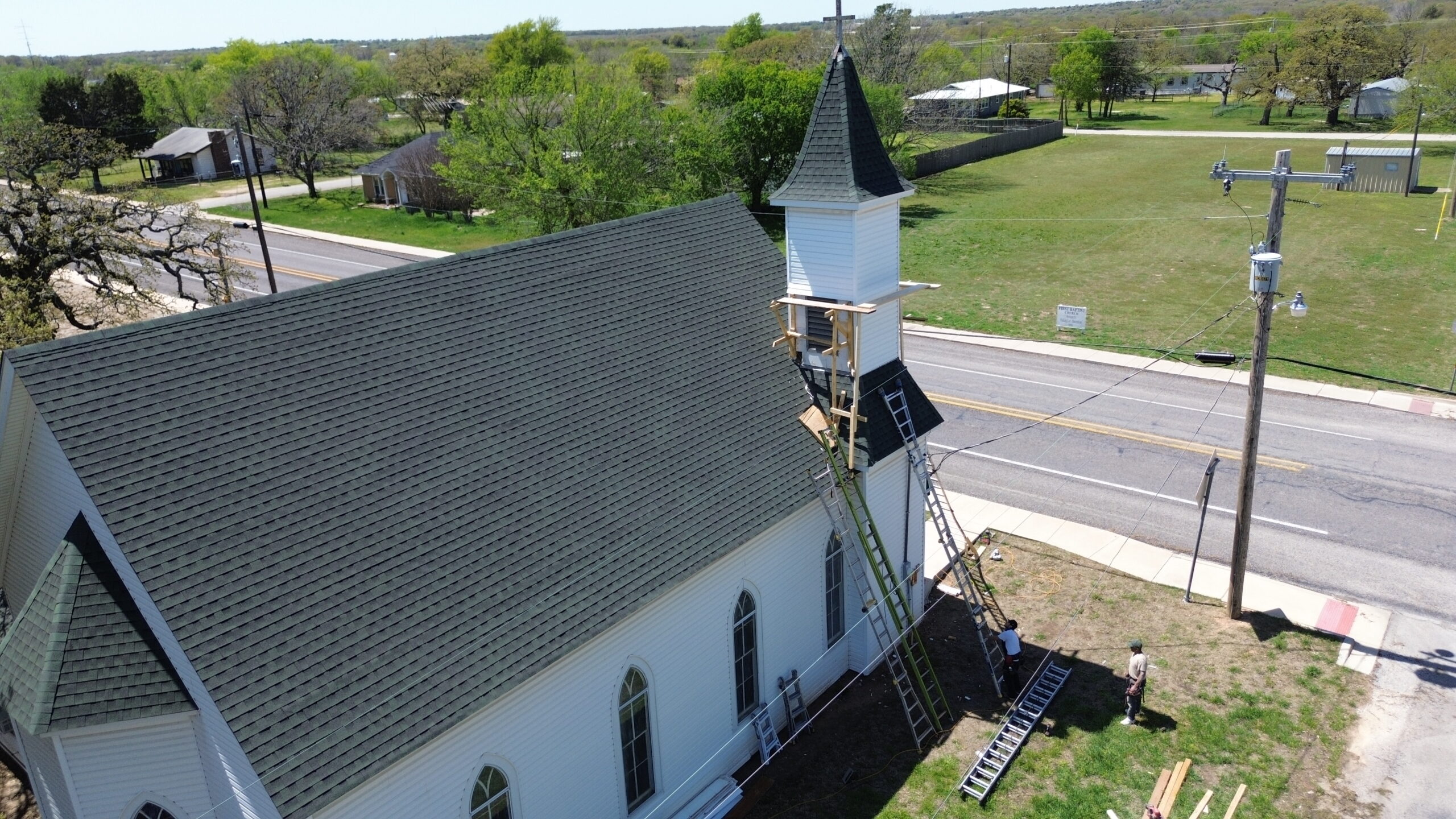
Considering Environmental Efficiency and Energy Performance
Energy performance is becoming an increasingly important consideration when homeowners choose materials for residential roofing replacement projects. The roof is exposed to sunlight for many hours during the day, and its color, surface characteristics, ventilation, insulation, and overall construction can influence how much heat reaches the attic and living areas below.
Some roofing materials and finishes are designed to reflect a greater portion of solar radiation. Reflective surfaces can reduce the amount of heat absorbed by the roof, which may help manage indoor temperatures during hot weather. However, the actual benefit depends on the complete building envelope, local climate, insulation levels, attic ventilation, and other factors.
Roof color can also influence solar heat absorption. Darker surfaces generally absorb more solar energy than lighter surfaces, although material composition and surface technology can affect the actual performance. Homeowners should therefore discuss available energy-related ratings rather than assuming that color alone determines efficiency.
Ventilation should be considered alongside the roofing material. A well-designed ventilation system can help move hot and humid air through the attic, reducing the potential for excessive heat and moisture accumulation. Improving ventilation during a roof replacement may provide greater benefits than choosing a roofing product based on appearance alone.
Insulation also plays an important role in overall energy performance. A new roof cannot compensate for inadequate insulation throughout the home, so homeowners may want to evaluate attic insulation while planning the replacement. Coordinating roofing, insulation, and ventilation improvements can create a more complete approach to managing indoor comfort.
Certain roofing materials may also have environmental advantages related to durability and recyclability. A long-lasting roof can reduce the frequency of replacement and therefore reduce the amount of material removed and disposed of over time. Some metal roofing products may also contain recycled content or be recyclable at the end of their useful life.
Homeowners should avoid choosing a material solely because it is advertised as energy efficient or environmentally friendly. Product specifications, local climate, installation quality, and the overall construction of the home should be evaluated together.
The most effective approach is to consider energy performance as one part of the broader material-selection process. When durability, ventilation, insulation, climate suitability, and responsible material choices are considered together, homeowners can select a roofing system that supports both comfort and long-term performance.
Matching Roofing Materials With Maintenance Expectations
Every roofing material requires some level of maintenance, although the type and frequency of maintenance can vary considerably. Homeowners should understand these requirements before selecting a replacement material because a roof that looks attractive may not be suitable for someone who prefers minimal ongoing maintenance.
Regular inspections can help identify developing problems before they become expensive. Homeowners should generally pay attention to visible changes in roofing materials, flashing, drainage components, roof edges, and areas around penetrations such as vents and chimneys.
Asphalt shingles may require attention when individual shingles become damaged, displaced, or deteriorated. Granule accumulation in gutters, curling, cracking, or missing materials can indicate that the roof needs professional evaluation.
Metal roofing can also require maintenance, particularly around fasteners, seams, flashing, coatings, and penetrations. The specific requirements depend on the type of metal roofing system and the environmental conditions surrounding the property.
Tile and slate roofs may require specialized attention because individual pieces can become cracked or displaced. Walking directly across these materials without appropriate knowledge can cause damage, so professional inspection is often preferable when maintenance is needed.
Gutters and downspouts should remain part of the maintenance plan regardless of the roofing material. Leaves, branches, and other debris can interfere with drainage and allow water to remain near roof edges or other vulnerable locations.
Nearby trees should also be managed appropriately. Branches that touch or hang over the roof can scrape surfaces, deposit debris, and increase the possibility of damage during storms. Maintaining vegetation around the property can therefore help reduce unnecessary roofing problems.
Homeowners should also consider how easily replacement components can be obtained. A roofing system may perform well, but future repairs can become more complicated if specialized materials or skilled installers are difficult to find locally.
Maintenance expectations should be discussed with the contractor before the final material is selected. Understanding what routine inspections, cleaning, repairs, and professional services may be required allows homeowners to choose a system that fits their long-term preferences and available time.
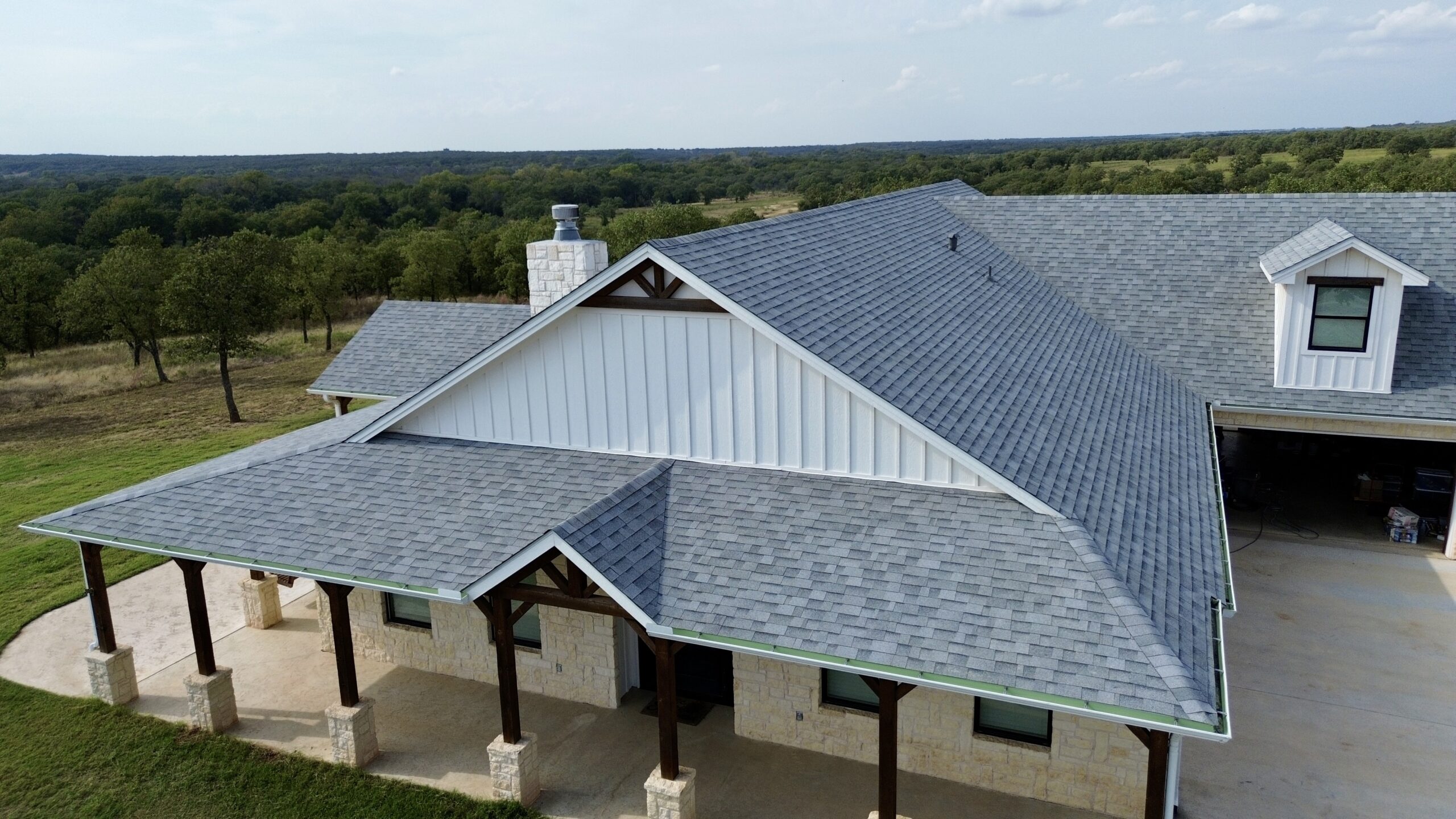
Selecting a Qualified Contractor for the Chosen Roofing Material
The quality of installation can be just as important as the quality of the roofing material itself. A high-performance product may not provide its expected service life if it is installed incorrectly, so homeowners should select a contractor with experience in the specific roofing system being considered.
Different materials require different installation methods. A contractor experienced with asphalt shingles may not have the same level of expertise with slate, tile, standing seam metal, or other specialized systems. Homeowners should ask about previous projects involving the exact type of material they intend to purchase.
Experience should be evaluated alongside licensing, insurance, references, written estimates, and warranty information. Requirements vary by location, so homeowners should confirm that the contractor meets applicable local requirements before signing an agreement.
The contractor should also understand the manufacturer’s installation instructions. Roofing manufacturers establish specific requirements for fastening, overlaps, flashing, underlayment, ventilation, and other details. Following those instructions can affect both the performance of the roof and the validity of applicable warranties.
A detailed contract is another important protection. The agreement should identify the selected material, product specifications, installation scope, removal and disposal requirements, payment terms, expected timeline, and procedures for unexpected repairs.
Homeowners should ask how concealed roof deck damage will be handled. Once old materials are removed, contractors may discover deterioration that was not visible during the initial inspection. Having a clear process for approving additional work can prevent confusion over unexpected costs.
Communication is also important throughout the project. A reliable contractor should be willing to explain material choices, installation methods, project changes, and quality-control procedures in understandable terms.
Homeowners should be cautious about choosing a contractor solely because of the lowest estimate. A very low bid may leave out important components, use lower-grade materials, or provide limited preparation and cleanup.
The best contractor is one who combines appropriate experience, clear communication, proper installation practices, and a detailed understanding of the selected roofing system. Good workmanship allows the chosen material to perform closer to its intended capabilities and helps protect the homeowner’s investment.
Avoiding Common Mistakes When Selecting Roofing Materials
Choosing roofing materials can become complicated when homeowners focus too heavily on one factor. Price, appearance, durability, and advertised lifespan are all important, but none should be considered independently from the property’s actual requirements.
One common mistake is selecting the cheapest available material without comparing its specifications. A low purchase price may appear attractive, but the product may have a shorter expected service life or different performance characteristics than a slightly more expensive alternative.
Another mistake is assuming that the longest warranty automatically represents the best product. Warranty terms can include exclusions, conditions, limitations, and requirements that affect actual coverage. Homeowners should read the warranty information carefully instead of comparing warranty duration alone.
Ignoring the roof structure is another potential problem. Heavy materials may not be suitable for every home without structural evaluation, while complex roof designs may require specialized installation techniques.
Homeowners should also avoid choosing a material only because it looks attractive on a sample. Roofing covers a large surface area, so the finished color and texture can appear different once installed across the entire roof. Larger samples and examples of completed projects can provide a more realistic idea of the final appearance.
Another mistake is failing to consider local weather. A roofing system should be selected according to the environmental conditions it will experience, including sunlight, rainfall, wind, hail, humidity, and temperature changes.
Ignoring ventilation and drainage can also undermine the performance of a new roof. Even a high-quality material may deteriorate prematurely if water cannot drain properly or excessive attic moisture remains unresolved.
Finally, homeowners should avoid selecting a specialized material without confirming that experienced installers are available. Installation quality is particularly important for roofing systems with detailed fastening, flashing, or structural requirements.
A careful decision-making process can reduce these risks. Homeowners should compare materials based on property suitability, performance, cost, maintenance, warranty, appearance, and installation expertise rather than relying on a single selling point.
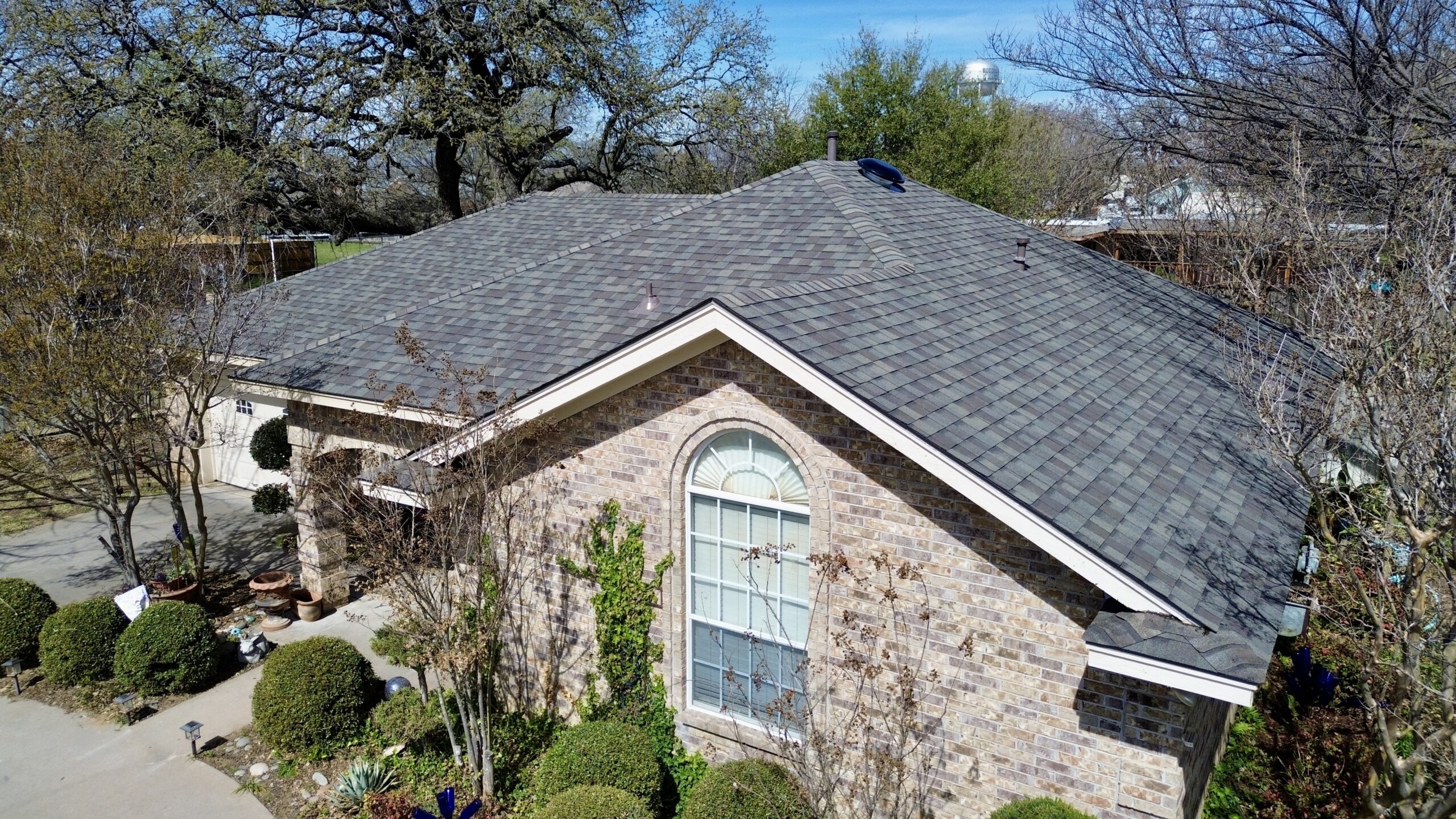
Creating a Final Roofing Material Selection Checklist
Before approving the final material for a residential roof replacement, homeowners should review the major factors that influence long-term performance. This final evaluation can help confirm that the selected roofing system is appropriate for the home and that important project details have not been overlooked.
The first consideration should be compatibility with the existing structure. The roof pitch, framing, decking, drainage system, ventilation, and architectural design should all be suitable for the selected material.
The second consideration is climate performance. Homeowners should understand how the material is expected to perform under the property’s typical weather conditions and whether additional features are needed for wind, rain, sunlight, or other environmental exposure.
The third consideration is total cost rather than material price alone. Installation labor, underlayment, flashing, ventilation, removal, disposal, permits, and potential decking repairs can all contribute to the final project expense.
The fourth consideration is maintenance. Homeowners should know what routine inspections and maintenance the material requires and whether specialized contractors or replacement components may be needed in the future.
The fifth consideration is warranty coverage. Product and workmanship warranties should be reviewed carefully, including their duration, exclusions, maintenance requirements, and claim procedures.
The sixth consideration is appearance. The selected material should complement the architectural style, exterior colors, and overall character of the home while remaining suitable for the homeowner’s long-term preferences.
Before placing the final material order, homeowners can review these questions:
- Is the material suitable for the roof’s pitch and structural capacity?
- Does it perform appropriately in the property’s climate?
- Is the complete installed cost within the project budget?
- Are experienced contractors available to install it correctly?
- Are maintenance requirements realistic for the homeowner?
- What exactly do the product and workmanship warranties cover?
- Does the material provide the desired appearance and long-term value?
Taking time to answer these questions can prevent costly changes later in the project. It also gives homeowners a clearer understanding of why a particular material has been recommended and whether the contractor’s proposal matches the property’s actual needs.
The final selection should be documented in the written roofing agreement. Product name, specifications, color, installation method, included components, and warranty information should be clear so there is little uncertainty about what will be installed.
Conclusion
Choosing materials for a residential roofing replacement project requires careful consideration because the roof is a long-term investment and one of the home’s primary protective systems. The right material should provide suitable weather resistance, durability, appearance, maintenance requirements, and value while remaining compatible with the property’s structure and design.
Homeowners should begin by evaluating the existing roof rather than choosing materials based solely on preference. Roof pitch, structural capacity, decking condition, drainage, ventilation, architectural style, and local building requirements can all influence which products are appropriate.
Different materials offer different advantages. Asphalt shingles can provide a practical and versatile option, metal roofing can offer durability and a wide range of designs, while tile and slate can provide distinctive appearances and potentially long service lives. The best choice depends on the individual property rather than the assumption that one material is superior for every home.
Climate should remain an important part of the decision. Sun exposure, heavy rainfall, wind, hail, humidity, and temperature changes can affect roofing performance, so homeowners should choose products that are appropriate for the conditions they are expected to withstand.
Installation quality is equally important. Even a premium roofing product can perform poorly when the installation is incomplete or incorrect. Selecting a qualified contractor with experience in the chosen material helps ensure that fastening, flashing, underlayment, ventilation, and other critical details are handled correctly.
Cost should also be viewed from a long-term perspective. The cheapest material may not provide the best overall value, while a premium product may not be worthwhile if its advantages do not match the homeowner’s needs. Comparing expected service life, maintenance, warranties, installation costs, and performance can provide a more realistic understanding of value.
Appearance and energy performance can also influence the final decision, but they should be considered alongside structural and technical requirements. A visually appealing roof should still be capable of providing reliable protection, while energy-related benefits depend on the complete roof and building system.
Most importantly, homeowners should take time to compare options before materials are ordered. Reviewing specifications, warranties, contractor experience, maintenance expectations, and total project costs can prevent avoidable mistakes.
A successful residential roof replacement is not simply about installing new materials. It is about selecting a roofing system that fits the home, climate, budget, appearance, and long-term maintenance expectations. With careful planning and professional installation, homeowners can make a confident material choice and create a roof designed to provide dependable protection for years to come.