
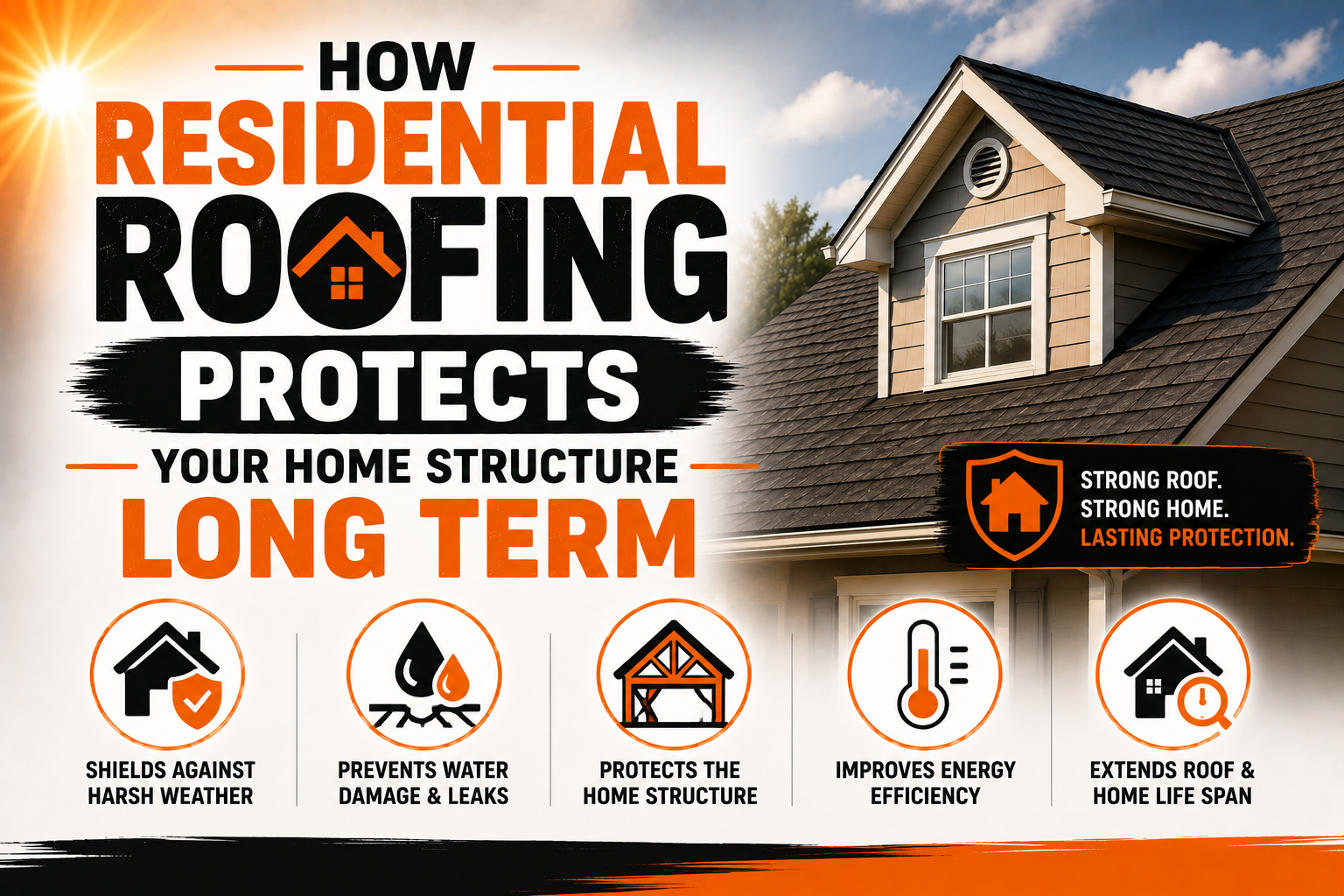
How Residential Roofing Protects Your Home Structure Long Term
Introduction
A residential roof does much more than cover the top of a house. It forms one of the property’s most important protective barriers, helping shield the structure from rain, wind, sunlight, temperature changes, moisture, and other environmental conditions. When a roofing system is properly designed, installed, and maintained, it can help protect the structural components of a home for many years.
The roof is closely connected to almost every part of the building. Water that enters through a damaged roof can eventually affect the decking, insulation, ceilings, walls, electrical components, and even structural framing. What begins as a small roofing issue can therefore become a much larger home repair when it is ignored.
Long-term structural protection depends on more than the visible roofing material. Underlayment, flashing, roof decking, ventilation, insulation, gutters, and drainage components all contribute to the roof’s ability to protect the property. Each component has a specific purpose, and weaknesses in one area can affect the performance of the overall system.
Proper installation is the first step toward long-term protection. Roofing materials need to be installed according to their specifications, while flashing, fastening, ventilation, and drainage details must be handled carefully. Even high-quality materials can perform poorly when installation errors create pathways for water or allow excessive movement.
Maintenance is equally important after installation. Homeowners need to monitor the roof for visible damage, keep drainage systems clear, manage nearby vegetation, and arrange professional inspections when concerns appear. Early attention can prevent relatively small roofing problems from affecting the deeper structure of the home.
Understanding how a roof protects the building can help homeowners make better decisions about repairs and maintenance. Instead of viewing roofing as an exterior cosmetic feature, homeowners can recognize it as an important part of the property’s long-term structural protection.
How Roofing Protects Against Water Damage
Water is one of the biggest threats to residential structures, which makes moisture protection a central function of the roofing system. Rainwater needs to remain on the exterior surface of the roof and move toward designated drainage areas without entering the structure.
The primary roofing material provides the first line of defense. Shingles, metal panels, tiles, and other roofing products are designed to shed water from the roof surface. However, no exterior material should be considered the only protection against moisture.
Underlayment provides an additional protective layer beneath the main roofing material. If water moves beneath individual shingles or around certain areas of the roof, properly installed underlayment can provide another barrier before moisture reaches the roof deck.
Flashing is particularly important around areas where the roof meets another structure or where an opening passes through the roof. Chimneys, skylights, vents, pipes, walls, valleys, and roof edges all require careful water-management details.
Roof valleys deserve special attention because they collect water from multiple roof surfaces. Properly installed valley materials help guide that water toward the lower portions of the roof and eventually into the drainage system.
Penetrations such as plumbing vents and skylights can also become potential entry points when their flashing is damaged or improperly installed. These areas should be inspected regularly, especially when homeowners notice moisture inside the home.
Water protection also depends on the condition of roofing materials. Missing, cracked, curled, or displaced materials can create openings through which rainwater may reach underlying layers. Prompt repairs can help prevent water from reaching the deck and structural components.
A roof leak does not always produce an obvious drip inside the home. Water can travel along decking, framing, insulation, or other concealed areas before appearing as a ceiling or wall stain. This is why the location of an interior stain does not necessarily identify the exact point where water entered.
Repeated moisture exposure can cause serious deterioration. Wooden components may weaken, insulation may become damp, and interior finishes may be damaged. Persistent moisture can also create conditions favorable to unwanted biological growth.
A properly maintained roofing system helps keep moisture where it belongs, on the exterior of the building. When water-shedding materials, underlayment, flashing, and drainage work together, they provide several layers of protection between rainfall and the home’s structure.
Protecting the Roof Deck and Structural Framing
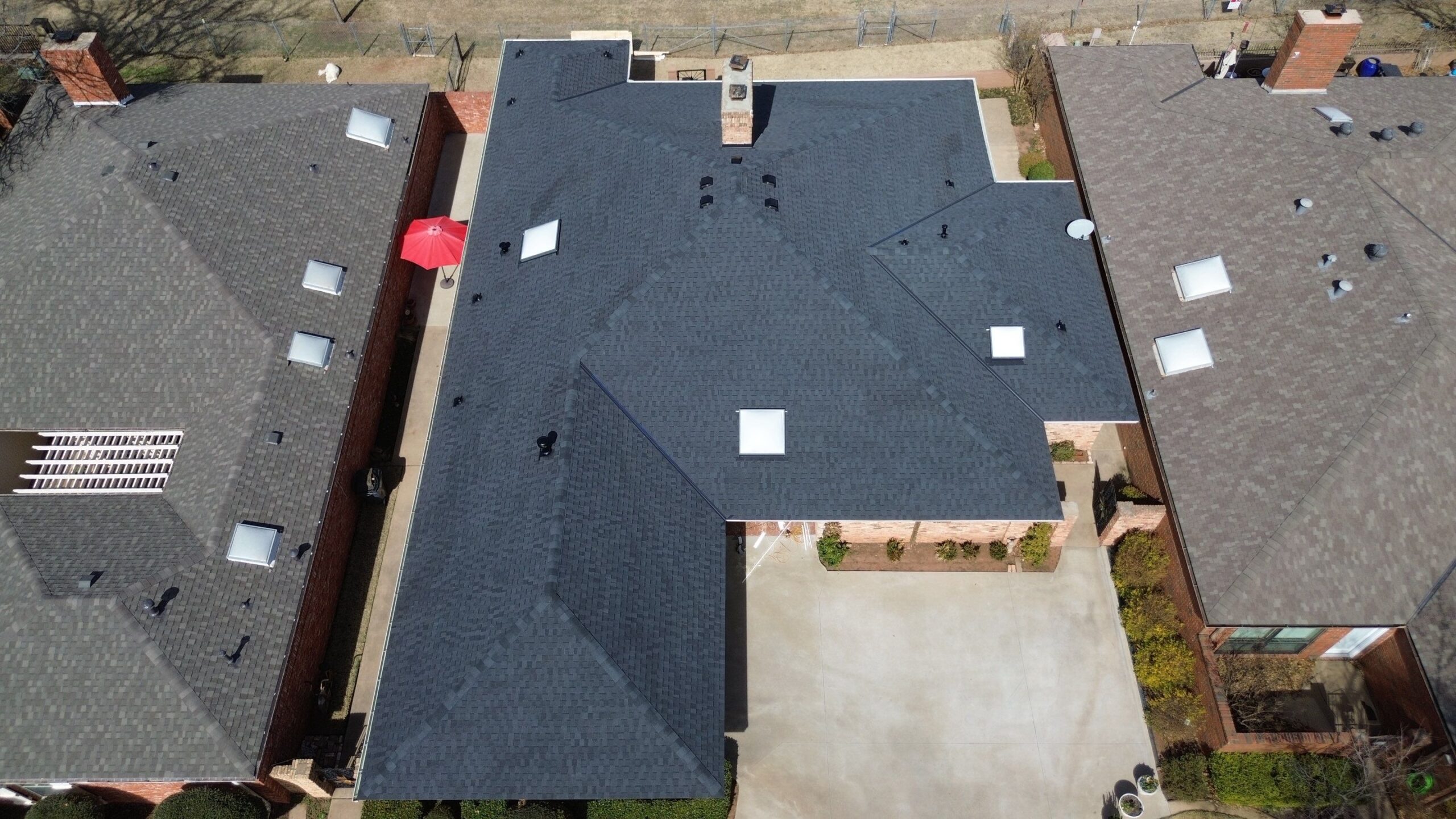
The roof deck provides a critical foundation for the roofing system. It sits beneath the outer roofing material and supports the layers installed above it. Protecting this surface is essential because deterioration of the deck can eventually affect the structural components connected to it.
Roof decking can be exposed to moisture when roofing materials, flashing, or other protective layers fail. A small leak may not immediately cause visible structural damage, but repeated exposure can gradually weaken wood or other decking materials.
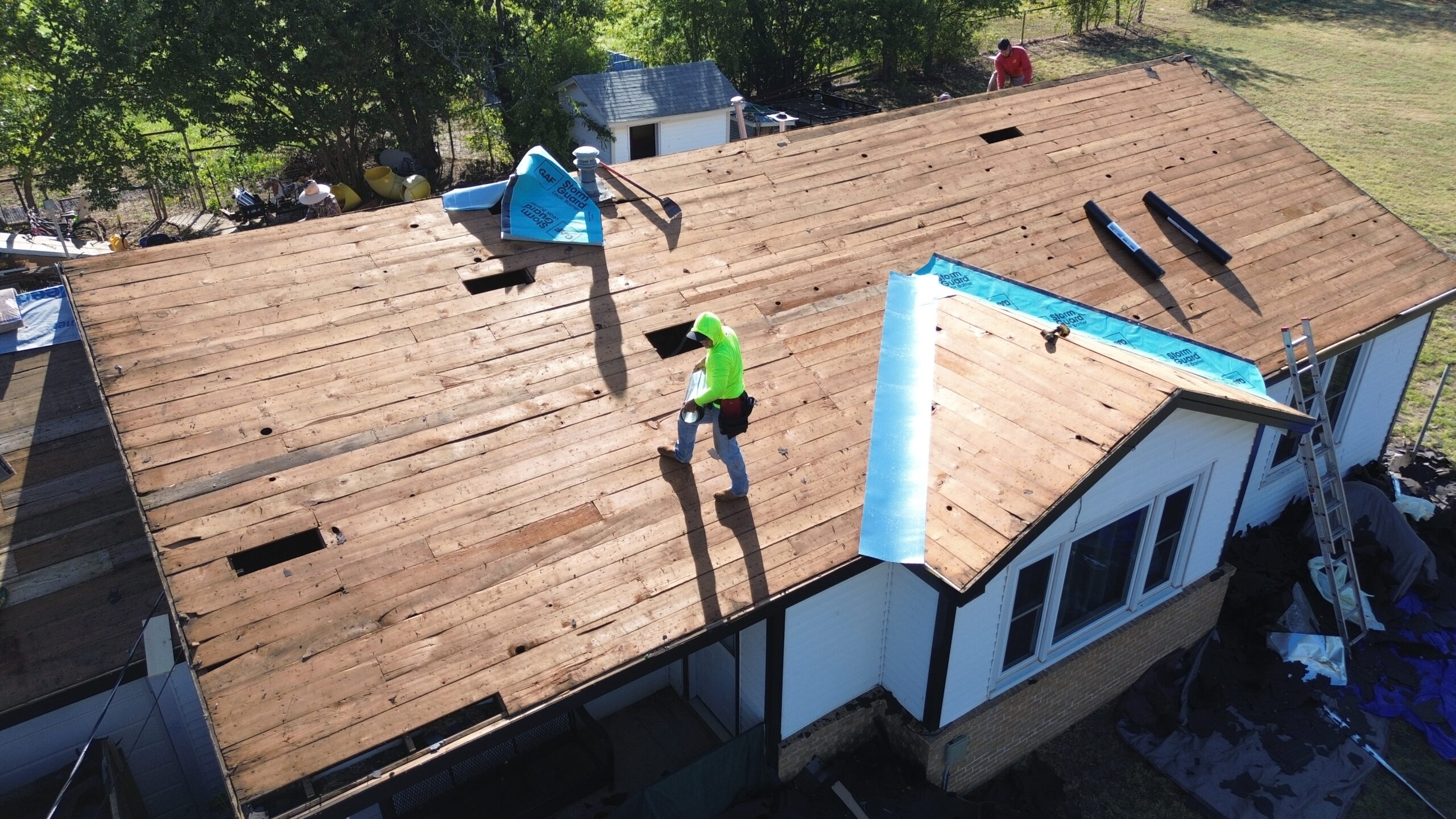
During roof replacement, contractors can inspect the deck after removing the existing roofing material. This often provides the clearest opportunity to identify hidden deterioration. Damaged sections should be repaired or replaced before new roofing materials are installed.
Installing a new roof over severely deteriorated decking can create additional problems. Roofing fasteners need an appropriate supporting surface, and the roofing material needs a stable foundation. If the deck is weak, the performance of the entire roofing system can be affected.
The roof deck also supports connections to the home’s framing system. Rafters, trusses, and other structural components help carry roof loads and transfer forces through the building. Persistent moisture around these areas can create conditions that may eventually affect their condition.
Homeowners may not be able to see these components during a normal exterior inspection. This makes professional assessment important when there are signs of leaks, sagging, moisture, or deterioration.
A sagging roof should receive particular attention because it can indicate structural or moisture-related concerns. Homeowners should not attempt to correct structural problems themselves, as determining the cause may require professional inspection.
Previous leaks can also leave evidence even after the original problem has been repaired. Staining, deteriorated wood, damaged insulation, or other changes may indicate that moisture has affected the roof assembly.
Protecting the roof deck begins with proper installation. Roofing materials, underlayment, flashing, and ventilation need to work together to reduce unnecessary moisture exposure. Proper drainage also helps prevent water from remaining around vulnerable areas.
Regular inspections provide another layer of protection. A professional can examine visible roofing materials and, when appropriate, accessible attic areas to look for signs that moisture is affecting the structure.
The longer a structural roofing problem remains unresolved, the greater the possibility that repairs may become more complicated. Addressing leaks and deterioration early can help protect the supporting structure and reduce the likelihood of extensive reconstruction.
How Roofing Controls Heat and Moisture
The roof also contributes to long-term structural protection by helping manage heat and moisture within the attic. Although the exterior roofing material receives most of the attention, the conditions beneath it can influence the performance and durability of the complete roof assembly.
During hot weather, sunlight can cause the roof surface and attic to become very warm. Appropriate ventilation allows air to move through the attic, helping release accumulated heat and supporting more stable conditions.
A typical ventilation system uses intake and exhaust pathways. Intake vents allow outside air to enter, while exhaust vents provide a route for warmer air to leave. When these components are properly balanced, airflow can move through the attic more effectively.
Moisture management is another important function of attic ventilation. Warm, humid air can enter the attic through air leaks or normal household activities. When that moisture encounters cooler surfaces, condensation may develop.
Persistent condensation can affect roof decking, framing, fasteners, and insulation. It can also create conditions that contribute to deterioration over time. Proper ventilation can support moisture movement, although it should work alongside appropriate air sealing and insulation.
Insulation is also important because it helps reduce heat transfer between the living space and attic. However, insulation should not block intended ventilation pathways. For example, improperly placed insulation can obstruct soffit vents and reduce the movement of outside air.
Bathroom and kitchen exhaust systems should also direct humid air outside the building rather than into the attic. If these systems discharge into the roof space, ventilation alone may not correct the underlying moisture problem.
Homeowners should watch for signs of poor attic conditions. Condensation, damp insulation, musty odors, staining, or unusual moisture can indicate that the attic environment needs professional evaluation.
Proper ventilation does not eliminate all heat or moisture. Instead, it helps create conditions that are more suitable for the roofing system and supporting structure. When combined with proper insulation and air sealing, it can reduce unnecessary environmental stress.
During roof replacement, ventilation should be evaluated rather than automatically ignored. If existing intake or exhaust pathways are blocked, damaged, or inadequate, the contractor may recommend improvements.
Managing attic conditions helps protect the roof from problems that may otherwise develop out of sight. This makes ventilation an important part of long-term structural protection, even though much of the system is hidden from everyday view.
Protecting Walls, Ceilings, and Interior Spaces
A properly functioning roof helps protect the interior portions of the home by preventing water from reaching ceilings, walls, insulation, and finished spaces. Once moisture passes through the roofing system, it can travel through several layers before becoming visible inside the property.
Ceiling stains are one of the most recognizable signs of possible roof-related moisture. However, a stain does not always mean the roof itself is responsible. Plumbing leaks, condensation, and other building problems can produce similar symptoms, so professional assessment may be needed to identify the source.
Water can move along roof decking or structural framing before reaching an interior surface. This means that the location of a stain may be different from the actual entry point. Homeowners should avoid assuming that applying a surface patch to the visible stain will solve the problem.
Persistent roof leaks can damage drywall, insulation, wood framing, paint, flooring, and other interior materials. The longer moisture remains present, the greater the potential for deterioration and additional repair work.
Insulation is particularly important because damp insulation may not perform as intended. Moisture can reduce its effectiveness and contribute to broader attic problems. If insulation becomes wet because of a roof leak, the source of the moisture should be addressed before simply replacing the affected material.
Walls can also be affected when water moves from the roof into wall cavities. Hidden moisture may remain unnoticed until staining, odors, material deterioration, or other symptoms become apparent.
Preventing these problems starts with a reliable exterior roofing system. Roofing materials, flashing, underlayment, and drainage should work together to keep water outside the building.
Regular maintenance can provide another layer of protection. Keeping gutters clear, repairing damaged roofing materials, and addressing flashing concerns promptly can reduce opportunities for water to reach interior spaces.
Homeowners should also take new or unexplained interior moisture seriously, particularly after rainfall. Even a small stain may indicate a problem that deserves investigation.
Protecting interior spaces is one of the clearest ways roofing contributes to long-term home protection. By keeping moisture outside and directing water safely away from the structure, the roof helps preserve the condition of the home’s ceilings, walls, insulation, and living areas.
Importance of Proper Roof Installation
Proper installation provides the foundation for a roof’s long-term ability to protect the home. The quality of materials matters, but those materials must be installed correctly for the complete system to perform as intended.
The installation process should begin with a suitable roof deck. Damaged or deteriorated sections should be addressed before the new roofing material is installed. A stable surface allows the roofing system to be securely attached and properly aligned.
Underlayment should be installed according to the requirements of the selected roofing system. Flashing should also be carefully integrated around vulnerable areas such as chimneys, skylights, vents, walls, valleys, and roof edges.
Fastening is another important detail. Roofing materials need the appropriate fasteners installed in the correct locations and according to product requirements. Poor fastening can increase the risk of movement or damage during severe weather.
Ventilation should be incorporated into the installation plan as well. Intake and exhaust pathways need to remain functional so that heat and moisture can be managed within the attic.
Drainage must also be considered. Roof slopes, valleys, gutters, and downspouts should work together to move water away from the structure.
A professional installation should include quality checks throughout the project. Identifying problems while installation is underway allows contractors to correct them before they become hidden beneath completed roofing layers.
Homeowners should also receive information about the installed materials, warranties, maintenance requirements, and completed work. Keeping these records can be valuable for future repairs and inspections.
How Roofing Handles Wind and Severe Weather
A residential roof must protect the home against more than ordinary rainfall. Wind, hail, intense sunlight, falling branches, and severe storms can place significant stress on roofing materials and the structure beneath them. A properly designed and professionally installed roofing system helps reduce these risks by keeping materials securely attached and directing weather exposure away from vulnerable parts of the building.
Wind resistance depends on several factors, including the roofing material, fastening method, roof design, installation quality, and severity of the weather event. Shingles, panels, tiles, and other materials need to be secured according to their specific installation requirements. Incorrect fastening or poor placement can increase the possibility of movement during strong winds.
Roof edges and corners can receive particularly high wind forces. These areas require careful installation because damage that begins at an edge can sometimes spread across a larger section of the roof. Proper edge detailing and fastening help provide additional protection.
Flashing also plays an important role during severe weather. Strong wind and heavy rain can expose weak points around chimneys, skylights, vents, and walls. Properly installed flashing helps keep water away from these vulnerable transitions even when weather conditions become demanding.
Hail can create another type of risk. Depending on its size and intensity, hail may crack, dent, or otherwise damage certain roofing materials. Damage may not always be visible from ground level, so a professional inspection can be useful after a significant hailstorm.
Falling branches are another common source of roof damage. Trees located close to the home can drop branches during storms, potentially damaging roofing materials, flashing, vents, gutters, or even the roof structure. Regular tree maintenance can reduce some of this risk.
Severe weather can also damage a relatively new roof. A new installation provides no absolute protection against extreme conditions, particularly when storms exceed the level of exposure for which the roofing system was designed. Homeowners should therefore inspect the property safely after major weather events.
A roof that has been damaged should be evaluated promptly. Even when the visible damage appears small, water may enter through damaged materials and affect the layers underneath. Temporary protection may sometimes be appropriate while permanent repairs are arranged.
Weather resistance is therefore not based on one roofing component. The outer material, fastening system, flashing, underlayment, roof structure, and drainage all contribute to the home’s ability to withstand environmental exposure.
How Roof Drainage Protects the Foundation
Roof drainage plays an important role in protecting the lower parts of the home. Every time it rains, the roof collects water across a large surface area, and that water needs to be directed away from the building in a controlled manner.
Roof slopes guide rainfall toward valleys and lower edges. Valleys collect water from multiple sections of the roof and direct it downward. Properly installed roofing and valley protection help prevent water from moving beneath the roofing system.
Gutters then collect water along the roof edges and direct it toward downspouts. When these components are functioning correctly, they reduce the amount of uncontrolled water reaching exterior walls, landscaping, and foundation areas.
Blocked gutters can create significant problems. Leaves, branches, dirt, and other debris may prevent water from flowing normally, causing it to overflow over the edge. Repeated overflow can affect fascia, siding, walls, and areas near the foundation.
Downspouts are equally important because they determine where collected water leaves the gutter system. Water should be discharged far enough away from the structure to reduce unnecessary moisture accumulation around the foundation.
Poor roof drainage can create problems beyond the roofing system itself. Repeated water exposure around the foundation may contribute to damp areas, erosion, or other drainage concerns. The exact effect depends on the property’s construction, soil, grading, and existing drainage arrangements.
Homeowners should therefore consider gutters and downspouts part of the overall roof protection system. Maintaining them is not simply an exterior cleaning task. It helps ensure that water collected by the roof is moved safely away from the home.
Roof valleys should also be kept reasonably clear of accumulated debris. Leaves and branches can obstruct water movement and retain moisture against roofing materials. This is particularly important on homes surrounded by trees.
During roof installation, contractors should make sure that roof edges, valleys, gutters, and other drainage components work together. A new roof cannot provide complete water protection if its drainage pathways are poorly designed or blocked.
After heavy rainfall, homeowners can observe drainage from safe locations. Overflowing gutters, water collecting near the foundation, or unusual runoff patterns may indicate that the system needs attention.
Effective drainage protects more than the roof itself. By moving rainfall away from the property, it helps reduce unnecessary moisture exposure to exterior walls, foundations, landscaping, and other structural areas.
Protecting Insulation and Energy Performance
The condition of the roof can influence how effectively a home manages heat and moisture. Although roofing is not the only factor affecting energy performance, a properly functioning roofing system can support insulation and help create more stable conditions in the attic.
During hot weather, the roof surface can absorb significant amounts of solar energy. Some of this heat can transfer into the attic, increasing temperatures beneath the roof. Proper ventilation can help move accumulated hot air through the attic.
Insulation serves a different purpose. It helps reduce heat transfer between the living areas and the attic or exterior environment. When insulation is properly installed and remains dry, it can contribute to more consistent indoor conditions.
Moisture can interfere with this performance. If insulation becomes damp because of a roof leak or condensation, its condition may deteriorate and its effectiveness may be affected. This makes moisture protection an important part of maintaining the home’s overall performance.
Ventilation and insulation need to work together. Insulation should not block soffit vents or other intended airflow pathways, while ventilation should not be treated as a replacement for appropriate insulation.
Roofing materials also contribute to the home’s environmental protection. A properly installed exterior layer reduces the amount of rain and moisture that reaches the roof structure. Underlayment and flashing provide additional protection where necessary.
Homeowners may notice changes in indoor comfort when roof or attic conditions become problematic. Rooms may become unusually warm, attic temperatures may seem excessive, or moisture may appear in unexpected areas. These symptoms can have many possible causes, so professional assessment is important before assuming the roof is responsible.
Energy performance should not be judged solely by the type of roofing material. Insulation quality, air sealing, windows, HVAC equipment, building orientation, and climate all influence energy use.
Nevertheless, maintaining a sound roofing system helps protect the conditions in which these other components operate. Preventing water intrusion and managing attic heat and moisture can support the broader performance of the home.
A roof that keeps the structure dry and properly ventilated provides a better environment for insulation and other building components. This can contribute to long-term comfort while helping protect materials from moisture-related deterioration.
Preventing Long-Term Structural Problems
Many roofing problems begin gradually. A small leak, damaged flashing component, blocked vent, or drainage problem may not immediately cause visible structural damage. However, if the underlying issue continues for an extended period, moisture and environmental stress can eventually affect deeper parts of the home.
Persistent water intrusion is particularly concerning. Moisture can travel through roofing layers and reach decking, insulation, rafters, trusses, ceilings, and walls. Because water can move away from its entry point, the visible signs may appear some distance from the actual roofing problem.
Wooden structural components can deteriorate when they remain exposed to excessive moisture. The severity depends on the duration and extent of exposure, but prolonged moisture should always be investigated rather than ignored.
Repeated condensation can create another long-term concern. If humid air consistently enters the attic and condenses on cooler surfaces, the roof assembly may experience recurring moisture exposure even when there is no exterior leak.
Proper ventilation, air sealing, insulation, and functioning household exhaust systems can work together to reduce these conditions. A roofing contractor may need to work with other professionals when a moisture problem originates outside the roofing system.
Roof movement or sagging can also indicate a structural concern. These conditions should not be treated as cosmetic problems because they may involve decking, framing, moisture, or other underlying issues.
Early detection is one of the most effective ways to protect the structure. Homeowners should pay attention to ceiling stains, damp attic areas, unusual odors, condensation, damaged roofing materials, and changes in the roof’s shape.
A professional inspection can determine whether the issue is limited to the roofing surface or has reached deeper components. The sooner the cause is identified, the more opportunities there may be to limit the scope of repairs.
Regular inspections are especially useful for older roofs. Materials naturally age over time, and small defects can become more likely as the system approaches the later stages of its service life.
Homeowners should also keep records of previous repairs. If the same area repeatedly develops problems, the history may indicate that a broader issue needs to be addressed rather than continuing with isolated repairs.
Protecting the home’s structure is therefore closely connected to protecting the roof. A sound roof prevents many problems from developing in the first place, while regular inspections help identify weaknesses before they become extensive.
Roof Maintenance for Long-Term Structural Protection
Maintenance is the final piece of long-term roof protection. Even a professionally installed roofing system needs periodic attention because weather, debris, vegetation, aging, and accidental damage can affect its condition over time.
Homeowners should perform safe visual checks regularly. From the ground, they can look for missing materials, visible damage, excessive debris, sagging, damaged gutters, and other obvious changes. Roof access should generally be left to trained professionals.
Gutter maintenance is particularly important. Keeping gutters and downspouts clear helps rainfall move away from the roof and home. This reduces the possibility of water overflowing around roof edges or accumulating near the foundation.
Trees should also be managed around the property. Branches that touch the roof can scrape materials and create debris, while larger branches may fall during storms. Appropriate trimming can reduce these risks.
Ventilation openings should remain unobstructed. Debris, nesting materials, or insulation can interfere with airflow and contribute to heat or moisture concerns. If the attic develops condensation or unusual dampness, professional evaluation may be necessary.
After severe weather, homeowners should inspect the property from safe locations. Missing roofing materials, damaged flashing, fallen branches, or unusual water accumulation may indicate that the roof needs professional attention.
Minor problems should not be ignored. A small damaged area can allow water to reach concealed components, and repeated exposure can make repairs more complicated. Prompt attention can help prevent a localized issue from spreading.
Professional inspections are particularly valuable when homeowners cannot safely evaluate the roof themselves. A qualified contractor can inspect roofing materials, flashing, drainage, ventilation, and accessible structural components.
Long-term maintenance should also include keeping documentation. Records of inspections, repairs, materials, warranties, and major maintenance work can help homeowners understand the roof’s history and plan future decisions.
The purpose of maintenance is not to prevent every possible roofing problem. Instead, it is to preserve the system, identify changes early, and protect the structural components beneath it.
When homeowners combine proper installation with effective drainage, ventilation, regular inspections, and timely repairs, the roof can continue serving as an important protective barrier for the entire home. This proactive approach helps reduce the likelihood that minor roofing concerns will develop into larger structural problems.
How Professional Roof Inspections Support Structural Protection
Professional roof inspections play an important role in protecting a home’s structure over the long term. Even when a roof appears to be in good condition from the ground, certain problems can develop beneath the visible roofing materials. Regular professional evaluations can help identify moisture, damaged flashing, ventilation concerns, deteriorating materials, and other issues before they become more extensive.
An inspection typically involves examining the exterior roofing surface, roof edges, valleys, flashing, vents, gutters, and other visible components. Where appropriate and safely accessible, the attic may also be inspected for signs of moisture, condensation, damaged decking, or insulation problems. This broader approach helps determine whether the roof is protecting the structure as intended.
Professional inspections are particularly useful after severe weather. Strong winds, hail, heavy rain, and falling branches can cause damage that is not always obvious from ground level. Identifying damage promptly can help prevent water from entering the roof assembly and affecting the home’s interior or structural components.
Inspections are also valuable when purchasing an older property or preparing to sell a home. Understanding the roof’s condition can help homeowners plan repairs and avoid unexpected problems. A documented inspection can also provide useful information about the age and condition of the roofing system.
Homeowners should not wait for a major leak before arranging an inspection. Warning signs such as ceiling stains, damp attic areas, damaged roofing materials, unusual odors, or sagging should be investigated promptly. Early identification gives homeowners more opportunities to address the problem before it spreads.
When Roof Repairs Protect the Home Structure
Timely roof repairs can protect the deeper structure of a home by preventing small problems from becoming larger sources of damage. A missing shingle, damaged flashing component, or small leak may appear minor, but continued exposure to rain can allow moisture to reach the layers beneath the roofing surface.
Localized repairs are often appropriate when damage is limited and the surrounding roofing system remains in good condition. A professional may replace damaged materials, repair flashing, correct a drainage issue, or address another specific problem without replacing the entire roof.
Flashing repairs are especially important because these components protect transitions and penetrations. A damaged section around a chimney, skylight, wall, or vent can create a direct pathway for water. Correcting the flashing can help protect the roof deck and interior spaces.
Leaks should also be addressed promptly. Water can travel along decking and framing before becoming visible inside the home, so waiting for a large ceiling stain may allow the problem to continue unnoticed.
Repairs should focus on the cause rather than only the visible symptom. Applying a temporary sealant over a damaged area may not solve an underlying flashing, drainage, or roofing-material problem. A professional assessment can determine which component actually needs attention.
Homeowners should also consider recurring repairs. If the same roof continues developing leaks in different locations, the problem may extend beyond isolated damage. An aging or deteriorated roofing system may eventually require more comprehensive work.
Prompt repairs can therefore provide more than cosmetic benefits. They help maintain the roof’s ability to keep moisture away from decking, insulation, framing, ceilings, and walls.
When Roof Replacement Becomes Necessary
Roof replacement may become necessary when the existing roofing system has widespread deterioration or can no longer provide reliable protection. While individual repairs can extend the useful life of some roofs, there comes a point when replacing the entire system may be more practical.
Age is one factor to consider, although it should not be used alone to determine whether replacement is required. Different roofing materials have different expected service characteristics, and actual performance depends on installation quality, climate, maintenance, and weather exposure.
Widespread deterioration is a stronger indication that replacement may be appropriate. If large areas of roofing material are damaged, brittle, missing, or repeatedly failing, continued patching may provide limited long-term value.
Recurring leaks can also influence the decision. When problems continue appearing across different areas of an aging roof, repeated repairs may become increasingly expensive and disruptive.
Structural damage is another important consideration. If moisture has significantly affected the roof deck or other supporting components, the replacement project may need to address these areas before new roofing materials are installed.
Homeowners should compare the cost of continued repairs with the long-term benefits of replacement. A lower immediate repair cost does not always represent better value if similar problems continue returning.
A professional contractor should explain the condition of the existing roof and present realistic options. Homeowners should understand which repairs are necessary, what replacement would involve, and whether any structural or ventilation improvements should be included.
Planning replacement before a complete roofing failure can also provide greater flexibility. Homeowners can compare roofing materials, obtain estimates, select a qualified contractor, and schedule work under more controlled conditions.
A planned replacement can ultimately provide a fresh protective system for the home. When the roof deck, underlayment, flashing, ventilation, drainage, and primary roofing materials are properly installed together, the new system can provide stronger protection for the structure.
How Ventilation and Drainage Work Together
Ventilation and drainage perform different functions, but both contribute to long-term roof protection. Drainage manages water on the exterior of the roof, while ventilation helps manage heat and moisture within the attic. Together, they help control two major environmental threats to roofing systems.
Effective drainage directs rainwater away from the roof and toward gutters, downspouts, or other appropriate outlets. Properly installed valleys and flashing help keep water moving across the exterior rather than beneath roofing materials.
Ventilation supports airflow through the attic. Intake vents allow outside air to enter, while exhaust vents provide a pathway for warmer or moisture-laden air to leave. When the system is balanced, it can help reduce excessive heat and condensation.
Both systems need regular maintenance. Blocked gutters can cause exterior water problems, while blocked vents can interfere with attic airflow. Homeowners should therefore consider drainage and ventilation together when maintaining the roof.
Insulation also needs to work with ventilation. If insulation blocks intake vents, airflow may be reduced. Similarly, moisture entering the attic from indoor activities may require air sealing or properly functioning exhaust fans in addition to roof ventilation.
A roof that manages both exterior water and interior heat and moisture is better positioned to protect the structure. Neither system replaces the other, and problems in either area can affect the long-term condition of the roof assembly.
Conclusion
Residential roofing provides one of the home’s most important forms of long-term structural protection. The roof helps keep rain, wind, sunlight, and other environmental forces away from the building while also supporting the condition of the decking, framing, insulation, ceilings, walls, and interior spaces.
This protection depends on the complete roofing system rather than one material. Roofing surfaces, underlayment, flashing, ventilation, gutters, drainage, and structural components all have important roles. When these parts are properly installed and maintained, they can work together to reduce the risk of moisture intrusion and premature deterioration.
Proper installation provides the foundation for long-term performance. Contractors need to prepare the roof deck, install appropriate protective layers, secure roofing materials correctly, protect vulnerable transitions, and establish suitable ventilation and drainage.
Maintenance then helps preserve that initial quality. Homeowners should monitor the roof from safe locations, keep gutters and drainage pathways clear, manage nearby vegetation, watch for moisture concerns, and arrange professional inspections when necessary.
Early repairs can also make a significant difference. Addressing damaged materials, flashing problems, leaks, or drainage concerns before they spread can help protect the deeper structure and reduce the likelihood of extensive repairs.
When a roof becomes severely deteriorated, planned replacement may provide better long-term protection than continuing with repeated repairs. A professional assessment can help homeowners determine when replacement is appropriate and what improvements should be included in the new system.
Ultimately, protecting a home structure through roofing requires a long-term approach. Quality installation, suitable materials, effective ventilation, reliable drainage, professional inspections, timely repairs, and consistent maintenance all contribute to a roof that can continue protecting the property for years.
For homeowners, understanding this relationship makes roofing decisions easier and more informed. A well-maintained roof is not simply an attractive exterior feature. It is a critical protective system that helps preserve the strength, comfort, safety, and long-term value of the entire home.