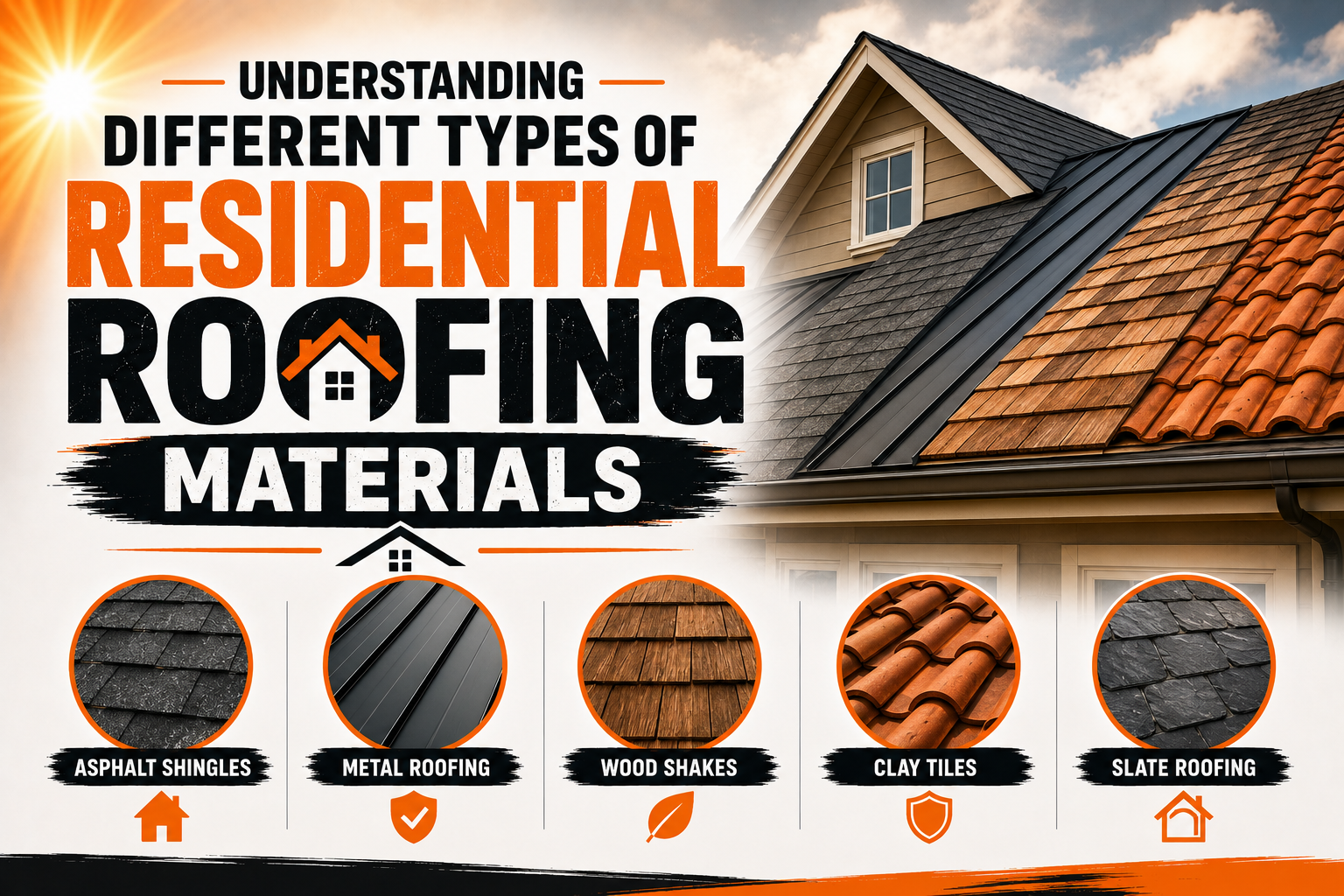
Understanding Different Types of Residential Roofing Materials
Introduction
Choosing a roofing material is one of the most important decisions a homeowner makes when building, renovating, or replacing a roof. The roofing material protects the home from rain, wind, sunlight, temperature changes, and other outdoor conditions. It also has a major effect on the appearance, maintenance requirements, installation process, and long-term cost of the property.
Residential roofing materials are available in many forms, including asphalt shingles, metal, clay and concrete tiles, natural slate, wood products, and modern synthetic options. Each material has different strengths and limitations, so there is no single roofing material that is ideal for every home. The right choice depends on factors such as climate, roof structure, budget, architectural style, expected lifespan, and maintenance preferences.
The visible roofing material is only one part of a complete roofing system. Underlayment, flashing, ventilation, fasteners, roof decking, and drainage components all contribute to the performance of the finished roof. A high-quality material can still experience problems when it is installed incorrectly or used in conditions for which it was not designed.
Climate is especially important when comparing roofing materials. A roof exposed to intense sunlight may have different requirements from one that regularly experiences heavy rainfall or strong winds. Temperature changes can also affect certain materials, while moisture and poor drainage can create problems for others.
Homeowners should also consider the total cost rather than focusing only on the initial purchase price. A material with a higher upfront cost may provide longer service potential or require different levels of maintenance. At the same time, a lower-cost material may be a practical choice when it matches the property’s needs and is professionally installed.
Understanding the main residential roofing materials makes it easier to compare these factors. By learning how each option works, homeowners can have more informed conversations with roofing contractors and select a system that suits both the building and their long-term plans.
Asphalt Shingles and Their Main Characteristics
Asphalt shingles are among the most common residential roofing materials because they offer a practical combination of availability, appearance, installation flexibility, and cost. They are manufactured in different styles and quality levels, allowing homeowners to choose products that fit a variety of architectural designs and budgets.
Two broad categories commonly encountered are three-tab shingles and architectural shingles. Three-tab shingles have a more uniform appearance and are generally designed with a simpler profile. Architectural shingles have a dimensional appearance and can provide more visual texture across the roof.
Asphalt shingles are relatively lightweight compared with some other roofing materials. This makes them suitable for many residential structures without the additional structural considerations that may accompany heavier systems. However, the existing roof structure should still be evaluated before installation, particularly when replacing an older roof or changing materials.
One advantage of asphalt shingles is their wide range of colors and styles. Homeowners can often select options that complement the exterior walls, windows, doors, and architectural character of the property. This makes shingles a flexible choice for both traditional and contemporary homes.
Installation quality has a major influence on shingle performance. Correct alignment, appropriate exposure, proper fastening, underlayment, flashing, and roof-edge details all need to be completed according to the product requirements. Incorrect nail placement or insufficient fastening can reduce the reliability of the roof.
Weather exposure can also affect asphalt shingles over time. Strong winds can loosen or damage poorly secured materials, while prolonged sunlight can contribute to aging. Heavy rain can expose weaknesses around flashing, valleys, and penetrations rather than simply affecting the shingles themselves.
Maintenance requirements are generally manageable, but homeowners should still inspect the roof periodically. Damaged or missing shingles, deteriorated flashing, blocked gutters, and excessive debris should be addressed before they create larger problems. Regular maintenance can help preserve the overall roofing system.
Asphalt shingles are not all identical, so homeowners should compare the specifications of individual products rather than assuming every shingle has the same performance. Product quality, installation requirements, warranty terms, and expected service characteristics can vary.
The affordability and versatility of asphalt shingles make them a practical option for many homeowners. However, their suitability should always be evaluated based on the home’s climate, roof design, installation requirements, and long-term maintenance expectations.
Metal Roofing Options for Residential Properties
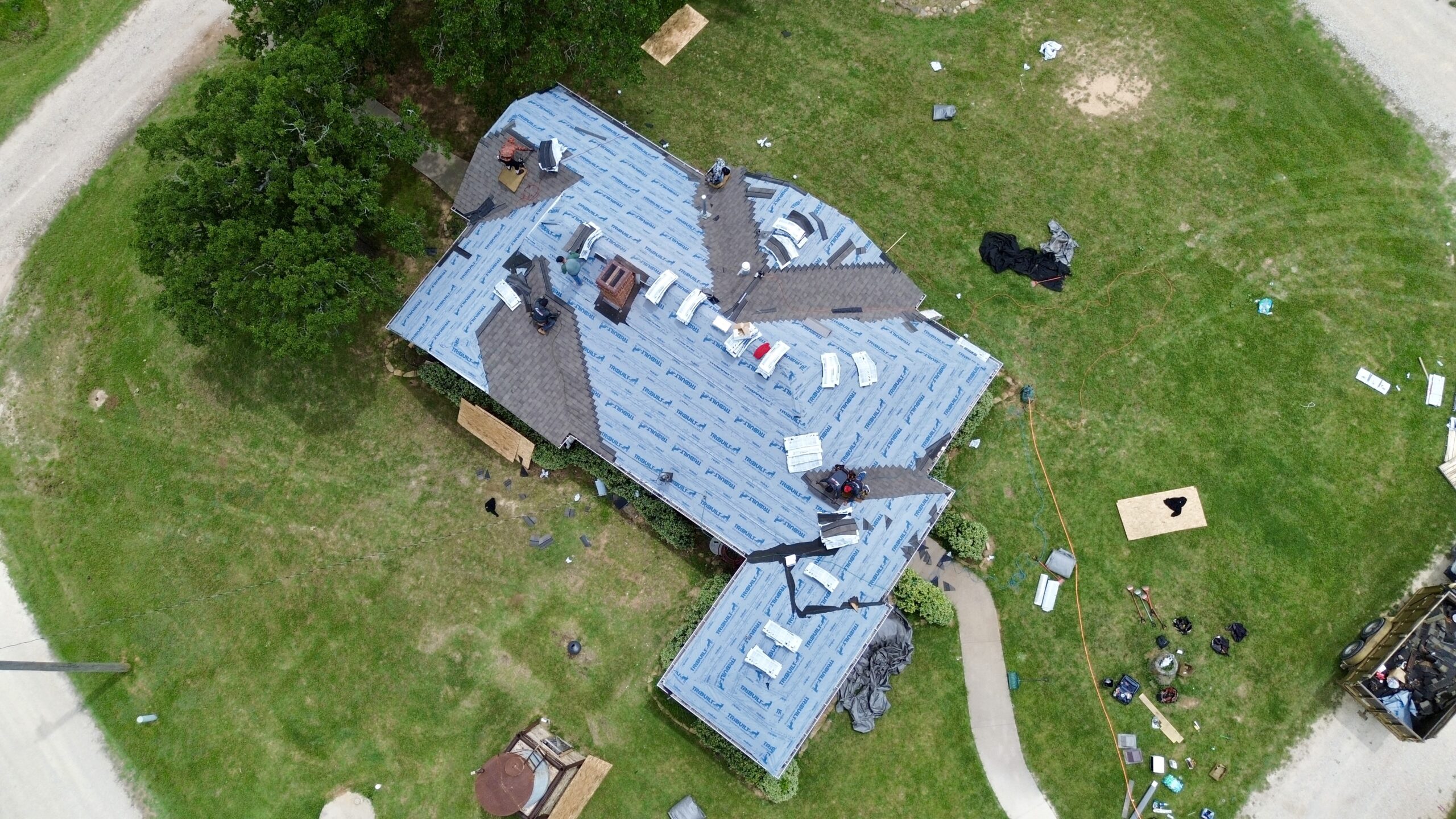
Metal roofing has become an increasingly popular choice for residential properties because of its durability, versatility, and range of available designs. Modern metal roofing can look very different from the industrial panels traditionally associated with metal buildings. Products can be designed to resemble traditional roofing styles while providing the characteristics of a metal system.
Common residential metal roofing materials include steel and aluminum, although other metals may also be used for specialized applications. Steel is widely used because of its strength and availability, while aluminum can offer advantages in environments where corrosion resistance is an important consideration.
Metal roofing is available in several configurations. Standing seam systems use raised seams that connect panels, while other systems may use exposed fasteners or profiles designed to resemble shingles or tiles. The appropriate system depends on the home’s design, roof slope, climate, and desired appearance.
One major consideration with metal roofing is installation precision. Panels need to be aligned correctly, and fasteners must be installed according to the manufacturer’s requirements. Seams, edges, valleys, penetrations, and flashing also require careful attention because these areas influence the roof’s ability to manage water.
Metal expands and contracts as temperatures change. A properly designed system accounts for this movement through appropriate attachment methods and detailing. Installation techniques that do not accommodate expected movement can contribute to problems with panels, fasteners, or seams.
Metal roofing can provide strong resistance to many forms of weather exposure when properly selected and installed. However, the material itself does not eliminate the possibility of damage. Falling branches, severe storms, improper installation, and incompatible components can still affect the system.
Maintenance is generally straightforward, but it should not be ignored. Homeowners should periodically check for damaged panels, corrosion where applicable, loose components, blocked drainage, and problems around roof penetrations. Any unusual change should be professionally evaluated when it cannot be safely inspected from the ground.
Metal roofing can also provide considerable design flexibility. Different colors, finishes, profiles, and panel styles allow homeowners to achieve different architectural appearances. This makes metal suitable for modern homes as well as properties designed with more traditional visual characteristics.
The initial cost of metal roofing may be higher than some basic asphalt shingle options. However, homeowners should consider expected service characteristics, maintenance needs, and the long-term value of the system rather than comparing materials solely by their purchase price.
Metal roofing can be a strong choice for homeowners seeking a durable and visually flexible system. Its success depends heavily on correct design, compatible materials, precise installation, and appropriate maintenance.
Clay and Concrete Roofing Tiles
Clay and concrete tiles offer a distinctive appearance and are commonly associated with Mediterranean, Spanish, Southwestern, and other architectural styles. They can also be used on a variety of modern residential designs when selected appropriately. Beyond appearance, tile roofing can provide strong durability when the system is properly designed and installed.
Clay tiles are manufactured from natural clay that is shaped and fired, while concrete tiles are produced using cement-based mixtures. Their manufacturing processes give them different characteristics, colors, textures, and appearances. Both materials can be available in a variety of profiles and designs.
One of the most important considerations with tile roofing is weight. Tile can be significantly heavier than some other residential roofing materials, so the structure must be capable of supporting the system. A professional evaluation is particularly important when a homeowner is considering changing from a lighter material to tile.
Tile roofing systems also require appropriate underlayment and flashing. Water can move beneath individual tiles, so the layers underneath the visible material provide an important part of the overall moisture protection. Valleys, edges, penetrations, and transitions require careful detailing.
Individual tiles can be damaged by impact even when the overall roofing system remains strong. Falling branches, severe weather, or improper foot traffic can cause cracks or breaks. Damaged tiles should be replaced or professionally evaluated to maintain the protective function of the system.
Installation requires experience because tiles need to be positioned and secured correctly. Improper fastening can create movement, while incorrect spacing or alignment can affect both appearance and water management. Contractors should follow the requirements associated with the specific tile product.
Tile roofs can also require specialized maintenance. Homeowners should monitor the roof for cracked or displaced tiles, damaged flashing, blocked drainage, and excessive vegetation. Walking directly on tiles without appropriate knowledge can cause damage, so professional access is often preferable.
Climate can influence tile selection as well. Clay and concrete products may perform well in many environments, but local weather exposure and manufacturer requirements should be considered. Freeze-thaw conditions, heavy rainfall, strong winds, and other factors may affect which product and installation method is appropriate.
The appearance of tile is one of its major advantages. Its shape, texture, and color can give a property a distinctive architectural character. However, homeowners should balance aesthetic preferences with structural requirements and long-term maintenance considerations.
Clay and concrete tiles can provide a durable residential roofing solution when the supporting structure and installation system are appropriate. Their performance depends not only on the tiles themselves but also on the underlayment, flashing, fastening, drainage, and workmanship supporting them.
Natural Slate Roofing
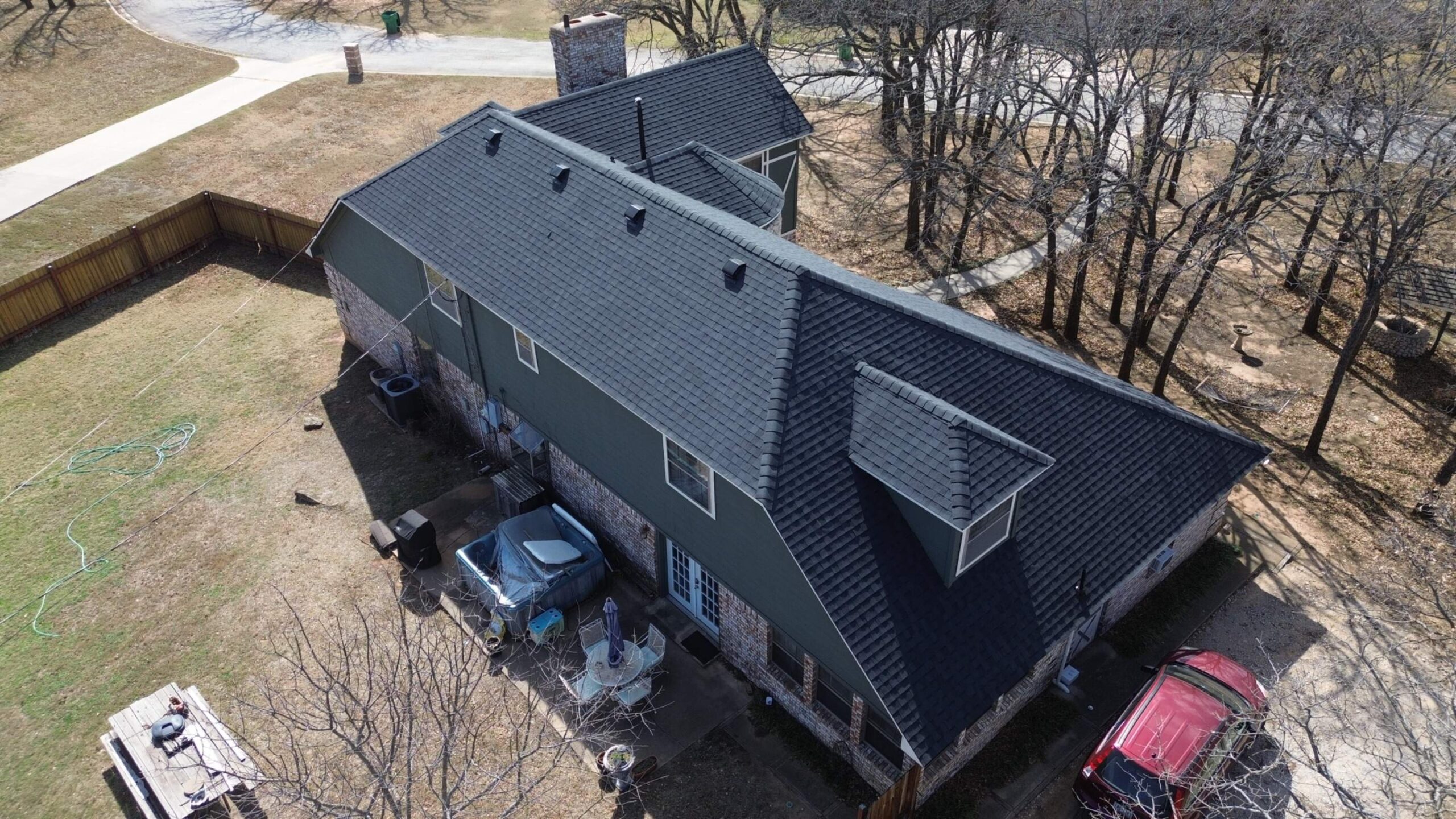
Natural slate is a premium roofing material known for its distinctive appearance and potentially very long service life. It is formed from natural stone and can provide a refined appearance that changes very little compared with many manufactured roofing products. Its durability makes it attractive to homeowners seeking a long-term roofing solution.
Slate is considerably different from asphalt shingles or many metal roofing products. Individual pieces are relatively rigid and require specialized handling and installation. Contractors need experience with slate because incorrect fastening, placement, or handling can damage the material.
Weight is one of the most important structural considerations. Natural slate can be heavy, and not every residential structure is designed to support it. Before selecting slate, the building’s structural capacity should be evaluated by an appropriate professional.
The roof’s slope and design also influence slate installation. Slate pieces need to be arranged to create an effective weather-resistant surface, while valleys, edges, penetrations, and flashing must be carefully detailed. These components are particularly important because water can exploit weaknesses at transitions.
The quality of the slate itself can vary. Different types of slate have different characteristics, and selecting an appropriate product is important for long-term performance. Contractors should understand the material being installed and follow suitable installation practices.
Maintenance should be performed carefully because walking on slate can cause breakage. Routine inspections are valuable for identifying cracked, broken, or displaced pieces and for checking flashing and drainage components. Professional roofers with experience in slate can safely evaluate areas that homeowners cannot access.
Repairs can also require specialized materials and techniques. Replacing a slate piece is not necessarily the same as replacing an asphalt shingle. The repair needs to maintain the appearance and weather resistance of the surrounding system without causing additional damage.
One of slate’s major advantages is its appearance. Natural variations in color, texture, and shape can create a distinctive roof that complements traditional and high-end architectural designs. The material can also maintain its visual character for many years when properly maintained.
The initial investment in slate can be substantially higher than common roofing materials. However, homeowners who prioritize longevity and architectural appearance may consider the long-term value worthwhile. The higher cost also makes selecting an experienced installer especially important.
Natural slate can be an excellent roofing material for suitable properties, but it is not a universal choice. Structural support, material quality, specialized installation, repair expertise, and budget all need to be considered before selecting this system.
Wood Shakes and Shingles
Wood roofing provides a natural appearance that can complement certain residential architectural styles. Wood shingles and shakes are related materials, but they are produced differently. Shingles are generally more uniform and machine-cut, while shakes often have a more textured and natural appearance.
Wood can provide a warm and distinctive look that is difficult to reproduce exactly with manufactured materials. It can complement homes designed with rustic, traditional, or natural architectural elements. However, appearance is only one factor homeowners should consider before choosing a wood roofing system.
Moisture management is particularly important with wood roofing. Wood can absorb moisture, so proper ventilation, drainage, installation, and maintenance are essential. Persistent moisture exposure can contribute to deterioration and may create conditions that shorten the useful life of the material.
The surrounding environment can influence maintenance requirements. Properties surrounded by trees may experience more debris accumulation and shade, which can keep roofing materials damp for longer periods. Regular inspection and vegetation management can therefore be particularly important.
Wood roofing also requires appropriate treatment and installation based on the specific product. The material needs to be installed in a way that allows the roof to shed water effectively. Flashing and underlayment remain important components of the complete system.
Fire considerations may also affect whether wood roofing is appropriate in a particular location. Local requirements and the characteristics of the specific product should be reviewed before installation. Homeowners should not assume that all wood roofing products have identical fire performance.
Regular maintenance can help identify damaged or deteriorating materials. Cracked, split, warped, or decayed components may require professional attention. Gutters, valleys, and roof edges should also be kept clear so moisture can move away from the roofing surface.
Wood roofing may require more maintenance than some manufactured alternatives. Homeowners should understand this responsibility before choosing the material. A roof that is selected for its appearance but not maintained appropriately may not provide the expected long-term performance.
Wood shakes and shingles can still be an excellent choice for suitable homes when the material, climate, installation method, and maintenance plan are compatible. Their natural appearance can provide significant architectural value, while proper care helps protect the roofing system from moisture and environmental exposure.
Understanding the major roofing material categories gives homeowners a clearer starting point when comparing options. Asphalt shingles provide broad availability and flexibility, metal offers durable and varied designs, tile combines distinctive appearance with substantial weight, slate provides a premium natural option, and wood offers a traditional character with greater maintenance considerations.
Synthetic and Composite Roofing Materials
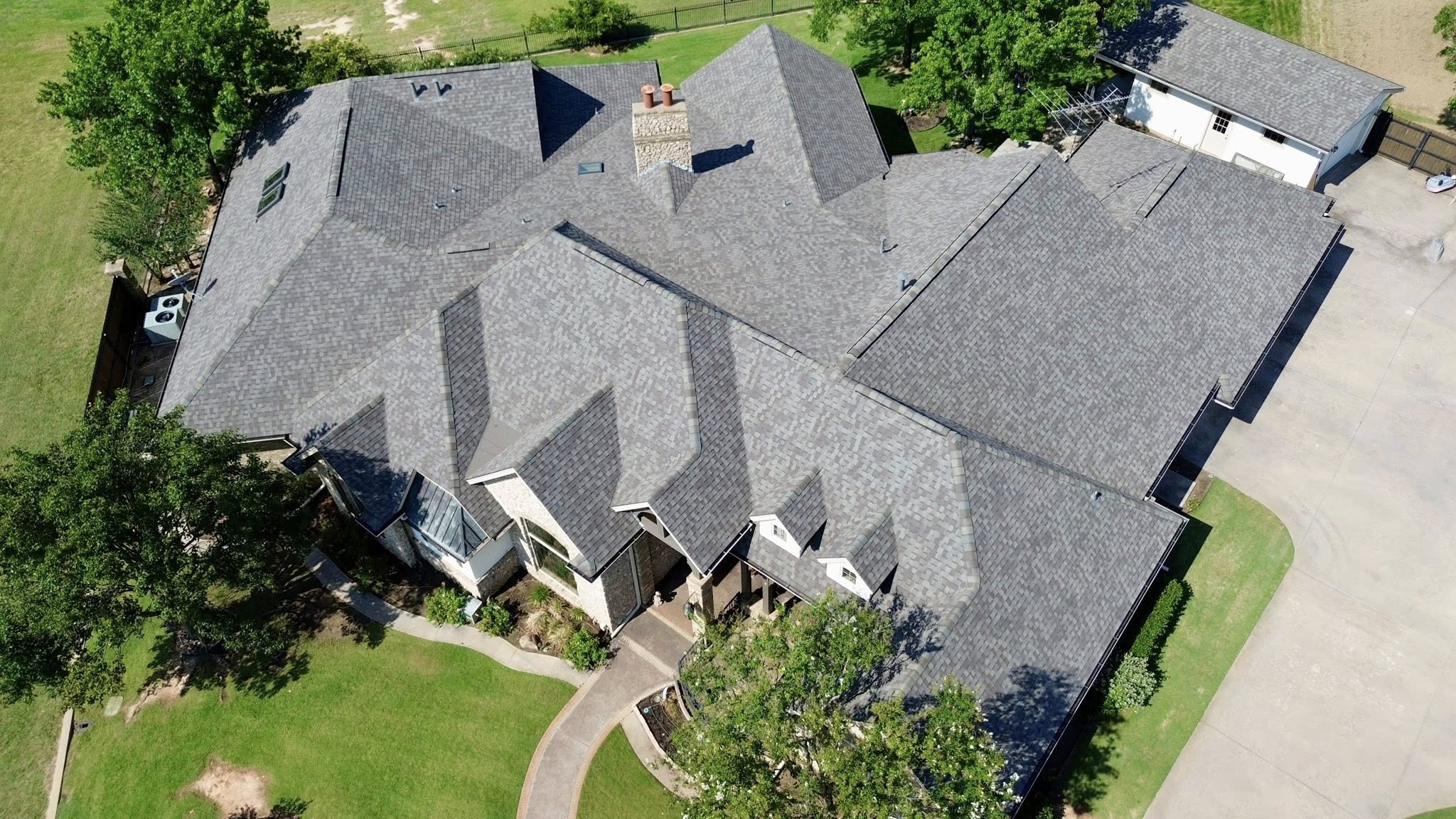
Synthetic and composite roofing materials have become increasingly popular as homeowners look for alternatives to traditional roofing products. These materials are manufactured to reproduce the appearance or characteristics of natural products such as slate, wood shakes, or traditional tiles. They can provide greater design flexibility while addressing some of the weight, maintenance, or installation challenges associated with natural materials.
Synthetic slate is one example of this category. It is designed to resemble natural slate while generally being lighter and easier to handle. Some products are manufactured from polymers, recycled materials, or composite mixtures that provide a slate-like appearance without requiring the same structural considerations as natural stone.
Synthetic shake products are another option for homeowners who like the appearance of wood but want a manufactured alternative. They can be designed with variations in texture, color, and profile to create a natural-looking roof. Depending on the product, they may also offer resistance to moisture, insects, and other conditions that can affect natural wood.
Composite roofing can include several different material combinations. Manufacturers may combine polymers, resins, fibers, or recycled materials to create roofing products with specific performance characteristics. Because products vary considerably, homeowners should examine individual specifications rather than assuming all composite roofing systems perform in the same way.
One potential advantage of synthetic materials is their weight. Some products are significantly lighter than natural slate or certain tile systems, which may make them suitable for structures where a heavier roof would require additional evaluation. However, the structural requirements of every roof should still be assessed before installation.
Synthetic roofing can also offer flexibility in appearance. Homeowners may be able to achieve the look of premium natural materials while selecting different colors, textures, or profiles. This can make synthetic products suitable for properties where architectural appearance is an important consideration.
Installation requirements remain important even when the material is manufactured. Synthetic products still need proper underlayment, flashing, fastening, ventilation, and drainage. Incorrect installation can cause water intrusion or material movement regardless of how durable the product itself may be.
Maintenance requirements can vary between products. Some synthetic materials may require relatively simple routine inspections, while others may have specific cleaning or maintenance recommendations. Homeowners should follow the manufacturer’s instructions rather than applying maintenance methods designed for a different roofing material.
Warranty information should also be reviewed carefully. Synthetic roofing products can have different warranty periods and conditions, and coverage may depend on proper installation and maintenance. Keeping product documentation can help homeowners understand what is covered and what responsibilities they have.
Synthetic and composite roofing materials can provide useful alternatives when homeowners want a particular appearance without selecting a natural material. Their suitability depends on product quality, climate, roof design, installation requirements, budget, and long-term maintenance expectations.
Flat and Low Slope Roofing Materials
Flat and low-slope residential roofs require different considerations from conventional steep-slope roofing systems. Because water moves more slowly across a low-slope surface, the roofing material and drainage design must work together carefully. The system needs to manage water effectively while protecting the underlying roof deck.
Modified bitumen is one type of material used on certain low-slope roofs. It is generally supplied in rolls and can be installed using different attachment and sealing methods depending on the product. Seams, edges, penetrations, and transitions need careful attention because these areas can become vulnerable to water intrusion.
Single-ply membranes are another common category. EPDM, TPO, and PVC are examples of membrane systems used in various low-slope applications. Each material has different characteristics, installation methods, and requirements for seams, attachment, flashing, and compatibility.
EPDM is a synthetic rubber membrane commonly used for low-slope applications. It can provide flexibility and resistance to various environmental conditions, but proper seam and edge installation remains important. The membrane must also be protected from conditions that could damage or puncture it.
TPO is a thermoplastic membrane that is commonly used for low-slope roofing. Seams are often heat-welded, creating a continuous connection when properly installed. Installation quality is important because improperly welded seams can create pathways for moisture.
PVC is another thermoplastic membrane option. Like other membrane systems, it requires appropriate detailing around penetrations, edges, drains, and seams. The selected product should be compatible with the roof design and expected environmental conditions.
Drainage is particularly important for low-slope roofing. Gutters, internal drains, scuppers, slopes, and other drainage features need to be designed so water can leave the roof effectively. Even a high-quality membrane can experience problems when water repeatedly remains on the surface.
Flashing is equally important. Roof edges, walls, equipment curbs, pipes, drains, and other transitions must be properly integrated with the membrane. These areas often require specialized installation methods that differ from traditional shingle roofing.
Low-slope roofing systems can be useful for certain residential designs, including modern homes and additions where a conventional steep roof may not be practical. However, homeowners should understand that these systems depend heavily on correct design and installation.
Maintenance should include regular drainage checks and professional inspections. Debris should not be allowed to block drains or scuppers, and membrane damage should be addressed promptly. Small punctures or seam problems can allow moisture into the assembly if they are ignored.
The most suitable low-slope material depends on the building, climate, drainage design, budget, and contractor expertise. Because installation details can strongly influence performance, homeowners should select professionals who have relevant experience with the specific membrane or low-slope system.
Choosing Roofing Materials for Different Climates
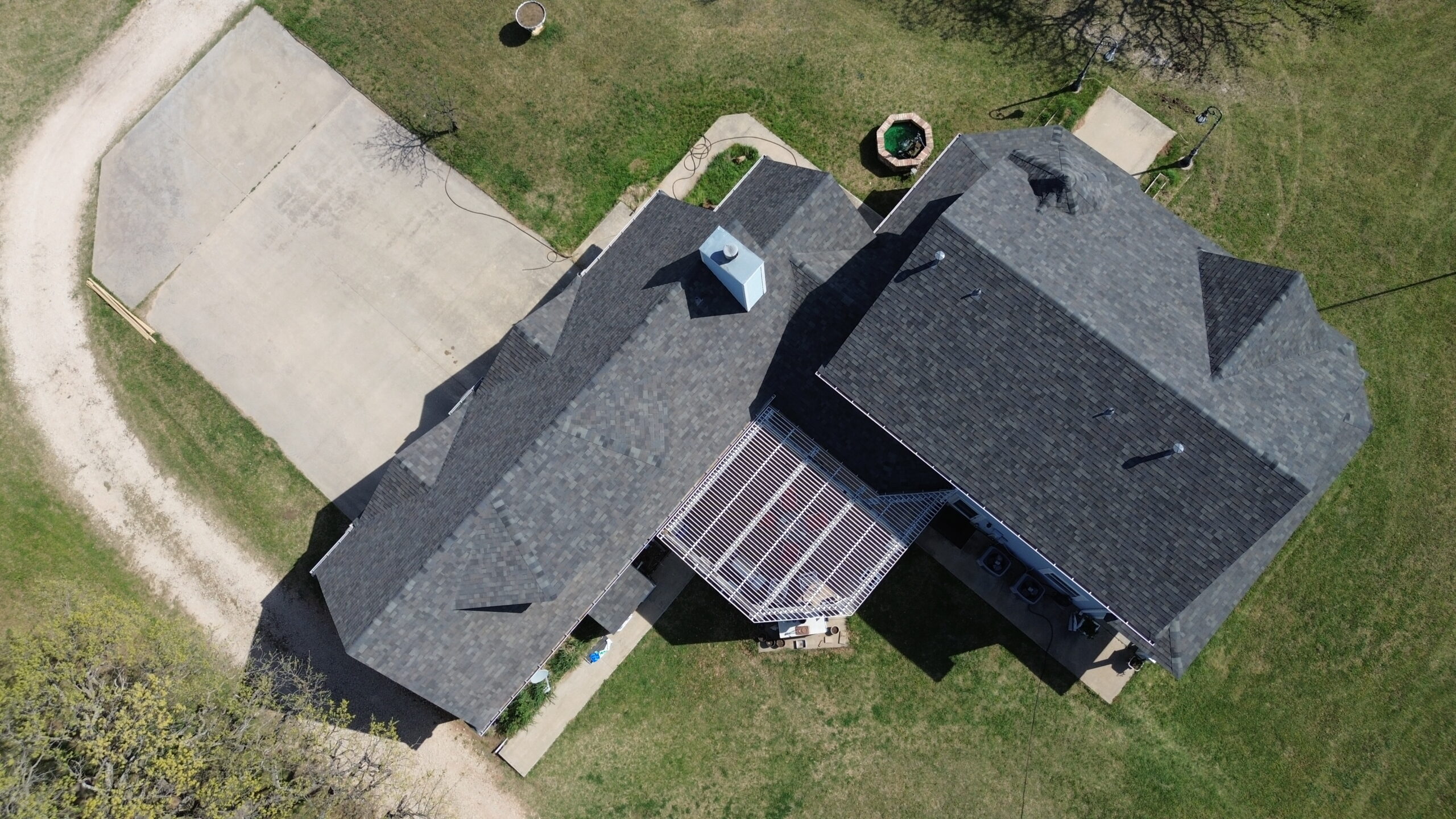
Climate is one of the most important factors when selecting residential roofing materials. A roofing product that performs well in one environment may have different requirements in another. Homeowners should consider the weather conditions their roof is expected to experience throughout the year rather than choosing a material based only on appearance.
Hot and sunny climates can expose roofing materials to intense ultraviolet radiation and repeated heating and cooling. Materials and finishes should be selected according to their ability to perform under the expected conditions. Proper ventilation and insulation can also support the overall roof assembly in hot environments.
Areas with heavy rainfall require particularly effective water management. The roof should have appropriate slope, underlayment, flashing, valleys, gutters, and drainage pathways. Materials alone cannot compensate for poor water management, so the complete system needs to be considered.
High-wind locations create different challenges. Roofing materials must be properly attached, and vulnerable areas such as edges and corners may require additional attention. Manufacturer installation requirements and applicable building standards should be followed carefully.
Hail-prone areas may require consideration of the impact resistance characteristics of available materials. Severe hail can damage many types of roofing, so homeowners should investigate products that are appropriate for local conditions. Professional installation remains important because even impact-resistant materials can be compromised by incorrect workmanship.
Cold climates can introduce additional considerations involving temperature changes, moisture, and freeze-thaw conditions. Some roofing materials may require specific installation details to perform effectively in these environments. Snow and ice management may also influence roof design and maintenance.
Coastal environments can expose roofing materials to moisture, salt, wind, and other demanding conditions. Corrosion resistance may become an important consideration when selecting metal components and fasteners. Materials and accessories should be suitable for the local exposure.
Properties with significant tree coverage may experience greater debris accumulation and shade. This can increase maintenance requirements for gutters and roof surfaces. Homeowners may need to consider how easily the selected material can be inspected, cleaned, and repaired.
Climate should also influence the choice of contractor. A local professional who regularly installs roofing systems under similar conditions may understand common weather-related challenges. Their experience can help ensure that the selected material and installation approach are suitable for the property.
No material is completely resistant to every environmental condition. The goal is to select a roofing system whose characteristics match the expected climate and then install and maintain it appropriately. Climate compatibility is therefore an important part of making a long-term roofing decision.
Comparing Roofing Material Lifespan and Maintenance
Expected lifespan is an important factor when comparing roofing materials, but homeowners should be careful about treating published lifespan figures as guarantees. Actual performance can vary depending on installation quality, climate, maintenance, material quality, roof design, and exposure to severe weather.
Some roofing materials are known for long service potential. Natural slate, certain tile systems, and some metal roofing products can remain functional for many years when properly installed and maintained. However, their longer potential lifespan may come with higher initial costs or specialized maintenance requirements.
Asphalt shingles generally offer a more accessible entry point for many homeowners. Different product grades can provide different levels of performance, so homeowners should compare individual products rather than treating all asphalt shingles as identical.
Maintenance requirements also differ between materials. A roofing system may have a long expected service life but still require specialized inspections or repairs. Another material may have a shorter expected lifespan but simpler and less expensive maintenance.
Installation quality affects every category. A poorly installed premium roofing material can experience premature problems, while a properly installed standard material may provide reliable performance for its intended service period. Homeowners should therefore consider contractor expertise alongside material specifications.
Weather exposure can also shorten the useful life of a roof. Strong storms, falling branches, hail, prolonged moisture, and intense sunlight may cause damage or accelerate deterioration. Regular inspections can help identify weather-related problems before they become extensive.
Maintenance generally includes keeping drainage pathways clear, inspecting flashing, controlling vegetation, checking for visible damage, and addressing problems promptly. The exact approach should follow the requirements of the specific material.
Repairability is another consideration. Some materials may be easier and less expensive to repair than others because replacement components are widely available. Specialized materials may require contractors with particular skills and access to compatible products.
Homeowners should also consider how long they expect to remain in the property. Someone planning to stay in a home for decades may place greater value on long service potential, while another homeowner may prioritize lower initial costs and simpler maintenance.
The best comparison therefore considers more than lifespan alone. Material durability, maintenance, repair requirements, installation quality, climate exposure, and total cost should all be evaluated together.
Roofing Material Cost and Installation Considerations
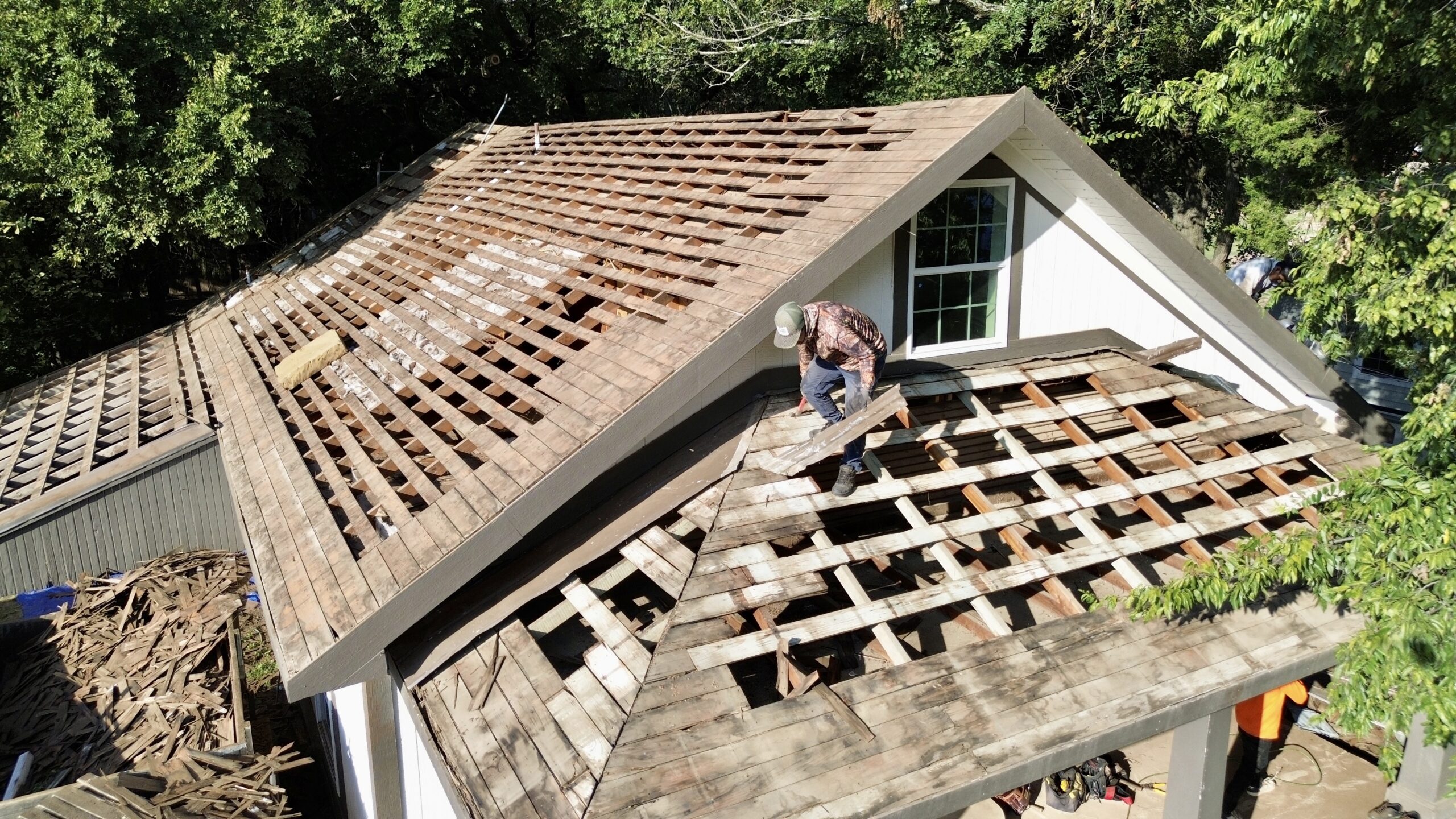
Cost is an important part of choosing a residential roofing material, but the initial price should not be the only consideration. A roofing project includes materials, labor, preparation, removal of existing roofing, disposal, flashing, ventilation, underlayment, drainage work, and potential roof deck repairs.
Material prices can vary significantly. Asphalt shingles are generally available across a broad range of price levels, while metal, tile, slate, and specialized synthetic products can require greater initial investment. However, the exact cost depends on the product, property, market, roof complexity, and installation requirements.
Labor can represent a substantial part of the project cost. Specialized materials may require contractors with additional training or experience. A material that is inexpensive to purchase may become more expensive to install if the roof design is complex or preparation requirements are extensive.
Roof complexity can also increase labor requirements. Multiple valleys, dormers, skylights, chimneys, roof-to-wall transitions, and changes in slope create additional areas that need careful flashing and material installation. A simple roof and a highly complex roof may require very different amounts of labor even when they have the same surface area.
The condition of the existing roof deck can also affect the project budget. Once old materials are removed, contractors may discover damaged decking or structural components that require attention. Homeowners should understand how these potential conditions are handled in the contract.
Underlayment, flashing, ventilation, and edge components should be considered when comparing estimates. A quote that includes only the visible roofing material may not represent the complete cost of installing a functional roofing system. Homeowners should compare proposals based on the complete scope of work.
Warranty terms can also contribute to long-term value. Product warranties may vary, and workmanship coverage can differ between contractors. Homeowners should understand the conditions attached to any warranty rather than selecting a contractor based solely on a warranty’s advertised length.
The cheapest proposal is not necessarily the best option. Very low pricing may reflect differences in materials, preparation, labor, or project scope. Homeowners should compare qualifications, experience, written estimates, insurance, references, warranties, and installation practices alongside price.
A useful way to compare roofing options is to consider both initial investment and expected long-term costs. A higher-quality system may require more money upfront but could provide different maintenance and repair characteristics. The right decision depends on the property’s needs and the homeowner’s priorities.
How Roofing Materials Affect Home Appearance and Value
Roofing material has a major influence on the visual character of a home. Because the roof can cover a large portion of the property’s exterior, its color, texture, profile, and material can affect how the entire building appears. Homeowners should therefore consider architectural compatibility when selecting a roofing system.
Asphalt shingles offer a broad range of colors and profiles. Architectural shingles can provide additional texture and dimension, while more traditional products may create a simpler appearance. This flexibility makes asphalt suitable for many residential designs.
Metal roofing can provide both modern and traditional appearances depending on the profile selected. Standing seam panels can create clean architectural lines, while other metal products can imitate the appearance of shingles, tiles, or other materials.
Tile roofing can strongly influence architectural style. Clay and concrete tiles can complement Mediterranean, Spanish, Southwestern, and other designs. Their shape and texture can make the roof a prominent visual feature.
Slate provides a distinctive natural appearance that can suit traditional, historic, and premium residential architecture. Variations in the stone can create a unique appearance, although the material’s cost and structural requirements should be considered alongside its visual benefits.
Wood shakes and shingles can provide a natural, warm appearance. They may work particularly well with rustic or traditional homes, but their maintenance and climate requirements should be understood before selection.
Synthetic materials can provide homeowners with additional design choices. Some are specifically manufactured to reproduce the appearance of slate, wood, or tile while offering different weight and maintenance characteristics.
Roofing material can also influence how a property is perceived when it is placed on the market. A well-maintained, appropriately selected roof can contribute to overall curb appeal. However, homeowners should avoid assuming that an expensive roofing material will automatically increase property value by an equivalent amount.
The condition of the roof is often more important than the material alone. A visually attractive roof with poor workmanship or maintenance may create concerns for potential buyers. Professional installation and good documentation can therefore complement the benefits of an attractive roofing material.
Choosing a roofing material should ultimately balance appearance with performance. A roof needs to complement the home while also meeting structural, environmental, maintenance, and budget requirements. When these factors are considered together, homeowners can select a material that provides both visual appeal and practical long-term value.
How to Select the Right Roofing Material
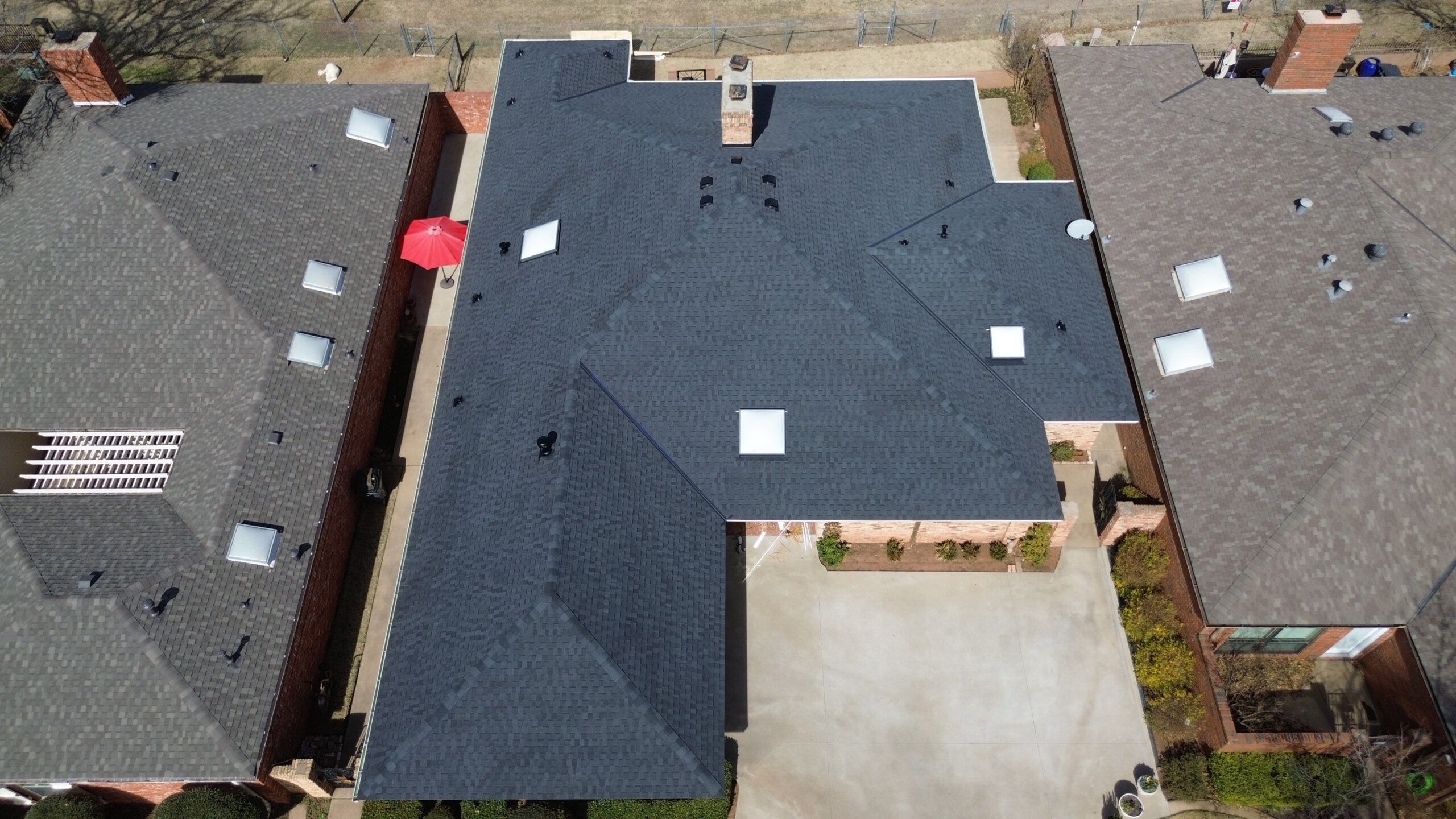
Selecting the right roofing material requires homeowners to look beyond appearance and initial price. A roof must be compatible with the home’s structure, local climate, slope, architectural design, maintenance expectations, and long-term budget. Considering these factors together helps ensure that the selected material can provide reliable protection throughout its useful service life.
Climate should be one of the first considerations. Homes exposed to heavy rainfall need effective water management, while properties in high-wind areas require appropriate fastening and edge protection. Intense sunlight, temperature changes, hail, snow, and coastal exposure can also influence which materials and installation methods are suitable.
The structure of the home is equally important. Heavy materials such as certain tile and slate systems may require additional structural consideration. A professional should evaluate the roof structure before installing a material that is significantly heavier than the existing system.
Homeowners should also consider maintenance requirements. Some materials may require regular cleaning, specialized inspections, or particular repair methods. Choosing a roof without understanding these responsibilities can lead to higher long-term maintenance costs.
Budget should be evaluated over the expected life of the roof rather than only at the time of installation. A lower-cost material may be suitable when properly installed and maintained, while a premium system may provide longer service potential but require a larger initial investment. Comparing the complete value of each option provides a more realistic basis for decision-making.
Appearance is another factor, particularly for homeowners who want the roof to complement the architecture of the property. Asphalt shingles, metal, tile, slate, wood, and synthetic products all provide different visual characteristics. The best choice balances appearance with technical suitability.
Contractor experience should also influence the decision. Some roofing materials require specialized installation techniques, tools, and knowledge. Choosing a material that local contractors rarely install may make future repairs or maintenance more difficult.
Professional Installation Requirements for Different Materials
The quality of installation can have as much influence on roof performance as the material itself. Even a durable roofing product can experience premature problems when it is installed incorrectly. Professional contractors should understand the specific requirements of the selected material and follow applicable manufacturer instructions.
Asphalt shingles require appropriate alignment, exposure, fastening, underlayment, and flashing. Metal roofing requires careful attention to seams, fasteners, panel movement, edges, and penetrations. Tile and slate require specialized handling and attachment methods because individual pieces can be damaged by improper installation.
Underlayment provides an additional layer of moisture protection beneath many roofing materials. Its installation must be coordinated with the primary roofing material, especially around valleys, edges, and penetrations. Damaged or improperly installed underlayment can reduce the effectiveness of the complete system.
Flashing is another critical component regardless of the roofing material. Chimneys, skylights, vents, pipes, walls, and roof edges all require appropriate waterproofing details. These areas should be installed so that water is directed away from vulnerable points rather than trapped beneath the roofing system.
Fastening methods also vary between materials. The correct nails, screws, clips, or other attachment systems should be used according to the product requirements. Incorrect fastener placement or insufficient attachment can reduce resistance to wind and create other installation problems.
Roof ventilation and drainage must also be considered during installation. Ventilation openings should remain functional, while valleys, gutters, downspouts, and roof edges should provide appropriate water-management pathways. These systems work together with the roofing material to protect the building.
A professional installation should finish with a detailed inspection. Contractors should check the roof for damaged materials, incomplete flashing, exposed fasteners, blocked ventilation, drainage problems, and other visible concerns. Proper cleanup should also be completed before the project is considered finished.
Common Problems Caused by Incorrect Material Selection
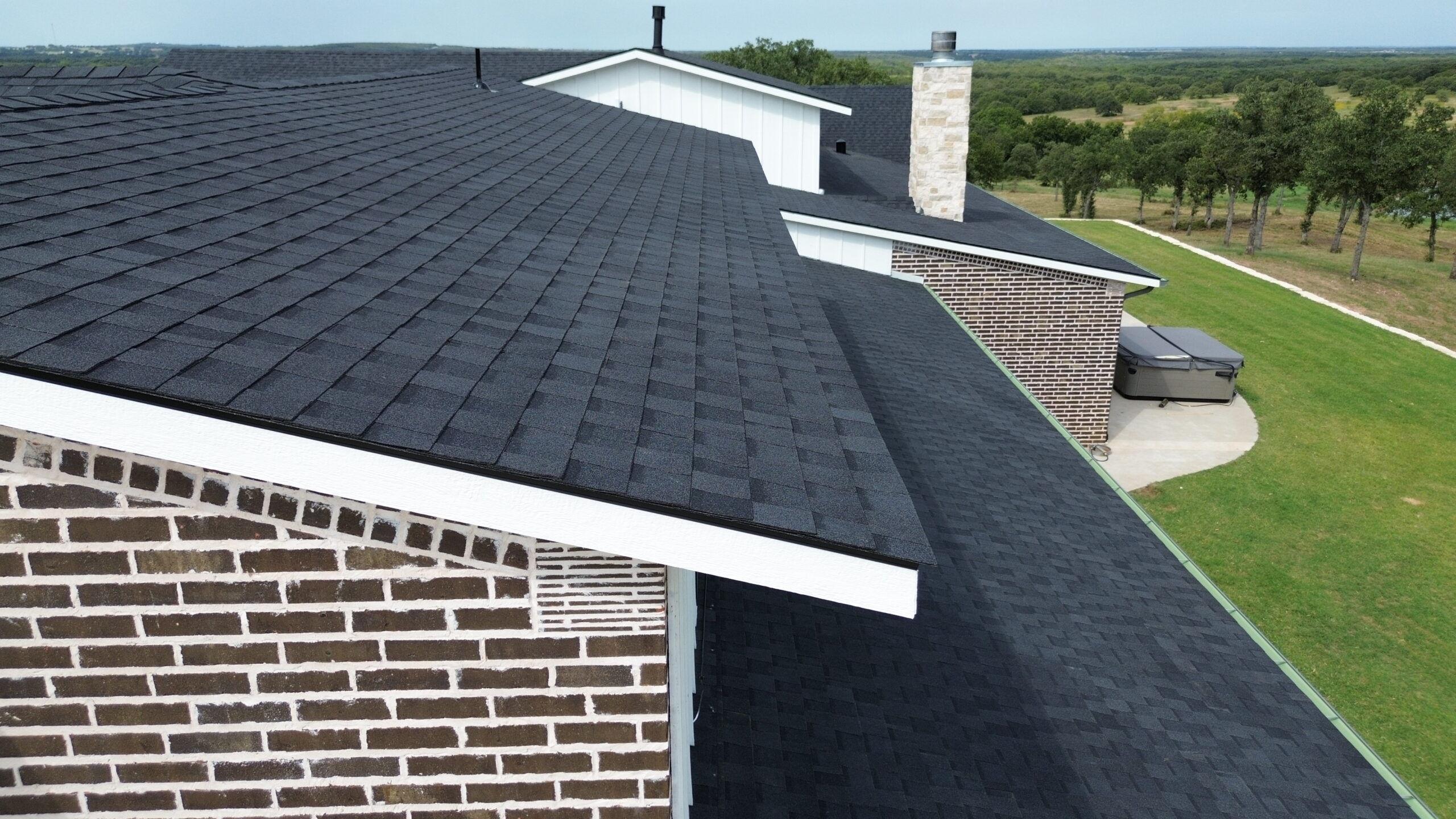
Choosing a roofing material without considering the property’s structure or environment can create problems later. A material may perform well under suitable conditions but become less effective when installed on an incompatible roof. Proper selection should therefore occur before installation rather than after problems develop.
Weight is one potential concern. Heavy tile or slate may not be appropriate for every residential structure without structural evaluation. Installing a heavy roofing system without considering the supporting structure can create unnecessary risks.
Climate incompatibility can also affect performance. Materials need to be suitable for the weather conditions they will regularly experience. Strong winds, heavy rainfall, extreme temperatures, intense sunlight, and other environmental factors can influence how roofing materials age.
Poor drainage can create problems regardless of material choice, but it can be especially important for low-slope systems. If water remains on the roof for extended periods, it can increase exposure to moisture and place additional demands on membranes, seams, flashing, and other components.
Maintenance expectations should also match the homeowner’s ability to care for the roof. A material that requires specialized maintenance may not be the best choice if the property owner is unable to provide that level of care. Understanding these requirements before installation can prevent disappointment later.
Incorrect material selection can also create unnecessary repair difficulties. Some specialized roofing products require experienced contractors or specific replacement components. If those resources are difficult to find locally, future maintenance may become more complicated.
Premature deterioration may occur when material characteristics do not match the environment. However, material selection is only one possible cause. Poor installation, inadequate ventilation, drainage problems, severe weather, and neglected maintenance can also contribute to early roofing failure.
Homeowners can reduce these risks by discussing the complete roofing system with a qualified professional before making a final decision. The goal should be to select a material that is compatible with the roof structure, climate, budget, appearance, and long-term maintenance plan.
Maintaining Different Residential Roofing Materials
Every roofing material requires some level of maintenance after installation. Routine inspections and prompt repairs help preserve the condition of the roof and identify problems before they become extensive. Maintenance requirements should always follow the recommendations for the specific roofing product.
Asphalt shingles should be checked for damaged, missing, or displaced materials. Metal roofs should be monitored for damaged panels, corrosion where applicable, loose fasteners, and problems around seams. Tile and slate systems should be inspected for cracked or displaced pieces, while wood roofing requires particular attention to moisture and deterioration.
Gutters and downspouts should remain clear regardless of the roofing material. Debris can restrict water flow and cause overflow around roof edges. Valleys and other drainage areas should also be kept reasonably clear.
Flashing should be inspected around chimneys, skylights, vents, pipes, and roof-to-wall transitions. Damage or movement in these areas can allow water to enter the roofing system. Professional evaluation is recommended when flashing cannot be safely inspected or when signs of leakage appear.
Vegetation should also be controlled. Branches can fall onto the roof during storms, while leaves and organic debris can retain moisture. Maintaining nearby trees and removing accumulated debris can reduce these risks.
Homeowners should avoid using maintenance methods that could damage the material. Pressure washing, aggressive scraping, improper chemicals, and unsuitable repair products may shorten the roof’s service life. When cleaning or repairs require specialized knowledge, professional assistance is the safer choice.
Regular inspections are particularly important after severe weather. Strong winds, hail, heavy rain, and falling branches can damage roofing materials even when problems are not immediately visible. Early inspection can help prevent minor damage from becoming a larger roofing failure.
Making a Long Term Roofing Material Decision
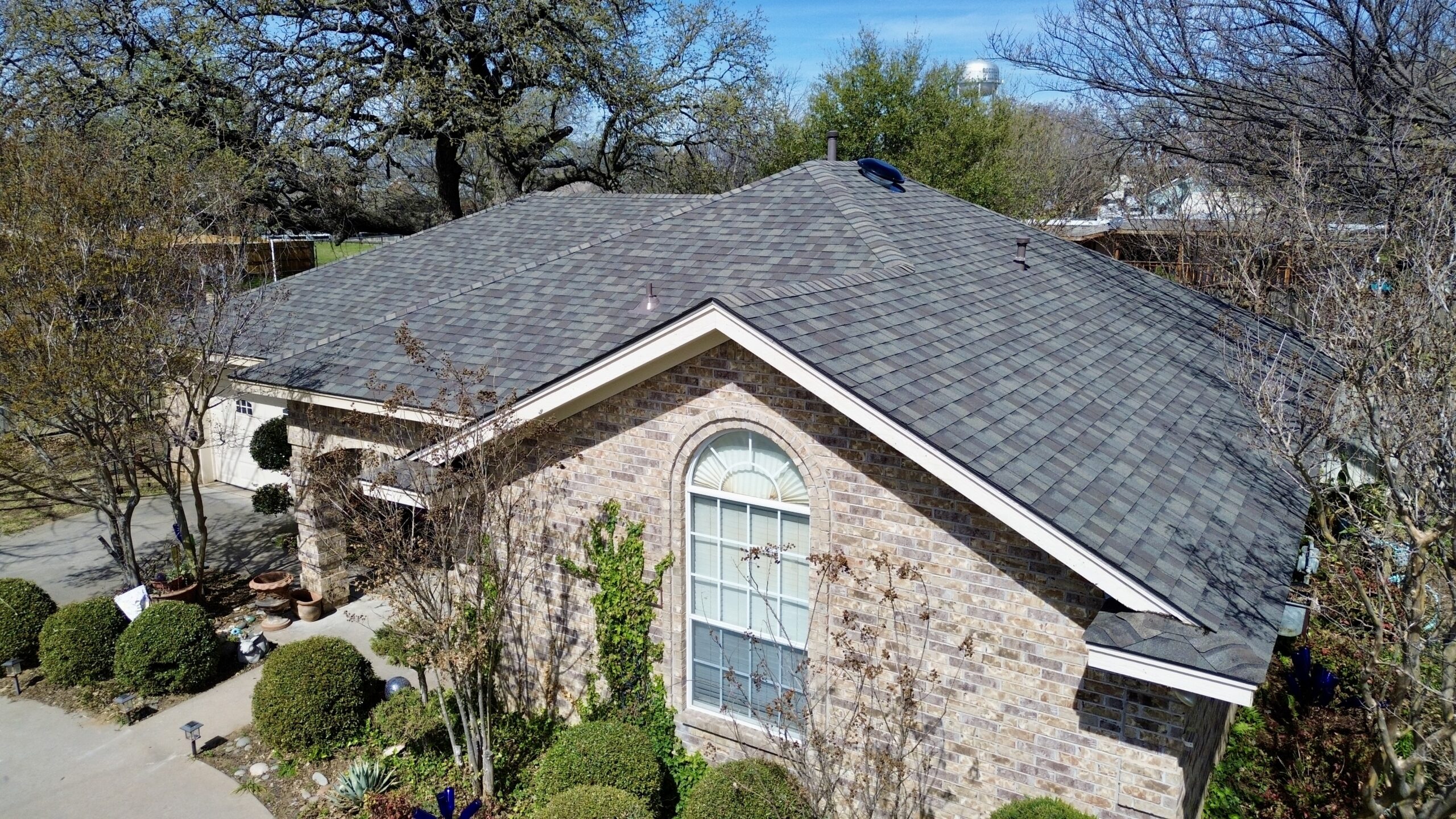
Choosing a residential roofing material is ultimately a long-term decision rather than simply a purchase made during a roof replacement project. The selected material will influence the property’s appearance, maintenance requirements, repair needs, and overall roofing costs for years. A thoughtful decision should therefore consider both immediate and future requirements.
Homeowners should compare the expected service characteristics of different materials and consider how each option fits their property. Asphalt shingles may offer accessibility and versatility, metal can provide durability and design flexibility, tile can provide distinctive appearance and long service potential, while slate can offer premium longevity when the structure and budget are appropriate.
Synthetic and composite materials can provide alternatives for homeowners who want the appearance of natural materials with different weight or maintenance characteristics. Low-slope systems can address specific architectural designs but require careful attention to drainage and membrane installation.
The installation contractor should be evaluated alongside the material. A reliable contractor should provide a detailed written estimate, explain the proposed system, demonstrate relevant experience, and provide appropriate warranty information. The lowest quotation should not automatically be treated as the best value.
Homeowners should also plan for maintenance from the beginning. Knowing how the roof will be inspected, cleaned, repaired, and documented can help prevent future problems. Keeping installation documents, product information, warranties, inspection reports, and repair records creates a useful history.
A good roofing decision balances several priorities rather than maximizing one factor. Durability, cost, appearance, climate suitability, structural requirements, maintenance, installation expertise, and long-term value should all be considered before selecting a material.
Conclusion
Understanding different residential roofing materials helps homeowners make more informed decisions when installing, replacing, or maintaining a roof. Asphalt shingles, metal, tile, slate, wood, synthetic products, and low-slope membranes each have different characteristics and applications. None is automatically the best choice for every home.
The right material should match the property’s structure, climate, roof design, budget, appearance, and maintenance expectations. Structural requirements are particularly important when considering heavier materials, while climate and drainage should influence the selection of products intended for demanding weather conditions.
Professional installation is essential regardless of which material is selected. Correct fastening, underlayment, flashing, ventilation, drainage, and material-specific installation practices allow the roofing system to perform as intended. Poor workmanship can reduce the benefits of even the highest-quality roofing product.
Maintenance then protects the investment after installation. Regular inspections, clear drainage pathways, controlled vegetation, proper cleaning, and prompt repairs can help prevent avoidable deterioration. Homeowners should also follow manufacturer recommendations and avoid maintenance methods that could damage the selected material.
The best roofing decision is therefore based on the complete system rather than the visible material alone. When homeowners carefully compare roofing options and work with qualified professionals, they can select a system that provides appropriate protection, appearance, durability, and long-term value for their residential property.