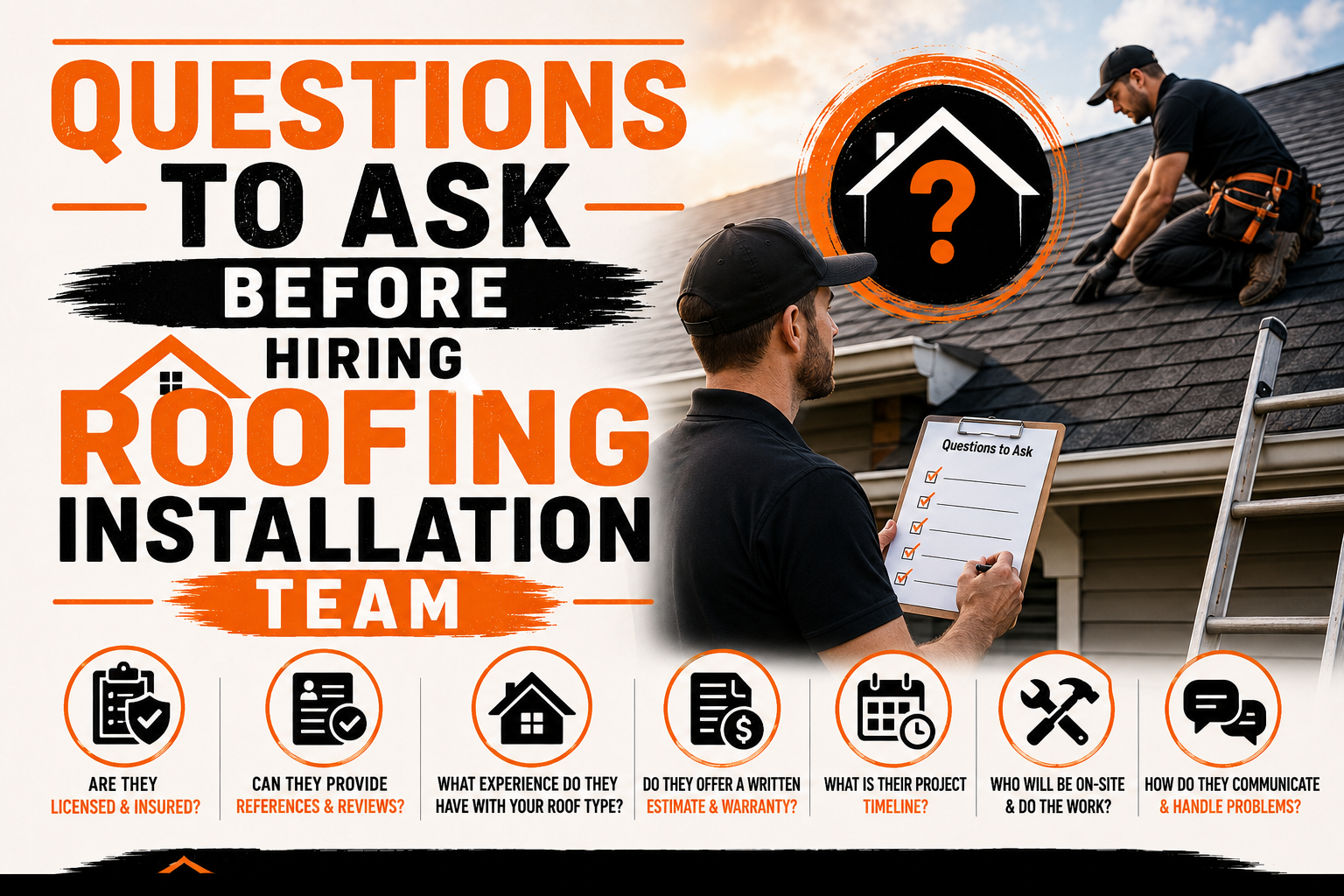
Questions to Ask Before Hiring Roofing Installation Team
Introduction
Hiring a roofing installation team is a major decision that can affect the protection, appearance, and long-term value of your property. A roof must withstand rain, wind, heat, moisture, and other environmental conditions, so proper installation is just as important as selecting quality roofing materials. Choosing a team without checking its experience, qualifications, and work practices can lead to installation problems, unexpected expenses, and difficult repairs later.
Many homeowners focus primarily on the estimated price when comparing roofing companies. While cost is an important consideration, it should not be the only factor used to decide which team will work on your home. Asking the right questions before hiring allows you to understand what the contractor offers, how the project will be handled, and whether the team has the skills and resources required for your roofing system.
A professional roofing team should be comfortable answering reasonable questions about its experience, licensing, insurance, materials, installation methods, warranties, scheduling, and cleanup procedures. Clear answers can help you distinguish between a contractor that is prepared to manage the project responsibly and one that may be relying mainly on a low price or persuasive sales pitch.
Before signing a contract, homeowners should gather enough information to compare contractors on an equal basis. The following questions can help guide conversations with potential roofing installation teams and make the hiring process more organized and informed.
Ask About the Team’s Roofing Experience
One of the first questions to ask is how long the contractor has been installing roofs. Experience can provide valuable insight into a company’s ability to handle different roof designs, materials, weather conditions, and installation challenges. However, do not focus only on the number of years the business has existed, because the experience of the actual installation crew also matters.
Ask whether the team has completed projects similar to yours. A contractor may have extensive experience with basic asphalt shingle roofs but limited experience with metal, tile, slate, steep-slope, or architecturally complex roofing systems. Relevant experience can help reduce mistakes because the crew is already familiar with the installation requirements of the roofing system.
You can also ask how frequently the team installs the specific material you are considering. Different roofing products may require different fastening methods, underlayment, flashing techniques, ventilation details, and manufacturer procedures. A contractor who regularly works with your selected material should be able to explain these requirements clearly.
If the roof has unusual features such as multiple valleys, skylights, chimneys, dormers, or complicated transitions, mention them during the consultation. Ask whether the team has worked on similar structures and how it normally handles those areas. A detailed response can give you a better understanding of the contractor’s practical expertise.
Ask for Proof of Licensing and Insurance
Before hiring a roofing installation team, ask whether the contractor holds all licenses required for the type of work being performed in your area. Licensing requirements vary by location, so homeowners should verify the applicable rules through the appropriate local authority. A reputable contractor should be willing to provide relevant license information when requested.
Insurance is equally important because roofing installation involves workers operating at elevated heights and moving heavy materials around the property. Ask whether the company carries appropriate general liability insurance and workers’ compensation coverage where required. These protections can help reduce financial risks associated with property damage or workplace injuries.
Do not rely solely on a contractor saying that the company is insured. Ask for documentation and check whether the coverage is current before the project begins. If a contractor refuses to provide reasonable proof or gives unclear answers about insurance, consider that a warning sign.
It is also useful to ask whether subcontractors will be involved in the project. If outside crews are used, find out who is responsible for verifying their insurance and qualifications. Understanding who will actually perform the work can prevent confusion if an issue occurs during installation.
Ask Who Will Actually Install Your Roof
A roofing company’s sales representative may be the person you meet during the initial consultation, but that does not necessarily mean the same person will manage the installation. Ask who will be responsible for completing the work and whether the company uses its own employees, subcontractors, or a combination of both. Knowing who will be on your property can make communication and project management easier.
Ask whether the installation crew has experience with your specific roofing system. If subcontractors are involved, find out whether they are regularly used by the company or are being brought in only for your project. You can also ask who will supervise the crew and who will be your main point of contact.
A professional contractor should have a clear chain of responsibility. You should know who handles questions about materials, unexpected roof conditions, scheduling changes, and quality concerns. This becomes particularly important when the project takes several days or involves multiple teams.
You may also ask approximately how many workers are expected to be on the property each day. Crew size can influence how quickly a project progresses, although a larger crew does not automatically mean better workmanship. The contractor should provide a realistic explanation of how the crew will be organized and how the work will be supervised.
Ask Which Roofing Materials Will Be Used
Another important question is which roofing materials the contractor recommends and why. Homeowners should understand the advantages, limitations, expected performance, and maintenance requirements of the proposed materials. A trustworthy contractor should explain the recommendation based on the property’s needs rather than simply promoting the most expensive product.
Ask for the exact manufacturer and product line where possible. Different products within the same general roofing category can vary in quality, design, durability, warranty coverage, and installation requirements. Having specific product information makes it easier to compare proposals from different contractors.
You should also ask about the supporting components that will be installed with the roofing material. A complete roofing system can include underlayment, flashing, ventilation components, starter materials, fasteners, sealants, and other accessories. The quality and compatibility of these components can influence how well the entire roof performs.
If you have already selected a particular roofing material, ask whether the team is experienced in installing it. The contractor should also explain whether the material is appropriate for the roof’s design and the conditions in your area. This conversation can help prevent choosing a product that looks appealing but is not suitable for the property’s specific requirements.
Ask How the Existing Roof Will Be Handled
If you are replacing an existing roof, ask whether the old roofing materials will be completely removed or whether the contractor intends to install the new system over the existing roof. The appropriate approach depends on the roof condition, local requirements, manufacturer instructions, and the type of roofing system involved.
Complete removal can allow the contractor to inspect the underlying surface more thoroughly. Once existing materials are removed, damaged decking, moisture problems, or other hidden conditions may become visible. Ask how the contractor will handle these findings if they are discovered during the project.
You should also ask whether removal and disposal are included in the estimate. Roofing tear-offs can generate a significant amount of debris, and disposal costs can affect the total project price. A detailed estimate should make it clear whether these services are included or charged separately.
Find out how the crew will protect the property during removal. Roofing materials can fall into landscaping, near windows, or onto other exterior areas during demolition. A responsible installation team should have a plan for controlling debris and cleaning the property after the work is completed.
Ask How the Roof Deck Will Be Inspected
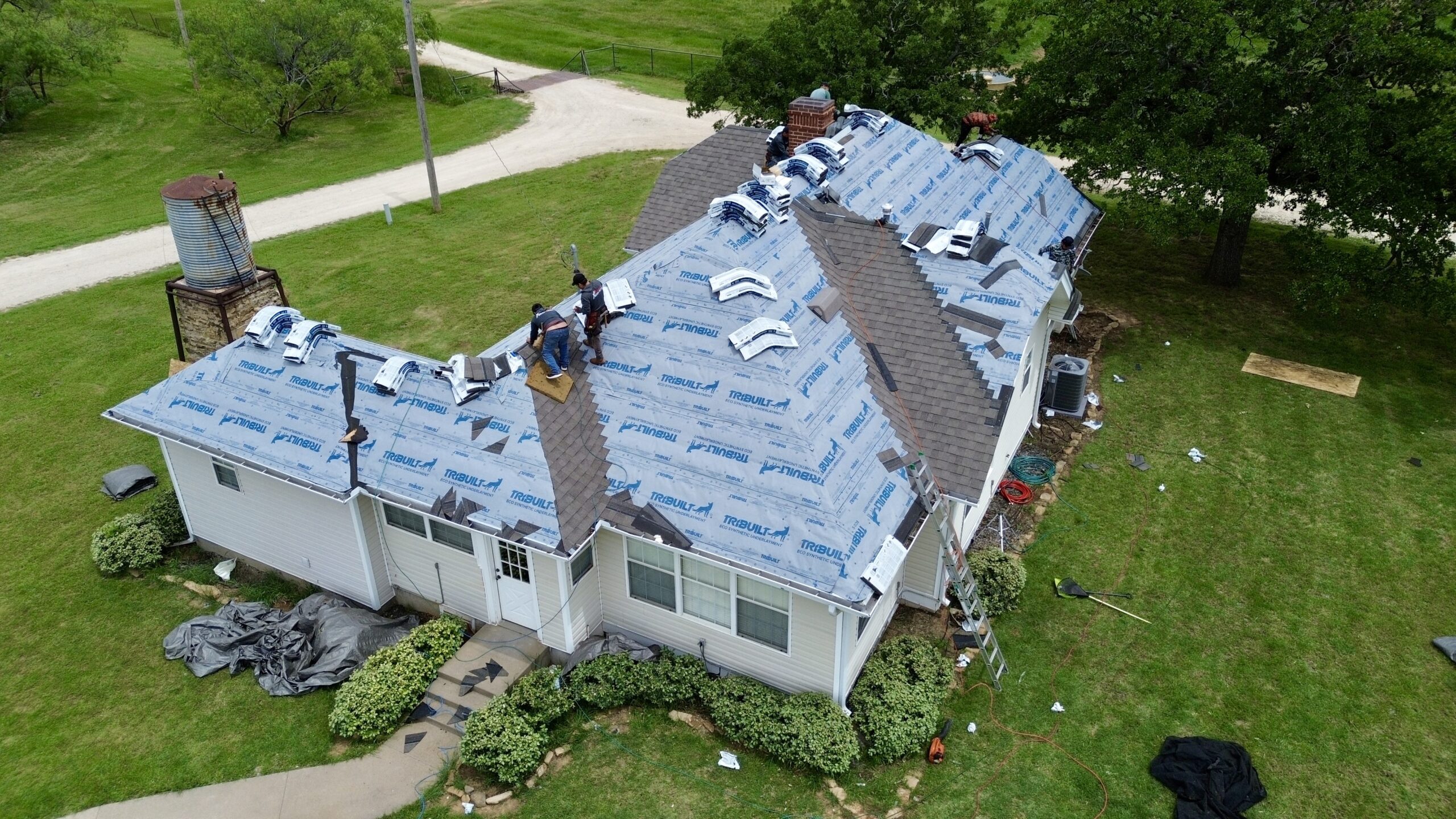
The roof deck provides an important foundation for the roofing system, so ask how the contractor will inspect it before installing new materials. Damaged, weakened, or moisture-affected decking may need to be repaired or replaced before the new roof is installed. Ignoring problems beneath the visible roofing material can affect the performance of the completed system.
Ask what the contractor considers acceptable deck condition and how damaged sections will be identified. You should also ask how additional repairs will be priced if hidden damage is discovered after the old roof is removed. Having this process explained in advance can prevent disagreements about unexpected costs.
A professional contractor should document significant concealed problems where practical. Photographs or written descriptions can help the homeowner understand why additional work is necessary. The contractor should also obtain approval for significant changes before proceeding whenever the situation allows.
Ask About Flashing and Roof Penetrations
Flashing is an important part of many roofing systems because it helps direct water away from vulnerable areas. Ask how the installation team will handle flashing around chimneys, skylights, vents, walls, valleys, and other roof penetrations. These areas often require careful installation because water can enter through improperly sealed or poorly detailed transitions.
Do not assume that replacing the visible roofing material automatically means all flashing will be replaced. Ask whether existing flashing will be reused, repaired, or replaced and why. The contractor should explain which approach is appropriate for your particular roof.
Roof penetrations should also be discussed during the initial inspection. Vents, pipes, skylights, and other openings can require specialized materials and installation techniques. Asking about these areas in advance can help ensure that important details are not overlooked in the final proposal.
Ask About Ventilation and Moisture Control
Proper roof ventilation can play an important role in managing heat and moisture within the roofing system. Ask the contractor whether your existing ventilation system is adequate and whether any improvements are recommended as part of the installation. A professional assessment should consider the design of the roof and the building rather than recommending ventilation products without explanation.
Ask which types of ventilation components will be used and where they will be installed. The contractor should be able to explain how intake and exhaust ventilation work together when applicable. This information can help you understand why certain vents are included in the proposal.
Moisture management should also be part of the conversation. Ask how the contractor plans to address areas where water could collect or enter, including roof valleys, penetrations, edges, and transitions. Proper drainage and weatherproofing details can be particularly important for protecting the structure beneath the roofing material.
Ask for a Detailed Written Estimate
Before hiring the team, ask for a written estimate that clearly explains the proposed work. The estimate should provide enough detail for you to understand what materials and services are included. A single total price without a description of the project makes it difficult to compare contractors accurately.
A detailed proposal may identify the roofing material, underlayment, flashing, ventilation work, removal of existing materials, disposal, labor, and cleanup. It should also identify any items that are specifically excluded. Clear exclusions are useful because they reduce the chance of assuming that a particular service is included when it is not.
Ask how the contractor will handle changes caused by unexpected conditions. For example, damaged decking may not be visible until the existing roof is removed. The estimate or contract should explain how additional work will be documented, priced, and approved.
Ask About the Project Timeline
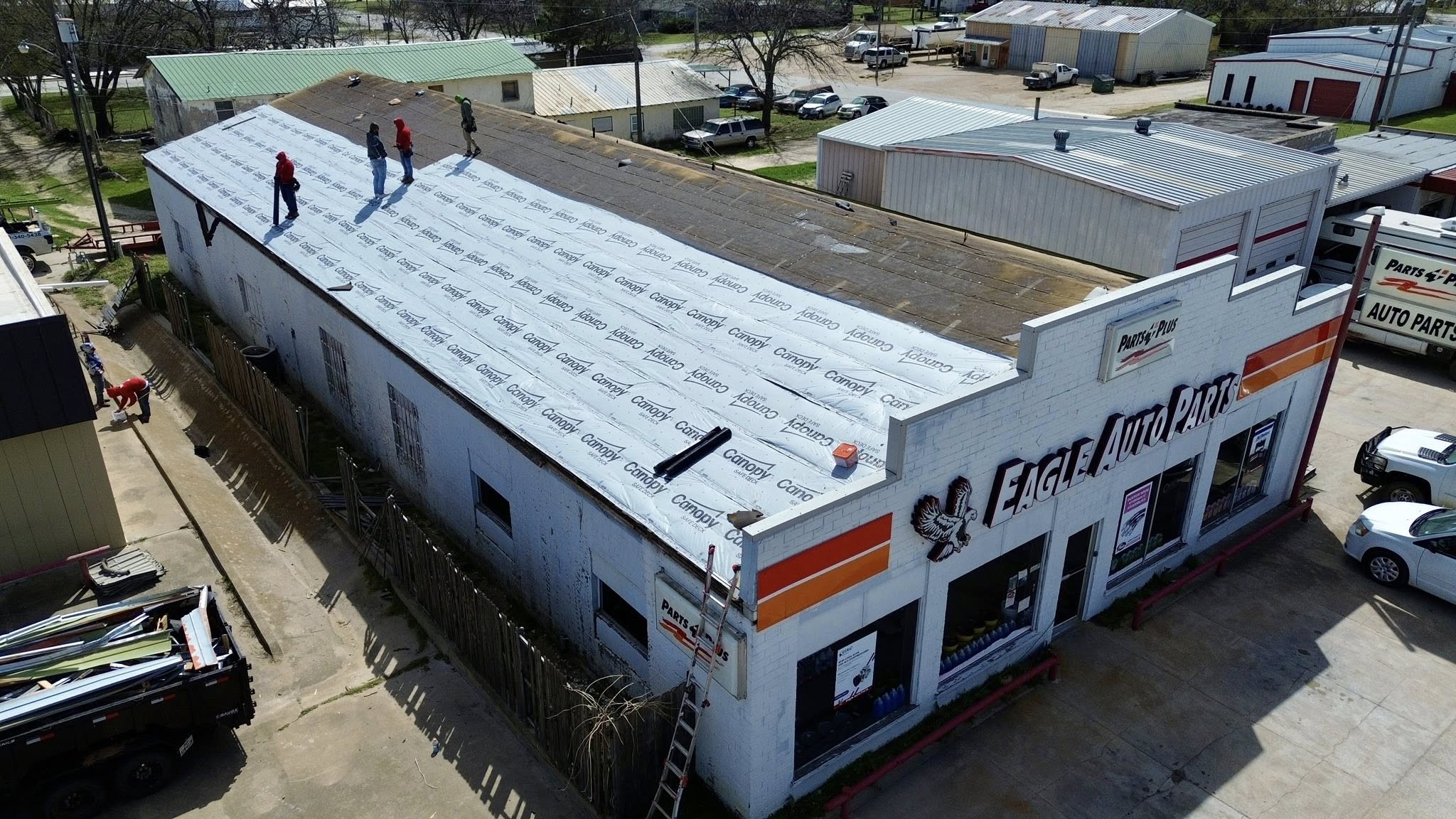
Ask when the contractor expects the project to begin and how long the installation is likely to take. The answer will depend on roof size, complexity, material availability, crew size, weather, and other factors. A professional contractor should provide a reasonable estimate rather than promising an unrealistically precise completion date before inspecting the property.
Weather can affect roofing schedules, so ask how delays will be communicated. Rain, high winds, extreme temperatures, or other unsuitable conditions may require work to stop temporarily. What matters is whether the contractor has a clear process for updating the homeowner and rescheduling the work.
You should also ask when materials will be delivered and where they will be stored. Large roofing projects require careful planning because materials and equipment can occupy parts of the driveway or property. Knowing the schedule in advance can help you make appropriate arrangements.
Keep These Questions Ready During Contractor Interviews
Before making your final hiring decision, organize your questions so that each contractor receives a similar set. This makes comparisons more reliable because you are evaluating the same basic information from each company. It also reduces the chance of forgetting an important issue during a busy consultation.
The most important areas to cover include:
- Contractor experience and qualifications
- Licensing, insurance, and subcontractor information
- Roofing materials and installation methods
- Existing roof removal and deck inspection
- Flashing, ventilation, and moisture protection
- Written estimates and change-order procedures
- Project timeline and weather-related delays
- Warranty coverage and post-installation support
Taking notes during each consultation can be extremely useful when several contractors provide similar proposals. Record the answers, materials offered, estimated timelines, and any differences in project scope. This information will provide a stronger foundation for the questions covered in the next stage of the hiring process, including contracts, payments, warranties, project management, and final contractor selection.
Ask About the Installation Process
Before hiring a roofing installation team, ask the contractor to explain how the installation will be completed from start to finish. Understanding the process helps you recognize what is included in the project and whether the contractor has a structured approach to the work. A professional team should be able to describe the major stages without making the explanation unnecessarily complicated.
Ask how the existing roofing will be removed, how the roof deck will be inspected, and how the new roofing system will be installed. You should also ask how the team plans to handle flashing, underlayment, ventilation, edges, valleys, and roof penetrations. These details can have an important effect on the finished roof’s ability to resist moisture and weather.
The contractor should also explain how installation will be performed according to the roofing manufacturer’s requirements. Different roofing materials have specific installation procedures, so asking about these standards can help you determine whether the crew has appropriate knowledge and experience.
Ask About Roofing Manufacturer Requirements
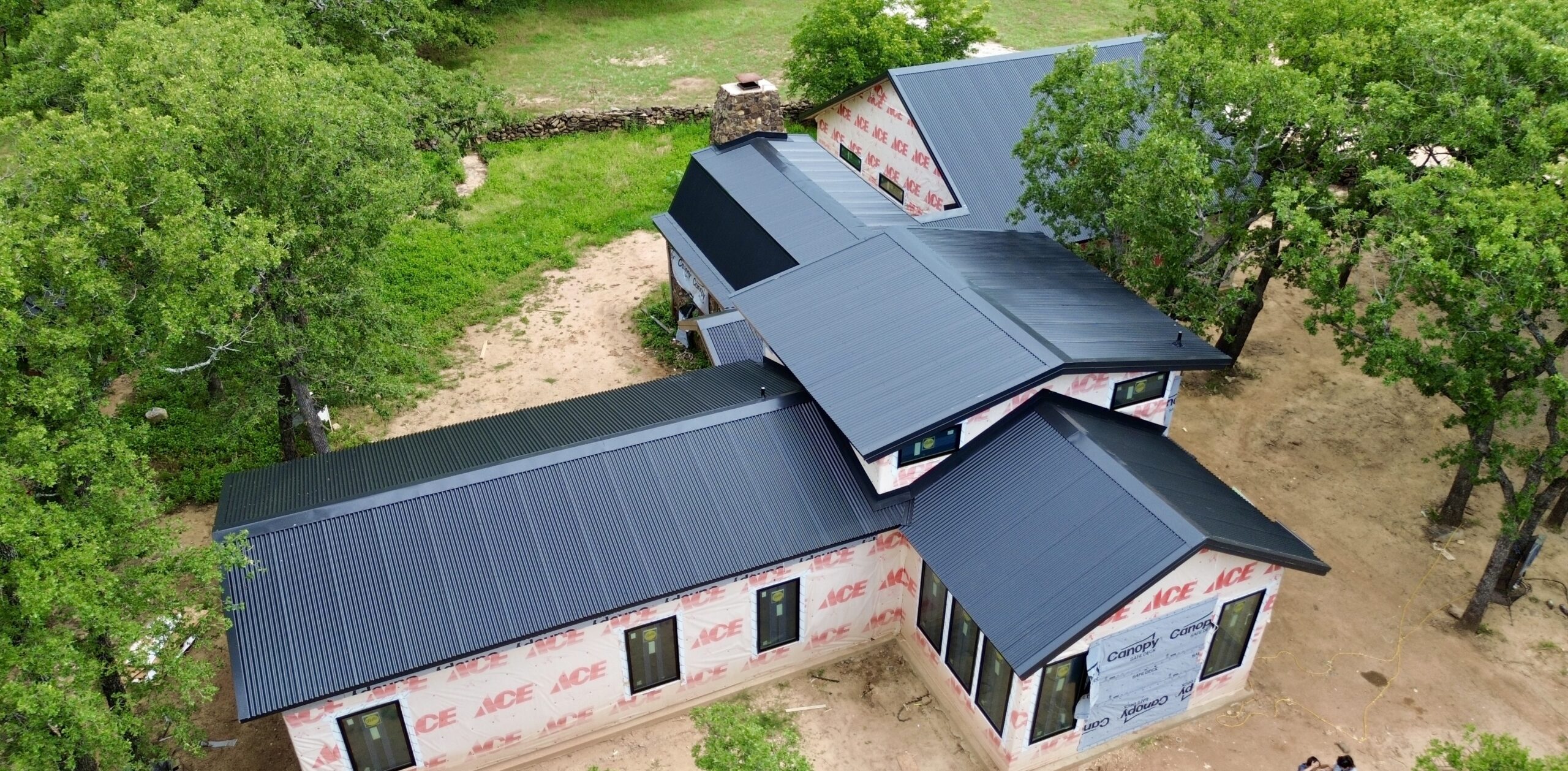
A roofing product should be installed according to the applicable manufacturer instructions and installation requirements. Ask the contractor whether the crew has experience with the exact product being proposed and whether the installation will follow the manufacturer’s specifications. This is particularly important when warranty coverage depends on proper installation.
Ask whether the contractor has any manufacturer certifications or training relevant to your selected roofing system. Certifications do not automatically guarantee excellent workmanship, but they may demonstrate that the contractor has received specialized training. You should still evaluate certifications alongside experience, references, insurance, and the quality of the written proposal.
It is also worth asking whether the contractor will provide product documentation after installation. Keep information about the manufacturer, product line, color, warranty, and installation system with your other roofing records. These details can be useful for future maintenance, repairs, or warranty questions.
Ask What Is Included in the Roofing System
A roof is more than the visible shingles, tiles, or metal panels. Ask the contractor to identify the major components that will be installed as part of the complete roofing system. This may include underlayment, flashing, starter materials, ventilation components, fasteners, edge materials, sealants, and other accessories.
A detailed discussion of these components can help you compare estimates more accurately. Two contractors may offer apparently similar prices while using different products or including different levels of preparation. Understanding what is actually included can reveal why one proposal costs more than another.
Ask whether the contractor plans to replace or reuse existing components. Some items may be suitable for reuse, while others may be better replaced during a new installation. The contractor should explain the reasoning behind these decisions instead of simply adding or removing components without explanation.
Ask About the Roofing Crew and Supervision
It is important to know who will be responsible for managing the installation team. Ask whether the contractor will have a project manager, site supervisor, or lead installer present during the work. Having a clear point of contact can make it easier to resolve questions or concerns while the project is underway.
Ask how the contractor trains and supervises workers. Roofing installation requires attention to details such as material placement, fastening, flashing, ventilation, and weatherproofing. A company that has clear quality-control procedures may be better prepared to maintain consistent workmanship throughout the project.
If subcontractors are being used, ask who will supervise them and whether they have experience with the proposed roofing system. You should also clarify who is responsible for communication if a subcontractor causes damage or an installation issue occurs. The primary contractor should clearly explain how responsibility is handled.
Ask How Your Property Will Be Protected
Roof replacement and installation can create debris, dust, noise, and activity around the property. Ask the contractor how the team will protect landscaping, siding, windows, doors, outdoor equipment, and other vulnerable areas during the project. A clear property-protection plan shows that the contractor has considered more than just the roof itself.
Ask where materials, tools, ladders, and equipment will be placed. Roofing materials may need to be delivered before installation begins, and the contractor should explain where they will be stored. This is particularly important when the driveway, walkway, or other areas of the property will be used during construction.
You should also ask how nails and small pieces of roofing debris will be collected. A thorough cleanup process is important because leftover sharp materials can create safety hazards for household members and pets. Ask whether the contractor will perform a final site inspection after the crew has completed the work.
Ask About Weather and Unexpected Delays
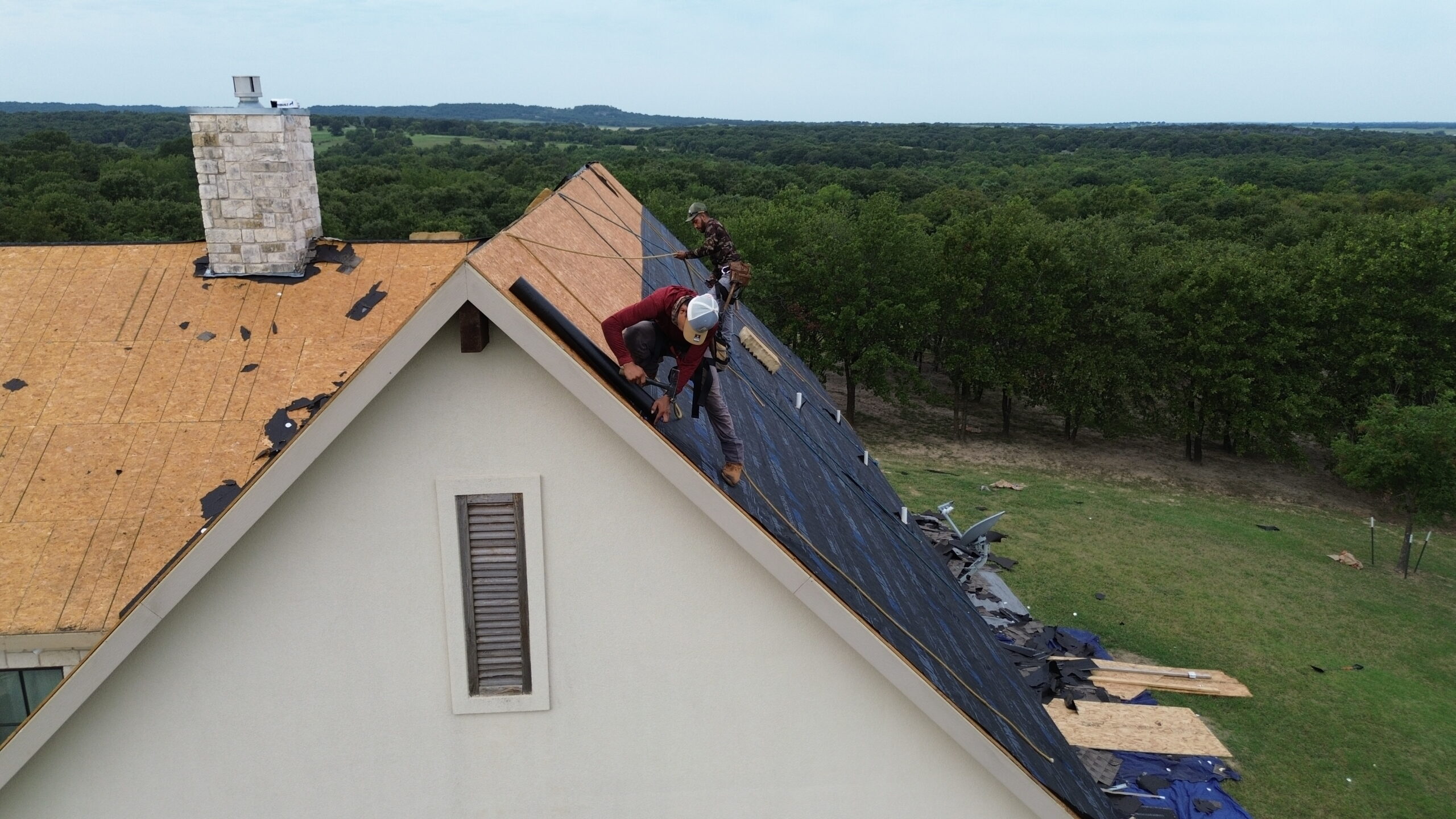
Weather can affect the timing of a roofing project, particularly when installation requires dry conditions. Ask how the contractor handles rain, strong winds, extreme temperatures, or other unsuitable weather. A professional contractor should have a reasonable process for postponing work when conditions could affect safety or installation quality.
Ask how you will be informed if the schedule changes. Communication is especially important when roofing materials have already been delivered or when the property will be partially prepared for installation. Knowing who will contact you and how updates will be provided can prevent unnecessary confusion.
You should also ask whether weather-related delays can affect the estimated completion date. While no contractor can control the weather, a reliable company can provide realistic expectations and communicate changes promptly. Be cautious of contractors who promise that a large roofing project will always finish on a fixed date regardless of conditions.
Ask About Permits and Inspections
Depending on local requirements, roofing installation may require permits or inspections. Ask the contractor whether permits are necessary for your project and whether the company will obtain them. If the homeowner is responsible for any part of the process, make sure that responsibility is clearly explained before work begins.
Ask whether inspections are required during or after the installation. If an inspection is necessary, find out who will schedule it and whether the contractor will provide the relevant documentation afterward. Proper handling of these requirements can help ensure that the project is completed according to applicable regulations.
You should also ask whether there are community or property-specific requirements that could affect the roofing project. Some properties may have rules concerning materials, colors, construction hours, or other exterior changes. Addressing these issues before installation can reduce the possibility of delays or material changes.
Ask About the Roofing Warranty
Warranty coverage should be discussed before signing the contract rather than after the roof has been installed. Ask what type of workmanship warranty the contractor provides and what manufacturer warranty applies to the roofing products. These warranties can cover different issues, so understanding the distinction is important.
Ask how long the workmanship warranty lasts and what conditions or exclusions apply. A contractor should be able to explain what happens if an installation-related problem develops after the project is completed. Avoid relying on general statements such as “the roof is fully guaranteed” without asking for the actual terms in writing.
Manufacturer warranties may also have specific requirements concerning installation and maintenance. Ask whether the contractor will provide documentation proving that the correct products and installation methods were used. Keep these documents in a secure location after the project is completed.
You can use the following comparison when discussing warranty coverage:
| Warranty Area | Questions to Ask |
|---|---|
| Workmanship | How long is the contractor’s workmanship warranty? |
| Materials | What manufacturer warranty covers the roofing products? |
| Installation | Are there requirements that must be followed to maintain coverage? |
| Repairs | Who handles warranty-related repairs if a problem develops? |
| Transfer | Can the warranty be transferred if the property is sold? |
Ask About Payment Terms
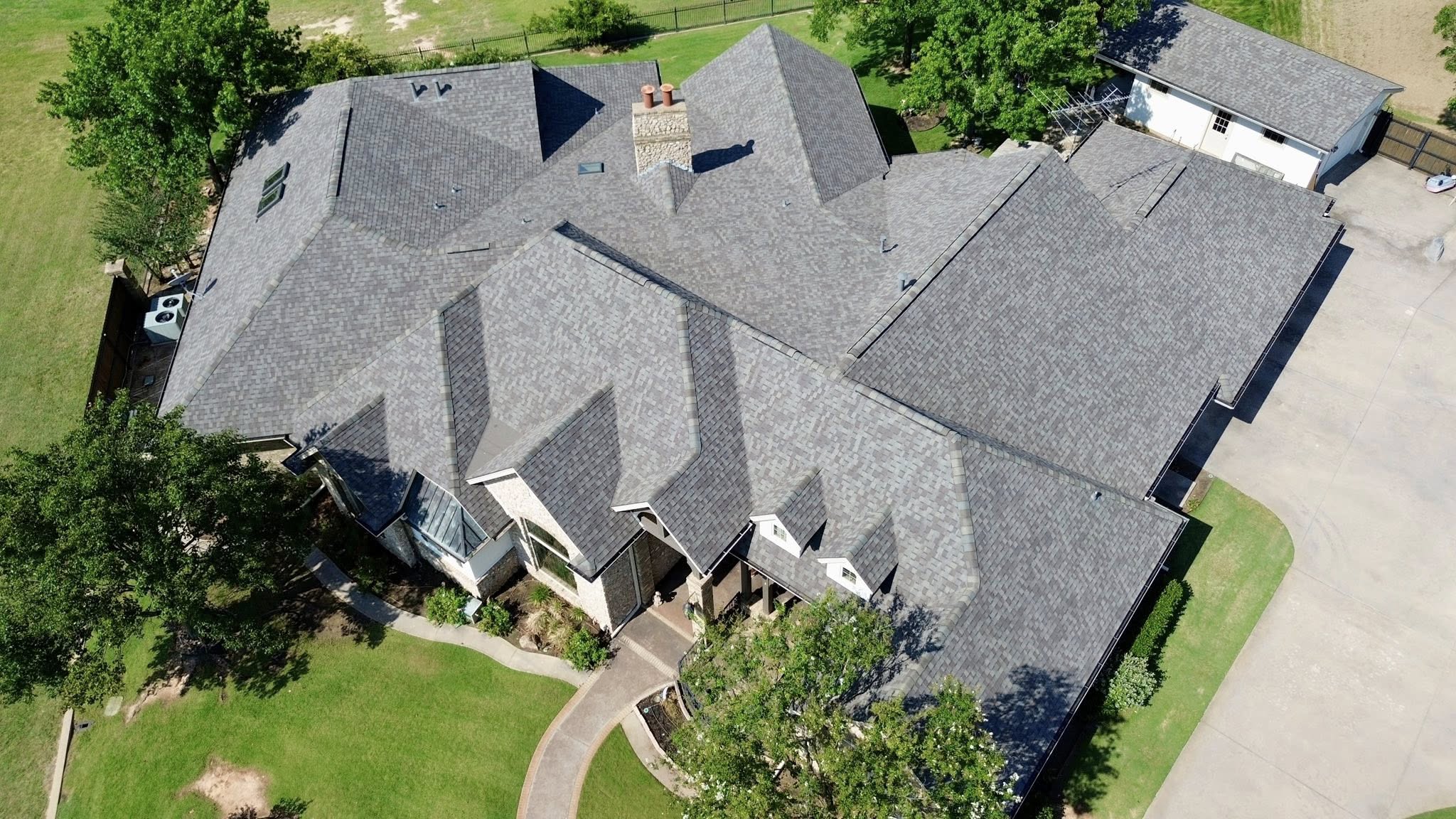
Payment arrangements should be clearly explained before work begins. Ask how much is required upfront, when progress payments are due, and when the final payment is expected. The payment schedule should match the written contract and should not contain unexpected charges that were not discussed.
Ask what payment methods the contractor accepts and whether any additional fees apply. You should also understand how approved changes to the project will affect the total cost. A written change order can help document additional work and prevent disputes over unexpected charges.
Be cautious if a contractor demands an unusually large upfront payment without explaining why it is necessary. A legitimate roofing company may require an initial payment for materials or scheduling, but the amount and purpose should be clearly documented. Never feel pressured to make a payment simply because the contractor claims the offer will disappear immediately.
Ask How Unexpected Roof Damage Will Be Handled
Existing roofs can contain hidden damage that is not visible before the roofing materials are removed. Ask the contractor what happens if damaged decking, moisture problems, deteriorated flashing, or other issues are discovered. A clear process should be established before installation begins.
Find out whether the contractor will photograph or document unexpected damage. You should also ask whether you will receive an explanation and revised price before additional work is performed. This approach allows you to make an informed decision rather than discovering a large additional charge at the end of the project.
Ask whether the estimate includes any allowance for minor repairs or whether all additional work will be priced separately. There is no universal approach, but the important point is that the contractor explains the process clearly. Written documentation can protect both the homeowner and contractor when project conditions change.
Ask About Cleanup and Debris Removal
Roof installation can generate a considerable amount of waste, especially when an existing roof is removed. Ask whether the contractor will provide containers for debris and whether disposal is included in the quoted price. The contract should clearly state who is responsible for removing discarded roofing materials.
Ask whether the crew will clean the property at the end of each workday or only after the project is finished. Regular cleanup can reduce hazards around the property while construction is underway. It also demonstrates that the contractor has a plan for maintaining an organized work area.
You can also ask whether the contractor will perform a final cleanup inspection. The team should check areas around the home for loose materials and construction debris before considering the project complete. If you have concerns about cleanup, discuss them before signing the contract rather than waiting until the end.
Ask About Post-Installation Support
A roofing relationship should not necessarily end when the crew leaves the property. Ask whether the contractor provides follow-up inspections or support after installation. Understanding how the company handles post-installation concerns can help you evaluate its commitment to customer service.
Ask how you should report a problem if you notice a leak, damaged material, or other concern after the installation. Find out who will handle the issue and how quickly the company generally responds to service requests. A contractor who clearly explains the process is easier to work with if an unexpected issue occurs.
You should also ask whether routine inspections or maintenance services are available. Regular professional inspections may help identify minor issues before they become more expensive problems. Even if you do not purchase ongoing services, knowing that the contractor remains available can provide additional reassurance.
Ask for Everything Important in Writing
Verbal promises can be difficult to verify later, especially when several conversations take place before installation. Important information should therefore be included in the written estimate or contract. This includes the project scope, materials, payment schedule, estimated timeline, warranty information, cleanup responsibilities, and procedures for additional work.
Before signing, read the complete agreement rather than focusing only on the price. Make sure the written document matches what the contractor explained during consultations. If an important promise is missing, ask for clarification and request that the agreement be updated before signing.
Keep copies of all project documents in one place. Your records should include the signed contract, estimates, change orders, invoices, warranty documents, product information, permits, and inspection records. These documents can become valuable if you need future repairs, maintenance, warranty assistance, or proof of the work performed.
By asking detailed questions about the installation process, materials, crew, property protection, payment terms, warranties, and post-installation support, homeowners can move beyond simple price comparisons. These conversations also provide a clearer picture of how prepared each roofing team is to manage the project responsibly, which makes the final selection process much easier.
Identify Roofing Contractor Red Flags
Before making your final decision, pay attention to warning signs that may indicate an unreliable roofing installation team. Even if a contractor offers an attractive price, poor communication, missing documentation, or pressure tactics can create problems during the project. Taking time to recognize these signs can help you avoid choosing a contractor based only on promises.
One common warning sign is a contractor who refuses to provide proof of licensing, insurance, or relevant credentials. Homeowners should be able to request reasonable documentation before allowing a crew to work on their property. If the contractor avoids these questions or repeatedly provides excuses, it may be better to consider another company.
Be cautious when an estimate is dramatically lower than other detailed proposals. A low price can sometimes result from excluded materials, limited preparation, inexperienced labor, or costs that are added later. Ask the contractor to explain major price differences and compare the actual scope of work before deciding.
Pressure to sign immediately is another concern. A trustworthy roofing professional should give you reasonable time to review the contract, compare estimates, and ask questions. Statements suggesting that you must sign immediately to receive a special price should encourage you to slow down rather than rush into an agreement.
Ask About Safety Practices
Roof installation involves elevated work areas, ladders, tools, heavy materials, and construction debris, so safety should be taken seriously. Ask the contractor what safety procedures the crew follows and how workers are supervised throughout the project. A professional company should have a clear approach to managing risks on the job site.
You can also ask how the team will keep residents and pets away from dangerous areas during installation. Roofing work can create falling debris and other hazards around the property. Clear communication about restricted areas can help prevent accidents while the crew is working.
Ask whether the contractor has procedures for securing tools and materials when the crew leaves at the end of the day. This can be especially important when the project lasts several days. Good site management demonstrates that the contractor is considering both worker safety and the safety of the property occupants.
Confirm the Final Scope of Work
Before signing the contract, make sure you understand exactly what the roofing team will do. The final scope should explain the roofing material, removal of existing materials, underlayment, flashing, ventilation, repairs, installation, disposal, and cleanup. If a component was discussed during the consultation but is missing from the written agreement, ask about it before proceeding.
It is also important to understand what is not included. Some contractors may exclude structural repairs, gutter work, skylight repairs, or other services that homeowners might assume are part of a roof replacement. Clear exclusions can prevent misunderstandings once construction begins.
Review the scope carefully if more than one contractor has provided an estimate. One proposal may appear cheaper because it does not include the same preparation or installation components as another. Comparing equivalent scopes provides a much more accurate basis for choosing the right team.
Compare Contractors Using the Complete Picture
Once you have interviewed several roofing teams, compare them using all the information you have gathered. The final choice should consider more than the quoted price because roofing quality depends on proper materials, preparation, installation, supervision, and follow-up service. A contractor with a slightly higher estimate may provide considerably better value if the proposal is more complete.
Review each contractor’s experience, insurance, credentials, references, materials, warranty, contract, timeline, and communication. Consider whether the company has provided specific answers or relied mostly on general claims. The contractor that gives you the clearest and most complete information may be better prepared to manage the project.
It can be useful to create a short final comparison before signing. Look for the company that combines strong qualifications with transparent pricing, appropriate materials, dependable communication, and a clear installation plan. Avoid allowing one attractive feature, such as a low price or long warranty, to outweigh several other concerns.
Prepare Your Property for the Roofing Crew
Homeowners can also take steps to make the installation process safer and more efficient. Move fragile outdoor items away from the work area and provide clear access to areas where the crew will need to work. If vehicles normally remain in the driveway, ask the contractor whether they need that space for materials, equipment, or waste containers.
Windows and doors may need to remain closed during certain stages of the project because roofing work can create dust and debris. Keep children and pets away from active work areas and follow any safety instructions provided by the contractor. These simple preparations can help reduce unnecessary risks and make the crew’s work easier.
Ask the contractor whether there are any additional preparations required inside or outside the property. Some roofing projects may involve vibration, noise, or work around attic ventilation systems. Knowing what to expect can help you prepare the household before installation begins.
Review the Completed Installation
Once the roof installation is finished, ask the contractor to perform a final walkthrough. You do not need to climb onto the roof to inspect it yourself because doing so can be dangerous. Instead, have the contractor explain the completed work and point out important details from safe viewing areas.
Confirm that the agreed materials were installed and that the major components included in the contract were addressed. Ask about flashing, vents, roof edges, valleys, gutters, and other relevant areas. If additional work was approved during installation, make sure it is reflected in the final documentation.
The contractor should also complete the agreed cleanup and debris removal. Ask whether the crew has checked the property for leftover roofing materials, nails, and other construction waste. A final site inspection can help identify concerns before the project is formally closed.
Collect Important Roofing Documents
After installation, collect and organize all documents associated with the project. Keep the signed contract, final invoice, material information, warranty documents, permits, inspection records, and approved change orders together. These records can be useful for future maintenance or if you need to contact the contractor about warranty service.
Ask whether the contractor can provide information about the exact roofing products installed. Knowing the manufacturer and product line can help future roofing professionals identify compatible materials if repairs are needed. It can also make warranty claims easier if a product-related issue develops.
Photographs of the completed roof can also be useful for your records. You can photograph visible areas from the ground and keep them with your other project documents. These records provide a useful reference for the condition and appearance of the roof immediately after installation.
Know What to Do if Problems Appear
Even when a roofing project is carefully planned, homeowners should know how to respond if a problem appears after installation. Contact the contractor promptly if you notice signs such as water intrusion, damaged materials, unusual leaks, or other concerns. Waiting too long can allow a minor issue to become more difficult to resolve.
Refer to your contract and warranty documents before requesting service. These documents can explain whether the issue falls under workmanship coverage, manufacturer coverage, maintenance responsibilities, or another category. Provide photographs and written details when contacting the contractor because clear documentation can make the evaluation process easier.
A reliable roofing company should have a defined process for handling post-installation concerns. Ask how service requests are submitted and who is responsible for inspecting the problem. Good contractors understand that customer service continues after the installation crew leaves the property.
Conclusion
Asking the right questions before hiring a roofing installation team can make the entire process more transparent and manageable. Homeowners should investigate experience, licensing, insurance, roofing expertise, materials, installation procedures, warranties, payment terms, safety practices, and post-installation support before making a final decision.
The strongest roofing teams are generally willing to explain their work clearly and provide documentation when requested. They should also offer a detailed contract that identifies the project scope, materials, schedule, payment arrangements, cleanup responsibilities, and warranty coverage. Clear communication before installation can establish realistic expectations and reduce the possibility of disagreements later.
Remember that the cheapest roofing proposal is not always the best choice. A contractor who provides quality materials, experienced installation, proper supervision, thorough preparation, and dependable customer service may offer greater long-term value even when the initial price is higher.
Before signing, compare several qualified contractors and consider the complete picture rather than focusing on one factor. With careful questions, detailed documentation, and a thoughtful comparison process, homeowners can choose a roofing installation team with greater confidence and take an important step toward protecting their property with a properly installed roofing system.