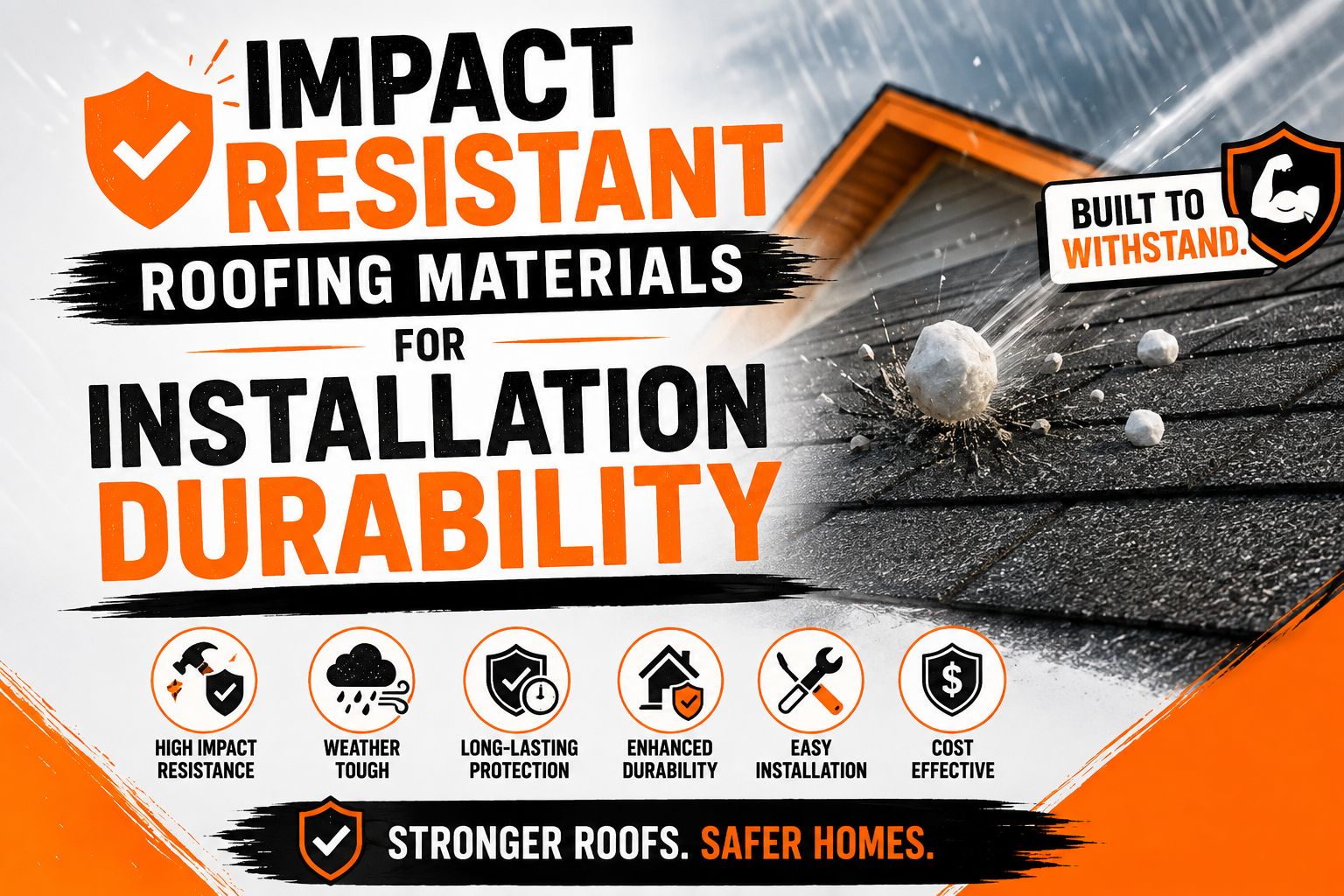
Impact Resistant Roofing Materials for Installation Durability
Introduction
A roof is one of the most important structural components of any property because it provides continuous protection against weather, debris, moisture, and temperature changes. While appearance often influences roofing decisions, durability has become a top priority for homeowners and commercial property owners who want long term performance. Selecting impact resistant roofing materials is one of the most effective ways to improve roof longevity and reduce unexpected repair costs.
Storms, hail, falling branches, and wind driven debris can damage conventional roofing materials much faster than many property owners expect. Even small impacts can weaken a roof over time, allowing moisture to penetrate beneath the surface and create more expensive structural issues. Choosing materials specifically designed to resist impact helps prevent these problems before they begin.
Modern roofing technology has introduced a wide variety of materials that are engineered to withstand severe weather without sacrificing style or energy efficiency. These products undergo extensive testing to ensure they can tolerate repeated impacts while maintaining their protective qualities. As a result, they offer better reliability for homes and businesses located in areas that frequently experience harsh weather.
Understanding how impact resistant roofing materials work is the first step toward making a smarter roofing investment. This guide explains the science behind these materials, the factors that affect their durability, and the benefits they bring to both residential and commercial roofing projects.
Understanding Impact Resistant Roofing Materials
Impact resistant roofing materials are specially engineered products designed to absorb or resist damage caused by physical impacts. Unlike standard roofing materials that may crack, split, or puncture under pressure, impact resistant options are manufactured with stronger construction techniques and advanced material compositions. Their goal is to maintain structural integrity even after repeated exposure to severe weather.
These materials use different technologies depending on their composition. Some rely on reinforced polymer layers that absorb energy, while others use flexible rubberized compounds that reduce cracking. Metal roofing systems depend on their strength and flexibility to prevent dents from becoming structural weaknesses.
Manufacturers continuously improve these materials through advanced engineering and laboratory testing. Modern roofing products often combine lightweight construction with exceptional durability, making them suitable for a wide range of climates and architectural styles. This combination allows property owners to achieve both protection and visual appeal.
The growing popularity of impact resistant roofing reflects changing weather patterns and increasing awareness of long term property protection. Instead of viewing a roof as a short term investment, many owners now prioritize products that provide decades of dependable performance.
Why Impact Resistance Matters for Modern Roofing
Roofs face constant exposure to environmental hazards throughout their lifespan. Rain, hail, wind, falling tree branches, airborne debris, and seasonal temperature fluctuations all place stress on roofing materials. Without adequate impact resistance, even minor damage can gradually develop into major structural concerns.
A single hailstorm can produce hundreds of impacts across a roof within minutes. While some damage may appear cosmetic, hidden fractures often weaken shingles, tiles, or other roofing components. These weakened areas become vulnerable to water intrusion, accelerated aging, and additional storm damage.
Impact resistant roofing materials significantly reduce the likelihood of cracks, punctures, and fractures. They distribute the force of impacts across a larger surface area instead of concentrating stress in one location. This ability helps preserve the waterproof barrier that protects the building beneath.
Modern construction standards increasingly recognize the value of durable roofing systems. Insurance companies, builders, and homeowners all understand that stronger roofing materials can reduce maintenance expenses and improve overall property resilience. Investing in impact resistance today often prevents costly emergency repairs in the future.
How Roofing Materials Are Tested for Impact Resistance
Not every roofing product marketed as durable provides the same level of protection. To help consumers compare products fairly, manufacturers submit roofing materials to standardized impact testing procedures that measure their ability to withstand simulated weather events.
Testing usually involves dropping steel balls of different sizes from predetermined heights onto roofing samples. These tests recreate the effects of hailstones striking a roof at high velocity. After impact, inspectors carefully examine each sample for cracks, fractures, punctures, and other structural damage.
One of the most recognized evaluation systems is the Class 1 through Class 4 impact rating. Class 4 represents the highest level of impact resistance commonly available for residential roofing products. Materials achieving this rating successfully withstand severe testing conditions without significant structural failure.
The evaluation process also considers long term performance rather than a single impact event. Roofing products may undergo repeated testing to determine how well they maintain durability after multiple impacts. This approach provides a more realistic picture of how materials perform during actual storms.
Laboratory testing cannot predict every real world situation, but it provides valuable information for comparing roofing materials. Property owners should always review certified testing results when evaluating different roofing options.
Common Causes of Roof Impact Damage
Roof damage occurs for many different reasons, and not every source of impact is immediately obvious. Understanding these risks helps property owners appreciate why selecting durable materials is so important.
Hail is one of the most common causes of roof impact damage. Large hailstones fall at high speeds and strike roofing surfaces with considerable force. Repeated hail events gradually weaken conventional materials, even when visible damage appears minimal.
Strong winds also contribute to impact damage by carrying loose objects through the air. Tree branches, roof tiles, outdoor furniture, and construction debris can all become dangerous projectiles during severe storms. Their impacts may crack shingles, dent metal panels, or puncture roofing membranes.
Falling branches create another frequent hazard, particularly for homes surrounded by mature trees. Even relatively small branches can damage older roofing materials, while larger limbs may compromise the roof structure itself. Regular tree maintenance helps reduce this risk but cannot eliminate it completely.
Maintenance activities occasionally result in accidental roof impacts as well. Dropped tools, construction equipment, or heavy foot traffic may damage fragile roofing products. Durable impact resistant materials provide an extra margin of protection during routine inspections and repairs.
Wildlife can also contribute to localized roofing damage. Large birds, climbing animals, and other wildlife occasionally loosen roofing components or create weak points that become more susceptible to weather related impacts later.
Key Features That Make Roofing Materials More Durable
Several design characteristics contribute to the strength and durability of impact resistant roofing materials. Understanding these features makes it easier to compare products and identify solutions that provide lasting performance.
Material composition plays the most important role in determining impact resistance. Advanced polymers, reinforced fiberglass, modified asphalt, engineered composites, and high quality metals all improve a roof’s ability to absorb energy without cracking. These materials remain flexible enough to handle stress while maintaining structural stability.
Manufacturing quality also affects durability. Consistent production methods ensure that each roofing component maintains uniform thickness, density, and strength throughout the entire installation. Poor manufacturing practices often result in weak points that fail prematurely under impact.
Protective surface coatings provide another important advantage. Specialized coatings help resist scratches, ultraviolet exposure, moisture infiltration, and minor abrasions. By preserving the outer surface, these coatings extend the service life of the roofing material beneath.
Proper fastening systems strengthen overall roof performance as well. Secure attachment methods prevent roofing components from shifting or lifting during storms. Even highly durable materials perform better when installed according to manufacturer specifications.
Modern engineering increasingly focuses on balancing flexibility with strength. Materials that flex slightly under impact often resist cracking more effectively than rigid products. This balance allows roofing systems to absorb energy rather than transferring it directly into structural damage.
Comparing Impact Resistance Ratings and Industry Standards
Roofing products are available in a wide range of performance levels, making objective comparison essential. Industry standards help buyers understand how different materials perform under controlled testing conditions and provide confidence in product quality.
The most widely recognized impact classification system divides roofing materials into four performance categories. Each higher class demonstrates increased ability to withstand severe impacts without sustaining structural damage.
| Impact Rating | General Performance | Typical Durability Level |
|---|---|---|
| Class 1 | Basic impact protection | Suitable for mild conditions |
| Class 2 | Moderate resistance | Better protection from light impacts |
| Class 3 | High resistance | Performs well in frequent storms |
| Class 4 | Maximum tested resistance | Excellent protection against severe hail and debris |
Although Class 4 materials generally provide the greatest level of protection, they may not always be necessary for every property. Climate, budget, local weather history, and building design should all influence material selection. Consulting experienced roofing professionals helps ensure that the chosen product matches actual environmental conditions.
Industry certifications also verify compliance with manufacturing standards and quality control procedures. Independent testing organizations evaluate roofing products according to established guidelines, giving consumers greater confidence in published performance claims.
Building codes in some regions encourage or require higher impact resistant materials due to frequent severe weather. Understanding local regulations helps property owners select roofing systems that meet both legal requirements and long term performance expectations.
Benefits of Installing Impact Resistant Roofing Materials
Choosing impact resistant roofing materials offers advantages that extend far beyond preventing storm damage. These products contribute to improved property value, reduced maintenance, and greater peace of mind throughout the roof’s lifespan.
One of the most significant benefits is reduced repair frequency. Durable roofing materials experience fewer cracks, punctures, and broken components after severe weather. As a result, homeowners spend less time arranging emergency repairs and dealing with unexpected maintenance expenses.
Longer service life is another major advantage. Because impact resistant materials maintain their structural integrity more effectively, they often remain functional for many additional years compared with conventional roofing products. This extended lifespan improves the overall return on investment.
Improved weather protection helps preserve the entire building envelope. A stronger roof reduces the likelihood of leaks that can damage insulation, ceilings, walls, electrical systems, and personal belongings. Preventing water intrusion also minimizes the risk of mold growth and structural deterioration.
Many property owners appreciate the added confidence that comes with durable roofing materials. During severe storms, they know their roof has been designed to withstand conditions that might seriously damage standard products. This reassurance becomes particularly valuable in regions with frequent hail or high winds.
Impact resistant roofing can also contribute to higher property value. Buyers increasingly recognize the importance of durable construction features, especially in areas where severe weather is common. A roof designed for long term performance often becomes an attractive selling point during real estate transactions.
Insurance companies sometimes recognize the reduced risk associated with impact resistant roofing systems. While discounts vary by provider and location, stronger roofing materials may qualify for lower premiums because they reduce the likelihood of costly storm related claims. Property owners should consult their insurance representatives to determine available incentives.
Another important advantage is improved sustainability. Roofing materials that last longer require fewer replacements over the life of a building. Reducing replacement frequency decreases material waste, lowers transportation demands, and conserves the resources needed to manufacture new roofing products.
Advances in roofing technology have also expanded design choices. Modern impact resistant materials are available in styles that resemble traditional shingles, slate, wood shakes, and tile while providing significantly greater durability. Property owners no longer need to sacrifice appearance to achieve superior protection.
Finally, impact resistant roofing materials support better long term financial planning. Although the initial installation cost may be higher than standard roofing products, the combination of reduced repairs, extended lifespan, improved property value, and potential insurance savings often offsets that investment over time. Rather than focusing solely on purchase price, many owners now evaluate roofing systems based on lifetime value and overall performance.
Best Impact Resistant Roofing Materials for Different Properties
Selecting the right impact resistant roofing material involves much more than choosing the strongest product available. Every property has different structural requirements, climate conditions, architectural styles, and budget limitations. A roofing material that performs exceptionally well in one environment may not be the ideal solution in another.
Residential homes often prioritize appearance alongside durability because the roof significantly influences curb appeal. Commercial buildings, on the other hand, usually focus on long term performance, low maintenance, and operational efficiency. Agricultural and industrial structures may require roofing systems capable of handling heavy equipment, falling debris, or large temperature fluctuations.
Roof slope also affects material selection. Steep roofs can accommodate a wider variety of products, while low slope roofs often require specialized systems designed for effective water drainage and weather resistance. Choosing a roofing material that complements the building’s design improves both durability and overall performance.
Professional roofing contractors evaluate several factors before recommending a material. These considerations include local weather patterns, roof framing capacity, expected lifespan, maintenance requirements, and installation complexity. Careful planning ensures that the selected roofing system delivers dependable protection for decades.
Asphalt Shingles with Impact Resistance Technology
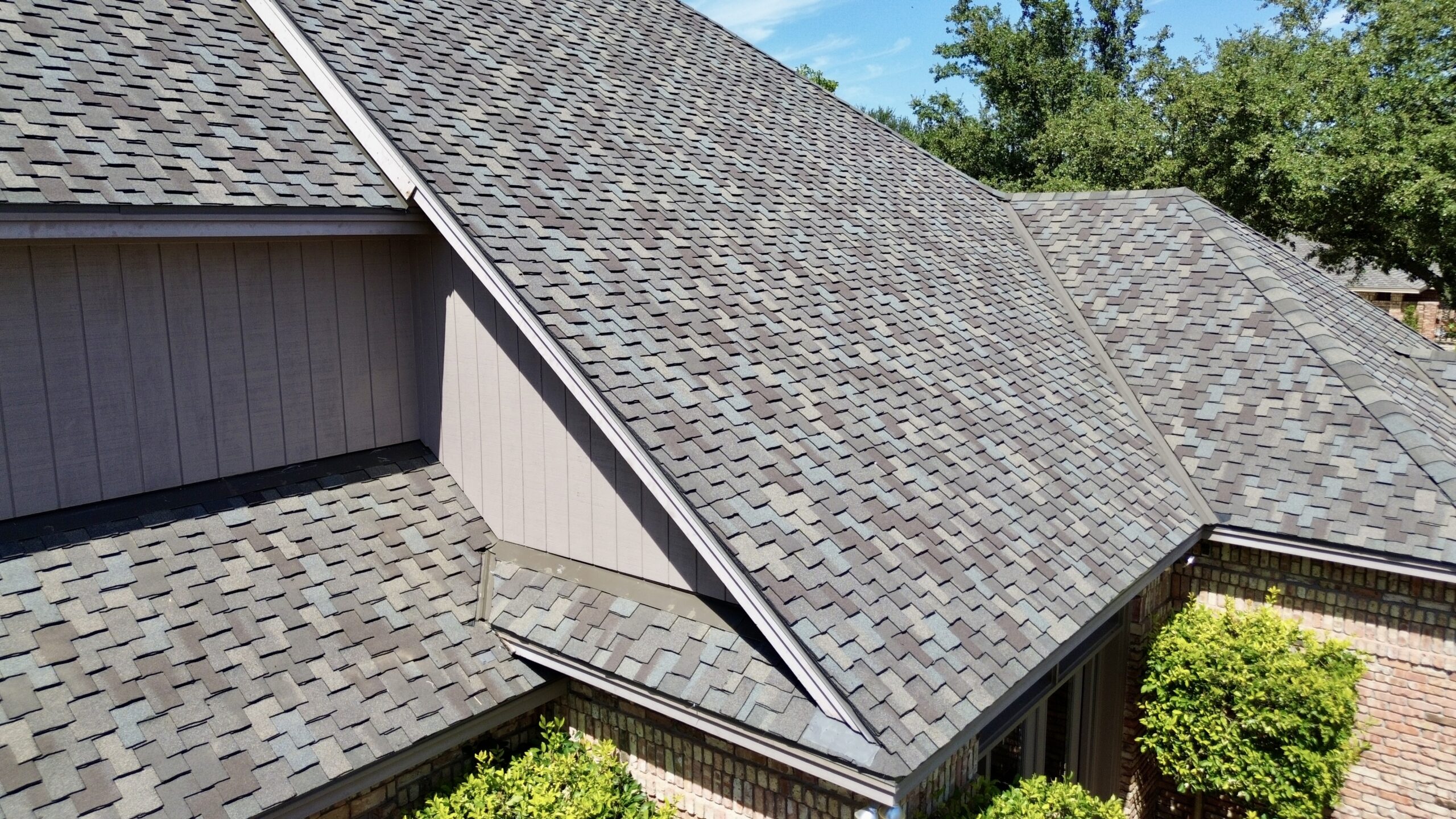
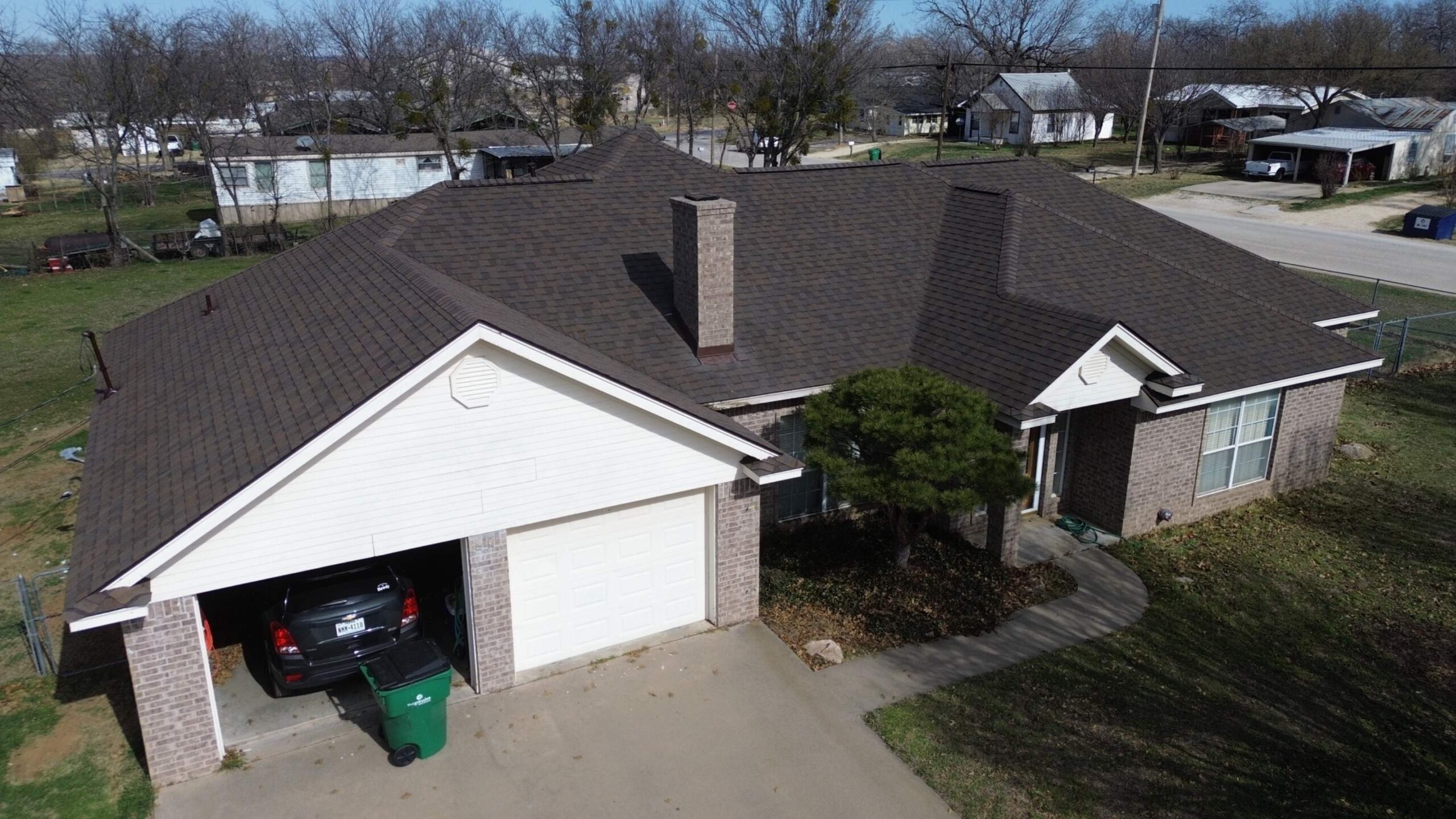
Impact resistant asphalt shingles remain one of the most popular roofing choices because they combine affordability with improved durability. Unlike traditional asphalt shingles, these advanced products incorporate reinforced construction that helps resist cracking and punctures caused by hail or flying debris.
Many manufacturers strengthen asphalt shingles using fiberglass reinforcement combined with modified asphalt compounds. This layered construction allows the shingles to absorb impact energy more effectively without breaking. Some products also include polymer modified asphalt that increases flexibility during extreme weather.
Modern impact resistant asphalt shingles are available in numerous colors and textures. Homeowners can choose designs that resemble wood shakes or slate while benefiting from superior weather resistance. This versatility allows the roof to enhance architectural style without compromising durability.
Installation methods remain similar to conventional asphalt shingles, making them familiar to most professional roofing contractors. Because installation techniques are well established, labor costs often remain competitive compared with more specialized roofing systems.
Maintenance requirements are generally minimal. Regular inspections after severe storms, periodic gutter cleaning, and removal of accumulated debris help maximize the lifespan of the roofing system. Prompt replacement of any damaged shingles also prevents moisture from reaching the roof deck.
Impact resistant asphalt shingles provide several important advantages.
- Improved resistance to hail damage and flying debris.
- Wide variety of colors and architectural styles.
- Relatively straightforward installation process.
- Lower initial cost compared with many premium roofing materials.
- Broad availability from multiple manufacturers.
Although asphalt shingles offer excellent value, their lifespan may still be shorter than certain premium roofing materials. Proper installation and routine maintenance remain essential for achieving maximum performance.
Metal Roofing for Superior Durability
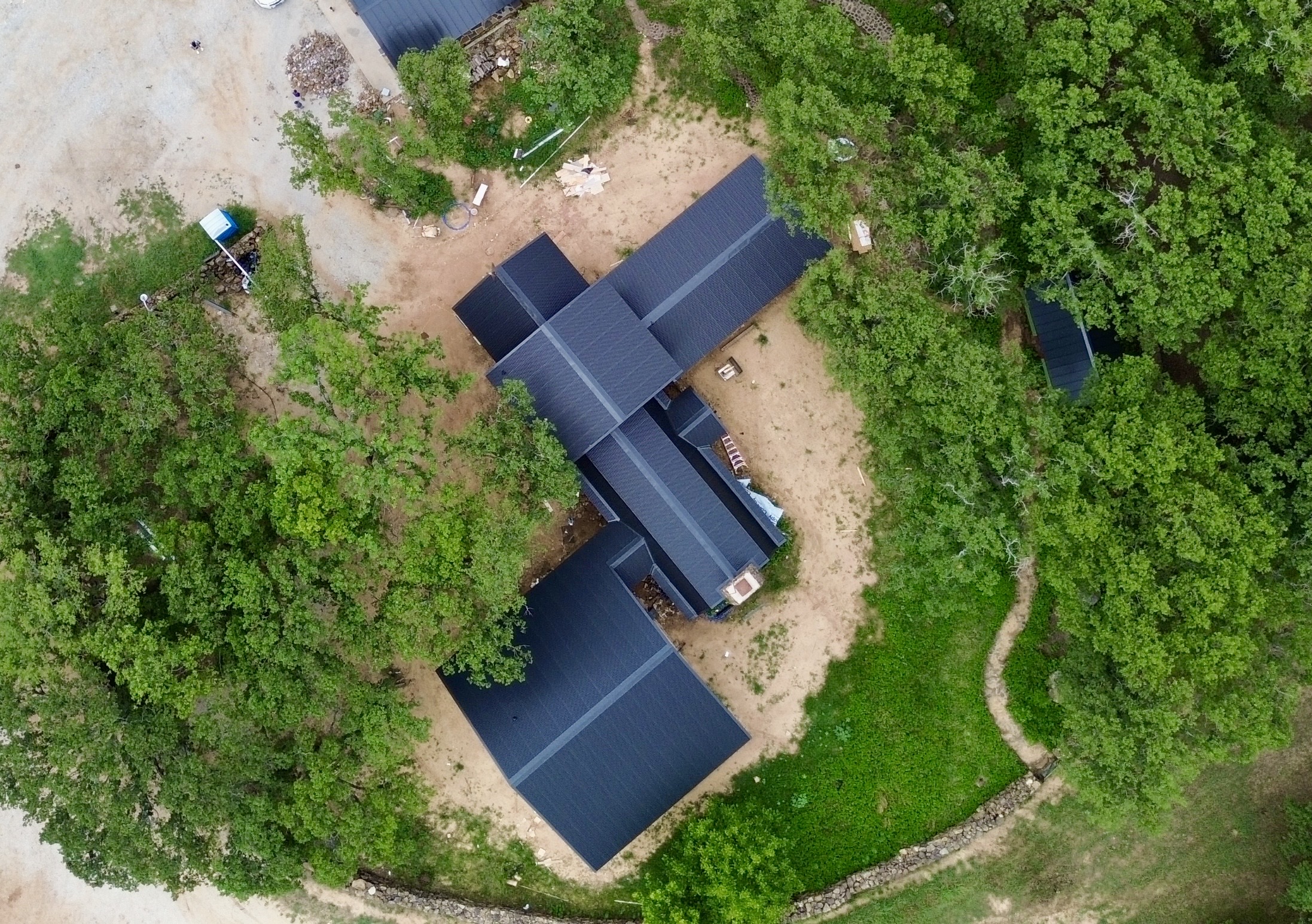
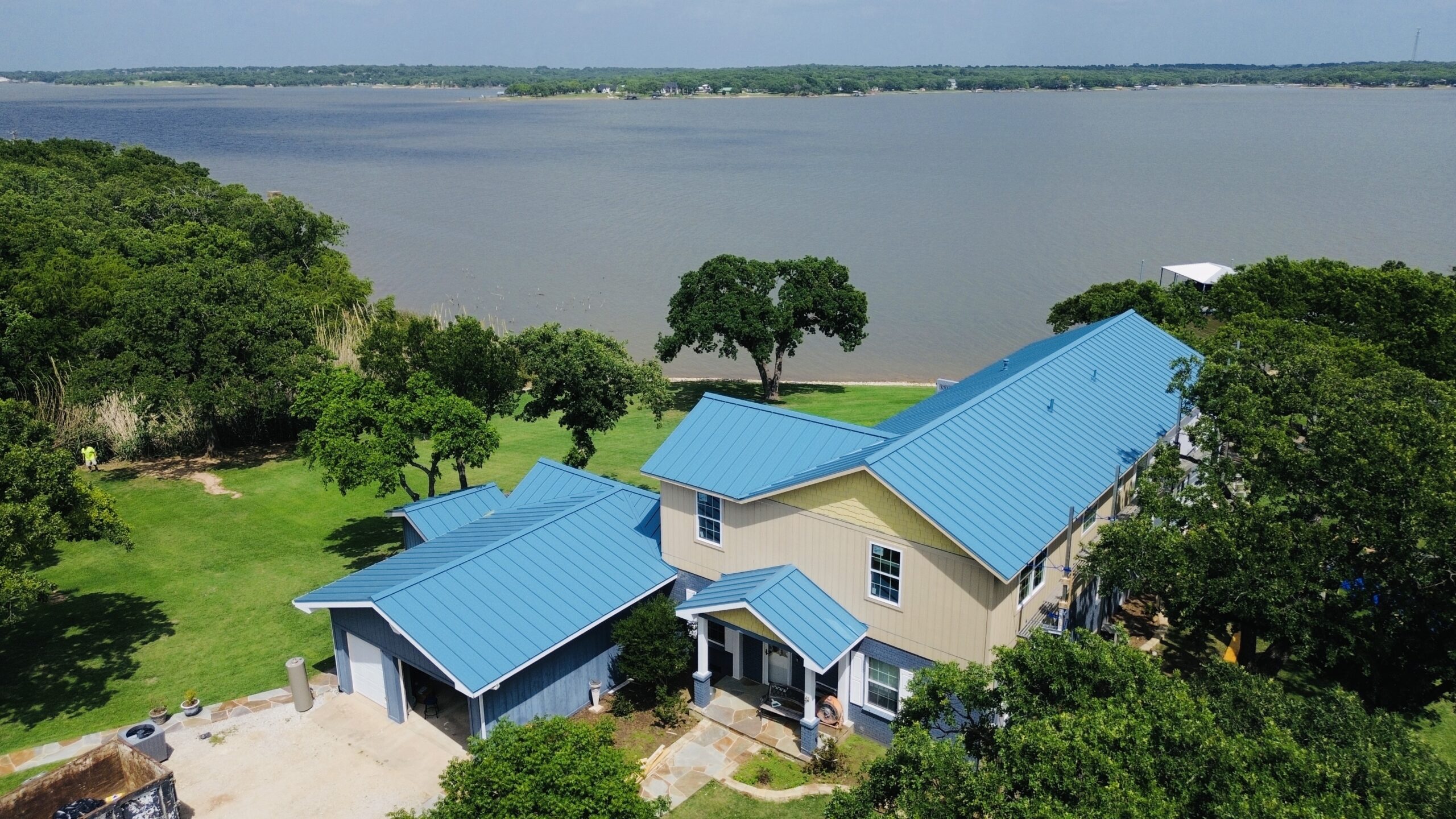
Metal roofing has earned a strong reputation for exceptional durability and impact resistance. Steel, aluminum, copper, and zinc roofing systems can withstand severe weather conditions that often damage more conventional roofing materials. Their combination of strength, flexibility, and corrosion resistance makes them suitable for many residential and commercial applications.
Unlike brittle roofing products that crack upon impact, metal roofing often disperses impact forces across a larger surface area. While extremely large hailstones may produce cosmetic dents, properly installed metal panels usually maintain their structural integrity and continue protecting the building beneath.
Several metal roofing profiles are available to suit different architectural styles. Standing seam systems feature concealed fasteners that reduce opportunities for water infiltration. Corrugated panels provide outstanding structural strength, while metal shingles replicate the appearance of traditional roofing materials with enhanced durability.
Metal roofs also perform well in regions experiencing heavy snowfall. Their smooth surfaces encourage snow to slide away naturally, reducing structural loading during winter months. Proper snow retention systems can be installed where controlled snow movement is necessary.
Energy efficiency represents another significant advantage. Reflective coatings reduce solar heat absorption, helping buildings remain cooler during warm weather. Lower cooling demands can contribute to improved energy efficiency throughout the year.
One concern occasionally raised about metal roofing involves noise during rainstorms. However, properly installed insulation and roof decking significantly reduce sound transmission, making modern metal roofs much quieter than many people expect.
Routine maintenance typically includes inspection of fasteners, flashing, sealants, and protective coatings. Cleaning accumulated debris and ensuring proper drainage further extends roof longevity. With proper care, many metal roofing systems remain functional for several decades.
Concrete and Clay Tiles for Long Lasting Protection
Concrete and clay roof tiles have protected buildings for centuries because of their impressive durability and resistance to environmental damage. While these materials are often associated with Mediterranean and Spanish architectural styles, they are increasingly used in many regions where long service life is a priority.
Concrete tiles are manufactured from carefully formulated mixtures of cement, sand, and water. Once cured, they develop exceptional compressive strength that allows them to resist many forms of impact damage. Clay tiles, fired at extremely high temperatures, also demonstrate remarkable hardness and weather resistance.
These roofing systems perform especially well in hot climates because of their natural thermal properties. Their mass helps stabilize indoor temperatures by reducing rapid heat transfer through the roof. This characteristic contributes to improved comfort and energy efficiency.
Although individual tiles are highly durable, they remain relatively brittle compared with flexible roofing materials. Extremely severe impacts from large falling branches or exceptionally large hailstones may still crack individual tiles. Fortunately, damaged tiles can often be replaced without removing the entire roof.
Proper installation is particularly important because tile roofs are considerably heavier than asphalt shingles or many metal roofing systems. Structural evaluation ensures that the building framework can safely support the additional weight before installation begins.
Concrete and clay roofing systems also resist fire, insect activity, and ultraviolet degradation. These characteristics contribute to their exceptional longevity and reduce many common maintenance concerns experienced with other roofing materials.
Synthetic Roofing Materials and Composite Options
Synthetic roofing materials have become increasingly popular as manufacturers develop advanced products that combine durability, lightweight construction, and attractive appearance. These roofing systems often replicate the look of slate, cedar shakes, or clay tiles while providing enhanced impact resistance.
Composite roofing products typically combine engineered polymers, recycled materials, fiberglass reinforcement, and specialized additives. The resulting material remains flexible enough to absorb impacts while resisting cracking and moisture penetration.
One major advantage of synthetic roofing lies in its relatively low weight. Buildings that cannot support heavy natural slate or concrete tiles may still achieve a similar appearance using lightweight composite alternatives. Reduced structural loading simplifies installation while lowering transportation costs.
Many synthetic roofing materials also demonstrate excellent resistance to fading, mold growth, algae, and insect damage. Manufacturers frequently include ultraviolet stabilizers that preserve color and structural integrity despite prolonged sun exposure.
Installation procedures vary depending on product design, but many composite systems use fastening methods similar to conventional roofing materials. This familiarity often reduces installation time while maintaining consistent quality.
Environmental sustainability has also contributed to the popularity of synthetic roofing. Some manufacturers incorporate recycled plastics and rubber into their products, reducing landfill waste while creating durable construction materials. Longer service life further improves sustainability by decreasing replacement frequency.
Synthetic roofing continues to evolve through ongoing material research. Manufacturers regularly introduce stronger formulations that balance flexibility, strength, weather resistance, and visual realism.
Slate Roofing and Engineered Alternatives
Natural slate represents one of the most durable roofing materials available. Formed through geological processes over millions of years, slate possesses exceptional density, weather resistance, and longevity. Properly installed slate roofs often remain functional for generations.
Slate naturally resists fire, ultraviolet radiation, insects, and moisture. Its dense structure also provides substantial resistance against moderate impact events. However, despite its overall strength, slate remains a brittle stone that may crack under severe concentrated impacts.
Because of its considerable weight, natural slate requires substantial structural support. Roofing contractors typically evaluate framing systems carefully before recommending slate installation. Buildings designed for lighter roofing materials may require reinforcement to safely support the added load.
Installation demands highly specialized skills. Individual slate tiles must be carefully positioned and secured to maintain proper water shedding while minimizing stress concentrations that could lead to future breakage. Experienced installers play an essential role in achieving long term performance.
Engineered slate alternatives provide another attractive option. These synthetic products imitate the appearance of natural slate while reducing weight and improving impact resistance. Their flexible construction often withstands hail impacts more effectively than genuine stone while preserving the elegant aesthetic that homeowners appreciate.
Although engineered slate may not duplicate every characteristic of natural stone, it offers an appealing balance between beauty, durability, installation simplicity, and long term maintenance.
Choosing the Right Material Based on Climate and Environment
Climate significantly influences roofing performance throughout its lifespan. Selecting materials suited to local environmental conditions improves durability while reducing maintenance requirements.
Areas experiencing frequent hailstorms benefit from roofing products with the highest available impact ratings. Reinforced asphalt shingles, engineered composites, and many metal roofing systems perform particularly well under repeated hail exposure.
Regions with frequent hurricanes require roofing systems capable of resisting both impacts and powerful wind uplift. Proper fastening systems become just as important as material strength because even durable products can fail if incorrectly secured.
Cold climates introduce different challenges. Freeze and thaw cycles place repeated stress on roofing materials as moisture expands within small cracks. Flexible materials that accommodate temperature changes generally experience fewer weather related failures over time.
Hot climates demand resistance to prolonged ultraviolet exposure and thermal expansion. Reflective roofing surfaces reduce heat absorption while minimizing expansion and contraction cycles that contribute to material fatigue.
Properties located near forests should also consider the risk of falling branches. Stronger roofing materials reduce the likelihood of punctures and structural damage following storms or seasonal tree shedding.
Coastal environments present additional concerns because salt laden air accelerates corrosion of certain metals. Aluminum, copper, and specially coated steel roofing systems generally perform better under these conditions than untreated metal products.
Rather than focusing on a single environmental factor, property owners should evaluate the complete range of local weather conditions. A balanced approach often produces the most durable long term roofing solution.
Installation Factors That Influence Impact Resistance
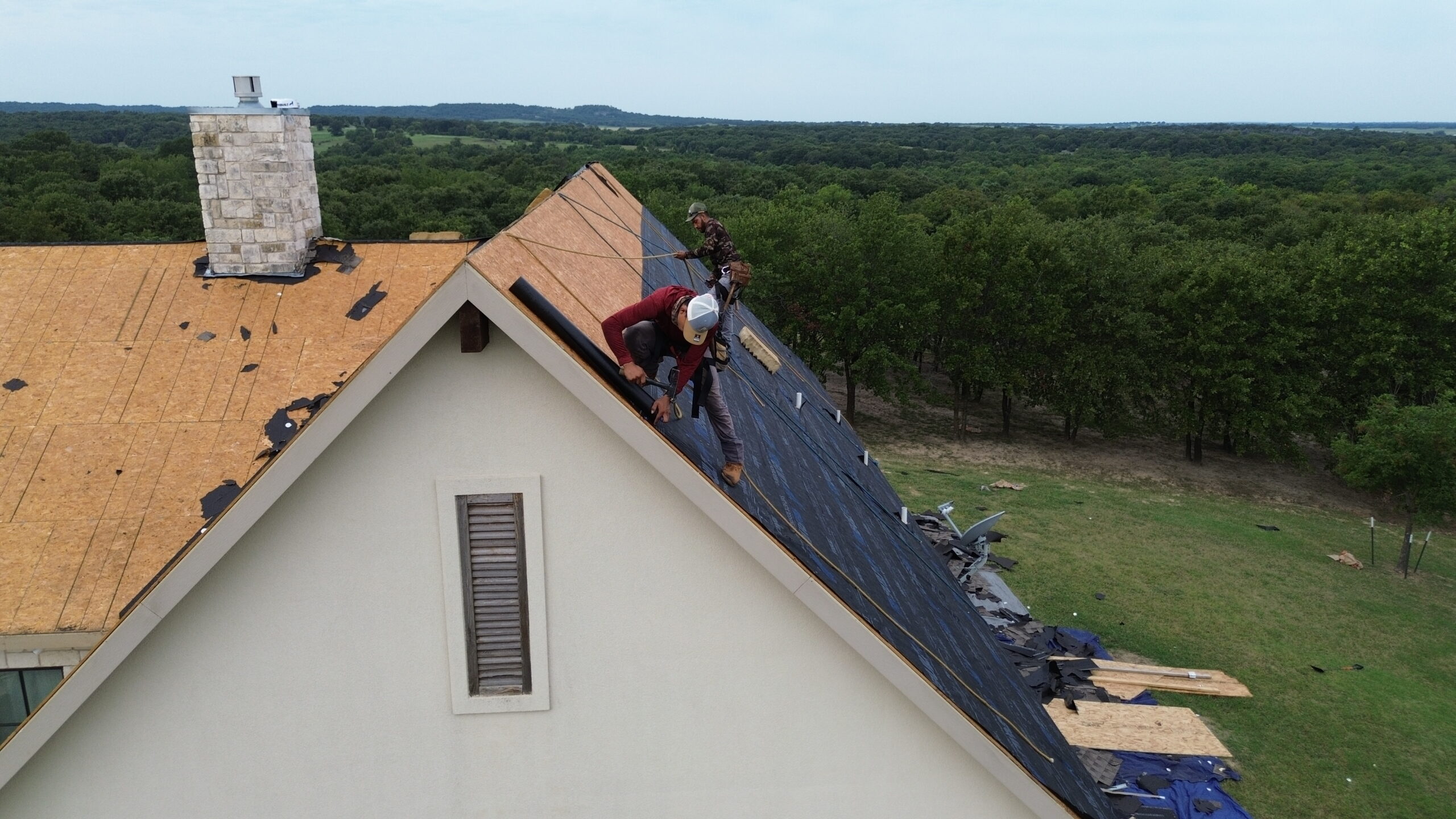
Even the strongest roofing material cannot perform as intended if installed incorrectly. Professional installation plays a critical role in achieving maximum impact resistance and overall roof durability. Every component within the roofing system contributes to long term performance.
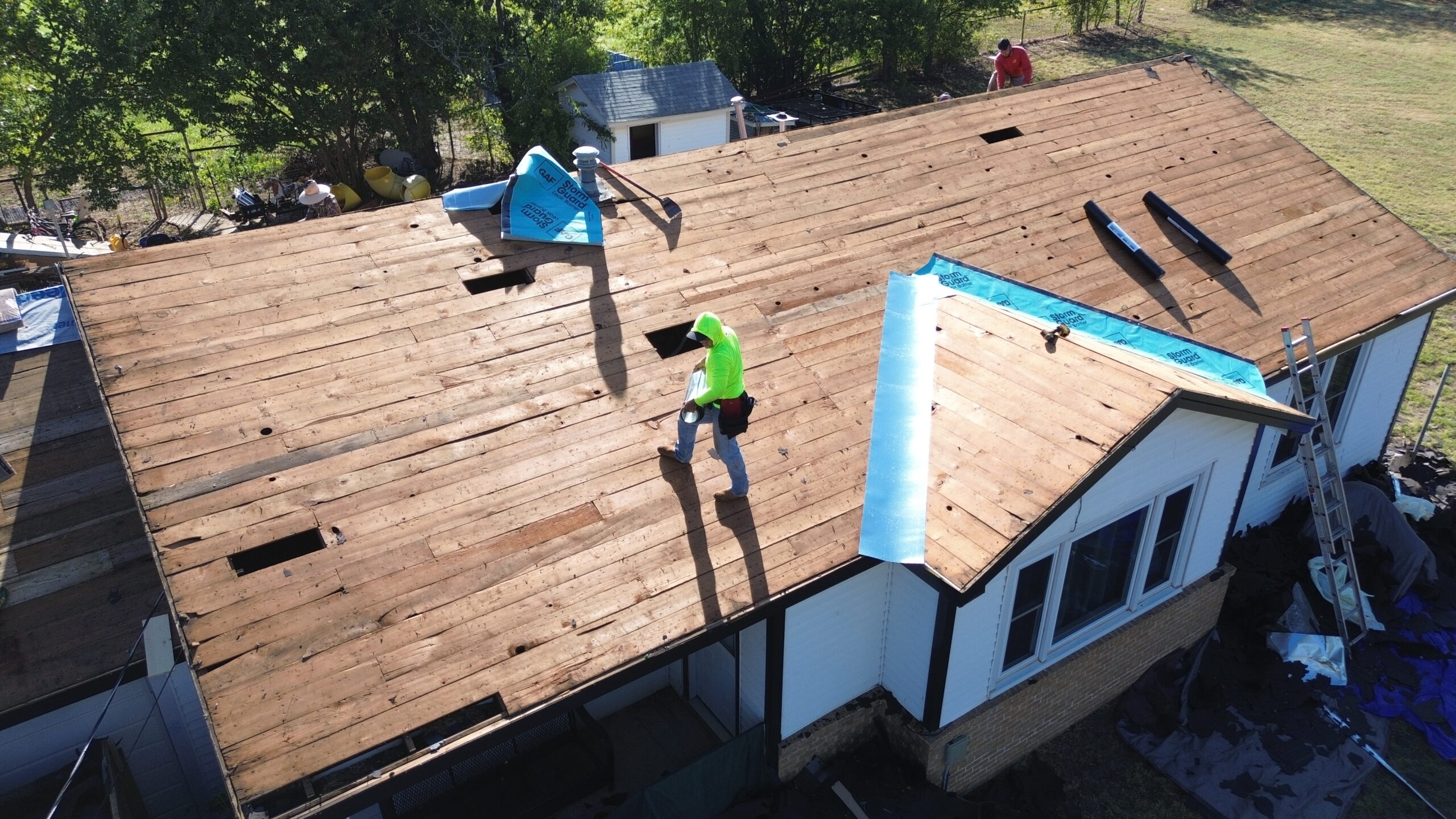
Roof decking forms the structural foundation beneath the visible roofing material. Damaged or weakened decking reduces support and increases the likelihood of impact related failures. Thorough inspection before installation ensures that the underlying structure remains capable of supporting the new roofing system.
High quality underlayment provides another layer of protection beneath the primary roofing material. Modern synthetic underlayments resist moisture infiltration while improving overall roof resilience during severe weather. If the outer roofing layer experiences localized damage, the underlayment helps prevent immediate water intrusion.
Proper fastening methods significantly influence impact performance. Nails, screws, clips, and fastening patterns must comply with manufacturer specifications to prevent roofing components from loosening during storms. Incorrect fastener placement creates weak points that reduce overall system strength.
Flashing installation deserves equal attention. Roof valleys, chimneys, skylights, vents, and wall intersections require carefully installed flashing to maintain waterproof performance. Poor flashing workmanship often causes leaks even when the roofing material itself remains undamaged.
Ventilation also affects long term durability. Balanced attic ventilation regulates temperature and moisture levels beneath the roof, reducing thermal stress that gradually weakens roofing materials. Proper airflow helps preserve both the roofing system and the supporting structure.
Professional installation generally follows several essential stages.
- Inspect the existing roof structure and decking.
- Repair or replace damaged structural components.
- Install high quality underlayment across the roof surface.
- Position and secure roofing materials according to manufacturer specifications.
- Install flashing, ventilation components, and ridge systems correctly.
- Conduct a final inspection to verify installation quality and weather resistance.
Attention to detail during every installation stage improves the roof’s ability to withstand impacts throughout its service life. Even premium roofing materials achieve their full potential only when every supporting component functions together as an integrated system.
Maintenance Practices That Preserve Impact Resistant Roofs
Installing impact resistant roofing materials is only the beginning of achieving long term roof durability. Even the strongest roofing systems require regular maintenance to preserve their protective qualities and extend their service life. Preventive care reduces the likelihood of small issues developing into expensive structural problems.
Routine roof inspections help identify loose components, damaged flashing, clogged drainage systems, or signs of weather related wear before they become serious concerns. Most roofing professionals recommend inspecting the roof at least twice each year, typically during spring and autumn. Additional inspections should also take place after major storms that produce hail, high winds, or falling debris.
Keeping the roof surface clean is another important maintenance practice. Leaves, branches, dirt, and other debris trap moisture against roofing materials, increasing the risk of algae growth, mold, and premature deterioration. Removing accumulated debris allows water to drain properly and prevents unnecessary stress on the roofing system.
Gutters and downspouts deserve equal attention because they play an essential role in directing water away from the roof. Blocked drainage systems cause water to back up beneath roofing materials, even if the roofing surface itself remains undamaged. Regular cleaning ensures efficient water flow during heavy rainfall.
Tree maintenance also contributes significantly to roof protection. Overhanging branches increase the likelihood of impact damage during storms while continuously dropping leaves and small twigs onto the roof. Trimming branches that extend over the roof reduces both impact risks and maintenance requirements.
Property owners should avoid walking on the roof unless absolutely necessary. Even impact resistant materials may experience unnecessary wear from repeated foot traffic, especially when improper footwear or heavy equipment is involved. Whenever roof access is required, following proper safety procedures helps protect both the roof and the individual performing the inspection.
Professional maintenance provides another layer of protection. Experienced roofing contractors can identify subtle warning signs that may not be visible to untrained observers. Their inspections often reveal developing problems before they affect the building’s interior.
Seasonal maintenance routines are especially valuable because weather conditions change throughout the year. Winter may introduce ice related concerns, while summer brings prolonged ultraviolet exposure and thermal expansion. Adapting maintenance practices to seasonal conditions helps maximize roof performance.
Cost Versus Long Term Value of Durable Roofing Materials
One of the most common questions property owners ask concerns the cost of impact resistant roofing materials. While these products often require a larger initial investment than conventional roofing options, evaluating lifetime value provides a much clearer picture of their financial benefits.
Initial material costs represent only one portion of total roofing expenses. Installation, maintenance, repair frequency, replacement intervals, energy efficiency, and insurance considerations all contribute to the overall cost of ownership. A less expensive roof that requires frequent repairs may ultimately cost far more than a premium roofing system.
Impact resistant roofing materials generally experience fewer storm related repairs. Reduced repair frequency lowers labor expenses while minimizing disruptions caused by emergency maintenance. Property owners also avoid many indirect costs associated with interior water damage following roof failures.
Longer service life represents another significant financial advantage. A roofing material that lasts several decades spreads its installation cost across many additional years of protection. This improved lifespan often produces lower annual ownership costs despite higher upfront expenses.
Energy efficiency contributes additional savings over time. Many modern impact resistant roofing systems incorporate reflective surfaces that reduce heat absorption during warm weather. Lower cooling demands help decrease utility costs throughout the life of the building.
Potential insurance savings further improve long term value. Some insurance providers offer premium reductions for qualifying impact resistant roofing systems because they reduce claim frequency after severe weather events. Although available discounts vary by location and policy, they can contribute meaningful savings over many years.
The following table illustrates general comparisons between common roofing materials. Actual performance and lifespan vary depending on installation quality, maintenance, and local environmental conditions.
| Roofing Material | Initial Cost | Expected Durability | Maintenance Level | Long Term Value |
|---|---|---|---|---|
| Standard Asphalt Shingles | Low | Moderate | Moderate | Moderate |
| Impact Resistant Asphalt | Moderate | High | Low to Moderate | High |
| Metal Roofing | Moderate to High | Very High | Low | Excellent |
| Concrete Tile | High | Very High | Moderate | Excellent |
| Clay Tile | High | Very High | Moderate | Excellent |
| Synthetic Composite | Moderate to High | High | Low | High |
| Natural Slate | Very High | Exceptional | Low to Moderate | Excellent |
Rather than comparing roofing materials solely by purchase price, property owners should evaluate the complete ownership experience. Long lasting materials often provide greater financial stability because they reduce unexpected repair costs and extend replacement intervals.
Common Mistakes That Reduce Roof Durability
Even premium roofing materials cannot deliver maximum performance when installation or maintenance mistakes occur. Understanding these common errors helps property owners avoid unnecessary damage and protect their investment.
Poor installation remains one of the leading causes of premature roof failure. Incorrect fastener placement, improper flashing installation, inadequate underlayment, and failure to follow manufacturer specifications all reduce the effectiveness of impact resistant materials. Hiring experienced roofing professionals greatly minimizes these risks.
Ignoring minor damage often leads to much larger problems. A small cracked shingle, loose flashing section, or damaged ridge cap may appear insignificant initially, but water infiltration gradually weakens surrounding materials and structural components. Prompt repairs preserve the integrity of the entire roofing system.
Choosing materials based only on price is another frequent mistake. Less expensive products may appear attractive during the purchasing process, but they often require earlier replacement and more frequent maintenance. Considering long term performance usually produces better overall value.
Poor attic ventilation also shortens roof lifespan. Excessive heat and moisture beneath the roof accelerate material aging while increasing thermal expansion and contraction. Proper ventilation supports both roofing materials and the structural framing below.
Neglecting regular inspections allows small issues to remain undetected for extended periods. Routine evaluations identify developing problems before they require expensive corrective work.
Pressure washing represents another maintenance mistake. High pressure water can remove protective coatings, loosen roofing components, and force moisture beneath the roofing surface. Cleaning methods should always follow manufacturer recommendations.
Homeowners occasionally attempt complex roof repairs without sufficient experience. Improper repairs may create additional damage while compromising warranty coverage. Professional assistance is generally the safest approach for significant roofing work.
The following practices help prevent unnecessary roof deterioration.
- Schedule regular professional inspections.
- Remove debris before it accumulates.
- Repair storm damage promptly.
- Keep gutters and drainage systems clean.
- Trim nearby tree branches regularly.
- Follow manufacturer maintenance recommendations.
- Avoid unnecessary roof traffic.
Consistent preventive maintenance usually costs far less than major structural repairs. Small investments in routine care often produce substantial savings throughout the roof’s lifespan.
Signs It Is Time to Repair or Replace an Impact Resistant Roof
Even highly durable roofing materials eventually show signs of aging. Recognizing these warning indicators allows property owners to address problems before extensive structural damage develops.
Visible cracks remain one of the clearest signs that roofing materials require attention. Although impact resistant products tolerate damage better than conventional materials, repeated severe weather eventually affects even premium roofing systems.
Missing roofing components should never be ignored. Strong winds occasionally dislodge shingles, tiles, or metal panels, exposing underlying materials to moisture and additional weather damage. Immediate replacement prevents further deterioration.
Water stains on ceilings or interior walls frequently indicate roofing problems. While leaks may originate from flashing or ventilation components rather than the roofing material itself, professional inspection determines the exact cause before repairs begin.
Granule loss on asphalt shingles represents another common aging indicator. As protective granules gradually disappear, shingles become increasingly vulnerable to ultraviolet radiation and impact damage. Excessive granule accumulation inside gutters often signals advancing wear.
Rust formation on metal roofing requires careful evaluation. Surface corrosion may remain cosmetic initially, but deeper rust eventually weakens structural components and reduces weather resistance. Protective coatings and timely repairs help control corrosion before replacement becomes necessary.
Sagging roof sections suggest structural concerns beneath the visible roofing surface. Moisture damage, weakened decking, or deteriorated framing may all contribute to uneven roof lines. Immediate professional assessment is essential because structural problems can worsen rapidly.
Repeated repairs within a short period may also indicate that complete replacement offers greater value than continued maintenance. When repair costs continue increasing while overall roof performance declines, investing in a new roofing system often becomes the more practical solution.
Future Innovations in Impact Resistant Roofing Materials
Roofing technology continues advancing as manufacturers develop stronger, lighter, and more sustainable products. Ongoing research focuses on improving durability while reducing environmental impact and simplifying installation.
Advanced composite materials represent one of the fastest growing areas of innovation. Engineers continue developing polymer blends that absorb greater impact energy while maintaining lightweight construction. These products increasingly resemble natural roofing materials without their associated weight or brittleness.
Nanotechnology is also influencing roofing development. Specialized surface coatings improve scratch resistance, repel water, reduce dirt accumulation, and increase ultraviolet protection. These microscopic improvements contribute to longer service life with minimal maintenance.
Smart roofing systems may become increasingly common in the future. Embedded sensors can monitor moisture levels, structural movement, temperature changes, and impact events. Real time monitoring allows property owners to identify developing problems before visible damage occurs.
Recycled materials continue gaining importance within the roofing industry. Manufacturers increasingly convert reclaimed plastics, rubber, and industrial byproducts into high performance roofing materials that reduce environmental waste while maintaining excellent durability.
Solar integration represents another significant advancement. Modern roofing systems increasingly combine impact resistance with energy generation through integrated photovoltaic technology. Rather than mounting solar panels above existing roofs, manufacturers are developing roofing materials that produce electricity while functioning as the primary weather barrier.
Automation and precision manufacturing also improve product consistency. Computer controlled production methods reduce defects while ensuring uniform strength throughout every roofing component. Greater manufacturing accuracy contributes directly to improved field performance.
As climate patterns continue changing, roofing materials will likely evolve to withstand increasingly severe weather conditions. Future products will probably emphasize greater resilience, sustainability, and energy efficiency without sacrificing architectural flexibility.
Frequently Asked Questions
Are impact resistant roofing materials completely damage proof?
No roofing material is completely immune to damage. However, impact resistant products significantly reduce the likelihood of cracks, punctures, and structural failures caused by hail, falling branches, and wind driven debris.
Is Class 4 roofing always the best choice?
Class 4 roofing provides the highest commonly available impact resistance rating, but it may not always be necessary. Climate, budget, local weather history, and building design should all influence material selection.
Do impact resistant roofs require less maintenance?
They generally require fewer repairs following severe weather, but regular inspections, cleaning, and preventive maintenance remain important for maximizing lifespan.
Can impact resistant roofing improve home value?
Many buyers recognize durable roofing as a valuable property feature. A well maintained impact resistant roof may improve resale appeal while reducing concerns about future roofing expenses.
Does installation quality affect durability?
Yes. Proper installation is essential for achieving maximum performance. Even premium roofing materials cannot deliver their full benefits when incorrectly installed.
Which roofing material lasts the longest?
Natural slate and certain metal roofing systems often provide the longest service lives when professionally installed and properly maintained. Actual lifespan depends on climate, maintenance, and installation quality.
Is impact resistant roofing suitable for commercial buildings?
Yes. Many commercial facilities use impact resistant roofing because of its durability, lower maintenance requirements, and ability to withstand challenging environmental conditions.
Can existing roofs be upgraded?
In many situations, replacing the existing roofing material with an impact resistant system is possible. A professional roof inspection determines whether structural modifications are necessary before installation.
Conclusion
Impact resistant roofing materials have transformed modern roofing by providing stronger protection against hail, wind driven debris, falling branches, and other environmental hazards. Their advanced engineering allows them to absorb impacts more effectively than conventional roofing products while maintaining structural integrity over many years of service. As weather patterns become increasingly unpredictable, investing in durable roofing materials offers valuable protection for both residential and commercial properties.
Choosing the right roofing system requires careful consideration of climate, building design, maintenance expectations, installation quality, and long term ownership costs. Materials such as reinforced asphalt shingles, metal roofing, concrete tiles, clay tiles, synthetic composites, and engineered slate each offer unique advantages that suit different applications. Evaluating these options based on lifetime performance rather than initial purchase price leads to better long term value.
Professional installation remains just as important as selecting premium materials. Proper roof decking preparation, quality underlayment, secure fastening systems, effective flashing installation, and balanced ventilation all contribute to a roofing system capable of delivering its full impact resistant potential. Even the strongest materials rely on careful workmanship to perform as designed.
Routine maintenance further protects this investment by identifying minor issues before they develop into costly structural repairs. Regular inspections, debris removal, gutter cleaning, prompt storm damage repairs, and professional evaluations all help preserve roof performance throughout its lifespan. Preventive maintenance consistently proves more economical than emergency repairs.
As roofing technology continues advancing through improved composites, smart monitoring systems, sustainable manufacturing, and integrated energy solutions, impact resistant roofing materials will become even more capable of protecting buildings under increasingly demanding conditions. Property owners who prioritize durability today position themselves for lower maintenance costs, greater peace of mind, improved property value, and dependable protection for decades to come.