How Flat Roof Installation Prevents Water Pooling Issues
Introduction
Flat roofs have become a popular choice for residential, commercial, and industrial buildings because they offer a clean appearance, maximize usable space, and are often more cost effective than steep roofing systems. Modern flat roofs are designed with advanced materials and engineered drainage systems that allow them to perform reliably in different weather conditions. However, one concern that many property owners have is water pooling, which can lead to expensive repairs if not addressed during installation.
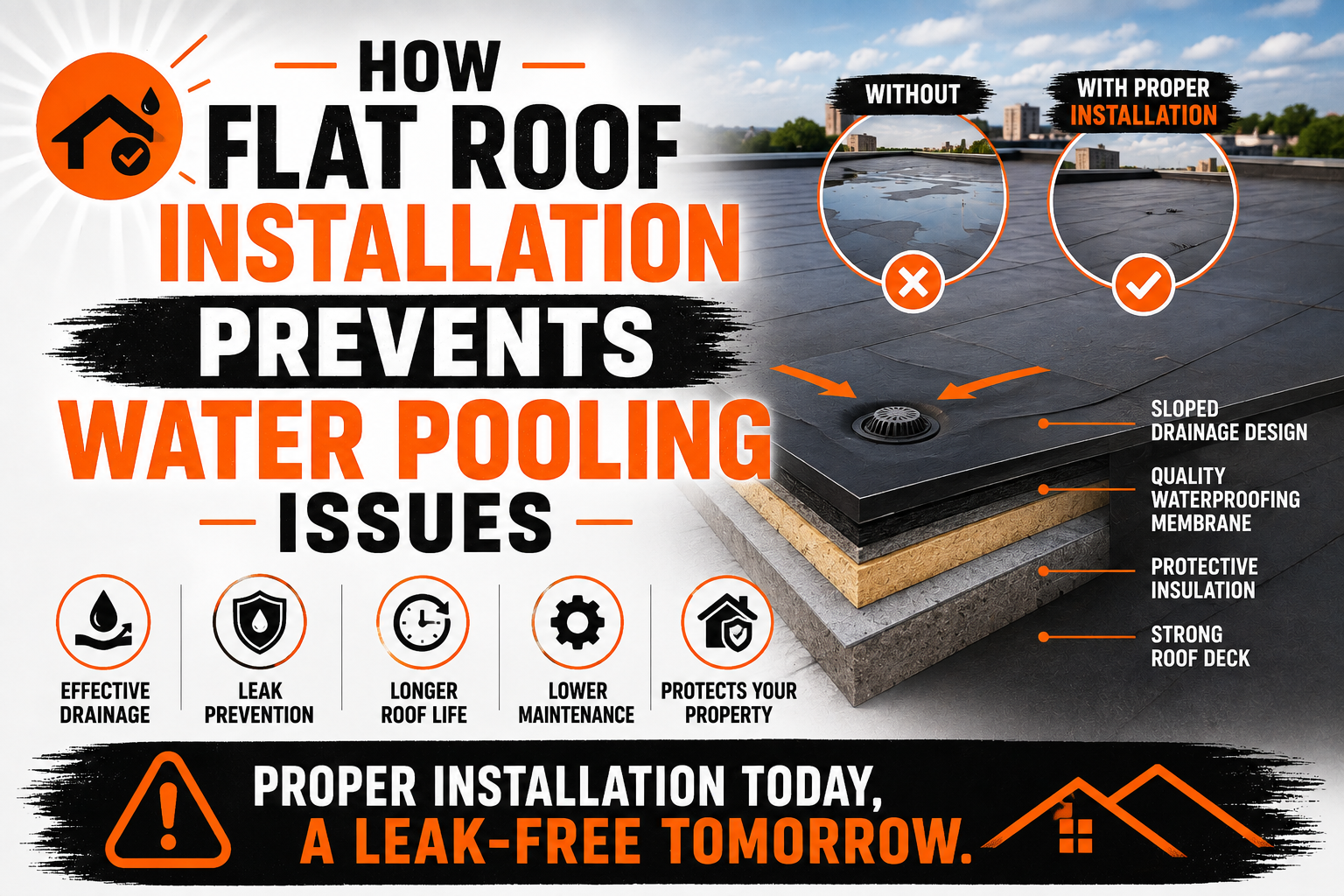
Water pooling refers to rainwater that remains on the roof for an extended period instead of draining away. While a small amount of water may remain temporarily after heavy rainfall, standing water that lasts for more than two days often signals a drainage problem. Proper installation plays the biggest role in preventing this issue because every layer of the roofing system contributes to directing water toward designated drainage points.
Many people mistakenly believe that flat roofs are completely level. In reality, professionally installed flat roofs always include a slight slope that encourages water to move naturally toward drains, gutters, or scuppers. Without this carefully planned slope, even the highest quality roofing materials can experience unnecessary stress from standing water.
Understanding how flat roof installation prevents water pooling issues helps property owners make informed decisions before starting a roofing project. From design planning and drainage calculations to material selection and precise installation techniques, every stage influences how efficiently the roof manages rainfall. This article explains each of these factors in detail to show why proper installation is the foundation of a durable and water resistant flat roof.
What Is Water Pooling on a Flat Roof
Water pooling, sometimes called ponding water, occurs when rainwater collects in low areas of a flat roof instead of flowing toward drainage outlets. Unlike pitched roofs that naturally shed water due to their steep angles, flat roofs depend on subtle slopes and carefully positioned drains to move water away. If those elements are missing or poorly installed, water begins to accumulate in specific locations.
Standing water becomes a concern when it remains on the roof for longer than forty eight hours after rainfall. At this point, the roof experiences continuous moisture exposure, increasing the likelihood of membrane deterioration, structural stress, and leaks. Over time, repeated ponding can shorten the life expectancy of even premium roofing systems.
The appearance of pooled water does not always mean the roofing material itself is defective. In many cases, the underlying issue involves installation errors, improper slope design, blocked drainage components, or structural settlement. Identifying the true cause allows contractors to implement long lasting solutions instead of temporary fixes.
Flat roof systems are designed to manage water efficiently when installed according to engineering standards. This is why experienced installers focus on drainage planning before laying the first roofing membrane. Proper planning ensures water has a clear path from every section of the roof to the designated drainage outlets.
Why Flat Roofs Are More Vulnerable to Standing Water
Flat roofs naturally retain water more easily than sloped roofs because they have a much gentler incline. Although they are not completely flat, the small slope means that any installation imperfection can influence drainage performance. Even slight unevenness may create depressions where water begins to collect.
Weather conditions also contribute to water pooling risks. Heavy rainfall, melting snow, and frequent storms introduce large amounts of water within a short period. If drainage systems cannot handle this volume efficiently, temporary ponding may occur until the excess water gradually drains away.
Building movement over time is another factor affecting drainage. Foundations settle, structural materials expand and contract with temperature changes, and roofing components experience natural aging. These gradual changes may alter the roof surface enough to create low spots that encourage standing water.
Leaves, branches, dirt, and other debris further increase the risk by blocking drains and gutters. Even a well designed drainage system cannot function effectively if water cannot enter the drainage openings. Routine maintenance therefore becomes an important partner to quality installation.
Despite these challenges, modern flat roofs perform exceptionally well when properly installed and maintained. Advances in roofing technology have significantly improved drainage efficiency, membrane durability, and overall system performance.
Common Causes of Water Pooling After Installation
Water pooling rarely develops without an underlying reason. Understanding the most common causes helps property owners recognize why installation quality directly affects long term roof performance.
One frequent cause is insufficient roof slope. During installation, contractors must create a consistent incline that directs water toward drainage outlets. If the slope is too small or inconsistent, water naturally settles in lower areas instead of flowing away.
Improper insulation installation can also create uneven roof surfaces. Tapered insulation boards are often used to establish drainage paths, but incorrectly positioned boards may produce unexpected depressions. These low areas become collection points whenever it rains.
Drain placement is equally important. Installing too few drains or placing them in ineffective locations reduces the roof’s ability to remove water quickly. Even high quality membranes cannot compensate for poor drainage planning.
Structural deflection may also contribute to ponding. Heavy rooftop equipment, accumulated snow, or aging structural components can cause certain sections of the roof to sag slightly. Once a depression forms, water repeatedly gathers there, increasing the load and making the problem progressively worse.
Construction shortcuts sometimes create long term drainage problems as well. Rushing installation, ignoring manufacturer recommendations, or failing to inspect the completed surface often leads to drainage issues that become visible only after the first major rainfall.
Recognizing these causes highlights why professional installation involves much more than simply attaching roofing materials. Every layer must work together to create an effective water management system.
How Proper Flat Roof Installation Prevents Water Pooling Issues
The most effective way to prevent water pooling begins before construction even starts. Professional roofing contractors evaluate the building’s dimensions, local climate, expected rainfall, and structural characteristics to develop a drainage strategy suited to the property.
Surveying the roof surface allows installers to identify potential low areas before any materials are installed. Precise measurements help determine how much slope is required and where drainage outlets should be located. This planning minimizes the chance of future ponding.
Proper installation also focuses on maintaining consistent elevations throughout the roofing system. Every insulation board, membrane section, flashing component, and drainage fitting must align correctly to preserve the intended water flow. Small installation errors can disrupt drainage across large roof areas.
Quality workmanship extends to sealing seams and penetrations as well. Even when water drains properly, roofing systems must prevent moisture from entering around vents, skylights, HVAC units, and other roof penetrations. Secure waterproof detailing provides an additional layer of protection against leaks.
Experienced contractors perform final drainage inspections before completing the project. Water flow tests may be conducted to verify that rainfall will move efficiently toward drains without creating unexpected pooling areas. Correcting minor issues during installation is much easier than repairing damage after the roof is in service.
When every installation step follows engineering standards and manufacturer specifications, the roof becomes capable of handling years of rainfall with minimal drainage concerns.
The Importance of Roof Slope in Water Drainage
Many people imagine a flat roof as being perfectly horizontal, but that is never the goal in professional roofing. Every properly installed flat roof incorporates a carefully designed slope that encourages water movement. This slight incline is one of the most important features preventing standing water.
Roof slope is typically measured as the amount of vertical rise over a specific horizontal distance. Although the incline appears almost invisible from ground level, it creates enough gravitational force for rainwater to travel toward designated drainage points. Even a small variation in slope can dramatically improve drainage performance.
Creating this slope requires careful planning during installation. Contractors may use tapered insulation systems, sloped structural decks, or specialized framing techniques depending on the building’s design. The chosen method depends on structural requirements, insulation goals, and overall roofing performance expectations.
Consistency is equally important. Sudden elevation changes or uneven insulation placement interrupt water flow and create isolated depressions. Skilled installers carefully verify elevations throughout the installation process to maintain uninterrupted drainage paths across the entire roof surface.
Roof slope also influences maintenance requirements. Water that drains quickly leaves behind less dirt, debris, and organic material. As a result, roofs with effective slopes often remain cleaner and require less frequent maintenance compared to roofs with inadequate drainage design.
Property owners sometimes underestimate the importance of this nearly invisible feature. However, the slight slope built into the roof is one of the primary reasons modern flat roofing systems successfully manage rainfall year after year.
Designing Effective Drainage Before Installation
Successful drainage begins during the design stage rather than after roofing materials arrive at the construction site. Engineers and roofing professionals evaluate numerous factors before deciding how water will move across the finished roof.
Roof size plays a significant role because larger surfaces collect greater volumes of rainwater. Drainage systems must be capable of handling peak rainfall without allowing water to accumulate faster than it can be removed. This requires careful calculations based on local weather patterns and building dimensions.
The location of rooftop equipment also influences drainage design. Air conditioning units, ventilation systems, skylights, and solar panels create obstacles that alter water flow. Designers ensure these features do not interfere with drainage paths or create unexpected ponding areas.
Building codes frequently establish minimum drainage requirements to improve safety and long term performance. Professional contractors follow these standards while also considering manufacturer recommendations for the selected roofing system. Meeting both requirements helps maximize roof durability.
Drainage planning also includes preparing for unusual weather events. Intense storms may produce rainfall well above average levels, requiring drainage systems with sufficient capacity to prevent excessive water accumulation. Incorporating emergency overflow drainage provides additional protection during severe weather.
Careful planning during this early stage reduces future maintenance costs and significantly lowers the likelihood of standing water problems developing after installation.
Choosing the Right Flat Roof System for Better Water Flow
Not every flat roofing system performs the same under identical conditions. Material selection influences drainage efficiency, durability, maintenance requirements, and long term resistance to moisture. Choosing the right roofing system is therefore an important part of preventing water pooling.
EPDM roofing membranes offer excellent flexibility and weather resistance. Their ability to accommodate building movement helps maintain watertight performance even as structures expand and contract over time. When combined with proper drainage design, EPDM systems effectively resist water related deterioration.
TPO roofing systems provide heat welded seams that create strong waterproof connections. Their reflective surfaces also reduce heat absorption, improving energy efficiency while maintaining excellent protection against moisture. Proper installation ensures water continues flowing smoothly toward drainage outlets.
PVC roofing membranes are another popular choice for commercial buildings. Their chemical resistance and durable welded seams make them particularly suitable for facilities where long term waterproof performance is essential. Proper drainage design enhances these advantages by minimizing prolonged water exposure.
Modified bitumen roofing systems combine multiple protective layers that perform well under varying weather conditions. Their reinforced construction provides additional strength while supporting effective drainage when installed over correctly sloped substrates.
Regardless of the material selected, installation quality remains the deciding factor in drainage performance. Even the most advanced roofing membrane cannot overcome poor slope design or improperly positioned drainage outlets. Material selection and professional installation must work together to achieve reliable long term protection against water pooling.
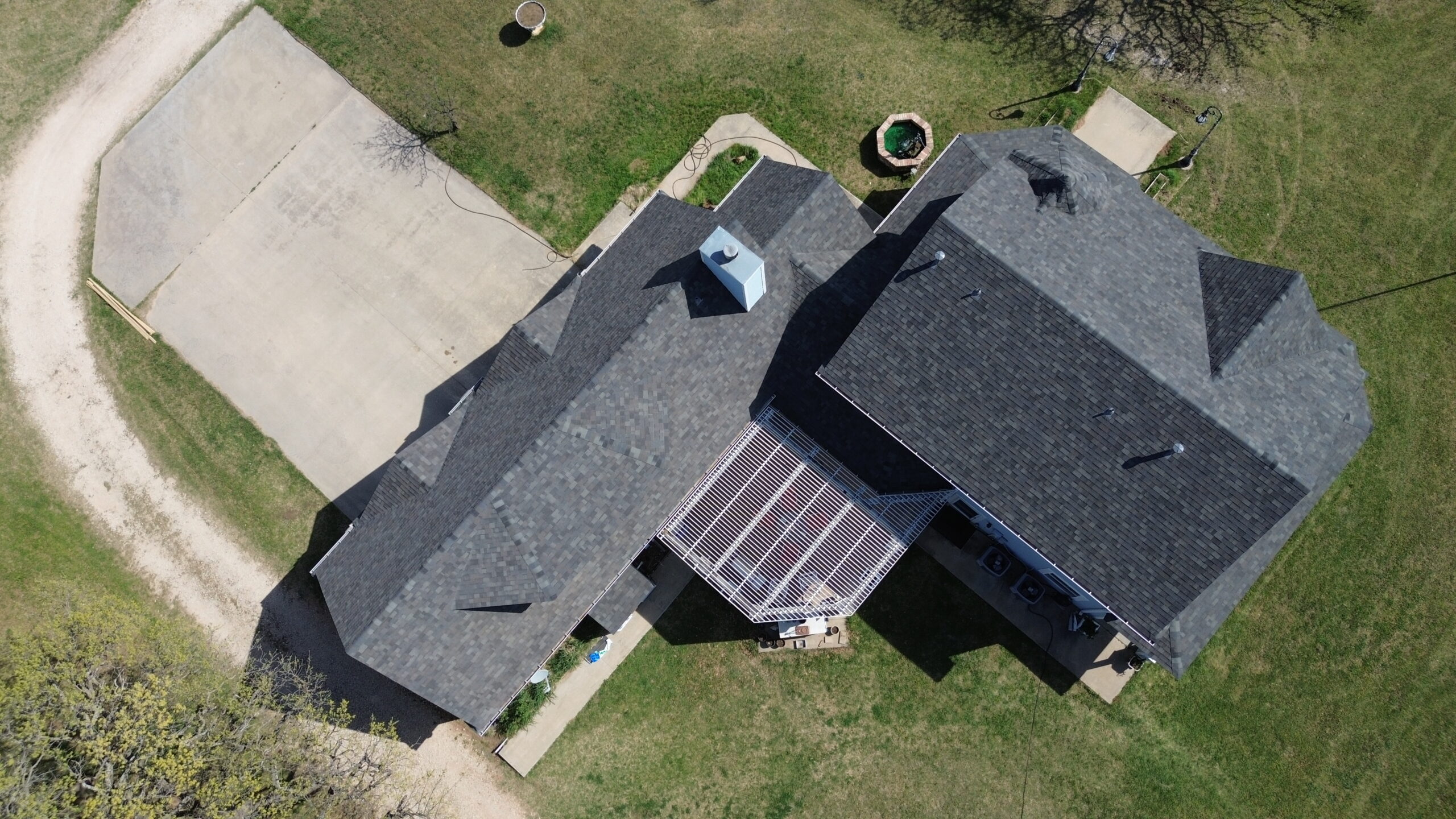
Installing High Quality Insulation for Positive Slope
One of the most effective methods for preventing water pooling on a flat roof is installing high quality insulation that creates a positive slope. While insulation is often associated with improving energy efficiency, it also plays a critical role in directing rainwater toward drains. Tapered insulation systems are specifically designed to create gradual elevation changes that encourage proper drainage across the entire roof.
Tapered insulation boards vary in thickness, allowing contractors to build the required slope without significantly altering the building structure. These boards are carefully arranged according to a drainage plan prepared before installation. When installed correctly, they eliminate low spots where water might otherwise collect after rainfall.
Proper installation requires precise measurements and careful placement of every insulation panel. Even small alignment errors can interrupt water flow and create shallow depressions that eventually become ponding areas. Experienced installers continuously verify elevations during installation to ensure the finished surface follows the intended drainage pattern.
The quality of insulation materials also affects long term performance. Durable insulation resists compression caused by rooftop equipment, foot traffic, and weather conditions. Maintaining its original shape helps preserve the designed slope for many years, reducing the likelihood of drainage problems developing over time.
Another important consideration is moisture resistance. Insulation that absorbs water can lose structural integrity and thermal performance. Modern roofing systems use insulation products specifically designed to resist moisture while supporting efficient drainage throughout the roof’s service life.
Drain Placement and Scupper Installation Best Practices
Drainage outlets serve as the destination for every drop of rainwater collected on a flat roof. Their placement is one of the most important decisions made during installation because poorly positioned drains can leave large portions of the roof vulnerable to standing water. A carefully designed drainage layout ensures every section of the roof has an efficient path for water to follow.
Interior roof drains are commonly installed at the lowest points created by the roof’s slope. These drains connect directly to underground or internal drainage systems, allowing water to leave the roof quickly even during heavy rainfall. Their locations are determined during the design phase rather than after roofing materials have already been installed.
Scuppers provide another effective drainage solution, particularly on roofs surrounded by parapet walls. These openings allow water to exit through the building’s exterior instead of relying solely on internal drainage systems. Properly sized scuppers help prevent water accumulation during periods of intense rainfall.
Overflow drains and emergency scuppers add an additional layer of protection. If primary drains become blocked by debris or temporarily overwhelmed during severe storms, overflow drainage prevents excessive water from accumulating on the roof surface. This extra safeguard reduces structural stress and minimizes the risk of water entering the building.
Drain installation must also include secure waterproof flashing around every opening. These connections are among the most vulnerable points on any roofing system because they interrupt the continuous membrane surface. Professional installation ensures drains remain watertight while maintaining unrestricted water flow.
Regular inspection after installation helps verify that drainage outlets continue operating as intended. Leaves, dirt, and other debris can gradually reduce drainage efficiency if left unchecked. Routine cleaning keeps the drainage system functioning at its full capacity throughout the year.
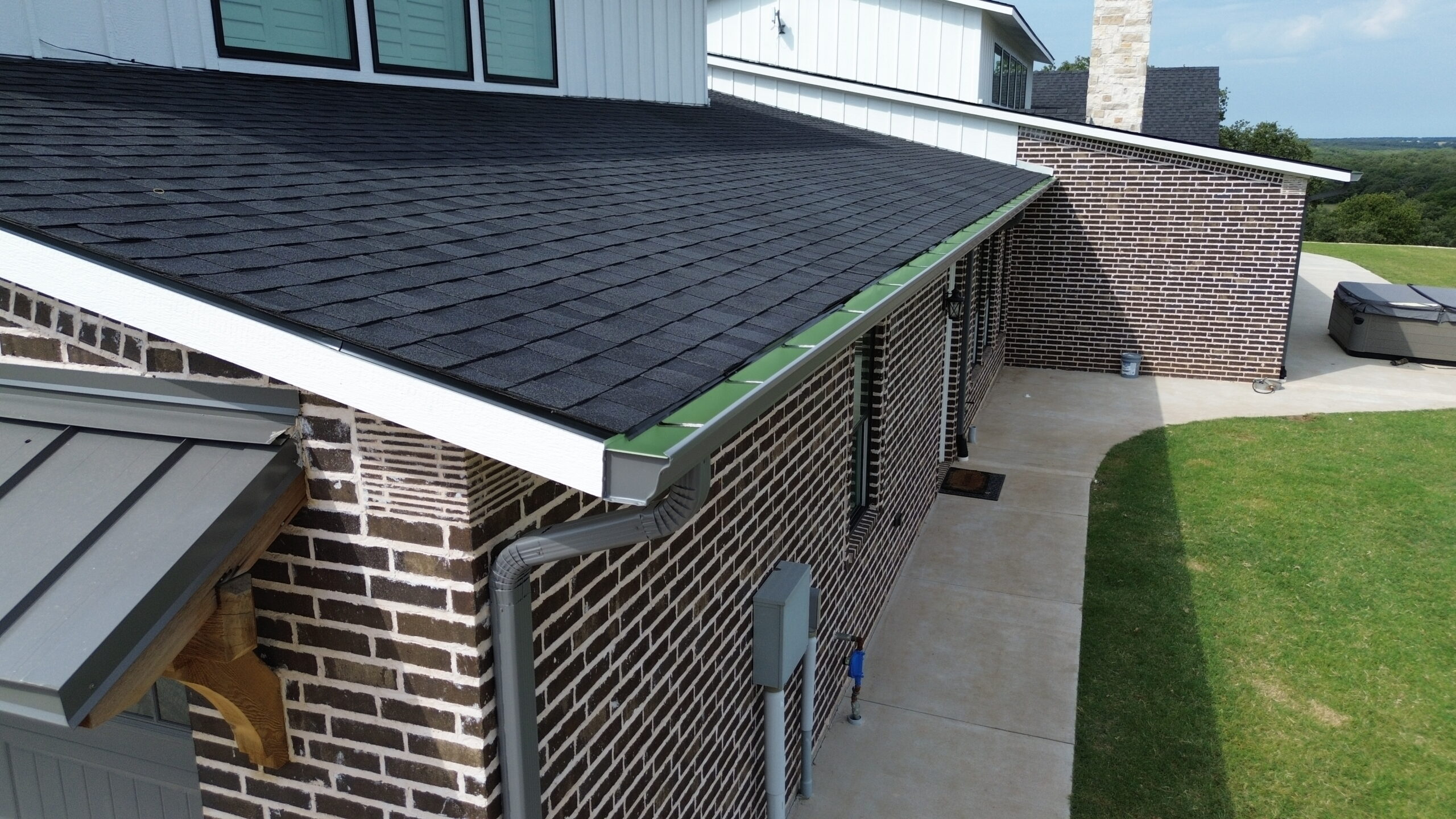
The Role of Gutters and Downspouts in Water Management
Although interior drains receive much of the attention, gutters and downspouts also play an essential role in managing water on many flat roof systems. Their purpose extends beyond simply collecting rainwater because they complete the drainage pathway by carrying water safely away from the building.
Properly sized gutters prevent rainwater from overflowing during heavy storms. Contractors calculate gutter dimensions based on roof area, expected rainfall intensity, and local climate conditions. Choosing gutters that are too small may cause overflow even when the roof itself drains correctly.
The slope of the gutter system is equally important. Just like the roof surface, gutters require a slight incline to encourage continuous water movement toward downspouts. Poorly installed gutters can develop standing water that accelerates corrosion and increases maintenance requirements.
Downspouts transport collected water away from the building foundation. Their placement should prevent discharged water from flowing back toward the structure, where it could contribute to soil erosion or foundation moisture problems. Proper extensions or underground drainage systems further improve water management.
Material selection also influences long term reliability. Aluminum, galvanized steel, copper, and other gutter materials each offer different advantages depending on climate, maintenance expectations, and budget. Selecting durable materials reduces the likelihood of leaks developing within the drainage system itself.
Routine cleaning remains essential even with excellent installation. Leaves, twigs, bird nests, and windblown debris gradually accumulate inside gutters and downspouts. Keeping these components clear ensures the entire drainage system continues performing as designed.
Selecting Roofing Materials That Resist Standing Water
The roofing membrane forms the primary waterproof barrier protecting the building beneath. While proper drainage minimizes water exposure, selecting materials that tolerate occasional standing water provides an additional level of protection. Modern roofing systems are engineered to resist moisture while maintaining structural integrity under varying weather conditions.
EPDM membranes remain popular because of their flexibility and resistance to ultraviolet radiation. Their elasticity allows them to accommodate temperature changes and building movement without cracking. Even if temporary ponding occurs after heavy rainfall, properly installed EPDM systems maintain reliable waterproof performance.
TPO membranes have gained widespread acceptance due to their heat welded seams and reflective surfaces. Strong seam connections reduce opportunities for water infiltration while the reflective finish helps lower rooftop temperatures. These characteristics make TPO an effective choice for both commercial and residential flat roofs.
PVC roofing membranes provide excellent durability and chemical resistance. Buildings exposed to grease, industrial emissions, or harsh environmental conditions often benefit from PVC systems because they resist deterioration while maintaining watertight protection. Their welded seams further enhance resistance to water penetration.
Modified bitumen roofing combines multiple reinforcing layers that increase durability under challenging weather conditions. These systems provide strong puncture resistance while maintaining flexibility that supports long term waterproof performance. When installed over a properly sloped roof deck, modified bitumen performs exceptionally well.
Material compatibility with insulation, adhesives, flashing components, and drainage accessories is equally important. A roofing system performs best when every component is designed to work together as a complete assembly rather than as unrelated products.
Common Installation Mistakes That Lead to Water Pooling
Even premium roofing materials cannot overcome poor installation practices. Many cases of persistent ponding water can be traced directly to installation errors that could have been avoided through careful planning and quality workmanship. Understanding these mistakes helps property owners appreciate the importance of hiring experienced roofing professionals.
Insufficient roof slope remains one of the most common installation problems. Contractors who fail to create consistent elevations leave water with no reliable direction of travel. Instead of flowing toward drains, rainfall settles into shallow depressions that become larger over time.
Incorrect placement of tapered insulation also contributes to drainage failures. If insulation boards are installed out of sequence or at the wrong elevations, the intended drainage pattern becomes disrupted. Water then follows unintended paths or remains trapped between higher sections of the roof.
Poor drain positioning creates another significant issue. Installing drains too far apart or locating them away from natural low points reduces drainage efficiency. Water may need to travel excessive distances before reaching an outlet, increasing the likelihood of ponding during heavy rainfall.
Inadequate flashing installation around penetrations can allow moisture to enter the roofing system. Although flashing problems do not directly cause ponding, they increase the damage resulting from any standing water that does occur. Proper detailing around vents, skylights, and equipment curbs is therefore essential.
Failure to inspect completed work before project completion often allows small problems to remain unnoticed. Professional contractors perform final quality checks to verify slopes, drainage paths, membrane integrity, and flashing details before considering the installation complete.
Choosing contractors based solely on the lowest price may also increase long term costs. Experienced roofing professionals invest time in careful planning, quality materials, and detailed workmanship that significantly reduce future maintenance expenses.
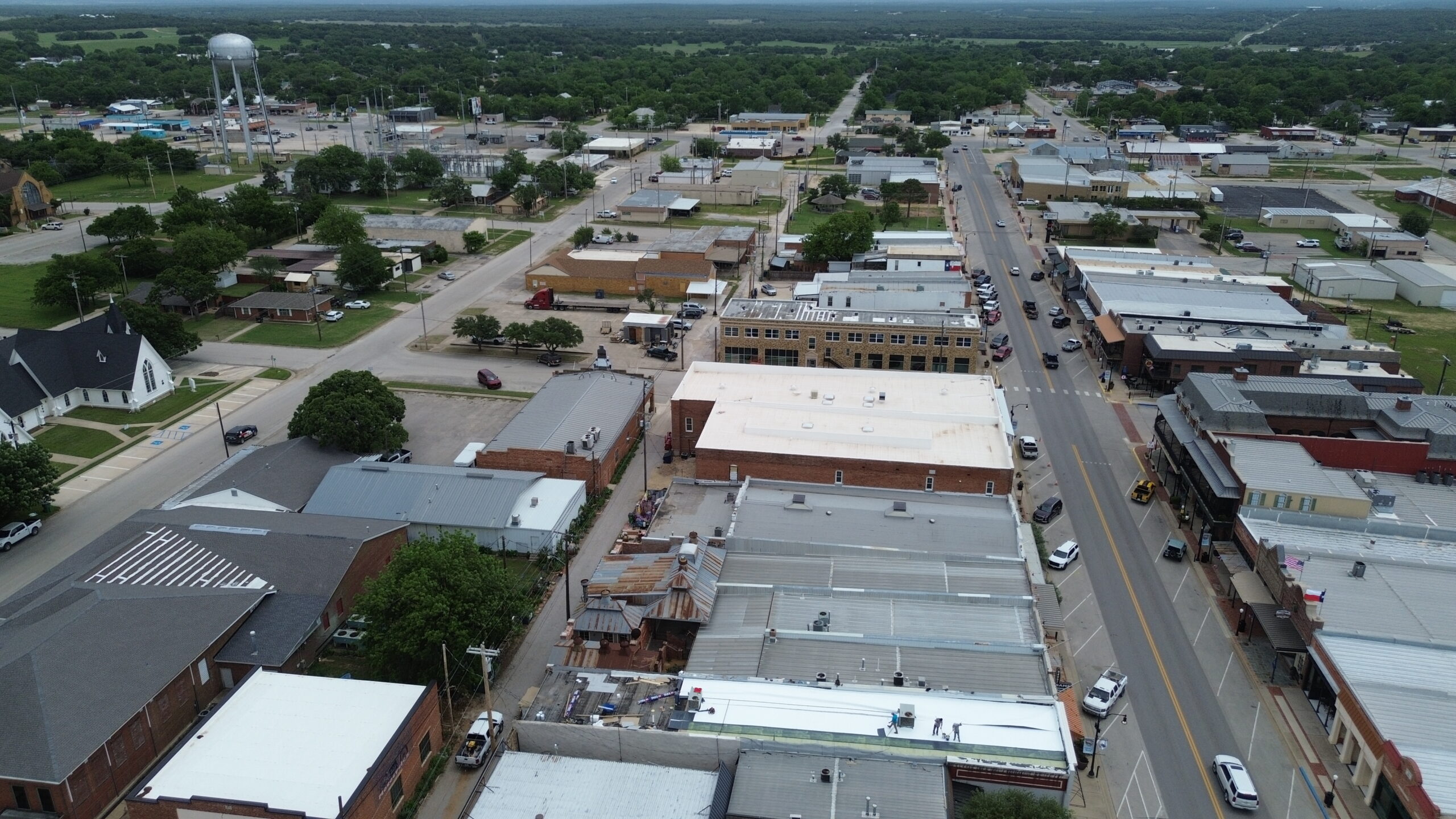
Comparing Different Flat Roof Systems for Drainage Performance
Different flat roofing materials offer varying levels of drainage performance, maintenance requirements, and durability. While installation quality remains the most important factor, understanding material characteristics helps property owners choose the system best suited to their building.
| Roofing System | Water Resistance | Seam Strength | Maintenance Needs | Expected Drainage Performance |
|---|---|---|---|---|
| EPDM | Excellent | Good | Low | Excellent with proper slope |
| TPO | Excellent | Excellent | Low | Excellent for commercial roofs |
| PVC | Excellent | Excellent | Low to Moderate | Outstanding in demanding environments |
| Modified Bitumen | Very Good | Very Good | Moderate | Reliable with proper installation |
This comparison demonstrates that several roofing systems provide excellent drainage performance when installed correctly. Rather than relying on material alone, property owners should focus on selecting a complete roofing system installed by qualified professionals who understand drainage design.
Signs Your New Flat Roof Is Draining Properly
A newly installed flat roof should demonstrate efficient drainage from the first significant rainfall. Observing how water behaves after installation provides valuable insight into the quality of the completed roofing system. Identifying positive signs early gives property owners confidence that their investment will perform as intended.
One of the clearest indicators is the rapid disappearance of standing water after rain ends. Small amounts of temporary moisture are normal immediately following heavy rainfall, but most water should drain away within a relatively short period. Large pools remaining for extended periods may indicate a drainage issue requiring further evaluation.
The roof surface should appear generally uniform without visible depressions that repeatedly collect water. Areas surrounding drains should remain free of significant ponding because they represent the lowest points in the drainage design. Consistent water movement toward these outlets confirms that the roof slope has been installed correctly.
Drainage components should also function smoothly during storms. Water entering drains, scuppers, gutters, and downspouts without overflowing demonstrates that the entire system has adequate capacity. Overflow during moderate rainfall may suggest blockages or design deficiencies that should be corrected promptly.
Interior spaces provide additional evidence of successful drainage. Ceilings should remain dry, insulation should stay protected, and no signs of moisture should appear around roof penetrations or drainage outlets. Proper installation prevents external water from reaching the building’s interior.
Regular inspections during the first year help confirm long term performance. Seasonal weather exposes the roof to varying conditions, allowing contractors to verify that drainage remains effective throughout changing temperatures and rainfall patterns. Addressing minor adjustments early helps preserve the roof’s durability for decades.
With proper insulation, carefully positioned drains, quality roofing materials, and professional workmanship, a flat roof can efficiently manage rainfall while minimizing the risk of standing water. These installation practices create the strong foundation needed for long term performance, while ongoing maintenance and preventive care will further extend the roof’s lifespan in the next part of this guide.
How Regular Maintenance Supports Proper Drainage
A professionally installed flat roof provides excellent protection against water pooling, but its performance depends on regular maintenance after installation. Even the best roofing system can develop drainage problems if debris, dirt, or damaged components are ignored for long periods. Routine maintenance preserves the drainage design and helps the roof continue performing as intended.
Maintenance allows property owners to identify small issues before they become expensive repairs. Leaves may collect around drains, flashing can loosen after years of weather exposure, and rooftop equipment may affect drainage patterns. Addressing these concerns early reduces the likelihood of standing water developing after heavy rainfall.
Cleaning the roof surface is one of the simplest yet most valuable maintenance activities. Dirt, branches, and other debris often settle in low areas where water naturally flows. Removing these materials keeps drainage paths open and prevents unnecessary blockages.
Professional maintenance also includes inspecting the roofing membrane for punctures, seam separation, or signs of aging. Even minor membrane damage can allow moisture to penetrate the roofing system if left untreated. Timely repairs preserve waterproof performance and extend the roof’s overall lifespan.
Seasonal weather changes make regular inspections even more important. Storms, strong winds, freezing temperatures, and intense sunlight all place stress on roofing materials. Scheduled maintenance helps ensure the roof remains prepared for changing environmental conditions throughout the year.
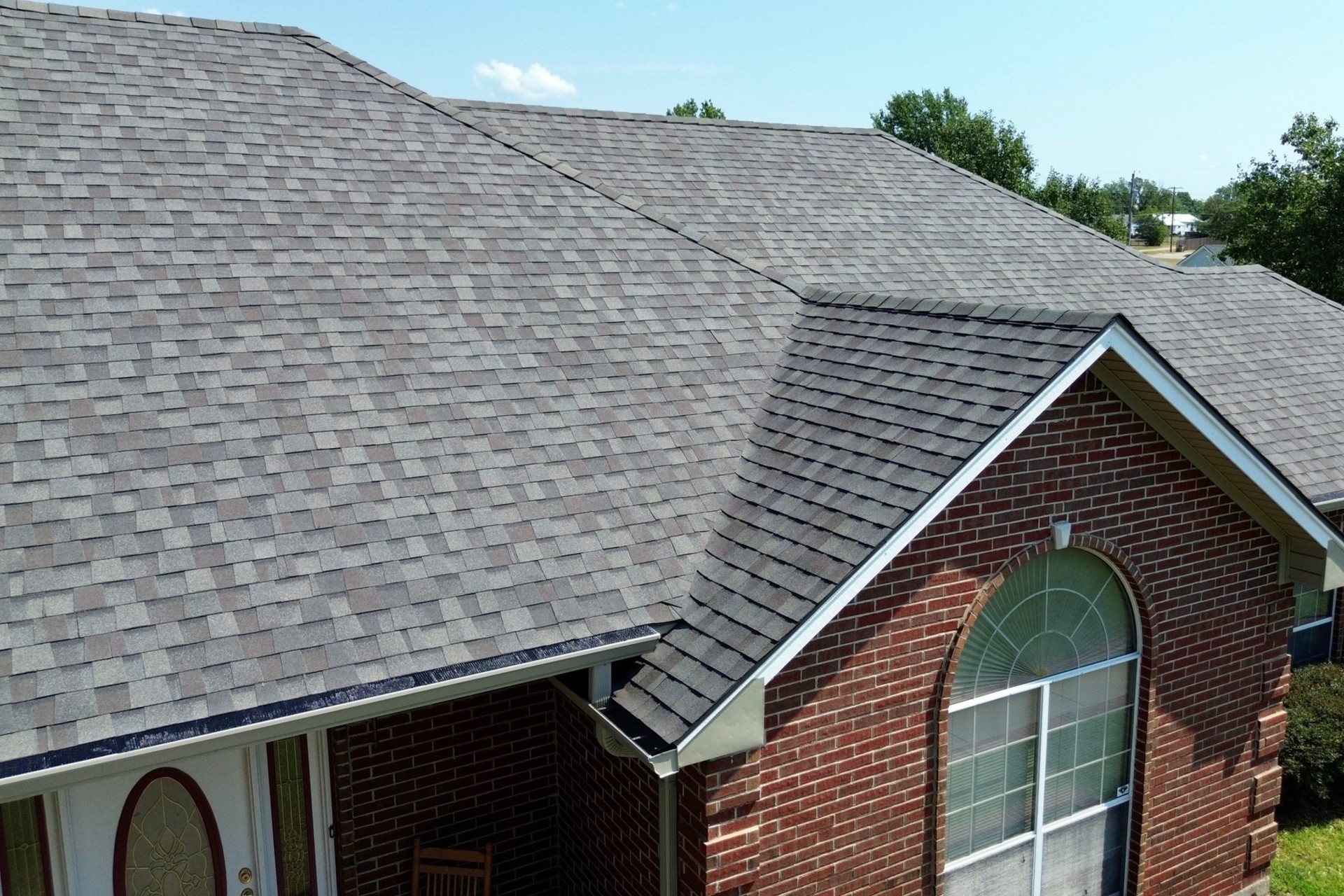
Seasonal Inspection Checklist for Flat Roof Owners
Routine inspections are easier when property owners follow a consistent checklist. Seasonal inspections allow minor drainage concerns to be corrected before they develop into larger structural issues.
The following maintenance tasks help support efficient water drainage:
- Remove leaves, branches, and accumulated debris from the roof surface.
- Clean roof drains, gutters, scuppers, and downspouts.
- Inspect flashing around vents, skylights, and rooftop equipment.
- Look for cracks, punctures, or membrane separation.
- Check for new low spots where water remains after rainfall.
- Verify that rooftop equipment has not shifted or damaged the membrane.
- Examine sealants for signs of deterioration.
- Schedule a professional inspection if repeated ponding is observed.
Following this checklist several times each year helps maintain the drainage system created during installation. It also reduces the likelihood of unexpected roofing emergencies that require costly repairs.
Steps Property Owners Should Take After Heavy Rain
Heavy rainfall provides an excellent opportunity to evaluate how well a flat roof manages water. Rather than waiting until damage appears inside the building, property owners should inspect the roof shortly after storms whenever it is safe to do so.
The following steps help identify potential drainage concerns early:
- Observe whether water drains away within a reasonable amount of time.
- Inspect drains and scuppers for debris that may restrict water flow.
- Look for unusually large puddles forming in the same locations.
- Check ceilings and interior walls for signs of water intrusion.
- Photograph any areas showing repeated ponding for future comparison.
- Contact a qualified roofing contractor if standing water persists for more than forty eight hours.
These simple observations provide valuable information about the roof’s condition. Early detection allows corrective action before prolonged water exposure damages insulation, membranes, or structural components.
Repairing Minor Drainage Problems Before They Become Major
Small drainage issues rarely remain small if ignored. Water naturally follows the path of least resistance, meaning even a slight depression can gradually become a larger ponding area over repeated rainfall cycles. Early repairs help preserve the original drainage design established during installation.
Blocked drainage outlets represent one of the easiest problems to correct. Removing accumulated debris often restores normal water flow without requiring major repairs. Regular cleaning therefore provides significant long term benefits despite requiring relatively little effort.
Localized membrane damage should also receive prompt attention. Small punctures, loose seams, or deteriorated flashing can usually be repaired before moisture reaches underlying insulation or structural components. Waiting too long often allows damage to spread beneath the roofing system where repairs become more extensive.
Minor settlement occasionally creates shallow depressions that interfere with drainage. Roofing professionals may recommend localized leveling solutions using compatible insulation or repair materials. Correcting these areas early prevents continued water accumulation and reduces long term structural stress.
Damaged gutters and downspouts should never be overlooked. Although they may seem separate from the roof itself, these components complete the drainage system. Prompt repairs ensure water continues moving safely away from the building after leaving the roof surface.
Professional evaluations help determine whether observed drainage problems require simple maintenance or more comprehensive corrective work. Accurate diagnosis prevents unnecessary repairs while ensuring genuine concerns receive appropriate attention.
Professional Roof Inspections and Preventive Maintenance
While routine visual inspections performed by property owners are valuable, professional roof inspections provide a much more detailed evaluation of the roofing system. Experienced roofing contractors recognize subtle warning signs that may not be obvious to someone without specialized training.
Professional inspections often include checking membrane condition, seam integrity, flashing performance, drainage efficiency, insulation stability, and structural movement. Contractors evaluate how these components interact rather than examining each one individually. This comprehensive approach identifies developing issues before visible damage appears.
Many commercial property owners schedule annual or semiannual inspections as part of preventive maintenance programs. These scheduled evaluations create documented records of roof condition over time, making it easier to identify gradual changes before they become significant problems.
Advanced inspection methods may include moisture detection equipment, infrared scanning, or detailed drainage assessments. These technologies help locate hidden moisture beneath the roofing membrane without unnecessary removal of roofing materials. Early detection often prevents much larger repair projects later.
Preventive maintenance is generally less expensive than emergency repairs. Planned inspections, cleaning, and minor repairs reduce the risk of unexpected leaks that disrupt business operations or damage interior finishes. Investing in regular maintenance therefore protects both the roofing system and the building itself.
Property owners should also retain records of inspections and maintenance activities. Detailed documentation supports warranty requirements, assists future contractors, and demonstrates that the roof has received appropriate care throughout its service life.
Long Term Benefits of Preventing Water Pooling
Preventing water pooling provides advantages that extend far beyond avoiding visible puddles. Effective drainage improves nearly every aspect of flat roof performance while helping property owners maximize the return on their roofing investment.
One major benefit is increased roof lifespan. Roofing membranes exposed to continuous standing water experience greater stress than those that dry quickly after rainfall. Proper drainage reduces this exposure, allowing materials to maintain their protective properties for many additional years.
Lower maintenance costs also result from efficient drainage. Roofs that shed water effectively experience fewer leaks, less membrane deterioration, and reduced structural stress. As a result, property owners often spend less on repairs throughout the roof’s lifetime.
Improved energy efficiency represents another important advantage. Dry insulation maintains its designed thermal performance, helping regulate indoor temperatures more effectively. Moisture saturated insulation loses much of its insulating value, increasing heating and cooling costs.
Protecting the building structure is equally important. Standing water adds significant weight to the roof while increasing the likelihood of moisture entering structural materials. Proper drainage reduces these loads and helps preserve the integrity of the entire building.
Preventing water pooling also supports healthier indoor environments. Roof leaks can encourage mold growth, damage ceilings, stain walls, and affect indoor air quality. Effective drainage minimizes these risks by keeping moisture outside where it belongs.
Finally, maintaining a well functioning roof improves property value. Prospective buyers and tenants often consider roof condition when evaluating a building. A roof with documented maintenance history and efficient drainage provides confidence that the property has been properly cared for.
Frequently Asked Questions
How long can water safely remain on a flat roof?
Small amounts of water immediately after heavy rainfall are generally normal. However, water that remains for more than forty eight hours may indicate a drainage problem that should be evaluated by a roofing professional.
Are flat roofs supposed to be completely level?
No. Professionally installed flat roofs always include a slight slope that directs water toward drains, gutters, or scuppers. This gentle incline is essential for preventing standing water.
Can water pooling damage a new roof?
Yes. Even a newly installed roof can experience damage if drainage design or installation quality is poor. Persistent standing water increases stress on roofing materials and may shorten the roof’s expected lifespan.
How often should flat roofs be inspected?
Most roofing professionals recommend inspecting flat roofs at least twice each year and after major storms. Commercial buildings may benefit from more frequent inspections depending on environmental conditions.
Can clogged drains really cause roof leaks?
Yes. Blocked drains prevent water from leaving the roof efficiently, increasing the depth and duration of standing water. Over time this additional moisture exposure can contribute to leaks and membrane deterioration.
Is professional maintenance necessary if the roof appears fine?
Yes. Many roofing problems develop beneath the surface before becoming visible. Professional inspections identify hidden concerns early, allowing less expensive repairs while protecting the roof’s long term performance.
Conclusion
Flat roofs have earned a strong reputation for durability, versatility, and efficient use of space, but their success depends heavily on proper installation and effective water management. Water pooling is not an unavoidable characteristic of flat roofs. Instead, it is usually the result of inadequate planning, poor workmanship, blocked drainage systems, or insufficient maintenance.
Preventing standing water begins during the earliest stages of roof design. Carefully calculated slopes, properly installed tapered insulation, strategically positioned drains, durable roofing materials, and precise installation techniques all work together to guide rainwater safely away from the roof surface. Every component contributes to creating a roofing system that remains reliable through years of changing weather conditions.
Regular maintenance is equally important after installation is complete. Cleaning drains, inspecting flashing, monitoring roof condition after storms, and scheduling professional inspections help preserve the drainage performance established during construction. Addressing minor issues promptly prevents them from developing into costly structural repairs or premature roof replacement.
When quality materials are combined with expert installation and consistent maintenance, a flat roof can provide decades of dependable performance while minimizing the risk of water pooling. Property owners who invest in proper planning and ongoing care not only protect their roofing system but also improve energy efficiency, reduce maintenance costs, extend roof lifespan, and safeguard the entire building from unnecessary water damage. A well installed and well maintained flat roof remains one of the most practical and dependable roofing solutions for modern residential and commercial properties.