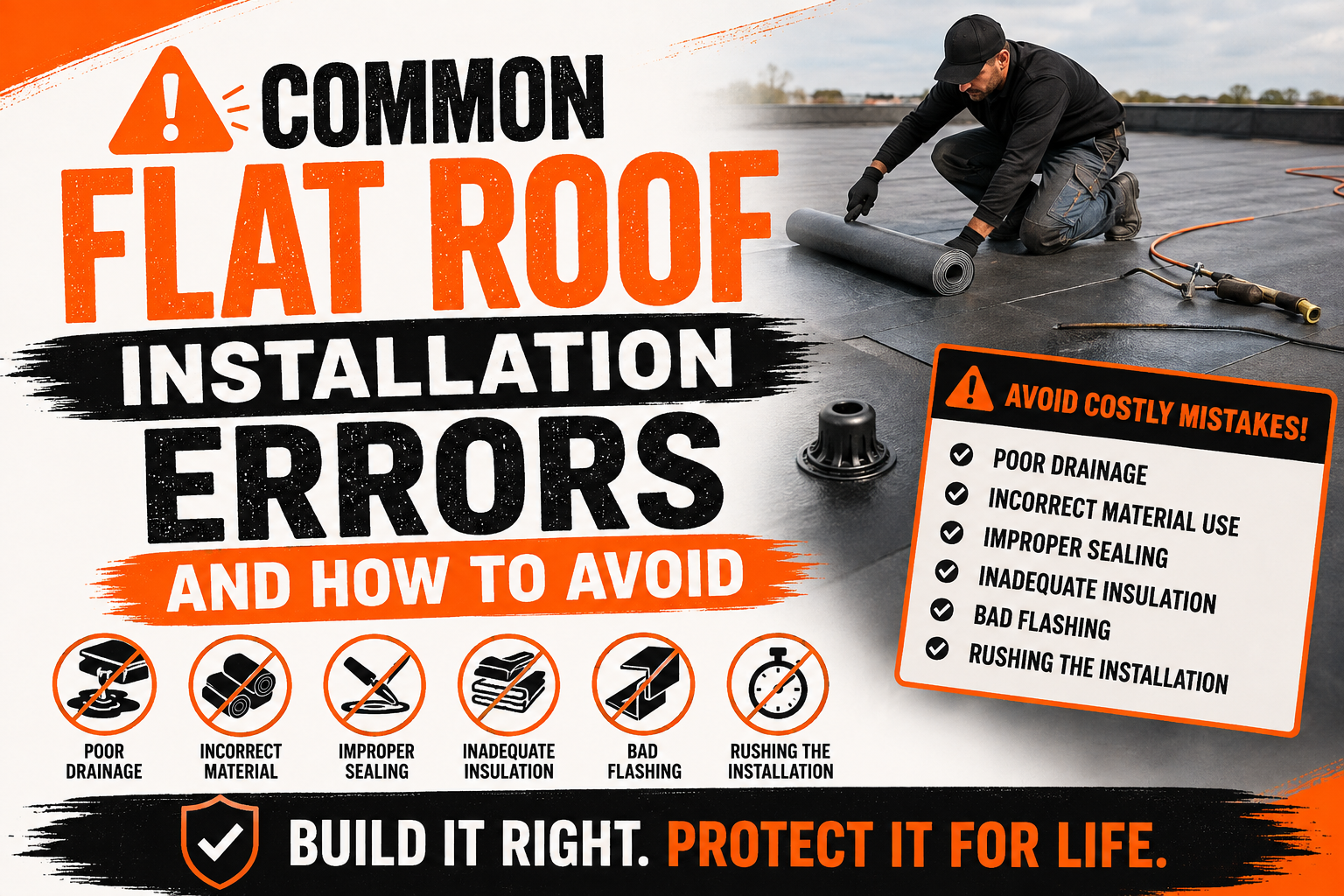
Common Flat Roof Installation Errors and How to Avoid
Introduction
Flat roofs have become a popular roofing choice for residential homes, commercial buildings, garages, and modern architectural designs. Their clean appearance, efficient use of space, and compatibility with energy-saving systems make them an attractive option for many property owners. However, the performance of a flat roof depends heavily on the quality of its installation. Even premium roofing materials cannot provide long-lasting protection if they are installed incorrectly.
Unlike steep-sloped roofs, flat roofs rely on carefully engineered waterproofing systems and drainage designs to prevent moisture from entering the building. Since water does not run off as quickly, every installation detail must be completed with precision. Small mistakes that appear insignificant during construction can eventually develop into leaks, structural damage, or expensive repairs.
Many roofing failures are not caused by poor-quality materials but by avoidable installation errors. Problems such as incorrect drainage, weak seams, poor flashing, or inadequate roof preparation often begin during construction and remain hidden until weather conditions expose the weaknesses. Identifying these risks before installation begins is one of the most effective ways to improve the lifespan of a flat roof.
Understanding common installation mistakes also helps homeowners make informed decisions when selecting contractors and roofing materials. Knowing what to expect during installation allows property owners to ask the right questions, monitor project quality, and recognize warning signs before they become major issues.
This guide explains the most common flat roof installation errors and practical ways to avoid them. It begins by exploring why flat roof installation requires precision, the factors that contribute to installation mistakes, proper roof preparation techniques, common pre-installation errors, material selection, and the importance of hiring experienced roofing professionals. These fundamentals create a strong foundation before examining installation-stage mistakes and long-term maintenance practices in the following sections.
Why Flat Roof Installation Requires Precision
Flat roofs are often misunderstood because they appear completely level. In reality, every properly designed flat roof includes a slight slope that directs rainwater toward drains, gutters, or scuppers. Creating this subtle slope while maintaining structural stability requires careful planning and accurate installation techniques.
Unlike pitched roofs that naturally shed water through gravity, flat roofs depend on waterproof membranes and drainage systems to manage rainfall. Every layer within the roofing assembly must work together to keep moisture away from the building structure. Even a small installation error can interrupt this protection and allow water to enter the roof system.
Waterproofing is one of the most important aspects of flat roof construction. Modern roofing membranes such as EPDM, TPO, PVC, modified bitumen, and built-up roofing are designed to resist moisture for many years. However, their effectiveness depends on proper installation according to manufacturer specifications.
Drainage is equally critical. If rainwater cannot move efficiently toward drainage outlets, standing water may remain on the roof for extended periods. Ponding water gradually increases stress on roofing materials while accelerating wear around seams, flashing, and roof penetrations.
Precision also extends to insulation placement, membrane alignment, flashing installation, and seam construction. Each component must fit together correctly to create a continuous protective barrier. Poor workmanship in any one area may compromise the entire roofing system.
Flat roofs also experience constant expansion and contraction because of changing temperatures. Roofing materials naturally move as they heat during the day and cool at night. Proper installation allows this movement to occur without placing excessive stress on seams or flashing details.
Every roofing manufacturer provides detailed installation guidelines based on extensive product testing. Following these recommendations ensures that materials perform as intended while maintaining warranty coverage. Precision during installation protects both the roof and the homeowner’s investment.
Most Common Causes of Installation Errors
Installation mistakes rarely occur because of a single problem. Instead, they usually result from a combination of planning errors, poor workmanship, unsuitable materials, or rushed construction schedules. Understanding these causes helps prevent many roofing failures before installation even begins.
Inadequate planning is one of the most common contributors to roofing problems. Beginning installation without fully evaluating the roof structure, drainage layout, weather conditions, or material requirements increases the possibility of mistakes throughout the project. Careful planning allows contractors to anticipate challenges before work starts.
Poor workmanship also plays a significant role in roofing failures. Flat roof installation requires specialized knowledge that differs from traditional sloped roofing. Contractors unfamiliar with membrane roofing systems may unintentionally create weak seams, improper flashing, or inadequate drainage that shortens roof lifespan.
Using low-quality materials can also contribute to installation problems. Although budget considerations are important, inexpensive roofing products may not provide the durability or weather resistance needed for long-term performance. High-quality materials generally offer better resistance to ultraviolet radiation, moisture, and temperature changes.
Ignoring manufacturer installation instructions is another frequent cause of roofing defects. Adhesive application methods, fastener spacing, seam preparation, and flashing techniques vary between products. Deviating from these guidelines may reduce roof performance while voiding product warranties.
Some roofing projects are rushed to meet tight construction schedules. While completing work quickly may seem beneficial, rushing often results in skipped inspections, incomplete seam sealing, poor adhesive curing, or overlooked flashing details. Taking sufficient time during each installation stage usually improves overall quality.
Weather conditions can also influence installation success. Rain, excessive humidity, strong winds, or extreme temperatures may interfere with adhesive performance, heat welding, and membrane handling. Experienced contractors monitor weather forecasts carefully before beginning work.
Communication problems between project managers, contractors, and property owners may also contribute to installation errors. Clear communication ensures everyone understands project expectations, material selections, inspection requirements, and construction schedules before work begins.
Preparing the Roof Correctly Before Installation
Proper roof preparation is one of the most effective ways to prevent installation errors. No roofing membrane, regardless of quality, can compensate for an unstable or poorly prepared roof deck. Thorough preparation creates a solid foundation for every remaining installation stage.
The first step is performing a detailed structural inspection. Contractors examine the roof deck for signs of rot, moisture damage, loose fasteners, cracks, corrosion, or structural weakness. Any damaged sections should be repaired or replaced before additional roofing materials are installed.
Moisture inspection is equally important. Water trapped within the roof deck or insulation can remain hidden beneath new roofing materials if not detected during preparation. Specialized moisture detection equipment helps identify wet areas that require repair before installation proceeds.
Cleaning the roof surface follows structural inspection. Dirt, dust, grease, loose materials, old adhesives, and construction debris should all be removed before insulation or roofing membranes are installed. Clean surfaces improve adhesive performance while producing a smoother finished roof.
Existing roofing systems may require complete removal depending on their condition and local building regulations. Although overlay installations are sometimes permitted, removing older materials often provides a more reliable foundation while exposing hidden structural defects.
Roof penetrations including vents, chimneys, skylights, HVAC equipment, and drainage outlets should also be inspected carefully. Damaged flashing or deteriorated components are easier to repair before new roofing materials cover the roof surface.
Accurate measurements represent another essential preparation task. Roof dimensions should be verified carefully before ordering materials to minimize unnecessary seams and reduce material waste. Proper planning also simplifies membrane layout during installation.
Finally, roofing materials should be stored correctly before installation begins. Membranes, insulation boards, adhesives, and flashing materials should remain protected from moisture, sunlight, and physical damage until they are needed. Proper storage preserves material quality while preventing installation delays.
Common Errors Before Installation Begins
Many roofing failures originate before the first membrane sheet is installed. Avoiding common preparation mistakes greatly improves the overall quality and durability of the completed roofing system.
One of the most serious errors is installing new roofing materials over damaged roof decking. Rotten wood, cracked concrete, or corroded steel cannot provide reliable long-term support for the roofing system. Structural repairs should always be completed before installation begins.
Ignoring trapped moisture within existing roofing materials is another frequent mistake. Moisture hidden beneath insulation or roof decking may eventually cause mold growth, reduce thermal performance, and weaken adhesive bonds. Moisture detection should always be part of roof preparation.
Incorrect roof measurements often create unnecessary installation challenges. Ordering insufficient membrane material may require additional seams, increasing both labor and potential leak locations. Accurate measurements reduce material waste while simplifying membrane layout.
Some property owners select roofing materials based only on purchase price rather than long-term performance. While reducing initial costs may seem attractive, inexpensive materials sometimes require more frequent repairs or earlier replacement. Evaluating total lifecycle costs usually provides a better measure of value.
Poor drainage planning is another avoidable error. Flat roofs require carefully designed slopes that direct water toward drains or gutters. Ignoring drainage during preparation increases the possibility of standing water after installation.
Failing to inspect roof penetrations before installation can also create future problems. Damaged vents, deteriorated flashing, or unstable rooftop equipment should be repaired before new roofing materials are installed around them.
Beginning installation without considering weather conditions is another common mistake. Rain, frost, excessive humidity, or high winds may interfere with adhesive curing, membrane handling, or seam welding. Scheduling installation during suitable weather greatly improves construction quality.
Finally, inadequate material organization can slow the project while increasing the possibility of installation mistakes. Preparing tools, membranes, insulation, flashing components, adhesives, and safety equipment before work begins allows installation to proceed more efficiently.
Choosing the Right Materials for the Project
Selecting suitable roofing materials is one of the most important decisions during any flat roof project. Different roofing systems provide different strengths, making material selection an essential part of preventing installation problems and maximizing roof lifespan.
EPDM roofing is widely recognized for its flexibility, weather resistance, and relatively simple installation process. Large membrane sheets reduce seam locations while providing dependable waterproof protection for residential buildings and garages.
TPO roofing has become increasingly popular because of its reflective surface and energy-efficient properties. Heat-welded seams create strong waterproof connections, while the membrane helps reduce roof temperatures during warm weather.
PVC roofing offers excellent durability along with outstanding resistance to chemicals, ultraviolet radiation, and moisture. Its heat-welded seams provide reliable waterproof protection, making it suitable for both residential and commercial applications.
Modified bitumen roofing combines traditional asphalt with polymer additives that improve flexibility and weather resistance. Several installation methods are available, allowing contractors to select systems that match project requirements.
Built-Up Roofing remains one of the most durable traditional flat roofing systems. Multiple reinforcing layers provide exceptional waterproof protection, although installation generally requires more labor than single-ply membrane systems.
Climate plays an important role when selecting roofing materials. Regions experiencing intense sunlight may benefit from reflective membranes, while colder climates often require materials that remain flexible during freezing temperatures.
Building use also influences material selection. Residential homes, commercial buildings, garages, schools, and industrial facilities each present unique performance requirements that should be considered before choosing a roofing system.
Selecting compatible accessories is equally important. Adhesives, fasteners, primers, flashing materials, and sealants should all match the selected membrane system to ensure reliable performance and maintain manufacturer warranty coverage.
Why Hiring Experienced Installers Matters
Even the highest-quality roofing materials cannot perform properly without skilled installation. Experienced roofing contractors understand the technical requirements of flat roofing systems while following industry standards and manufacturer recommendations throughout every stage of construction.
Professional installers begin every project with careful planning rather than immediately applying roofing materials. They evaluate structural conditions, moisture levels, drainage layouts, weather forecasts, and material compatibility before installation begins. This preparation reduces the likelihood of costly mistakes later in the project.
Experienced contractors also understand the importance of precise membrane placement, seam construction, flashing installation, and drainage design. Years of practical experience allow them to identify potential problems early while applying proven solutions that improve long-term roof performance.
Safety is another important advantage of hiring qualified professionals. Roofing work involves fall hazards, specialized equipment, and heavy construction materials. Professional crews receive safety training that helps protect both workers and property throughout the installation process.
Manufacturer specifications also receive greater attention from experienced installers. Following approved installation methods helps ensure roofing materials perform as intended while preserving warranty protection. Professional contractors remain familiar with changing product requirements and installation standards.
Quality control continues throughout every stage of construction. Skilled roofing teams inspect seams, flashing, fasteners, insulation, and drainage components as installation progresses rather than waiting until the project is complete. Continuous inspection helps identify small issues before they become major problems.
Mistakes When Installing Insulation
Proper insulation installation is essential for the overall performance of a flat roof. While many people focus on the waterproof membrane, insulation has a direct impact on energy efficiency, drainage, structural support, and the lifespan of the roofing system. Mistakes made during insulation installation often remain hidden beneath the finished roof, making them difficult and expensive to correct later.
One common error is installing insulation boards unevenly. When insulation is not level, the roofing membrane may develop dips and raised areas that interfere with water drainage. These low spots can eventually collect standing water, increasing stress on the roofing materials.
Gaps between insulation boards are another frequent problem. Even small openings create thermal bridges that allow heat to pass through the roof more easily. Besides reducing energy efficiency, these gaps may also affect the appearance and stability of the roofing membrane.
Incorrect fastening methods can also cause problems. Mechanical fasteners that are too loose may allow insulation movement, while over-tightened fasteners can damage insulation boards or create uneven surfaces. Both situations affect the quality of the completed roof.
Some installers fail to secure insulation according to manufacturer recommendations. Every insulation product has specific fastening patterns and adhesive requirements designed to provide maximum stability. Ignoring these guidelines increases the possibility of insulation movement during changing weather conditions.
Another mistake involves installing insulation over damp surfaces. Moisture trapped beneath insulation reduces its thermal performance and may eventually contribute to mold growth or structural deterioration. The roof deck should always be clean and completely dry before insulation is installed.
Tapered insulation also requires careful planning. If the slope is calculated incorrectly, rainwater may not flow efficiently toward drainage outlets. Instead, water may collect in low areas, increasing maintenance requirements and reducing membrane lifespan.
Proper insulation installation provides a stable, smooth foundation for every remaining roofing component. Taking extra time during this stage significantly improves both roof performance and long-term durability.
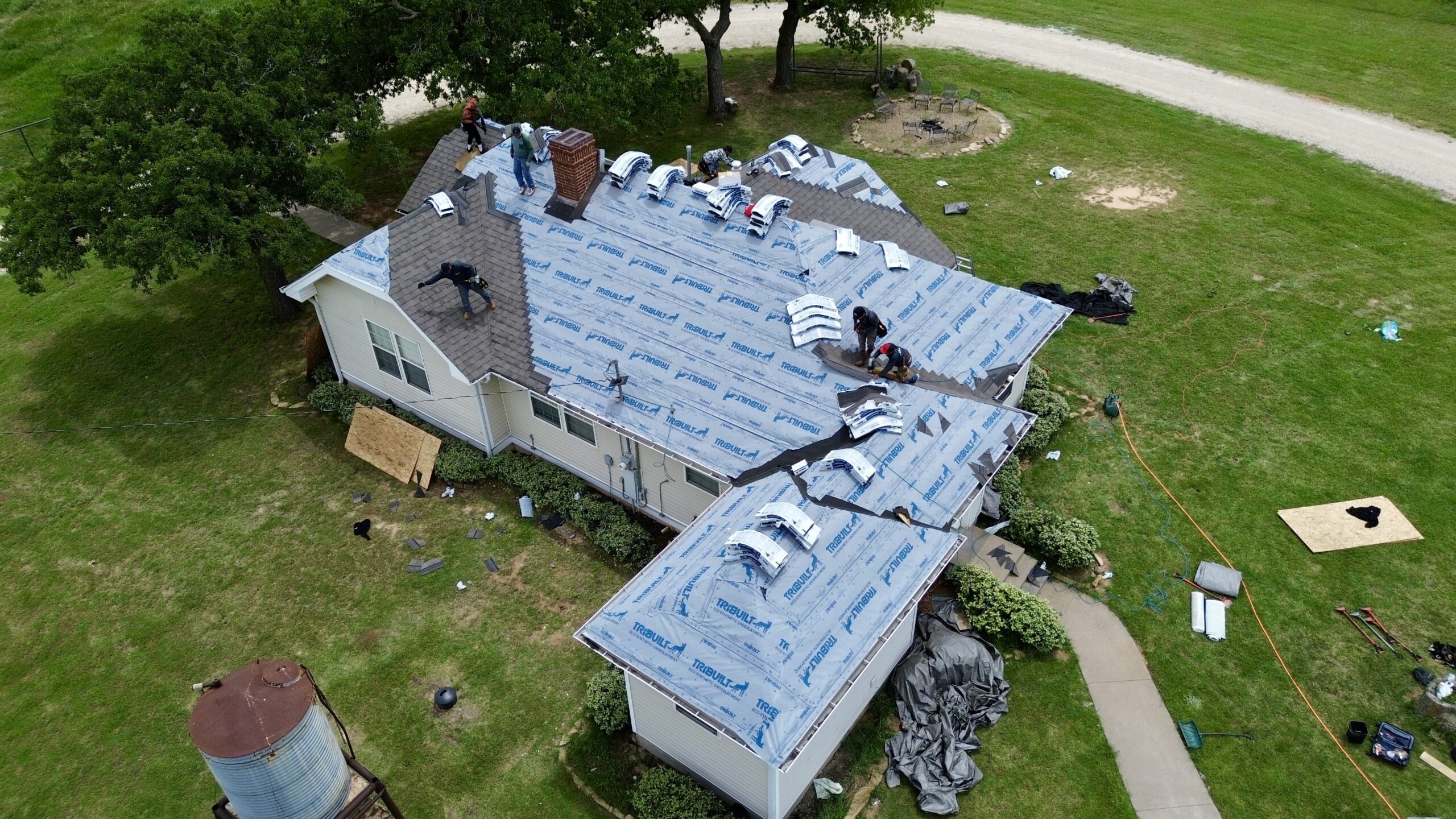
Errors During Membrane Installation
The waterproof membrane is the primary barrier protecting the building from moisture. Regardless of whether the roof uses EPDM, TPO, PVC, or another membrane system, careful installation is essential. Even small installation mistakes can reduce waterproof performance and shorten the life of the roof.
One of the most common mistakes is installing the membrane with wrinkles. Wrinkles create uneven surfaces where water may collect after rainfall. Over time, these areas experience additional stress that may eventually weaken the membrane.
Incorrect membrane alignment is another frequent issue. If the membrane is not positioned properly before attachment, installers may struggle to maintain consistent seam overlaps or flashing details. Correcting alignment becomes much more difficult once adhesives or fasteners have been applied.
Stretching the membrane during installation is also a problem. Roofing membranes should lie naturally across the roof rather than being pulled tightly into position. Excessive tension may eventually cause shrinkage around roof edges or place stress on seams.
Air pockets trapped beneath the membrane can reduce adhesion while creating visible imperfections. Proper rolling techniques remove trapped air before the membrane is permanently secured. Careful attention during installation produces a smoother finished roof.
Some installers also fail to allow membranes sufficient time to relax after unrolling. Materials transported in tightly rolled bundles naturally retain slight tension. Allowing the membrane to rest before attachment helps eliminate wrinkles while improving overall fit.
Membrane damage during installation is another avoidable issue. Sharp tools, dropped equipment, or careless handling can puncture the roofing material before the roof is even completed. Careful material handling helps preserve membrane integrity.
Weather conditions should also be considered throughout membrane installation. High winds may make large membrane sheets difficult to control, while rain or excessive humidity may interfere with adhesives and seam preparation. Planning installation during suitable weather contributes to better workmanship.
Problems with Adhesives and Fasteners
Adhesives and fasteners play an important role in securing flat roofing systems. Although they are less visible than the membrane itself, their quality and correct application directly influence roof stability and long-term performance.
Using the wrong adhesive is one of the most common installation errors. Different roofing membranes require different adhesive formulations designed specifically for their material composition. Using incompatible products may weaken bonding while affecting warranty coverage.
Uneven adhesive application also creates problems. Too little adhesive reduces bonding strength, while excessive adhesive may create uneven surfaces or require longer curing times. Manufacturers specify coverage rates that should always be followed carefully.
Applying adhesive under unsuitable weather conditions can also reduce performance. Rain, excessive humidity, or temperatures outside the recommended range may interfere with proper curing. Contractors should monitor weather forecasts and follow product recommendations throughout installation.
Some installers rush the curing process by placing the membrane before the adhesive reaches the correct condition. Premature bonding often produces weaker attachment than waiting the recommended amount of time.
Mechanical fastening errors are equally significant. Fasteners positioned too far apart reduce wind resistance, while excessive fastening may place unnecessary stress on roofing materials. Proper spacing distributes loads evenly across the roof surface.
Mixing incompatible roofing products is another avoidable mistake. Adhesives, primers, fasteners, membranes, flashing materials, and sealants are designed to function together as complete roofing systems. Using approved product combinations improves overall performance.
Fasteners should also be installed correctly. Crooked fasteners or improperly seated plates may create uneven surfaces beneath the membrane, affecting appearance and long-term durability.
Routine quality inspections during installation help identify adhesive and fastening issues before they become permanent roofing defects.
Poor Seam Installation
Roofing seams are among the most critical components of any flat roofing system. They connect separate membrane sheets into one continuous waterproof surface. Because seams naturally experience movement during temperature changes, careful construction is essential for preventing leaks.
Weak seam bonding is one of the most common causes of roofing failures. Whether seams are joined using adhesive systems or heat welding, incomplete bonding allows moisture to enter beneath the membrane. Even small gaps may gradually enlarge because of weather exposure.
Inadequate seam overlap is another frequent issue. Every roofing manufacturer specifies minimum overlap dimensions to ensure strong waterproof connections. Narrow overlaps reduce seam strength while increasing the possibility of separation.
Heat-welded roofing systems such as PVC and TPO require careful temperature control. Insufficient heat produces incomplete fusion, while excessive heat may damage the membrane. Skilled installers continuously adjust welding equipment according to weather conditions and membrane thickness.
Dirty seam surfaces also reduce bonding quality. Dust, moisture, grease, or construction debris should always be removed before seam preparation begins. Clean surfaces create stronger and more consistent waterproof connections.
Some contractors fail to inspect completed seams before continuing installation. Visual inspections, seam probes, or other quality control methods help identify imperfections while they remain easy to repair. Waiting until after project completion often increases repair costs.
Corners and intersections deserve additional attention because they experience greater movement than flat roof areas. Reinforcing these locations with appropriate flashing materials helps maintain long-term waterproof performance.
Proper seam construction represents one of the most important factors influencing flat roof reliability. Careful workmanship during this stage significantly reduces the likelihood of future leaks.
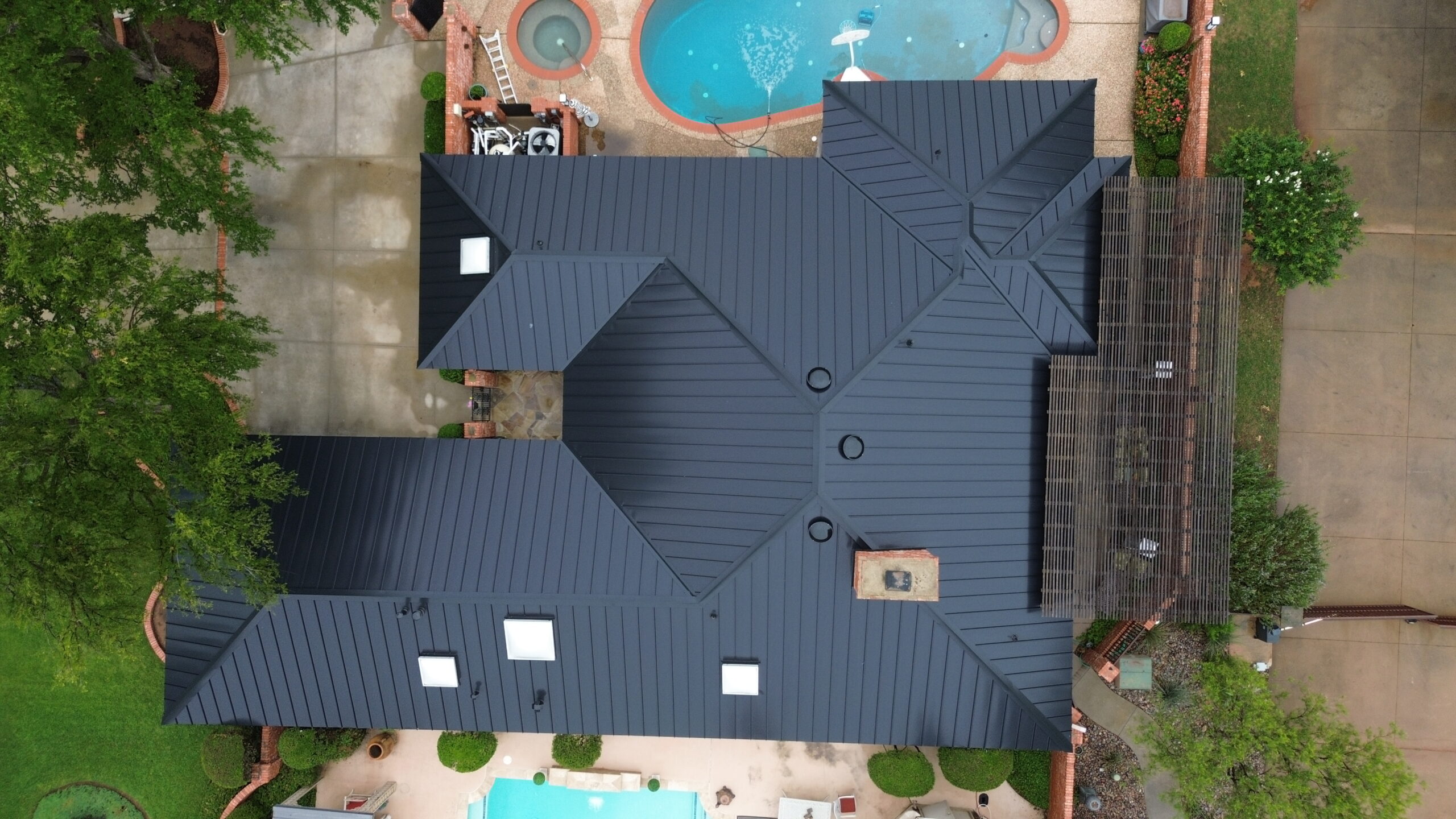
Flashing Installation Mistakes
Flashing protects the transition points where roofing membranes meet vertical surfaces, roof penetrations, and perimeter edges. These areas naturally experience concentrated water flow, making correct flashing installation essential for preventing leaks.
Roof edges require secure edge metal that anchors the membrane while resisting wind uplift. Loose edge details may eventually allow water to enter beneath the roofing system or expose membrane edges to weather damage.
Plumbing vents represent another common flashing location. Flexible flashing components must fit tightly around each pipe while remaining securely attached to the surrounding membrane. Poorly sealed pipe flashings often become sources of persistent leaks.
Skylights interrupt the smooth roof surface and therefore require carefully installed flashing systems. Water flowing around skylights should be directed safely back onto the roof surface without entering beneath the membrane.
Chimneys require multiple flashing components because they combine vertical and horizontal surfaces. Missing or improperly installed flashing allows moisture to enter around the chimney base, particularly during heavy rainfall.
Heating and cooling equipment mounted on roof curbs also demands specialized flashing. These details must remain watertight while accommodating slight equipment movement caused by vibration or thermal expansion.
Some installers use excessive sealant as a substitute for proper flashing. While sealants play an important supporting role, they should never replace correctly designed flashing systems. Proper flashing provides the primary waterproof barrier.
Routine inspections during installation verify that flashing remains securely attached while maintaining continuous waterproof protection around every roof penetration.
Drainage Installation Errors
Drainage problems are among the most common reasons flat roofs develop leaks and premature deterioration. Because flat roofs depend on carefully designed water management systems, even minor drainage errors can significantly reduce roof lifespan.
Incorrect roof slope is one of the most serious drainage mistakes. Flat roofs should include a slight pitch that directs water toward drains or gutters. If slopes are insufficient, rainwater may remain on the roof long after storms have ended.
Poor drain placement also contributes to standing water. Drains positioned too high or located away from natural low points reduce drainage efficiency. Proper planning ensures water flows naturally toward designated outlets.
Blocked drainage paths may also develop during construction if debris enters drains before the roofing project is completed. Contractors should keep drainage components clean throughout installation to prevent future water accumulation.
Some projects overlook the importance of tapered insulation. Without properly designed insulation slopes, otherwise level roof structures may fail to drain efficiently. Tapered insulation often provides a practical solution for improving drainage without altering structural framing.
Undersized drainage systems may also create problems during heavy rainfall. Gutters, scuppers, and internal drains should be designed to accommodate expected rainfall based on local climate conditions.
Testing drainage before project completion helps identify areas where water remains standing. Correcting these problems before the roof enters service prevents unnecessary stress on roofing materials throughout their lifespan.
Proper drainage protects every roofing component while reducing maintenance requirements and extending overall roof life.
Professional Installation Checklist
Professional roofing contractors typically follow a consistent sequence that minimizes installation errors while maintaining quality throughout the project.
- Inspect the roof structure thoroughly.
- Prepare and clean the roof deck.
- Install insulation according to manufacturer specifications.
- Position the roofing membrane accurately.
- Construct and inspect all seams carefully.
- Install flashing around every roof penetration and edge.
- Verify roof slope and drainage performance.
- Complete a detailed quality inspection before project completion.
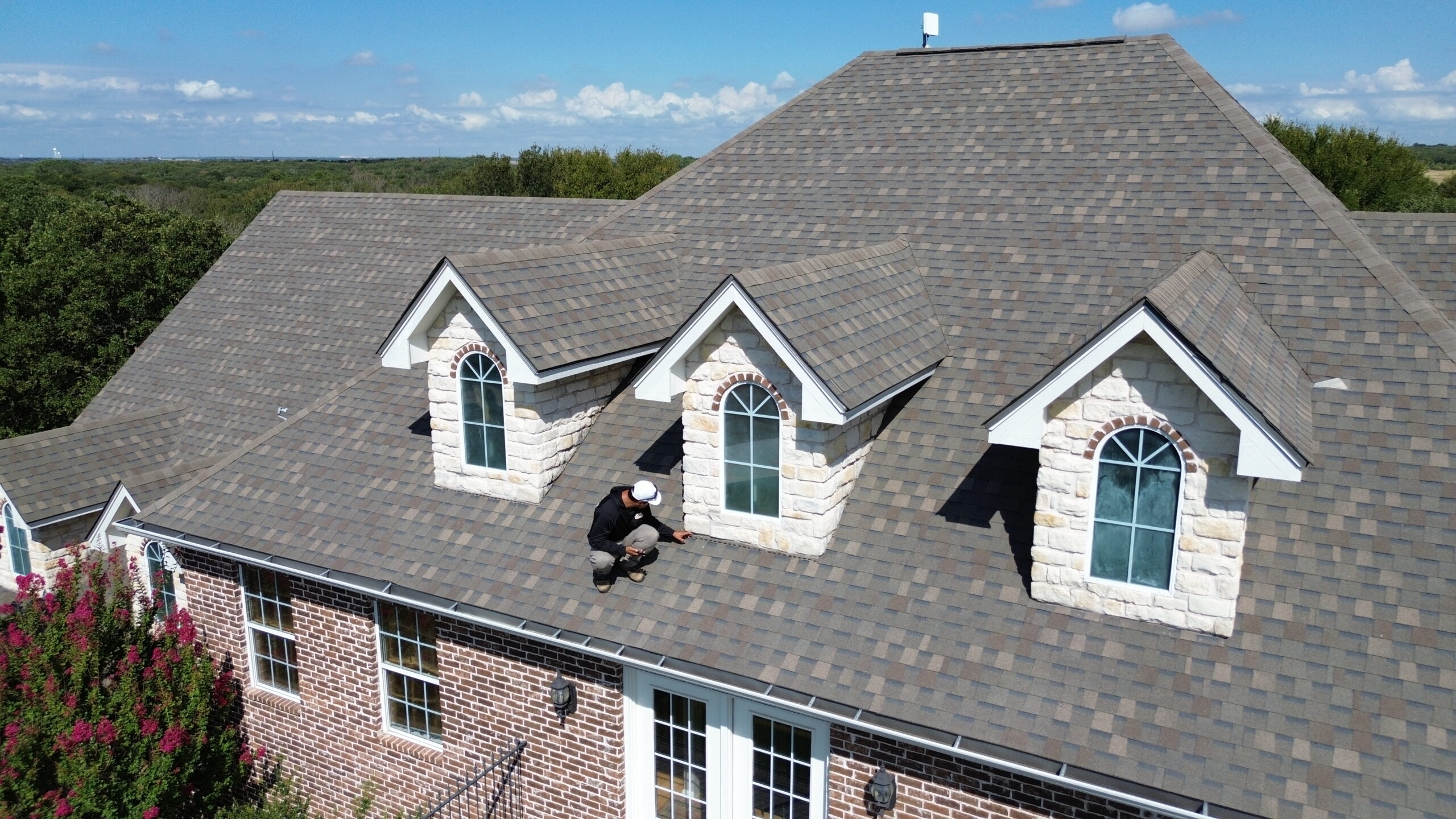
Common Installation Error Comparison
| Installation Error | Possible Consequence | Prevention Method |
|---|---|---|
| Poor drainage | Standing water, membrane deterioration, leaks | Design proper roof slope and verify drainage before completion |
| Weak seam welding or bonding | Water infiltration and seam separation | Follow manufacturer procedures and inspect every seam |
| Improper flashing | Leaks around penetrations and roof edges | Install flashing according to approved specifications |
| Uneven insulation | Poor drainage, thermal loss, membrane stress | Position insulation boards evenly with tight joints |
| Incorrect fastener spacing | Membrane movement and reduced wind resistance | Follow specified fastening patterns and inspect installation |
Every stage of flat roof installation influences the long-term performance of the completed roofing system. Errors involving insulation, membranes, seams, flashing, adhesives, or drainage often remain hidden until they develop into expensive repairs. By following proper installation techniques, using compatible materials, and performing continuous quality inspections, contractors greatly reduce the likelihood of future roofing problems.
Post-Installation Mistakes to Avoid
Completing a flat roof installation does not mean the work is finished forever. The period immediately after installation is just as important as the construction process itself. Many roofing systems develop avoidable problems because proper care is neglected once the contractors leave the site.
One of the most common post-installation mistakes is skipping the first roof inspection. Many property owners assume a newly installed roof does not require attention for several years. In reality, an inspection within the first few months helps confirm that the roofing system has settled properly and that no minor installation issues have developed.
Ignoring small repairs is another mistake that often leads to expensive damage. Minor seam separation, loose flashing, or small punctures may appear insignificant at first, but they allow moisture to enter the roofing system over time. Addressing these issues early usually prevents larger structural repairs.
Allowing debris to accumulate on the roof also creates unnecessary problems. Leaves, branches, dirt, and construction materials can block drains and gutters, preventing water from flowing away efficiently. Standing water places additional stress on the membrane and increases the risk of premature deterioration.
Heavy rooftop traffic should also be minimized whenever possible. Flat roofs often provide easy access for servicing HVAC equipment, satellite systems, or solar panels. Repeated foot traffic without protective walk pads can gradually wear the membrane and increase the likelihood of punctures.
Some property owners also install additional rooftop equipment without consulting roofing professionals. New installations often require penetrations through the roofing membrane, and improper flashing around these penetrations can compromise the waterproof system.
Cleaning the roof with unsuitable chemicals is another avoidable mistake. Harsh solvents, petroleum-based products, or abrasive cleaning tools may damage certain roofing membranes. Following the membrane manufacturer’s cleaning recommendations helps preserve the roof’s protective surface.
Finally, failing to keep maintenance records can make future servicing more difficult. Documenting inspections, repairs, and maintenance activities provides valuable information for future contractors and helps support warranty claims if they become necessary.
Maintaining a Newly Installed Flat Roof
Routine maintenance is one of the most effective ways to extend the service life of a flat roof. While modern roofing systems are designed for durability, consistent care allows property owners to identify developing issues before they become costly repairs.
Regular inspections should be scheduled at least twice every year. Spring inspections help identify damage caused by winter weather, while autumn inspections prepare the roof for colder temperatures and seasonal rainfall. Additional inspections after severe storms provide further protection.
Cleaning the roof surface should become part of the maintenance routine. Dirt, leaves, branches, and other debris should be removed before they block drainage systems or trap moisture against the roofing membrane. A clean roof also allows defects to be identified more easily during inspections.
Drainage components require particular attention because efficient water flow is essential for flat roofs. Internal drains, gutters, and scuppers should remain free of obstructions throughout the year. Even partially blocked drainage systems may allow water to collect in low areas after heavy rainfall.
Flashing around roof penetrations should also be inspected regularly. Sealants naturally age over time because of sunlight, rain, and temperature changes. Replacing deteriorated sealants before leaks occur helps preserve the waterproof integrity of the roof.
Roof edges deserve equal attention during maintenance. Edge metal should remain securely attached while membrane edges should show no signs of lifting or separation. Prompt repairs in these areas prevent wind damage and moisture intrusion.
Roof penetrations such as vents, skylights, and HVAC equipment should also be examined for movement or visible deterioration. Since these areas experience constant weather exposure, regular inspection helps detect problems before they affect the surrounding roofing system.
Professional inspections every few years provide additional reassurance. Experienced roofing contractors can identify subtle changes that homeowners may overlook while recommending preventive maintenance that extends roof lifespan.

Warning Signs of Installation Problems
Even when installation appears successful, hidden issues may develop over time. Recognizing early warning signs allows property owners to arrange professional inspections before minor defects become expensive repairs.
Many installation-related problems appear gradually. Routine roof inspections make it easier to detect these changes while corrective work remains relatively simple.
Watch for the following warning signs:
- Standing water remaining on the roof for more than 48 hours after rainfall.
- Water stains appearing on ceilings or upper interior walls.
- Open or separating membrane seams.
- Flashing pulling away from roof penetrations or walls.
- Wrinkles, bubbles, or unusual movement in the roofing membrane.
- Punctures, cuts, or visible surface damage.
- Loose edge metal around the roof perimeter.
- Cracks in sealants surrounding vents or skylights.
- Mold or persistent dampness inside the attic.
- Unexpected increases in heating or cooling costs caused by moisture affecting insulation.
None of these warning signs should be ignored. Although they may not always require complete roof replacement, prompt professional evaluation helps determine whether localized repairs are sufficient or whether additional corrective work is necessary.
How to Maximize Flat Roof Lifespan
Every property owner wants to maximize the value of a roofing investment. Fortunately, extending the lifespan of a flat roof depends largely on practical maintenance habits and responsible roof management rather than expensive upgrades.
Preventive maintenance remains the most effective strategy for long-term roof performance. Addressing small defects immediately prevents moisture from reaching insulation, roof decking, and structural components. Early intervention almost always costs less than major restoration work.
Routine inspections help monitor the condition of roofing membranes, flashing, seams, drainage systems, and roof edges throughout the year. Consistent inspections provide opportunities to detect wear before it develops into serious damage.
Keeping drainage systems clean is equally important. Water should leave the roof quickly after rainfall instead of collecting in low areas. Clear drains, gutters, and scuppers reduce long-term stress on the roofing system.
Limiting unnecessary rooftop traffic also contributes to longer membrane life. Maintenance personnel should use designated walk pads whenever possible, particularly around frequently serviced equipment such as air conditioning units or communication systems.
Prompt repair of punctures, loose seams, and flashing defects prevents water from entering the roofing assembly. Even small repairs completed early often add years to the overall service life of the roof.
Tree maintenance around the building also helps protect the roofing system. Overhanging branches should be trimmed regularly to reduce the risk of falling limbs and minimize leaf accumulation on the roof surface.
Property owners should also ensure rooftop equipment is maintained carefully. Contractors servicing HVAC systems or other rooftop equipment should avoid dragging tools or heavy materials across the membrane, reducing unnecessary wear.
Maintaining accurate records of inspections, repairs, warranties, and maintenance activities provides long-term benefits. These records help future contractors understand the roof’s history while supporting warranty claims if required.
Frequently Asked Questions
How can installation mistakes be detected?
Many installation problems become visible during routine inspections. Standing water, loose seams, flashing movement, interior water stains, and membrane wrinkles often indicate areas that require professional evaluation.
Which installation mistakes cause the most leaks?
Improper flashing, weak seams, poor drainage, and damaged roofing membranes are among the most common causes of flat roof leaks. These areas should receive careful attention during installation and routine maintenance.
Can installation defects be repaired?
Yes. Many installation-related issues can be corrected without replacing the entire roofing system. Localized seam repairs, flashing replacement, drainage improvements, and membrane patching often restore waterproof performance when completed promptly.
How often should flat roofs be inspected?
Most roofing professionals recommend inspections at least twice each year and after major storms. Regular inspections help identify developing issues before they become expensive repair projects.
Does professional installation make a difference?
Absolutely. Experienced roofing contractors understand manufacturer specifications, proper installation techniques, drainage design, and quality control procedures. Professional installation significantly reduces the likelihood of premature roofing failures and helps maximize the roof’s service life.
Conclusion
Flat roofs provide dependable protection, energy efficiency, and modern architectural appeal when installed correctly. However, even the highest-quality roofing materials cannot compensate for poor workmanship or avoidable installation mistakes. Understanding the most common installation errors allows property owners to make informed decisions throughout every stage of a roofing project.
Many roofing failures begin before the membrane is even installed. Poor preparation, damaged roof decking, incorrect material selection, inadequate drainage planning, and rushed construction schedules create conditions that reduce roof performance from the very beginning. Careful planning and thorough preparation establish the foundation for long-term success.
During installation, attention to detail becomes even more important. Proper insulation placement, accurate membrane alignment, correct adhesive application, strong seam construction, secure flashing installation, and effective drainage all contribute to a roofing system capable of resisting weather for many years. Skipping quality control during these stages often leads to costly repairs later.
Maintenance after installation is equally important. Routine inspections, prompt repairs, clean drainage systems, limited rooftop traffic, and regular professional evaluations help preserve the roof’s condition while preventing small issues from becoming major structural problems. Preventive maintenance remains one of the most effective ways to protect a roofing investment.
Whether installing a new flat roof or replacing an existing one, avoiding common installation errors is essential for achieving reliable long-term performance. By selecting quality materials, hiring experienced roofing professionals, following manufacturer recommendations, and maintaining the completed roof consistently, property owners can significantly reduce repair costs while extending the lifespan of their flat roofing system. A properly installed and well-maintained flat roof delivers dependable weather protection, improved energy efficiency, and lasting value for decades.