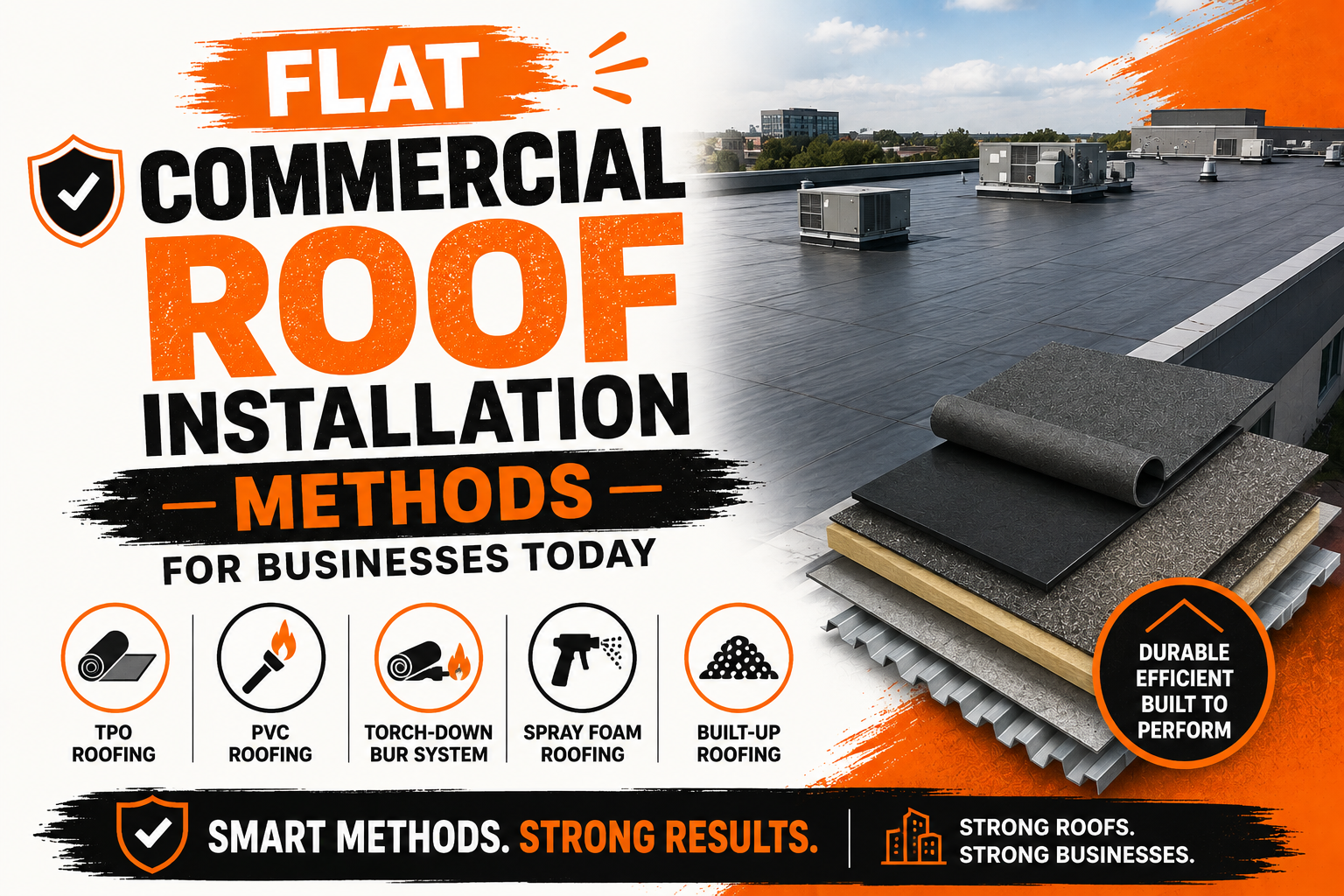
Flat Commercial Roof Installation Methods for Businesses Today
Introduction
Flat commercial roofs continue to be one of the most practical roofing solutions for businesses across many industries. From office buildings and warehouses to retail centers and manufacturing facilities, flat roofs offer a combination of affordability, accessibility, and efficient use of space. Modern roofing technology has also improved the durability and energy performance of flat roofing systems, making them a preferred choice for new construction and roof replacement projects.
A successful flat commercial roof installation involves much more than placing roofing materials on top of a building. Every stage, from planning and structural evaluation to selecting the right roofing membrane, plays a major role in determining how well the roof performs over the coming decades. Businesses that understand these installation methods can make informed decisions that reduce maintenance costs while protecting valuable assets.
Commercial roofing projects are often larger and more complex than residential installations. They require detailed planning, experienced contractors, specialized equipment, and careful attention to building codes. Even small installation mistakes can lead to leaks, insulation problems, or premature roof failure, making proper planning an essential part of every project.
This guide explores the modern methods used for flat commercial roof installation, explains the planning process, and highlights the factors businesses should evaluate before construction begins. By understanding these principles, property owners can invest in roofing systems that deliver long-term value, safety, and reliable performance.
Why Flat Commercial Roofs Remain a Popular Choice for Businesses
Flat roofs have become a standard design for commercial buildings because they provide several operational and financial advantages. Unlike steep-sloped roofs, flat roofing systems maximize usable space while allowing contractors easier access for inspections, repairs, and equipment installation. This accessibility simplifies maintenance throughout the roof’s lifespan.
Businesses also appreciate the flexibility that flat roofs provide. HVAC equipment, solar panels, communication systems, and other mechanical components can be installed without significantly affecting the building’s appearance. The roof itself becomes an extension of the property’s functional space rather than simply serving as weather protection.
Another reason for their popularity is cost efficiency. Flat commercial roofs generally require fewer materials than pitched roofing systems covering the same building footprint. Installation can often be completed more efficiently, reducing labor costs while simplifying future maintenance and repair work.
Modern flat roofing materials have significantly improved over the past several decades. Advanced membranes now offer better UV resistance, stronger seams, enhanced flexibility, and greater energy efficiency than older roofing products. These improvements help commercial buildings withstand changing weather conditions while reducing long-term operating expenses.
Some of the major benefits businesses gain from flat commercial roofing include:
- Easier access for inspections and maintenance.
- Better support for rooftop equipment.
- Efficient use of building space.
- Lower installation costs compared to many sloped roofing systems.
- Compatibility with solar energy systems.
- Improved energy efficiency when combined with modern insulation.
Although flat roofs offer many advantages, selecting the appropriate roofing system remains essential. Every building has unique structural requirements, environmental conditions, and operational needs that influence the best installation method.
Understanding Modern Flat Commercial Roofing Systems
Choosing the right roofing system is one of the most important decisions during a commercial roof installation project. Each roofing material offers different strengths regarding durability, maintenance requirements, installation techniques, and overall cost. Understanding these systems helps businesses select a solution that matches both their budget and long-term performance expectations.
Built-Up Roofing (BUR)
Built-Up Roofing, often called BUR, has served commercial buildings for well over a century. This system consists of multiple layers of roofing felt alternating with asphalt or bitumen before being finished with a protective surface layer. The multiple layers create a thick, durable membrane that provides reliable waterproofing.
BUR systems perform well on buildings exposed to heavy foot traffic because the layered construction offers excellent puncture resistance. Many industrial facilities and warehouses continue to use this roofing method due to its proven durability and long service history.
Installation requires careful layering and experienced workmanship to ensure every section bonds properly. While the process may take longer than some newer roofing systems, the finished roof offers dependable protection when properly maintained.
Modified Bitumen Roofing
Modified bitumen roofing combines traditional asphalt with modern polymer modifiers that improve flexibility and weather resistance. Reinforcing materials such as fiberglass or polyester increase the membrane’s overall strength while allowing it to expand and contract during changing temperatures.
Several installation methods are available for modified bitumen systems. Contractors may apply the membrane using heat welding, cold adhesives, self-adhesive sheets, or hot asphalt depending on project requirements and manufacturer recommendations.
This roofing system performs well in climates that experience significant seasonal temperature changes. Its flexibility helps reduce cracking while maintaining reliable waterproof protection throughout the year.
EPDM Rubber Roofing
EPDM, or Ethylene Propylene Diene Monomer, is a synthetic rubber membrane commonly used on commercial buildings with large roof surfaces. Its flexibility and weather resistance have made it one of the industry’s most widely installed roofing systems.
EPDM membranes can withstand prolonged exposure to sunlight, ozone, and varying weather conditions. The material also remains flexible during colder temperatures, reducing the risk of cracking caused by thermal movement.
Installation usually involves either fully adhering the membrane to the roof deck or mechanically fastening it before sealing the seams. Proper seam installation is especially important because these connections play a significant role in maintaining waterproof performance.
TPO Roofing
Thermoplastic Polyolefin, commonly known as TPO, has become increasingly popular among commercial property owners seeking energy-efficient roofing systems. Its reflective white surface helps reduce solar heat absorption, lowering cooling costs during warmer months.
TPO membranes are manufactured in wide sheets that reduce the number of seams across the roof surface. Contractors typically heat weld these seams to create strong waterproof joints that resist moisture penetration.
Businesses often choose TPO because it offers a balance between affordability, energy performance, and relatively straightforward installation. It performs particularly well on commercial buildings focused on improving overall energy efficiency.
PVC Roofing
Polyvinyl Chloride, or PVC roofing, is known for its exceptional chemical resistance and long-term durability. Restaurants, manufacturing facilities, and industrial buildings frequently install PVC membranes because they resist grease, chemicals, and many industrial contaminants.
Like TPO, PVC membranes use heat-welded seams that create durable waterproof connections. These welded joints often become stronger than the surrounding membrane itself, contributing to excellent leak resistance.
Although PVC roofing may involve a higher initial investment, many businesses consider the additional cost worthwhile due to its long lifespan, chemical resistance, and relatively low maintenance requirements.
Factors That Influence Roofing System Selection
Selecting a commercial roofing system involves much more than comparing material prices. Building owners must evaluate multiple factors that influence installation performance, maintenance costs, and expected service life. A roofing system that works well for one commercial property may not provide the same results for another.
Climate is one of the first considerations during material selection. Buildings located in areas with intense sunlight require roofing materials capable of resisting UV degradation, while regions experiencing heavy snowfall may prioritize strength and load-bearing capacity. Areas with frequent rainfall also require highly effective drainage planning to prevent standing water.
Building usage also influences roofing decisions. Warehouses, hospitals, shopping centers, schools, and office buildings each place different demands on their roofing systems. Some facilities experience frequent rooftop maintenance traffic due to mechanical equipment, while others prioritize energy savings or environmental sustainability.
Budget planning extends beyond initial installation expenses. Businesses should compare long-term maintenance costs, expected service life, repair frequency, warranty coverage, and potential energy savings before selecting a roofing system. A slightly higher upfront investment may deliver significantly lower ownership costs over several decades.
Several important considerations include:
- Local weather conditions.
- Building size and structural design.
- Energy efficiency objectives.
- Maintenance expectations.
- Roofing lifespan.
- Installation schedule.
- Manufacturer warranty.
- Total lifecycle cost.
Evaluating these factors together helps businesses choose roofing systems that align with both operational needs and financial objectives.
Preparing a Commercial Building for Roof Installation
Proper preparation lays the foundation for every successful commercial roofing project. Before installation begins, contractors carefully evaluate existing conditions to ensure the roof structure can safely support the selected roofing system. Skipping this preparation stage increases the risk of costly problems later in the project.
Preparation usually begins with reviewing architectural drawings and previous maintenance records. These documents help contractors understand the building’s construction history, identify previous repairs, and locate areas requiring additional attention during installation.
The project team also develops a detailed installation schedule that minimizes disruption to daily business operations. For occupied commercial buildings, coordinating roofing activities with employees, tenants, customers, and facility managers helps maintain safety while reducing operational interruptions.
Material delivery planning is another essential preparation step. Roofing materials often arrive in multiple shipments based on project phases, allowing contractors to organize storage while preventing unnecessary roof loading before installation begins.
Roof Inspection and Structural Assessment
Every commercial roofing project begins with a thorough inspection of the existing roof structure. This assessment helps identify hidden problems that could affect installation quality or shorten the new roof’s lifespan. Contractors examine the roof deck, insulation, drainage systems, flashing, and structural components before finalizing installation plans.
Inspectors look for signs of moisture damage, deteriorated decking, corrosion, structural movement, and previous repair failures. Moisture trapped beneath older roofing materials can compromise insulation performance while weakening structural components if left untreated.
Structural engineers may also evaluate the building’s load capacity when heavier roofing systems or additional rooftop equipment are planned. This analysis ensures the completed roof safely supports both the roofing materials and any future mechanical installations.
A comprehensive inspection often identifies opportunities to correct existing problems before new materials are installed. Addressing these issues early helps maximize the lifespan of the completed roofing system while reducing future maintenance costs.
Planning for Drainage, Insulation, and Energy Performance
Although flat roofs appear level from the ground, they are actually designed with slight slopes that guide water toward drains, gutters, or scuppers. Effective drainage planning prevents standing water that could accelerate membrane deterioration or increase structural loading over time.
Insulation selection also plays an important role in commercial roofing performance. Proper insulation improves indoor comfort, reduces heating and cooling costs, and helps the roofing membrane experience more stable temperatures throughout changing weather conditions.
Many businesses now prioritize energy-efficient roofing systems as part of broader sustainability initiatives. Reflective roofing materials, improved insulation, and carefully designed ventilation systems work together to lower energy consumption while supporting environmental goals.
Local building codes may also establish minimum insulation values and drainage requirements. Contractors incorporate these regulations into project planning to ensure the completed roof meets current construction standards while providing long-term operational benefits.
Choosing the Right Roofing Contractor
Even the highest quality roofing materials cannot deliver reliable performance without skilled installation. Selecting an experienced commercial roofing contractor is therefore one of the most important decisions any business can make during the project planning stage.
Qualified contractors understand manufacturer installation guidelines, local building regulations, workplace safety requirements, and quality control procedures. Their experience allows them to identify potential challenges before construction begins, helping prevent unnecessary delays or unexpected expenses.
Businesses should carefully review a contractor’s licensing, insurance coverage, certifications, previous commercial projects, and customer references before awarding a roofing contract. Comparing multiple proposals also helps ensure the selected contractor offers an appropriate balance of quality, experience, and value.
Clear communication remains essential throughout the selection process. Contractors who explain project timelines, installation methods, warranty coverage, and maintenance recommendations help businesses make informed decisions while building confidence before work begins.
Common Mistakes Businesses Should Avoid Before Installation
Many commercial roofing problems originate long before installation begins. Careful planning helps businesses avoid mistakes that may increase project costs or reduce long-term roof performance.
Some organizations focus primarily on selecting the lowest bid without evaluating contractor qualifications or material quality. While controlling expenses is important, choosing inexperienced installers or inferior materials often results in higher maintenance costs over the life of the roof.
Another common mistake involves delaying necessary structural repairs before installing new roofing materials. Covering damaged decking or moisture problems without correcting the underlying issue can shorten the lifespan of the entire roofing system.
Businesses should also avoid overlooking future maintenance requirements. Selecting roofing systems that align with available maintenance resources helps preserve warranty coverage while extending service life. Proper planning before installation creates a stronger foundation for long-term roof performance and prepares the project for the installation methods and construction practices.
Preparing the Roof Deck for Installation
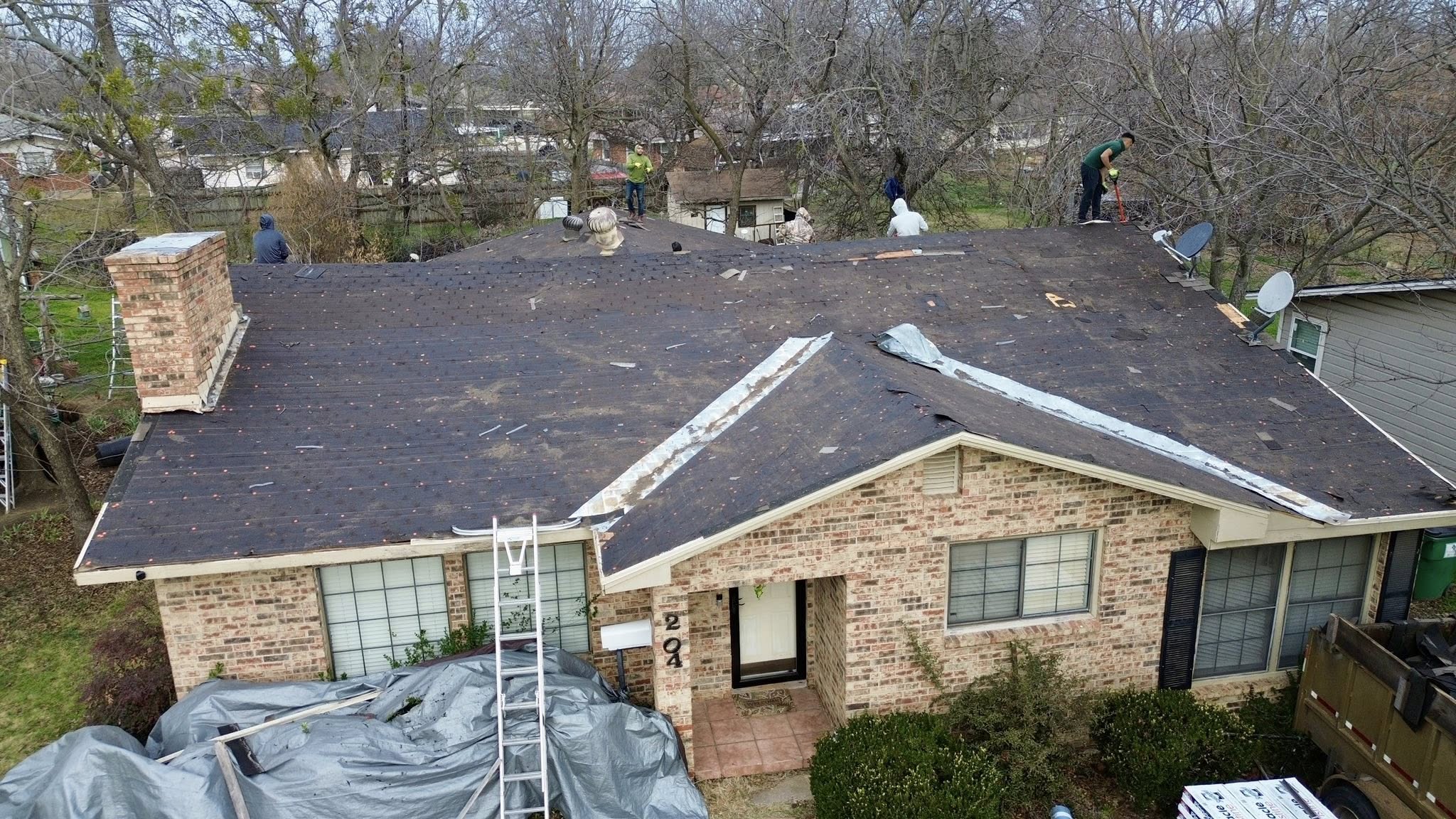
The roof deck forms the structural foundation of every commercial roofing system. Regardless of the membrane selected, the installation can only perform as intended when the deck is clean, dry, stable, and capable of supporting the roofing assembly. Contractors spend considerable time preparing this surface because even minor imperfections can affect the finished roof.
Preparation begins by removing debris, dust, loose fasteners, and damaged materials from the roof deck. Any wet insulation, deteriorated decking, or unstable sections are replaced before new materials are installed. This process ensures the roofing membrane rests on a solid surface that supports long-term performance.
Contractors also inspect the deck for uneven areas that could create low spots where water may collect. Small irregularities are corrected before installation to improve drainage and reduce unnecessary stress on the roofing membrane. Proper preparation minimizes the likelihood of future leaks while improving the lifespan of the completed roof.
Weather conditions also influence deck preparation. Roofing materials should generally be installed over dry surfaces because trapped moisture can reduce adhesive performance and contribute to long-term roofing problems. Contractors monitor weather forecasts closely to ensure installation begins under suitable conditions.
Installing Vapor Barriers and Insulation Layers
Once the roof deck has been prepared, contractors install vapor barriers where required by the building design and climate conditions. A vapor barrier helps prevent moisture from moving through the building and becoming trapped inside the roofing system. Controlling moisture is essential because damp insulation loses much of its thermal efficiency and may contribute to mold growth or structural deterioration.
After the vapor barrier is installed, insulation boards are carefully positioned according to the project specifications. Commercial roofing projects commonly use polyisocyanurate insulation because it provides excellent thermal performance while remaining relatively lightweight. Other insulation materials may also be selected depending on the building’s requirements and local building codes.
The insulation layout must remain consistent across the roof surface to avoid creating weak points beneath the membrane. Contractors stagger insulation joints whenever possible, improving structural stability while reducing pathways for heat transfer. Proper fastening or adhesion ensures the insulation remains securely in place throughout the roof’s service life.
Many commercial buildings now use tapered insulation systems instead of completely flat insulation boards. These systems create gradual slopes that guide rainwater toward drains without changing the building’s structural design. Improved drainage reduces standing water and helps maintain membrane performance over time.
Flat Commercial Roof Installation Methods
Modern commercial roofing systems use several installation methods depending on the selected membrane, building design, environmental conditions, and project budget. Each method offers unique advantages, making it important for businesses to understand how they differ before construction begins.
Mechanically Attached Systems
Mechanically attached roofing systems secure the membrane using specialized fasteners that anchor directly into the roof deck. The fasteners are strategically positioned before adjacent membrane sheets cover them, creating a secure installation while protecting the attachment points from weather exposure.
This installation method is commonly used on large commercial buildings because it can be completed efficiently over expansive roof areas. The reduced use of adhesives also allows installation to continue under a wider range of weather conditions, although manufacturer recommendations must always be followed.
Mechanically attached systems perform particularly well in many commercial applications where installation speed is an important consideration. However, proper fastener spacing and placement remain essential to ensure the roof can withstand wind uplift and other environmental forces.
Fully Adhered Systems
Fully adhered roofing systems use specially formulated adhesives to bond the membrane directly to the insulation or roof deck. This approach creates continuous contact between the roofing membrane and the underlying surface, resulting in a smooth finished appearance.
Because the membrane is fully bonded, these systems often provide excellent wind resistance. They also reduce membrane movement caused by temperature fluctuations and strong winds, helping maintain consistent performance over time.
Successful adhesive application requires careful attention to manufacturer guidelines regarding surface preparation, adhesive coverage, and curing conditions. Contractors closely monitor temperature and humidity because these factors influence adhesive performance during installation.
Ballasted Roofing Systems
Ballasted roofing systems rely on heavy materials, such as smooth river stone or concrete pavers, to hold the roofing membrane securely in place. Instead of relying primarily on adhesives or mechanical fasteners, the weight of the ballast resists wind uplift while protecting the membrane from ultraviolet exposure.
These systems are commonly installed on buildings specifically designed to support the additional structural load. Proper engineering evaluation is essential before selecting this installation method because the roof structure must safely carry the combined weight of the roofing assembly and ballast materials.
Although ballasted systems can simplify certain aspects of installation, they may require additional maintenance when inspections or repairs become necessary. Contractors must temporarily move ballast materials to access the membrane beneath.
Membrane Installation Techniques
The roofing membrane serves as the building’s primary waterproof barrier, making careful installation essential for long-term success. Different membrane materials require different installation techniques, but the overall objective remains the same by creating a continuous protective surface that prevents water infiltration.
Large membrane sheets are carefully positioned across the roof while minimizing wrinkles and unnecessary stress. Contractors align each sheet according to the installation plan before permanently securing it using the selected attachment method. Maintaining proper alignment reduces the likelihood of weak seams or installation defects.
Seam construction is one of the most critical parts of membrane installation. TPO and PVC membranes typically use heat welding to fuse adjoining sheets together, creating durable waterproof joints. EPDM systems often use specially designed seam tapes or adhesives that provide reliable long-term sealing when installed correctly.
Contractors regularly inspect completed seams throughout the installation process. Testing seam quality before continuing allows any adjustments to be made immediately, helping ensure consistent waterproof performance across the entire roof.
Flashing Installation Around Roof Penetrations
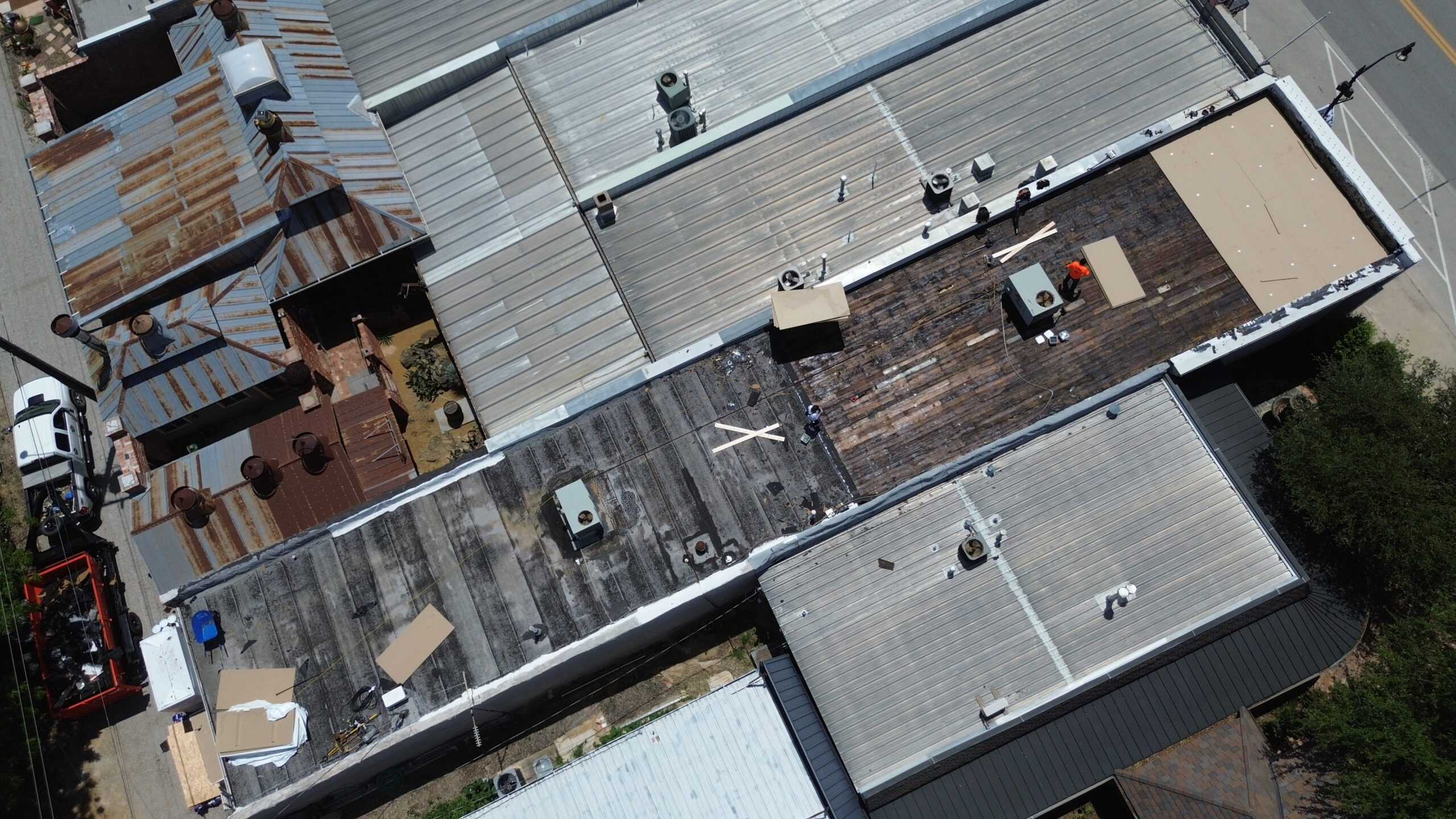
Commercial roofs contain numerous penetrations that require careful waterproofing. Vent pipes, HVAC units, skylights, electrical conduits, drains, and equipment supports all interrupt the roofing membrane, creating potential locations for leaks if flashing is installed improperly.
Flashing materials are designed to direct water away from these vulnerable areas while maintaining a watertight seal. Contractors shape and secure flashing according to both manufacturer specifications and the unique geometry of each roof penetration. Proper workmanship is particularly important because flashing failures are among the most common causes of commercial roof leaks.
Corners, expansion joints, parapet walls, and roof edges also receive specialized flashing treatments. These transitions experience greater movement due to thermal expansion and contraction, making flexibility an important characteristic of the flashing system.
Routine inspection during installation helps verify that flashing components remain securely attached and properly integrated with the roofing membrane. Careful attention to these details contributes significantly to the overall durability of the finished roof.
Drainage Systems and Water Management
Effective drainage remains one of the defining characteristics of a well-designed flat commercial roof. Although flat roofs have minimal slope, they are engineered to direct rainwater efficiently toward designated drainage points. Allowing water to remain on the roof for extended periods increases the risk of membrane deterioration and structural stress.
Commercial drainage systems generally include roof drains, scuppers, gutters, downspouts, or a combination of these components. Their arrangement depends on the building’s size, roof geometry, and expected rainfall levels. Proper placement ensures water leaves the roof quickly during both routine storms and heavy rainfall events.
During installation, contractors carefully verify that drainage pathways remain unobstructed. Roofing materials, insulation, and flashing are installed in ways that preserve water flow without creating unnecessary barriers. Maintaining positive drainage is essential for protecting both the roofing system and the building below.
Regular maintenance after installation also supports drainage performance. Keeping drains free from leaves, debris, and other obstructions reduces the likelihood of ponding water and helps extend the roof’s service life.
Safety Practices During Commercial Roof Installation
Commercial roofing projects involve elevated work areas, specialized equipment, and heavy construction materials. Maintaining a safe work environment protects roofing crews, building occupants, and surrounding property throughout every stage of installation.
Contractors develop detailed safety plans before work begins. These plans identify potential hazards, establish emergency procedures, and define responsibilities for every member of the installation team. Consistent safety practices reduce accidents while supporting efficient project completion.
Some of the most important safety measures include:
- Fall protection systems for workers operating at roof edges.
- Personal protective equipment including helmets, gloves, and safety footwear.
- Secure material storage to prevent shifting or falling objects.
- Clearly marked work zones around the building.
- Regular equipment inspections before daily use.
- Continuous monitoring of weather conditions during installation.
Training also plays an important role in workplace safety. Experienced roofing crews understand how to handle materials, operate equipment, and respond appropriately when site conditions change unexpectedly.
Quality Control Throughout the Installation Process
Quality control begins long before the final inspection. Throughout installation, contractors continuously evaluate workmanship to ensure every component meets project specifications and manufacturer requirements. Early identification of issues helps prevent costly corrections after the roof has been completed.
Inspectors verify membrane alignment, seam quality, flashing installation, insulation attachment, and drainage performance at multiple stages of construction. This systematic approach allows corrections to be made while work continues rather than after the project has been finished.
Documentation is another important part of quality assurance. Contractors often maintain detailed installation records, photographs, inspection reports, and manufacturer compliance documentation. These records provide valuable information for future maintenance, warranty claims, and building management.
Before project completion, a comprehensive final inspection confirms that the roofing system has been installed according to approved standards. Any remaining adjustments are completed before the roof is officially handed over to the building owner.
Comparing Common Flat Roofing Materials
Selecting the right roofing material requires balancing installation methods, durability, maintenance requirements, and overall performance. While every commercial property has unique needs, understanding the strengths of each material helps businesses make informed decisions.
| Roofing Material | Typical Lifespan | Major Strength | Common Installation Method | Best Suited For |
|---|---|---|---|---|
| BUR | 20 to 30 years | Excellent durability | Layered asphalt application | Warehouses and industrial buildings |
| Modified Bitumen | 20 to 30 years | Flexible and impact resistant | Heat welded, cold adhesive, or self-adhered | Commercial offices and retail buildings |
| EPDM | 25 to 35 years | Outstanding weather resistance | Fully adhered or mechanically attached | Large commercial roofs |
| TPO | 20 to 30 years | High energy efficiency | Heat welded seams | Energy-conscious businesses |
| PVC | 25 to 35 years | Chemical and grease resistance | Heat welded seams | Restaurants and manufacturing facilities |
No single roofing material is ideal for every commercial property. Building owners should consider climate, building use, maintenance expectations, energy goals, and budget together when selecting the most appropriate roofing system.
Weather Considerations During Installation
Weather has a significant impact on the success of any commercial roof installation project. While experienced contractors can work under various conditions, certain types of weather create challenges that may affect material performance, installation quality, and overall project timelines. Careful planning helps minimize delays while ensuring the roofing system performs as intended.
Rain is one of the most important weather concerns during installation. Roofing materials and insulation should remain dry before they are permanently installed because trapped moisture can reduce insulation efficiency and shorten the lifespan of the roofing system. Contractors often monitor weather forecasts closely and schedule work around expected rainfall whenever possible.
Temperature also influences installation methods. Some adhesives require specific temperature ranges to achieve proper bonding, while heat-welded membranes perform best when installation guidelines are carefully followed. Extremely cold or excessively hot conditions may require adjustments to installation procedures without compromising quality.
Wind can present another challenge, especially on large commercial buildings. Strong gusts make handling large roofing membranes more difficult and may create safety hazards for installation crews. Contractors may temporarily suspend certain activities until weather conditions improve, prioritizing worker safety and installation accuracy.
Seasonal planning often improves project efficiency. Many businesses schedule roof replacement during periods with more predictable weather patterns to reduce the risk of interruptions. Careful scheduling also helps contractors complete installations according to the planned timeline while maintaining high workmanship standards.
Typical Commercial Roof Installation Timeline
Every commercial roofing project follows a different schedule depending on the building’s size, roofing system, weather conditions, and project complexity. Although no two installations are exactly alike, understanding the general sequence helps businesses prepare for the construction process.
Smaller commercial buildings may require only several days of installation, while large industrial facilities or shopping centers may require several weeks. Buildings that remain occupied throughout construction often require additional coordination to minimize disruption to daily operations.
A typical commercial roof installation generally follows these stages:
- Initial inspection, measurements, and project planning.
- Material selection and ordering.
- Roof preparation and removal of existing materials when necessary.
- Structural repairs and roof deck preparation.
- Installation of vapor barriers and insulation.
- Roofing membrane installation.
- Flashing, drainage, and edge detail completion.
- Final inspection, quality assurance, and project handover.
Unexpected weather events or previously hidden structural damage may occasionally extend the project timeline. Experienced contractors build flexibility into their schedules so they can address unforeseen conditions without sacrificing installation quality.
Communication throughout the project is equally important. Regular updates allow building owners, tenants, and facility managers to understand construction progress while planning around temporary work areas or access restrictions.
Factors That Affect Installation Costs
Commercial roof installation costs vary considerably because every building presents unique design requirements and construction challenges. Looking beyond the initial price helps businesses understand the long-term value of different roofing systems.
Roof size is one of the primary cost factors. Larger buildings naturally require more materials, additional labor, and longer installation periods. Roof complexity also influences pricing because buildings with multiple penetrations, equipment supports, skylights, or unusual architectural features require more detailed workmanship.
Material selection significantly affects project costs. Premium roofing membranes may involve higher upfront expenses, but they often provide longer service lives, lower maintenance requirements, and improved energy efficiency. Businesses frequently evaluate lifecycle costs rather than focusing only on the initial installation budget.
Labor costs depend on project complexity, regional market conditions, and contractor experience. Highly skilled installation teams may charge more for their services, but quality workmanship often reduces future repair expenses and helps preserve manufacturer warranty coverage.
Additional factors that influence commercial roofing costs include:
- Existing roof removal requirements.
- Structural repairs discovered during construction.
- Insulation thickness and energy efficiency goals.
- Local building code compliance.
- Crane or specialized equipment requirements.
- Warranty options selected by the building owner.
Evaluating these factors together provides a more complete understanding of total project value. Businesses that prioritize quality materials and experienced installation often benefit from lower maintenance expenses throughout the roof’s lifespan.
How Businesses Can Maximize Roof Lifespan
Installing a high-quality roofing system is only the beginning of protecting a commercial building. Long-term performance depends on consistent maintenance, timely repairs, and routine inspections that identify developing problems before they become major issues.
Scheduled inspections are one of the most effective ways to extend roof lifespan. Professional inspections performed at least twice each year help identify damaged flashing, membrane wear, drainage issues, or early signs of water infiltration. Addressing these concerns promptly often prevents more expensive repairs later.
Maintaining clean drainage systems also contributes to roof longevity. Leaves, dirt, and other debris should be removed regularly from drains, gutters, and scuppers to ensure rainwater flows away efficiently. Preventing standing water reduces stress on the roofing membrane and underlying structure.
Limiting unnecessary foot traffic also helps preserve membrane integrity. When maintenance personnel need rooftop access, designated walkways or protective pads reduce wear in frequently traveled areas. Small preventive measures like these can significantly increase the service life of the roofing system.
Working only with qualified roofing professionals for repairs is equally important. Improper repair methods may void manufacturer warranties or create new waterproofing problems. Consistent professional maintenance helps businesses protect their investment for many years.
Preventive Maintenance After Installation
Preventive maintenance keeps commercial roofing systems operating efficiently while reducing the likelihood of unexpected failures. Rather than waiting for visible leaks to appear, proactive maintenance identifies small concerns before they develop into major structural problems.
Routine inspections should include examining seams, flashing, drains, roof penetrations, and membrane surfaces. Contractors also look for punctures, loose materials, standing water, and signs of weather-related damage. Early detection allows repairs to remain relatively simple and affordable.
Cleaning plays an important role in preventive maintenance. Organic debris can trap moisture against the roofing membrane, while clogged drainage systems increase the risk of ponding water. Regular cleaning helps preserve both waterproofing performance and overall roof appearance.
Maintenance documentation should also be maintained throughout the roof’s lifespan. Inspection reports, repair records, photographs, and warranty information provide valuable references when evaluating future maintenance needs or planning long-term facility improvements.
Signs That a Newly Installed Roof Needs Attention
Even a newly completed commercial roof should be monitored during its early years of service. While properly installed systems generally perform reliably, periodic inspections help verify that every component continues functioning as intended.
One of the earliest warning signs involves water stains appearing on interior ceilings or walls. Although these stains do not always indicate a roofing problem, they should be investigated promptly to identify the source of moisture before additional damage occurs.
Standing water that remains on the roof for extended periods after rainfall may indicate drainage problems requiring correction. Persistent ponding increases stress on roofing materials while accelerating membrane aging over time.
Building owners should also monitor flashing around rooftop equipment, expansion joints, and roof edges. Loose flashing, visible gaps, or damaged sealants should be repaired quickly to maintain waterproof protection.
Other warning signs that deserve professional evaluation include:
- Blistering or bubbling of the roofing membrane.
- Open or separating seams.
- Damaged roof edges.
- Loose fasteners.
- Unusual membrane movement during strong winds.
- Repeated drainage blockages.
Responding quickly to these issues helps preserve both the roofing system and the building beneath it.
Sustainability and Energy Efficiency Benefits
Modern commercial roofing systems increasingly support sustainability initiatives while helping businesses reduce operating costs. Advances in roofing materials have improved thermal performance, increased recyclability, and reduced environmental impact throughout the roof’s service life.
Reflective roofing membranes reduce heat absorption by reflecting a larger portion of the sun’s energy away from the building. Lower roof temperatures decrease cooling demands during warmer months, helping reduce electricity consumption while improving indoor comfort.
Improved insulation further enhances energy efficiency by reducing heat transfer through the roof assembly. Buildings maintain more stable indoor temperatures throughout the year, lowering heating and cooling expenses while reducing strain on HVAC equipment.
Many flat commercial roofs also provide excellent platforms for renewable energy systems. Solar panels can often be installed without major structural modifications, allowing businesses to generate electricity while making productive use of available roof space.
Sustainable roofing practices extend beyond energy savings. Many manufacturers now produce recyclable roofing materials while reducing waste during manufacturing. Responsible material selection and proper installation support broader environmental objectives while improving long-term building performance.
Future Trends in Flat Commercial Roofing
Commercial roofing technology continues evolving as manufacturers develop materials that offer greater durability, improved energy performance, and simplified maintenance. These innovations help businesses protect their facilities while adapting to changing environmental and operational requirements.
One growing trend involves advanced roofing membranes with enhanced resistance to ultraviolet radiation, chemicals, and extreme weather conditions. Improved manufacturing techniques continue increasing membrane strength while maintaining installation efficiency.
Digital technology is also transforming roof management. Drones, infrared imaging, and moisture detection equipment allow contractors to perform more detailed inspections without disturbing the roofing system. These technologies help identify hidden problems earlier while improving maintenance planning.
Sustainability will likely remain a major focus within the commercial roofing industry. Green roofs, solar-integrated roofing systems, and environmentally responsible materials continue gaining popularity as businesses seek long-term energy savings and reduced environmental impact.
Building owners are also placing greater emphasis on lifecycle planning rather than initial installation costs alone. Investing in durable materials, professional installation, and preventive maintenance often provides greater financial value throughout the roof’s service life.
Frequently Asked Questions
How long does a flat commercial roof typically last?
The lifespan depends on the roofing material, installation quality, maintenance program, and local climate. Many modern commercial roofing systems provide reliable service for 20 to 35 years when properly maintained.
Which flat roofing material is the most energy efficient?
Reflective membranes such as TPO and certain PVC roofing systems are widely recognized for their energy-saving performance. Combined with quality insulation, they can significantly reduce cooling costs.
Can businesses continue operating during roof installation?
In many cases, yes. Experienced contractors plan work carefully to minimize disruption while maintaining safe access for employees, customers, and tenants throughout the project.
How often should commercial roofs be inspected?
Most roofing professionals recommend professional inspections at least twice each year and after severe weather events. Regular inspections help identify developing issues before they require costly repairs.
Is preventive maintenance really necessary for a new roof?
Yes. Even newly installed roofing systems benefit from routine inspections and maintenance. Preventive care protects warranty coverage, identifies minor concerns early, and extends the roof’s overall lifespan.
Final Thoughts
Flat commercial roof installation is a carefully planned process that combines engineering, quality materials, skilled workmanship, and long-term maintenance planning. Every stage, from selecting the appropriate roofing system to completing the final inspection, contributes to the roof’s durability and overall performance.
Businesses that invest time in evaluating roofing materials, hiring experienced contractors, and following preventive maintenance practices often experience fewer unexpected repairs and lower ownership costs. A properly installed commercial roof not only protects the building from weather but also supports energy efficiency, operational reliability, and long-term business success.
Conclusion
Flat commercial roof installation methods have advanced considerably through improved materials, installation techniques, and quality control standards. Modern systems such as BUR, Modified Bitumen, EPDM, TPO, and PVC provide businesses with dependable solutions that can be tailored to different building types, climates, and operational requirements.
Successful commercial roofing projects begin with careful planning, thorough structural assessment, and informed material selection. Proper roof deck preparation, effective insulation, reliable drainage design, and skilled membrane installation all work together to create a durable roofing system capable of serving the building for decades.
Long-term performance depends not only on installation quality but also on consistent maintenance and regular inspections. Businesses that adopt proactive maintenance strategies, respond quickly to minor issues, and work with qualified roofing professionals can maximize the value of their investment while minimizing future repair costs.
As roofing technology continues to evolve, commercial property owners have access to increasingly durable, energy-efficient, and environmentally responsible roofing solutions. Understanding modern flat commercial roof installation methods allows businesses to make confident decisions that protect their facilities, improve operational efficiency, and provide dependable performance well into the future.