

Ultimate Guide to Planning Roof Replacement Projects
Introduction
A roof replacement is one of the most significant investments a property owner can make. It protects the entire structure from harsh weather, improves energy efficiency, enhances curb appeal, and contributes to the overall value of a home or commercial building. Because of its importance, replacing a roof should never be treated as a rushed decision.
Proper planning helps avoid unexpected expenses, project delays, material shortages, and unnecessary stress. Every successful roofing project begins long before old shingles or tiles are removed. Understanding the condition of the existing roof, selecting suitable materials, estimating costs, and preparing for the construction process all play an important role in achieving the desired outcome.
Many homeowners only think about roof replacement after a serious leak or storm damage occurs. While emergency replacements are sometimes unavoidable, most roofing projects can be planned well in advance. A proactive approach gives property owners more time to compare options, hire experienced contractors, and make informed financial decisions.
Planning also allows homeowners to consider improvements that go beyond replacing damaged materials. Modern roofing systems offer better insulation, improved ventilation, stronger weather resistance, and enhanced energy performance. Taking these factors into account during planning ensures the investment delivers long term value instead of simply solving an immediate problem.
This guide explores every stage of planning a roof replacement project. From determining when replacement is necessary to evaluating the roof’s condition, setting realistic goals, creating a practical budget, and selecting suitable materials, each section builds toward a successful and well organized roofing project.
Understanding When Roof Replacement Becomes Necessary
Planning begins with recognizing whether a roof truly needs replacement. While many roofing issues can be repaired, others indicate that the entire roofing system has reached the end of its service life. Knowing the difference prevents unnecessary spending while protecting the property from more serious structural damage.
Age is one of the most reliable indicators that replacement should be considered. Every roofing material has an expected lifespan, and once that period approaches, maintenance costs often increase while overall performance declines. Even if visible damage appears minor, older roofs may have hidden deterioration beneath the surface.
Weather exposure gradually weakens roofing materials over many years. Constant sunlight, heavy rainfall, hail, snow, strong winds, and temperature fluctuations slowly reduce the roof’s ability to protect the building. Small defects can eventually develop into larger problems that become increasingly expensive to repair.
Repeated repairs may also signal that replacement is the more practical option. If leaks continue appearing in different locations despite multiple repair attempts, replacing the entire roof often becomes more cost effective than addressing individual issues one by one.
Ignoring warning signs can allow moisture to enter the building structure. Water infiltration may damage insulation, ceilings, walls, electrical systems, and wooden framing. In severe situations, prolonged moisture exposure can encourage mold growth and compromise structural stability.
Several warning signs commonly indicate that roof replacement should be evaluated.
- Frequent leaks appearing in multiple locations
- Missing, cracked, or curling roofing materials
- Sagging roof sections
- Visible daylight entering the attic
- Significant granule loss from asphalt shingles
- Persistent moisture or mold problems
These signs do not automatically mean replacement is the only solution. However, they strongly suggest that a professional inspection should be scheduled before additional damage develops.
Repair Versus Replacement
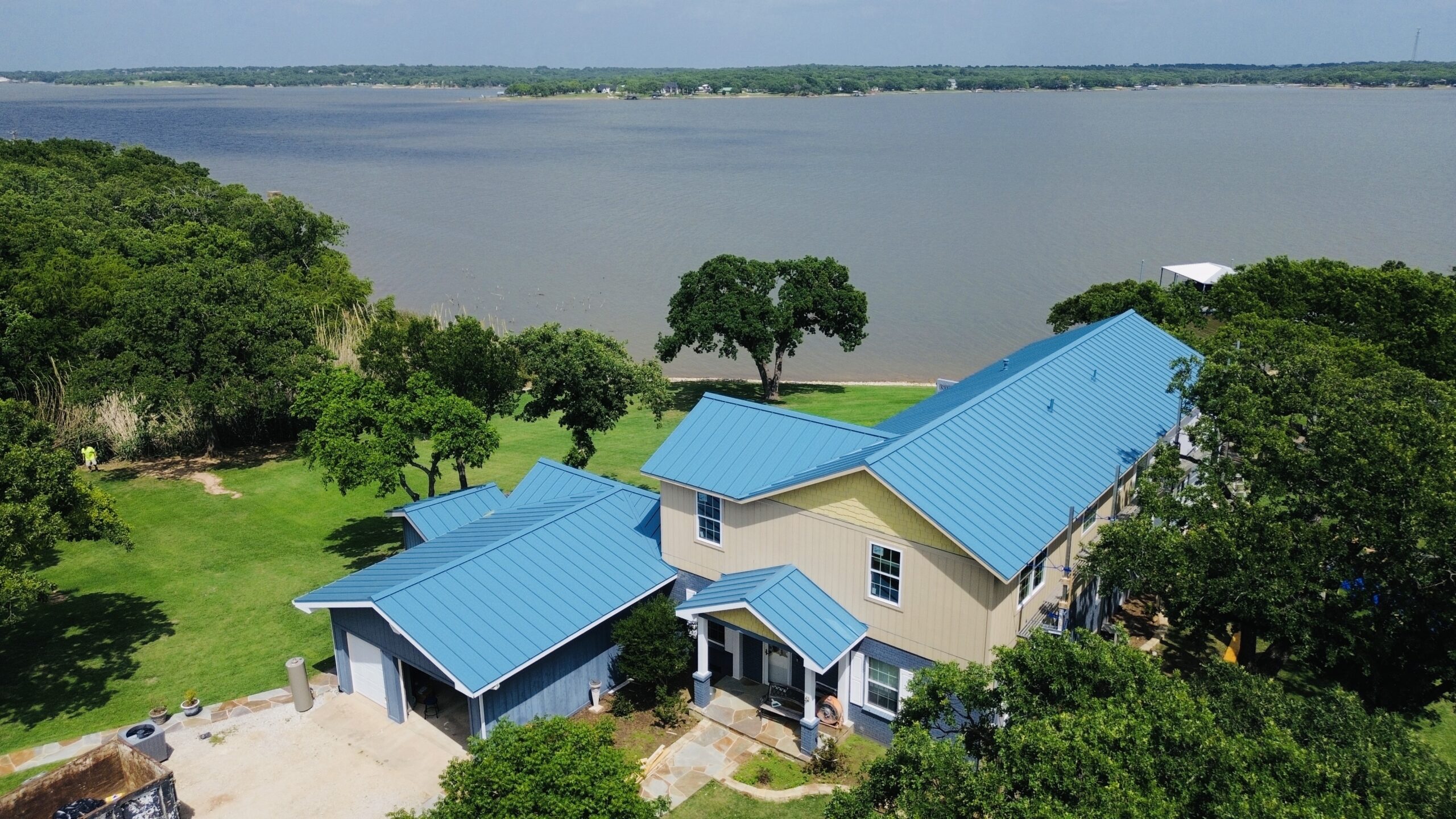
One of the biggest decisions during project planning involves determining whether repairs remain practical or whether complete replacement offers greater long term value. This decision depends on several technical and financial considerations rather than the size of a single leak alone.
A relatively new roof with isolated storm damage may only require limited repairs. Replacing damaged shingles, repairing flashing, or sealing vulnerable areas can often restore full performance when the remaining roofing system is still in good condition.
Older roofs with widespread deterioration present a different situation. Repairing isolated areas may temporarily solve one problem while leaving other aging sections vulnerable to failure. This cycle often results in repeated repair bills that eventually exceed the cost of installing a completely new roofing system.
Property owners should also consider future plans for the building. Those planning to remain in their home for many years often benefit from replacing an aging roof instead of investing in repeated short term repairs. The new roofing system provides improved durability and reduces maintenance concerns for years to come.
A professional roofing inspection provides valuable guidance during this decision. Experienced contractors evaluate structural integrity, material condition, moisture damage, and remaining service life before recommending the most practical solution.
Defining Goals Before Starting the Project
Every roof replacement project should begin with clearly defined objectives. Without specific goals, homeowners may struggle to choose suitable materials, allocate budgets effectively, or prioritize important features. A well planned project balances immediate needs with long term benefits.
Some homeowners focus primarily on eliminating leaks and preventing future water damage. Others view roof replacement as an opportunity to improve energy efficiency, modernize the home’s appearance, or increase resale value. Understanding these priorities helps guide every decision throughout the project.
Energy efficiency has become an increasingly important consideration during roof replacement planning. Modern roofing materials reflect more solar heat, improve attic ventilation, and reduce cooling costs during warmer months. These improvements often contribute to lower utility bills over the roof’s lifespan.
Aesthetic improvements also influence material selection. A new roof significantly changes the appearance of a property, making it worthwhile to consider colors, textures, and architectural styles that complement the building’s exterior.
Long term durability should remain one of the primary objectives. Selecting higher quality materials may require a larger initial investment, but stronger products often reduce maintenance costs while providing decades of reliable protection.
Homeowners should also think about future maintenance requirements. Some roofing materials require minimal upkeep, while others demand periodic inspections or specialized care. Understanding these expectations prevents surprises after installation.
Evaluating the Existing Roof Condition
Before selecting materials or requesting estimates, it is essential to understand the current condition of the roof. A thorough assessment provides the information needed to create realistic budgets, anticipate repairs, and avoid unexpected construction delays.
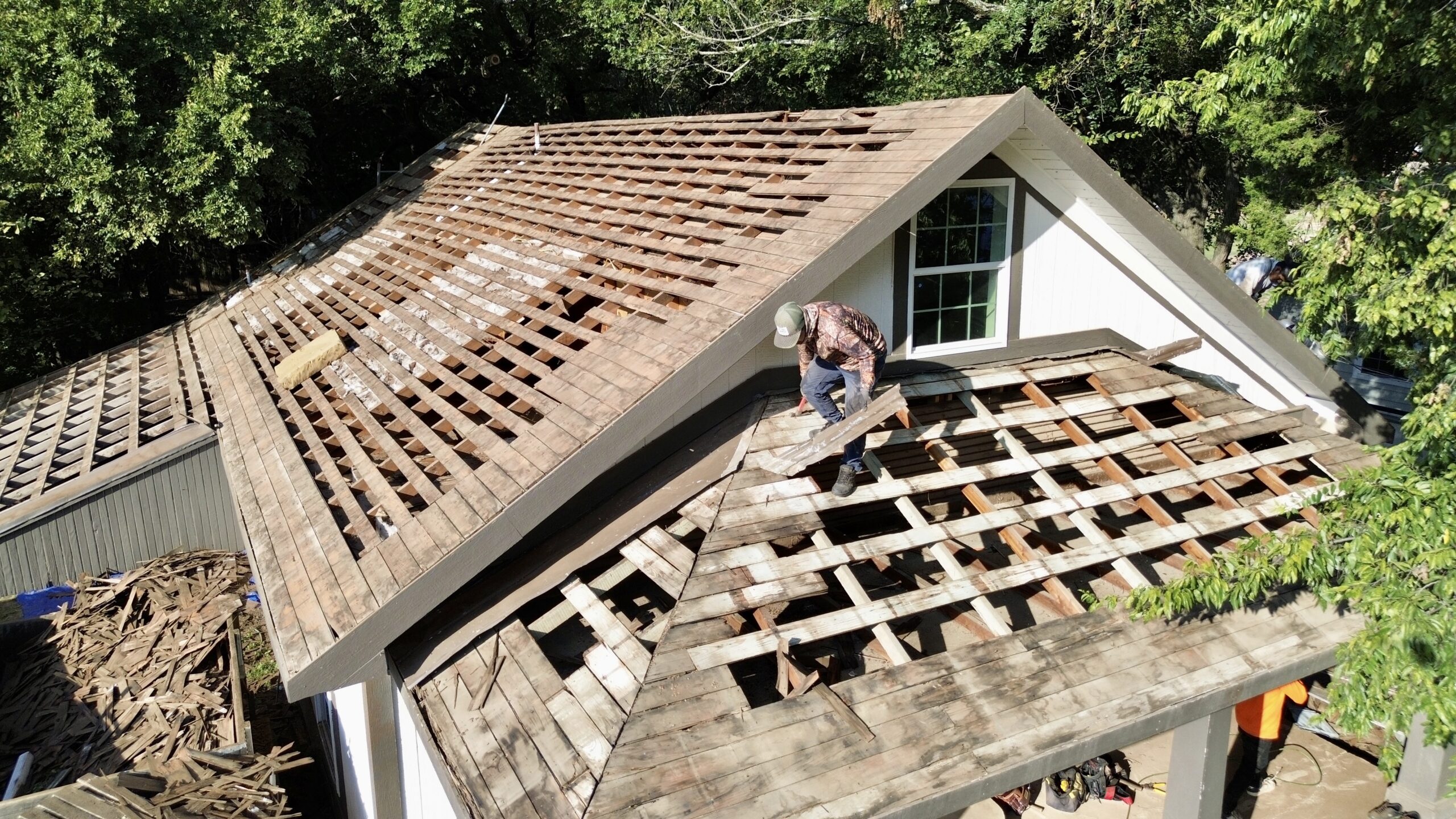
Professional inspections are far more comprehensive than visual observations from the ground. Roofing specialists examine not only the visible surface but also the underlying components that support the roofing system. Their findings often reveal hidden issues that would otherwise remain unnoticed until construction begins.
The inspection usually begins with the roofing material itself. Contractors evaluate cracked shingles, damaged flashing, loose fasteners, deteriorated sealants, and worn protective coatings. They also identify areas where water may already be penetrating beneath the roofing surface.
The roof deck forms the structural foundation of the roofing system. If moisture has weakened wooden decking or other supporting materials, repairs or replacement may be necessary before new roofing materials can be installed. Discovering these issues early allows homeowners to prepare financially rather than facing unexpected costs midway through the project.
Attic inspections provide additional insight into the roof’s overall condition. Evidence of moisture stains, mold growth, poor ventilation, or inadequate insulation may indicate underlying roofing problems that extend beyond the exterior surface.
Looking Beyond Visible Damage
Visible roofing damage tells only part of the story. Many serious roofing problems develop beneath the surface long before they become obvious inside the home. Careful planning requires investigating these hidden risks as thoroughly as the exterior materials.
Moisture trapped beneath roofing materials gradually weakens wooden structures and insulation. Over time, this hidden deterioration may spread throughout the roof deck, increasing repair costs if left untreated. Identifying these problems during planning helps contractors prepare accurate project estimates.
Roof ventilation deserves equal attention during the inspection process. Poor airflow allows heat and moisture to accumulate inside the attic, reducing roofing material lifespan and increasing energy consumption. Modern roof replacement projects frequently include ventilation improvements that enhance overall roof performance.
Insulation quality should also be evaluated. Damaged or compressed insulation reduces energy efficiency and places additional stress on heating and cooling systems. Since roofing work often provides easier access to attic spaces, replacement projects create an ideal opportunity to improve insulation performance.
Drainage systems represent another important consideration. Gutters, downspouts, valleys, and flashing should all direct water safely away from the structure. Problems within these components may contribute to leaks even when the roofing material itself remains relatively intact.
Creating a Realistic Roof Replacement Budget
Budget planning is one of the most important stages of any roof replacement project. A carefully prepared budget allows homeowners to make informed decisions while reducing the likelihood of unexpected financial pressure during construction.
Many people assume roofing costs are determined solely by material prices. In reality, several factors contribute to the total project investment. Labor, structural repairs, permits, waste disposal, safety equipment, and additional materials all influence the final cost.
Roof size naturally affects overall expenses because larger roofs require more materials and installation time. Roof complexity also plays a significant role. Multiple slopes, dormers, skylights, chimneys, and steep angles increase labor requirements and installation difficulty.
Material quality influences both upfront costs and long term value. Lower priced materials may reduce initial spending but often require earlier replacement or increased maintenance. Premium materials generally provide longer service life, stronger weather resistance, and improved warranties.
Labor costs vary depending on contractor experience, project complexity, and local market conditions. Choosing the lowest estimate without evaluating workmanship quality may result in future repairs that outweigh any initial savings.
Homeowners should also reserve funds for unexpected discoveries during construction. Hidden deck damage, deteriorated flashing, or structural repairs frequently become visible only after the old roofing materials are removed. Including a contingency fund helps keep the project moving without financial disruption.
Major Factors That Influence Roofing Costs
Every roofing project is unique, but several variables consistently affect pricing. Understanding these factors allows homeowners to compare contractor estimates more effectively and recognize why similar projects may have different overall costs.
| Cost Factor | Influence on Budget | Planning Consideration |
|---|---|---|
| Roof size | Larger roofs require more materials and labor | Measure accurately before requesting estimates |
| Roofing material | Premium materials increase upfront investment | Balance cost with lifespan and durability |
| Roof complexity | Multiple angles and features increase labor | Expect longer installation times |
| Structural repairs | Hidden damage raises project costs | Maintain contingency funds |
| Labor rates | Experienced contractors may charge higher rates | Focus on quality rather than lowest price |
| Permits and inspections | Local regulations may add costs | Include these expenses in early planning |
| Waste disposal | Removal of old roofing materials requires proper disposal | Confirm disposal costs within estimates |
Creating a detailed budget early helps homeowners prioritize essential improvements while reducing the risk of unexpected financial surprises later in the project.
Choosing the Best Roofing Material
Material selection is one of the most important planning decisions because it directly affects durability, maintenance requirements, energy efficiency, appearance, and long term costs. The ideal roofing material depends on climate, budget, architectural style, and personal preferences rather than price alone.
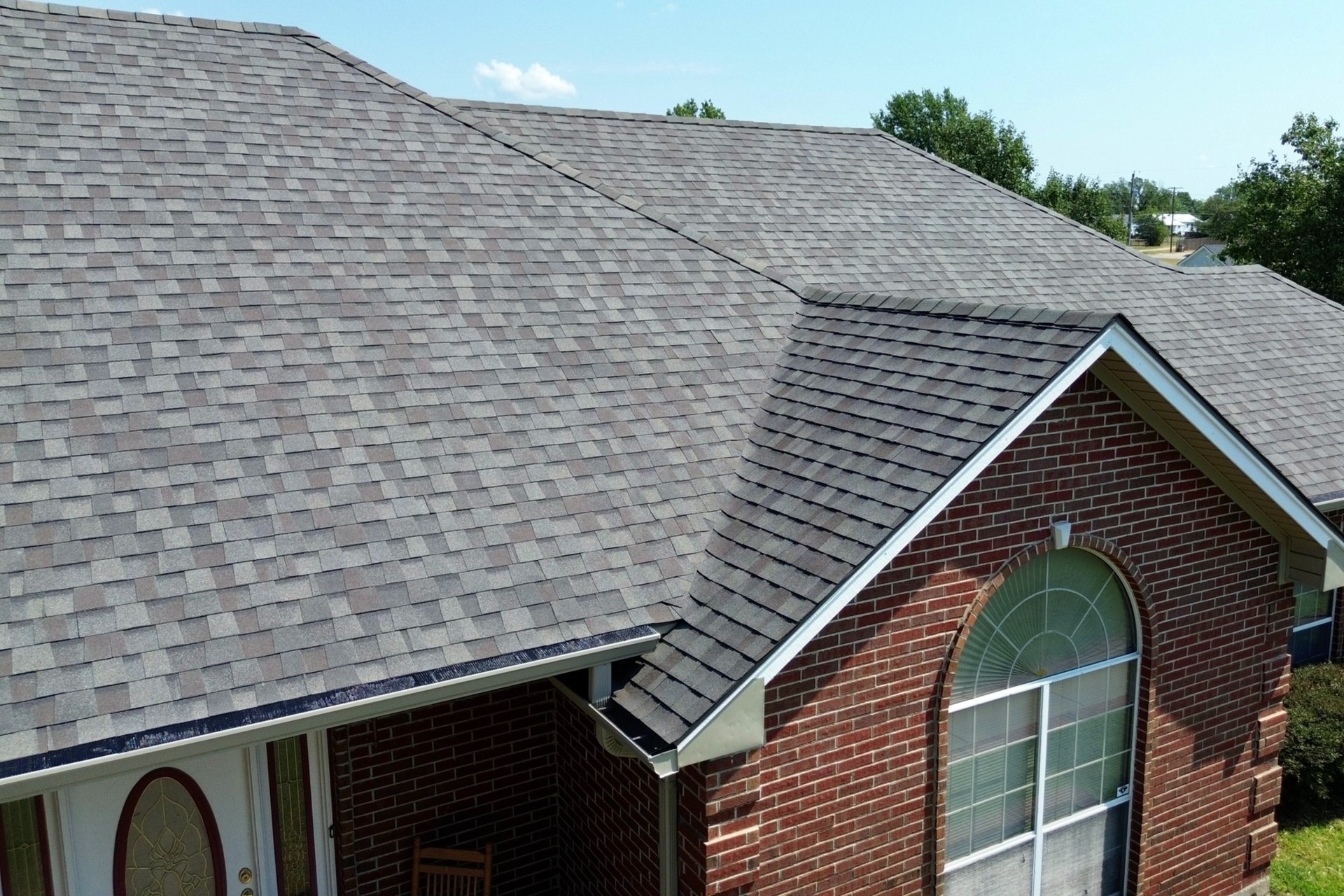
Asphalt shingles remain one of the most widely used roofing materials because they provide a balance between affordability and performance. They are available in numerous colors and styles, making them suitable for many residential properties. Modern asphalt products also offer improved weather resistance compared to earlier generations.
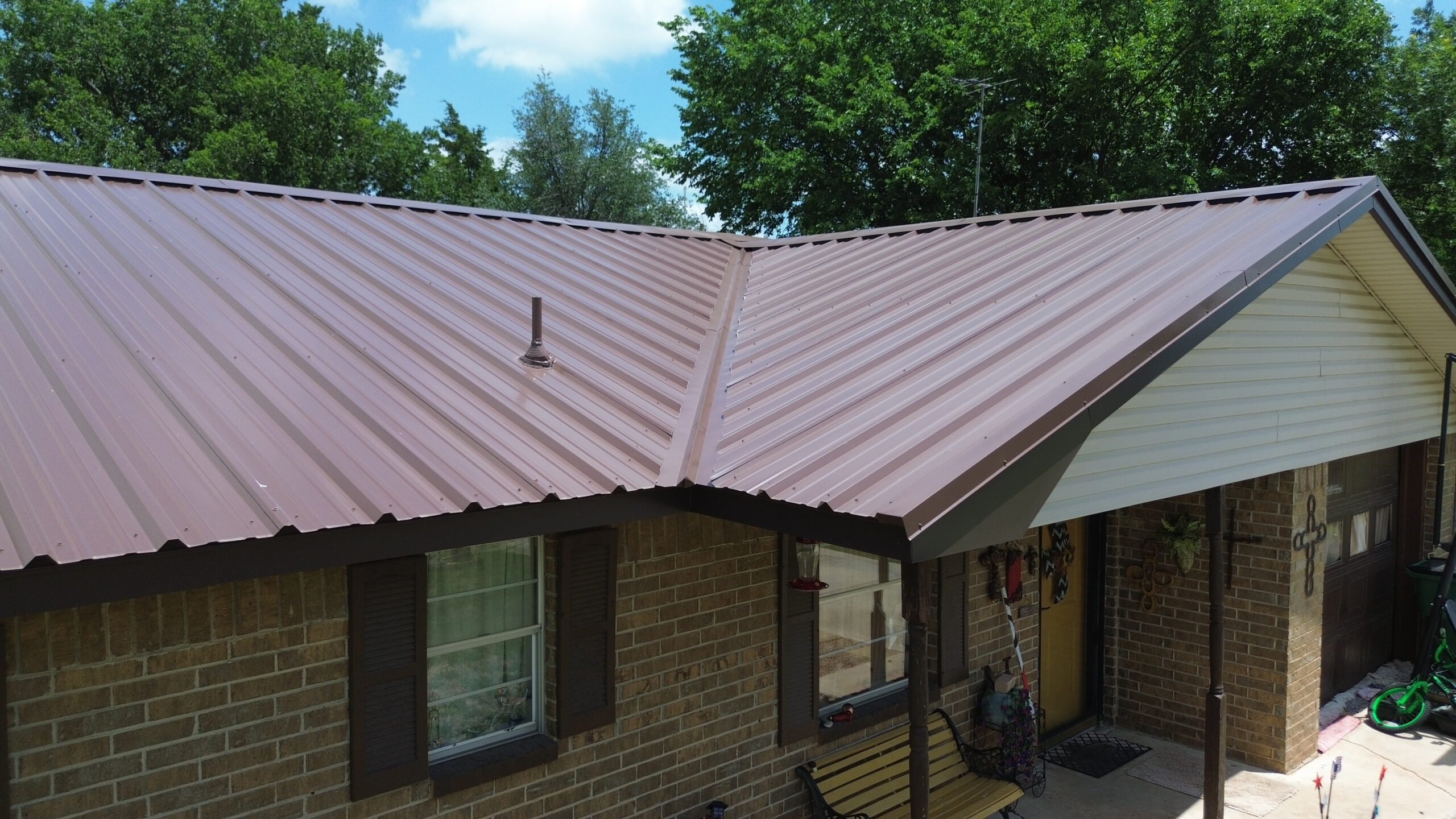
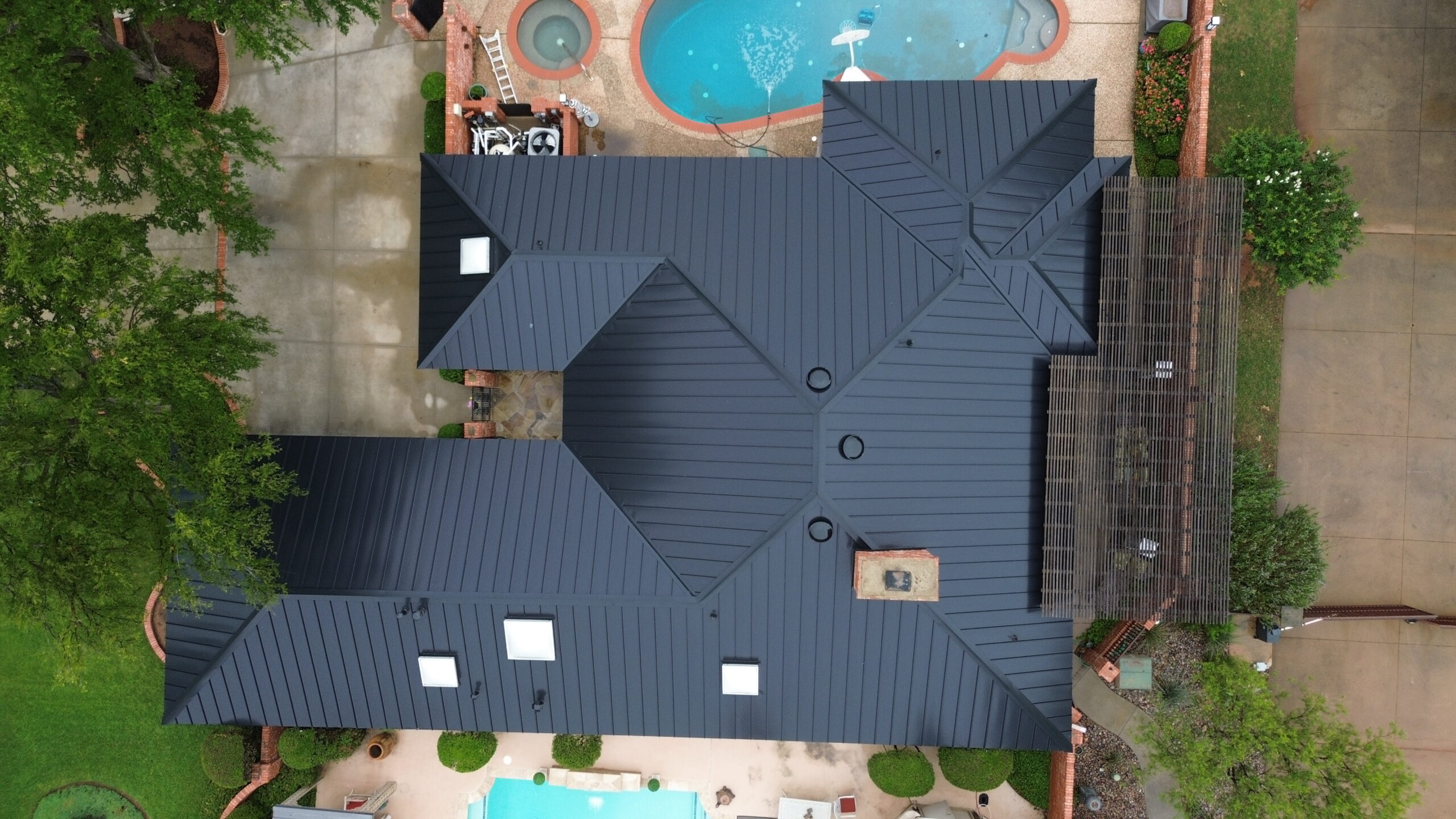
Metal roofing has become increasingly popular due to its exceptional durability and energy efficiency. Reflective surfaces reduce heat absorption during warm weather, while high quality metal systems can withstand strong winds, heavy rain, and significant temperature changes. Although installation costs may be higher, the extended lifespan often provides excellent long term value.
Clay and concrete tiles are known for their distinctive appearance and remarkable longevity. These materials perform especially well in warm climates and offer impressive resistance to fire and weather exposure. However, their weight requires careful structural evaluation before installation.
Slate roofing represents one of the most durable premium options available. Natural stone provides exceptional longevity and timeless beauty, making it attractive for historic or luxury properties. Installation requires specialized expertise because of the material’s weight and handling requirements.
Synthetic roofing products continue gaining popularity by combining the appearance of traditional materials with lighter weight and improved impact resistance. Many modern synthetic options successfully replicate slate, wood, or tile while requiring less maintenance over time.
The material selected during planning influences nearly every other aspect of the project, including budget, installation schedule, maintenance expectations, warranty coverage, and long term property value. Careful comparison ensures the chosen roofing system aligns with both current needs and future goals.
Selecting the Right Roofing Contractor
Choosing the right roofing contractor is just as important as selecting quality materials. Even premium roofing products cannot deliver their full lifespan if they are installed incorrectly. Careful contractor selection helps ensure the project is completed safely, efficiently, and according to industry standards.
Many homeowners focus primarily on price when comparing estimates. While budget is certainly important, the lowest bid is not always the best value. A contractor with extensive experience, proper licensing, and a strong reputation often provides greater long term savings by reducing installation mistakes and future repair costs.
Start by researching contractors who specialize in the type of roofing material you intend to install. Different roofing systems require different installation techniques, and experience with one material does not automatically translate to expertise with another. Reviewing completed projects can provide valuable insight into workmanship quality.
Customer reviews and referrals are also valuable resources during the selection process. Consistently positive feedback about communication, reliability, and project quality often indicates a contractor who values customer satisfaction. Speaking with previous clients can provide additional confidence before making a final decision.
Verifying Credentials and Experience
Professional credentials help distinguish qualified roofing contractors from inexperienced installers. Before signing any agreement, homeowners should verify that the contractor meets all local licensing requirements and carries appropriate insurance coverage.
Liability insurance protects homeowners if accidental property damage occurs during construction. Workers’ compensation insurance is equally important because it helps prevent homeowners from being held financially responsible if a worker is injured on the job. Requesting proof of both types of insurance is a standard and reasonable practice.
Experience also plays a significant role in project success. Contractors who have completed numerous roof replacement projects are generally better prepared to manage unexpected structural issues, changing weather conditions, and complex roof designs. Their familiarity with different roofing systems often leads to smoother project execution.
Manufacturer certifications provide another indicator of professionalism. Many roofing manufacturers offer specialized training programs that certify contractors to install their products according to recommended standards. These certifications may also allow homeowners to receive enhanced warranty coverage.
Comparing Roofing Estimates
Receiving multiple estimates allows homeowners to compare pricing, project scope, and contractor recommendations. Estimates should be detailed enough to explain exactly what work will be performed rather than simply listing a total project cost.
A comprehensive estimate typically includes roofing materials, labor, removal of old roofing, disposal costs, underlayment, flashing replacement, ventilation improvements, permit fees, and cleanup procedures. Reviewing these details carefully helps identify differences between competing proposals.
Some estimates may appear significantly lower because important services have been omitted. Missing items such as flashing replacement, ventilation upgrades, or disposal fees can increase the final cost after construction begins. Understanding these differences prevents misunderstandings later in the project.
Communication during the estimate process also provides insight into the contractor’s professionalism. Contractors who answer questions clearly, explain recommendations thoroughly, and provide written documentation often demonstrate the level of organization homeowners can expect throughout the project.
Understanding Roofing Contracts
A written contract protects both the homeowner and the contractor by clearly defining project expectations. Before signing, every section should be reviewed carefully to ensure there are no misunderstandings regarding responsibilities, timelines, or payment terms.
The contract should identify the exact roofing materials being installed, including manufacturer names, product lines, colors, and warranty information. Specific product descriptions reduce the possibility of substitutions that may not meet the homeowner’s expectations.
Project timelines should also be documented clearly. While weather conditions may affect scheduling, the contract should establish an anticipated start date, estimated completion date, and procedures for handling unexpected delays. This information creates realistic expectations for both parties.
Payment schedules deserve careful attention as well. Reputable contractors typically request reasonable deposits rather than requiring full payment before work begins. Final payment is commonly made after project completion and homeowner satisfaction.
Understanding Roof Replacement Permits and Building Codes
Roof replacement projects often require permits issued by local building authorities. These permits help ensure roofing work complies with safety standards, structural requirements, and local construction regulations. Failing to obtain required permits may result in fines, delays, or complications when selling the property in the future.
Permit requirements vary depending on location, project size, and the extent of the roofing work being performed. Some jurisdictions require permits only for complete roof replacements, while others also require permits for substantial repairs or structural modifications. Contractors are often familiar with these local requirements and can assist with the application process.
Building codes establish minimum standards for roofing installation. These codes cover important aspects such as underlayment, ventilation, fastening methods, fire resistance, wind protection, and drainage systems. Compliance helps ensure the finished roof performs safely under local environmental conditions.
Local inspections are commonly conducted during or after installation. Inspectors verify that construction meets applicable building codes before approving the completed project. Passing these inspections provides additional confidence that the roofing system has been installed properly.
Considering Homeowners Association Requirements
Some residential communities are governed by homeowners associations that establish architectural guidelines for exterior improvements. Roof replacement projects may require approval before work begins, particularly if homeowners plan to change roofing materials, colors, or design styles.
Reviewing community guidelines early in the planning process prevents unnecessary delays. Waiting until materials have already been ordered may create scheduling problems if approval has not yet been obtained. Early communication with the association helps keep the project moving efficiently.
Certain associations maintain approved color palettes or specific material requirements to preserve neighborhood appearance. Understanding these restrictions before selecting roofing materials allows homeowners to make informed choices without compromising project timelines.
Even when approval is not required, notifying neighbors about upcoming construction demonstrates courtesy and helps prepare nearby residents for temporary noise, vehicle traffic, and construction activity.
Scheduling the Roof Replacement Project
Timing influences nearly every aspect of a roof replacement project. Material availability, contractor schedules, weather conditions, and seasonal demand all affect when construction can begin and how smoothly the project progresses.
Many homeowners schedule roof replacement during seasons with more predictable weather. Dry conditions generally reduce construction delays and allow roofing materials to be installed under favorable conditions. However, popular seasons often result in increased contractor demand and longer waiting periods.
Planning several months in advance provides greater flexibility when selecting installation dates. Early scheduling also gives homeowners additional time to compare estimates, finalize material choices, and prepare financially for the project.
Emergency roof replacements follow a different timeline. Severe storm damage, structural failures, or significant leaks may require immediate action to protect the building from further deterioration. In these situations, temporary protective measures are often installed until permanent replacement can begin.
Material availability should also be considered during scheduling. Specialized roofing products or custom colors may require additional manufacturing and shipping time. Confirming availability before finalizing installation dates reduces the risk of unnecessary project delays.
Preparing Your Property Before Construction
Preparation helps roofing crews work more efficiently while reducing the risk of accidental damage to personal belongings. Homeowners can complete several simple tasks before construction begins to create a safer and more organized work environment.
Vehicles should be moved away from the home before roofing materials are delivered. This provides space for contractor equipment, waste containers, and delivery vehicles while protecting automobiles from falling debris. Clear access around the property also allows workers to move safely throughout the project.
Outdoor furniture, decorative items, grills, and potted plants should be relocated to protected areas. Although roofing contractors take precautions to control debris, moving valuable items minimizes the possibility of accidental damage during material removal and installation.
Tree branches extending over the roof may require trimming before construction begins. Improved access allows installers to work more safely while reducing the likelihood of branches interfering with new roofing materials after installation.
Inside the home, homeowners should secure fragile decorations mounted on walls or displayed on shelves. Vibrations created during roofing work can occasionally cause pictures, mirrors, or decorative objects to shift unexpectedly.
Protecting Family Members and Pets
Roof replacement projects generate significant noise throughout the construction process. Hammering, material removal, equipment operation, and worker movement create an active work environment that may be stressful for children, elderly family members, and pets.
Families with young children may wish to schedule activities away from home during the noisiest portions of the installation. This helps reduce disruptions while allowing contractors to work without unnecessary interruptions.
Pets deserve special attention during construction. Loud sounds and unfamiliar activity may cause anxiety or encourage animals to escape through open gates or doors. Keeping pets indoors or arranging temporary care elsewhere helps maintain their safety throughout the project.
Communication with contractors regarding household schedules can also improve project coordination. Informing the installation team about specific concerns allows everyone to work together more effectively.
Managing Communication Throughout the Project
Clear communication is essential for keeping a roof replacement project organized from beginning to end. Homeowners and contractors should establish communication expectations before construction begins so that questions, updates, and unexpected issues can be addressed promptly.
Many contractors designate a project manager or site supervisor as the primary point of contact. Having one individual responsible for communication reduces confusion and helps ensure information is shared consistently throughout the project.
Regular progress updates allow homeowners to understand what has been completed and what work remains. These conversations also provide opportunities to discuss weather delays, material deliveries, or any unexpected structural discoveries requiring additional attention.
Questions should be addressed as soon as they arise rather than waiting until the project is nearly complete. Early discussions help prevent misunderstandings that could otherwise affect project quality or scheduling.
Documentation is equally valuable during construction. Keeping copies of contracts, change orders, warranty information, inspection reports, and payment receipts creates an organized project record that may be useful for future maintenance or property sales.
Essential Pre Installation Checklist
Before roofing work begins, homeowners should confirm that all major planning tasks have been completed.
- Finalize roofing material selection and color.
- Approve the written contract and project schedule.
- Verify contractor licensing and insurance.
- Obtain required permits and approvals.
- Prepare parking and equipment access areas.
- Protect landscaping and outdoor belongings.
- Secure valuable indoor items.
- Confirm emergency contact information with the contractor.
- Review warranty documents before installation starts.
Completing these preparations reduces last minute complications and allows installation to begin on schedule.
Step by Step Roof Replacement Planning Process
Following a structured planning process keeps the project organized from the earliest inspection through construction.
- Evaluate the roof’s current condition through a professional inspection.
- Decide whether repair or complete replacement provides better long term value.
- Establish project goals, priorities, and budget expectations.
- Compare roofing materials based on durability, appearance, and maintenance needs.
- Obtain detailed estimates from qualified contractors.
- Verify licensing, insurance, certifications, and references.
- Review contracts carefully before signing.
- Secure permits and confirm building code requirements.
- Schedule installation based on weather and contractor availability.
- Prepare the property before construction begins.
Each step builds upon the previous one, creating a logical planning process that reduces uncertainty and improves the likelihood of a successful roof replacement.
The choices made before installation begins often determine how smoothly the project progresses. Careful planning, clear communication, and thoughtful preparation establish a strong foundation for the construction phase, which will be explored in the next part of this guide.
Managing Quality During Installation
Once installation begins, careful planning shifts toward quality control. While homeowners do not need to supervise every moment of the project, staying informed about the progress helps ensure the roofing system is installed according to the agreed specifications. Regular communication with the contractor creates confidence that the project remains on schedule and meets expected standards.
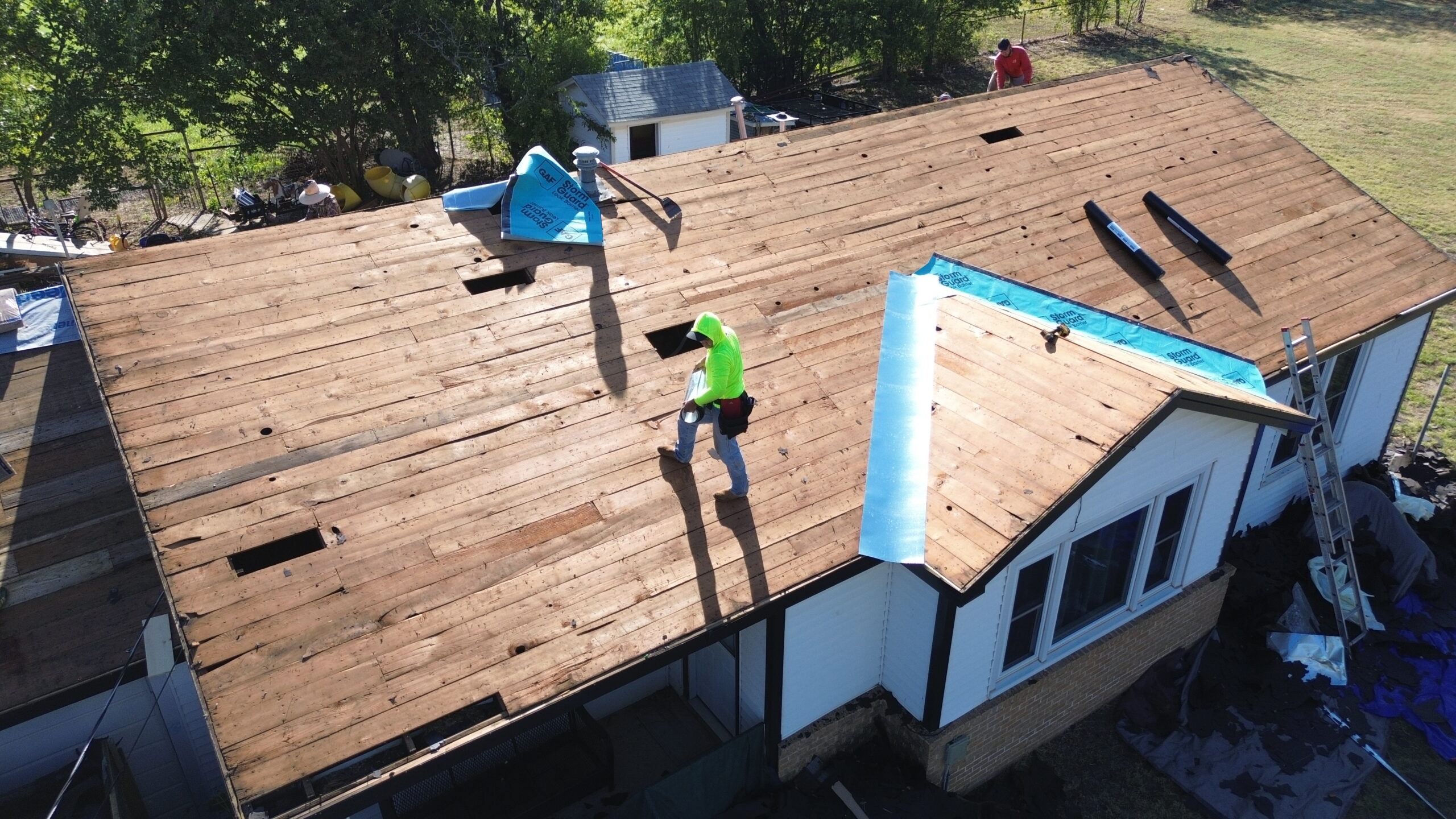
The first stage usually involves removing the old roofing materials. This process allows contractors to inspect the roof deck thoroughly and identify any hidden issues that could affect the new installation. Discovering damaged decking or deteriorated structural components at this stage is common, which is why including a contingency budget during planning is so important.
Quality contractors also inspect flashing around chimneys, skylights, vents, and roof valleys. These areas are common sources of leaks if not installed properly. Replacing worn flashing instead of reusing old components helps create a more reliable roofing system that offers better long term performance.
Throughout installation, materials should be stored properly to prevent damage before they are installed. Roofing products exposed to unnecessary moisture or improper handling may not perform as intended. Organized material storage and careful handling contribute to better installation quality.
Homeowners should also verify that the products being installed match those listed in the contract. Confirming the manufacturer, product type, and color before installation progresses too far prevents misunderstandings and ensures the finished roof meets expectations.
Importance of Proper Installation Techniques
Even the highest quality roofing materials depend on correct installation methods. Improper fastening, inadequate overlap, or poor alignment can reduce the roof’s lifespan and increase the likelihood of future leaks. Skilled workmanship is therefore just as valuable as selecting premium materials.
Underlayment installation deserves particular attention because it serves as an additional moisture barrier beneath the visible roofing material. Proper installation of this protective layer improves water resistance and provides extra protection during severe weather events.
Roof ventilation components should also be installed according to manufacturer recommendations. Balanced intake and exhaust ventilation help regulate attic temperatures while reducing moisture buildup. These improvements support energy efficiency and extend the life of both roofing materials and attic insulation.
Attention to detail becomes especially important around roof penetrations. Vents, chimneys, skylights, and satellite mounts require careful sealing to prevent water infiltration. Experienced contractors understand these vulnerable areas and apply appropriate flashing and sealing techniques throughout the installation.
Maintaining Safety During Construction
Roof replacement involves significant safety risks that should be managed by trained professionals. Working at heights, handling heavy materials, and using specialized equipment require strict adherence to established safety practices. Homeowners should avoid climbing onto the roof or entering active construction areas unless specifically invited by the contractor.
Professional roofing companies typically use fall protection systems, secure ladders, protective equipment, and clearly designated work zones. These precautions protect both workers and nearby property throughout the construction process. Observing these practices also reflects the contractor’s commitment to professionalism.
Children should be kept away from active work areas throughout the project. Construction zones may contain loose nails, sharp materials, power tools, and falling debris that present safety hazards. Establishing clear boundaries helps prevent accidents while allowing roofing crews to work efficiently.
Pets should continue to remain indoors or in secure locations until construction is complete. Unexpected noise and increased activity may cause anxiety or encourage animals to escape through open access points. Maintaining a controlled environment helps ensure everyone’s safety.
Monitoring Progress Without Interrupting Work
Homeowners often appreciate receiving regular progress updates without interfering with the installation team. Brief conversations with the project supervisor at the beginning or end of each workday provide opportunities to discuss completed work, upcoming tasks, and any unexpected discoveries.
Photographs can also serve as valuable project documentation. Many contractors provide progress photos showing underlayment installation, flashing placement, ventilation improvements, and completed roofing sections. These images create a useful record of construction quality that homeowners can reference later.
Questions regarding materials, scheduling, or workmanship should be directed to the designated project manager rather than individual crew members. Centralized communication helps ensure accurate information is shared consistently throughout the project.
If unexpected structural issues are discovered, homeowners should request written explanations along with updated cost estimates before approving additional work. Clear documentation prevents confusion and supports informed decision making.
Handling Unexpected Challenges
Even the most carefully planned roof replacement projects occasionally encounter unforeseen circumstances. Preparing for these possibilities allows homeowners to respond calmly rather than making rushed decisions under pressure.
Weather remains one of the most common causes of construction delays. Heavy rain, strong winds, or extreme temperatures may temporarily pause installation to protect both workers and roofing materials. Although delays can be frustrating, working under unsafe weather conditions may compromise installation quality.
Hidden structural damage is another frequent surprise. Once old roofing materials have been removed, contractors may discover deteriorated roof decking, damaged rafters, or moisture related decay that was impossible to identify during the initial inspection. Addressing these issues immediately helps protect the integrity of the new roofing system.
Material availability may also affect project timelines. Occasionally, shipping delays or manufacturer shortages require adjustments to installation schedules. Ordering materials well in advance during the planning phase reduces this risk but may not eliminate it entirely.
Budget adjustments sometimes become necessary when additional repairs are identified. Maintaining the contingency fund established during planning allows homeowners to address these issues without interrupting construction or compromising quality.
Responding to Project Changes
Unexpected changes should always be discussed openly before additional work begins. Professional contractors explain the issue, provide supporting photographs when possible, and present clear recommendations for resolving the problem. This collaborative approach allows homeowners to make informed decisions based on accurate information.
Written change orders should accompany any modifications affecting project costs or timelines. These documents clearly describe the additional work, revised pricing, and expected completion schedule. Maintaining thorough records helps prevent misunderstandings later.
Flexibility also plays an important role in successful project management. While everyone hopes construction will proceed exactly as planned, adapting to changing circumstances often leads to better long term results than rushing to meet an original schedule.
Maintaining regular communication throughout these situations helps preserve trust between homeowners and contractors. Honest discussions encourage practical solutions that benefit the overall success of the project.
Final Inspection and Project Completion
As installation nears completion, the focus shifts toward verifying that every aspect of the roofing system has been installed correctly. A thorough final inspection ensures that workmanship meets contractual expectations and that no important details have been overlooked.
Homeowners should schedule a walkthrough with the contractor after construction has finished. This inspection provides an opportunity to review completed work together, ask questions, and discuss maintenance recommendations. Walking around the property also helps identify any areas requiring additional attention before final payment is made.
The inspection should include both the roof itself and the surrounding property. Contractors should remove debris, collect stray nails, clean gutters if necessary, and restore work areas to their original condition. Magnetic cleanup equipment is commonly used to collect nails from lawns and driveways.
Inside the home, ceilings and attic spaces should be checked for any signs of moisture intrusion. Although new leaks are uncommon following proper installation, verifying interior conditions provides additional peace of mind before the project is officially completed.
Any remaining concerns should be documented on a punch list. Contractors can then address these items promptly before closing the project.
Understanding Warranties
Roof replacement projects typically include more than one type of warranty. Understanding these protections helps homeowners know what is covered if problems arise after installation.
Manufacturer warranties generally cover defects in roofing materials. Coverage periods vary depending on the product, with premium materials often providing longer protection. Reading warranty documentation carefully helps homeowners understand any maintenance requirements necessary to maintain coverage.
Workmanship warranties are provided by the contractor and cover installation quality. These warranties protect homeowners if leaks or performance issues result from installation errors rather than defective materials. Choosing an experienced contractor with a strong workmanship warranty adds valuable long term protection.
Homeowners should organize all warranty documents, invoices, inspection reports, permits, and maintenance instructions in a secure location. Keeping these records readily available simplifies future maintenance, warranty claims, and property transactions.
Planning Long Term Roof Maintenance
A new roof represents a substantial investment that deserves ongoing care. Routine maintenance helps maximize service life while reducing the likelihood of expensive repairs. Even durable roofing materials benefit from periodic inspections and preventive maintenance.
Seasonal roof inspections are among the most effective maintenance practices. Spring and autumn provide excellent opportunities to identify loose materials, damaged flashing, blocked drainage systems, or debris accumulation before these issues become more serious.
Gutters and downspouts should be cleaned regularly to ensure water flows freely away from the roof. Overflowing gutters may allow water to collect beneath roofing materials or damage fascia boards over time. Maintaining proper drainage protects both the roof and the building structure.
Tree branches hanging above the roof should also be trimmed periodically. Overhanging limbs can scrape roofing materials during windy weather and increase the amount of leaves and debris collecting on the roof surface. Reducing this exposure helps preserve the condition of the roofing system.
Attic ventilation and insulation should continue to be monitored after installation. Proper airflow reduces moisture buildup and supports consistent indoor temperatures throughout the year. These factors contribute to both roof longevity and overall energy efficiency.
Signs Your New Roof Is Performing Properly
A properly installed roofing system provides reliable protection while requiring very little immediate attention. Observing normal performance indicators helps homeowners recognize that the roof is functioning as intended.
Some positive signs include:
- Consistent indoor temperatures throughout different seasons.
- No visible water stains on ceilings or walls.
- Proper water drainage through gutters during rainfall.
- Even appearance across the entire roof surface.
- Secure flashing around roof penetrations.
- Stable attic humidity without signs of condensation.
Routine observations do not replace professional inspections, but they help homeowners recognize potential concerns before they develop into larger problems.
Frequently Asked Questions About Roof Replacement Planning
How far in advance should a roof replacement be planned?
Whenever possible, homeowners should begin planning several months before replacement becomes necessary. Early planning provides time to compare contractors, evaluate materials, obtain permits, and prepare financially without feeling pressured by emergency conditions.
Can I stay in my home during roof replacement?
In most cases, yes. Although construction creates significant noise and temporary disruptions, homeowners are generally able to remain in the home throughout the project. Families with infants, elderly residents, or anxious pets may choose alternative arrangements during the busiest workdays.
How long does a roof replacement usually take?
Project duration depends on roof size, complexity, weather conditions, and material type. Many residential roof replacements are completed within several days, while larger or more complex projects may require additional time.
Should I replace gutters during roof replacement?
Not every project requires new gutters, but roof replacement provides an excellent opportunity to evaluate their condition. If gutters show significant wear or no longer drain effectively, replacing them at the same time can improve overall system performance.
Is the cheapest roofing estimate the best choice?
Not necessarily. The lowest estimate may exclude important services, use lower quality materials, or involve less experienced installers. Comparing overall value, reputation, warranties, and workmanship usually leads to a better long term investment.
How often should a new roof be inspected?
Professional inspections are generally recommended every few years and after severe weather events. Regular inspections help identify minor concerns before they develop into major repairs, extending the lifespan of the roofing system.
Conclusion
Planning a roof replacement project requires much more than choosing new shingles or selecting the lowest contractor estimate. Every stage, from evaluating the existing roof and defining project goals to creating a realistic budget, comparing materials, selecting qualified professionals, and preparing the property, contributes to the overall success of the investment. Careful planning reduces uncertainty while helping homeowners avoid unnecessary expenses, construction delays, and future maintenance problems.
The installation phase also deserves close attention because quality workmanship determines how effectively the new roofing system will perform over the coming decades. Maintaining open communication with the contractor, responding thoughtfully to unexpected challenges, and verifying completed work through final inspections all help ensure the finished roof meets both safety standards and homeowner expectations.
Roof replacement should also be viewed as the beginning of a long term maintenance strategy rather than the end of a construction project. Routine inspections, proper drainage maintenance, attic ventilation monitoring, and prompt attention to minor concerns protect the investment while extending the roof’s service life. These simple practices often prevent costly repairs and preserve the overall condition of the property.
A well planned roof replacement provides more than protection from the weather. It improves energy efficiency, enhances property value, strengthens structural reliability, and delivers peace of mind for years to come. By approaching every decision with careful preparation and informed planning, homeowners can complete their roof replacement projects with confidence and enjoy the lasting benefits of a durable, high quality roofing system.