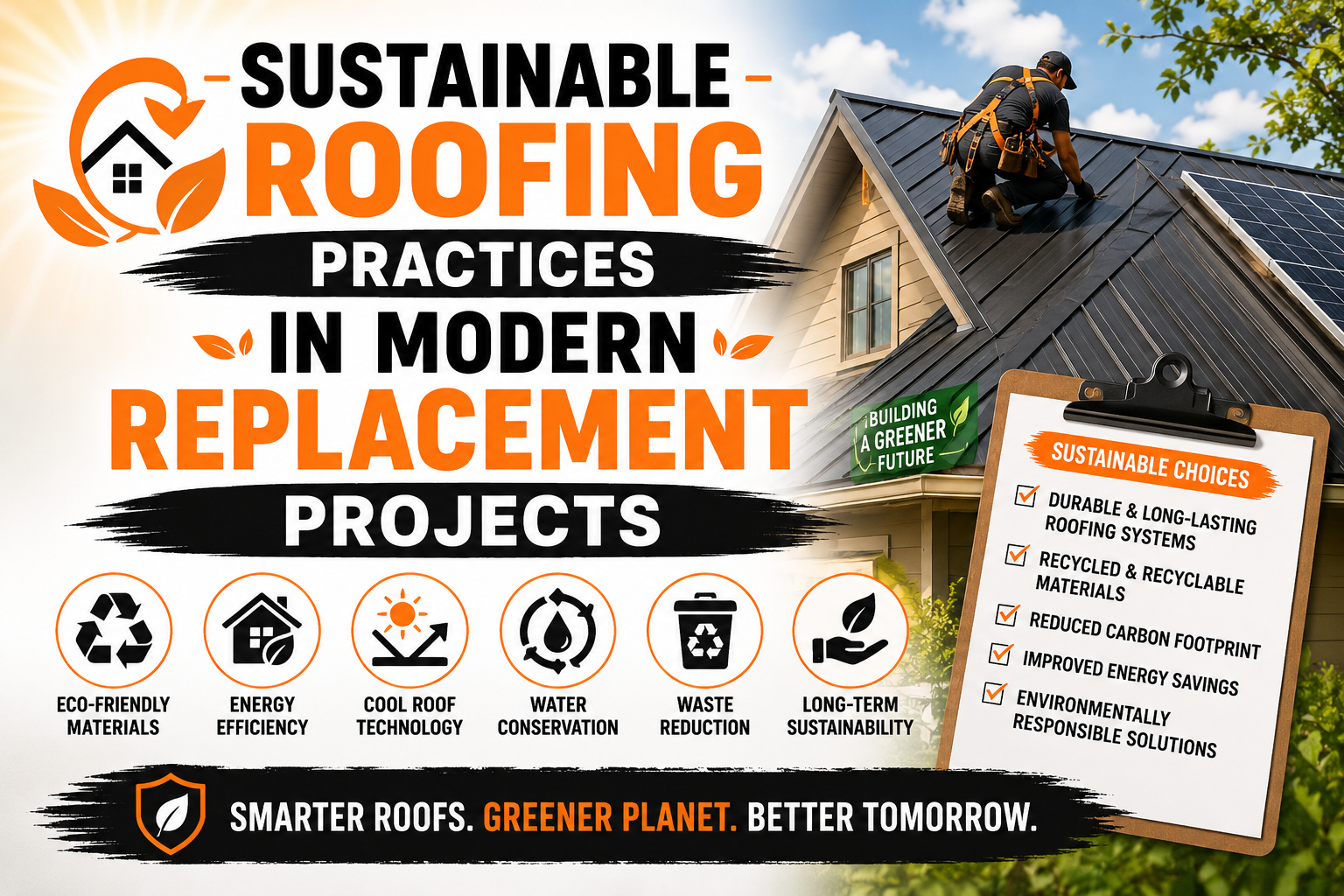
Sustainable Roofing Practices in Modern Replacement Projects
Introduction
Sustainability has become an important consideration in modern construction, and roof replacement projects are no exception. While the primary purpose of a roof is to protect a building from weather, today’s roofing systems are also expected to improve energy efficiency, reduce environmental impact, conserve resources, and provide long-lasting performance. As a result, many property owners are looking beyond traditional roofing methods and choosing sustainable practices that benefit both their homes and the environment.
A roof replacement offers a valuable opportunity to make environmentally responsible improvements. Since the existing roofing materials are already being removed, homeowners can evaluate more efficient products, improve insulation and ventilation, reduce construction waste, and select materials that require fewer future replacements. Instead of simply replacing worn roofing materials with similar products, modern replacement projects focus on creating roofing systems that deliver long-term environmental and financial benefits.
Sustainable roofing does not necessarily mean sacrificing durability or increasing maintenance requirements. In many cases, environmentally friendly roofing materials are designed to last longer, resist weather more effectively, and improve building energy performance. These qualities help reduce the frequency of future replacements while lowering heating and cooling costs throughout the roof’s lifespan.
The construction industry has also made significant progress in reducing waste generated during roofing projects. Recycling programs, reusable materials, improved manufacturing processes, and responsible disposal practices allow many replacement projects to divert substantial amounts of roofing waste away from landfills. These efforts support broader environmental goals while making roofing projects more resource efficient.
As awareness of climate change and energy conservation continues to grow, sustainable roofing practices are becoming increasingly common in both residential and commercial construction. Property owners who understand these practices are better prepared to make informed decisions that improve the long-term value of their investment while reducing their environmental footprint.
This guide explores the key principles of sustainable roofing and explains how modern roof replacement projects can improve building performance, reduce waste, and support a more environmentally responsible approach to property maintenance.
What Makes a Roofing Project Sustainable
A sustainable roofing project considers the entire lifecycle of the roof rather than focusing only on the installation process. Every decision, from material selection to waste management and long-term maintenance, influences the overall environmental impact of the roofing system.
One of the defining characteristics of sustainable roofing is durability. Roofing materials that remain in service for many decades require fewer replacements, reducing the demand for raw materials, manufacturing, transportation, and construction activities over time. A longer-lasting roof generally produces less waste while conserving valuable natural resources.
Material sourcing also contributes to sustainability. Many modern roofing products contain recycled materials or are manufactured using processes that reduce energy consumption and environmental impact. Choosing responsibly produced materials supports more sustainable manufacturing practices throughout the construction industry.
Energy efficiency represents another essential component of sustainable roofing. Reflective roofing materials, improved insulation, balanced ventilation, and advanced underlayments reduce heat transfer between the building and the outdoor environment. Lower energy consumption decreases the demand placed on heating and cooling systems while reducing long-term operating costs.
Waste reduction plays an equally important role. Traditional roof replacement projects often generate significant amounts of discarded shingles, underlayment, flashing, and wood. Sustainable projects emphasize recycling, material recovery, and careful planning that minimizes unnecessary waste throughout construction.
Maintenance requirements also influence sustainability. Roofing systems requiring fewer repairs and less frequent replacement consume fewer resources during their service life. Selecting materials known for durability and weather resistance contributes to more sustainable long-term property management.
Finally, sustainable roofing supports healthier living environments. Improved moisture control, better ventilation, and environmentally responsible materials contribute to enhanced indoor air quality while reducing the likelihood of mold growth and moisture-related structural damage.
A sustainable roofing project therefore considers environmental responsibility from beginning to end, balancing durability, efficiency, resource conservation, and long-term performance.
Why Sustainability Matters in Modern Roof Replacement
The importance of sustainability has increased significantly as homeowners, builders, and communities seek ways to reduce environmental impact without compromising building performance. Roof replacement projects represent an ideal opportunity to contribute to these goals because the roof influences energy consumption, material use, and long-term building durability.
One of the most important reasons sustainability matters is resource conservation. Roofing materials require raw materials, manufacturing processes, transportation, and installation labor before reaching the property. Choosing products with longer service lives reduces the frequency of future replacements, lowering overall resource consumption over many decades.
Energy efficiency also contributes significantly to sustainability. Buildings consume considerable energy for heating and cooling, and the roof directly influences how effectively indoor temperatures are maintained. Sustainable roofing systems reduce unnecessary heat transfer, allowing heating and cooling equipment to operate more efficiently while lowering energy demand.
Construction waste has become another important concern. Millions of tons of roofing materials are removed from buildings each year. Without responsible disposal practices, much of this material enters landfills. Sustainable replacement projects increasingly focus on recycling and material recovery, reducing the environmental burden associated with roofing waste.
Climate resilience further highlights the importance of sustainable roofing. Modern roofing materials are often designed to withstand stronger storms, increased temperature fluctuations, and more demanding weather conditions than older products. Greater durability reduces repair frequency while improving long-term structural protection.
Property owners also benefit financially from sustainable practices. Although some environmentally responsible materials involve higher initial costs, their longer lifespan, lower maintenance requirements, and improved energy efficiency often provide greater overall value throughout the roof’s service life.
Communities benefit as well. Widespread adoption of energy-efficient roofing reduces overall energy demand, supports responsible waste management, and contributes to broader environmental sustainability efforts. Individual roofing decisions therefore have positive effects extending beyond a single property.
Modern roof replacement has evolved from a simple repair project into an opportunity for long-term environmental improvement, making sustainability an increasingly valuable consideration for today’s property owners.
Environmentally Friendly Roofing Materials
Material selection plays a central role in sustainable roof replacement. Modern roofing manufacturers offer a wide variety of environmentally responsible products that combine durability, energy efficiency, and reduced environmental impact while meeting the performance expectations of residential and commercial buildings.
Metal roofing is widely recognized for its sustainability. Many metal roofing products contain recycled materials and remain fully recyclable at the end of their service life. Their exceptional durability often allows them to remain in service for several decades, reducing the need for frequent replacement while minimizing construction waste.
Clay and concrete tiles also provide long service lives. These materials resist weather, insects, and fire while requiring relatively little maintenance. Their durability reduces material consumption over time because fewer replacement projects become necessary throughout the building’s lifespan.
Composite roofing products have gained popularity because many are manufactured using recycled plastics, rubber, or other reclaimed materials. These products often replicate the appearance of traditional roofing materials while offering improved durability and lower maintenance requirements.
Modern asphalt shingles have also become more environmentally responsible. Some manufacturers incorporate recycled content into production while improving product durability and energy performance. Although asphalt shingles generally have shorter service lives than some alternative materials, ongoing manufacturing improvements continue increasing their sustainability.
Wood roofing sourced from responsibly managed forests may also contribute to sustainable construction when proper forestry practices are followed. However, maintenance requirements and local climate conditions should always be considered before selecting wood roofing materials.
Green roofing systems represent another sustainable option for certain buildings. These roofs incorporate vegetation above waterproof roofing layers, providing additional insulation, reducing stormwater runoff, and improving urban environmental conditions. Although not suitable for every structure, green roofs demonstrate the expanding range of sustainable roofing technologies.
Selecting environmentally friendly materials requires balancing durability, maintenance, climate suitability, and long-term environmental impact rather than focusing on a single characteristic.
Reducing Construction Waste During Roof Replacement
Roof replacement projects naturally generate construction waste because existing roofing materials must be removed before new systems are installed. Sustainable roofing practices aim to minimize this waste while recovering as many reusable materials as possible.
Planning begins before demolition starts. Contractors can evaluate existing roofing materials to determine which components may be recycled rather than discarded. Asphalt shingles, metal roofing, wood materials, and certain flashing components often have recycling opportunities depending on local recycling programs.
Careful removal techniques also reduce unnecessary waste. Rather than damaging reusable materials during demolition, experienced crews separate recyclable items from general construction debris whenever practical. Organized job sites improve material recovery while simplifying waste management.
Recycling asphalt shingles has become increasingly common in many regions. Processed shingles may be incorporated into road construction or other industrial applications, reducing landfill disposal while creating useful secondary products.
Metal roofing provides particularly strong recycling potential because steel, aluminum, and copper retain significant value after removal. Recycling these materials conserves natural resources while reducing the energy required to manufacture new metal products.
Wood removed during roof replacement may also be reused or recycled depending on its condition. Undamaged lumber can sometimes serve secondary construction purposes, while damaged wood may be processed for alternative applications instead of entering landfills.
Packaging materials should not be overlooked either. Cardboard, plastic wrapping, pallets, and metal packaging generated during roofing installation can often be recycled when contractors implement organized waste separation practices.
Reducing construction waste also lowers disposal costs. Recycling valuable materials decreases landfill fees while supporting more responsible resource management. These financial and environmental benefits encourage increasing adoption of sustainable waste practices throughout the roofing industry.
Property owners interested in sustainable roofing should discuss recycling procedures with contractors before work begins. Understanding how materials will be handled allows environmentally responsible decisions throughout the replacement project.
Energy Efficiency and Sustainable Roofing Systems
Energy efficiency is one of the most significant benefits associated with sustainable roofing. A well-designed roofing system reduces heating and cooling demands while improving indoor comfort throughout the year. These improvements benefit both the environment and the property owner’s long-term operating costs.
Reflective roofing materials represent one important energy-saving strategy. By reflecting a greater percentage of solar radiation, these materials reduce roof surface temperatures during warm weather. Lower roof temperatures decrease attic heat buildup, allowing cooling systems to operate more efficiently.
Insulation also contributes directly to sustainable roofing performance. Proper insulation reduces heat transfer between indoor and outdoor environments, helping maintain comfortable indoor temperatures with less energy consumption. Roof replacement often provides an ideal opportunity to evaluate existing insulation and make necessary improvements.
Ventilation works alongside insulation to improve energy efficiency. Balanced attic airflow removes excess heat during summer while controlling moisture accumulation during colder months. Together, insulation and ventilation create a roofing system that performs efficiently throughout changing seasonal conditions.
Modern synthetic underlayments further improve sustainability by providing enhanced moisture protection while maintaining long-term durability. Dry insulation retains its thermal performance much better than moisture-damaged insulation, making moisture management an important aspect of overall energy efficiency.
Roof replacement may also support future renewable energy improvements. Property owners planning solar panel installation can strengthen roof structures, improve electrical pathways, and select roofing materials compatible with long-term solar integration. Coordinating these improvements enhances the building’s overall sustainability strategy.
Reducing energy consumption provides environmental benefits extending beyond individual properties. Lower demand for heating and cooling decreases overall energy production requirements while reducing associated emissions. Sustainable roofing therefore contributes to broader environmental conservation efforts.
Viewing the roof as part of the building’s complete energy system helps homeowners recognize the long-term value of investing in sustainable roofing practices during replacement projects.
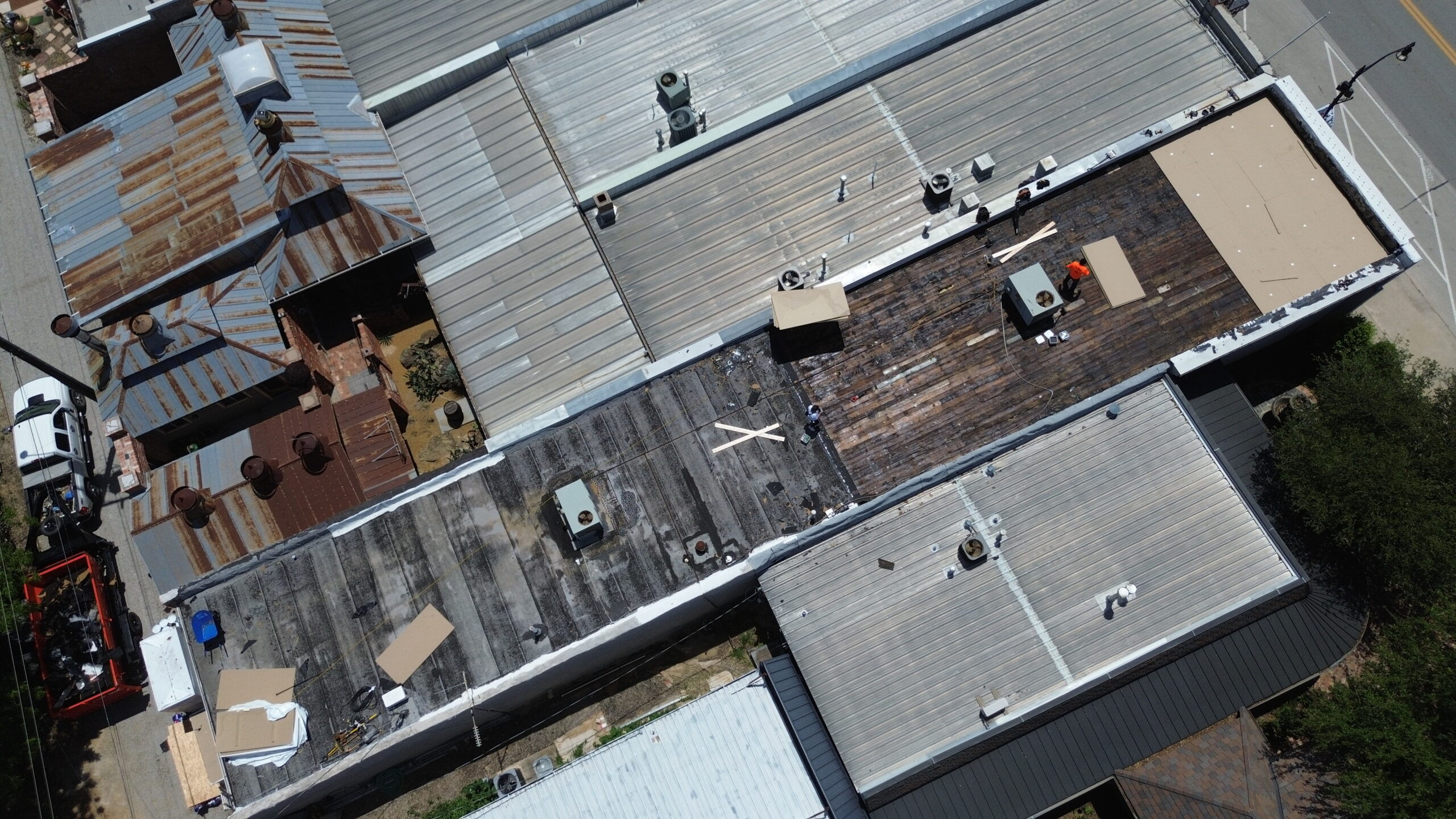
Planning a Sustainable Roof Replacement Project
Sustainability begins with careful planning long before construction starts. A successful sustainable roof replacement considers materials, energy performance, waste management, contractor selection, and long-term maintenance as interconnected parts of one comprehensive strategy.
The planning process should begin with a professional roof inspection. Understanding the existing roof’s condition allows property owners to identify opportunities for improving insulation, ventilation, structural performance, and energy efficiency during replacement.
Project goals should also be clearly established. Some homeowners prioritize reducing environmental impact, while others focus primarily on energy savings, long-term durability, or recyclable materials. Defining these priorities helps guide material selection and budgeting decisions.
Researching roofing materials is another important planning step. Comparing expected service life, recycled content, energy performance, maintenance requirements, and recyclability provides a more complete understanding of each product’s sustainability rather than considering purchase price alone.
Contractor selection also influences project success. Roofing professionals experienced with sustainable practices can recommend environmentally responsible materials, organize recycling efforts, minimize waste, and coordinate energy-efficient improvements throughout installation.
Budget planning should include long-term value rather than only initial costs. Durable materials, improved insulation, and energy-efficient roofing systems often provide measurable financial benefits through lower maintenance expenses and reduced utility bills over many years.
Finally, homeowners should consider future maintenance requirements before selecting roofing materials. Sustainable roofing depends not only on installation but also on preserving roof performance throughout its lifespan. Choosing products requiring reasonable maintenance while offering excellent durability supports long-term environmental responsibility.
Thoughtful planning transforms roof replacement into an opportunity to improve building performance, conserve resources, reduce environmental impact, and create a roofing system that delivers lasting value for decades to come.
Recyclable Roofing Materials and Circular Construction
One of the most important principles of sustainable construction is reducing waste by keeping materials in use for as long as possible. This concept, often referred to as a circular approach to construction, encourages recycling, reusing, and recovering materials instead of sending them directly to landfills. Modern roof replacement projects increasingly adopt these practices because roofing materials often contain valuable resources that can serve useful purposes even after removal.
Metal roofing is one of the strongest examples of recyclable construction materials. Steel, aluminum, and copper roofing products can often be recycled repeatedly without significant loss of quality. When a metal roof eventually reaches the end of its service life, much of the material can return to manufacturing rather than becoming construction waste. This reduces demand for newly mined raw materials while lowering the energy required for production.
Asphalt shingles are also becoming part of recycling programs in many regions. Instead of disposing of removed shingles in landfills, recycling facilities process them into materials that may be used in road construction and other industrial applications. Although recycling opportunities vary by location, growing participation demonstrates the roofing industry’s commitment to improving sustainability.
Concrete and clay roofing tiles provide another long-term advantage. Because these materials often remain functional for several decades, they require replacement less frequently than some other roofing products. Their extended lifespan reduces overall material consumption while lowering the amount of construction waste generated over time.
Wood roofing materials may also contribute to circular construction when responsibly managed. Undamaged wood can sometimes be reused in secondary building applications, while damaged wood may be processed into alternative products instead of being discarded immediately.
Packaging materials deserve attention as well. Roofing projects generate cardboard, pallets, plastic wrapping, and metal packaging that can often be separated for recycling. Organized job sites simplify material sorting while reducing unnecessary landfill disposal.
Property owners should discuss recycling practices with roofing contractors before construction begins. Understanding which materials can be recovered helps ensure that sustainability goals are incorporated into every stage of the replacement project rather than addressed only after demolition begins.
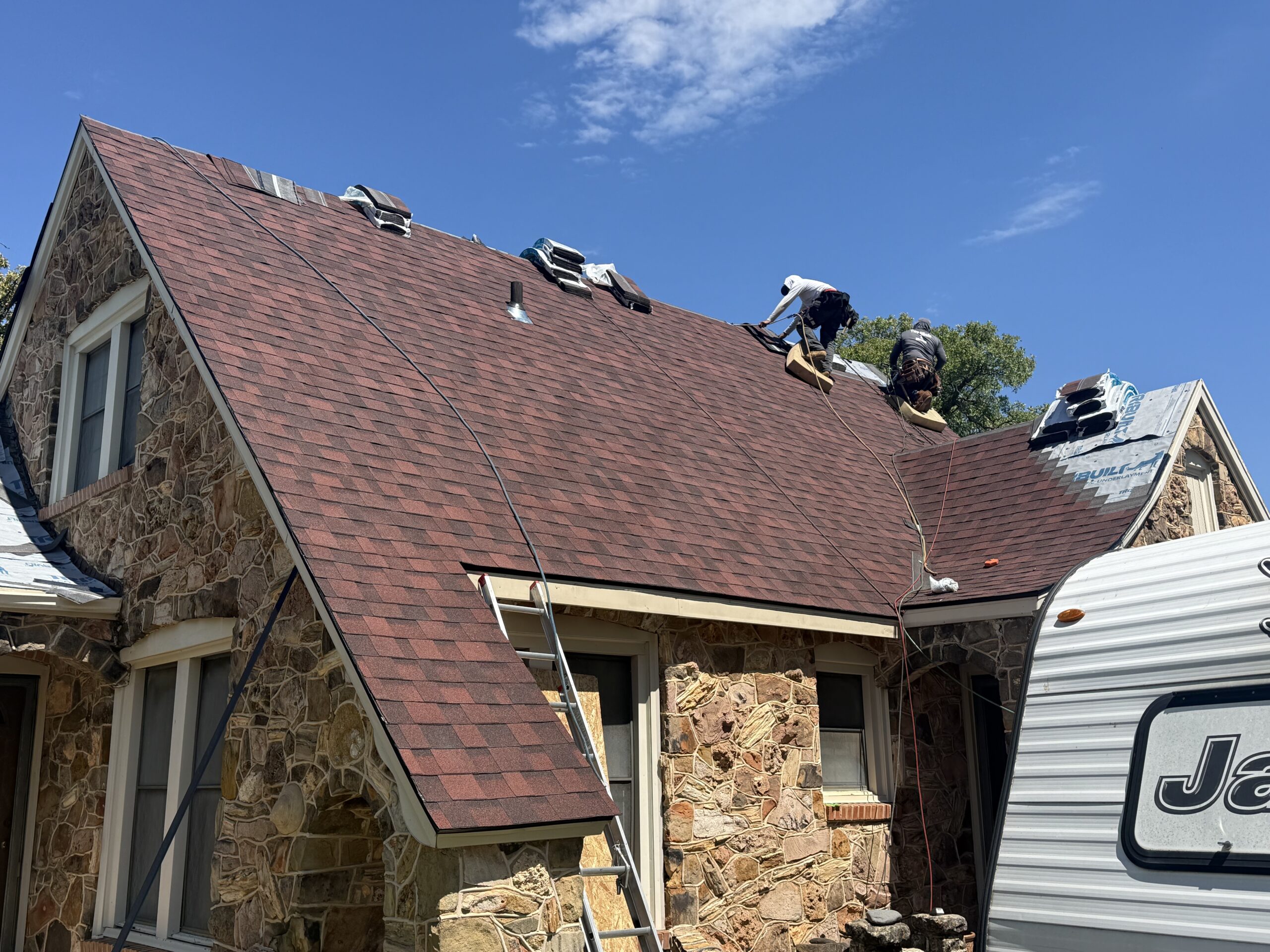
Improving Roof Longevity Through Sustainable Design
The most sustainable roof is often the one that lasts the longest while maintaining reliable performance. Extending roof lifespan reduces the need for future replacement projects, conserving materials, reducing transportation demands, and minimizing construction waste throughout the life of the building.
Material durability forms the foundation of sustainable roof design. Selecting roofing products with proven resistance to weather, ultraviolet radiation, moisture, and temperature changes reduces deterioration while lowering long-term maintenance requirements. Although highly durable materials sometimes require greater initial investment, they frequently provide superior environmental and financial value over several decades.
Proper installation is equally important. Even premium roofing materials cannot achieve their expected service life if flashing, ventilation, underlayment, or fastening systems are installed incorrectly. Working with experienced roofing professionals ensures that every component of the roofing system performs as intended.
Ventilation contributes significantly to roof longevity. Excessive attic heat accelerates material aging during summer, while trapped moisture encourages wood deterioration and mold growth during colder months. Balanced ventilation helps regulate these conditions, preserving both roofing materials and structural components beneath them.
Moisture management also supports sustainable design. Proper drainage systems, high-quality underlayments, and carefully installed flashing prevent water intrusion that could otherwise shorten roof lifespan. Maintaining dry structural components reduces repair frequency while protecting insulation and indoor air quality.
Routine maintenance should be viewed as part of sustainable roof design rather than an afterthought. Regular inspections, gutter cleaning, prompt repairs, and tree maintenance all contribute to preserving roof performance while delaying future replacement.
Design flexibility provides another advantage. Roofing systems prepared for future improvements such as solar panel installation or additional insulation upgrades reduce the need for later structural modifications. Planning ahead allows the roof to adapt to changing homeowner needs without unnecessary reconstruction.
Long-lasting roofs benefit both property owners and the environment. Fewer replacement projects mean lower resource consumption, reduced manufacturing demand, less transportation, and significantly less construction waste over many decades.
Water Management and Eco-Friendly Drainage Solutions
Managing rainwater efficiently is an essential part of sustainable roofing. Every rainfall places demands on the roofing system, and effective drainage protects not only the roof itself but also the building structure, foundation, landscaping, and surrounding environment.
Gutters and downspouts form the primary drainage system for most residential roofs. Keeping these components properly sized, well maintained, and free from debris ensures that rainwater flows safely away from the roof without causing moisture accumulation or overflow. Sustainable roof replacement projects often include upgrading drainage systems to improve long-term performance.
Roof valleys deserve careful attention because they collect water flowing from multiple roof surfaces. Properly designed valleys direct water efficiently toward drainage systems while reducing the likelihood of standing water and moisture-related deterioration. High-quality flashing further protects these critical areas from leaks.
Rainwater management can also support environmental conservation. Some property owners incorporate rainwater collection systems during roof replacement, allowing runoff to be stored for landscape irrigation or other non-potable household uses. Integrating collection systems during roofing projects often simplifies installation while improving long-term water conservation.
Permeable landscaping around the property also contributes to sustainable drainage. Directing roof runoff toward landscaped areas that naturally absorb water helps reduce stormwater runoff while supporting healthier soil conditions. Coordinating roofing improvements with landscape planning creates broader environmental benefits.
Modern roofing materials also contribute to improved water management. Durable underlayments, advanced flashing systems, and moisture-resistant barriers help prevent water intrusion while protecting insulation and structural framing beneath the roof.
Routine maintenance remains essential for sustainable drainage performance. Cleaning gutters, inspecting downspouts, removing debris, and evaluating flashing after storms all help preserve efficient water flow throughout the roof’s lifespan.
Effective water management protects the roof while reducing unnecessary repairs, preserving structural integrity, and supporting responsible environmental practices that extend well beyond the roofing system itself.
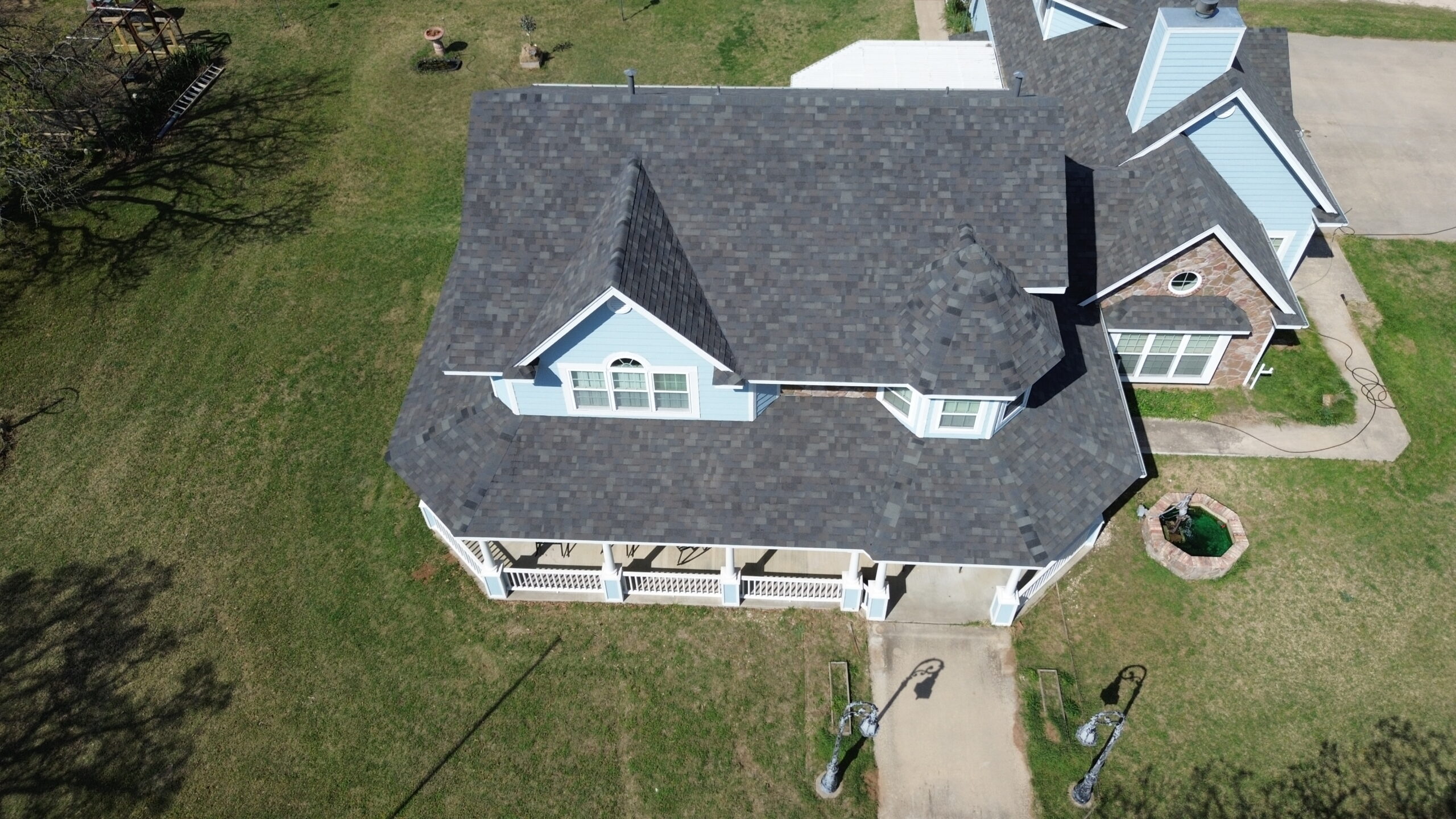
Sustainable Insulation and Ventilation Practices
Insulation and ventilation work together to create one of the most important components of a sustainable roofing system. Although these elements remain hidden beneath roofing materials, they strongly influence energy efficiency, roof durability, indoor comfort, and long-term environmental performance.
Insulation slows the movement of heat between indoor and outdoor environments. During summer, it limits heat entering living spaces from the attic, while during winter it helps retain heated indoor air. Improved insulation reduces energy consumption by decreasing the workload placed on heating and cooling systems throughout the year.
Roof replacement provides an excellent opportunity to evaluate existing insulation. Older insulation may have settled, absorbed moisture, or simply no longer meet current energy performance expectations. Upgrading insulation during roof replacement often produces significant long-term energy savings while improving indoor comfort.
Ventilation complements insulation by regulating attic temperature and moisture levels. Proper airflow removes excess heat during warm weather while preventing condensation during colder months. Maintaining balanced ventilation protects roofing materials, preserves insulation performance, and reduces the likelihood of mold development.
Sustainable roofing also emphasizes air sealing. Small gaps around plumbing vents, electrical penetrations, recessed lighting, and attic access points allow conditioned indoor air to escape unnecessarily. Sealing these openings before installing improved insulation enhances overall energy performance while reducing utility costs.
Modern ventilation systems have also improved considerably. Ridge vents, soffit vents, and specialized attic ventilation products create continuous airflow that supports efficient roof performance without requiring mechanical equipment. These passive systems consume no electricity while providing reliable long-term operation.
The relationship between insulation and ventilation demonstrates the importance of treating the roof as a complete building system. Neither component performs optimally without the other, and improving both simultaneously during roof replacement maximizes sustainability benefits.
Comparing Traditional Roofing and Sustainable Roofing Approaches
Modern sustainable roofing differs from traditional roofing in several important ways. While traditional projects often focus primarily on replacing worn materials, sustainable projects consider long-term environmental impact, energy efficiency, durability, and responsible resource management.
| Roofing Consideration | Traditional Roofing Approach | Sustainable Roofing Approach |
|---|---|---|
| Material selection | Focus on initial cost | Balance durability, recyclability, and long-term value |
| Waste management | Greater reliance on landfill disposal | Emphasis on recycling and material recovery |
| Energy efficiency | Standard roofing performance | Reflective materials, insulation, and ventilation improvements |
| Roof lifespan | Depends mainly on material replacement | Prioritizes long-term durability and reduced replacement frequency |
| Environmental impact | Limited consideration | Reduced resource consumption and lower environmental footprint |
| Long-term planning | Immediate roofing needs | Whole lifecycle performance and future adaptability |
This comparison illustrates that sustainable roofing extends well beyond choosing environmentally friendly materials. It represents a broader strategy focused on maximizing long-term building performance while minimizing environmental impact throughout the roof’s entire service life.
Property owners increasingly recognize that sustainable roofing often delivers stronger financial value as well. Reduced maintenance requirements, improved energy efficiency, and longer service life frequently offset higher initial investments through ongoing operational savings.
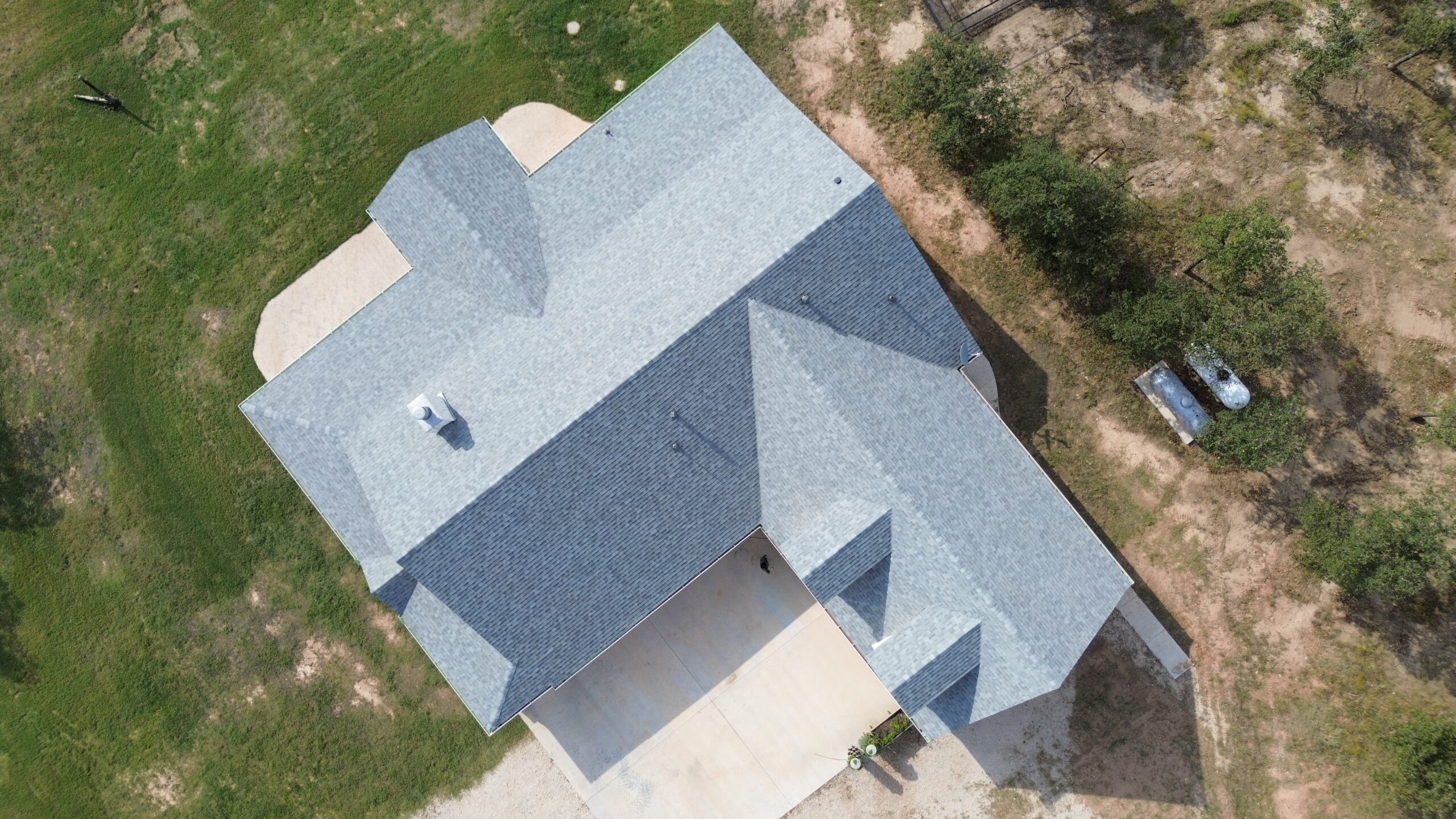
Working With Contractors Who Prioritize Sustainable Roofing
The success of a sustainable roof replacement depends not only on material selection but also on the knowledge and practices of the roofing contractor. Experienced contractors familiar with sustainable construction methods help property owners achieve environmental goals while maintaining high installation quality.
Contractors committed to sustainability typically evaluate the entire roofing system rather than focusing solely on surface materials. They assess insulation, ventilation, structural condition, drainage, flashing, and opportunities for energy improvements before recommending replacement strategies.
Material recommendations also reflect broader sustainability considerations. Rather than selecting products based only on purchase price, experienced contractors discuss durability, maintenance requirements, recycled content, recyclability, energy performance, and expected service life. This comprehensive approach helps homeowners make informed decisions that support long-term environmental responsibility.
Waste management practices distinguish sustainable contractors as well. Organized recycling programs, careful material separation, responsible disposal methods, and efficient construction planning reduce landfill waste while recovering valuable recyclable materials whenever possible.
Communication is equally important. Property owners should feel comfortable discussing sustainability goals, asking questions about environmentally responsible materials, and understanding how construction practices influence the project’s overall environmental impact. Contractors who explain these topics clearly help homeowners participate confidently in sustainable decision-making.
Documentation also contributes to long-term success. Information regarding roofing materials, warranties, insulation upgrades, ventilation improvements, maintenance recommendations, and recycled content should be provided upon project completion. These records support future maintenance while documenting the sustainable improvements incorporated into the roofing system.
Building long-term relationships with knowledgeable contractors provides continuing benefits after installation. Routine inspections, preventive maintenance, and professional guidance help preserve roof performance while ensuring that the environmental advantages achieved during replacement continue throughout the roof’s lifespan.
Ultimately, sustainable roofing is a collaborative effort. When property owners work closely with contractors who understand environmentally responsible construction practices, the result is a roofing system that conserves resources, improves energy efficiency, reduces waste, and delivers dependable performance for decades.
Sustainable Roofing Checklist for Property Owners
A sustainable roof replacement begins with careful planning and informed decision making. While every property has unique requirements, following a structured checklist helps ensure that environmental considerations remain part of every stage of the project. Instead of focusing only on replacing worn roofing materials, property owners can evaluate how the new roof will perform throughout its entire service life.
Before starting a sustainable roof replacement project, property owners should review the following checklist:
- Arrange a professional roof inspection to evaluate structural condition and identify opportunities for energy improvements.
- Select roofing materials known for durability, recyclability, and long service life.
- Ask whether roofing products contain recycled or responsibly sourced materials.
- Plan for insulation and ventilation upgrades during roof replacement.
- Discuss recycling and waste management procedures with the roofing contractor.
- Evaluate drainage systems and rainwater management opportunities.
- Compare long-term maintenance requirements before selecting roofing materials.
- Consider future improvements such as solar panel installation or additional energy upgrades.
- Review manufacturer warranties and expected product lifespan.
- Establish a long-term roof maintenance schedule after installation.
Completing this checklist helps homeowners make environmentally responsible decisions while improving the overall quality of the replacement project. Each completed step contributes to reducing waste, conserving resources, and improving long-term building performance.
The checklist also creates better communication between homeowners and contractors. Sustainability goals become clear before construction begins, allowing material selection, waste management, and energy improvements to be coordinated more effectively throughout the project.
Property owners should revisit the checklist whenever project plans change. Updating sustainability goals as new information becomes available ensures that environmental priorities remain part of the decision-making process from beginning to end.
Step-by-Step Guide to Planning an Eco-Friendly Roof Replacement
Planning is essential for achieving meaningful environmental benefits during roof replacement. A structured process allows homeowners to evaluate sustainability opportunities before construction begins rather than making rushed decisions during installation.
The following guide outlines a practical planning sequence:
- Schedule a comprehensive roof inspection to evaluate the existing roof, attic, insulation, ventilation, and structural condition.
- Identify sustainability goals such as improving energy efficiency, reducing construction waste, increasing roof lifespan, or preparing for renewable energy systems.
- Compare environmentally friendly roofing materials based on durability, recyclability, maintenance requirements, and expected service life.
- Establish a realistic budget that includes energy-efficiency improvements and responsible waste management practices.
- Select an experienced roofing contractor familiar with sustainable construction methods and recycling procedures.
- Coordinate insulation, ventilation, drainage, and structural improvements before installing the new roofing materials.
- Confirm recycling arrangements for removed roofing materials and packaging generated during construction.
- Complete the project, organize warranty documents, and establish a long-term maintenance schedule that preserves the roof’s environmental performance.
Following these steps creates a logical project flow while allowing every major sustainability decision to receive appropriate attention. Instead of treating environmentally friendly improvements as optional additions, they become integrated parts of the entire roof replacement process.
Flexibility should remain part of the planning process as well. Structural discoveries, product availability, or changing project priorities may require adjustments before construction begins. Reviewing sustainability goals regularly helps ensure that environmentally responsible decisions continue guiding the project.
After installation, planning should continue through regular inspections and maintenance. Sustainable roofing depends not only on responsible construction but also on preserving the roof’s performance throughout its lifespan.
Common Sustainability Mistakes to Avoid During Roof Replacement
Even homeowners committed to environmentally responsible construction sometimes make decisions that reduce the sustainability of their roofing project. Recognizing these common mistakes helps property owners maximize both environmental and financial benefits.
One of the most common mistakes is focusing only on the initial purchase price. Less expensive roofing materials may require earlier replacement, more frequent maintenance, or greater energy consumption over time. Considering total lifecycle costs often reveals that higher-quality materials provide stronger long-term sustainability.
Another frequent mistake is overlooking insulation and ventilation improvements. Installing environmentally friendly roofing materials alone cannot maximize energy efficiency if the attic continues losing heat through poor insulation or inadequate ventilation. Treating the roof as a complete system produces much better long-term results.
Ignoring recycling opportunities also reduces project sustainability. Many roofing materials, including metal roofing, asphalt shingles, packaging materials, and certain construction debris, may be recyclable depending on local programs. Property owners should discuss recycling plans with contractors before demolition begins.
Choosing contractors without considering their environmental practices represents another common oversight. Contractors experienced with sustainable roofing often provide better guidance regarding waste reduction, material selection, recycling, and energy-efficient construction methods.
Some homeowners also neglect routine maintenance after installation. Even the most environmentally responsible roofing system gradually loses performance if gutters become clogged, flashing deteriorates, or small repairs are postponed. Preventive maintenance protects the investment while extending roof lifespan.
Another mistake involves selecting materials unsuitable for the local climate. Roofing products should be chosen according to expected weather conditions, temperature changes, rainfall, and sunlight exposure. Materials performing exceptionally well in one region may not provide identical benefits elsewhere.
Failing to plan for future improvements can also reduce sustainability. Homeowners considering solar panels, additional insulation, or other energy upgrades should discuss these possibilities during roof replacement. Preparing the roof for future improvements often reduces construction waste and modification costs later.
Avoiding these common mistakes allows property owners to maximize the environmental value of their roofing investment while improving long-term building performance.
Maintaining a Sustainable Roof for Long-Term Performance
Installing a sustainable roof is only the beginning of its environmental contribution. Proper maintenance throughout the roof’s service life ensures that energy efficiency, durability, and weather protection continue performing as intended for many years.
Regular professional inspections remain one of the most important maintenance practices. Scheduling roof evaluations during the spring and fall allows contractors to identify developing issues before they become major repairs. Early maintenance preserves roofing materials while reducing unnecessary resource consumption associated with larger reconstruction projects.
Gutters and drainage systems should also receive consistent attention. Removing leaves, dirt, and debris allows rainwater to flow efficiently away from the roof, reducing moisture exposure and protecting both roofing materials and structural components. Efficient drainage also helps preserve landscaping and foundation stability.
Tree maintenance contributes significantly to roof longevity. Trimming overhanging branches reduces storm damage risks while minimizing debris accumulation on the roof surface. Less organic debris helps roofing materials dry more quickly after rainfall, reducing moisture-related deterioration.
Ventilation should continue functioning effectively throughout the roof’s lifespan. Property owners should occasionally inspect attic spaces for signs of excessive heat, condensation, or moisture buildup. Maintaining balanced airflow protects insulation while supporting overall energy efficiency.
Prompt repairs are another essential aspect of sustainable maintenance. Small issues such as damaged flashing, missing shingles, or minor leaks should be corrected quickly before additional materials require replacement. Preventive maintenance conserves resources while reducing repair costs.
Keeping organized maintenance records also supports sustainability. Inspection reports, repair documentation, warranty information, and photographs provide valuable information for future evaluations while helping contractors monitor gradual roof aging.
Property owners should also observe changes in household energy consumption. Unexpected increases in heating or cooling costs may indicate developing insulation or roofing issues requiring professional evaluation. Addressing these concerns early helps preserve the roof’s energy-efficient performance.
Consistent maintenance extends roof lifespan while reducing the environmental impact associated with premature replacement. Every additional year of reliable roof performance contributes to greater sustainability through reduced material consumption and lower construction waste.
Future Trends in Sustainable Roofing Technology
Sustainable roofing continues evolving as manufacturers, researchers, and construction professionals develop new technologies that improve environmental performance while increasing durability and energy efficiency. These innovations are expected to influence future roof replacement projects for many years.
One important trend involves advanced recycled materials. Manufacturers continue increasing the amount of recycled content incorporated into roofing products while maintaining high standards for strength, durability, and weather resistance. Improved manufacturing techniques make these products increasingly attractive for environmentally conscious homeowners.
Reflective roofing technology also continues advancing. New coatings and surface treatments improve solar reflectance without limiting architectural appearance. Roofing materials are becoming more effective at reducing heat absorption while offering wider color and design options.
Green roofing systems are expected to expand further, particularly in urban environments. Vegetated roofs improve insulation, reduce stormwater runoff, support biodiversity, and help moderate urban temperatures. As structural designs continue improving, green roofs may become practical for a broader range of building types.
Solar-ready roofing systems represent another growing development. Rather than treating solar panels as separate additions, manufacturers are increasingly designing roofing materials that simplify future renewable energy integration. This coordinated approach supports easier installation while reducing long-term construction complexity.
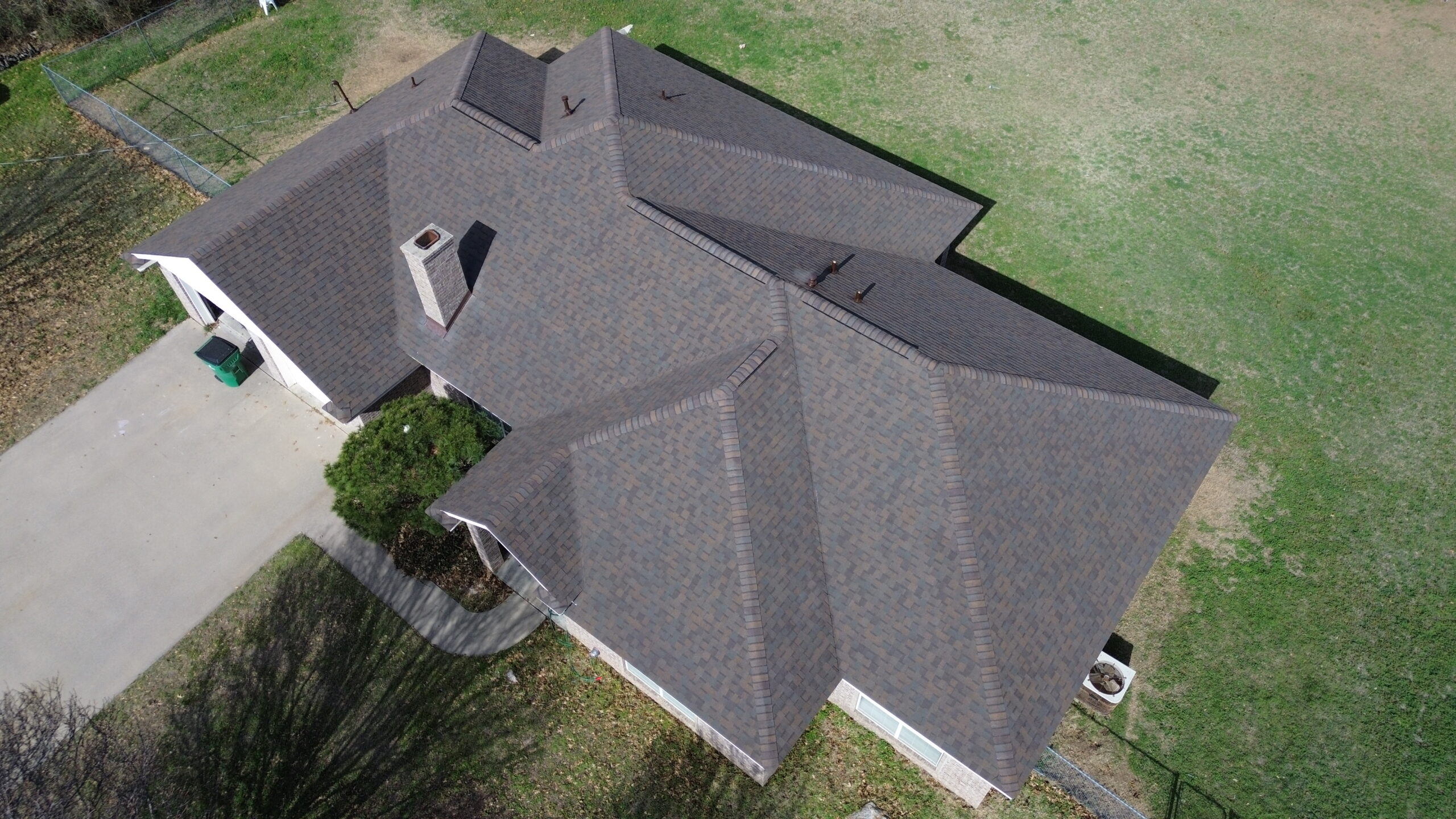
Digital technology is also transforming roof maintenance. Drones, thermal imaging, moisture detection equipment, and smart monitoring systems allow contractors to identify roofing problems earlier while reducing unnecessary inspections. Improved diagnostic tools support longer roof lifespan through more precise preventive maintenance.
Manufacturing sustainability continues improving as well. Many roofing manufacturers are reducing water consumption, lowering emissions, increasing renewable energy use, and minimizing production waste. These improvements reduce the environmental impact of roofing materials before they even reach construction sites.
Future roofing projects are likely to combine multiple sustainable technologies into highly integrated building systems. Roofing materials, insulation, ventilation, renewable energy, moisture management, and smart monitoring will increasingly function together rather than as independent building components.
These continuing innovations demonstrate that sustainable roofing is not a temporary trend but an ongoing evolution toward more efficient, durable, and environmentally responsible construction practices.
Conclusion
Sustainable roofing practices have transformed modern roof replacement from a routine maintenance project into an opportunity to improve energy efficiency, reduce environmental impact, and increase long-term property value. By considering the entire lifecycle of the roofing system, homeowners can make decisions that benefit both their buildings and the broader environment.
Throughout every stage of a sustainable roof replacement, careful planning plays a critical role. Selecting durable materials, improving insulation and ventilation, reducing construction waste, recycling removed roofing materials, and working with knowledgeable contractors all contribute to creating a roofing system that performs efficiently for decades.
The benefits extend far beyond environmental responsibility. Sustainable roofs often reduce heating and cooling costs, require less frequent maintenance, improve indoor comfort, and increase building durability. These financial advantages frequently offset higher initial investments while providing ongoing value throughout the roof’s service life.
Maintaining the roof after installation remains equally important. Regular inspections, prompt repairs, effective drainage, proper ventilation, and organized maintenance records help preserve the environmental and financial benefits achieved during replacement. Preventive care extends roof lifespan while reducing future material consumption and construction waste.
Looking ahead, advances in recycled materials, reflective roofing technologies, solar-ready systems, green roofs, and smart monitoring continue expanding the possibilities for sustainable construction. As these innovations become more widely available, environmentally responsible roofing will likely become an increasingly standard part of modern replacement projects.
Ultimately, sustainable roofing represents a long-term investment in durability, efficiency, and responsible resource management. By combining thoughtful planning, high-quality materials, skilled installation, and ongoing maintenance, property owners can create roofing systems that provide dependable protection while supporting a more sustainable future for both their homes and the environment.