
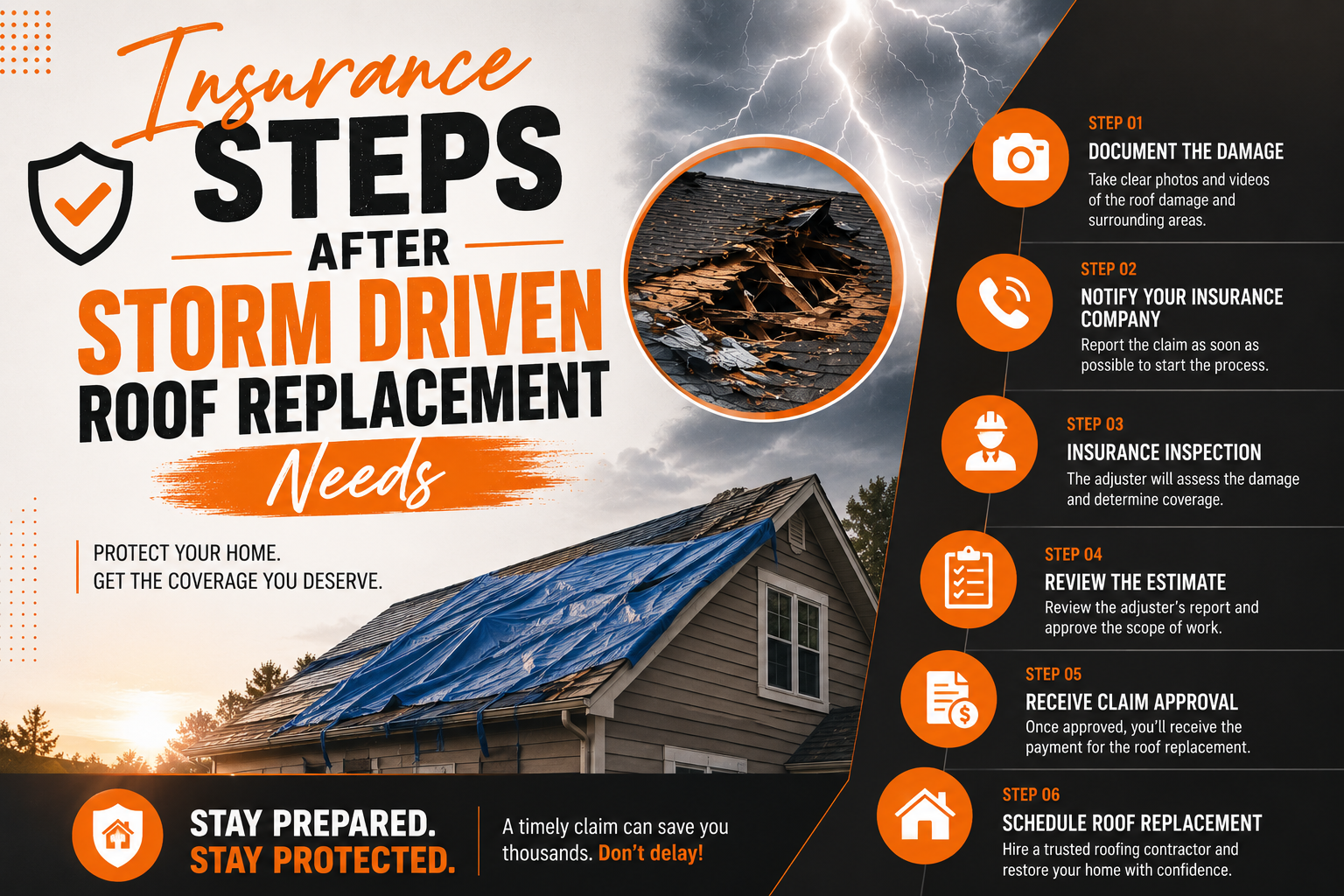
Insurance Steps After Storm Driven Roof Replacement Needs
Introduction
Severe storms can leave behind extensive roof damage that is not always visible from the ground. High winds may lift shingles, hail can crack roofing materials, and falling tree limbs can puncture the roof structure in a matter of seconds. While the damage itself is stressful, navigating the insurance process often becomes an equally challenging task for homeowners.
A roof replacement after storm damage involves much more than simply hiring a contractor. Insurance companies require documentation, inspections, and verification that the damage resulted from a covered event. Homeowners who understand the proper steps are usually better prepared to protect their property, avoid unnecessary delays, and maximize the likelihood of receiving the coverage they deserve.
Taking the right actions immediately after a storm can significantly influence the outcome of an insurance claim. From documenting damage and preventing further deterioration to communicating with adjusters and selecting qualified contractors, every decision plays an important role in the overall process.
This guide explains the complete insurance process for storm driven roof replacement needs. In this first section, we will focus on understanding storm related roof damage, the immediate actions homeowners should take, how to inspect the roof safely, documenting damage effectively, preventing additional losses, reviewing insurance coverage, and starting the claims process correctly.
Understanding Storm Related Roof Damage and Insurance Coverage
Storms can affect roofing systems in many different ways. Some forms of damage are immediately obvious, while others remain hidden until leaks develop weeks or even months later. Understanding the different types of storm damage helps homeowners recognize when a professional inspection and insurance claim may be necessary.
Wind damage is among the most common causes of roof replacement claims. Strong gusts can loosen or completely remove shingles, exposing the underlayment and roof decking beneath. Even when shingles remain attached, broken seals may allow water to penetrate during future storms.
Hail damage often appears as dents, cracks, or missing protective granules on asphalt shingles. Metal roofing may develop visible impact marks, while tile roofing can crack from repeated hail strikes. Some hail damage cannot be identified without a close inspection, making professional evaluations particularly valuable.
Heavy rain may expose weaknesses that previously existed in flashing, vents, valleys, or sealants. While rain itself does not usually damage a healthy roof, it quickly exploits existing vulnerabilities created by age or previous weather events.
Falling trees and large branches can create severe structural damage. Besides puncturing the roof surface, these impacts may damage rafters, roof decking, gutters, fascia boards, and even interior ceilings. Such incidents frequently require complete roof replacement rather than localized repairs.
Insurance coverage depends on the specific policy and the cause of the damage. Most standard homeowners insurance policies cover sudden and accidental storm damage, provided the roof was properly maintained before the event. Damage caused solely by normal wear, neglect, or lack of maintenance is generally excluded from coverage.
Understanding this distinction is important because insurance companies evaluate both the cause of the damage and the overall condition of the roof before determining whether replacement costs are covered.
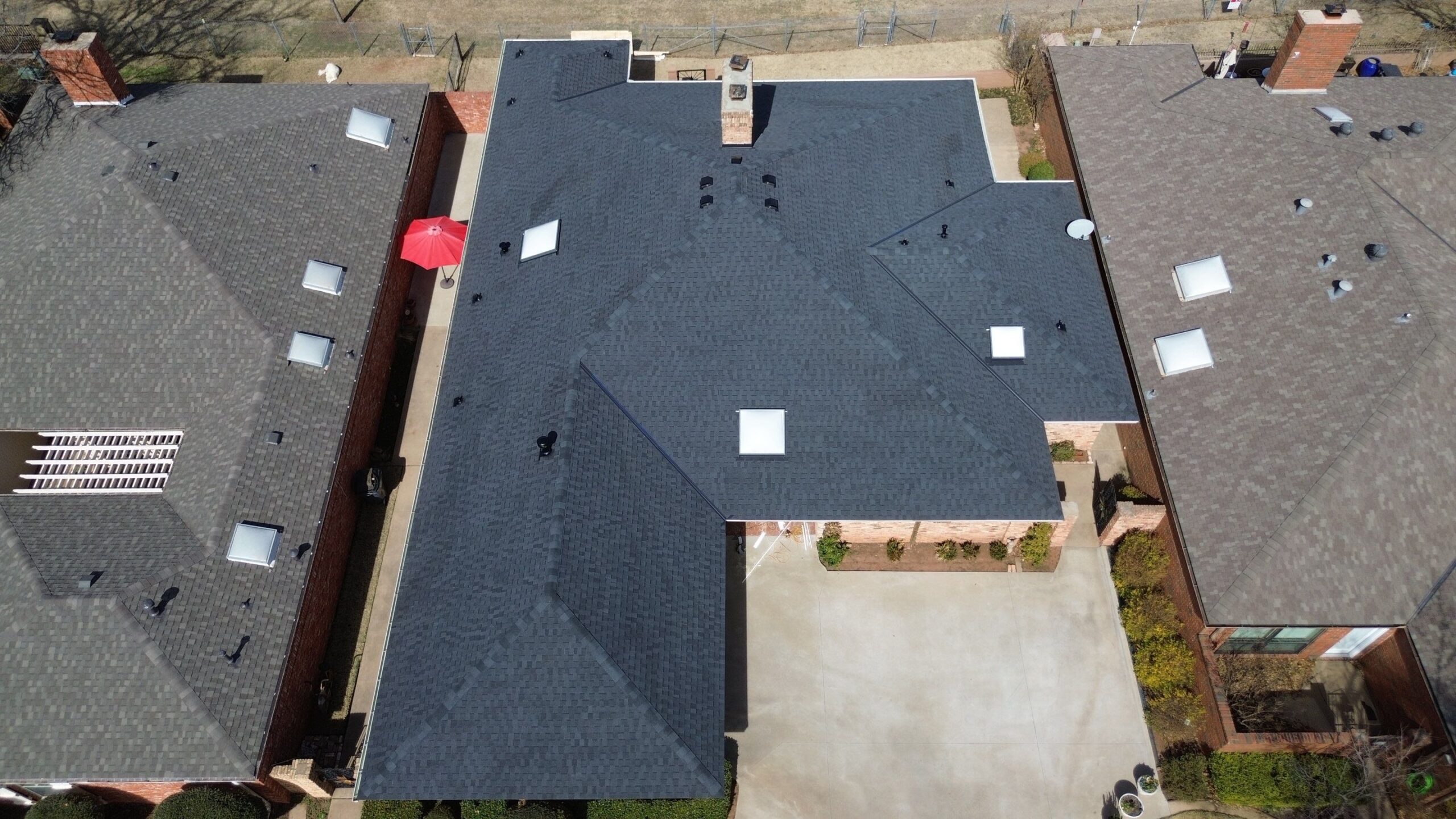
Immediate Steps to Take After Storm Damage
The hours immediately following a severe storm are critical. Acting quickly helps protect the home, supports the insurance claim, and minimizes additional damage while replacement plans are being developed.
The first priority should always be personal safety. Do not rush outside while dangerous weather conditions continue. High winds, lightning, unstable trees, and fallen power lines can present life threatening hazards even after the main storm appears to have passed.
Once conditions are safe, perform a visual inspection from the ground. Look for missing shingles, fallen tree limbs, damaged gutters, scattered roofing materials, or visible holes in the roof. Binoculars can help provide a closer view without requiring anyone to climb onto the roof.
Inside the home, inspect ceilings, walls, and the attic for signs of water intrusion. Fresh stains, dripping water, damp insulation, peeling paint, or sagging drywall often indicate roof leaks that require immediate attention.
If active leaks are present, move valuable belongings away from affected areas. Furniture, electronics, rugs, important documents, and family keepsakes should be relocated to dry locations whenever possible.
Temporary measures such as placing buckets beneath leaks and covering damaged roof sections with professionally installed tarps can help reduce additional losses until permanent replacement begins.
Avoid making major repairs before the insurance company has an opportunity to inspect the damage. Emergency protection is appropriate, but permanent repairs should generally wait until documentation and inspections have been completed.
Prioritizing Safety Before Inspecting the Roof
Inspecting a storm damaged roof can be dangerous, especially when structural damage is present. Many injuries occur because homeowners attempt to climb onto unstable roofs immediately after severe weather.
Always begin with a ground level inspection. Walk around the property while looking for visible damage to roofing materials, gutters, flashing, vents, and surrounding trees. Debris scattered around the yard may also provide clues regarding the severity of the storm.
Use binoculars or a camera with zoom capability to examine higher sections of the roof. This approach often reveals missing shingles, displaced ridge caps, or punctures while eliminating unnecessary fall risks.
Attic inspections should only be performed if the area appears structurally sound. Look for sunlight entering through the roof, damp wood framing, wet insulation, or active water leaks. These observations can help identify the approximate location of roof damage.
Never climb onto the roof under the following conditions:
- The roof appears structurally unstable.
- Roofing materials are wet or slippery.
- High winds continue after the storm.
- Fallen power lines are nearby.
- Large tree limbs remain on the roof.
- Proper fall protection equipment is unavailable.
Professional roofing contractors have specialized safety equipment and training that allow them to inspect storm damaged roofs much more safely than most homeowners.
Documenting Roof Damage for Insurance Purposes
Accurate documentation forms the foundation of a successful roof insurance claim. Insurance adjusters rely heavily on photographs, videos, written records, and inspection reports when evaluating storm damage.
Begin documenting the damage as soon as it is safe to do so. Take wide angle photographs showing the entire property before capturing close up images of specific roof damage. Include missing shingles, broken flashing, damaged gutters, fallen trees, hail impacts, and any debris that contributed to the damage.
Interior damage should also be documented carefully. Water stains, wet insulation, ceiling discoloration, damaged flooring, soaked furniture, and peeling paint provide valuable evidence that water entered the home following the storm.
Videos can complement still photographs by showing the overall condition of the property. Slowly walk around the home while recording visible damage from multiple angles. Narrating the observations may also help organize information later during the claim process.
Create written notes describing the storm, including the approximate date, time, weather conditions, and when the damage was first discovered. Recording these details early reduces the chance of forgetting important information later.
Maintain copies of all communication related to the claim. Emails, letters, inspection reports, repair estimates, invoices, and claim reference numbers should be stored together in an organized file.
Well organized documentation not only strengthens the insurance claim but also assists contractors when preparing accurate roof replacement estimates.
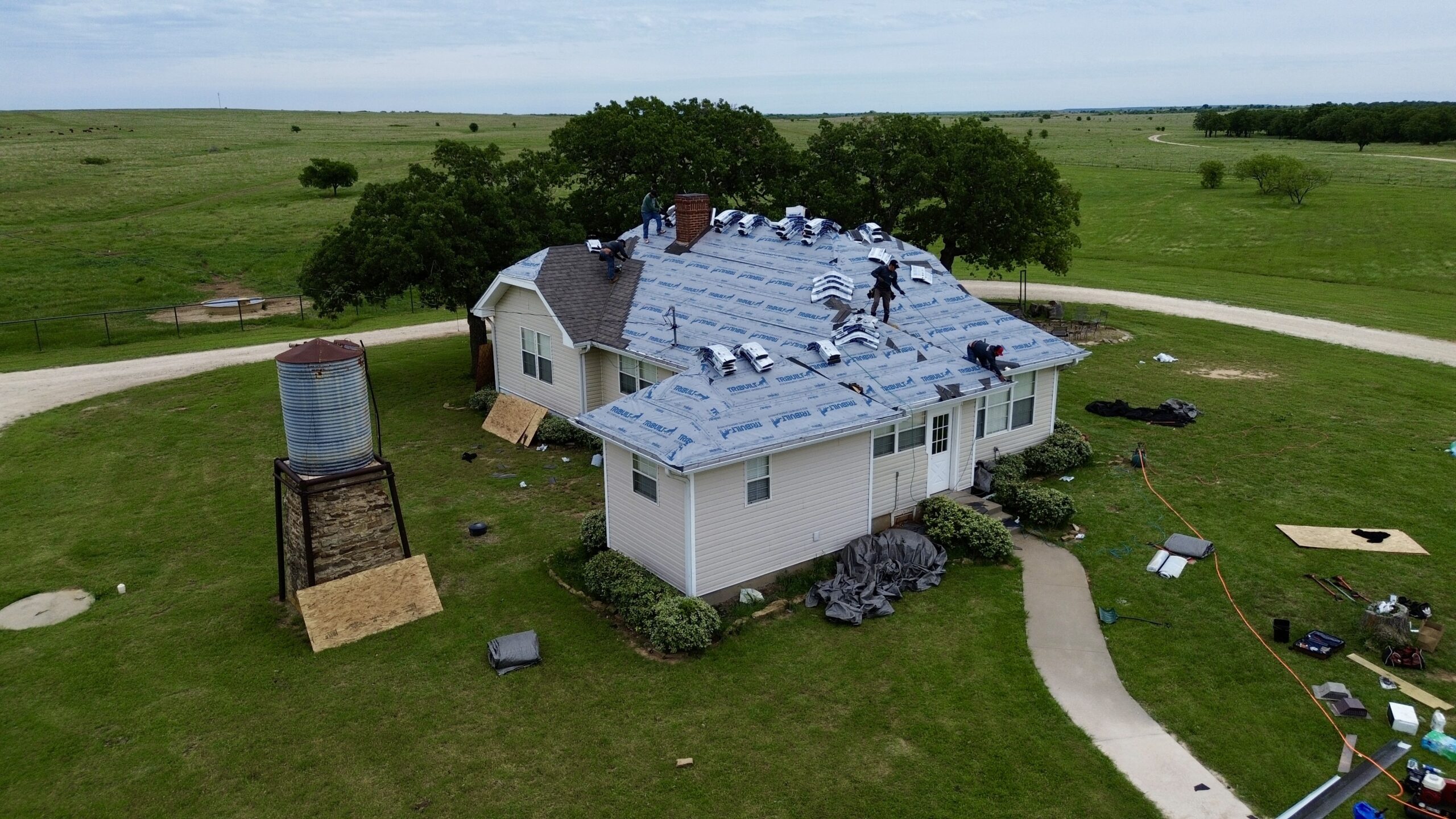
Preventing Additional Damage Before the Insurance Inspection
Insurance companies generally expect homeowners to take reasonable steps to prevent additional property damage after a covered event. This responsibility does not require permanent repairs, but it does involve protecting the home until inspections can take place.
Temporary roof coverings are one of the most effective methods for reducing further water intrusion. Heavy duty tarps installed securely over damaged sections help prevent rain from entering the attic and living spaces.
Interior protection is equally important. Buckets should be placed beneath active leaks, while furniture and electronics should be moved away from affected areas. Plastic sheeting can help protect flooring and personal belongings if ceiling leaks continue.
Moisture should be removed promptly using fans and dehumidifiers whenever conditions allow. Drying wet materials quickly reduces the likelihood of mold development and limits damage to drywall and wood framing.
Homeowners should avoid discarding damaged roofing materials unless they create an immediate safety hazard. Broken shingles, flashing, or other roofing components may serve as valuable evidence during the insurance inspection.
Keep receipts for emergency expenses related to temporary protection. These may include tarp installation, emergency roofing services, water removal equipment, or other reasonable measures taken to minimize additional damage.
The following table summarizes common emergency actions homeowners should consider before the insurance inspection.
| Situation | Recommended Temporary Action | Primary Purpose |
|---|---|---|
| Roof leak | Install professional tarp | Prevent water intrusion |
| Ceiling drip | Place buckets underneath | Protect interior flooring |
| Wet insulation | Begin controlled drying | Reduce mold risk |
| Fallen tree branch | Secure the area safely | Prevent injuries |
| Damaged belongings | Move to dry location | Minimize property loss |
| Active moisture | Use fans and dehumidifiers | Speed interior drying |
These temporary measures help preserve the home’s condition while allowing adjusters to evaluate the original storm damage accurately.
Reviewing Your Homeowners Insurance Policy
Before speaking with the insurance company, homeowners should review their insurance policy to better understand what coverage may apply. Knowing the policy details makes it easier to ask informed questions during the claims process.
Begin by locating the declarations page, which summarizes the policy limits, deductibles, and major coverage categories. This document provides a useful overview of the protection available for the home.
Next, review the sections describing covered perils. Storm related damage caused by wind, hail, lightning, or falling objects is commonly included in many homeowners policies, although specific terms and exclusions vary.
Pay attention to any exclusions involving roof age, cosmetic damage, maintenance issues, or wear and tear. These provisions often influence whether the insurance company approves a full roof replacement or recommends partial repairs.
It is also helpful to understand the settlement method used by the policy. Some policies pay replacement cost value, while others initially pay actual cash value until replacement work has been completed. Understanding these terms helps homeowners anticipate how claim payments may be issued.
If any policy language appears confusing, contact the insurance representative for clarification before assuming that certain damage is or is not covered. Asking questions early helps prevent misunderstandings later in the claim process.
Notifying Your Insurance Company and Starting the Claim
Once the damage has been documented and temporary protection has been installed, the next step is notifying the insurance company. Reporting the claim promptly allows the insurer to begin scheduling inspections and evaluating the extent of the loss.
When contacting the insurance company, provide basic information about the storm, the approximate date of the damage, and a brief description of what has been observed. Avoid estimating repair costs at this stage unless professional inspections have already been completed.
The insurance representative will usually assign a claim number and explain the next steps. This often includes scheduling an adjuster inspection, requesting photographs, or asking for additional documentation related to the damage.
Keep a written record of every conversation with the insurance company. Note the date, time, representative’s name, and any instructions provided. Organized communication helps resolve questions that may arise later during the claim process.
Continue monitoring the temporary roof protection while waiting for the adjuster’s visit. If additional storms occur or new leaks develop, document those changes carefully and notify both the insurance company and the roofing contractor if necessary.
Beginning the claim correctly establishes the foundation for the entire roof replacement process. In the next section, we will examine what happens during the insurance adjuster’s inspection, how roofing contractors work alongside insurance companies, understanding replacement estimates, reasons claims may be delayed or denied, appealing unfavorable decisions, managing temporary repairs during the waiting period, and maintaining organized records from start to finish.
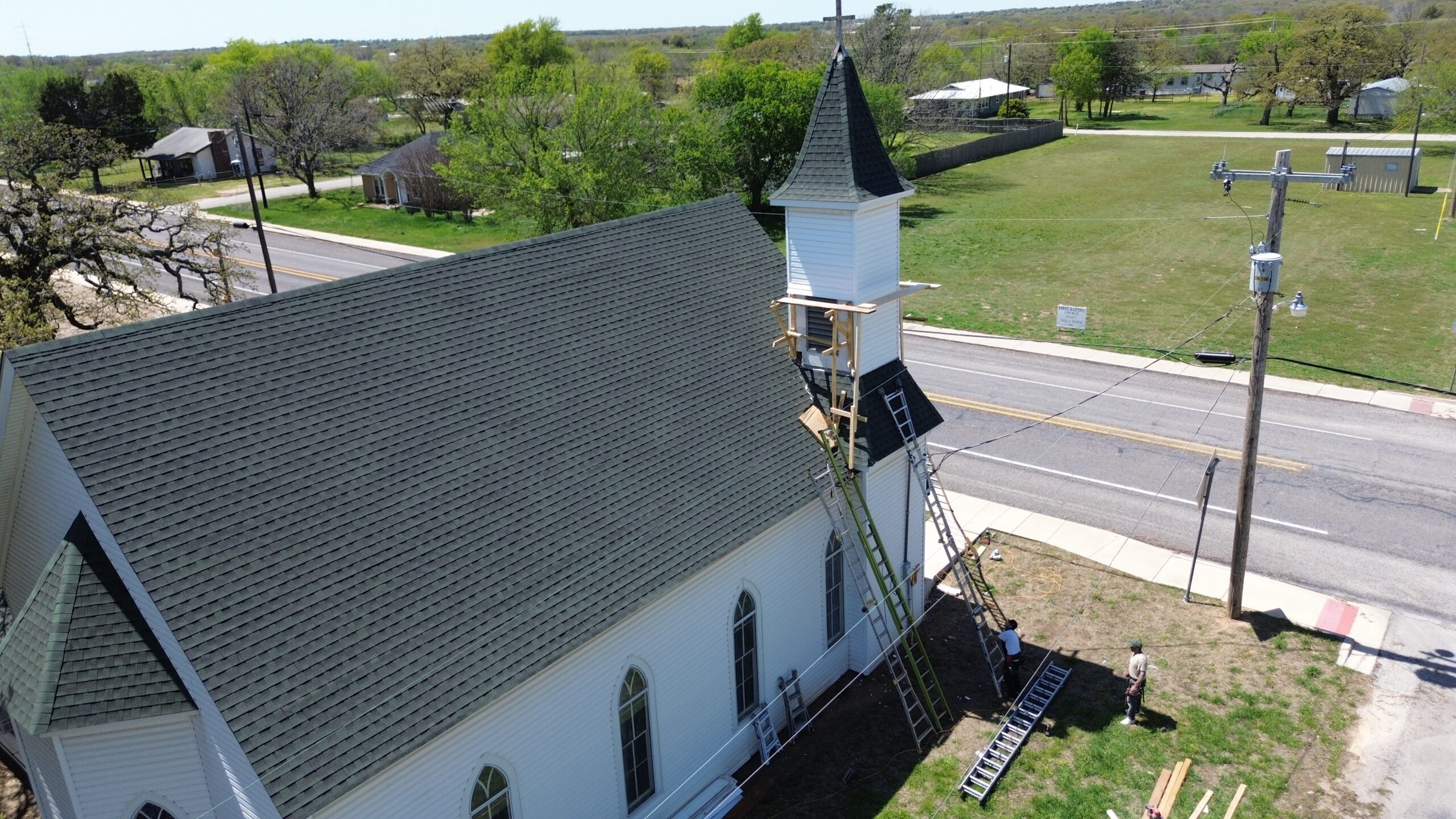
What Happens During the Insurance Adjuster Inspection
After the claim has been filed, the insurance company schedules an inspection with an adjuster. This visit is one of the most important stages of the entire claim because the adjuster’s findings often influence whether the roof qualifies for repair, partial replacement, or complete replacement.
The adjuster begins by examining the exterior of the home. They look for missing shingles, cracked roofing materials, hail impacts, damaged flashing, dented gutters, broken vents, and other visible signs of storm damage. They also assess whether the damage appears consistent with the reported weather event.
The inspection usually includes surrounding property features as well. Damaged fences, siding, windows, air conditioning units, and detached structures may help confirm the severity of the storm. These observations provide additional context when evaluating the roof claim.
Inside the home, the adjuster may inspect ceilings, attic spaces, insulation, and upper walls for evidence of water intrusion. Water stains, damp insulation, mold growth, and structural changes often help establish that roof damage allowed moisture to enter the home.
Many adjusters take extensive photographs and measurements during the inspection. They may mark damaged areas, document roofing material types, and estimate the percentage of the roof affected by the storm.
Homeowners should accompany the adjuster whenever possible. Walking through the property together provides an opportunity to point out damage that may otherwise be overlooked. It also allows homeowners to ask questions about the inspection process and better understand what happens next.
The inspection itself does not guarantee approval or denial. Instead, it provides the insurance company with detailed information that will be reviewed before a coverage decision is made.
Working With Roofing Contractors During the Claim Process
A qualified roofing contractor can play an important role throughout the insurance claim. While contractors do not determine insurance coverage, they often provide technical expertise that helps homeowners understand the full extent of the roof damage.
Professional contractors usually begin with their own comprehensive inspection. Unlike a quick visual assessment, this evaluation examines shingles, flashing, underlayment, roof decking, ventilation, gutters, and structural components that may have been affected by the storm.
Contractors often prepare detailed reports describing the observed damage. These reports may include photographs, measurements, material specifications, and explanations of why repair or replacement is recommended. Such documentation can help support the insurance claim.
Many homeowners choose to have their roofing contractor present during the adjuster’s inspection. Having both professionals review the roof together allows questions to be addressed immediately and reduces the chance of important damage being overlooked.
A reputable contractor should explain the replacement process clearly without making unrealistic promises about insurance approval. Any company that guarantees claim approval before the insurance company completes its evaluation should be approached with caution.
Communication between the homeowner, contractor, and insurance company should remain professional and transparent. Sharing inspection findings, photographs, and repair estimates helps ensure everyone is working with accurate information throughout the claim process.
Choosing an experienced contractor early also helps homeowners prepare for replacement once the claim is approved. Material selections, scheduling, and project planning can begin while the insurance review is still underway.
Understanding Roof Replacement Estimates
Once the roof has been inspected, contractors prepare replacement estimates that outline the expected scope of work. These estimates help homeowners compare proposals and understand the overall cost of restoring the roof.
A professional estimate generally begins with the size of the roof. Measurements determine the quantity of shingles, underlayment, flashing, ventilation components, ridge caps, and other materials required for the project.
Labor costs are another major component. Roof complexity, slope, accessibility, and the amount of existing material that must be removed all influence installation costs. More complicated roofs typically require additional labor hours.
The estimate should also identify any structural repairs discovered during the inspection. Water damaged decking, deteriorated fascia boards, or weakened framing may need replacement before new roofing materials can be installed safely.
Waste disposal is another important consideration. Old roofing materials must be removed and disposed of properly, which often includes dumpster rental, transportation, and disposal fees.
Homeowners should carefully review every estimate rather than focusing only on the total price. Differences in material quality, warranty coverage, ventilation improvements, and installation methods may explain why one estimate is higher than another.
A complete estimate also helps insurance companies understand exactly what work is being recommended and why replacement may be more appropriate than localized repairs.
Common Reasons Insurance Claims Are Delayed or Denied
Not every roof replacement claim receives immediate approval. Understanding the most common reasons for delays or denials helps homeowners prepare stronger claims and respond appropriately if questions arise.
One common issue involves insufficient documentation. If photographs, inspection reports, or maintenance records are incomplete, the insurance company may request additional information before making a decision. Providing detailed evidence from the beginning often helps avoid these delays.
Late claim reporting can also create complications. Waiting several months after a storm may make it more difficult to distinguish storm damage from normal wear or unrelated deterioration. Prompt reporting generally provides a clearer connection between the weather event and the roof damage.
Insurance companies may question claims involving older roofs with significant pre existing deterioration. If maintenance has been neglected for many years, distinguishing covered storm damage from ordinary aging becomes more challenging.
Policy exclusions represent another reason for denial. Some policies exclude cosmetic hail damage, certain wind events, or roofs that exceed specified age limits. Reviewing the policy carefully helps homeowners understand these limitations before beginning the claim.
Inconsistent inspection findings may also delay approval. If the adjuster and contractor disagree about the extent of the damage, additional inspections or engineering evaluations may be requested before a final decision is reached.
The following numbered process helps reduce the likelihood of unnecessary claim delays.
- Report the storm damage as soon as it is discovered.
- Document both exterior and interior damage thoroughly.
- Install temporary protection to prevent additional losses.
- Maintain organized records of every inspection and communication.
- Work with a qualified roofing contractor for detailed evaluations.
- Respond promptly to requests for additional information from the insurance company.
Following these steps demonstrates that the homeowner has acted responsibly throughout the claim process.
Appealing a Denied or Underpaid Roof Claim
Receiving a denial or an insurance payment that appears too low can be discouraging, but it does not always represent the final outcome. Most insurance companies have procedures that allow homeowners to request further review.
The first step is carefully reading the written explanation provided by the insurer. Understanding the specific reason for the denial helps determine what additional information may be needed to support an appeal.
Many homeowners obtain an independent roof inspection after receiving an unfavorable decision. A detailed report prepared by an experienced roofing contractor or qualified inspector may identify damage that was not fully recognized during the initial evaluation.
Additional photographs, weather reports, maintenance records, and contractor estimates can strengthen the appeal. Organizing this information clearly helps demonstrate why the homeowner believes the original decision should be reconsidered.
Some insurance companies arrange a second inspection if new evidence is presented. During this visit, both the adjuster and the roofing contractor may review the disputed damage together to reach a more complete understanding of the roof’s condition.
If disagreements continue after multiple reviews, homeowners may have additional options depending on their policy, including mediation, appraisal procedures, or consultation with legal professionals experienced in insurance matters.
Remaining professional throughout the appeal process often leads to more productive communication than responding emotionally. Well documented facts generally carry more weight than assumptions or unsupported opinions.
Temporary Repairs While Waiting for Claim Approval
Claim reviews may take several days or even several weeks depending on the extent of the storm and the number of claims being processed. During this waiting period, protecting the home remains a top priority.
Temporary repairs should focus only on preventing additional damage rather than permanently restoring the roof. Professionally installed tarps remain one of the most effective solutions for covering exposed roofing materials.
Small interior leaks should be managed using buckets, waterproof coverings, and moisture control equipment. Removing excess moisture quickly helps reduce the risk of mold development and protects drywall, insulation, and flooring.
Homeowners should continue monitoring the roof after every significant weather event. Strong winds may loosen temporary coverings, while additional rainfall could reveal new leak locations that require further protection.
Every temporary repair should be documented with photographs and receipts. Insurance companies often appreciate evidence showing that homeowners took reasonable steps to reduce additional losses while waiting for claim approval.
Avoid making extensive permanent repairs before the insurance company completes its evaluation unless emergency conditions require immediate action. Major changes made too early may complicate the adjuster’s ability to assess the original storm damage accurately.
Keeping Records Throughout the Insurance Process
Good record keeping is one of the simplest yet most valuable habits during a roof replacement claim. Organized documentation helps answer questions quickly and reduces confusion throughout the project.
Create a dedicated folder for every claim related document. Inspection reports, repair estimates, insurance correspondence, invoices, receipts, claim numbers, and contractor agreements should all be stored together for easy access.
Maintain a communication log that records each conversation with the insurance company, roofing contractor, or other professionals involved in the project. Include the date, the person’s name, and a summary of what was discussed.
Photographs should be organized chronologically beginning with the initial storm damage. Continue adding images throughout the temporary protection period, insurance inspections, and final roof replacement. This creates a complete visual history of the project.
Save copies of weather reports if they relate directly to the storm that caused the damage. These records may provide additional support if questions arise regarding the timing or severity of the weather event.
Digital backups are equally important. Store electronic copies of photographs and documents in secure cloud storage or another protected location to ensure important records remain available if computer or phone problems occur.
Well organized documentation benefits everyone involved in the project. It allows homeowners, contractors, and insurance representatives to review the same information efficiently while reducing misunderstandings that could delay roof replacement.
By understanding the adjuster inspection, working effectively with roofing contractors, reviewing replacement estimates carefully, responding appropriately to claim challenges, protecting the property during the waiting period, and maintaining complete records, homeowners are well prepared for the final phase of the insurance process. In the last part of this guide, we will cover claim approval, deductibles, selecting the right roofing contractor, avoiding roofing scams, understanding the complete insurance claim timeline, frequently asked questions, and the final conclusion.
Preparing for Roof Replacement After Claim Approval
Once the insurance company approves the claim, the focus shifts from documenting damage to planning the roof replacement. Although approval is a major milestone, several important steps remain before installation begins. Careful preparation helps ensure the project proceeds efficiently and without unnecessary surprises.
The first step is reviewing the insurance settlement documents. Homeowners should confirm that the approved scope of work matches the contractor’s assessment and includes all necessary roofing components. If any important items appear to be missing, they should be discussed with both the contractor and the insurance company before construction starts.
After reviewing the paperwork, the roofing contractor schedules the replacement based on material availability, weather conditions, and crew availability. During periods of widespread storm damage, scheduling may take longer because roofing companies receive a large number of service requests.
Homeowners should prepare the property before installation day. Vehicles should be moved away from the work area, outdoor furniture should be relocated, and fragile items inside the home may need protection from vibrations caused by roof removal.
Neighbors may also appreciate advance notice about the upcoming project. Roof replacement involves noise, material deliveries, and increased contractor activity throughout the day. Informing nearby residents helps maintain positive relationships while the work is completed.
Before construction begins, the contractor should explain the project schedule, expected completion time, warranty information, and cleanup procedures. Clear communication helps establish realistic expectations and reduces misunderstandings throughout the installation process.
Understanding Deductibles and Insurance Payments
Many homeowners are surprised to learn that insurance approval does not always mean the insurance company pays the full cost of the roof replacement. Understanding how deductibles and claim payments work helps avoid confusion during the financial portion of the project.
The deductible is the amount the homeowner is responsible for paying before insurance coverage applies. This amount is determined by the insurance policy and is typically deducted from the total claim payment. Regardless of the replacement cost, homeowners are generally expected to pay their deductible directly.
Some insurance policies pay the claim in multiple stages. An initial payment may be issued based on the actual cash value of the damaged roof. Once the roof replacement has been completed and documentation has been submitted, the remaining eligible amount may be released under replacement cost coverage if the policy provides that benefit.
Homeowners should review every payment carefully. The payment summary usually identifies labor, materials, depreciation, deductible amounts, and any adjustments applied during the claim review. Understanding these details helps prevent misunderstandings when comparing insurance payments with contractor invoices.
Never assume that every roofing contractor handles insurance payments in the same way. Some request deposits before work begins, while others coordinate payment schedules based on insurance disbursements. Discussing payment expectations before signing the contract helps avoid financial surprises later.
It is equally important to be cautious of contractors who offer to waive or absorb insurance deductibles. In many areas, these practices may violate insurance regulations or create complications during the claim process. A reputable contractor follows legal and ethical billing practices while maintaining transparency throughout the project.
Choosing the Right Roofing Contractor
Selecting the right contractor is one of the most important decisions homeowners make after receiving insurance approval. Even an excellent insurance settlement cannot compensate for poor workmanship or substandard materials.
Begin by verifying that the contractor is properly licensed where required and carries both liability insurance and workers’ compensation coverage. These protections reduce potential liability if accidents occur during the replacement project.
Experience is another important factor. Contractors who regularly perform storm related roof replacements understand insurance documentation, local building requirements, and installation standards. Their familiarity with the process often results in smoother project execution.
Ask for written estimates that clearly describe the work to be performed. Material types, ventilation improvements, flashing replacement, cleanup responsibilities, warranty information, and project timelines should all be included in the proposal.
Reading customer reviews and requesting references provides additional insight into the contractor’s reliability. Consistently positive feedback regarding communication, workmanship, punctuality, and cleanup often indicates a well managed roofing company.
Homeowners should also evaluate communication throughout the estimate process. Contractors who answer questions patiently, explain recommendations clearly, and provide written documentation usually demonstrate greater professionalism than companies relying on high pressure sales tactics.
The lowest estimate is not always the best value. Material quality, installation methods, warranty coverage, and long term performance should all be considered before making the final decision.
Avoiding Storm Chasing Roofing Scams
Unfortunately, severe storms often attract dishonest contractors who travel into affected neighborhoods hoping to secure quick contracts. These individuals are commonly referred to as storm chasers because they move from one disaster area to another following major weather events.
Storm chasers frequently appear shortly after severe weather and may offer immediate inspections without being asked. They often create urgency by claiming that homeowners must sign contracts immediately or risk losing insurance benefits. Legitimate contractors generally encourage homeowners to make informed decisions rather than rushing into agreements.
Another warning sign is requesting full payment before any work begins. Reputable roofing companies usually establish payment schedules tied to project milestones rather than demanding the entire contract amount upfront.
Homeowners should be cautious of contractors who cannot provide a permanent business address, proof of insurance, or local references. Companies with established local operations are generally easier to contact if warranty issues arise after the replacement has been completed.
Reading every contract carefully before signing is essential. The agreement should clearly describe the scope of work, materials, payment terms, estimated completion schedule, warranty details, and procedures for handling unexpected repairs.
If an offer sounds unusually good or includes promises that seem unrealistic, taking additional time to verify the contractor’s credentials is a wise decision. Careful research often prevents expensive problems later.
Insurance Claim Timeline From Damage to Replacement
Understanding the overall insurance timeline helps homeowners know what to expect throughout the roof replacement process. Although every claim differs, most projects follow a similar sequence from the initial storm through final completion.
| Stage | Homeowner Responsibility | Expected Outcome |
|---|---|---|
| Storm damage occurs | Ensure safety and document damage | Initial evidence collected |
| Emergency protection | Prevent additional property damage | Home stabilized |
| Insurance claim filed | Report damage and submit information | Claim opened |
| Adjuster inspection | Meet with adjuster and provide documentation | Damage evaluated |
| Claim review | Respond to additional requests if needed | Coverage decision issued |
| Contractor selection | Choose qualified roofing company | Replacement scheduled |
| Roof replacement | Prepare property and monitor work | New roof installed |
| Final documentation | Complete paperwork and retain records | Claim successfully concluded |
While timelines vary depending on weather conditions and claim complexity, understanding each stage helps homeowners remain organized and prepared throughout the project.
Essential Insurance Steps After Storm Damage
Following a logical sequence reduces confusion and helps homeowners move through the insurance process with greater confidence.
- Confirm that everyone is safe after the storm.
- Perform a ground level inspection and document visible damage.
- Install temporary protection to prevent additional losses.
- Notify the insurance company and open a claim.
- Schedule professional roof inspections.
- Meet with the insurance adjuster during the inspection.
- Review the insurance decision carefully.
- Select a qualified roofing contractor.
- Complete the roof replacement according to the approved scope of work.
- Keep all project records for future reference.
Completing each step methodically improves organization while reducing the likelihood of overlooked details.
Best Practices for a Successful Roof Insurance Claim
Every roof replacement claim presents unique circumstances, but several practical habits consistently contribute to better outcomes.
- Report storm damage as soon as it is discovered.
- Take clear photographs before making temporary repairs.
- Read the insurance policy carefully before assuming coverage.
- Keep written records of every conversation related to the claim.
- Save receipts for emergency protection expenses.
- Work with experienced roofing professionals who understand insurance claims.
- Review contracts carefully before signing any agreement.
- Maintain copies of all inspection reports and invoices.
These practices help homeowners remain informed and prepared throughout the entire insurance process.
Frequently Asked Questions
How soon should I report storm damage to my insurance company?
Storm damage should generally be reported as soon as it is safely possible after it is discovered. Prompt reporting helps preserve evidence and allows the insurance company to schedule inspections before additional deterioration occurs.
Can I hire a roofing contractor before contacting my insurance company?
Yes. Many homeowners arrange a professional inspection before filing a claim to better understand the extent of the damage. However, major permanent repairs are generally best delayed until the insurance company has completed its inspection unless emergency conditions require immediate action.
Will insurance always pay for a full roof replacement?
Not necessarily. The insurance company evaluates the cause, extent of the damage, policy coverage, and overall roof condition before determining whether repair or replacement is appropriate under the policy.
What should I do if I discover additional damage after the adjuster’s inspection?
Document the newly discovered damage with photographs and notify both the insurance company and your roofing contractor as soon as possible. Additional inspections may be necessary if significant hidden damage is found.
How long does the insurance claim process usually take?
The timeline varies depending on the severity of the storm, the number of claims being processed, inspection scheduling, and the complexity of the damage. Some straightforward claims are resolved within a few weeks, while larger regional disasters may require considerably more time.
Should I keep copies of all insurance documents after the project is finished?
Yes. Maintaining copies of claim documents, inspection reports, invoices, warranties, photographs, and payment records provides valuable documentation if future warranty issues, property sales, or additional insurance questions arise.
Conclusion
Storm damage can turn a dependable roof into an urgent replacement project within minutes, but understanding the insurance process helps homeowners respond with confidence rather than uncertainty. From documenting damage immediately after the storm to completing the final roof replacement, every step plays an important role in protecting both the property and the insurance claim.
Prompt action, accurate documentation, temporary protection, organized record keeping, and clear communication with insurance representatives and roofing contractors all contribute to a smoother and more successful claims experience. Homeowners who understand their policy, participate actively during inspections, and choose qualified professionals are better positioned to avoid unnecessary delays and costly mistakes.
Although every insurance claim is unique, following a structured approach greatly improves the likelihood of receiving fair coverage and completing a high quality roof replacement. With careful preparation and informed decision making, homeowners can restore their roofs, protect their investment, and move forward with confidence after even the most severe storm damage.