
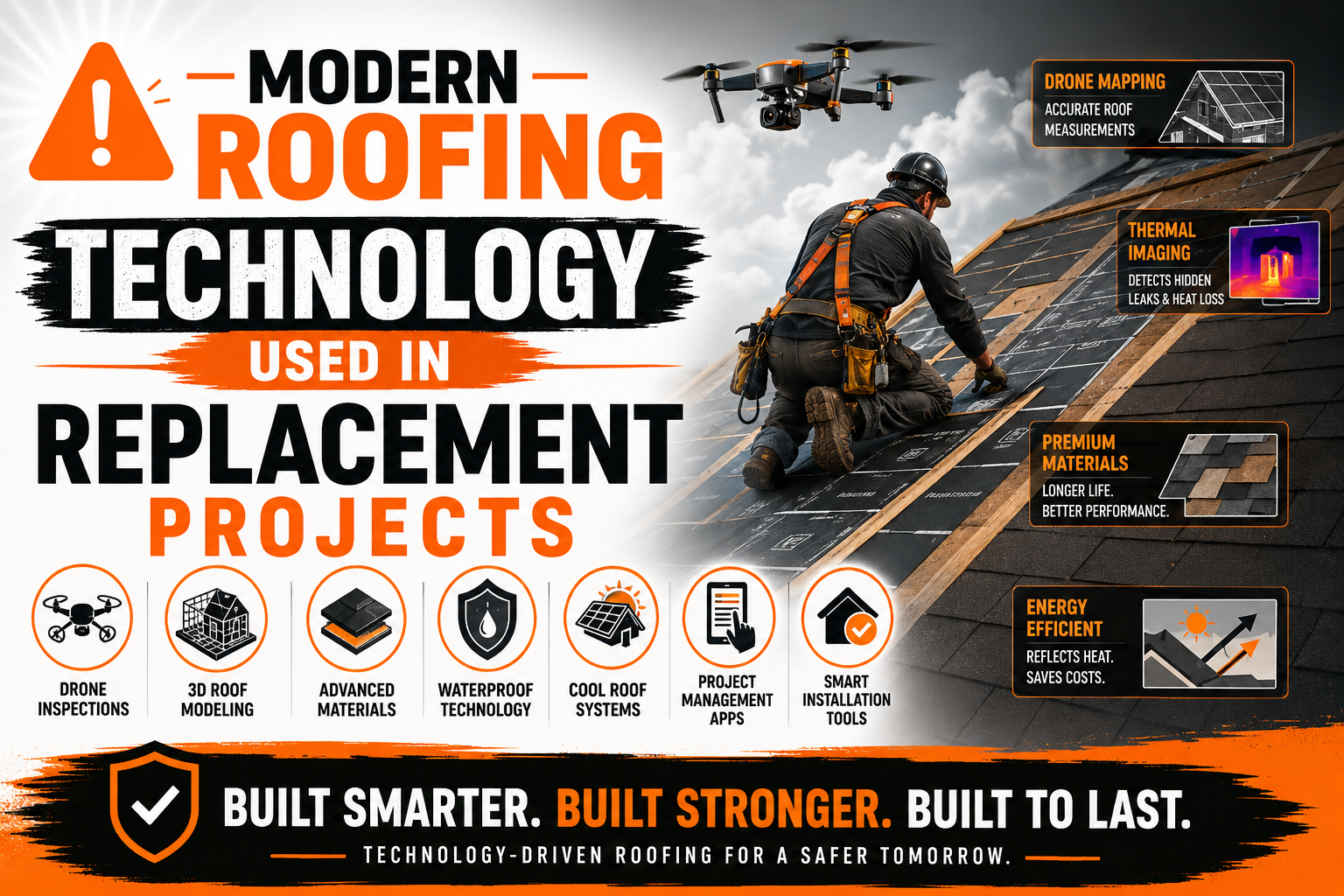
Modern Roofing Technology Used in Replacement Projects
Introduction
Roof replacement projects have changed significantly over the past few decades. While the primary purpose of a roof remains the same, the materials, installation techniques, and supporting technologies have evolved to provide better durability, energy efficiency, and weather protection. Modern roofing technology has transformed replacement projects from simple material upgrades into comprehensive system improvements that enhance the performance of an entire home.
Today’s roofing systems are designed to withstand increasingly challenging weather conditions while reducing maintenance requirements and improving long term value. Advances in manufacturing have produced stronger roofing materials, improved waterproofing systems, enhanced ventilation solutions, and installation methods that deliver greater precision than ever before. These innovations allow homeowners to invest in roofing systems that perform more efficiently throughout their expected lifespan.
Another major development is the shift toward viewing the roof as a complete system rather than a collection of individual components. Modern replacement projects consider insulation, ventilation, underlayment, flashing, drainage, and structural support together. When these elements work as an integrated system, the roof provides better protection against moisture, temperature fluctuations, and environmental stress.
Understanding modern roofing technology helps homeowners make informed decisions during replacement projects. Instead of focusing only on the appearance of shingles or tiles, they can evaluate the features that contribute to long term durability, lower maintenance costs, and improved energy performance. This guide explores the technologies that are shaping today’s residential roof replacement projects and explains how these innovations benefit homeowners.
The Evolution of Residential Roofing Technology
Residential roofing has progressed considerably from the traditional methods used generations ago. Earlier roofing systems relied heavily on basic materials and manual installation techniques. While many of those roofs served homes well for years, they often required more frequent maintenance and offered fewer protective features than modern systems.
As manufacturing technology advanced, roofing materials became more consistent in quality and performance. Engineers began developing products capable of resisting ultraviolet radiation, heavy rainfall, high winds, and temperature extremes more effectively than earlier generations of materials.
The roofing industry also recognized that failures often resulted from weaknesses beneath the visible roof covering rather than from the roofing material itself. This realization encouraged manufacturers to improve underlayment, flashing systems, ventilation products, and moisture barriers. These supporting components now play an essential role in every modern roof replacement project.
Digital technology has also influenced the industry. Roof measurements, inspections, and project planning are now more accurate through the use of advanced tools that reduce errors and improve installation efficiency. These improvements benefit both contractors and homeowners by supporting better project outcomes.
Although the basic concept of protecting a home from weather remains unchanged, the methods used to achieve that goal have become significantly more advanced.
Why Modern Roofing Systems Perform Better
Modern roofing systems deliver improved performance because every component is designed to work together. Instead of relying solely on the outer roofing material, today’s systems include multiple protective layers that address different environmental challenges.
The roofing material provides the first barrier against sunlight, rain, and wind. Beneath that layer, advanced underlayments offer secondary moisture protection if water penetrates the surface. Flashing directs water away from vulnerable joints, while ventilation systems regulate attic temperature and moisture levels.
This layered approach creates redundancy throughout the roofing system. If one component experiences wear, the supporting layers continue providing protection until repairs can be completed. Earlier roofing systems often lacked this level of integrated protection.
Modern products also undergo extensive laboratory testing before reaching the market. Manufacturers evaluate resistance to wind uplift, water penetration, ultraviolet exposure, fire, and impact damage. These tests help improve product reliability while providing homeowners with greater confidence in long term performance.
As a result, modern roofing systems generally offer longer service lives, reduced maintenance requirements, and improved resistance to challenging environmental conditions.
Advanced Roofing Materials
Perhaps the most noticeable advancement in roof replacement technology involves the roofing materials themselves. Manufacturers have introduced products that combine improved durability with attractive appearance, allowing homeowners to choose roofing systems that perform well while complementing their home’s architectural style.
Rather than relying solely on traditional designs, many modern materials incorporate engineered construction techniques that improve flexibility, impact resistance, and weather protection. These innovations help roofing systems withstand years of environmental exposure with fewer signs of deterioration.
Material selection continues to depend on climate, budget, maintenance expectations, and local building requirements. However, today’s homeowners have access to significantly more options than were available only a few decades ago.
Understanding the strengths of different materials allows replacement projects to be tailored more effectively to the needs of each property.
Modern Asphalt Shingles
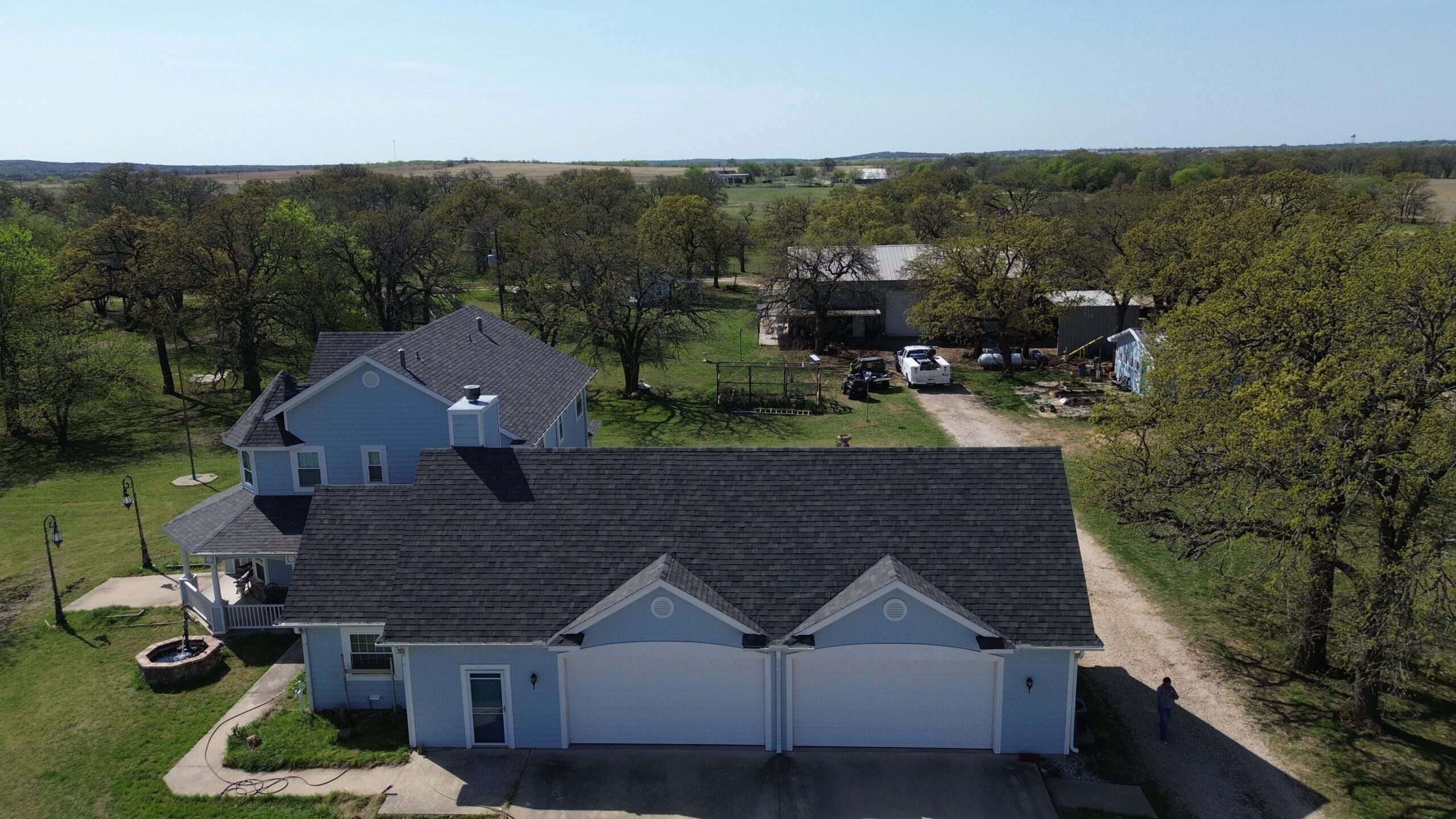
Asphalt shingles remain one of the most widely used residential roofing materials, but today’s products differ considerably from earlier versions. Improvements in manufacturing have produced shingles with stronger construction, enhanced weather resistance, and longer expected service lives.
Many modern asphalt shingles include reinforced fiberglass cores that increase strength while reducing overall weight. Protective granules have also improved, helping the shingles resist ultraviolet radiation and maintain their appearance for longer periods.
Some premium products are engineered to withstand stronger winds and greater impact from hail or wind driven debris. Improved adhesive systems also help shingles remain securely attached during severe weather events.
Manufacturers now produce architectural shingles that create greater visual depth while offering increased durability compared with traditional three tab designs. These products have become increasingly popular because they combine improved performance with enhanced curb appeal.
Although regular maintenance remains important, modern asphalt shingles generally provide better long term reliability than earlier generations.
Metal Roofing Innovations
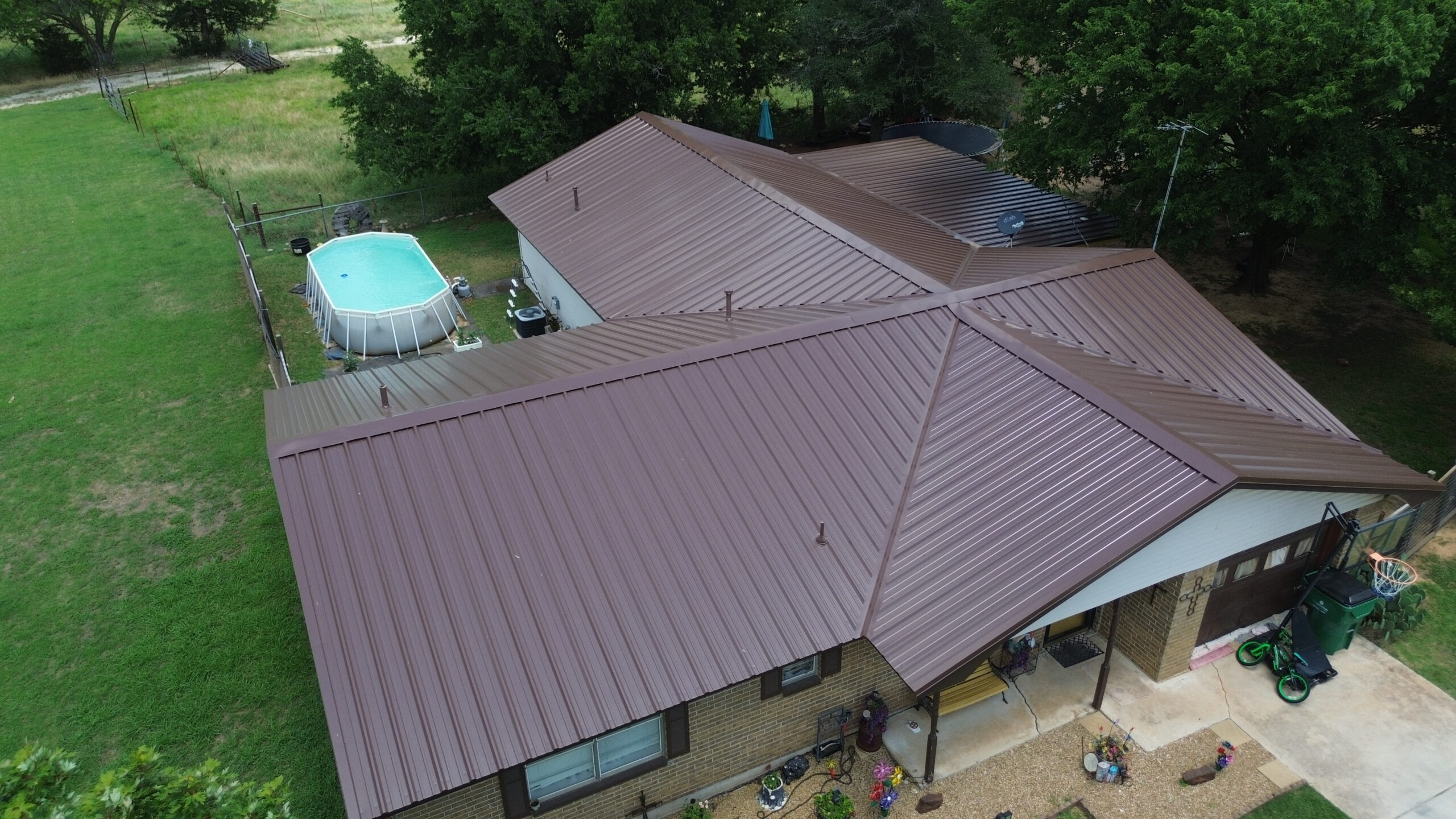
Metal roofing has experienced remarkable technological advancement over recent years. Once associated mainly with agricultural or commercial buildings, modern metal roofing systems are now widely used on residential properties because of their durability, energy efficiency, and attractive appearance.
Today’s metal roofing products are available in numerous profiles, colors, and finishes designed to complement a variety of architectural styles. Advanced protective coatings reduce corrosion, improve color retention, and increase resistance to environmental exposure.
Manufacturing improvements have also produced stronger interlocking panel systems that resist wind uplift more effectively than many earlier designs. Precision engineered fastening methods further improve weather resistance while reducing opportunities for moisture intrusion.
Reflective surface coatings represent another important innovation. These coatings reduce heat absorption by reflecting more sunlight away from the roof, contributing to improved indoor comfort during warmer months.
Although metal roofing generally involves higher initial installation costs than some alternatives, technological improvements have enhanced its long term value for many homeowners.
Composite Roofing Materials
Composite roofing materials represent one of the fastest growing segments of the residential roofing industry. These products combine engineered materials to replicate the appearance of natural slate, wood shakes, or traditional tiles while reducing some of the maintenance challenges associated with natural products.
Modern composites are designed to resist cracking, splitting, insect damage, and moisture absorption. Many products also maintain more consistent color over time because pigments are integrated throughout the manufacturing process.
Another advantage is reduced weight. Composite materials often provide the appearance of heavier roofing products without requiring additional structural reinforcement. This characteristic makes them suitable for many replacement projects where preserving the existing roof structure is desirable.
Advances in polymer technology continue improving flexibility and impact resistance, allowing composite roofing products to perform well under a wide range of environmental conditions.
These innovations have expanded the choices available to homeowners seeking both durability and architectural appeal.
Synthetic Slate and Shake Technology
Natural slate and wood shakes have long been valued for their appearance, but they also present challenges related to weight, installation complexity, and maintenance. Synthetic alternatives address many of these concerns through modern manufacturing techniques.
Synthetic slate products closely resemble natural stone while weighing considerably less. Their reduced weight simplifies installation and decreases structural loading without sacrificing visual appeal.
Similarly, synthetic shake roofing replicates the texture and appearance of traditional wood while resisting moisture, insect activity, and splitting more effectively than natural wood products.
Many synthetic materials also provide improved impact resistance, making them attractive options in regions where hail or wind driven debris frequently affects residential roofs.
These products illustrate how technology allows homeowners to achieve traditional architectural styles while benefiting from modern material performance.
Improved Underlayment and Waterproofing Systems
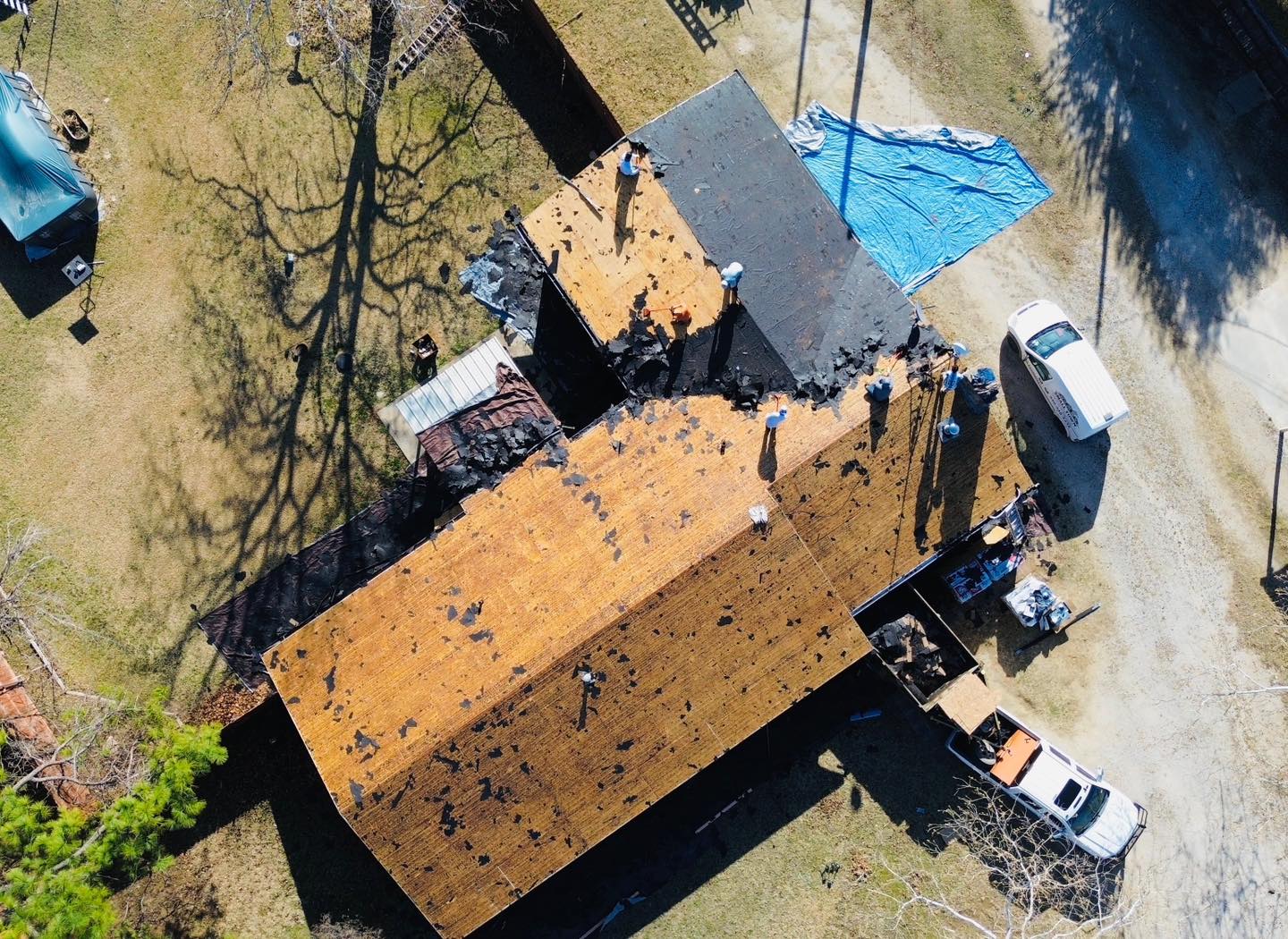
Although roofing materials receive the most attention, one of the greatest technological improvements in modern replacement projects has occurred beneath the visible roof covering. Underlayment serves as a secondary barrier that protects the home if moisture penetrates the outer roofing material.
Traditional felt underlayment performed adequately under many conditions, but newer synthetic products offer significant improvements. Modern synthetic underlayments are lighter, stronger, and more resistant to tearing during installation. They also maintain their protective properties more consistently when exposed to moisture.
In areas particularly vulnerable to leaks, self adhering waterproof membranes provide additional protection. These membranes create tightly sealed barriers around roof penetrations, valleys, and roof edges where water infiltration is most likely to occur.
Because these waterproofing products adhere directly to the roof deck, they reduce opportunities for moisture to travel beneath the roofing material. Even if shingles or tiles become damaged during severe weather, the underlying membrane continues protecting the home until repairs are completed.
Improved waterproofing systems have significantly reduced the likelihood of hidden moisture damage during the lifespan of many modern roofing systems.
Modern Ventilation Systems
Ventilation has become an increasingly important part of roof replacement technology because of its influence on both roof durability and indoor comfort. Earlier roofing systems often received limited attention in this area, leading to excessive attic temperatures and moisture accumulation.
Modern ventilation systems are designed to maintain continuous airflow through the attic. Fresh air enters through intake vents near the roof’s lower edges while warmer air exits through ridge vents or other exhaust openings near the roof peak.
This balanced airflow helps regulate attic temperatures throughout the year. During summer, excessive heat escapes more efficiently, reducing thermal stress on roofing materials. During winter, proper ventilation helps minimize uneven roof temperatures that contribute to ice dam formation.
Ventilation also removes excess moisture generated inside the home. Without sufficient airflow, condensation may develop within the attic, gradually affecting insulation, roof decking, and structural framing.
By improving airflow, modern ventilation technology supports longer roof lifespan, better energy efficiency, and healthier attic conditions throughout the year.
How Modern Roofing Technology Improves Long Term Performance
The greatest advantage of modern roofing technology is not any single innovation but the way multiple improvements work together as an integrated system. Advanced roofing materials, improved waterproofing, enhanced ventilation, stronger fastening methods, and precision manufacturing collectively create roofing systems capable of delivering better long term performance than many traditional installations.
Instead of simply replacing worn roofing materials, today’s projects often upgrade the entire roofing assembly. Homeowners benefit from increased weather resistance, lower maintenance requirements, improved energy efficiency, and greater confidence that their investment will continue protecting the home for decades.
As technology continues advancing, residential roofing systems will likely become even more durable and efficient. Understanding these innovations helps homeowners appreciate why modern replacement projects extend far beyond installing a new layer of shingles.
Smart Roofing Technologies
Modern roofing technology is no longer limited to stronger materials or improved installation methods. One of the most significant developments in recent years has been the introduction of smart roofing technology. These innovations help homeowners and roofing professionals monitor roof performance, identify problems earlier, and reduce the likelihood of expensive repairs.
Traditional roof inspections often relied entirely on visual observations. While experienced contractors can identify many issues, some problems develop beneath the roofing surface where they remain hidden for months or even years. Smart roofing technology helps bridge this gap by providing additional information about the condition of the roofing system.
Many of these technologies are designed to support preventive maintenance rather than replace professional inspections. They provide valuable data that allows homeowners to respond to developing issues before structural damage occurs. Early detection not only extends roof lifespan but also reduces long term maintenance costs.
As smart home technology becomes more common, roofing systems are gradually becoming part of a home’s overall monitoring network. Although these technologies are still evolving, they represent an important step toward more proactive roof management.
Roofing Sensors and Monitoring Systems
Roof monitoring systems use sensors placed at strategic locations to collect information about environmental conditions and roof performance. These sensors continuously observe factors that may influence the condition of the roofing system over time.
Temperature sensors help identify areas experiencing excessive heat buildup. Persistent high temperatures may indicate inadequate attic ventilation or unusually high solar heat absorption. Detecting these conditions early allows corrective action before heat accelerates material aging.
Some systems also monitor humidity levels beneath the roof. Elevated humidity inside attic spaces often signals poor ventilation or developing moisture problems that deserve further investigation.
More advanced monitoring systems transmit information directly to connected devices, allowing homeowners to review roof conditions remotely. Although these systems do not eliminate the need for inspections, they provide useful information between scheduled maintenance visits.
The goal of roof monitoring technology is not simply collecting data but helping homeowners make informed maintenance decisions based on measurable conditions rather than assumptions.
Moisture Detection Technology
Moisture is responsible for many roofing problems because water often spreads through hidden structural components before becoming visible inside the home. Modern moisture detection technology helps identify these problems much earlier than traditional methods.
Specialized sensors can detect changes in moisture levels beneath roofing materials or within roof assemblies. When unusual moisture is detected, homeowners receive an alert that encourages further inspection before extensive deterioration develops.
Early moisture detection provides several important advantages. Structural wood remains healthier because prolonged saturation is less likely to occur. Insulation retains its effectiveness by staying dry, and mold growth becomes less likely when moisture problems are addressed promptly.
Commercial buildings have used moisture monitoring systems for many years, but residential applications are becoming more accessible as technology improves and equipment becomes more affordable.
Although moisture detection systems require professional installation in many cases, they represent a valuable preventive tool for homeowners seeking long term roof protection.
Temperature Monitoring and Thermal Performance
Temperature has a direct influence on roofing materials throughout their service life. Excessive heat accelerates material aging, increases thermal expansion, and contributes to higher indoor cooling costs during warm weather.
Modern temperature monitoring systems help identify unusually hot roof sections that may indicate ventilation deficiencies or insulation problems. Rather than relying on occasional attic inspections, homeowners receive ongoing information about changing roof conditions.
Thermal monitoring also supports energy efficiency improvements. Contractors can evaluate whether reflective roofing materials, improved ventilation, or additional insulation would reduce heat accumulation beneath the roof.
Some monitoring systems combine temperature and humidity data to provide a more complete understanding of attic conditions. This integrated approach helps identify relationships between heat, moisture, and ventilation that might otherwise remain unnoticed.
By understanding thermal performance, homeowners can make improvements that benefit both roof longevity and household energy consumption.
Predictive Maintenance Solutions
One of the most valuable applications of modern roofing technology is predictive maintenance. Instead of waiting until problems become obvious, predictive systems analyze available information to estimate when maintenance may become necessary.
Predictive maintenance relies on data collected from inspections, environmental conditions, weather exposure, and monitoring systems. Contractors evaluate these factors together to identify trends that suggest developing wear.
Rather than scheduling repairs only after visible damage appears, homeowners can perform maintenance during the earlier stages of deterioration. This proactive approach often extends roof lifespan while reducing emergency repair costs.
Although predictive maintenance technology continues evolving, it demonstrates how roofing projects are becoming increasingly data driven. Better information allows more effective planning throughout the roof’s lifecycle.
Energy Efficient Roofing Innovations
Energy efficiency has become one of the primary goals of modern roof replacement projects. Homeowners increasingly seek roofing systems that not only protect against weather but also reduce heating and cooling expenses.
Modern roofing materials are designed to minimize unwanted heat transfer while improving indoor comfort throughout the year. Rather than relying solely on insulation, today’s systems combine multiple technologies to improve overall thermal performance.
These improvements benefit homeowners in several ways. Reduced attic temperatures place less stress on roofing materials, lower cooling costs during summer, and improve comfort throughout the home.
Energy efficient roofing also supports broader sustainability goals by reducing energy consumption without sacrificing durability or weather resistance.
As building standards continue evolving, energy efficient roofing technology will likely become an even more important consideration during residential roof replacement projects.
Cool Roofing Technology
Cool roofing technology has gained significant attention because of its ability to reduce heat absorption during warm weather. Unlike traditional roofing materials that absorb large amounts of solar energy, cool roofing products reflect more sunlight while releasing absorbed heat more efficiently.
This technology helps lower roof surface temperatures, particularly during hot summer afternoons. Reduced surface temperatures translate into cooler attic conditions, decreasing the amount of heat transferred into living spaces.
Lower operating temperatures also reduce thermal stress on roofing materials. Since expansion and contraction become less extreme, roofing components often experience slower long term deterioration.
Cool roofing products are now available in various materials, including asphalt shingles, metal roofing, tiles, and specialized coatings. Homeowners no longer need to sacrifice appearance in order to benefit from improved energy performance.
Although climate influences the overall effectiveness of cool roofing systems, they provide measurable benefits in many regions experiencing prolonged periods of sunshine.
Reflective Roofing Materials
Reflective roofing materials represent another important advancement in modern roof replacement technology. These products use specially engineered surface coatings or pigments to reflect a greater percentage of incoming solar radiation.
Traditional dark roofing materials absorb significant amounts of heat throughout the day. Reflective products reduce this heat absorption by directing more sunlight away from the roof surface.
The result is a roofing system that remains cooler during warm weather while placing less demand on air conditioning systems. Reduced energy consumption benefits both homeowners and the environment.
Reflective technology has expanded beyond commercial buildings and is now widely available for residential applications. Many modern roofing materials incorporate reflective properties without dramatically changing their visual appearance.
This balance between aesthetics and performance makes reflective roofing an increasingly attractive option for homeowners planning replacement projects.
Solar Ready Roofing Systems
The growing popularity of residential solar energy has influenced roofing technology as well. Many modern roof replacement projects now include preparation for future solar panel installation, even if homeowners are not immediately planning to adopt solar energy.
Solar ready roofing systems consider structural support, roof orientation, attachment methods, and long term compatibility during installation. Planning ahead reduces future modification costs should solar panels be installed later.
Some roofing products are specifically designed to simplify solar panel attachment while minimizing penetrations through the roofing surface. Reducing roof penetrations lowers opportunities for moisture infiltration throughout the system’s lifespan.
Preparing a roof for future solar technology provides flexibility while protecting the investment made during replacement.
Improved Insulation Techniques
Insulation plays an essential role in modern roofing performance because it works together with roofing materials and ventilation to regulate indoor temperatures.
Advances in insulation technology have improved thermal resistance while reducing moisture related concerns. Better insulation slows heat transfer during both summer and winter, creating more stable indoor temperatures throughout the year.
Modern installation techniques also focus on minimizing gaps that reduce insulation effectiveness. Even high quality insulation performs poorly when air leaks allow uncontrolled heat movement.
Properly installed insulation contributes to lower utility costs while reducing stress on roofing materials caused by excessive attic temperatures.
Combined with ventilation improvements, insulation helps create a balanced roofing system capable of delivering greater comfort and efficiency over many years.
Modern Installation Equipment and Techniques
Technological improvements extend beyond roofing materials themselves. Contractors now use advanced equipment and digital tools that improve measurement accuracy, project planning, and installation quality.
Earlier roof replacement projects depended heavily on manual measurements and visual estimates. While experienced professionals achieved good results, modern technology has greatly reduced opportunities for human error.
Digital planning tools help contractors calculate material requirements more accurately, reducing waste while improving project efficiency. Better planning also helps homeowners receive more precise project estimates.
Installation equipment has likewise improved, allowing crews to complete projects more safely while maintaining consistent workmanship throughout the roofing system.
These technological advances benefit homeowners through improved quality, reduced installation time, and more predictable project outcomes.
Precision Measurement Technology
Accurate roof measurements form the foundation of every successful replacement project. Modern digital measurement tools allow contractors to calculate roof dimensions with exceptional precision.
Laser measuring devices, specialized software, and digital mapping systems reduce errors that sometimes occurred with traditional manual measurement techniques. Accurate measurements improve material ordering while reducing unnecessary waste.
Precise planning also benefits installation quality because contractors understand roof geometry more thoroughly before work begins. Valleys, dormers, skylights, and complex roof sections receive more careful preparation when accurate digital information is available.
Improved measurement technology therefore contributes to both efficiency and long term roof performance.
Drone Roof Inspections
Drone technology has transformed roof inspections by allowing contractors to examine difficult to access areas safely and efficiently. High resolution cameras capture detailed images of roofing surfaces without requiring extensive walking on the roof itself.
Drone inspections reduce risks associated with steep slopes, fragile roofing materials, or difficult weather conditions. They also provide comprehensive visual documentation that homeowners can review alongside inspection findings.
Images collected by drones allow contractors to identify missing shingles, damaged flashing, blocked gutters, deteriorating sealants, and storm damage from multiple angles.
Digital records also create valuable maintenance history that supports future inspections and replacement planning.
As drone technology continues improving, it is becoming an increasingly common part of residential roofing projects.
Digital Roof Modeling
Modern software allows contractors to create detailed digital models of residential roofs before installation begins. These models assist with project planning, material calculations, and installation sequencing.
Digital roof models also improve communication between contractors and homeowners. Rather than relying solely on verbal explanations, professionals can illustrate how different roofing materials or design options will appear on the completed home.
Project planning becomes more efficient because installers understand roof complexity before arriving at the job site. Potential challenges are identified earlier, reducing delays during construction.
This technology supports more organized replacement projects while improving overall installation accuracy.
Traditional Versus Modern Roof Replacement
The advantages of modern roofing technology become easier to understand when compared with earlier replacement practices.
| Feature | Traditional Roof Replacement | Modern Roof Replacement |
|---|---|---|
| Roof Measurements | Manual measuring methods | Digital measurement systems |
| Inspections | Visual inspection only | Visual inspections with drones and digital imaging |
| Underlayment | Basic felt materials | Advanced synthetic underlayments and waterproof membranes |
| Ventilation | Limited ventilation planning | Engineered balanced ventilation systems |
| Material Performance | Standard weather protection | Improved durability, impact resistance, and UV protection |
| Energy Efficiency | Minimal focus | Reflective materials, improved insulation, and cool roofing technology |
| Project Planning | Manual estimates | Digital modeling and precise material calculations |
The comparison demonstrates that modern roof replacement involves improvements across nearly every stage of the project rather than simply introducing new roofing materials.
Challenges of Adopting Modern Roofing Technology
Despite its many advantages, modern roofing technology also presents certain challenges that homeowners should understand before beginning a replacement project.
Advanced materials and monitoring systems often involve higher initial costs than traditional products. While these investments frequently provide long term value, homeowners must evaluate their budgets carefully.
Contractor experience is another important consideration. Modern roofing systems require proper installation to deliver their intended performance. Selecting qualified professionals familiar with current technologies remains essential.
Compatibility between new technologies and existing roof structures should also be evaluated. Some upgrades may require modifications to ventilation systems, decking, or structural components before installation.
Although these challenges require thoughtful planning, the long term benefits of modern roofing technology often outweigh the initial complexity.
Choosing the Right Technology for Your Roof Replacement
Selecting the right roofing technology involves much more than choosing the newest product available. Every home has unique structural characteristics, climate conditions, and budget considerations that influence which technologies provide the greatest long term value. A successful replacement project balances innovation with practicality to ensure the roofing system performs efficiently throughout its expected lifespan.
Homeowners should begin by evaluating the specific challenges their roof faces. A property located in an area with intense sunlight may benefit most from reflective roofing materials and improved ventilation, while a home in a region with frequent storms may require impact resistant shingles and stronger fastening systems. Understanding these local conditions helps narrow the available options.
The roof’s architectural design also plays an important role. Complex roof layouts with multiple valleys, dormers, skylights, and chimneys require waterproofing systems capable of protecting numerous joints and transitions. Simpler roof designs may allow greater flexibility when selecting roofing materials and installation methods.
Instead of focusing only on the latest technology, homeowners should consider how different innovations work together. Modern underlayments, ventilation systems, flashing products, and roofing materials provide the greatest benefit when they are installed as part of a complete roofing system rather than as isolated upgrades.
Evaluating Climate Before Selecting Roofing Technology
Climate remains one of the most important factors when choosing modern roofing technology. Even the highest quality roofing products perform differently depending on the environmental conditions they experience throughout the year.
Homes in hot climates often benefit from technologies that reduce heat absorption. Reflective shingles, cool roofing coatings, and improved attic ventilation help lower roof temperatures while reducing stress caused by thermal expansion. These features also contribute to lower cooling costs during extended summer seasons.
Cold climates require technologies capable of managing snow accumulation, ice formation, and repeated freeze thaw cycles. Waterproof membranes, balanced ventilation systems, and durable flashing help prevent moisture infiltration while reducing the risk of ice dams.
Coastal regions introduce additional challenges because humidity and salt exposure accelerate deterioration of certain materials. Corrosion resistant fasteners, protective coatings, and moisture resistant underlayments improve long term performance under these conditions.
Areas frequently affected by severe storms benefit from impact resistant roofing materials, reinforced fastening systems, and high wind installation methods. These technologies improve resistance against wind uplift, hail, and wind driven debris while reducing the likelihood of premature repairs.
Matching roofing technology to local climate improves durability while helping homeowners receive the maximum value from their replacement investment.
Balancing Budget and Long Term Performance
Roof replacement is a significant financial investment, making it important to balance immediate costs with future performance. Modern roofing technology often involves higher initial expenses, but many innovations reduce maintenance requirements and improve durability over time.
Choosing the least expensive materials may appear economical initially, yet lower quality products often require more frequent repairs or earlier replacement. Spending slightly more on durable materials, improved waterproofing, or better ventilation can reduce overall ownership costs throughout the roof’s lifespan.
Homeowners should also consider energy savings when evaluating different technologies. Reflective roofing materials, efficient insulation, and balanced ventilation may reduce heating and cooling expenses year after year. These ongoing savings contribute to the long term value of the replacement project.
Warranty coverage represents another important consideration. Many manufacturers provide enhanced warranties when approved installation methods and compatible roofing components are used together. Understanding these warranty requirements helps homeowners protect their investment while avoiding future misunderstandings.
Rather than focusing solely on installation price, evaluating lifetime value provides a more complete understanding of the benefits offered by modern roofing technology.
Working With Qualified Roofing Professionals
Even the most advanced roofing materials cannot deliver their full performance without proper installation. For this reason, selecting experienced roofing professionals remains one of the most important decisions homeowners make during a replacement project.
Qualified contractors understand how modern roofing systems function as integrated assemblies. They evaluate ventilation, drainage, structural support, flashing, and waterproofing alongside the primary roofing material to ensure every component works together effectively.
Professional installers also remain familiar with manufacturer installation guidelines. Following these specifications is essential because improper installation may reduce product performance or affect warranty eligibility.
Communication is equally important throughout the project. Contractors should explain material options, installation procedures, expected timelines, and maintenance recommendations in language homeowners can easily understand.
Working with knowledgeable professionals ensures that technological advancements translate into practical long term benefits rather than simply adding unnecessary complexity to the project.
Future Trends in Residential Roofing Technology
The roofing industry continues evolving as manufacturers develop new materials, digital tools, and installation methods. Many emerging technologies focus on improving durability, sustainability, energy efficiency, and predictive maintenance.
One major trend involves greater integration between roofing systems and smart home technology. Future roofing systems are expected to communicate more effectively with home management platforms, providing continuous information about roof performance, moisture levels, and environmental conditions.
Artificial intelligence is also beginning to influence inspection processes. Image analysis software can assist roofing professionals by identifying potential defects from photographs collected during inspections. Although experienced contractors remain essential, artificial intelligence may improve inspection efficiency and consistency.
Sustainability continues driving innovation as manufacturers develop environmentally responsible materials that maintain high performance while reducing environmental impact. Recycled materials, lower emission manufacturing processes, and products designed for easier recycling at the end of their service life are becoming increasingly common.
These developments demonstrate that residential roofing technology will continue advancing well beyond today’s replacement methods.
Artificial Intelligence in Roof Inspections
Artificial intelligence is gradually becoming a valuable tool during roof inspections. Rather than replacing human expertise, AI assists contractors by analyzing large numbers of roof images quickly and identifying patterns that may deserve closer attention.
High resolution photographs collected by drones or handheld devices can be processed using specialized software capable of recognizing missing shingles, damaged flashing, surface deterioration, and other visible concerns. Contractors then review these findings alongside their own professional evaluations.
Artificial intelligence also supports maintenance planning by comparing inspection results over time. Changes in roof condition become easier to identify when previous inspection records are analyzed together with current observations.
Although AI technology continues developing, its greatest value lies in supporting informed decision making rather than making replacement decisions independently.
Smart Home Integration
As homes become increasingly connected, roofing technology is beginning to integrate with broader home monitoring systems. Sensors installed within roofing assemblies may communicate with smart home platforms to provide alerts regarding moisture, temperature, or ventilation conditions.
For example, unusual moisture levels detected beneath the roof could generate notifications encouraging homeowners to schedule professional inspections before interior damage develops. Similarly, temperature monitoring may reveal ventilation problems affecting attic performance.
This continuous awareness encourages preventive maintenance rather than emergency repairs. Instead of discovering problems only after visible leaks occur, homeowners receive early warning information that supports timely intervention.
Smart integration also creates detailed maintenance histories that become valuable during future inspections or property sales.
Sustainable Roofing Materials
Environmental sustainability has become an important focus throughout the construction industry, including residential roofing. Manufacturers continue developing products that reduce environmental impact while maintaining high levels of durability and weather resistance.
Many modern roofing materials now contain recycled content without compromising structural performance. Manufacturing processes have also become more efficient, reducing waste and lowering energy consumption during production.
Long lasting roofing materials contribute to sustainability because fewer replacement cycles reduce resource consumption over time. Products capable of remaining in service for several decades require fewer raw materials than systems needing frequent replacement.
Reflective roofing technology also supports environmental goals by lowering cooling demands during warm weather. Reduced energy consumption decreases greenhouse gas emissions associated with residential heating and cooling systems.
Sustainable roofing therefore combines environmental responsibility with practical homeowner benefits.
Emerging Energy Generating Roofing Systems
One of the most exciting developments in residential roofing technology is the continued advancement of energy generating roofing systems. While traditional solar panels remain common, manufacturers are developing roofing products capable of producing electricity while serving as the primary roof covering.
These systems integrate photovoltaic technology directly into roofing materials, reducing the visual impact often associated with conventional solar panel installations. Although adoption continues growing gradually, technological improvements are making these products increasingly practical for residential applications.
Energy generating roofing systems offer the potential to combine weather protection with renewable energy production. Homeowners planning long term occupancy may view these technologies as valuable investments that support both sustainability and future energy savings.
As manufacturing costs continue declining and efficiency improves, integrated energy generating roofing products are expected to become more widely available.
Planning a Technology Driven Roof Replacement
Successful roof replacement begins with careful planning rather than rushing into material selection. Modern roofing technology offers many choices, making preparation essential before construction starts.
Homeowners should first arrange a thorough roof inspection to determine the condition of the existing roofing system. Understanding the state of the decking, flashing, ventilation, and structural components helps identify necessary improvements before installation begins.
Researching available roofing materials and technologies also supports informed decision making. Comparing durability, maintenance requirements, energy efficiency, and expected lifespan allows homeowners to select products matching both their needs and local climate.
Scheduling replacement during favorable weather conditions improves installation quality while reducing delays caused by rain, snow, or extreme temperatures. Planning ahead also provides sufficient time to obtain preferred materials and coordinate contractor availability.
Well organized preparation contributes to smoother projects and better long term roofing performance.
Questions Homeowners Should Ask Before Replacement
Modern roofing technology introduces many options, making thoughtful discussions with contractors especially valuable before work begins.
Some useful questions include:
- Which roofing materials perform best in the local climate?
- What ventilation improvements are recommended for this home?
- Will the underlayment and flashing also be replaced?
- Are impact resistant or energy efficient materials available?
- What maintenance should be performed after installation?
- How do the available warranty options differ?
- Will digital measurements or drone inspections be used during planning?
- Are there technologies that could improve long term roof performance?
These questions encourage productive conversations while helping homeowners better understand the recommendations made during the planning process.
Maintaining a Modern Roofing System
Installing an advanced roofing system is only the beginning of its lifecycle. Modern materials and technologies perform best when supported by regular maintenance and periodic inspections.
Homeowners should continue cleaning gutters, removing debris, inspecting flashing, and monitoring attic ventilation throughout the year. Although newer materials generally require less maintenance than older systems, no roofing technology is completely maintenance free.
Professional inspections remain valuable even for newly installed roofs. Early evaluations confirm that the roofing system continues performing as expected while identifying any developing concerns before they become significant.
Maintenance records should also be preserved because they provide useful documentation for future repairs, warranty claims, or property transactions.
A proactive maintenance approach allows homeowners to maximize the benefits of modern roofing technology while protecting their investment for decades.
Frequently Asked Questions About Modern Roofing Technology
Are modern roofing materials more durable than traditional products?
In many cases, yes. Advances in manufacturing have improved resistance to ultraviolet radiation, moisture, impact damage, wind, and temperature fluctuations. However, proper installation and maintenance remain essential for achieving maximum lifespan.
Is modern roofing technology worth the additional cost?
Many homeowners find that higher quality materials, advanced waterproofing systems, and energy efficient technologies provide long term value through improved durability, lower maintenance requirements, and reduced energy consumption.
Can an existing roof be upgraded with modern technology?
Many technologies, such as improved underlayments, ventilation systems, reflective materials, and enhanced flashing, can be incorporated during roof replacement projects. Some monitoring systems may also be added to existing roofs depending on the structure.
Do smart roofing systems eliminate the need for inspections?
No. Smart technology supports maintenance by providing useful information, but professional inspections remain necessary to evaluate overall roof condition and perform repairs when needed.
How long can a modern roofing system last?
Lifespan depends on material selection, installation quality, climate, and maintenance. Modern roofing systems generally perform longer than many older installations when properly maintained and installed according to manufacturer recommendations.
Conclusion
Modern roofing technology has transformed residential roof replacement from a straightforward construction project into a comprehensive system upgrade that improves durability, energy efficiency, weather resistance, and long term performance. Advances in materials, waterproofing, ventilation, digital planning, smart monitoring, and installation techniques have created roofing systems capable of protecting homes more effectively than ever before.
These innovations demonstrate that a successful roof replacement depends on much more than selecting attractive shingles or tiles. Every component, from synthetic underlayments and balanced ventilation to precision measurements and advanced fastening systems, contributes to the overall reliability of the roofing system. When installed correctly, these technologies work together to reduce maintenance needs and extend service life.
The future of residential roofing continues to evolve with artificial intelligence, smart home integration, sustainable materials, and energy generating roofing systems. While these developments introduce exciting opportunities, the principles of quality installation, regular maintenance, and thoughtful planning remain just as important as the technologies themselves.
By understanding modern roofing technology and working with experienced professionals, homeowners can make informed replacement decisions that provide lasting value. Investing in the right combination of materials, installation methods, and maintenance practices creates a roofing system that not only protects the home from changing weather conditions but also supports comfort, efficiency, and long term peace of mind.