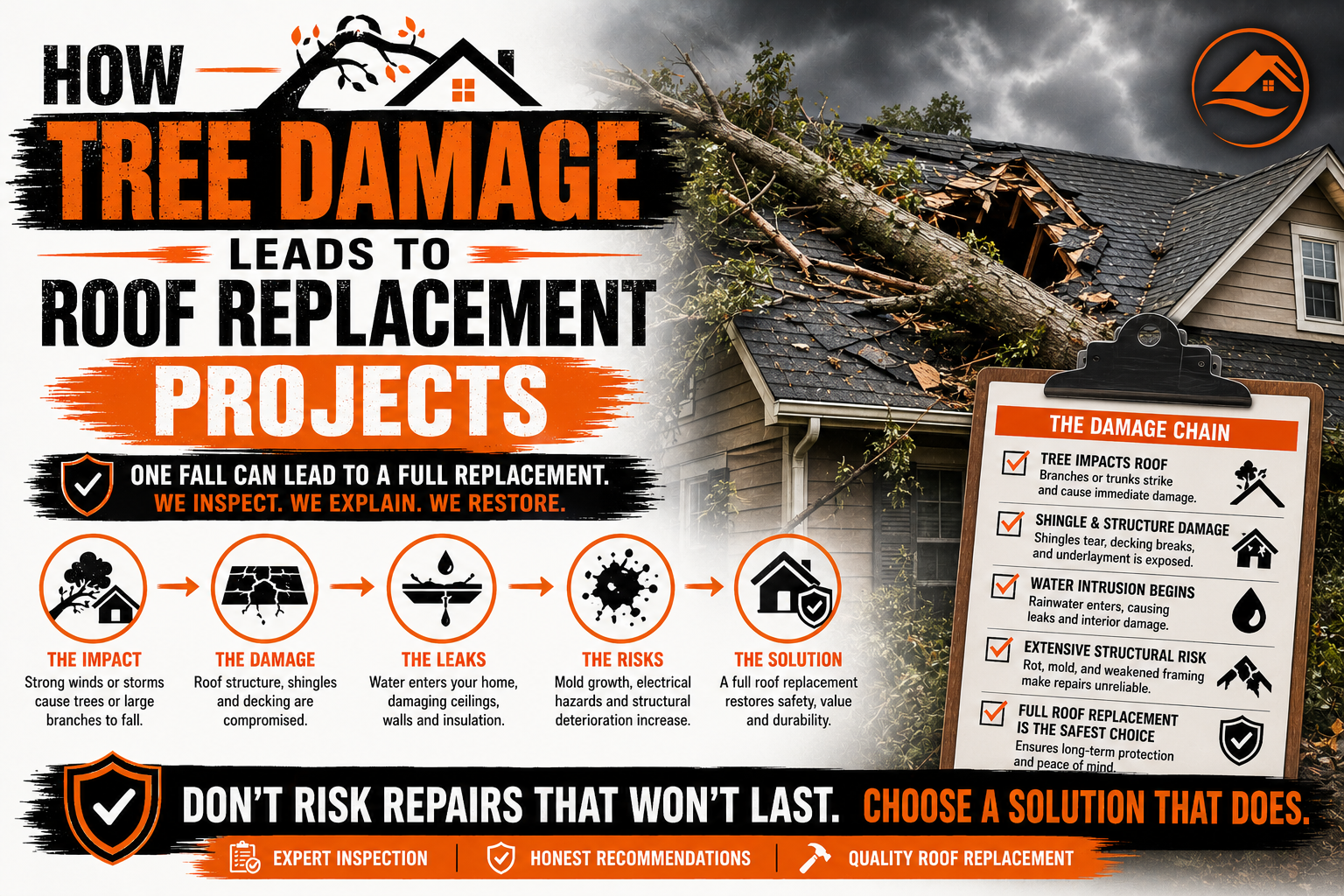
How Tree Damage Leads to Roof Replacement Projects
Introduction
Trees add beauty, shade, and value to residential properties, but they can also become one of the biggest threats to a home’s roofing system. During severe weather, strong winds, heavy rain, snow, or even natural aging can cause branches or entire trees to fall onto a roof. The resulting damage can range from a few broken shingles to severe structural failures that require complete roof replacement.
Tree-related roof damage is not always as obvious as a large branch crashing through the ceiling. Smaller impacts can crack shingles, bend flashing, weaken roof decking, or create openings that allow water to enter the home. In many cases, the visible damage represents only a small portion of the overall problem, with hidden structural issues developing beneath the roofing materials.
Determining whether a damaged roof requires repairs or full replacement involves careful inspection and evaluation. The size of the fallen tree, the point of impact, the age of the roof, and the condition of the supporting structure all influence the final recommendation. Acting quickly after tree damage also helps prevent additional problems such as water intrusion, mold growth, and structural deterioration.
This guide explains how tree damage can lead to roof replacement projects and what homeowners should expect throughout the recovery process. In this first part, we will explore how trees damage roofing systems, identify common warning signs, discuss essential safety precautions, explain how to perform an initial assessment, and review the importance of documenting damage before professional inspections begin.
How Trees Become a Threat to Roofing Systems
Trees normally provide valuable protection by reducing direct sunlight and helping regulate temperatures around a home. However, when trees become unhealthy, poorly maintained, or exposed to severe weather, they can quickly transform into significant hazards for the roof.
Strong winds are one of the most common reasons trees damage homes. During storms, powerful gusts place tremendous stress on branches and trunks. Weak limbs may snap unexpectedly, while entire trees with compromised root systems can topple onto nearby structures.
Heavy rainfall contributes to tree failures by saturating the soil around the roots. Waterlogged soil reduces the stability of the root system, making it easier for large trees to lean or fall during periods of high wind.
Snow and ice accumulation can also create dangerous conditions. Extra weight placed on branches increases stress throughout the tree, causing limbs to break and fall onto roofs even without strong winds.
Lightning strikes present another potential risk. A direct strike can weaken the internal structure of a tree, leaving it vulnerable to collapse during future storms. Although the damage may not be immediately visible, the tree’s strength may be significantly reduced.
Natural aging should not be overlooked either. As trees mature, internal decay, insect infestations, fungal diseases, and dead branches gradually reduce structural stability. Without regular maintenance, older trees become increasingly likely to shed large limbs or fall completely.
Trees positioned close to a home require particular attention. Even healthy trees can become hazardous if branches extend over the roof. During windy conditions, repeated contact between branches and roofing materials may gradually wear away protective surfaces before any major impact occurs.
Construction activities and landscaping changes may also affect tree stability. Excavation near root systems, soil compaction, or improper pruning can weaken trees over time and increase the risk of future failure.
Understanding these causes helps homeowners recognize that tree damage is often preventable through regular inspections and maintenance rather than being an unavoidable consequence of severe weather.
Common Types of Tree Damage That Affect Roofs
Tree damage varies considerably depending on the size of the tree, the force of impact, and the type of roofing system involved. Some incidents create localized damage that can be repaired, while others compromise the structural integrity of the entire roof.
Large branches often break during storms and strike the roof with considerable force. Even when they do not penetrate the roofing system, these impacts can crack shingles, dent metal panels, break tiles, or loosen flashing around vulnerable roof features.
Entire trees create much more severe damage. The weight of a mature tree may crush roof framing, collapse roof decking, damage load-bearing walls, and affect ceilings throughout multiple rooms. These situations frequently require complete roof replacement along with structural repairs.
Smaller branches can also create long-term problems. Branches rubbing repeatedly against shingles remove protective granules, scratch roofing surfaces, and accelerate material deterioration. Over time, these seemingly minor issues increase the likelihood of leaks.
Impact damage frequently affects more than the visible roofing material. Roof decking may crack beneath the surface, while rafters or trusses absorb forces that weaken the structural framework supporting the roof.
Flashing around chimneys, skylights, and roof vents is especially vulnerable during tree impacts. Bent or displaced flashing creates openings where rainwater can enter even if the surrounding roofing material appears relatively undamaged.
Gutters and downspouts often suffer damage as well. Fallen branches may bend gutter sections, separate fasteners, or block drainage systems with leaves and debris. Poor drainage then contributes to standing water and additional roof deterioration.
Roof penetrations deserve careful attention following tree impacts. Satellite mounts, solar panel attachments, plumbing vents, and exhaust vents may all shift or become damaged, creating additional opportunities for water intrusion.
Interior damage often follows exterior roof impacts. Broken drywall, ceiling stains, damaged insulation, cracked framing members, and electrical issues may develop when the roof no longer provides complete weather protection.
Because every tree impact affects the roof differently, thorough inspections are necessary before deciding whether repairs or complete replacement provide the most appropriate solution.
Immediate Safety Steps After Tree Impact
Safety should always remain the highest priority after a tree falls onto a home. Structural damage, electrical hazards, and unstable building components create serious risks that should never be underestimated.
The first step is ensuring that everyone inside the home is safe. If the impact appears severe or structural collapse seems possible, occupants should leave the building immediately and move to a safe location until professionals determine the home is stable.
Avoid entering rooms directly beneath major roof damage. A ceiling weakened by fallen debris or water accumulation may collapse without warning, creating additional hazards.
Downed power lines require special caution. Trees frequently bring electrical lines down when they fall, creating dangerous conditions around the property. Never approach damaged utility lines or attempt to remove branches that may be in contact with electrical equipment.
Gas leaks are another concern after significant tree impacts. If the smell of natural gas is present or damaged gas lines are suspected, leave the property immediately and contact emergency services before re-entering the home.
Homeowners should resist the temptation to climb onto the roof. Even roofs that appear stable may have hidden structural weaknesses capable of causing sudden collapse. Wet roofing materials, loose debris, and broken framing further increase the risk of falls.
Instead, perform an initial visual inspection from ground level. Walking around the property allows homeowners to observe visible damage while maintaining a safe distance from unstable areas.
Indoor inspections should also be approached carefully. Watch for sagging ceilings, water leaks, cracked walls, unusual floor movement, or other signs that the structure has shifted following the impact.
The following safety measures should always be completed before cleanup begins:
- Keep everyone away from damaged portions of the home.
- Stay clear of fallen power lines and damaged utility equipment.
- Do not climb onto the roof or move large tree limbs.
- Contact emergency services if structural collapse appears possible.
- Wear protective footwear while walking around storm debris.
- Arrange professional inspections before beginning permanent repairs.
Following these precautions protects both homeowners and emergency responders while ensuring that damage can be evaluated safely.
Evaluating Visible and Hidden Roof Damage
After confirming that the property is safe, homeowners can begin a careful preliminary evaluation of the damage. This assessment provides useful information for insurance companies and roofing professionals without placing anyone at unnecessary risk.
Visible damage is often easy to recognize after major tree impacts. Missing shingles, broken roof tiles, dented metal panels, crushed gutters, and large holes in the roof all indicate significant damage requiring immediate professional attention.
However, many important problems remain hidden beneath the roofing surface. Roof decking may split without obvious exterior signs, while rafters and trusses absorb impact forces that reduce their structural strength.
Water intrusion frequently begins immediately after tree damage occurs. Rain enters through broken roofing materials and travels beneath the roof before appearing as stains inside the home. By the time ceiling discoloration becomes visible, moisture may already have affected insulation, framing, and drywall.
Attic inspections often reveal hidden problems before interior living spaces show signs of damage. Wet insulation, exposed daylight, damp roof decking, and visible cracks in framing members all indicate that further evaluation is necessary.
Homeowners should also inspect exterior features surrounding the roof. Damaged siding, broken windows, bent gutters, displaced flashing, and impact marks on nearby structures help establish the overall severity of the incident.
Even if the tree appears to have caused only limited damage, professional evaluation remains essential. Structural problems hidden beneath roofing materials cannot usually be identified through visual observation alone.
The goal of the preliminary assessment is not to determine whether replacement is necessary. Instead, it provides valuable information that supports professional inspections and helps guide the recovery process.
Temporary Protection to Prevent Further Damage
Tree damage often exposes portions of the roof to the elements before permanent repairs or replacement can begin. Protecting the home during this waiting period helps prevent additional damage caused by rain, wind, and debris.
Emergency tarping is one of the most common temporary protection methods. Properly installed tarps cover damaged roof sections and reduce water intrusion until contractors can complete permanent repairs. These coverings should be installed carefully to avoid creating additional damage or safety hazards.
Broken windows, damaged skylights, and exposed roof penetrations should also receive temporary weather protection. Every opening allows additional moisture to enter the home, increasing restoration costs if left uncovered.
Removing standing water from inside the home is equally important. Wet carpets, insulation, furniture, and drywall continue absorbing moisture, creating conditions that encourage mold growth and material deterioration.
Ventilation supports the drying process whenever weather conditions permit. Fans and dehumidifiers help reduce indoor humidity levels, limiting secondary damage while restoration plans are being developed.
Homeowners should avoid making permanent repairs before the roof has been inspected and documented unless emergency conditions require immediate action. Premature repairs may remove important evidence needed during insurance evaluations.
Temporary protection should focus on preserving the home’s condition rather than completing permanent restoration. Qualified roofing professionals understand how to stabilize damaged roofs while maintaining the evidence necessary for accurate inspections.
Documenting Tree Damage for Insurance and Professional Assessment
Accurate documentation plays a critical role throughout the roof replacement process. Detailed records support insurance claims, improve communication with contractors, and provide an organized history of the damage from the very beginning.
Begin by photographing the property from multiple exterior angles before moving debris whenever it is safe to do so. Wide photographs establish the overall condition of the home, while close-up images capture specific areas such as broken shingles, crushed gutters, damaged flashing, punctured roofing materials, and fallen tree sections.
Interior documentation is equally important. Photograph ceiling damage, water stains, broken drywall, damaged insulation, cracked framing, and any personal belongings affected by the incident. Continue taking photographs if additional damage becomes visible before permanent repairs begin.
Video recordings provide another useful form of documentation. Slowly recording the property from different locations gives insurance representatives and contractors a more complete understanding of the overall damage than photographs alone.
Maintaining written notes throughout the recovery process also helps keep information organized. Record the date and approximate time the tree fell, weather conditions, temporary protective measures, conversations with contractors, and all communication with the insurance company.
The following information should be collected as early as possible:
- Date and approximate time the tree damage occurred.
- Exterior photographs showing the roof and surrounding property.
- Interior photographs documenting water intrusion and structural damage.
- Videos capturing the complete condition of the property.
- Receipts for emergency protective measures and cleanup expenses.
- Contact information for insurance representatives, inspectors, and contractors.
Organized documentation simplifies every stage of the recovery process. Insurance claims become easier to support, professional inspections become more accurate, and homeowners maintain a clear record of every action taken after the incident.
In the next part of this guide, we will examine how professional roof inspections evaluate tree-related damage, explain how experts decide between repair and replacement, discuss structural damage beyond roofing materials, review the insurance claims process, explore how to choose a qualified roofing contractor, and explain the complete roof replacement process after serious tree damage.
Professional Roof Inspection After Tree Damage
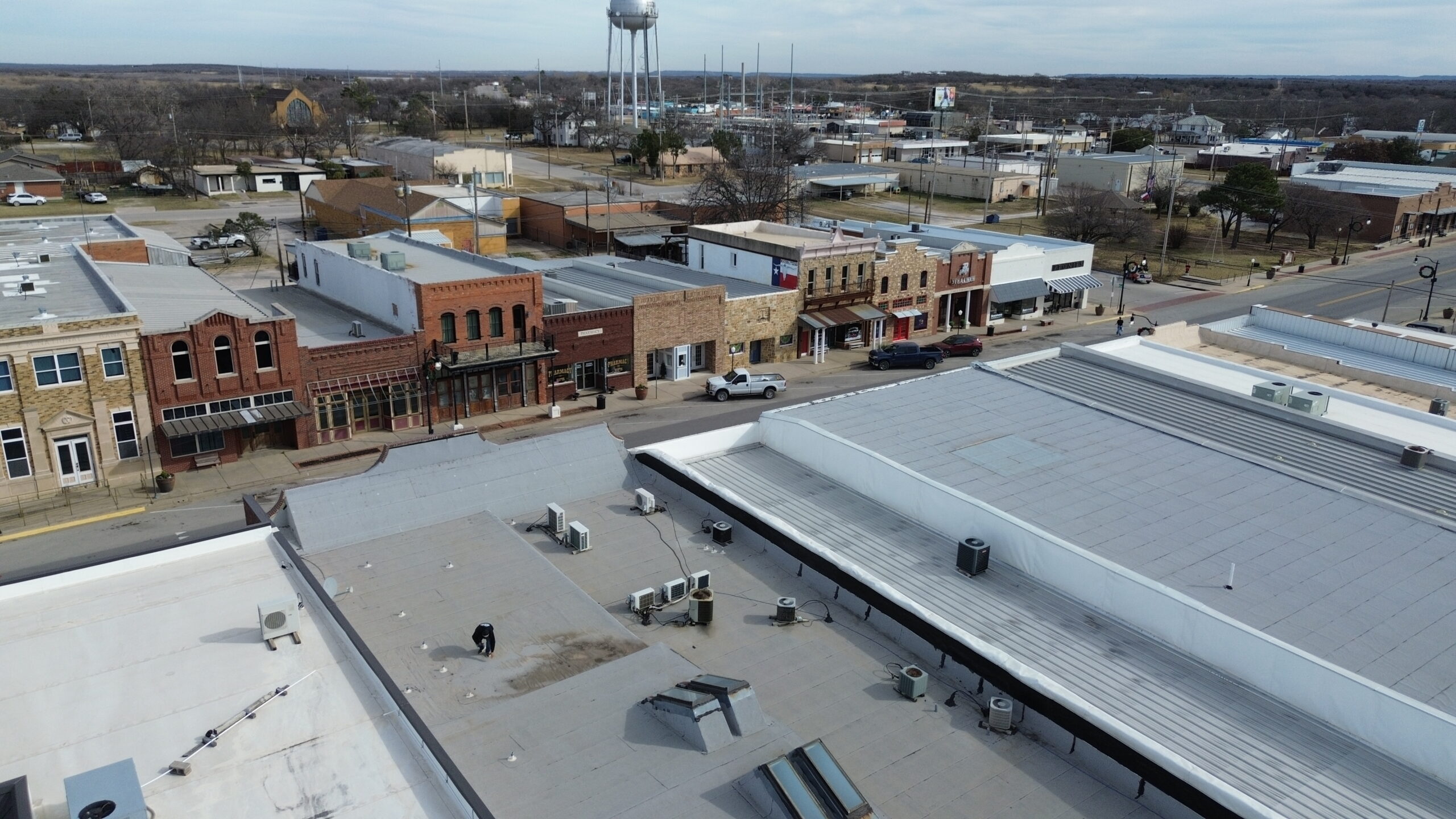
Once the property has been secured and temporary protection has been installed, the next step is arranging a professional roof inspection. Tree impacts often cause damage that extends far beyond what is visible from the ground, making a detailed inspection essential before any repair or replacement decisions are made.
Professional roofing contractors begin by examining the exterior of the roof. They inspect shingles, metal panels, tiles, flashing, ridge caps, roof valleys, vents, skylights, gutters, and other roofing components for signs of impact damage. Every section of the roof is evaluated because the force of a falling tree can affect areas well beyond the point of contact.
The inspection does not stop with the roofing material. Contractors carefully examine the roof deck to determine whether the impact has caused cracks, punctures, splitting, or weakened structural support. Damage to the decking often requires replacement before new roofing materials can be installed.
The attic is another critical part of the inspection. Roofing professionals look for broken rafters, cracked trusses, water intrusion, damp insulation, mold development, and visible daylight entering through damaged roof sections. These hidden problems frequently influence whether repairs are sufficient or complete replacement becomes necessary.
Structural movement is also evaluated during the inspection. A heavy tree impact can shift portions of the roof framing, affecting the overall stability of the structure. Even slight movement may require corrective work before a new roof can safely support future weather conditions.
Modern inspection methods may include moisture detection equipment or thermal imaging. These technologies help identify trapped moisture beneath roofing materials and inside structural components without unnecessary demolition.
Roofing professionals also inspect surrounding features that may have been affected by the impact. Chimneys, skylights, gutters, soffits, fascia boards, and roof penetrations are all checked because damage to these areas can contribute to future leaks if left unresolved.
At the conclusion of the inspection, homeowners usually receive a detailed report describing the condition of the roof. This documentation often includes photographs, measurements, damage descriptions, repair recommendations, and an explanation of whether replacement provides the safest long-term solution.
A thorough inspection ensures that decisions are based on the complete condition of the roofing system rather than the most obvious visible damage.
When Roof Repairs Are Enough and When Replacement Is Necessary
Not every roof damaged by a falling tree requires complete replacement. The decision depends on the severity of the impact, the condition of the existing roof, and the extent of structural damage beneath the surface.
Repairs may be appropriate when damage is confined to a small area. If only a limited number of shingles, tiles, or metal panels have been affected and the roof deck remains structurally sound, localized repairs can often restore the roof successfully.
Replacement becomes more likely when the impact has damaged multiple roof sections or compromised the structural framework. Broken decking, fractured rafters, weakened trusses, or widespread water intrusion often indicate that repairs alone will not provide reliable long-term protection.
The age of the roof also plays an important role. If the roofing system is already approaching the end of its expected lifespan, investing in major repairs may not be practical. Installing a new roof often provides greater long-term value than repeatedly repairing aging materials.
Material compatibility should also be considered. Older roofing products may no longer be manufactured, making it difficult to match replacement materials with the existing roof. Complete replacement produces a more consistent appearance while ensuring all roofing components perform together.
Repeated water intrusion is another important factor. If moisture has spread beneath large portions of the roof or affected insulation and structural framing, replacing the entire roofing system may be the safest solution.
Building codes sometimes influence replacement decisions as well. Local regulations may require upgrades to fastening systems, underlayment, or ventilation whenever major roof work is performed.
Roofing professionals evaluate every aspect of the structure before making recommendations. Their goal is to identify the solution that offers the greatest durability, safety, and long-term performance rather than simply restoring the roof’s appearance.
Structural Damage Beyond the Roofing Material
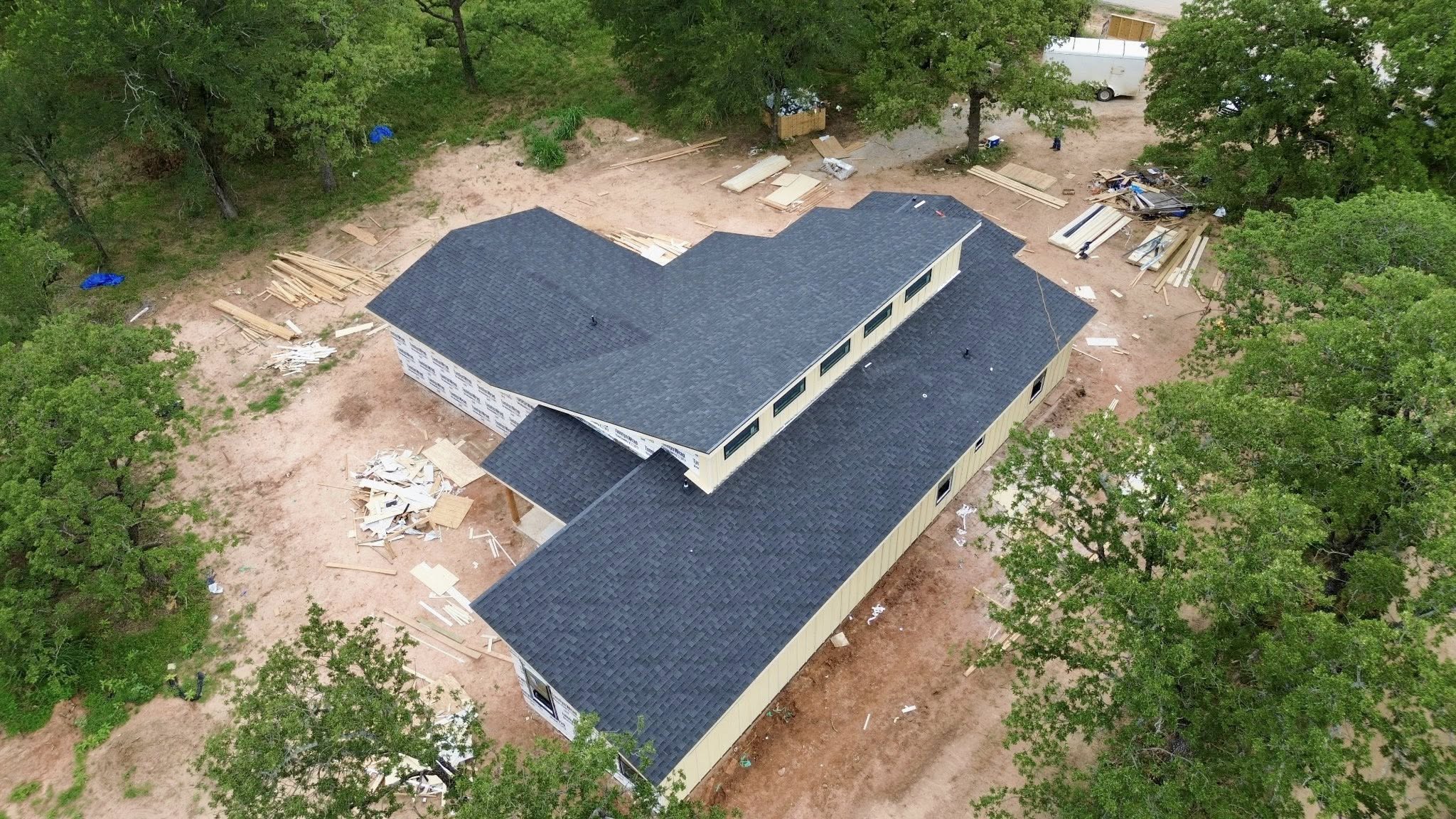
Tree impacts rarely affect only shingles or roofing panels. The tremendous weight and force involved can damage multiple structural components throughout the home, making comprehensive inspections essential before replacement begins.
Roof decking often absorbs the initial impact. Cracked, split, or crushed decking reduces the roof’s ability to support new roofing materials and must be repaired or replaced before installation continues.
Rafters and trusses are equally important. These framing members distribute the roof’s weight throughout the structure, and damage to them can affect the stability of the entire roofing system. Even minor fractures may reduce their ability to support future loads.
Ceilings frequently sustain damage after heavy tree impacts. Sagging drywall, cracked plaster, broken ceiling joists, and water stains often indicate that structural components above have been compromised.
Exterior walls should also be inspected carefully. A large falling tree can transfer impact forces throughout the building, creating cracks around windows, doors, and corners that suggest structural movement.
Chimneys may shift or crack during severe impacts. Because chimneys connect directly to the roof structure, even small movements require professional evaluation before roofing work proceeds.
The home’s insulation often suffers secondary damage when rain enters through openings in the roof. Wet insulation loses much of its thermal performance while creating conditions that encourage mold growth and wood deterioration.
Electrical and ventilation systems should not be overlooked. Wiring running through attic spaces, exhaust vents, and ductwork may all be damaged when structural components shift during the impact.
Addressing structural damage before installing new roofing materials ensures that the replacement roof rests on a stable and secure foundation. Ignoring these underlying issues can shorten the lifespan of the new roof and create ongoing maintenance problems.
Insurance Claims for Tree-Damaged Roofs
Insurance coverage often plays an important role in recovering from tree-related roof damage. While individual policies differ, understanding the general claims process helps homeowners prepare for each stage of recovery.
The process begins by notifying the insurance company after the property has been made safe and initial documentation has been completed. Homeowners typically provide photographs, a description of the incident, and basic information about the damage.
The insurance company usually assigns an adjuster to inspect the property. During this inspection, the adjuster evaluates the roof, structural damage, interior conditions, and surrounding property while comparing observations with the policy’s coverage terms.
Professional roofing inspection reports often support this evaluation. Independent documentation provides additional technical information regarding structural damage, roofing materials, and recommended replacement work.
Insurance companies generally review several factors before determining coverage. These include the cause of the damage, the condition of the roof before the incident, policy limitations, deductibles, maintenance history, and any applicable exclusions.
If replacement is approved, the insurance company normally provides a written estimate outlining the covered work, payment process, deductible, and other financial details. Homeowners should compare this information carefully with the contractor’s proposal.
Maintaining organized records throughout the project remains essential. Inspection reports, photographs, receipts, invoices, estimates, emails, and written notes all contribute to a well-documented claim.
Clear communication benefits everyone involved. Prompt responses, accurate documentation, and regular updates help reduce misunderstandings and support a smoother recovery process.
Although insurance claims sometimes require patience, careful preparation and complete documentation often simplify the process while improving overall project coordination.
Choosing the Right Roofing Contractor
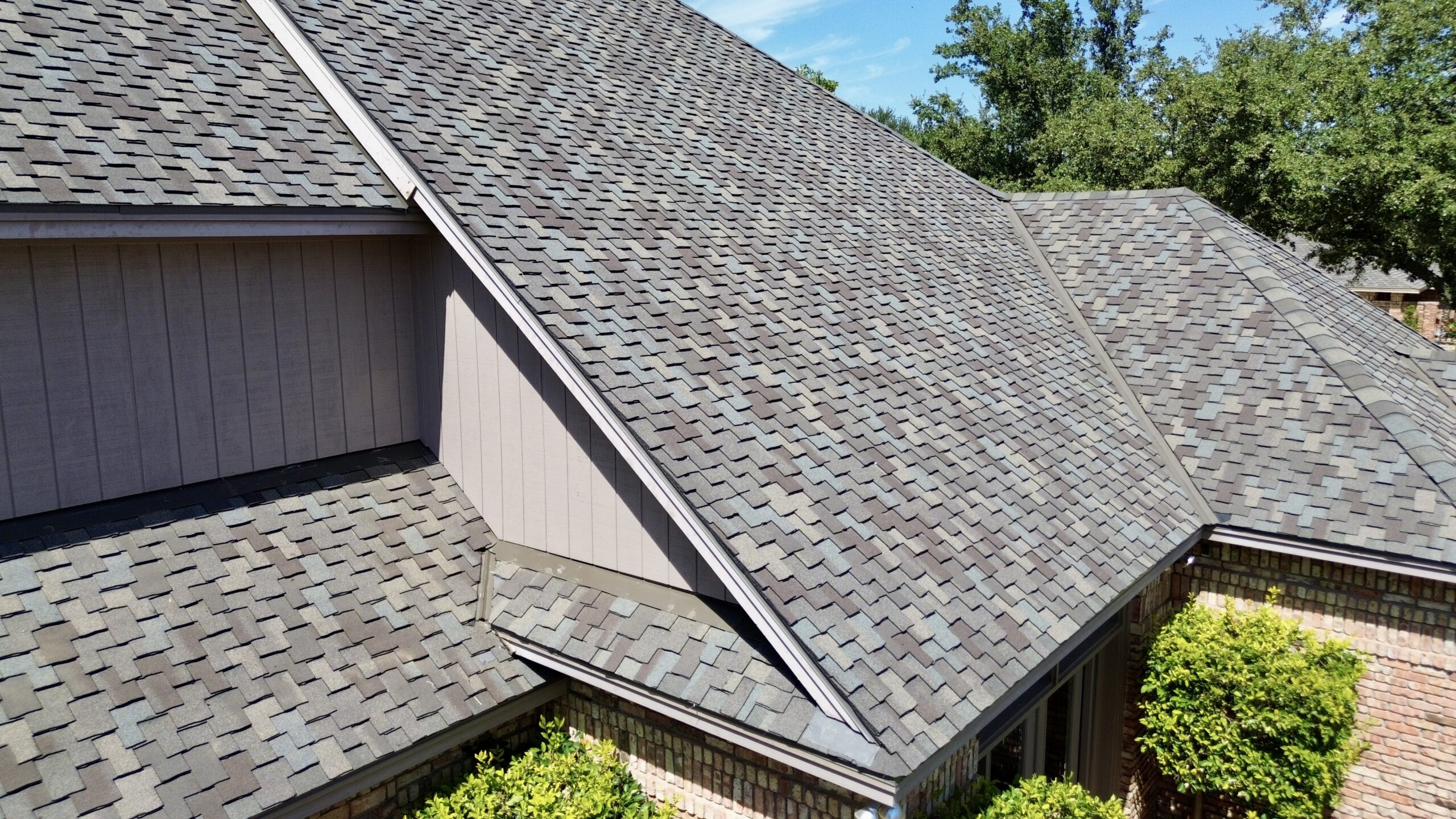
Selecting a qualified roofing contractor is one of the most important decisions homeowners make after tree damage. The quality of workmanship directly influences how well the new roof performs for many years after installation.
Experience with tree-damaged roofing projects should be a priority. Contractors familiar with structural impacts understand how to identify hidden damage, coordinate repairs, and restore the roofing system according to current building standards.
Licensing and insurance should always be verified before signing a contract. Qualified contractors maintain the required licenses and insurance coverage needed to protect both workers and homeowners throughout the project.
Homeowners should request detailed written estimates from multiple contractors. These estimates should clearly explain the proposed work, materials, project timeline, warranties, cleanup responsibilities, and payment schedule.
References provide valuable insight into a contractor’s workmanship and professionalism. Previous customers can often describe communication quality, project organization, and overall satisfaction with completed work.
Price should never be the only factor influencing the final decision. Extremely low estimates may indicate lower-quality materials, incomplete project scopes, or installation practices that compromise long-term durability.
Communication also contributes to a successful project. Contractors who explain technical information clearly, answer questions promptly, and provide regular progress updates often create a better overall experience for homeowners.
Warranty information deserves careful attention as well. Material warranties cover manufacturing defects, while workmanship warranties address installation quality. Understanding both types of protection helps homeowners know what support remains after project completion.
Taking time to choose the right contractor increases confidence that the roof replacement will be completed safely, professionally, and according to industry standards.
Understanding the Roof Replacement Process
Once inspections have been completed, insurance approvals received, and contractors selected, the replacement project can begin. Understanding each stage of construction helps homeowners know what to expect throughout the process.
The project begins with preparing the property. Contractors protect landscaping, windows, siding, and outdoor features before removing damaged roofing materials. This preparation reduces the likelihood of additional property damage during construction.
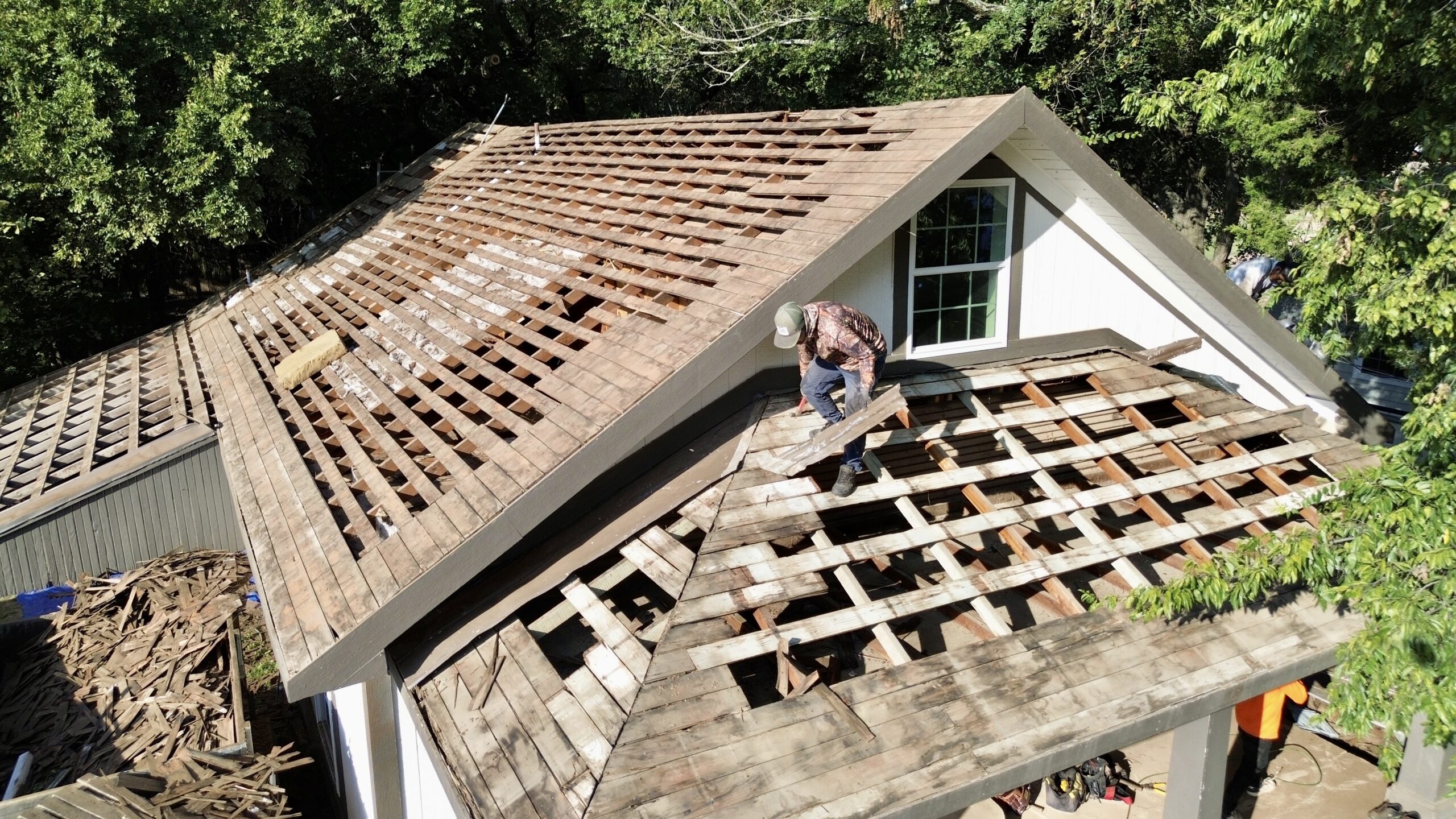
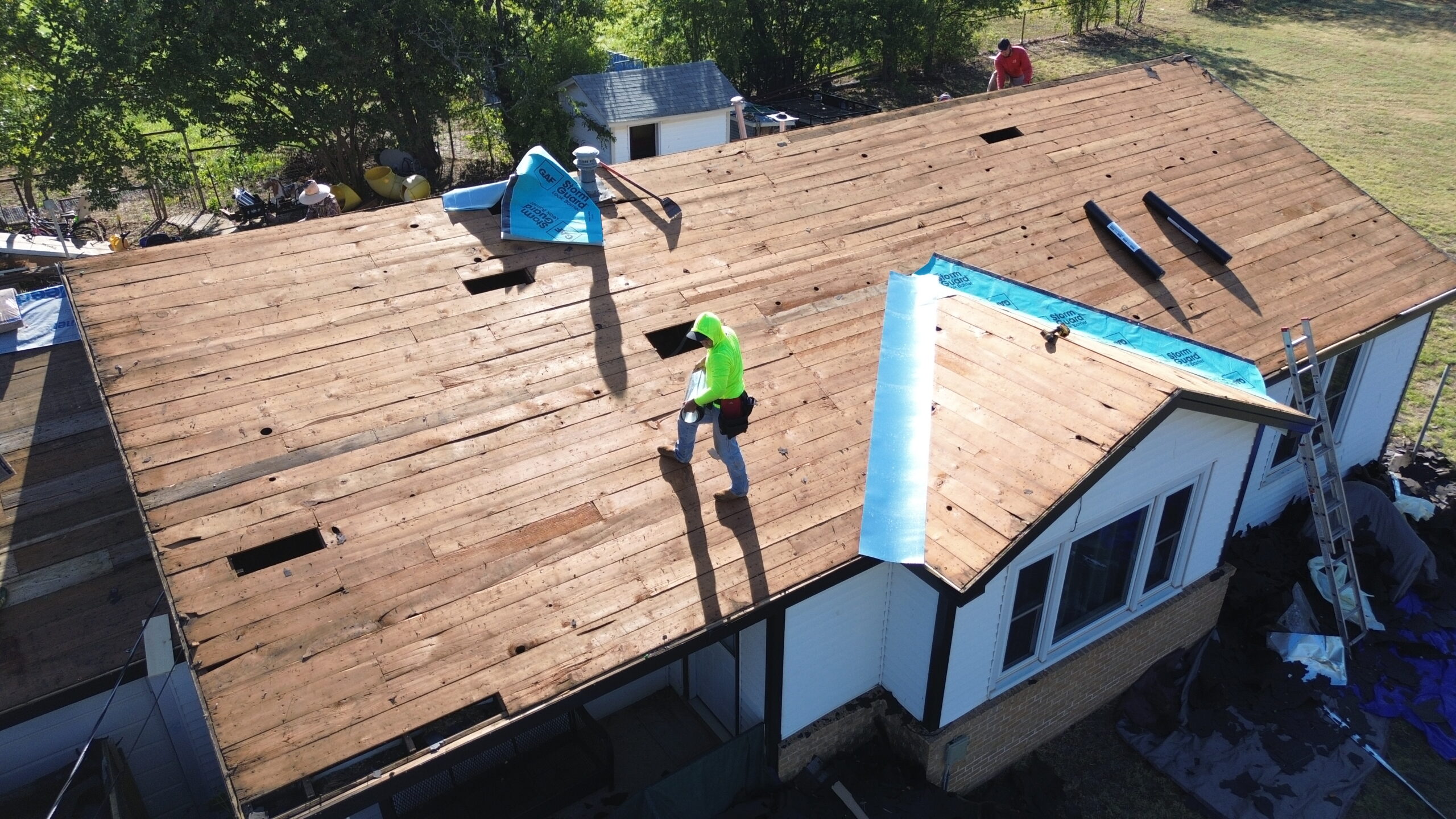
Existing shingles, metal panels, tiles, flashing, underlayment, and damaged roofing components are removed carefully. Once the roof deck is fully exposed, contractors perform another detailed structural inspection to identify any hidden damage that remained concealed beneath the old roof.
Damaged decking is replaced before new roofing materials are installed. A strong structural base is essential because every layer of the roofing system depends on the stability of the roof deck.
High-quality underlayment is then installed to provide an additional moisture barrier. Waterproof membranes may also be added around roof valleys, eaves, and other areas especially vulnerable to water intrusion.
New flashing is installed around chimneys, skylights, roof vents, dormers, and roof transitions. Proper flashing installation is critical because these locations experience concentrated water flow during rainstorms.
The selected roofing material is then installed according to manufacturer specifications. Contractors follow approved fastening patterns, spacing requirements, and installation techniques designed to maximize durability and weather resistance.
Ventilation systems are inspected and upgraded if necessary. Proper attic ventilation improves moisture control, supports energy efficiency, and helps extend the lifespan of the new roof.
Once installation has been completed, contractors perform a comprehensive final inspection. Fasteners, flashing, ventilation components, ridge caps, gutters, and sealants are checked carefully to verify that every part of the roofing system has been installed correctly.
The final stage includes complete site cleanup. Roofing debris, damaged materials, tree remnants related to the project, and loose nails are removed before homeowners receive warranty documentation and maintenance recommendations.
In the final part of this guide, we will discuss the factors that influence roof replacement costs, explain how homeowners can prevent future tree-related roof damage, explore long-term roof maintenance strategies, examine common mistakes to avoid during recovery, provide a practical tree damage recovery checklist, compare roof repair and replacement options in a table, answer frequently asked questions, and conclude with key recommendations for protecting your home from future tree damage.
Factors That Affect Roof Replacement Costs
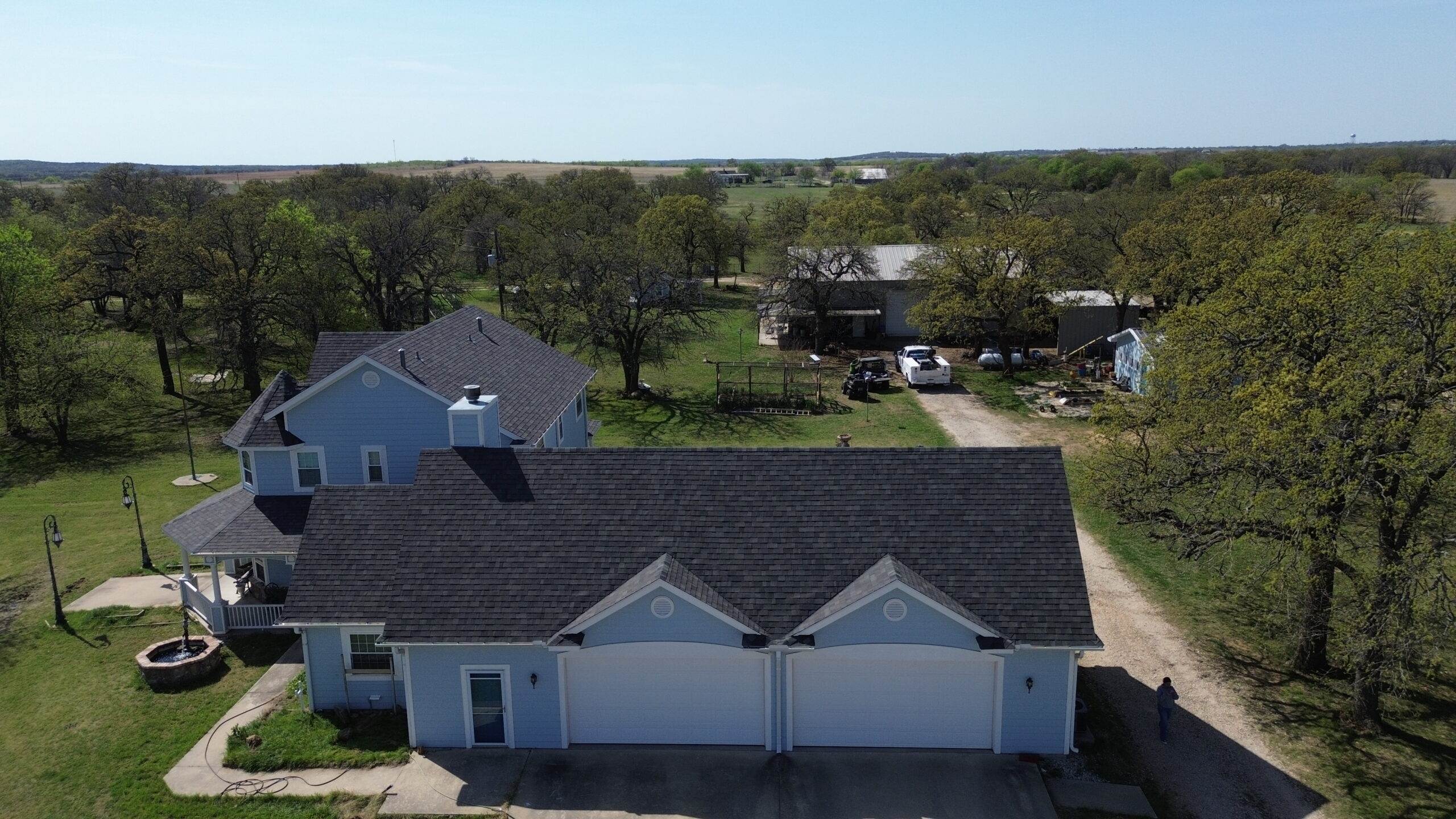
The cost of replacing a roof after tree damage varies from one project to another because every impact affects the structure differently. While some homes require only roofing material replacement, others need extensive structural reconstruction before a new roof can be installed safely.
Roof size is one of the most important cost factors. Larger roofs require more materials, additional labor, and longer installation times. Complex roof designs with multiple valleys, dormers, skylights, chimneys, or steep slopes also increase project complexity and labor requirements.
The severity of the tree impact significantly influences the final cost. A small branch that damages a limited section of shingles generally requires less work than a mature tree that crushes roof framing, decking, and supporting walls.
The type of roofing material selected also affects the project budget. Asphalt shingles are usually the most economical option, while metal roofing, clay tiles, concrete tiles, and premium synthetic products often involve higher material and installation costs.
Structural repairs frequently contribute to the overall expense. Damaged roof decking, broken rafters, weakened trusses, fascia boards, soffits, and ceiling framing must all be repaired or replaced before the new roof can provide reliable protection.
Permit requirements and local building codes may also increase costs. Some jurisdictions require upgraded underlayment, improved fastening methods, or additional structural reinforcement when replacing roofs after significant damage.
Tree removal expenses may be separate from roofing costs depending on the insurance policy and contractor agreements. Removing large trees safely often requires specialized equipment and experienced crews before roof replacement can begin.
Cleanup and debris disposal also form part of the overall project. Damaged roofing materials, broken tree limbs, insulation, drywall, and construction waste must all be removed properly to prepare the property for restoration.
Although replacing a roof after tree damage represents a substantial investment, homeowners should consider the long-term value of quality workmanship and durable materials. A properly installed roof protects the home, improves structural integrity, and reduces future maintenance requirements.
Preventing Future Tree-Related Roof Damage
Many tree-related roofing incidents can be reduced through proactive maintenance and thoughtful landscaping decisions. While severe storms cannot be controlled, homeowners can significantly lower the likelihood of major roof damage by addressing potential hazards before they become emergencies.
Regular tree inspections are one of the most effective preventive measures. Mature trees should be evaluated periodically for dead branches, signs of decay, insect infestations, fungal growth, and weakened root systems that may increase the risk of failure.
Professional pruning helps remove unstable limbs before they fall onto the roof. Proper pruning also reduces branch weight, improves tree health, and minimizes repeated contact between branches and roofing materials during windy conditions.
Trees growing close to the home deserve special attention. Branches extending directly over the roof should be trimmed to reduce the chance of impact during storms while also limiting the accumulation of leaves and debris on the roof surface.
Removing dead or severely diseased trees is often the safest long-term solution. Although healthy trees provide shade and environmental benefits, structurally compromised trees become increasingly hazardous as they continue aging.
Homeowners should also pay attention to the condition of the soil around large trees. Poor drainage, erosion, and construction activities can weaken root systems and reduce overall tree stability.
Seasonal roof inspections complement tree maintenance by identifying minor roofing issues before storms place additional stress on the structure. Loose shingles, damaged flashing, clogged gutters, and deteriorated sealants should all be addressed promptly.
Preparing the property before severe weather also reduces potential damage. Outdoor furniture, decorative items, and loose equipment should be secured because they may become airborne during storms and contribute to roof damage alongside falling branches.
Preventive maintenance protects both the trees and the roof. Investing time in regular inspections and proper care often prevents costly emergency repairs while extending the lifespan of the roofing system.
Long-Term Maintenance After Roof Replacement
A newly replaced roof should receive consistent maintenance to maximize its lifespan and maintain its ability to withstand future weather events. Routine care allows homeowners to identify developing problems before they become expensive repairs.
Visual roof inspections should be performed several times each year, particularly after major storms. Ground-level observations often reveal missing shingles, damaged flashing, loose gutters, or accumulated debris without requiring homeowners to climb onto the roof.
Keeping gutters and downspouts clean remains an essential maintenance task. Blocked drainage systems allow water to back up beneath roofing materials and increase the risk of moisture damage along roof edges and exterior walls.
Tree maintenance should continue even after the damaged roof has been replaced. New branch growth can gradually extend over the roof again, recreating the same hazards that contributed to the original damage.
Attic inspections provide valuable information about the roof’s condition. Water stains, damp insulation, mold growth, unusual odors, or visible daylight entering through the roof indicate that professional evaluation may be necessary.
Roof penetrations such as chimneys, plumbing vents, skylights, satellite mounts, and exhaust vents should also be inspected periodically. Aging sealants and flashing materials naturally deteriorate over time and should be replaced before leaks develop.
Scheduling professional roof inspections every few years provides additional peace of mind. Experienced roofing contractors often identify early warning signs that homeowners may overlook during routine maintenance.
Regular maintenance also preserves the value of the roof investment. A well-maintained roofing system generally performs better during severe weather and requires fewer major repairs throughout its service life.
Common Mistakes Homeowners Should Avoid
Recovering from tree damage often requires many important decisions within a relatively short period. Avoiding common mistakes helps homeowners reduce unnecessary costs while supporting a smoother replacement process.
One frequent mistake is assuming that damage is limited to the visible impact area. Tree impacts often transfer force throughout the roofing structure, creating hidden problems that cannot be identified without professional inspection.
Another mistake is delaying inspections after temporary protection has been installed. Covering roof damage with tarps helps prevent additional water intrusion, but it should never replace a comprehensive structural evaluation.
Some homeowners authorize permanent repairs before thoroughly documenting the original damage. Photographs, videos, inspection reports, and written records should always be completed before major restoration work begins whenever circumstances allow.
Choosing a contractor based only on the lowest estimate can also create future problems. Lower prices sometimes reflect incomplete project scopes, reduced material quality, or insufficient structural repairs that compromise the performance of the new roof.
Ignoring attic damage is another common oversight. Moisture entering through roof openings frequently affects insulation, framing, and ventilation systems before leaks become visible inside the living areas.
Homeowners should also avoid postponing tree maintenance after replacement. Failing to remove hazardous branches or unhealthy trees increases the likelihood of repeated roof damage during future storms.
Skipping routine roof maintenance after installation is another mistake that shortens the roof’s service life. Small issues become much more expensive when they remain unnoticed for extended periods.
Learning from these common mistakes helps homeowners protect both their property and their investment while improving the long-term durability of the replacement roof.
Tree Damage Recovery Checklist
Recovering from tree-related roof damage involves several coordinated steps. The following checklist provides a practical summary of the complete recovery process.
- Confirm that everyone is safe before approaching the damaged property.
- Contact emergency services if structural collapse or utility hazards are present.
- Protect exposed roof areas with temporary coverings when safe to do so.
- Photograph and document all interior and exterior damage.
- Schedule a professional roof and structural inspection.
- Notify the insurance company and begin the claims process.
- Compare contractor estimates and verify qualifications.
- Complete structural repairs before installing the new roof.
- Perform routine maintenance after replacement.
- Continue regular tree inspections to reduce future risks.
Following this checklist helps homeowners remain organized while reducing the likelihood of overlooking important recovery steps.
Roof Repair vs Roof Replacement Comparison
The following table summarizes situations in which roof repair or complete replacement may generally be the more appropriate solution after tree damage.
| Evaluation Factor | Roof Repair | Roof Replacement |
|---|---|---|
| Impact Area | Small, localized damage | Large or multiple damaged sections |
| Roof Structure | Decking and framing remain sound | Structural components are damaged |
| Roof Age | Relatively new roofing system | Roof approaching the end of its lifespan |
| Water Intrusion | Limited and easily controlled | Extensive or repeated moisture damage |
| Material Availability | Matching roofing materials available | Existing materials discontinued or difficult to match |
| Long-Term Value | Suitable for isolated repairs | Better for widespread or structural damage |
Frequently Asked Questions
Can a small tree branch cause enough damage to require roof replacement?
Yes, depending on where it strikes and the condition of the existing roof. Even a relatively small branch can damage roof decking, flashing, or structural components if it impacts a vulnerable area.
Should I remove the fallen tree before the insurance inspection?
Emergency removal may be necessary if the tree creates an immediate safety hazard. Otherwise, it is generally beneficial to document the damage thoroughly before major cleanup begins so the insurance company can evaluate the original condition.
How can I tell if structural damage exists beneath the roof?
Hidden structural damage often cannot be identified through visual inspection alone. Professional roofing contractors evaluate roof decking, rafters, trusses, attic spaces, and supporting components to determine whether structural repairs are required.
Will replacing only the damaged section affect the appearance of my roof?
It can. If matching roofing materials are unavailable or the existing roof has aged significantly, repaired sections may differ noticeably in color or texture from the surrounding roof.
How often should trees near my home be inspected?
Trees located close to the house should be inspected regularly, especially before storm seasons. Professional arborists can identify dead branches, disease, decay, or structural weaknesses before they create serious roofing hazards.
Conclusion
Tree damage can range from broken shingles caused by falling branches to catastrophic structural failures resulting from entire trees collapsing onto a home. Because much of the damage often extends beyond what is immediately visible, professional evaluation is essential before deciding whether repairs or complete roof replacement will provide the safest and most reliable solution.
The recovery process begins with protecting the property, documenting damage carefully, and arranging thorough inspections. These early steps establish the foundation for accurate insurance claims, informed contractor recommendations, and effective replacement planning. Addressing structural concerns before installing a new roof ensures that the completed roofing system rests on a stable and secure foundation.
Long-term success depends on more than replacing damaged roofing materials. Regular roof maintenance, continued tree care, seasonal inspections, and prompt attention to minor issues all contribute to preserving the roof’s performance and extending its service life. Preventive action reduces the likelihood of repeated damage while protecting the home’s overall structural integrity.
Although tree-related roof damage can be stressful and disruptive, an organized recovery process makes each stage more manageable. Understanding how tree impacts affect roofing systems, recognizing when replacement is necessary, and investing in quality workmanship allow homeowners to restore their property with confidence.
A properly installed roof combined with healthy, well-maintained trees provides the best balance between safety and curb appeal. By planning ahead, maintaining both the landscape and the roofing system, and responding quickly when damage occurs, homeowners can protect their investment and improve their home’s resilience for many years to come.