Safety Procedures During Roof Replacement Construction Work
Introduction
Roof replacement is one of the most demanding construction projects performed on a residential home. Workers operate at significant heights while handling heavy materials, specialized tools, ladders, and roofing equipment in changing weather conditions. Because of these challenges, safety procedures play a critical role in every stage of the roof replacement process. Protecting workers, homeowners, visitors, and surrounding property requires careful planning long before the first roofing material is removed.
A professional roofing contractor understands that completing a roof replacement safely is just as important as completing it correctly. High-quality roofing materials and skilled workmanship provide little value if proper safety practices are ignored during construction. Every roofing project should begin with a comprehensive safety plan that addresses potential hazards while establishing procedures for preventing accidents.
Roof replacement also affects homeowners throughout the project. Construction activity creates falling debris, loud equipment, temporary access restrictions, and vehicle movement around the property. Understanding how contractors manage these risks helps homeowners prepare their families while avoiding hazardous areas during construction.
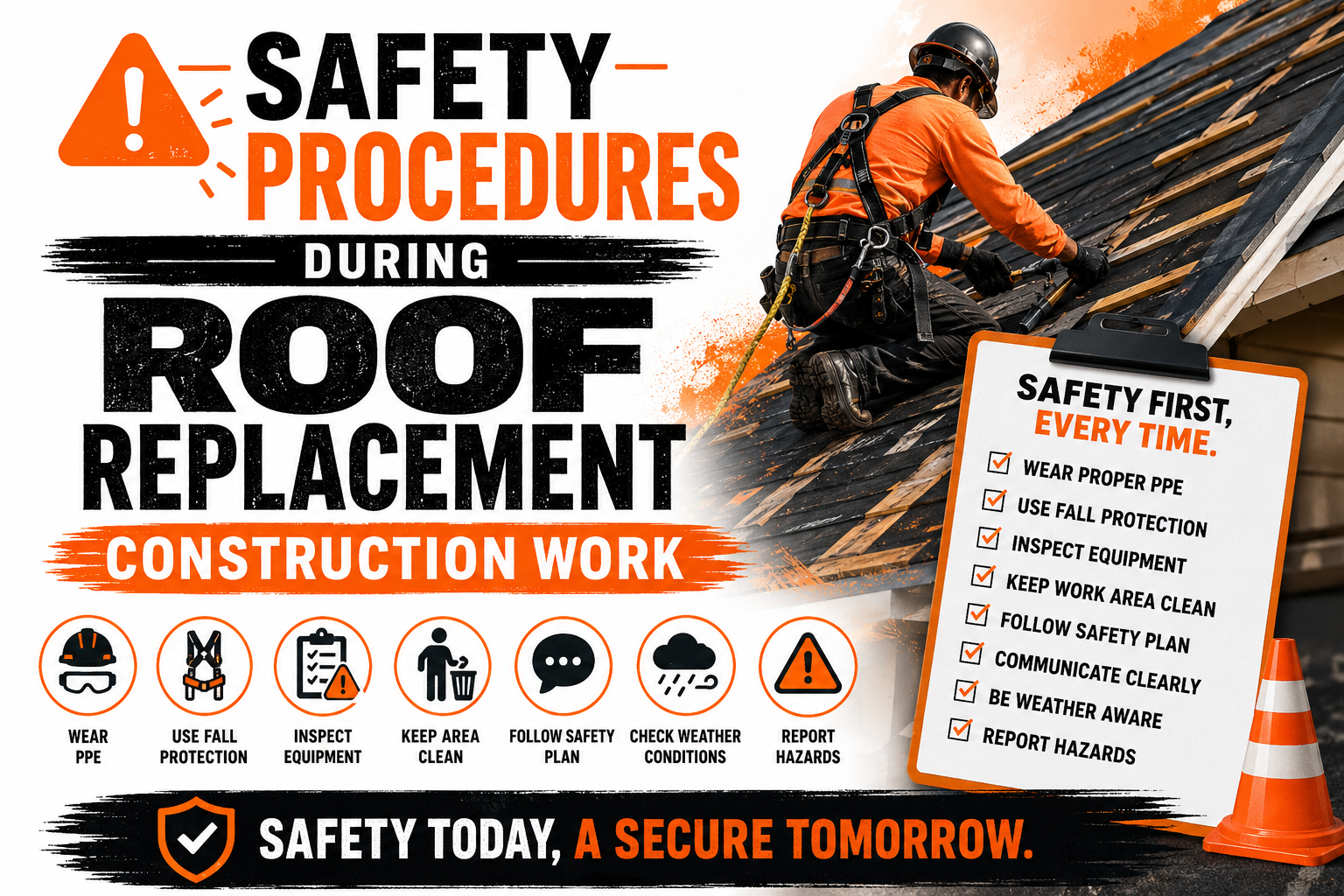
Modern roofing companies use a combination of personal protective equipment, fall protection systems, site barriers, equipment inspections, weather monitoring, and crew training to reduce workplace risks. These safety measures not only protect workers but also contribute to better project organization and higher-quality roofing installation.
Building safety extends beyond the roof itself. Protecting landscaping, outdoor furniture, driveways, windows, neighboring properties, and parked vehicles requires careful preparation before roofing work begins. Organized worksites reduce unnecessary hazards while allowing crews to perform their tasks more efficiently.
Safety procedures continue throughout every stage of roof replacement, from removing old roofing materials and inspecting the roof deck to installing underlayment, flashing, shingles, and completing final cleanup. Each activity introduces unique risks that require appropriate preventive measures.
This guide explains the safety procedures commonly followed during residential roof replacement construction. Understanding these practices helps homeowners appreciate the importance of professional safety planning while ensuring that roof replacement is completed efficiently, responsibly, and with minimal risk.
Why Safety Is the Highest Priority During Roof Replacement
Roof replacement involves working in an environment where even routine tasks require careful attention to safety. Elevated work surfaces, changing weather, power tools, heavy materials, and constant movement across sloped roofs create conditions that demand strict safety procedures throughout the project.
The greatest safety concern during roof replacement is the risk of falls. Roofing crews spend long hours working near roof edges while carrying materials, operating equipment, and navigating uneven surfaces. Proper fall protection systems significantly reduce these risks while allowing workers to perform their tasks safely.
Safety also protects homeowners and their families. Roofing materials, nails, tools, and debris may fall from the roof during construction. Establishing controlled work zones and limiting access around the home helps prevent accidental injuries to residents, visitors, children, and pets.
Protecting neighboring properties is another important consideration. Roofing debris, dust, or construction equipment should remain confined to the project site whenever possible. Responsible contractors take precautions to minimize disruptions while maintaining safe conditions for everyone nearby.
Worksite organization contributes greatly to safety as well. Keeping tools properly stored, removing debris regularly, and maintaining clear walkways reduces trip hazards while improving overall project efficiency.
Weather conditions make roofing safety even more important. Rain, strong winds, excessive heat, ice, or lightning increase risks considerably. Professional roofing crews monitor weather forecasts continuously and suspend work whenever conditions become unsafe.
Equipment safety also deserves constant attention. Ladders, scaffolding, harnesses, power tools, compressors, and material lifts should all be inspected regularly before use. Properly maintained equipment reduces the likelihood of mechanical failures during construction.
Perhaps most importantly, safety protects the long-term success of the roofing project. Well-organized crews working under established safety procedures can concentrate on installation quality without unnecessary distractions caused by unsafe working conditions.
Prioritizing safety benefits everyone involved while supporting efficient project completion and professional workmanship.
Common Hazards Faced During Roofing Construction
Every roof replacement project presents potential hazards that must be recognized and managed before construction begins. Identifying these risks allows contractors to implement appropriate safety measures while reducing the likelihood of accidents.
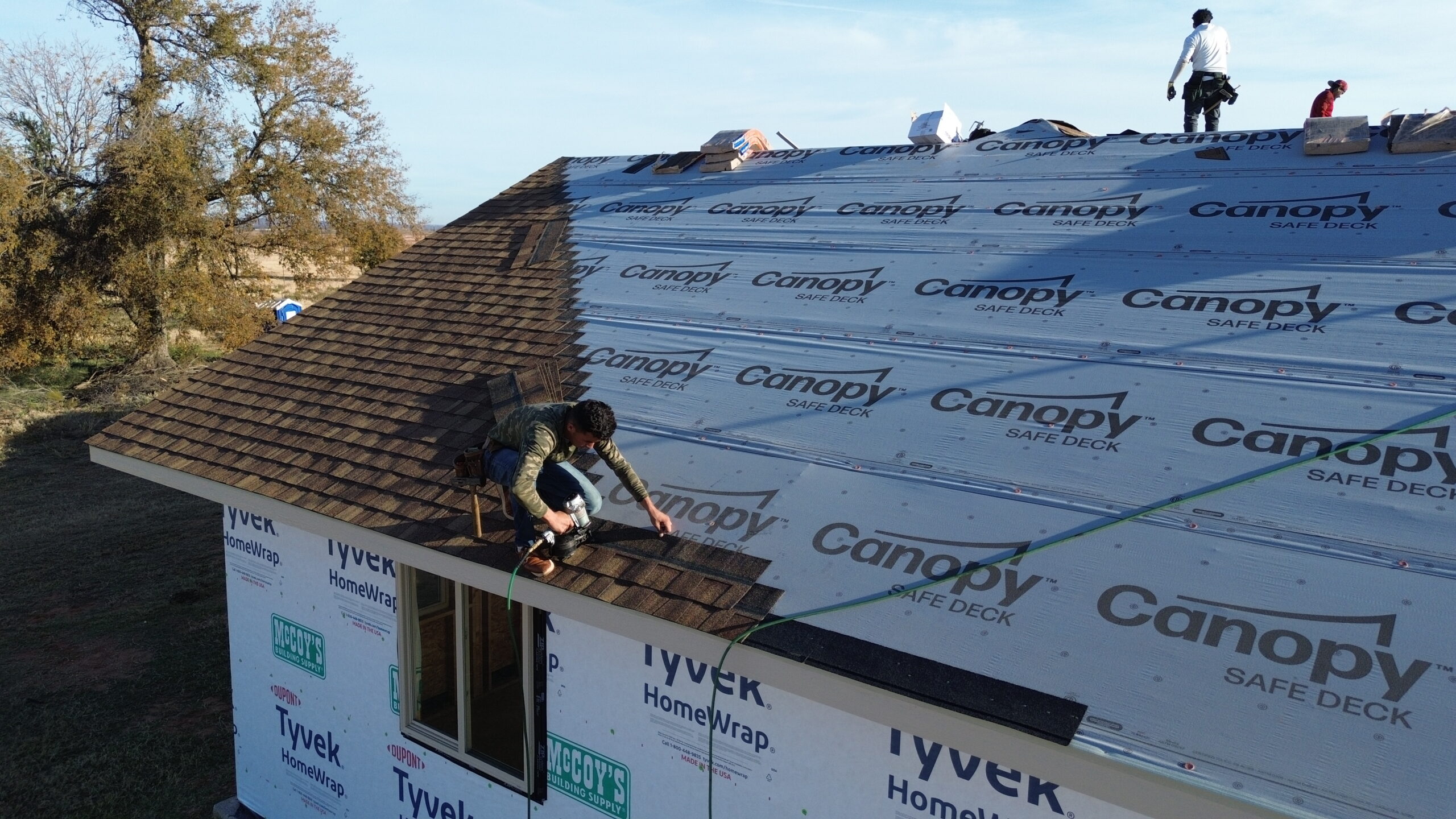
Falls remain the most significant hazard in roofing work. Workers move continuously across sloped roof surfaces while carrying tools and materials. Roof edges, skylights, roof openings, and unstable surfaces all increase fall risks if proper protection is not used.
Slippery surfaces also create challenges during construction. Morning dew, rain, frost, loose granules, dust, and roofing debris may reduce traction while increasing the possibility of slips and falls.
Falling objects represent another common hazard. Roofing materials, removed shingles, nails, hand tools, and construction debris may accidentally fall from the roof during removal or installation. Controlled work zones help protect people below from these hazards.
Weather conditions significantly affect roofing safety. Strong winds may make handling large roofing materials difficult, while extreme heat increases the risk of dehydration and heat-related illness. Sudden thunderstorms or lightning require immediate suspension of roofing activities.
Power tools introduce additional risks when used improperly. Nail guns, saws, drills, compressors, and cutting equipment require proper training and regular maintenance to ensure safe operation.
Ladder safety is equally important. Improper ladder placement, unstable ground conditions, damaged ladders, or incorrect climbing techniques may result in serious accidents during roof access.
Electrical hazards should never be overlooked. Overhead utility lines, rooftop electrical equipment, and extension cords all require careful attention throughout construction.
Manual material handling also creates injury risks. Roofing materials are often heavy and awkward to carry, particularly when transporting bundles of shingles or large roofing panels across sloped surfaces.
The following hazards commonly require special attention during roof replacement:
- Falls from roof edges or ladders.
- Slippery roofing surfaces.
- Falling tools and construction debris.
- Severe weather conditions.
- Power tool injuries.
- Electrical hazards.
- Heavy lifting and material handling.
Recognizing these hazards before work begins allows roofing crews to implement preventive measures that improve safety throughout the project.
Personal Protective Equipment Used by Roofing Crews
Personal Protective Equipment, commonly known as PPE, provides an essential layer of protection for roofing professionals working in challenging construction environments. Proper PPE reduces injury risks while supporting safe work practices throughout every stage of roof replacement.
Safety helmets remain one of the most important protective items worn by roofing crews. Hard hats help protect workers from falling tools, roofing materials, and accidental impacts while moving around the construction site.
Protective footwear is equally important. Roofing boots typically feature slip-resistant soles that improve traction on sloped roof surfaces while protecting feet from nails, sharp debris, and heavy materials.
Eye protection helps shield workers from flying debris generated during roof removal, cutting operations, or power tool use. Safety glasses or protective goggles reduce the risk of eye injuries throughout construction.
Work gloves provide multiple forms of protection. Roofing materials often contain rough edges, sharp fasteners, or abrasive surfaces that may cause cuts or blisters without proper hand protection.
High-visibility clothing improves worker visibility, particularly when roofing projects involve equipment movement, delivery vehicles, or busy residential neighborhoods. Bright clothing helps crews recognize each other’s positions while reducing accident risks.
Hearing protection may also be necessary during certain activities. Nail guns, compressors, saws, and other power equipment generate noise levels that may require ear protection during prolonged exposure.
Respiratory protection is occasionally used when roofing activities generate excessive dust or when removing older roofing materials that produce airborne particles.
Fall protection equipment forms another essential category of PPE. Full-body harnesses, lifelines, anchors, and connecting lanyards help protect workers whenever roofing tasks require work at elevated locations.
Contractors should inspect all personal protective equipment before each workday. Damaged or worn safety equipment should be replaced immediately to maintain effective protection.
Consistent use of appropriate PPE demonstrates a professional commitment to worker safety while helping reduce injuries during roof replacement projects.
Preparing the Worksite Before Construction Begins
A safe roof replacement project begins with careful worksite preparation before roofing materials are removed or equipment arrives. Proper planning creates a safer environment while allowing construction to proceed more efficiently.
The first step involves evaluating the property for potential hazards. Contractors inspect access routes, overhead utility lines, landscaping, uneven ground, fences, and surrounding structures before determining equipment placement.
Material delivery areas should be selected carefully. Roofing materials should remain organized while avoiding obstruction of driveways, sidewalks, emergency access routes, or neighboring properties.
Protective coverings are commonly placed over landscaping, flower beds, shrubs, air conditioning units, decks, patios, and other vulnerable areas. These coverings help reduce damage from falling debris throughout construction.
Dumpsters or disposal trailers are positioned where debris can be removed efficiently while minimizing interference with homeowner activities. Organized waste disposal improves both safety and worksite cleanliness.
Safety barriers and warning signs may also be installed around the work area. Clearly marked construction zones help prevent unauthorized access while reminding homeowners and visitors to remain outside active work areas.
Ladder placement receives careful attention before work begins. Ladders should rest on stable, level surfaces while extending safely above the roof edge to provide secure access for workers carrying tools and materials.
Contractors also verify that emergency equipment remains readily available. First aid supplies, fire extinguishers, communication devices, and emergency contact information should all be accessible throughout the project.
Crew safety meetings often occur before work begins each day. Supervisors review planned activities, weather conditions, potential hazards, and individual responsibilities while ensuring that every worker understands the day’s safety objectives.
Thorough worksite preparation reduces unnecessary risks while establishing an organized environment that supports safe and efficient roof replacement.
Homeowner Safety Before and During Roof Replacement
While roofing professionals manage construction activities on the roof, homeowners also play an important role in maintaining a safe environment throughout the project. Understanding how construction affects daily routines helps families avoid unnecessary risks.
One of the first recommendations is relocating vehicles before work begins. Moving cars away from the driveway and work area protects them from falling debris while providing additional space for roofing equipment and material deliveries.
Children and pets should remain indoors or well away from active construction zones throughout the workday. Roofing projects generate noise, debris, equipment movement, and temporary hazards that may not be obvious to young children or animals.
Homeowners should avoid entering restricted work areas unless invited by the contractor. Walking beneath active roofing operations increases the risk of injury from falling tools or materials.
Outdoor furniture, grills, bicycles, potted plants, and decorative items should be moved away from the home before construction begins. Protecting these belongings also creates safer pathways for roofing crews.
Interior preparations are helpful as well. Vibrations caused by roof removal and installation may affect items hanging on walls or stored in attic spaces. Removing fragile decorations and securing valuable belongings reduces the likelihood of accidental damage.
Communication with the roofing contractor remains essential throughout the project. Homeowners should ask questions regarding work schedules, restricted areas, expected noise levels, and temporary safety precautions before construction begins.
Neighbors also appreciate advance notice. Informing nearby residents about the roofing project allows them to prepare for temporary noise, equipment deliveries, and increased construction activity around the property.
The following homeowner safety checklist helps support a smooth roofing project:
- Move vehicles away from the work area.
- Keep children and pets indoors or away from construction zones.
- Stay outside restricted work areas.
- Relocate outdoor furniture and decorations.
- Secure fragile items inside the home.
- Communicate regularly with the roofing contractor.
- Inform neighbors about the upcoming project.
By following these simple precautions, homeowners contribute to a safer construction environment while allowing roofing crews to complete the replacement efficiently. In the next part, we will examine the safety procedures followed during active roof replacement, including fall protection systems, material handling, weather safety, property protection, daily inspections, crew communication, and maintaining a safe jobsite until installation is complete.
Fall Protection Systems and Roof Access Safety
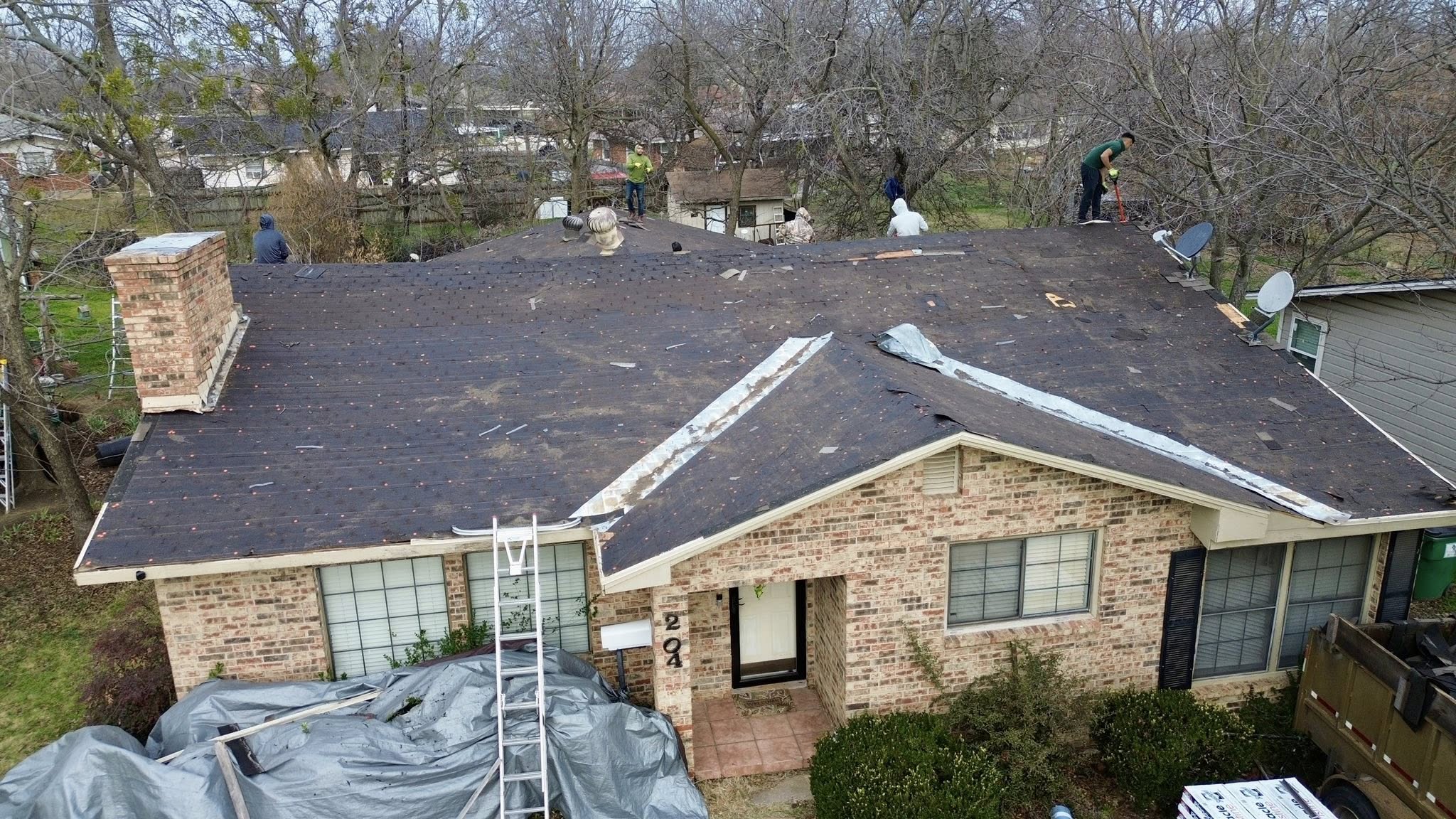
Fall protection is the foundation of every professional roof replacement safety program. Since roofing crews spend the majority of their time working at elevated heights, preventing falls remains the highest priority throughout construction. Professional contractors use multiple layers of protection to reduce risk while allowing workers to move safely across the roof.
The first step is establishing safe roof access. Ladders should be placed on firm, level ground and secured properly before anyone climbs onto the roof. They should extend above the roof edge far enough to provide stable hand support when workers step on or off the roof.
Before work begins each day, supervisors inspect ladders for damage such as bent rails, cracked steps, loose hardware, or worn feet. Damaged ladders are removed from service immediately rather than being repaired temporarily on the jobsite.
Once workers reach the roof, personal fall protection systems become essential. Full-body safety harnesses distribute forces across the body if a fall occurs, reducing the risk of serious injury. These harnesses are connected to lifelines using shock-absorbing lanyards designed specifically for roofing work.
Lifelines are attached to secure roof anchors that have been installed according to manufacturer recommendations. These anchors provide reliable attachment points capable of supporting workers while allowing controlled movement across the roof surface.
Roof anchors should never be attached to weak structural components or temporary fixtures. Proper installation ensures that the fall protection system functions as intended during an emergency.
Roof edges receive additional attention because they present the greatest fall hazard. Workers are trained to remain aware of their position while carrying materials, operating tools, or communicating with other crew members.
Steep roofs often require additional safety measures. Roof brackets, guardrails, toe boards, or temporary working platforms may be installed to provide more secure footing while reducing fatigue during long workdays.
Skylights and roof openings require special protection as well. Workers should never assume these surfaces can safely support body weight. Temporary covers or guard systems help prevent accidental falls through roof openings.
Safety supervisors monitor fall protection continuously throughout the project. Workers are encouraged to report damaged equipment or unsafe conditions immediately so corrective action can be taken without delay.
Consistent use of fall protection systems protects roofing crews while creating a safer and more organized work environment for the entire project.
Safe Material Handling and Equipment Operation
Roof replacement involves moving thousands of pounds of roofing materials from ground level to the roof surface. Without proper handling procedures, these activities can create unnecessary injury risks for workers while increasing the possibility of property damage.
Material deliveries are carefully planned before construction begins. Roofing materials should be placed where they can be accessed safely without blocking emergency routes, driveways, sidewalks, or neighboring properties.
Heavy materials are usually distributed across the roof in balanced locations rather than concentrated in one area. Proper weight distribution reduces unnecessary stress on the roof structure while improving worker access throughout installation.
Workers are trained in safe lifting techniques to reduce back, shoulder, and knee injuries. Instead of lifting heavy loads alone, crews often work together when handling large bundles of shingles, plywood panels, or roofing equipment.
Mechanical lifting equipment may also be used on larger projects. Material hoists, conveyors, or cranes reduce manual lifting while improving efficiency and minimizing worker fatigue.
Power tools require careful handling throughout construction. Nail guns, saws, drills, compressors, and cutting equipment should only be operated by trained personnel who understand proper operating procedures and safety precautions.
Before each workday begins, tools are inspected for loose parts, damaged cords, worn safety guards, and other defects. Equipment showing signs of damage should be repaired or replaced before use.
Extension cords and air hoses should be positioned carefully to reduce trip hazards. Organized routing keeps walkways clear while preventing unnecessary tangling around work areas.
Compressed air systems also require attention. Hoses should remain securely connected, and air pressure should stay within manufacturer recommendations to ensure safe operation of pneumatic tools.
Roofing materials should never be thrown carelessly from the roof. Controlled debris removal protects workers below while reducing the possibility of damaging landscaping, vehicles, windows, or neighboring property.
Proper material handling improves both safety and productivity. Organized work practices reduce physical strain while helping crews complete installation more efficiently.
Weather Safety and Emergency Work Stoppage Procedures
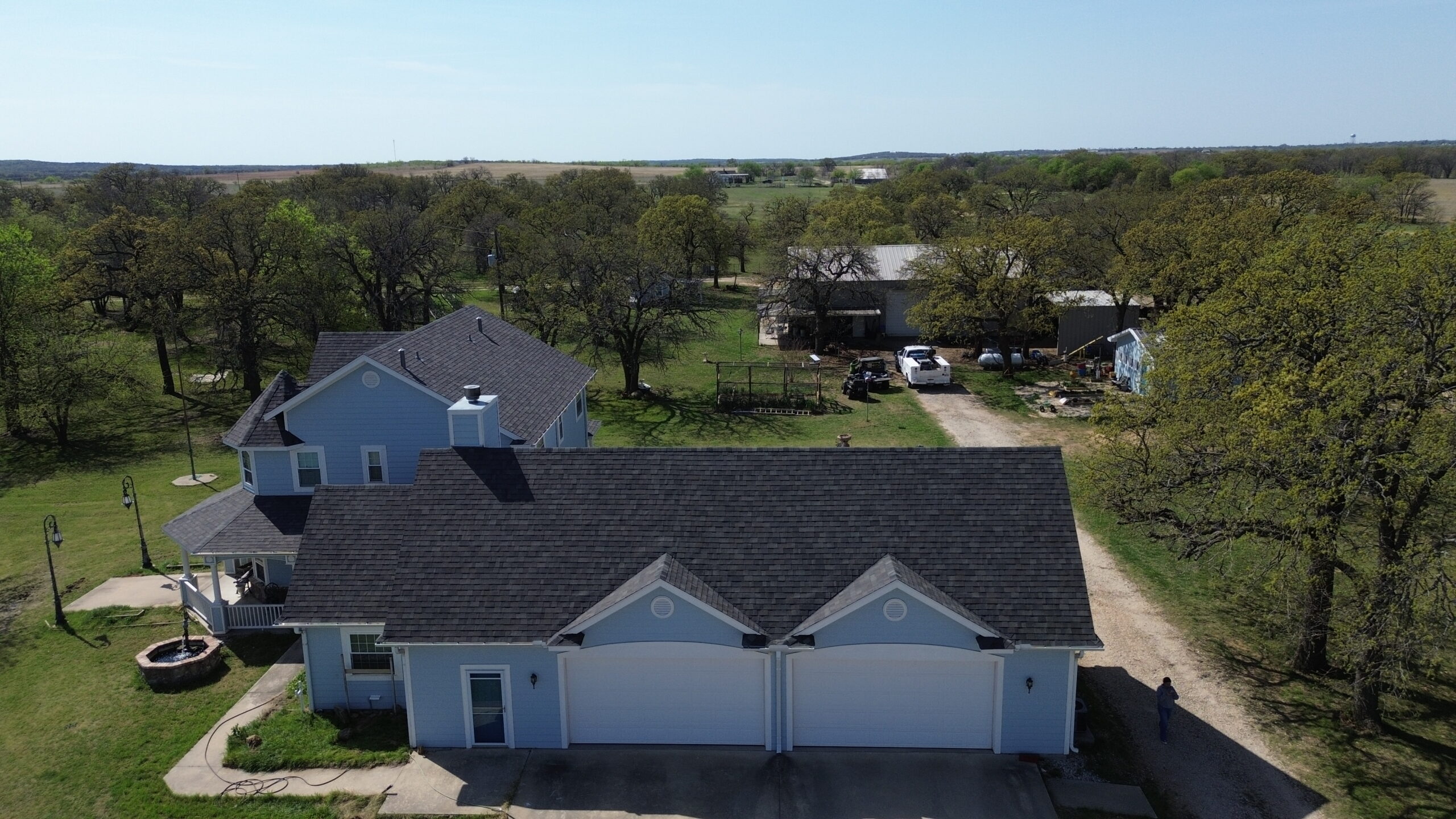
Weather conditions change quickly during roof replacement projects, making continuous weather monitoring one of the most important safety responsibilities for roofing contractors. Even experienced crews recognize that certain weather conditions create unacceptable risks that require immediate work stoppage.
Rain is one of the most obvious weather hazards. Wet roofing surfaces become slippery, increasing the likelihood of falls while making safe movement across the roof much more difficult. Roofing work is generally suspended whenever rain creates unsafe conditions.
Strong winds also affect worker safety. Large roofing materials such as underlayment, plywood sheets, or metal panels may become difficult to control during high winds. Gusts can affect worker balance while increasing the possibility of materials becoming airborne.
Lightning presents an immediate danger because roofing crews work on elevated structures often using metal tools and equipment. Professional contractors stop work immediately when lightning approaches and wait until conditions become safe before returning to the roof.
Extreme heat introduces different challenges. Roofing materials absorb significant amounts of solar heat, creating very high surface temperatures during summer months. Workers are encouraged to drink water frequently, take scheduled breaks, and recognize early signs of heat exhaustion.
Cold weather may also affect safety. Frost, ice, or frozen roofing materials reduce traction while making surfaces more hazardous. Certain roofing products may also have manufacturer installation temperature requirements that affect project scheduling.
Emergency weather procedures should be established before construction begins. Every crew member should understand where to seek shelter, how equipment will be secured, and who is responsible for protecting exposed sections of the roof if weather changes suddenly.
Temporary waterproof coverings are often used whenever roofing work must stop before installation has been completed. These coverings protect the exposed roof deck while preventing water damage inside the home.
Supervisors monitor weather forecasts throughout the day rather than relying only on morning conditions. This proactive approach allows crews to adjust work schedules before hazardous weather develops.
Weather safety demonstrates that protecting people always takes priority over maintaining construction schedules. Delaying work briefly is far preferable to exposing workers or homeowners to unnecessary risk.
Protecting Workers, Homeowners, and Surrounding Property
Roof replacement safety extends beyond the roofing crew. Contractors also have a responsibility to protect homeowners, visitors, neighboring properties, vehicles, landscaping, and other structures throughout the construction process.
The first step involves creating clearly defined work zones around the home. These areas identify where roofing activity is taking place while helping residents avoid locations where falling debris may occur.
Protective tarps are placed around the home’s perimeter before roof removal begins. These coverings collect discarded shingles, nails, flashing, and other construction debris while helping protect lawns, flower beds, shrubs, patios, and decorative landscaping.
Air conditioning units, outdoor furniture, grills, playground equipment, and other valuable items may also be covered or relocated before work begins. Preventing accidental damage contributes to a safer and more organized project.
Windows and glass doors receive additional attention when necessary. Contractors working near fragile surfaces take precautions to reduce the possibility of falling tools or roofing materials causing damage.
Debris removal occurs continuously throughout construction rather than only at the end of the project. Maintaining clean work areas reduces trip hazards while minimizing the amount of loose material surrounding the home.
Neighbors should also be considered during roof replacement. Contractors attempt to manage noise, debris, parking, and equipment placement responsibly while respecting nearby properties.
Visitors should never enter active construction areas without permission. If homeowners expect deliveries or guests during the roofing project, they should inform the contractor so temporary access routes can be established safely.
Workers also communicate regularly while handling large materials or operating equipment. Clear verbal signals reduce misunderstandings while helping crews coordinate tasks efficiently.
Protecting everyone associated with the project creates a safer environment while improving overall project organization and customer satisfaction.
Daily Safety Inspections and Crew Communication
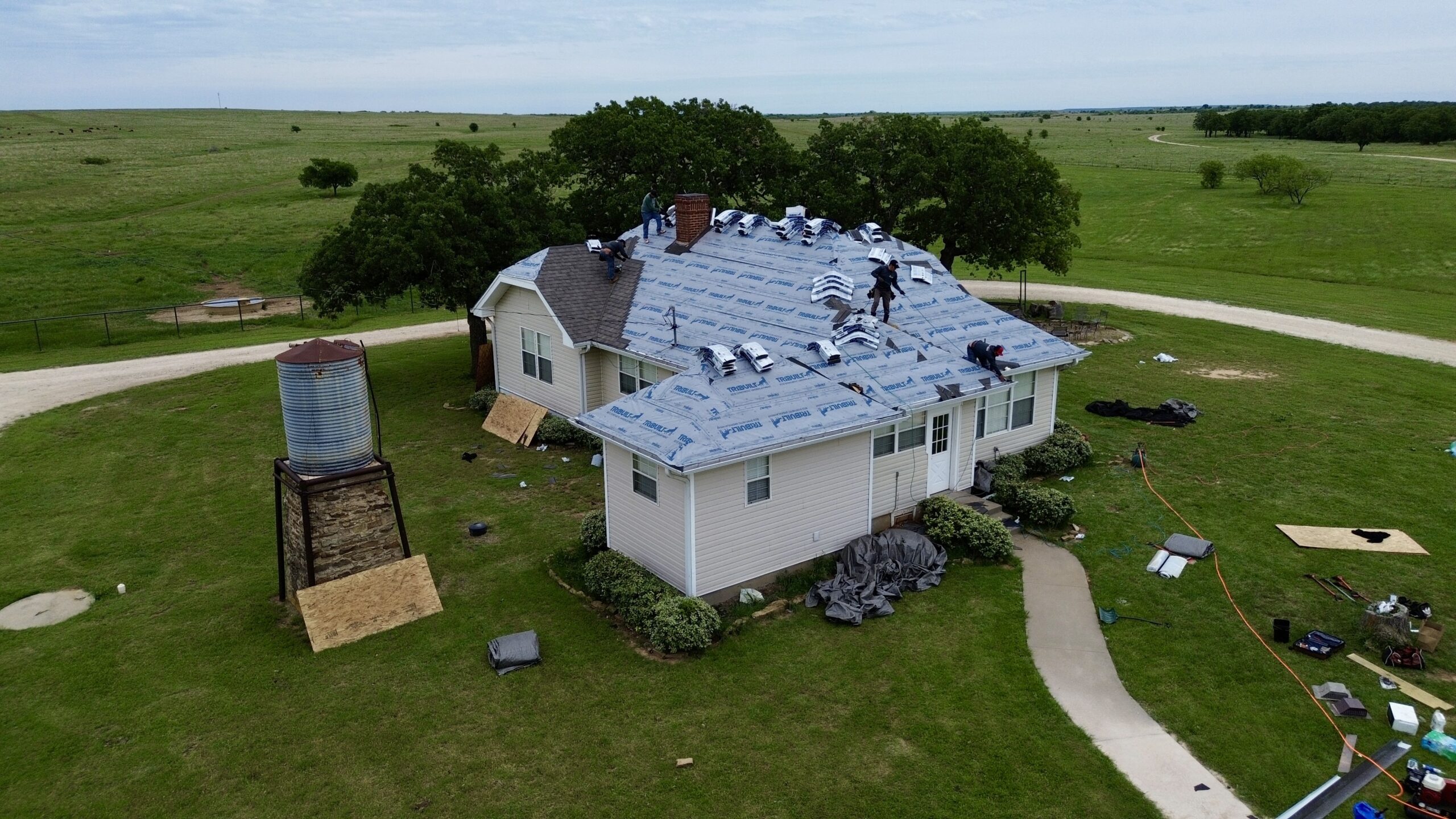
Safety is not established only once at the beginning of a roofing project. Professional contractors perform daily inspections and maintain continuous communication to ensure that changing conditions do not introduce new hazards throughout construction.
Each workday typically begins with a safety meeting. Supervisors review the day’s planned activities, expected weather conditions, potential hazards, and any lessons learned from previous workdays. These brief discussions help every crew member understand their responsibilities before work begins.
Safety equipment is inspected every morning. Harnesses, lifelines, anchors, ladders, helmets, gloves, eye protection, and power tools are checked carefully for signs of wear or damage. Equipment that fails inspection is removed from service immediately.
Roof conditions may also change overnight because of rain, wind, dew, or falling debris. Supervisors inspect roof surfaces before allowing work to resume, ensuring that workers begin the day on stable and reasonably dry surfaces whenever possible.
Communication remains essential while work is underway. Roofing crews often use clear verbal instructions, hand signals, or radios when moving heavy materials or coordinating activities across different roof sections.
Crew members are encouraged to report hazards immediately without fear of criticism. Loose materials, damaged equipment, changing weather, or unexpected structural conditions should all be communicated promptly so corrective action can be taken.
Supervisors also monitor worker fatigue throughout the day. Roofing is physically demanding, particularly during warm weather. Scheduled rest breaks help maintain concentration while reducing the likelihood of accidents caused by exhaustion.
New workers receive guidance from experienced crew members until they become familiar with company safety procedures. Mentoring helps maintain consistent work practices while improving overall team performance.
Documentation may also be completed each day. Safety inspections, equipment checks, weather observations, and incident reports provide valuable records that support continuous improvement in workplace safety.
Strong communication creates a culture where every worker contributes to maintaining a safe roofing environment from the beginning of the project until final completion.
Maintaining a Safe Jobsite Until Installation Is Complete
Roof replacement projects often continue for several days depending on roof size, weather conditions, and material selection. Maintaining a safe jobsite throughout the entire project requires consistent attention rather than focusing only on major construction activities.
At the end of each workday, roofing crews perform a thorough cleanup before leaving the property. Loose shingles, nails, packaging materials, unused tools, and other debris are removed from the roof and surrounding areas whenever possible.
Partially completed roof sections are secured carefully before workers leave. Temporary waterproof coverings protect exposed areas from overnight weather while preventing unauthorized access to unfinished work.
Tools and equipment should be stored safely after each shift. Compressors, ladders, power tools, extension cords, and roofing materials are organized to reduce theft, weather damage, and accidental injury.
Magnetic sweepers are commonly used to collect roofing nails from lawns, sidewalks, driveways, and flower beds. These inspections are repeated throughout the project because new debris may accumulate each day.
Access to ladders may be restricted when work is not in progress. Preventing unauthorized roof access reduces the possibility of accidents involving homeowners, children, or visitors after work hours.
Before each new workday begins, crews verify that overnight weather has not created new hazards. Wind may shift materials, rain may affect roof surfaces, or debris may require additional cleanup before construction resumes.
The following daily safety practices help maintain a secure jobsite:
- Clean debris throughout the workday.
- Secure unfinished roof sections before leaving.
- Store tools and equipment safely.
- Remove nails using magnetic sweepers.
- Restrict unauthorized roof access.
- Inspect the site each morning before work resumes.
- Correct new hazards immediately when identified.
Maintaining consistent safety procedures from the first day of construction until final completion protects workers, homeowners, and the property while supporting a successful roof replacement project. In the final part, we will discuss final site inspections, common roofing safety mistakes, ongoing homeowner safety after roof replacement, choosing contractors with strong safety standards, the long-term benefits of safe roofing practices, and conclude the guide on safety procedures during roof replacement construction work.
Final Site Inspection and Hazard Removal
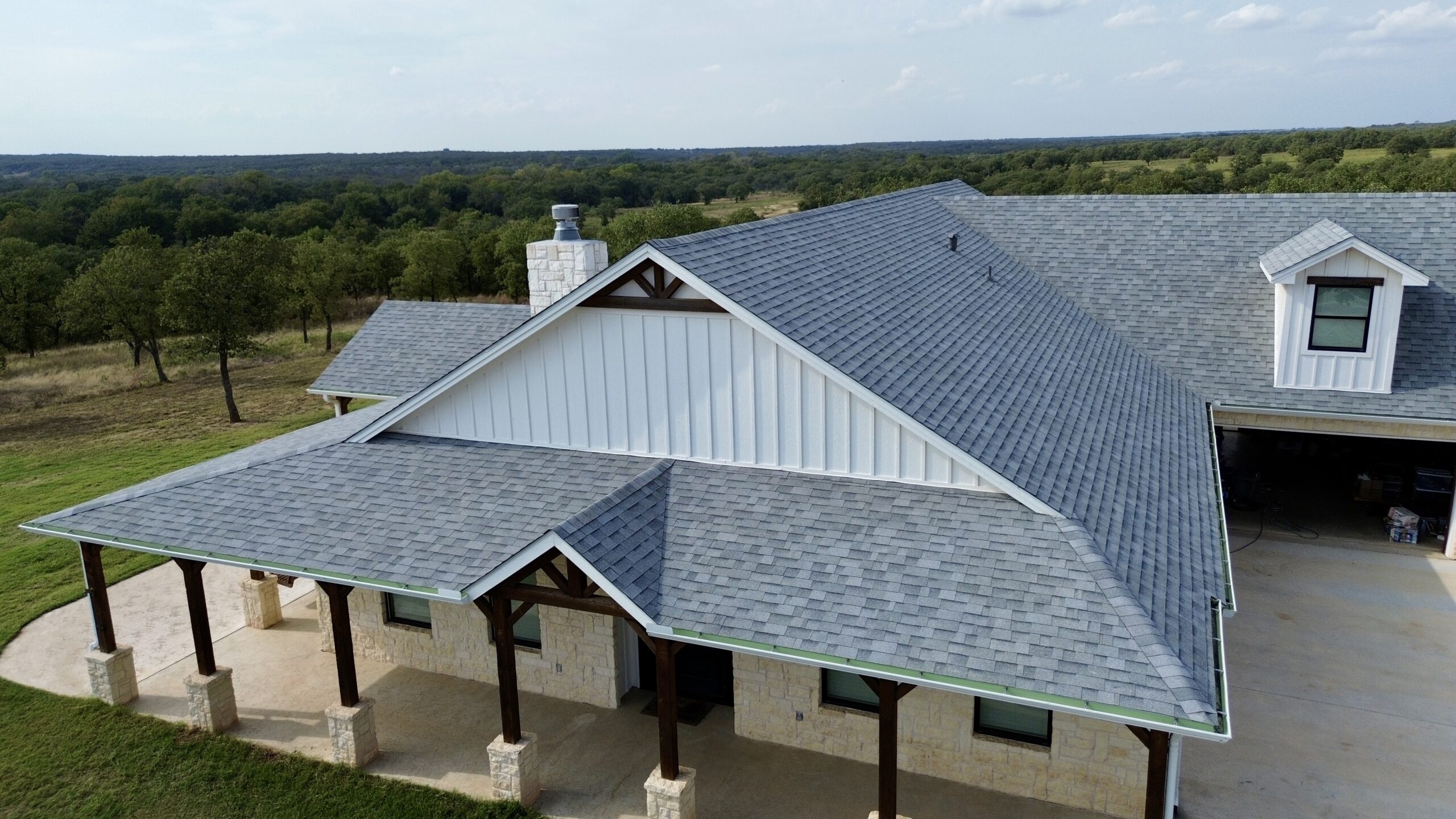
As the roof replacement project comes to an end, the final site inspection becomes one of the most important safety procedures. While the roofing installation may be complete, ensuring that the property is free from hazards is essential before the contractor officially finishes the project. A thorough inspection protects homeowners while confirming that the worksite has been restored to a safe condition.
The roofing crew typically begins by inspecting the entire roof to verify that all materials have been installed correctly and that no loose shingles, flashing, fasteners, or roofing components remain unsecured. Every part of the roofing system should be stable and ready to withstand normal weather conditions.
Attention then shifts to the ground surrounding the home. Contractors carefully inspect lawns, flower beds, sidewalks, patios, driveways, and landscaping for roofing debris. Small items such as nails, screws, staples, metal flashing pieces, and broken shingles are removed to eliminate potential hazards.
Magnetic sweepers are commonly used multiple times during the final cleanup. These powerful tools help collect roofing nails that may not be visible in grass or gravel. Contractors often perform several passes around the property to ensure that as many metal fasteners as possible are removed.
Gutters and downspouts should also be inspected before project completion. Roofing debris can sometimes accumulate during installation, restricting water flow if not removed before the contractor leaves.
Temporary safety equipment installed during construction is removed carefully. Roof anchors, warning barriers, protective coverings, temporary walkways, and other safety devices should be taken down without damaging the newly installed roof.
Material delivery areas are inspected as well. Leftover roofing materials, packaging, wooden pallets, and disposal containers are removed from the property so that normal homeowner access can resume.
Homeowners are usually invited to participate in a final walkthrough with the contractor. This provides an opportunity to review the completed work, discuss any questions, and verify that the property has been cleaned thoroughly before project completion.
A detailed final inspection ensures that the roof replacement project ends as safely as it began while allowing homeowners to enjoy their new roof without unnecessary concerns.
Common Roofing Safety Mistakes to Avoid
Even experienced roofing professionals recognize that small mistakes can create significant safety risks if they are not addressed promptly. Understanding common roofing safety errors helps contractors maintain higher safety standards while giving homeowners confidence that proper procedures are being followed.
One of the most common mistakes is failing to use fall protection consistently. Some workers may remove safety harnesses during shorter tasks or while moving materials across the roof. Every roofing activity performed at height should follow established fall protection procedures regardless of how brief the task may appear.
Another frequent mistake is using damaged or poorly maintained equipment. Worn ladders, defective power tools, damaged safety harnesses, or deteriorated lifelines should always be replaced before work continues.
Ignoring weather warnings is another serious concern. Continuing roofing work during strong winds, heavy rain, lightning, or icy conditions unnecessarily increases accident risks. Professional contractors understand that postponing work is often the safest decision.
Poor housekeeping also contributes to workplace injuries. Allowing roofing debris, loose tools, extension cords, or unused materials to accumulate creates trip hazards while making emergency movement more difficult.
Improper lifting techniques may lead to strains or long-term injuries. Workers should avoid lifting heavy roofing materials alone when assistance or mechanical lifting equipment is available.
Some crews underestimate the importance of communication. Failing to notify coworkers before moving heavy materials or operating equipment may result in avoidable accidents. Clear communication remains essential throughout every stage of construction.
Neglecting daily equipment inspections is another mistake that reduces overall safety. Even high-quality safety equipment should be inspected regularly because wear and tear may occur during normal construction activities.
Homeowners should also avoid creating unnecessary hazards by entering restricted work areas, allowing children or pets near construction zones, or attempting to inspect the roof while roofing work is still underway.
Avoiding these common mistakes helps create a safer work environment while improving both installation quality and project efficiency.
Ongoing Roof Safety After Replacement
Safety remains important even after the roof replacement project has been completed. Although homeowners will not spend significant time on the roof, following safe practices during future maintenance and inspections helps preserve both personal safety and the condition of the new roofing system.
The first recommendation is avoiding unnecessary roof access. Walking on the roof without proper training or equipment increases the risk of falls while potentially damaging roofing materials. Most routine inspections can be completed from the ground using binoculars or by hiring qualified roofing professionals.
After severe weather, homeowners should inspect the roof visually rather than climbing onto it immediately. Missing shingles, fallen tree branches, damaged flashing, or debris accumulation can often be identified safely from ground level.
Cleaning gutters should also be approached carefully. If ladder use is required, the ladder should be placed on stable ground and secured properly before climbing. Having another person present provides additional safety during ladder work.
Tree branches overhanging the roof should be trimmed periodically to reduce the risk of storm damage and debris accumulation. However, trimming large branches close to the roof should generally be performed by qualified professionals.
Homeowners should avoid installing satellite dishes, solar panels, holiday decorations, or other rooftop accessories without understanding how they may affect the roofing system. Improper roof penetrations may compromise waterproofing while creating future maintenance concerns.
If roof repairs become necessary later, homeowners should resist attempting complex repairs themselves. Professional roofing contractors have the equipment and experience required to perform repairs safely while preserving warranty protection.
Attic inspections can often provide valuable information without requiring roof access. Homeowners should occasionally check for signs of moisture, mold, unusual odors, or water stains that may indicate developing roofing issues.
Maintaining safe habits after roof replacement protects both the homeowner and the roofing investment while reducing the likelihood of preventable accidents.
Choosing Contractors with Strong Safety Standards
Selecting a roofing contractor involves much more than comparing prices and roofing materials. A contractor’s commitment to safety directly affects the quality of the work, the protection of the property, and the well-being of everyone involved in the project.
Experienced roofing contractors establish written safety procedures before construction begins. These guidelines explain how workers will use fall protection, inspect equipment, manage weather risks, and protect homeowners throughout the replacement process.
Training is another important indicator of a contractor’s safety culture. Well-trained crews understand proper ladder use, harness systems, equipment operation, emergency procedures, and safe material handling techniques.
Insurance coverage should always be verified before hiring a contractor. General liability insurance and workers’ compensation coverage help protect both the homeowner and the roofing company if unexpected incidents occur during construction.
Homeowners should also ask whether daily safety meetings are conducted. Contractors who begin each workday with safety discussions often maintain stronger communication while identifying potential hazards before work starts.
Equipment quality provides another useful indicator. Companies that invest in modern ladders, fall protection systems, power tools, and protective equipment generally demonstrate a stronger commitment to safe construction practices.
References and customer reviews may also provide valuable information. Previous clients often comment on jobsite organization, cleanliness, professionalism, and overall attention to safety throughout the project.
Written contracts should clearly explain cleanup responsibilities, debris removal procedures, project schedules, and property protection measures. Detailed agreements reduce misunderstandings while establishing clear expectations for both parties.
Choosing a contractor with strong safety standards not only reduces construction risks but also contributes to better workmanship, improved project organization, and greater homeowner confidence.
Long Term Benefits of Safe Roof Replacement Practices
The benefits of maintaining strong safety standards extend far beyond the construction period. Safe roofing practices contribute to higher-quality installations, better project organization, improved homeowner satisfaction, and stronger long-term roof performance.
Workers who operate in organized, well-managed environments can focus more effectively on installation quality. Reduced distractions caused by unsafe conditions often result in more accurate workmanship and greater attention to detail.
Proper handling of roofing materials also protects product quality. Materials that are stored, transported, and installed safely are less likely to be damaged before installation, improving overall roof durability.
Property protection represents another important long-term benefit. Careful worksite management reduces damage to landscaping, driveways, windows, outdoor equipment, and surrounding structures, helping homeowners avoid unnecessary repair costs.
Consistent safety practices also support project efficiency. Organized crews experience fewer interruptions caused by accidents, equipment failures, or unsafe work conditions, allowing projects to progress according to schedule.
Insurance claims related to construction damage or workplace injuries may also be reduced when contractors consistently follow established safety procedures.
Homeowners gain peace of mind knowing that experienced professionals are managing the project responsibly while protecting both people and property throughout construction.
The long-term advantages of safe roofing practices include:
| Safety Practice | Long Term Benefit |
|---|---|
| Consistent Fall Protection | Reduced workplace injuries |
| Daily Equipment Inspections | Reliable and safe construction |
| Organized Jobsite Cleanup | Fewer hazards after project completion |
| Weather Monitoring | Lower risk of weather-related accidents |
| Professional Worker Training | Better installation quality |
| Property Protection Measures | Reduced accidental damage |
Safe roof replacement creates lasting value by protecting workers, preserving the property, and supporting a roofing system that performs reliably for many years.
Conclusion
Safety is the foundation of every successful roof replacement project. While homeowners often focus on roofing materials, project costs, and installation schedules, the procedures used to protect workers, residents, and property are equally important. A safe construction environment allows roofing professionals to complete their work efficiently while reducing unnecessary risks.
Throughout this guide, we explored the many safety procedures followed during residential roof replacement. We discussed the importance of proper planning, identifying common hazards, using personal protective equipment, preparing the worksite, and helping homeowners maintain a safe environment before construction begins.
We also examined fall protection systems, safe material handling, weather monitoring, property protection, daily safety inspections, crew communication, and maintaining a secure jobsite throughout the installation process. Each of these procedures contributes to a safer and more organized roofing project.
Beyond construction, we reviewed final site inspections, common safety mistakes to avoid, ongoing homeowner safety after roof replacement, selecting contractors with strong safety standards, and the lasting benefits of responsible roofing practices. These principles continue protecting both homeowners and roofing professionals long after the installation has been completed.
A professionally managed roofing project demonstrates that safety and quality go hand in hand. Well-trained crews using proper equipment, following established procedures, and maintaining clear communication are better equipped to deliver durable, high-quality roofing installations while minimizing risks.
Ultimately, understanding safety procedures during roof replacement construction helps homeowners make informed decisions when selecting contractors and preparing for their roofing project. By choosing experienced professionals who prioritize safety at every stage of construction, homeowners can protect their families, preserve their property, and enjoy the confidence that comes from knowing their new roof was installed using responsible and proven safety practices.