
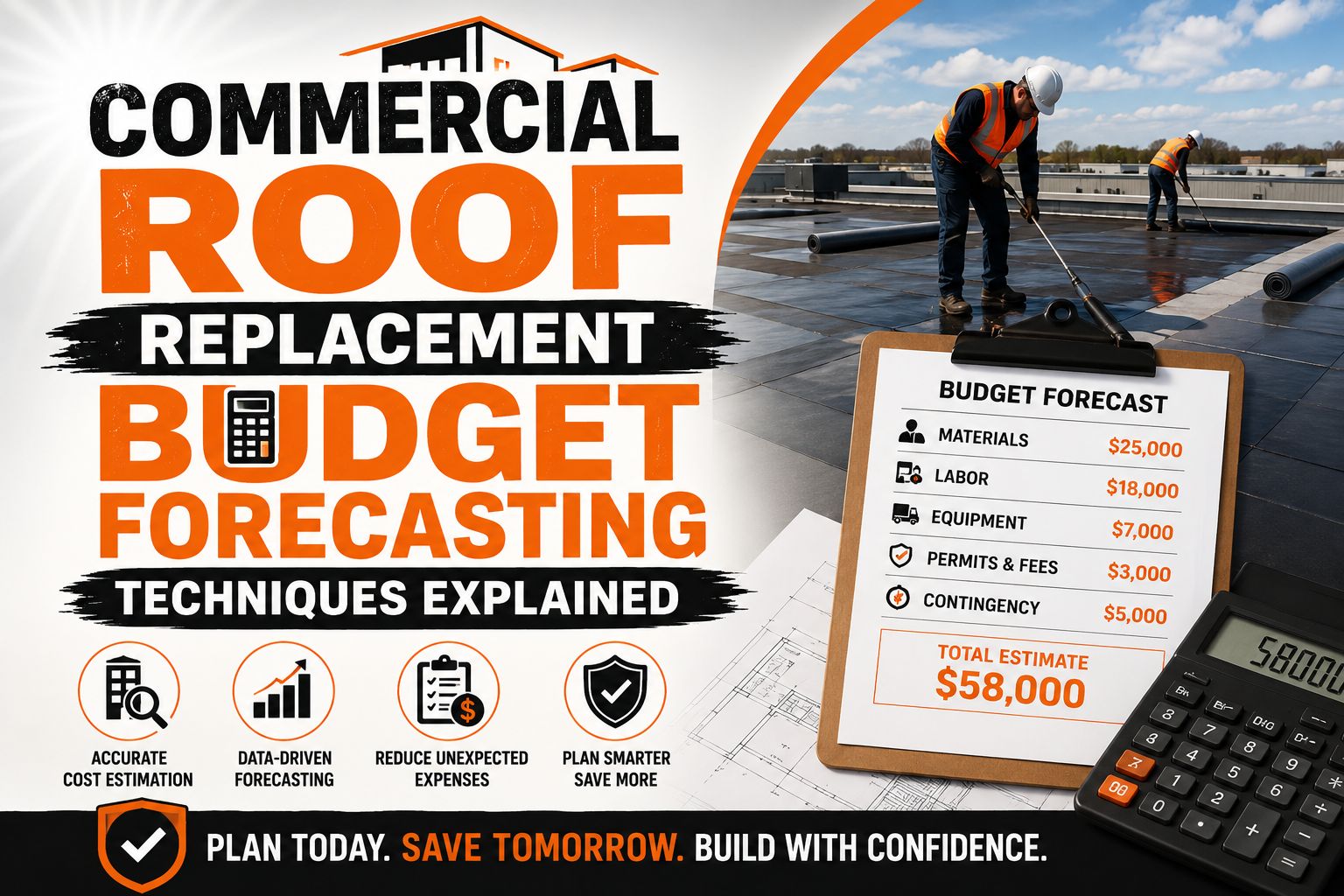
Commercial Roof Replacement Budget Forecasting Techniques Explained
Introduction
Commercial roof replacement is one of the largest capital investments many property owners and facility managers will make during the life of a building. Unlike routine maintenance or minor repairs, replacing an entire commercial roof requires substantial financial planning, detailed cost analysis, and long term budgeting. A well prepared budget forecast helps organizations make informed decisions while reducing the risk of unexpected expenses during construction.
Budget forecasting involves much more than estimating the price of roofing materials and labor. It includes evaluating the existing roof condition, understanding structural requirements, planning for permits and equipment, accounting for contingency expenses, and considering the long term financial impact of different roofing systems. Every stage of the project influences the final investment.
Many organizations begin roof replacement planning only after recurring leaks or major roof failures appear. Although emergency replacement may sometimes be unavoidable, proactive financial forecasting allows property owners to schedule projects under controlled conditions rather than responding to urgent problems. This approach often improves contractor availability, reduces project risks, and creates better opportunities for competitive pricing.
Commercial roof replacement also affects more than construction budgets. The roofing system influences energy efficiency, maintenance costs, business continuity, insurance considerations, and property value for many years after installation. Looking beyond the initial project cost helps organizations evaluate the true financial value of their roofing investment.
This guide explains practical techniques that property owners, facility managers, and commercial building owners can use to forecast roof replacement budgets more accurately. Understanding these planning methods supports better financial decisions while helping organizations prepare for successful commercial roofing projects.
Why Budget Forecasting Is Essential for Commercial Roof Replacement
Budget forecasting provides organizations with a structured financial plan before construction begins. Rather than estimating costs based only on previous projects or rough assumptions, forecasting uses available building information to create a more realistic picture of expected expenses throughout the roof replacement process.
One of the primary benefits of forecasting is reducing financial uncertainty. Commercial roof replacement projects often involve substantial investments, and unexpected costs can place pressure on operating budgets if they have not been anticipated in advance. A comprehensive forecast helps organizations prepare for both expected and unforeseen expenses.
Forecasting also supports better capital planning. Many organizations manage multiple properties and compete for limited maintenance funding each year. Understanding the expected cost of roof replacement allows property managers to prioritize projects while allocating financial resources more effectively across the entire property portfolio.
Decision making improves significantly when accurate financial information is available. Property owners can compare multiple roofing systems, evaluate warranty options, consider insulation upgrades, and analyze energy efficiency improvements based on reliable cost projections rather than assumptions.
Another important advantage is improved communication with stakeholders. Property owners, investors, financial managers, executive leadership, and facility teams often require clear budget information before approving major capital projects. Detailed forecasts provide the financial transparency needed to support informed approval decisions.
Budget forecasting also helps contractors prepare more accurate proposals. When project requirements, timelines, and financial expectations have been clearly defined, contractors can develop estimates that better reflect the true scope of work. This reduces misunderstandings while improving project planning from the beginning.
Business continuity planning also benefits from financial forecasting. Organizations that understand the full project cost can include temporary operational adjustments, equipment relocation, protective measures, and contingency planning within the overall budget rather than treating them as unexpected expenses.
Most importantly, forecasting encourages long term thinking. Instead of selecting the least expensive roofing option, organizations can evaluate total ownership costs, expected service life, maintenance requirements, and operational savings before making final investment decisions.
Factors That Influence Commercial Roof Replacement Costs
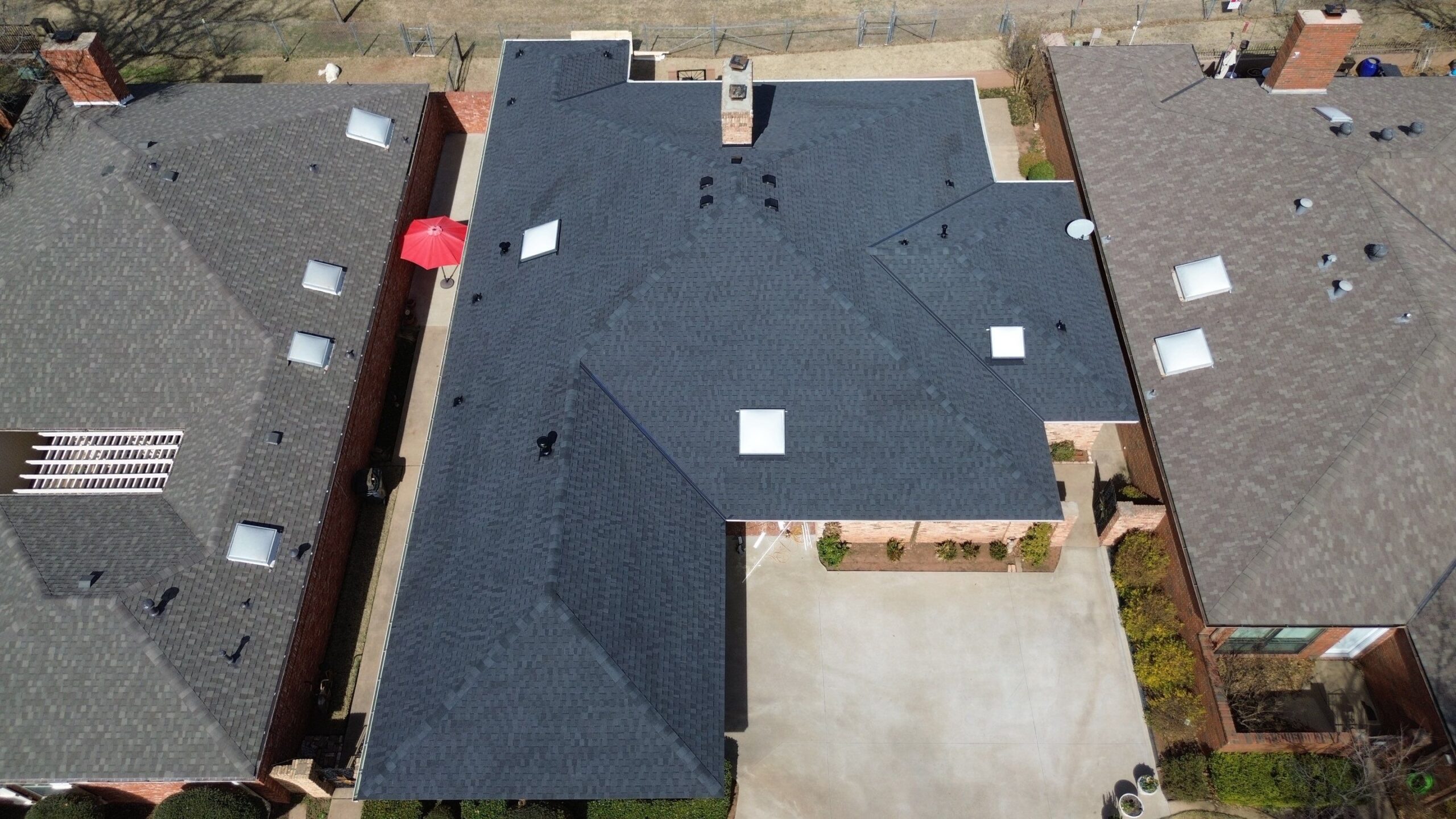
Every commercial roof replacement project is unique, and numerous factors influence the final budget. Understanding these variables allows property managers to create more realistic financial forecasts while reducing the likelihood of major cost adjustments after construction begins.
The overall size of the roof is one of the most significant cost factors. Larger buildings require greater quantities of roofing materials, insulation, fasteners, flashing, labor, and equipment. Roofing costs generally increase as roof area expands, although economies of scale may reduce certain unit costs on larger projects.
Roof design also affects project expenses. Flat roofs with numerous penetrations, rooftop equipment, multiple elevation changes, or complicated drainage systems require additional labor and specialized installation techniques. Simpler roof layouts generally require less installation time and fewer custom details.
The condition of the existing roof plays a major role in budgeting. Older roofs may contain deteriorated insulation, damaged roof decking, structural problems, or hidden moisture that cannot be fully evaluated until roofing materials are removed. These conditions may increase project costs if repairs become necessary during construction.
Roofing material selection directly influences both initial costs and long term financial performance. Premium roofing systems typically require higher installation investments but may offer longer service life, reduced maintenance, stronger warranties, and improved energy efficiency. Comparing life cycle costs provides a more complete financial perspective than installation cost alone.
Building occupancy also influences project budgets. Commercial buildings that remain operational throughout roof replacement often require phased construction, temporary weather protection, noise management, safety barriers, and carefully coordinated scheduling. These operational considerations contribute to overall project expenses.
Labor availability varies by region and market conditions. Skilled commercial roofing professionals, specialized equipment operators, engineers, and project supervisors all contribute to labor costs. Seasonal demand for roofing services may also affect pricing depending on project timing.
Weather conditions should not be overlooked when forecasting costs. Unexpected delays caused by rain, high winds, or severe temperatures may extend project schedules while increasing labor and equipment expenses. Although weather cannot be predicted precisely, contingency planning helps reduce financial risk.
Property managers should also consider several additional factors that influence commercial roof replacement budgets:
- Roof accessibility for workers and equipment
- Number of rooftop mechanical systems
- Drainage improvements required
- Local permit and inspection fees
- Material transportation and delivery costs
- Waste removal and recycling expenses
- Temporary protection for occupied spaces
Recognizing these cost drivers early allows organizations to prepare more accurate budgets before requesting contractor proposals.
Evaluating the Existing Roof Before Budget Planning
Accurate budget forecasting begins with a thorough understanding of the current roof condition. Developing financial estimates without first evaluating the existing roofing system often results in incomplete budgets and unexpected expenses during construction.
Professional roof inspections provide valuable information about membrane condition, flashing performance, insulation quality, drainage efficiency, structural integrity, and visible signs of deterioration. These inspections establish the technical foundation upon which realistic budget forecasts can be developed.
Roofing consultants often perform moisture detection as part of the evaluation process. Hidden moisture trapped beneath roofing membranes or within insulation may significantly affect replacement costs if extensive wet insulation must be removed during construction. Identifying these conditions before budgeting improves estimate accuracy.
The structural roof deck also requires careful evaluation. Steel, concrete, wood, or composite decking should be inspected for corrosion, cracking, rot, or structural movement. Structural repairs identified during the inspection can then be incorporated into the forecast instead of becoming unexpected project costs.
Drainage systems deserve equal attention. Roof drains, scuppers, gutters, overflow systems, and roof slopes all influence long term roof performance. If drainage improvements are required, they should be included within the initial budget rather than postponed until after roof replacement.
Mechanical equipment located on the roof must also be evaluated. HVAC units, communication systems, skylights, exhaust equipment, solar panels, and rooftop utilities may require temporary relocation or protection during construction. These activities often contribute to project costs that should be included in financial planning.
Inspection reports supported by photographs, roof drawings, and written recommendations provide valuable documentation throughout the budgeting process. Property managers can use these reports when requesting contractor proposals, presenting capital requests, or discussing project priorities with ownership groups.
Comprehensive evaluations reduce uncertainty while improving confidence in budget forecasts. Although hidden conditions may still appear during construction, detailed inspections greatly reduce the likelihood of major financial surprises.
Setting Realistic Financial Goals and Project Priorities
After understanding the roof’s current condition, organizations should establish clear financial objectives before preparing the final budget forecast. Defining these priorities helps guide project decisions while ensuring that available financial resources are invested effectively.
Some organizations focus primarily on minimizing initial project costs because of short term budget limitations. Others prioritize maximizing roof lifespan, reducing maintenance expenses, improving energy efficiency, or supporting long term sustainability goals. Understanding these priorities helps determine which roofing system provides the greatest overall value.
Financial goals should extend beyond installation costs. Property managers should evaluate maintenance requirements, repair frequency, warranty protection, expected service life, operational savings, and future replacement planning when comparing roofing options.
Organizations managing multiple properties often prioritize projects based on risk rather than age alone. Buildings experiencing recurring leaks, operational disruptions, or significant structural concerns may receive higher replacement priority than roofs that continue performing acceptably despite being older.
Capital budgeting should also include contingency funding. Even carefully planned commercial roofing projects may reveal hidden structural damage, deteriorated insulation, or drainage issues after existing materials have been removed. Including contingency reserves within the financial plan helps prevent budget shortfalls during construction.
Future building plans should also influence project priorities. If rooftop solar systems, HVAC upgrades, communication equipment, or building expansions are anticipated, the roof replacement strategy should accommodate these future improvements whenever practical. Coordinating projects often produces better long term financial results than completing them separately.
Project timing also deserves careful consideration. Scheduling roof replacement during favorable weather conditions or slower business periods may reduce operational disruption while improving contractor efficiency. These scheduling decisions can influence both direct construction costs and indirect business expenses.
Well defined financial priorities provide a strong framework for evaluating contractor proposals while supporting informed investment decisions throughout the project.
Building a Reliable Roof Replacement Budget Framework
The final step before requesting contractor proposals is organizing all available financial information into a structured budget framework. This framework serves as the financial roadmap for the entire roof replacement project while allowing property managers to monitor costs from planning through project completion.
Rather than combining every expense into one general estimate, successful budget frameworks divide costs into logical categories. This approach improves financial visibility while making it easier to identify areas where adjustments may become necessary as planning progresses.
Typical budget categories include roofing materials, labor, structural repairs, insulation, drainage improvements, permits, engineering services, safety equipment, temporary weather protection, waste disposal, equipment rentals, inspections, and contingency reserves. Separating these expenses allows more accurate forecasting while simplifying future cost tracking.
Property managers should also distinguish between direct and indirect project costs. Direct costs include roofing materials and installation labor, while indirect costs may include temporary operational adjustments, consultant services, project management, tenant communication, insurance considerations, and administrative expenses.
Historical project information can provide valuable reference points when developing new budgets. Previous roofing projects completed on similar buildings often help identify realistic cost ranges, although every forecast should still reflect the specific conditions of the current property rather than relying entirely on past experience.
The budget framework should remain flexible throughout project planning. As inspections become more detailed, contractor proposals are received, and engineering evaluations are completed, estimates may require refinement. Updating the budget regularly helps maintain financial accuracy while supporting better decision making.
Finally, property managers should review the complete financial framework with key stakeholders before moving into contractor selection. Financial managers, ownership groups, facility teams, and executive leadership all benefit from understanding project assumptions, budget priorities, contingency planning, and expected long term value before major financial commitments are approved.
Developing a structured budget framework creates the foundation for successful commercial roof replacement planning. In the next part, we will examine practical techniques for estimating material and labor costs, planning for unexpected expenses, managing permits and logistics, tracking project budgets, and identifying cost saving opportunities without compromising roofing quality.
Estimating Material and Labor Costs
Material and labor costs represent the largest portion of most commercial roof replacement budgets. Forecasting these expenses accurately allows property managers to create realistic financial plans while reducing the likelihood of significant budget adjustments after construction begins. Rather than relying on broad averages, organizations should estimate these costs using detailed project information specific to the building.
Material estimates begin with accurate roof measurements. Contractors calculate the total roof area while accounting for parapet walls, roof penetrations, drainage components, flashing, expansion joints, insulation, and edge details. These measurements provide the foundation for estimating roofing membranes, insulation boards, adhesives, fasteners, sealants, and other required materials.
Material selection directly influences the overall budget. Premium roofing systems often require higher initial investments but may provide longer service life, improved energy efficiency, lower maintenance costs, and stronger warranty coverage. Comparing materials based only on purchase price may overlook important long term financial benefits.
Material prices also fluctuate because of market conditions, manufacturing costs, transportation expenses, and product availability. Property managers should recognize that estimates prepared several months before construction may require adjustments if material prices change significantly before installation begins.
Labor forecasting involves more than estimating the number of workers needed for installation. Project managers should consider crew size, installation complexity, roof accessibility, weather conditions, equipment requirements, and project duration when estimating labor expenses.
Buildings with multiple rooftop penetrations, extensive mechanical equipment, or complicated roof layouts generally require additional installation time. Increased labor requirements naturally affect the overall project budget and should be reflected within early cost forecasts.
Regional labor markets also influence project pricing. Areas experiencing strong construction demand or limited availability of skilled commercial roofing professionals often experience higher labor costs than regions with greater workforce availability.
Productivity expectations should remain realistic. While experienced contractors work efficiently, installation quality should never be sacrificed simply to reduce labor hours. Proper installation protects the roofing investment while minimizing future maintenance and repair costs.
Obtaining multiple detailed proposals from qualified commercial roofing contractors provides valuable market comparisons. Reviewing estimates carefully helps property managers understand how different contractors allocate labor, materials, equipment, and project management expenses.
Accounting for Structural Repairs and Unexpected Expenses
Even the most carefully planned roof replacement projects may encounter hidden conditions that increase construction costs. Budget forecasting should therefore include reasonable allowances for structural repairs and unexpected expenses rather than assuming every project will proceed exactly as planned.
Structural deterioration is one of the most common sources of unforeseen costs. Existing roof decking may contain hidden corrosion, moisture damage, wood rot, or weakened structural components that remain concealed beneath the roofing system until demolition begins. Repairing these conditions is essential before installing new roofing materials.
Wet insulation also represents a significant budget consideration. Moisture trapped beneath roofing membranes reduces thermal performance while increasing roof weight. If inspections identify extensive wet insulation before construction, replacement costs can be included within the initial budget forecast rather than becoming unexpected expenses later.
Drainage improvements frequently require additional investment as well. Existing roof slopes, drains, scuppers, gutters, or overflow systems may require modification to improve long term water management. Correcting drainage deficiencies during roof replacement often reduces future maintenance costs while extending roof lifespan.
Unexpected mechanical issues occasionally arise when rooftop equipment is temporarily relocated or inspected during construction. Aging equipment supports, deteriorated curbs, or outdated utility connections may require repair before roofing work can continue.
Property managers should also anticipate the possibility of weather related delays. Although contractors schedule projects during favorable seasons whenever possible, unexpected rain, high winds, or extreme temperatures may temporarily interrupt construction. Extended project durations can increase labor, equipment rental, and temporary protection costs.
A contingency reserve provides financial flexibility for these situations. While the exact amount varies depending on project complexity, including dedicated contingency funding within the budget allows organizations to respond more effectively when unforeseen conditions arise.
Risk assessments performed before construction can also improve financial forecasting. Reviewing inspection reports, building history, previous repair records, and structural evaluations helps identify areas where additional contingency planning may be appropriate.
Preparing for uncertainty does not mean expecting every project to exceed budget. Instead, it reflects responsible financial planning that acknowledges the realities of commercial construction while reducing financial pressure if unexpected conditions develop.
Planning for Permits, Equipment, and Project Logistics
Successful budget forecasting extends beyond roofing materials and installation labor. Numerous supporting activities contribute to the total project cost, and overlooking these expenses can create significant budget shortfalls during construction.
Permit costs vary depending on project location, building size, local regulations, and the scope of work being performed. Roofing permits, structural approvals, engineering reviews, inspections, and code compliance activities should all be included within the initial financial forecast.
Engineering services may also be necessary before construction begins. Structural assessments, drainage evaluations, roof surveys, moisture testing, and design reviews provide valuable technical information while contributing to overall project expenses.
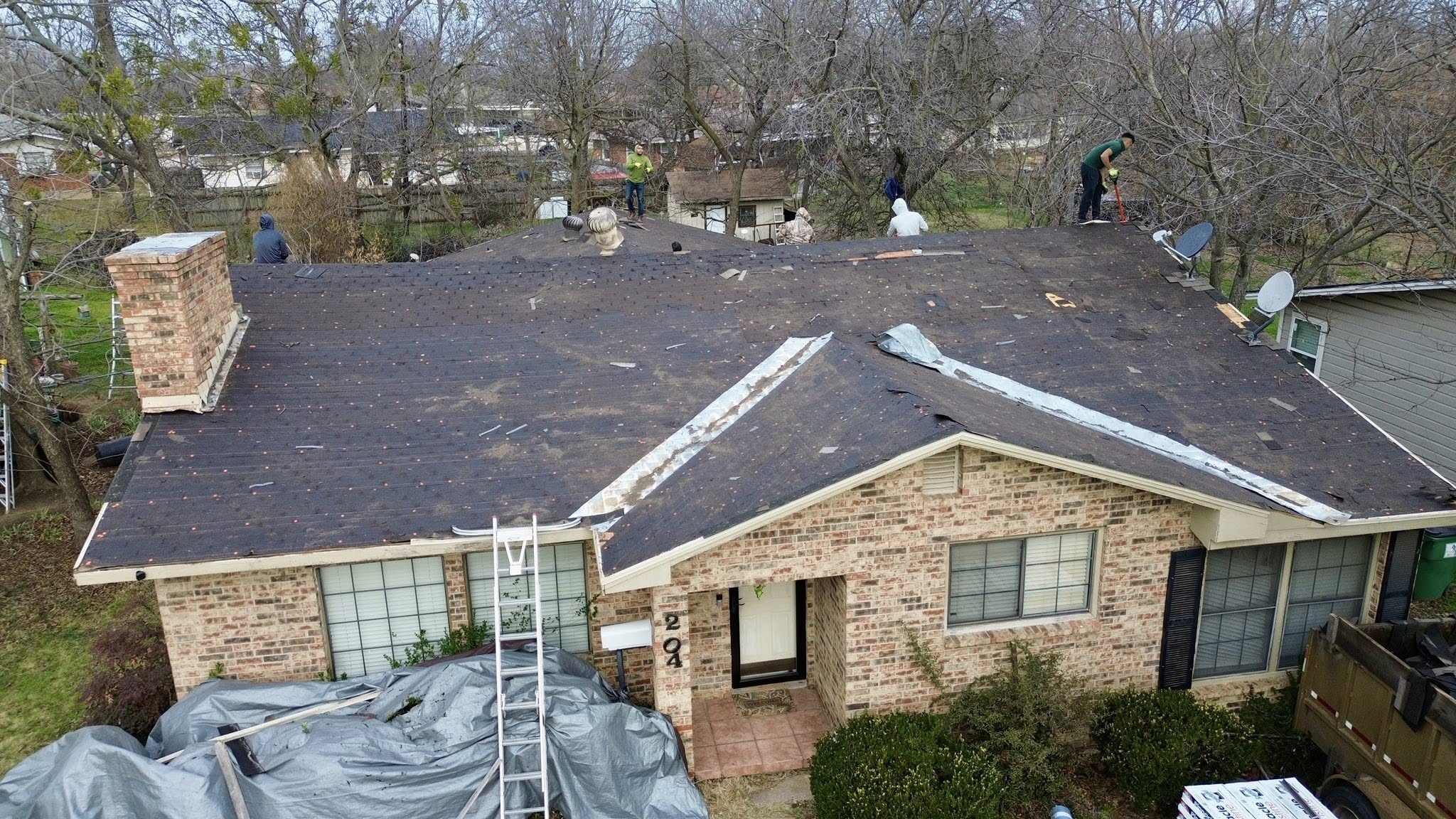
Equipment requirements should receive careful consideration as well. Large commercial roof replacement projects often require cranes, forklifts, boom lifts, material hoists, generators, temporary lighting, dumpsters, and specialized installation equipment. Equipment rental costs can represent a meaningful portion of the overall project budget.
Transportation and material handling expenses should not be overlooked. Delivering large quantities of roofing materials safely and efficiently requires coordinated logistics that may include multiple deliveries throughout construction rather than a single shipment.
Waste removal represents another important budget category. Existing roofing materials, damaged insulation, flashing, packaging, and construction debris must be removed according to local regulations. Recycling opportunities may reduce disposal costs while supporting environmental sustainability objectives.
Temporary weather protection should also be considered within project logistics. Contractors often install protective coverings whenever roof sections remain exposed overnight or when weather conditions interrupt construction. These protective measures help prevent water intrusion while maintaining business continuity.
Site management activities contribute additional costs. Temporary fencing, safety barriers, pedestrian protection, traffic control, signage, security measures, and project supervision all support safe and organized construction while requiring financial planning.
By accounting for permits, logistics, equipment, and supporting project activities from the beginning, property managers create more comprehensive budget forecasts that better reflect the true cost of commercial roof replacement.
Comparing Short Term Costs With Long Term Value
One of the most effective budget forecasting techniques involves evaluating roof replacement as a long term investment rather than focusing only on immediate construction costs. Looking beyond the initial project price often leads to better financial decisions over the roof’s expected service life.
Lower installation costs may appear attractive during budget planning, but less expensive roofing systems sometimes require more frequent maintenance, shorter replacement cycles, or higher repair expenses. These ongoing costs should be considered alongside the original installation investment.
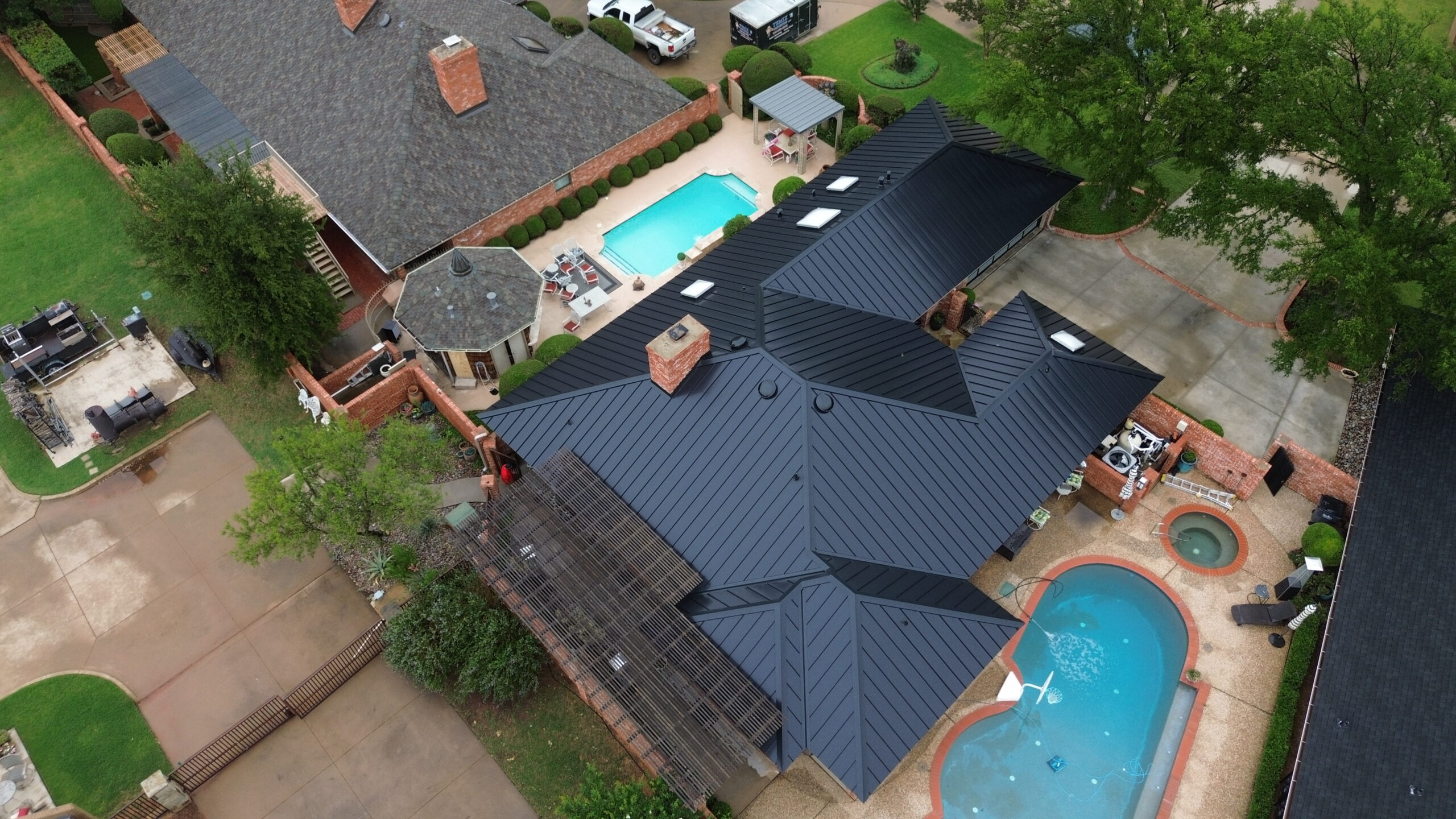
Premium roofing materials often provide greater durability, longer warranties, and improved weather resistance. Although the initial budget may increase, the extended service life frequently reduces annual ownership costs when evaluated over several decades.
Energy efficiency represents another important financial consideration. Reflective roofing membranes, upgraded insulation, and improved roof assemblies may reduce heating and cooling expenses throughout the building’s life. These operational savings contribute to the overall financial return generated by the roofing investment.
Maintenance costs should also be forecasted realistically. Some roofing systems require specialized inspections or repair techniques, while others simplify routine maintenance activities. Property managers should estimate future maintenance expenses when comparing roofing alternatives.
Business continuity has measurable financial value as well. Roofing systems requiring fewer emergency repairs reduce the likelihood of operational interruptions, water damage, inventory losses, or tenant complaints. These indirect savings often strengthen the long term value of investing in higher quality roofing solutions.
Life cycle cost analysis provides a structured method for comparing roofing options. Rather than evaluating only installation expenses, organizations consider maintenance, repairs, energy savings, expected lifespan, replacement timing, and disposal costs before selecting the preferred roofing system.
Decision makers should balance short term budget limitations with long term operational objectives. Investing strategically today often produces greater financial benefits throughout the roof’s service life than selecting the lowest initial bid.
Budget Tracking Throughout the Roofing Project
Developing an accurate budget forecast is only the beginning. Maintaining financial control throughout construction requires continuous budget tracking that compares actual project expenses with the original forecast while identifying potential issues before they become significant problems.
Project managers should establish regular financial reporting procedures before construction begins. Tracking expenses by category allows organizations to monitor material costs, labor expenses, equipment rentals, permits, structural repairs, contingency usage, and other budget components independently.
Regular progress meetings provide valuable opportunities to review both construction activities and financial performance. Contractors, property managers, consultants, and financial representatives can discuss completed work, upcoming milestones, budget status, and any developing concerns during these meetings.
Change orders require particularly careful management. Additional work requested after construction begins may significantly affect the project budget if not evaluated carefully. Every proposed change should include clear documentation explaining its cost, schedule impact, and justification before approval.
Invoice reviews should also follow consistent procedures. Comparing contractor invoices with completed work helps verify that project expenses remain aligned with actual construction progress while reducing the risk of billing discrepancies.
Contingency funds should be monitored separately from planned project expenses. Tracking contingency usage helps property managers understand whether unexpected costs remain within acceptable limits or whether additional financial adjustments may become necessary.
Technology has improved project budget tracking considerably. Many organizations now use project management software, cloud based reporting systems, and digital cost tracking tools that provide real time financial information throughout construction.
Maintaining accurate financial records also benefits future projects. Completed roofing budgets provide valuable reference information when forecasting replacement costs for other buildings within the property portfolio.
Cost Saving Strategies Without Sacrificing Quality
Reducing project costs should never compromise roofing quality or long term building performance. Instead, effective cost management focuses on improving efficiency, planning carefully, and making informed decisions that maximize overall value.
Early planning often produces meaningful savings. Organizations that begin roof replacement planning before emergency failures occur generally have more time to compare contractors, evaluate materials, negotiate pricing, and schedule construction during favorable market conditions.
Comprehensive roof inspections also reduce unnecessary expenses. Identifying structural problems, moisture damage, or drainage deficiencies before construction begins allows repairs to be planned efficiently rather than performed under emergency conditions after demolition has started.
Competitive bidding remains another valuable cost management strategy. Requesting detailed proposals from multiple qualified commercial roofing contractors provides valuable market information while encouraging competitive pricing without reducing quality expectations.
Scheduling projects during less busy construction seasons may also improve contractor availability and pricing. Although weather conditions must always remain suitable for roofing work, flexible scheduling sometimes creates opportunities for better financial value.
Combining related building improvements into one coordinated project can reduce overall expenses as well. Completing insulation upgrades, drainage improvements, rooftop equipment replacement, or solar preparation during roof replacement often lowers future construction costs by avoiding duplicate labor and mobilization expenses.
Maintaining clear project specifications also supports cost control. Well defined project requirements reduce misunderstandings, minimize unnecessary change orders, and improve contractor efficiency throughout construction.
Finally, investing in quality materials and experienced contractors often produces the greatest long term savings. Although the initial budget may increase slightly, higher quality installation generally reduces maintenance costs, extends roof lifespan, improves warranty performance, and lowers the likelihood of expensive repairs in future years.
By combining careful forecasting, disciplined budget tracking, realistic contingency planning, and value based decision making, property managers can manage commercial roof replacement projects more effectively while protecting both financial resources and long term building performance. In the final part, we will examine project closeout, maintenance planning, common budgeting mistakes, long term capital forecasting, return on investment, and conclude the complete guide to commercial roof replacement budget forecasting.
Final Budget Review and Project Closeout
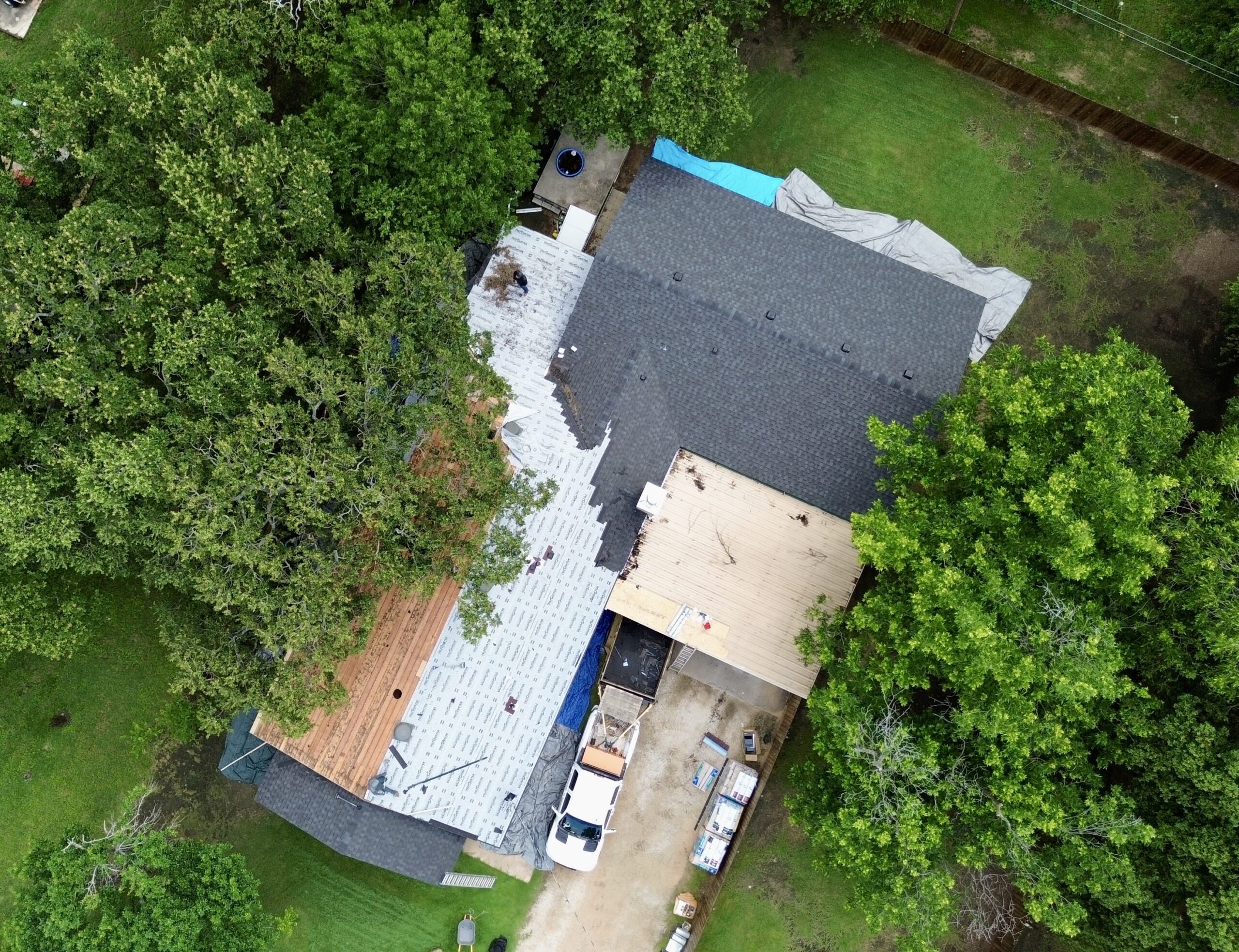
As the commercial roof replacement project approaches completion, property managers should conduct a comprehensive financial review before considering the project officially closed. Comparing actual project expenses with the original budget forecast provides valuable insight into the accuracy of the planning process while helping improve future capital budgeting decisions.
The first step is verifying that all contracted work has been completed according to the approved project scope. Roofing materials, flashing, insulation, drainage improvements, rooftop equipment, and other project components should be inspected carefully before final payments are released. Confirming project completion helps ensure that financial obligations match the work delivered.
Contractors typically submit final invoices after completing installation and addressing any remaining punch list items. Property managers should review these invoices carefully, confirming that charges correspond to approved contracts, documented change orders, and completed work.
Any contingency funds that were used during construction should also be evaluated. Understanding why contingency expenses occurred helps improve future budget forecasting while identifying recurring risks that may require greater attention during future roof replacement projects.
If project costs remained below the approved budget, organizations should document the reasons for those savings. Efficient scheduling, favorable weather conditions, competitive material pricing, or accurate early planning may all contribute to improved financial performance. Recording these factors provides valuable reference information for future capital projects.
Project closeout should also include confirmation that all permits have been finalized and required inspections successfully completed. Receiving final approval from local authorities demonstrates that the roofing project satisfies applicable building regulations while reducing future compliance concerns.
Before closing the project financially, property managers should verify that all required documentation has been received. Inspection reports, warranties, maintenance recommendations, as built drawings, and material specifications should be organized together for future reference.
A thorough financial closeout not only completes the current roofing project but also creates valuable historical data that strengthens future commercial roof replacement forecasting.
Warranty, Maintenance, and Lifecycle Cost Planning
Budget forecasting should continue even after roof replacement has been completed. Long term financial planning includes warranty management, preventive maintenance, and ongoing lifecycle cost evaluation to protect the investment throughout the roof’s service life.
Commercial roof replacement projects generally include both manufacturer warranties and contractor workmanship warranties. These warranties represent valuable financial protection, but they often include maintenance requirements that property managers must follow to preserve coverage.
Routine inspections should be incorporated into annual operating budgets immediately after project completion. Professional roof evaluations performed during the spring and fall help identify developing issues before they become major repair expenses while supporting warranty compliance.
Maintenance forecasting should include regular cleaning of drainage systems, inspection of flashing, examination of rooftop equipment, sealant replacement when necessary, and prompt repair of minor roofing damage. These relatively small maintenance expenses often prevent much larger repair costs later.
Lifecycle cost planning evaluates the roof over its entire expected service life rather than focusing only on installation expenses. This approach includes maintenance, repairs, energy savings, inspections, operational performance, and eventual replacement planning within one comprehensive financial strategy.
Property managers should establish long term maintenance schedules that extend throughout the anticipated life of the roofing system. Predictable maintenance budgets improve financial planning while reducing the likelihood of unexpected emergency expenditures.
Energy savings should also be monitored after installation. Improved insulation and reflective roofing materials may reduce heating and cooling expenses, providing measurable financial returns that support the original investment decision. Tracking these savings helps demonstrate the long term value of the roofing project.
Maintaining complete roofing records further strengthens lifecycle management. Inspection reports, repair histories, maintenance logs, warranty documentation, and contractor information provide valuable financial and technical references throughout the roof’s operational life.
Common Budget Forecasting Mistakes to Avoid
Even experienced property managers sometimes make budgeting mistakes that increase project costs or reduce forecasting accuracy. Understanding these common errors allows organizations to strengthen future financial planning while minimizing unnecessary risks.
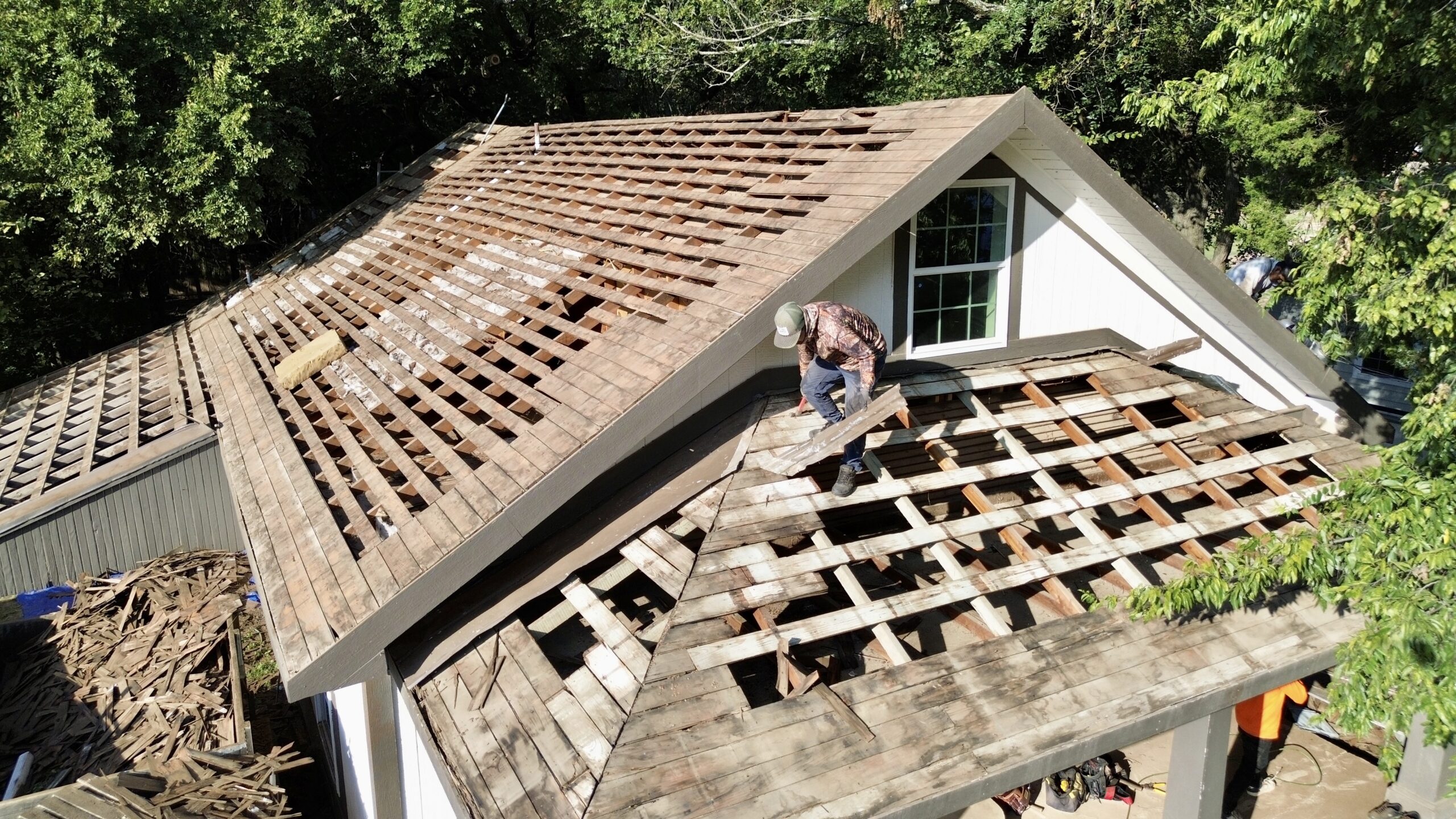
One of the most common mistakes is preparing budgets without first performing a comprehensive roof inspection. Forecasts developed without understanding the actual roof condition often overlook hidden moisture, structural deterioration, drainage deficiencies, or insulation damage that later increases construction costs.
Another frequent mistake is focusing exclusively on the lowest installation price. Although controlling initial expenses is important, selecting roofing systems or contractors based only on cost may result in higher maintenance expenses, shorter service life, or reduced warranty protection. Long term value should always be considered alongside initial project pricing.
Some organizations fail to include contingency funding within their financial plans. Commercial roof replacement frequently reveals hidden conditions after demolition begins, making contingency reserves an essential component of responsible budget forecasting.
Ignoring indirect project costs is another common oversight. Temporary weather protection, engineering services, permits, equipment rentals, operational adjustments, consultant fees, and project management activities all contribute to the total financial investment and should be included within the forecast.
Delaying replacement until emergency conditions develop also affects budgeting. Emergency projects often limit contractor availability, reduce competitive bidding opportunities, and require accelerated scheduling that increases project costs. Planned replacement generally provides better financial outcomes.
Another mistake involves failing to update forecasts as planning progresses. Budget estimates should evolve as inspections become more detailed, engineering studies are completed, and contractor proposals are received. Treating early estimates as fixed values reduces forecasting accuracy.
Poor documentation may also create future financial challenges. Missing inspection reports, incomplete maintenance records, or poorly organized warranty information complicate future budgeting while reducing the value of historical project data.
Avoiding these common forecasting mistakes improves financial planning while supporting more predictable commercial roof replacement projects.
Building a Multi Year Commercial Roof Capital Plan
Commercial roof replacement should be integrated into a broader long term capital planning strategy rather than treated as an isolated maintenance project. Multi year planning allows organizations to distribute financial resources more effectively while preparing for future building improvements.
Property managers responsible for multiple buildings should begin by evaluating the condition of every roof within the property portfolio. Comparing roof age, inspection results, maintenance history, repair frequency, and operational risk helps establish replacement priorities over several years rather than reacting to individual emergencies.
Capital plans should estimate the remaining service life of each roofing system based on professional inspections rather than installation dates alone. Some roofs continue performing well beyond their expected lifespan with proper maintenance, while others require earlier replacement because of environmental exposure or operational demands.
Forecasting future replacement costs should include expected inflation, material price trends, labor market conditions, and anticipated regulatory changes. Although exact future costs cannot be predicted, periodic updates help organizations maintain realistic long term financial expectations.
Annual capital budgets should also include funding for preventive maintenance and smaller repair projects. Investing consistently in roof preservation often delays major replacement expenses while improving overall portfolio performance.
Coordinating roof replacement with other building improvements provides additional financial benefits. Projects involving HVAC upgrades, solar installations, exterior renovations, insulation improvements, or structural modifications can often be scheduled together, reducing total construction costs while minimizing disruption.
Technology also supports long term capital planning. Facility management software, roof asset databases, digital inspection reports, and maintenance tracking systems provide valuable information that improves forecasting accuracy over time.
Reviewing the capital plan annually ensures that replacement priorities remain aligned with changing building conditions, organizational goals, and available financial resources.
Maximizing Return on Investment From Roof Replacement
Commercial roof replacement represents a significant capital investment, making return on investment an important consideration throughout the budgeting process. Maximizing value requires looking beyond installation costs while considering how the roofing system contributes to long term operational performance.
One of the most direct financial benefits comes from extending roof lifespan. Durable roofing systems installed according to manufacturer specifications generally require fewer repairs while delaying future replacement expenses. Longer service life improves the overall financial return generated by the original investment.
Energy efficiency also contributes significantly to return on investment. Reflective roofing materials, upgraded insulation, and improved building envelope performance reduce heating and cooling demands throughout the year. These operational savings accumulate over time, improving the total value delivered by the roofing system.
Preventive maintenance further strengthens financial performance. Routine inspections, drainage cleaning, minor repairs, and warranty compliance preserve roof condition while reducing emergency repair costs. Consistent maintenance helps organizations achieve the full expected lifespan of the roofing investment.
Business continuity represents another important source of value. Reliable roofing systems reduce operational interruptions caused by leaks, water damage, emergency repairs, or weather related building closures. Protecting business operations often provides financial benefits that extend well beyond maintenance savings.
Property value may also increase following professional roof replacement. Buildings with modern roofing systems, documented warranties, and organized maintenance records often become more attractive to investors, buyers, and tenants who value lower long term maintenance risks.
Environmental sustainability can also enhance financial returns. Improved insulation, energy efficient roofing materials, reduced waste generation, and preparation for renewable energy systems support organizational sustainability goals while contributing to long term operational savings.
Ultimately, return on investment should be measured using a combination of installation quality, maintenance costs, energy performance, operational reliability, warranty protection, and expected service life rather than focusing on construction costs alone.
Conclusion
Commercial roof replacement budget forecasting is much more than estimating the cost of roofing materials and labor. It is a comprehensive financial planning process that helps property owners and facility managers prepare for one of the largest capital investments in a commercial building’s lifecycle. Accurate forecasting reduces uncertainty, improves financial decision making, and supports successful project execution from planning through completion.
Throughout this guide, we explored the key techniques involved in developing reliable commercial roof replacement budgets. We examined the importance of evaluating existing roof conditions, identifying cost drivers, setting realistic financial goals, building structured budget frameworks, estimating materials and labor, planning for contingency expenses, and tracking costs throughout construction.
We also discussed how long term financial planning extends beyond project completion through warranty management, preventive maintenance, lifecycle cost analysis, capital planning, and return on investment evaluation. These ongoing financial activities ensure that the roofing investment continues delivering value for many years after installation.
Avoiding common forecasting mistakes is equally important. Comprehensive inspections, realistic contingency planning, detailed documentation, regular budget updates, and value based decision making all contribute to stronger financial outcomes while reducing the likelihood of costly surprises during construction.
Ultimately, successful budget forecasting allows organizations to approach commercial roof replacement proactively rather than reactively. By combining careful planning, accurate cost analysis, disciplined project management, and long term financial thinking, property owners and facility managers can protect both their buildings and their financial resources while achieving dependable roofing performance, improved operational efficiency, and lasting value from every roof replacement investment.