
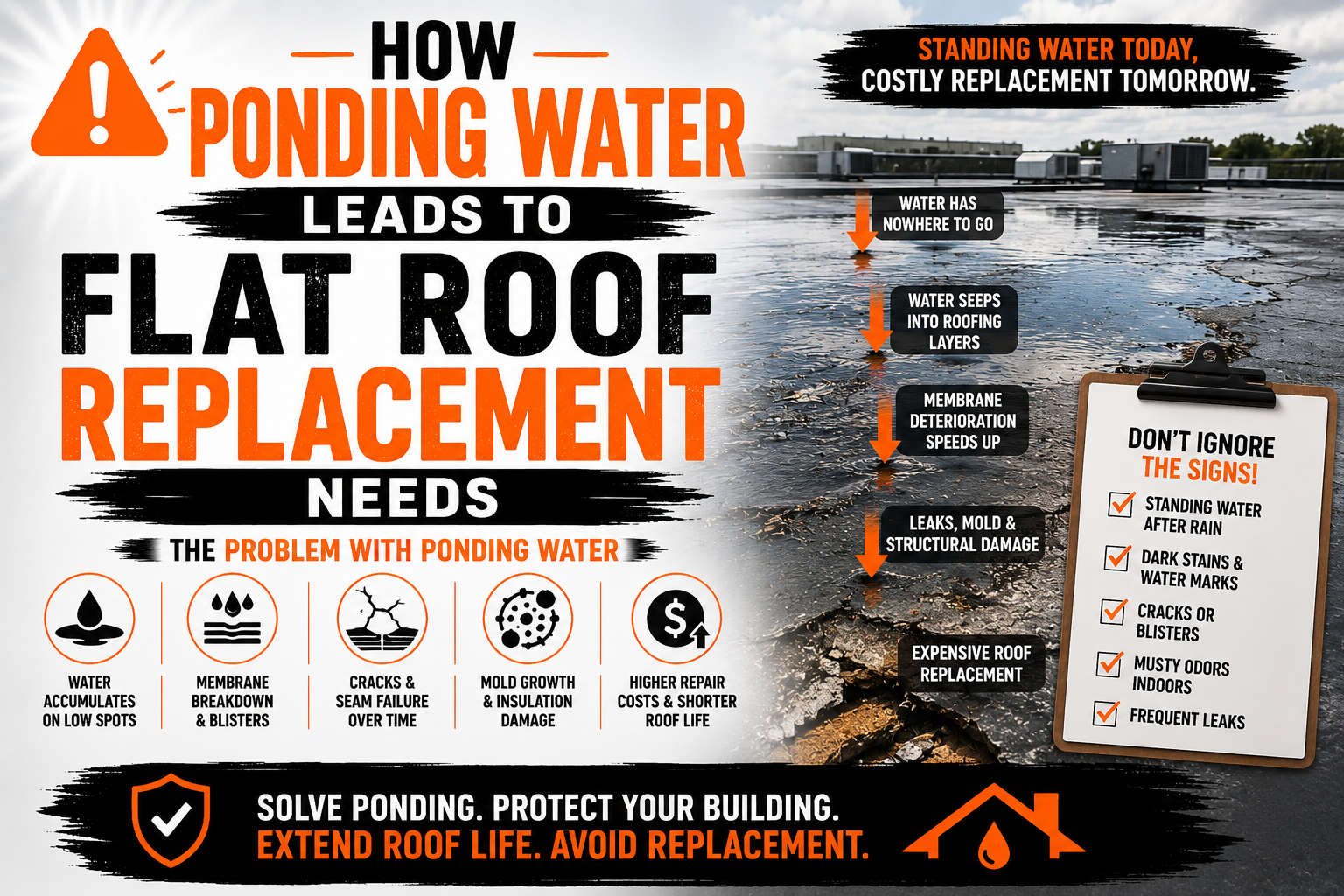
How Ponding Water Leads to Flat Roof Replacement Needs
Introduction
Flat roofs are designed to provide dependable protection against rain, sunlight, wind, and changing weather conditions while offering a practical roofing solution for commercial buildings, industrial facilities, apartment complexes, and modern residential properties. Although these roofs appear level, they are carefully engineered with subtle slopes that direct rainwater toward drains, gutters, or scuppers. When this drainage system works properly, water leaves the roof efficiently, allowing the roofing materials to dry and continue performing as intended.
Problems begin when water remains on the roof long after rainfall has ended. This condition, commonly known as ponding water, is one of the most destructive issues affecting flat roofing systems. While a small amount of temporary standing water may seem harmless, water that remains for extended periods places continuous stress on every layer of the roof. Over time, this constant exposure accelerates deterioration, weakens waterproof membranes, damages insulation, and may eventually affect structural components beneath the roofing system.
Many property owners underestimate the seriousness of ponding water because visible damage often develops slowly. In many cases, the roof continues functioning for months or even years while hidden deterioration spreads beneath the surface. By the time interior leaks or structural problems become noticeable, the roofing system may already require extensive repairs or complete replacement.
Understanding how ponding water affects a flat roof helps property owners recognize warning signs before severe damage occurs. It also explains why professional roofing contractors often recommend drainage improvements alongside roof replacement rather than simply installing a new waterproof membrane over existing drainage problems.
This guide explores how ponding water develops, why it is harmful to flat roofing systems, and how prolonged water accumulation can eventually create conditions where complete roof replacement becomes the most practical and cost effective solution.
What Is Ponding Water on a Flat Roof?
Ponding water refers to rainwater that remains on a flat roof for an extended period instead of draining away through the roof’s designated drainage system. Although flat roofs are designed to remove water efficiently, various conditions can interfere with normal drainage and allow water to collect in low areas across the roof surface.
It is important to distinguish between temporary puddles and true ponding water. Immediately after heavy rainfall, small amounts of water may remain on the roof while drainage continues. This is generally considered normal. Ponding water becomes a concern when standing water remains for many hours or even several days after rain has stopped, indicating that drainage is no longer functioning properly.
Ponding commonly develops in roof depressions where water naturally collects. These low areas may result from structural settlement, insulation compression, poor original construction, aging materials, or inadequate drainage design. Once a depression forms, water repeatedly accumulates in the same location during every rainfall event.
The depth of ponding water can vary significantly. Some roofs develop shallow pools that cover large areas, while others experience deeper accumulations concentrated in localized depressions. Regardless of depth, repeated exposure to standing water gradually affects roofing materials by increasing moisture exposure far beyond normal design expectations.
Modern flat roofing systems are engineered to resist occasional contact with water, but they are not intended to remain continuously submerged. Roofing membranes, flashing, adhesives, and seams all perform best when allowed to dry after rainfall. Continuous water exposure accelerates aging while increasing opportunities for moisture to penetrate beneath the waterproof surface.
Understanding what qualifies as ponding water helps property owners recognize why professional inspections are recommended whenever standing water remains on a flat roof for unusually long periods.
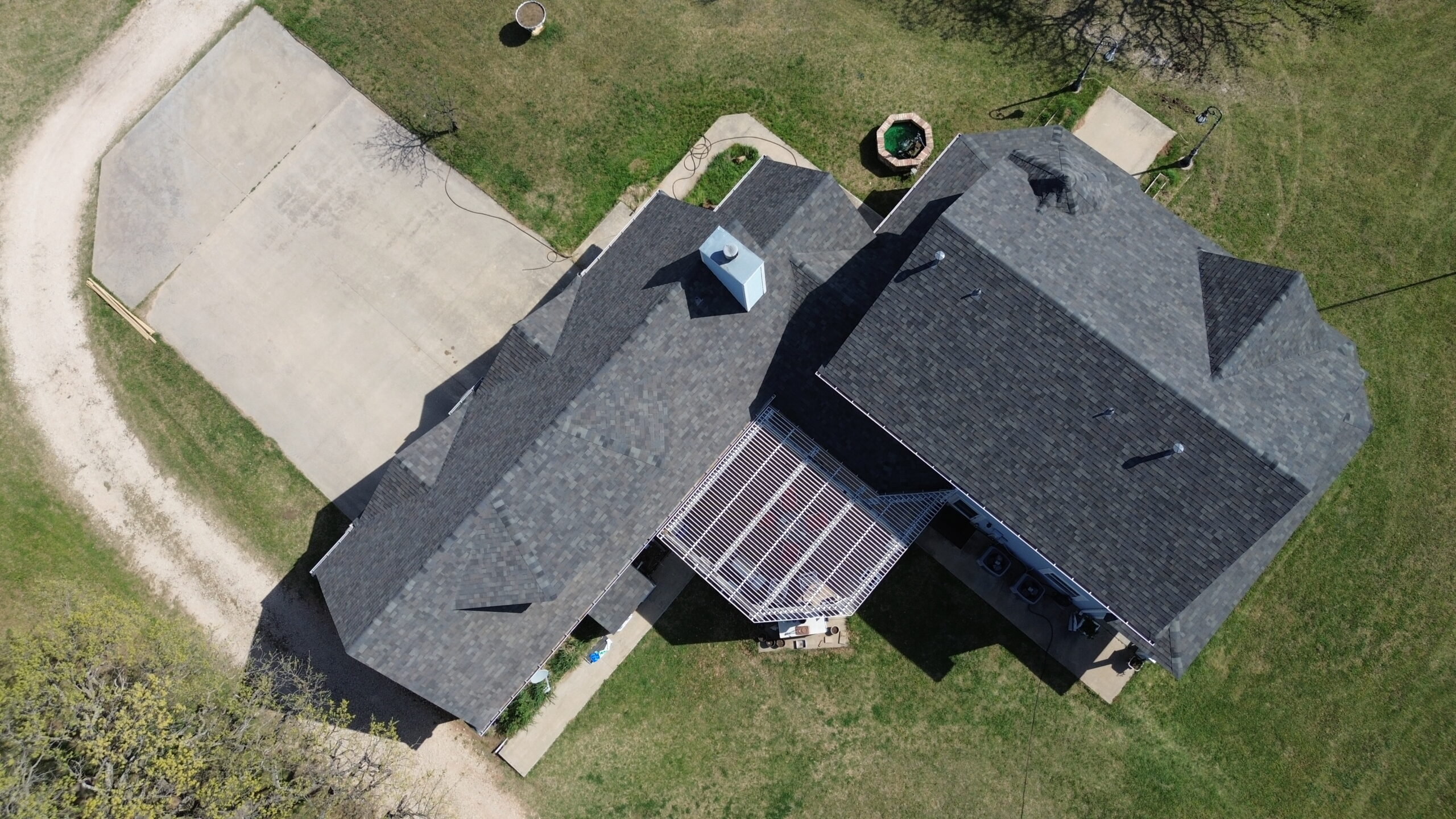
Why Ponding Water Forms on Flat Roofs
Ponding water rarely develops without an underlying cause. Instead, it usually indicates that one or more components of the roof’s drainage system are no longer performing as intended. Identifying these causes is essential because replacing only damaged roofing materials without correcting drainage problems often allows ponding to return.
One of the most common causes is inadequate roof slope. Although flat roofs appear level from the ground, they require carefully designed slopes that guide water toward drainage outlets. If these slopes are insufficient because of design errors or structural movement over time, water naturally remains trapped in low areas.
Blocked drains also contribute significantly to ponding. Leaves, branches, dirt, roofing debris, and wind blown materials gradually accumulate around roof drains, preventing water from flowing away efficiently. Even partially blocked drains can slow drainage enough to allow large areas of standing water to develop after heavy rainfall.
Structural settlement creates another common problem. Buildings naturally experience minor movement throughout their lifespan, and this gradual settlement may alter roof elevations. As structural components shift, new depressions form where water collects repeatedly during storms.
Insulation compression is another contributing factor. Roofing insulation supports the waterproof membrane while helping maintain proper roof slopes. Over many years, insulation may compress unevenly under mechanical equipment, heavy foot traffic, or repeated water loading. These compressed areas become ideal locations for ponding water.
Drainage system design also influences long term performance. Roofs with insufficient drain capacity, poorly positioned drainage outlets, or undersized gutters may struggle to remove large volumes of rainwater during severe storms. Although water eventually drains, prolonged accumulation increases stress on roofing materials.
Environmental conditions further contribute to drainage problems. Heavy rainfall, seasonal storms, accumulated snow, and changing weather patterns place additional demands on drainage systems that may already be functioning below optimal capacity. Buildings designed decades ago may not always accommodate today’s rainfall intensity without drainage improvements.
Understanding these causes helps explain why successful roofing projects often include drainage upgrades alongside membrane replacement rather than addressing visible water damage alone.
Common Causes of Poor Drainage and Water Accumulation
Poor drainage develops gradually in many buildings, often resulting from several contributing factors rather than one isolated problem. As these conditions combine over time, the roof becomes increasingly vulnerable to standing water after every rainfall event.
Aging roofing materials are among the most common contributors. Roofing membranes, flashing, insulation, and attachment systems naturally deteriorate throughout their service life. As these materials weaken, they may no longer maintain the smooth, properly sloped surface originally intended to support efficient drainage.
Roof modifications also affect drainage performance. Heating and cooling equipment, solar panels, communication systems, skylights, and additional rooftop installations may alter how water flows across the roof. If drainage paths are not redesigned during these modifications, water may begin collecting around new obstacles.
Improper maintenance represents another major factor. Roof drains require routine cleaning to remain effective. Allowing debris to accumulate around drains reduces drainage capacity while increasing the likelihood of ponding water after moderate rainfall.
The following conditions frequently contribute to poor drainage.
- Blocked roof drains and scuppers.
- Undersized gutters or downspouts.
- Structural settlement creating roof depressions.
- Compressed insulation beneath the membrane.
- Improperly installed roofing materials.
- Rooftop equipment interfering with water flow.
Construction quality also influences drainage performance. Roofs installed without accurate slope calculations or proper drainage design may experience ponding from the beginning of their service life. While repairs may temporarily improve localized areas, correcting underlying design deficiencies often requires more comprehensive upgrades during roof replacement.
Climate conditions can accelerate these problems further. Buildings exposed to frequent heavy rainfall, intense storms, or repeated freeze thaw cycles often experience faster deterioration of drainage components than those located in milder environments. Routine inspections become especially valuable under these demanding weather conditions.
Addressing drainage problems early helps prevent repeated ponding while protecting the overall roofing system from unnecessary moisture exposure.
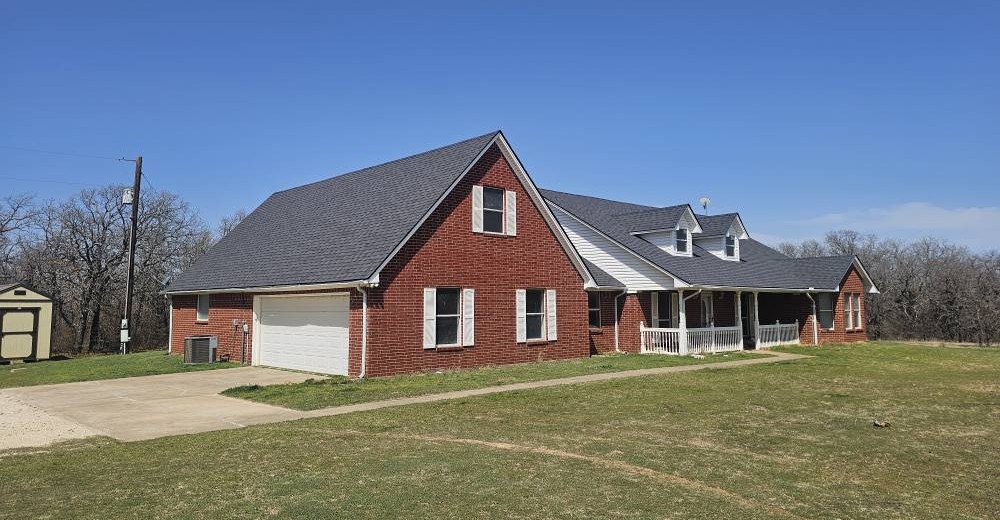
Early Warning Signs of Ponding Water Damage
Ponding water often causes gradual deterioration long before major roof failures become obvious. Recognizing the early warning signs allows property owners to schedule professional inspections and corrective work before extensive structural damage develops.
The most obvious indicator is standing water remaining on the roof well after rainfall has ended. Water visible for many hours or several days suggests that drainage efficiency has declined and should be evaluated promptly. Repeated ponding in the same location often indicates underlying structural or insulation related problems.
Discoloration around low areas may also develop over time. Roofing membranes repeatedly exposed to standing water often appear darker than surrounding surfaces because they remain wet longer after each rainfall. Algae or other biological growth may also become visible in permanently damp areas.
Blistering of the roofing membrane is another common warning sign. Moisture trapped beneath the membrane expands during warm weather, creating raised bubbles that gradually weaken the waterproof surface. Widespread blistering often indicates prolonged moisture exposure beneath the roofing system.
Seam deterioration frequently accompanies persistent ponding. Roofing seams remain under continuous moisture stress when standing water surrounds them for extended periods. Adhesives weaken, welded seams become stressed, and water eventually gains access beneath the membrane.
Interior signs should never be ignored. Ceiling stains, peeling paint, damp insulation, unexplained odors, or recurring leaks often indicate that ponding water has already affected hidden roofing components. These symptoms frequently appear long after moisture has entered the roof assembly.
Maintenance records may also reveal developing drainage problems. Increasing numbers of leak repairs, recurring flashing maintenance, or repeated drain cleaning often indicate that ponding water is becoming a more significant issue over time.
Property owners who recognize these early warning signs can often address drainage deficiencies before complete roof replacement becomes necessary.
How Standing Water Affects Roofing Membranes
The roofing membrane serves as the primary waterproof barrier protecting every layer beneath it. Although modern membranes are engineered for excellent weather resistance, prolonged exposure to standing water gradually reduces their ability to provide dependable waterproof protection.
One of the first effects involves continuous moisture exposure. Roofing membranes are designed to shed water rather than remain submerged for extended periods. Constant contact with standing water slows drying after rainfall, increasing the time the membrane remains under moisture related stress.
Temperature changes further accelerate deterioration. During sunny weather, standing water heats the roofing surface differently than surrounding dry areas. These uneven temperature variations create additional expansion and contraction stresses within the membrane, particularly around seams and flashing details.
Prolonged ponding also affects protective surface coatings. Many roofing materials rely on specialized coatings to resist ultraviolet radiation and environmental aging. Continuous water exposure gradually reduces the effectiveness of these protective layers, leaving the membrane more vulnerable to weather related deterioration.
Seams become especially susceptible to damage because they represent natural transition points within the roofing system. Standing water surrounding seams increases the likelihood of adhesive degradation, seam separation, or water infiltration beneath the membrane. Once moisture enters the roofing assembly, deterioration spreads far beyond the original ponding location.
Physical damage may also become more likely. Roofing membranes softened by constant moisture exposure are often more vulnerable to punctures caused by maintenance personnel, rooftop equipment servicing, or wind blown debris. These punctures provide direct pathways for water entering the roofing system.
Perhaps the greatest concern is that membrane deterioration caused by ponding water often develops silently. Visible surface damage may remain limited while hidden moisture gradually affects insulation, adhesives, and structural materials beneath the roof. By the time significant leaks become noticeable inside the building, widespread deterioration may already have occurred.
In the next part, we will examine how ponding water damages insulation and roof decking, increases structural stress, accelerates roof aging, contributes to mold and interior damage, influences repair versus replacement decisions, and how professional inspections determine the true extent of ponding related deterioration.

Damage to Insulation and Roof Deck from Ponding Water
While ponding water first affects the roofing membrane, the most serious damage often occurs beneath the surface. Once water penetrates through weakened seams, flashing, or small membrane defects, it reaches the insulation and roof deck where deterioration can continue unnoticed for long periods. Hidden moisture damage is one of the primary reasons flat roofs eventually require complete replacement instead of localized repairs.
Roof insulation is particularly vulnerable because many insulation materials absorb and retain moisture. Once saturated, insulation loses much of its ability to resist heat transfer. This reduction in thermal performance forces heating and cooling systems to work harder, increasing energy consumption throughout the building.
Wet insulation also creates ideal conditions for continued moisture migration. Instead of remaining confined to one location, water often spreads horizontally beneath the roofing membrane. As moisture moves through insulation layers, it affects much larger roof sections than the original ponding area would suggest.
The roof deck also suffers when moisture remains trapped beneath the roofing system. Wooden decking may soften, warp, or decay after prolonged exposure to water. Steel decks can develop corrosion that weakens structural performance, while concrete decks may experience cracking or surface deterioration caused by repeated moisture penetration.
Adhesives securing insulation boards may gradually lose their strength as moisture accumulates beneath the membrane. Once these bonds weaken, insulation boards shift or separate, creating uneven roof surfaces that contribute to additional ponding water. This creates a cycle in which poor drainage causes further roof deformation, leading to even greater water accumulation.
Property owners often underestimate the extent of hidden damage because the roof may continue functioning with only occasional leaks. However, by the time interior moisture becomes visible, saturated insulation and deteriorated decking may already extend across significant portions of the roofing system.
Replacing only the membrane without removing moisture damaged insulation rarely provides a lasting solution. Successful roof replacement usually requires eliminating all water damaged materials before installing the new roofing system.
Structural Stress Caused by Long Term Water Accumulation
Standing water affects more than waterproof materials. It also places continuous stress on the structural components supporting the roof. Since water is extremely heavy, even shallow ponding across a large roof area creates significant additional loading that the structure must support after every rainfall.
A single inch of standing water spread across a wide commercial roof can add thousands of pounds of additional weight. Although properly designed structures are built to withstand expected loads, repeated long term exposure to unnecessary water loading gradually increases structural stress, particularly in older buildings.
This additional weight often contributes to localized roof deflection. Small depressions become deeper over time as structural components flex under repeated water loads. These deeper low areas then collect even more water during future storms, increasing structural stress further and creating a continuous cycle of deterioration.
Structural movement also affects roofing components above the deck. As roof elevations change, flashing details, seams, and membrane attachment points experience additional movement beyond normal thermal expansion. These stresses increase the likelihood of cracking, seam separation, and water infiltration.
Buildings with aging structural systems deserve particular attention. Years of service, previous water damage, environmental exposure, and natural material aging may reduce structural capacity even before ponding water develops. Continued water accumulation under these conditions accelerates deterioration while increasing the complexity of future roof replacement projects.
Mechanical equipment positioned near ponding areas may also contribute to structural loading. Heating and cooling units, communication equipment, and rooftop installations already place concentrated loads on the roof. When standing water surrounds these areas, structural components experience combined loading that may exceed original design expectations.
Professional roof inspections often include structural evaluations whenever significant ponding water is observed. Identifying structural movement early allows corrective action before extensive roof deformation or widespread deterioration develops.
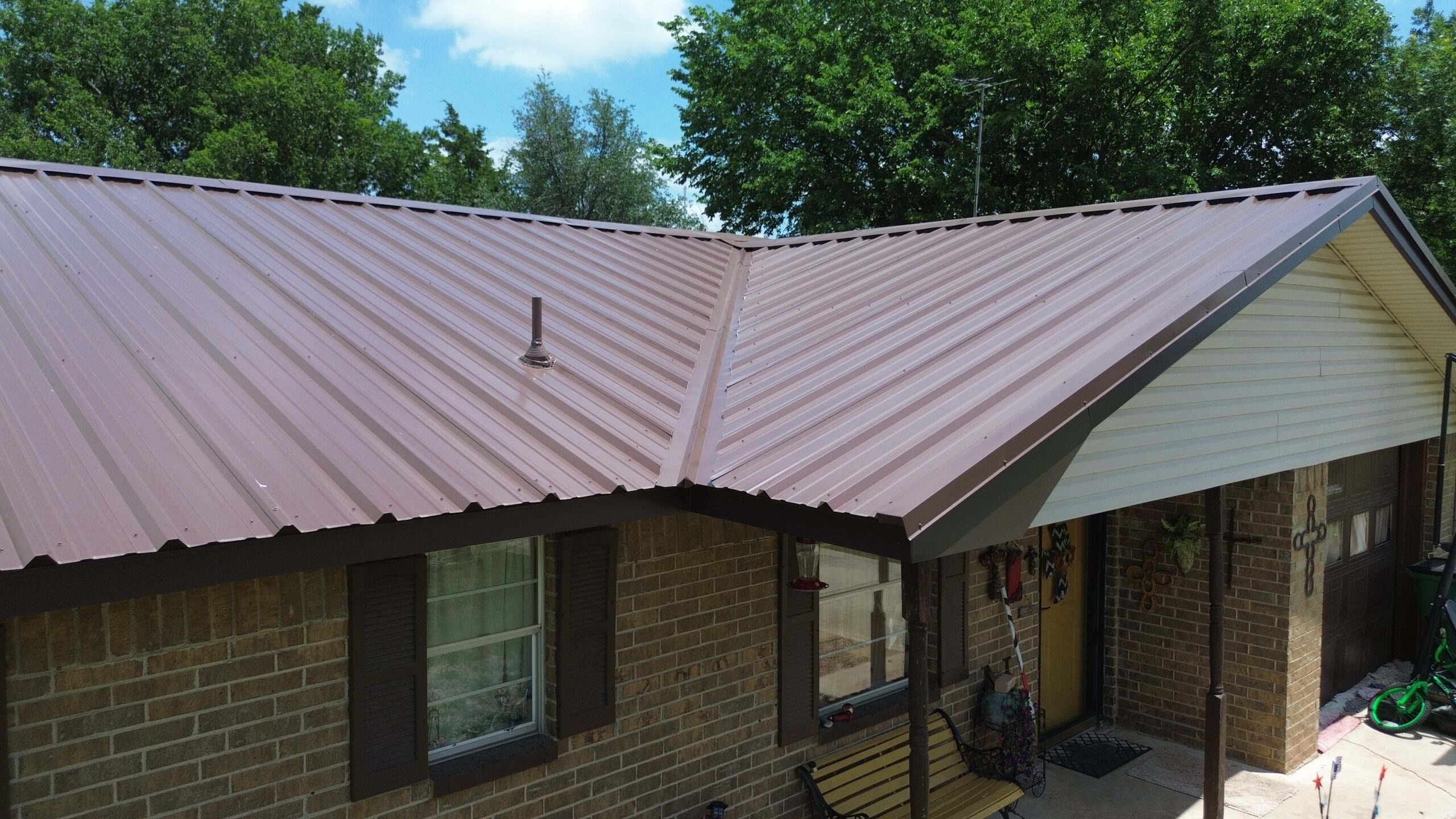
Increased Risk of Leaks, Mold, and Interior Damage
One of the most visible consequences of ponding water is the increasing likelihood of interior leaks. Although flat roofing membranes are designed to resist rainwater, prolonged standing water continuously tests every seam, flashing detail, and penetration. Even small imperfections that remain harmless under normal drainage conditions may eventually allow water to enter when exposed to ponding water repeatedly.
Water rarely travels straight downward after entering the roofing system. Instead, it often moves horizontally beneath the membrane, following insulation layers or structural components before eventually appearing inside the building. This movement makes locating the true source of leaks much more difficult because the visible interior damage may be far from the original point of water entry.
As moisture spreads, interior building materials begin deteriorating. Ceiling tiles become stained, paint peels, drywall softens, flooring may become damaged, and insulation loses effectiveness. Commercial properties may also experience disruption to office equipment, inventory, production areas, or tenant spaces affected by recurring roof leaks.
Persistent moisture creates favorable conditions for mold and mildew development. Damp insulation and building materials provide an environment where biological growth can occur if moisture remains trapped for extended periods. Although mold may initially remain hidden above ceilings or inside wall cavities, it gradually contributes to material deterioration and may eventually affect indoor air quality.
Electrical systems are another area of concern. Water entering ceilings may reach lighting fixtures, electrical wiring, communication equipment, or control panels. These conditions increase maintenance costs while creating additional operational challenges for commercial buildings.
Property owners often discover that the cost of repairing interior damage eventually exceeds the expense of correcting the original drainage problem. Addressing ponding water early helps protect not only the roof itself but also the valuable assets and building systems beneath it.
How Ponding Water Accelerates Roof Aging
Every roofing system gradually ages through normal exposure to weather, sunlight, and seasonal temperature changes. Ponding water significantly speeds up this natural aging process by exposing roofing materials to conditions far more severe than those anticipated during normal operation.
Continuous moisture slows the natural drying cycle that roofing membranes require after rainfall. Instead of drying within a relatively short period, ponding areas remain wet for days, increasing long term stress on membranes, flashing, adhesives, and protective coatings. This repeated exposure accelerates material fatigue throughout the roofing assembly.
Ultraviolet radiation also affects ponding areas differently than surrounding roof sections. Water absorbs and reflects sunlight while influencing surface temperatures during warm weather. These temperature variations create repeated expansion and contraction cycles that gradually weaken roofing materials.
Protective coatings wear more rapidly in areas experiencing persistent standing water. Once these coatings begin deteriorating, the membrane becomes increasingly vulnerable to ultraviolet exposure, weathering, and physical damage. Material aging therefore progresses much faster in ponding areas than across properly drained roof sections.
Freeze thaw cycles create additional challenges in colder climates. Water trapped in low areas freezes during cold weather, expands, and places extra stress on roofing materials. As temperatures rise, thawing water enters newly formed cracks or weakened seams before freezing again during the next cold period. These repeated cycles gradually enlarge small defects into significant waterproofing failures.
Chemical exposure may also increase where standing water remains for extended periods. Dust, pollutants, organic debris, and environmental contaminants accumulate in ponding areas rather than washing away through normal drainage. Continuous contact with these materials contributes further to membrane deterioration over time.
Although aging cannot be prevented entirely, efficient drainage slows the process considerably. Eliminating ponding water allows roofing materials to perform under the conditions they were designed to withstand, helping maximize roof lifespan.
Repair Versus Replacement When Ponding Water Is Present
One of the most important questions property owners face is whether ponding water requires repairs or complete roof replacement. The answer depends on several factors, including the age of the roof, the extent of drainage problems, the condition of underlying materials, and the amount of hidden moisture damage already present.
Repairs may remain appropriate when ponding water is limited to a small area and the roofing system remains relatively young. Localized drainage improvements, membrane repairs, flashing replacement, or drain cleaning may restore proper performance if damage has not spread beneath the roof.
The situation changes when ponding water has persisted for many years. Long term standing water often indicates deeper problems involving insulation compression, structural movement, deteriorated decking, or widespread membrane aging. Repairing only visible surface damage rarely addresses these underlying conditions.
Professional inspections frequently reveal that water has already spread beneath much larger roof sections than originally expected. Moisture testing, infrared scanning, and core sampling help determine whether insulation remains dry or has become saturated throughout the roofing assembly. These findings play a major role in deciding between repairs and replacement.
The following comparison illustrates how contractors typically evaluate ponding water problems.
| Roof Condition | Repair May Be Suitable | Full Replacement Often Recommended |
|---|---|---|
| Small isolated ponding area | Yes | Usually not |
| Blocked roof drains | Yes | No, if roof remains in good condition |
| Minor flashing defects | Yes | Usually unnecessary |
| Widespread wet insulation | Temporary repairs only | Yes |
| Structural roof sagging | Rarely | Yes |
| Aging roof with recurring ponding | Limited benefit | Yes |
Long term financial considerations should also influence the decision. Repeated repairs on an aging roof experiencing chronic ponding water often cost more over several years than replacing the roofing system while correcting drainage deficiencies at the same time.
Replacing the roof without improving drainage is rarely advisable. Successful replacement projects typically include drainage upgrades that prevent ponding from affecting the new roofing system.
Professional Roof Inspections for Ponding Water Problems
Professional roof inspections provide the most reliable way to determine how seriously ponding water has affected a flat roofing system. While visible standing water offers valuable clues, experienced inspectors evaluate much more than surface conditions when determining whether repairs or replacement are appropriate.
The inspection usually begins with a detailed visual survey of the roof surface. Contractors identify ponding locations, drainage patterns, membrane condition, flashing defects, seam deterioration, and evidence of previous repairs. These observations help establish how long drainage problems may have been developing.
Drainage components receive careful attention as well. Roof drains, gutters, scuppers, overflow systems, and discharge points are inspected for blockages, damage, corrosion, and overall capacity. Improving drainage often becomes a major recommendation when repeated ponding is observed.
Modern diagnostic equipment provides additional information that cannot be obtained through visual inspection alone. Infrared imaging, moisture meters, electronic leak detection, and core sampling allow contractors to locate hidden moisture beneath the roofing membrane. These techniques reveal the true extent of water infiltration before replacement decisions are made.
Structural evaluations may also be necessary when significant roof sagging accompanies ponding water. Engineers or experienced roofing specialists assess roof deflection, deck condition, and structural support to determine whether repairs beyond the roofing membrane are required.
Inspection reports generally include prioritized recommendations based on the overall condition of the roofing system. Rather than focusing only on visible ponding, the report considers drainage performance, moisture damage, roof age, maintenance history, and remaining service life before recommending repairs or replacement.
Professional evaluations provide property owners with objective information that supports informed decision making. Understanding the full impact of ponding water allows replacement projects to address root causes instead of simply treating visible symptoms.
In the final part of this guide, we will discuss how to prevent ponding water, explore drainage improvements that reduce future water accumulation, explain maintenance practices that extend flat roof lifespan, answer frequently asked questions, and conclude with practical recommendations for protecting your roofing investment.
Preventing Ponding Water on Flat Roofs
Preventing ponding water is far more effective and economical than repairing the damage it causes after years of exposure. Although every flat roof experiences rainfall, a properly designed and maintained drainage system should remove water efficiently before it has an opportunity to damage roofing materials. Preventive measures taken during installation and throughout the roof’s lifespan significantly reduce the likelihood of premature roof replacement.
One of the most important preventive strategies is designing the roof with adequate slope. Flat roofs are never intended to be completely level. Subtle slopes guide rainwater toward drains, scuppers, or gutters, allowing water to leave the roof quickly after storms. Maintaining these drainage paths throughout the roof’s life is equally important.
Routine inspections play a major role in prevention. Roofing professionals can identify low areas, drainage problems, membrane deterioration, and blocked drains long before serious damage develops. Early intervention often allows relatively minor maintenance to correct drainage issues before they become widespread.
Keeping the roof surface clean also contributes to effective drainage. Leaves, branches, dirt, and construction debris gradually accumulate around drainage outlets, slowing water movement and increasing the likelihood of ponding. Regular cleaning helps maintain unrestricted water flow throughout the year.
Property owners should also monitor rooftop modifications carefully. Installing heating and cooling equipment, solar panels, communication systems, or additional rooftop structures can alter drainage patterns if not planned correctly. Every modification should consider how water will continue flowing across the roof surface after installation.
Preventive maintenance becomes especially valuable after severe weather. Heavy storms, hail, strong winds, or snow accumulation may damage drainage components or shift debris into roof drains. Prompt inspections following major weather events help identify developing drainage problems before the next rainfall.
A proactive approach protects not only the roofing membrane but also insulation, structural components, and interior building spaces. Preventing ponding water ultimately extends roof lifespan while reducing long term maintenance expenses.
Drainage Improvements That Reduce Future Water Accumulation
Many roofs experiencing ponding water can benefit from drainage improvements completed during replacement or major renovation projects. These upgrades address the underlying causes of standing water rather than simply repairing visible surface damage. Correcting drainage deficiencies helps ensure the new roofing system performs efficiently for decades.
One of the most effective improvements is installing tapered insulation. Instead of maintaining a uniform thickness across the roof, tapered insulation creates gradual slopes that direct water naturally toward drainage outlets. This solution often eliminates low areas without requiring major structural modifications.
Replacing aging roof drains is another common improvement. Modern drainage systems provide greater reliability, improved water flow, and easier maintenance compared to older components that may have deteriorated after years of service. Upgrading drains during roof replacement also allows flashing to be integrated properly with the new roofing membrane.
Additional drains may be installed on large roofs where existing drainage capacity is insufficient. Increasing the number of drainage outlets shortens the distance water must travel across the roof surface, reducing the likelihood of prolonged ponding during heavy rainfall.
Scuppers and gutters also contribute significantly to improved drainage. Enlarging scuppers, installing higher capacity gutters, or replacing damaged downspouts increases the system’s ability to manage intense storms while reducing overflow around roof edges.
Overflow drainage systems provide another valuable improvement. These secondary drains or scuppers begin operating if primary drainage becomes blocked or rainfall exceeds normal capacity. Their presence reduces structural loading while providing additional protection during severe weather events.
Property owners should remember that drainage improvements should be designed as part of the complete roofing system. Membranes, insulation, flashing, structural components, and drainage features must all function together to provide dependable long term performance.
Maintenance Practices to Extend Flat Roof Lifespan
Even the best designed drainage system requires regular maintenance to remain effective. Consistent care prevents debris accumulation, identifies developing problems early, and helps preserve the condition of the roofing system throughout its expected lifespan. Routine maintenance is one of the most cost effective ways to reduce the likelihood of premature roof replacement.
Roof drains should be inspected and cleaned regularly because they serve as the primary exit points for rainwater. Leaves, branches, dirt, roofing materials, and other debris gradually restrict water flow if left unattended. Removing these obstructions helps maintain efficient drainage during every rainfall.
Gutters, downspouts, and scuppers also require periodic cleaning. Overflowing drainage components often indicate blockages that can usually be corrected through simple maintenance before significant water accumulation develops on the roof surface.
Roof inspections should include careful examination of flashing, seams, and low areas where ponding has occurred previously. Identifying small defects early allows repairs to be completed before moisture enters beneath the roofing membrane.
Property owners should also limit unnecessary foot traffic on the roof. Frequent walking, especially around ponding areas, increases the risk of punctures and membrane wear. Designated walkways provide safer access while reducing concentrated stress on roofing materials.
Maintenance records provide valuable information throughout the roof’s service life. Documenting inspections, repairs, drainage cleaning, and weather related observations helps identify recurring problems and supports more effective long term maintenance planning.
The following maintenance practices help reduce ponding water problems.
- Inspect the roof at least twice each year.
- Remove debris from drains, gutters, and scuppers.
- Check the roof after severe storms.
- Repair flashing and membrane damage promptly.
- Monitor areas where ponding has occurred previously.
- Schedule professional roof inspections regularly.
- Keep maintenance records for future reference.
Consistent maintenance allows roofing systems to perform closer to their intended lifespan while reducing emergency repair costs and protecting the overall investment.
Frequently Asked Questions
How long can ponding water safely remain on a flat roof?
Temporary puddles immediately after heavy rainfall are generally expected on some roofs. However, water that remains for more than about two days often indicates drainage problems that should be evaluated by a roofing professional.
Does ponding water always mean the roof needs replacement?
No. Minor ponding caused by blocked drains or isolated drainage issues may often be corrected through maintenance or localized repairs. Replacement becomes more likely when ponding has caused widespread membrane deterioration, saturated insulation, structural movement, or recurring leaks.
Can a new roof develop ponding water?
Yes. Even a newly installed roof can experience ponding if drainage design, roof slope, or installation quality is inadequate. This is why drainage evaluation and proper installation are essential during every replacement project.
What is the best way to prevent ponding water?
Maintaining clear drainage pathways, scheduling regular roof inspections, cleaning drains and gutters, correcting low areas, and upgrading drainage systems when necessary all help prevent standing water from developing.
Can ponding water increase energy costs?
Yes. When standing water leads to saturated insulation, the building loses thermal efficiency. Heating and cooling systems must then work harder to maintain indoor temperatures, increasing overall energy consumption.
Conclusion
Ponding water is one of the most damaging conditions a flat roof can experience because its effects extend far beyond the visible roof surface. While standing water may initially appear to be only a minor drainage issue, prolonged exposure gradually weakens roofing membranes, saturates insulation, damages roof decks, increases structural loading, and creates conditions that often lead to recurring leaks and costly interior repairs. Left unresolved, these problems eventually reach a point where complete roof replacement becomes the most practical solution.
Understanding why ponding water develops allows property owners to address drainage deficiencies before severe damage occurs. Blocked drains, insufficient roof slope, structural settlement, compressed insulation, and aging drainage components all contribute to water accumulation that places unnecessary stress on the roofing system. Correcting these underlying causes is far more effective than repeatedly repairing the visible symptoms.
Modern roof replacement projects provide an excellent opportunity to improve drainage through tapered insulation, upgraded roof drains, larger scuppers, improved gutters, and overflow drainage systems. These enhancements help eliminate standing water while protecting the new roofing system from the same problems that affected the previous roof. Investing in proper drainage during replacement often extends roof lifespan and reduces future maintenance costs.
Routine maintenance remains equally important after installation. Regular inspections, prompt debris removal, professional evaluations, and timely repairs help preserve drainage performance while preventing small issues from developing into major structural concerns. Consistent preventive care allows the roofing system to perform as intended under changing weather conditions throughout its service life.
Ultimately, ponding water should never be viewed as a normal part of owning a flat roof. It is an important warning sign that drainage efficiency has declined and that corrective action may be necessary. By recognizing the risks early, improving drainage, and maintaining the roofing system properly, property owners can protect their investment, extend roof longevity, and reduce the likelihood of premature flat roof replacement.