
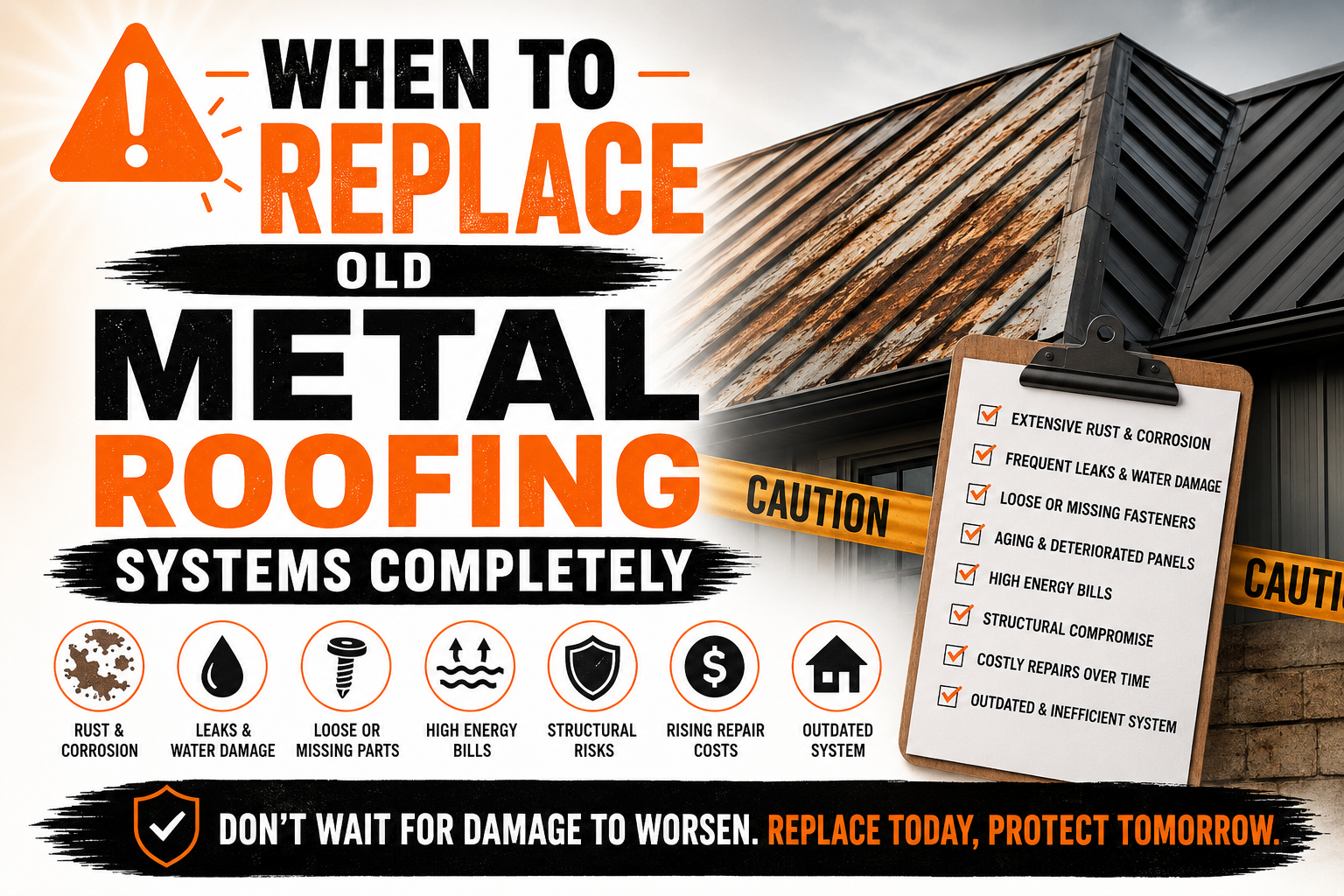
When to Replace Old Metal Roofing Systems Completely
Introduction
Metal roofing systems are widely known for their exceptional durability, energy efficiency, and long service life. Unlike many traditional roofing materials, metal roofs can often protect a home or commercial building for several decades with proper installation and regular maintenance. However, even the strongest roofing system eventually reaches a point where repairs are no longer enough, making complete replacement the safer and more cost-effective solution.
Many property owners delay roof replacement because the visible signs of deterioration develop gradually. A few loose fasteners, minor leaks, or isolated rust spots may seem manageable at first. Over time, however, these small problems can spread throughout the roofing system, affecting structural components and increasing repair costs.
Knowing when to replace an aging metal roof is important for protecting both the building and the investment made in it. Replacing the roof too early may result in unnecessary expenses, while waiting too long can lead to water damage, insulation problems, structural deterioration, and even interior damage that extends far beyond the roof itself.
This guide explains the major warning signs that indicate a complete metal roof replacement may be necessary. It also explores how aging, weather, structural issues, and maintenance history influence the decision between continued repairs and installing an entirely new roofing system.
Understanding the Lifespan of Metal Roofing Systems
One of the biggest advantages of metal roofing is its impressive lifespan. Depending on the material, installation quality, local climate, and maintenance practices, many metal roofs remain functional for forty to seventy years or even longer. This longevity makes metal one of the most durable roofing materials available for residential and commercial properties.
Not every metal roof ages at the same rate. Steel roofing systems may perform differently than aluminum, copper, or zinc roofs because each material responds uniquely to environmental conditions. Protective coatings, paint finishes, and manufacturing quality also influence how well the roof withstands years of exposure.
Installation quality plays an equally important role. A professionally installed metal roof with proper flashing, ventilation, fastening systems, and waterproofing components often lasts significantly longer than one installed with shortcuts or poor workmanship. Even premium roofing materials cannot reach their expected lifespan if installation errors allow moisture to enter the system.
Regular maintenance also affects roof longevity. Cleaning debris, inspecting fasteners, repairing minor damage promptly, and maintaining protective coatings all help slow the aging process. Roofs that receive consistent care generally remain serviceable much longer than those neglected for years.
Although manufacturers provide estimated service lives, these figures should be viewed as general expectations rather than guarantees. Every building experiences unique weather conditions, temperature fluctuations, and environmental stresses that influence how quickly the roofing system ages.
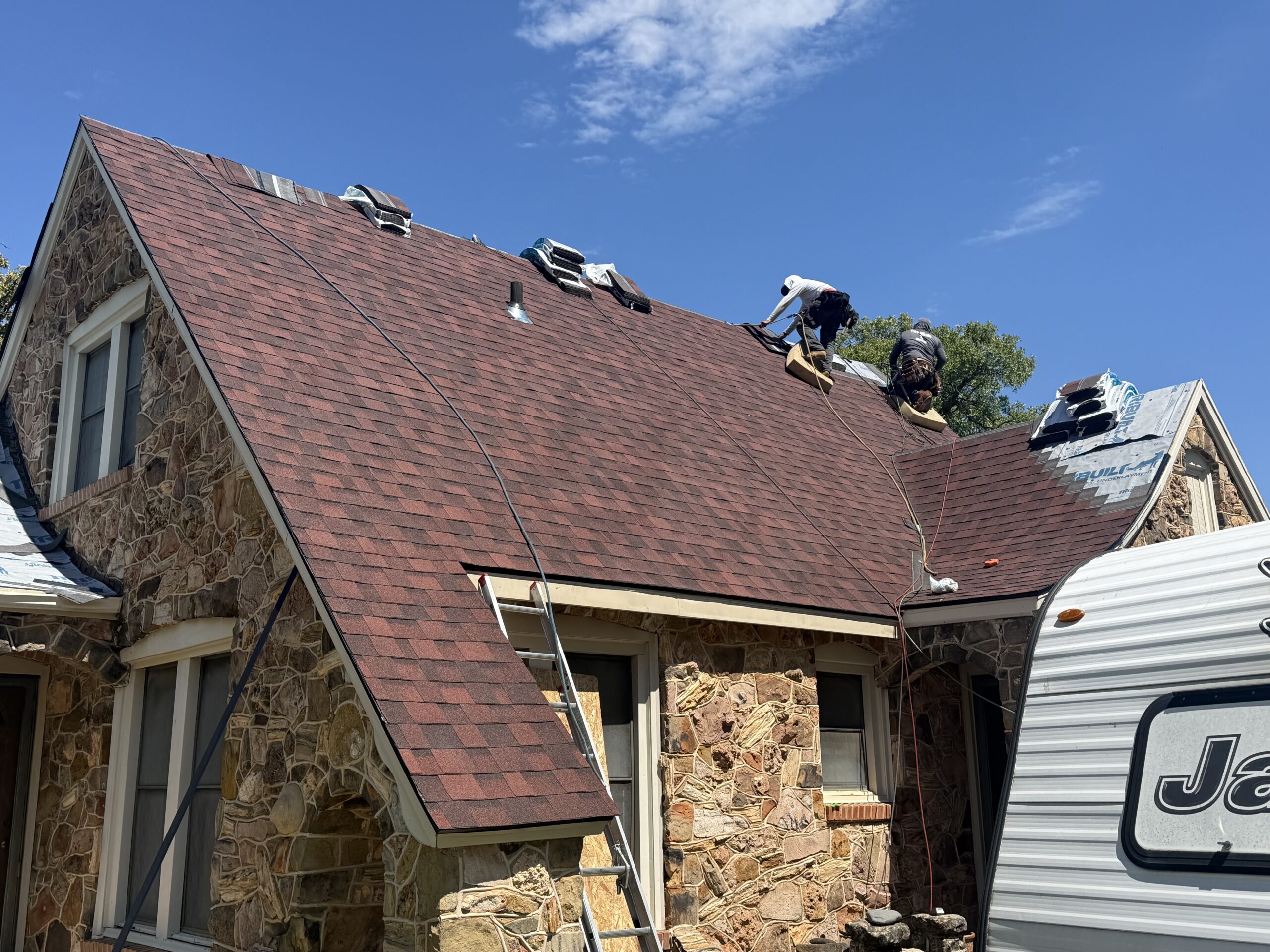
Signs That an Old Metal Roof Is Reaching the End of Its Life
Metal roofs rarely fail without warning. Most develop a series of visible and structural symptoms over time that indicate the roofing system is approaching the point where replacement deserves serious consideration.
One of the earliest warning signs is recurring leaks. An isolated leak caused by damaged flashing or a loose fastener can often be repaired successfully. However, when leaks begin appearing in multiple areas despite repeated repairs, the roofing system may be experiencing widespread deterioration rather than isolated damage.
Visible rust also deserves careful attention. Small surface rust spots can often be cleaned and treated before they spread. Extensive corrosion affecting large sections of roofing panels, fasteners, seams, or flashing may indicate that the protective coating has deteriorated beyond practical repair.
Panel movement represents another important warning sign. Metal roofing naturally expands and contracts with changing temperatures, but excessive movement caused by loose fasteners, worn clips, or deteriorated connections may gradually weaken the entire roofing system. This repeated stress increases the likelihood of leaks and structural problems.
Water stains inside the building often reveal roofing problems before exterior damage becomes obvious. Discoloration on ceilings, damp insulation, mold growth, or persistent attic moisture may indicate that water has been entering the structure for an extended period.
Visual appearance also provides valuable clues. Fading finishes, peeling protective coatings, widespread dents, warped panels, and obvious structural distortion often suggest that the roof has experienced years of weather-related wear that may justify replacement rather than continued repairs.
Age Versus Actual Roof Condition
Many homeowners assume that reaching a certain age automatically means a roof should be replaced. While age certainly influences roofing performance, it should never become the only factor in making such an important decision.
A well-maintained forty-year-old metal roof may remain in better condition than a poorly installed roof only twenty years old. Installation quality, maintenance history, environmental exposure, and previous repairs all contribute to the actual condition of the roofing system.
Professional roof inspections provide much more reliable information than age alone. Experienced roofing contractors evaluate panel condition, structural stability, fastener performance, flashing integrity, roof decking, insulation, ventilation, and moisture intrusion before recommending repair or replacement.
Maintenance records also help establish the roof’s overall health. A roof that has received regular inspections, protective coating maintenance, and timely repairs often continues performing well beyond its average expected lifespan. Conversely, years of neglected maintenance may significantly shorten the useful life of otherwise durable roofing materials.
Property owners should therefore avoid making replacement decisions based solely on the installation date. Combining age with a thorough professional evaluation provides a much more accurate understanding of whether the roofing system remains capable of protecting the building effectively.
Common Causes of Metal Roof Deterioration
Metal roofing systems experience gradual wear from multiple sources throughout their service life. Understanding these causes helps property owners recognize why complete replacement eventually becomes necessary despite routine maintenance.
Weather exposure remains the most significant factor. Rain, snow, hail, ultraviolet radiation, strong winds, and repeated temperature changes slowly affect protective coatings, fasteners, sealants, and exposed metal surfaces. Even highly durable roofing materials gradually respond to decades of environmental stress.
Thermal expansion and contraction also contribute to long-term deterioration. Metal naturally expands during hot weather and contracts as temperatures fall. This continuous movement places repeated stress on fasteners, seams, clips, and flashing connections, eventually leading to loosening or fatigue if the roof has aged significantly.
Moisture creates another common source of damage. Water trapped beneath roofing panels, around fasteners, or within poorly ventilated attic spaces encourages corrosion and structural deterioration over time. Once protective coatings begin failing, rust may spread much more rapidly across exposed metal surfaces.
Improper installation can accelerate every form of deterioration. Incorrect fastener placement, inadequate flashing, poor ventilation, incompatible materials, or insufficient waterproofing may create weaknesses that become increasingly serious as the roof ages.
Environmental contaminants also affect metal roofing systems. Salt carried by coastal air, industrial pollution, chemical exposure, tree debris, and accumulated dirt may gradually reduce the effectiveness of protective finishes while increasing corrosion in vulnerable areas.
Although each of these factors develops gradually, their combined effects eventually reduce the roof’s ability to provide reliable long-term protection.
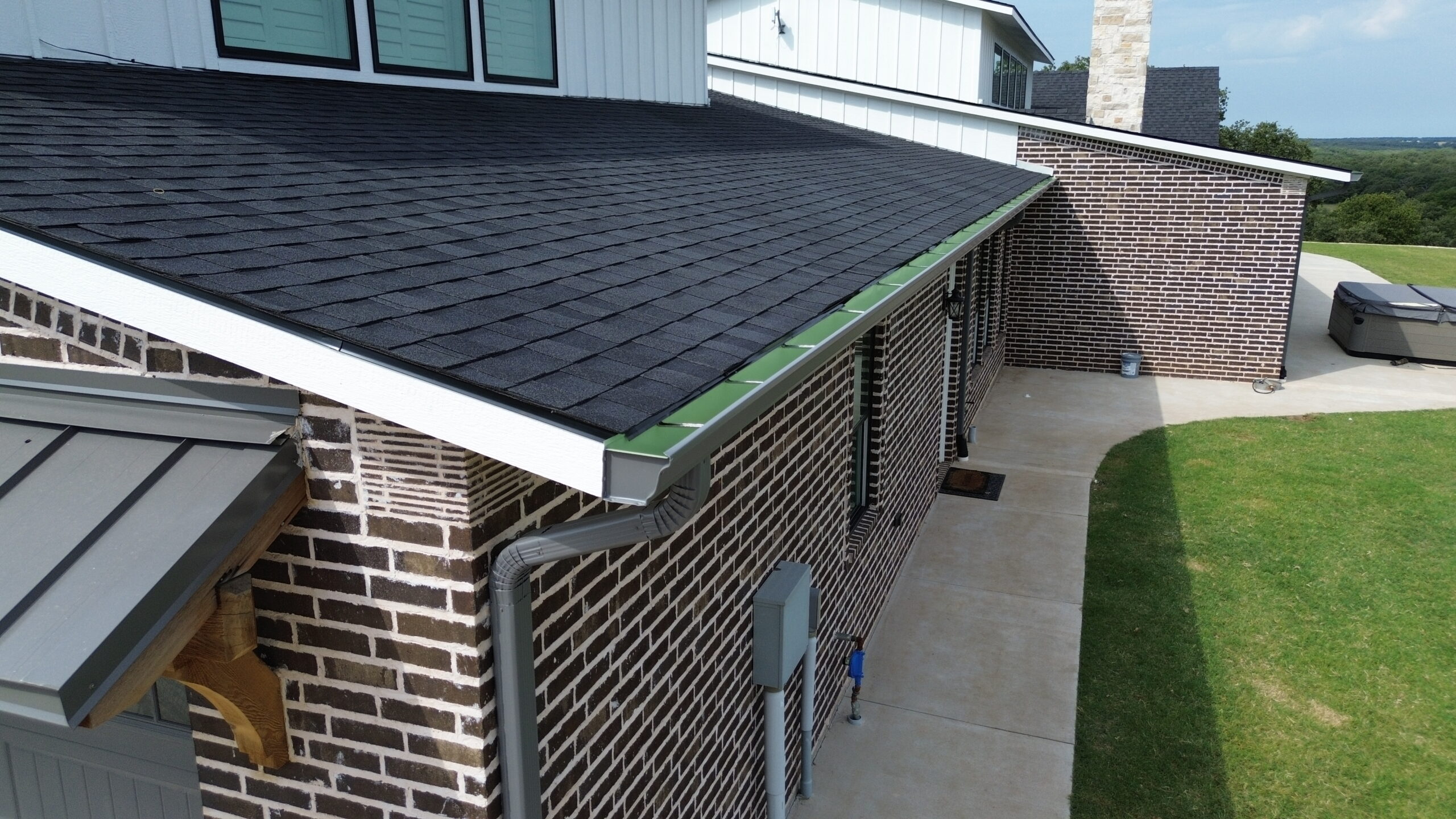
How Climate and Weather Affect Metal Roof Longevity
The local climate plays a major role in determining how long a metal roofing system remains in good condition. Roofs installed in different regions often experience completely different aging patterns despite using identical materials.
Homes located in coastal areas frequently encounter salt-laden air that accelerates corrosion, particularly if protective coatings become damaged. Regular maintenance and high-quality protective finishes become especially important under these conditions.
Regions experiencing heavy snowfall present different challenges. Repeated freeze-thaw cycles create expansion and contraction that place additional stress on fasteners, seams, flashing, and roof penetrations. Ice accumulation may also increase moisture exposure around vulnerable roof details.
Intense sunlight affects roofing materials in warmer climates. Constant ultraviolet exposure gradually breaks down paint finishes, sealants, and protective coatings that shield metal surfaces from corrosion. Although quality coatings resist fading for many years, prolonged exposure eventually reduces their effectiveness.
Strong winds can loosen fasteners, lift flashing, or damage roofing accessories during severe storms. While metal roofs generally perform exceptionally well under windy conditions, decades of repeated storm exposure gradually affect structural connections throughout the roofing system.
Hail represents another important consideration. Minor hail damage may affect appearance without reducing roof performance, but repeated impacts over many years can dent panels, damage protective coatings, or create conditions where corrosion develops more easily.
Because environmental conditions vary significantly across different regions, roofing contractors evaluate local weather patterns alongside the roof’s current condition when recommending repair or replacement.
Repair or Replacement: Making the Right Decision
One of the most difficult decisions property owners face involves determining when repairs are no longer the most practical solution. While repairing isolated problems often extends roof life successfully, there comes a point where continued repairs become less economical than complete replacement.
Repair generally remains appropriate when damage affects only a limited portion of the roofing system. Replacing individual panels, resealing flashing, tightening fasteners, or correcting minor leaks often restores full performance if the remainder of the roof remains structurally sound.
However, recurring repairs across multiple areas frequently indicate broader system deterioration. If new leaks continue developing despite previous repairs, the roofing system may be approaching the end of its practical service life rather than experiencing isolated defects.
Financial considerations also influence the decision. Multiple repair visits over several years can eventually cost more than installing a completely new roofing system while still leaving an aging roof in place. Evaluating both immediate expenses and long-term value helps property owners make better investment decisions.
Energy efficiency provides another consideration. Older metal roofs may lack modern reflective coatings, improved insulation compatibility, or advanced ventilation systems found in today’s roofing products. Complete replacement may therefore reduce long-term heating and cooling costs while improving overall building performance.
Professional inspections provide valuable guidance when repair and replacement costs appear similar. Experienced contractors evaluate structural condition, remaining service life, expected maintenance requirements, and overall system reliability before recommending the most practical solution.
Comparing Repair and Replacement Scenarios
| Situation | Repair Usually Appropriate | Complete Replacement Usually Recommended |
|---|---|---|
| Small isolated leak | Yes | No |
| Minor flashing damage | Yes | No |
| Loose fasteners in limited areas | Yes | No |
| Widespread rust across multiple panels | No | Yes |
| Multiple recurring leaks | Rarely | Yes |
| Extensive panel corrosion | No | Yes |
| Structural roof deck damage | Sometimes | Often |
| Roof near end of expected lifespan with repeated repairs | Rarely | Yes |
Understanding the difference between isolated problems and widespread deterioration allows property owners to make more informed decisions about their aging metal roofs. While timely repairs remain valuable throughout much of the roof’s lifespan, certain structural conditions eventually signal that replacement offers the safest, most durable, and most economical long-term solution.
In the next part of this guide, we will examine the serious structural problems that almost always require complete metal roof replacement, including severe corrosion, roof deck deterioration, fastener failure, extensive leak damage, and situations where repeated repairs are no longer effective.
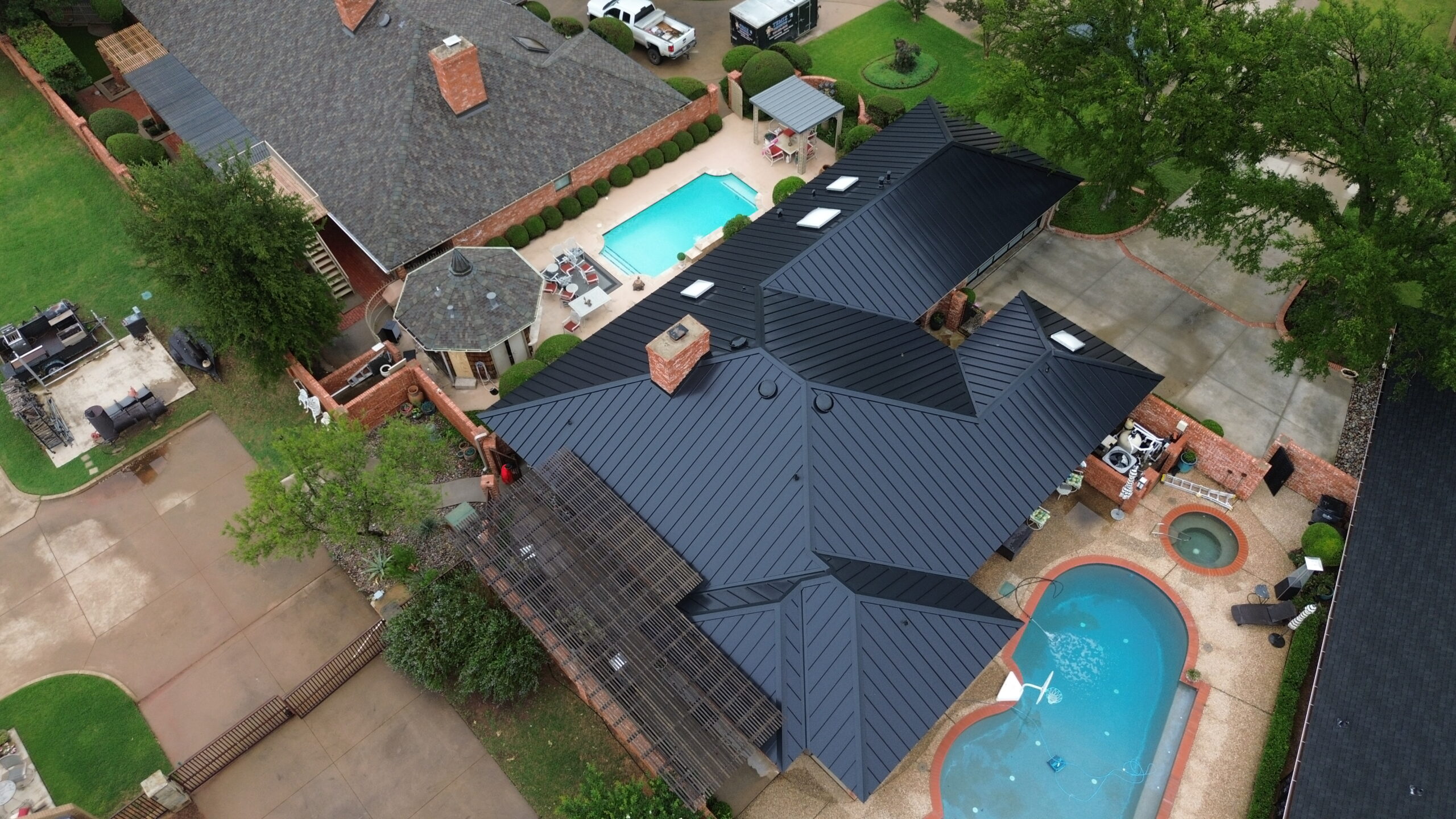
Structural Problems That Require Complete Metal Roof Replacement
Some roofing problems can be repaired quickly without affecting the overall performance of the roof. Structural issues, however, often indicate that the roofing system has deteriorated beyond practical repair. In these situations, replacing the entire metal roof usually provides a safer and more reliable long-term solution.
Structural damage often develops gradually over many years. Moisture infiltration, aging materials, repeated thermal movement, and neglected maintenance slowly weaken the roof until multiple components begin failing together. Repairing only the visible damage rarely solves the underlying problem because the remaining roofing system continues to deteriorate.
One of the first structural concerns involves widespread deformation of the roof panels. Panels that have become permanently bent, warped, or twisted may no longer direct water properly toward gutters and drainage systems. Standing water increases corrosion while placing additional stress on the roofing structure.
Roof framing should also be evaluated carefully during inspections. Water entering through aging roofing materials can gradually weaken rafters, trusses, or supporting members beneath the roof. Once structural framing becomes compromised, replacing only the metal panels does not fully address the problem.
Movement throughout the roofing system represents another warning sign. If roof sections shift noticeably during seasonal temperature changes or strong winds, the fastening system, support structure, or decking may no longer provide adequate stability.
When several structural problems appear simultaneously, investing in a complete replacement often delivers better long-term value than attempting multiple repairs on an aging roofing system.
Rust and Corrosion Beyond Repair
Rust is one of the most recognizable signs of aging in metal roofing systems. Although small areas of surface corrosion can often be cleaned and treated successfully, extensive rust usually indicates that the protective coating has failed across large portions of the roof.
Surface rust typically affects only the outer finish and may not immediately threaten the structural integrity of the roofing panels. Early treatment involving cleaning, rust inhibitors, and protective coatings can often slow further deterioration if addressed promptly.
Deep corrosion presents a much more serious concern. When rust penetrates through the protective finish and begins weakening the metal itself, roofing panels gradually lose strength. Thin, weakened metal becomes increasingly vulnerable to leaks, wind damage, and further corrosion.
Fasteners often experience corrosion before the surrounding panels. Rusted screws, clips, washers, and exposed metal connections reduce the roof’s ability to remain securely attached during severe weather. Even if the panels appear relatively stable, deteriorated fasteners may indicate widespread aging throughout the roofing system.
Corrosion commonly develops around roof penetrations where moisture remains trapped for extended periods. Chimneys, skylights, plumbing vents, valleys, and flashing connections should all receive careful inspection because these locations experience greater water exposure than open roof surfaces.
When corrosion affects numerous panels rather than isolated areas, replacing the roof generally becomes more economical than attempting repeated panel replacement. New roofing materials provide improved corrosion resistance while restoring the structural reliability of the entire roofing system.
Extensive Leak Damage Throughout the Roofing System
A single roof leak does not automatically mean replacement is necessary. Most isolated leaks result from localized issues such as damaged flashing, loose fasteners, or deteriorated sealants that can often be repaired effectively.
The situation changes when leaks become widespread or continue appearing despite previous repairs. Multiple leaks usually suggest that the roofing system has reached a stage where numerous components are beginning to fail simultaneously.
Water entering through the roof rarely remains confined to one location. Moisture may travel beneath roofing panels before becoming visible inside the building, making the actual source of the leak difficult to identify. By the time interior water stains appear, hidden structural damage may already exist beneath the roofing system.
Repeated moisture exposure gradually affects insulation, roof decking, framing, ceilings, electrical systems, and interior finishes. Mold growth may also develop in poorly ventilated areas where trapped moisture remains for extended periods.
Property owners sometimes continue repairing recurring leaks because each individual repair appears less expensive than roof replacement. However, the cumulative cost of repeated service calls, interior repairs, and ongoing water damage often exceeds the investment required for a complete roofing system replacement.
A thorough inspection helps determine whether leaks originate from isolated defects or widespread roofing deterioration. When multiple leak sources exist across different roof sections, replacement generally provides the most dependable long-term solution.
Fastener Failure and Panel Movement
Metal roofing systems rely on hundreds or even thousands of fasteners to remain securely attached to the building structure. Over decades of service, these fasteners experience constant movement as metal panels expand during warm weather and contract as temperatures fall.
This repeated expansion and contraction gradually loosens screws, clips, washers, and fastening connections. Although occasional loose fasteners can usually be tightened or replaced, widespread fastener failure often indicates that the entire roofing system has experienced years of structural fatigue.
Rubber washers beneath exposed fasteners also age over time. Continuous exposure to sunlight, heat, freezing temperatures, and moisture eventually causes these washers to crack or lose flexibility. Once the seals deteriorate, water can enter around fastener openings and begin damaging the roof beneath the panels.
Loose fasteners may allow roofing panels to vibrate during high winds. This movement gradually enlarges fastening holes, reducing the roof’s ability to remain securely anchored during severe weather. As panel movement increases, additional fasteners become stressed, accelerating deterioration throughout the roof.
Hidden fastening systems are not immune to aging either. Concealed clips and attachment hardware may weaken after decades of thermal movement, particularly if moisture has entered beneath the roofing panels.
When fastener problems become widespread across the roof, replacing individual screws rarely solves the underlying issue. The roofing system may simply have reached the point where its fastening method can no longer provide reliable long-term performance.
Damage to Roof Decking Beneath Metal Panels
One of the most important components of any roofing system remains completely hidden after installation. The roof deck supports every panel, fastener, flashing component, and waterproofing layer installed above it.
Roof decking commonly consists of plywood or oriented strand board attached directly to the structural framing. When moisture repeatedly enters through an aging metal roof, the decking gradually absorbs water and begins losing strength.
Soft areas, rot, mold growth, delamination, and weakened fastener holding strength all indicate that the decking has experienced prolonged moisture exposure. These problems often remain hidden until roofing panels are removed during a professional inspection or replacement project.
Even if the visible metal panels appear relatively sound, damaged decking may no longer provide adequate structural support. Installing replacement panels over deteriorated decking would leave the roofing system resting on an unstable foundation.
Moisture-related damage may also affect insulation beneath the decking. Wet insulation loses much of its thermal performance while increasing the risk of mold growth and interior moisture problems. Replacing damaged insulation during roof replacement restores both energy efficiency and structural reliability.
Roof replacement provides contractors with full access to inspect every section of the decking. Damaged panels can then be replaced before the new roofing system is installed, ensuring that the completed roof rests on a strong and stable foundation.
When Previous Repairs Are No Longer Effective
Every roofing system eventually reaches a stage where repairs become increasingly frequent but provide only temporary improvements. Recognizing this transition helps property owners avoid investing repeatedly in short-term solutions while delaying a replacement that has become inevitable.
Repeated repairs often indicate that problems extend beyond isolated defects. Replacing one flashing section may stop a leak temporarily, only for another leak to develop elsewhere several months later. This pattern suggests that the roofing system as a whole has begun deteriorating rather than experiencing unrelated individual failures.
Older roofs frequently contain repairs completed by different contractors over many years. Patchwork repairs using varying materials, sealants, fasteners, and installation methods can create inconsistent performance across the roof surface. Some repaired areas remain effective while others begin failing at different rates.
Repeated coating applications also have practical limits. Protective roof coatings can extend service life under appropriate conditions, but they cannot restore severely corroded panels, weakened structural components, or failing fastener systems.
Another sign involves increasing maintenance frequency. If roof inspections consistently identify new repairs each year despite previous maintenance, replacement often becomes the more economical long-term investment.
Property owners should also consider the disruption caused by repeated roofing work. Frequent repair appointments, recurring interior water damage, and ongoing uncertainty regarding future leaks may justify replacing the roof rather than continuing temporary solutions.
Evaluating total repair costs over several years often provides valuable perspective. Many owners discover they have already spent a substantial amount maintaining an aging roof that still requires additional repairs.
Questions Homeowners Should Ask Before Choosing Replacement
Before deciding to replace a metal roof completely, homeowners should gather as much information as possible about the roof’s current condition and future performance. Asking the right questions helps ensure that the decision is based on objective evaluation rather than assumptions.
- Has the roof reached the end of its expected service life?
- Are current leaks isolated or affecting multiple roof areas?
- How much corrosion exists beneath the visible roof surface?
- Is the roof decking still structurally sound?
- Have previous repairs solved problems permanently or only temporarily?
- Will continued repairs cost more than replacement over the next several years?
- Does the existing roof meet current building code requirements?
- Would a new roofing system improve energy efficiency and ventilation?
- Are replacement materials compatible with the home’s long-term needs?
- What warranty protection will the new roofing system provide?
Discussing these questions with an experienced roofing contractor allows homeowners to compare repair and replacement options based on the actual condition of the roofing system rather than guesswork.
Warning Signs That Should Never Be Ignored
Certain roofing problems indicate that professional inspection should not be delayed. Ignoring these warning signs increases the likelihood of structural damage, interior repairs, and more expensive replacement costs later.
- Multiple leaks developing in different roof areas.
- Large sections of visible rust or corrosion.
- Loose or missing roofing panels after normal weather conditions.
- Sagging roof sections or noticeable structural movement.
- Frequent fastener failures across the roof surface.
- Water stains, mold, or damp insulation inside the attic.
- Recurring repairs that fail to solve ongoing problems.
- Daylight visible through the roof structure from inside the attic.
Responding quickly when these warning signs appear often prevents additional structural deterioration. Even if complete replacement is ultimately recommended, early action may reduce the extent of interior damage and simplify the replacement process.
Understanding these structural issues provides a much clearer picture of when repairs are no longer the most practical solution. In the final part of this guide, we will explore how to choose the right time for a complete metal roof replacement, compare modern replacement options, understand long-term costs and benefits, prepare for the installation process, maintain a newly installed metal roof, and answer frequently asked questions before concluding the guide.
Choosing the Right Time for a Full Metal Roof Replacement
Deciding when to replace an aging metal roof is just as important as deciding whether replacement is necessary. Waiting too long can increase repair costs and expose the building to additional damage, while replacing the roof too early may mean paying for a new roofing system before the existing one has reached the end of its useful life.
The ideal time for replacement is usually when inspections reveal widespread deterioration but before significant structural damage has developed. At this stage, the roofing panels, fasteners, or protective coatings may no longer perform efficiently, yet the underlying roof structure often remains in good condition. Replacing the roof before moisture reaches the decking and framing can significantly reduce overall project costs.
Weather conditions also influence replacement scheduling. Many homeowners choose spring, summer, or early autumn because these seasons generally provide more stable weather for roofing work. Dry conditions allow contractors to complete the installation more efficiently while reducing the possibility of weather-related delays.
Planning replacement before emergency conditions develop also provides more flexibility. Homeowners have additional time to compare roofing materials, obtain multiple estimates, review warranty options, and schedule the project with a trusted contractor rather than making rushed decisions after severe roof failure.
Financial planning becomes easier when replacement is scheduled proactively. Instead of facing unexpected emergency expenses after a major leak or storm, homeowners can prepare a realistic budget and select roofing products that best match both their needs and long-term goals.
Another advantage of timely replacement is protecting the home’s interior. Delaying replacement until extensive leaks occur often leads to additional costs involving drywall, insulation, flooring, electrical systems, and interior finishes. Addressing the roof before these secondary problems develop helps preserve the overall condition of the property.
Modern Metal Roofing Options for Replacement
Replacing an aging roof provides an opportunity to take advantage of significant improvements in modern metal roofing technology. Today’s roofing systems offer better durability, improved energy efficiency, stronger protective coatings, and enhanced appearance compared to many older installations.
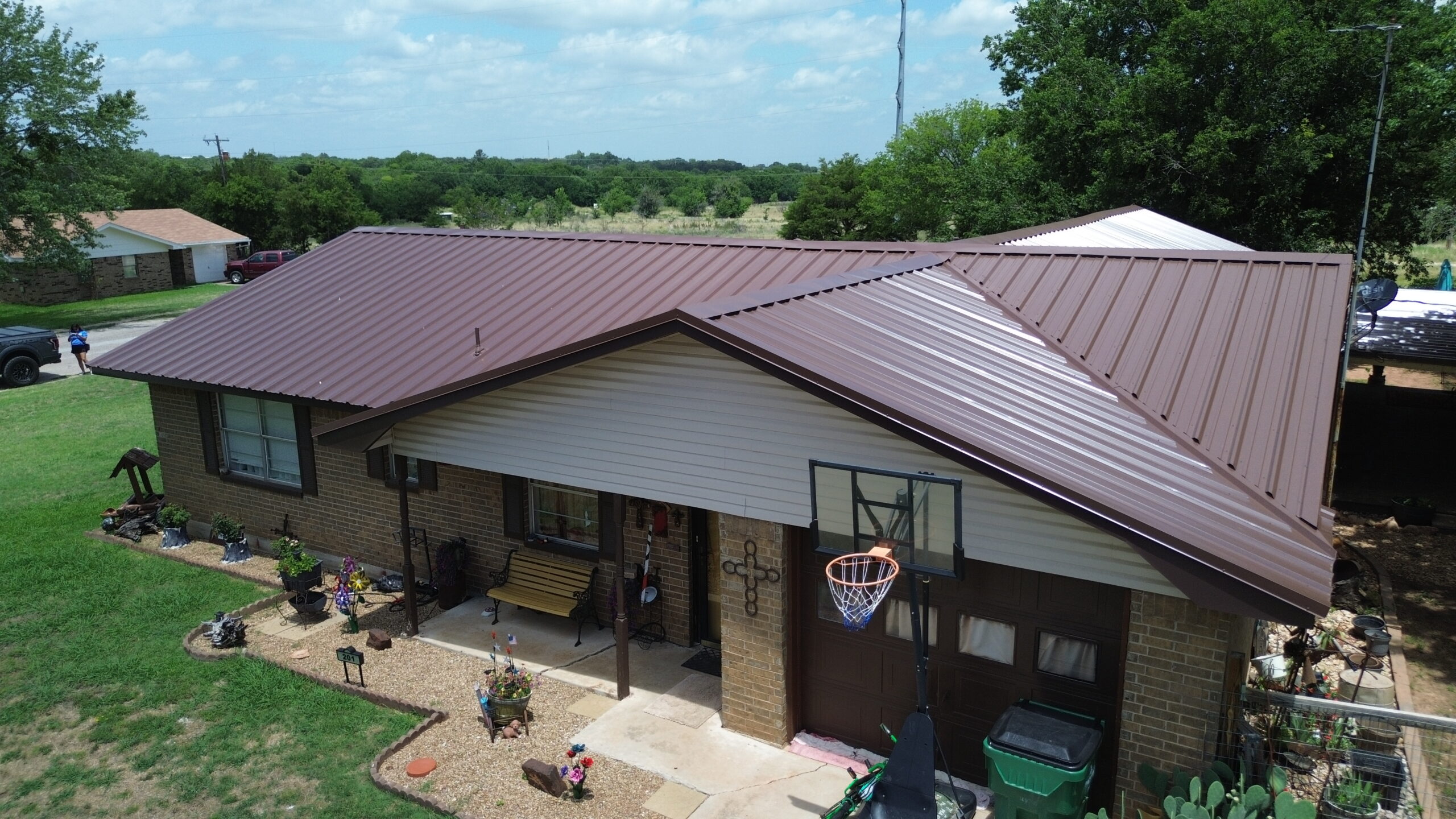
Standing seam metal roofing has become one of the most popular replacement choices for residential properties. These systems feature concealed fasteners that remain protected from weather exposure, reducing the likelihood of leaks while creating a clean and modern appearance. Hidden fastening systems also allow panels to expand and contract naturally without placing unnecessary stress on exposed screws.
Corrugated metal roofing continues to serve many residential, agricultural, and commercial buildings because of its strength, affordability, and reliable performance. Modern manufacturing techniques have improved both corrosion resistance and paint durability compared with earlier generations of corrugated panels.
Stone-coated steel roofing combines the strength of metal with the appearance of traditional roofing materials such as shingles, tiles, or shakes. This option appeals to homeowners who want the durability of metal without significantly changing the architectural style of their homes.
Aluminum roofing remains an excellent choice for coastal environments because it naturally resists corrosion caused by salt-laden air. Although aluminum generally costs more than steel, its long-term durability often justifies the investment in challenging climates.
Copper and zinc roofing systems provide exceptional longevity while developing attractive natural finishes over time. These premium materials are frequently selected for historic buildings or luxury homes where long-term performance and distinctive appearance are priorities.
Modern protective coatings also contribute significantly to roof performance. Advanced finishes resist fading, chalking, corrosion, and ultraviolet exposure much more effectively than older coating technologies. These improvements help maintain both appearance and weather resistance for many years.
Choosing among these options depends on climate, budget, architectural style, maintenance preferences, and long-term ownership plans. Consulting with an experienced roofing contractor helps homeowners select materials that best match the specific needs of their property.
Benefits of Replacing an Aging Metal Roof
A complete metal roof replacement offers advantages that extend well beyond simply eliminating leaks. Installing a new roofing system often improves the home’s performance, appearance, efficiency, and long-term value in several important ways.
One of the most immediate benefits is improved weather protection. New roofing panels, flashing, fasteners, underlayment, and ventilation components work together as a complete system to resist rain, snow, wind, and changing temperatures. This comprehensive protection reduces the likelihood of future water intrusion while improving overall structural reliability.
Energy efficiency frequently improves after replacement as well. Modern reflective coatings help reduce solar heat absorption during warmer months, decreasing attic temperatures and lowering cooling demands. Improved insulation compatibility and balanced ventilation further enhance indoor comfort throughout the year.
Property value may also increase following roof replacement. A new metal roof often attracts prospective buyers because they recognize the long lifespan, low maintenance requirements, and durable construction associated with metal roofing systems. The remaining warranty coverage may provide additional confidence during the home-selling process.
Maintenance requirements generally decrease after replacement. Instead of scheduling frequent repairs for aging panels or recurring leaks, homeowners can focus on routine inspections and preventive maintenance designed to preserve the new roof for decades.
Noise reduction is another benefit that surprises many homeowners. Modern installation methods include improved underlayment, insulation, and fastening systems that significantly reduce the sound of rainfall compared with older metal roofing installations.
Finally, replacing an aging roof provides valuable peace of mind. Homeowners no longer need to worry about recurring leaks, hidden structural damage, or unexpected emergency repairs caused by an aging roofing system nearing the end of its service life.
Understanding Replacement Costs and Long-Term Value
The cost of replacing a metal roof represents a significant investment, making it important to evaluate both the immediate expense and the long-term financial benefits. Looking beyond the initial project price often reveals that replacement provides greater value than continuing to repair an aging roof.
Several factors influence replacement costs. Roof size, slope, accessibility, material selection, structural repairs, local labor rates, and disposal requirements all affect the final project budget. Complex roof designs with numerous valleys, skylights, dormers, or chimneys generally require more labor than simple roof layouts.
Material selection also plays a major role in pricing. Premium metals such as copper and zinc cost considerably more than galvanized steel or aluminum, but they may also provide longer service lives and lower maintenance requirements. Homeowners should compare lifetime value rather than focusing only on purchase price.
Structural repairs discovered during replacement may increase project costs temporarily. However, repairing roof decking, framing, or insulation while the roof is already removed often costs less than addressing these problems after additional water damage has occurred.
Energy savings contribute to long-term financial value as well. Improved insulation, reflective coatings, and modern ventilation systems may reduce heating and cooling expenses throughout the roof’s lifespan. Although monthly savings vary depending on climate and home design, improved efficiency often offsets part of the replacement investment over time.
Insurance considerations may also influence long-term value. Some insurance providers recognize the durability of modern metal roofing systems and may offer premium reductions depending on the roofing material and local regulations. Homeowners should discuss available options with their insurance provider after replacement is complete.
Ultimately, evaluating replacement as a long-term investment rather than a short-term expense provides a more accurate understanding of its financial benefits.
Preparing Your Home for a Metal Roof Replacement
Proper preparation helps the replacement project proceed safely and efficiently while minimizing disruption to daily life. Homeowners can take several practical steps before contractors arrive to ensure the work progresses smoothly.
Outdoor furniture, potted plants, decorative items, and vehicles should be moved away from the work area whenever possible. Although contractors use protective coverings, clearing the surrounding space reduces the possibility of accidental damage from falling debris.
Items stored in the attic deserve attention as well. Roofing work naturally creates vibrations that may disturb dust or small debris. Covering stored belongings with protective sheets helps keep them clean throughout the installation process.
Fragile items hanging on interior walls should be removed temporarily. Hammering, fastening equipment, and roof tear-off activities can create vibrations that occasionally affect pictures, mirrors, or decorative shelves.
Homeowners should also discuss project logistics with the roofing contractor before work begins. Confirming work hours, material delivery schedules, dumpster placement, cleanup procedures, and estimated completion dates helps establish clear expectations for everyone involved.
Pets and young children should remain safely away from active construction areas throughout the project. Roofing work involves power tools, ladders, falling materials, and heavy equipment that require controlled access for safety.
Maintaining open communication with the contractor throughout the replacement process also contributes to a successful project. Addressing questions promptly helps prevent misunderstandings while allowing any unexpected issues discovered during construction to be resolved efficiently.
What to Expect During the Replacement Process
Understanding the replacement process helps homeowners feel more comfortable while work is underway. Although every project differs slightly depending on roof size and complexity, most metal roof replacements follow a similar sequence.
The project typically begins with protecting the property and delivering roofing materials. Contractors cover landscaping, position dumpsters, establish safety equipment, and organize tools before removing the existing roofing system.
Once the old roof has been removed, the roof deck undergoes a detailed inspection. Any damaged decking, framing, or insulation is repaired before new waterproofing materials are installed. Completing these structural improvements creates a solid foundation for the new roofing system.
Underlayment, flashing, drip edge, and ventilation components are installed next. These layers provide essential moisture protection beneath the visible roofing panels while supporting long-term roof performance.
Metal panels are then installed according to manufacturer specifications. Contractors align panels carefully, secure fastening systems properly, and integrate flashing around every roof penetration. Precision during this stage greatly influences both appearance and weather resistance.
After installation is complete, contractors perform a comprehensive inspection to verify workmanship quality. The property is cleaned thoroughly, magnetic sweepers collect loose nails, and all construction debris is removed before the project is officially completed.
Homeowners generally receive warranty documents, maintenance recommendations, and project records during the final walkthrough. These materials should be stored safely for future reference.
Maintenance Tips for a Newly Installed Metal Roof
Although metal roofs require relatively little maintenance, regular care helps preserve their appearance, maximize service life, and maintain warranty protection.
Routine maintenance includes:
- Inspect the roof at least twice each year and after major storms.
- Keep gutters and downspouts free from leaves and debris.
- Remove branches that touch or hang directly over the roof.
- Check flashing around chimneys, skylights, and vents regularly.
- Clean dirt and organic buildup using manufacturer-approved methods.
- Schedule professional inspections every few years.
- Address minor damage promptly before it develops into larger problems.
These simple maintenance practices require relatively little time but contribute significantly to the long-term performance of the roofing system.
Frequently Asked Questions About Metal Roof Replacement
Property owners often have similar questions when considering complete roof replacement. Understanding these common concerns helps clarify what to expect throughout the project.
How long does a complete metal roof replacement usually take?
Most residential projects are completed within several days, although larger or more complex roofs may require additional time depending on weather conditions and structural repairs.
Can only part of a metal roof be replaced?
Yes, if damage is limited to one section and matching materials remain available. However, widespread deterioration across multiple areas usually makes complete replacement the more practical option.
Is it possible to install a new metal roof over the old one?
In some situations local building codes permit overlay installations. However, complete removal generally allows better inspection of the roof deck and creates a stronger, longer-lasting roofing system.
Will a new metal roof require frequent maintenance?
No. Metal roofs are among the lowest-maintenance roofing systems available, but periodic inspections and basic cleaning remain important for maximizing their lifespan.
Does replacing a metal roof improve energy efficiency?
Modern reflective coatings, improved insulation compatibility, and enhanced ventilation often contribute to better energy performance compared with older roofing systems.
How long should a newly installed metal roof last?
Depending on the material selected, installation quality, local climate, and maintenance practices, many modern metal roofs provide reliable protection for forty to seventy years or more.
Conclusion
Metal roofing systems are designed for exceptional longevity, but even the most durable roofs eventually reach the point where complete replacement becomes the safest and most economical choice. Understanding the warning signs of aging, including widespread corrosion, recurring leaks, structural deterioration, fastener failure, and repeated repair needs, helps property owners make informed decisions before serious damage develops.
Choosing replacement at the right time protects far more than the roof itself. A new metal roofing system safeguards the home’s structure, insulation, interior finishes, and overall property value while reducing the likelihood of costly emergency repairs. Modern roofing materials also offer improved energy efficiency, stronger protective coatings, enhanced weather resistance, and longer warranty coverage than many older systems.
Careful planning, professional installation, and routine maintenance work together to maximize the lifespan of a new metal roof. By investing in quality materials, experienced contractors, and regular inspections, homeowners can enjoy decades of dependable protection with minimal maintenance requirements.
Ultimately, replacing an aging metal roof is not simply about installing new panels. It is an investment in the long-term safety, efficiency, durability, and value of the entire property. Making that decision before extensive structural damage occurs ensures the new roofing system delivers the greatest possible performance and peace of mind for many years to come.