
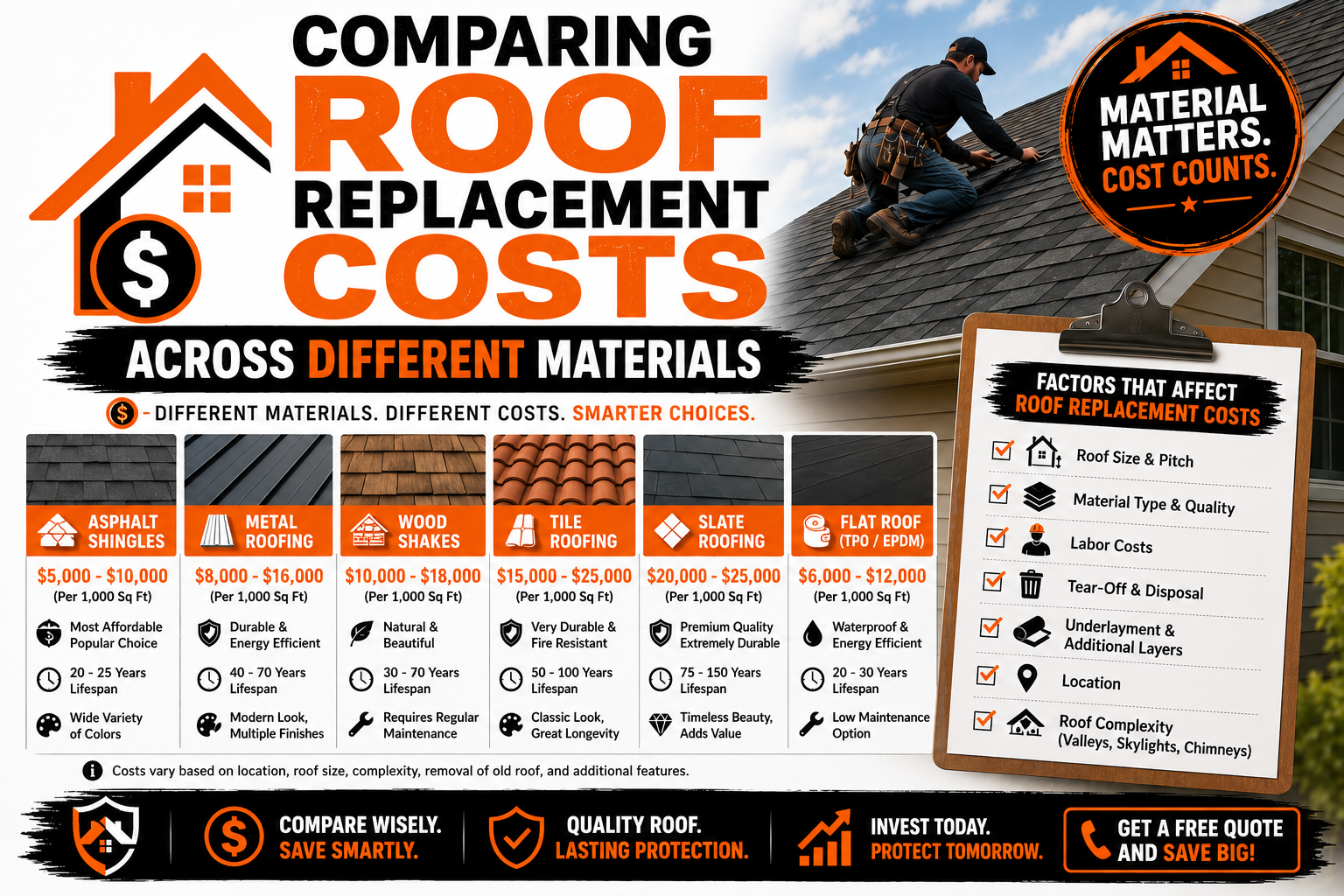
Comparing Roof Replacement Costs Across Different Materials
Introduction
Choosing a roofing material is one of the most important decisions homeowners make during a roof replacement project. While appearance and durability are often major considerations, cost usually plays an equally significant role. Different roofing materials vary widely in purchase price, installation requirements, maintenance needs, and expected lifespan, making it essential to compare more than just the initial investment.
Many homeowners assume that selecting the least expensive roofing material automatically saves money. Although a lower upfront cost may fit the immediate budget, it does not always provide the best long term value. A material with a higher installation cost may last decades longer, require fewer repairs, and improve energy efficiency, reducing total ownership expenses over time.
Roof replacement pricing also extends beyond the cost of the roofing material itself. Labor, structural requirements, maintenance expectations, climate suitability, and warranty coverage all contribute to the overall financial picture. Understanding these additional factors helps homeowners make balanced decisions based on value instead of purchase price alone.
Every home has unique requirements depending on its architectural style, roof structure, local weather conditions, and long term ownership plans. A roofing material that performs exceptionally well in one region may not offer the same benefits in another. Comparing materials within the context of your home’s specific needs leads to better long term results.
Modern roofing manufacturers offer a wide range of products designed to meet different budgets and performance expectations. From traditional asphalt shingles to premium slate roofing, each option provides its own combination of advantages and tradeoffs. Learning how these materials compare allows homeowners to choose a roofing system that aligns with both financial goals and performance expectations.
In this guide, we will compare the costs and characteristics of today’s most common roofing materials, explain why installation expenses differ between products, and help homeowners understand which roofing options provide the greatest long term value for different situations.
Why Roofing Material Choice Has a Major Impact on Replacement Costs
Roofing material selection influences nearly every aspect of a replacement project. Beyond determining the appearance of the home, the chosen material affects labor requirements, structural support, maintenance needs, expected lifespan, and future repair costs. These combined factors explain why roofing estimates vary significantly depending on the material selected.
Each roofing material has its own manufacturing process, raw material costs, and installation methods. Asphalt shingles are widely available and relatively easy to install, while slate roofing requires specialized craftsmanship and careful structural preparation. These differences directly affect both material pricing and labor expenses.
Weight is another important consideration. Lightweight roofing materials generally require little or no structural modification, allowing installation to proceed more efficiently. Heavier products such as clay tile, concrete tile, and natural slate may require reinforcement of the roof structure before installation, increasing total project costs.
Installation complexity also varies considerably between materials. Some roofing systems consist of standardized components that experienced crews install quickly. Others require individual placement, precision cutting, or specialized fastening techniques that increase labor time and project duration.
Maintenance expectations influence overall ownership cost as well. Materials requiring regular inspections, cleaning, or repairs may appear affordable initially but become more expensive over decades of ownership. Roofing products with lower maintenance requirements often provide better long term financial value despite higher installation costs.
Climate suitability also affects cost effectiveness. A roofing material that performs exceptionally well in hot climates may require additional maintenance in areas experiencing frequent freeze thaw cycles or severe storms. Selecting a material suited to local environmental conditions improves durability while reducing future repair expenses.
Warranty coverage differs among roofing materials as well. Premium products frequently include longer manufacturer warranties reflecting their expected lifespan and durability. While warranty length should not be the only purchasing factor, it often provides useful insight into the manufacturer’s confidence in long term performance.
Understanding these influences helps homeowners evaluate roofing materials from a broader perspective. Instead of comparing purchase prices alone, they can consider the complete financial impact throughout the roof’s expected lifespan.
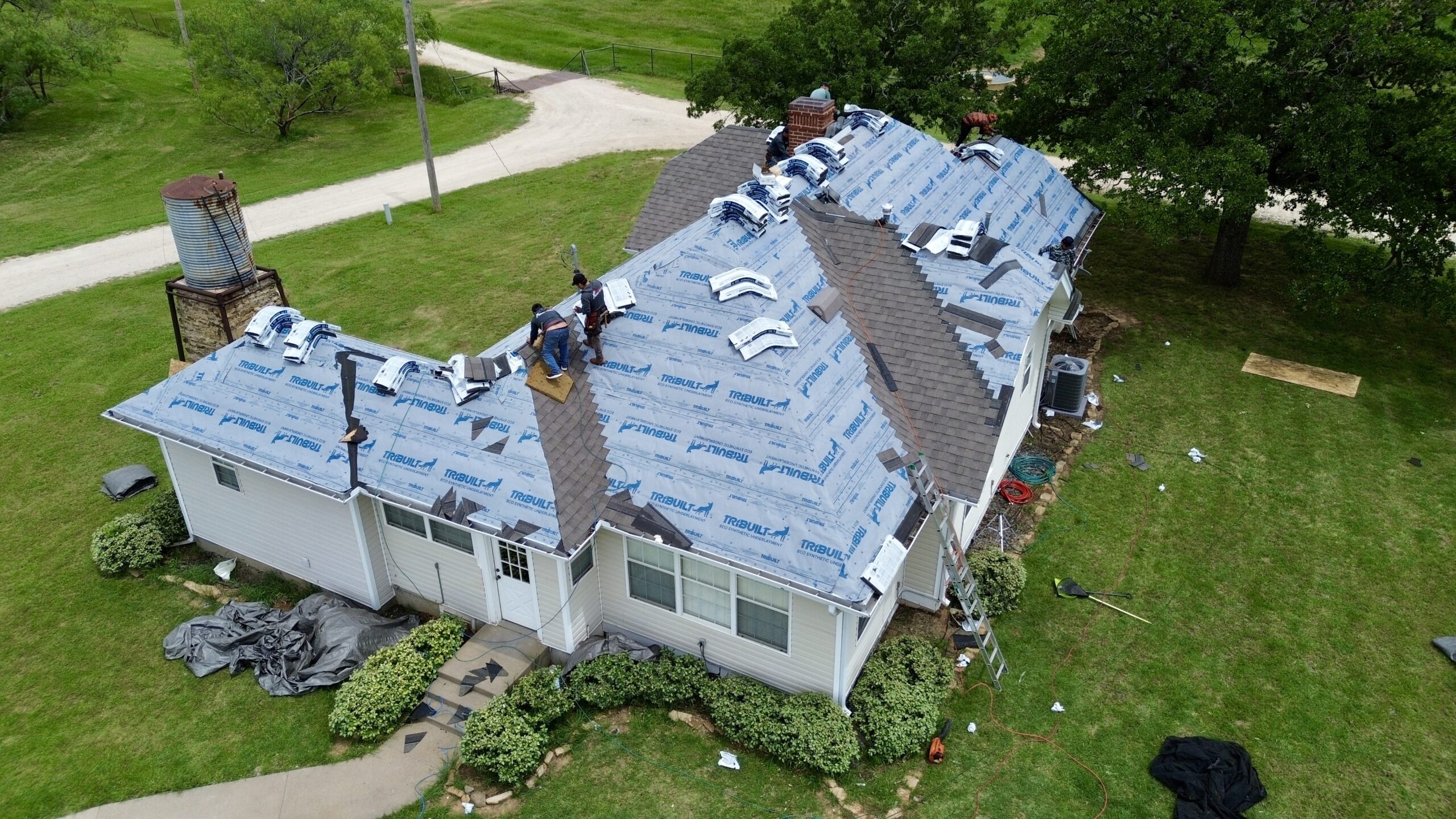
Understanding the Total Cost of Roof Ownership
Many homeowners evaluate roofing materials by focusing only on installation costs. While the initial investment is certainly important, it represents only one part of the total financial commitment. The true cost of roof ownership includes maintenance, repairs, energy efficiency, longevity, and eventual replacement.
Initial installation forms the foundation of total ownership cost. This includes roofing materials, labor, underlayment, flashing, fasteners, structural repairs if necessary, and project cleanup. Higher quality roofing systems generally require greater upfront investment but often provide additional long term benefits.
Maintenance expenses vary considerably among roofing materials. Some roofs require little more than routine inspections and gutter cleaning, while others demand periodic sealing, replacement of damaged components, or regular treatment to prevent moisture related deterioration. These ongoing costs accumulate throughout the roof’s lifespan.
Repair frequency also affects total ownership expenses. Roofing materials with greater durability often experience fewer weather related problems, reducing repair costs over time. Less durable materials may require more frequent attention after storms or seasonal weather changes.
Energy efficiency represents another important financial consideration. Certain roofing materials reflect more solar heat or provide improved insulation characteristics that reduce heating and cooling demands. Lower utility costs gradually offset part of the initial roofing investment throughout the years.
Roof lifespan significantly influences overall value. A roofing material lasting fifty years generally requires fewer replacement projects than one lasting twenty years. Although premium materials cost more initially, their extended service life often lowers annual ownership costs when evaluated across several decades.
Insurance considerations may also contribute to total ownership expenses. Some durable roofing materials offer greater resistance to fire, wind, or hail damage, potentially influencing insurance coverage or claims history. While policies differ, roofing performance remains an important consideration when evaluating long term value.
Resale value should not be overlooked either. A recently installed premium roof often increases buyer confidence because it reduces anticipated maintenance expenses. Improved curb appeal further enhances the home’s attractiveness while supporting overall property value.
Viewing roof replacement through the lens of total ownership cost helps homeowners make more informed decisions. Instead of seeking the lowest installation price, they can identify the roofing material offering the best balance between investment and long term performance.
Asphalt Shingles as the Most Common Roofing Option
Asphalt shingles remain the most widely installed residential roofing material because they offer an effective combination of affordability, dependable performance, and widespread availability. Their versatility makes them suitable for many home styles while providing homeowners with numerous color and design options.
One of the greatest advantages of asphalt shingles is their relatively low installation cost. Manufacturing processes have made these shingles widely available, helping keep material prices competitive. Installation methods are also familiar to most roofing contractors, reducing labor complexity compared to many premium roofing materials.
Asphalt shingles are available in several quality levels. Three tab shingles generally represent the most economical option, while architectural shingles provide greater thickness, improved durability, and enhanced appearance. Premium architectural products often deliver better wind resistance and longer service life than basic shingles.
Maintenance requirements remain relatively manageable throughout the roof’s lifespan. Periodic inspections, gutter cleaning, and replacement of isolated storm damaged shingles typically represent the majority of maintenance needs. Homeowners who address minor issues promptly often maximize the roof’s expected service life.
Weather performance depends on product quality and installation standards. Modern asphalt shingles provide reliable protection against rain, moderate wind, and ordinary seasonal weather. Premium products frequently include enhanced resistance to stronger winds and improved impact performance.
The expected lifespan of asphalt shingles varies according to product type, climate, and maintenance practices. While basic shingles generally provide dependable service for several decades, architectural shingles often extend roof life considerably under favorable conditions.
Asphalt roofing also offers relatively straightforward repairs when localized damage occurs. Matching replacement shingles is often easier than with some specialty roofing materials, helping maintain a consistent roof appearance after isolated repairs.
Although asphalt shingles may not match the longevity of premium materials such as slate or metal, they continue providing excellent value for homeowners seeking dependable protection at a moderate initial cost.
Metal Roofing Cost Compared to Asphalt
Metal roofing has become increasingly popular among homeowners seeking exceptional durability and long term performance. Although the initial investment is generally higher than asphalt shingles, metal roofing offers several advantages that may justify the additional cost depending on ownership goals and local climate.
Material costs represent one of the most noticeable differences between asphalt and metal roofing. Metal panels or shingles require higher manufacturing expenses and often incorporate protective coatings designed to resist corrosion and weathering. These premium materials naturally increase purchase price.
Installation complexity also contributes to higher overall project costs. Metal roofing requires specialized techniques, precise panel alignment, and careful fastening methods that differ from traditional asphalt installation. Contractors experienced with metal roofing often invest additional time to ensure proper weather resistance and appearance.
Despite higher installation costs, metal roofing typically requires less maintenance throughout its lifespan. Routine inspections and occasional cleaning generally represent the majority of maintenance requirements. High quality protective coatings help minimize corrosion while supporting long term durability.
Metal roofing performs exceptionally well in many challenging weather conditions. It resists high winds effectively, sheds snow efficiently, and does not absorb moisture like some traditional roofing materials. These characteristics reduce the likelihood of certain weather related repairs over time.
Energy efficiency provides another financial advantage. Many metal roofing systems reflect solar heat more effectively than darker asphalt shingles, reducing attic temperatures during hot weather. Improved thermal performance may contribute to lower cooling costs in warmer climates.
Expected lifespan also distinguishes metal roofing from asphalt. While installation costs are higher initially, metal roofs often remain functional for many decades with proper maintenance. This extended service life spreads replacement costs across a much longer ownership period.
Homeowners planning long term occupancy frequently consider metal roofing because of its durability, low maintenance requirements, and excellent weather resistance. Although the initial investment exceeds asphalt roofing, many view the long term performance as worthwhile.
Wood Shake Roofing Cost and Maintenance Considerations
Wood shake roofing offers a distinctive natural appearance that appeals to homeowners seeking traditional architectural character. Made from split wood rather than manufactured materials, wood shakes provide unique texture and visual warmth that differs significantly from asphalt or metal roofing.
Initial installation costs generally exceed those of standard asphalt shingles because wood shakes require higher quality raw materials and more specialized installation techniques. Each shake must be positioned carefully to achieve both weather protection and the desired appearance. This detailed workmanship increases labor requirements.
Material quality significantly influences pricing. Premium wood shakes selected from durable timber species generally cost more than lower grade products, but they often provide improved longevity and greater resistance to weather related deterioration. Selecting higher quality materials usually results in better long term performance.
Maintenance requirements should receive careful consideration before choosing wood roofing. Unlike many manufactured roofing products, wood responds naturally to moisture, sunlight, and changing weather conditions. Regular inspections help identify cracked, warped, or deteriorating shakes before moisture reaches the underlying roof structure.
Moisture management is particularly important for wood roofing systems. Proper ventilation, effective drainage, and routine removal of moss or debris all help preserve the condition of the wood. Neglecting maintenance can shorten roof lifespan while increasing repair expenses.
Climate suitability also affects long term ownership costs. Wood roofing generally performs best where moisture conditions allow adequate drying between rainfall events. Regions experiencing prolonged humidity or frequent heavy rainfall may require more consistent maintenance to preserve roof performance.
Fire resistance may influence project planning as well. Many modern wood roofing products receive fire resistant treatments during manufacturing, but homeowners should always verify local building requirements before selecting wood materials. Some regions restrict or regulate their use depending on wildfire risk.
Wood shake roofing appeals primarily to homeowners prioritizing natural beauty and architectural style. While ownership costs generally exceed those of asphalt shingles because of increased maintenance requirements, many homeowners consider the distinctive appearance well worth the additional investment.
Comparing Clay Tile, Concrete Tile, and Slate Roofing Costs
Clay tile, concrete tile, and slate roofing are often considered premium roofing options because of their exceptional durability and distinctive appearance. While these materials generally require a higher initial investment than asphalt shingles or metal roofing, they offer impressive longevity that appeals to homeowners planning long term ownership. Understanding the cost differences between these materials helps homeowners evaluate whether the additional investment aligns with their goals.
Clay tile roofing is well known for its classic appearance and remarkable resistance to heat, moisture, and ultraviolet exposure. The manufacturing process and the weight of the tiles contribute to higher material costs than many other roofing options. Installation also requires skilled craftsmanship because each tile must be positioned carefully to ensure proper alignment and weather protection.
Concrete tile roofing offers many of the visual advantages of clay while often providing a wider range of colors and styles. Although concrete tiles are generally less expensive than natural clay, they remain significantly heavier than asphalt shingles. This added weight sometimes requires structural reinforcement before installation, increasing the total replacement cost.
Natural slate represents one of the most durable roofing materials available today. Its ability to last for many decades makes it an attractive option for homeowners seeking a long term roofing solution. However, slate is also among the most expensive materials because of quarrying, transportation, specialized installation, and structural support requirements.
Labor costs for these premium materials are considerably higher than for standard asphalt roofing. Contractors installing clay tile, concrete tile, or slate require specialized training and experience because improper installation may damage the materials or reduce long term performance. Precision installation contributes significantly to overall project pricing.
Transportation also affects the cost of these heavier roofing products. Clay, concrete, and slate require careful handling during shipping and delivery because of both their weight and the possibility of breakage. These logistical considerations increase project expenses beyond the cost of the roofing material itself.
Despite the higher initial investment, these roofing systems often require fewer replacement projects throughout the life of the home. Their exceptional durability makes them attractive for homeowners who prioritize longevity, architectural character, and reduced replacement frequency.
Selecting among clay tile, concrete tile, and slate ultimately depends on budget, structural capacity, local climate, and personal design preferences. Each material offers unique advantages that should be evaluated alongside its overall ownership cost.
Synthetic Roofing Materials and Their Pricing
Synthetic roofing materials have become increasingly popular as manufacturers continue developing products that replicate the appearance of natural materials while reducing weight and maintenance requirements. These roofing systems offer homeowners additional choices when balancing appearance, durability, and installation costs.
Many synthetic roofing products are designed to resemble slate, wood shakes, or clay tiles. Advanced manufacturing techniques create realistic textures and color variations that closely imitate traditional roofing materials while offering improved consistency from one piece to another. This combination of aesthetics and modern engineering appeals to many homeowners.
Initial pricing for synthetic roofing generally falls between premium asphalt shingles and natural slate or tile systems. Material costs vary according to manufacturer, product design, and performance characteristics. Although synthetic products usually cost more than standard asphalt roofing, they often remain less expensive than many natural premium materials.
Weight represents one of the greatest financial advantages of synthetic roofing. Most synthetic products are considerably lighter than natural slate or clay tiles, reducing or eliminating the need for structural reinforcement. Lower structural requirements can offset part of the material investment during the replacement project.
Installation complexity also varies depending on the product. Many synthetic roofing systems are designed for easier handling than natural stone or heavy tile, allowing contractors to complete installation more efficiently. Reduced labor requirements may lower total project costs compared to traditional premium materials.
Maintenance expectations are generally favorable as well. Synthetic roofing materials are engineered to resist moisture, insects, and many forms of weather related deterioration that affect natural products. Routine inspections and standard maintenance usually provide sufficient long term care.
Weather performance continues improving as manufacturers refine product designs. Many synthetic roofing systems offer strong resistance to wind, impact, moisture, and ultraviolet exposure while maintaining consistent appearance throughout changing seasons. These qualities contribute to lower long term maintenance costs.
Synthetic roofing provides an attractive alternative for homeowners seeking premium appearance without the structural demands of natural materials. While not always the least expensive option initially, the balance between durability, appearance, and installation efficiency makes synthetic roofing worthy of careful consideration.
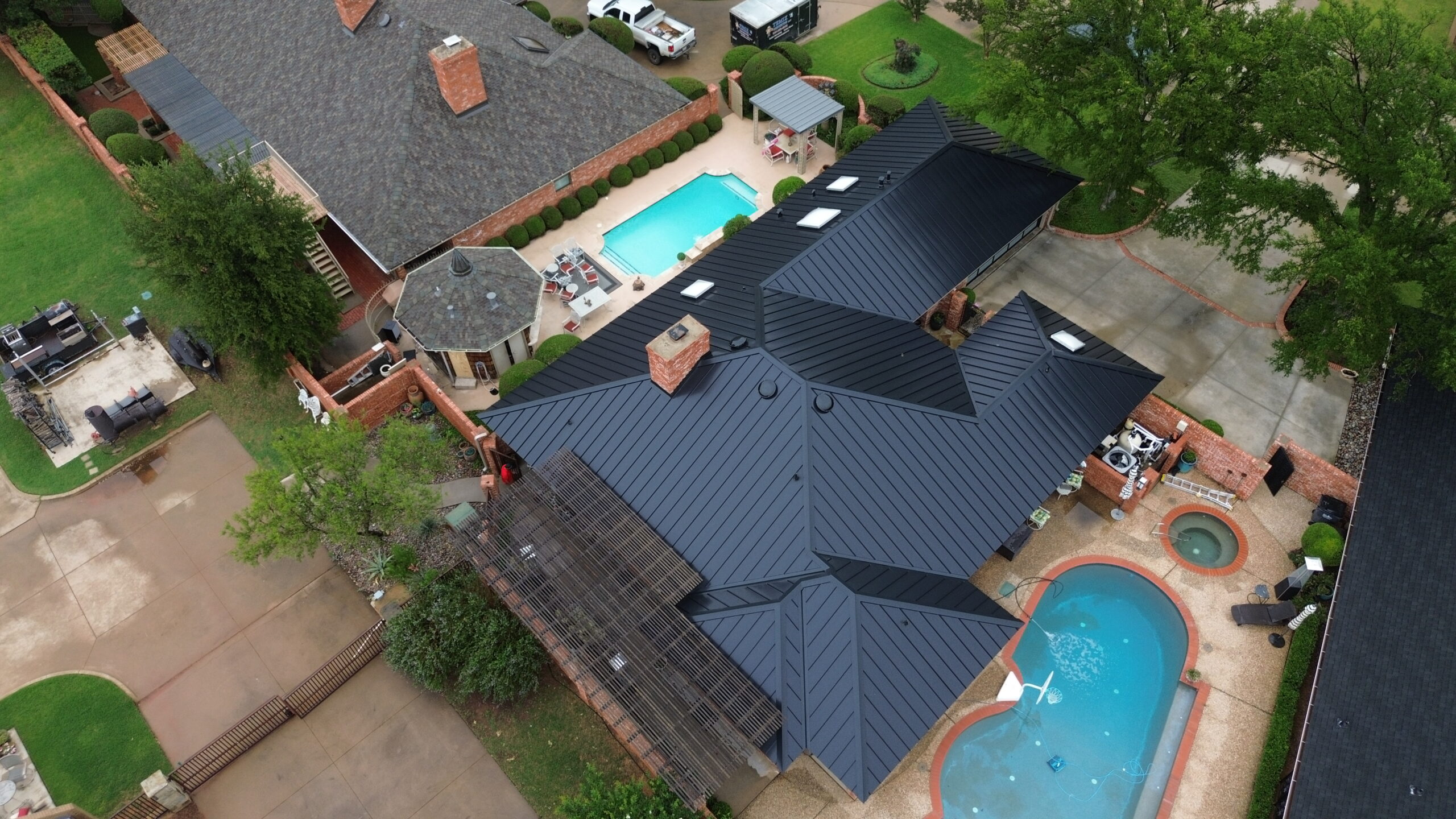
Cost Comparison of Popular Roofing Materials
Comparing roofing materials side by side allows homeowners to evaluate differences beyond simple purchase price. Initial investment, installation complexity, maintenance, and expected lifespan all contribute to the total financial value of each roofing system.
The following table summarizes the major cost related characteristics of today’s most common residential roofing materials.
| Roofing Material | Initial Cost Level | Installation Difficulty | Expected Lifespan | Maintenance Level |
|---|---|---|---|---|
| Three Tab Asphalt Shingles | Low | Low | 20 to 25 years | Moderate |
| Architectural Shingles | Moderate | Low to Moderate | 25 to 35 years | Low |
| Metal Roofing | High | Moderate to High | 40 to 70 years | Low |
| Wood Shakes | Moderate to High | Moderate | 20 to 35 years | Higher |
| Synthetic Roofing | Moderate to High | Moderate | 30 to 50 years | Low |
| Concrete Tiles | High | High | 40 to 75 years | Low |
| Clay Tiles | High | High | 50 to 100 years | Low |
| Natural Slate | Very High | Specialized | 75 to 150 years | Very Low |
This comparison illustrates that roofing materials should be evaluated according to long term ownership goals rather than purchase price alone. Lower cost materials often provide excellent value for homeowners seeking affordable installation, while premium materials may reduce replacement frequency over many decades.
Maintenance expectations also influence overall ownership costs. Materials requiring minimal repairs may justify higher installation expenses by reducing future maintenance demands. Evaluating all these factors together provides a much clearer picture of long term value.
Selecting the appropriate roofing material involves balancing budget, appearance, durability, maintenance preferences, and expected length of homeownership.
Factors Beyond Material Price That Affect Total Cost
Although roofing material receives much of the attention during replacement planning, several additional factors significantly influence the total project cost. Homeowners who consider these elements alongside material pricing gain a more accurate understanding of the overall investment.
Roof size remains one of the largest cost drivers because larger roofs require more materials and additional labor. Contractors calculate roofing estimates based on actual roof surface area rather than interior floor space, making roof design an important consideration.
Roof pitch also affects installation expenses. Steeper roofs require additional safety equipment, specialized work methods, and slower installation speeds. These factors increase labor costs even when the roof size remains unchanged.
Architectural complexity contributes significantly to pricing as well. Roof valleys, dormers, chimneys, skylights, and multiple intersecting roof sections all require careful flashing and precision installation. The more architectural features present, the greater the labor involved.
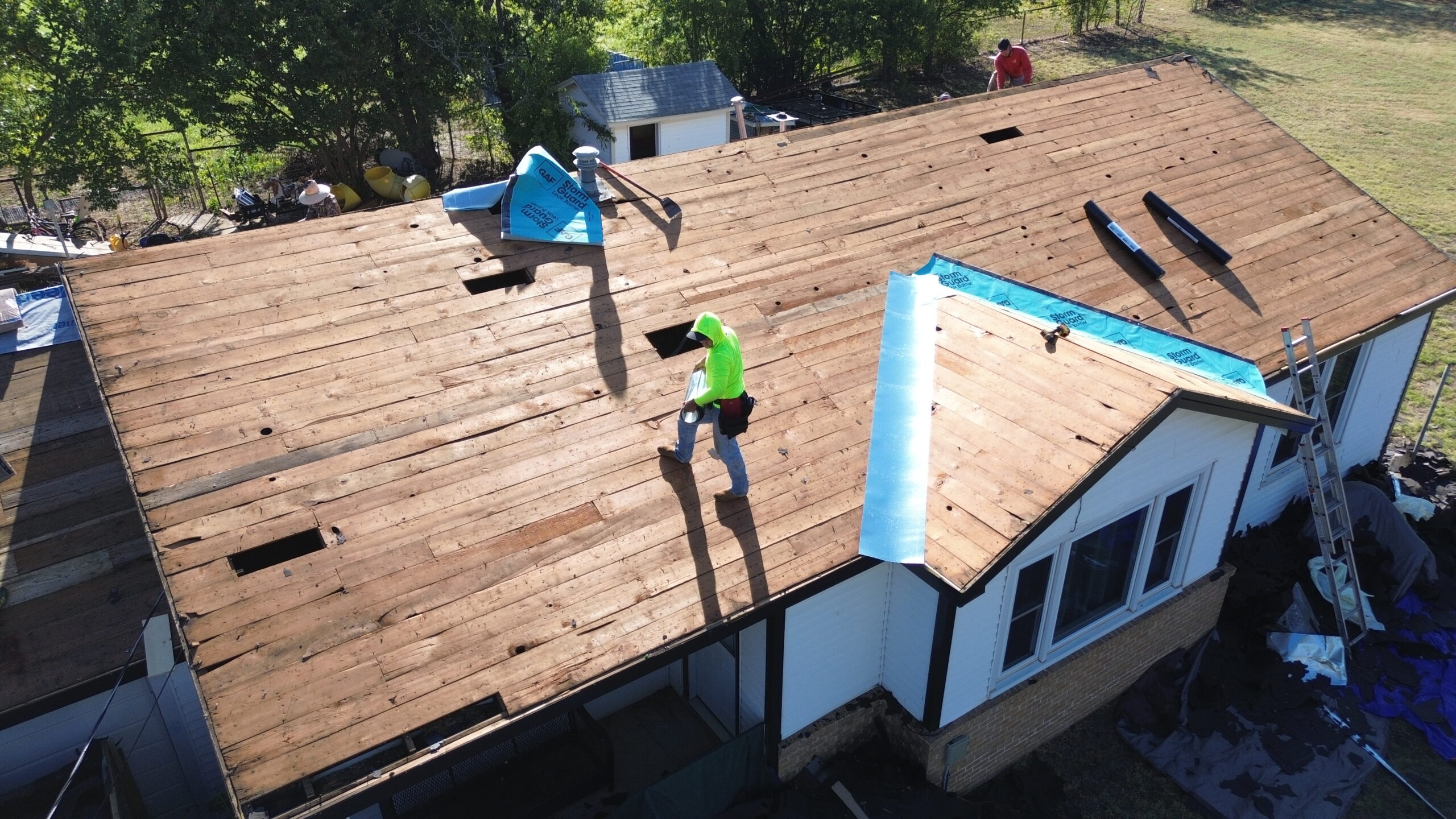
Existing roof condition also influences total project cost. Damaged roof decking, deteriorated flashing, weakened structural framing, or moisture related issues discovered after roof removal require repairs before installation can continue. These structural corrections add important but necessary expenses.
Removal and disposal of old roofing materials represent another project cost that varies according to roof condition. Multiple roofing layers require additional labor and disposal fees compared to single layer removal. Proper disposal also helps ensure the new roof begins with a clean and stable foundation.
Local building requirements may introduce additional expenses through permits, inspections, upgraded ventilation, or specialized installation standards. Contractors familiar with regional regulations typically include these requirements within their estimates.
Evaluating roofing projects from this broader perspective allows homeowners to compare estimates more accurately. Material cost alone rarely reflects the complete financial commitment involved in replacing a roof.
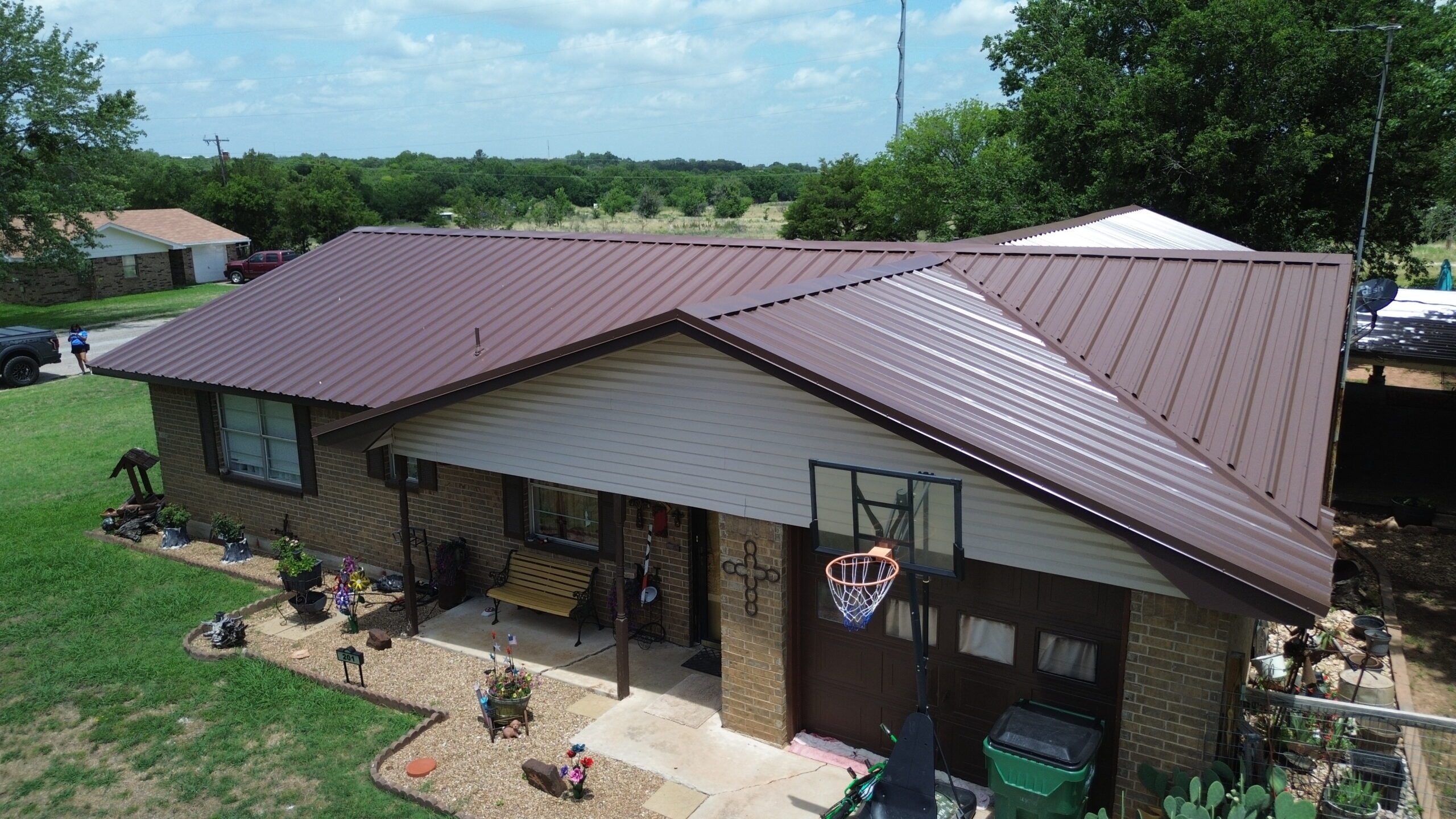
Installation Complexity and Labor Cost Differences
Labor represents a substantial portion of every roof replacement project, and installation complexity varies considerably between roofing materials. Even when two materials have similar purchase prices, differences in installation requirements may create significant variations in total project cost.
Asphalt shingles generally involve the simplest installation process among common residential roofing materials. Most roofing crews possess extensive experience working with asphalt products, allowing installation to proceed efficiently while maintaining reliable workmanship. This familiarity helps keep labor costs relatively moderate.
Metal roofing requires additional precision during installation. Panels or shingles must be aligned carefully, fastened according to manufacturer specifications, and properly sealed around roof penetrations. Specialized knowledge and equipment increase labor requirements compared to standard asphalt roofing.
Wood shake installation demands careful placement to achieve consistent spacing and effective weather protection. Individual shakes vary naturally in size and shape, requiring greater attention during installation. This detailed craftsmanship contributes to higher labor expenses.
Clay tiles, concrete tiles, and natural slate involve some of the most labor intensive roofing installations available. Individual units must be positioned accurately while protecting the materials from breakage during handling. Specialized experience becomes essential for achieving both structural reliability and visual consistency.
Roof accessibility also affects labor costs regardless of the roofing material. Homes surrounded by landscaping, limited driveway access, or steep terrain require additional planning for material delivery and debris removal. Difficult access conditions increase installation time while affecting overall project efficiency.
Weather conditions occasionally influence labor requirements as well. Projects completed during periods of high heat, strong winds, or unpredictable rainfall may require scheduling adjustments that affect installation timelines. Experienced contractors carefully monitor weather forecasts to maintain both safety and workmanship quality.
Understanding labor differences helps homeowners appreciate why installation costs vary even when roofing materials appear similar. Skilled workmanship remains essential for maximizing the lifespan and performance of every roofing system.
Questions Homeowners Should Ask Before Choosing a Roofing Material
Selecting the right roofing material involves much more than comparing prices. Asking thoughtful questions helps homeowners identify the product that best matches their home’s structure, local climate, maintenance expectations, and long term financial goals.
Consider these questions before making a final material selection:
- Which roofing material performs best in my local climate and weather conditions?
- How long is the expected lifespan of each roofing option I am considering?
- Will my home’s structure safely support heavier roofing materials if I choose them?
- What maintenance requirements should I expect throughout the roof’s lifespan?
- How do warranty terms differ between the roofing materials available?
- Which option provides the best balance between initial investment and long term ownership value?
These questions encourage homeowners to evaluate roofing materials from multiple perspectives rather than focusing only on purchase price. A thoughtful comparison often leads to better long term satisfaction while reducing unexpected maintenance expenses.
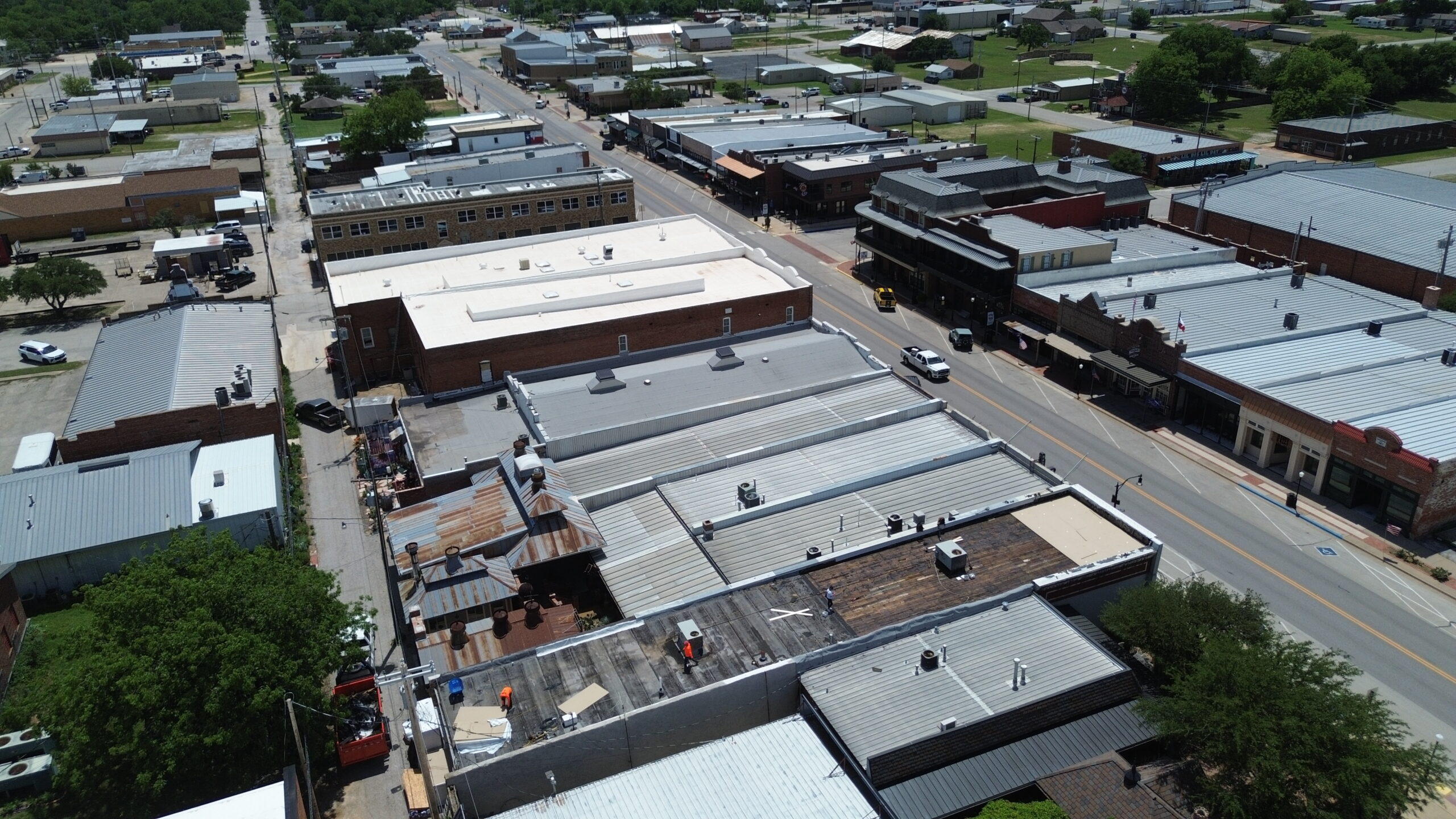
Long Term Value Versus Initial Installation Cost
One of the biggest mistakes homeowners make when comparing roofing materials is focusing only on the initial installation price. While the upfront cost is an important part of the decision, it represents only a portion of the total expense associated with owning a roof. Looking at long term value provides a much clearer understanding of which roofing material delivers the best return on investment.
A lower cost roofing material may appear attractive because it requires less money at the time of installation. However, if that roof requires more frequent repairs or replacement sooner than a premium alternative, the total ownership cost may eventually become much higher. Long term planning helps homeowners avoid this common financial trap.
Roof lifespan plays a major role when evaluating value. Materials that remain durable for several decades spread their installation cost across many years of dependable performance. Even if the initial investment is greater, the annual cost of ownership may actually be lower than that of a less expensive material with a shorter lifespan.
Maintenance expenses should also be included in long term calculations. Roofing systems that require only routine inspections and occasional maintenance generally cost less to own over time than materials demanding frequent repairs or specialized care. Consistent performance often offsets a higher purchase price.
Energy efficiency contributes additional financial value throughout the roof’s lifespan. Roofing materials that reflect heat effectively or support improved insulation help reduce heating and cooling demands. Although monthly savings may seem modest, they accumulate steadily over many years of ownership.
Property value is another important consideration. A recently installed premium roofing system often increases buyer confidence because it reduces anticipated maintenance expenses. Homes with durable, attractive roofs may also become more competitive in the real estate market.
Long term value should always be viewed as a combination of durability, maintenance, performance, efficiency, and replacement frequency. Considering these factors together allows homeowners to select roofing materials that provide lasting financial benefits instead of only minimizing the initial investment.
Common Mistakes When Comparing Roofing Material Prices
Comparing roofing materials requires more than reviewing product prices. Several common mistakes can lead homeowners to choose roofing systems that cost more over time or fail to meet their long term expectations. Avoiding these errors helps ensure a better overall investment.
The following mistakes are among the most common.
- Comparing only material prices without considering installation labor.
- Choosing the least expensive option without evaluating expected lifespan.
- Ignoring long term maintenance and repair requirements.
- Selecting roofing materials that are poorly suited to the local climate.
- Overlooking structural reinforcement costs for heavier roofing materials.
- Focusing only on appearance while neglecting warranty coverage and durability.
Each of these mistakes may seem minor during the planning stage, but together they can significantly increase ownership costs throughout the life of the roof. Looking beyond purchase price creates a more balanced comparison between available roofing options.
Taking time to evaluate every aspect of roof ownership helps homeowners choose materials that match both their budget and their long term expectations.
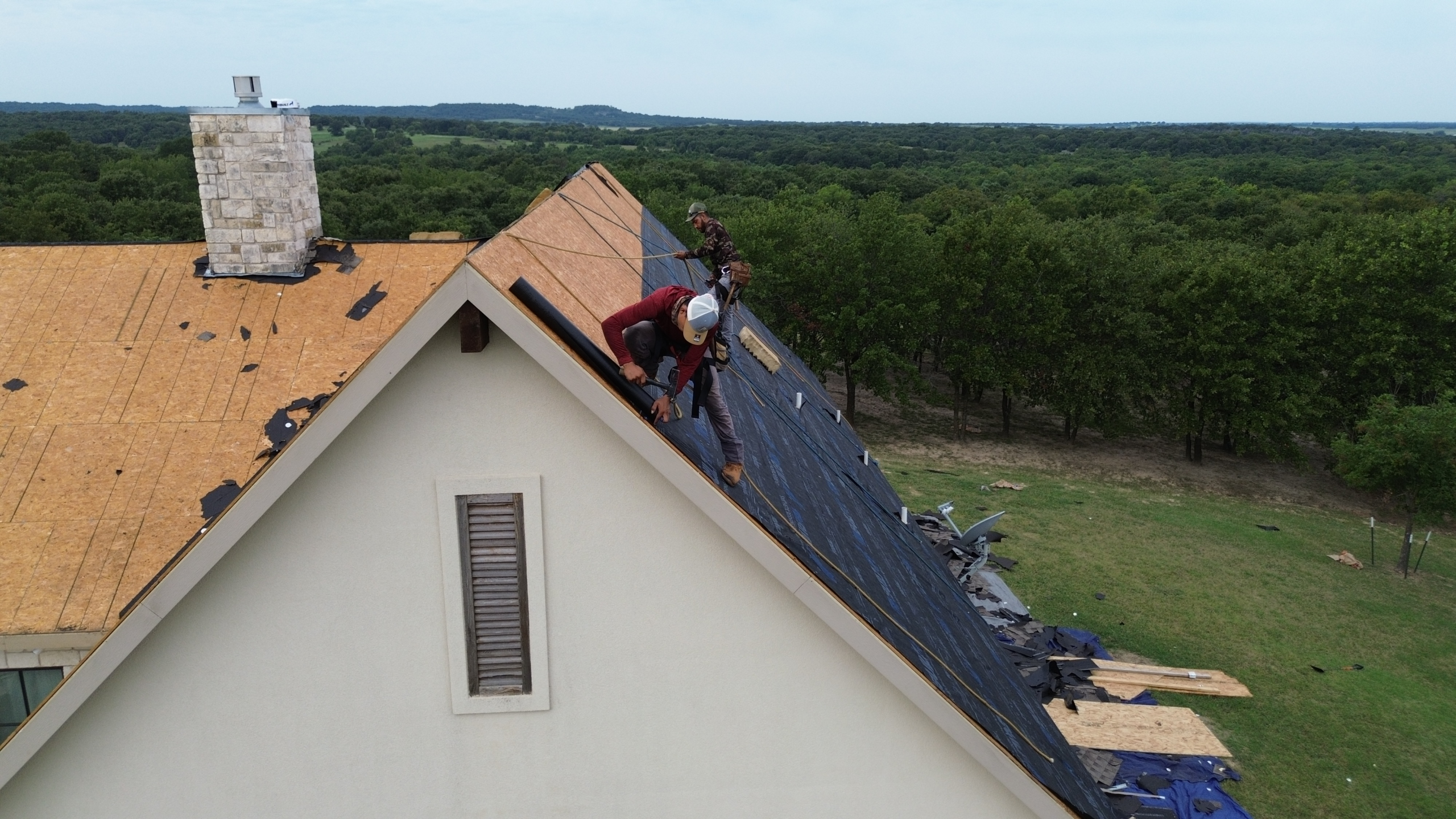
Choosing the Right Roofing Material for Your Climate and Budget
The ideal roofing material is not simply the least expensive or the most durable. Instead, it is the product that performs reliably under local weather conditions while fitting comfortably within the homeowner’s financial plan. Climate and budget should always be considered together when comparing roofing options.
Homes located in regions with intense sunlight benefit from roofing materials that resist ultraviolet exposure and reflect heat effectively. Products designed for hot climates often reduce attic temperatures while slowing the aging process caused by prolonged sun exposure. Improved energy efficiency becomes an added advantage in these environments.
Areas experiencing frequent heavy rainfall require roofing materials with excellent moisture resistance and dependable drainage performance. Proper installation becomes especially important because flashing, underlayment, and roof valleys must manage large volumes of water throughout the year.
Regions with severe wind conditions benefit from roofing systems engineered for high wind resistance. Premium asphalt shingles, properly installed metal roofing, and certain synthetic products often perform well under demanding weather conditions. Selecting materials designed for local environmental challenges helps reduce future repair costs.
Cold climates create different roofing priorities. Materials should tolerate repeated freezing and thawing without excessive cracking or deterioration. Effective snow shedding, moisture resistance, and attic ventilation also contribute to long term roof performance in these regions.
Budget planning should include both immediate affordability and future ownership costs. Homeowners planning to remain in the home for many years may benefit from investing in premium materials that reduce replacement frequency. Those expecting shorter ownership periods may prefer dependable materials offering lower initial costs while still providing reliable performance.
Architectural style should also influence material selection. Certain roofing products complement traditional homes, while others suit contemporary designs more effectively. Balancing appearance with durability helps ensure the roof enhances both performance and curb appeal.
Choosing roofing materials based on local conditions and realistic financial goals leads to better long term satisfaction. Every home presents unique requirements, making personalized evaluation more valuable than relying on general pricing comparisons alone.
Working with Roofing Contractors to Compare Material Options
Experienced roofing contractors provide valuable guidance when homeowners are comparing roofing materials. Their practical knowledge of installation methods, local climate conditions, and long term product performance helps simplify what can otherwise become a complicated decision. Working closely with a qualified contractor allows homeowners to evaluate materials based on real world experience rather than marketing claims alone.
Contractors begin by assessing the home’s existing roof structure. They determine whether the framing can safely support heavier materials such as clay tile or slate or whether structural reinforcement would be required. This evaluation prevents homeowners from selecting materials that significantly increase project costs unexpectedly.
Professional contractors also explain how different roofing systems perform under local weather conditions. Materials that perform exceptionally well in one climate may require additional maintenance in another. Local experience helps homeowners choose products that provide dependable long term performance in their specific region.
Detailed estimates make material comparisons much easier. A comprehensive proposal should explain material specifications, labor requirements, warranty coverage, expected project timelines, and any additional structural work. Reviewing estimates side by side allows homeowners to understand the complete financial impact of each roofing option.
Contractors may also provide samples that allow homeowners to compare colors, textures, and overall appearance before making a final decision. Seeing roofing materials in person often helps clarify differences that are difficult to appreciate through photographs alone.
Warranty explanations represent another important part of the consultation process. Contractors can describe the differences between manufacturer warranties covering roofing materials and workmanship warranties covering installation quality. Understanding these protections helps homeowners evaluate long term value more accurately.
Open communication throughout the planning stage ensures homeowners understand why certain materials are recommended over others. Asking questions and discussing priorities allows contractors to tailor recommendations that align with both budget and long term performance expectations.
Working with an experienced roofing professional transforms material selection from a simple price comparison into a comprehensive evaluation of value, durability, appearance, and long term ownership benefits.
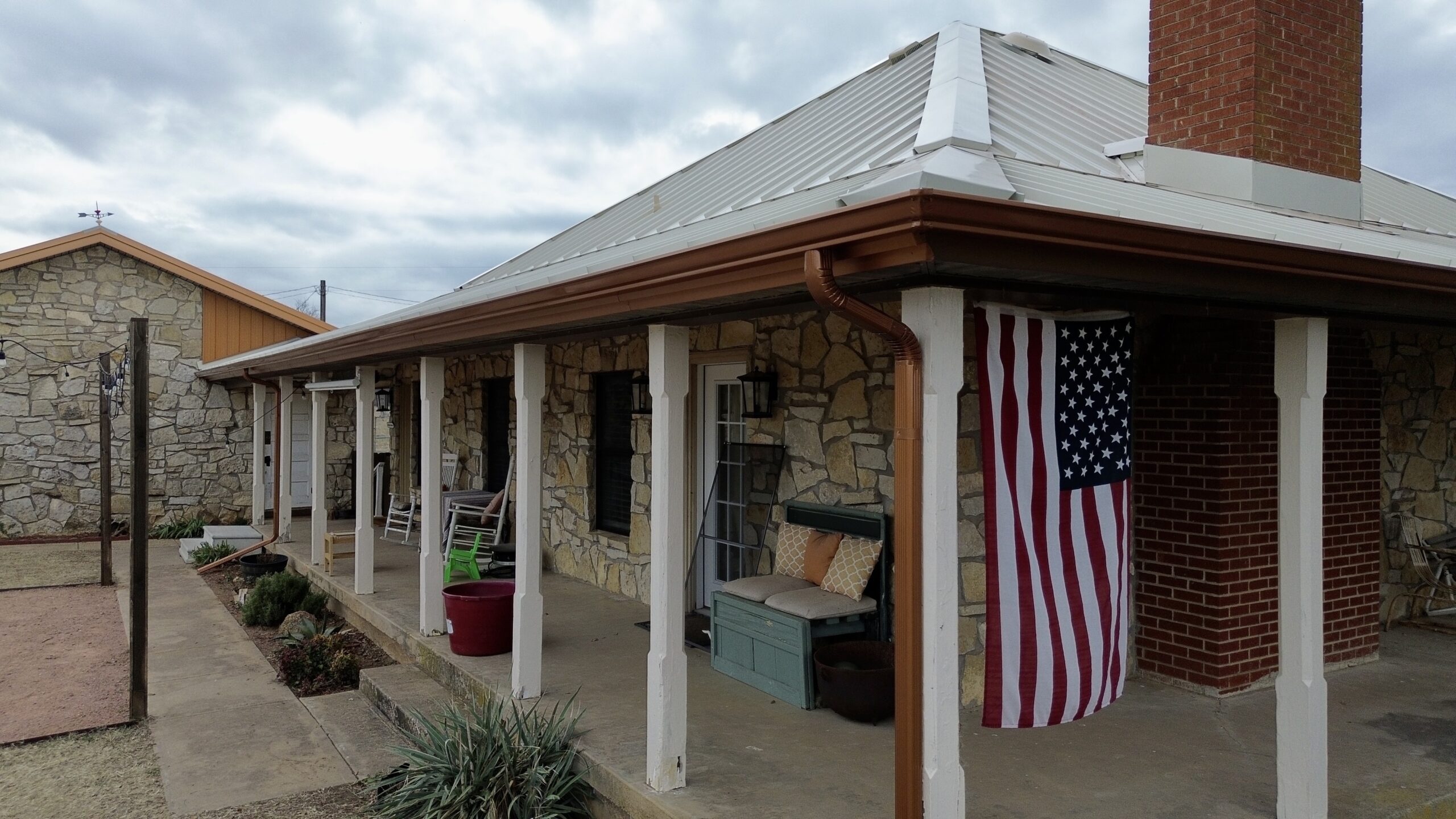
Making the Best Long Term Investment
Choosing a roofing material should ultimately be viewed as a long term investment rather than a one time purchase. Every decision made during the planning stage influences maintenance requirements, replacement frequency, energy efficiency, property value, and overall ownership costs for many years.
The most successful roofing investments balance affordability with long term durability. While premium materials often require greater initial spending, they frequently reduce future maintenance expenses and extend replacement intervals. Homeowners should evaluate how long they expect to remain in the property before deciding how much additional investment makes financial sense.
Routine maintenance also protects the value of every roofing material regardless of its initial cost. Regular inspections, prompt repairs, clean gutters, and proper attic ventilation help maximize service life while preserving warranty coverage. Preventive maintenance often provides one of the highest returns on any roofing investment.
Energy efficiency deserves careful consideration as well. Roofing systems designed to improve thermal performance contribute to lower heating and cooling costs while increasing indoor comfort throughout the year. These ongoing savings gradually strengthen the financial value of higher quality roofing materials.
Future resale potential should also influence roofing decisions. Buyers frequently view a recently installed, durable roof as a significant advantage because it reduces anticipated maintenance concerns. A high quality roofing system often becomes a valuable selling feature that enhances buyer confidence.
Investing in quality installation is equally important. Even the most durable roofing material cannot deliver its full lifespan if workmanship is poor. Selecting experienced contractors ensures that the roofing system performs according to manufacturer specifications while minimizing the likelihood of premature problems.
Long term roofing investments succeed when every component works together. Quality materials, skilled installation, proper maintenance, and thoughtful planning combine to create a roofing system that protects the home while delivering dependable financial value throughout its lifespan.
Conclusion
Comparing roof replacement costs across different materials involves much more than reviewing product prices. Every roofing material offers a unique combination of installation cost, maintenance requirements, expected lifespan, durability, and long term ownership value. Understanding these differences allows homeowners to choose roofing systems that match both their financial goals and their property’s specific needs.
Throughout this guide, we have explored the characteristics of today’s most common roofing materials, including asphalt shingles, metal roofing, wood shakes, clay tiles, concrete tiles, slate, and synthetic alternatives. We also examined how installation complexity, structural requirements, climate suitability, and maintenance expectations influence the true cost of roof ownership beyond the initial investment.
The best roofing material is not necessarily the least expensive or the most expensive option. Instead, it is the one that provides the right balance between affordability, durability, appearance, and long term performance for a particular home. Considering factors such as climate, expected ownership period, energy efficiency, and future maintenance helps homeowners make more informed decisions that deliver lasting value.
Working with an experienced roofing contractor further improves the decision making process by providing professional guidance based on local conditions and practical installation experience. Detailed estimates, realistic performance expectations, and clear warranty information allow homeowners to compare roofing materials with greater confidence while avoiding costly surprises.
Every roof is a long term investment in the safety, comfort, and value of a home. By comparing roofing materials carefully and evaluating total ownership costs rather than initial price alone, homeowners can select a roofing system that provides dependable protection, reduces future maintenance expenses, enhances property value, and delivers reliable performance for decades to come.