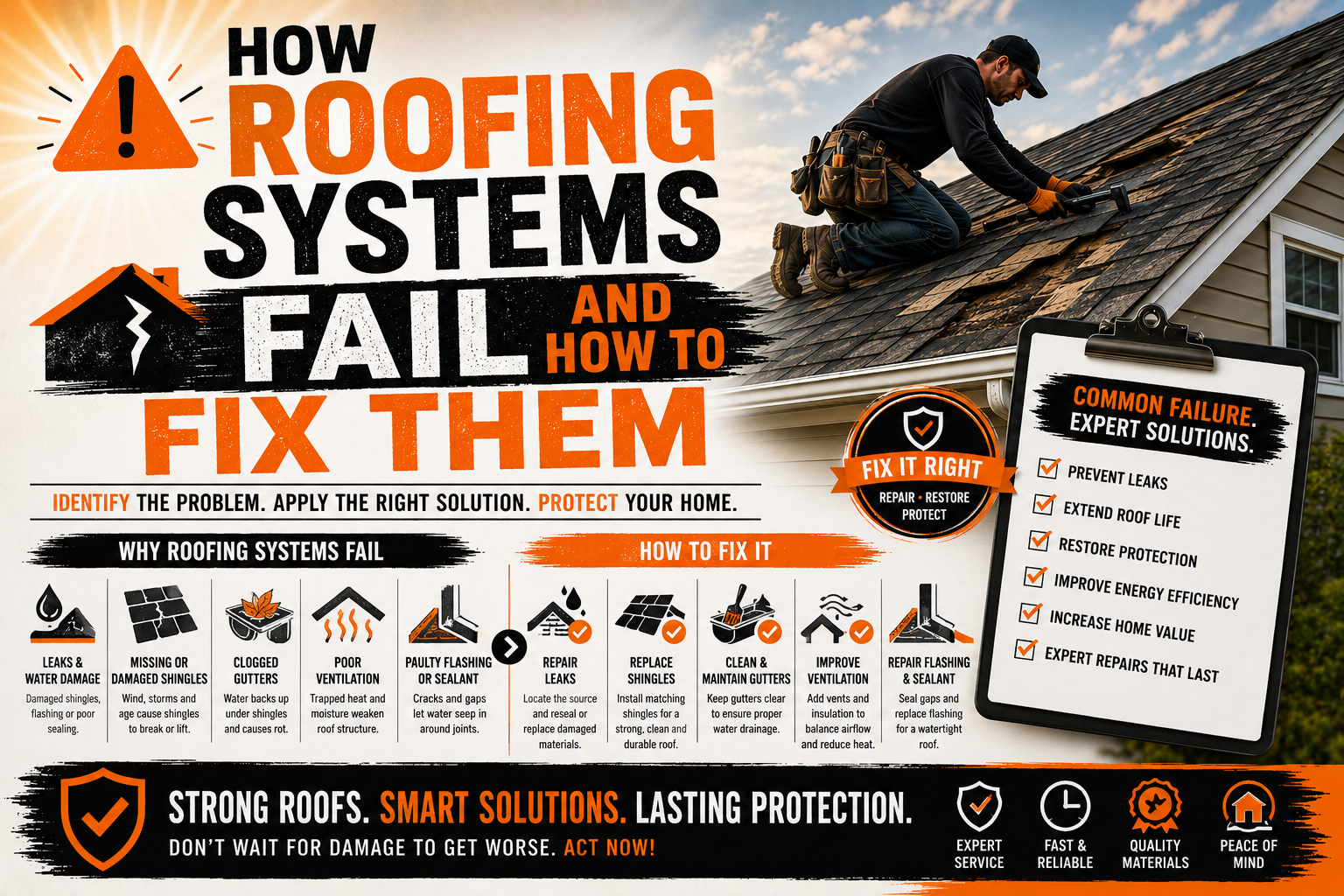
How Roofing Systems Fail and How to Fix Them
Introduction
A roof is one of the most important parts of any building because it provides the first line of defense against rain, wind, sunlight, snow, and changing temperatures. While most homeowners focus on visible features like shingles or tiles, a roofing system is actually made up of several interconnected components that work together to keep a structure safe and dry. When even one of these components begins to fail, the entire roofing system can become vulnerable.
Roof failures rarely happen overnight. In most cases, problems develop gradually due to aging materials, poor installation, harsh weather, moisture intrusion, or a lack of regular maintenance. Small issues such as cracked flashing or missing shingles often go unnoticed until they evolve into expensive repairs that affect insulation, ceilings, walls, and even the structural integrity of the building.
Understanding how roofing systems fail is essential for homeowners, property managers, and commercial building owners alike. Recognizing the early warning signs allows problems to be addressed before they become major financial burdens, helping extend the lifespan of the roof while protecting the investment beneath it.
Every roofing material has strengths and weaknesses, but no roofing system is completely immune to damage. Whether the roof is covered with asphalt shingles, metal panels, clay tiles, slate, or modern synthetic materials, each system experiences wear over time. Knowing the common causes of deterioration makes it easier to choose the right repair strategy and avoid preventable damage.
This guide explores the most common ways roofing systems fail, explains why these issues occur, and discusses practical repair solutions that restore long-term performance. By understanding the science behind roof deterioration and the importance of routine maintenance, property owners can make informed decisions that reduce repair costs and maximize the life of their roofing investment.
Understanding How Roofing Systems Work
Many people think a roof is simply the outer covering they see from the ground. In reality, a roofing system consists of multiple layers that work together to prevent water intrusion, regulate indoor temperatures, support structural loads, and withstand years of environmental exposure. Each layer has a specific purpose, and the failure of one component can compromise the effectiveness of the entire system.
The outer roofing material serves as the primary barrier against weather conditions. Depending on the building, this may consist of shingles, metal panels, tiles, slate, wood shakes, or specialized membranes for flat roofs. These materials absorb the direct impact of sunlight, rain, hail, snow, and strong winds while protecting the layers beneath them.
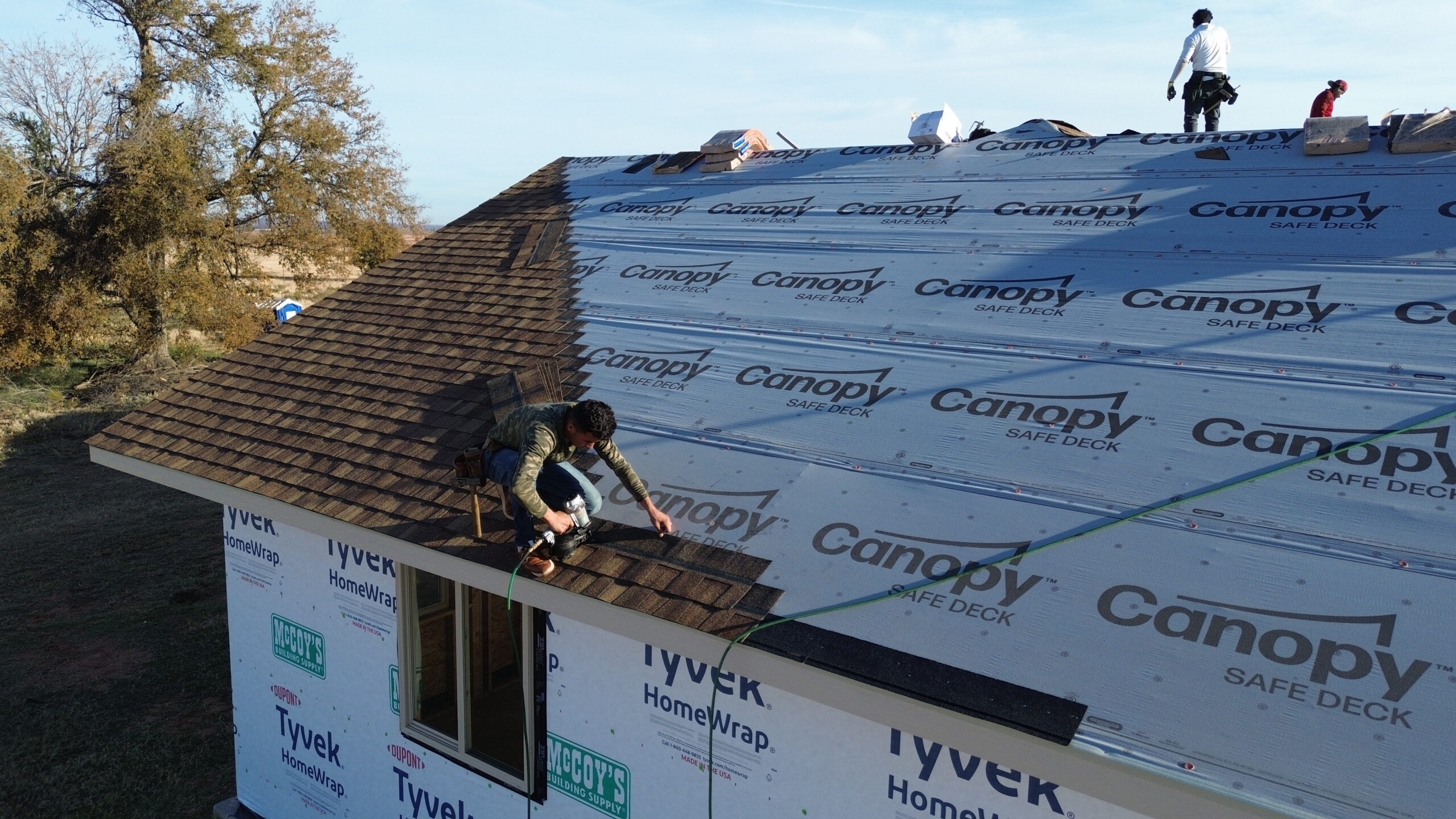
Beneath the visible roofing material lies an underlayment that provides secondary water protection. If rainwater penetrates the outer surface due to damaged shingles or strong wind, the underlayment helps prevent moisture from reaching the roof deck. Modern synthetic underlayments are particularly effective because they offer excellent water resistance while remaining lightweight and durable.
The roof deck forms the structural foundation of the roofing system. Usually constructed from plywood or oriented strand board, it provides a solid base that supports the roofing materials above. A weakened or water-damaged roof deck can compromise the stability of the entire roof, making timely repairs essential.
Flashing plays a critical role in waterproofing vulnerable areas where roof surfaces meet walls, chimneys, skylights, valleys, and vents. These locations naturally collect water, making them common sources of leaks if flashing becomes loose, rusted, or improperly installed. Even a small gap around flashing can allow moisture to enter the building over time.
Ventilation is another essential component that is often overlooked. Proper airflow through attic spaces helps regulate temperature and moisture levels throughout the year. During summer, ventilation reduces excessive heat buildup, while in winter it minimizes condensation that can damage insulation and wooden roof structures.
Insulation works alongside ventilation to improve energy efficiency and indoor comfort. Effective insulation reduces heat transfer, helping heating and cooling systems operate more efficiently while also minimizing condensation within the roof assembly. Together, insulation and ventilation contribute significantly to the overall health of a roofing system.
Drainage systems complete the roofing assembly by directing rainwater away from the building. Gutters, downspouts, roof valleys, and drainage channels prevent standing water from accumulating on the roof surface. Poor drainage is one of the leading contributors to premature roofing failure because prolonged moisture exposure accelerates material deterioration.
When every component functions properly, the roofing system provides reliable protection for many years. However, damage to even a single element can trigger a chain reaction that eventually affects the entire structure. This is why professional roof inspections examine every layer rather than focusing only on the visible roofing material.
Common Types of Roofing Systems
Different buildings require different roofing systems depending on climate, architectural style, structural requirements, and budget. Understanding the characteristics of each roofing type helps explain why certain failures occur more frequently in some systems than others.
Asphalt Shingle Roofing
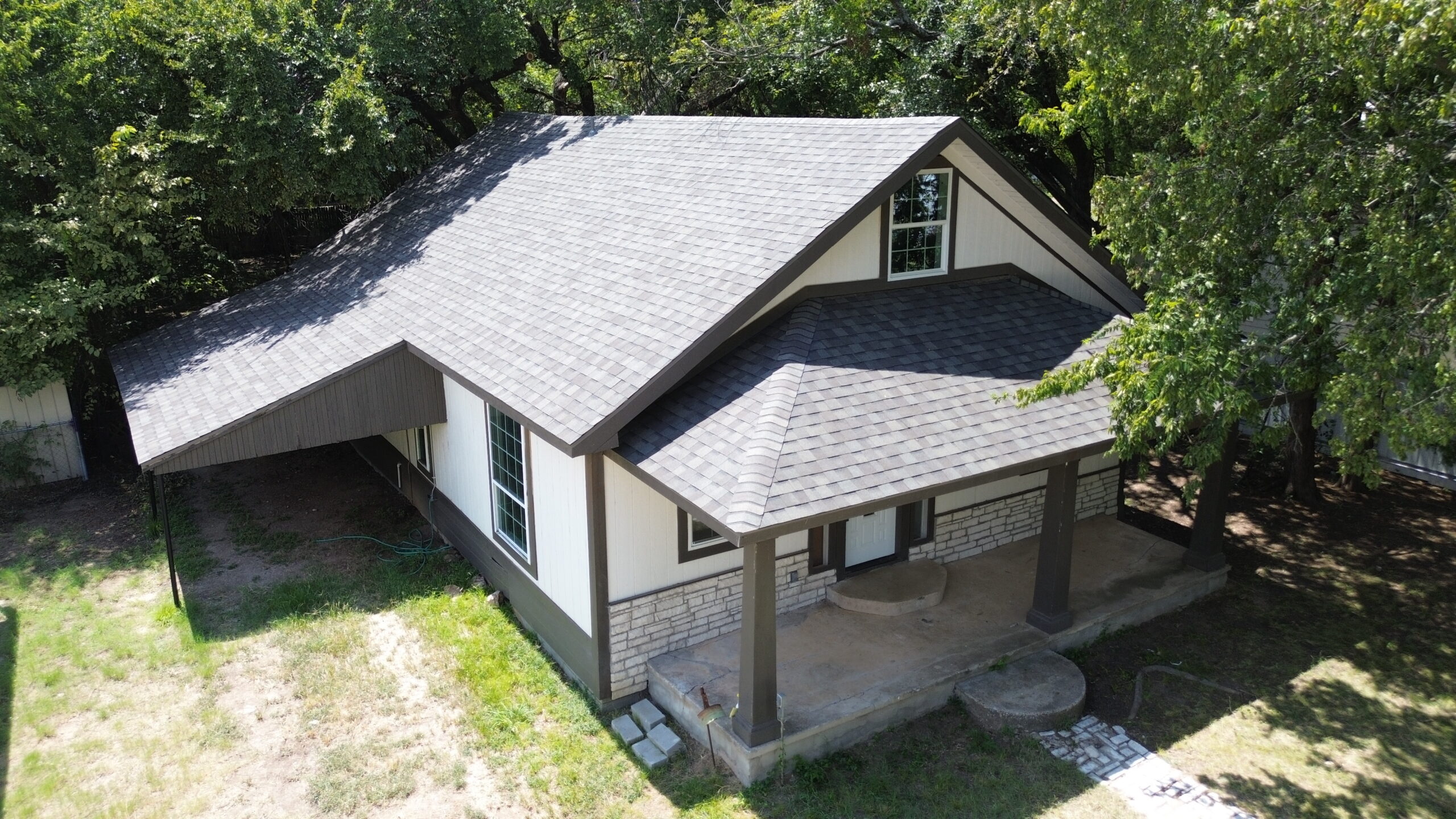
Asphalt shingles remain the most widely used residential roofing material because they offer an excellent balance between affordability, durability, and appearance. Available in a variety of colors and styles, they complement many architectural designs while providing reliable weather protection.
Despite their popularity, asphalt shingles gradually deteriorate as they age. Constant exposure to ultraviolet radiation causes the protective granules to wear away, making shingles more susceptible to cracking, curling, and water penetration. High winds may also lift improperly secured shingles, creating openings where moisture can enter.
Metal Roofing Systems
Metal roofing has gained popularity due to its impressive longevity, energy efficiency, and resistance to fire. Steel, aluminum, copper, and zinc roofing systems can often last several decades with proper installation and maintenance, making them attractive long-term investments.
Although highly durable, metal roofs are not maintenance free. Fasteners may loosen over time because of thermal expansion and contraction, while protective coatings can deteriorate if neglected. Improper installation may also create gaps that allow water infiltration during heavy rainfall.
Tile Roofing
Clay and concrete tile roofs are valued for their durability, distinctive appearance, and ability to withstand harsh climates. They perform particularly well in hot regions because they naturally resist heat and provide excellent ventilation beneath the tiles.
The tiles themselves often last many decades, but individual pieces may crack when subjected to falling branches or heavy impacts. Underlayment beneath the tiles generally deteriorates faster than the tiles themselves, meaning repairs often involve replacing waterproofing layers rather than the tiles alone.
Slate Roofing
Slate is one of the longest-lasting roofing materials available and is often found on historic homes and premium residential properties. Natural stone offers exceptional durability while providing an elegant appearance that enhances architectural value.
Although slate is remarkably resilient, it requires skilled installation and specialized repair techniques. Individual slate pieces can crack under impact or become loose if fastening systems deteriorate. Repairing slate roofs typically demands experienced professionals who understand the unique characteristics of natural stone roofing.
Flat Roofing Systems
Flat roofs are common on commercial buildings, apartment complexes, and many modern residential structures. Rather than relying on steep slopes, these roofs use waterproof membranes and carefully designed drainage systems to manage water runoff.
Standing water presents one of the greatest challenges for flat roofing systems. Even minor drainage issues can lead to ponding water that accelerates membrane deterioration, increases structural stress, and eventually causes leaks if not corrected promptly.
Wood Shake Roofing
Wood shake roofs provide a natural appearance that appeals to homeowners seeking traditional architectural styles. Cedar remains one of the most common materials because it naturally resists insects while offering moderate weather resistance.
Wood roofing requires consistent maintenance to prevent moisture damage, mold growth, and insect activity. Without regular treatment and inspection, wood shakes can split, warp, or decay much faster than many alternative roofing materials.
Synthetic Roofing Materials
Modern synthetic roofing products are engineered to replicate the appearance of slate, wood, or tile while reducing weight and maintenance requirements. Advances in manufacturing have produced materials that resist moisture, fading, and impact more effectively than many traditional options.
While synthetic products generally perform well, their lifespan depends heavily on manufacturing quality and installation standards. Inferior products may experience premature fading, cracking, or warping when exposed to prolonged sunlight and temperature fluctuations.
The Most Common Causes of Roofing System Failure
Roof failures usually result from multiple contributing factors rather than a single event. Understanding these causes helps property owners identify potential risks before they lead to extensive damage.
Aging and Natural Deterioration
Every roofing material has a limited service life, regardless of its quality. Years of continuous exposure to sunlight, rain, changing temperatures, and seasonal weather gradually weaken roofing materials until they lose their ability to provide effective protection.
As roofing materials age, they become less flexible and more susceptible to cracking, shrinking, and separation. Protective coatings wear away, sealants dry out, and fastening systems loosen naturally over time. Without timely maintenance, these age-related changes create opportunities for water infiltration and structural deterioration.
Severe Weather Conditions
Weather is one of the most significant contributors to roofing damage. Strong winds, hailstorms, heavy snowfall, intense sunlight, hurricanes, and repeated freeze-thaw cycles all place considerable stress on roofing materials throughout the year.
Wind can lift shingles, loosen flashing, and displace roofing components, while hail may create dents, fractures, or punctures that are difficult to detect from the ground. Snow accumulation increases structural loads, and repeated freezing and thawing causes small cracks to expand over time.
Extreme heat also contributes to roofing failure by accelerating material aging. Continuous ultraviolet exposure weakens protective surfaces, dries out sealants, and increases thermal expansion, eventually leading to gaps and material fatigue.
Poor Installation Practices
Even premium roofing materials cannot perform properly if they are installed incorrectly. Poor workmanship remains one of the leading causes of premature roofing failure, often shortening a roof’s expected lifespan by many years.
Improperly aligned shingles, inadequate fastening, incorrect flashing installation, insufficient ventilation, and poorly sealed penetrations all create vulnerabilities that eventually allow moisture to enter the building. These installation mistakes often remain hidden until leaks begin appearing inside the property.
Hiring experienced roofing professionals significantly reduces these risks because proper installation follows manufacturer specifications and established industry standards. Quality workmanship ensures every roofing component functions together as a complete protective system.
Low-Quality Roofing Materials
The quality of roofing materials directly influences long-term performance. Inferior products often deteriorate much faster because they lack the durability needed to withstand continuous environmental exposure.
Low-grade shingles may lose protective granules prematurely, while inexpensive underlayments may tear more easily during installation or fail after repeated moisture exposure. Selecting higher-quality materials generally results in fewer repairs and a longer overall service life.
Although premium materials require a greater initial investment, they often reduce long-term ownership costs by minimizing maintenance and extending replacement intervals. Investing in durable products typically provides better value throughout the roof’s lifespan.
Lack of Routine Maintenance
Many roofing problems become severe simply because regular maintenance was neglected. Small issues that could have been repaired quickly often develop into widespread structural damage after months or years of exposure.
Leaves, branches, and debris can block gutters and drainage systems, allowing water to accumulate on the roof surface. Moss and algae retain moisture against roofing materials, while unnoticed flashing damage allows slow leaks to continue for extended periods.
Routine inspections help identify minor defects before they become expensive repairs. Cleaning drainage systems, replacing damaged sealants, and addressing loose roofing components promptly are among the most effective ways to prevent premature roof failure.
Early Warning Signs That a Roof Is Beginning to Fail
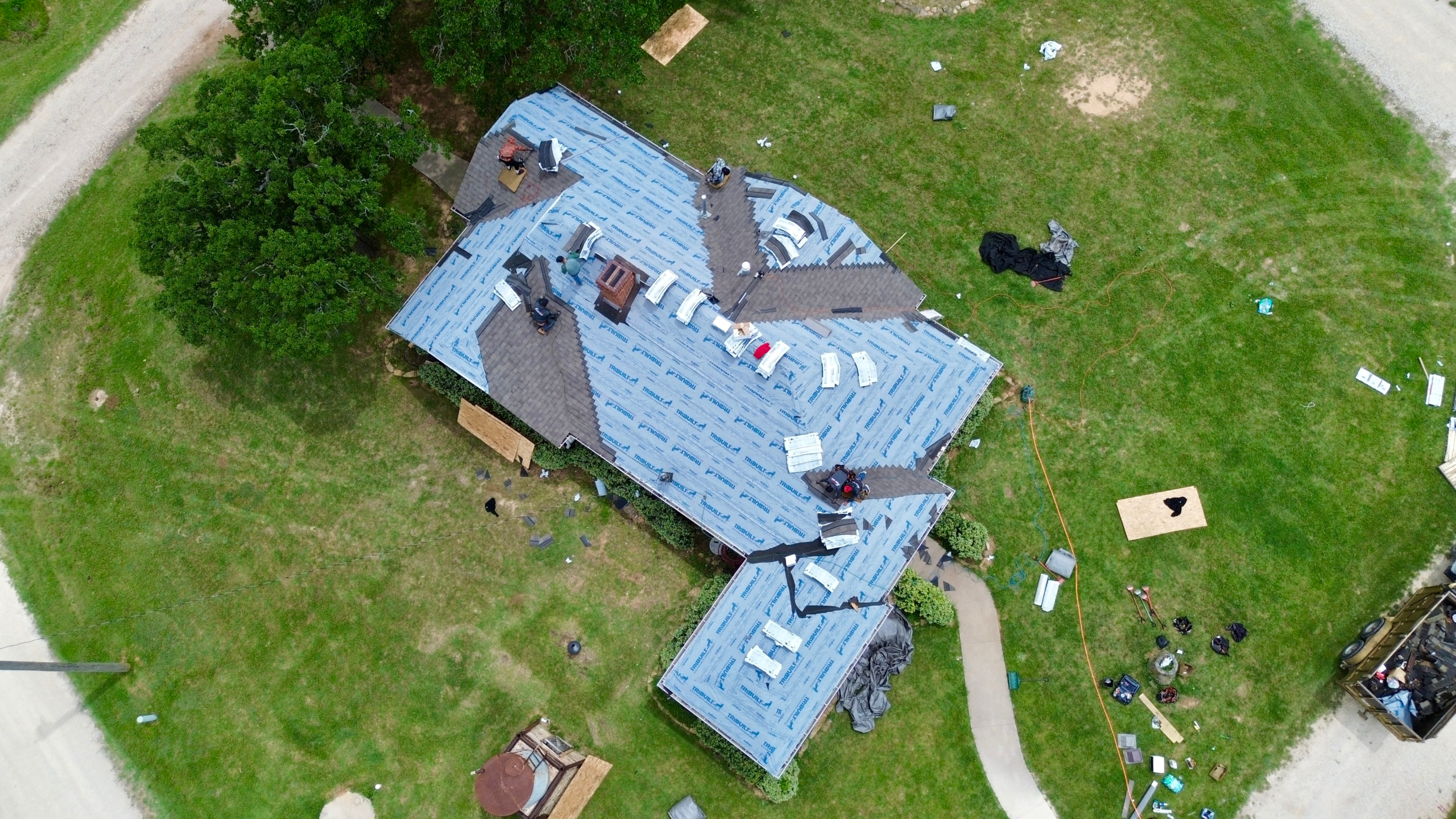
Roofing systems rarely collapse without warning. In most cases, they provide visible and hidden signs that indicate developing problems long before significant structural damage occurs. Recognizing these indicators early gives homeowners the opportunity to schedule repairs before replacement becomes necessary.
Interior warning signs often appear before exterior damage becomes obvious. Water stains on ceilings, peeling paint, damp insulation, mold growth, or unusual odors may all suggest moisture is entering through the roofing system. These symptoms should never be ignored because they often indicate an active leak somewhere above the affected area.
Exterior inspections can reveal missing shingles, cracked tiles, rusted flashing, clogged gutters, or visible sagging along roof lines. While some issues appear minor, they frequently signal deeper problems developing beneath the surface that require professional evaluation.
Structural changes deserve immediate attention because they often indicate serious deterioration within the roofing system. A roof that appears uneven, develops soft spots, or begins sagging may have experienced deck damage or weakened framing caused by prolonged moisture exposure.
Early detection remains one of the most effective ways to reduce roofing expenses. Addressing small problems before they spread not only extends the roof’s lifespan but also prevents costly repairs involving ceilings, insulation, electrical systems, and structural framing.
Moisture Damage and Roof Leaks
Water is the greatest enemy of any roofing system because it can silently damage multiple layers before becoming visible inside the building. A roof may appear perfectly intact from the outside while moisture slowly deteriorates the deck, insulation, framing, and interior finishes beneath the surface. This hidden damage often goes unnoticed until repair costs become much higher than expected.
Roof leaks rarely originate directly above the area where water appears indoors. Rainwater can travel along rafters, insulation, or structural beams before finally dripping through the ceiling. This makes leak detection more challenging and highlights the importance of professional inspections when moisture problems develop.
Understanding how water enters a roofing system is the first step toward preventing long-term structural damage. Once moisture penetrates the protective barriers, it begins affecting multiple components simultaneously, creating conditions that encourage mold growth, wood rot, corrosion, and insulation failure.
How Water Enters Roofing Systems
Rainwater normally flows harmlessly across the roof surface and into gutters or drainage systems. Problems begin when roofing materials become damaged or when protective components no longer perform as intended. Even a small opening can allow significant moisture to enter over repeated rainfall events.
Damaged shingles are one of the most common entry points for water. Cracked, curled, or missing shingles expose the underlayment to direct weather, increasing the likelihood of leaks during heavy rain or strong winds. As surrounding materials continue aging, water penetration often accelerates.
Flashing failures account for many persistent roof leaks because flashing protects the most vulnerable transitions on the roof. Chimneys, skylights, roof vents, plumbing stacks, valleys, and wall intersections all depend on properly installed flashing to direct water away from openings. Loose or corroded flashing allows water to bypass these protective barriers.
Roof penetrations also require careful sealing throughout the life of the roof. Sealants around vents, satellite mounts, solar panel attachments, and exhaust systems gradually shrink and crack with age. Without periodic maintenance, these small gaps become reliable pathways for moisture intrusion.
Poor drainage creates another major source of roofing problems. Clogged gutters, blocked downspouts, and improperly sloped flat roofs allow water to remain on the roof longer than intended. Standing water increases the likelihood of leaks while accelerating the deterioration of roofing materials.
Hidden Moisture Damage
One of the most challenging aspects of roof leaks is that serious damage often develops long before visible symptoms appear indoors. Water trapped beneath roofing materials may remain hidden for months while gradually weakening structural components.
Wooden roof decks absorb moisture over time, causing them to swell, soften, and eventually rot. As deterioration progresses, the deck loses its ability to support roofing materials properly, increasing the risk of sagging or localized collapse if repairs are delayed.
Insulation also suffers when exposed to moisture. Wet insulation loses much of its thermal resistance, making heating and cooling systems work harder throughout the year. Increased energy bills sometimes become one of the earliest indicators of hidden roof leaks.
Metal components within the roofing system are equally vulnerable. Nails, fasteners, brackets, and connectors may corrode after prolonged moisture exposure, reducing their strength and contributing to loosening roofing materials during storms.
Because hidden moisture spreads gradually, professional moisture detection methods often reveal problems that cannot be identified during a simple visual inspection. Early discovery allows repairs to remain localized instead of requiring extensive structural reconstruction.
Mold, Insulation Damage, and Structural Decay
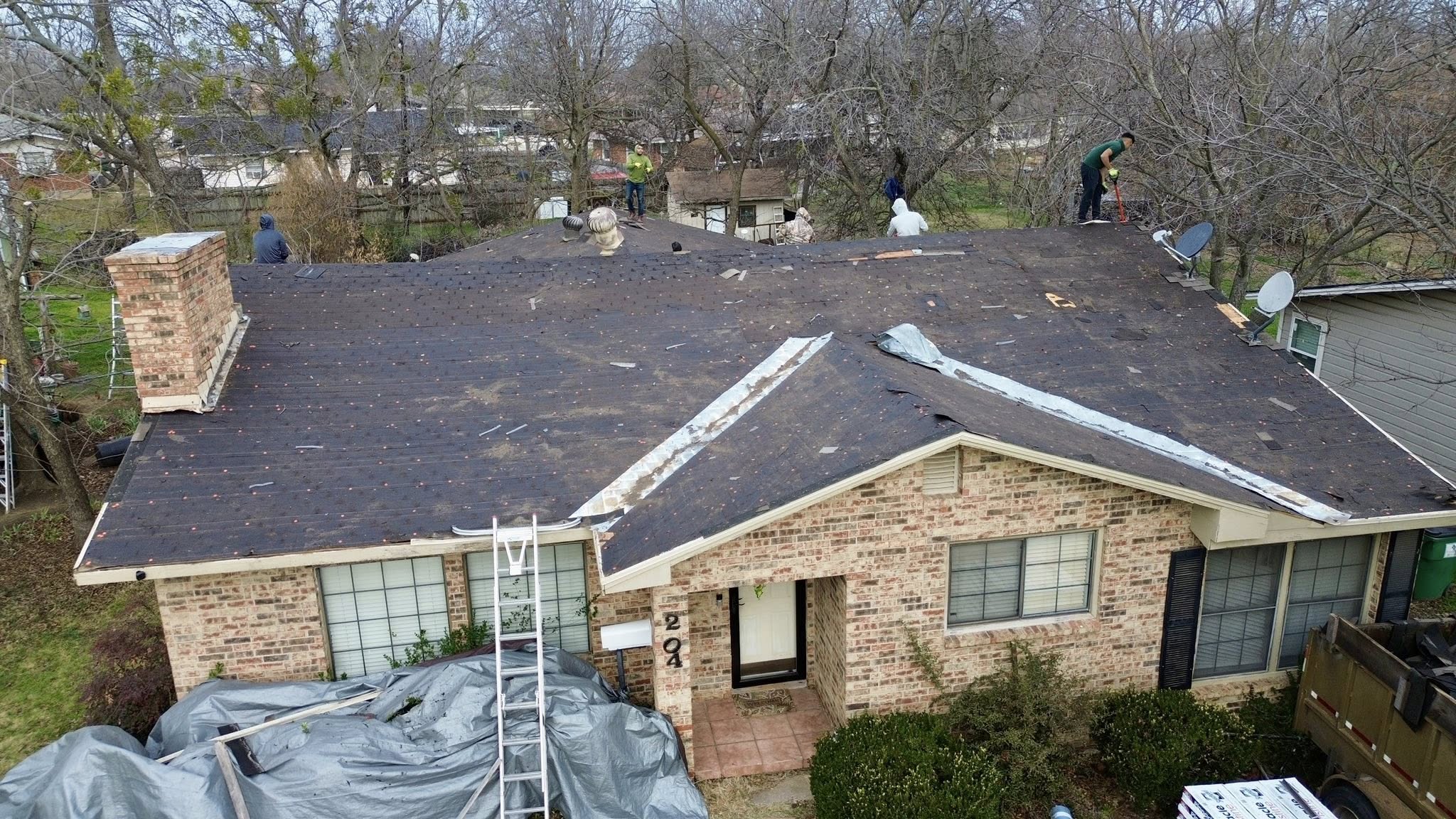
Persistent roof leaks create ideal conditions for biological growth. Mold and mildew thrive in damp, poorly ventilated spaces where moisture remains trapped for extended periods. Once established, mold can spread rapidly through insulation, wood framing, drywall, and ceiling finishes.
Beyond damaging building materials, mold may affect indoor air quality. Occupants can experience unpleasant odors, allergic reactions, or respiratory discomfort if mold growth becomes widespread. Eliminating the moisture source is essential because simply removing visible mold does not solve the underlying problem.
Wood decay develops when moisture repeatedly saturates structural framing. Rafters, trusses, and roof decking gradually lose strength as fungi break down wood fibers. What begins as a minor leak can eventually compromise the structural integrity of the entire roofing system.
Long-term moisture exposure may also damage electrical wiring located within attic spaces. Water intrusion increases the risk of corrosion around electrical connections and should always be addressed promptly by qualified professionals whenever leaks occur near electrical components.
Finding the True Source of Roof Leaks
Locating the actual source of a roof leak often requires patience and systematic investigation. Water rarely follows a straight path, making it difficult to identify the origin based solely on interior ceiling stains.
Roofing professionals begin by examining visible roofing materials for obvious signs of damage. Missing shingles, cracked tiles, punctured membranes, deteriorated flashing, and damaged sealants provide valuable clues during the inspection process.
Attic inspections frequently reveal additional evidence that cannot be seen from outside. Water stains on rafters, damp insulation, mold growth, and daylight entering through roof penetrations help narrow down the leak location.
In more complex situations, controlled water testing may be performed. Specific roof sections are carefully sprayed while another inspector monitors the attic for signs of moisture entry. This method helps isolate difficult leaks without relying solely on weather conditions.
Successful leak repair depends on identifying the true source rather than treating only the visible symptoms. Temporary fixes may stop water for a short period, but lasting repairs require correcting the original point of failure.
Structural Roofing Failures
While many roofing problems begin with damaged surface materials, some failures originate within the structural framework supporting the roof. Structural issues are often more expensive to repair because they involve components responsible for carrying the building’s weight and resisting environmental loads.
Structural failures usually develop gradually rather than appearing suddenly. Moisture, age, excessive weight, poor construction, and foundation movement all contribute to weakening the roof’s supporting framework over time.
Recognizing structural warning signs early can prevent dangerous situations while reducing repair costs. Delaying repairs allows damage to spread beyond the roof into the overall building structure.
Roof Deck Deterioration
The roof deck serves as the foundation that supports all roofing materials. When the deck weakens, every component installed above it becomes less secure and more susceptible to movement during storms.
Repeated moisture exposure remains the leading cause of roof deck deterioration. Even minor leaks gradually soften wooden decking until it can no longer hold fasteners securely. Roofing materials attached to weakened decking become increasingly vulnerable to wind damage.
Roof deck failure is not always visible from the exterior. Soft spots that flex under pressure, uneven roof surfaces, or recurring leaks in the same area often indicate underlying deck damage requiring immediate attention.
Replacing deteriorated decking during roofing repairs ensures the new roofing materials have a stable foundation. Installing new roofing over compromised decking only delays more extensive repairs in the future.
Sagging Roofs
A sagging roof is among the clearest signs that structural problems exist beneath the roofing surface. Sagging should never be dismissed as a cosmetic issue because it often reflects weakened framing or damaged decking.
Several factors contribute to roof sagging. Long-term moisture damage, excessive snow loads, poor original design, undersized structural members, and aging materials can all reduce the roof’s ability to support its intended weight.
The location of sagging often provides clues about its underlying cause. Localized sagging may indicate deck deterioration caused by leaks, while widespread sagging can suggest broader structural issues involving rafters or trusses.
Professional structural evaluation is essential whenever sagging becomes noticeable. Continuing to use the building without repairs increases the likelihood of further structural damage during severe weather.
Damaged Rafters and Trusses
Rafters and trusses distribute roof loads throughout the building. These structural members are engineered to support roofing materials while resisting wind, snow, and other environmental forces.
Moisture remains the most common cause of deterioration in wooden framing members. Over time, repeated water exposure weakens the wood, reducing its load-carrying capacity and increasing the risk of deformation.
Insect activity may also contribute to structural damage in some regions. Termites and wood-boring insects can compromise framing members, particularly when moisture creates favorable conditions for infestation.
Repair strategies vary depending on the severity of the damage. Minor issues may require reinforcement, while extensive deterioration often necessitates replacing affected structural members before roofing repairs can proceed.
Foundation Movement Affecting the Roof
Roof problems do not always originate within the roofing system itself. Changes in the building’s foundation can shift walls, alter roof geometry, and place unexpected stress on roofing materials.
Foundation settlement may create uneven roof lines, cracked flashing, separated joints, or gaps around roof penetrations. These changes increase the likelihood of leaks even when roofing materials remain in relatively good condition.
Addressing roofing symptoms without correcting underlying foundation movement often leads to recurring problems. A comprehensive evaluation ensures repairs target both the structural cause and the resulting roofing damage.
Material Specific Roofing Problems
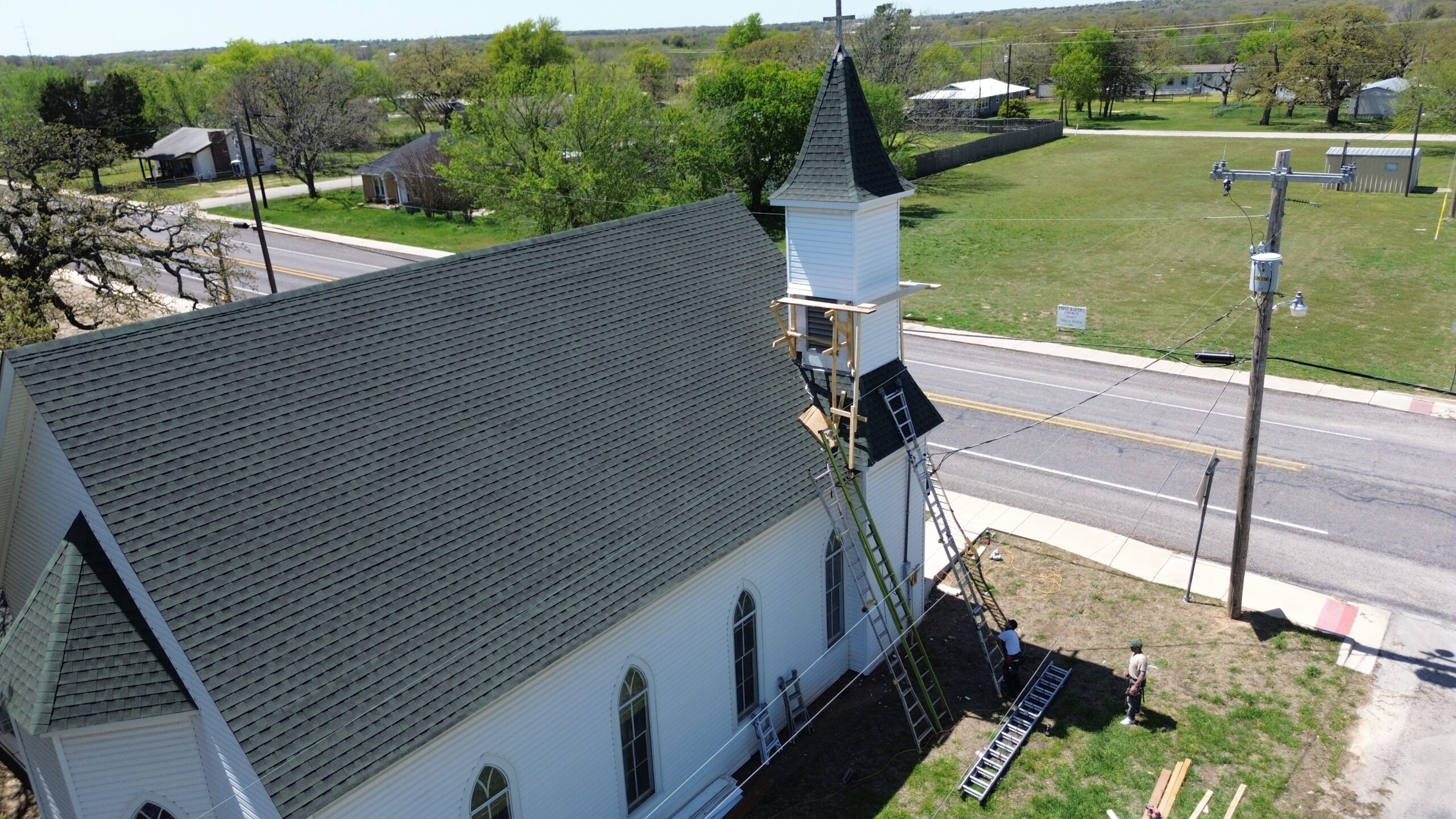
Every roofing material experiences unique aging patterns and failure mechanisms. Understanding these material-specific issues helps property owners recognize warning signs before widespread deterioration occurs.
Asphalt Shingles
Asphalt shingles naturally lose protective granules over time. Once granule loss becomes significant, ultraviolet radiation accelerates deterioration of the underlying asphalt, leading to cracking and curling.
Wind damage frequently affects older shingles because weakened adhesive strips lose their ability to hold shingles securely. Missing shingles expose surrounding materials to greater weather exposure, increasing the rate of deterioration.
Regular inspections after major storms help identify damaged shingles before water infiltration begins. Prompt replacement of isolated damaged areas often prevents more extensive repairs.
Metal Roofing
Metal roofs expand and contract as temperatures change throughout the year. This natural movement gradually places stress on fasteners, seams, and sealants.
Loose fasteners create openings where water may penetrate beneath metal panels. Protective coatings may also deteriorate over time, allowing corrosion to develop if maintenance is neglected.
Routine tightening of fasteners and periodic resealing of joints significantly extend the service life of metal roofing systems. Addressing small maintenance needs early prevents costly corrosion-related repairs.
Tile Roofing
Clay and concrete tiles provide exceptional durability but remain vulnerable to physical impact. Falling branches, hail, or foot traffic during maintenance may crack individual tiles without immediately causing leaks.
Broken tiles expose the underlayment beneath them to direct weather. Since underlayment generally ages faster than the tiles themselves, damaged waterproofing often becomes the primary repair concern.
Replacing cracked tiles promptly preserves both the appearance and weather resistance of the roof. Matching replacement tiles also helps maintain the architectural character of the building.
Slate Roofing
Slate roofing offers remarkable longevity but requires specialized maintenance techniques. Individual slate pieces may loosen as fastening systems age, particularly on older historic buildings.
Improper repair methods can cause unnecessary damage because slate is less forgiving than many modern roofing materials. Professional repairs preserve the integrity of the roof while minimizing disturbance to surrounding slate pieces.
Although repairs may be more specialized, properly maintained slate roofs frequently outlast many alternative roofing systems by several decades.
Flat Roofing Membranes
Flat roofing membranes face unique challenges because water drains more slowly than on sloped roofs. Ponding water increases stress on seams and membrane surfaces, particularly after heavy rainfall.
Ultraviolet exposure gradually weakens membrane materials, while repeated temperature changes may cause seam separation. Small punctures created during maintenance activities can also become sources of persistent leaks.
Routine cleaning and drainage maintenance greatly improve membrane performance. Regular inspections allow damaged seams or punctures to be repaired before widespread moisture intrusion develops.
Wood Shake Roofing
Wood shake roofs require more frequent maintenance than many other roofing materials. Continuous exposure to moisture encourages splitting, warping, fungal growth, and insect activity if preventive care is neglected.
Protective treatments help reduce moisture absorption while slowing natural weathering. Removing accumulated debris also improves airflow, allowing wood to dry more effectively after rainfall.
Although wood roofs require greater attention, consistent maintenance significantly extends their lifespan while preserving their distinctive appearance.
How Professionals Diagnose Roofing Problems
Accurate diagnosis is essential because repairing the wrong problem wastes both time and money. Professional roof inspections combine experience with specialized equipment to identify visible and hidden damage before recommending repair strategies.
Visual inspections remain the foundation of every roofing assessment. Contractors examine roofing materials, flashing, drainage systems, roof penetrations, gutters, and attic spaces to identify obvious signs of deterioration.
Moisture detection equipment allows inspectors to locate trapped water beneath roofing materials without unnecessary removal of finished surfaces. This technology helps determine the true extent of hidden damage while minimizing disruption.
Thermal imaging cameras detect temperature differences caused by moisture accumulation or missing insulation. Wet materials often retain heat differently than dry materials, allowing inspectors to identify hidden leaks that would otherwise remain undetected.
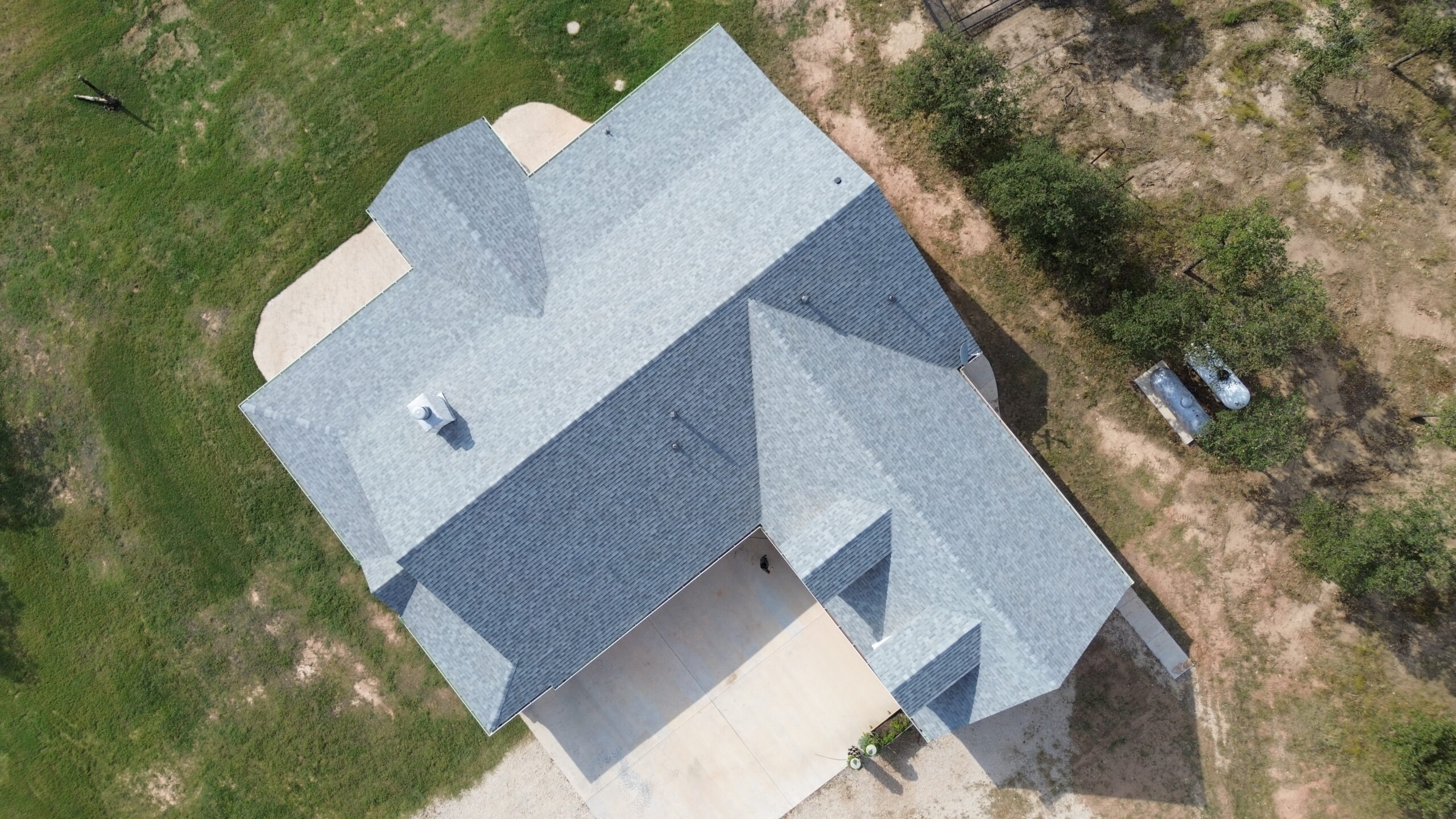
Drone inspections have become increasingly valuable for large, steep, or difficult-to-access roofs. High-resolution images provide detailed documentation while reducing safety risks associated with manual roof access.
Following the inspection, professionals typically prepare a roof condition report that summarizes existing problems, identifies priority repairs, and recommends maintenance strategies. These reports help property owners make informed decisions while planning future roofing investments.
Repair or Replace? Making the Right Decision
One of the most difficult decisions property owners face is determining whether a roof should be repaired or completely replaced. The answer depends on the overall condition of the roofing system rather than the presence of a single problem.
Age is often an important consideration. A relatively new roof with isolated damage can usually be repaired successfully, while an older roof experiencing widespread deterioration may no longer justify repeated repair expenses.
The extent of moisture damage also influences the decision. If leaks have affected only a limited area, localized repairs may restore full performance. Extensive deck deterioration, widespread mold, or structural decay generally makes replacement the more practical long-term solution.
Financial considerations should include future maintenance costs rather than only immediate repair expenses. Repeated repairs on an aging roof may eventually exceed the cost of installing a new roofing system with a fresh warranty.
The following comparison highlights the key differences between repairing and replacing a roof.
| Factor | Roof Repair | Roof Replacement |
|---|---|---|
| Best For | Localized damage | Widespread deterioration |
| Initial Cost | Lower | Higher |
| Project Duration | Usually shorter | Usually longer |
| Structural Improvements | Limited | Comprehensive |
| Expected Lifespan | Extends existing roof | Resets roof lifespan |
| Long Term Value | Good for isolated issues | Better for aging roofs |
| Warranty Coverage | Limited | Full manufacturer and workmanship warranties |
Experienced roofing professionals evaluate the roof as a complete system rather than focusing only on visible damage. Their recommendations consider structural condition, remaining service life, repair history, energy efficiency, and overall long-term value.
Effective Roofing Repair Solutions
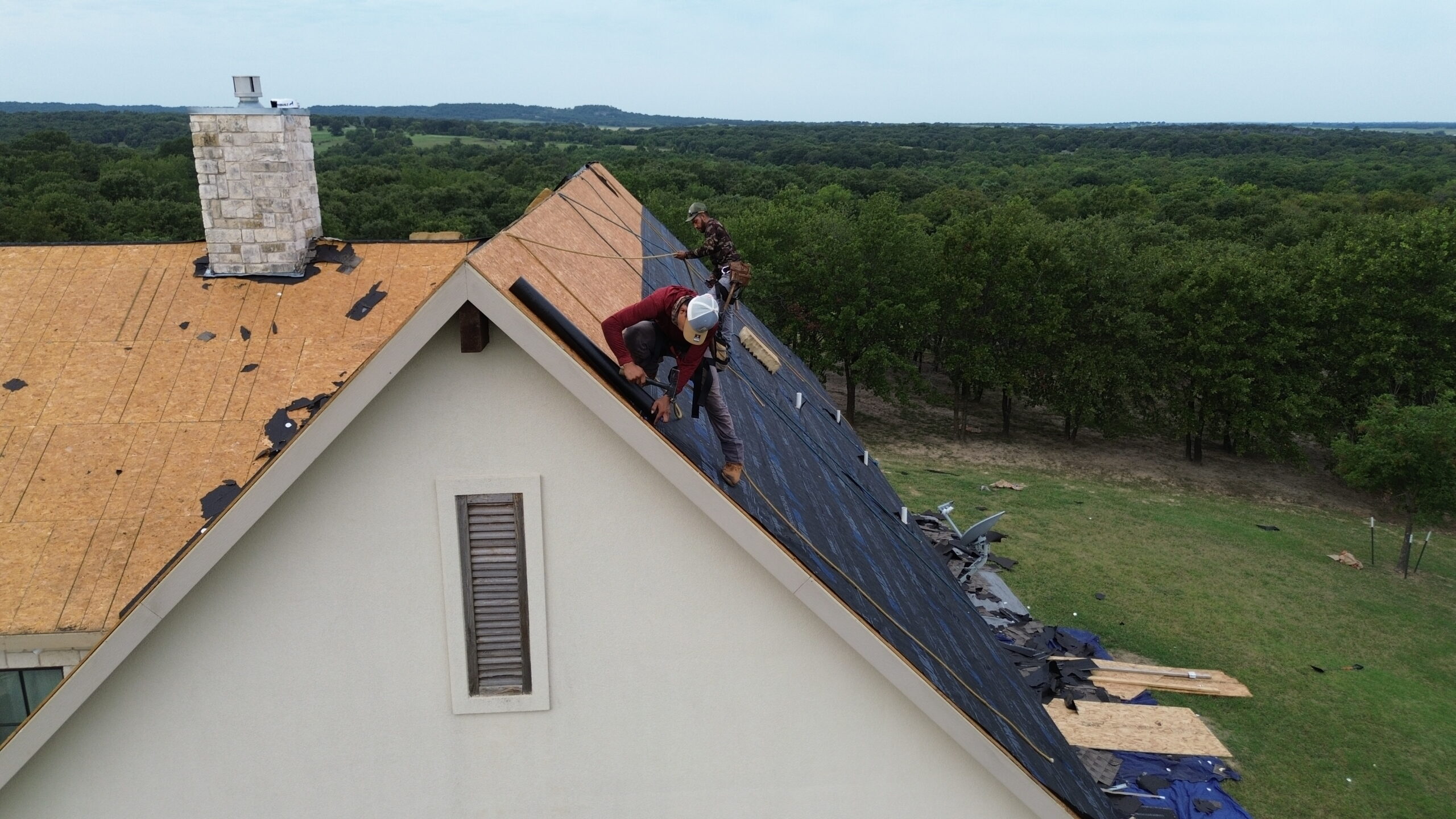
Successful roofing repairs address the root cause of the problem rather than simply covering visible damage. Temporary patches may stop a leak for a short period, but they rarely provide a lasting solution if the underlying issue remains unresolved. A thorough repair restores the roofing system’s ability to resist weather while protecting the structure beneath it.
Repair methods vary depending on the roofing material, the severity of the damage, and the condition of the supporting structure. Some problems can be resolved by replacing individual components, while others require more extensive work to restore the roof’s overall performance.
Leak Repair Methods
Roof leaks should always be repaired as soon as they are discovered because even small amounts of water can cause extensive damage over time. The repair process begins by identifying the true source of the leak rather than the location where water becomes visible inside the building.
Once the damaged area has been located, roofing professionals remove compromised materials and inspect the surrounding structure for hidden moisture damage. Any deteriorated decking or insulation is replaced before new roofing materials are installed to restore complete weather protection.
Modern sealants and waterproof membranes help create durable repairs when used correctly. However, sealants should complement proper repairs rather than serve as the primary solution for major roofing defects.
Flashing Replacement
Flashing protects the most vulnerable sections of a roof where different building components meet. Chimneys, skylights, dormers, plumbing vents, and roof valleys all rely on properly installed flashing to direct water safely away from joints and openings.
Over time, flashing may rust, loosen, crack, or separate because of weather exposure and natural building movement. Replacing damaged flashing eliminates one of the most common causes of recurring roof leaks while improving the roof’s overall resistance to moisture.
Professional installation is especially important because flashing must overlap correctly with surrounding roofing materials. Poorly installed flashing often fails long before the roofing material itself reaches the end of its service life.
Shingle Replacement
Individual shingles that become cracked, curled, torn, or missing should be replaced before surrounding materials are affected. Prompt replacement prevents water from reaching the underlayment and roof deck, reducing the risk of more extensive repairs.
Matching the replacement shingles to the existing roof helps maintain a consistent appearance while ensuring similar performance characteristics. Roofing contractors also inspect nearby shingles because damage often extends beyond the most visible area.
Replacing damaged shingles after severe weather events is one of the simplest ways to extend the life of an asphalt roofing system. Routine inspections following storms help identify problems before they become major leaks.
Structural Reinforcement
Some roofing failures involve weakened structural components rather than damaged surface materials alone. In these situations, reinforcing or replacing framing members is necessary before new roofing materials can be installed safely.
Structural repairs may include replacing deteriorated roof decking, reinforcing rafters, repairing trusses, or strengthening support beams affected by moisture or age. Completing these repairs restores the roof’s ability to carry normal loads while reducing the risk of future structural movement.
Ignoring structural problems often leads to repeated roofing failures because new roofing materials cannot compensate for an unstable foundation. Addressing both structural and roofing issues together provides a much longer lasting solution.
Waterproofing Improvements
Modern waterproofing systems offer greater protection than many older roofing assemblies. Upgrading underlayments, installing self-adhering membranes, and improving flashing details help reduce the likelihood of future leaks.
Ice and water barrier membranes are particularly valuable in areas where heavy rain or snow is common. These specialized materials provide additional protection around roof edges, valleys, and penetrations where leaks are more likely to develop.
Waterproofing improvements also benefit roofs that have experienced previous repair work. Adding extra moisture protection during repairs increases the overall reliability of the roofing system.
Drainage Corrections
Proper drainage is essential for every roofing system, especially flat and low slope roofs where water moves more slowly. Standing water places continuous stress on roofing materials and significantly increases the risk of leaks.
Correcting drainage issues may involve cleaning gutters, repairing downspouts, adjusting roof slopes, or installing additional drainage outlets where needed. These improvements reduce the amount of time water remains on the roof after rainfall.
Well-designed drainage systems also minimize the accumulation of leaves, dirt, and debris that can trap moisture against roofing materials. Keeping water moving efficiently away from the building is one of the most effective ways to prevent premature roof deterioration.
Preventing Future Roofing Failures
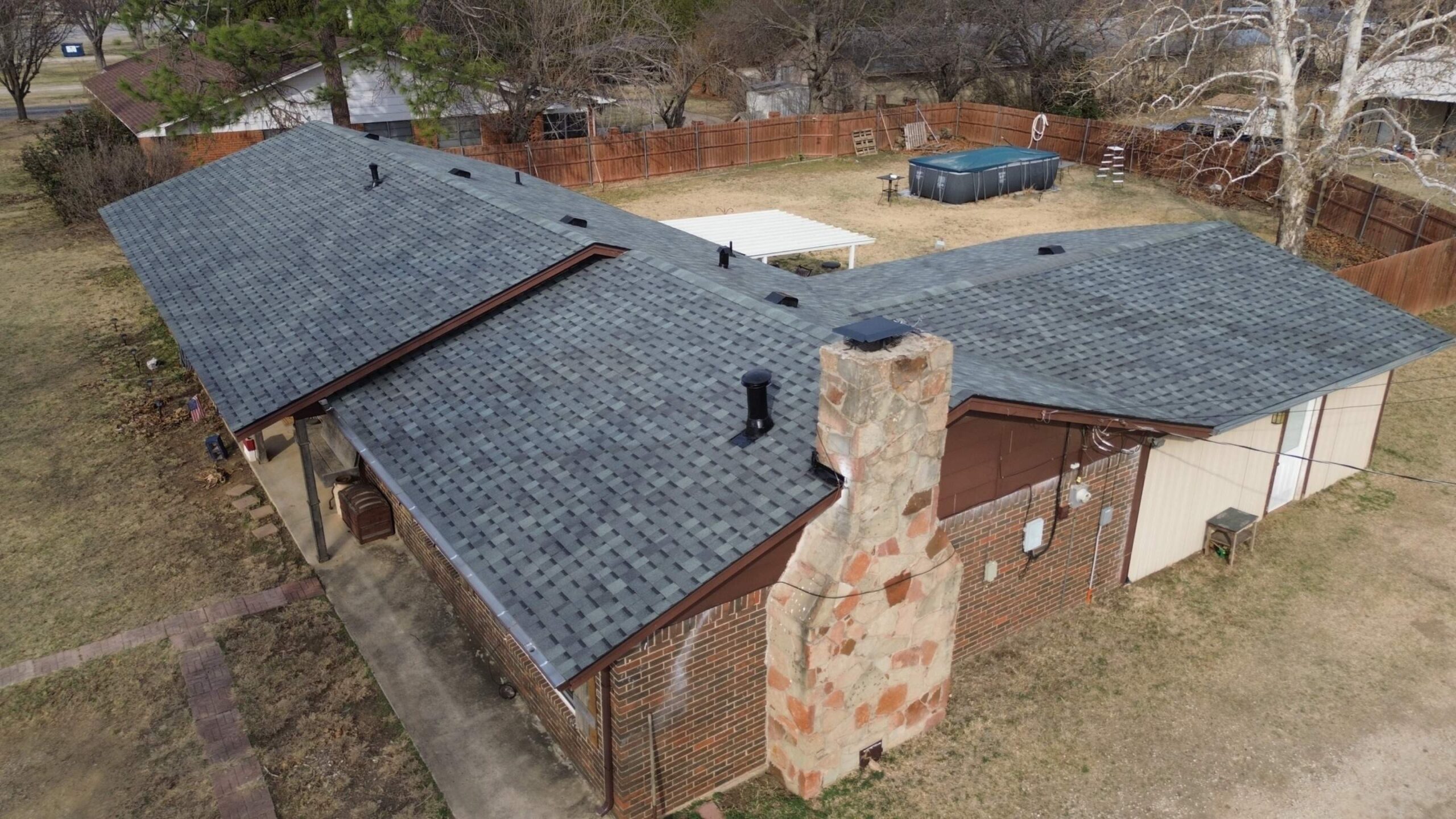
Preventive maintenance is far more cost effective than emergency roof repairs. Small maintenance tasks performed consistently throughout the year help identify developing problems before they require major reconstruction.
A proactive maintenance plan extends roof lifespan, improves energy efficiency, and reduces the likelihood of unexpected repair expenses. Regular inspections also allow property owners to budget for future maintenance instead of facing sudden emergencies.
Seasonal Maintenance
Each season presents different challenges for roofing systems. Spring inspections often focus on identifying damage caused by winter storms, while summer provides an ideal opportunity for repairs because of favorable weather conditions.
Autumn maintenance prepares the roof for colder weather by removing debris and ensuring drainage systems remain clear. Winter inspections should emphasize monitoring snow accumulation, ice formation, and signs of interior moisture after major storms.
Following a seasonal maintenance schedule helps roofing systems remain in good condition throughout the year. Consistent attention prevents many small problems from developing into significant structural damage.
Gutter Care
Gutters play an important role in protecting both the roof and the building’s foundation. When gutters become blocked by leaves, branches, or other debris, rainwater may overflow onto roofing materials or collect beneath roof edges.
Regular gutter cleaning improves drainage while reducing the risk of water backing up beneath shingles or flashing. Inspecting gutters for loose brackets, corrosion, and joint separation also helps prevent water damage during heavy rainfall.
Well-maintained gutters protect more than just the roof. They also reduce erosion around the foundation and help preserve exterior walls by directing water safely away from the building.
Tree Management
Trees provide shade and improve property appearance, but branches hanging over the roof create several potential hazards. Falling limbs may damage roofing materials during storms, while leaves accumulate in gutters and roof valleys.
Trimming branches that extend above the roof reduces the risk of impact damage while improving sunlight exposure that helps roofing materials dry more quickly after rainfall. Better airflow also discourages moss and algae growth.
Regular tree maintenance should balance landscape preservation with roof protection. Healthy trees and a well-maintained roof can coexist when proper clearance is maintained.
Ventilation Improvements
Attic ventilation influences roofing performance throughout every season. Poor airflow allows heat and moisture to build up beneath the roof, accelerating material deterioration and reducing insulation effectiveness.
Improving ventilation helps maintain more stable temperatures while reducing condensation that contributes to mold growth and wood decay. Balanced intake and exhaust ventilation also improves energy efficiency by reducing excessive attic temperatures during summer.
Ventilation upgrades often provide benefits beyond roofing performance. Lower attic temperatures help reduce cooling costs while minimizing thermal stress on roofing materials.
Professional Inspections
Even diligent property owners may overlook developing roofing problems because many defects remain hidden beneath surface materials. Professional inspections provide a more thorough assessment using experience and specialized equipment.
Most roofing experts recommend inspections at least once each year and after significant storms. Regular evaluations identify small issues before they become expensive repairs while documenting the roof’s overall condition over time.
Inspection reports also help property owners prioritize maintenance based on urgency. Addressing the most critical issues first allows repairs to be planned efficiently without unnecessary expenses.
Annual Roof Maintenance Checklist
A simple maintenance routine greatly reduces the likelihood of unexpected roofing failures. The following checklist covers the most important tasks that should be completed during the year.
- Inspect the roof after major storms.
- Clean gutters and downspouts regularly.
- Remove leaves, branches, and debris from the roof surface.
- Check flashing around chimneys, skylights, and vents.
- Look for missing, cracked, or loose roofing materials.
- Examine the attic for moisture stains or mold.
- Trim tree branches that overhang the roof.
- Schedule a professional roof inspection annually.
Following these maintenance practices helps preserve roofing materials while reducing the need for emergency repairs. Consistency is more valuable than waiting until obvious damage appears.
Best Practices for Maximizing Roof Lifespan
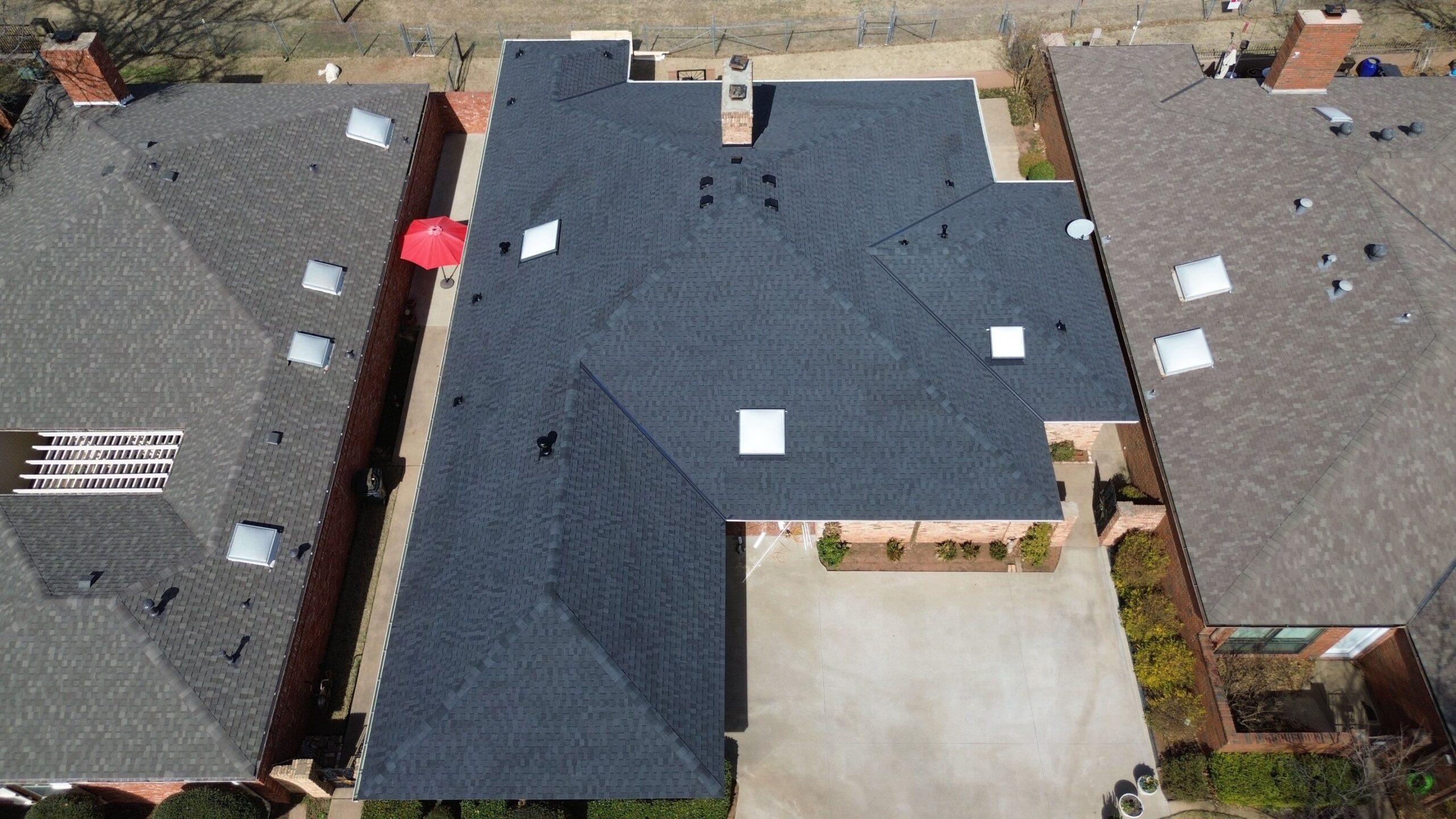
Long lasting roofs rarely result from luck alone. They are usually the product of quality materials, proper installation, regular maintenance, and timely repairs whenever problems develop.
Choosing durable roofing products appropriate for the local climate provides a strong foundation for long-term performance. Premium materials often resist weathering more effectively and require fewer repairs over their service life.
Hiring experienced roofing contractors is equally important because installation quality directly affects roof longevity. Even the best materials cannot compensate for poor workmanship or improper installation techniques.
Proper attic insulation and ventilation should always be considered part of the roofing system rather than separate building features. Together they reduce temperature extremes, control moisture, and improve the overall performance of the roof.
Maintaining detailed records of inspections, repairs, warranties, and maintenance activities also benefits property owners. These records simplify future maintenance planning while providing valuable information if the property is sold.
Responding quickly to small problems remains one of the most effective ways to maximize roof lifespan. Minor repairs completed early are almost always less expensive than correcting widespread structural damage later.
Steps to Take After Discovering Roof Damage
The actions taken immediately after identifying roof damage can significantly influence repair costs and prevent additional deterioration.
- Stay calm and avoid climbing onto the roof if conditions are unsafe.
- Document visible damage with photographs for insurance and repair records.
- Move valuable belongings away from active leaks inside the building.
- Use temporary measures, such as containers to collect dripping water, until professional help arrives.
- Contact a qualified roofing contractor for a comprehensive inspection.
- Review the inspection report and discuss repair or replacement options.
- Complete recommended repairs promptly to prevent further structural damage.
Following these steps helps protect both the building and its occupants while ensuring repairs are completed efficiently and safely.
Frequently Asked Questions
How long should a roofing system last?
Roof lifespan depends on the material, installation quality, climate, and maintenance practices. Asphalt shingles commonly last between 20 and 30 years, while metal, tile, and slate roofs can remain functional for several decades when properly maintained.
Regular inspections and timely repairs often extend the service life of any roofing system. Preventive maintenance is one of the most important factors influencing long-term performance.
Can roof leaks always be repaired?
Many roof leaks can be repaired successfully if they are discovered early and the surrounding structure remains in good condition. However, widespread deterioration or repeated leaks across multiple areas may indicate that replacement offers a better long-term solution.
A professional inspection helps determine whether repairs will provide reliable performance or whether the roof has reached the end of its practical lifespan.
What causes roofs to fail prematurely?
Poor installation, low quality materials, severe weather, inadequate ventilation, blocked drainage systems, and neglected maintenance are among the most common causes of premature roofing failure. In many cases, several of these factors work together to accelerate deterioration.
Routine inspections reduce the likelihood of early failure by identifying developing problems before they become severe. Preventive maintenance remains far less expensive than major structural repairs.
Is replacing a few shingles enough?
If damage is isolated and the remainder of the roof remains in good condition, replacing individual shingles is often sufficient. The surrounding roofing materials should also be inspected to ensure hidden damage has not developed beneath the surface.
When damage affects multiple sections of an aging roof, replacing only a few shingles may provide only temporary relief. A broader evaluation helps determine the most cost effective approach.
How often should a roof be inspected?
Most roofing professionals recommend a complete inspection at least once every year and after major storms involving strong winds, hail, or heavy snowfall. Older roofs may benefit from more frequent inspections because aging materials become increasingly vulnerable to damage.
Consistent inspections allow repairs to be completed before leaks spread into the structure. This approach helps extend roof lifespan while reducing overall maintenance costs.
Conclusion
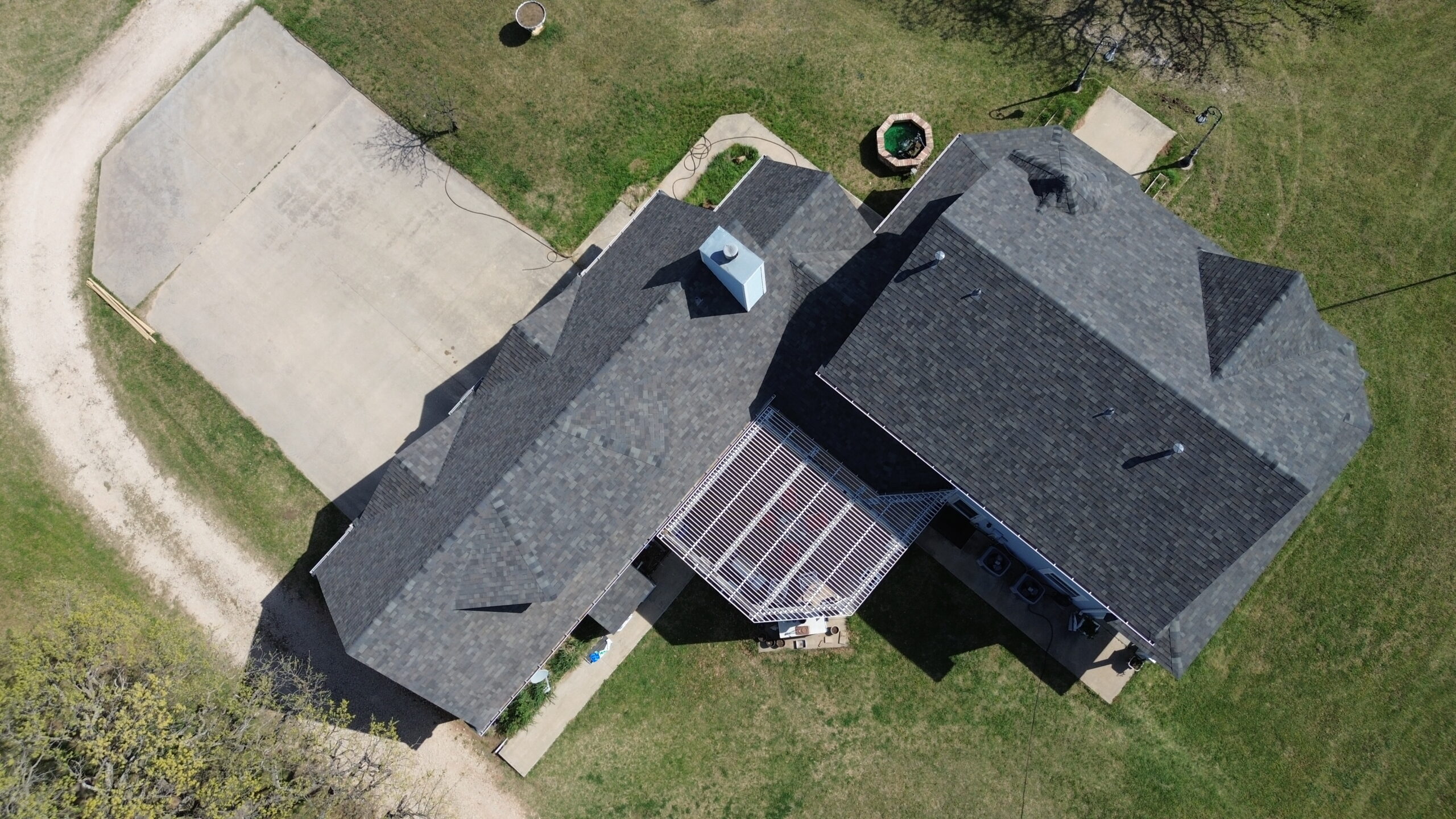
Roofing systems are designed to provide reliable protection for many years, but no roof lasts forever. Aging materials, severe weather, moisture intrusion, poor installation, and neglected maintenance all contribute to gradual deterioration that eventually affects the roof’s ability to protect a building. Understanding how these failures develop allows property owners to recognize problems early and respond before damage becomes widespread.
A successful roofing strategy combines quality materials, professional installation, regular inspections, and timely repairs. Every component, from shingles and flashing to ventilation and drainage, plays an important role in maintaining the roof’s overall performance. When even one element fails, the entire system becomes more vulnerable to water intrusion and structural damage.
Preventive maintenance remains the most effective way to maximize roof lifespan while minimizing long-term repair costs. Cleaning gutters, inspecting flashing, monitoring attic conditions, and addressing small issues promptly help preserve the integrity of the roofing system through every season. These routine efforts often prevent expensive emergencies that could otherwise require major reconstruction.
When roofing problems do occur, choosing the appropriate repair method is essential. Some situations require only localized repairs, while others call for complete replacement to restore long-term reliability. A professional inspection provides the information needed to make informed decisions based on the roof’s condition, remaining service life, and overall value.
Ultimately, a well-maintained roof protects far more than the structure itself. It safeguards the people, belongings, and investment beneath it while improving energy efficiency, enhancing property value, and providing lasting peace of mind. By understanding how roofing systems fail and taking proactive steps to maintain them, homeowners and property managers can ensure their roofs continue delivering dependable protection for many years to come.