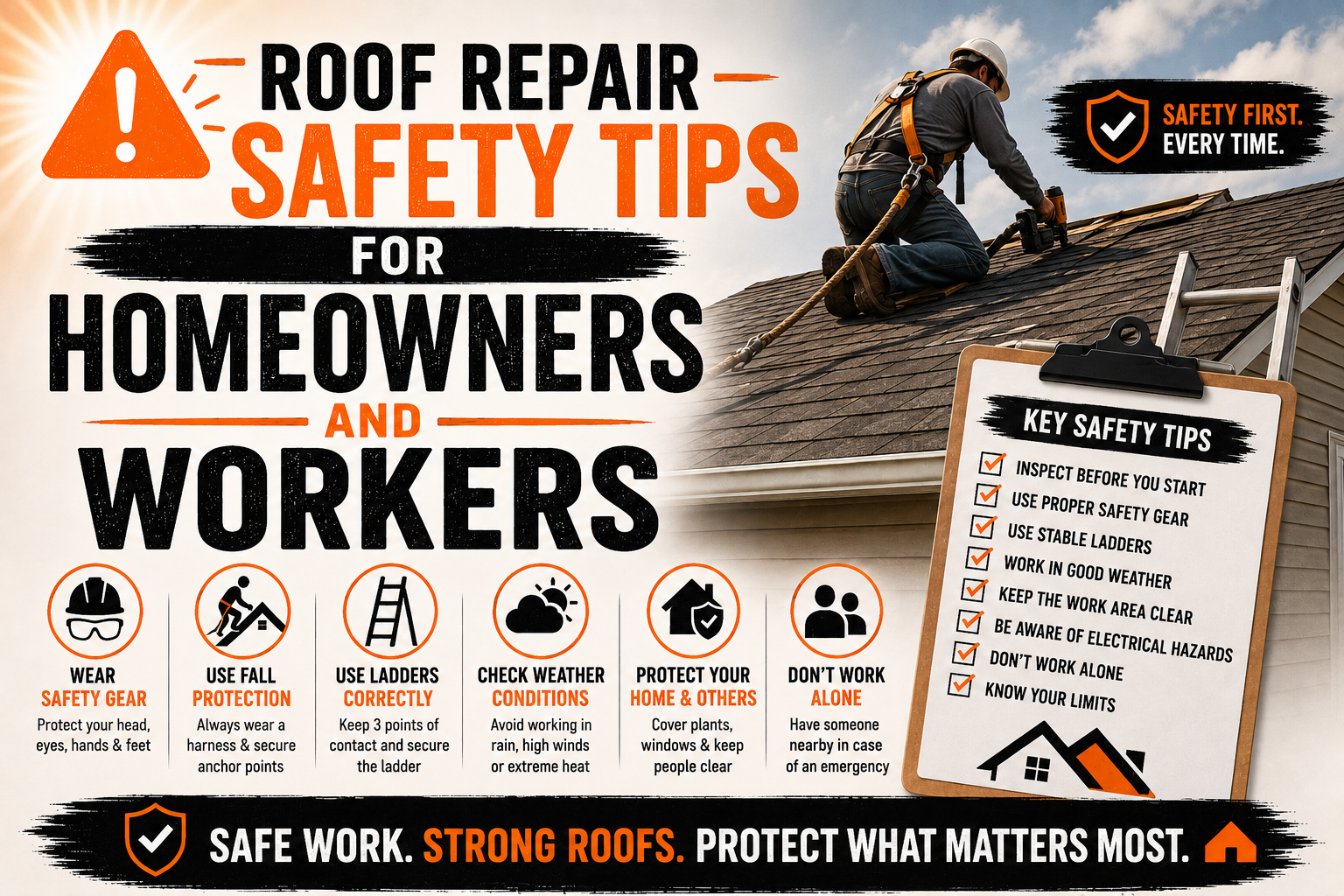
Roof Repair Safety Tips for Homeowners and Workers
Introduction
Roof repairs are an essential part of maintaining any home or commercial building, but they also rank among the most hazardous maintenance tasks. Every year, thousands of injuries occur because people underestimate the risks involved in working at height or fail to use proper safety equipment. Whether replacing damaged shingles, fixing a roof leak, or inspecting storm damage, safety should always be the first priority before productivity or cost savings.
Many homeowners believe small roofing repairs are simple weekend projects, while experienced workers may become overly confident after performing similar tasks repeatedly. Both situations can lead to preventable accidents when important precautions are overlooked. A successful roof repair is not only one that solves the roofing problem but also one that allows everyone involved to complete the work without injury.
Understanding roof repair safety begins long before anyone climbs a ladder. Proper planning, careful inspections, the right protective equipment, and awareness of potential hazards all contribute to a safer working environment. Investing time in preparation often prevents accidents that could result in severe injuries, expensive medical bills, or extensive property damage.
This guide explores practical roof repair safety tips for both homeowners and professional workers. From recognizing common hazards to selecting the right safety equipment, every section is designed to help readers make informed decisions before beginning any roofing project.
Why Roof Repair Safety Matters More Than Ever
Roof repair has always involved some level of risk, but modern buildings present additional challenges that require even greater attention to safety. Steeper roof designs, complex roofing systems, solar panels, skylights, and electrical installations have introduced new hazards that workers and homeowners must carefully navigate. At the same time, changing weather patterns create less predictable working conditions that can quickly turn a safe project into a dangerous one.
Falls remain the leading cause of roofing injuries because even a relatively low roof can produce life changing consequences. Losing balance while carrying materials, stepping onto a weak section of decking, or slipping on loose debris can happen within seconds. Many of these accidents occur during routine repair jobs that initially appear straightforward.
Property owners often focus on repairing visible roof damage as quickly as possible, especially after storms or heavy rainfall. While rapid repairs may prevent additional water intrusion, rushing into a project without proper planning increases the likelihood of mistakes. Safety should never be sacrificed simply to complete repairs faster.
Professional roofing companies invest significant resources in safety training because they understand that preventing injuries protects both workers and customers. Homeowners can benefit from adopting the same mindset by treating every repair with careful preparation rather than assuming a small job carries little risk.
Common Causes of Roofing Accidents
Roofing accidents rarely result from a single mistake. Most incidents occur because several small oversights combine to create a dangerous situation. Recognizing these common causes helps reduce unnecessary risks before work even begins.
Some of the most frequent causes of roofing accidents include:
- Slippery roof surfaces caused by rain, dew, moss, or loose debris
- Improper ladder placement or unstable ladder positioning
- Failure to use fall protection equipment
- Poor weather conditions including high winds and storms
- Weak or damaged roof decking that cannot safely support weight
- Carrying excessive tools or materials while climbing
- Contact with nearby electrical lines
- Lack of communication between team members
- Fatigue caused by long working hours or excessive heat
Each of these hazards can often be prevented through proper planning and careful attention to safety procedures. Even experienced roofing professionals continue reviewing these risks before every project because conditions change from one roof to another.
Homeowners should avoid assuming that previous experience with household repairs automatically prepares them for roofing work. Roof repair involves unique challenges that require specialized awareness and equipment.
Understanding the Risks Faced by Homeowners and Professional Workers
Although homeowners and roofing professionals often perform similar repair tasks, the risks they face differ in several important ways. Understanding these differences helps determine the safest approach for each project.
Homeowners frequently lack specialized training and may not recognize structural warning signs before stepping onto a roof. They may also use household ladders that are unsuitable for roofing work or rely on improvised safety methods instead of proper fall protection equipment. Limited experience often makes it more difficult to judge safe walking paths or identify unstable roofing materials.
Professional roofers generally possess technical knowledge and access to commercial grade safety equipment. However, repeated exposure to roofing environments creates its own risks because familiarity sometimes leads to complacency. Workers who perform roofing tasks daily may occasionally overlook routine safety checks when facing tight deadlines or heavy workloads.
Another important difference involves physical conditioning. Roofing requires balance, strength, endurance, and coordination throughout the workday. Individuals who are not accustomed to prolonged physical labor may become fatigued quickly, increasing the likelihood of slips, trips, or poor decision making.
Regardless of experience level, everyone working on a roof shares the responsibility of maintaining a safe environment. Safety is not determined solely by skill but by consistently following proven procedures every time work is performed.
Evaluating Whether a Roof Repair Is Safe to DIY
Not every roofing problem should become a do it yourself project. While replacing a single damaged shingle may seem manageable, larger repairs often involve structural concerns that require professional expertise. Carefully evaluating the scope of work helps homeowners determine whether they can safely complete repairs themselves or should hire a qualified contractor.
Before beginning any roof repair, ask yourself several important questions.
- Is the roof too steep or too high to access safely?
- Does the repair require walking across large sections of the roof?
- Are there signs of structural damage beneath the roofing material?
- Will electrical wiring or solar equipment create additional hazards?
- Do you own proper fall protection equipment and know how to use it correctly?
Answering these questions honestly helps prevent overestimating personal abilities. Attempting complex repairs without adequate preparation often creates greater risks than the original roof damage itself.
Homeowners should also consider weather conditions, available assistance, and emergency planning before making their decision. Even relatively simple repairs become significantly more dangerous when completed alone without someone available to assist if an accident occurs.
Professional assistance should never be viewed as a failure or unnecessary expense. In many situations, hiring experienced roofers reduces overall costs by preventing injuries and avoiding mistakes that require additional repairs later.
Pre Repair Roof Inspection and Hazard Assessment
Every successful roof repair begins with a thorough inspection of both visible and hidden hazards. Rather than immediately gathering tools, spend sufficient time evaluating the entire work area from multiple perspectives. A careful assessment provides valuable information that influences every decision made during the repair process.
Start by inspecting the roof from ground level using binoculars if necessary. Look for missing shingles, sagging sections, damaged flashing, accumulated debris, broken gutters, and signs of water damage. Observing these issues from a safe distance helps identify obvious hazards before climbing onto the roof.
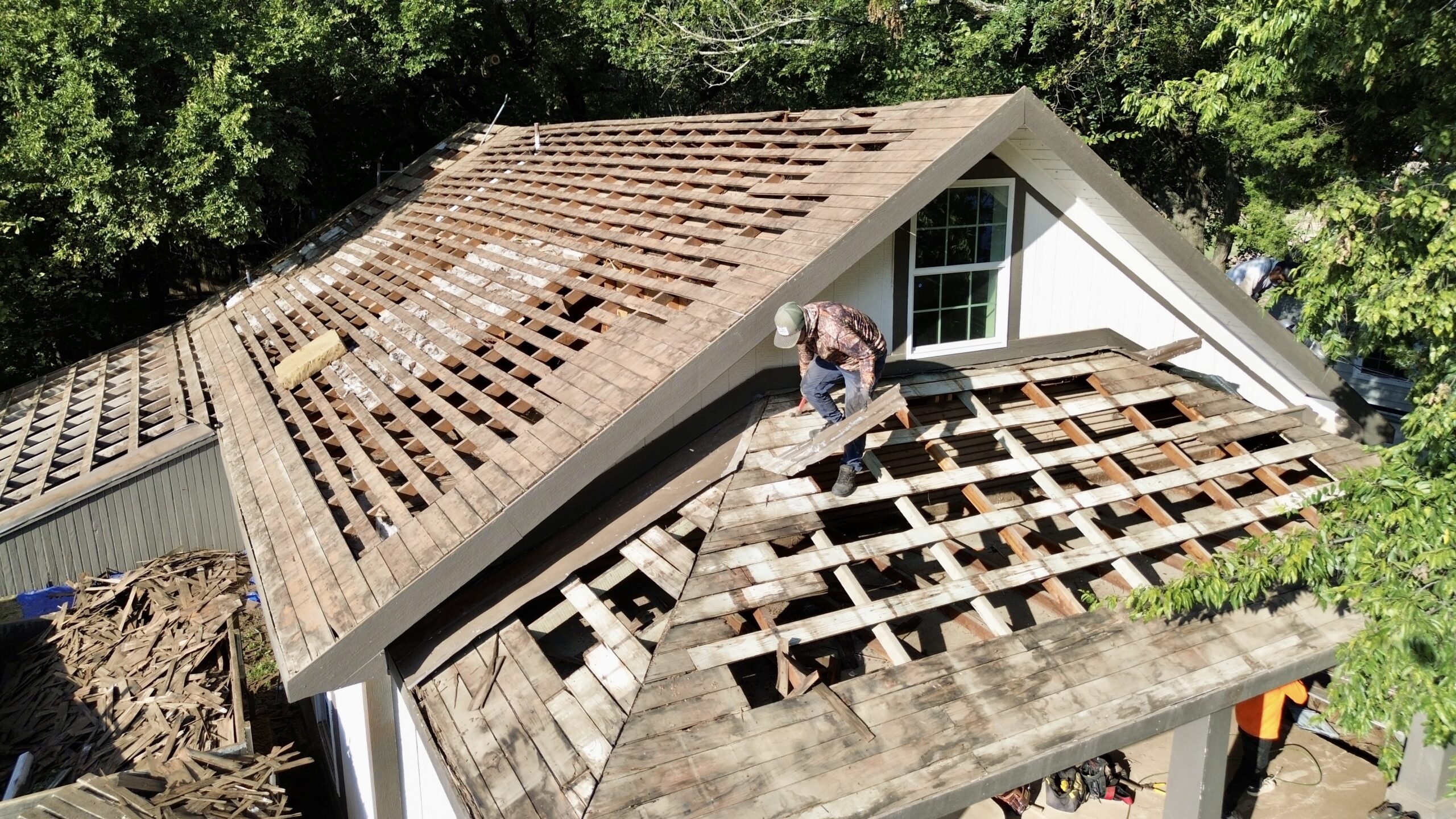
Once roof access is considered safe, inspect the working surface carefully. Soft spots, cracked decking, loose materials, mold growth, and unstable structural components may not be visible from below. Walking on weakened roofing materials can result in sudden collapse or loss of balance.
The surrounding property also deserves careful evaluation. Nearby trees, overhead power lines, satellite dishes, skylights, air conditioning equipment, and uneven ground conditions all influence how safely repairs can be completed. Planning around these obstacles reduces unnecessary risks throughout the project.
Professional roofers often conduct formal hazard assessments before beginning work because identifying problems early saves time while improving safety. Homeowners benefit from applying the same systematic approach rather than relying on assumptions.
Checking Weather Conditions Before Starting Roof Work
Weather is one of the few roofing hazards that cannot be controlled, making proper planning especially important. Conditions that appear safe early in the morning may change dramatically within a few hours. Checking forecasts carefully helps determine whether repairs should proceed or be postponed.
Rain is an obvious concern because wet roofing materials become extremely slippery. Even light moisture from morning dew can significantly reduce traction, especially on metal roofing or smooth shingles. Waiting until surfaces are completely dry greatly improves footing and reduces fall risks.
Wind presents another major challenge during roof repairs. Strong gusts affect balance while carrying materials, handling large roofing panels, or climbing ladders. Lightweight tools and loose materials may also become airborne, creating hazards for workers and people below.
Temperature deserves equal consideration. Excessive heat increases fatigue, dehydration, and reduced concentration, while freezing temperatures create icy surfaces that make walking dangerous. Choosing moderate weather conditions allows workers to maintain focus and physical performance throughout the repair.
Weather forecasts should continue to be monitored during longer projects rather than checked only once before work begins. Conditions can change unexpectedly, making flexibility an essential part of safe roofing practices.
Essential Personal Protective Equipment for Roof Repairs
Personal protective equipment serves as the final barrier between workers and potential injuries. Although protective gear cannot eliminate every hazard, it significantly reduces the severity of accidents when used correctly.
A properly fitted safety helmet protects against falling tools, accidental impacts, and head injuries resulting from slips or falls. Helmets should always meet recognized safety standards and be inspected regularly for cracks or other signs of damage. Replacing worn equipment promptly ensures continued protection.
Footwear plays an equally important role because stable footing forms the foundation of safe roof movement. Roofing shoes should provide excellent grip without excessively damaging roofing materials. Smooth soled shoes, sandals, or worn athletic footwear should never be used during roof repairs.
Protective gloves improve grip while handling roofing materials and reduce cuts from sharp metal flashing, nails, or broken shingles. Eye protection prevents dust, wood particles, and roofing debris from causing injuries during cutting or removal tasks.
For higher roofs or more complex repairs, fall protection systems become essential rather than optional. Safety harnesses, secure anchor points, and properly adjusted lifelines dramatically reduce the consequences of accidental slips. These systems should always be inspected before use and installed according to manufacturer recommendations.
Basic Roofing Safety Equipment Every Job Should Include
Beyond personal protective equipment, every roofing project requires tools specifically designed to improve job site safety. Investing in reliable equipment often costs far less than recovering from preventable injuries.
Important safety equipment includes stable extension ladders, ladder stabilizers, roof anchors, warning lines, first aid supplies, communication devices, and properly maintained hand tools. Each item contributes to creating a safer work environment throughout the repair process.
Equipment should never be selected solely because it is inexpensive. Low quality ladders, worn harnesses, or damaged tools may fail when they are needed most. Regular inspections ensure that every piece of equipment remains safe and functional before work begins.
Keeping equipment organized also reduces unnecessary hazards. Tools scattered across the roof create tripping risks, while improperly stored materials can slide unexpectedly down the roof surface. Maintaining a clean workspace supports both efficiency and safety.
Preparation should include verifying that emergency supplies remain easily accessible. A stocked first aid kit, charged mobile phone, emergency contact information, and drinking water should always be available before repairs begin.
Planning a Safe Roof Repair Project
Successful roof repairs depend as much on preparation as on technical skill. Creating a detailed work plan allows homeowners and workers to anticipate challenges instead of reacting to problems after they occur.
The project should begin with clearly identifying repair objectives and estimating the materials required. Gathering all necessary supplies beforehand reduces repeated trips up and down ladders, minimizing unnecessary exposure to fall hazards. Organizing tools in advance also prevents rushed decisions once work begins.
Scheduling the repair during daylight hours provides better visibility and allows additional time if unexpected complications arise. Starting early also helps avoid working during the hottest part of the day, reducing fatigue and heat related illnesses.
Assigning responsibilities becomes especially important when multiple people are involved. Everyone should understand their individual tasks, communication methods, and emergency procedures before stepping onto the roof. Clear coordination helps prevent confusion that could lead to accidents.
Finally, establish stopping points before beginning work. If weather deteriorates, equipment fails, or anyone feels physically exhausted, repairs should pause until safe conditions return. Recognizing when to stop is just as important as knowing how to begin.
Common Safety Mistakes to Avoid Before Climbing Onto a Roof
Many roofing accidents occur before repair work even starts. Avoiding a few common mistakes significantly improves overall project safety and reduces unnecessary risks throughout the job.
Some people skip inspections because the repair appears minor. Others begin work immediately after rain without considering how much moisture remains on roofing materials. These seemingly small decisions often contribute to major accidents later in the project.
Ignoring damaged ladders, wearing unsuitable footwear, or carrying too many tools while climbing are equally common mistakes. Each shortcut increases the likelihood of losing balance before reaching the work area. Taking a few extra minutes to prepare correctly provides far greater protection than trying to save time.
Another frequent error involves working alone without informing anyone about the planned repair. If an emergency occurs, immediate assistance may not be available. Having another responsible person nearby or at least aware of the work schedule provides an important layer of protection.
Finally, never assume confidence equals safety. Experience is valuable, but every roof presents unique challenges that require careful evaluation. Approaching each repair with respect for potential hazards creates a stronger foundation for safe and successful roofing work.
Setting Up a Safe Work Area
Once the planning stage is complete and all equipment has been inspected, the next priority is creating a safe work environment. A properly organized work area reduces unnecessary movement, minimizes hazards, and allows everyone involved to focus on the repair itself rather than avoiding obstacles. Good organization also improves efficiency because tools and materials remain within easy reach.
Begin by clearing the roof of loose branches, leaves, dirt, and other debris that could cause slips. Even small objects can become dangerous when stepped on, especially on sloped surfaces where maintaining balance already requires extra attention. Cleaning the work area before repairs begin creates a stable surface for walking and handling materials.
The ground around the building should receive the same level of attention. Remove obstacles such as garden furniture, toys, hoses, or construction materials that could interfere with ladder placement or create hazards for people passing nearby. A clean ground area also provides a safer landing zone if tools or roofing materials accidentally fall.
Establishing a designated storage area for tools prevents unnecessary walking across the roof. Rather than placing equipment randomly, keep frequently used tools together in a secure location where they cannot slide down the roof. Organized workspaces reduce distractions and help workers maintain better awareness of their surroundings.
If the repair involves multiple workers, define separate working zones whenever possible. This prevents overcrowding in one section of the roof and reduces the chance of accidental collisions while carrying materials or operating tools.
Ladder Safety Best Practices
A ladder serves as the primary access point for most roof repairs, making its safe use absolutely essential. Many roofing accidents occur before workers even reach the roof because ladders are improperly positioned or used incorrectly. Following proper ladder safety procedures significantly reduces these risks.
Always place the ladder on firm, level ground capable of supporting its full weight. Soft soil, gravel, or uneven pavement may allow the ladder to shift unexpectedly during climbing. If necessary, use ladder stabilizers or leveling devices specifically designed for uneven surfaces instead of improvised solutions.
The ladder should extend several feet above the roof edge whenever possible. This provides a stable handhold while stepping onto or off the roof, reducing the likelihood of losing balance during the transition. Climbing directly onto the roof from a ladder that ends at roof level creates unnecessary danger.
Maintain three points of contact while climbing by keeping either two hands and one foot or two feet and one hand on the ladder at all times. Carrying heavy tools while climbing should be avoided because it limits stability and increases the risk of falling. Tool belts or rope systems provide much safer alternatives for transporting equipment.
Regular ladder inspections are equally important. Bent rails, damaged rungs, loose fasteners, or worn feet can all compromise stability. Any ladder showing signs of damage should be removed from service immediately rather than repaired with temporary fixes.
Safe Movement Techniques on Different Roof Types
Not every roof presents the same challenges. The safest way to move across a roof depends on its slope, material, and overall condition. Understanding these differences helps workers maintain balance while reducing unnecessary strain.
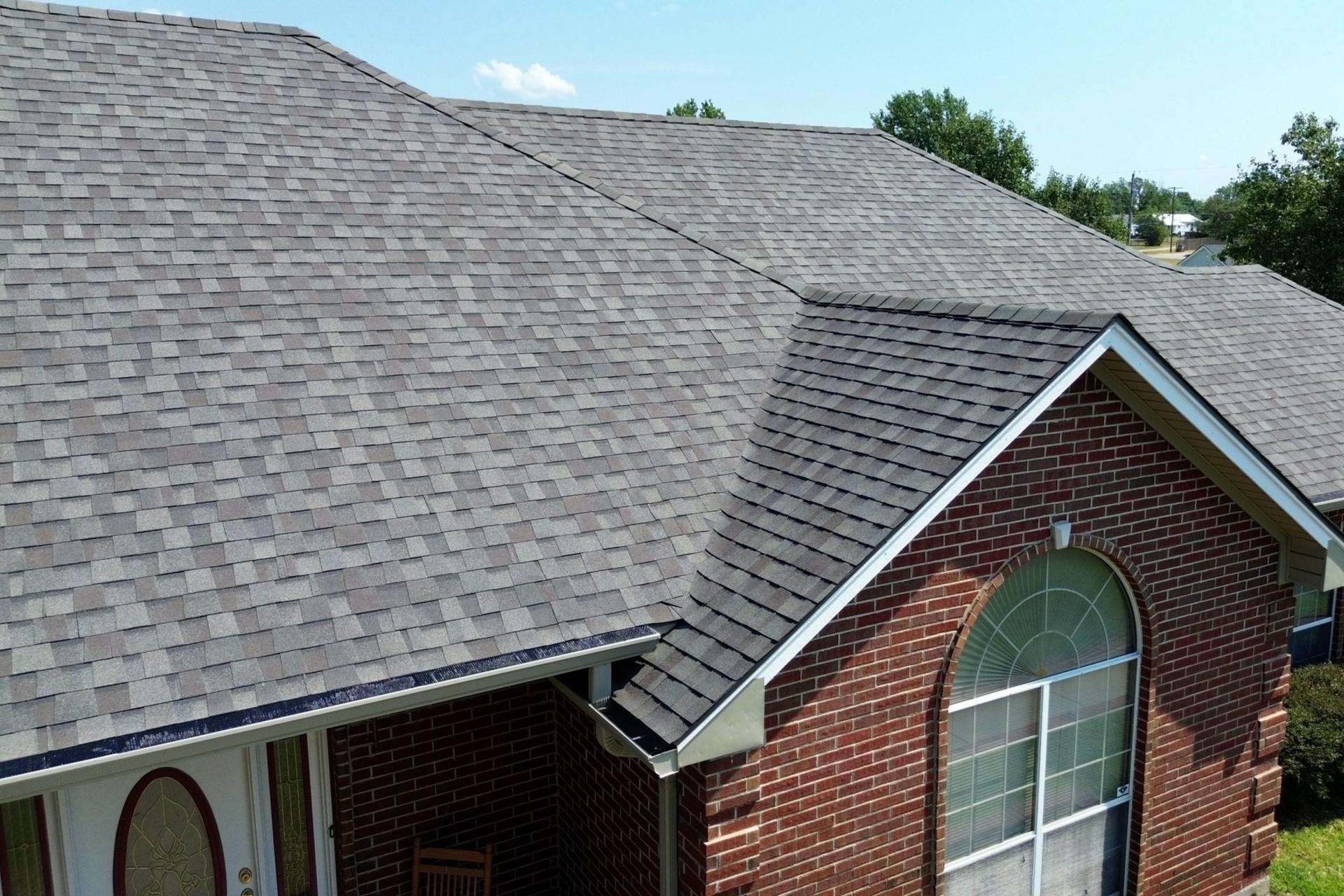
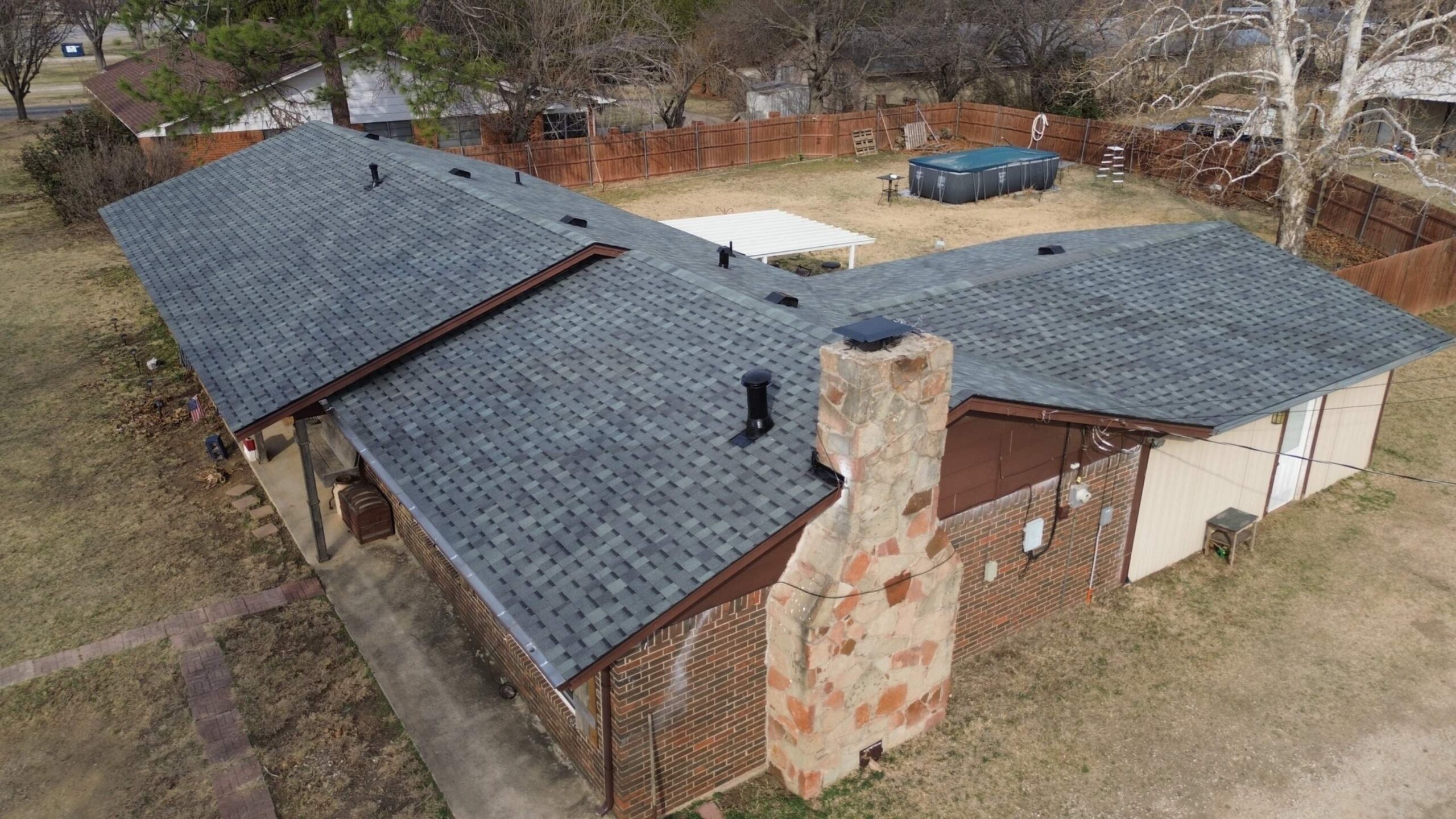
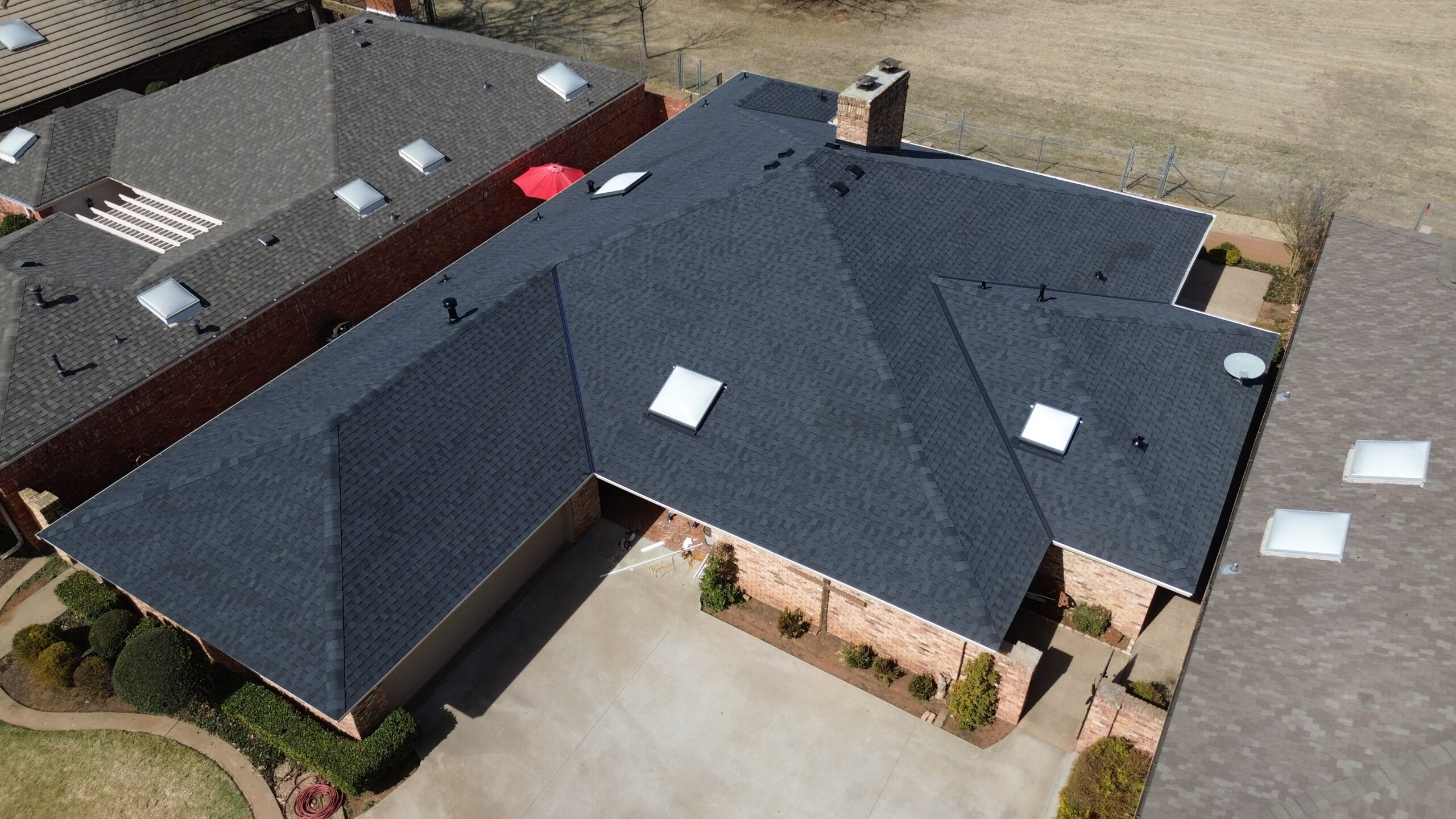
Asphalt shingle roofs generally provide better traction than many other roofing materials, but loose granules or damaged shingles can still create slippery conditions. Walk carefully while distributing body weight evenly, and avoid sudden changes in direction that could affect balance.
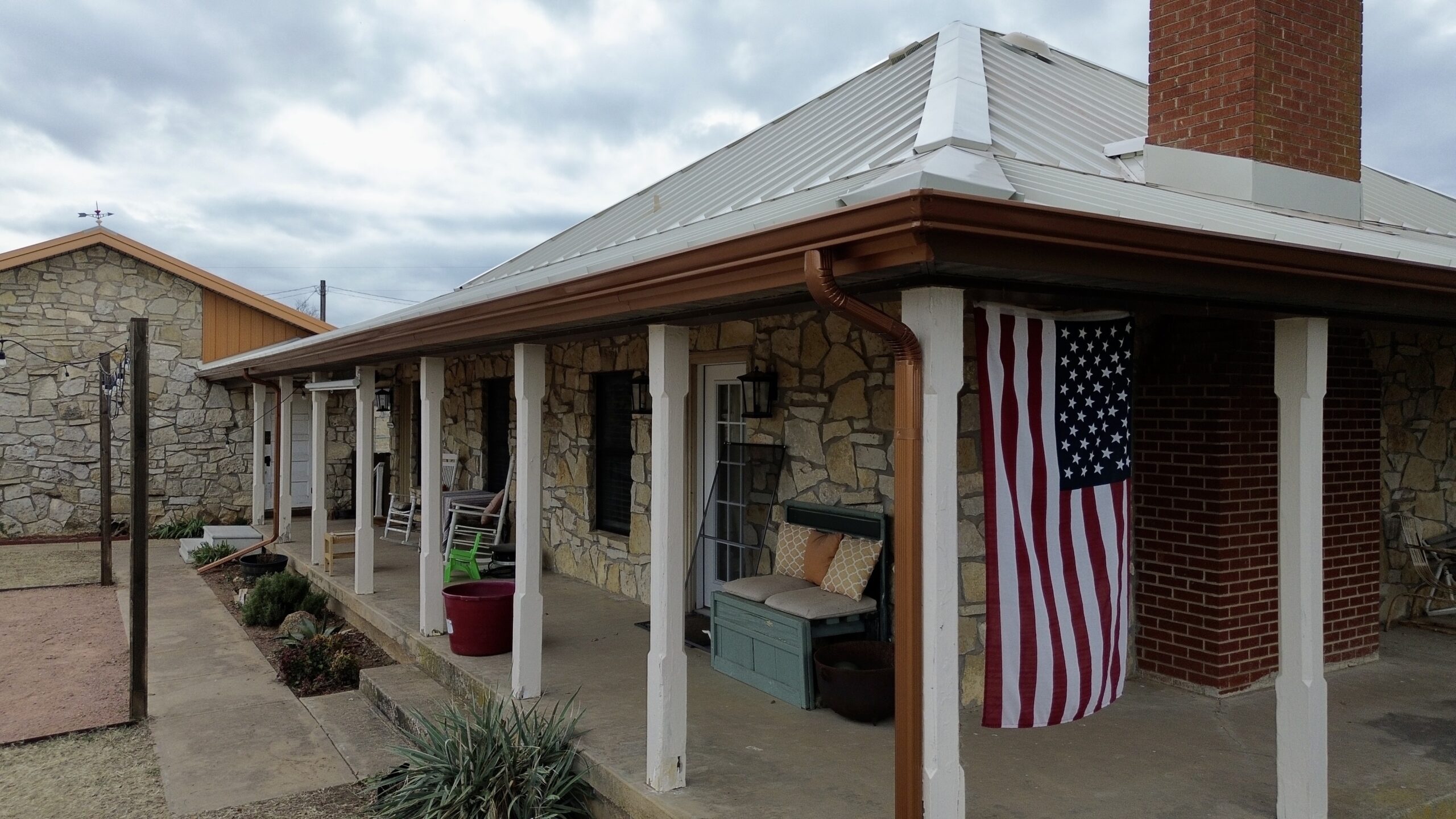
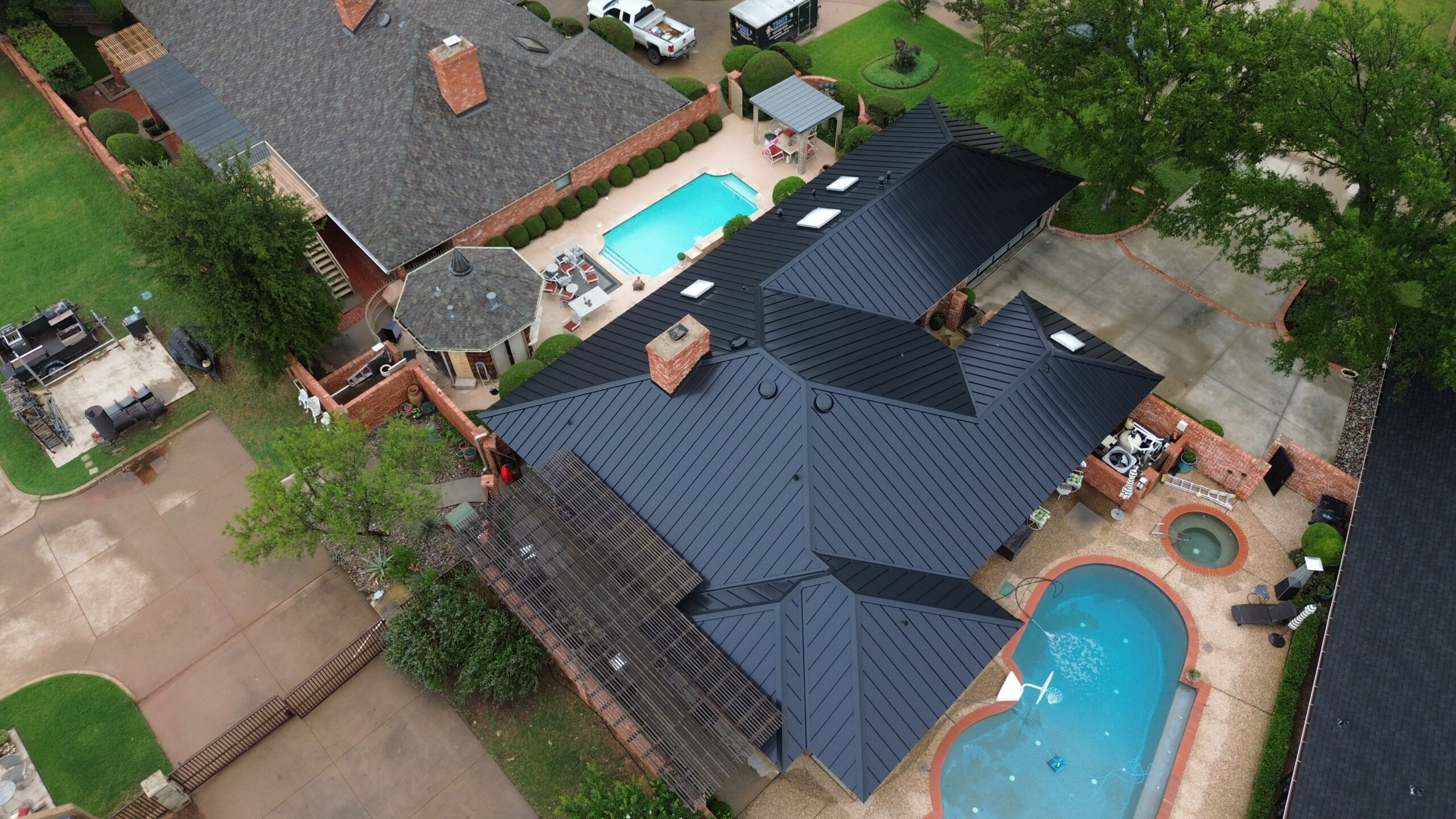
Metal roofs require additional caution because smooth surfaces become extremely slippery when wet or dusty. Even dry metal roofs may provide less traction than traditional shingles, making specialized footwear especially important. Slow, deliberate movements help maintain stability throughout the repair.
Tile roofs introduce another challenge because individual tiles may crack or shift under pressure. Workers should step only where structural support exists beneath the roofing material whenever possible. Breaking roof tiles not only creates repair costs but also increases the chance of losing footing.
Flat roofs often appear safer because they lack steep slopes, but they present hazards of their own. Standing water, loose gravel, hidden openings, and weakened decking require constant awareness. Assuming a flat roof is automatically safe can lead to overlooked dangers that result in accidents.
Preventing Falls While Working at Height
Fall prevention remains the single most important aspect of roof repair safety. Regardless of experience or project size, every worker should assume that a fall is possible and prepare accordingly. Prevention depends on combining proper equipment with safe work habits throughout the repair process.
Safety harnesses should always be connected to secure anchor points capable of supporting the required load. Harnesses that are worn incorrectly or attached to weak structures provide little protection during a fall. Proper adjustment ensures the equipment functions as intended if an emergency occurs.
Workers should remain aware of roof edges at all times instead of focusing solely on the repair itself. Maintaining a safe distance whenever possible reduces the chance of accidental slips caused by sudden movements or unexpected distractions. Turning carefully rather than quickly also helps preserve balance.
Avoid walking backward while carrying materials or communicating with others. Many falls occur because individuals step toward roof edges without realizing how close they have become. Frequent visual checks of surrounding areas help maintain safe positioning.
Fatigue also contributes significantly to falls. As physical exhaustion increases, balance, coordination, and decision making gradually decline. Taking regular breaks allows workers to recover before continuing with tasks that require precise movement and concentration.
Safe Handling of Roofing Tools and Materials
Roof repairs involve numerous hand tools, power tools, nails, adhesives, and construction materials that require careful handling. Improper use not only creates injury risks but can also damage the roof or surrounding property. Good tool management contributes directly to both safety and work quality.
Inspect every tool before use to ensure it operates correctly. Loose handles, damaged electrical cords, dull cutting blades, or malfunctioning power tools should be repaired or replaced before work begins. Attempting repairs with defective equipment increases both frustration and accident potential.
Keep tools secured whenever they are not actively being used. Leaving hammers, utility knives, or nail guns unattended near roof edges creates hazards for workers below as well as those on the roof. Simple tool holders or storage containers help maintain organization throughout the project.
Roofing materials should also be stored carefully. Stacks of shingles, flashing, or lumber placed too close to roof edges may shift unexpectedly or overload weakened sections of the roof. Distributing weight evenly helps maintain structural stability while keeping materials accessible.
When lifting heavy materials, use proper lifting techniques rather than relying solely on back strength. Bend at the knees, keep loads close to the body, and ask for assistance when handling bulky or awkward items. Safe lifting reduces fatigue while lowering the risk of muscle injuries.
Electrical Hazards Around Roofs
Electricity represents one of the most serious yet frequently overlooked dangers during roof repair projects. Overhead power lines, damaged wiring, rooftop electrical equipment, and solar panel installations all require careful attention before work begins. Contact with electricity can cause severe injury or death within seconds.
Survey the property carefully for nearby power lines before positioning ladders or moving long roofing materials. Aluminum ladders and metal tools conduct electricity, making accidental contact particularly dangerous. Maintaining adequate clearance from electrical lines should remain a constant priority throughout the project.
Older homes may contain hidden wiring beneath damaged roofing materials. Workers removing shingles or replacing decking should remain alert for exposed cables or unexpected electrical components. If damaged wiring is discovered, repairs should stop until a qualified electrician has evaluated the situation.
Solar panel systems require additional caution because they continue producing electricity whenever exposed to sunlight. Disconnecting household power does not necessarily eliminate electrical hazards associated with these systems. Anyone unfamiliar with solar installations should avoid working near electrical connections.
Extension cords and power tools also deserve regular inspection. Frayed insulation, damaged plugs, or wet electrical equipment should never be used during roofing work. Keeping electrical tools dry and following manufacturer guidelines significantly reduces shock risks.
Weather Related Safety During Roof Repairs
Even after carefully selecting a favorable weather forecast, conditions can change unexpectedly while work is underway. Successful roof repairs require continuous monitoring rather than assuming weather will remain stable throughout the day. Responding quickly to changing conditions prevents unnecessary exposure to dangerous situations.
Wind speeds often increase during the afternoon, making it more difficult to handle large roofing materials safely. Strong gusts may affect balance, move unsecured equipment, or create hazards for people below. If wind begins interfering with normal work, repairs should pause until conditions improve.
Cloud cover and approaching storms deserve immediate attention. Lightning presents an obvious threat because roofs represent one of the highest exposed points on many buildings. Workers should never remain on a roof when thunderstorms are approaching, regardless of how close the project is to completion.
Heat also requires careful management during summer repairs. Roofing materials absorb sunlight and often become significantly hotter than surrounding air temperatures. Frequent hydration, lightweight protective clothing, and scheduled rest breaks help reduce the risk of heat exhaustion or heat stroke.
Cold weather introduces different concerns. Frost, ice, and reduced flexibility in roofing materials make repairs more difficult while increasing slip hazards. Whenever winter conditions compromise safety, postponing non emergency repairs remains the most responsible decision.
Protecting People and Property Below the Work Area
Roof repair safety extends beyond those working at height. Family members, neighbors, pedestrians, vehicles, and landscaping located below the work area also require protection throughout the project. Taking simple precautions helps prevent injuries and unnecessary property damage.
Create a clearly marked safety zone around the building before beginning repairs. This discourages unnecessary foot traffic beneath the work area and provides workers with confidence that people are not entering hazardous locations unexpectedly. Temporary barriers, cones, or warning signs are often sufficient for residential projects.
Materials removed from the roof should never be thrown carelessly to the ground. Instead, use designated debris containers or controlled disposal methods that prevent scattered nails, broken shingles, or sharp metal pieces from creating hazards. Regular cleanup throughout the project keeps the site organized and safe.
Vehicles parked close to the building should be moved whenever practical. Falling tools or roofing materials can cause expensive damage even during relatively small repair projects. Protecting property beforehand eliminates avoidable repair costs later.
Children and pets deserve particular attention because they may not recognize construction hazards. Restricting access to the work area throughout the project helps prevent unexpected accidents caused by curiosity or distraction.
Team Communication and Coordination for Roofing Projects
Effective communication is an important but often underestimated part of roofing safety. Even highly skilled workers can create dangerous situations if they fail to coordinate their actions with others. Clear communication helps prevent confusion while improving efficiency.
Before work begins, discuss individual responsibilities, emergency procedures, and expected work sequences. Everyone should understand who is responsible for specific tasks and how assistance will be requested if problems arise. Establishing expectations early reduces uncertainty during the repair.
Workers should communicate before moving heavy materials, repositioning ladders, or operating power tools. Simple verbal warnings allow others to adjust their positions and avoid accidental contact. Consistent communication also improves awareness of changing conditions throughout the day.
Mobile phones provide valuable emergency communication but should not become distractions during active roofing work. Calls and messages should be limited to essential situations unless workers have safely left the roof. Maintaining concentration remains one of the most effective safety practices.
When noise levels make verbal communication difficult, predetermined hand signals offer an effective alternative. Consistent signals help teams coordinate movements without requiring workers to shout across the roof.
Roof Repair Safety Checklist
Before beginning repairs each day, reviewing a simple checklist helps ensure important safety measures have not been overlooked. Even experienced professionals benefit from systematic reviews because familiarity sometimes causes routine steps to be forgotten.
| Safety Area | Potential Risk | Recommended Safety Measure |
|---|---|---|
| Weather | Rain, wind, lightning, extreme temperatures | Confirm safe weather before and during work |
| Ladder | Slipping or tipping | Inspect ladder and place it on stable ground |
| Fall Protection | Falling from roof edges | Wear a properly fitted safety harness attached to secure anchors |
| Roof Surface | Weak decking or slippery materials | Inspect the roof before walking on it |
| Tools | Injuries from damaged equipment | Inspect and organize all tools before use |
| Electrical Hazards | Shock from power lines or wiring | Maintain safe clearance and inspect surrounding electrical systems |
| Work Area | Falling debris and tripping hazards | Keep roof and ground areas clean and organized |
| Communication | Misunderstandings between workers | Review responsibilities and maintain regular communication |
This checklist should become part of every roofing project regardless of size. Consistently following the same safety routine helps create habits that reduce mistakes and improve overall job site safety.
By treating every repair as an opportunity to reinforce safe working practices, homeowners and professionals alike can significantly reduce the likelihood of accidents. The final part of this guide will explore emergency response, long term safety strategies, seasonal considerations, and how ongoing maintenance contributes to safer roofing projects for years to come.
Emergency Procedures for Roofing Accidents
Even with careful planning and strict safety practices, accidents can still happen during roof repairs. Knowing how to respond quickly and correctly can reduce the severity of injuries while improving the chances of a full recovery. Every roofing project should include an emergency response plan before work begins.
The first priority after an accident is ensuring the scene is safe. If electrical hazards, unstable roofing materials, or falling debris remain present, do not rush into the area without assessing the risks. Protecting additional people from injury is just as important as assisting the injured person.
Call emergency medical services immediately if someone has fallen from the roof, lost consciousness, experienced severe bleeding, or suffered suspected head, neck, or spinal injuries. Delaying professional medical care can significantly worsen the outcome of serious accidents. While waiting for emergency responders, provide basic first aid only if it can be done safely.
Avoid moving an injured person unless they face immediate danger from fire, electrical hazards, or structural collapse. Improper movement can worsen fractures or spinal injuries that may not be immediately visible. Instead, keep the individual as comfortable and still as possible until trained medical personnel arrive.
Every roofing team should ensure someone remains available to guide emergency responders to the exact location. Clear directions save valuable time during critical situations and help medical professionals reach the injured person quickly.
First Aid Essentials for Roof Repair Work
A well stocked first aid kit is one of the simplest yet most valuable safety investments for any roof repair project. Minor injuries such as cuts, splinters, and abrasions are common, while more serious incidents require immediate care before professional help arrives.
Every first aid kit should be inspected regularly to replace expired or missing supplies. Workers should know where the kit is located and understand how to use its contents effectively. Having supplies available provides little benefit if no one knows how to respond appropriately.
A basic roofing first aid kit should include:
- Adhesive bandages in multiple sizes
- Sterile gauze pads and medical tape
- Elastic compression bandages
- Antiseptic wipes and cleaning solution
- Disposable gloves
- Instant cold packs
- Burn treatment gel
- Scissors and tweezers
- CPR face shield
- Emergency contact information
Basic first aid knowledge is equally important. Knowing how to control bleeding, recognize heat exhaustion, stabilize minor fractures, or perform CPR can make a meaningful difference during emergencies. Many community organizations offer affordable first aid training that benefits both homeowners and professional workers.
It is also helpful to document any workplace injuries, even when they appear minor. Small cuts or strains may become more serious if ignored, and proper records help identify recurring hazards that require additional safety improvements.
Special Safety Considerations for Different Roofing Materials
Every roofing material has unique characteristics that influence how repairs should be performed safely. Understanding these differences allows workers to adjust their techniques rather than applying the same approach to every roofing system.
Asphalt shingles remain one of the most common residential roofing materials because they generally provide reasonable traction under dry conditions. However, loose granules, aging shingles, and hot summer temperatures can reduce grip while increasing the likelihood of slips. Walking carefully and inspecting damaged areas before stepping remains essential.
Metal roofing requires additional caution because smooth panels become slippery much faster than other materials. Morning dew, light rain, or accumulated dust can dramatically reduce traction. Specialized roofing footwear and slower movement help compensate for these conditions.
Clay and concrete tile roofs present a different challenge. Individual tiles may crack under concentrated weight or shift unexpectedly during repairs. Workers should avoid placing unnecessary pressure on unsupported tiles and use proper access methods whenever possible.
Wood shake roofs may contain weakened sections caused by moisture, insects, or age. Even if the surface appears stable, hidden deterioration can reduce structural strength. Thorough inspections before walking on older wood roofs help prevent unexpected failures.
Slate roofs require careful handling because although the material is extremely durable, individual slate pieces are brittle and expensive to replace. Improper foot placement can damage both the roofing material and worker stability.
Green roofs and roofs containing solar panels introduce additional considerations. Vegetation may conceal hazards beneath the surface, while solar equipment creates electrical risks that require specialized knowledge. Repairs involving these systems should only be performed by individuals familiar with their unique safety requirements.
Seasonal Roof Repair Safety Tips
Changing seasons affect roof repair safety throughout the year. Adjusting work practices according to seasonal conditions helps reduce weather related risks while improving overall project success.
Spring often follows months of snow, ice, and strong winds. Roofs should be inspected carefully for hidden structural damage before repairs begin. Wet conditions are common during spring, making traction a primary concern even on sunny days following rainfall.
Summer creates challenges associated with heat exposure. Roofing materials absorb sunlight throughout the day, sometimes becoming hot enough to cause burns through thin footwear or gloves. Workers should begin projects early in the morning whenever possible and drink water regularly to prevent dehydration.
Autumn brings falling leaves, increased moisture, and shorter daylight hours. Leaves covering roof surfaces reduce traction while hiding loose shingles or damaged flashing. Regular cleaning before repairs helps eliminate these hazards.
Winter presents the most demanding conditions for roof work. Ice, snow, frost, and freezing temperatures increase fall risks while reducing the flexibility of many roofing materials. Emergency repairs may still be necessary, but non urgent work should generally wait until safer weather conditions return.
Regardless of the season, weather forecasts should be reviewed before every repair project rather than relying on typical seasonal expectations. Local conditions often change more quickly than anticipated.
Safety Training and Ongoing Education
Roof repair safety is not something learned once and then forgotten. New equipment, updated regulations, and evolving construction methods make continuous education valuable for both homeowners and professional workers. Developing a learning mindset helps improve safety over time.
Professional roofing companies often schedule regular safety meetings where workers review recent incidents, discuss new hazards, and practice emergency procedures. These sessions reinforce good habits while encouraging employees to share practical experiences from previous projects.
Homeowners can also benefit from learning about roofing safety before attempting repairs. Reading manufacturer instructions, watching educational demonstrations from reputable organizations, and consulting experienced contractors all contribute to better decision making. Even basic research can prevent mistakes caused by incorrect assumptions.
Equipment manufacturers frequently update recommendations based on improved technology or new safety testing. Following current instructions instead of relying on outdated practices ensures protective equipment performs as intended. This is especially important for fall protection systems and power tools.
Developing a culture that encourages questions rather than overconfidence improves safety for everyone involved. Asking for clarification or assistance should always be viewed as responsible behavior rather than a sign of inexperience.
When It Is Time to Hire a Professional Instead of Doing It Yourself
Many minor roof maintenance tasks can be handled safely by knowledgeable homeowners, but some repairs require professional expertise. Recognizing these situations protects both personal safety and the long term condition of the roof.
Extensive storm damage often affects structural components that are difficult to evaluate without specialized knowledge. Walking on severely damaged roofs may expose individuals to weakened decking or hidden collapse hazards. Professional inspections provide a more accurate assessment before repairs begin.
Steep roofs also present significantly higher fall risks than low slope designs. Even experienced individuals may find maintaining balance difficult on steep surfaces, particularly while carrying tools or materials. Professional roofers possess equipment and training specifically designed for these conditions.
Repairs involving structural framing, electrical systems, skylights, chimneys, or large sections of roofing material typically exceed the scope of routine homeowner maintenance. Improper repairs can create long term problems that cost far more than hiring qualified professionals initially.
Homeowners should also consider their own physical condition. Roofing requires strength, flexibility, endurance, and balance that may not be suitable for everyone. Choosing professional assistance when personal limitations exist demonstrates good judgment rather than unnecessary caution.
Hiring a reputable roofing contractor also provides benefits beyond physical labor. Experienced professionals understand local building codes, manufacturer requirements, and proven installation techniques that contribute to longer lasting repairs.
Creating a Long Term Roof Maintenance Plan
Preventive maintenance remains one of the most effective ways to reduce both repair costs and safety risks. A well maintained roof experiences fewer emergency situations, allowing inspections and repairs to be scheduled during favorable weather rather than rushed after severe damage occurs.
Routine inspections should be performed at least twice each year, preferably during spring and autumn. Additional inspections following major storms help identify damage before small issues develop into expensive repairs. Regular monitoring also reduces the need for extensive restoration work later.
Cleaning gutters, removing debris, trimming overhanging tree branches, and checking flashing around chimneys and vents all contribute to better roof performance. These simple maintenance activities help prevent water intrusion while extending the lifespan of roofing materials.
Maintaining detailed maintenance records provides additional value. Recording inspection dates, completed repairs, warranty information, and contractor details creates a useful history that supports future maintenance decisions. These records also benefit homeowners when selling their property.
Scheduling professional inspections every few years complements routine homeowner maintenance. Experienced roofers often identify subtle warning signs that may not be obvious during casual visual inspections.
A practical maintenance schedule may include the following activities:
| Maintenance Task | Recommended Frequency | Primary Safety Benefit |
|---|---|---|
| Visual roof inspection | Twice each year | Identifies hazards before repairs become urgent |
| Gutter cleaning | Spring and autumn | Prevents water buildup and roof deterioration |
| Tree branch trimming | As needed | Reduces falling branch damage and debris accumulation |
| Flashing inspection | Annually | Detects leaks before structural damage develops |
| Professional roof inspection | Every 2 to 3 years | Provides expert evaluation of roof condition |
| Post storm inspection | After severe weather | Identifies hidden damage before it worsens |
Following a consistent maintenance plan reduces unexpected roofing emergencies while making future repairs safer and easier to manage.
Frequently Asked Questions About Roof Repair Safety
Many homeowners and workers share similar concerns before beginning roof repairs. Understanding the answers to these common questions helps reinforce safe decision making.
Is it safe to repair a roof alone?
Working alone is generally discouraged because assistance may not be immediately available during an emergency. Having another responsible adult nearby improves communication, provides help when handling materials, and ensures emergency services can be contacted quickly if needed.
What weather conditions should stop roof repairs?
Roof work should stop immediately during rain, thunderstorms, strong winds, icy conditions, or whenever visibility becomes poor. If weather changes unexpectedly during a project, securing the work area and returning when conditions improve is the safest approach.
Can ordinary athletic shoes be used for roof repairs?
Some athletic shoes provide reasonable traction, but footwear specifically designed for roofing generally offers better grip and stability. Shoes should have clean, non slip soles and provide adequate support for prolonged work on sloped surfaces.
How often should safety equipment be inspected?
Safety equipment should be inspected before every use. Harnesses, ladders, ropes, anchors, helmets, and tools should all be checked for signs of wear, damage, or missing components that could reduce their effectiveness.
When should a roof be replaced instead of repaired?
Extensive structural damage, widespread leaks, repeated repair needs, or roofing materials that have reached the end of their expected lifespan may indicate replacement is a better option. A professional inspection helps determine the most appropriate solution.
Conclusion
Roof repair is far more than a construction task. It is an activity that demands careful planning, sound judgment, proper equipment, and continuous attention to safety. Whether the work involves replacing a few damaged shingles or addressing more extensive repairs, every decision made before and during the project influences the overall level of risk.
Homeowners should recognize that not every repair is suitable as a do it yourself project. Evaluating personal experience, physical ability, roof condition, and weather circumstances helps determine when professional assistance is the safest choice. There is no disadvantage in seeking expert help when the risks outweigh the potential savings.
Professional roofing workers also benefit from maintaining strong safety habits throughout every project. Consistent equipment inspections, effective communication, regular training, and adherence to established procedures reduce accidents while improving work quality. Experience should strengthen safety awareness rather than replace it.
Preventive maintenance plays an equally important role in reducing roofing hazards. Regular inspections, timely repairs, and routine cleaning prevent minor issues from developing into emergencies that require rushed decisions under dangerous conditions. Planning ahead creates safer working environments while extending the life of the roof.
Ultimately, successful roof repair is measured by more than a completed project. The true goal is preserving the safety of everyone involved while protecting the home beneath it. By combining proper preparation, reliable equipment, thoughtful decision making, and ongoing maintenance, homeowners and roofing professionals can complete repairs with greater confidence, lower risk, and lasting results.