
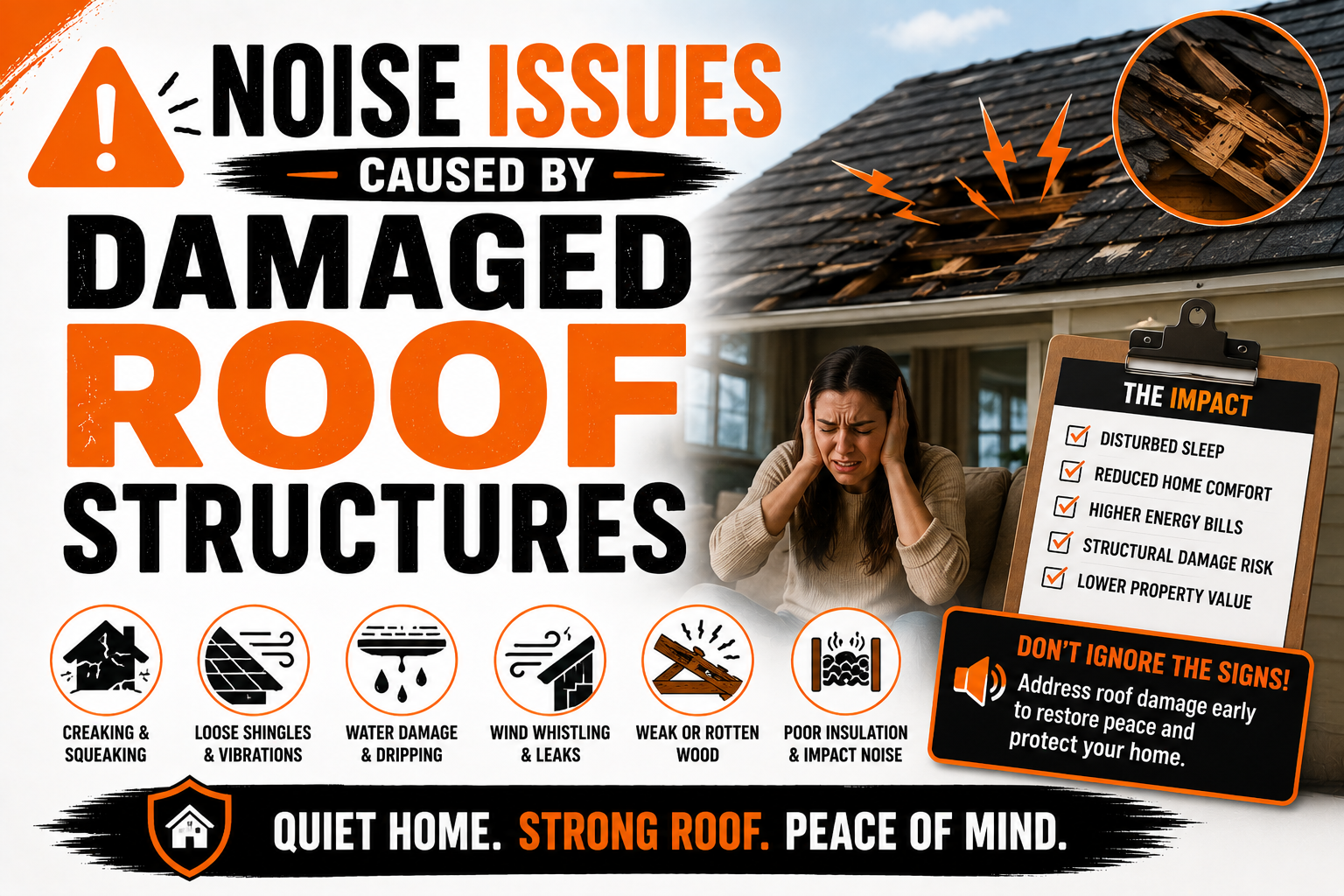
Noise Issues Caused by Damaged Roof Structures
Introduction
A roof does much more than keep rain, wind, and sunlight out of a building. It also plays an important role in reducing unwanted noise and creating a peaceful indoor environment. When roof components become damaged, they often produce unusual sounds that many homeowners dismiss as normal, even though they can signal developing structural problems.
Noises coming from the roof are not always harmless. A creaking sound during the evening, a rattling noise during windy weather, or repeated tapping after rainfall can all indicate that roofing materials, support structures, or insulation have been compromised. Ignoring these sounds may allow small issues to develop into expensive repairs that affect both the roof and the overall structure of the home.
Every roofing system is designed to work as a complete assembly. Shingles, underlayment, decking, rafters, insulation, flashing, and ventilation components all contribute to keeping the roof stable and quiet. When one of these elements begins to fail, the balance of the entire system changes, often resulting in new sounds that were never present before.
Some noises only occur during certain weather conditions, while others become more noticeable as the roof continues to age. Wind, heavy rain, temperature fluctuations, and moisture intrusion can all amplify existing weaknesses within a damaged roof structure. Understanding what these sounds mean can help homeowners identify problems before they become major structural concerns.
This guide explores the relationship between roof damage and unusual household noise. It explains how roofing systems naturally control sound, identifies the most common roof noises, discusses why damage creates these issues, and highlights the early warning signs that every property owner should recognize before repairs become more extensive.
Understanding How Roof Structures Control Sound
Most people think of a roof as a protective barrier against weather, but it also acts as an effective sound management system. A properly constructed roof absorbs, reflects, and blocks outside noise while minimizing movement between its structural components. This combination creates a quieter and more comfortable living environment throughout the year.
Every layer of the roof contributes to sound reduction in a different way. Roofing materials absorb impact noise, insulation dampens airborne sound, and structural framing prevents excessive movement that can create creaks and vibrations. When every component remains secure and undamaged, the roof operates quietly even during challenging weather conditions.
The effectiveness of a roof in controlling sound depends on the condition of all its components. Even a minor defect can interrupt the balance of the entire system, allowing sounds to travel farther through the structure and become much more noticeable inside the home.
Roofing Materials Help Absorb External Noise
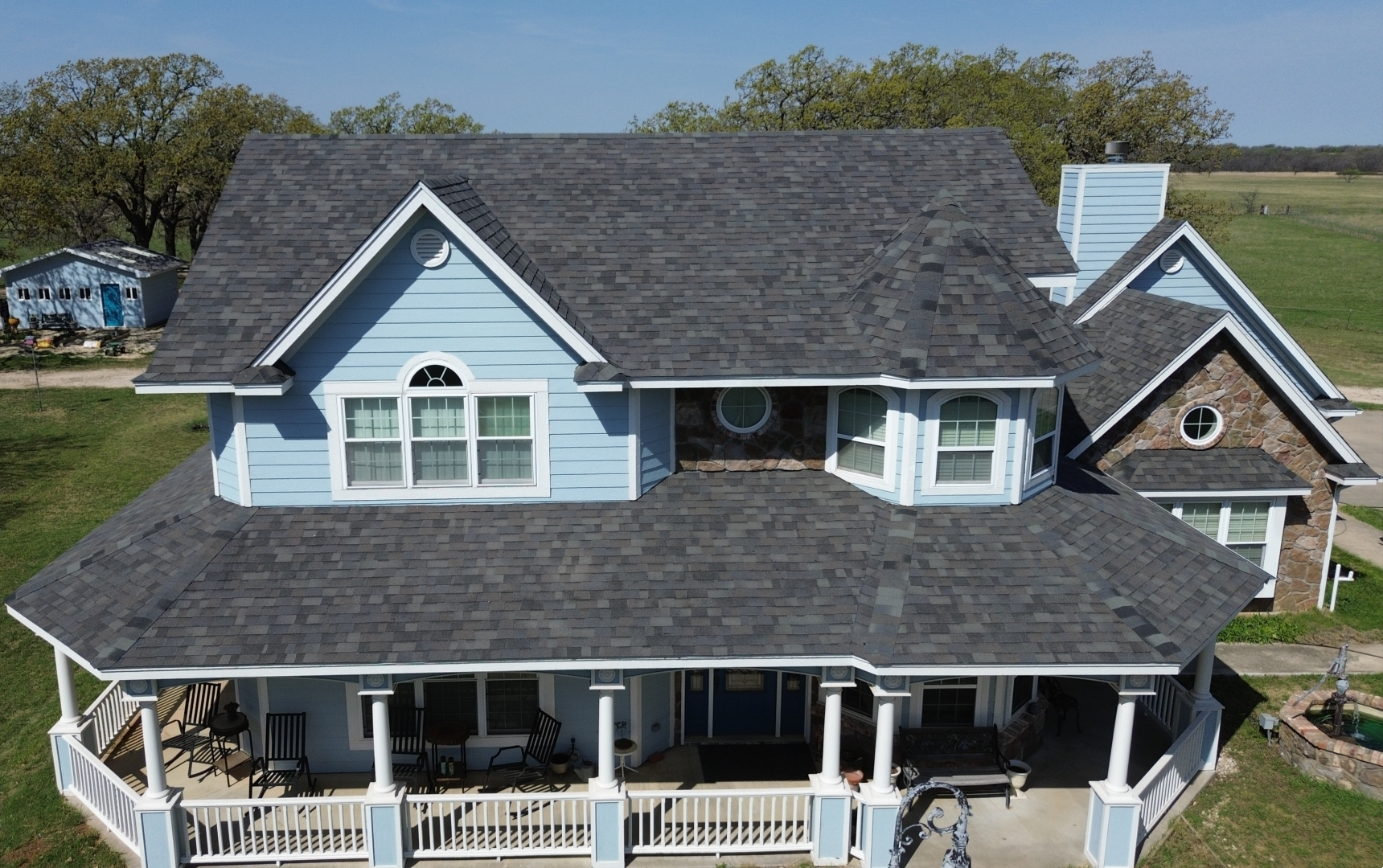
The outer roofing material forms the first line of defense against outside sound. Asphalt shingles, metal panels, clay tiles, slate, and composite roofing all respond differently to rain, hail, wind, and falling debris. Their design influences how much sound enters the building during changing weather conditions.
Quality roofing materials remain securely fastened and distribute impact energy evenly across the roof surface. This minimizes vibrations that would otherwise travel through the roof deck and into the home’s framing. Damaged or loose materials lose this ability, making outside sounds much louder indoors.
Roof Decking Provides Structural Stability
The roof deck creates a solid foundation for every roofing layer above it. Typically constructed from plywood or oriented strand board, it distributes weight evenly while preventing excessive movement throughout the roof system.
When roof decking becomes weakened by moisture or age, it can flex under changing temperatures or wind pressure. This movement often produces creaking, popping, or cracking sounds that become increasingly noticeable over time.
Framing Keeps the Roof Rigid
Rafters and trusses provide the structural framework that supports the entire roof. Their strength keeps roofing materials aligned while resisting wind loads, snow accumulation, and everyday structural stress.
A healthy roof frame limits unnecessary movement between connected components. If framing members loosen, shift, or become damaged by moisture or pests, the resulting movement often creates repetitive noises whenever external forces act on the roof.
Insulation Reduces Sound Transmission
Roof insulation serves two important purposes. While most homeowners recognize its role in maintaining indoor temperatures, insulation also absorbs sound waves before they travel into living spaces.
Proper insulation reduces the impact of rainfall, traffic, aircraft, and neighborhood activity. When insulation becomes compressed, wet, or deteriorated, it loses much of its sound absorbing capability, allowing outside noise to pass through much more easily.
Underlayment Adds Another Protective Barrier
Beneath the visible roofing material lies the underlayment, which provides additional protection against moisture while contributing to sound reduction. Although relatively thin, this layer helps reduce vibration between roofing materials and the roof deck.
If underlayment deteriorates because of prolonged water exposure or age, roofing materials may shift more freely. The increased movement can generate rubbing, squeaking, or tapping sounds that become noticeable during windy conditions.
Ventilation Helps Maintain Structural Balance
Roof ventilation controls heat and moisture levels inside the attic. Balanced ventilation reduces thermal expansion and contraction, helping structural components maintain consistent dimensions throughout seasonal weather changes.
Poor ventilation allows excessive heat and humidity to accumulate. As materials repeatedly expand and contract beyond normal limits, fasteners loosen and structural movement increases, creating more opportunities for unwanted roof noise.
Common Types of Roof Noises
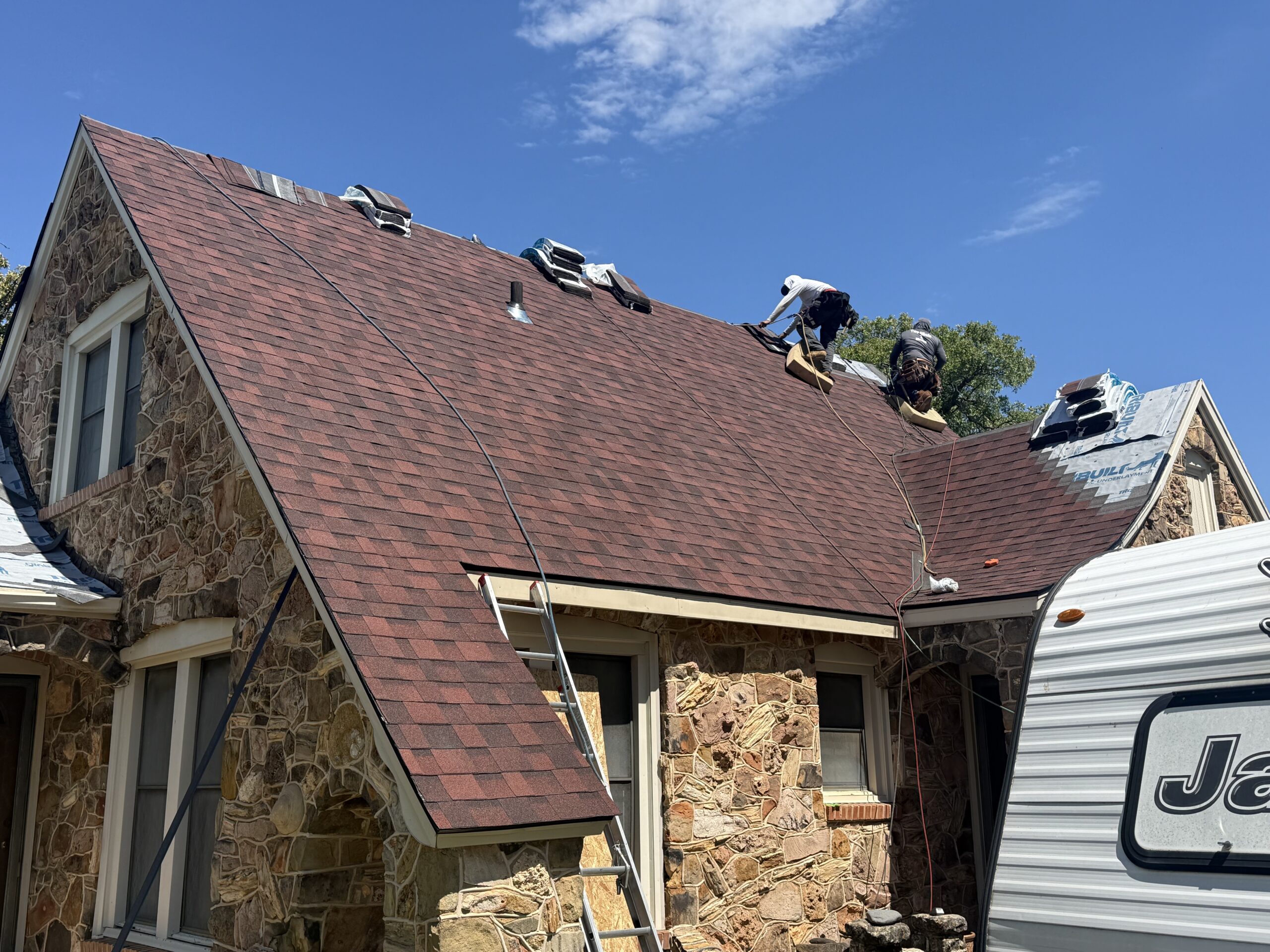
Every unusual roof sound tells a story about how different parts of the roofing system are performing. While some noises result from harmless material expansion, others indicate structural deterioration or loose roofing components that require professional attention.
Learning to recognize different roof sounds helps homeowners respond appropriately before damage spreads throughout the roofing system. Paying attention to when the sounds occur and how they change over time can provide valuable clues about the underlying problem.
Creaking Sounds
Creaking is among the most common noises associated with aging roofs. It often occurs when wooden framing members shift slightly under changing loads caused by temperature changes or strong winds.
Occasional creaking may simply reflect normal seasonal movement. However, frequent or increasingly loud creaks can indicate loose framing connections, weakened decking, or structural stress that deserves further evaluation.
Popping Sounds
Popping noises frequently occur during early morning or evening hours when roofing materials expand or contract because of changing temperatures. Different materials respond at different rates, producing brief snapping sounds as they adjust.
Although occasional popping can be expected, repeated loud pops throughout the day may suggest loose fasteners, deteriorated decking, or excessive movement caused by structural weakness.
Rattling Noises
Rattling typically indicates that something on the roof has become loose. Shingles, flashing, vents, gutters, or other roofing accessories may vibrate against surrounding materials when exposed to wind.
These sounds often become more noticeable during storms but gradually worsen if repairs are delayed. Loose components may eventually detach completely, increasing the risk of water intrusion and additional structural damage.
Banging During Wind
Strong winds place continuous pressure on every part of the roofing system. If roofing materials are loose or structural supports have weakened, larger components may move enough to produce banging or thumping sounds.
Banging noises should never be ignored because they often indicate that important roofing elements are no longer securely attached. Prompt inspection can prevent further movement and reduce the risk of significant storm damage.
Dripping and Tapping Sounds
Dripping noises are commonly associated with roof leaks. Water entering through damaged roofing materials may strike insulation, framing members, ceiling surfaces, or utility pipes before reaching visible areas inside the home.
Tapping sounds can also result from small branches, loose shingles, or damaged flashing repeatedly contacting the roof surface. Identifying the exact source requires careful inspection because similar sounds may originate from very different roofing issues.
Scratching Sounds
Scratching noises often suggest that tree branches are rubbing against the roof during windy weather. Continuous contact can wear away roofing materials and gradually weaken protective surfaces.
In some cases, scratching may also indicate the presence of birds, squirrels, rodents, or other wildlife entering damaged roof openings. Small entry points can eventually expand into larger structural problems if left unaddressed.
Whistling Sounds
A whistling roof usually indicates that air is moving through small openings around flashing, vents, ridge caps, or damaged roofing materials. Wind passing through these gaps creates high pitched sounds that become more noticeable during storms.
Besides generating annoying noise, air leaks often reduce energy efficiency and allow moisture infiltration. Addressing these openings improves both comfort and roof performance.
Why Roof Damage Makes Homes Noisier
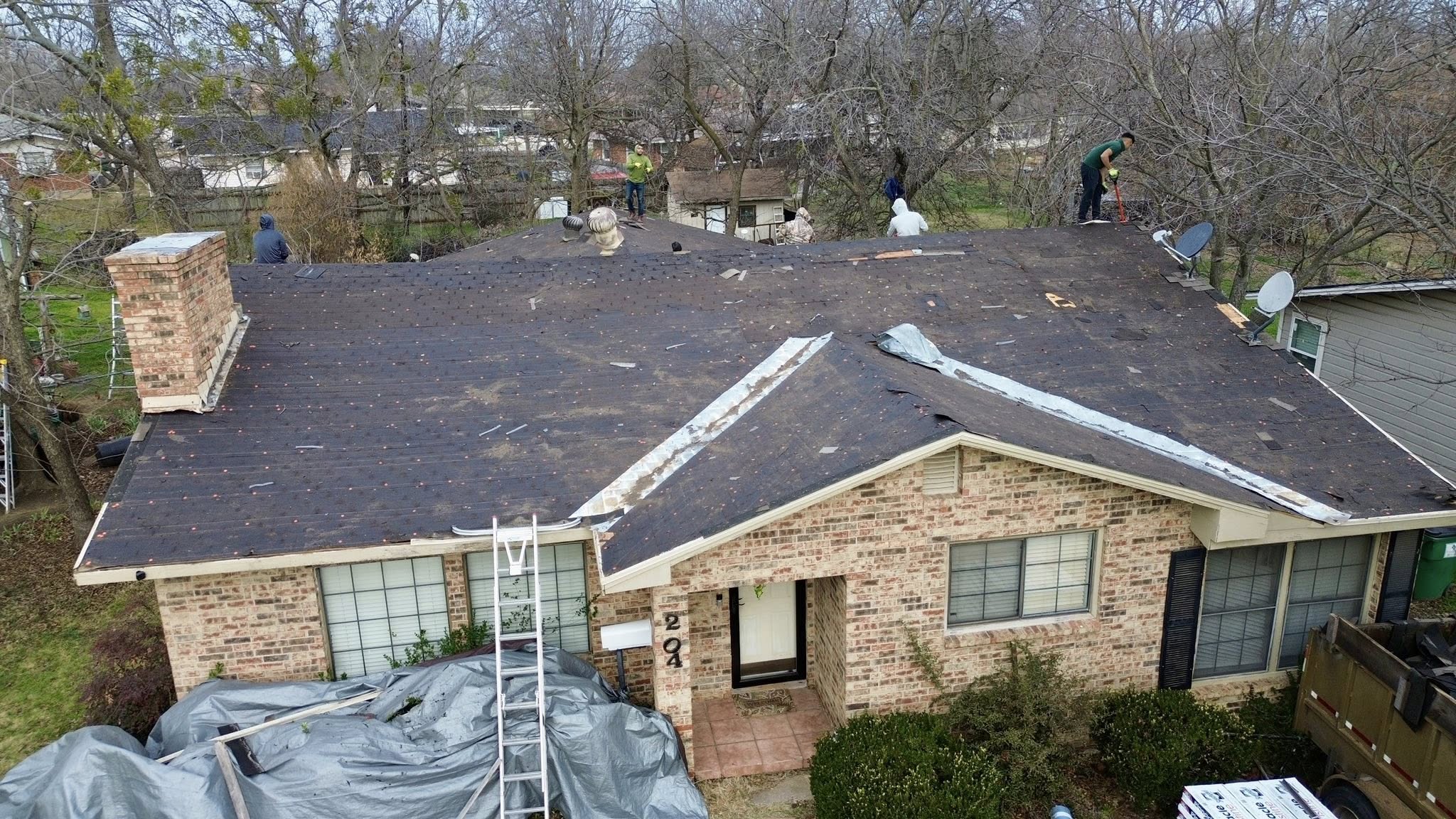
A properly functioning roof distributes weight evenly and limits unnecessary movement between its structural components. Damage disrupts this balance, allowing vibrations, impacts, and airflow to generate sounds that would otherwise remain unnoticed.
As damage progresses, noises often become more frequent and louder. What begins as an occasional creak may eventually develop into continuous rattling, banging, or popping that affects the comfort of everyone inside the building.
Loose Roofing Components Increase Movement
Roofing systems rely on thousands of fasteners to keep materials securely attached. Over time, exposure to moisture, heat, wind, and repeated expansion gradually weakens these connections.
Once materials begin moving independently, they rub against surrounding surfaces whenever weather conditions change. This movement creates many of the rattling, clicking, and banging sounds homeowners commonly notice.
Moisture Weakens Structural Materials
Water infiltration represents one of the most damaging conditions for any roofing system. Moisture gradually softens wood, weakens adhesives, corrodes fasteners, and reduces the strength of structural connections.
As these materials lose their original strength, they become more flexible under normal loads. Increased movement naturally produces additional sounds whenever the roof responds to wind or temperature changes.
Damaged Insulation Allows More Noise Indoors
Healthy insulation absorbs sound before it reaches living spaces. Wet or compressed insulation cannot perform this function effectively, allowing exterior sounds to travel through ceilings much more easily.
The result is not only louder weather related noise but also increased awareness of structural sounds that previously remained hidden within the roofing system.
Thermal Movement Becomes More Noticeable
Every roofing material expands when heated and contracts as temperatures fall. Well maintained roofs accommodate this movement smoothly without producing significant noise.
Damaged roofs experience uneven movement because loose materials no longer remain properly aligned. This creates additional friction between roofing components, producing creaks, pops, and snapping sounds during daily temperature changes.
Structural Weakness Amplifies Vibrations
As framing members, decking, or support connections weaken, they transfer vibrations more freely throughout the roof structure. Sounds generated in one location may travel considerable distances before becoming audible inside the home.
This amplification often makes it difficult for homeowners to determine the actual source of roof noise. A sound heard above one room may actually originate several feet away where structural damage first developed.
Early Warning Signs That Noise Indicates Roof Damage
Not every roof sound signals an emergency, but changes in the pattern, frequency, or intensity of noise deserve careful attention. Recognizing these early warning signs allows homeowners to schedule inspections before minor defects become major structural repairs.
One of the most important clues is whether the sounds are becoming more frequent over time. A roof that was once quiet but now produces regular creaks, rattles, or bangs is often experiencing gradual deterioration that should not be ignored.
Weather also provides valuable information. Noises that only occur during strong winds, heavy rain, or extreme temperature changes may indicate loose roofing materials or weakened structural connections that respond to additional stress.
Another warning sign appears when roof sounds are accompanied by visible symptoms. Water stains on ceilings, sagging roof lines, cracked drywall, missing shingles, or rising energy bills often reinforce that the unusual noises are linked to developing roof damage rather than harmless seasonal movement.
The age of the roof should also be considered when evaluating unusual sounds. Older roofing systems naturally experience more wear, making new noises more likely to indicate aging materials, loose fasteners, or structural fatigue rather than temporary environmental conditions.
Finally, homeowners should pay attention to sounds that continue even after weather conditions improve. Persistent noises often suggest ongoing structural movement rather than temporary environmental stress, making professional inspection the safest course of action before the damage becomes more extensive.
Roofing Problems That Commonly Create Noise
Every roof experiences some movement throughout its lifetime, but excessive or unusual sounds often indicate that one or more roofing components have been damaged. Identifying the specific issue behind the noise is essential because different roofing problems require different repair approaches. While some issues involve only surface materials, others affect the structural framework supporting the entire roof.
Many homeowners assume that roof noise automatically means the roof is old. Although aging contributes to wear and tear, storms, poor installation, moisture intrusion, and inadequate maintenance can create the same symptoms in roofs that are only a few years old. Understanding the most common causes helps property owners respond before damage spreads.
Missing or Damaged Shingles
Shingles protect the roof from weather while providing a stable outer surface. When shingles crack, curl, loosen, or go missing, nearby materials become more exposed to wind pressure and movement.
During windy conditions, loose shingles may flap repeatedly against the roof deck. This movement often produces clicking, rattling, or slapping sounds that become louder as wind speeds increase. If left unattended, surrounding shingles may also loosen, allowing the problem to spread across larger sections of the roof.
Damaged shingles also increase the likelihood of water entering beneath the roofing system. Moisture weakens the decking and supporting structure, eventually creating additional noises as structural components begin to shift.
Loose Flashing Around Roof Openings
Flashing is installed around chimneys, skylights, roof valleys, vents, and wall intersections to prevent water infiltration. Because flashing is usually made from metal, it can produce noticeable sounds when it becomes loose.
Wind passing beneath lifted flashing causes it to vibrate against nearby roofing materials. This vibration creates rattling or buzzing sounds that often become more noticeable during storms.
Loose flashing may also allow water beneath roofing materials. As moisture damages surrounding wood, the roof can begin producing creaking and popping noises that continue long after the flashing problem first appeared.
Sagging Roof Decking
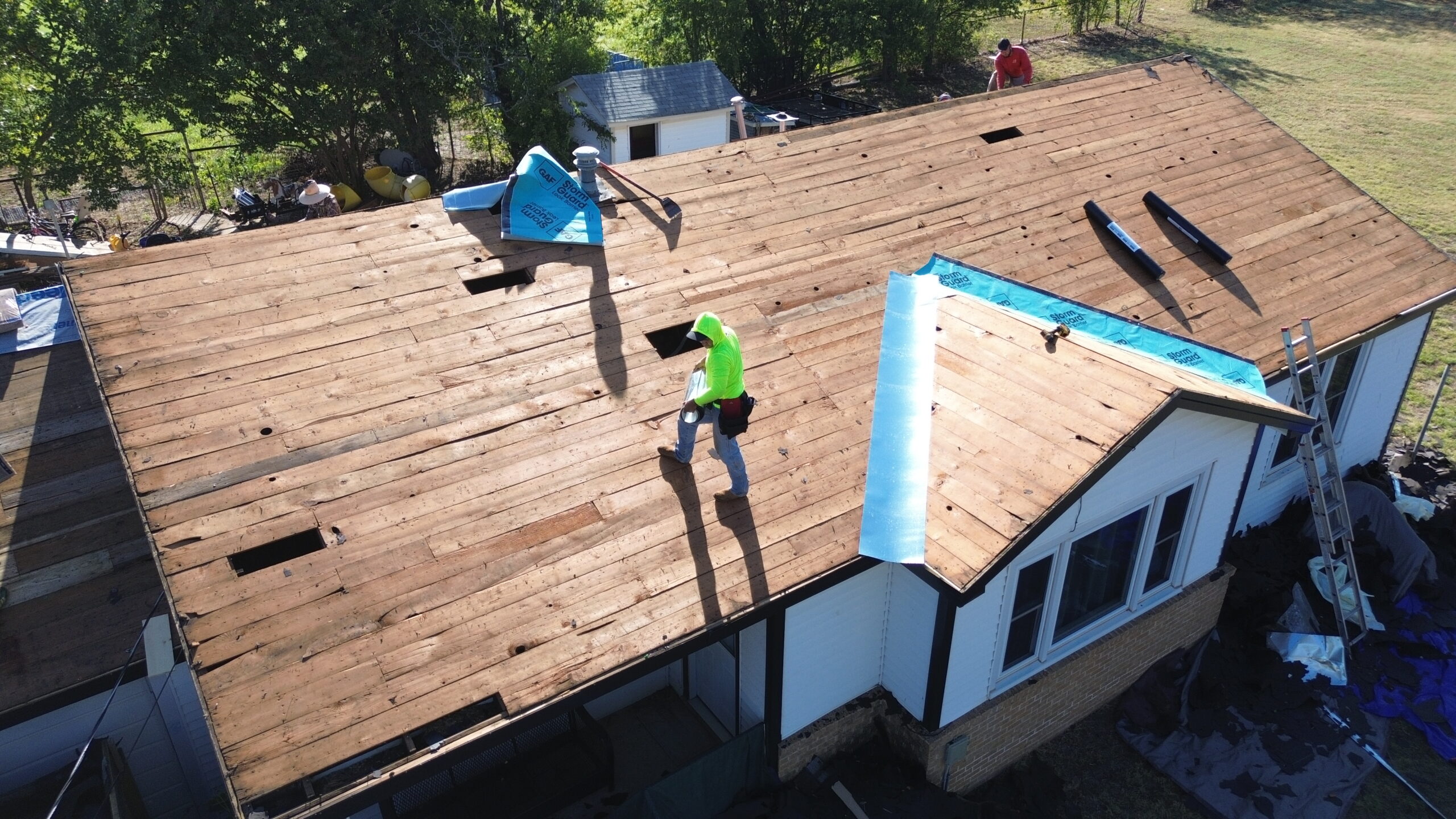
Roof decking forms the structural base beneath roofing materials. Prolonged moisture exposure, excessive roof loads, or aging can weaken the decking until it begins to sag between supporting members.
As weakened decking flexes under changing loads, it often creates creaking or cracking sounds. These noises may occur when strong winds pass over the roof or when temperatures change rapidly throughout the day.
Sagging decking should never be ignored because it often indicates deeper structural deterioration. Prompt repairs help prevent widespread damage to framing and roofing materials.
Damaged Rafters and Trusses
The framing system supports the entire roofing structure and transfers roof loads safely to the building walls. Rafters and trusses are designed to remain rigid while accommodating normal seasonal movement.
Water damage, insect activity, improper modifications, or excessive loads can weaken these structural members. Once compromised, they may shift slightly under changing conditions, producing repetitive creaks, groans, or popping sounds.
Structural framing problems typically become more noticeable during storms or periods of rapid temperature change. Because these components support the entire roof, professional evaluation is recommended whenever structural movement is suspected.
Worn or Loose Fasteners
Thousands of nails, screws, and specialized fasteners hold a roofing system together. Years of expansion, contraction, vibration, and weather exposure gradually reduce their holding strength.
Loose fasteners allow roofing materials to move independently during windy conditions. The resulting friction often creates clicking, tapping, or rattling noises that seem to travel across different areas of the roof.
Replacing deteriorated fasteners restores structural stability while preventing additional movement that could damage surrounding materials.
Ventilation Problems
Attic ventilation affects much more than temperature control. Proper airflow helps maintain stable moisture levels and minimizes excessive expansion and contraction throughout the roofing structure.
Blocked vents trap heat and humidity inside the attic. The resulting thermal stress causes roofing materials and framing members to move more aggressively, increasing the likelihood of popping, cracking, and creaking sounds.
Improving attic ventilation often reduces roof movement while extending the lifespan of roofing materials and insulation.
Gutters and Fascia Issues
Gutters and fascia boards work together to direct water safely away from the building. Loose mounting brackets or damaged fascia can allow gutters to move during windy weather.
As gutters vibrate against the fascia or roof edge, they produce metallic rattling or knocking sounds. Water flowing through partially blocked gutters may also create unusual splashing or dripping noises that are mistaken for roof leaks.
Regular gutter maintenance helps prevent unnecessary movement while protecting the roof edge from moisture damage.
Skylights and Roof Penetrations
Skylights, exhaust vents, plumbing stacks, and other roof penetrations interrupt the continuous roof surface. Each opening depends on secure flashing and proper installation to remain watertight and stable.
When seals deteriorate or surrounding materials loosen, wind can create vibration around these openings. This often results in whistling, rattling, or tapping sounds that seem concentrated in one area of the ceiling.
Timely maintenance around roof penetrations reduces both unwanted noise and the risk of water infiltration.
Environmental Factors That Make Roof Noise Worse
Roof damage often becomes much more noticeable during changing weather conditions. Environmental forces place additional stress on roofing materials, exposing weaknesses that remain hidden during calm weather. Recognizing these patterns helps homeowners identify when roof noise is connected to structural problems.
Although weather itself cannot always be controlled, understanding how different conditions affect the roof allows property owners to schedule inspections before seasonal changes make existing damage worse.
Wind
Wind is one of the most common triggers of roof noise. Even moderate gusts create lifting pressure on shingles, flashing, vents, and gutters, causing loose components to move against surrounding materials.
Strong winds can also force air through small openings in damaged roofing systems. This movement often produces whistling sounds that become louder as wind speed increases.
Heavy Rain
Rain naturally creates sound as water strikes roofing materials. A healthy roof distributes these impacts evenly, keeping interior noise at manageable levels.
Damaged roofs respond differently because loose materials vibrate under repeated rainfall. Water entering small openings may also create dripping or tapping sounds inside attic spaces and wall cavities.
Hail
Hail impacts roofing materials with much greater force than ordinary rainfall. Even if visible damage appears minimal, repeated impacts may loosen shingles, flashing, or fasteners.
After a hailstorm, homeowners sometimes notice new rattling or creaking sounds that were not present previously. These noises often indicate hidden damage requiring professional inspection.
Snow and Ice
In colder climates, snow accumulation places additional weight on the roof structure. As snow melts and refreezes, expanding ice creates pressure between roofing materials.
Ice dams may also trap water beneath shingles, increasing moisture damage within the roof assembly. The combination of added weight and trapped moisture often produces creaking or cracking sounds as structural components respond to changing loads.
Temperature Fluctuations
Daily heating and cooling cycles cause roofing materials to expand and contract continuously. Healthy roofing systems accommodate this movement without creating significant noise.
When materials become loose or damaged, however, normal expansion generates additional friction. Homeowners often notice popping sounds during sunrise and sunset as roofing materials rapidly adjust to changing temperatures.
Tree Branches and Falling Debris
Trees provide shade and improve curb appeal, but branches that touch the roof can become a significant source of noise. Wind causes branches to scrape repeatedly across roofing materials, producing scratching sounds that may continue for hours.
Falling twigs, seed pods, pine cones, and other debris can also create tapping sounds. Over time, repeated impacts may damage shingles and protective coatings, making the roof increasingly vulnerable to future problems.
Diagnosing the Source of Roof Noise
Locating the exact origin of roof noise is often more challenging than homeowners expect. Sound travels efficiently through wood framing, insulation, and attic spaces, making the apparent location different from the actual source.
A systematic inspection helps eliminate guesswork while ensuring that hidden structural problems are not overlooked. Both homeowners and roofing professionals follow similar observation techniques before recommending repairs.
Observe the Timing of the Noise
The time when roof noise occurs often provides valuable diagnostic information. Sounds that appear only during strong winds usually indicate loose exterior components, while noises occurring during temperature changes often point toward material expansion and contraction.
Keeping a simple record of when noises occur helps identify patterns that may not be immediately obvious. This information also assists roofing professionals during inspections.
Look for Visible Exterior Damage
Many roof problems become visible from ground level without climbing onto the roof. Missing shingles, lifted flashing, sagging roof lines, loose gutters, or damaged vents often correspond directly with unusual sounds heard indoors.
Using binoculars allows homeowners to perform a basic visual inspection while remaining safely on the ground. Any obvious damage should be documented before scheduling professional repairs.
Inspect the Attic
The attic provides an excellent opportunity to identify many roofing problems before they become visible inside living areas. Water stains, damp insulation, mold growth, warped decking, or daylight entering through the roof all indicate areas requiring further investigation.
Listening carefully inside the attic during windy or rainy conditions may also help narrow the location of unusual sounds. However, inspections should only be performed when conditions are safe.
Rule Out Other Household Systems
Not every sound coming from above the ceiling originates from the roof itself. Heating and cooling ducts, plumbing pipes, electrical systems, and attic equipment may also create noises that resemble structural roof movement.
Comparing when these systems operate with the timing of roof noise helps eliminate unrelated causes before major roofing repairs are considered.
Professional Inspection Methods
Experienced roofing contractors use a combination of visual inspections and specialized equipment to locate hidden damage. Moisture meters, thermal imaging cameras, drones, and attic evaluations help identify problems that cannot be detected through ordinary observation alone.
These technologies allow contractors to recommend targeted repairs rather than unnecessary roof replacement. Accurate diagnosis reduces repair costs while preventing overlooked damage from continuing to worsen.
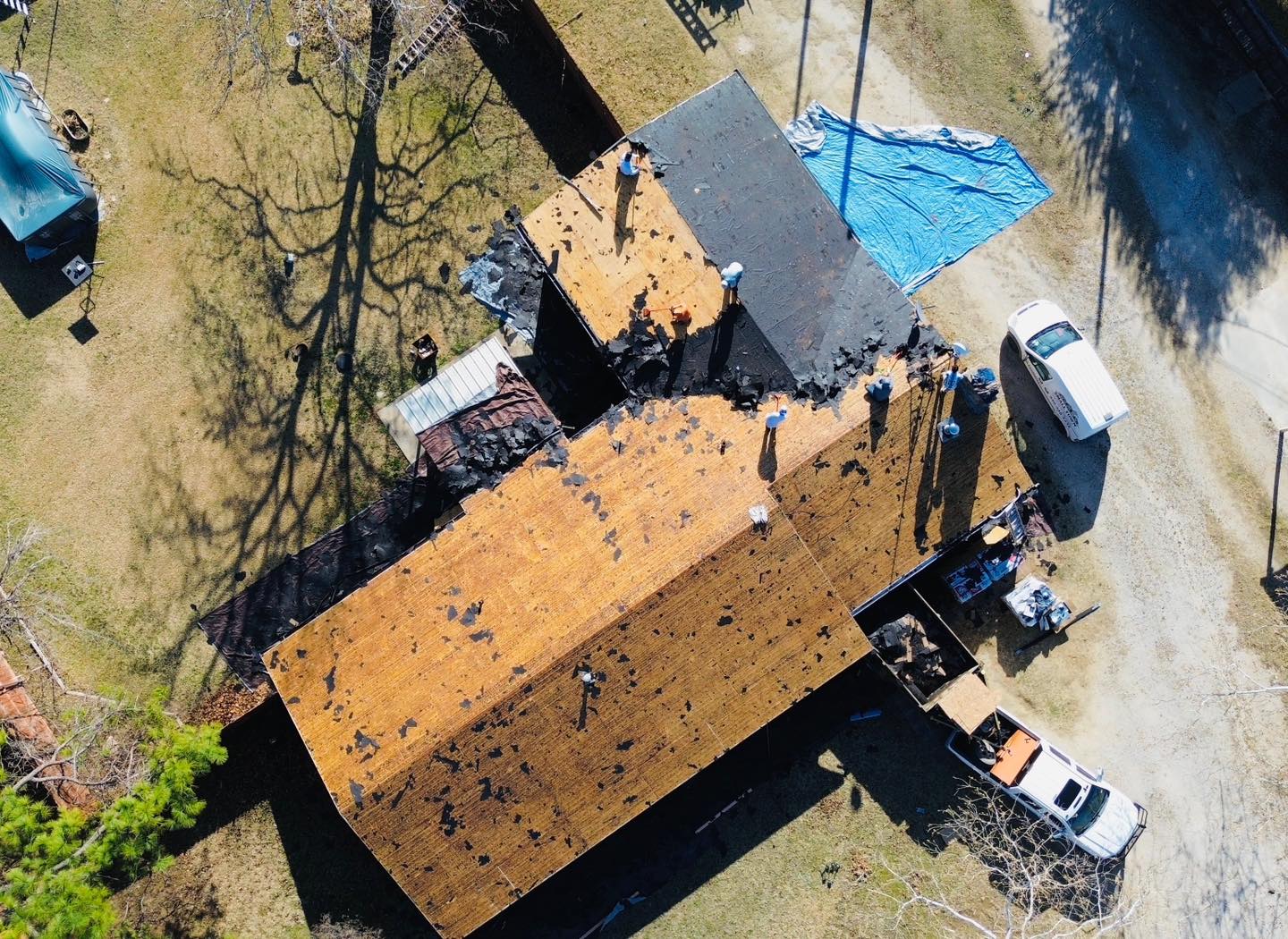
Roof Noise Causes and Recommended Solutions
The following table summarizes some of the most common roof noises, their likely causes, and the repair approaches that typically resolve them. While the table provides general guidance, every roofing system should be inspected individually before repairs begin.
| Roof Noise | Likely Cause | Recommended Solution |
|---|---|---|
| Creaking | Weak framing or roof decking movement | Inspect structural members and reinforce damaged sections |
| Popping | Thermal expansion with loose fasteners | Replace worn fasteners and secure roofing materials |
| Rattling | Loose shingles, flashing, or gutters | Reattach or replace loose exterior components |
| Banging | Wind lifting roofing materials | Secure damaged sections and inspect for storm damage |
| Dripping | Roof leak or moisture intrusion | Locate the leak source and repair affected areas |
| Whistling | Air leaks around vents or flashing | Seal openings and replace damaged flashing |
| Scratching | Tree branches or wildlife activity | Trim branches and repair roof entry points |
| Tapping | Loose components or falling debris | Remove debris and secure roofing accessories |
Understanding the relationship between roof sounds and structural conditions allows homeowners to make informed maintenance decisions. Instead of assuming every unusual sound is harmless, recognizing these warning signs makes it easier to address problems before they become expensive structural repairs.
Repair Solutions for Noisy Roof Structures
Once the source of roof noise has been identified, timely repairs become the most effective way to restore both structural integrity and indoor comfort. While some issues require only minor maintenance, others involve replacing damaged materials or reinforcing structural components. Addressing the underlying cause rather than simply masking the sound ensures that the problem does not continue to worsen over time.
Professional roof repairs not only eliminate unwanted noise but also help prevent water intrusion, energy loss, and premature roof deterioration. A comprehensive repair strategy focuses on restoring every damaged component so the roofing system functions as a complete, stable structure once again.
Replacing Damaged Roofing Materials
Worn or damaged roofing materials are among the most common causes of persistent roof noise. Cracked shingles, loose tiles, deteriorated metal panels, or damaged ridge caps allow movement that creates rattling, tapping, and banging sounds during changing weather conditions.
Replacing these materials restores the roof’s protective surface while preventing unnecessary movement. New roofing components fit securely within the system, reducing vibration and improving overall weather resistance.
Matching replacement materials to the existing roof also helps maintain consistent performance across the entire roofing system. Proper installation ensures that repaired sections perform as effectively as the original construction.
Securing Loose Flashing
Flashing protects areas where the roof meets chimneys, skylights, vents, and walls. Because these locations experience constant exposure to wind and water, flashing can loosen over time if fasteners weaken or sealants deteriorate.
Repairing or replacing flashing eliminates vibration while restoring waterproof protection. Contractors also inspect surrounding materials to confirm that moisture has not damaged nearby decking or framing.
Modern flashing systems combined with high quality sealants provide long lasting protection against both leaks and unwanted roof noise.
Reinforcing Roof Decking
If inspections reveal weakened or sagging roof decking, reinforcing or replacing damaged sections may be necessary. Strong decking creates a stable foundation that minimizes movement throughout the roofing system.
Repairs often involve replacing water damaged panels while strengthening adjacent areas that continue to support healthy roofing materials. This approach restores structural stability without replacing sections that remain in good condition.
Once reinforced, the roof deck distributes loads more evenly and significantly reduces creaking or cracking sounds caused by excessive movement.
Repairing Structural Framing
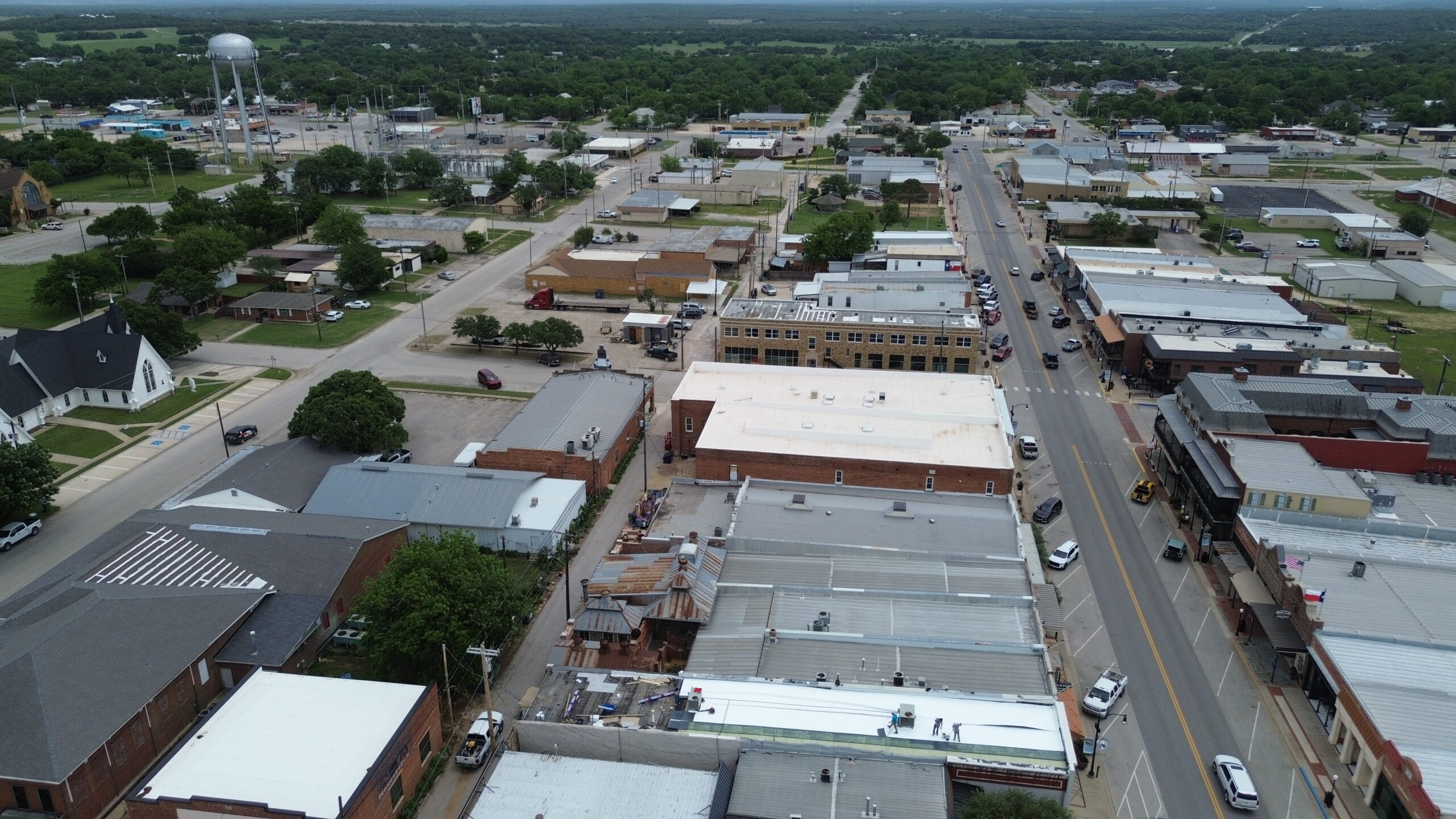
Damage to rafters or trusses requires careful evaluation because these components support the entire roofing structure. Structural repairs may involve reinforcing weakened members, replacing damaged sections, or installing additional supports where necessary.
These repairs should always follow accepted structural engineering principles to maintain the roof’s original strength. Proper reinforcement not only eliminates unwanted movement but also improves the building’s long term safety.
Addressing framing issues early often prevents more extensive structural repairs in the future.
Improving Roof Insulation
Insulation contributes significantly to indoor acoustic comfort. Damaged or compressed insulation allows exterior sounds to travel more freely while reducing energy efficiency.
Replacing wet or deteriorated insulation restores its ability to absorb sound while improving indoor temperature regulation. Modern insulation materials also provide better moisture resistance, helping maintain their performance over many years.
Improved insulation creates a quieter living environment regardless of seasonal weather conditions.
Restoring Proper Ventilation
Balanced attic ventilation reduces excessive heat and moisture buildup that contributes to structural movement. During repairs, contractors inspect ridge vents, soffit vents, exhaust vents, and airflow pathways to ensure they operate efficiently.
Improved ventilation stabilizes attic temperatures throughout the year. This reduces expansion and contraction within roofing materials, lowering the likelihood of future popping and creaking sounds.
Better airflow also helps extend the lifespan of shingles, insulation, and structural framing.
Tightening or Replacing Fasteners
Fasteners gradually loosen because of continuous expansion, contraction, vibration, and weather exposure. Replacing worn nails or screws restores the secure attachment of roofing materials.
Roofing professionals also verify that replacement fasteners meet manufacturer specifications. Using the correct fastener type helps prevent recurring movement while improving resistance to future wind events.
A properly secured roof performs more quietly while providing better protection against severe weather.
Preventive Maintenance Strategies
The most effective way to avoid roof noise is to prevent damage before it develops. Regular inspections and routine maintenance allow small issues to be corrected while repairs remain relatively simple and affordable.
Preventive maintenance also extends roof lifespan by reducing wear caused by weather, moisture, and normal aging. Property owners who maintain their roofs consistently often experience fewer unexpected repair costs throughout the life of the roofing system.
The following maintenance practices significantly reduce the likelihood of developing noisy roof structures:
- Schedule professional roof inspections at least once each year.
- Inspect the roof after severe storms or unusually strong winds.
- Keep gutters clean to prevent water accumulation.
- Trim tree branches that contact the roof surface.
- Replace damaged shingles before moisture reaches the roof deck.
- Monitor attic ventilation and insulation for signs of deterioration.
- Repair small leaks immediately before structural damage develops.
These simple maintenance practices help preserve both structural integrity and indoor comfort. Consistent attention to minor roofing issues often prevents the larger problems responsible for persistent roof noise.
When Roof Noise Becomes a Safety Concern
Not every unusual roof sound indicates immediate danger, but certain situations require prompt professional attention. Structural damage rarely improves on its own, and delaying repairs can increase both repair costs and safety risks.
Understanding the difference between routine roof movement and signs of structural failure helps homeowners respond appropriately when unusual sounds appear.
Continuous Loud Creaking
Occasional creaking during temperature changes is generally expected in many roofing systems. However, loud creaking that becomes more frequent or occurs without obvious weather changes may indicate weakening structural members.
Persistent structural movement deserves immediate evaluation because continued stress can eventually compromise the roof’s load carrying capacity.
Visible Roof Sagging
A sagging roof accompanied by unusual noises should always be treated as a serious structural concern. Visible deflection often indicates weakened decking, damaged framing, or excessive moisture deterioration.
Continuing to occupy a building with significant structural roof damage may increase safety risks, particularly during severe weather.
Repeated Water Intrusion
Water entering the building after rainfall often creates dripping sounds that accompany structural deterioration. Moisture weakens wood, corrodes fasteners, damages insulation, and encourages mold growth throughout the roofing system.
Ignoring ongoing leaks allows structural damage to spread well beyond the original entry point. Early repairs protect both the roof and the interior of the building.
Sudden Changes After Storms
If roof noises begin immediately after a severe storm, hail event, or high wind occurrence, professional inspection should not be delayed. Storm damage sometimes loosens structural components without creating immediately visible exterior damage.
Prompt inspections identify hidden problems before subsequent storms increase the extent of structural deterioration.
Wildlife Activity
Animals entering damaged roof openings often create scratching, running, or chewing sounds. While the noise itself may seem minor, wildlife can damage insulation, ventilation systems, wiring, and wooden structural members.
Repairing entry points while addressing the roofing damage prevents recurring problems and protects the building from additional deterioration.
Choosing the Right Roofing Professional
Selecting a qualified roofing contractor plays an important role in resolving structural noise effectively. A thorough inspection identifies both the visible symptoms and the underlying causes responsible for unusual roof sounds.
Rather than focusing only on the loudest area of the roof, experienced professionals evaluate the roofing system as a whole. This comprehensive approach reduces the likelihood of overlooking hidden structural problems.
When comparing roofing contractors, consider the following factors:
- Verify licensing, insurance, and local qualifications.
- Ask about experience with structural roof repairs.
- Request a detailed written inspection report.
- Review warranties covering both materials and workmanship.
- Check customer reviews and completed project references.
A reputable contractor explains inspection findings clearly and recommends repairs based on the actual condition of the roof. This transparent approach helps property owners make informed decisions while avoiding unnecessary work.
Long Term Benefits of Eliminating Roof Noise
Repairing a noisy roof provides benefits that extend well beyond reducing unwanted sounds. Restoring structural stability improves the overall performance of the building while protecting its long term value.
Many homeowners initially seek repairs simply because the noise has become irritating. After repairs are completed, they often discover additional improvements that enhance comfort, efficiency, and peace of mind.
Improved Indoor Comfort
A quieter home creates a more relaxing environment for sleeping, working, and spending time with family. Eliminating repetitive roof noises reduces unnecessary distractions while improving overall quality of life.
Reduced sound transmission also makes outdoor weather events less disruptive. Rain, wind, and nearby traffic become far less noticeable inside a properly maintained home.
Better Energy Efficiency
Many roofing problems responsible for noise also contribute to energy loss. Air leaks, damaged insulation, and moisture intrusion reduce the effectiveness of the building envelope.
Repairing these issues improves heating and cooling efficiency throughout the year. Lower energy consumption often results in reduced utility costs while maintaining more consistent indoor temperatures.
Extended Roof Lifespan
Minor roofing problems become much more expensive when ignored for long periods. Early repairs prevent damage from spreading into structural framing, insulation, and interior finishes.
A well maintained roof generally lasts significantly longer than one that receives only emergency repairs. Regular maintenance helps property owners maximize the value of their roofing investment.
Increased Property Value
A structurally sound roof remains one of the most valuable features of any home. Buyers often view roof condition as an indicator of overall property maintenance.
Eliminating structural noise and repairing visible damage improves buyer confidence while supporting stronger resale value. Inspection reports documenting professional repairs also provide reassurance during real estate transactions.
Lower Future Maintenance Costs
Preventive repairs reduce the likelihood of recurring structural problems. Addressing loose materials, moisture intrusion, and ventilation issues early helps avoid larger restoration projects later.
Although routine maintenance requires ongoing investment, it is generally far less expensive than replacing major structural roof components after years of neglect.
Frequently Asked Questions
| Question | Answer |
|---|---|
| Are all roof noises a sign of damage? | No. Some sounds result from normal thermal expansion and contraction, but persistent or changing noises should always be evaluated. |
| Can insulation reduce roof noise? | Yes. Proper insulation absorbs sound while improving energy efficiency, making the home quieter and more comfortable. |
| Should I inspect the roof myself? | Basic visual inspections from the ground are generally safe, but climbing onto the roof should be left to trained professionals. |
| Can wind alone damage a roof enough to create noise? | Yes. Strong winds can loosen shingles, flashing, gutters, and fasteners, creating rattling or banging sounds. |
| How often should a roof be professionally inspected? | Most experts recommend a professional inspection at least once a year and after major storms. |
Conclusion
Unusual roof noise is more than a simple inconvenience. It often serves as one of the earliest indicators that roofing materials, structural framing, insulation, or protective components have begun to deteriorate. Recognizing these warning signs early allows homeowners to address minor issues before they develop into major structural repairs.
Throughout this guide, we explored how healthy roof systems control sound, why damaged structures become increasingly noisy, the environmental conditions that amplify roof movement, and the most common roofing defects responsible for unwanted sounds. We also examined effective repair methods, preventive maintenance strategies, and the long term advantages of restoring structural stability.
A quiet roof is typically a healthy roof. While occasional sounds caused by normal expansion and contraction may be expected, persistent creaking, rattling, banging, whistling, or dripping should never be dismissed without investigation. Prompt inspections and professional repairs protect the roofing system while preserving the safety, comfort, and value of the entire property.
Routine maintenance remains the best defense against structural roof problems. By addressing damage early, maintaining proper ventilation, replacing worn materials, and scheduling regular inspections, property owners can enjoy a quieter home while extending the life of one of the building’s most important structural systems.