
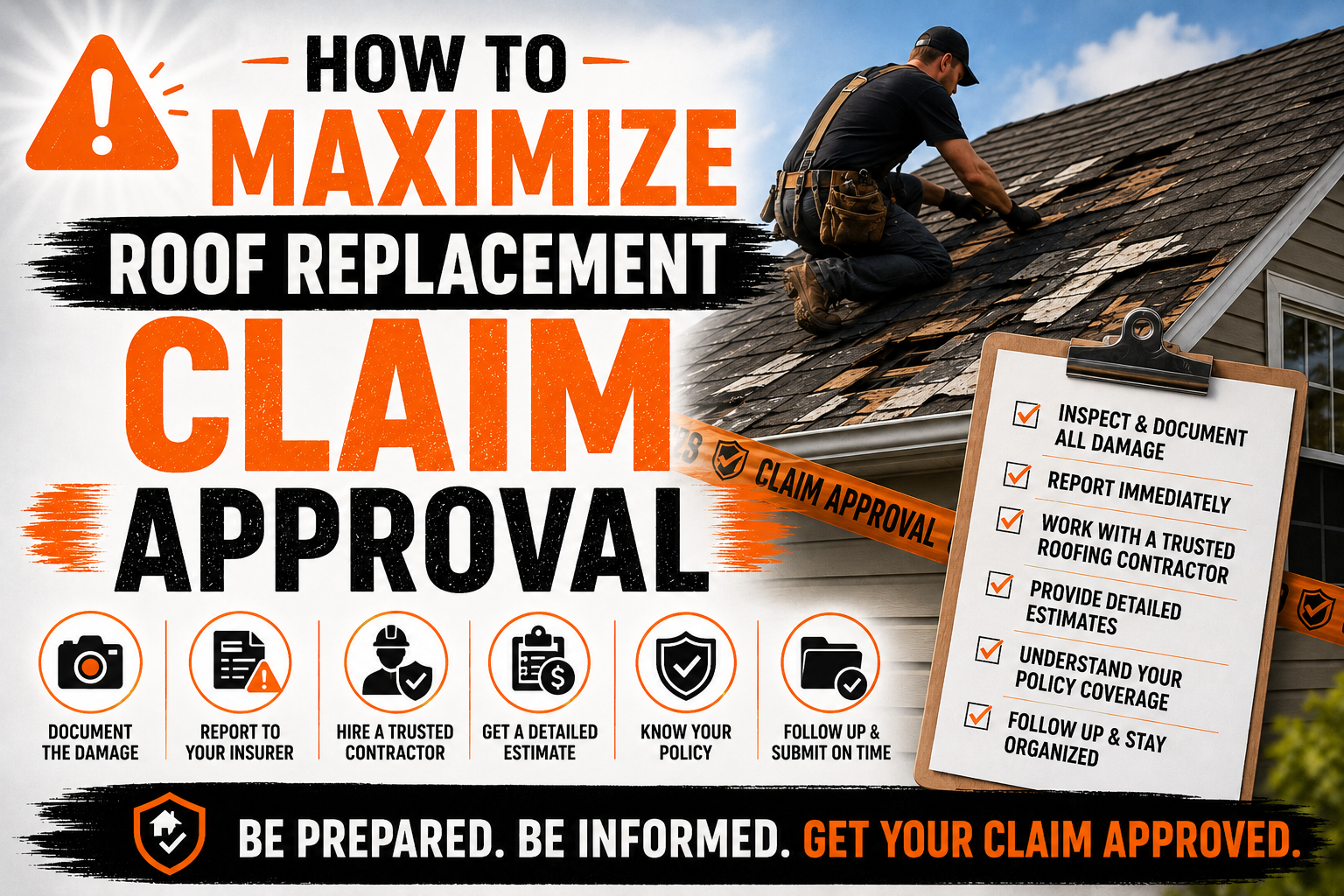
How to Maximize Roof Replacement Claim Approval
Introduction
Roof replacement is one of the most expensive repairs a homeowner may face after severe weather or unexpected property damage. While homeowners insurance is designed to help cover these costs, getting a roof replacement claim approved is not always straightforward. Insurance companies carefully evaluate every claim to determine whether the damage meets policy requirements and whether replacement is truly necessary.
Many homeowners assume that filing a claim automatically leads to approval, but that is rarely the case. Insurers review documentation, inspection reports, maintenance history, and the cause of the damage before making a decision. Missing information or poor documentation can significantly reduce the chances of receiving a full settlement.
Understanding how the claims process works before filing can save both time and frustration. It also allows homeowners to prepare the evidence needed to support their claim and avoid common mistakes that often result in delays or denials.
This guide explains the complete process of maximizing roof replacement claim approval. From understanding insurance requirements to documenting damage correctly and communicating effectively with adjusters, each section builds on the previous one to help homeowners navigate the process with confidence.
Understanding How Roof Replacement Insurance Claims Work
A roof replacement insurance claim is a formal request asking your insurance provider to pay for replacing a damaged roof when the cause of damage is covered under your policy. Insurance companies investigate every claim to verify that the damage resulted from a covered event rather than gradual deterioration or neglect.
Most homeowner insurance policies cover sudden and accidental events such as hailstorms, windstorms, fallen trees, lightning strikes, and fire damage. However, normal aging, poor installation, lack of maintenance, and general wear are typically excluded from coverage. Understanding this distinction is essential because it directly affects whether your claim will be approved.
The claim process usually begins after damage is discovered. Homeowners notify their insurance company, schedule an inspection, submit supporting evidence, and wait for an adjuster’s assessment before receiving a decision. Each stage requires accurate information and timely action to prevent unnecessary delays.
Insurance companies evaluate claims based on facts rather than assumptions. Even if damage appears severe, approval depends on evidence proving that the loss occurred because of a covered event and that replacement is justified instead of minor repairs.
Homeowners who understand this process are generally better prepared when interacting with insurance representatives. They know what documents to collect, what questions to ask, and how to avoid misunderstandings during inspections.
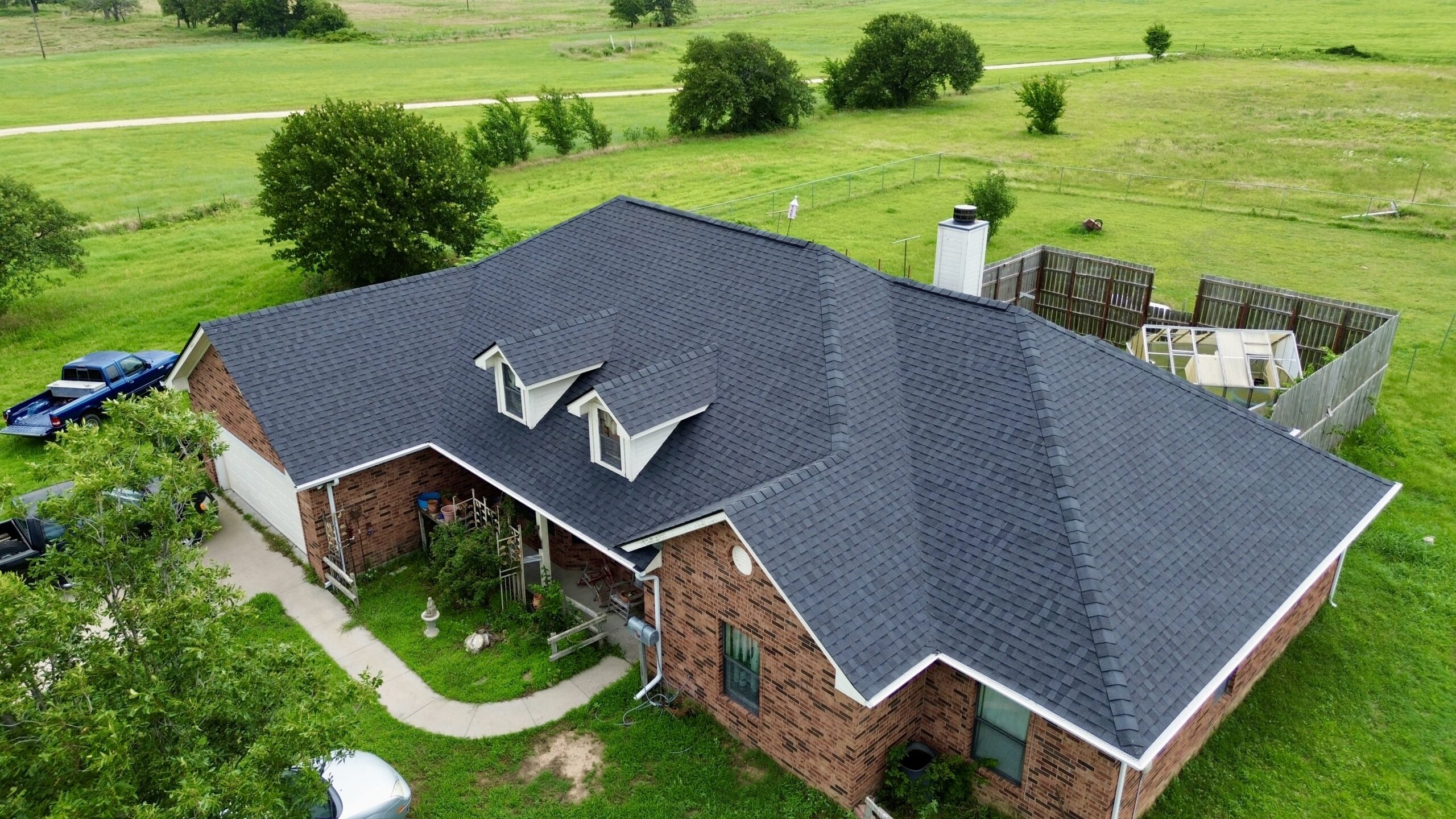
What Insurance Companies Look for Before Approving a Roof Replacement
Insurance companies follow specific evaluation criteria before approving a roof replacement claim. Their goal is to determine whether replacing the entire roof is necessary and whether the damage falls within policy coverage.
One of the first factors they examine is the cause of the damage. A roof damaged by a recent hailstorm or high winds may qualify for replacement, while damage caused by years of neglect typically does not. The ability to connect roof damage to a documented weather event often strengthens the claim.
The overall condition of the roof before the incident also matters. Adjusters often inspect maintenance records, previous repairs, and the roof’s age to understand whether the damage resulted from a single event or long-term deterioration.
Another important consideration is the extent of the damage. Insurance companies compare the cost of repairs against the value of replacing the roof. If repairs cannot restore the roof safely or if damage affects a large percentage of the roofing system, replacement becomes more likely.
Adjusters also inspect structural components beneath the roofing materials. Water infiltration, damaged decking, compromised underlayment, and weakened support structures may indicate that repairing surface materials alone will not solve the problem.
Photographs, contractor reports, inspection notes, and weather records all contribute to the insurer’s decision. The more reliable and organized the documentation, the easier it becomes for the adjuster to verify the claim.
Common Reasons Roof Replacement Claims Get Denied
Understanding why claims are denied helps homeowners avoid preventable mistakes before filing. Many denials occur because of documentation problems rather than the actual condition of the roof.
One common reason is normal wear and tear. Roofing materials naturally deteriorate over time because of sunlight, changing temperatures, moisture, and aging. Insurance policies generally do not cover these gradual changes since they are considered part of routine home ownership.
Poor maintenance is another major cause of claim denial. Missing regular inspections, ignoring leaks, failing to clean gutters, or allowing small problems to grow into larger ones can give insurers grounds to reject a claim.
Late reporting also creates unnecessary complications. Waiting several weeks or months before notifying the insurance company makes it difficult to prove when the damage occurred. During that time, additional weather exposure may worsen the roof, making it harder to separate the original damage from later deterioration.
Incomplete documentation frequently weakens otherwise valid claims. Missing photographs, absent repair estimates, unclear inspection reports, or insufficient evidence of the storm event may prevent adjusters from verifying the extent of the damage.
Homeowners sometimes unintentionally damage their own claims by making permanent repairs before the insurance inspection. While emergency measures to prevent further damage are encouraged, replacing roofing materials before documentation can remove important evidence.
Another common issue involves filing claims for damage that falls below the deductible. Even when the insurer accepts responsibility, homeowners may receive little or no payment if repair costs remain below their policy deductible.
The following are some of the most common reasons roof replacement claims are denied:
- Damage resulted from aging rather than a covered event.
- Poor roof maintenance contributed to the problem.
- The claim was reported too late.
- Documentation was incomplete or inconsistent.
- Repairs were completed before the insurance inspection.
- The damage was below the policy deductible.
- The homeowner misunderstood policy exclusions.
Recognizing these issues before filing allows homeowners to prepare stronger claims supported by clear evidence and accurate documentation.
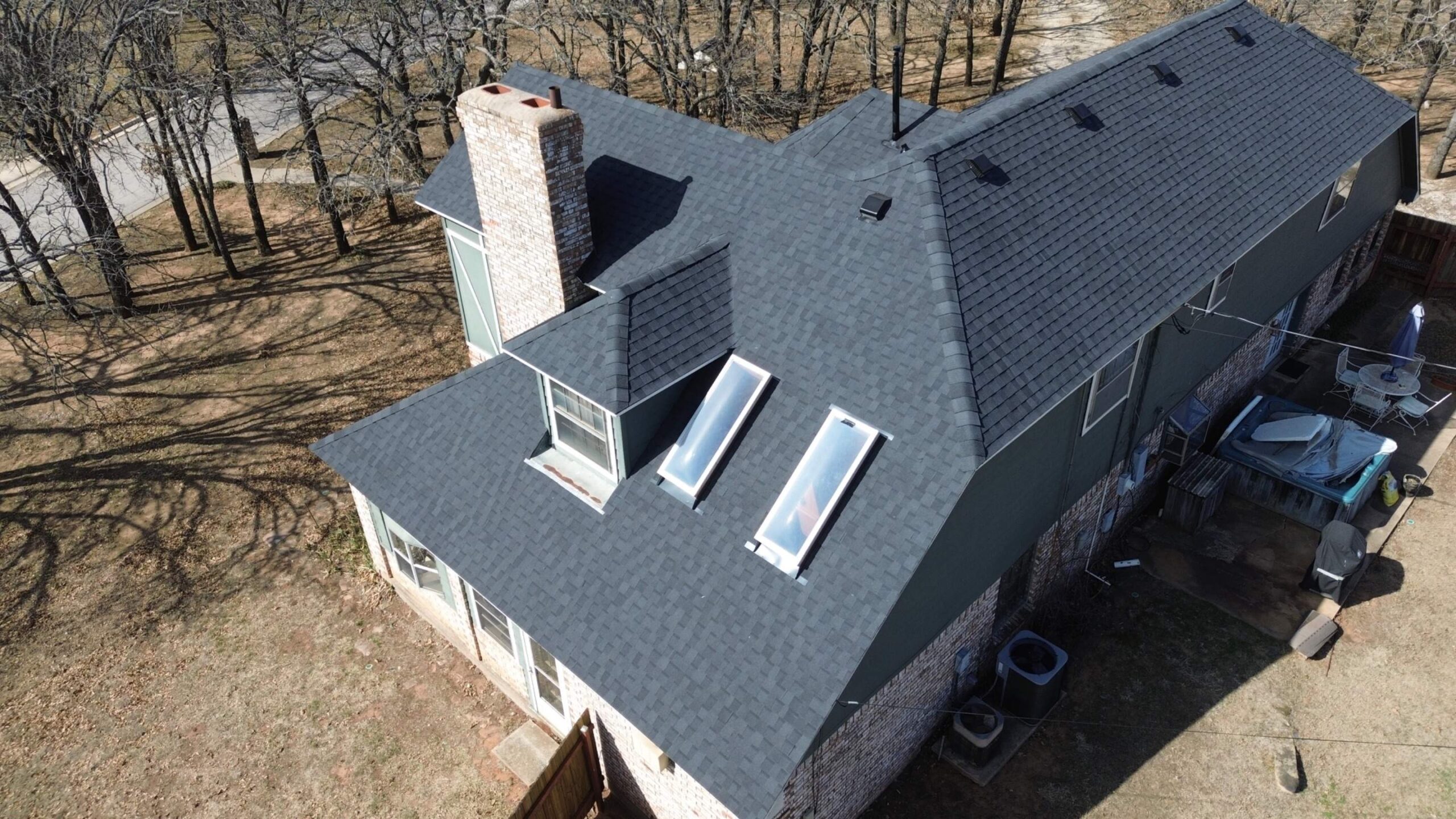
Signs That Your Roof May Qualify for Full Replacement
Not every damaged roof requires complete replacement. Insurance companies evaluate whether repairs can restore the roof safely or whether replacement offers the only practical solution.
Extensive storm damage is one of the strongest indicators. When hail or wind damages large sections of shingles, flashing, vents, and underlayment, replacing isolated areas may not restore the roof’s integrity.
Water intrusion affecting multiple sections of the home also increases the likelihood of replacement. Moisture trapped beneath roofing materials can damage insulation, decking, ceilings, and structural framing over time.
Missing or fractured shingles across multiple roof slopes often indicate widespread impact damage rather than isolated repair needs. Similarly, metal roofing with extensive dents, seam separation, or punctures may require replacement instead of patching.
Roof age can also influence claim outcomes. Although age alone does not justify replacement, older roofs sometimes suffer damage that cannot be repaired effectively because matching materials are unavailable or structural performance has declined.
Insurance companies may also consider local building codes. Updated construction requirements sometimes require replacing larger portions of the roof even when only one section suffered direct damage.
The following table summarizes situations that commonly support roof replacement instead of repair.
| Condition | Repair May Be Enough | Replacement May Be Recommended |
|---|---|---|
| Small area of missing shingles | Yes | Usually No |
| Widespread hail damage | Rarely | Yes |
| Multiple roof leaks | Sometimes | Often |
| Damaged roof decking | Limited cases | Frequently |
| Severe wind uplift | Sometimes | Often |
| Fire damage | Rarely | Yes |
| Structural roof damage | No | Yes |
Every roof is different, which is why professional inspections remain essential. Even roofs that appear similar from the ground may have very different structural conditions beneath the surface.
The Importance of Acting Quickly After Roof Damage
Time plays a significant role in the success of a roof replacement claim. The sooner damage is documented and reported, the easier it becomes to establish a clear connection between the weather event and the resulting roof condition.
Immediately after a storm, homeowners should perform a safe visual inspection from the ground whenever possible. Looking for missing shingles, fallen branches, damaged gutters, or debris provides an initial understanding of potential roof damage without creating unnecessary safety risks.
Temporary protective measures should be taken if the roof is actively leaking. Covering exposed areas with tarps or arranging emergency mitigation helps reduce additional damage while preserving the original evidence for the insurance inspection.
Homeowners should also keep records of every action taken after the incident. Saving receipts for emergency repairs, documenting communication with contractors, and recording inspection dates creates a detailed timeline that supports the claim.
Weather reports can further strengthen documentation. If the roof was damaged during a severe storm, obtaining local weather records helps establish that damaging conditions occurred in the area on the reported date.
Delaying action often allows secondary damage to develop. Water intrusion may spread into insulation, drywall, flooring, and electrical systems, making the claim more complicated and increasing the likelihood of disputes over what damage resulted from the original event.
Quick action demonstrates responsible homeownership. Insurance companies generally view prompt reporting and mitigation as evidence that the homeowner took reasonable steps to protect the property after the loss.
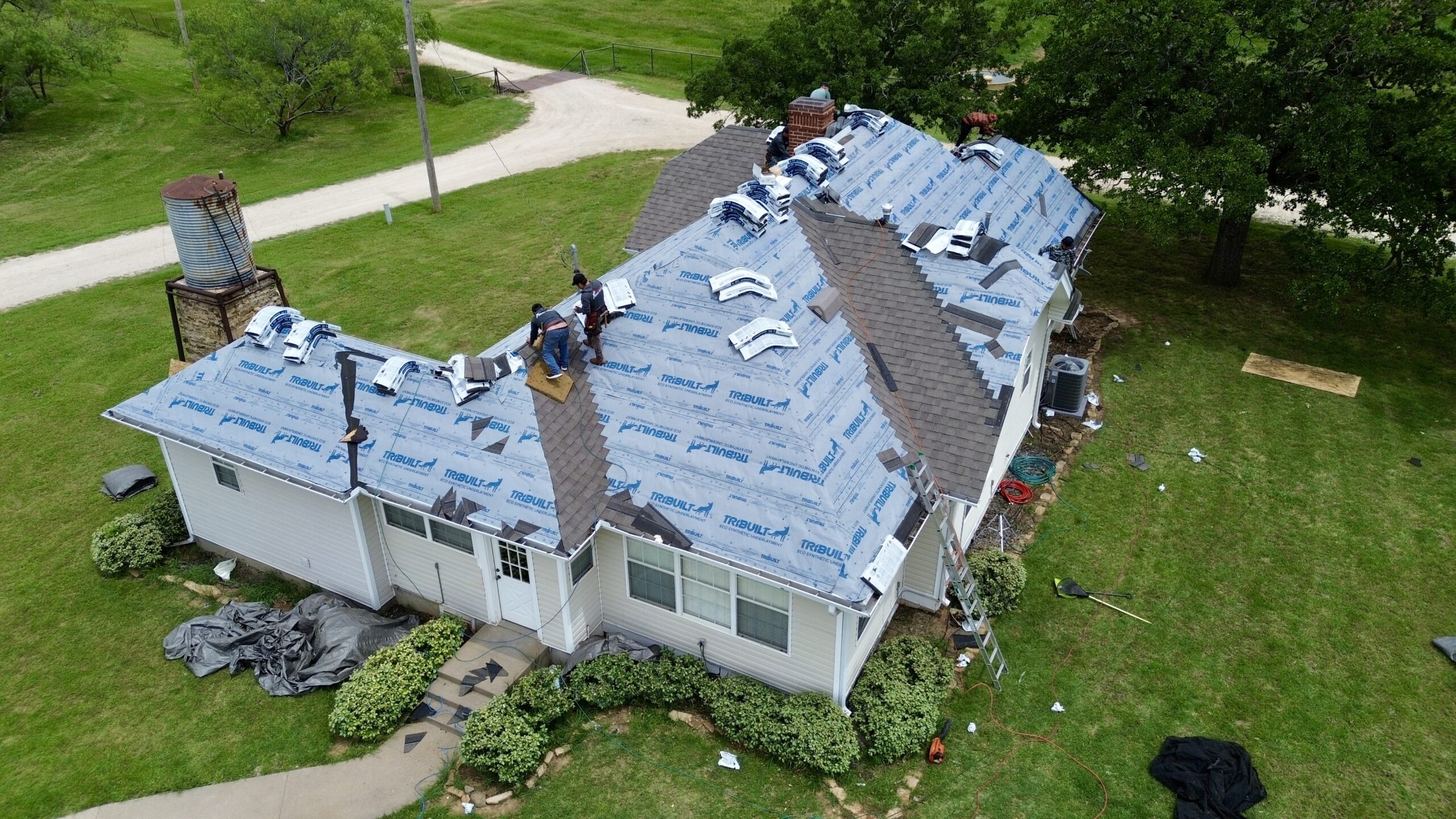
Documenting Roof Damage the Right Way
Proper documentation forms the foundation of every successful roof replacement claim. Without strong evidence, even legitimate claims may face delays or denial because adjusters cannot verify the full extent of the damage.
Begin by taking photographs from multiple angles as soon as it is safe to do so. Wide shots provide context, while close-up images capture damaged shingles, flashing, gutters, vents, and other affected components. If interior leaks are present, photograph ceiling stains, peeling paint, damaged insulation, and any water entering the home.
Videos can provide additional evidence that still images sometimes miss. Walking around the property while recording visible damage creates a more complete visual record of the condition immediately after the event.
Written notes are equally valuable. Record the date the damage was discovered, describe the weather conditions, list visible signs of damage, and note any emergency measures taken to prevent further deterioration. These details help establish a clear timeline for the insurance company.
Professional inspections add another layer of credibility. Experienced roofing contractors can identify hidden damage that may not be obvious to homeowners and often provide detailed inspection reports that explain why repairs may not be sufficient.
Organizing documentation before submitting the claim makes the review process smoother. Instead of sending information in random order, homeowners should prepare a complete file that includes inspection reports, photographs, repair estimates, weather information, receipts, and communication records.
A well-organized claim package also reduces the likelihood of repeated requests for additional information. When adjusters receive complete documentation from the beginning, they can often evaluate the claim more efficiently and make informed decisions with fewer delays.
By building a strong foundation through timely reporting, thorough documentation, and a clear understanding of the insurance process, homeowners significantly improve their chances of securing approval for a roof replacement claim. The next part explores how to strengthen that claim even further by gathering compelling evidence, working with qualified roofing professionals, understanding policy details, and communicating effectively throughout the inspection process.
Gathering Strong Evidence to Support Your Claim
A successful roof replacement claim depends on more than simply reporting damage. Insurance companies expect homeowners to provide evidence that clearly demonstrates both the cause and the extent of the damage. The stronger the supporting documentation, the easier it becomes for adjusters to verify the claim.
Evidence should be collected as soon as it is safe to do so. Waiting too long can allow weather conditions to alter the appearance of the damage, making it more difficult to determine what was caused by the covered event and what developed afterward.
Photographs remain one of the most valuable forms of evidence. Images should capture the entire roof from different perspectives while also showing close-up views of damaged shingles, flashing, vents, gutters, skylights, and any fallen debris. Interior damage such as ceiling stains, peeling paint, warped drywall, or water dripping into living spaces should also be documented because these issues often support the argument that the roof has been compromised.
Weather information can further strengthen a claim. If a severe storm passed through the area on the reported date, local weather reports help establish that conditions capable of causing roof damage actually occurred. This independent evidence supports the homeowner’s description of the event and adds credibility to the claim.
Inspection reports prepared by qualified roofing professionals are another valuable resource. Contractors often identify structural damage, hidden moisture, or underlayment failures that are not immediately visible from the ground. Their findings can provide technical explanations that help insurance adjusters understand why replacement may be more appropriate than repairs.
Keeping organized records throughout the process is equally important. Every email, inspection report, invoice, receipt, and phone conversation should be saved. A complete file demonstrates professionalism and allows homeowners to respond quickly if additional information is requested.
Working With Professional Roofing Contractors
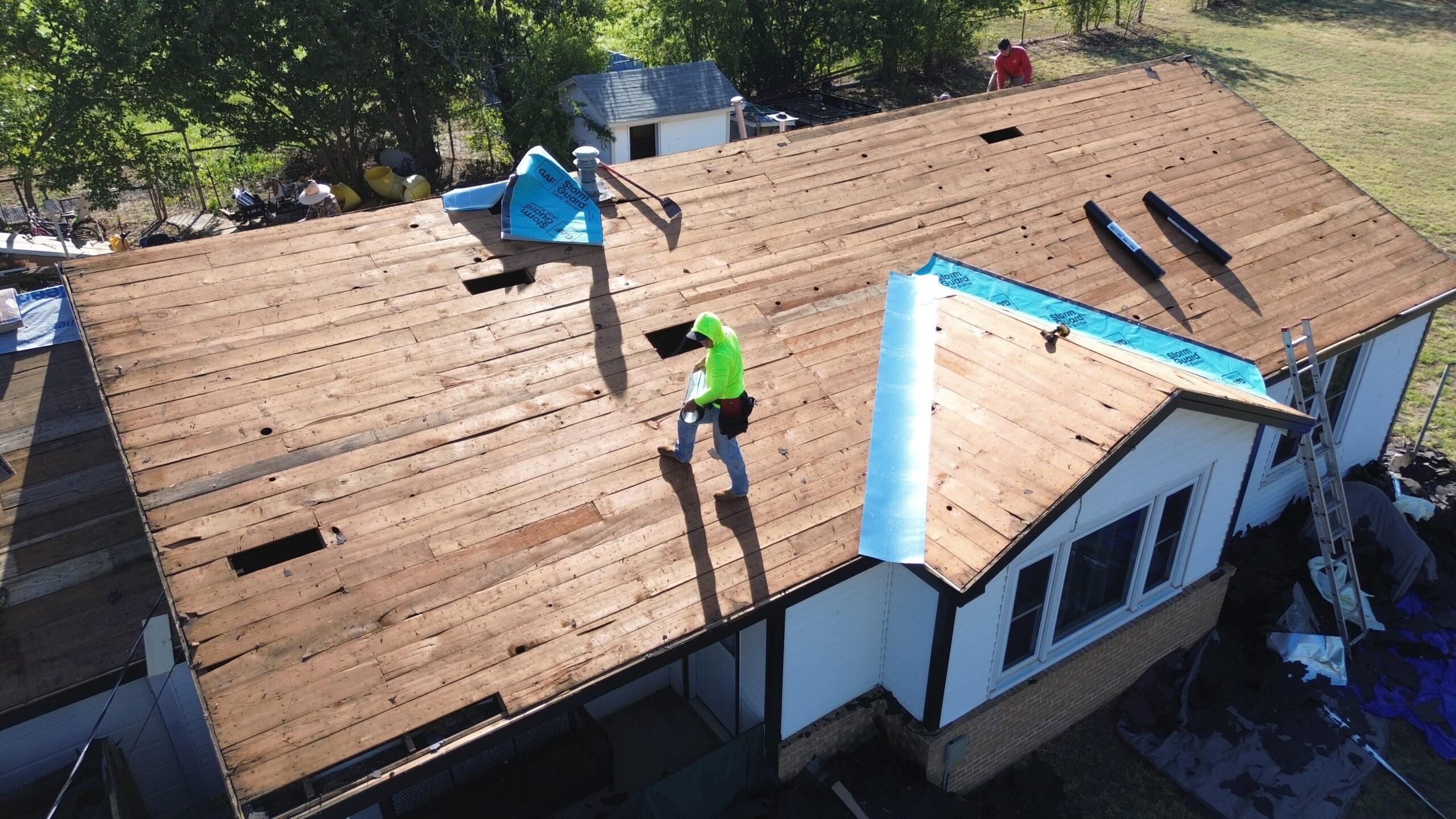
Choosing the right roofing contractor can significantly influence the outcome of a roof replacement claim. Experienced contractors understand how storm damage affects different roofing systems and know how to document findings in a way that supports insurance evaluations.
Homeowners should select licensed and insured contractors with experience handling insurance-related roof inspections. Companies that regularly work with insurance claims often understand the documentation insurers expect and can prepare detailed reports that clearly explain the damage.
A thorough inspection goes beyond looking at missing shingles. Contractors evaluate flashing, roof decking, underlayment, ventilation systems, gutters, drainage patterns, and structural components. Hidden damage discovered during these inspections may strengthen the overall claim.
Professional inspection reports typically include photographs, written observations, measurements, and repair recommendations. These reports provide adjusters with detailed information that supports objective decision making instead of relying solely on visual observations during a brief inspection.
Contractors should also explain the reasoning behind their recommendations. If replacement is advised instead of repairs, the report should identify the technical factors supporting that conclusion. Clear explanations often reduce misunderstandings during the claims process.
Homeowners should avoid contractors who promise guaranteed insurance approval or encourage filing fraudulent claims. Ethical professionals focus on accurately documenting damage rather than exaggerating losses. Honest reporting protects both the homeowner and the integrity of the insurance process.
It is also helpful to request a detailed written estimate. Comprehensive estimates show the scope of work, materials required, labor costs, and any code-related upgrades that may be necessary. These documents allow insurers to compare repair costs with replacement costs more accurately.
Understanding Your Insurance Policy Before Filing
Many claim disputes occur because homeowners are unfamiliar with the details of their insurance policy. Reading the policy before filing helps set realistic expectations and reduces confusion throughout the claims process.
Insurance policies define which events are covered and which are excluded. Damage resulting from hail, wind, fire, or falling trees may qualify for coverage, while deterioration caused by aging, poor maintenance, or manufacturing defects is often excluded.
Coverage limits also vary from one policy to another. Some policies provide replacement cost coverage, while others pay actual cash value after accounting for depreciation. Understanding this difference helps homeowners estimate the amount they may receive if the claim is approved.
Deductibles are another important consideration. Even when an insurer accepts responsibility for the damage, the homeowner remains responsible for paying the deductible before insurance benefits apply. Knowing this amount helps avoid financial surprises later.
Many policies also include conditions that require prompt reporting and reasonable efforts to prevent additional damage. Failing to meet these obligations can complicate the claim even if the original damage is covered.
Homeowners should pay close attention to policy language regarding exclusions, limitations, endorsements, and special conditions. If any terms seem unclear, contacting the insurance company for clarification before filing can prevent misunderstandings.
Understanding these policy details allows homeowners to prepare documentation that directly addresses the insurer’s requirements. This preparation often leads to smoother communication throughout the claims process.
How the Roof Inspection Process Affects Claim Approval
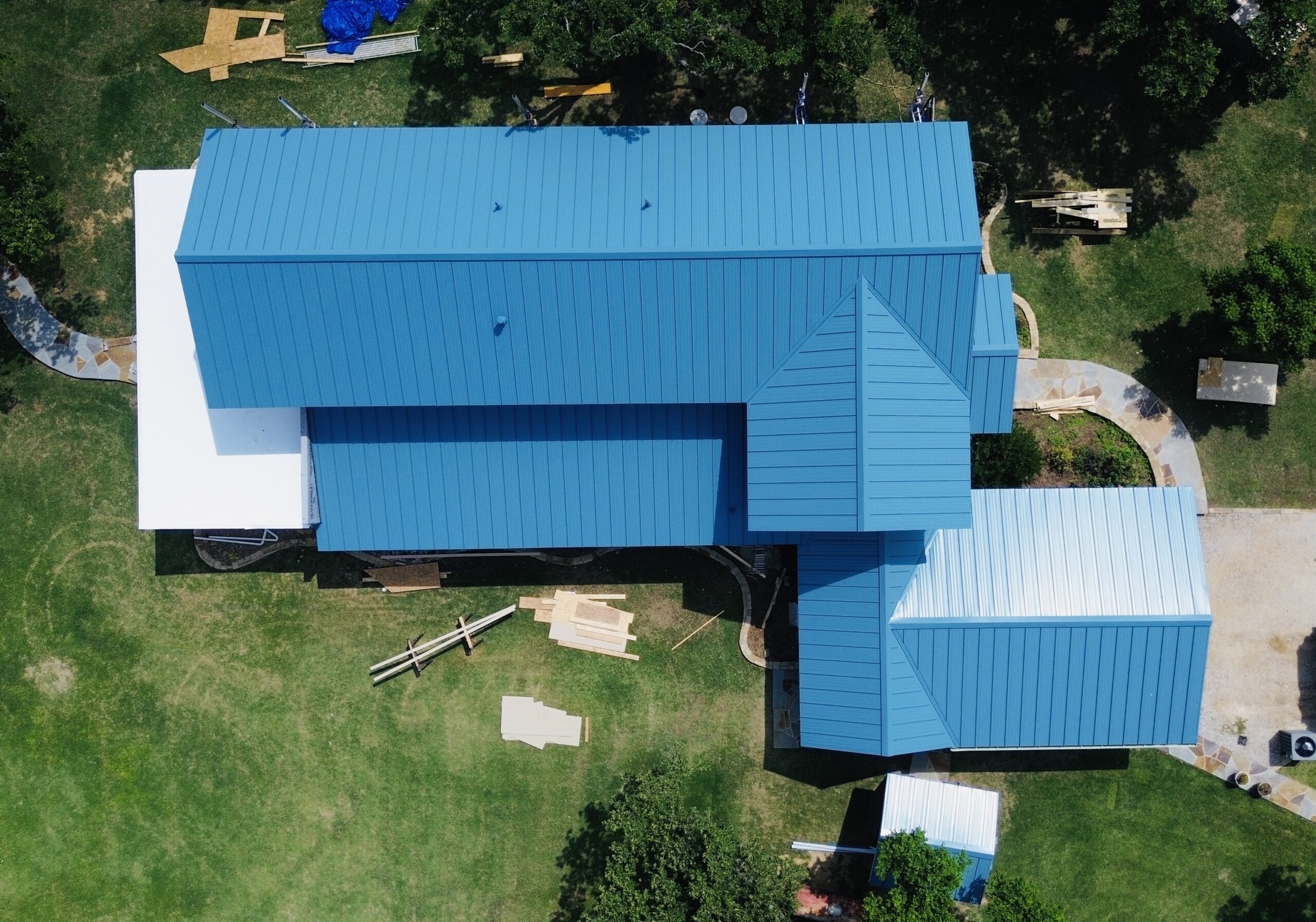
The insurance inspection is one of the most important stages of the roof replacement claim process. During this visit, the adjuster evaluates the condition of the roof, identifies visible damage, and determines whether the reported loss falls within policy coverage.
Preparing for the inspection improves the likelihood of a productive evaluation. Homeowners should ensure safe access to the property, gather all documentation, and organize photographs, inspection reports, repair estimates, and maintenance records before the adjuster arrives.
If possible, having the roofing contractor present during the inspection can be beneficial. Contractors may point out areas of concern that are not immediately obvious and explain technical issues affecting the roof’s structural integrity. Professional discussions between contractors and adjusters often help clarify complex damage assessments.
Adjusters inspect more than roofing materials alone. They examine gutters, flashing, vents, skylights, roof valleys, drainage systems, and signs of water intrusion inside the home. Each observation contributes to the final claim evaluation.
The inspection also helps determine whether damage resulted from a single covered event or gradual deterioration. Adjusters compare visible damage patterns with weather reports, maintenance history, and the overall condition of the roof before making recommendations.
Homeowners should answer questions honestly and provide requested documents without exaggerating the extent of the damage. Clear communication supported by reliable evidence creates a more professional claims experience and reduces unnecessary disputes.
After the inspection, adjusters prepare reports summarizing their findings. These reports often become the foundation for the insurance company’s approval or denial decision, making the inspection one of the most influential stages of the entire process.
Avoiding Mistakes That Reduce Claim Success
Even legitimate claims can become complicated when homeowners make avoidable mistakes. Understanding these common errors helps improve the chances of receiving timely approval.
One frequent mistake is delaying the claim. Waiting too long to notify the insurance company allows additional weather exposure to alter the roof’s condition, making it more difficult to establish the original cause of the damage.
Another issue involves poor documentation. Relying on memory instead of photographs, inspection reports, and written records weakens the overall claim because adjusters must base their decisions on objective evidence.
Some homeowners unknowingly discard damaged materials before the inspection. Broken shingles, damaged flashing, or other roofing components may serve as valuable evidence and should be preserved whenever practical until the insurer completes its evaluation.
Incomplete communication also creates unnecessary delays. Ignoring requests for documents or responding slowly to insurer questions can extend the review process and increase the likelihood of additional inspections.
Making permanent repairs before the adjuster arrives is another common mistake. Emergency measures to prevent further damage are appropriate, but replacing roofing materials before documentation removes important evidence that insurers may need to evaluate the claim.
The following practices help homeowners avoid unnecessary complications during the claims process.
- Report the damage as soon as possible after discovery.
- Document every visible sign of damage before making repairs.
- Save all inspection reports, estimates, invoices, and receipts.
- Respond promptly to insurance company requests.
- Keep detailed records of every conversation related to the claim.
- Use qualified roofing professionals for inspections and estimates.
Avoiding these mistakes keeps the claim organized and demonstrates responsible property ownership throughout the evaluation process.
Communicating Effectively With Your Insurance Adjuster
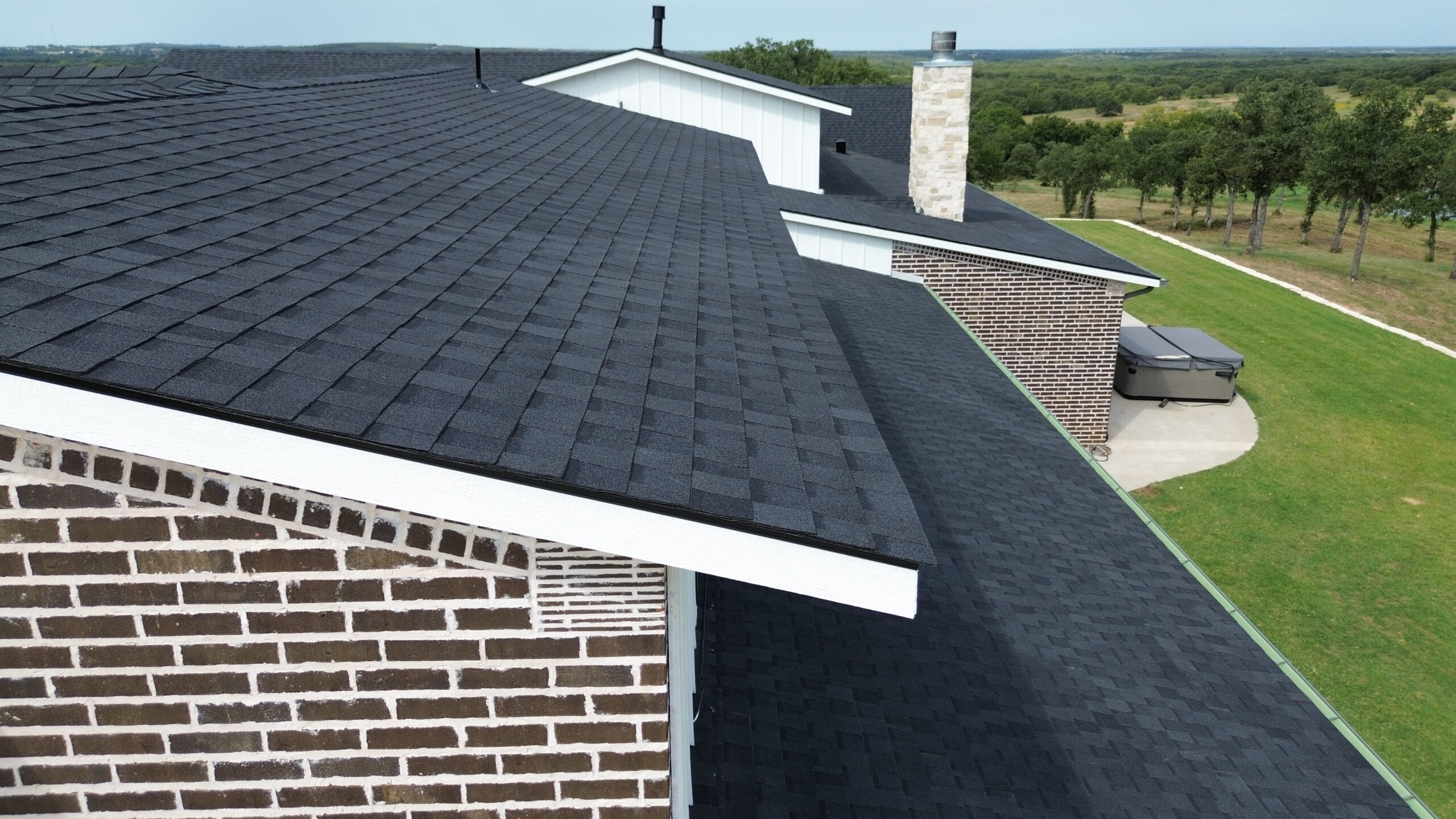
Strong communication helps build a productive relationship between homeowners and insurance adjusters. Since adjusters rely on accurate information to evaluate claims, clear and professional communication benefits everyone involved.
Before speaking with the adjuster, homeowners should review their documentation and organize important records. Having photographs, inspection reports, maintenance history, and repair estimates readily available allows questions to be answered accurately.
During conversations, homeowners should focus on factual observations rather than assumptions. Instead of speculating about the cause of the damage, it is better to describe what was observed, when it was discovered, and what actions were taken afterward.
Keeping written records of every conversation provides additional protection. Recording the date, time, representative’s name, and summary of each discussion creates an organized communication history that may prove valuable if questions arise later.
If the adjuster requests additional documents, they should be submitted promptly and in an organized format. Quick responses demonstrate cooperation and help prevent unnecessary processing delays.
Professional communication also involves asking thoughtful questions. Homeowners who understand the next steps, expected timelines, and documentation requirements are better prepared to participate effectively throughout the claim process.
Disagreements should always be handled respectfully. Maintaining a cooperative attitude encourages productive discussions and often leads to faster resolution than emotional or confrontational exchanges.
When to Request a Second Inspection or Reassessment
Receiving an unfavorable inspection result does not always mean the claim is over. In some situations, requesting a second inspection or reassessment may be appropriate if new evidence becomes available or important damage was overlooked during the initial evaluation.
A second inspection is often justified when an independent roofing contractor identifies significant damage that was not included in the original report. Additional photographs, engineering evaluations, or updated inspection findings may provide valuable information for reconsideration.
Homeowners should review the insurer’s inspection report carefully before requesting another evaluation. Understanding why certain damage was excluded allows them to gather evidence that directly addresses those concerns instead of simply repeating the original claim.
Any request for reassessment should remain professional and well documented. Providing organized evidence, contractor reports, and clear explanations increases the likelihood that the insurance company will review the claim objectively.
It is also important to understand that disagreements do not necessarily indicate bad faith by either party. Different inspectors may interpret technical findings differently, especially when roof damage is complex or partially hidden beneath roofing materials.
Remaining patient throughout the review process is essential. Insurance claims often involve multiple evaluations, document reviews, and technical assessments before a final decision is reached.
By gathering strong evidence, working with experienced roofing professionals, understanding policy requirements, communicating effectively, and avoiding common mistakes, homeowners place themselves in a much stronger position during the claims process. The final part of this guide explores how to maximize settlement value, respond to partial approvals or denials, determine when outside experts should become involved, and complete the process with a practical roof replacement claim checklist and answers to frequently asked questions before concluding the article.
Maximizing Settlement Value Without Delaying the Claim
Receiving claim approval is an important milestone, but homeowners should also focus on ensuring the settlement accurately reflects the scope of the required roof replacement. The objective is not to inflate the claim but to make sure all covered damage is identified and fairly evaluated under the policy.
One of the best ways to maximize settlement value is by submitting complete documentation from the beginning. A claim supported by photographs, inspection reports, repair estimates, weather records, and maintenance history gives adjusters a comprehensive view of the damage. This often reduces the need for repeated document requests and shortens the overall review process.
Homeowners should carefully review the insurance company’s estimate once it is received. Comparing the insurer’s assessment with the contractor’s estimate helps identify differences in material quantities, labor costs, or overlooked damage. Any discrepancies should be discussed respectfully with supporting evidence rather than assumptions.
Building code requirements can also affect settlement amounts. In some cases, local regulations require upgrades to roofing components during replacement. If policy provisions include ordinance or law coverage, these additional costs may be eligible for reimbursement.
Maintaining open communication throughout the process also helps avoid delays. Responding promptly to requests for information and keeping records organized demonstrates cooperation while allowing the claim to move forward efficiently.
It is equally important to understand the payment structure. Some insurance companies issue an initial payment based on actual cash value and release additional funds after replacement work is completed and documentation is submitted. Knowing how the payment process works helps homeowners plan their roofing project without unnecessary confusion.
Handling Partial Approval or Claim Denials
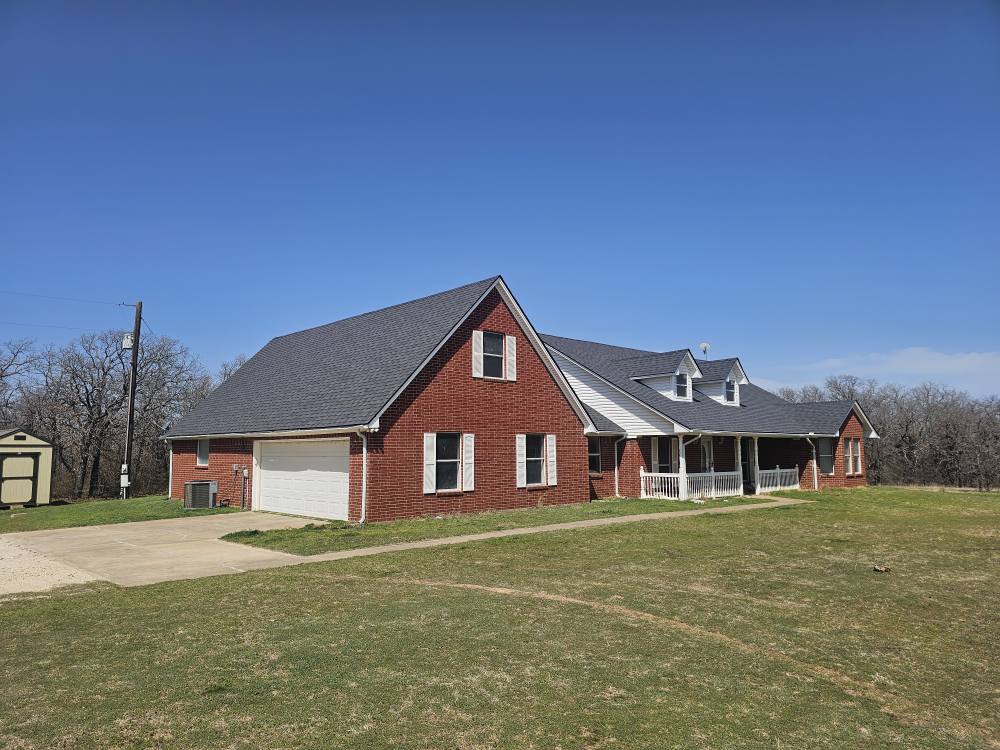
Not every roof replacement claim receives full approval. In some situations, the insurance company may approve repairs for only part of the roof, while other claims may be denied entirely. Understanding the reasons behind these decisions allows homeowners to determine the most appropriate next step.
A partial approval often means the insurer agrees that some covered damage exists but believes repairs are sufficient instead of complete replacement. This decision may be based on the adjuster’s inspection findings, the condition of the roof before the storm, or the availability of matching roofing materials.
Claim denials generally include a written explanation describing why coverage was not provided. Common reasons include policy exclusions, insufficient evidence, delayed reporting, maintenance issues, or conclusions that the damage resulted from normal aging rather than a covered event.
Receiving a denial should not automatically end the process. Homeowners should carefully review the insurer’s explanation alongside their policy language and supporting documentation. In some cases, additional inspection reports or newly discovered evidence may justify requesting another review.
If important damage was overlooked during the original inspection, providing clear documentation may support reconsideration. Updated contractor reports, engineering evaluations, and additional photographs often help clarify technical issues that were not fully addressed initially.
Keeping communication professional remains essential throughout the appeal process. Presenting factual information supported by documentation creates a stronger case than relying on emotional arguments or unsupported opinions.
Knowing When to Involve a Public Adjuster or Roofing Expert
Most roof replacement claims are resolved directly between homeowners and insurance companies. However, certain situations may benefit from additional professional assistance when technical or coverage issues become more complex.
A public adjuster represents the policyholder rather than the insurance company. Their role is to review damage, evaluate policy provisions, organize documentation, and assist homeowners during claim negotiations. Homeowners should understand any fee arrangements before deciding whether these services are appropriate for their situation.
Roofing experts may also provide valuable assistance by conducting detailed inspections and explaining why replacement is technically necessary. Their reports often include photographs, measurements, moisture findings, and structural observations that support objective claim evaluations.
Independent engineers may become involved when structural concerns exist or when the cause of damage is disputed. Their evaluations focus on identifying whether the damage resulted from a covered event or from long-term deterioration.
Professional assistance is generally most valuable in situations such as these:
- Significant differences exist between contractor and insurance estimates.
- Hidden structural damage is suspected.
- Multiple inspections have produced conflicting conclusions.
- Technical roofing issues require specialized expertise.
- Additional documentation is needed to support reconsideration.
Selecting qualified and reputable professionals is important. Homeowners should verify licensing, insurance, experience, and professional references before hiring anyone to assist with the claim.
Outside experts should be viewed as sources of technical guidance rather than guarantees of claim approval. Their objective findings help improve the quality of documentation while supporting a fair evaluation of the loss.
Roof Replacement Claim Checklist
Preparing every document before filing reduces delays and helps homeowners stay organized throughout the process. A simple checklist ensures that important information is not overlooked during what can often be a stressful experience.
| Claim Preparation Item | Status |
|---|---|
| Roof damage photographed from multiple angles | □ |
| Interior water damage documented | □ |
| Temporary emergency repairs completed if needed | □ |
| Roofing contractor inspection completed | □ |
| Written inspection report received | □ |
| Repair or replacement estimate obtained | □ |
| Weather event information collected | □ |
| Insurance policy reviewed | □ |
| Claim reported promptly | □ |
| Receipts and communication records organized | □ |
Completing each item before or during the claims process helps create a well-supported claim package. Organized documentation also makes it easier to respond if the insurance company requests additional information later.
Frequently Asked Questions
Does every storm-damaged roof qualify for replacement?
No. Insurance companies evaluate the extent of the damage, the cause of the loss, the roof’s condition before the event, and the terms of the insurance policy. Some roofs require only repairs, while others meet the criteria for full replacement.
Should I contact a roofing contractor before filing a claim?
Many homeowners find it helpful to schedule a professional inspection before filing. A qualified contractor can identify visible and hidden damage, prepare documentation, and provide an estimate that supports the claim.
Can I make emergency repairs before the insurance inspection?
Yes. Homeowners should take reasonable steps to prevent additional property damage, such as installing temporary tarps over exposed areas. However, permanent repairs should generally wait until the insurer has had an opportunity to inspect the roof unless immediate safety concerns require otherwise.
What if the insurance estimate is lower than the contractor’s estimate?
Homeowners can compare both estimates carefully and discuss any differences with the insurance company. Providing additional documentation or clarification from the contractor may help resolve discrepancies.
How long does a roof replacement claim usually take?
The timeline varies depending on the complexity of the damage, the availability of inspections, weather conditions, and the speed at which documentation is provided. Well-organized claims supported by complete evidence often move through the process more efficiently.
Can roof age automatically prevent claim approval?
No. An older roof is not automatically excluded from coverage. However, insurers often consider the roof’s condition when determining whether the damage resulted from a covered event or from normal aging and deterioration.
What documents should homeowners keep after the claim is completed?
It is wise to retain inspection reports, photographs, contractor estimates, invoices, receipts, payment records, warranty information, and all correspondence with the insurance company. These records may prove useful for future maintenance, resale, or additional insurance questions.
Conclusion
Maximizing roof replacement claim approval begins long before the insurance adjuster arrives. Homeowners who understand their policy, document damage thoroughly, act promptly after a storm, and maintain organized records create a much stronger foundation for a successful claim. Careful preparation demonstrates responsible property ownership while giving insurers the information needed to evaluate the loss accurately.
Working with qualified roofing professionals further strengthens the process by providing detailed inspections, reliable estimates, and technical expertise that support objective decision making. Clear communication with insurance representatives, timely responses to documentation requests, and a professional approach to every stage of the claim help reduce misunderstandings and unnecessary delays.
Even when challenges arise, homeowners who remain informed and organized are better equipped to respond to partial approvals, request reassessments when appropriate, and seek additional professional guidance if technical issues require further evaluation. Understanding the claims process allows each decision to be based on evidence rather than uncertainty.
A roof is one of the most important protective systems in any home, and securing fair insurance coverage after unexpected damage is an essential part of preserving that protection. By following the strategies outlined throughout this guide, homeowners can navigate the claims process with greater confidence, improve the quality of their documentation, and maximize the likelihood of receiving a fair and well-supported roof replacement claim approval.