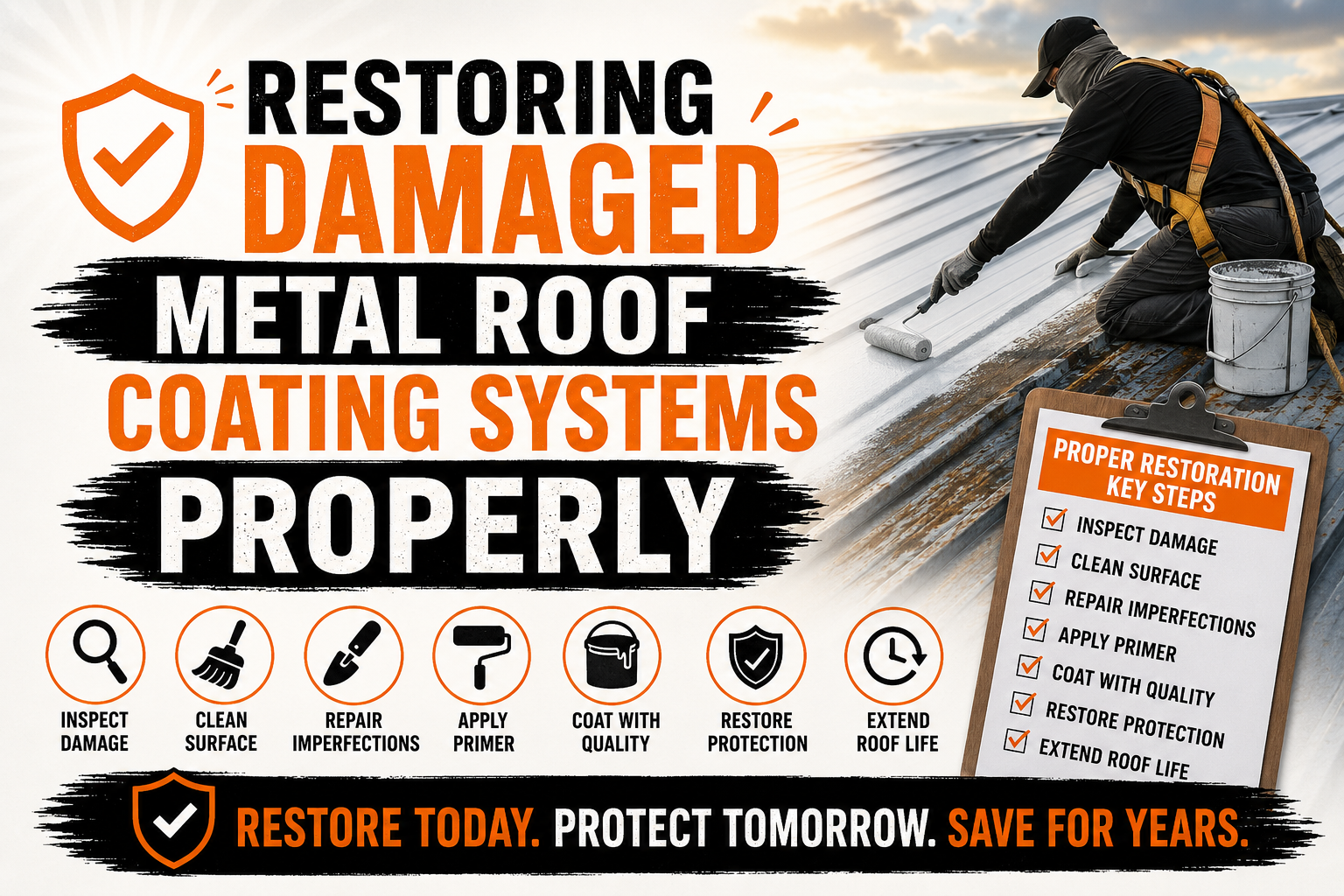
Restoring Damaged Metal Roof Coating Systems Properly
Introduction
Metal roofs are known for their exceptional durability, long service life, and ability to withstand harsh environmental conditions. However, even the strongest metal roofing systems depend on a protective coating to defend against moisture, ultraviolet radiation, corrosion, and daily weather exposure. When that coating begins to deteriorate, the roof becomes increasingly vulnerable to damage that can shorten its lifespan and increase maintenance costs.
Restoring a damaged metal roof coating system is often a practical alternative to a complete roof replacement. A properly restored coating can renew weather resistance, improve energy efficiency, enhance the building’s appearance, and extend the roof’s useful life by many years. The key is following a systematic restoration process that addresses the underlying issues rather than simply covering visible damage.
Many property owners assume that peeling paint or faded coatings are only cosmetic concerns. In reality, these signs often indicate that the protective barrier has weakened, allowing moisture and environmental contaminants to reach the metal beneath. If left untreated, small coating failures can develop into widespread corrosion, leaks, and structural deterioration.
Successful restoration begins with understanding why coatings fail and how different forms of damage affect the roof. Every stage, from inspection and cleaning to repairs and coating application, plays a critical role in achieving long-lasting results. Skipping even one preparation step can reduce the performance of the new coating system and lead to premature failure.
This guide explains how to restore damaged metal roof coating systems properly by covering each stage of the process in detail. Whether the roof protects a residential home, commercial facility, agricultural building, or industrial warehouse, the same principles of thorough preparation, quality materials, and proper application remain essential for long-term success.
Understanding Metal Roof Coating Systems
A metal roof coating system is far more than a layer of paint applied for appearance. It functions as a protective barrier that shields the metal surface from environmental conditions while improving the roof’s durability and overall performance. High-quality coatings are designed to resist moisture, reflect sunlight, minimize corrosion, and reduce the effects of temperature fluctuations.
Modern coating systems are engineered to work with different types of metal roofing materials, including galvanized steel, aluminum, zinc, and other alloys. They form a continuous membrane that helps prevent water penetration while maintaining flexibility as the roof expands and contracts throughout changing seasons.
Besides protecting the roof, coating systems can improve energy efficiency by reflecting solar radiation. Reflective roof coatings reduce surface temperatures during hot weather, lowering cooling demands inside the building and contributing to a more comfortable indoor environment.
Many property owners choose restoration because replacing an entire metal roof is significantly more expensive than renewing the protective coating. When the roof structure remains sound, restoring the coating system can provide many additional years of reliable performance without the disruption associated with a full replacement.
Different coating materials offer varying levels of durability and environmental resistance. Selecting the right system depends on climate, roof design, existing conditions, and maintenance expectations. Understanding the purpose of each coating type helps building owners make informed restoration decisions later in the process.
Primary Functions of Metal Roof Coatings
A properly functioning coating system performs several important roles that go beyond improving appearance.
- Protects the metal surface from corrosion.
- Creates a barrier against rain and moisture.
- Reflects ultraviolet radiation.
- Reduces thermal stress caused by temperature changes.
- Improves energy efficiency through solar reflectivity.
- Extends the service life of the roofing system.
Each of these functions contributes to preserving the roof’s structural integrity. When multiple protective features begin to fail at the same time, restoration becomes increasingly important to prevent more extensive damage.
Common Types of Metal Roof Coatings
Several coating technologies are commonly used on metal roofing systems. Each offers specific advantages depending on environmental conditions and performance requirements.
Acrylic coatings are widely used because they provide excellent reflectivity and are relatively easy to apply. They perform especially well in climates where heavy standing water is not a frequent concern. Their reflective properties help reduce heat absorption while maintaining an attractive finish.
Silicone coatings are valued for their outstanding resistance to ponding water and moisture exposure. Buildings located in regions with frequent rainfall often benefit from silicone systems because they maintain their protective qualities even when water remains on the roof for extended periods.
Polyurethane coatings offer exceptional impact resistance and durability. These coatings perform well on roofs that experience regular foot traffic or mechanical wear, making them popular for industrial and commercial facilities where maintenance personnel frequently access rooftop equipment.
Other specialty coating systems may combine multiple technologies to improve adhesion, flexibility, weather resistance, or chemical resistance. Manufacturers continue developing advanced formulations that deliver longer service lives and better environmental performance.
Regardless of the coating selected, proper installation remains the deciding factor in long-term success. Even premium materials cannot compensate for poor preparation or incorrect application techniques.
Signs That a Roof Coating System Is Failing
Roof coating deterioration rarely happens overnight. Most failures develop gradually, providing warning signs that indicate restoration should be scheduled before significant structural damage occurs.
One of the earliest indicators is fading or chalking. Continuous exposure to ultraviolet radiation slowly breaks down the coating surface, causing color loss and leaving a powdery residue. While this may initially appear cosmetic, it often signals that the coating’s protective qualities are diminishing.
Peeling and blistering are more serious symptoms. These defects frequently develop when moisture becomes trapped beneath the coating or when the original surface preparation was inadequate. As adhesion weakens, larger sections of coating may detach from the roof.
Cracking is another common problem, especially on aging roofs that experience constant thermal movement. Small cracks allow moisture to penetrate beneath the coating, accelerating corrosion and increasing the likelihood of leaks.
Rust stains should never be ignored. Once corrosion becomes visible, the protective coating has already failed in those areas. Addressing rust promptly helps prevent widespread deterioration that may eventually compromise the structural components of the roof.
Water intrusion inside the building often represents one of the final stages of coating failure. By the time leaks become noticeable indoors, moisture may have been entering the roofing system for an extended period, making immediate restoration essential.
Warning Signs That Require Immediate Attention
Building owners should arrange a professional inspection whenever they observe any of the following conditions:
- Large areas of peeling or flaking coating.
- Visible rust spreading across roof panels.
- Persistent roof leaks after rainfall.
- Blisters or bubbles beneath the coating surface.
- Cracks around seams, penetrations, or flashing.
- Loose fasteners accompanied by coating damage.
Prompt attention to these warning signs often reduces repair costs by preventing more extensive deterioration. Early intervention also improves the likelihood that restoration can be completed without replacing large portions of the roof.
Common Causes of Roof Coating Damage
Understanding why coating systems deteriorate helps property owners prevent recurring problems after restoration. Most failures result from a combination of environmental exposure, installation quality, aging, and maintenance practices rather than a single cause.
Sunlight remains one of the most significant contributors to coating degradation. Years of ultraviolet exposure gradually weaken coating polymers, causing fading, brittleness, and reduced flexibility. As elasticity declines, the coating becomes more susceptible to cracking during temperature changes.
Daily heating and cooling cycles also place considerable stress on metal roofing systems. Metal expands during warm weather and contracts as temperatures drop, creating continuous movement throughout the roof structure. Coatings must remain flexible enough to accommodate this movement without splitting or separating from the substrate.
Heavy rainfall, snow, ice, and humidity further accelerate deterioration by exposing the roof to prolonged moisture. Water that remains trapped around seams, penetrations, or drainage areas increases the risk of corrosion beneath damaged coatings.
Wind-driven debris can create scratches, punctures, and impact damage that expose bare metal. Even seemingly minor surface damage allows moisture to reach the substrate, beginning the corrosion process if repairs are delayed.
Improper maintenance also contributes significantly to coating failure. Using harsh cleaning chemicals, allowing debris to accumulate, or neglecting routine inspections can shorten the life of even high-quality coating systems.
Environmental Factors That Accelerate Deterioration
Environmental conditions vary by region, but certain factors consistently influence coating longevity across different climates.
Coastal environments expose roofing systems to airborne salt that accelerates corrosion. Salt particles settle on the roof surface and gradually weaken protective coatings if they are not removed through regular maintenance.
Industrial facilities may release airborne chemicals that settle on roofing systems. Over time, these contaminants can react with coating materials, reducing their protective capabilities and increasing the likelihood of premature failure.
Regions with frequent hailstorms subject roofs to repeated impact damage. Even when hail does not puncture the metal panels, it can fracture protective coatings and create microscopic cracks that allow moisture infiltration.
Areas with extreme seasonal temperature variations place additional stress on coating systems because repeated expansion and contraction increase movement throughout the roof. Flexible coatings generally perform better under these demanding conditions than rigid materials.
Biological growth such as algae, moss, and mildew can also retain moisture against the coating surface. Although these organisms may appear harmless initially, prolonged moisture retention accelerates coating deterioration and increases maintenance requirements.
Assessing the Condition of the Existing Roof
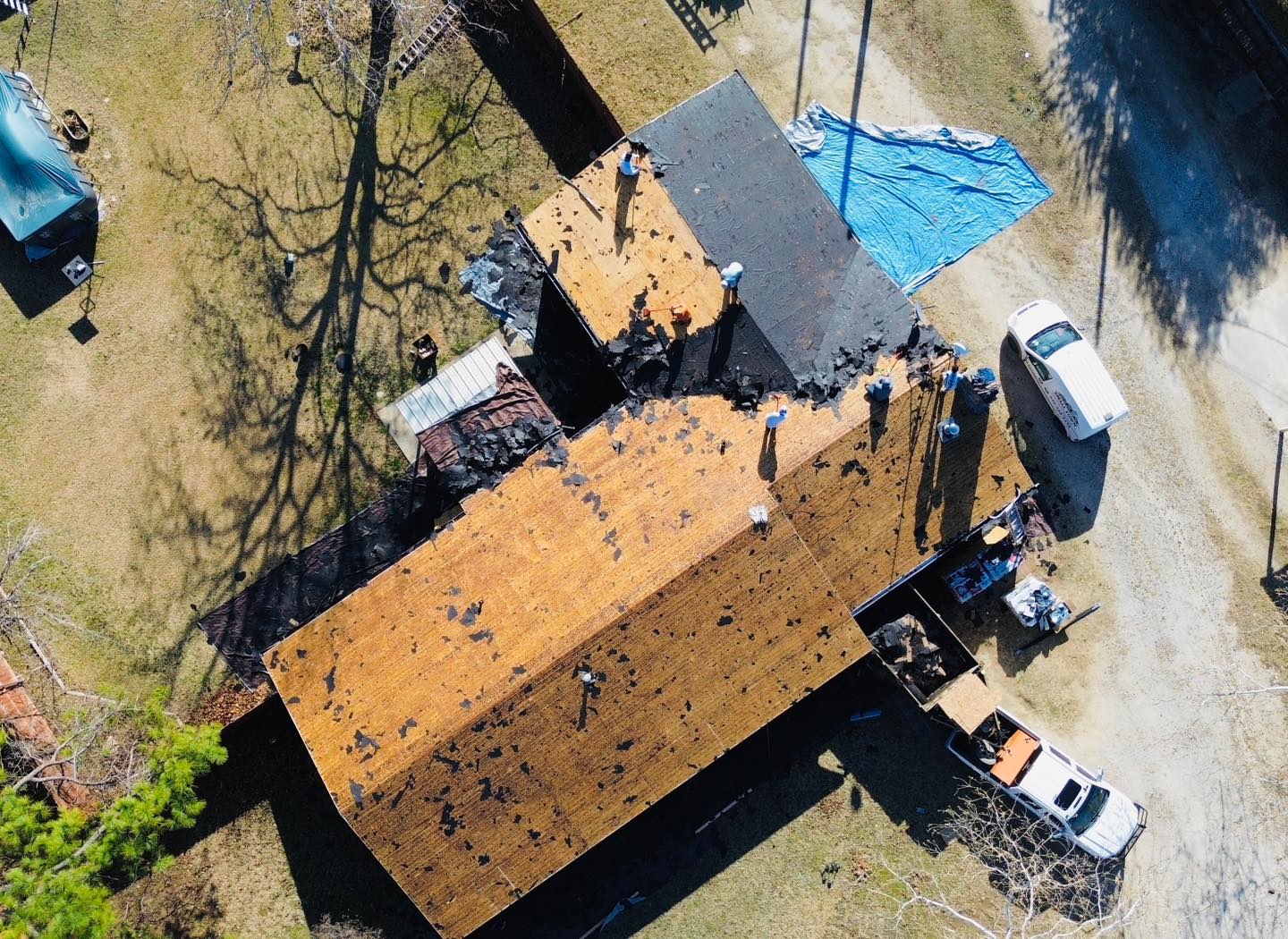
A thorough roof assessment forms the foundation of every successful restoration project. Before selecting coating materials or scheduling repairs, contractors must understand the roof’s overall condition and identify any issues that could affect restoration performance.
The inspection begins with a comprehensive visual examination of the entire roof surface. Inspectors look for coating deterioration, rust development, loose fasteners, damaged seams, failed flashing, punctures, and areas where previous repairs may have deteriorated. Every observation helps determine whether restoration remains a suitable option.
Inspection also includes evaluating roof penetrations such as skylights, vents, HVAC equipment, pipes, and other rooftop installations. These areas experience frequent movement and are among the most common locations for coating failure and water intrusion.
Drainage systems deserve equal attention because standing water significantly shortens coating life. Gutters, downspouts, internal drains, and roof slopes should be inspected carefully to identify blockages or drainage deficiencies that must be corrected before restoration begins.
While visual inspections identify many visible issues, hidden problems often require additional evaluation. Moisture trapped beneath coatings or insulation may not be immediately apparent but can compromise restoration if left untreated. For this reason, experienced contractors often supplement visual inspections with moisture detection methods when conditions warrant.
Preparing the Roof for Restoration
Surface preparation is the most important stage of any metal roof coating restoration project. Even the highest quality coating will struggle to perform if it is applied over dirt, rust, loose materials, or damaged surfaces. A properly prepared roof provides the strong bond needed for long-lasting protection and consistent performance.
Many coating failures are not caused by poor products but by inadequate preparation. Contractors who rush through cleaning or ignore damaged areas often see premature peeling, blistering, and loss of adhesion. Investing time in preparation significantly improves the durability of the restored coating system.
Preparation should follow a systematic process so that every section of the roof receives the same level of attention. Missing even a small damaged area can create a weak point that eventually affects the surrounding coating.
Cleaning the Roof Surface
Years of exposure leave a metal roof covered with dust, dirt, pollen, industrial pollutants, bird droppings, tree sap, and other contaminants. These materials prevent new coatings from bonding directly to the metal surface, making thorough cleaning an essential first step.
Pressure washing is one of the most effective cleaning methods when performed correctly. High-pressure water removes accumulated dirt while also exposing hidden coating defects that may not have been visible during the initial inspection. Contractors often combine pressure washing with roof-safe cleaning solutions to remove grease, mildew, and stubborn contaminants.
Cleaning should also include areas around seams, fasteners, roof penetrations, flashing, and drainage channels. These locations often collect debris that retains moisture and accelerates deterioration over time.
Once cleaning is complete, the roof should be allowed to dry completely before additional restoration work begins. Applying coatings over damp surfaces can trap moisture beneath the coating, reducing adhesion and increasing the likelihood of blistering.
Removing Rust and Loose Coatings
After cleaning, contractors evaluate areas where corrosion has already begun. Surface rust should be removed using mechanical methods such as wire brushing, grinding, or abrasive cleaning. Removing corrosion allows restoration materials to bond directly with stable metal rather than weakened oxidation.
Loose, peeling, or flaking coatings must also be removed. New coatings cannot securely attach to unstable existing materials, and leaving deteriorated coatings in place often leads to widespread adhesion failure after restoration.
Some roofs may require spot blasting or specialized surface preparation techniques where corrosion is extensive. The goal is to create a clean, sound substrate capable of supporting the new coating system throughout its intended service life.
If corrosion has progressed beyond the surface and significantly weakened the metal, panel replacement may be necessary before coating restoration continues.
Repairing Damaged Roof Components
Restoration should never be viewed as a method for hiding structural problems. Any damaged roofing components must be repaired or replaced before protective coatings are applied.
Common repair tasks include tightening or replacing loose fasteners, replacing damaged washers, repairing separated seams, sealing penetrations, and replacing deteriorated flashing. Addressing these issues first ensures the finished coating protects a stable roofing system rather than covering existing defects.
Small holes, punctures, or localized corrosion can often be repaired using compatible roofing materials and reinforcement fabrics. Larger structural damage may require replacing individual roof panels to restore the roof’s integrity before coating begins.
Ignoring repairs can cause recurring leaks beneath the new coating, eventually leading to costly restoration failures that could have been avoided with proper preparation.
Preparing Seams and Penetrations
Roof seams, joints, transitions, skylights, vents, HVAC curbs, and pipe penetrations experience constant movement due to thermal expansion and contraction. These locations require additional preparation because they represent the most common sources of roof leaks.
Contractors often reinforce these areas using compatible sealants combined with reinforcing fabric or specialized seam treatment materials. The reinforcement distributes movement more evenly across the coated surface, reducing stress that might otherwise cause cracking.
Fastener heads also receive special attention during preparation. Exposed fasteners may be individually sealed to prevent moisture intrusion and improve long-term waterproofing performance.
Strengthening these critical transition points before applying field coatings creates a more continuous protective membrane across the entire roofing system.
Selecting the Right Roof Coating System
Choosing the appropriate coating system involves much more than selecting a product with the longest advertised lifespan. Every roof has unique characteristics that influence coating performance, including climate, roof slope, building use, existing roof condition, and maintenance expectations.
An effective restoration project begins by matching coating properties to the specific challenges the roof experiences throughout the year. Selecting the wrong coating may reduce durability even if the installation is performed correctly.
The following table summarizes the characteristics of the most common coating systems used for metal roof restoration.
| Coating Type | Primary Strength | Best Application | Considerations |
|---|---|---|---|
| Acrylic | High solar reflectivity | Warm climates with good drainage | Less suitable for prolonged ponding water |
| Silicone | Excellent moisture resistance | Areas with heavy rainfall or ponding water | Can attract surface dirt over time |
| Polyurethane | Superior impact resistance | Industrial and high-traffic roofs | Usually higher material cost |
| Hybrid Systems | Balanced performance | Complex restoration projects | Product compatibility must be verified |
Each coating technology performs best under specific conditions. Consulting manufacturer specifications and evaluating the roof’s environment helps ensure the selected system delivers the expected service life.
Climate Considerations
Climate remains one of the biggest influences on coating performance. Roofs located in hot, sunny regions require coatings with excellent ultraviolet resistance and high solar reflectivity to reduce heat absorption and minimize thermal stress.
Buildings in areas with frequent rainfall benefit from coating systems that maintain waterproofing performance despite prolonged moisture exposure. Resistance to standing water becomes especially important where drainage cannot be significantly improved.
Cold climates create different challenges because repeated freeze-thaw cycles increase roof movement. Flexible coatings that accommodate expansion and contraction generally provide better long-term performance under these conditions.
Coastal buildings require coatings that resist salt exposure and corrosion. Choosing products specifically designed for aggressive marine environments helps extend coating life while reducing maintenance needs.
Roof Design Considerations
Not every metal roof behaves the same way. Roof slope, panel profile, seam design, drainage layout, and rooftop equipment all influence restoration planning.
Steeper roofs typically shed water efficiently, reducing moisture exposure and allowing a wider range of coating options. Low-slope metal roofs often require systems capable of tolerating occasional ponding water without degrading.
Roofs containing numerous skylights, vents, HVAC units, solar panels, and mechanical equipment require additional detailing around penetrations. Selecting coatings that remain flexible around these complex areas improves long-term waterproofing.
Buildings with frequent maintenance traffic should prioritize coatings offering superior abrasion and impact resistance. Mechanical wear can significantly shorten coating life if the selected material is not designed for regular foot traffic.
Applying the Restored Coating System
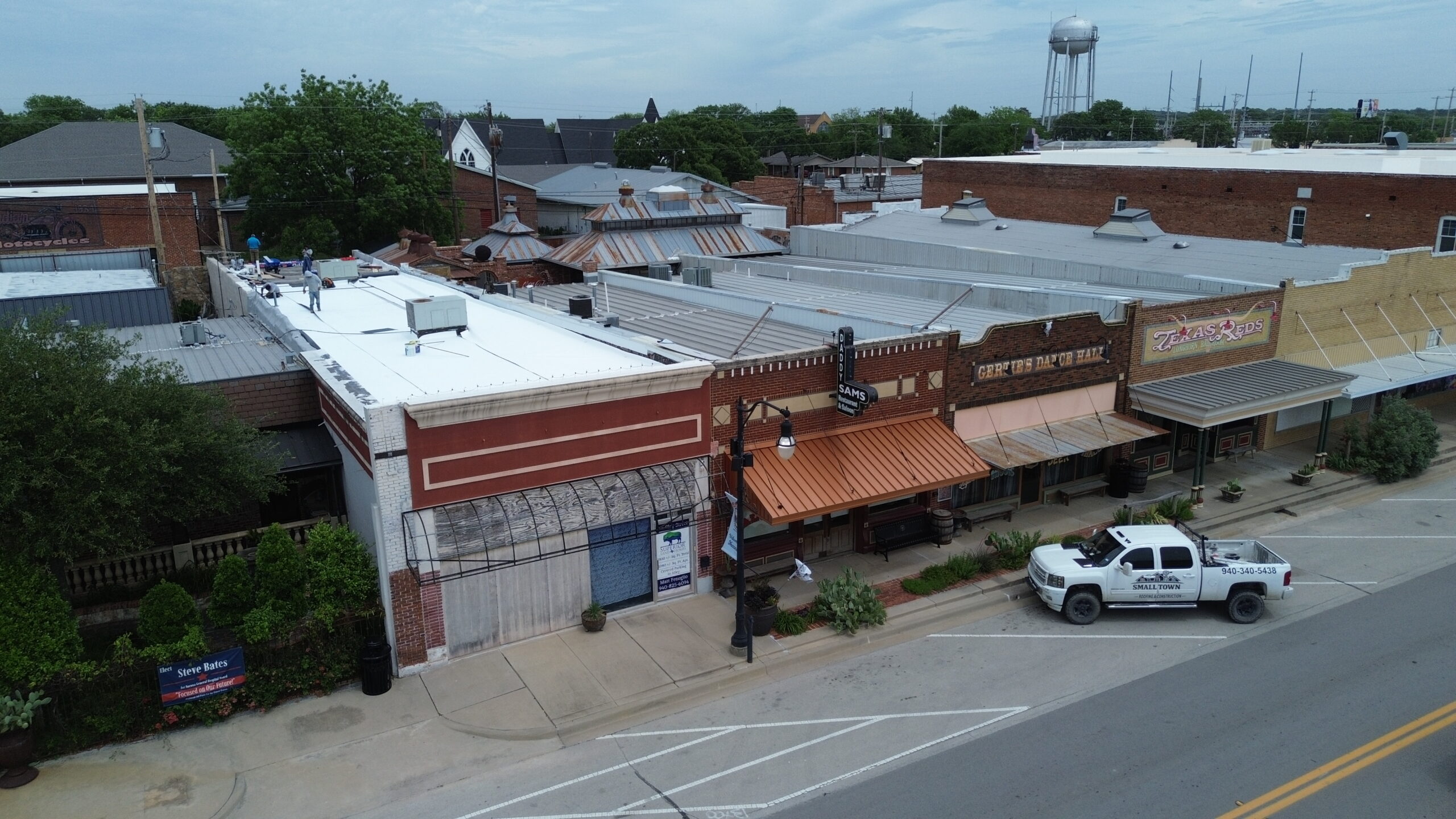
Once repairs and preparation are complete, the roof is ready for coating application. This stage requires careful planning, proper equipment, and strict adherence to manufacturer recommendations to ensure uniform coverage and long-lasting performance.
Successful application involves much more than spraying or rolling coating across the roof. Each layer contributes to the overall protective system, and every stage must be completed correctly before moving to the next.
Priming the Surface
Some restoration systems require a primer before the primary coating is applied. Primers improve adhesion between the existing roof surface and the new coating while also helping stabilize repaired areas.
Primers are particularly valuable on weathered metal, repaired sections, and areas where rust removal has exposed bare steel. Applying the correct primer reduces the likelihood of future adhesion problems and improves coating consistency.
The primer should cure according to manufacturer recommendations before additional materials are installed. Rushing this process can compromise the performance of the entire coating system.
Reinforcing Critical Areas
Before coating the full roof surface, contractors reinforce vulnerable locations where movement and moisture intrusion are most likely to occur.
These areas commonly include roof seams, flashing transitions, penetrations, expansion joints, and repaired sections. Reinforcing fabrics embedded within compatible coating materials create additional strength while maintaining flexibility.
This reinforcement distributes stress more evenly across moving roof components. As a result, cracks are less likely to develop in areas that traditionally experience the highest level of movement.
Applying the Base Coat
The base coat establishes the primary protective layer across the roof surface. Depending on the selected restoration system, application may be performed using spray equipment, rollers, brushes, or a combination of methods.
Uniform coverage is essential because inconsistent thickness creates weak areas that weather more quickly than surrounding sections. Contractors continuously monitor application rates to ensure every portion of the roof receives adequate protection.
Edges, corners, penetrations, and difficult-to-reach areas often require careful hand application to achieve complete coverage without leaving exposed metal surfaces.
The base coat must be allowed to cure properly before additional coating layers are installed. Environmental conditions largely determine curing times, making weather monitoring an important part of project planning.
Applying the Finish Coat
After the base layer has cured, the finish coat provides the roof’s final protective surface. This layer enhances weather resistance, improves ultraviolet protection, and creates the finished appearance of the restored roof.
The finish coat also contributes significantly to reflectivity and long-term durability. Uniform application helps maintain consistent protection across the roof while reducing the likelihood of premature weathering.
Some restoration systems require multiple finish coats to achieve the specified dry film thickness. Contractors verify coverage throughout the project to ensure manufacturer requirements are fully met.
Achieving the recommended coating thickness is critical because coatings that are too thin may wear prematurely, while excessively thick applications can crack during curing or thermal movement.
Environmental Conditions That Affect Restoration
Even the best restoration materials cannot perform properly if environmental conditions are unsuitable during installation. Temperature, humidity, wind, and precipitation all influence coating application and curing.
Weather forecasts should be reviewed before restoration begins so that work can be scheduled during favorable conditions. Unexpected rain or rapid temperature changes may require postponing certain stages of the project.
High humidity slows curing for many coating systems by reducing evaporation rates. Longer curing periods increase the risk of contamination from airborne debris or unexpected weather events.
Excessive heat presents different challenges because coatings may dry too quickly, preventing proper leveling and adhesion. Contractors often adjust work schedules to avoid applying coatings during the hottest part of the day.
Strong winds can carry dust, dirt, and debris onto freshly applied coatings while also affecting spray application quality. Windy conditions may require additional protective measures or temporary suspension of work.
Manufacturers provide recommended temperature ranges for every coating product. Following these specifications helps maximize adhesion, curing performance, and long-term durability.
Common Restoration Mistakes to Avoid
Even experienced professionals can encounter problems if critical restoration steps are overlooked. Understanding the most common mistakes helps property owners recognize the importance of following proven restoration practices.
Applying coatings over contaminated surfaces remains one of the leading causes of premature failure. Dirt, grease, moisture, and loose materials prevent proper bonding and often result in peeling within a relatively short period.
Ignoring underlying leaks is another costly mistake. A coating should protect a repaired roof, not conceal active water intrusion. Moisture trapped beneath the coating continues damaging the roof structure even though the surface may initially appear restored.
Using incompatible products can also reduce coating performance. Primers, sealants, reinforcement fabrics, and finish coatings should be selected as part of a compatible system designed to work together.
Applying coatings outside recommended weather conditions frequently leads to curing problems, reduced adhesion, and inconsistent appearance. Careful scheduling minimizes these risks while improving project quality.
Finally, insufficient quality control during application can leave thin spots, missed sections, or poorly sealed details that shorten the life of the restoration. Thorough inspections throughout the application process help ensure every stage meets the required standard.
Inspecting the Finished Coating System
Completing the application process does not mean the restoration project is finished. A thorough inspection is essential to confirm that every stage has been completed correctly and that the new coating system will provide the expected level of protection. Careful quality control helps identify small issues before they develop into expensive repairs.
Professional inspections involve much more than a visual walk across the roof. Contractors verify coating thickness, examine reinforced areas, inspect seams and penetrations, and confirm that repairs performed during preparation remain fully protected beneath the completed coating system.
Final inspections also provide valuable documentation for warranty purposes. Recording coating thickness, repair locations, material batches, and project photographs creates a useful maintenance record for future inspections and any warranty claims that may arise.
A well-documented inspection demonstrates that the restoration followed accepted installation practices. This information becomes especially valuable if the building changes ownership or future maintenance contractors need to evaluate the roof’s condition.
Areas That Require Careful Inspection
Some parts of the roof deserve additional attention because they are more likely to experience future problems.
- Roof seams and panel overlaps
- Fastener heads and replacement fasteners
- Pipe penetrations and flashing
- HVAC curbs and rooftop equipment
- Gutters, drains, and drainage channels
- Roof edges and transition points
These areas experience the greatest amount of movement or water exposure during normal operation. Verifying that each location has been properly sealed greatly improves the long-term reliability of the restored coating system.
Verifying Coating Thickness
Every coating manufacturer specifies a recommended dry film thickness that provides the intended level of protection. Measuring the finished coating ensures enough material has been applied to achieve the expected service life.
Specialized gauges allow inspectors to confirm coating thickness at multiple locations across the roof. Testing several representative areas helps identify sections where additional coating may be necessary before the project is considered complete.
Consistent thickness contributes to uniform weather resistance and reduces the possibility of isolated weak spots. Verifying this measurement is one of the final quality control steps before the roof is returned to normal service.
Checking Adhesion
Proper adhesion determines whether the coating remains securely attached throughout years of weather exposure. If adhesion is poor, peeling and blistering can occur even when premium coating materials have been used.
Inspectors may perform adhesion testing in selected locations to verify that the coating has bonded successfully with the prepared roof surface. Good adhesion indicates that cleaning, preparation, priming, and application procedures were completed correctly.
Strong adhesion also helps the coating tolerate thermal movement without separating from the underlying metal. This flexibility is especially important in regions that experience large seasonal temperature changes.
Maintaining a Restored Metal Roof
A restored coating system is designed to provide many years of protection, but its lifespan depends heavily on regular maintenance. Routine inspections and preventive care allow small issues to be corrected before they become major restoration projects.
Many property owners mistakenly assume that a newly restored roof requires no further attention. While restoration significantly improves roof performance, environmental exposure continues every day, making ongoing maintenance an important investment in long-term durability.
Preventive maintenance costs considerably less than emergency repairs or premature recoating. A consistent maintenance program also helps maximize the value of the original restoration investment.
Establishing a Maintenance Schedule
Routine inspections should become part of the building’s overall maintenance program. Checking the roof at regular intervals allows maintenance personnel to monitor coating condition and identify developing problems before they spread.
Most commercial buildings benefit from inspections at least twice each year. Additional inspections are recommended following severe storms, hail events, hurricanes, or unusually high wind conditions that may have affected the roof.
Maintenance personnel should document each inspection with photographs and written notes. Comparing records over time makes it easier to identify gradual deterioration that might otherwise go unnoticed.
Cleaning should also be included in the maintenance schedule. Removing accumulated debris helps prevent moisture retention while allowing inspectors to view the coating surface more clearly.
Routine Maintenance Priorities
A practical maintenance program should focus on several important tasks.
- Inspect the roof in the spring and autumn.
- Remove leaves, branches, and accumulated debris.
- Clear gutters and drainage systems regularly.
- Check fasteners, seams, and flashing for movement.
- Repair minor coating damage promptly.
- Document inspections with photographs and maintenance records.
Following these steps consistently helps preserve coating performance throughout its intended service life. Small maintenance efforts performed regularly often prevent much larger restoration expenses later.
Keeping Drainage Systems Clear
Water management plays a major role in roof longevity. Even coating systems designed to resist standing water perform better when drainage systems function efficiently.
Leaves, dirt, nesting materials, and windblown debris can block gutters and drains over time. These obstructions allow water to remain on the roof longer than intended, increasing moisture exposure and placing additional stress on seams and flashing.
Cleaning drainage systems several times each year reduces these risks while protecting the coating from unnecessary moisture-related deterioration. Proper drainage also minimizes the likelihood of leaks developing around roof penetrations.
Addressing Minor Damage Quickly
No roof remains completely free from wear throughout its service life. Foot traffic, fallen branches, maintenance equipment, and severe weather may occasionally create localized coating damage.
Prompt repairs prevent these isolated problems from expanding into widespread deterioration. Small scratches or damaged sealant can usually be corrected quickly if addressed before corrosion develops beneath the coating.
Waiting too long often allows moisture to spread beneath surrounding areas, increasing both repair complexity and cost. Early intervention remains one of the most effective maintenance strategies available.
Expected Lifespan After Restoration
One of the most common questions building owners ask is how long a restored coating system will last. The answer depends on several factors, including coating type, installation quality, environmental conditions, maintenance practices, and roof design.
When restoration is performed correctly using quality materials, many coating systems provide an additional ten to twenty years of reliable protection. Some premium systems may perform even longer when combined with consistent preventive maintenance and periodic inspections.
Installation quality has a direct influence on coating lifespan. Thorough preparation, proper repairs, correct coating thickness, and suitable weather conditions during application all contribute to long-term performance.
Environmental exposure also affects durability. Buildings located in coastal regions, industrial environments, or areas with frequent severe weather generally require more frequent inspections and maintenance than roofs exposed to milder conditions.
Factors That Influence Service Life
Several variables determine how long a restored coating system continues performing effectively.
| Factor | Effect on Coating Longevity |
|---|---|
| Surface preparation | Better preparation improves adhesion and durability |
| Material quality | Premium products generally provide longer protection |
| Climate | Harsh environments increase wear over time |
| Maintenance frequency | Regular care extends coating performance |
| Installation quality | Proper application reduces premature failures |
| Drainage efficiency | Good drainage minimizes moisture-related damage |
Although no coating lasts forever, proactive maintenance can significantly delay the need for future restoration. Investing in regular inspections often extends service life beyond original expectations.
Knowing When Recoating Is Necessary
Eventually, every coating system reaches the point where another restoration cycle becomes appropriate. Recognizing these signs early allows recoating before widespread deterioration develops.
Gradual fading, reduced reflectivity, minor surface cracking, localized wear around high-traffic areas, and weathering at roof edges often indicate that the protective coating is approaching the end of its effective lifespan.
Scheduling recoating before extensive corrosion begins usually requires less preparation than restoring a severely deteriorated roof. This proactive approach often reduces project costs while preserving the underlying roofing system.
Professional Restoration Versus DIY Repairs
Some building owners consider restoring roof coatings themselves to reduce project expenses. While minor maintenance tasks may be manageable for experienced individuals, complete coating restoration requires specialized knowledge, equipment, and safety procedures.
Professional contractors understand how different coating systems interact with various roofing materials. They also recognize hidden problems that may not be visible during a basic inspection, helping prevent future failures that could result from incomplete repairs.
Safety is another major consideration. Metal roofs can become extremely slippery, particularly during cleaning or coating application. Working at height also introduces fall hazards that require appropriate training and protective equipment.
Professionals use specialized tools to verify coating thickness, assess moisture, prepare surfaces, and apply coatings uniformly. These resources help produce consistent results that are difficult to achieve using basic consumer equipment.
Although professional restoration involves a larger initial investment, it often provides better long-term value through improved workmanship, manufacturer warranties, and extended coating performance.
Frequently Asked Questions
Can every metal roof be restored instead of replaced?
Not always. Roofs with severe structural deterioration, widespread corrosion, or extensive panel damage may require partial or complete replacement. However, many roofs with coating failure alone are excellent candidates for restoration.
How long does a typical restoration project take?
Project duration depends on roof size, weather conditions, required repairs, and coating type. Smaller buildings may be completed within several days, while large commercial facilities can require several weeks.
Will roof restoration stop existing leaks?
Restoration can eliminate leaks when the underlying causes are properly repaired before coating application. Simply applying coating over active leaks without correcting damaged components is unlikely to provide a lasting solution.
Does a reflective coating reduce energy costs?
Many reflective coating systems reduce roof surface temperatures by reflecting a significant portion of incoming solar radiation. Lower roof temperatures can decrease cooling demands during warm weather, contributing to improved energy efficiency.
How often should the roof be inspected after restoration?
Most experts recommend professional inspections twice each year, along with additional inspections after severe weather events. Regular inspections help identify developing issues before they require major repairs.
Can damaged sections be repaired without recoating the entire roof?
Yes, localized damage can often be repaired if addressed early. Small repairs help preserve the surrounding coating and may delay the need for complete recoating.
Conclusion
Restoring damaged metal roof coating systems properly is one of the most effective ways to extend the life of a metal roof while avoiding the cost and disruption of full replacement. When the underlying structure remains sound, restoration renews the roof’s protective barrier, improves weather resistance, enhances energy efficiency, and preserves the building’s long-term value.
Successful restoration depends on a carefully planned process rather than a single coating application. Thorough inspections, detailed surface preparation, proper repairs, compatible coating selection, and professional installation all work together to create a durable protective system capable of withstanding years of environmental exposure.
Long-term performance does not end once the restoration project is complete. Routine inspections, preventive maintenance, prompt repairs, and effective drainage management help preserve coating integrity while reducing the likelihood of future problems. These ongoing practices protect the investment made during restoration and maximize the coating’s service life.
Whether managing a commercial facility, industrial warehouse, agricultural structure, or residential property, building owners who prioritize proper restoration over temporary fixes benefit from lower maintenance costs, improved roof performance, and greater peace of mind. By treating restoration as a comprehensive process rather than a cosmetic upgrade, it becomes possible to maintain a reliable metal roofing system that continues protecting the building for many years to come.