
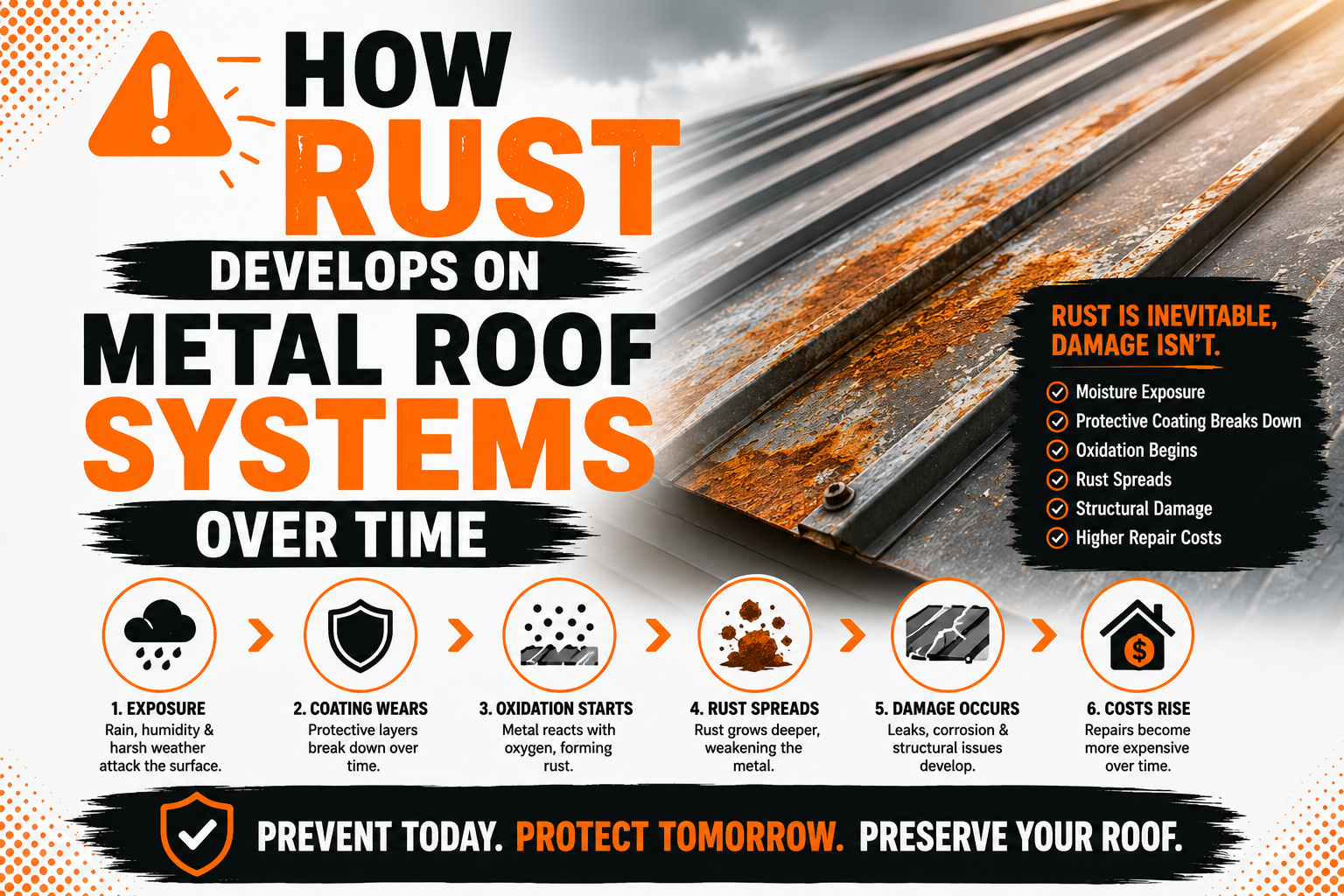
How Rust Develops on Metal Roof Systems Over Time
Introduction
Metal roofing is known for its exceptional durability, long service life, and ability to withstand challenging weather conditions. Many property owners choose metal roofs because they require less maintenance than traditional roofing materials while providing outstanding protection against rain, wind, snow, and sunlight. Despite these advantages, no metal roof is completely immune to rust when exposed to the elements for many years.
Rust develops gradually rather than appearing overnight. What starts as a tiny scratch, a worn coating, or prolonged exposure to moisture can slowly transform into visible corrosion that weakens the roofing system. Understanding this gradual process helps homeowners and building managers identify problems early before they become expensive repairs.
Many people assume that all metal roofs rust at the same rate, but that is far from the truth. The type of metal, environmental conditions, roof design, installation quality, and ongoing maintenance all influence how quickly corrosion develops. A properly installed and well-maintained roof may remain rust free for decades, while a neglected one can show signs of deterioration much sooner.
Learning how rust forms also makes it easier to prevent it. Instead of reacting after major damage has occurred, property owners can adopt maintenance practices that protect the roof throughout its lifespan. Preventive care almost always costs less than replacing damaged panels or repairing structural components.
This guide explores how rust develops on metal roof systems over time. It explains the science behind corrosion, the factors that accelerate rust formation, the warning signs to watch for, and the common mistakes that shorten a roof’s service life. By understanding each stage of the process, readers can make informed decisions that help preserve the appearance and performance of their metal roofing investment.
Understanding Rust on Metal Roof Systems
Rust is a form of corrosion that affects iron and steel when they are exposed to oxygen and moisture. During this chemical reaction, iron combines with oxygen to form iron oxide, which appears as the familiar reddish-brown material seen on corroded metal surfaces. This process continues as long as the necessary environmental conditions remain present.
Not every metal roof develops rust in the same way. Steel roofing is more vulnerable because it contains iron, while aluminum, copper, and zinc react differently when exposed to the environment. Many modern steel roofing systems rely on galvanized or coated surfaces that create a protective barrier between the steel and the surrounding air.
The protective coating plays a crucial role throughout the roof’s life. As long as it remains intact, moisture cannot easily reach the steel underneath. Once the coating becomes damaged by weather, impacts, or normal wear, the exposed metal becomes increasingly susceptible to corrosion.
Rust should not be viewed only as a cosmetic issue. Although small rust spots may initially seem harmless, they often indicate that the protective surface has already been compromised. If left untreated, corrosion continues spreading beneath surrounding coatings and eventually affects the structural strength of roofing panels.
The rate at which rust develops depends on several conditions working together rather than a single cause. Temperature fluctuations, humidity, airborne contaminants, and maintenance practices all influence how quickly corrosion progresses. This explains why two similar roofs located in different environments may age very differently over the same period.
Understanding these basic principles helps property owners appreciate why routine inspections matter. Detecting small issues before corrosion spreads allows repairs to remain simple and affordable instead of becoming large restoration projects.
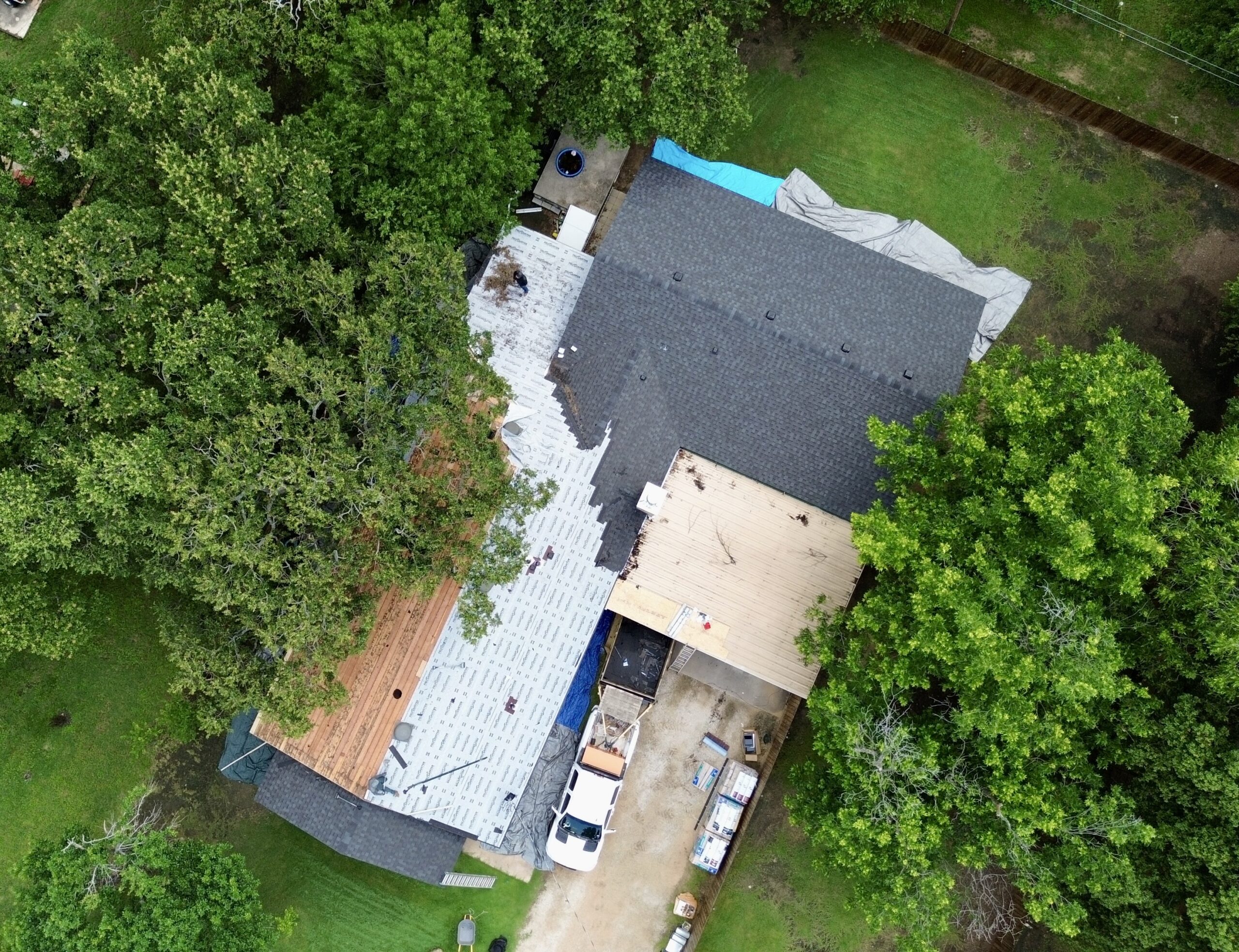
Why Metal Roofs Rust Over Time
Every roofing material naturally ages as it faces years of environmental exposure. Metal roofs are engineered to resist corrosion, but constant contact with changing weather gradually wears down even the most durable protective systems. Once those protective layers weaken, the underlying metal becomes increasingly vulnerable.
Moisture is the primary ingredient needed for rust formation. Rainwater, morning dew, melting snow, and condensation repeatedly wet the roof surface throughout the year. If water remains trapped in certain areas for extended periods, corrosion can begin much sooner than expected.
Oxygen is equally important in the rust formation process. Since roofing materials remain continuously exposed to the atmosphere, oxygen is always available to react with unprotected steel. This constant exposure means that even minor coating damage deserves prompt attention.
Time also contributes to gradual deterioration. Protective paint systems slowly weather under ultraviolet radiation, temperature changes, and daily expansion and contraction of metal panels. Tiny cracks may eventually appear in coatings, creating entry points for moisture.
Mechanical damage further increases the risk of corrosion. Falling branches, hail, maintenance equipment, and foot traffic can scratch painted surfaces without immediately attracting attention. Although these scratches may appear insignificant, they expose bare steel that begins oxidizing once moisture reaches it.
Environmental pollutants make the situation even more challenging. Industrial emissions, road salt, fertilizers, and airborne chemicals settle on roofing surfaces over time. These contaminants often accelerate corrosion by creating conditions that encourage faster chemical reactions.
Poor drainage can also shorten the lifespan of a metal roof. Standing water remains in contact with roofing materials much longer than flowing rainwater. This extended moisture exposure provides ideal conditions for rust to develop and spread.
Property owners sometimes overlook routine cleaning because metal roofs appear durable. However, accumulated leaves, dirt, and debris trap moisture against the roof surface. Keeping the roof clean significantly reduces the amount of time water remains in direct contact with the metal.
The Science Behind Oxidation and Corrosion
Rust develops because of a natural electrochemical reaction known as oxidation. When iron comes into contact with oxygen and water, electrons move between different areas of the metal surface. This process gradually transforms solid metal into iron oxide, which has much weaker structural properties.
Although the chemistry sounds complex, the process occurs naturally every day. Moisture acts as an electrolyte that allows electrical movement between different sections of the metal. Even a thin layer of humidity can support this reaction under the right conditions.
The corrosion process rarely remains limited to one tiny location. Once oxidation begins, nearby areas often become more vulnerable because protective coatings have already been compromised. This explains why untreated rust spots tend to grow larger over time.
Temperature changes also influence corrosion rates. Warm conditions generally increase chemical activity, allowing oxidation to progress more quickly. Repeated heating during the day and cooling at night create expansion and contraction cycles that gradually weaken protective coatings.
Salt dramatically accelerates corrosion because it improves electrical conductivity. Coastal regions frequently experience faster rust development due to airborne sea salt settling on roofing surfaces. Buildings located near highways may face similar challenges because winter road salt becomes airborne through vehicle traffic.
Acidic pollutants further increase corrosion risks. Industrial emissions and certain environmental contaminants lower the pH of moisture resting on the roof. This creates a more aggressive environment that speeds up oxidation.
Modern protective coatings interrupt this chemical process by preventing moisture and oxygen from contacting the underlying steel. Galvanized zinc coatings provide an additional level of protection because zinc corrodes before steel does. This sacrificial behavior helps preserve the structural metal beneath.
Understanding the science behind corrosion explains why prevention remains far more effective than repair. Once oxidation begins, stopping it completely becomes more difficult than protecting the roof before damage occurs.
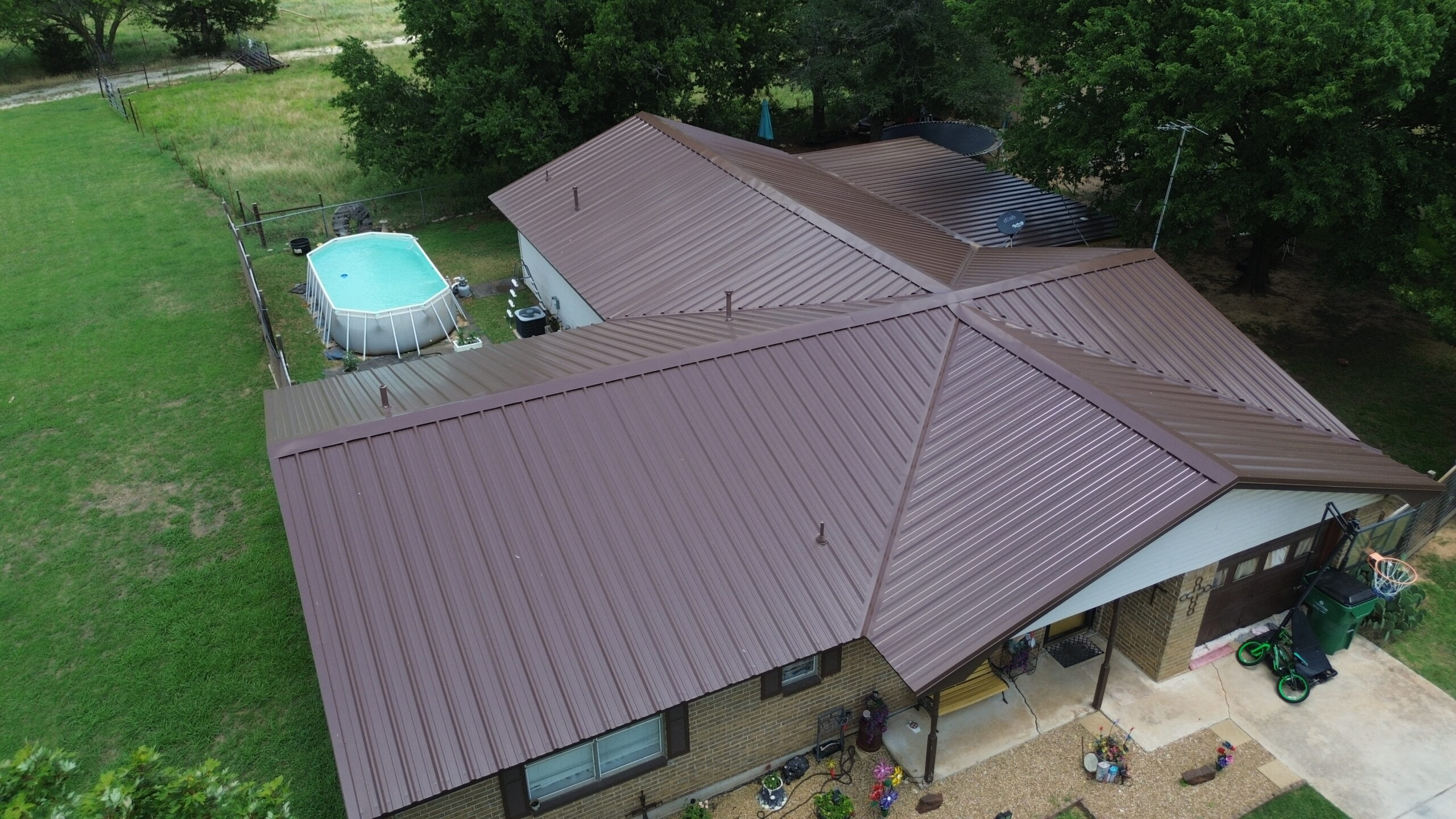
Common Environmental Factors That Accelerate Rust
Weather conditions have a tremendous influence on the lifespan of every metal roof. While manufacturers design roofing systems to withstand harsh environments, continuous exposure eventually affects even high-quality materials. Some locations naturally create more demanding conditions than others.
Frequent rainfall keeps roofing surfaces wet for longer periods. Regions with high annual precipitation often experience greater corrosion risks because moisture remains available almost continuously. If drainage is poor, the problem becomes even more severe.
High humidity contributes to rust even when rain is absent. Moist air continuously deposits microscopic water droplets onto metal surfaces, allowing oxidation to continue quietly. This is why humid climates often experience corrosion despite having fewer heavy storms.
Coastal environments present unique challenges. Sea spray contains dissolved salt particles that travel surprisingly far inland with ocean breezes. These salt deposits attract moisture and significantly increase corrosion rates.
Cold climates introduce another concern through repeated freeze and thaw cycles. Snow accumulates on roofs before melting and refreezing multiple times throughout winter. This repeated exposure increases moisture contact while expanding tiny cracks in protective coatings.
Industrial areas often contain airborne chemicals that settle on roofing surfaces. Smoke, manufacturing emissions, and pollutants mix with rainwater to create more corrosive conditions. Buildings located near factories generally require more frequent inspections.
Tree coverage can unintentionally increase rust risks. Branches drop leaves, seeds, and organic debris that trap moisture against roofing panels. Dense shade also slows evaporation after rainfall, allowing surfaces to remain wet much longer.
The following environmental conditions commonly increase corrosion risk:
- Frequent rainfall and prolonged damp conditions.
- High humidity throughout the year.
- Coastal salt exposure.
- Industrial pollution.
- Standing water caused by poor drainage.
- Organic debris accumulation.
- Heavy snowfall followed by repeated melting.
- Limited sunlight that slows roof drying.
Property owners cannot control the weather, but understanding local environmental conditions helps determine how often the roof should be inspected and maintained.
How Different Metal Roofing Materials Respond to Rust
Not every metal roofing material behaves the same when exposed to moisture and oxygen. Material selection has a significant impact on how corrosion develops over the roof’s lifespan. Understanding these differences helps property owners set realistic maintenance expectations.
Steel remains one of the most popular roofing materials because it offers excellent strength and affordability. Since steel contains iron, it naturally rusts when protective coatings fail. Modern galvanized and Galvalume steel products greatly improve corrosion resistance by adding protective metallic layers.
Galvanized steel uses zinc as a protective coating. Zinc corrodes before the steel underneath, slowing the overall rusting process. Even when minor scratches occur, surrounding zinc continues providing some protection until the coating becomes significantly depleted.
Galvalume steel combines aluminum, zinc, and silicon to create a highly durable protective layer. This coating performs exceptionally well in many environments and often provides longer corrosion resistance than traditional galvanized steel. However, proper installation and maintenance remain essential.
Aluminum roofing reacts differently because it does not produce traditional red rust. Instead, it forms a thin oxide layer that actually helps protect the underlying metal from further deterioration. This makes aluminum particularly attractive in coastal regions where salt exposure is common.
Copper roofing develops a distinctive green patina over time rather than rusting. Although its appearance changes significantly, the patina acts as a natural protective barrier. Many historic buildings intentionally preserve this weathered finish because it extends the material’s lifespan.
Zinc roofing also develops a protective surface layer that limits further corrosion. This self-healing characteristic allows minor scratches to become less noticeable as the protective patina reforms naturally. Zinc remains popular for premium architectural applications because of its durability.
Regardless of material choice, proper maintenance remains essential. Even corrosion-resistant metals benefit from routine inspections, cleaning, and timely repairs that preserve protective finishes throughout decades of service.
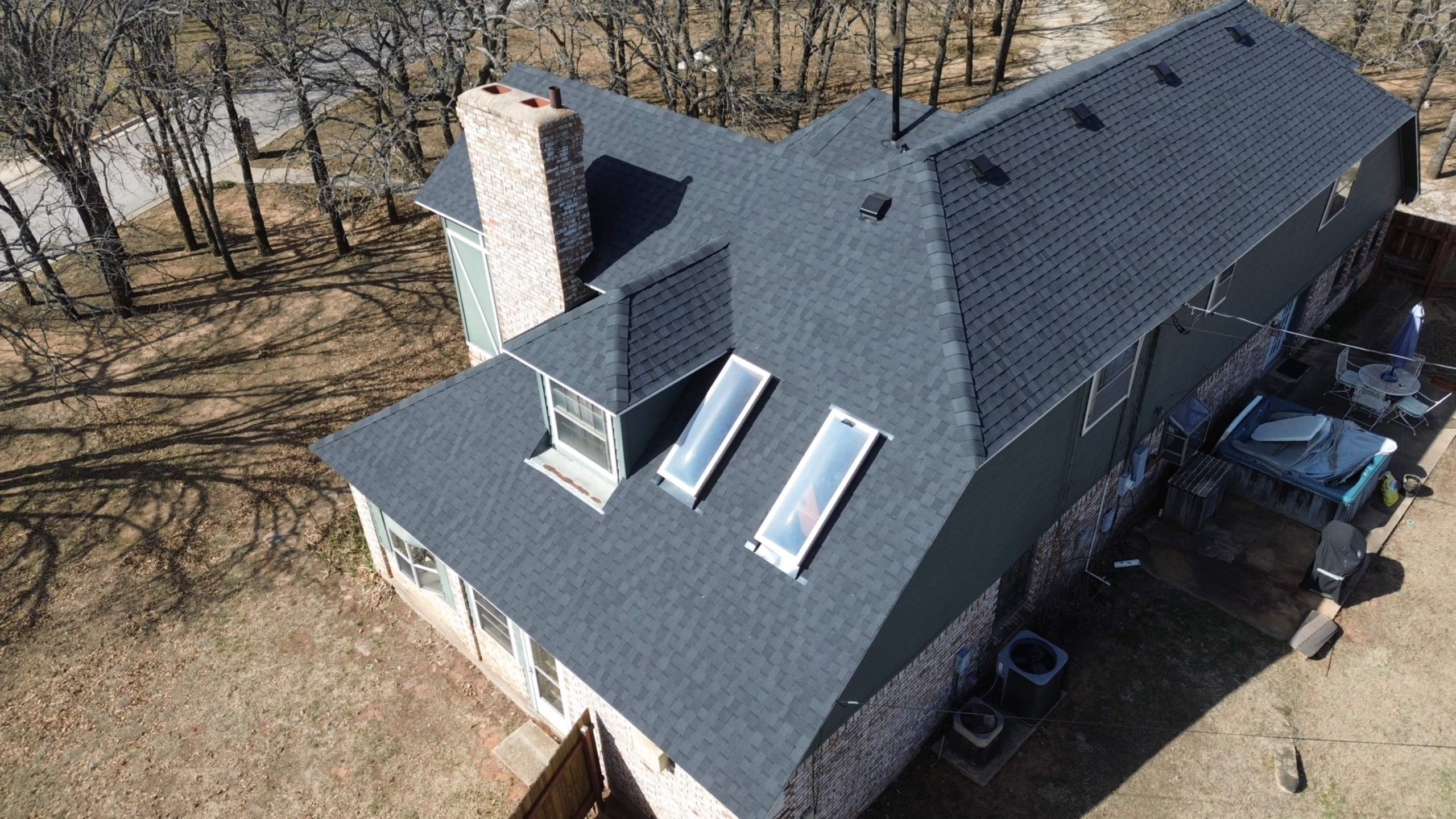
Early Warning Signs of Rust Formation
Rust rarely appears without providing earlier warning signs. Careful observation during routine roof inspections allows property owners to identify developing issues before major deterioration occurs. Early detection often determines whether a repair remains simple or becomes significantly more expensive.
Discoloration is often the first visible indicator. Small orange, brown, or reddish spots may appear around scratches, seams, or exposed fasteners. These stains often remain localized initially but gradually expand if left untreated.
Blistering paint deserves careful attention. Moisture trapped beneath protective coatings causes the finish to lift away from the metal surface. Although rust may not yet be visible, corrosion is often already developing underneath.
Peeling or flaking paint indicates that protective coatings have begun failing. Once coatings separate from the metal, moisture reaches the underlying steel much more easily. Prompt repairs help prevent corrosion from spreading beneath adjacent painted areas.
Fasteners frequently develop rust before surrounding panels. Screws and washers experience repeated expansion, contraction, and water exposure, making them common starting points for corrosion. Inspecting fasteners regularly provides valuable insight into the roof’s overall condition.
Water stains inside the building may indicate that corrosion has progressed far enough to create small openings. Although leaks have many possible causes, rust damage should always be considered during investigations. Early repairs help prevent structural damage beneath the roof.
Surface roughness also provides important clues. Metal that once felt smooth may develop a textured appearance as oxidation gradually changes the surface. This subtle change often appears before deep corrosion becomes obvious.
Regular inspections should include both ground-level observations and close-up examinations when safe access is available. Detecting these early warning signs allows maintenance teams to respond before corrosion reaches structural components.
Mistakes That Speed Up Rust Development
Many cases of premature roof corrosion result from preventable maintenance mistakes rather than unavoidable aging. Understanding these common errors helps property owners extend the service life of their roofing systems while reducing repair costs.
Ignoring small scratches is one of the most common mistakes. Minor surface damage may seem insignificant, but exposed steel begins oxidizing almost immediately when moisture reaches it. Promptly sealing damaged coatings greatly reduces long-term corrosion risks.
Delaying inspections after severe storms also creates problems. Wind-driven debris, hail, and falling branches often damage protective finishes without producing obvious leaks. Small areas of coating damage can remain unnoticed until rust becomes widespread.
Allowing debris to accumulate creates moisture traps across the roof surface. Wet leaves, branches, and dirt remain in contact with metal for extended periods after rainfall. Regular cleaning encourages faster drying and reduces corrosion opportunities.
Using incompatible repair materials sometimes accelerates deterioration instead of preventing it. Certain metals react with one another when moisture is present, creating galvanic corrosion. Choosing compatible fasteners and repair products helps avoid these chemical reactions.
Pressure washing with excessive force can damage protective coatings if performed incorrectly. Cleaning methods should remove dirt without stripping away the paint systems designed to protect the metal beneath. Following manufacturer recommendations preserves long-term corrosion resistance.
Skipping routine maintenance because the roof appears undamaged is another costly mistake. Corrosion often begins in hidden locations long before becoming visible from the ground. Scheduled inspections identify developing issues while repairs remain relatively inexpensive.
Understanding these common mistakes provides a strong foundation for effective roof maintenance. In the next section, we will examine how roof design, installation quality, protective coatings, and ongoing inspections influence the speed at which rust spreads across a metal roofing system.
How Roof Design and Installation Influence Rust
The design of a metal roof plays a major role in determining how moisture moves across its surface. A well-designed roofing system allows rainwater to drain quickly, minimizes areas where debris can collect, and promotes airflow that helps the roof dry after storms. These design features reduce the amount of time water remains in contact with the metal.
Poor roof design creates opportunities for moisture to linger. Low spots, poorly planned valleys, and inadequate drainage systems allow water to pool instead of flowing toward gutters. Standing water increases the likelihood that protective coatings will deteriorate and expose the metal beneath.
Proper installation is equally important because even premium roofing materials can fail prematurely if installed incorrectly. Misaligned panels, poorly sealed seams, and incorrectly placed fasteners create weak points where moisture can enter. Once water reaches these vulnerable areas, corrosion often develops out of sight before visible damage appears.
Fastener placement deserves particular attention during installation. Screws driven too tightly can damage washers and protective coatings, while loose fasteners create small openings that allow water infiltration. Both situations increase the possibility of corrosion around fastening points.
Roof penetrations such as vents, skylights, chimneys, and HVAC equipment require careful sealing. These areas naturally interrupt the continuous surface of the roof, making them common locations for water intrusion if flashing is improperly installed. Routine inspection of penetrations helps identify deteriorating sealants before corrosion becomes widespread.
Ventilation also influences long-term roof health. Proper attic ventilation reduces condensation that forms beneath roofing panels during temperature changes. Lower moisture levels inside the roof assembly decrease the chance of corrosion developing on hidden metal components.
Expansion and contraction should also be considered during installation. Metal naturally expands as temperatures rise and contracts as they fall. Roofing systems designed to accommodate this movement place less stress on panels, fasteners, and protective coatings, reducing the likelihood of cracks that expose bare metal.
Professional installation provides benefits that extend well beyond appearance. A correctly installed roof manages water effectively, protects coatings from unnecessary stress, and minimizes the conditions that encourage rust development throughout the roof’s lifespan.
The Role of Protective Coatings and Finishes
Protective coatings serve as the first line of defense against corrosion. They separate the metal surface from oxygen, moisture, sunlight, and airborne contaminants that would otherwise begin the oxidation process. Without these coatings, steel roofing would develop rust much more quickly.
Modern metal roofing systems often include several protective layers rather than a single finish. Manufacturers typically apply metallic coatings such as galvanized zinc or Galvalume before adding primers and durable paint systems. Each layer contributes to the roof’s overall resistance against weathering and corrosion.
Paint finishes provide more than decorative appeal. High-quality coatings reflect ultraviolet radiation, resist fading, and reduce surface degradation caused by prolonged sunlight exposure. These properties help maintain the integrity of the protective barrier for many years.
Over time, however, every coating experiences gradual wear. Continuous exposure to sunlight, temperature fluctuations, heavy rainfall, and airborne debris slowly weakens the finish. This natural aging process explains why periodic inspection becomes increasingly important as a roof grows older.
Mechanical damage often shortens the life of protective coatings. Falling branches, hailstones, maintenance equipment, and careless foot traffic can create scratches that penetrate through the paint. Even small areas of exposed steel should be repaired promptly before oxidation begins.
Chemical exposure also affects coating performance. Airborne pollutants, cleaning chemicals, fertilizers, and salt deposits may gradually reduce the effectiveness of protective finishes if they remain on the roof for extended periods. Regular cleaning removes many of these contaminants before they cause significant harm.
Recoating an aging roof can substantially extend its service life when performed at the appropriate time. Applying a new protective finish before widespread corrosion develops restores the barrier against moisture and delays the need for major repairs or replacement. Preventive maintenance almost always proves more economical than addressing advanced corrosion later.
Areas Where Rust Commonly Begins
Rust rarely develops uniformly across an entire roof. Instead, corrosion usually starts in specific locations where moisture accumulates or protective coatings become damaged. Recognizing these high-risk areas allows inspections to focus on the parts of the roof most likely to experience early deterioration.
Fasteners are among the most common starting points. Roofing screws experience constant expansion and contraction while their washers gradually age under sunlight and weather exposure. Once the sealing components deteriorate, moisture gains easier access to the metal beneath.
Panel seams also deserve careful attention. Water naturally flows along these joints during rainfall, increasing their exposure to moisture. If sealants shrink, crack, or separate with age, corrosion may begin beneath overlapping sections where it remains hidden.
Roof valleys collect water from multiple roof slopes, making them particularly vulnerable. Leaves, dirt, and small branches frequently accumulate in these low areas, trapping moisture against the metal surface. Regular cleaning significantly reduces this risk.
Roof edges experience constant exposure to wind-driven rain and changing weather conditions. Flashing installed along these edges protects vulnerable transitions, but damaged flashing allows water to reach areas that should remain dry. Corrosion often spreads rapidly once flashing failures occur.
Penetrations around vents, pipes, skylights, and equipment create additional opportunities for rust formation. Sealants surrounding these components naturally age and lose flexibility over time. Small openings may allow water infiltration long before interior leaks become noticeable.
Gutters and downspouts influence nearby roofing panels as well. Blocked drainage systems allow water to back up onto the roof, increasing moisture exposure around edges and lower sections. Overflowing gutters may repeatedly wet the same panels during every storm.
Areas shaded by nearby trees frequently remain damp much longer than sections receiving direct sunlight. Reduced drying time allows oxidation to continue for extended periods after rainfall. Combined with falling leaves and organic debris, shaded areas often require more frequent maintenance.
Comparing Surface Rust and Structural Corrosion
Not all rust indicates the same level of damage. Some corrosion remains limited to the outer surface, while other forms gradually weaken the structural integrity of the roofing system. Understanding the difference helps property owners make informed decisions about repairs.
Surface rust affects only the outer layer of the metal. It often appears as small orange or brown spots that develop where protective coatings have been scratched or worn away. At this stage, the underlying metal generally remains strong, making repairs relatively straightforward.
Although surface rust may seem minor, it should never be ignored. Corrosion naturally expands over time, gradually penetrating deeper into the metal if left untreated. Prompt cleaning, priming, and recoating can often stop the problem before significant damage occurs.
Structural corrosion develops when oxidation progresses well beyond the surface. As rust consumes more of the metal, roofing panels become thinner and weaker. This loss of material reduces the roof’s ability to resist heavy snow, strong winds, and other structural loads.
Advanced corrosion may eventually create holes in roofing panels. Water then enters the roof assembly, damaging insulation, decking, framing, and interior finishes. At this stage, repairs often become much more extensive and expensive than addressing early surface rust.
Structural corrosion may also affect concealed components. Fasteners, support members, flashing, and brackets sometimes deteriorate before visible panel damage becomes obvious. Comprehensive inspections therefore examine more than just the exposed roof surface.
Determining the severity of corrosion often requires close inspection by experienced professionals. Surface discoloration alone does not always reveal the full extent of underlying deterioration. Early evaluation helps prevent minor problems from progressing into major structural concerns.
Rust Progression Timeline from Minor Spots to Serious Damage
Rust develops gradually through several recognizable stages. Understanding this progression helps property owners appreciate why early intervention is so valuable. Waiting until leaks appear often means corrosion has already advanced significantly.
The typical progression follows these stages:
- Protective coating becomes damaged. Small scratches, worn paint, or coating deterioration expose tiny areas of bare metal to moisture and oxygen.
- Early surface oxidation begins. Small rust spots or discoloration appear around damaged areas, but the underlying metal remains largely intact and structurally sound.
- Rust gradually spreads. Corrosion expands beneath nearby coatings, causing blistering, peeling paint, and larger areas of visible discoloration.
- Metal begins losing thickness. Continued oxidation weakens roofing panels, fasteners, and seams as more material is consumed by corrosion.
- Leaks and structural damage develop. Holes form in severely rusted areas, allowing water to enter the roofing system and damage surrounding components.
The speed of this progression varies considerably between roofs. Climate, maintenance practices, coating quality, and environmental exposure all influence how rapidly corrosion advances. Some roofs may remain in the early stages for many years, while others deteriorate much faster under harsh conditions.
Routine maintenance interrupts this timeline by identifying problems before they progress. Addressing corrosion during the earliest stages often prevents the need for expensive structural repairs later.
Inspection Checklist for Identifying Rust Issues
Routine inspections remain one of the most effective tools for slowing rust development. Consistent monitoring allows property owners to identify minor concerns before they expand into widespread corrosion. Inspection schedules should become more frequent as the roof ages or if the building is located in a harsh environment.
A thorough inspection should evaluate visible surfaces as well as critical roofing components. Looking beyond obvious rust spots often reveals the underlying causes that require attention.
| Inspection Area | What to Look For | Recommended Action |
|---|---|---|
| Roof panels | Rust spots, scratches, peeling paint | Clean, repair coating, monitor progression |
| Fasteners | Rust, loose screws, damaged washers | Replace damaged fasteners and reseal |
| Seams | Separation, moisture staining, corrosion | Repair seams and apply appropriate sealant |
| Flashing | Cracks, gaps, rust, loose sections | Repair or replace damaged flashing |
| Gutters | Standing water, debris, corrosion | Clean gutters and restore drainage |
| Roof penetrations | Failed sealant, moisture entry | Replace deteriorated sealants promptly |
| Interior ceilings | Water stains or damp insulation | Investigate roof above affected area immediately |
This inspection process does not require every roof to be climbed after every storm. Ground observations, binoculars, drone inspections, and professional evaluations all contribute to identifying developing corrosion before significant damage occurs.
Preventive Maintenance Practices That Slow Rust Development
Preventing rust is much easier than reversing advanced corrosion. A consistent maintenance program protects coatings, reduces moisture exposure, and allows small issues to be corrected before they become costly repairs. Property owners who invest in preventive care usually enjoy longer roof service life and fewer unexpected expenses.
Cleaning the roof regularly removes dirt, leaves, branches, and other debris that trap moisture. Organic material should never be allowed to remain in valleys, around penetrations, or inside gutters because these locations stay wet long after rainfall ends.
Small scratches and coating damage should be repaired as soon as they are discovered. Touch-up products recommended by the roofing manufacturer help restore the protective barrier before oxidation gains an opportunity to spread beneath the surrounding finish.
Maintaining gutters and downspouts is equally important. Efficient drainage keeps water moving away from the roof instead of allowing it to collect near edges and low points. Proper water management significantly reduces the conditions that encourage corrosion.
Trees growing close to the roof should also be managed carefully. Trimming overhanging branches reduces the likelihood of falling limbs scratching protective coatings while also decreasing leaf accumulation. Better sunlight exposure helps roofing panels dry more quickly after rain.
Professional inspections provide another valuable layer of protection. Experienced roofing specialists often recognize subtle warning signs that may go unnoticed during routine visual checks. Their recommendations can help property owners prioritize maintenance before minor defects become major repairs.
By combining regular cleaning, prompt repairs, effective drainage, and scheduled inspections, property owners create an environment where rust develops much more slowly. In the final section, we will examine repair methods, long-term prevention strategies, common misconceptions about metal roof corrosion, frequently asked questions, and the conclusion that brings the entire discussion together.
Repair Options for Rusted Metal Roof Systems
Finding rust on a metal roof does not always mean replacement is necessary. The appropriate repair method depends on how far corrosion has progressed, the condition of the surrounding panels, and whether the damage has affected the roof’s structural integrity. Addressing rust promptly gives property owners the greatest number of repair options while keeping costs manageable.
Minor surface rust can often be repaired without replacing roofing panels. The affected area is typically cleaned to remove loose rust, dirt, and contaminants before a rust-inhibiting primer is applied. Once the primer has cured, a compatible roof coating or touch-up paint restores the protective barrier and helps prevent future corrosion.
It is important to remove only the damaged material without unnecessarily damaging the surrounding protective coating. Aggressive cleaning methods can expose additional bare metal, creating new areas where rust may eventually develop. Following manufacturer recommendations ensures repairs strengthen rather than weaken the roof’s protective system.
Areas with peeling paint usually require additional preparation. Loose coating must be removed so the new primer and finish can bond securely with the existing surface. Skipping this preparation often results in premature coating failure that allows moisture to return.
Rusted fasteners should be replaced instead of simply painted over. Corroded screws may no longer provide the holding strength needed to secure roofing panels during strong winds or heavy weather. Replacing them with compatible fasteners and new sealing washers restores both structural performance and weather resistance.
Damaged sealants around roof penetrations also require attention. Even if corrosion appears limited, deteriorated sealant allows moisture to continue entering vulnerable areas. Replacing aged sealants prevents future water intrusion while protecting newly repaired metal surfaces.
Moderate corrosion may require replacing individual panels rather than attempting localized repairs. If rust has significantly reduced panel thickness or caused holes, replacement is often the safest and most cost-effective solution. Installing new panels also provides an opportunity to inspect hidden components beneath the roofing surface.
Roof coatings offer another effective restoration option for aging metal roofs that remain structurally sound. Elastomeric and other specialized roof coatings create a continuous protective membrane over repaired panels, extending the roof’s service life while improving weather resistance. However, coatings should never be viewed as a way to hide serious structural corrosion.
When Rust Damage Requires Professional Intervention
Some roofing problems extend beyond routine maintenance and should be evaluated by qualified professionals. While homeowners can often identify visible rust during inspections, determining the full extent of corrosion sometimes requires specialized knowledge and equipment. Professional assessments help ensure repairs address both the visible damage and any hidden deterioration.
Large areas of widespread rust generally indicate that protective coatings have failed across significant portions of the roof. In these situations, isolated spot repairs may provide only temporary improvement. A roofing professional can determine whether restoration, recoating, or partial replacement offers the best long-term solution.
Leaks accompanied by visible rust deserve immediate attention. Water entering the building often signals that corrosion has already penetrated roofing panels or compromised flashing systems. Delaying repairs allows moisture to damage insulation, roof decking, framing, and interior finishes in addition to the roofing material itself.
Structural concerns also require professional evaluation. Panels that appear warped, unusually thin, or noticeably weakened may no longer support expected loads safely. Walking on severely corroded roofing surfaces can create safety hazards, making professional inspection especially important.
Corrosion around critical roof components deserves careful examination. Rust affecting ridge caps, structural supports, flashing, or attachment points may compromise the overall stability of the roofing system. These components play essential roles in keeping the roof secure during severe weather.
Insurance claims following storms sometimes involve rust as well. Existing corrosion may complicate assessments because insurers often distinguish between sudden storm damage and gradual deterioration. Detailed inspections and thorough documentation help clarify the condition of the roof before repairs begin.
Property owners should also consider professional inspections before purchasing older buildings. A roof that appears acceptable from the ground may contain hidden corrosion beneath overlapping panels or inside concealed structural areas. Identifying these issues early supports better maintenance planning and more accurate budgeting.
Seeking professional assistance at the right time helps prevent minor problems from becoming major structural repairs. Experienced roofing contractors can recommend practical solutions that balance immediate needs with long-term roof performance.
Long-Term Strategies to Prevent Future Rust
Preventing rust requires an ongoing commitment rather than a single repair. Every maintenance decision influences how well a metal roof resists corrosion over the coming years. Establishing consistent maintenance habits significantly extends roof life while reducing repair costs.
Regular inspections remain the foundation of every prevention strategy. Examining the roof at least twice each year and after major storms helps identify scratches, damaged coatings, loose fasteners, and drainage problems before corrosion begins. Small issues are easier and less expensive to correct than widespread deterioration.
Cleaning the roof on a routine schedule also provides lasting benefits. Dirt, leaves, pollen, and other debris trap moisture against roofing panels, especially in valleys and around penetrations. Removing these materials allows surfaces to dry more quickly after rainfall.
Drainage systems deserve equal attention because even the best roofing material performs poorly when water cannot escape efficiently. Keeping gutters, downspouts, and roof drains free from obstructions prevents standing water that encourages oxidation. Proper drainage protects both the roof and the building below.
Protective coatings should be maintained throughout the roof’s lifespan. As finishes age naturally, touch-up repairs and periodic recoating restore the barrier between steel and the surrounding environment. Waiting until widespread rust appears often limits the effectiveness of these preventive measures.
Choosing compatible repair materials also supports long-term corrosion resistance. Mixing incompatible metals can create galvanic corrosion, especially in wet environments. Using manufacturer-approved fasteners, sealants, and coatings reduces this risk while preserving warranty coverage when applicable.
Managing nearby vegetation contributes to roof health as well. Trimming overhanging branches minimizes scratches caused by falling limbs and reduces the accumulation of leaves that retain moisture. Better airflow and increased sunlight also help roofing panels dry more efficiently.
The following practices provide a strong foundation for long-term rust prevention:
- Schedule roof inspections every spring and fall.
- Remove debris before it traps moisture.
- Repair scratches and coating damage promptly.
- Keep gutters and drainage systems functioning properly.
- Replace damaged fasteners and aging sealants when needed.
- Trim nearby trees to reduce debris and physical damage.
- Apply protective coatings before widespread corrosion develops.
These preventive measures work best when performed consistently rather than only after problems become visible. A proactive maintenance plan protects both the roof and the investment it represents.
Myths and Misconceptions About Rust on Metal Roofs
Several misconceptions about metal roofing cause property owners to underestimate corrosion risks or delay necessary maintenance. Separating myths from facts leads to better maintenance decisions and longer roof service life.
One common belief is that modern metal roofs never rust. While today’s roofing materials are far more corrosion resistant than older products, they still depend on protective coatings that gradually age over time. If those coatings become damaged, rust can develop under the right conditions.
Another misconception is that small rust spots are only cosmetic. Although surface discoloration may appear minor initially, it often signals that the protective barrier has already been compromised. Ignoring early corrosion gives oxidation time to spread beneath surrounding coatings.
Some people believe repainting alone solves every rust problem. Paint provides protection only after loose rust has been removed and the surface has been properly prepared. Applying new paint over active corrosion usually produces short-lived results because the oxidation process continues underneath.
There is also a belief that corrosion occurs only in coastal environments. Salt certainly accelerates rust, but moisture, oxygen, pollution, poor drainage, and neglected maintenance can cause corrosion in almost any climate. Inland buildings are not immune to rust-related damage.
Another myth suggests that leaks always appear before serious corrosion develops. In reality, structural deterioration may continue for years before water enters the building. Routine inspections therefore remain essential even when the roof appears leak free.
Some property owners assume replacing only the visible rusted area completely eliminates the problem. If surrounding coatings, fasteners, or concealed components have already begun deteriorating, corrosion may continue spreading beyond the repaired section. Comprehensive inspections help identify these hidden concerns.
Understanding these misconceptions encourages a more proactive approach to roof maintenance. Accurate information allows property owners to respond appropriately before corrosion progresses beyond simple repairs.
Frequently Asked Questions
How long does it take for rust to develop on a metal roof?
The timeline varies depending on the roofing material, environmental conditions, coating quality, and maintenance history. A well-maintained metal roof may resist corrosion for decades, while damaged coatings exposed to constant moisture can develop rust much sooner.
Can surface rust be stopped?
Yes. Early surface rust can often be treated successfully by removing loose corrosion, applying a rust-inhibiting primer, and restoring the protective coating. The sooner repairs begin, the greater the likelihood of preventing further damage.
Are galvanized metal roofs completely rust proof?
No. Galvanized coatings significantly improve corrosion resistance, but they do not make steel completely immune to rust. Once the protective zinc layer becomes damaged or depleted, the underlying steel may begin to oxidize.
Does pressure washing remove rust?
Pressure washing may remove dirt and loose debris, but it does not eliminate established corrosion. Excessive pressure can also damage protective coatings if used improperly. Rust repairs should follow methods recommended by the roofing manufacturer or qualified professionals.
Should rusted fasteners be replaced?
Yes. Corroded fasteners may lose strength and allow moisture to penetrate around attachment points. Replacing them with compatible fasteners and new sealing washers improves both structural security and weather resistance.
Is replacing the entire roof always necessary?
Not necessarily. Many roofs with localized corrosion can be repaired successfully through panel replacement, recoating, or targeted restoration. Complete replacement is generally recommended only when corrosion has become widespread or has significantly weakened the roofing system.
Conclusion
Rust is a natural process that develops when metal, moisture, and oxygen interact over time. Although modern metal roofing systems are designed to resist corrosion, protective coatings, proper installation, environmental conditions, and ongoing maintenance all influence how well the roof performs throughout its lifespan. Understanding these factors allows property owners to recognize why some roofs remain in excellent condition for decades while others deteriorate much sooner.
Corrosion rarely appears without warning. Small scratches, fading coatings, rust spots, peeling paint, and deteriorating fasteners often provide early signs that the protective barrier has been compromised. Identifying these warning signals during routine inspections allows repairs to be completed before corrosion spreads into structural components or causes interior water damage.
Preventive maintenance remains the most effective defense against rust. Regular cleaning, efficient drainage, timely coating repairs, compatible repair materials, and scheduled professional inspections all work together to slow the oxidation process. These practices not only preserve the roof’s appearance but also reduce long-term repair costs and extend the overall service life of the roofing system.
Whether managing a residential home, commercial building, or industrial facility, taking a proactive approach to metal roof care delivers lasting value. By understanding how rust develops, where it commonly begins, and how it progresses over time, property owners can make informed maintenance decisions that protect both their investment and the structural integrity of their building for many years to come.