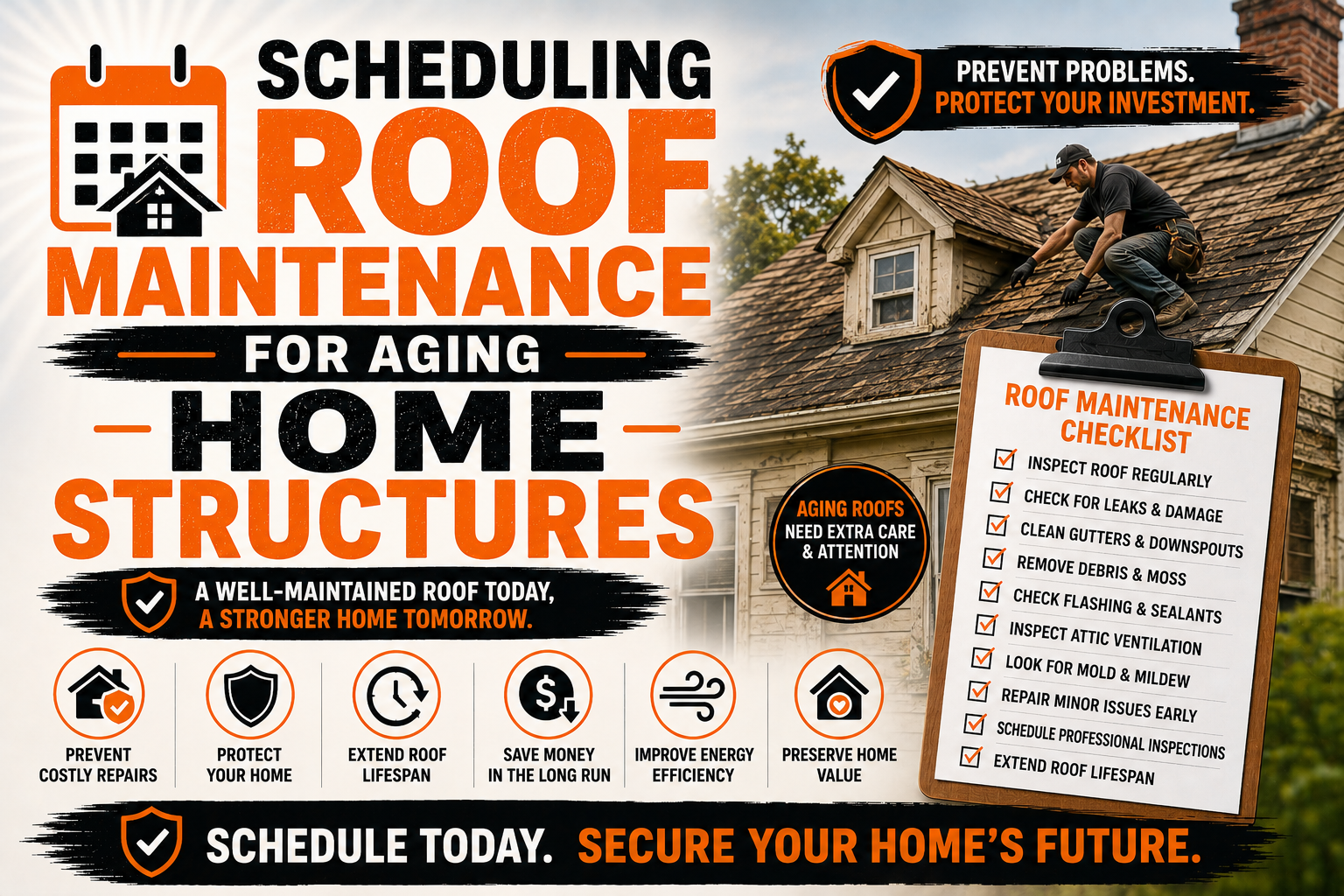
Scheduling Roof Maintenance for Aging Home Structures
Introduction
Every home changes with age, and the roof is one of the first parts of the structure to show the effects of time. Years of exposure to sunlight, rain, wind, fluctuating temperatures, and seasonal debris gradually reduce the strength and reliability of roofing materials. While this natural aging process cannot be stopped, it can be managed through a well planned roof maintenance schedule.
Many homeowners assume that a roof only needs attention when a leak appears or visible damage becomes obvious. Unfortunately, waiting until problems become noticeable often allows hidden issues to develop into costly repairs. Small cracks, loose flashing, clogged drainage systems, and worn roofing materials can remain undetected for months or even years before causing significant structural damage.
Older homes require a different maintenance approach than newer properties because both the roofing materials and the supporting structure have experienced decades of environmental stress. Wood framing may expand and contract repeatedly, sealants lose flexibility, fasteners weaken, and roofing components gradually approach the end of their expected service life. Routine inspections help identify these age related changes before they compromise the safety and performance of the roof.
Scheduling roof maintenance creates a proactive system rather than a reactive one. Instead of responding to emergencies after damage occurs, homeowners can monitor the condition of the roof at regular intervals and address minor concerns while repairs remain simple and affordable. This preventive approach protects the entire home while reducing the likelihood of unexpected expenses.
A structured maintenance schedule also provides peace of mind. Knowing that the roof is inspected consistently allows homeowners to better understand its condition, anticipate future maintenance needs, and budget for repairs before they become urgent. This level of planning becomes increasingly valuable as homes continue to age.
Regular maintenance benefits more than the roof alone. Properly maintained roofing systems protect insulation, ceilings, walls, electrical systems, and structural framing from moisture intrusion. By preserving the roof, homeowners safeguard nearly every major component beneath it.
This guide explores why scheduling roof maintenance is essential for aging home structures, how roofs naturally deteriorate over time, the factors that influence maintenance frequency, and the early warning signs that indicate professional attention may be needed. Understanding these principles allows homeowners to make informed decisions that extend roof lifespan while protecting the long term value of their property.
Understanding How Roofs Age
Every roof begins aging from the day it is installed. Even the highest quality roofing materials gradually experience wear as they are exposed to changing weather conditions throughout every season. Although aging occurs slowly, its effects accumulate over decades and eventually influence the performance of the entire roofing system.
Natural aging affects more than just shingles. Flashing, sealants, underlayment, roof decking, ventilation components, gutters, and structural framing all experience gradual deterioration. Each component ages at a different rate, making regular inspections essential for identifying problems before they spread throughout the roofing system.
Understanding how roofs age helps homeowners recognize that maintenance is not simply about fixing visible damage. It is about preserving every component that contributes to the roof’s ability to protect the home.
Natural Wear and Tear Over Time
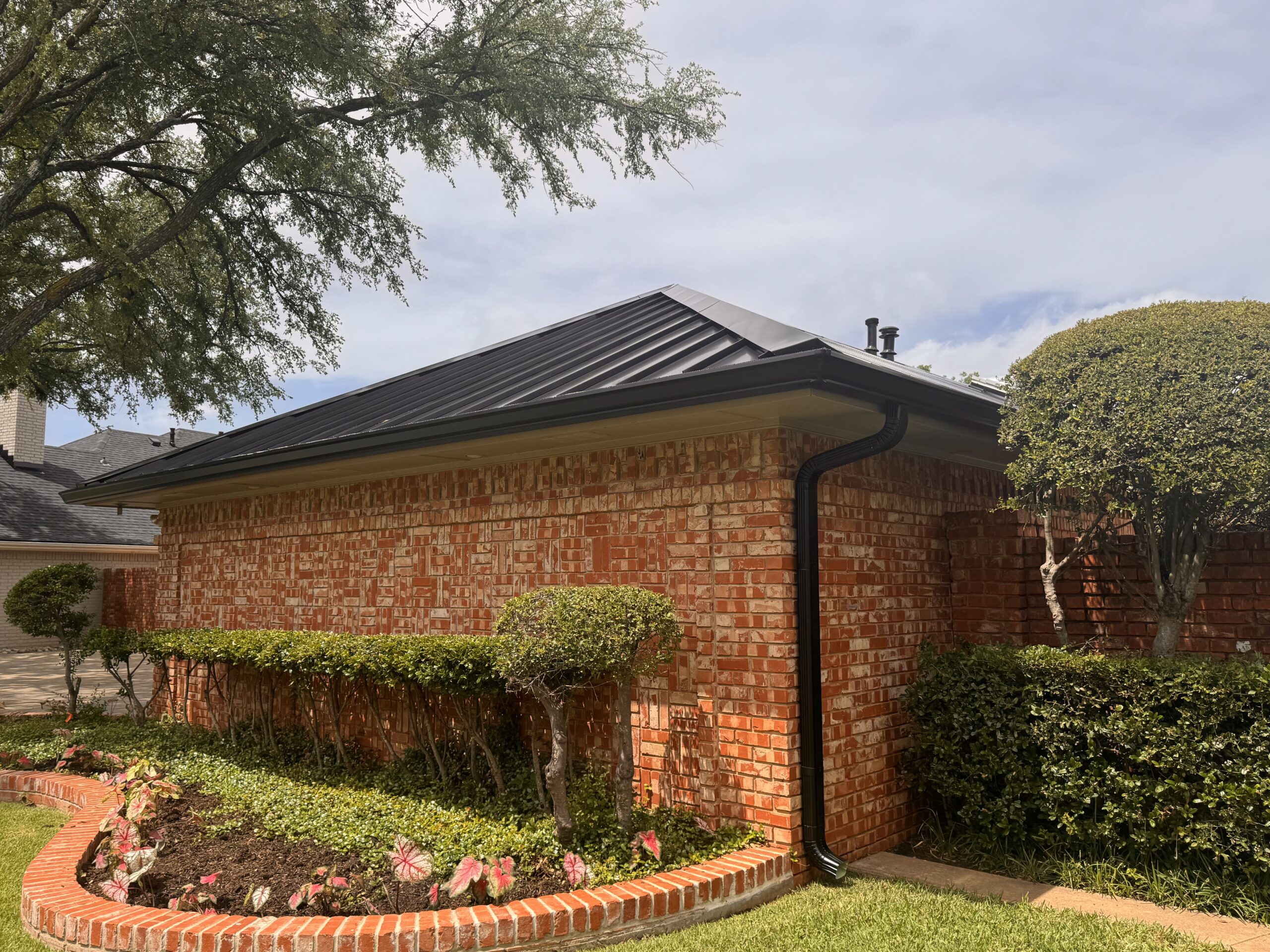
All roofing materials are designed to withstand years of environmental exposure, but no material lasts forever. Daily expansion and contraction caused by changing temperatures gradually weaken roofing components even when severe weather never occurs.
Sunlight slowly breaks down protective coatings, while repeated heating and cooling cause materials to become less flexible over time. Small changes that seem insignificant from year to year eventually accumulate into noticeable deterioration after decades of service.
Fasteners may loosen slightly as materials expand and contract through thousands of seasonal cycles. Sealants that once formed watertight barriers can become brittle, allowing moisture to enter vulnerable areas if maintenance is delayed.
These natural aging processes occur regardless of roof type. Routine maintenance simply helps identify them early enough for repairs to remain manageable.
The Effects of Weather Exposure
Weather is one of the primary forces responsible for roof aging. Every storm, heat wave, cold season, and windy day contributes a small amount of wear that gradually affects roofing materials throughout their lifespan.
Heavy rainfall repeatedly exposes shingles and flashing to moisture. Strong winds lift roofing materials slightly, increasing stress on fasteners and joints. Hail can create surface damage that weakens protective layers even when immediate leaks do not develop.
Ultraviolet radiation from sunlight represents another constant challenge. Continuous exposure slowly degrades roofing materials by reducing their flexibility and making them more susceptible to cracking as they age.
Snow and ice introduce additional stress by adding weight to the roof while increasing the likelihood of moisture infiltration during freeze and thaw cycles. Although these seasonal effects vary by climate, every region presents environmental conditions that influence roof longevity.
Aging Roofing Materials
Different roofing materials age at different rates depending on their composition, installation quality, and environmental exposure. Understanding these differences helps homeowners establish realistic maintenance expectations for their specific roof.
Asphalt shingles may gradually lose protective granules, reducing their ability to resist weather exposure. Metal roofing can develop corrosion if protective coatings become damaged. Clay and concrete tiles remain durable for many years but may crack under impact or shifting structural conditions.
Wood shingles naturally expand and contract with moisture changes, making regular inspections especially important. Synthetic roofing materials often resist weathering well but still require routine maintenance to protect surrounding components.
Regardless of the roofing material, aging eventually affects performance. Preventive maintenance slows this decline by addressing small problems before they compromise larger sections of the roof.
Changes in Structural Components
The roof structure beneath the visible roofing materials also experiences gradual aging. Rafters, trusses, decking, and support members respond continuously to changing environmental conditions.
Wood framing naturally expands during humid conditions and contracts as it dries. Over many years, these repeated movements may contribute to slight shifts that affect roof alignment and drainage patterns.
Roof decking can weaken if moisture repeatedly enters through damaged roofing materials. Even small amounts of water infiltration may gradually reduce structural strength when repairs are postponed.
Metal connectors and fasteners are equally important. Corrosion caused by prolonged moisture exposure may reduce their ability to hold structural components securely together.
Maintaining the structural elements of the roof requires identifying moisture problems early before deterioration spreads beyond the roofing surface.
Why Older Homes Require Different Maintenance Approaches
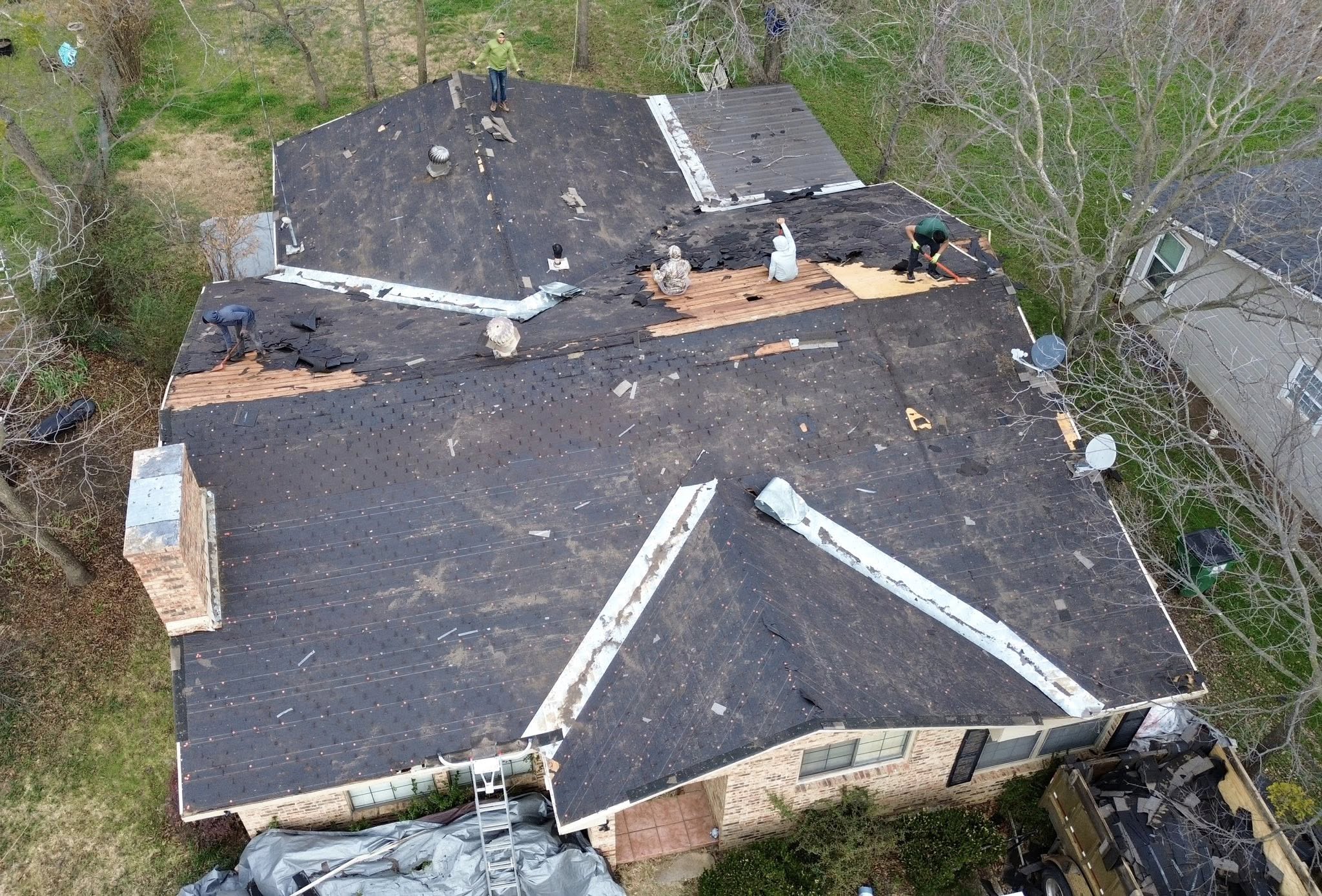
Homes that have stood for several decades often contain roofing systems that have experienced multiple repairs, renovations, and weather events. Maintenance for these homes involves more than checking for missing shingles because aging affects every layer of the roofing system.
Older homes may include original framing methods, outdated ventilation systems, or roofing materials that differ from modern construction standards. These characteristics require careful evaluation during inspections to ensure repairs remain compatible with the existing structure.
Maintenance schedules for aging homes also tend to become more frequent. As roofing materials approach the later stages of their service life, small problems develop more quickly and require prompt attention to prevent accelerated deterioration.
A proactive maintenance strategy allows homeowners to adapt their inspection routines as the roof ages rather than relying on the same schedule used during the roof’s earlier years.
Why Scheduling Roof Maintenance Is Essential
Scheduling roof maintenance provides structure and consistency that greatly improve the long term performance of an aging roofing system. Rather than depending on memory or reacting only after visible damage appears, homeowners create a routine that supports early problem detection and timely repairs.
Regular maintenance appointments also establish a documented history of the roof’s condition. This information becomes valuable when planning future repairs, evaluating replacement timelines, or preparing a home for sale.
The benefits of scheduled maintenance extend well beyond preventing leaks. They influence structural safety, financial planning, energy efficiency, and the overall lifespan of the home.
Preventing Expensive Repairs
One of the greatest advantages of scheduled roof maintenance is the ability to address small concerns before they develop into major structural problems. A loose piece of flashing or a damaged shingle may require only a simple repair when discovered early.
If left unattended, however, that same issue may allow water to enter the roof structure over many months. Moisture can spread into insulation, roof decking, framing, ceilings, and interior walls, significantly increasing repair costs.
Routine inspections reduce this risk by identifying vulnerable areas while repairs remain relatively straightforward. Preventive maintenance almost always costs less than restoring damage caused by prolonged water intrusion.
Preserving Structural Integrity
The roof serves as the home’s primary defense against environmental exposure. When roofing materials begin deteriorating, the structural components beneath them become increasingly vulnerable to moisture and weather damage.
Water entering through even a small opening may gradually weaken wood framing, promote fungal growth, and reduce the strength of load bearing components. These changes often remain hidden until extensive repairs become necessary.
Scheduled maintenance helps preserve structural integrity by identifying early warning signs before widespread deterioration develops. Consistent inspections provide an opportunity to reinforce vulnerable areas before they compromise the safety of the home.
Improving Household Safety
A deteriorating roof affects more than the building itself. Loose roofing materials, weakened structural components, and hidden moisture damage can create safety concerns for everyone living inside the home.
Water infiltration near electrical wiring increases potential hazards, while weakened roof framing may eventually affect structural stability if severe deterioration is ignored. Falling roofing materials during storms can also present risks around the property.
Routine maintenance reduces these dangers by ensuring roofing components remain secure and structural concerns receive prompt attention.
Supporting Property Value
The condition of the roof strongly influences both the appearance and market value of a home. Prospective buyers often view roof condition as one of the most important indicators of overall property maintenance.
A documented history of regular roof inspections and timely repairs demonstrates responsible ownership. Buyers gain greater confidence knowing the roof has been maintained consistently rather than neglected until major repairs became unavoidable.
Even homeowners who have no immediate plans to sell benefit from protecting property value through preventive roof maintenance.
Extending the Service Life of the Roof
Every roofing system has an expected lifespan, but actual performance depends heavily on maintenance. Two roofs installed on the same day using identical materials may age very differently depending on how consistently they are maintained.
Removing debris, repairing minor damage, maintaining ventilation, cleaning gutters, and replacing worn sealants all reduce unnecessary stress on roofing materials. These small maintenance activities collectively help the roof reach or even exceed its expected service life.
Extending roof lifespan delays the significant expense associated with complete roof replacement. Over the lifetime of an aging home, this represents one of the most valuable financial benefits of preventive maintenance.
Key Factors That Influence Roof Maintenance Frequency
No universal maintenance schedule works for every home. Several factors determine how often an aging roof should be inspected and maintained. Understanding these variables allows homeowners to create inspection schedules that match the specific needs of their property rather than relying on generic recommendations.
Roof Age
As roofs grow older, maintenance intervals generally become shorter. Roofing materials naturally become more susceptible to wear after years of environmental exposure, making regular inspections increasingly important.
A roof approaching the later portion of its expected lifespan often benefits from more frequent evaluations because age related deterioration can progress more rapidly than during earlier years.
Older roofs may also contain previous repairs that should be monitored periodically to ensure they continue performing effectively.
Roofing Material
Different roofing materials respond differently to weather, temperature changes, and natural aging. Some materials require more frequent inspections because of their design characteristics or maintenance needs.
Understanding the expected performance of a specific roofing material helps homeowners establish realistic maintenance schedules while planning future repairs more effectively.
Local Climate
Climate has a direct influence on how quickly roofing materials age. Homes located in regions with heavy rainfall, strong winds, intense sunlight, snowfall, or high humidity often require more frequent maintenance than properties exposed to milder weather conditions.
Seasonal weather patterns should also influence inspection timing. Scheduling maintenance before and after periods of severe weather allows homeowners to identify damage while repairs remain manageable.
Previous Repair History
A roof that has experienced multiple repairs deserves closer monitoring because repaired areas may respond differently to future weather exposure than original roofing materials.
Inspecting previous repair locations during routine maintenance helps verify that earlier work continues protecting the roof effectively.
Tree Coverage and Surrounding Environment
Large trees provide valuable shade but also introduce maintenance challenges for aging roofs. Falling branches, leaves, seed pods, and accumulated organic debris increase the likelihood of clogged gutters and moisture retention.
Homes surrounded by mature landscaping often benefit from more frequent roof inspections to ensure debris does not interfere with drainage or ventilation.
Early Warning Signs That an Aging Roof Needs Attention
Recognizing early warning signs allows homeowners to schedule maintenance before small concerns become major structural repairs. Aging roofs often provide subtle indicators that maintenance is needed long before serious leaks develop.
Some warning signs appear outside the home, while others become visible inside the attic or living spaces. Paying attention to these changes helps preserve roof performance while reducing long term repair costs.
Common indicators include:
- Missing, cracked, curled, or damaged shingles.
- Sagging areas along the roofline.
- Water stains on ceilings or interior walls.
- Moss, algae, or excessive debris accumulation.
- Damaged flashing around chimneys, vents, and skylights.
- Clogged gutters causing water to back up onto the roof.
- Daylight visible inside the attic through roof openings.
- Persistent musty odors or signs of attic moisture.
These warning signs should never be ignored, even if no active leak is immediately visible. Early maintenance often prevents much larger structural problems from developing over time.
Creating a Roof Maintenance Schedule
A roof maintenance schedule provides structure that helps homeowners care for aging roofing systems before problems become emergencies. Rather than relying on memory or waiting until damage becomes visible, a planned schedule ensures inspections and maintenance occur at appropriate intervals throughout the year. This proactive approach reduces unexpected repair costs while improving the long term reliability of the roof.
Every maintenance schedule should remain flexible enough to account for weather conditions, the roof’s age, and any previous repair history. Homes located in regions with severe storms, heavy snowfall, or high humidity may require additional inspections beyond the standard schedule. The goal is to identify developing issues early instead of reacting after damage has already spread.
Creating a consistent routine also makes budgeting easier. Homeowners can plan for routine maintenance expenses while reducing the likelihood of unexpected emergency repairs that often cost significantly more.
Seasonal Inspection Timeline
Each season affects the roof differently, making year round inspections an important part of maintaining older homes. Instead of completing one annual inspection, dividing maintenance into seasonal visits allows homeowners to respond to changing environmental conditions before they cause long term damage.
Spring is an excellent time to inspect the roof after winter weather has passed. Ice, snow, strong winds, and fluctuating temperatures may leave behind damaged shingles, loose flashing, or clogged gutters that require attention before spring rainfall increases.
Summer inspections focus on heat related wear. High temperatures, prolonged sunlight, and expanding roofing materials can reveal weaknesses that were not visible during cooler months. This is also an ideal time to examine roof ventilation and attic temperatures.
Autumn maintenance prepares the roof for winter by removing leaves, cleaning gutters, and ensuring drainage systems remain unobstructed. Inspecting seals, flashing, and roof penetrations before colder weather arrives helps reduce the risk of winter leaks.
Winter inspections should generally be limited to safe visual observations from the ground unless professional assistance is required. Homeowners can monitor for signs of snow accumulation, ice related issues, or interior water stains that may indicate developing roof problems.
Annual Professional Inspections
While homeowner inspections provide valuable observations, professional roof inspections remain an important part of maintaining aging home structures. Experienced roofing contractors can identify subtle issues that may not be visible to someone without specialized training.
Professional inspections often include a thorough evaluation of shingles, flashing, underlayment, roof decking, ventilation, drainage systems, and structural components. Contractors may also identify minor repairs that prevent more extensive deterioration later.
Scheduling a professional inspection once each year provides an opportunity to evaluate the roof’s overall condition while establishing maintenance priorities for the coming months.
Maintenance After Severe Weather
Storms frequently accelerate roof deterioration even when obvious damage is not immediately visible. Strong winds can loosen shingles, hail may create impact damage, and heavy rainfall can expose weaknesses in flashing or drainage systems.
After severe weather passes, homeowners should inspect the roof from the ground whenever conditions are safe. Looking for displaced shingles, fallen branches, damaged gutters, or visible debris provides an early indication of whether additional evaluation is needed.
Professional inspections become especially valuable following major storms because some damage may remain hidden beneath roofing materials. Early identification prevents minor storm damage from developing into larger structural problems.
Recording Maintenance History
Maintaining written records helps homeowners understand how the roof changes over time. Inspection dates, completed repairs, contractor reports, and photographs create a valuable maintenance history that supports future decision making.
Documentation also makes it easier to identify recurring issues. If the same section of the roof repeatedly requires repairs, homeowners can investigate underlying causes instead of addressing only the visible symptoms.
Maintenance records may also prove beneficial during insurance claims or property sales. A documented history demonstrates consistent roof care and responsible homeownership.
Essential Roof Maintenance Tasks
A successful maintenance schedule includes more than inspections alone. Routine maintenance activities preserve the condition of roofing materials while reducing the environmental stresses that accelerate aging.
Many of these tasks require relatively little time but provide significant long term benefits. Performing them consistently helps extend roof lifespan while reducing repair costs.
Cleaning Gutters and Downspouts
Gutters direct rainwater safely away from the roof and foundation. When leaves, twigs, or other debris accumulate inside the gutter system, water can overflow and remain in contact with roofing materials longer than intended.
Persistent moisture increases the likelihood of wood rot, damaged fascia boards, and water infiltration beneath shingles. During colder months, clogged gutters may also contribute to ice related drainage problems.
Cleaning gutters regularly allows rainwater to flow freely while reducing unnecessary moisture exposure across the roofing system.
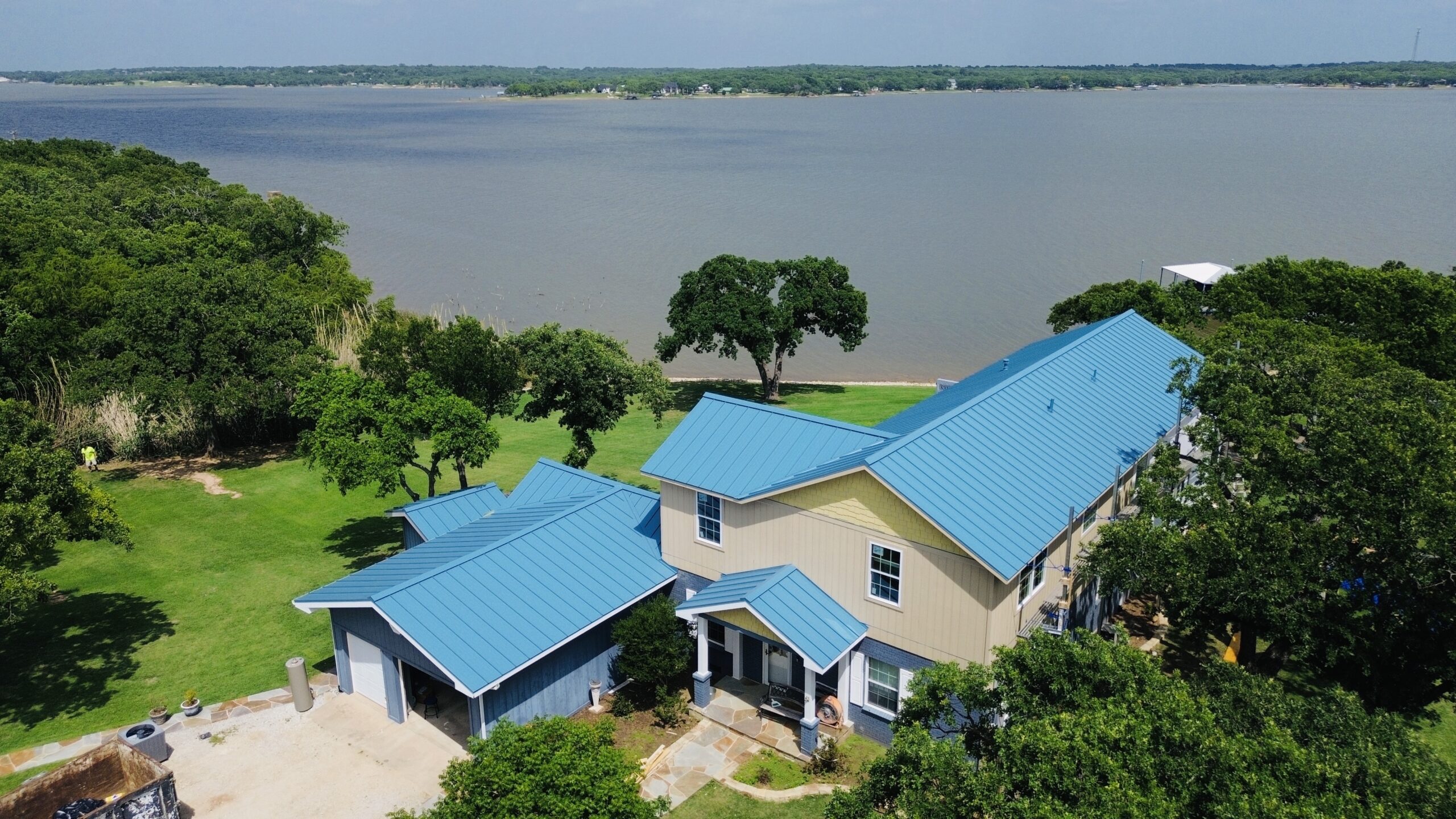
Removing Roof Debris
Leaves, branches, pine needles, and other organic debris naturally collect on many roofs throughout the year. While these materials may appear harmless, they often trap moisture against roofing surfaces for extended periods.
Excessive debris can also block drainage pathways and encourage moss or algae growth. Removing accumulated material helps roofing components dry more quickly after rainfall while making routine inspections easier.
Homeowners should avoid using methods that may damage roofing materials. Soft tools and careful techniques help protect shingles while effectively removing debris.
Inspecting Flashing
Flashing protects vulnerable roof intersections where water is more likely to enter. Chimneys, skylights, roof valleys, vents, and wall connections all depend on properly installed flashing to remain watertight.
Over time, flashing may loosen, corrode, or separate from surrounding roofing materials. Even small gaps can allow moisture to enter the roof structure during heavy rainfall.
Routine flashing inspections help identify these issues before significant water damage develops beneath the roofing surface.
Checking Roof Ventilation
Roof ventilation plays a critical role in preserving aging roofing systems by controlling attic temperature and moisture levels. Poor ventilation accelerates deterioration of roofing materials while increasing the likelihood of mold, wood rot, and insulation damage.
Maintenance should include verifying that intake and exhaust vents remain free from obstructions. Leaves, nests, dust, and insulation can gradually reduce airflow if inspections are neglected.
Balanced ventilation supports the overall health of the roofing system while improving indoor comfort and energy efficiency.
Monitoring Attic Conditions
The attic often provides early evidence of roofing problems before exterior symptoms become obvious. Moisture stains, mold growth, damp insulation, unusual odors, or visible daylight may indicate developing roof issues.
Regular attic inspections also help homeowners evaluate ventilation performance and identify leaks before they spread into living spaces.
Even brief attic observations several times each year can reveal valuable information about the roof’s overall condition.
Trimming Nearby Trees
Trees located close to the roof require regular maintenance because overhanging branches create several potential hazards. Falling limbs may damage shingles, while leaves and seed pods contribute to clogged gutters and roof debris accumulation.
Branches rubbing against roofing materials during windy conditions gradually wear away protective surfaces. Keeping trees properly trimmed reduces physical damage while improving sunlight exposure that helps roofs dry more efficiently after rainfall.
Professional tree maintenance may be appropriate when large branches extend directly above the roof structure.
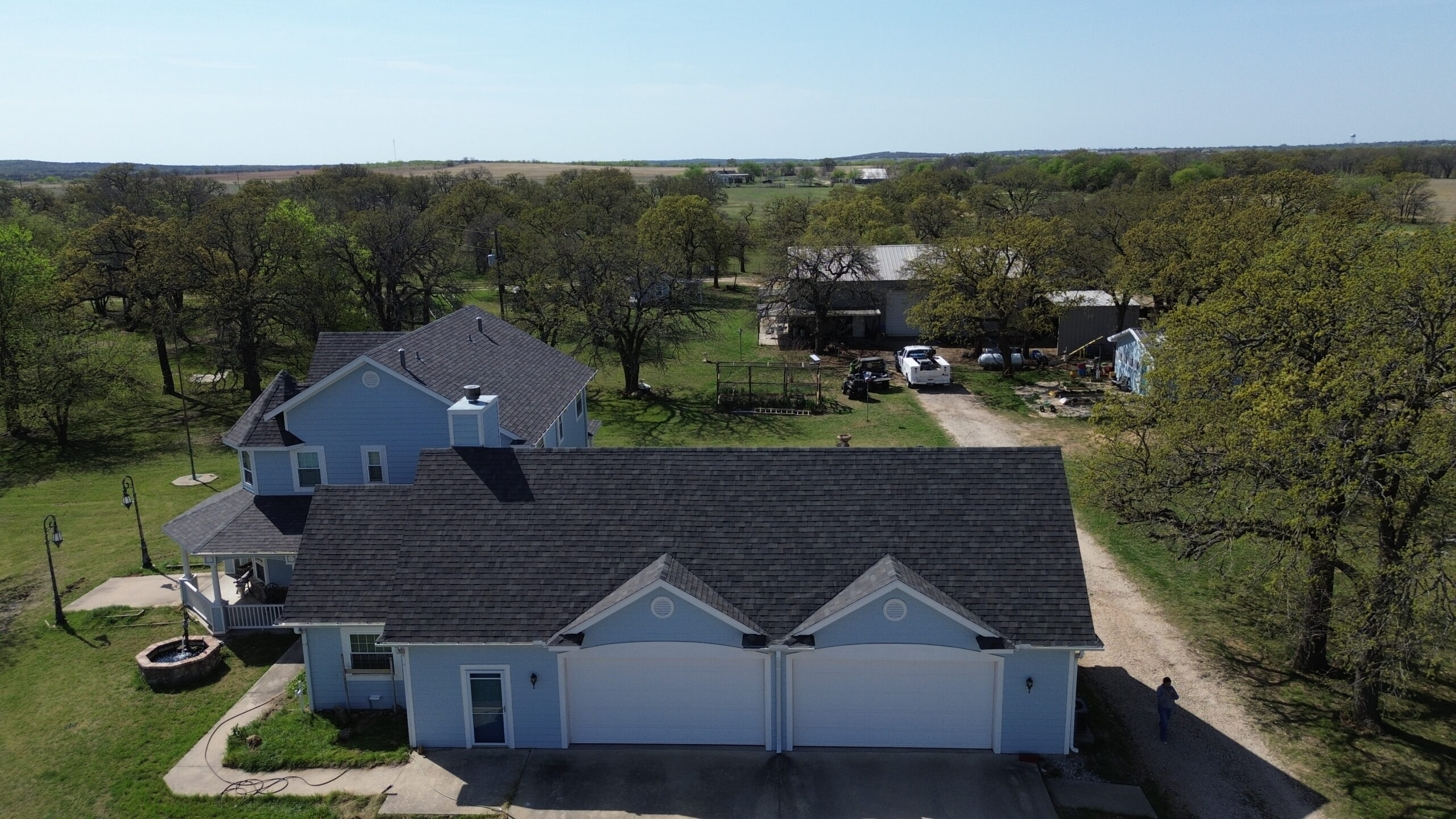
Inspection Checklist for Aging Roofs
A structured inspection checklist helps homeowners evaluate every important roofing component without overlooking areas that commonly develop age related problems. Consistently reviewing each component improves maintenance quality while supporting early problem detection.
| Roof Component | What to Inspect | Common Problems | Recommended Action |
|---|---|---|---|
| Shingles | Cracks, curling, missing pieces | Weather damage, aging | Replace damaged shingles promptly |
| Flashing | Loose edges, corrosion, gaps | Water intrusion | Repair or reseal affected areas |
| Gutters | Debris, standing water, loose brackets | Overflow, drainage issues | Clean and secure gutters |
| Roof Vents | Blockages, damaged covers | Reduced airflow | Clean or replace damaged vents |
| Roof Valleys | Debris accumulation, worn materials | Water pooling | Remove debris and inspect closely |
| Chimneys and Skylights | Seal condition, flashing integrity | Moisture penetration | Repair flashing and seals if needed |
| Attic | Moisture, mold, insulation condition | Hidden leaks | Investigate and repair moisture sources |
Using a checklist during every inspection creates consistency while making it easier to compare roof conditions over time. Small changes become more noticeable when inspections follow the same organized process each season.
Common Maintenance Mistakes Homeowners Make
Many roofing problems become expensive not because repairs are difficult but because maintenance mistakes allow minor issues to continue developing for long periods. Avoiding these common errors significantly improves roof longevity.
One of the most frequent mistakes is ignoring small leaks because they appear insignificant. Even a slow drip can introduce moisture into insulation, framing, and ceilings where hidden damage gradually spreads.
Another common error involves postponing repairs until multiple problems develop simultaneously. Delayed maintenance often increases repair complexity while allowing otherwise simple issues to affect larger sections of the roofing system.
Some homeowners also walk across the roof unnecessarily during inspections or cleaning. Excessive foot traffic may damage aging shingles, particularly during hot weather when roofing materials become more flexible.
Skipping attic inspections is another overlooked mistake. Many moisture problems become visible inside the attic long before leaks appear inside living spaces.
Finally, some homeowners assume that if the roof appears undamaged from the ground, no maintenance is necessary. Unfortunately, many age related roofing problems begin beneath the surface where they remain hidden until deterioration becomes advanced.
When to Call a Roofing Professional
Routine homeowner maintenance plays an important role in preserving aging roofs, but certain situations require professional expertise. Knowing when to seek assistance prevents small concerns from developing into major structural repairs.
Professional roofers possess the equipment, experience, and safety training needed to evaluate roofing systems thoroughly. They can identify hidden damage while recommending repairs that address underlying causes rather than temporary symptoms.
Homeowners should consider professional assistance when they notice:
- Persistent roof leaks or recurring water stains.
- Sagging sections of the roof structure.
- Widespread shingle deterioration.
- Damaged flashing around chimneys or skylights.
- Storm related roof damage.
- Excessive attic moisture or mold.
- Signs of structural movement.
- Roofs approaching the end of their expected service life.
Seeking professional guidance early often reduces repair costs while preserving the structural integrity of the home. Roofing specialists can also help homeowners develop maintenance plans that match the specific condition and age of the roof.
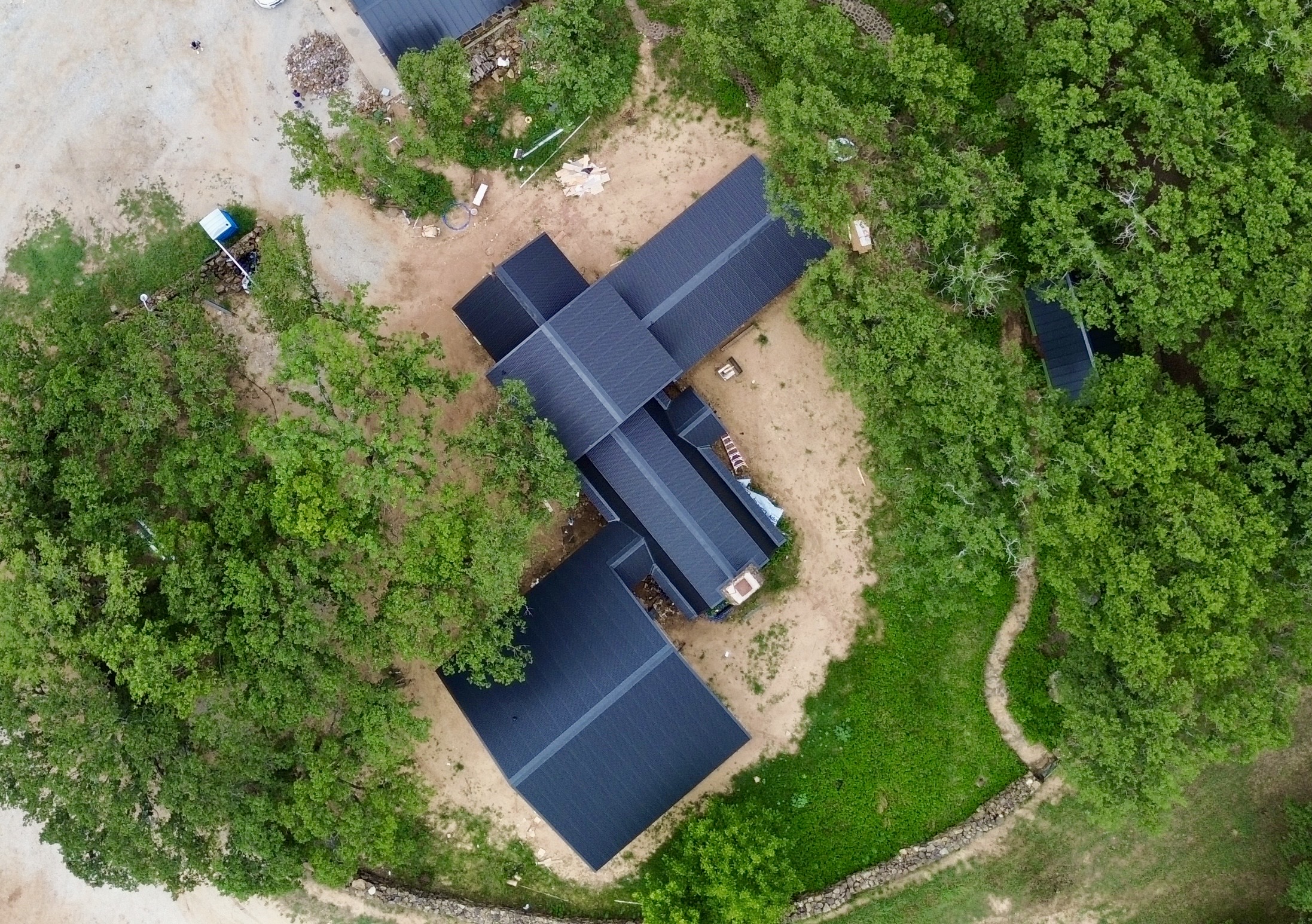
Long Term Roof Maintenance Strategies
Maintaining an aging roof requires more than completing inspections every few months. Long term success depends on developing habits that consistently protect the roofing system throughout every stage of its life. As homes become older, preventive maintenance becomes increasingly valuable because small problems can progress more quickly than they did when the roof was new.
A well maintained roof is rarely the result of one major repair. Instead, it reflects years of routine inspections, timely maintenance, and thoughtful planning that prevent minor concerns from becoming structural failures. Homeowners who take a long term approach often experience fewer emergencies, lower repair costs, and greater confidence in the condition of their property.
Building an effective maintenance strategy also helps homeowners prepare financially for future roofing needs. Instead of facing unexpected expenses, they can schedule repairs and upgrades according to the roof’s condition and remaining service life.
Developing a Yearly Maintenance Calendar
One of the most effective ways to protect an aging roof is by creating a maintenance calendar that outlines important inspection dates and seasonal tasks. A planned schedule reduces the chances of overlooking essential maintenance during busy periods of the year.
The calendar should include seasonal inspections, gutter cleaning, attic evaluations, tree trimming, and professional roof assessments. Recording completed tasks provides a clear maintenance history while making it easier to identify recurring issues.
Reviewing the maintenance calendar at the beginning of each season helps homeowners prepare for changing weather conditions. This simple habit ensures the roof receives attention before harsh environmental conditions create additional stress.
Budgeting for Roof Upkeep
Routine roof maintenance is generally far more affordable than emergency repairs or complete roof replacement. Setting aside a small maintenance budget each year allows homeowners to address problems promptly instead of postponing repairs because of unexpected costs.
Budget planning should include routine inspections, gutter cleaning, minor repairs, flashing replacement, sealant renewal, and occasional professional evaluations. These predictable expenses help reduce the financial impact of future maintenance.
Larger repair projects become easier to manage when homeowners understand the roof’s condition through regular inspections. Instead of responding to emergencies, they can prioritize repairs according to urgency and available resources.
Planning Repairs Before Emergencies
Emergency roof repairs often occur during severe weather when roofing contractors are in high demand. Waiting until damage becomes urgent may increase repair costs while exposing the home to additional water intrusion.
Scheduling repairs after routine inspections allows contractors to complete work under safer conditions and gives homeowners time to compare repair options. Planned maintenance also reduces the likelihood of temporary repairs that require additional work later.
Addressing minor issues early protects surrounding roofing components from unnecessary damage. A single loose shingle or small flashing defect is much easier to repair before moisture reaches the roof decking or structural framing.
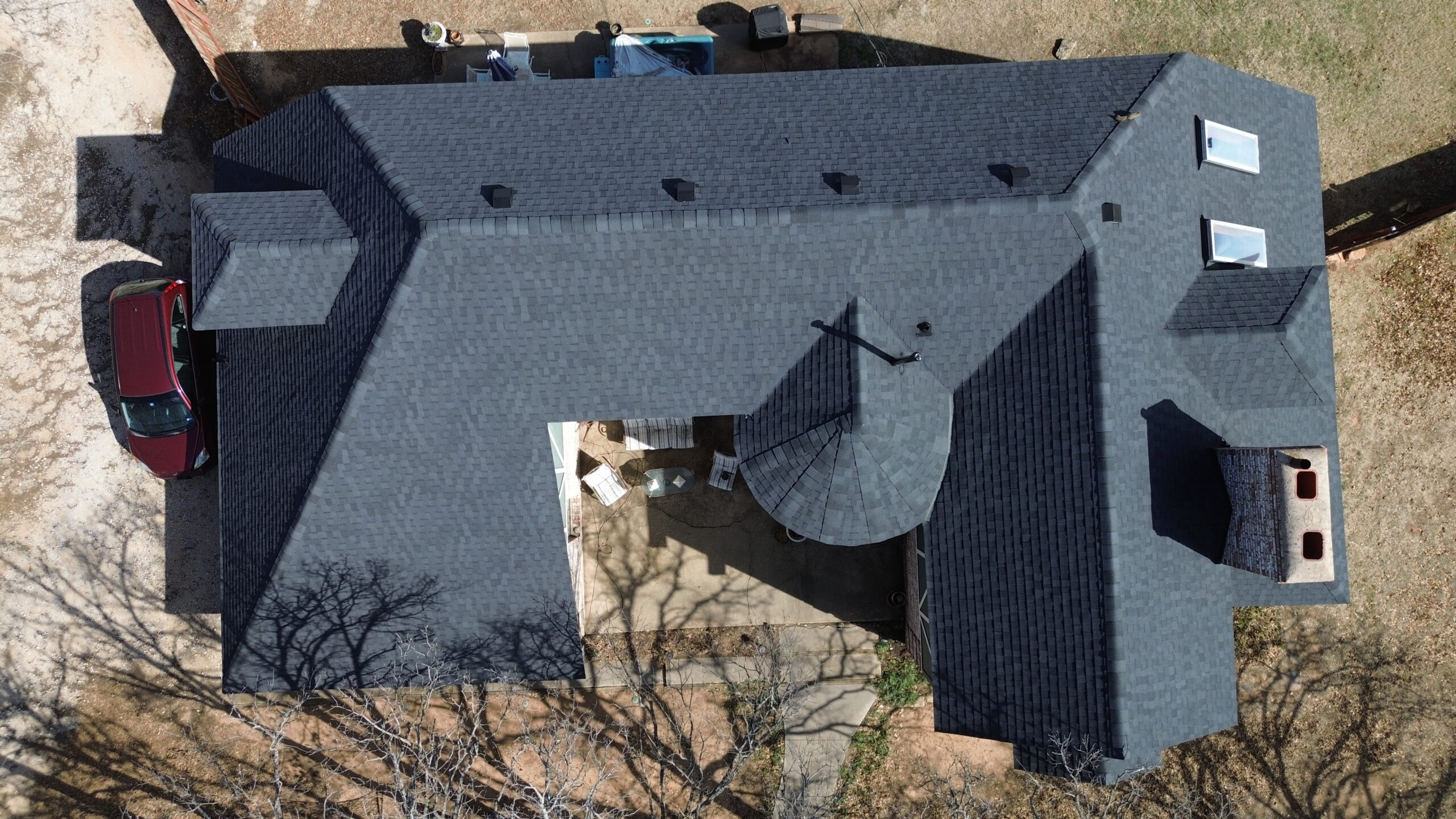
Replacing Worn Components Proactively
Not every aging roof requires complete replacement. In many cases, replacing individual components before they fail helps preserve the overall roofing system for many additional years.
Sealants, flashing, vent covers, pipe boots, and damaged shingles are examples of components that can often be replaced individually during routine maintenance. Keeping these parts in good condition reduces stress on the surrounding roofing materials.
Proactive replacement also provides opportunities to upgrade older materials with more durable alternatives. Modern roofing products often offer improved weather resistance and longer service lives than materials installed decades earlier.
How Maintenance Extends Roof Lifespan
Every maintenance task contributes to the long term health of the roofing system. Although individual inspections or repairs may appear small, their combined effect significantly influences how long the roof continues performing effectively.
Preventive maintenance slows the natural aging process by reducing the environmental stresses that gradually weaken roofing materials. Instead of allowing damage to accumulate unchecked, homeowners intervene before deterioration spreads throughout the structure.
The result is a roof that remains dependable for a longer period while requiring fewer major repairs.
Reducing Moisture Damage
Water is one of the most destructive forces affecting aging roofs. Even small leaks allow moisture to penetrate roofing layers where it may damage insulation, wood framing, ceilings, and interior finishes.
Routine inspections identify damaged shingles, deteriorated flashing, and clogged drainage systems before water infiltration becomes widespread. Prompt repairs keep moisture on the exterior where the roofing system is designed to manage it.
Maintaining proper drainage is equally important. Clean gutters and downspouts direct rainwater away from the roof, reducing prolonged moisture exposure that accelerates deterioration.
Preventing Structural Deterioration
The structural framework beneath the roof depends on remaining dry and properly supported throughout its lifespan. Moisture, prolonged loading, and neglected repairs gradually weaken structural components when maintenance is delayed.
Regular inspections help identify sagging areas, weakened decking, deteriorated framing, or damaged fasteners before structural integrity becomes compromised. Correcting these issues early preserves the strength of the entire roofing system.
Protecting structural components also improves household safety by reducing the risk of significant roof failures during severe weather.
Improving Energy Efficiency
A properly maintained roof supports better energy performance by preserving insulation, ventilation, and weather resistant barriers. Damaged roofing materials often allow heat and moisture to affect the attic, increasing the workload placed on heating and cooling systems.
Routine maintenance helps ensure roof ventilation remains unobstructed while insulation stays dry and effective. Together, these components contribute to more consistent indoor temperatures throughout the year.
Improved energy efficiency not only lowers utility costs but also enhances indoor comfort for everyone living in the home.
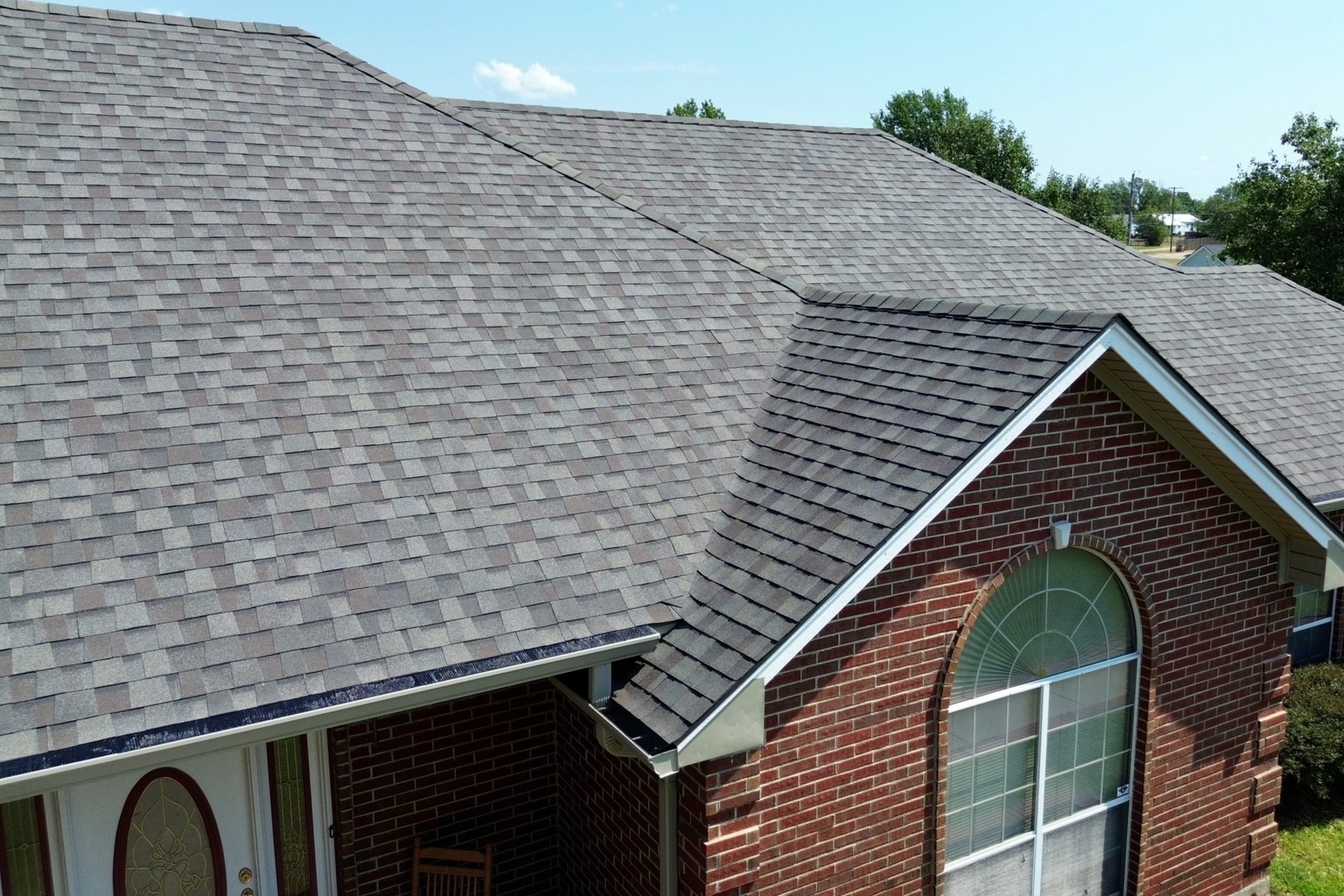
Protecting Insulation and Ventilation
Roof maintenance and attic maintenance are closely connected because problems in one area frequently affect the other. A small roof leak may gradually saturate insulation, reducing its ability to regulate indoor temperatures.
Similarly, blocked ventilation allows moisture to accumulate inside the attic, increasing the likelihood of mold growth and wood deterioration. Maintaining both roofing materials and ventilation components creates a healthier environment beneath the roof.
Protecting insulation and ventilation also extends the lifespan of many roofing components by reducing excessive heat and humidity throughout the year.
Annual Roof Maintenance Checklist
Following a consistent yearly routine makes roof maintenance more manageable and reduces the likelihood of overlooking important tasks. This checklist provides a practical framework that homeowners can adapt according to the age, condition, and design of their roof.
- Inspect the roof during spring to identify damage caused by winter weather.
- Clean gutters and downspouts to maintain proper drainage.
- Remove leaves, branches, and debris from the roof surface.
- Examine shingles for cracks, curling, or missing sections.
- Inspect flashing around chimneys, vents, skylights, and roof valleys.
- Check attic spaces for moisture, mold, unusual odors, or water stains.
- Verify that roof ventilation remains clear and unobstructed.
- Trim tree branches that extend over the roof.
- Schedule a professional roof inspection at least once each year.
- Complete recommended repairs promptly and update maintenance records.
Following these steps consistently helps homeowners maintain a clear understanding of their roof’s condition while reducing the likelihood of expensive emergency repairs.
Frequently Asked Questions About Roof Maintenance for Older Homes
Homeowners often have questions about how maintenance changes as roofs age. Understanding these common concerns helps create realistic expectations while supporting better maintenance decisions.
How Often Should an Aging Roof Be Inspected?
Most aging roofs benefit from homeowner inspections during spring and autumn, along with a professional inspection at least once each year. Additional evaluations are recommended after severe storms or whenever signs of damage become visible.
Older roofs nearing the end of their expected lifespan may require more frequent inspections because deterioration often progresses more rapidly during later years.
Can Regular Maintenance Delay Roof Replacement?
Maintenance cannot prevent every roof from eventually reaching the end of its service life. However, regular inspections and timely repairs often allow roofing materials to perform closer to their intended lifespan.
Addressing minor issues before they spread reduces unnecessary wear on surrounding components, helping many roofs remain functional for longer than neglected systems.
What Maintenance Tasks Can Homeowners Safely Perform?
Many routine tasks can be completed safely from the ground or within the attic. Cleaning gutters, removing debris from accessible areas, checking attic conditions, and performing visual inspections are common examples.
Homeowners should avoid climbing onto steep or damaged roofs without proper safety equipment. Professional assistance is recommended whenever inspections involve significant height or structural concerns.
When Is Roof Replacement More Practical Than Repair?
Repair remains appropriate when damage is localized and the overall roofing system remains structurally sound. However, repeated repairs across multiple roof sections may eventually become less cost effective than replacement.
Professional evaluations help determine whether continued repairs provide good value or whether replacing the roof offers a more reliable long term solution.
The Value of Consistent Documentation
Maintaining accurate maintenance records is one of the simplest yet most valuable habits homeowners can develop. Inspection reports, photographs, contractor invoices, and repair dates create a detailed history of the roof’s condition over time.
Documentation allows homeowners to monitor recurring issues, evaluate how previous repairs have performed, and plan future maintenance more effectively. It also helps contractors understand the roof’s history, leading to more informed repair recommendations.
Well organized records may also benefit homeowners during insurance claims or property sales. A documented maintenance history demonstrates responsible ownership and provides confidence that the roof has received consistent care throughout its lifespan.
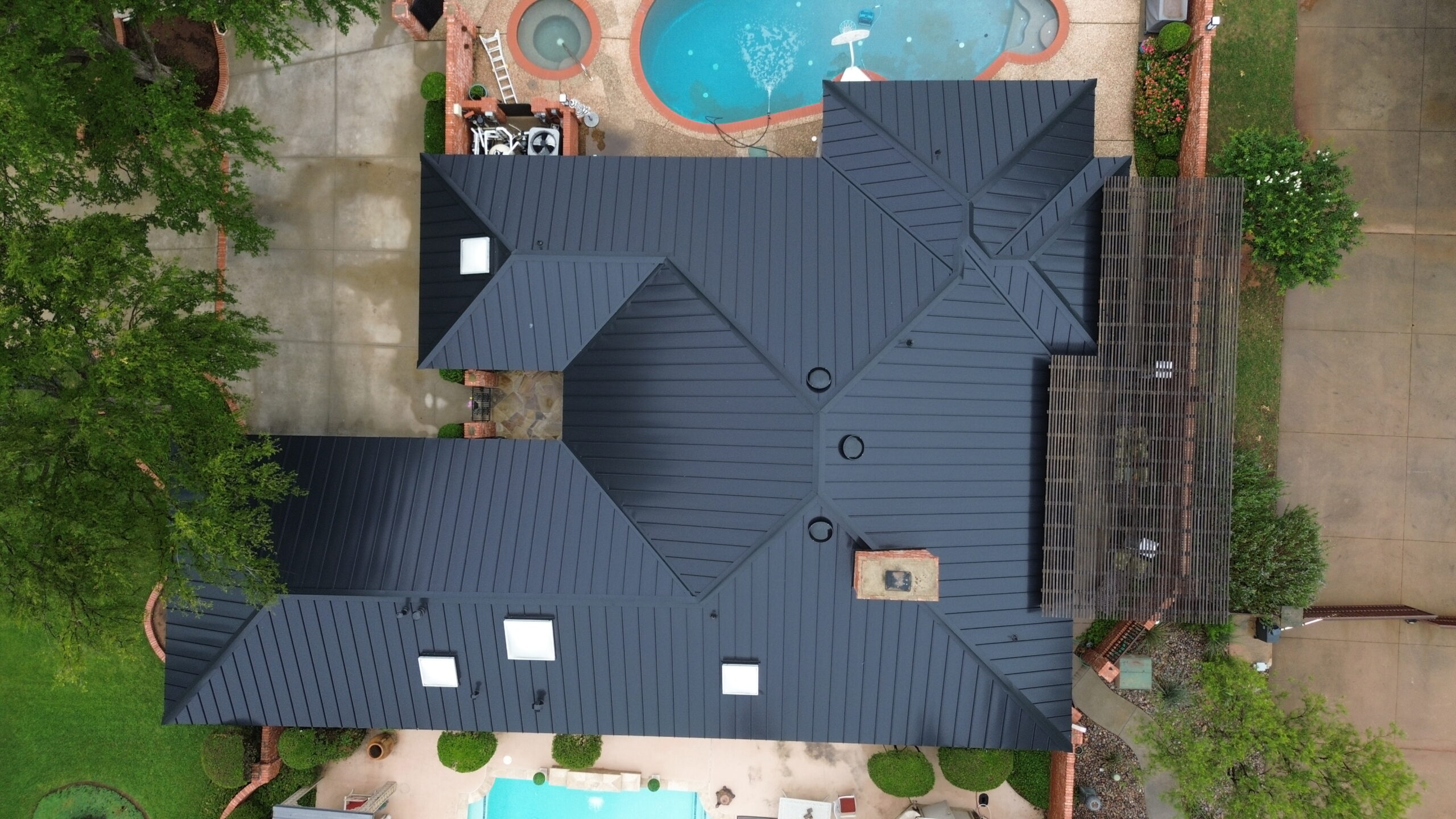
Final Thoughts on Protecting Aging Home Structures
Aging homes possess unique character and lasting value, but they also require thoughtful maintenance to remain safe and dependable. The roof serves as the home’s primary protective barrier, shielding every room and structural component from changing weather conditions throughout the year.
Scheduling regular maintenance transforms roof care from a reactive process into a preventive strategy. Instead of responding to emergencies, homeowners gain the opportunity to monitor roof performance, correct developing issues early, and preserve valuable building materials.
Every inspection, cleaning, and timely repair contributes to the long term stability of the home. These small efforts accumulate over the years, reducing repair costs while helping the roof continue protecting the property through every season.
Consistent maintenance also strengthens the relationship between homeowners and their property. Understanding the roof’s condition allows for better planning, informed financial decisions, and greater confidence that the home will remain protected for years to come.
Conclusion
Scheduling roof maintenance for aging home structures is one of the most effective ways to preserve both the roof and the home it protects. As roofing materials naturally age, regular inspections, preventive maintenance, and timely repairs become increasingly important for preventing structural damage and extending roof lifespan.
A well planned maintenance schedule allows homeowners to identify problems early, maintain proper drainage and ventilation, protect insulation, and preserve the structural integrity of the roofing system. Rather than waiting for leaks or visible deterioration, proactive maintenance keeps small concerns from becoming costly repairs.
Whether the roof is approaching the middle of its service life or has protected the home for decades, consistent care provides measurable long term benefits. Routine inspections, professional evaluations, careful record keeping, and prompt maintenance all work together to improve safety, protect property value, and reduce unexpected expenses.
By making roof maintenance a regular part of homeownership, aging home structures can continue providing reliable protection for many years. A proactive approach not only extends the life of the roof but also safeguards the comfort, security, and long term value of the entire property.