
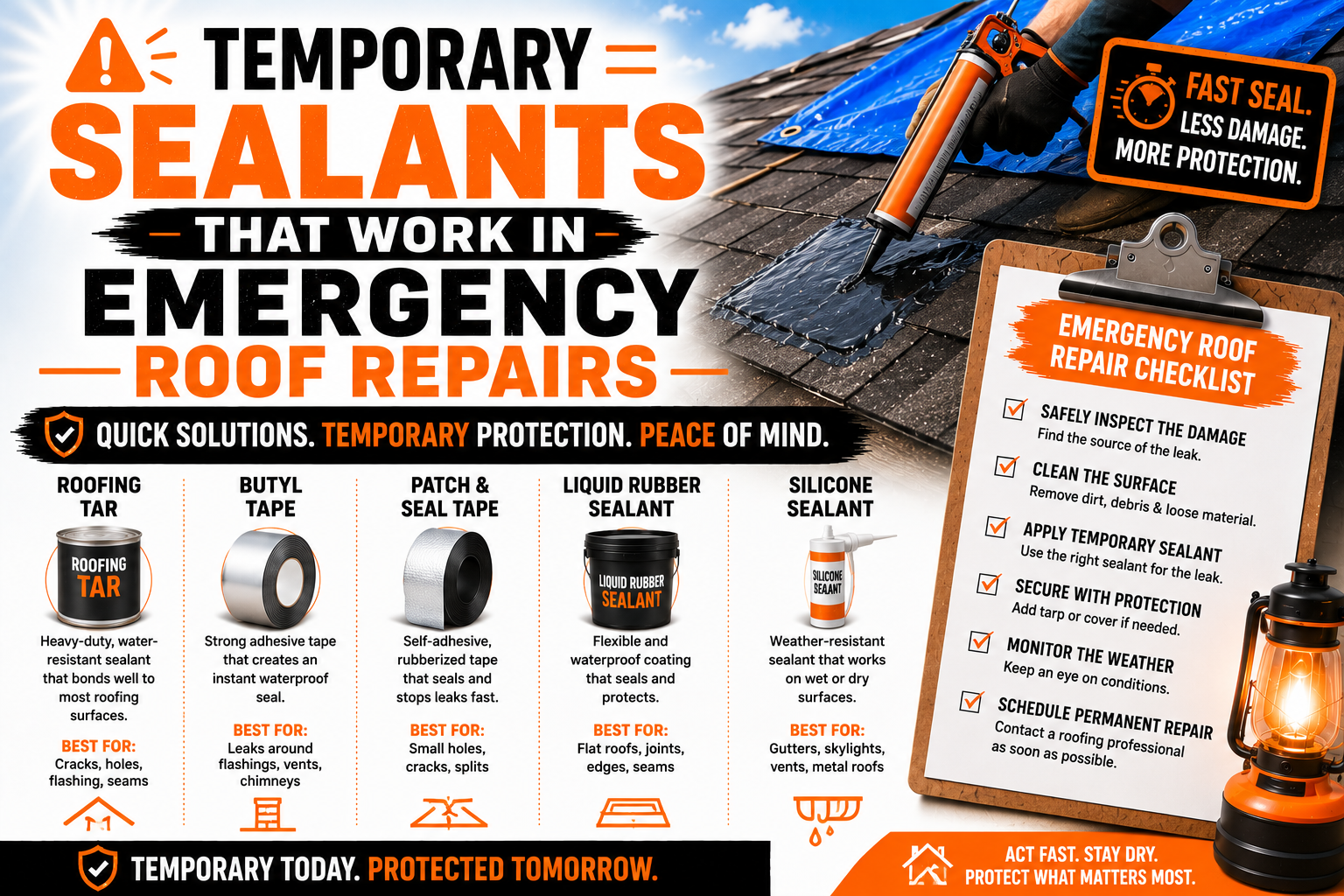
Temporary Sealants That Work in Emergency Roof Repairs
Introduction
Roof leaks rarely happen at a convenient time. They often occur during severe storms, after high winds, or following unexpected damage from falling tree limbs and debris. When water starts entering a home, every passing minute increases the risk of structural damage, ruined belongings, and expensive repairs.
Although a permanent roof repair is always the best solution, it is not always possible immediately. Severe weather, contractor availability, and unsafe roof conditions can delay repairs for several hours or even several days. During that time, temporary roof sealants become an essential tool for reducing water intrusion and protecting the property from further damage.
Temporary sealants are designed to provide short term protection rather than permanently fix a damaged roof. When used correctly, they can slow or completely stop active leaks until professional repairs are completed. Choosing the right product and applying it properly can make a significant difference in limiting interior water damage and preventing secondary issues such as mold growth and wood rot.
Many homeowners believe all waterproof products work the same way, but that is far from true. Different roofing materials require different sealants, and weather conditions can greatly affect how well those products perform. Understanding these differences helps homeowners make better decisions during stressful emergency situations.
This guide explains which temporary roof sealants work best, when they should be used, and how to apply them safely. It also covers common mistakes that reduce their effectiveness, helping homeowners protect their property while preparing for permanent roof restoration.
Why Temporary Roof Sealants Matter During Emergencies
Emergency roof sealants are valuable because they provide immediate protection when a roof has been compromised. They create a temporary waterproof barrier over damaged areas, reducing the amount of rainwater that enters the home until permanent repairs can be made.
Water intrusion can spread much farther than many homeowners expect. Rainwater often travels beneath shingles, across roof decking, through insulation, and along framing before becoming visible inside the home. By the time a ceiling stain appears, moisture may already have affected multiple structural components.
Applying a temporary sealant quickly helps interrupt this process. Even though the repair is not permanent, reducing additional water entry limits the amount of structural damage and makes the final restoration much less extensive.
Temporary sealants also protect interior finishes and household belongings. Furniture, flooring, drywall, insulation, and electrical systems are all vulnerable to prolonged water exposure. Preventing additional rainfall from entering the building reduces repair costs and shortens the overall restoration timeline.
Another important benefit is flexibility. Roofing contractors are often extremely busy after major storms, and temporary repairs allow homeowners to stabilize the situation while waiting for professional assistance. This extra layer of protection can prevent a minor leak from becoming a major emergency.
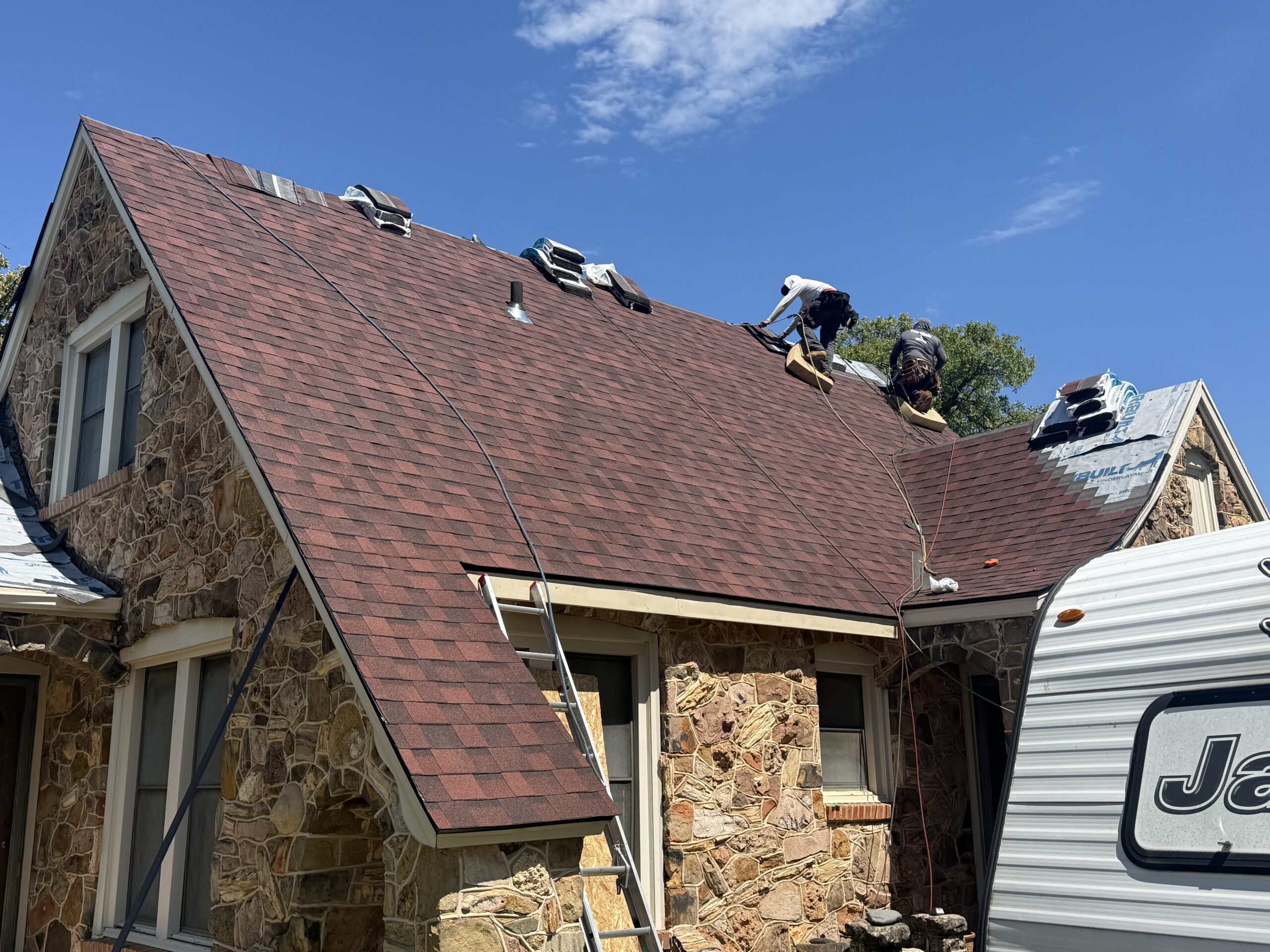
Common Situations That Require Temporary Roof Sealing
Temporary roof sealants are not intended for routine maintenance or cosmetic repairs. Instead, they are designed for situations where immediate action is needed to reduce ongoing water intrusion.
Storm damage is the most common reason homeowners use emergency sealants. Strong winds can loosen shingles, tear away flashing, damage ridge caps, or expose the roof deck. Any opening created by the storm allows rainwater to enter the structure.
Hailstorms can also create emergency leaks. Large hailstones may crack shingles, damage roof membranes, or weaken protective coatings without causing immediately visible damage. The next rainfall often reveals the problem as water begins entering the home.
Fallen branches are another frequent cause of emergency roof damage. Even relatively small limbs can puncture roofing materials or shift shingles enough to expose vulnerable sections of the roof. Temporary sealing helps prevent additional water damage until permanent repairs are completed.
Roof penetrations such as chimneys, skylights, plumbing vents, and exhaust vents may also develop sudden leaks. Damaged flashing or deteriorated sealant around these features often allows water to enter during heavy rain.
In some situations, aging roofing materials become the primary cause of emergency leaks. Years of exposure to sunlight, temperature changes, and weather gradually weaken roofing systems, making them more vulnerable during severe storms.
Types of Temporary Roof Sealants and How They Work
Several different sealants are available for emergency roof repairs, and each has strengths suited for particular roofing materials and damage types. Selecting the correct product improves the likelihood of creating an effective temporary barrier against water intrusion.
Roofing cement remains one of the most commonly used emergency repair materials. Its thick consistency allows it to fill cracks, seal gaps, and adhere well to asphalt shingles and flashing. Roofing cement is particularly useful for repairing minor storm damage and sealing exposed nail heads.
Silicone roof sealants offer excellent flexibility and water resistance. Unlike some products that become brittle over time, silicone remains flexible as roofing materials expand and contract due to changing temperatures. This makes it especially useful for metal roofs and flashing repairs.
Polyurethane sealants provide strong adhesion across a wide variety of roofing materials. They bond effectively to metal, wood, concrete, and masonry while maintaining flexibility after curing. Their durability makes them a popular choice for temporary emergency repairs.
Acrylic roof sealants are another option for certain roofing applications. They are relatively easy to apply and resist ultraviolet exposure well, although they generally perform best on clean, dry surfaces where weather conditions are favorable.
Butyl rubber sealants create highly waterproof seals around roof penetrations and metal joints. Because they remain flexible for extended periods, they are often used where roofing materials experience frequent movement.
Self adhesive roofing tapes offer another practical emergency solution. These waterproof tapes combine strong adhesives with durable backing materials that quickly cover punctures, cracks, and damaged seams without requiring extended curing times.
Although each product provides temporary leak protection, none should replace proper roof repairs. Their purpose is to stabilize the damaged area until permanent restoration can safely take place.
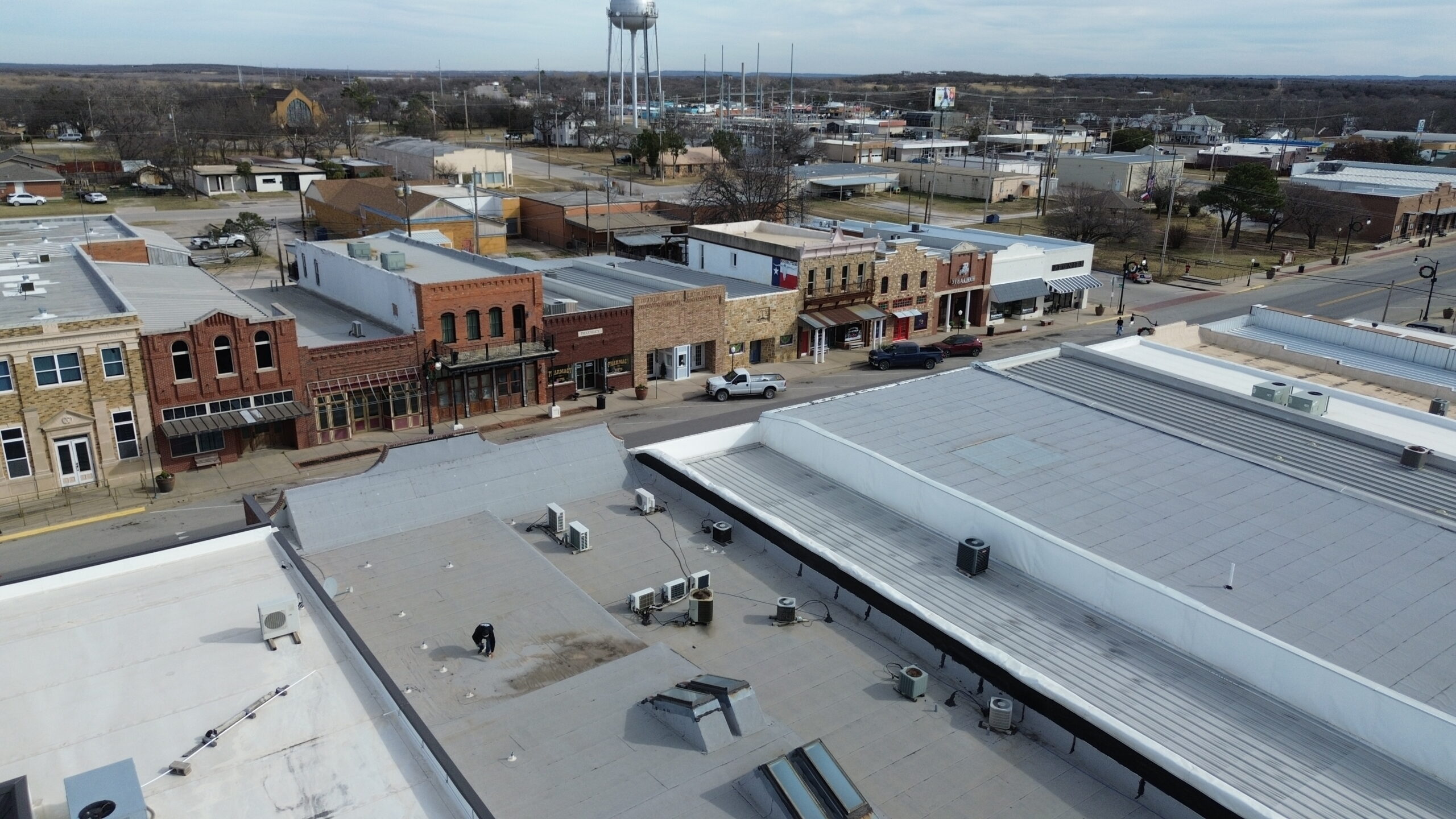
Choosing the Right Sealant for Different Roofing Materials
Different roofing systems require different repair products because every roofing material responds differently to moisture, temperature changes, and structural movement. Selecting a compatible sealant improves both adhesion and temporary performance.
Asphalt shingle roofs typically respond well to roofing cement because it bonds effectively beneath loose shingles and fills minor cracks. It also provides temporary protection around flashing and exposed fasteners where leaks frequently occur.
Metal roofing systems often benefit from silicone or butyl based sealants. Since metal expands and contracts considerably throughout the day, flexible sealants are better able to maintain a waterproof seal without cracking.
Flat roofs require products specifically designed for membrane roofing materials. Polyurethane or compatible membrane sealants generally provide better temporary protection because they withstand standing water more effectively than many general purpose sealants.
Tile roofs present unique challenges because cracked or displaced tiles usually require replacement rather than extensive sealing. Temporary sealants may reduce water intrusion, but they should only be considered short term protection until damaged tiles are replaced.
Wood shake roofs require sealants that accommodate the natural movement of wood while resisting moisture infiltration. Using products recommended for wood roofing helps minimize the risk of trapping moisture within the roofing system.
Reading manufacturer recommendations before selecting a sealant is always advisable. Products specifically designed for certain roofing materials generally provide better adhesion and longer lasting temporary protection than general waterproof compounds.
Emergency Roof Tapes, Roofing Cement, and Silicone Sealants Compared
Choosing the correct emergency repair product depends on the type of roof damage, weather conditions, and roofing material involved. The following comparison highlights the strengths and limitations of several commonly used temporary repair options.
| Temporary Repair Product | Best Applications | Main Advantages | Limitations |
|---|---|---|---|
| Roofing Cement | Asphalt shingles, flashing, exposed fasteners | Strong adhesion and easy application | May crack after prolonged exposure |
| Silicone Sealant | Metal roofs, flashing, roof penetrations | Excellent flexibility and water resistance | Requires compatible surfaces for best performance |
| Self Adhesive Roof Tape | Small punctures, damaged seams, emergency patches | Fast installation with immediate protection | Less suitable for large damaged areas |
| Polyurethane Sealant | Mixed roofing materials and joints | Strong bonding and good durability | Requires proper surface preparation |
| Butyl Rubber Sealant | Metal joints, flashing, roof penetrations | Flexible and highly waterproof | Not ideal for every roofing surface |
Understanding these differences helps homeowners select a product that matches both the roof material and the type of damage being addressed. Using the wrong sealant may provide only limited protection or fail much sooner than expected.
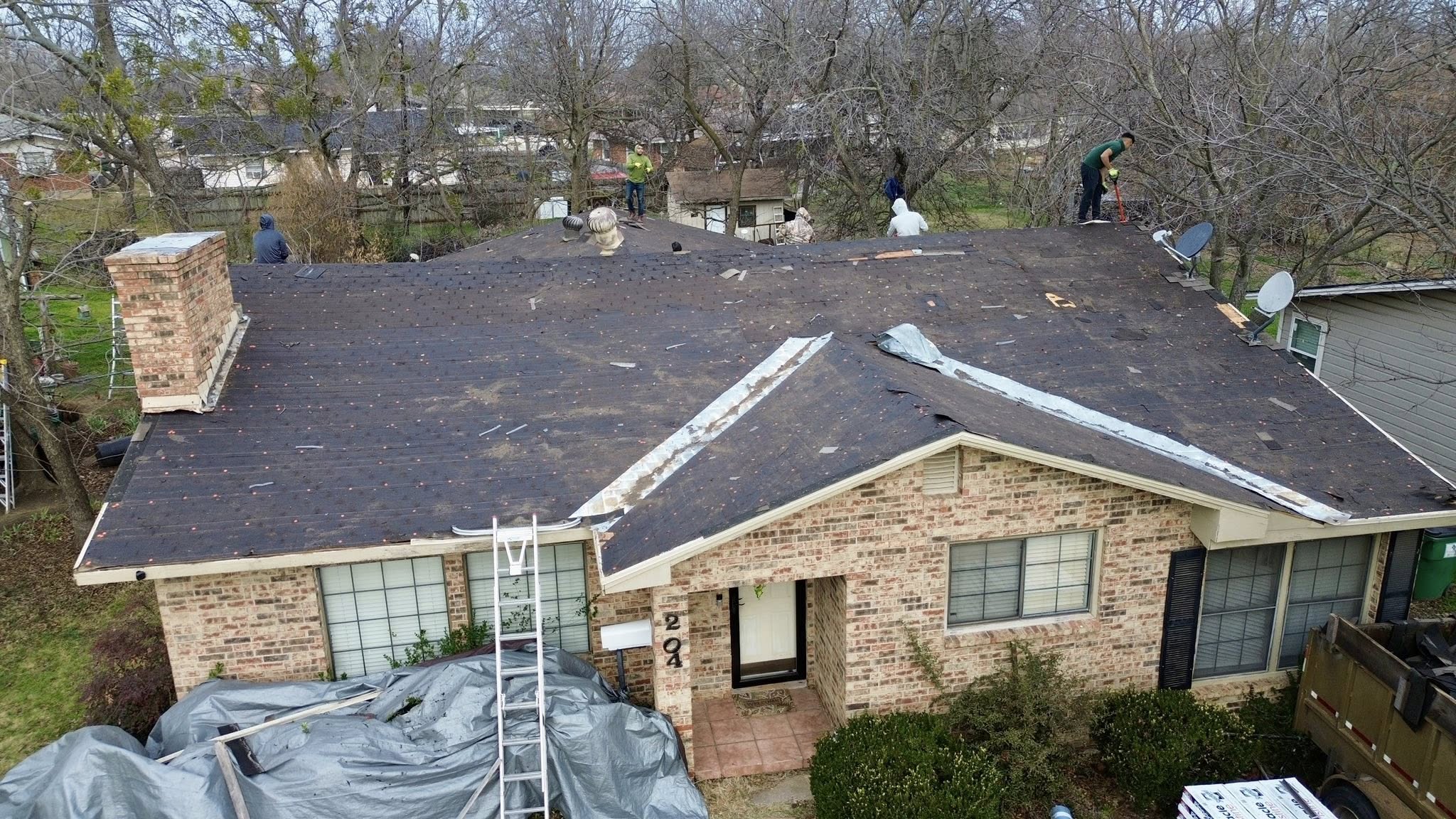
Preparing the Damaged Area Before Applying a Temporary Sealant
Proper surface preparation is one of the most important steps in achieving an effective temporary repair. Even the highest quality sealant cannot perform well if it is applied over dirt, loose materials, or unstable roofing components.
The first task is locating the actual source of the leak. Water often travels beneath roofing materials before becoming visible inside the home, meaning the interior leak location may not match the exterior damage.
Once the damaged area has been identified, remove leaves, branches, loose shingles, dirt, and other debris carefully. Cleaning the surface improves adhesion and allows the sealant to form a more consistent waterproof barrier.
Whenever possible, dry the repair area before applying the sealant. While some emergency products are designed for damp conditions, removing standing water generally results in a stronger bond and better long term performance.
Loose roofing materials should also be stabilized before sealing. Shingles that are partially detached or flashing that has shifted out of place should be repositioned carefully if doing so is safe. A stable repair surface improves the effectiveness of nearly every temporary sealant.
Taking a few extra minutes to prepare the damaged area properly often produces a much more reliable temporary repair. Good preparation also reduces the likelihood of the sealant separating during the next rainstorm.
Safety Precautions Before Performing Emergency Roof Repairs
Roof repairs should never compromise personal safety. Emergency situations often occur during severe weather, making damaged roofs much more dangerous than they appear from the ground.
Never attempt repairs while heavy rain, lightning, or strong winds are still present. Wet roofing materials become extremely slippery, and poor visibility increases the likelihood of accidents.
Inspect the surrounding area before accessing the roof. Look for fallen power lines, unstable tree branches, damaged chimneys, or signs that the roof structure itself may have been weakened by the storm.
Use a sturdy ladder positioned on level ground and secure it whenever possible. Having another person nearby provides additional safety by stabilizing the ladder and assisting in the event of an emergency.
Wear appropriate protective equipment before beginning any repairs. Non slip footwear, durable gloves, long sleeves, and safety glasses help reduce injuries caused by sharp roofing materials, exposed nails, or falling debris.
If the damage appears extensive or the roof feels unstable, avoid climbing onto it altogether. Waiting for professional emergency roofing services is often the safest decision when structural damage is suspected.
Mistakes That Reduce the Effectiveness of Temporary Sealants
Temporary roof repairs often fail because of avoidable application mistakes rather than poor quality materials. Understanding these common errors helps homeowners achieve better results during emergency situations.
One of the most common mistakes is sealing the wrong location. Because water travels beneath roofing materials, the visible interior leak may be several feet away from the actual roof opening. Failing to identify the true source allows water to continue entering the structure.
Applying excessive amounts of sealant is another frequent problem. Thick layers do not necessarily create stronger repairs and may cure unevenly, reducing adhesion and making future permanent repairs more difficult.
Poor surface preparation also limits effectiveness. Dirt, moisture, loose roofing granules, and unstable shingles all interfere with proper bonding, causing temporary repairs to fail sooner than expected.
Some homeowners mistakenly use household caulks or interior waterproof products instead of roofing sealants. These products are not designed for constant exposure to sunlight, rain, and temperature fluctuations, making them unreliable for emergency roof repairs.
Delaying permanent repairs after successfully stopping a leak is another costly mistake. Temporary sealants are intended to buy time, not replace professional restoration. Relying on them for months increases the risk of repeated leaks, structural deterioration, and more expensive repairs.
Understanding both the strengths and limitations of temporary sealants allows homeowners to respond more effectively when roof damage occurs. In the next section, we will examine the correct application techniques for different roofing systems, explore how weather conditions influence sealant performance, and explain when temporary repairs need additional reinforcement before permanent restoration begins.
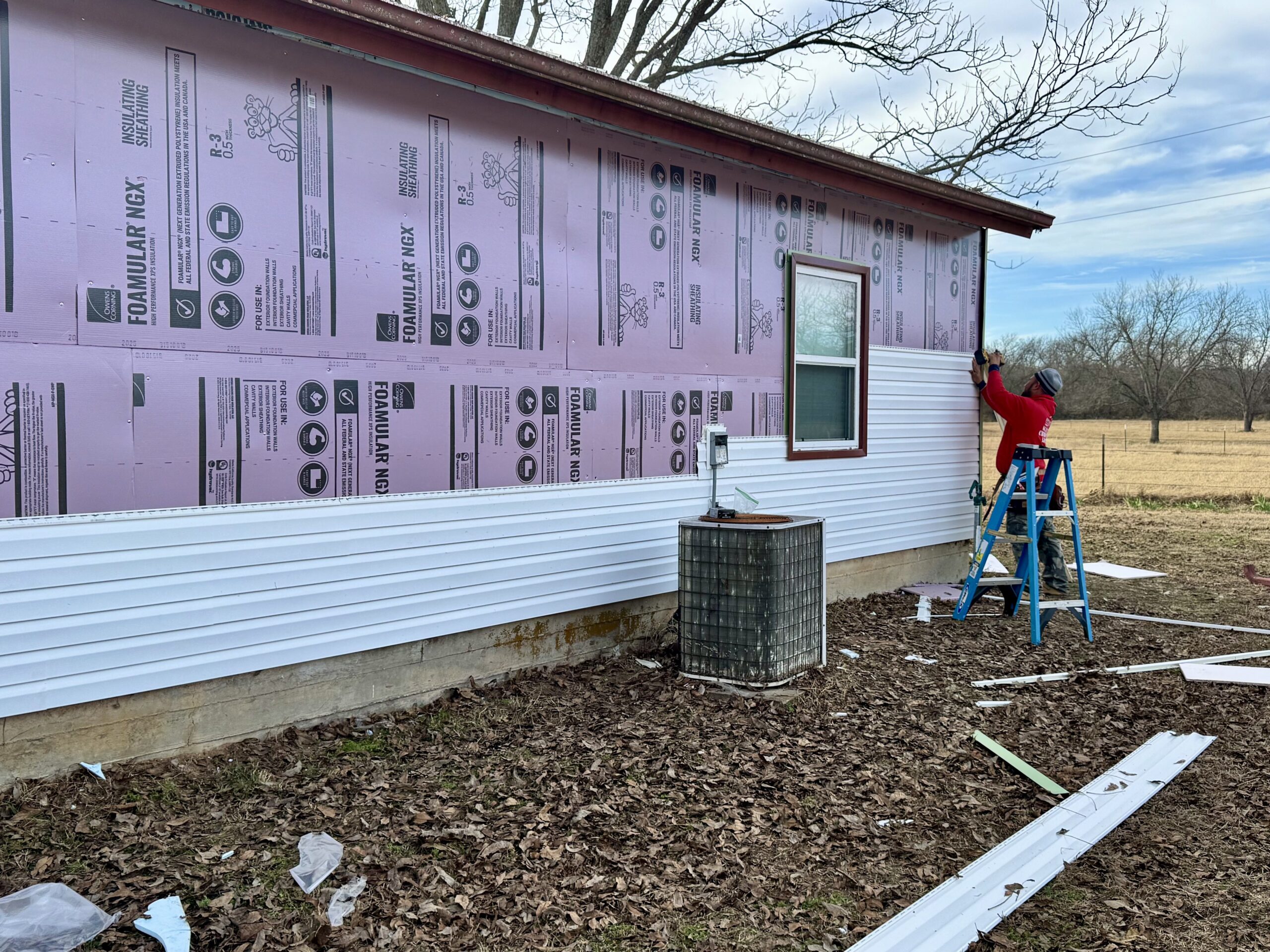
Step by Step Guide to Applying Emergency Roof Sealants
Applying a temporary roof sealant correctly can make the difference between controlling a leak and allowing water to continue damaging the home. While every product has its own instructions, the overall repair process follows several important steps that help improve adhesion and create a more reliable waterproof barrier.
The first step is identifying the exact location of the damage. Water stains inside the home often appear several feet away from the actual roof opening because water travels beneath shingles and roof decking before dripping through ceilings or walls. Inspecting the roof carefully helps ensure the sealant is applied where it is actually needed.
Once the damaged area has been located, remove loose debris that could interfere with adhesion. Leaves, dirt, broken shingles, roofing granules, and standing water should be cleared carefully without causing additional damage to the roof surface.
If conditions allow, dry the repair area before applying the sealant. Some emergency products can bond to damp surfaces, but most perform better when excessive moisture has been removed. A dry surface allows the sealant to spread evenly and form a stronger temporary bond.
Apply the sealant directly over the damaged section according to the manufacturer’s recommendations. Ensure the product completely covers cracks, gaps, or punctures while extending slightly beyond the damaged area to improve waterproofing.
Smooth the sealant evenly using an appropriate tool if recommended by the manufacturer. Eliminating air pockets and uneven thickness helps create a continuous barrier that sheds rainwater more effectively.
After application, allow the sealant sufficient time to cure whenever possible. While emergency weather conditions sometimes make immediate exposure unavoidable, proper curing generally increases durability and improves resistance to future rainfall.
Finally, inspect the repaired area after the next rainstorm. If water continues entering the home or the sealant shows signs of lifting or cracking, additional temporary protection or professional repairs may be necessary.
Temporary Repairs for Shingle Roofs
Asphalt shingle roofs account for a large percentage of residential roofing systems, making them one of the most common types requiring emergency repairs. Fortunately, many small leaks can be stabilized temporarily until permanent restoration can be scheduled.
Wind damaged shingles often lift away from the roof deck, allowing rainwater to enter underneath. Roofing cement applied beneath the loose shingle helps hold it in place while reducing additional water infiltration during future storms.
Cracked shingles can often be sealed temporarily using roofing cement spread over the damaged section. Although this repair does not restore the shingle’s original strength, it limits water entry and slows further deterioration.
Missing shingles require a different approach because the roof deck may be directly exposed. Temporary waterproof patches combined with roofing cement or roofing tape provide better protection until replacement shingles can be installed.
Roof valleys deserve careful attention because they naturally channel large amounts of rainwater. Small gaps or damaged flashing in these areas should be sealed promptly to prevent water from spreading beneath surrounding shingles.
Flashing around chimneys, skylights, dormers, and roof vents is another common source of leaks. Applying compatible sealants around damaged flashing temporarily reduces water intrusion while permanent repairs are arranged.
Homeowners should also avoid unnecessary walking on damaged shingle roofs. Additional foot traffic may loosen surrounding shingles or enlarge existing cracks, creating new leak points during the repair process.
Sealing Metal Roof Leaks During Emergencies
Metal roofs are known for their durability, but they can still develop leaks following severe weather, impact damage, or normal aging. Temporary sealants provide an effective way to reduce water intrusion while permanent repairs are planned.
One advantage of metal roofing is its relatively smooth surface, which allows many sealants to adhere well after proper cleaning. Silicone and butyl rubber sealants are frequently selected because they remain flexible despite repeated expansion and contraction caused by changing temperatures.
Loose fasteners are a common source of leaks on metal roofs. Over time, screws may loosen slightly or sealing washers may deteriorate, allowing water to enter around fastening points. Applying temporary sealant helps reduce leakage until new fasteners can be installed.
Roof seams should also be inspected carefully because movement between metal panels can gradually weaken existing seals. Flexible sealants perform better than rigid materials because they accommodate natural roof movement without cracking.
Small punctures created by falling branches or storm debris may be covered temporarily using compatible roof patches combined with waterproof sealants. These repairs reduce water intrusion while preventing additional deterioration around the damaged section.
Corrosion requires special consideration during emergency repairs. While temporary sealants may slow leaks around rusted areas, severely corroded panels generally require replacement because weakened metal continues deteriorating beneath the repair.
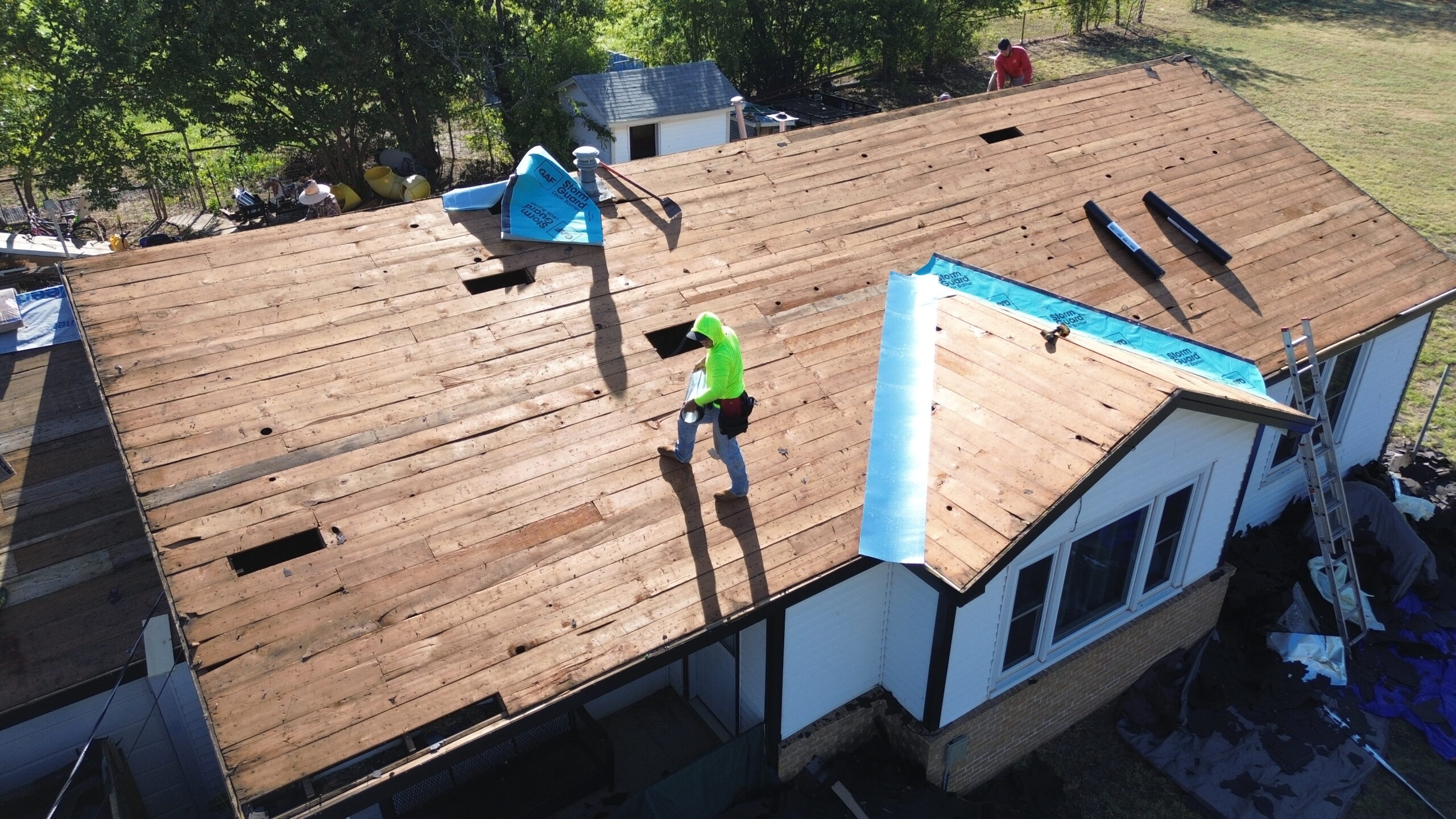
Temporary Fixes for Flat Roof Membranes
Flat roofing systems require specialized emergency repair techniques because they experience slower water drainage than sloped roofs. Standing water places continuous pressure on damaged areas, making effective temporary repairs especially important.
Small tears and punctures in roofing membranes can often be covered using compatible repair patches and membrane sealants. Products designed specifically for flat roofing materials generally provide better adhesion than general purpose waterproof compounds.
Loose membrane seams are another frequent source of leaks. Applying flexible sealants along damaged seams temporarily restores water resistance while allowing time to arrange permanent repairs.
Roof drains should always be inspected during emergency repairs. Blocked drainage systems allow water to accumulate around damaged sections, increasing the likelihood that temporary repairs will be overwhelmed during heavy rainfall.
Blisters within roofing membranes should not be punctured without proper evaluation. Although they may appear harmless, improper handling can enlarge the damaged area and create additional opportunities for water intrusion.
Because flat roofs often retain water longer than sloped roofs, temporary repairs should be monitored closely after every rainfall. Any signs of continued leakage should be addressed immediately before moisture spreads into the building structure.
How Roof Tarps and Sealants Work Together
Large areas of roof damage often require more than sealant alone. When significant portions of roofing materials have been removed or severely damaged, combining roof tarps with temporary sealants provides more complete protection against rain.
Roof tarps act as a protective covering that diverts rainwater away from exposed roofing materials. They are especially useful after tree impacts, severe wind damage, or situations where large sections of shingles have been lost.
Sealants strengthen tarp installations by reducing water infiltration around edges and attachment points. Applying sealant beneath vulnerable sections helps create a tighter temporary barrier while limiting the amount of moisture that reaches the damaged roof.
Proper tarp placement is essential for effective protection. The tarp should extend well beyond the damaged area so rainwater flows naturally over the covering instead of underneath it.
Securing the tarp correctly also improves performance during windy conditions. Loose tarps may flap excessively, allowing water underneath or causing additional damage to already weakened roofing materials.
Although tarps and sealants work well together during emergencies, they should never be viewed as permanent roofing solutions. Prolonged exposure to sunlight, wind, and changing weather gradually weakens both materials, reducing their ability to keep water out.
Weather Conditions That Affect Sealant Performance
Weather has a significant influence on how well temporary roof sealants perform. Even the best products may struggle to provide reliable protection if they are applied under unfavorable conditions.
Heavy rainfall is one of the biggest challenges because excessive water can wash away uncured sealants before they fully bond to the roof surface. Whenever possible, emergency repairs should be completed during breaks in the weather.
Temperature also affects application quality. Extremely cold conditions may make some sealants difficult to spread, while excessive heat can cause certain products to cure more quickly than intended, reducing working time.
Humidity influences curing as well. High humidity may slow the drying process for some sealants, while very dry conditions may accelerate curing before the product has been properly positioned.
Strong winds create additional challenges by making roof work more dangerous and increasing the likelihood of dust or debris contaminating freshly applied sealants. Wind can also interfere with tarp installation by lifting unsecured edges during the repair process.
Direct sunlight deserves consideration too. Roof surfaces exposed to intense sunlight can become extremely hot, affecting both application comfort and sealant performance. Working during cooler parts of the day often produces better results when weather permits.
Understanding these environmental factors helps homeowners choose the most appropriate time to perform emergency repairs while improving the effectiveness of temporary sealing efforts.
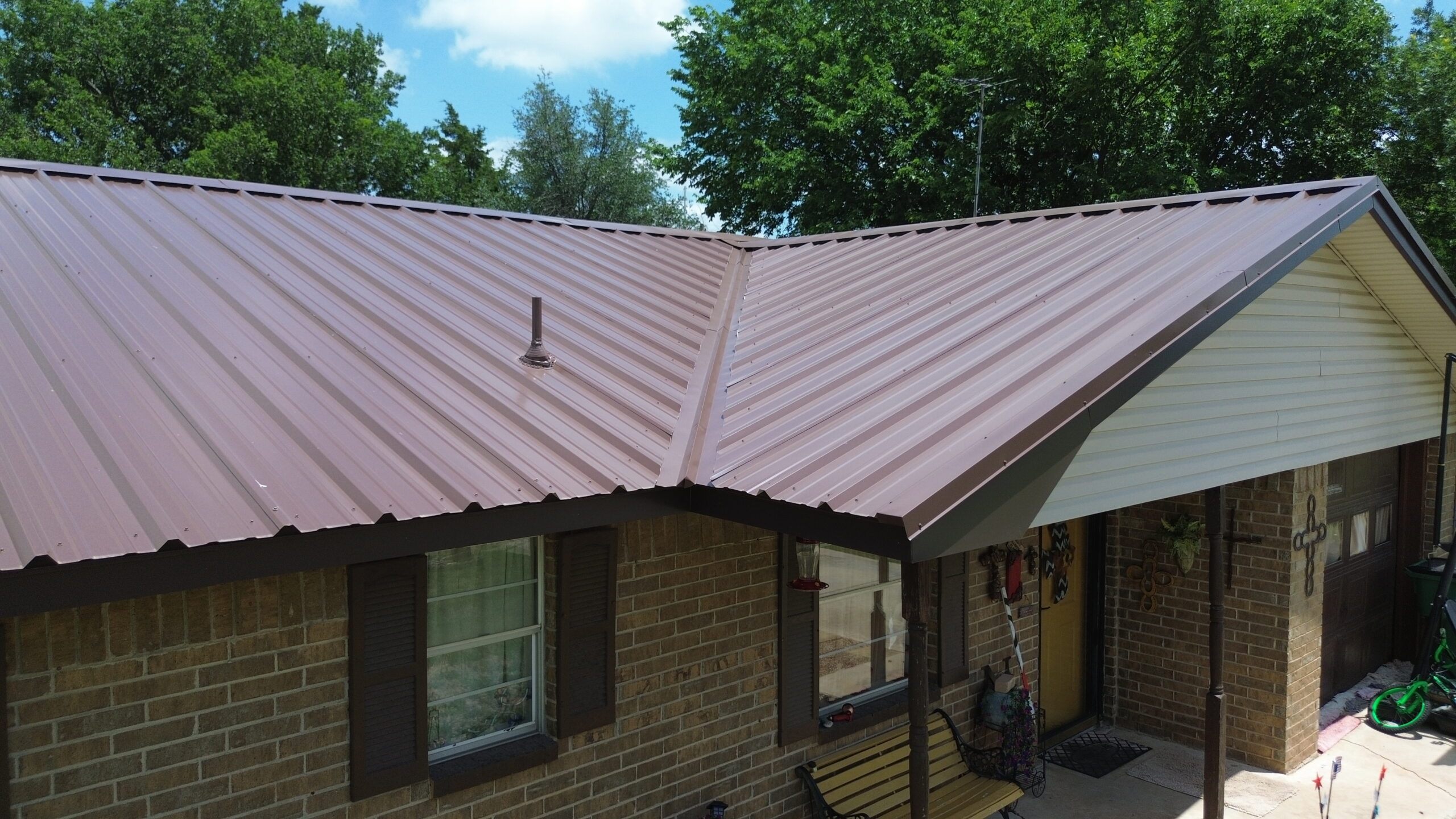
Common Application Mistakes to Avoid
Temporary sealants are effective only when they are applied correctly. Many unsuccessful repairs result from avoidable mistakes that reduce adhesion or allow water to continue entering the roof.
Applying sealant to dirty or loose roofing materials is one of the most common problems. Dust, dirt, leaves, moisture, and deteriorated roofing granules prevent proper bonding, making repairs much less reliable.
Another frequent mistake is attempting to repair extensive structural damage using sealant alone. Large holes, broken roof decking, or widespread storm damage usually require additional protective measures such as emergency tarping before permanent repairs can begin.
Using incompatible products can also create problems. Some sealants adhere poorly to certain roofing materials, making manufacturer recommendations an important part of product selection.
Ignoring surrounding damage is another common oversight. Sealing only the visible opening without inspecting nearby flashing, fasteners, seams, or adjacent shingles may allow water to continue entering through nearby weak points.
Finally, failing to inspect temporary repairs after subsequent rainfall may allow small failures to grow into larger leaks. Monitoring the repair helps identify areas requiring reinforcement before additional water damage develops.
When Temporary Repairs Should Be Reinforced
Not every temporary repair provides the same level of protection. Some situations require additional reinforcement to ensure the damaged area remains protected until permanent restoration can take place.
Large cracks or punctures often benefit from combining sealants with repair patches or roofing tape. This layered approach distributes stress more evenly while reducing the likelihood of the sealant separating during heavy rainfall.
Areas exposed to frequent water flow, such as roof valleys or drainage channels, may also require additional reinforcement because they experience greater hydraulic pressure during storms.
Repairs completed just before severe weather deserve close monitoring as well. Strong winds, heavy rainfall, or hail may weaken newly applied sealants before they have fully cured, making follow up inspections particularly important.
Repeated movement around chimneys, skylights, and metal roof seams can gradually stress temporary repairs. Reinforcing these high movement areas with compatible materials often improves short term durability.
The goal of reinforcement is not to create a permanent repair but to improve reliability until qualified roofing work can restore the roof properly.
Signs That the Temporary Seal Has Failed
Temporary roof repairs should always be monitored because even properly applied sealants eventually lose effectiveness. Recognizing early warning signs allows homeowners to respond before additional water damage occurs.
The most obvious indication of failure is continued water entering the home during rainfall. Even small drips suggest that moisture has found another pathway beneath or around the temporary repair.
Visible cracking or separation within the sealant is another warning sign. As weather conditions change, weakened sealants may shrink, lift, or pull away from the roofing surface, allowing water to penetrate underneath.
Loose roofing tape or lifting repair patches also indicate declining protection. Wind exposure and repeated wetting can gradually weaken adhesives, reducing their ability to remain securely attached.
New ceiling stains, peeling paint, damp insulation, or musty odors inside the home often signal that temporary repairs are no longer preventing water intrusion effectively.
Once any of these symptoms appear, additional temporary protection or permanent roof repairs should be arranged as soon as possible. In the final part of this guide, we will explore how long temporary roof sealants typically last, when emergency repairs should transition into permanent restoration, long term roof maintenance strategies, frequently asked questions, and the final recommendations for protecting your home after a roofing emergency.
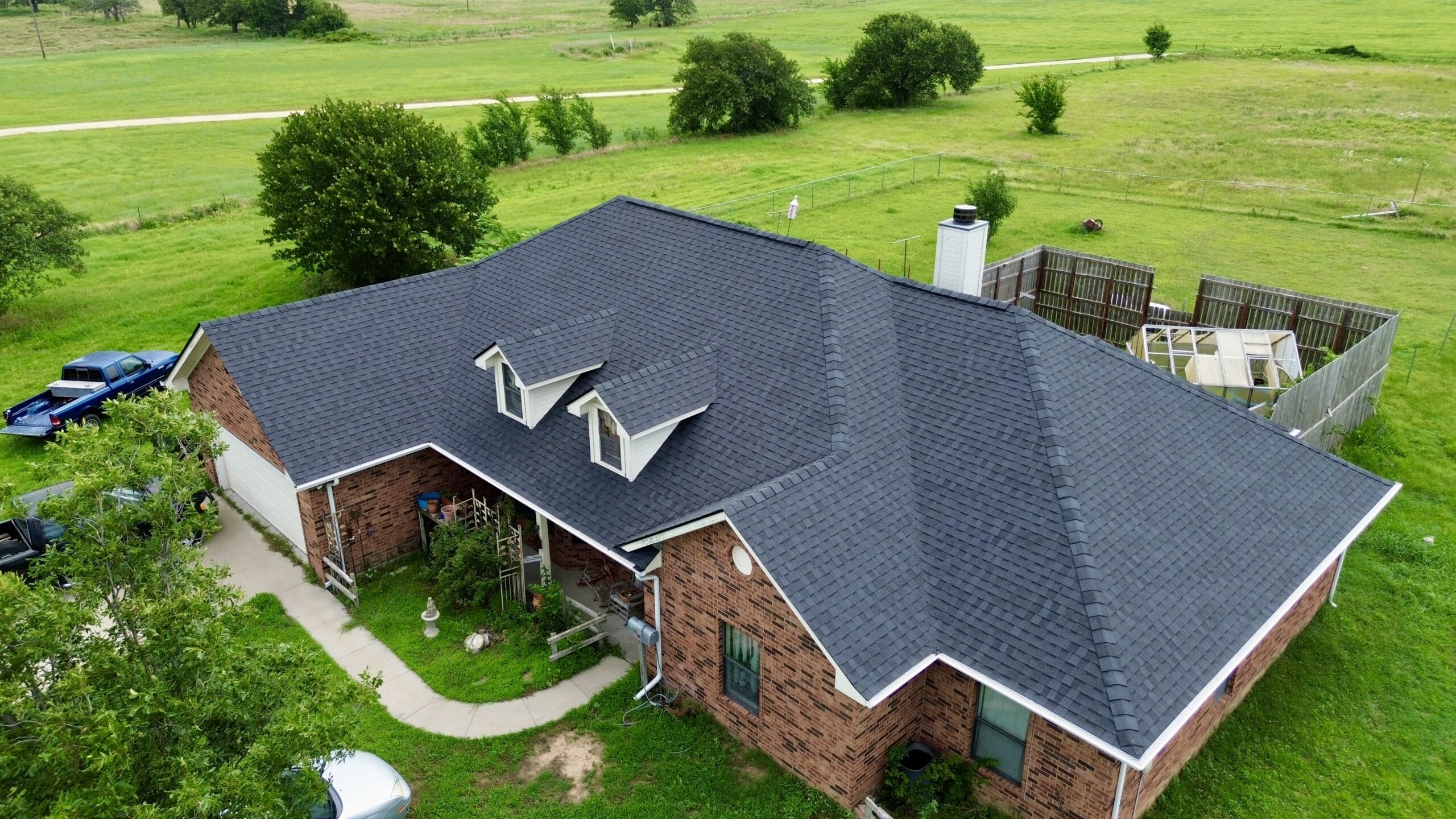
How Long Temporary Roof Sealants Usually Last
Temporary roof sealants are designed to provide short term protection rather than serve as permanent repairs. Their lifespan depends on several factors, including the type of sealant used, the extent of the roof damage, weather conditions, and how well the repair was applied. Some products may remain effective for several weeks, while others can provide protection for a few months under favorable conditions.
Heavy rain, strong winds, prolonged sunlight, and repeated temperature changes all place stress on temporary repairs. Over time, these conditions may cause sealants to crack, shrink, lose flexibility, or separate from the roof surface. As a result, the waterproof barrier gradually becomes less reliable.
The location of the repair also affects longevity. Areas that experience constant water flow, such as roof valleys or around drainage systems, tend to wear faster than sections exposed to less runoff. Likewise, roof penetrations that move slightly due to expansion and contraction may place additional strain on the sealant.
Routine inspections help determine whether a temporary repair is still performing properly. Checking the repaired area after every significant rainfall allows homeowners to identify small issues before they develop into larger leaks.
It is important to remember that even if a temporary seal appears intact, hidden deterioration may still be occurring beneath the surface. Scheduling permanent repairs as soon as practical remains the safest approach for protecting the roof and the home.
Knowing When Emergency Repairs Are No Longer Enough
Temporary repairs are valuable because they reduce immediate water intrusion, but every emergency repair eventually reaches its limit. Recognizing when additional action is needed helps prevent repeated leaks and more extensive structural damage.
One clear sign is the return of water during rainfall. If moisture begins entering the home again despite the temporary repair, the sealant may have failed or additional damage may have developed nearby.
Growing water stains inside the home also indicate that the leak is continuing. Even if the amount of water appears small, persistent moisture can gradually damage insulation, drywall, wooden framing, and flooring while increasing the likelihood of mold growth.
Visible deterioration of the repair itself should never be ignored. Cracked sealant, lifting repair tape, loose patches, or separated edges all reduce the repair’s ability to keep water out of the building.
Another warning sign is repeated reliance on temporary repairs. Applying additional layers of sealant over the same damaged area may delay the problem briefly, but it does not restore the structural integrity of the roof. Multiple temporary repairs often indicate that permanent restoration is overdue.
Storm damage affecting large portions of the roof should also be evaluated professionally rather than relying solely on emergency products. Structural issues beneath the roofing materials cannot usually be corrected with sealants alone.

Planning Permanent Roof Repairs After an Emergency
Once the immediate leak has been controlled, attention should shift toward restoring the roof permanently. Delaying this step increases the likelihood that future storms will reopen the damaged area and allow additional water intrusion.
A thorough roof inspection should be performed before permanent repairs begin. This inspection identifies not only the obvious damage but also hidden issues that may have developed during the emergency. Small cracks, weakened flashing, damaged underlayment, and compromised decking often remain unnoticed after temporary sealing.
Obtaining repair estimates from qualified roofing professionals allows homeowners to compare recommended solutions and better understand the full scope of work. The lowest estimate is not always the best option, especially if it overlooks underlying structural concerns.
Insurance documentation should also be organized before permanent repairs begin. Photographs of the original damage, temporary repairs, and interior water damage help support claims while creating a record of the restoration process.
When replacement materials are selected, homeowners should consider products that improve long term durability rather than simply matching the previous roof. Modern roofing systems often provide better resistance to wind, impact, and water intrusion than older materials.
Permanent repairs should also address the underlying cause of the leak rather than focusing only on the visible damage. Replacing damaged flashing, improving roof ventilation, or correcting drainage problems reduces the likelihood of future emergencies.
Preventing Future Roof Leaks Through Routine Maintenance
Regular maintenance is one of the most effective ways to reduce the need for emergency roof repairs. Small problems identified during routine inspections are usually much less expensive to correct than major leaks discovered during severe weather.
A well maintained roof experiences less wear over time because minor defects are repaired before they become larger structural problems. Consistent inspections also allow homeowners to monitor the overall condition of roofing materials and plan future maintenance more effectively.
Important maintenance practices include:
- Inspect the roof after major storms for missing shingles, damaged flashing, and visible debris.
- Clean gutters and downspouts regularly to maintain proper drainage.
- Trim tree branches that hang over the roof to reduce the risk of impact damage.
- Check roof penetrations such as chimneys, skylights, and vents for deteriorated sealant.
- Remove accumulated leaves and debris from roof valleys to prevent water buildup.
- Schedule professional roof inspections periodically, especially for older roofing systems.
Preventive maintenance requires relatively little time compared to the cost and disruption associated with emergency roof repairs. A proactive approach extends the life of the roofing system while reducing the likelihood of unexpected leaks.
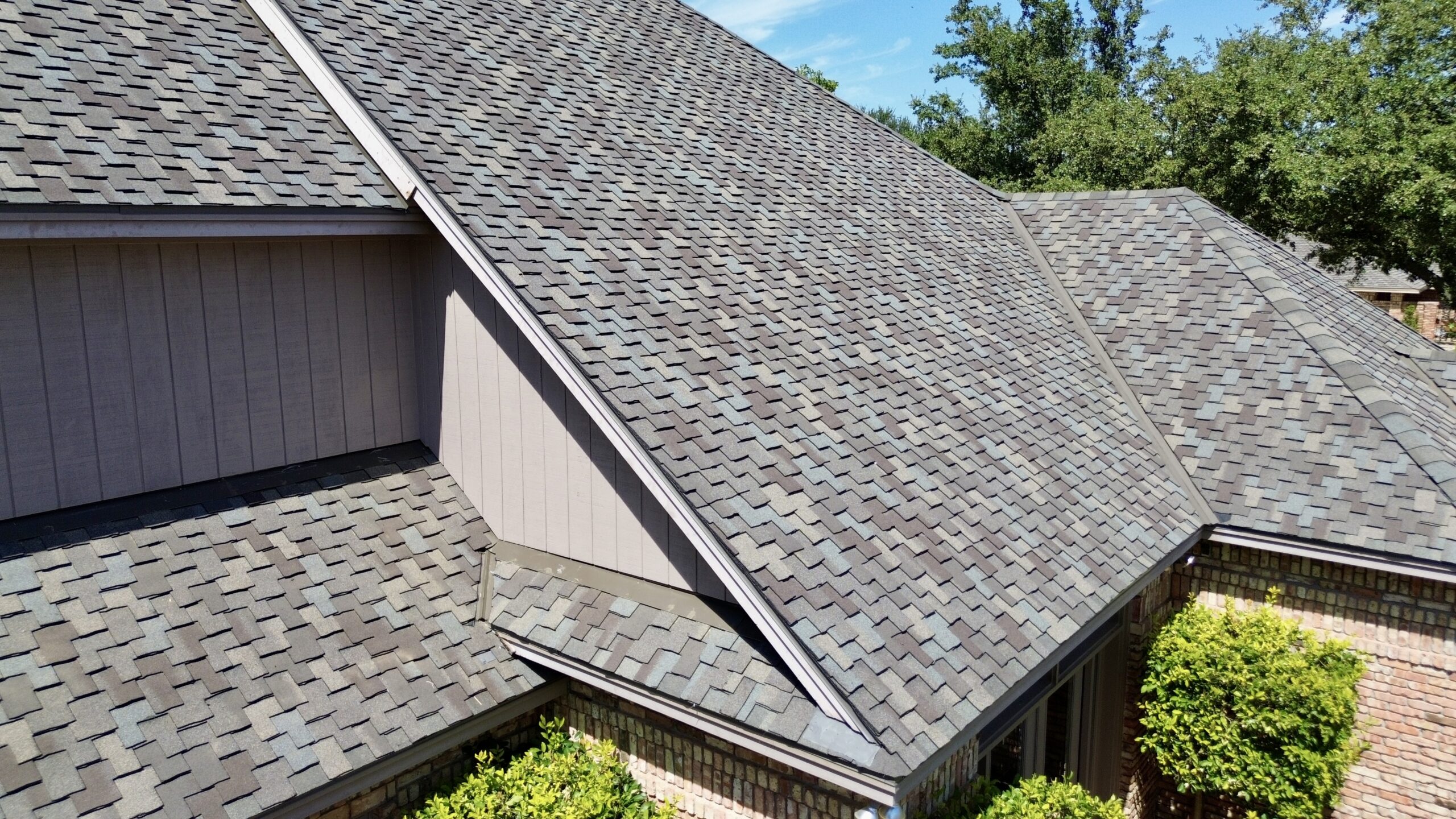
Emergency Roof Repair Checklist for Homeowners
Having a simple emergency response plan helps homeowners react quickly when roof damage occurs. Following an organized sequence of actions reduces confusion and minimizes additional property damage.
- Ensure everyone inside the home is safe and stay away from areas with electrical hazards or unstable ceilings.
- Identify the general location of the roof leak without placing yourself in unsafe conditions.
- Protect furniture, electronics, and valuable belongings from water exposure.
- Remove standing water and place containers beneath active leaks if necessary.
- Apply temporary sealants or install an emergency roof tarp only when weather conditions allow safe access.
- Document the damage with photographs for insurance purposes.
- Arrange permanent roof repairs as soon as possible rather than relying on temporary solutions for an extended period.
Keeping this checklist readily available allows homeowners to respond calmly and efficiently during stressful situations.
Frequently Asked Questions
Can a temporary roof sealant completely stop a roof leak?
In many cases, yes. A properly applied temporary sealant can stop or significantly reduce water intrusion until permanent repairs are completed. However, its effectiveness depends on the type of damage, weather conditions, and correct application.
Is roofing cement suitable for every type of roof?
No. Roofing cement works well on many asphalt shingle applications, but other roofing materials may require silicone, polyurethane, butyl rubber, or specialized membrane sealants for better performance.
Can temporary sealants be applied during rain?
Some products are designed for damp conditions, but heavy rain usually reduces adhesion and makes repairs less reliable. Whenever possible, emergency repairs should be performed during breaks in the weather.
Should a temporary repair be inspected after every storm?
Yes. Temporary repairs should be checked regularly because wind, rain, and temperature changes may weaken the seal or create new openings that allow water to enter.
Can I apply multiple layers of sealant to improve protection?
Adding excessive layers rarely creates a stronger repair. It is generally more effective to prepare the surface properly and apply the sealant according to the manufacturer’s recommendations.
Do temporary roof sealants prevent mold growth?
They help reduce the risk by limiting additional water intrusion. However, any moisture already trapped inside the home should be dried thoroughly because mold can still develop even after the roof leak has been sealed.
When should I replace the roof instead of repairing it?
If the roof has widespread damage, repeated leaks, extensive aging, or significant structural deterioration, replacement may be more practical and cost effective than performing repeated repairs.
Conclusion
Temporary roof sealants play an important role in protecting homes during roofing emergencies. When storms, falling debris, or unexpected damage create leaks, these products provide valuable short term protection by reducing water intrusion until permanent repairs can be completed. Although they are not designed to restore the roof permanently, they can significantly limit structural damage when used correctly.
Choosing the appropriate sealant for the roofing material is just as important as applying it properly. Roofing cement, silicone sealants, polyurethane products, butyl rubber compounds, and self adhesive repair tapes each serve different purposes. Understanding their strengths and limitations allows homeowners to make informed decisions during stressful situations.
Proper preparation, safe application, and regular inspection all contribute to successful temporary repairs. Cleaning the damaged area, selecting compatible materials, monitoring weather conditions, and checking repairs after rainfall help maximize the effectiveness of emergency sealing efforts.
At the same time, homeowners should recognize that temporary repairs are only part of the overall restoration process. Permanent roof repairs remain essential for restoring structural integrity, preventing future leaks, and protecting the home against long term weather exposure.
Routine roof maintenance also reduces the likelihood of future emergencies. Regular inspections, clean gutters, properly maintained flashing, trimmed tree branches, and prompt attention to minor damage all contribute to a stronger and more reliable roofing system.
By combining effective emergency response with timely permanent repairs and ongoing maintenance, homeowners can minimize water damage, extend the life of their roof, and protect their property from costly future repairs. Temporary sealants are most effective when viewed as an immediate protective measure that provides valuable time while a complete and lasting roofing solution is put into place.