
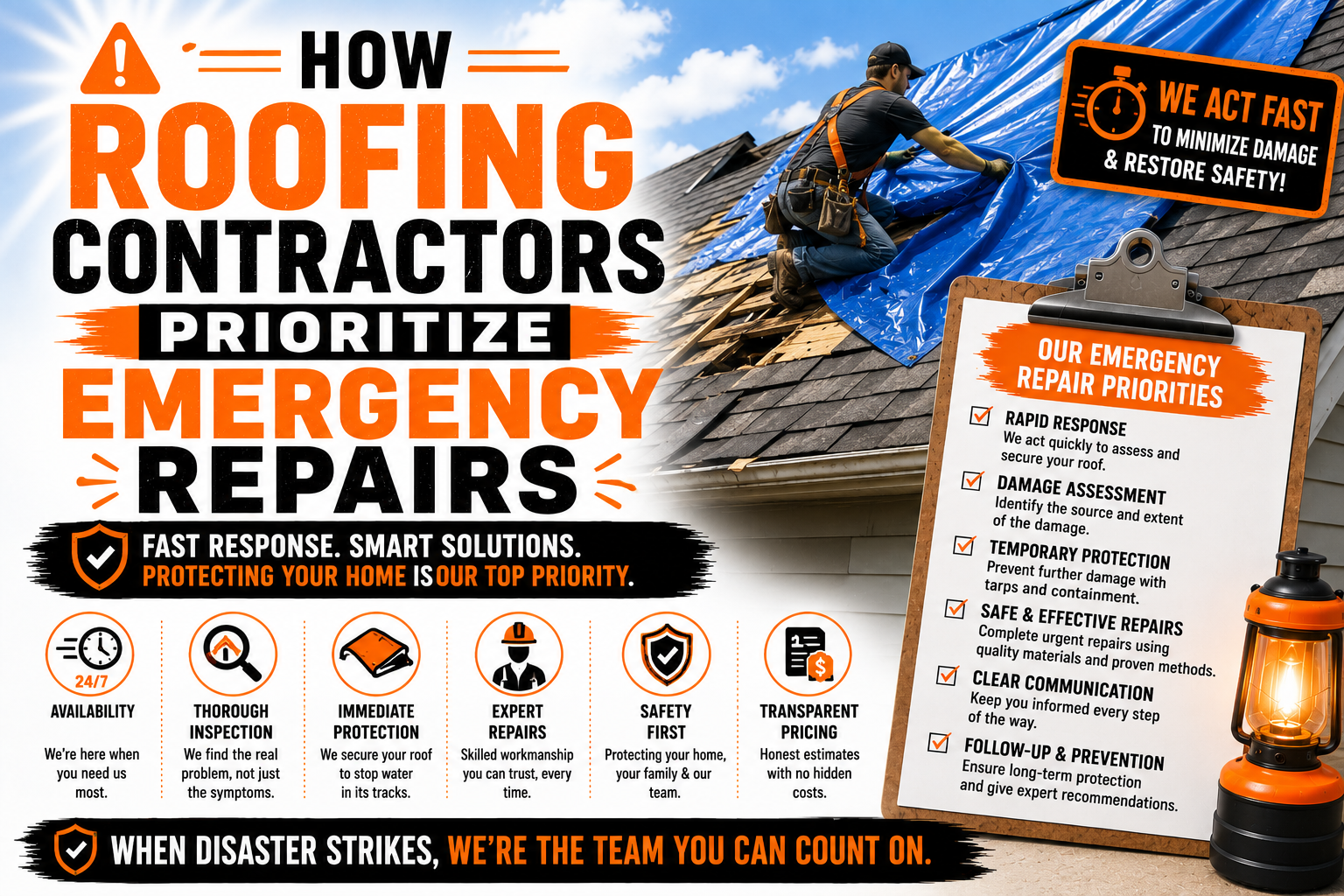
How Roofing Contractors Prioritize Emergency Repairs
Introduction
When severe weather strikes or unexpected damage compromises a roof, every minute matters. A leaking or partially collapsed roof can quickly expose a home or commercial building to water intrusion, structural deterioration, electrical hazards, and safety risks. During these situations, roofing contractors must make rapid yet informed decisions about which properties require immediate attention and which can safely wait until resources become available.
Many property owners assume emergency roof repairs are handled on a first come, first served basis. In reality, professional roofing contractors rely on structured assessment methods to determine which emergencies pose the greatest danger. Their decisions are based on multiple factors, including the severity of damage, occupant safety, weather forecasts, structural integrity, accessibility, and the potential for damage to worsen if repairs are delayed.
Emergency roofing is far more than simply stopping leaks. Contractors often balance dozens of service requests during major storms while coordinating crews, materials, equipment, and safety protocols. Every decision they make aims to reduce risk, protect lives, and prevent buildings from suffering irreversible damage before permanent repairs can begin.
Understanding how contractors prioritize emergency repairs helps homeowners and business owners know what to expect after storms or unexpected roof failures. It also explains why some repairs happen immediately while others receive temporary protection until crews can safely return for complete restoration.
Why Emergency Roofing Situations Require Immediate Action
Roofing emergencies rarely remain small for very long. Even minor openings in a roofing system can allow rainwater, wind, and debris to enter the structure. Once moisture reaches insulation, ceilings, framing, or electrical systems, the amount of required restoration can increase significantly.
Water infiltration is especially dangerous because it spreads beyond the original point of entry. Moisture can travel through insulation, rafters, wall cavities, and ceiling materials before becoming visible indoors. By the time a ceiling stain appears, considerable hidden damage may already exist.
Strong winds create another level of urgency during roofing emergencies. Missing shingles, lifted flashing, or damaged roof decking allow additional wind pressure beneath roofing materials. This pressure can peel away larger sections of the roof during the next storm, increasing both repair costs and safety risks.
Snow, hail, fallen tree limbs, and flying debris also create conditions that demand rapid assessment. Some forms of damage remain hidden from ground level, making professional inspections essential before determining whether the roof remains structurally sound.
For commercial buildings, delayed repairs may interrupt business operations, damage inventory, and create liability concerns for customers and employees. Residential properties face different challenges, including damaged personal belongings, unsafe living conditions, and the possibility of mold growth if moisture remains trapped inside the building.
Because every emergency develops differently, contractors evaluate each situation individually rather than applying the same response to every service request.
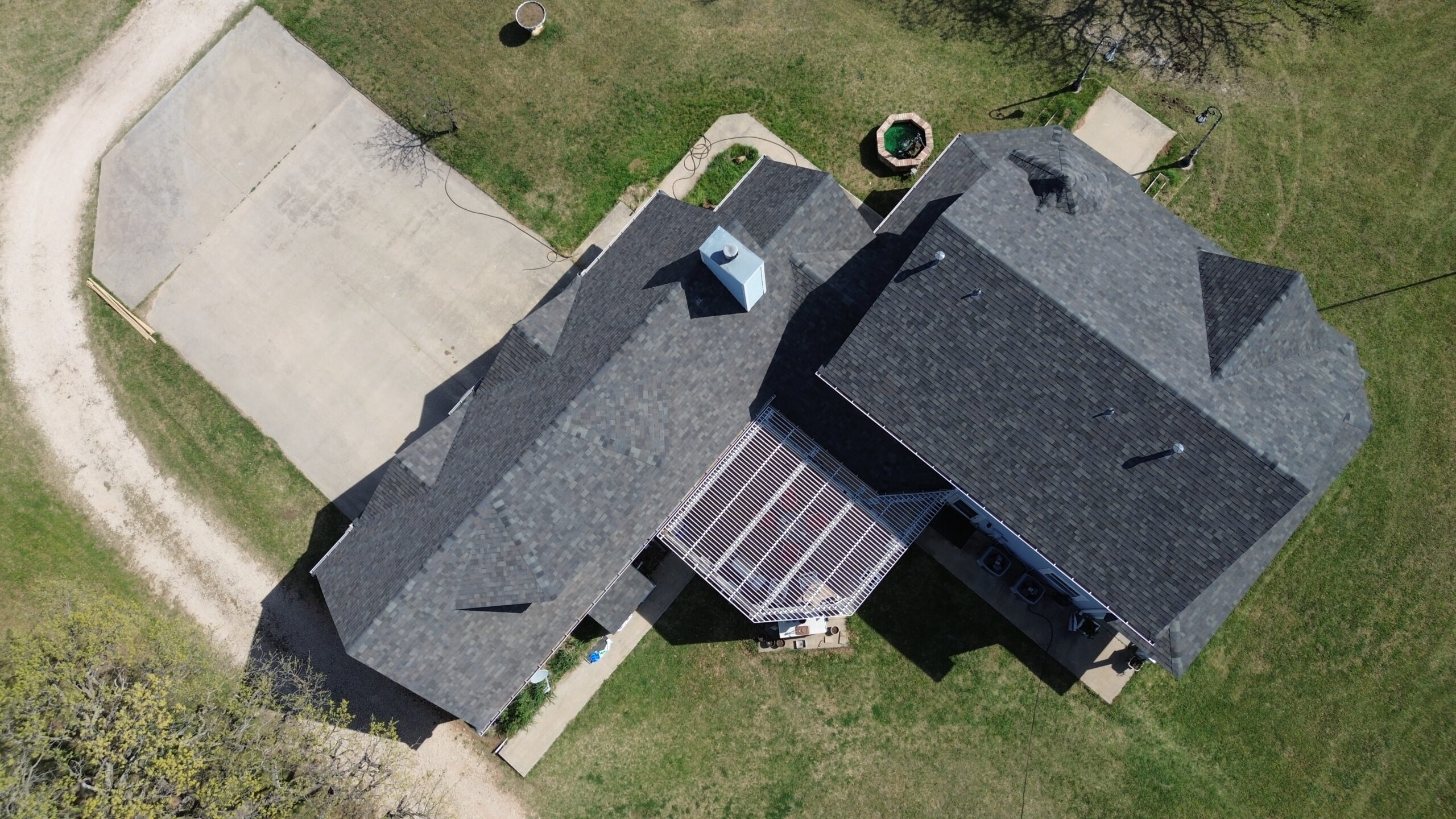
How Roofing Contractors Assess Emergencies Before Starting Repairs
Emergency roofing begins with information gathering rather than immediate repair work. Contractors need an accurate understanding of the situation before dispatching crews, equipment, and materials. This initial assessment helps determine the level of urgency while ensuring technicians arrive prepared for the specific conditions they may encounter.
Most emergency service requests begin with a conversation between the property owner and the roofing company. During this discussion, contractors collect details about the building, the visible damage, recent weather events, and any immediate safety concerns. Photographs or videos often provide valuable insight before crews arrive on site.
Once technicians reach the property, they perform a systematic inspection whenever conditions allow safe access. Their goal is not only to locate obvious damage but also to identify hidden issues that could threaten the building or create additional hazards during repair work.
A typical emergency evaluation may include:
- Exterior roof damage assessment
- Interior inspection for active leaks
- Structural stability evaluation
- Identification of immediate safety hazards
- Temporary protection requirements
- Documentation for future repair planning
This process allows contractors to distinguish between cosmetic issues and emergencies that require immediate stabilization. Even when damage appears minor from outside, internal structural problems may elevate the priority of the repair.
Contractors also document their findings carefully. Accurate records help guide repair decisions while supporting insurance claims and long term restoration planning.
The Main Factors Contractors Use to Prioritize Emergency Roof Repairs
Roofing companies rarely receive only one emergency call during severe weather events. Instead, they often manage dozens or even hundreds of requests within a short period. Since crews and equipment are limited, contractors must prioritize repairs based on risk rather than request order.
Several factors influence these decisions simultaneously. No single element determines the response because every emergency presents unique circumstances.
The most important considerations include:
- Immediate threats to human safety.
- Structural stability of the building.
- Active water intrusion causing ongoing damage.
- Forecasted weather that may worsen conditions.
- Occupancy of the property.
- Accessibility for repair crews.
- Availability of emergency materials and equipment.
Each factor contributes to an overall assessment that helps contractors determine whether immediate action, temporary stabilization, or scheduled repairs represent the most appropriate response.
For example, a home with a small leak may receive temporary protection while crews address another property where part of the roof has collapsed. Although both situations require repair, the level of danger differs considerably.
Professional contractors continually adjust priorities throughout the day as weather changes, additional emergency calls arrive, and field inspections reveal new information. This flexible approach allows them to allocate resources where they provide the greatest immediate benefit.
Safety Risks That Move a Roof Repair to the Top of the List
Protecting people always takes priority over protecting property. Roofing contractors place the highest urgency on situations where occupants face immediate danger from collapsing structures, electrical hazards, falling debris, or severe weather exposure.
A roof that shows signs of structural instability presents risks far beyond water leaks. Sagging roof sections, shifting framing, or large impact damage can indicate compromised support systems that require immediate attention before anyone enters or remains inside the building.
Electrical hazards also increase repair priority. Water entering attics or ceilings can reach wiring, electrical panels, lighting fixtures, and appliances. These conditions raise the risk of electrical shock, equipment failure, or fire, requiring coordination between roofing professionals and electricians before repairs proceed safely.
Buildings occupied by vulnerable individuals often receive accelerated responses as well. Schools, healthcare facilities, assisted living centers, and homes with young children or elderly residents may require faster stabilization because evacuation presents additional challenges.
Roofing contractors also consider hazards affecting neighboring properties. Loose roofing materials can become airborne during high winds, posing risks to nearby homes, vehicles, and pedestrians. Removing or securing unstable materials often becomes an immediate priority even before permanent repairs begin.
Safety assessments extend beyond the roof itself. Contractors evaluate surrounding trees, damaged chimneys, unstable gutters, leaning utility poles, and other hazards that could interfere with emergency repair operations.
How Structural Damage Changes Repair Priorities
Not every roof leak indicates structural failure. However, when supporting components become compromised, emergency response priorities change dramatically. Structural damage introduces risks that extend well beyond the roofing materials visible from the exterior.
Roof decking weakened by prolonged moisture may no longer support normal loads. Heavy rainfall, accumulated debris, or maintenance personnel walking across weakened sections can increase the likelihood of collapse. Contractors therefore inspect the roof’s supporting system whenever severe damage is suspected.
Large fallen trees often create complex structural emergencies. Even after branches are removed, hidden damage may remain within trusses, rafters, or load bearing walls. Repair crews frequently coordinate with structural engineers before beginning permanent restoration to ensure the building remains stable.
Storms that produce tornadoes or hurricane force winds may shift framing components without creating immediately visible roof openings. These hidden structural movements can affect the building’s overall integrity and require comprehensive evaluation before repairs proceed.
Contractors also examine interior warning signs during emergency inspections. Cracked ceilings, bowed walls, sticking doors, uneven roof lines, or sagging attic framing may indicate broader structural issues requiring specialized attention.
When structural concerns exist, temporary roof repairs alone rarely solve the problem. Contractors first stabilize the building to reduce further movement before beginning full reconstruction.
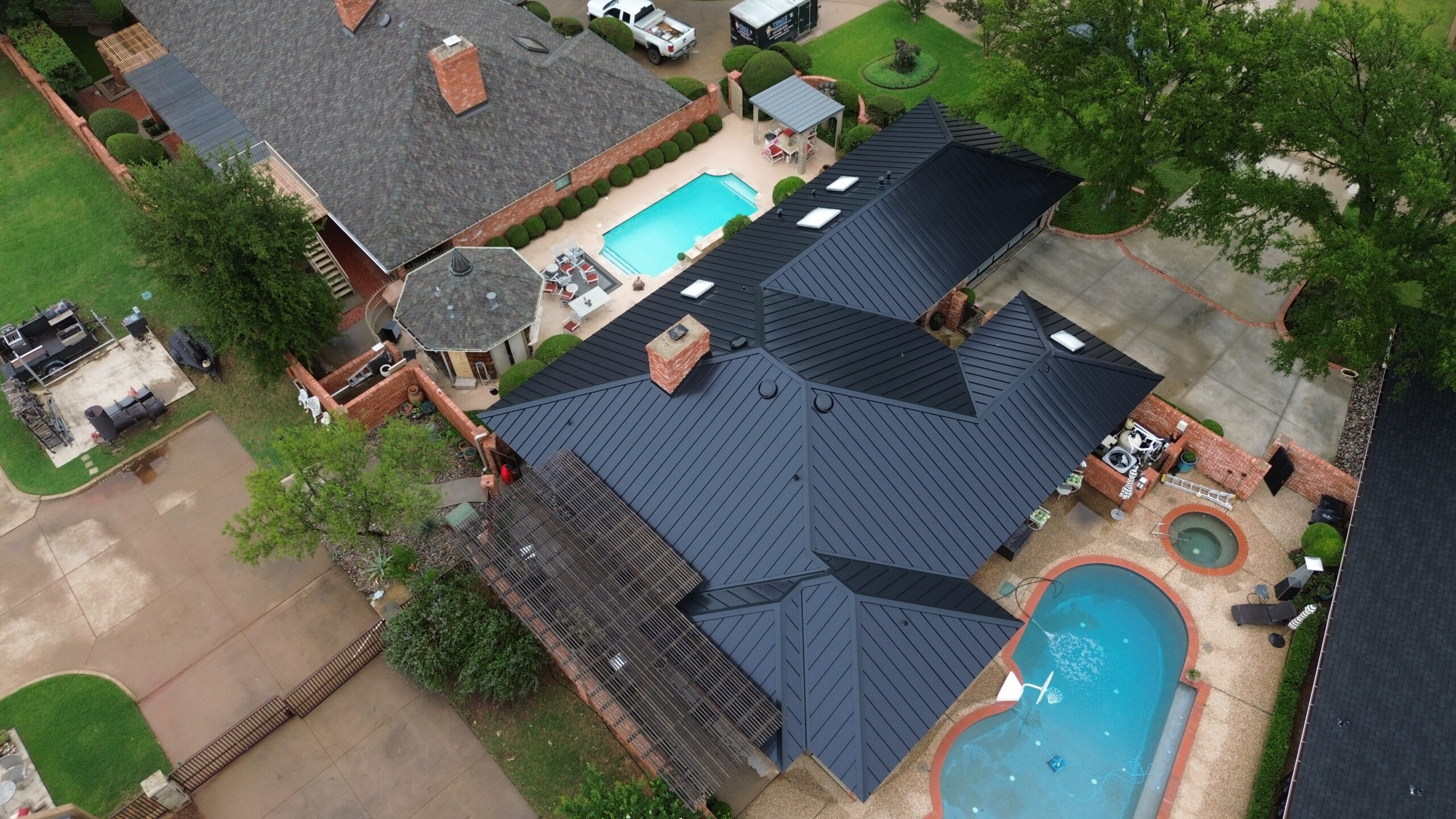
Residential vs Commercial Emergency Repair Priorities
Residential and commercial roofing emergencies share many similarities, but contractors often evaluate them differently because each property type presents unique risks and operational challenges.
Homes primarily focus on protecting occupants and preventing damage to personal belongings. Contractors assess whether residents can safely remain inside while temporary repairs are completed. If conditions become unsafe, they may recommend evacuation until stabilization measures are finished.
Commercial buildings introduce additional considerations because they often contain employees, customers, specialized equipment, inventory, or sensitive technology. A relatively small roof leak above a server room, medical facility, or manufacturing area may receive higher priority than a larger leak in an unoccupied warehouse.
Business continuity also influences emergency decisions. Contractors understand that prolonged closures can result in significant financial losses, making rapid temporary protection essential whenever possible. Their goal is often to reduce operational disruption while planning permanent repairs.
Property size further affects emergency response. Commercial roofs typically require larger crews, specialized safety equipment, and additional materials, making coordination more complex than many residential projects.
Despite these differences, contractors apply the same fundamental principle across every emergency. The highest priority always goes to situations where delaying repairs would significantly increase safety risks or structural damage.
The Role of Weather Conditions in Emergency Roofing Decisions
Weather affects every stage of emergency roof repair. Contractors constantly monitor forecasts because changing conditions influence both repair priorities and crew safety.
An approaching storm may accelerate temporary protection efforts on roofs that remain partially exposed. Even if permanent repairs cannot begin immediately, securing vulnerable areas before heavy rain arrives helps reduce additional interior damage.
High winds often prevent technicians from safely accessing rooftops. Rather than risking worker safety, contractors may install ground level protective measures or wait until wind speeds decrease enough for safe operations. This cautious approach protects both roofing crews and property owners.
Temperature also influences repair methods. Certain roofing materials require specific weather conditions for proper installation and sealing. Emergency tarping or temporary coverings may remain in place until environmental conditions support durable permanent repairs.
Seasonal weather patterns further complicate emergency scheduling. During hurricane season, widespread storm damage can generate a surge of service requests that stretches available crews across entire regions. Contractors continually reassess priorities as new weather systems develop and additional emergency calls arrive.
Rainfall intensity also determines inspection procedures. Active leaks become easier to identify during storms, but slippery roofing surfaces increase safety risks. Contractors carefully balance the need for immediate action with the responsibility to protect their workers while delivering effective emergency service.
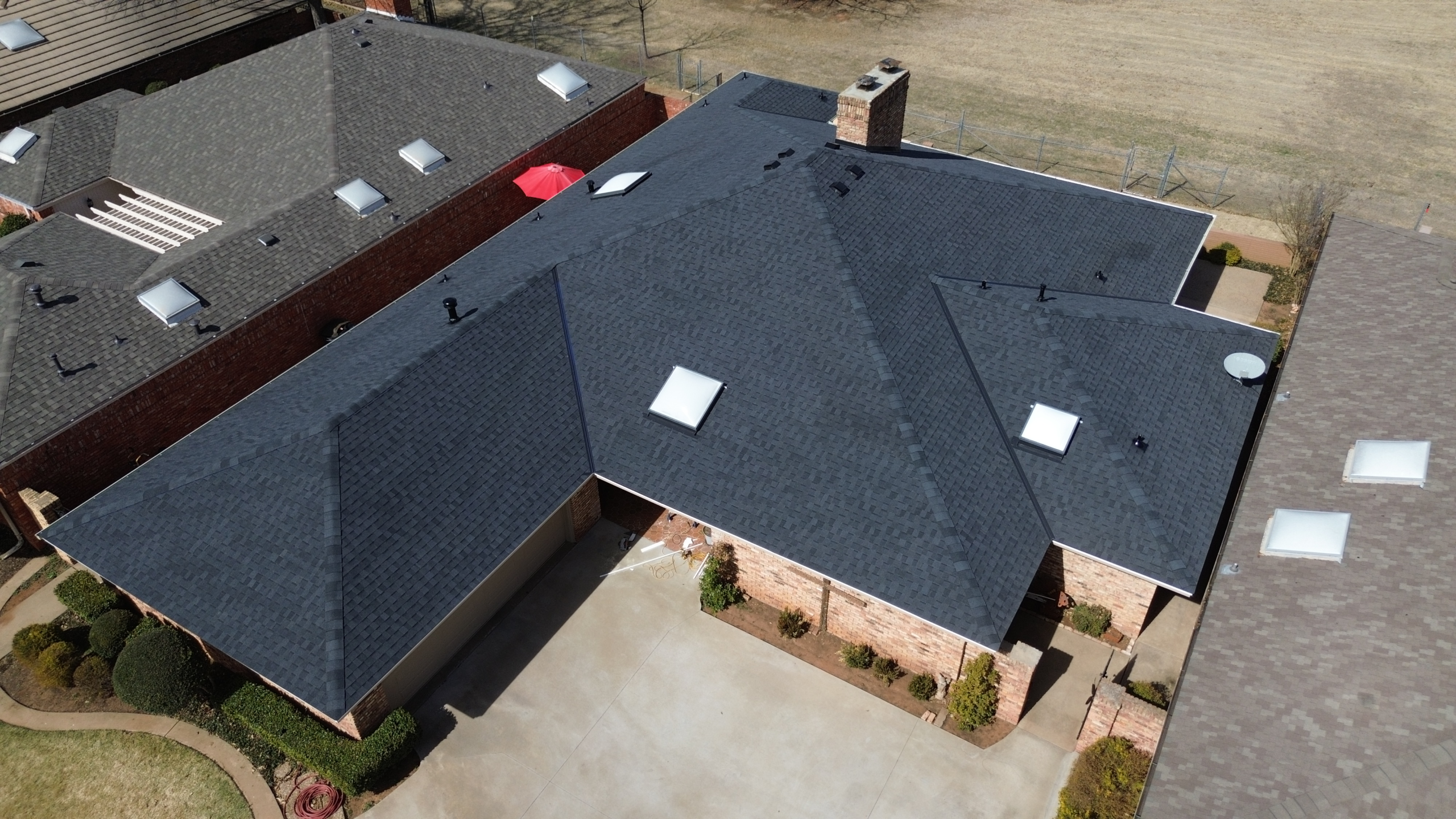
Understanding the Difference Between Temporary Protection and Permanent Repairs
One of the most common misconceptions about emergency roofing is that contractors immediately complete full repairs during the first visit. In many cases, the initial goal is stabilization rather than permanent restoration.
Temporary protection focuses on preventing additional damage until conditions allow complete repairs. Contractors may install heavy duty tarps, apply emergency sealants, secure loose roofing materials, or cover exposed structural openings. These measures help keep water out while reducing the risk of further deterioration.
Permanent repairs require a much more comprehensive approach. Contractors inspect the full extent of the damage, order matching materials, replace compromised structural components when necessary, and restore the roofing system according to manufacturer specifications and local building requirements.
Temporary solutions also provide valuable time for insurance documentation and repair planning. Property owners can coordinate with adjusters, review estimates, and make informed decisions without facing continuous water intrusion or worsening structural conditions.
Understanding this distinction helps set realistic expectations during emergency situations. The first objective is always to stabilize the property and protect occupants, while complete restoration follows once the immediate crisis has been brought under control and conditions allow safe, lasting repairs.
How Contractors Evaluate Water Intrusion and Interior Damage
Water entering a building is often more destructive than the roof damage itself. While missing shingles or punctured membranes are visible from the outside, moisture can travel through insulation, framing, drywall, and electrical pathways before signs appear indoors. Contractors understand this behavior and inspect the entire affected area rather than focusing only on the apparent leak.
During an emergency visit, technicians begin by identifying active water entry points and tracing how moisture has spread throughout the structure. They look for ceiling stains, peeling paint, wet insulation, swollen wood, damaged flooring, and signs of saturated wall cavities. This broader evaluation helps determine whether the leak is localized or part of a larger roofing failure.
Modern inspection tools make this process more accurate. Moisture meters, thermal imaging cameras, and infrared scanners can reveal hidden water accumulation behind finished surfaces without requiring unnecessary demolition. These tools allow contractors to recommend repairs based on actual conditions rather than visible symptoms alone.
Interior inspections also help determine how quickly repairs should proceed. A small leak above an unused storage room may require prompt attention, but widespread water entering occupied living spaces or essential work areas often moves much higher on the emergency schedule.
Contractors document every affected area because water damage frequently extends beyond what property owners initially notice. Comprehensive records support repair planning while also providing valuable evidence if insurance claims become necessary later.
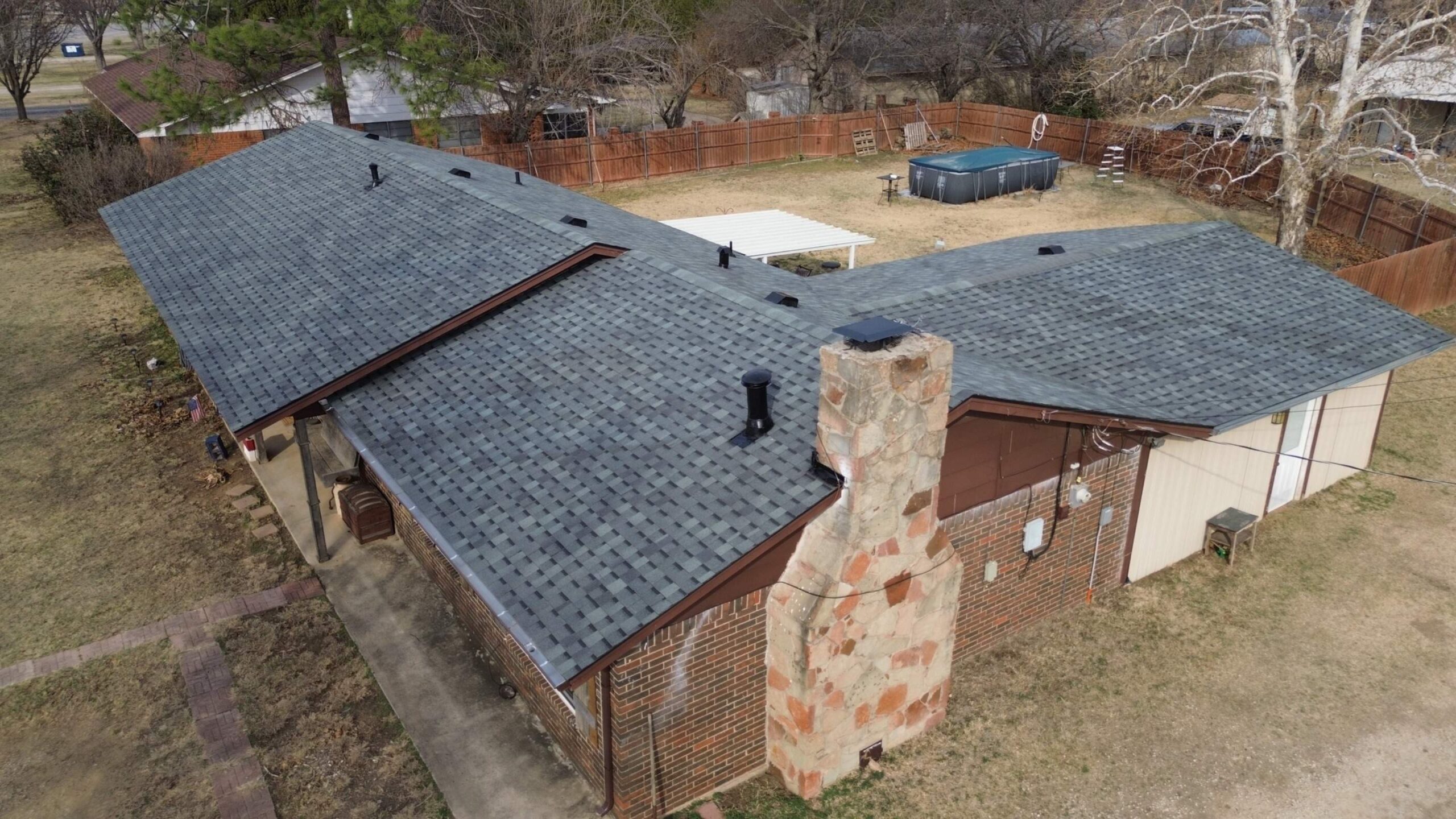
Why Occupied Buildings Often Receive Higher Priority
Emergency roofing decisions always consider the people inside the building. While every damaged roof deserves attention, occupied properties generally receive higher priority because delayed repairs may directly affect health, safety, and daily living.
For residential homes, contractors evaluate whether occupants can safely remain inside while temporary stabilization is completed. Active leaks near electrical systems, ceilings showing signs of collapse, or significant structural movement may require immediate intervention before the building becomes unsafe.
Commercial properties present additional challenges because they often accommodate employees, customers, patients, students, or visitors throughout the day. Roofing contractors work closely with facility managers to reduce disruptions while ensuring hazardous areas remain protected.
Certain buildings naturally receive elevated priority because they provide essential public services. Examples include:
- Hospitals and medical facilities
- Emergency response centers
- Schools and childcare facilities
- Assisted living communities
- Government service buildings
These facilities often require rapid stabilization because interruptions may affect large numbers of people. Contractors coordinate emergency repairs carefully to maintain safe operations whenever possible.
Occupied buildings also experience faster interior deterioration once water begins entering the structure. Furniture, electronics, inventory, documents, and personal belongings may all require protection during the initial response. Contractors frequently recommend temporary containment measures while larger repair plans are developed.
The Importance of Roof Accessibility During Emergencies
Even severe roof damage cannot always be repaired immediately if crews cannot safely reach the affected area. Accessibility plays a major role in emergency response planning because every repair must balance urgency with worker safety.
Steep roof slopes naturally require additional safety equipment. Harness systems, roof anchors, scaffolding, aerial lifts, and fall protection measures may all be necessary before technicians begin work. Setting up this equipment takes time, but it greatly reduces the risk of accidents during emergency operations.
Storm damage often creates unexpected obstacles that delay access. Fallen trees, damaged power lines, unstable chimneys, blocked driveways, flooded surroundings, or debris scattered across the property can all complicate emergency response efforts.
Multi story commercial buildings introduce another level of complexity. Large flat roofs may require cranes, material lifts, or specialized equipment capable of transporting supplies safely to elevated work areas. Contractors account for these logistical requirements when scheduling emergency projects.
Accessibility also influences the type of temporary protection installed during the first visit. If certain areas remain unsafe to reach, contractors may secure surrounding sections first before completing full stabilization once conditions improve.
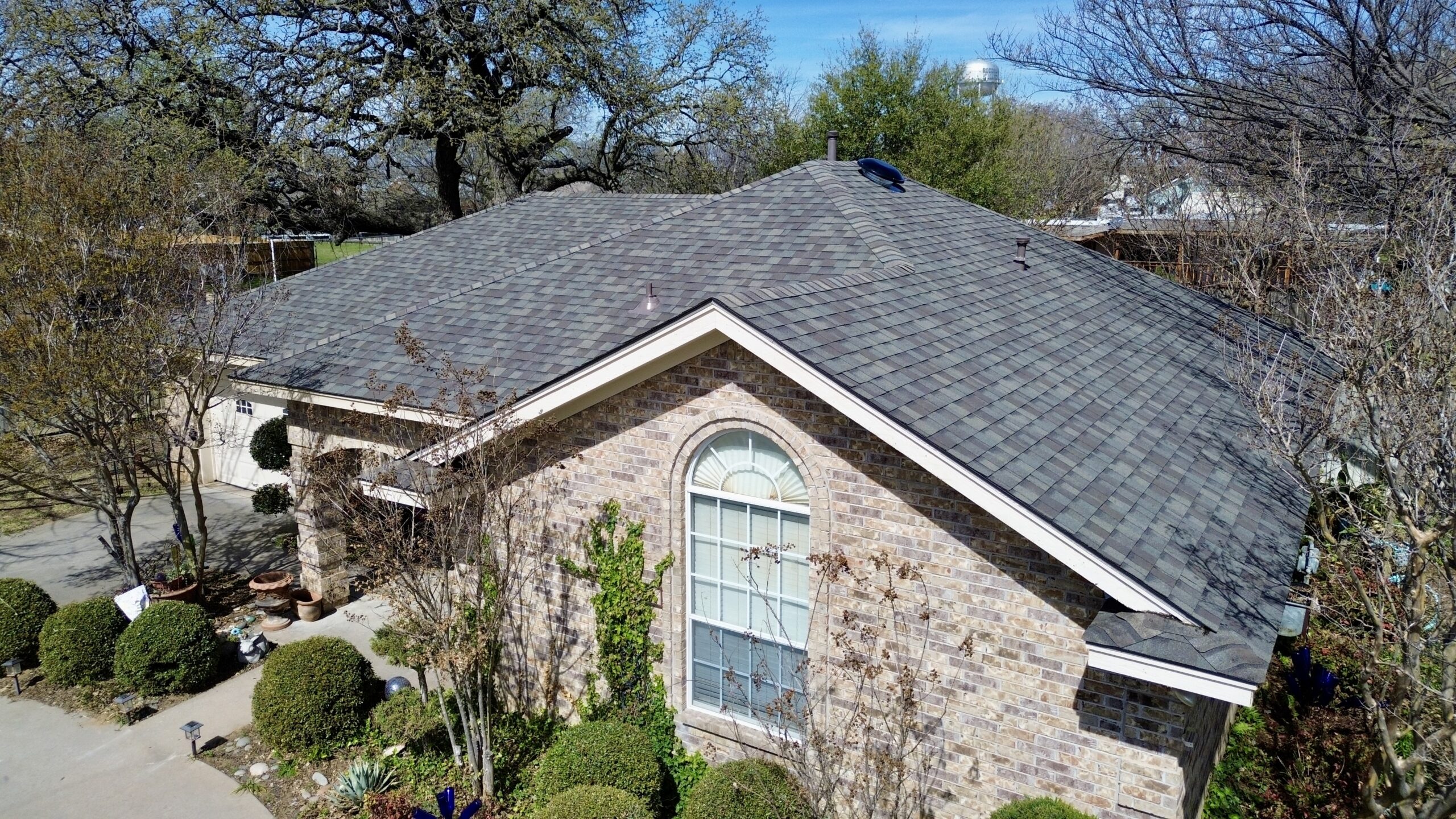
How Roofing Materials Influence Repair Strategies
Every roofing system responds differently to severe weather and emergency conditions. Contractors adjust their repair approach according to the materials installed because each roofing product has unique characteristics, vulnerabilities, and repair requirements.
Asphalt shingles remain one of the most common residential roofing materials. High winds may remove individual shingles while leaving the underlying decking intact, allowing relatively quick temporary stabilization. However, widespread wind damage often indicates weakened surrounding shingles that also require careful inspection.
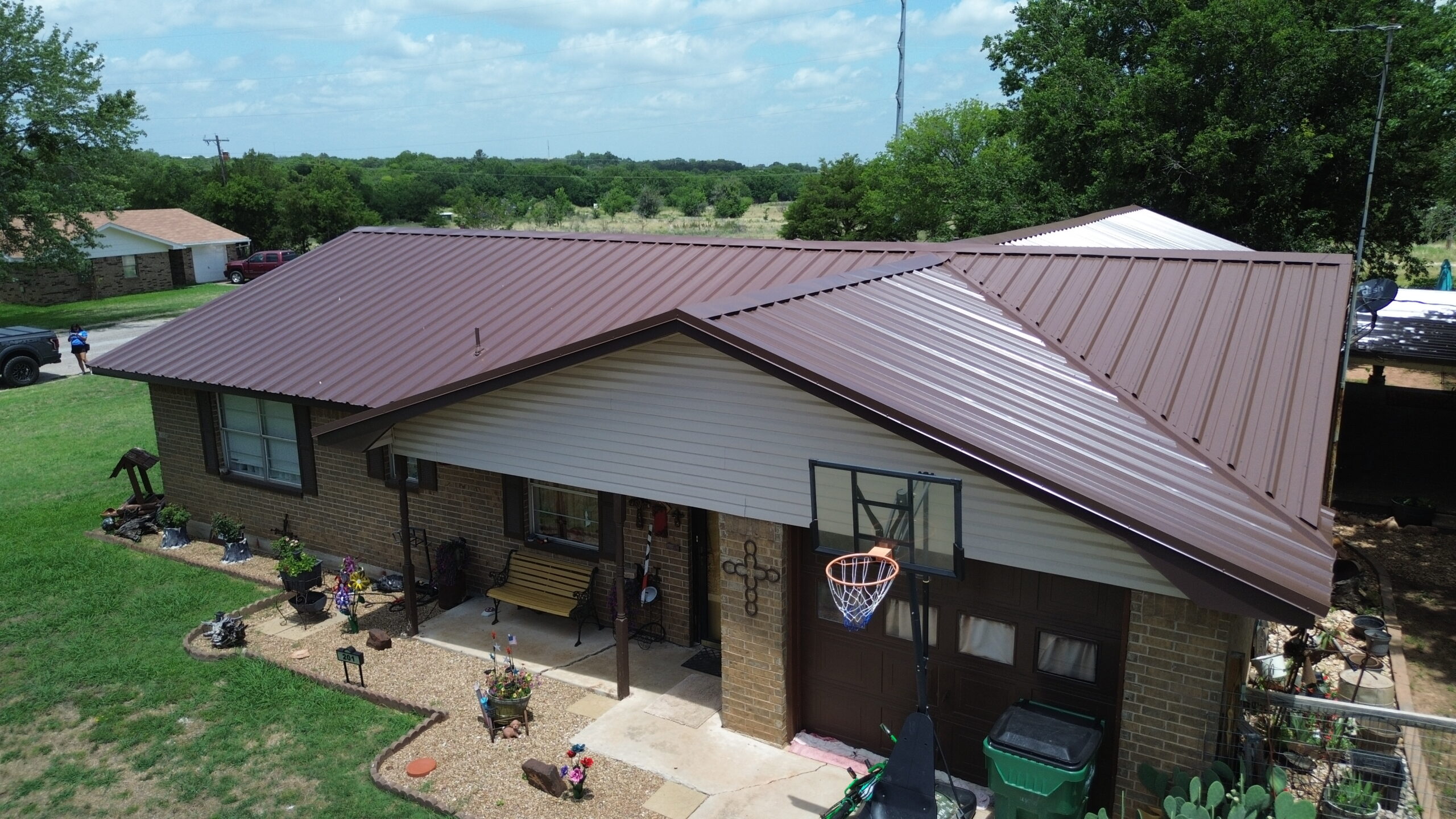
Metal roofing behaves differently during emergencies. Panels may remain structurally intact even after severe storms, but loose fasteners, displaced flashing, or impact damage from hail can create water entry points that require specialized repairs. Contractors also inspect seams carefully because hidden movement may develop after strong wind events.
Tile and slate roofs present unique challenges due to their weight and installation methods. Broken tiles may appear isolated, yet underlying waterproofing layers can sustain additional damage during the impact. Walking across these roofs also requires extra caution to avoid creating further breakage.
Flat roofing systems commonly found on commercial buildings require another inspection strategy altogether. Membrane punctures, seam separation, drainage failures, and standing water all influence repair priorities differently than steep slope roofing systems.
The following table illustrates how different roofing materials may influence emergency repair decisions.
| Roofing Material | Common Emergency Issue | Typical Initial Response | Long Term Repair Consideration |
|---|---|---|---|
| Asphalt Shingles | Missing or lifted shingles | Temporary covering and sealing | Replace damaged shingles and inspect surrounding areas |
| Metal Roofing | Loose panels or flashing | Secure panels and stop water entry | Repair fasteners, flashing, or affected sections |
| Tile Roofing | Broken or displaced tiles | Remove unstable pieces and cover exposed areas | Replace damaged tiles and inspect underlayment |
| Slate Roofing | Cracked or missing slate | Temporary waterproof protection | Individual slate replacement with matching materials |
| Flat Membrane Roofing | Tears, punctures, seam separation | Temporary patching and water diversion | Permanent membrane restoration or replacement |
Understanding roofing materials allows contractors to choose repair methods that provide both immediate protection and long lasting performance.
Equipment, Crew Availability, and Emergency Scheduling
Emergency roofing is not simply a matter of assigning the next available technician. Contractors must coordinate people, vehicles, equipment, materials, and safety resources while responding to rapidly changing conditions.
Following major storms, service requests often increase dramatically within a matter of hours. Roofing companies may receive far more calls than they can physically complete in a single day. Rather than working randomly, dispatch teams organize repairs according to severity, location, crew expertise, and equipment availability.
Different emergencies require different skill sets. A small residential leak may only need a two person crew with standard repair materials, while structural failures on large commercial buildings could require experienced supervisors, specialized equipment, and additional safety personnel.
Material availability also influences scheduling. Some repairs require roofing products that may not be immediately available after regional storm events. In these situations, contractors frequently install temporary protective systems while ordering permanent replacement materials.
Contractors continually adjust schedules throughout the day as crews complete projects, weather conditions evolve, and new emergency calls arrive. Flexibility allows them to respond effectively without compromising repair quality or worker safety.
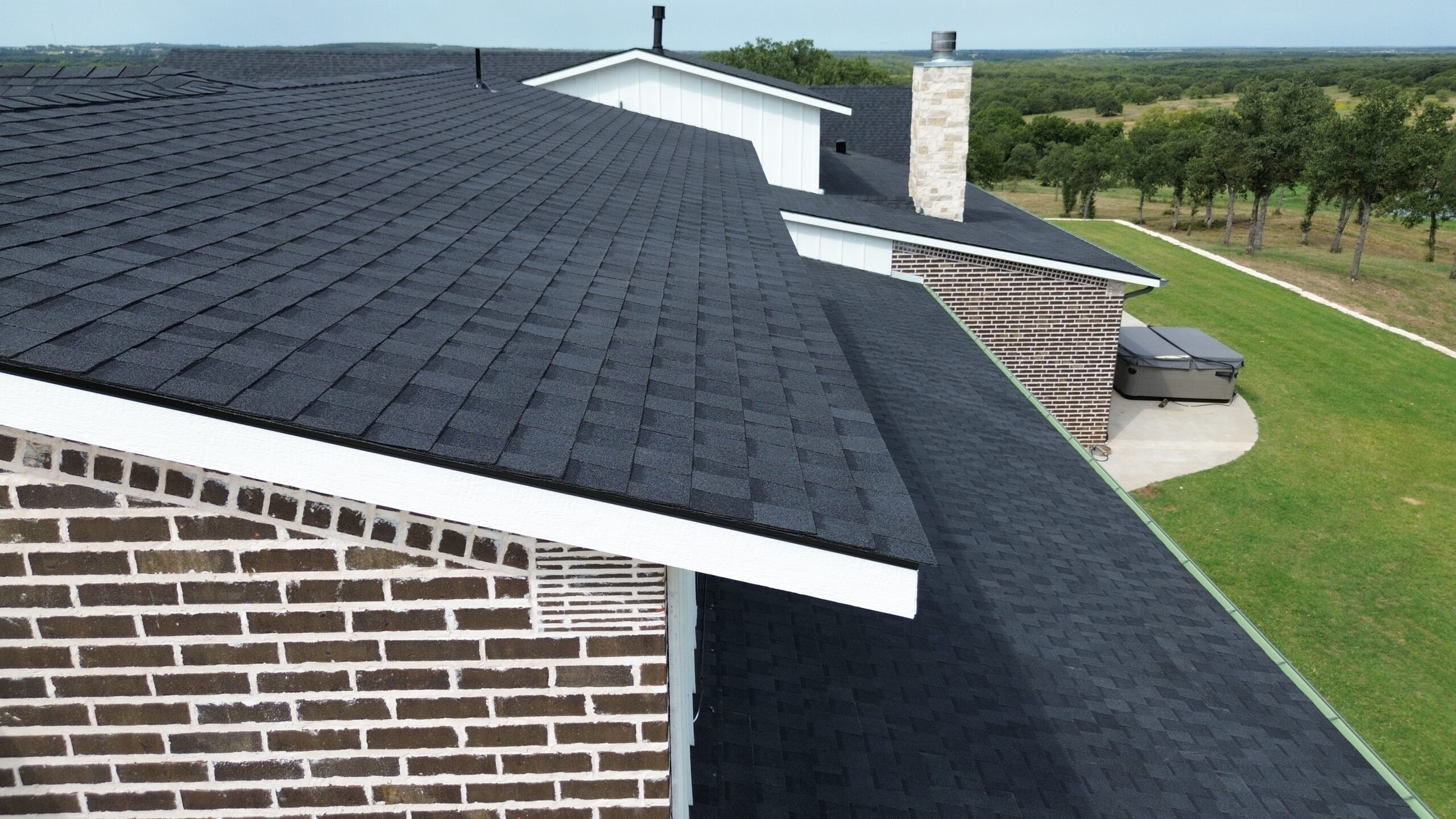
Insurance Documentation and Its Role During Emergency Repairs
Insurance considerations often become part of the emergency roofing process, although contractors never allow paperwork to delay urgent safety measures. Their first responsibility is protecting the property from additional damage before focusing on documentation.
Once the immediate emergency has been stabilized, contractors begin collecting detailed information about the roof’s condition. Photographs, measurements, inspection notes, moisture readings, and written observations all become valuable records during the insurance process.
Property owners benefit from comprehensive documentation because it demonstrates both the extent of the damage and the emergency measures taken to prevent further deterioration. Accurate records help explain why temporary repairs were necessary before permanent restoration could begin.
Many contractors also prepare detailed repair estimates that separate emergency stabilization from complete reconstruction. This distinction provides greater clarity for property owners while helping insurers understand the sequence of work performed.
Although insurance approval timelines vary, professional documentation allows permanent repairs to move forward more efficiently once claim decisions have been made. Thorough records also reduce confusion if additional damage becomes apparent during the restoration process.
Common Challenges Roofing Contractors Face During Large Storm Events
Major storms rarely affect a single neighborhood. Instead, they often create widespread damage across entire cities or regions, placing extraordinary demands on emergency roofing services.
Contractors may receive hundreds of service requests within a short period. Dispatch teams must evaluate each call carefully while communicating realistic response times to property owners who are understandably anxious about protecting their homes and businesses.
Material shortages sometimes develop after large weather events because roofing supplies are being used simultaneously across many repair projects. Contractors overcome these challenges by prioritizing emergency stabilization while coordinating deliveries for permanent restoration.
Travel conditions also become more difficult following severe storms. Flooded roads, fallen trees, power outages, traffic congestion, and restricted access can all delay emergency response despite contractors working continuously throughout the day.
Crew fatigue represents another important consideration. Emergency roofing often involves long working hours under physically demanding conditions. Responsible companies rotate personnel appropriately because exhausted workers face a higher risk of accidents and reduced repair quality.
Communication becomes equally important during these high demand periods. Contractors keep property owners informed about scheduling updates, temporary protection measures, expected repair timelines, and any changes caused by evolving weather conditions.
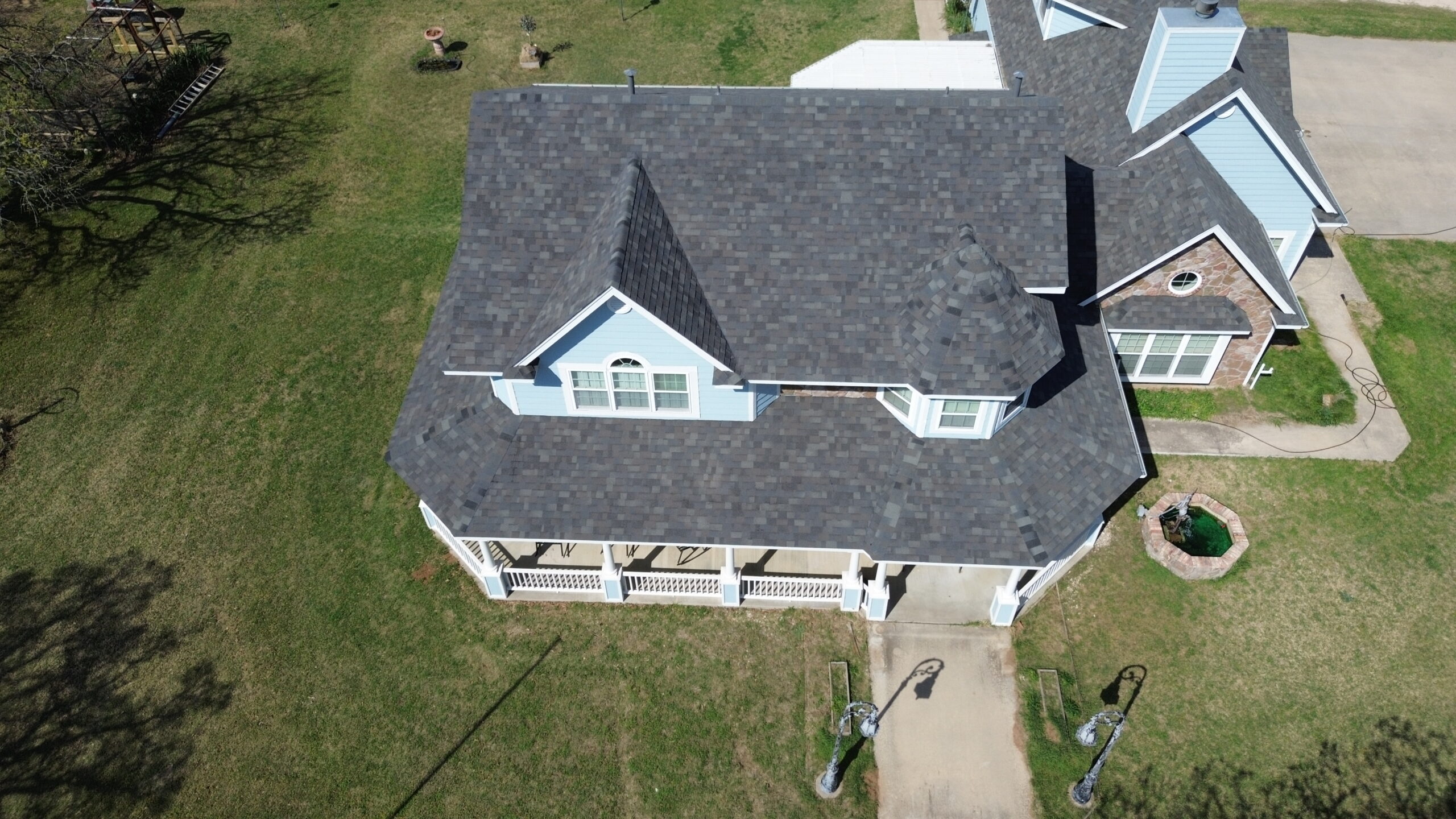
Priority Levels for Different Types of Emergency Roof Damage
Although every roofing emergency is unique, contractors generally classify damage according to the level of immediate risk. These categories help dispatch teams allocate resources consistently during periods of high demand.
A simplified priority system often follows this general progression:
- Roof failures that threaten human safety or structural collapse.
- Active water intrusion causing rapid interior damage.
- Major storm damage exposing large roof sections.
- Localized leaks that can be temporarily contained.
- Cosmetic or non urgent damage requiring scheduled repair.
These categories remain flexible because conditions can change quickly. A moderate leak may become a high priority if heavy rain is forecast, while a structurally stable roof with minor damage may safely remain protected under temporary coverings until permanent repairs can be scheduled.
Contractors continuously reassess priorities as new inspections are completed and weather conditions evolve. Their objective is always to direct available crews where they can prevent the greatest amount of damage while maintaining safe working conditions for everyone involved.
This structured approach ensures emergency roofing services remain organized even during periods of overwhelming demand. Rather than responding randomly, contractors rely on experience, careful assessment, and established procedures to protect both buildings and the people who depend on them.
How Homeowners Can Help Speed Up Emergency Roof Repairs
Although professional roofing contractors manage the repair process, homeowners also play an important role in helping emergency services proceed efficiently. Providing accurate information and preparing the property before crews arrive allows contractors to begin work more quickly while reducing unnecessary delays.
When reporting roof damage, property owners should describe what they have observed without attempting to diagnose the problem. Mentioning active leaks, fallen tree limbs, missing roofing materials, ceiling stains, or visible structural movement helps contractors understand the urgency before arriving on site.
Photographs taken from a safe location can also be extremely valuable. Images of roof damage, interior leaks, damaged ceilings, and surrounding conditions provide dispatch teams with a better understanding of the situation, allowing them to send the appropriate crew and equipment.
Homeowners should also make the property as accessible as possible. Moving vehicles away from the work area, unlocking gates, securing pets, and clearing safe pathways help technicians begin inspections without unnecessary interruptions.
Most importantly, property owners should avoid climbing onto a damaged roof during or immediately after a storm. Wet roofing materials, hidden structural damage, and loose debris create serious fall hazards that are best left to trained professionals equipped with proper safety gear.
Mistakes That Can Delay Emergency Roofing Service
In stressful situations, property owners sometimes make decisions that unintentionally complicate emergency repairs. Understanding these common mistakes can help prevent additional damage while allowing contractors to work more efficiently.
One frequent mistake is delaying the service call in hopes that a small leak will stop on its own. Water rarely remains confined to one location, and even a minor opening can allow moisture to spread throughout the roofing system during continued rainfall.
Another issue involves attempting temporary repairs without the necessary experience or equipment. Improperly installed tarps, excessive sealants, or unsecured materials may create additional safety hazards while making professional repairs more difficult.
Some homeowners also remove damaged roofing materials before the contractor arrives. While this may seem helpful, it can eliminate valuable evidence that assists with identifying the cause of failure and documenting storm damage.
Ignoring interior warning signs is another common problem. Ceiling discoloration, sagging drywall, unusual odors, or peeling paint often indicate ongoing moisture intrusion even when roof damage appears limited from the outside.
Communication delays can also affect scheduling. Contractors work more efficiently when property owners remain available to answer questions, provide access to the building, and discuss inspection findings as the project progresses.
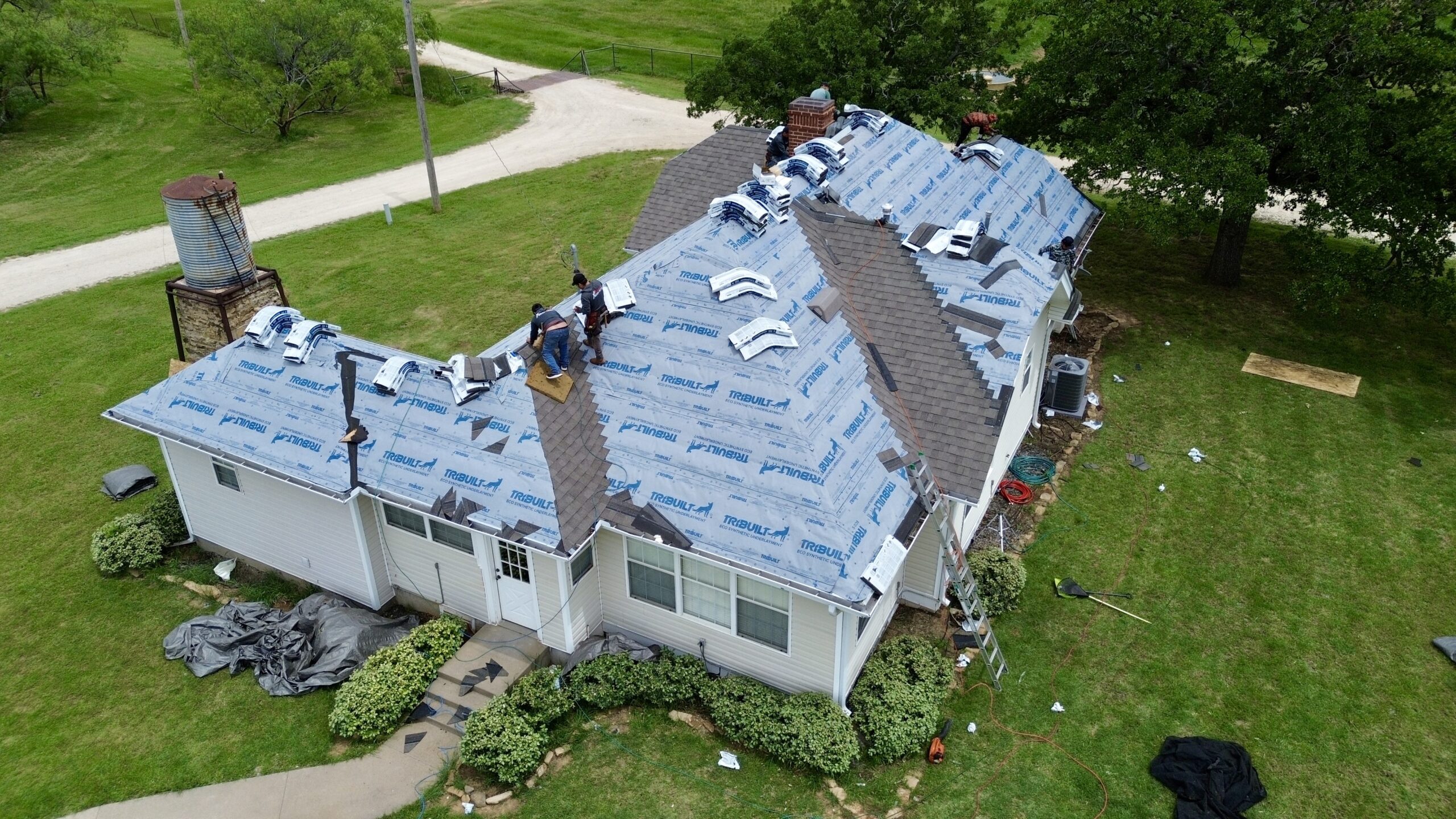
What Happens After the Immediate Emergency Is Controlled
Emergency stabilization represents only the first stage of the restoration process. Once contractors have stopped active leaks and secured the building against further weather exposure, they begin developing a comprehensive repair strategy based on the full extent of the damage.
A detailed inspection often follows the initial emergency response. Technicians examine roofing materials, flashing, decking, ventilation components, drainage systems, insulation, and structural framing to identify problems that may not have been visible during the urgent stabilization phase.
Contractors then prepare a repair plan outlining the work required to restore the roofing system. This plan may include replacing damaged materials, reinforcing structural components, improving drainage, installing new flashing, or addressing hidden moisture damage discovered during the inspection.
Material selection also becomes an important consideration. Whenever possible, contractors use roofing products that match the existing system while ensuring compatibility with current building standards and manufacturer recommendations.
Property owners generally receive a written estimate explaining the scope of work, projected timeline, and recommended repair methods. This allows informed decision making before permanent restoration begins.
Preventing Future Roofing Emergencies Through Regular Maintenance
While no roof can completely avoid severe weather, routine maintenance significantly reduces the likelihood that small issues will develop into major emergencies. Contractors consistently emphasize preventive care because it extends roof life while lowering long term repair costs.
Regular inspections allow roofing professionals to identify loose flashing, damaged shingles, deteriorated sealants, blocked drainage systems, and minor wear before these conditions become serious problems. Addressing these issues early often prevents unexpected leaks during future storms.
Cleaning gutters and downspouts also plays an important role in roof performance. Proper drainage allows rainwater to flow away from the structure instead of backing up beneath roofing materials or overflowing near vulnerable roof edges.
Tree maintenance is another valuable preventive measure. Overhanging branches may scrape roofing materials during windy conditions or break and fall onto the roof during storms. Routine trimming reduces these risks while limiting debris accumulation.
Attic ventilation should not be overlooked either. Balanced airflow helps regulate temperature and moisture levels, reducing the likelihood of condensation related damage that can weaken roof components over time.
Preventive maintenance offers several important benefits:
- Extends the overall lifespan of roofing materials.
- Reduces the likelihood of emergency leaks.
- Helps identify hidden damage before it spreads.
- Improves overall drainage performance.
- Supports better long term repair planning.
Routine care cannot eliminate every roofing emergency, but it significantly improves the roof’s ability to withstand challenging weather conditions throughout the year.
Signs Your Roof Needs Professional Attention Before the Next Storm
Many roofing emergencies begin as relatively small issues that remain unnoticed for months. Learning to recognize early warning signs allows property owners to schedule repairs before severe weather turns manageable problems into urgent situations.
Visible damage is often the first indication that a roof requires professional evaluation. Missing shingles, cracked flashing, exposed fasteners, sagging gutters, and deteriorated sealants all deserve attention because they may allow water to penetrate the roofing system.
Interior changes also provide valuable clues. Water stains on ceilings, peeling paint near roof intersections, damp attic insulation, or musty odors frequently suggest hidden moisture intrusion that should not be ignored.
Age is another important factor. Roofing materials naturally deteriorate over time due to sunlight, temperature changes, rain, wind, and seasonal expansion and contraction. Older roofs benefit from more frequent professional inspections even if obvious damage is not yet visible.
The following warning signs should prompt a roofing inspection before the next major storm arrives:
| Warning Sign | What It May Indicate | Why Early Inspection Matters |
|---|---|---|
| Missing shingles | Wind damage or aging materials | Prevents larger sections from becoming exposed |
| Ceiling stains | Active roof leak | Limits interior water damage |
| Sagging roof areas | Possible structural weakness | Reduces collapse risk through early repairs |
| Granules in gutters | Shingle deterioration | Indicates roofing materials may be reaching the end of their service life |
| Loose flashing | Vulnerable roof penetrations | Prevents leaks around chimneys, vents, and skylights |
| Persistent attic moisture | Ventilation or roof failure | Protects insulation and structural framing |
Recognizing these warning signs early gives contractors the opportunity to perform planned repairs instead of responding under emergency conditions.
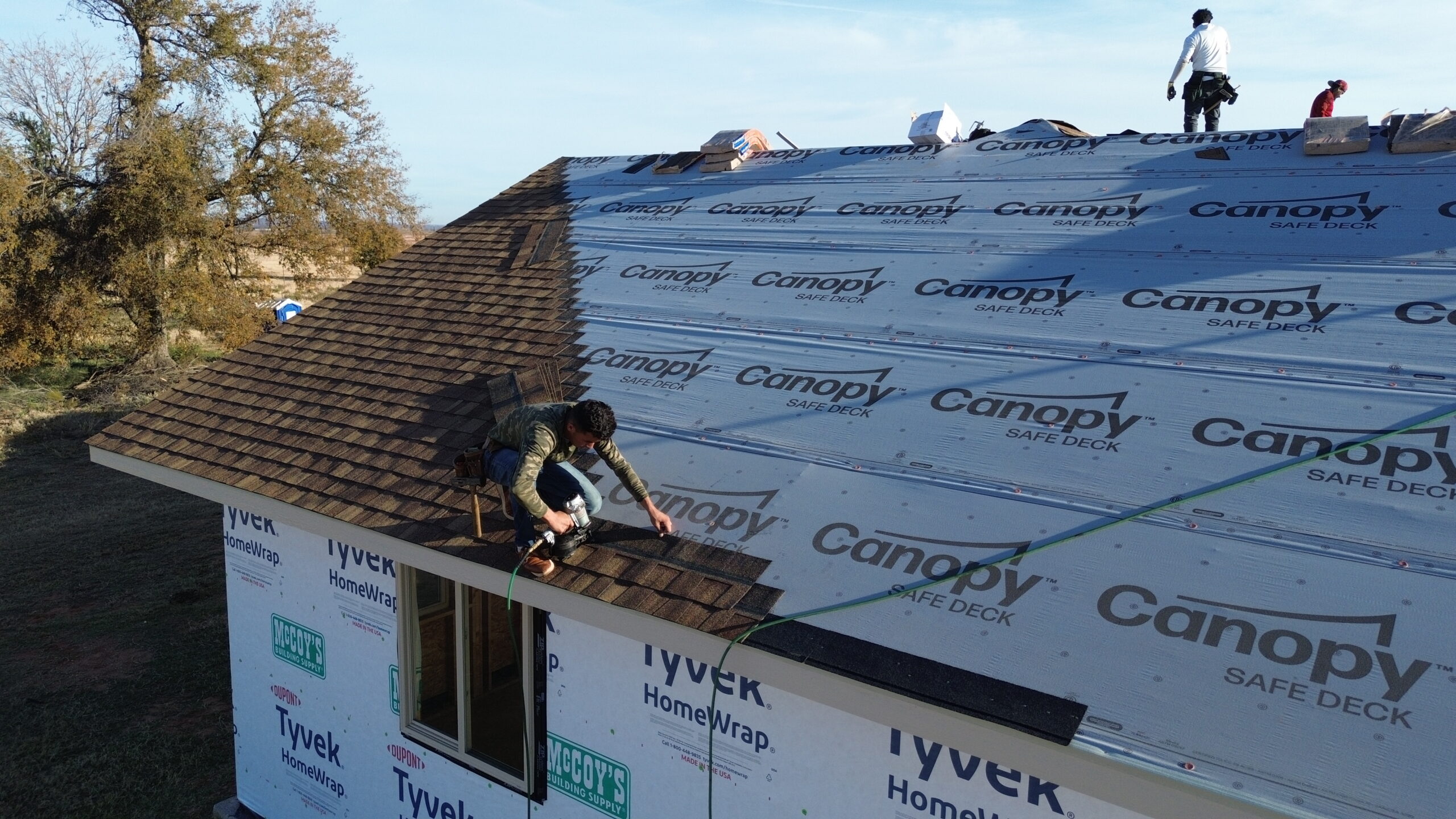
Frequently Asked Questions
How quickly do roofing contractors usually respond to emergencies?
Response times depend on weather conditions, the number of service requests, and the severity of the reported damage. Life threatening situations and severe structural failures generally receive the highest priority, while less urgent issues may first receive temporary protective measures before permanent repairs are scheduled.
Why do contractors sometimes install a tarp instead of repairing the roof immediately?
Emergency tarping prevents additional water intrusion while allowing contractors to safely plan permanent repairs. Material availability, weather conditions, structural concerns, and insurance documentation may all influence when complete restoration can begin.
Can every roof leak be considered an emergency?
Not every leak requires immediate emergency service, but any active water intrusion should be inspected promptly. Even small leaks can lead to hidden structural damage, insulation problems, and mold growth if left unaddressed.
Will emergency repairs permanently fix the roof?
Emergency repairs primarily focus on stabilizing the building and preventing further damage. Permanent repairs generally involve more extensive inspections, material replacement, and complete restoration once conditions are safe.
Should homeowners inspect storm damage themselves?
Ground level observations are usually safe, but climbing onto a damaged roof is not recommended. Hidden structural weakness, slippery surfaces, and unstable roofing materials create unnecessary risks that trained professionals are better equipped to manage.
Conclusion
Emergency roof repairs require far more than quick fixes or immediate leak control. Professional roofing contractors evaluate every situation carefully, balancing safety, structural stability, weather conditions, occupant protection, accessibility, and available resources before determining which properties require immediate attention. This systematic approach allows limited crews and equipment to deliver the greatest benefit during periods of high demand.
Understanding how contractors prioritize emergencies helps property owners develop realistic expectations during stressful situations. A delayed permanent repair does not necessarily indicate that the damage has been overlooked. In many cases, temporary stabilization is the safest and most effective way to protect a building while more critical emergencies are addressed first.
Homeowners and business owners also play an important role by reporting damage promptly, providing accurate information, avoiding unsafe repair attempts, and supporting routine roof maintenance throughout the year. Preventive inspections and timely repairs reduce the likelihood of unexpected failures while improving the roof’s ability to withstand future storms.
When emergencies do occur, working with experienced roofing professionals ensures that repairs follow a logical process focused on protecting people, preserving property, and restoring the roofing system with long term performance in mind. By understanding the priorities that guide emergency roofing decisions, property owners can approach unexpected roof damage with greater confidence and make informed choices throughout the restoration process.