
Roof Leak Inspection Checklist for Homeowners in Rainy Seasons
Introduction
Rainy seasons bring welcome relief from hot temperatures, but they also place tremendous stress on residential roofing systems. Continuous rainfall, high humidity, strong winds, and storm debris can expose weaknesses that remain unnoticed during dry weather. Even a well-built roof can develop leaks if small problems are left unattended before the rainy season begins.
Many homeowners only think about their roof after water starts dripping from the ceiling. Unfortunately, visible leaks are often the final stage of a problem that has been developing for weeks or even months. By the time water reaches the interior of the home, roofing materials, insulation, and structural components may have already suffered damage.
A thorough roof inspection helps identify vulnerable areas before they become costly repairs. It allows homeowners to address worn shingles, damaged flashing, clogged gutters, and other issues that increase the risk of water intrusion. Preventive inspections also reduce the chances of emergency repairs during severe weather when roofing work becomes more difficult and expensive.
Creating a consistent inspection routine is one of the most effective ways to protect your home throughout the rainy season. Instead of reacting to leaks after they occur, homeowners can take proactive steps to maintain the roof’s condition and extend its service life. A careful inspection requires time and attention, but it often prevents thousands of dollars in future repair costs.
This comprehensive guide explains how homeowners can inspect their roofs before and during rainy seasons. It covers the most common leak sources, warning signs to watch for, and practical inspection techniques that help detect problems early. By following a structured checklist, you can better protect your home, improve roof performance, and reduce the likelihood of unexpected water damage.
Why Rainy Seasons Increase Roof Leak Risks
Roofs are designed to withstand normal weather conditions, but prolonged rainfall creates challenges that are difficult to ignore. Instead of dealing with occasional moisture, roofing materials may remain wet for several days at a time. This constant exposure increases the likelihood that water will find its way through weak points.
Rainwater naturally follows the path of least resistance. When shingles become damaged or flashing begins to deteriorate, water can slowly penetrate beneath the outer roofing layer. Once moisture enters the roofing system, it often spreads through hidden areas before becoming visible inside the home.
Strong winds frequently accompany heavy rain, making the situation even more serious. Wind-driven rain can force water beneath shingles that would normally shed rainfall without difficulty. This type of water intrusion is particularly common around roof edges, valleys, chimneys, skylights, and roof penetrations.
Rainy seasons also expose drainage problems that may not be noticeable during dry weather. Gutters filled with leaves or debris prevent water from flowing away efficiently. Instead, rainwater backs up along the roof edge, increasing the chances of moisture entering beneath shingles.
Repeated wetting and drying cycles gradually wear down roofing materials. Sealants lose flexibility, flashing joints weaken, and shingles begin showing signs of age. While these changes occur slowly, they become much more noticeable during periods of frequent rainfall.
Humidity is another factor that contributes to roof problems. High moisture levels slow the drying process after rainstorms, allowing roofing materials to remain damp for longer periods. This creates favorable conditions for wood deterioration, mold growth, and other moisture-related issues.
Older roofs are naturally more vulnerable during rainy seasons, but newer roofs are not immune. Poor installation, manufacturing defects, storm damage, or inadequate maintenance can all create leak pathways regardless of the roof’s age. Regular inspections remain important for every homeowner, whether the roof is five years old or twenty-five.
How Roof Leaks Develop During Wet Weather
Many homeowners imagine that roof leaks occur suddenly after a major storm. While severe weather can certainly cause immediate damage, most leaks develop gradually through a series of small failures. Understanding this process helps explain why routine inspections are so valuable.
Everything usually begins with a minor defect in the roofing system. A cracked shingle, loose nail, deteriorated flashing, or damaged seal may appear insignificant at first. During light rainfall, little or no water may enter the home, giving the impression that everything is functioning normally.
As rainfall becomes heavier, water begins exploiting these weak points. Instead of flowing harmlessly across the roof surface, small amounts of moisture seep beneath shingles and into the underlayment. Although the quantity may seem minimal, repeated exposure allows damage to accumulate over time.
Water rarely travels straight downward after entering the roof. It often follows roof decking, wooden rafters, insulation, and framing members before reaching ceilings or walls. This hidden movement makes locating the actual source of a leak far more challenging than many homeowners expect.
Roof valleys deserve particular attention because they collect large volumes of rainwater during storms. Any weakness in these areas can quickly allow water to penetrate beneath the roofing surface. Valleys that contain damaged shingles or deteriorated flashing should be repaired promptly to prevent larger problems.
Roof penetrations also represent common leak locations. Plumbing vents, exhaust vents, satellite mounts, solar panel attachments, and skylights all require carefully sealed openings through the roof. As sealants age and weather over time, these areas become increasingly susceptible to water intrusion.
Once water reaches roof decking, the damage begins expanding beyond the roofing materials themselves. Wood absorbs moisture gradually, insulation becomes saturated, and hidden structural components remain damp long after rainfall has ended. Because these changes occur out of sight, homeowners may not recognize the problem until ceiling stains eventually appear indoors.
Each rainfall adds another layer of moisture to affected materials. Even if visible leaks only occur during severe storms, smaller amounts of water may continue entering the roof during moderate rainfall. Over several months, this repeated exposure significantly increases the extent of structural damage.
Common Causes of Roof Leaks in Rainy Seasons
Roof leaks can develop from many different conditions, but certain problems become especially common during prolonged periods of rainfall. Recognizing these causes helps homeowners focus their inspections on the areas most likely to develop water intrusion.
Damaged or missing shingles remain one of the leading causes of roof leaks. Shingles protect the underlying roof structure by directing rainwater safely toward gutters. When shingles crack, curl, loosen, or disappear altogether, water gains direct access to the layers beneath.
Flashing failures are another frequent source of leaks. Flashing is installed around chimneys, vents, skylights, dormers, and roof valleys to create waterproof transitions. Over time, flashing may rust, separate, or lose its protective seal, allowing rainwater to enter.
Roof sealants naturally deteriorate with age and exposure to sunlight. Once these protective materials begin cracking or shrinking, they leave small openings that allow moisture to penetrate vulnerable sections of the roof.
Clogged gutters contribute to many rainy-season roof problems. Instead of directing water safely away from the home, blocked gutters force rainwater to pool along roof edges. Standing water increases pressure on roofing materials and raises the likelihood of leaks.
Improper roof installation can create hidden weaknesses that remain unnoticed for years. Incorrectly installed flashing, poorly aligned shingles, inadequate fastening, or insufficient underlayment all reduce the roof’s ability to resist heavy rainfall.
Storm damage also deserves careful attention. High winds may loosen shingles, falling branches can puncture roofing materials, and hail may create small impact fractures that become leak points during future storms.
Natural aging affects every roofing system eventually. Materials gradually lose flexibility, adhesives weaken, protective granules wear away, and joints become less effective at keeping water out. Routine inspections become increasingly important as roofs approach the later years of their expected lifespan.
Ventilation problems may not directly create leaks, but they often contribute to moisture-related deterioration. Poor attic ventilation allows excess humidity to accumulate beneath the roof, encouraging condensation and reducing the lifespan of roofing materials.
Why Every Homeowner Needs a Roof Inspection Checklist
Many homeowners inspect their roofs only after they notice obvious signs of damage. While emergency inspections are important, relying solely on visible problems often means damage has already progressed beyond the earliest stages.
A structured inspection checklist provides consistency. Rather than relying on memory, homeowners can systematically examine every important component of the roofing system. This approach reduces the chance of overlooking small defects that could later develop into expensive repairs.
Checklists also make seasonal maintenance more efficient. Instead of wondering where to begin, homeowners can move through each inspection point in a logical order. This organized process saves time while improving the quality of the inspection.
Documentation is another important advantage. Recording observations after each inspection allows homeowners to compare changes over time. A cracked shingle that appears stable during one inspection may show noticeable deterioration several months later, indicating that repairs should no longer be delayed.
Homeowners planning to sell their property also benefit from regular inspection records. Maintenance documentation demonstrates responsible ownership and provides buyers with greater confidence regarding the condition of the roof.
Routine inspections often identify problems before interior damage occurs. Catching loose flashing or blocked gutters early is far less expensive than replacing soaked insulation, repairing ceilings, or restoring damaged wood framing after a leak develops.
An inspection checklist also encourages homeowners to think beyond the roof surface itself. Gutters, attic spaces, ventilation systems, drainage pathways, and surrounding trees all influence the roof’s ability to perform effectively during rainy seasons.
While a checklist does not replace a professional inspection, it helps homeowners become more familiar with their roofing system. Greater awareness makes it easier to recognize developing problems and seek professional assistance before serious damage occurs.
Exterior Roof Inspection Checklist
The exterior inspection is the first step in evaluating the overall condition of the roof. Most observations can be made safely from the ground using binoculars or by walking around the property. Climbing onto the roof should only be considered when it is safe and appropriate to do so.
Start by examining the overall appearance of the roof. Look for areas that appear uneven, sagging, or visibly damaged. Changes in the roof’s shape may indicate underlying structural concerns that deserve further investigation.
Next, inspect the shingles for signs of wear. Missing shingles create obvious openings where water can enter, while curled or cracked shingles suggest that the roofing material is reaching the end of its useful life.
Pay attention to the roof ridge as well. Ridge shingles protect one of the highest and most exposed areas of the roof. Loose or damaged ridge shingles often become vulnerable during strong winds and heavy rainfall.
Roof valleys should receive extra attention because they carry large volumes of runoff. Leaves, branches, and other debris can accumulate in these areas, preventing water from flowing freely. Debris should be removed carefully to maintain proper drainage.
Inspect visible flashing around chimneys, skylights, dormers, and roof penetrations. Flashing should sit securely against roofing materials without gaps, corrosion, or obvious lifting. Any separation increases the likelihood of future leaks.
Look for signs of moss, algae, or excessive vegetation growing on the roof. Although these organisms may seem harmless, they can trap moisture against roofing materials and shorten the lifespan of shingles if left untreated.
Check for exposed nail heads whenever they are visible. Nails that have worked loose may allow water to enter around the fastening point. Proper repairs help restore the roof’s waterproof barrier before leaks develop.
Finally, observe the roof after rainfall whenever possible. Areas where water pools instead of draining normally may indicate underlying structural issues or blocked drainage pathways that require attention.

Gutters and Drainage Inspection
A roof can only perform effectively if rainwater leaves the structure quickly and efficiently. Gutters and downspouts play a critical role in directing water away from both the roof and the home’s foundation. When these drainage systems fail, even a well-maintained roof becomes more vulnerable to leaks.
Begin by checking gutters for leaves, twigs, seed pods, and other debris. Even partial blockages can reduce water flow during heavy rain, causing gutters to overflow onto the roof edge. Cleaning gutters before the rainy season is one of the simplest ways to reduce leak risks.
Inspect gutters for signs of sagging or separation from the fascia board. Loose gutters allow water to spill behind the gutter instead of flowing into the downspout. This hidden overflow may damage roof edges, soffits, fascia boards, and exterior walls.
Examine gutter joints and seams for leaks. Small openings between sections can gradually enlarge with repeated expansion and contraction caused by changing temperatures. Repairing leaking joints helps maintain efficient drainage throughout the rainy season.
Finally, observe where downspouts discharge water. Rainwater should flow away from the home’s foundation rather than collecting near exterior walls. Proper drainage reduces the likelihood of foundation moisture problems while supporting the overall performance of the roofing system.
In the next part, we will move inside the home and explore the interior roof leak inspection checklist, attic inspections, flashing and roof penetration checks, hidden signs of water damage, important safety precautions, seasonal maintenance strategies, and a detailed inspection table that helps homeowners evaluate every major roof component.
Interior Roof Leak Inspection Checklist
A roof inspection should never end with the exterior. Many of the earliest signs of a developing leak appear inside the home long before significant damage becomes visible from outside. Checking interior spaces on a regular basis allows homeowners to detect moisture problems before they become major structural repairs.
Begin by inspecting ceilings throughout the house. Look carefully for water stains, discoloration, bubbling paint, peeling finishes, or sagging drywall. These signs often indicate that moisture has traveled through the roofing system and reached interior building materials.
Ceiling stains are not always located directly beneath the roof leak. Water frequently follows rafters, insulation, or framing before eventually appearing inside a room. This means the actual entry point on the roof may be several feet away from the visible stain.
Walls should also be examined closely, especially those located near exterior rooflines. Damp patches, peeling wallpaper, warped trim, or soft drywall may suggest that water is entering through the roof and moving down wall cavities.
Windows located beneath roof sections deserve extra attention during rainy seasons. Moisture appearing around window frames may indicate flashing problems higher on the roof rather than an issue with the window itself. Tracking these signs early helps narrow down the source of the problem.
Flooring can reveal hidden roof leaks as well. Hardwood may begin swelling, laminate flooring can buckle, and carpets may develop damp areas if water continues traveling downward through walls or ceilings. Although these symptoms appear at floor level, the original source may still be the roof.
Homeowners should also pay attention to unusual odors. A persistent musty smell often indicates hidden moisture inside ceilings or walls. Even if no visible staining exists, unusual odors deserve further investigation because mold can begin growing in concealed spaces.
During or immediately after heavy rainfall, listen carefully for dripping sounds in quiet areas of the home. Sometimes water enters wall cavities long before it becomes visible on finished surfaces. Identifying these sounds early can help reduce the extent of future damage.
Inspect light fixtures mounted in ceilings beneath the roof. Moisture around recessed lights, ceiling fans, or hanging fixtures may indicate that water has reached electrical components. These situations require prompt attention because they involve both roofing and electrical concerns.
Finally, make interior inspections a routine rather than waiting until severe weather occurs. Walking through your home every few weeks during the rainy season helps identify subtle changes that could otherwise go unnoticed.
Attic Inspection Checklist
The attic is one of the most valuable places to inspect when looking for roof leaks. Since it sits directly beneath the roofing system, it often reveals moisture problems long before they appear in finished living spaces.
If the attic is easily accessible and safe to enter, begin by checking the underside of the roof decking. Dark stains, damp wood, or visible water marks usually indicate that moisture has entered through the roofing materials above.
Look carefully around nails that penetrate through the roof. Rusted nail tips or damp wood surrounding fasteners often signal ongoing moisture exposure. Even small areas of discoloration deserve attention because they may represent the earliest stage of a developing leak.
Roof framing should also be examined thoroughly. Rafters and trusses should appear straight, dry, and free from discoloration. Warping, staining, or soft wood may indicate prolonged exposure to moisture.
Insulation provides another important clue during attic inspections. Dry insulation typically appears fluffy and evenly distributed, while wet insulation may look compressed, matted, or darker in color. Damp insulation also loses much of its ability to regulate indoor temperatures.
Daylight entering through the roof is another warning sign. While attic vents naturally allow light inside, unexpected beams of sunlight shining through roof decking or around flashing may indicate openings where rainwater can also enter.
Check for signs of mold or mildew on roof decking, framing, or insulation. Black, green, or white patches combined with musty odors often suggest excessive moisture accumulation that requires prompt investigation.
Ventilation openings should remain clear throughout the year. Blocked soffit vents or ridge vents reduce airflow inside the attic, allowing humidity to build up and increasing the likelihood of condensation-related moisture problems.
Examine stored belongings as well. Cardboard boxes, wooden furniture, or fabric items showing water stains may indicate that moisture has been present longer than originally suspected. Sometimes personal belongings reveal leaks before structural materials show obvious damage.
After inspecting the attic during dry weather, consider checking it again during or immediately after heavy rain if it is safe to do so. Active water entry is often much easier to locate while rainfall is occurring.
Inspecting Flashing, Chimneys, Skylights, and Roof Penetrations
Many roof leaks occur around roof openings rather than through the middle of the roofing surface. Every penetration creates a transition between roofing materials and another structure, making these locations especially vulnerable to water intrusion.
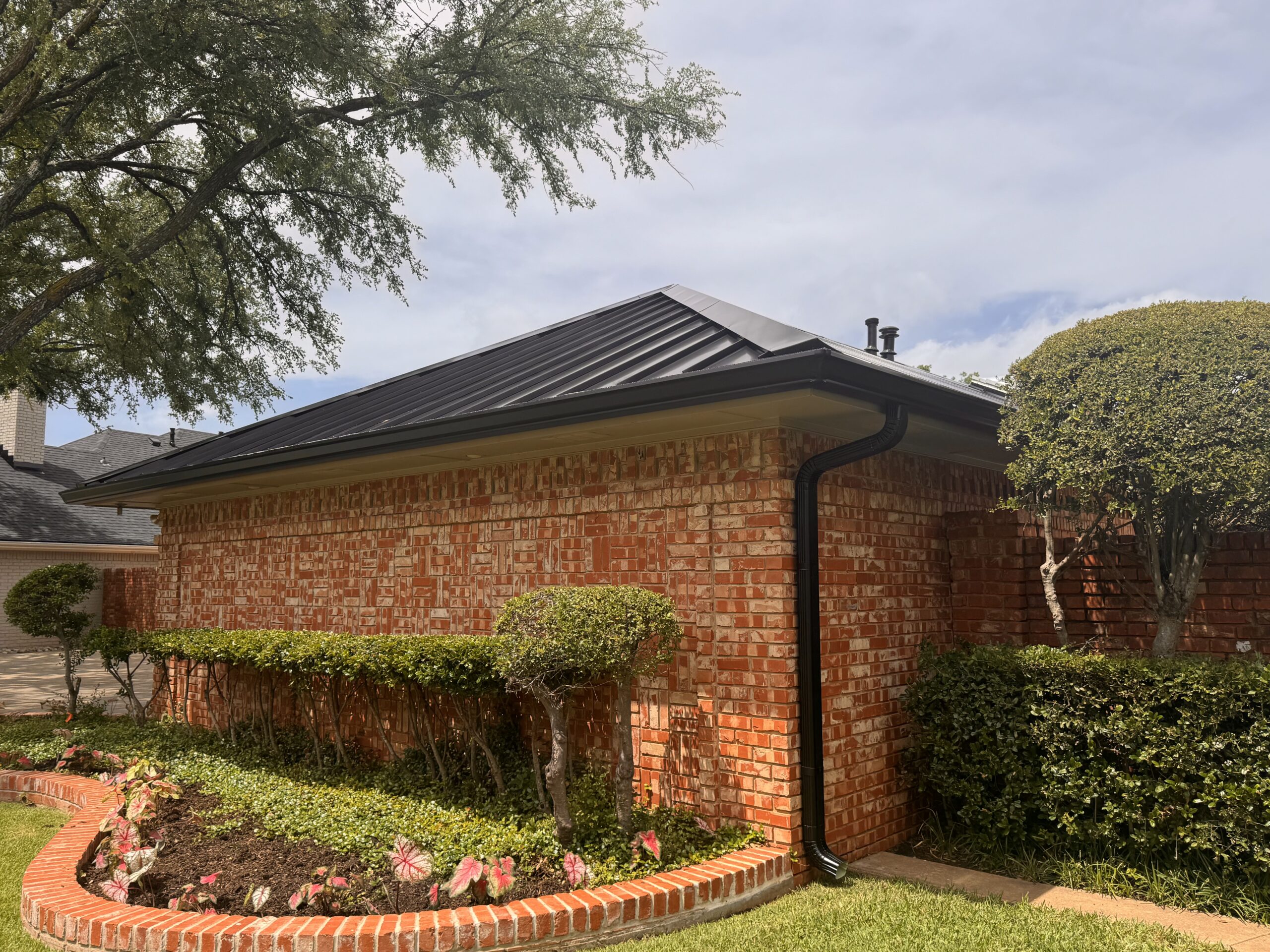
Flashing serves as the primary waterproof barrier around these transitions. Properly installed flashing directs water away from joints while preventing moisture from entering beneath roofing materials. As flashing ages, however, corrosion, movement, or deteriorating sealants can reduce its effectiveness.
Chimneys are among the most common leak locations. Their large vertical surfaces interrupt the natural flow of rainwater across the roof, making proper flashing essential. During inspections, look for loose flashing, cracked sealant, rust, or visible gaps where water could enter.
Brick chimneys should also be checked for deteriorating mortar joints. Damaged mortar allows water to penetrate the chimney itself, creating moisture problems that may resemble roof leaks even when the roofing materials remain intact.
Skylights require equally careful inspection. Their seals, flashing, and surrounding shingles all work together to prevent leaks. Cracked sealants, damaged flashing, or condensation trapped between skylight components should never be ignored.
Roof vents and plumbing vent pipes contain rubber boots or specialized flashing that gradually wears with age. Sunlight, changing temperatures, and weather exposure eventually cause rubber materials to crack, creating small openings where rainwater can enter.
Satellite dish mounts, solar panel attachments, antenna brackets, and other roof-mounted equipment also deserve attention. Every fastener that penetrates the roofing surface must remain properly sealed to prevent water intrusion during heavy rainfall.
Dormers introduce additional roof intersections that require careful waterproofing. Valleys, flashing joints, and siding transitions around dormers should all be inspected regularly because these complex areas experience high volumes of water runoff.
Homeowners should avoid applying excessive roof cement or sealant as a permanent solution. While temporary patching may slow a leak, professional repairs that address the underlying cause provide much more reliable long-term protection.
Signs That Indicate Hidden Water Damage
Not every roof leak produces obvious dripping water. In many cases, moisture remains concealed inside the structure for weeks or months before becoming visible. Learning to recognize subtle warning signs helps homeowners respond before damage spreads further.
Paint that begins bubbling or blistering often signals trapped moisture beneath the surface. Although these cosmetic changes may seem minor, they frequently indicate water intrusion behind drywall or plaster.
Ceilings that appear slightly uneven should also be investigated. Water absorbed by drywall increases its weight, causing gradual sagging that becomes more noticeable over time. Waiting until the ceiling visibly bows increases the risk of more extensive repairs.
Doors and windows that suddenly become difficult to open or close can sometimes result from moisture affecting surrounding framing. As wood absorbs water, slight movement may occur within the structure, changing the alignment of nearby openings.
Unexpected increases in indoor humidity may also point toward hidden roof leaks. If rooms feel unusually damp despite normal weather conditions, moisture could be accumulating within walls, ceilings, or attic spaces.
Peeling baseboards, warped trim, or separated molding sometimes indicate that water has traveled downward through wall cavities. Although these areas appear far from the roof, moisture often follows framing before reaching lower portions of the home.
Staining on attic insulation, exposed framing, or stored belongings frequently develops before finished ceilings show any visible damage. This is why regular attic inspections remain such an important part of leak prevention.
Mold growth may begin long before homeowners recognize a roof leak. Small patches hidden behind insulation or inside wall cavities continue spreading whenever moisture remains available. Addressing the source of water quickly is essential for limiting mold development.
Persistent insect activity can occasionally indicate moisture problems as well. Certain insects are attracted to damp wood because softened materials are easier to inhabit. While insects do not necessarily confirm a roof leak, unusual activity should encourage a closer inspection.
The earlier hidden water damage is identified, the less extensive repairs are likely to become. Prompt action protects both the structural integrity of the home and the long-term performance of the roofing system.
Safety Tips When Inspecting Your Roof
Roof inspections should always prioritize personal safety. While homeowners can perform many visual checks themselves, no inspection is worth risking injury. Knowing your limits is just as important as knowing what to inspect.
Never climb onto a roof during or immediately after rainfall. Wet roofing materials become extremely slippery, making falls much more likely even on roofs with gentle slopes. Waiting until the roof is completely dry significantly improves safety.
Strong winds also create dangerous inspection conditions. Gusts can affect balance unexpectedly while loose debris may become airborne. Inspections should be postponed whenever weather conditions are unfavorable.
Use a sturdy ladder placed on stable, level ground whenever accessing elevated areas. The ladder should extend above the roof edge to provide secure support while stepping on or off the roof if access is absolutely necessary.
Wear shoes with clean, slip-resistant soles that provide reliable traction. Footwear designed for outdoor work generally offers better grip than smooth-soled casual shoes.
Avoid walking on damaged roofing materials. Cracked shingles, soft decking, or visibly weakened sections may not safely support body weight. Observing these areas from a safe position is often the better choice.
If electrical wires are located near the roof, maintain a safe distance throughout the inspection. Contact with overhead power lines can have serious consequences and should always be avoided.
Homeowners who feel uncomfortable working at heights should perform inspections from the ground using binoculars or schedule a professional evaluation instead. Many roofing issues can be identified without climbing onto the roof itself.
Seasonal Maintenance Practices That Prevent Leaks
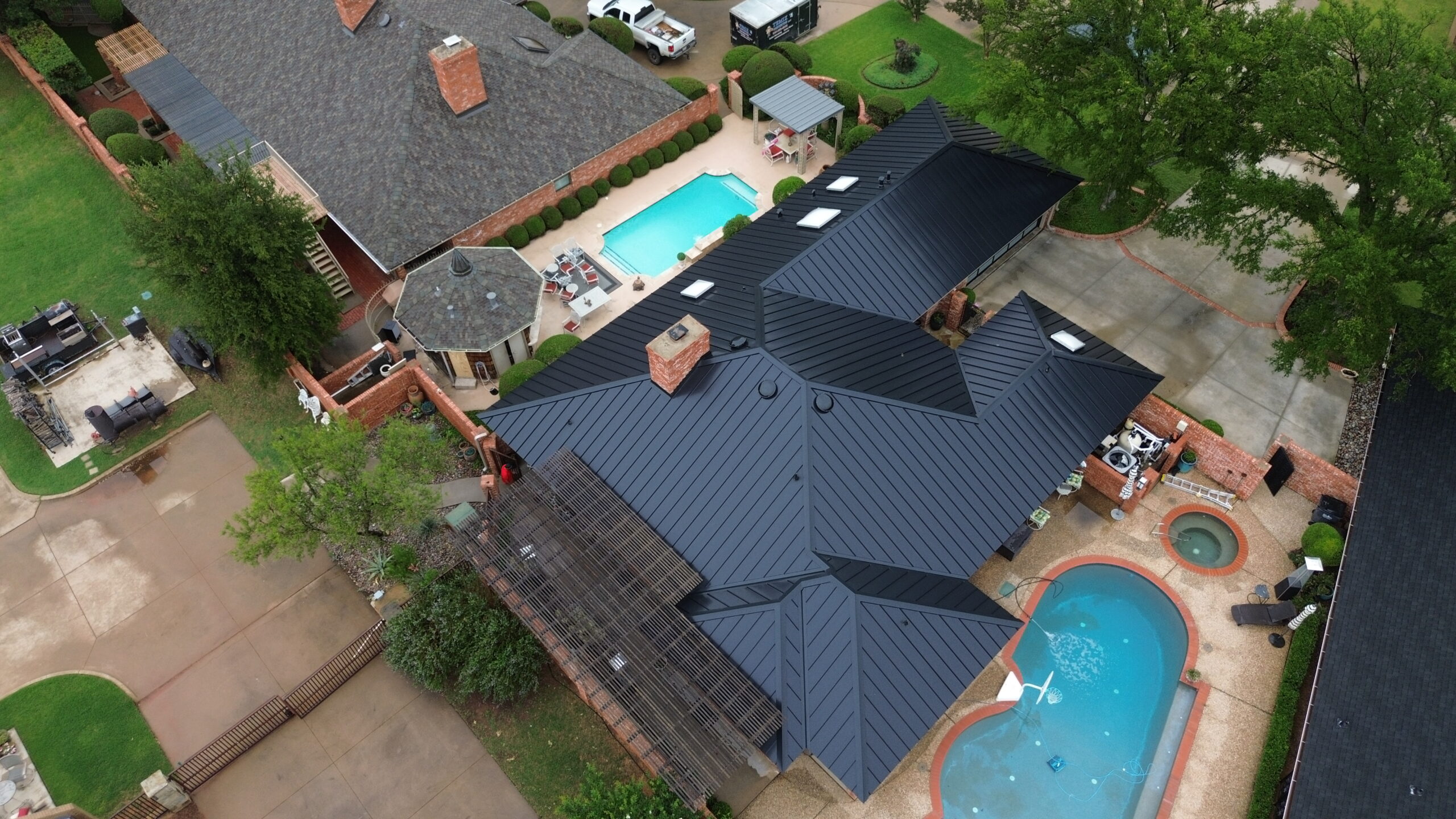
Routine maintenance is one of the most effective ways to reduce the likelihood of roof leaks during rainy seasons. Small maintenance tasks completed throughout the year often prevent much larger repairs later.
Cleaning gutters before the rainy season begins should become a regular habit. Removing leaves, branches, and debris allows rainwater to flow freely through the drainage system instead of backing up beneath roofing materials.
Roof surfaces should also be kept reasonably clear of accumulated debris. Leaves trapped in valleys or behind chimneys retain moisture and slow the drying process after storms. Removing these materials helps protect roofing components.
Tree branches hanging over the roof should be trimmed periodically. Reducing contact between branches and shingles minimizes abrasion during windy weather while decreasing the amount of debris that reaches gutters.
Inspect sealants around flashing, vents, skylights, and roof penetrations each season. Replacing deteriorated sealants before heavy rains arrive helps maintain the roof’s waterproof barrier.
Attic ventilation should be checked regularly to ensure vents remain unobstructed. Proper airflow reduces humidity levels and supports faster drying after rainfall.
Scheduling professional inspections once or twice a year provides additional protection, especially for older roofs or homes located in areas with frequent storms. Professional evaluations often identify developing issues before homeowners notice visible symptoms.
Consistent maintenance protects not only the roof but also the home’s insulation, structural framing, ceilings, walls, and interior finishes. Investing a small amount of time in preventive care often avoids much larger repair projects later.
| Roof Component | What to Inspect | Possible Warning Signs |
|---|---|---|
| Shingles | Cracks, curling, missing pieces | Water entry through exposed roof areas |
| Flashing | Rust, lifting, loose joints | Leaks around chimneys, vents, and skylights |
| Gutters | Debris, sagging, leaks | Overflowing water and roof edge damage |
| Downspouts | Blockages, loose connections | Poor drainage around the home |
| Roof Valleys | Debris buildup, damaged shingles | Water pooling and increased leak risk |
| Vent Boots | Cracked rubber, loose flashing | Water intrusion around plumbing vents |
| Roof Decking | Moisture stains, soft wood | Hidden structural deterioration |
| Attic Insulation | Dampness, compression | Reduced energy efficiency and moisture problems |
In the final part, we will discuss when it is time to call a professional roofer, common roof inspection mistakes homeowners should avoid, a complete post-storm roof inspection checklist presented as a numbered list, annual roof maintenance best practices in a bullet list, frequently asked questions, and the conclusion that brings the entire guide together.
When to Call a Professional Roofer
A homeowner can perform many routine roof inspections, but some situations require the knowledge and equipment of a professional roofing contractor. Recognizing when to seek expert help can prevent small problems from becoming major structural repairs.
One of the clearest signs that professional assistance is needed is recurring leaks. If water continues entering the home after a temporary repair or despite previous maintenance, the underlying issue may be more extensive than it appears. A professional inspection can identify hidden damage that is difficult to detect during a visual examination.
Storm damage is another situation where expert evaluation is recommended. High winds, hail, falling tree limbs, and heavy rainfall can affect multiple areas of the roof at the same time. While homeowners may notice obvious damage, professionals are trained to identify less visible issues that could lead to future leaks.
Older roofs also benefit from periodic professional inspections. Roofing materials naturally deteriorate with age, and some forms of wear are difficult to recognize without experience. An expert can evaluate whether repairs are sufficient or whether sections of the roof are approaching the end of their service life.
Sagging roof sections should never be ignored. Visible changes in the roof’s shape may indicate structural weakening caused by prolonged moisture exposure. Professional assessment is essential because these conditions can worsen if left unaddressed.
Homes with repeated attic moisture, mold growth, or poor ventilation should also receive a comprehensive inspection. Roofing problems are sometimes connected to ventilation deficiencies, making it important to evaluate the entire roofing system rather than focusing only on visible leaks.
Water entering around chimneys, skylights, or multiple roof penetrations often requires specialized repair techniques. These complex areas involve flashing, sealants, and carefully designed drainage paths that must function together to remain waterproof.
A professional inspection also provides peace of mind after major weather events. Even if no leaks are immediately visible, hidden damage may already exist beneath the roofing materials. Early detection allows repairs to be completed before the next period of heavy rainfall.
Common Roof Inspection Mistakes Homeowners Make
Even well-intentioned homeowners sometimes overlook important details during roof inspections. Understanding these common mistakes can improve the effectiveness of every seasonal inspection.
One of the biggest mistakes is inspecting only after a leak becomes obvious. Preventive inspections are much more valuable because they identify problems before water enters the home. Waiting until ceilings become stained usually means repairs will be more extensive.
Another common mistake is focusing only on shingles. Although shingles play an important role, flashing, gutters, valleys, vents, skylights, and roof penetrations are equally important components of the roofing system. Ignoring these areas increases the chance of missing developing leaks.
Many homeowners also forget to inspect the attic. Since the attic sits directly beneath the roof, it often provides the earliest evidence of moisture intrusion. Skipping this area means valuable warning signs may go unnoticed.
Cleaning gutters without checking their condition is another missed opportunity. Gutters should not only be free of debris but also securely attached, properly sloped, and free from leaks. Damaged gutters reduce the effectiveness of the entire drainage system.
Some people assume that a small ceiling stain is only a cosmetic issue. In reality, even a minor stain can indicate ongoing water intrusion inside the roof structure. Treating the stain without identifying the source allows hidden damage to continue.
Temporary patching is another mistake that creates long-term problems. Roof cement, sealants, or other quick fixes may slow water entry for a short time, but they rarely address the underlying cause. Permanent repairs are far more reliable than repeated temporary solutions.
Ignoring surrounding trees can also increase roof maintenance needs. Branches that rub against shingles or drop excessive debris into gutters gradually contribute to roof deterioration. Regular tree maintenance should be part of every homeowner’s preventive care routine.
Finally, many homeowners fail to keep inspection records. Documenting observations with notes and photographs makes it much easier to monitor changes over time. Comparing inspections from season to season helps identify problems before they become severe.
Complete Post Storm Roof Inspection Checklist
After a major rainstorm, a systematic inspection helps determine whether the roof has suffered damage. Following a consistent process reduces the chance of overlooking important warning signs.
- Walk around the property and look for missing, cracked, or displaced shingles.
- Check gutters and downspouts for debris, overflow, or signs of storm damage.
- Inspect roof valleys for accumulated leaves, branches, or standing water.
- Examine flashing around chimneys, skylights, and vents for lifting or separation.
- Look for fallen tree limbs or debris resting on the roof surface.
- Inspect ceilings and walls inside the home for new stains or damp areas.
- Enter the attic and check for water stains, damp insulation, or visible dripping.
- Observe roof penetrations for damaged sealants or cracked vent boots.
- Listen for unusual dripping sounds during or immediately after rainfall.
- Arrange a professional inspection if any significant damage or active leaks are discovered.
Following these steps after every major storm creates a consistent maintenance routine. It also helps homeowners identify developing issues before repeated rainfall increases the extent of the damage.
Annual Roof Maintenance Best Practices
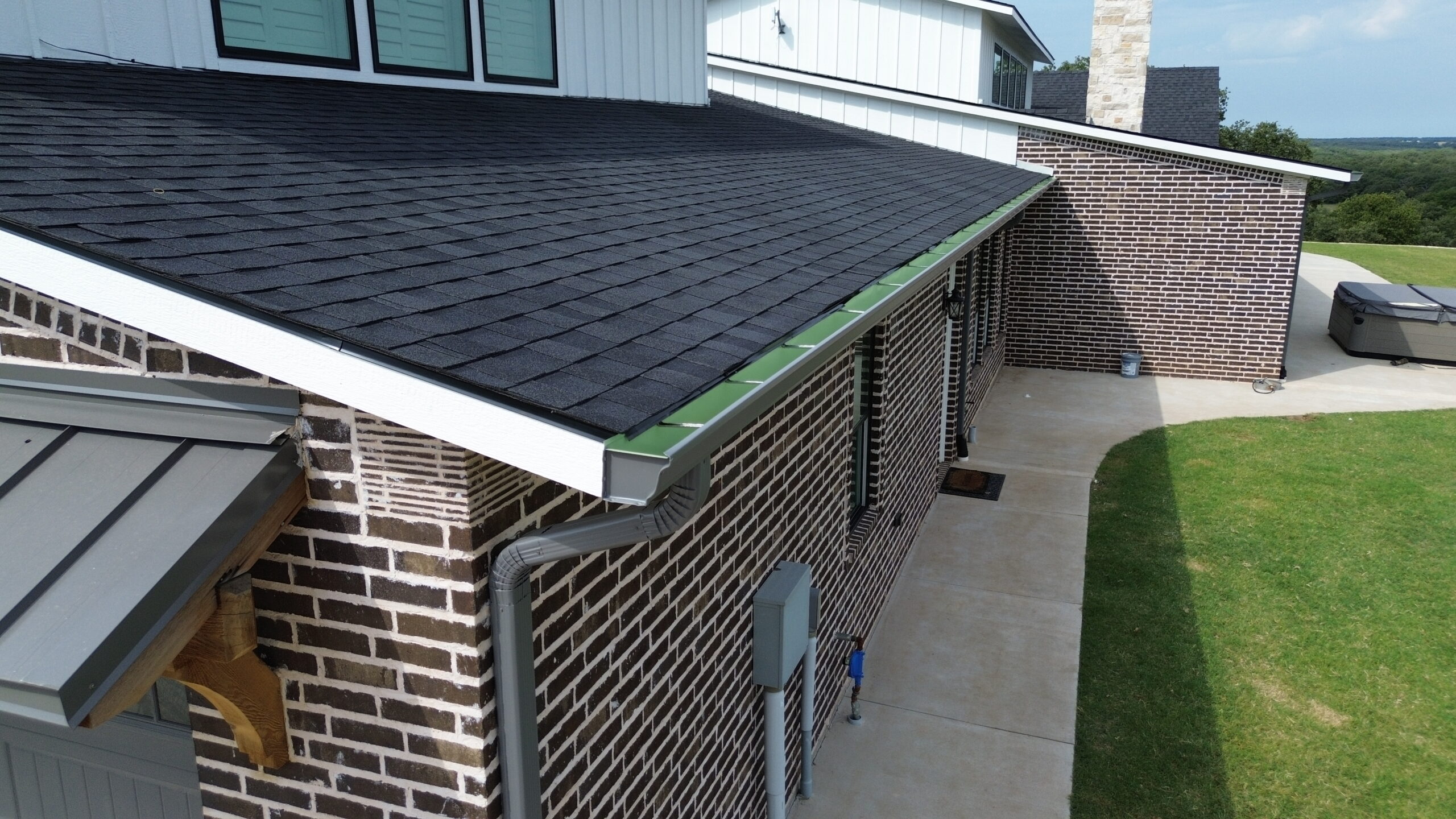
Routine maintenance throughout the year is one of the best investments a homeowner can make. Small preventive measures often eliminate conditions that would otherwise lead to expensive repairs during the rainy season.
The following practices help maintain a healthier roofing system:
- Inspect the roof before and after the rainy season each year.
- Clean gutters and downspouts regularly to maintain proper drainage.
- Remove leaves, branches, and debris from roof valleys.
- Trim tree branches that extend over the roof.
- Check attic spaces for moisture, mold, or unusual odors.
- Inspect flashing and roof penetrations for deteriorating sealants.
- Replace damaged or missing shingles as soon as possible.
- Monitor ceilings and walls for new stains after heavy rainfall.
- Keep records and photographs of seasonal inspections.
- Schedule regular professional roof inspections, especially for older roofs.
These habits require relatively little time but provide significant long-term benefits. Consistent maintenance extends the life of roofing materials while reducing the likelihood of emergency repairs during severe weather.
Frequently Asked Questions
How often should I inspect my roof during the rainy season?
A visual inspection before the rainy season begins and another after major storms is recommended. Interior spaces and the attic should also be checked periodically whenever heavy rainfall occurs.
Can I inspect my roof without climbing onto it?
Yes. Many problems can be identified safely from the ground using binoculars or by inspecting ceilings, the attic, gutters, and roof edges. Professional inspections are recommended for areas that cannot be viewed safely.
What is the first sign of a roof leak?
The earliest signs often include small ceiling stains, damp attic insulation, peeling paint, musty odors, or moisture around roof penetrations. These symptoms usually appear before major dripping begins.
Should I repair a small leak immediately?
Yes. Even a minor leak can allow water to enter structural components repeatedly during rainy weather. Prompt repairs help prevent larger and more expensive problems from developing.
Why do roof leaks appear only during heavy rain?
Some roof defects allow water to enter only when rainfall is intense or driven by strong winds. During lighter rain, the same openings may not allow enough water inside to produce visible signs.
Can clogged gutters really cause roof leaks?
Yes. Blocked gutters prevent water from draining efficiently, allowing it to back up beneath shingles or overflow onto vulnerable roof edges. Regular gutter cleaning is an important part of leak prevention.
Is attic inspection really necessary?
Absolutely. The attic often reveals moisture problems before they become visible inside living spaces. Regular attic inspections help detect roof leaks at an earlier stage.
Conclusion
Rainy seasons test every part of a roofing system. Continuous exposure to moisture, changing weather conditions, and storm-related debris can quickly expose weaknesses that remain hidden during dry periods. Without regular inspections, these small problems often develop into costly roof leaks that affect insulation, ceilings, walls, and structural framing.
A well-planned roof inspection checklist gives homeowners a practical way to identify potential issues before they become serious. By examining the roof exterior, gutters, flashing, attic, ceilings, and other vulnerable areas, it becomes much easier to detect early warning signs and arrange timely repairs. Consistency is far more effective than waiting until water begins entering the home.
Preventive maintenance also delivers long-term financial benefits. Cleaning gutters, replacing damaged shingles, maintaining proper ventilation, and documenting seasonal inspections all contribute to a stronger and longer-lasting roofing system. These routine tasks help reduce repair costs while improving the overall durability of the home.
Knowing when to involve a professional is equally important. While homeowners can perform many visual inspections themselves, recurring leaks, storm damage, structural concerns, or difficult-to-access areas require expert evaluation. Professional inspections provide a more comprehensive understanding of the roof’s condition and help ensure that hidden problems are not overlooked.
Ultimately, protecting a home during the rainy season is not about responding to leaks after they occur. It is about developing a proactive maintenance routine that identifies risks early, addresses small defects promptly, and preserves the integrity of the entire roofing system. A few hours spent inspecting your roof today can prevent weeks of repairs, significant financial expense, and unnecessary stress in the future.