
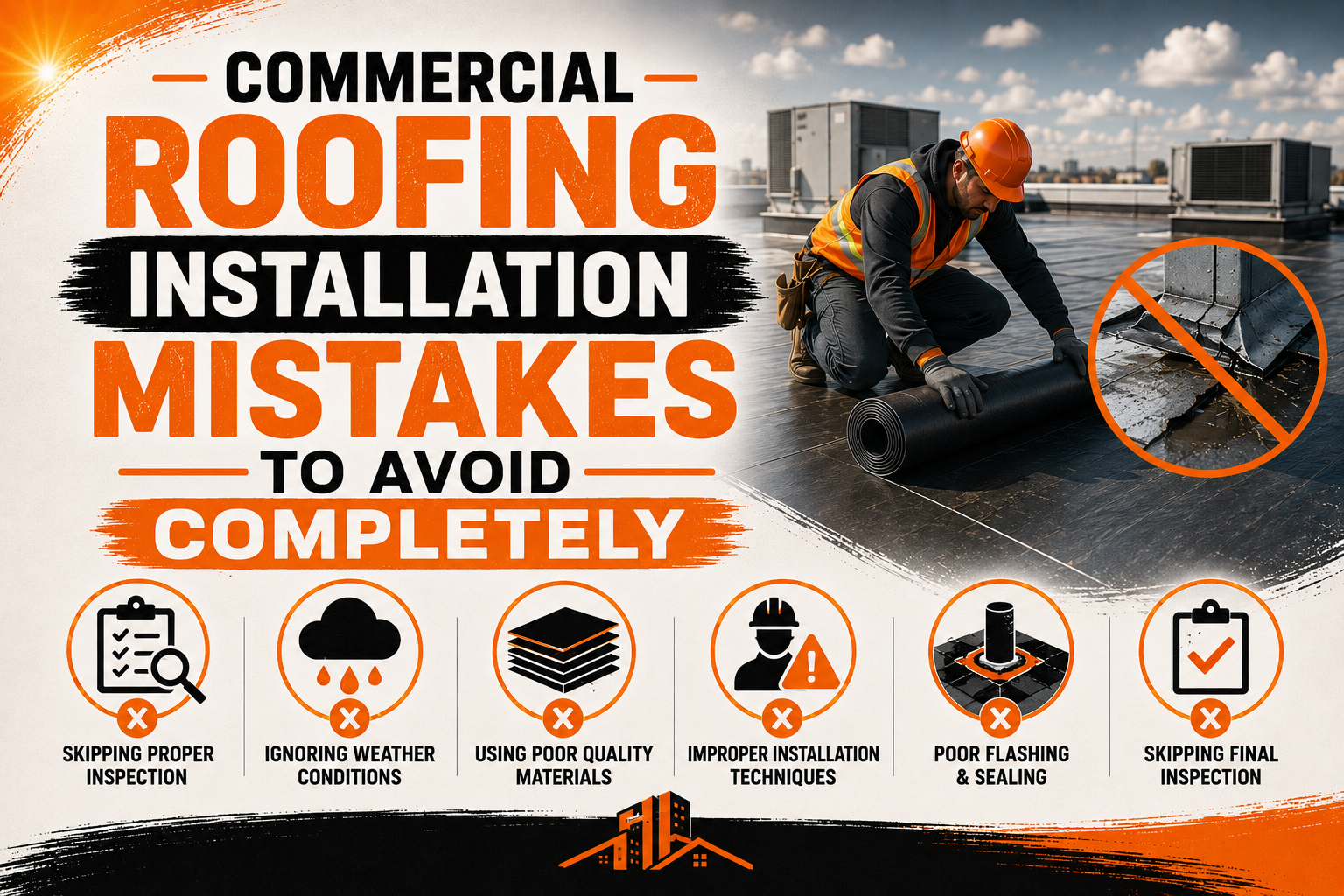
Commercial Roofing Installation Mistakes to Avoid Completely
Introduction
Commercial roofing is a major investment that protects a business from rain, wind, heat, moisture, and other environmental conditions. Because the roof is directly connected to the building’s structural protection and daily operations, installation mistakes can create problems that extend far beyond the roof itself. A seemingly minor error can eventually contribute to leaks, damaged insulation, interior moisture, business disruption, expensive repairs, or premature roof replacement.
Many commercial roofing problems are not caused by the roofing material itself. They can result from poor planning, unsuitable materials, inadequate preparation, incorrect installation techniques, or insufficient quality control. Even a high-quality roofing system can perform poorly when it is installed over an unsuitable surface or when important details are completed incorrectly.
Business owners and property managers should therefore understand the most common mistakes before starting a roofing project. Knowing what can go wrong makes it easier to ask contractors the right questions, evaluate project plans, and recognize areas that deserve additional attention. It also helps businesses understand why proper installation may require more time and preparation than expected.
A successful commercial roofing project should focus on more than getting the new roof installed quickly. The goal is to create a complete roofing system that is properly planned, compatible with the building, securely installed, adequately inspected, and prepared for long-term maintenance. Avoiding common mistakes from the beginning can help protect the investment and reduce unnecessary problems later.
Skipping a Detailed Roof Inspection
One of the biggest mistakes a business can make is starting a commercial roofing installation without performing a detailed inspection of the existing roof. The visible surface does not always reveal what is happening underneath the roofing materials. Moisture, damaged insulation, deteriorated decking, corrosion, structural concerns, and previous repair problems may remain hidden until the existing system is removed.
A proper inspection gives the contractor a better understanding of the roof’s current condition. The assessment should consider the roof surface, membrane or covering, seams, flashing, drainage, penetrations, insulation, edges, and other important components. Interior areas can also provide useful information because ceiling stains, damp insulation, or other signs of water intrusion may indicate problems that are not immediately visible from above.
Skipping this process can lead to an inaccurate project scope. For example, a contractor may initially estimate that only the roofing surface needs replacement, but extensive deck deterioration could be discovered after work begins. This can cause unexpected costs, schedule changes, and operational disruption.
A thorough inspection also helps determine whether complete replacement is necessary or whether another roofing approach could be suitable. The correct decision depends on the existing system, building requirements, local conditions, and the condition of the underlying assembly.
Business owners should therefore avoid treating the initial inspection as a formality. It is the foundation for planning the entire project and can reveal conditions that significantly affect material selection, installation methods, cost, and timeline.
Choosing the Wrong Roofing System
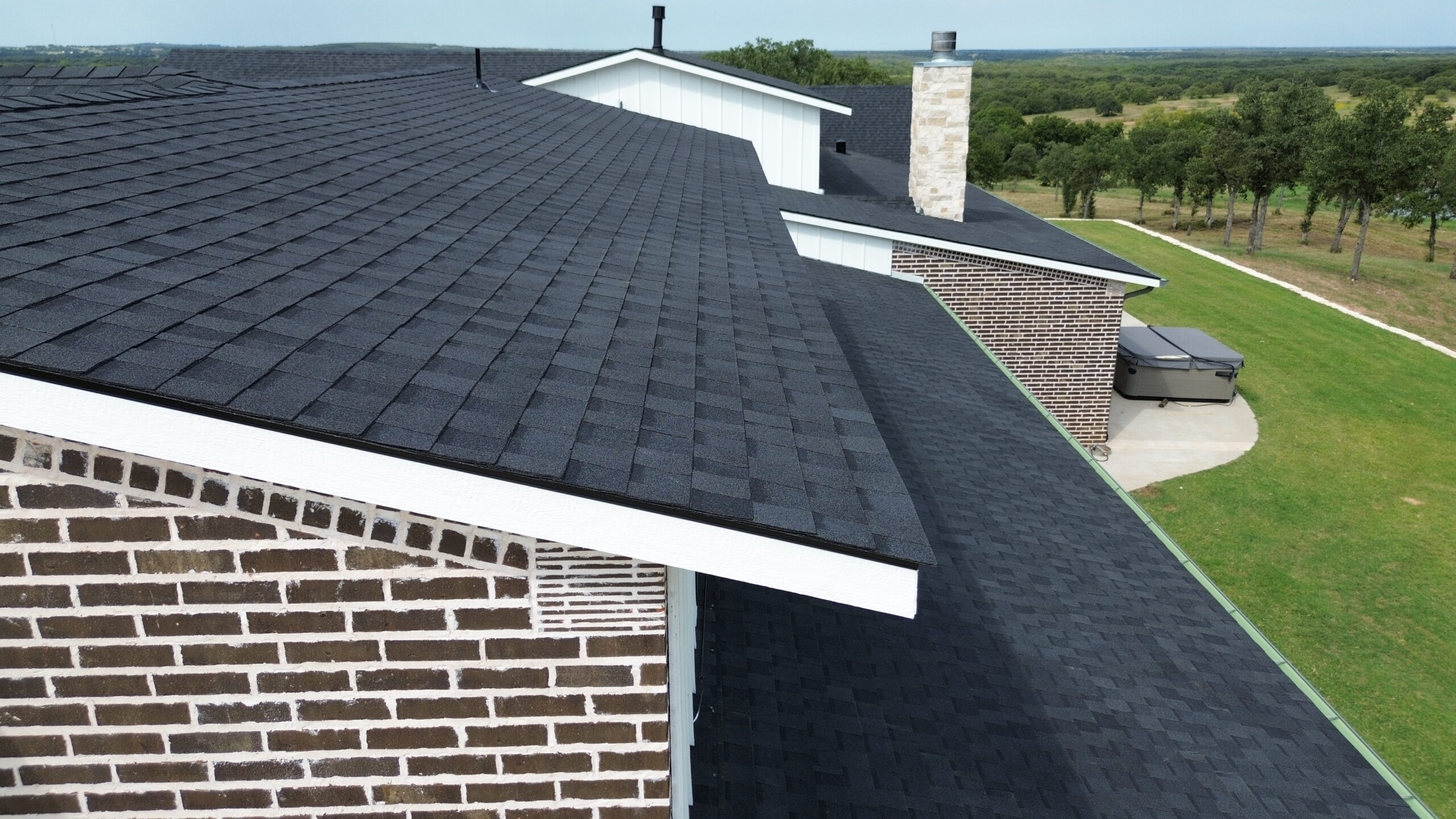
Another common mistake is selecting a roofing system based only on its initial price. Commercial roofing systems differ in materials, installation methods, durability, maintenance requirements, energy characteristics, and suitability for different building conditions. A system that works well for one property may not be appropriate for another.
The building’s design should be considered before selecting the roofing system. Roof slope, drainage layout, rooftop equipment, existing construction, expected foot traffic, and available space can all influence the most suitable option. The business should also consider the property’s intended use and how long the owner expects to keep the building.
Climate and environmental exposure are equally important. A roof exposed to intense sunlight, heavy rainfall, strong winds, temperature changes, or other challenging conditions may require different considerations than a roof in a more moderate environment. The selected system should be appropriate for the conditions it is expected to handle.
Energy performance can also influence the decision. Insulation levels, reflective properties, roof color, and overall assembly design may affect how the building handles heat and cooling demands. These factors can be particularly relevant for commercial properties with significant energy consumption.
The lowest initial price does not always represent the lowest long-term cost. A cheaper system that requires frequent repairs or reaches the end of its useful service life sooner may create greater expenses over time. Businesses should evaluate the complete value of a roofing system rather than focusing only on the initial installation price.
A suitable roofing system should match the building, operating requirements, environmental conditions, budget, and long-term property strategy. Making this decision carefully at the beginning can prevent significant problems during and after installation.
Poor Project Planning and Preparation
Insufficient planning can create problems even when the contractor has good installation skills. Commercial roofing involves materials, labor, equipment, building access, waste removal, safety procedures, weather protection, permits, inspections, and coordination with business activities. If these elements are not planned properly, the project can become inefficient and disruptive.
A clear project scope should define what work will be completed. This may include removing the existing roof, repairing the deck, installing insulation, applying the new roofing system, replacing flashing, improving drainage, installing edge components, and completing final inspections.
Material planning is equally important. All major roofing components should be identified before installation begins, including the primary roof covering, insulation, fasteners, adhesives, flashing, sealants, edge materials, and drainage components. Delays can occur when essential products are unavailable or when materials are delivered incorrectly.
The contractor should also plan how materials and equipment will reach the roof. Commercial buildings can have limited access, busy loading areas, restricted parking, or sensitive business operations. Poorly planned deliveries can interfere with employees, customers, vehicles, or emergency routes.
The project schedule should account for business operations as well. A warehouse, office, retail property, or industrial facility may need to remain operational during construction. Work may therefore need to be divided into phases or scheduled during specific periods to reduce disruption.
A strong plan should also account for unexpected conditions. Hidden damage may be discovered after the existing roof is removed, and weather can change construction conditions. Establishing a process for handling these issues helps the project team respond without unnecessary confusion.
Ignoring Roof Deck Problems
Installing a new roofing system over a damaged roof deck is a serious mistake. The roof deck provides the foundation for the roofing assembly, and problems beneath the visible roof surface can affect everything installed above it. A new membrane or other roof covering cannot compensate for a substrate that is deteriorated or structurally unsuitable.
Deck problems can include corrosion, rot, cracks, holes, weakened sections, damaged fasteners, moisture deterioration, or other forms of damage. The specific risks depend on the type of deck used and the building’s history. Long-term water exposure can be particularly problematic because damage may remain hidden beneath insulation or multiple roofing layers.
The condition of the deck should be evaluated after the existing roofing materials are removed or otherwise exposed. If damaged sections are identified, they should be repaired or replaced using appropriate methods before the new roofing assembly is installed.
Ignoring these problems can create several consequences. The new roof may not attach properly, insulation may become unstable, and moisture problems may continue beneath the new system. In more serious cases, unresolved structural deterioration can create broader safety and building performance concerns.
Repairing the deck may add time and cost to the project, but this should be viewed as part of creating a proper foundation for the new roof. Covering known problems simply to maintain the original schedule can lead to more expensive work later.
A reliable installation therefore begins below the roofing membrane. The contractor should confirm that the deck is clean, stable, adequately prepared, and suitable for the selected roofing system before proceeding.
Using Incorrect or Low-Quality Materials
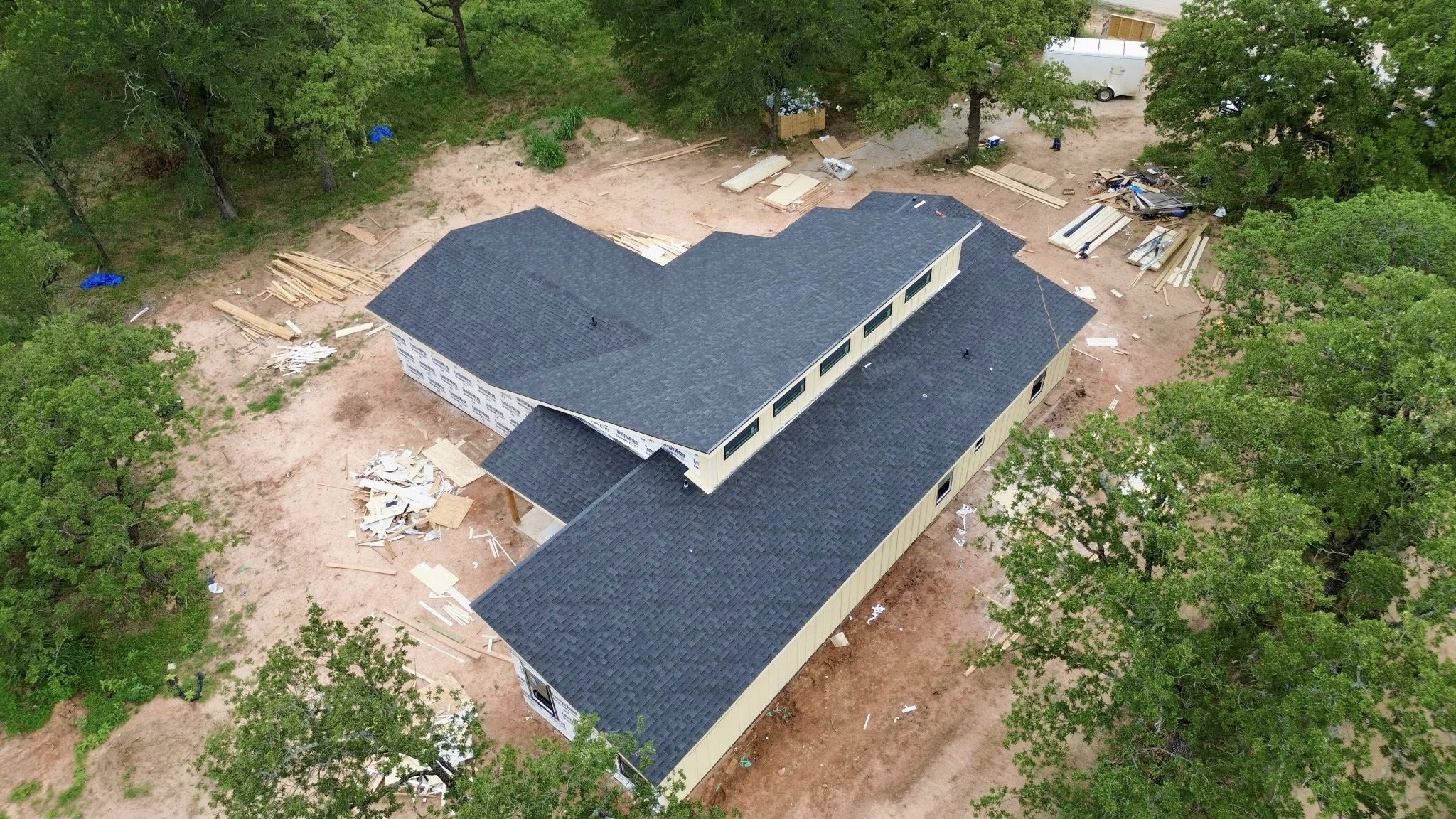
Another mistake is using materials that are unsuitable for the roofing system or selecting components solely because they are inexpensive. Commercial roofing is a complete assembly, meaning the membrane, insulation, fasteners, adhesives, flashing, sealants, edge components, and other products must work together.
Material compatibility is particularly important. A component that appears suitable on its own may not perform properly when combined with another material. Manufacturers typically provide specific installation requirements and approved components for their roofing systems, and these requirements should be followed carefully.
Low-quality materials can also create problems during installation. Poorly manufactured components may be difficult to handle, attach, seal, or integrate with other parts of the roof. Problems that begin during installation can eventually affect the finished system.
The quantity of materials matters as well. Insufficient quantities can interrupt work and create delays, while incorrect products can require replacement before installation continues. Material deliveries should therefore be checked against the project specifications before they are used.
Storage is another consideration that is sometimes overlooked. Roofing products may need protection from moisture, contamination, excessive heat, or physical damage. Improperly stored materials can deteriorate before they are installed, potentially affecting their performance.
Business owners should ask what products are being specified and whether they are appropriate for the selected roofing system. Quality should be considered alongside cost because the materials installed during construction will influence the roof’s long-term performance.
Inadequate Site and Safety Preparation
Commercial roofing installation takes place in a high-risk environment, so poor site preparation can create serious safety problems. Workers may operate at height while handling heavy materials, powered equipment, tools, and construction debris. At the same time, employees, customers, tenants, or visitors may remain inside or around the building.
The construction area should be organized before work begins. Safe roof access, material storage, equipment placement, waste collection, and worker movement should all be considered. Areas used by the public or building occupants should be separated from active construction zones where necessary.
Fall protection is a major consideration during commercial roofing work. Appropriate protective measures should be established according to the specific building, work activities, and applicable safety requirements. Workers should also have safe routes for moving across the roof.
Material handling needs careful planning as well. Membrane rolls, insulation boards, metal components, tools, and other materials may be heavy or difficult to move. Proper handling and staging procedures can reduce injuries and help prevent materials from being dropped or damaged.
Weather conditions should also be considered as part of site safety. Strong winds can affect workers and unsecured materials, while rain can make roof surfaces slippery. Extreme heat can create additional challenges for workers and may affect certain installation materials.
Businesses should also communicate construction changes to employees and occupants. Temporary closures, altered entrances, noise, equipment movement, and changes to parking or loading areas can affect normal operations. Advance planning can reduce confusion and help keep everyone away from active work zones.
Safety should never be treated as something that happens separately from the roofing schedule. A properly organized site protects workers, building occupants, materials, and the project itself.
Installing Roofing Materials Incorrectly
Even when the correct roofing system and materials have been selected, improper installation can reduce the performance and service life of the completed roof. Commercial roofing materials are designed to be installed according to specific procedures, and small deviations can create weaknesses that may not be visible immediately. The installation crew should understand the roofing manufacturer’s requirements and apply them consistently throughout the project.
One common problem is incorrect placement of roofing materials. Membranes, insulation boards, metal panels, and other components need to be aligned and installed according to the approved system design. Gaps, excessive movement, wrinkles, poor attachment, or inconsistent placement can affect the integrity of the finished assembly.
Fastening is another area where mistakes can occur. Mechanically attached systems depend on properly positioned fasteners and appropriate attachment patterns. If fasteners are placed incorrectly, under-driven, over-driven, or spaced improperly, the roof may not perform as intended under normal environmental conditions.
Adhered systems also require careful application. Adhesives need to be compatible with the materials and applied according to the manufacturer’s instructions. Incorrect coverage, poor surface preparation, or unsuitable application conditions can weaken the connection between roofing components.
Installation should also be performed with attention to weather conditions. Moisture, wind, extreme temperatures, and contamination can interfere with certain materials and installation techniques. When conditions are unsuitable, continuing work simply to maintain the schedule can create more serious problems later.
The crew should inspect completed areas as work progresses instead of waiting until the entire roof is finished. Early quality checks make it easier to correct alignment, attachment, or material problems while the work area remains accessible. This approach helps prevent defects from becoming hidden beneath later components.
Poor Seam and Joint Installation
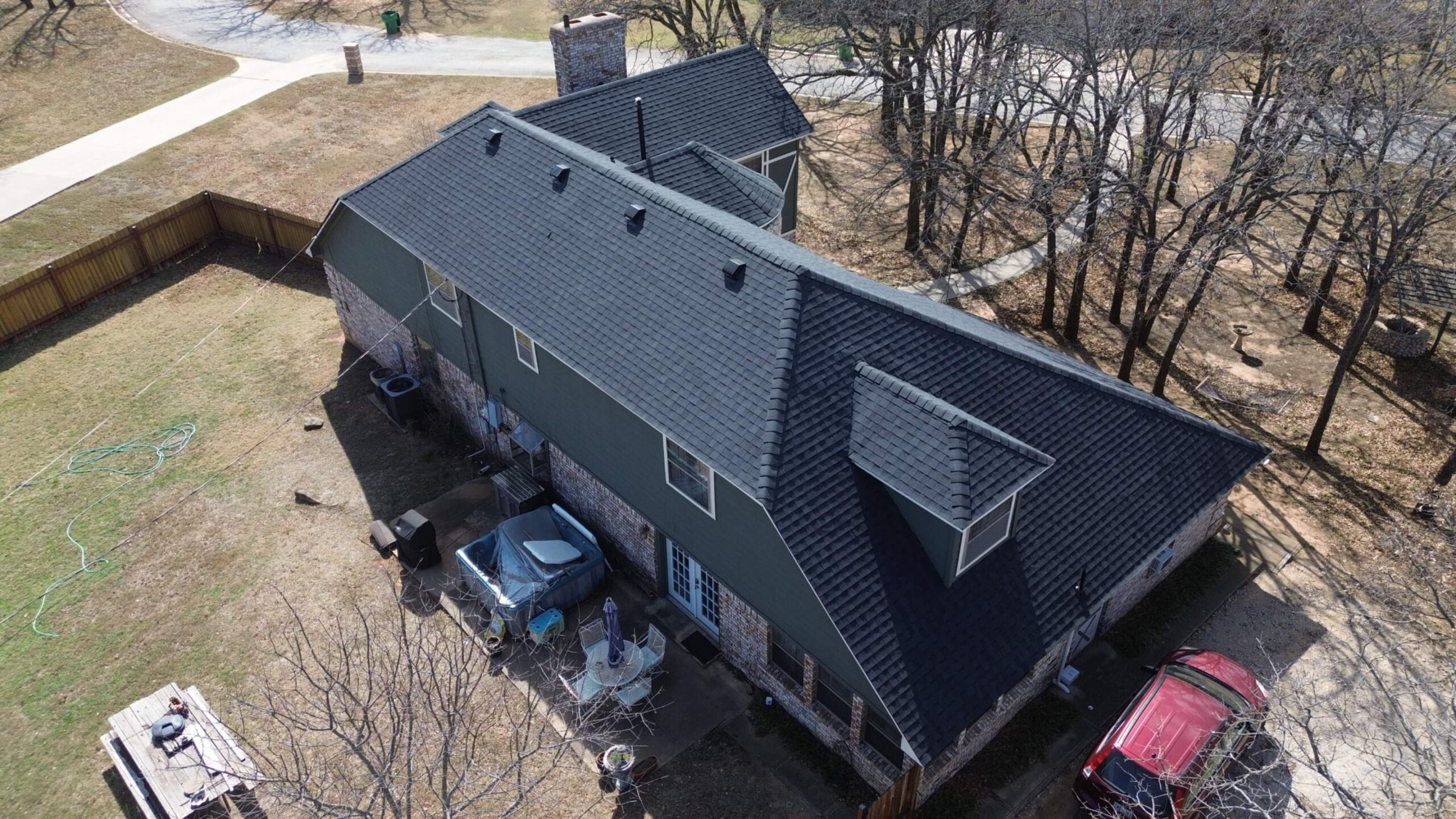
Seams and joints are among the most critical parts of many commercial roofing systems. Large roof surfaces often consist of multiple membrane sections or panels that must be connected to create a continuous protective barrier. If these connections are weak or improperly completed, water can find a path into the roofing assembly.
The correct seam method depends on the roofing material. Some membranes use heat welding, while others may use adhesives, tapes, or mechanical methods. The installation crew must follow the approved procedure rather than using a convenient technique that is not appropriate for the selected system.
Surface preparation is also important. Dirt, moisture, dust, or other contaminants can interfere with bonding or welding. The areas being joined should be prepared properly before the seam is completed.
Temperature and weather can influence seam quality as well. Certain installation methods require suitable environmental conditions to produce a reliable connection. If conditions are outside the recommended range, the contractor may need to adjust the process or temporarily stop work.
Seams should be checked during installation. A contractor should not assume that every connection is automatically sound simply because the installation equipment was used correctly. Visual inspection and, when appropriate, approved testing methods can help identify weak areas.
Repairs should be made promptly when defects are discovered. Covering a questionable seam with another roofing component does not solve the underlying problem. Addressing the issue while the crew is still working in the area is generally faster and more effective.
Poor seam installation can eventually lead to leaks, moisture damage, insulation deterioration, and expensive repairs. For this reason, seam quality should receive the same level of attention as the installation of the main roof surface.
Neglecting Flashing and Roof Penetrations
A commercial roof rarely consists of one uninterrupted surface. Pipes, vents, HVAC equipment, skylights, parapet walls, curbs, conduits, and other features create openings and transitions that must be integrated into the roofing system. These areas require careful detailing because they can become vulnerable points if installed incorrectly.
Flashing helps direct water away from transitions and prevents moisture from entering around penetrations. The exact flashing method depends on the roof system and the feature being protected. Using generic or poorly fitted details can compromise the waterproofing system.
HVAC curbs deserve particular attention because they are common features on commercial roofs. The membrane must connect properly around the curb while allowing the equipment to remain accessible for future service. Poor detailing around these areas can create leaks that are difficult to locate.
Pipe penetrations also require suitable flashing or penetration assemblies. The roofing material needs to transition securely around the pipe while allowing for movement and environmental exposure. Improvised patches or incomplete seals may provide temporary protection but can deteriorate over time.
Parapet walls and roof-to-wall transitions are another important area. These locations must be detailed so that water cannot move behind the roofing system or into the building structure. The connection between horizontal and vertical surfaces should be treated as a critical part of the installation rather than an afterthought.
Roofing contractors should inspect these details throughout the project. It is much easier to correct a flashing problem before surrounding materials are completed. Businesses should also be cautious if a contractor focuses heavily on large open roof areas while moving quickly through penetrations and transitions.
A commercial roof can have an excellent membrane and still develop leaks because of poor flashing. Paying attention to these smaller but critical details is therefore essential for long-term performance.
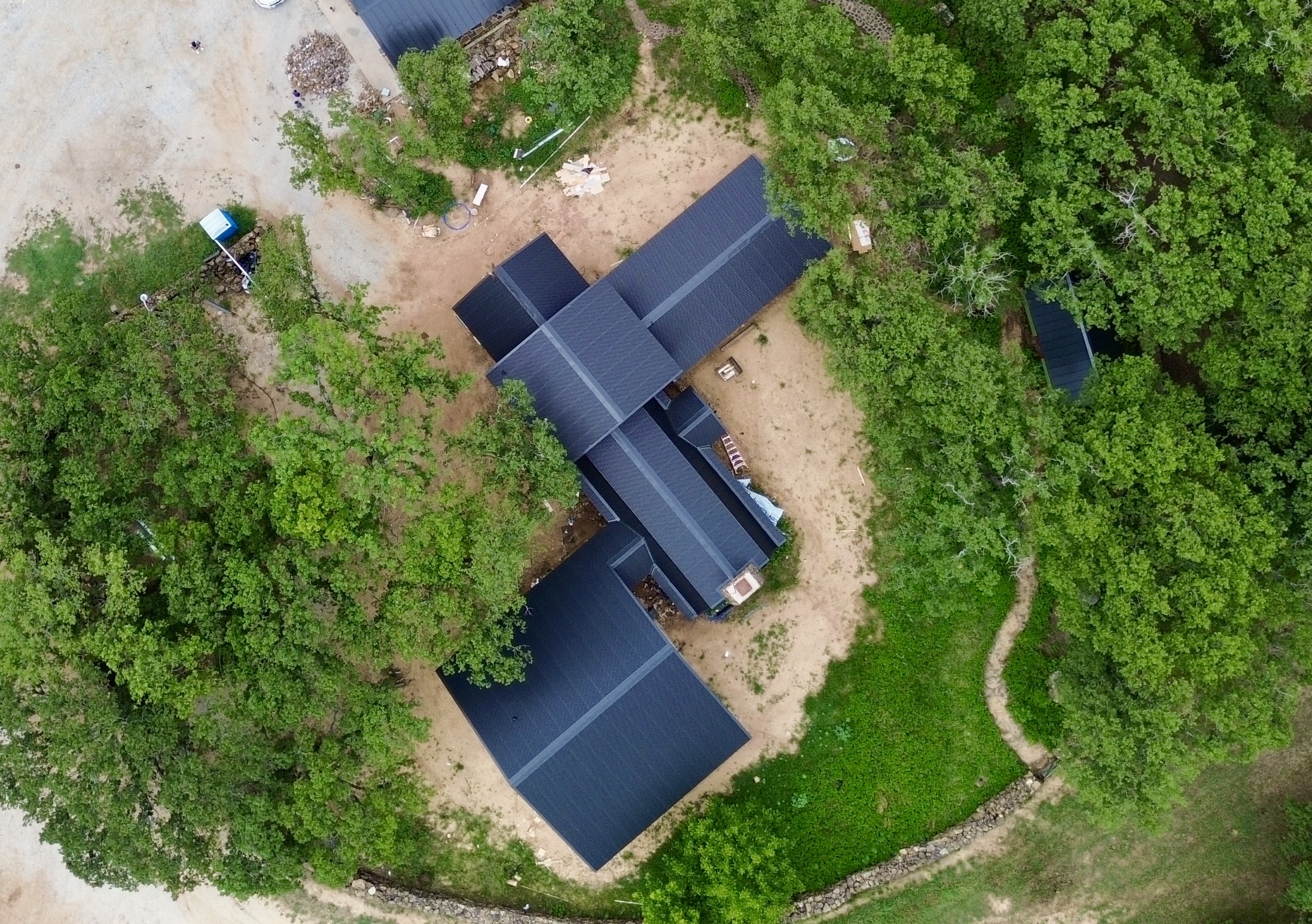
Failing to Plan Proper Roof Drainage
Water management should be considered throughout commercial roof installation, not only after the main roofing surface is complete. A roof needs a reliable way to move rainwater toward drains, scuppers, gutters, or other collection points. Poor drainage planning can result in standing water and increased stress on the roofing assembly.
Low-slope commercial roofs are particularly dependent on proper drainage design. Although the surface may appear nearly flat, the roof should have appropriate slope or drainage provisions that guide water away from vulnerable areas. If the design creates unnecessary low points, water may remain after rainfall.
Drains must also be properly integrated with the roofing system. The membrane should connect securely to the drain assembly, and the surrounding area should be detailed according to the roofing system requirements. A drain that is installed without adequate waterproofing integration can become a major leak source.
Scuppers, gutters, and downspouts require similar attention. These components need to be sized, positioned, and connected appropriately for the building’s drainage requirements. The roofing team should ensure that water can move freely from the roof surface to the intended discharge point.
Construction debris is another drainage concern. During installation, membrane scraps, insulation pieces, packaging, and other materials can collect around drains. If these materials remain after construction, they can restrict water flow and create avoidable drainage problems.
Ponding water should not simply be accepted as a normal feature of a commercial roof. Persistent standing water may indicate inadequate slope, blocked drainage, structural deflection, or another issue that should be investigated. Addressing drainage problems during installation is generally much easier than attempting major corrections later.
Proper drainage protects more than the roofing membrane. It also helps reduce the risk of moisture reaching insulation, decking, walls, interior finishes, and other building components.
Ignoring Roof Edges and Perimeter Details
The roof perimeter is another area where installation mistakes can have serious consequences. Edge conditions are exposed to weather and wind, and they connect the roofing system to the building’s exterior. Weak or incomplete perimeter details can compromise the security of the entire roof assembly.
Edge metal, termination systems, coping, and other perimeter components need to be installed according to the approved roofing design. These components should be properly aligned, secured, and integrated with the roofing membrane or covering.
Wind exposure makes edge details particularly important. The perimeter can experience forces that differ from those affecting the central roof area. If the edge is not properly secured, the roofing system may be more vulnerable during severe weather.
Transitions around parapet walls should also be checked carefully. Water needs to be directed away from the wall and into the drainage system rather than being allowed to collect behind flashing or other components. The roofing system should maintain continuity through these transitions.
Another common mistake is treating edge work as simple cosmetic finishing. While edge components contribute to the appearance of the building, their primary role is functional. They help secure, terminate, and protect the roofing assembly.
The contractor should inspect perimeter work before the project moves into final completion. Loose components, incorrect fasteners, gaps, or poor alignment should be corrected promptly.
Properly installed edges help the roofing system withstand environmental exposure and maintain a secure connection with the building. Because perimeter problems can become serious under wind and weather conditions, this part of the installation deserves careful attention.
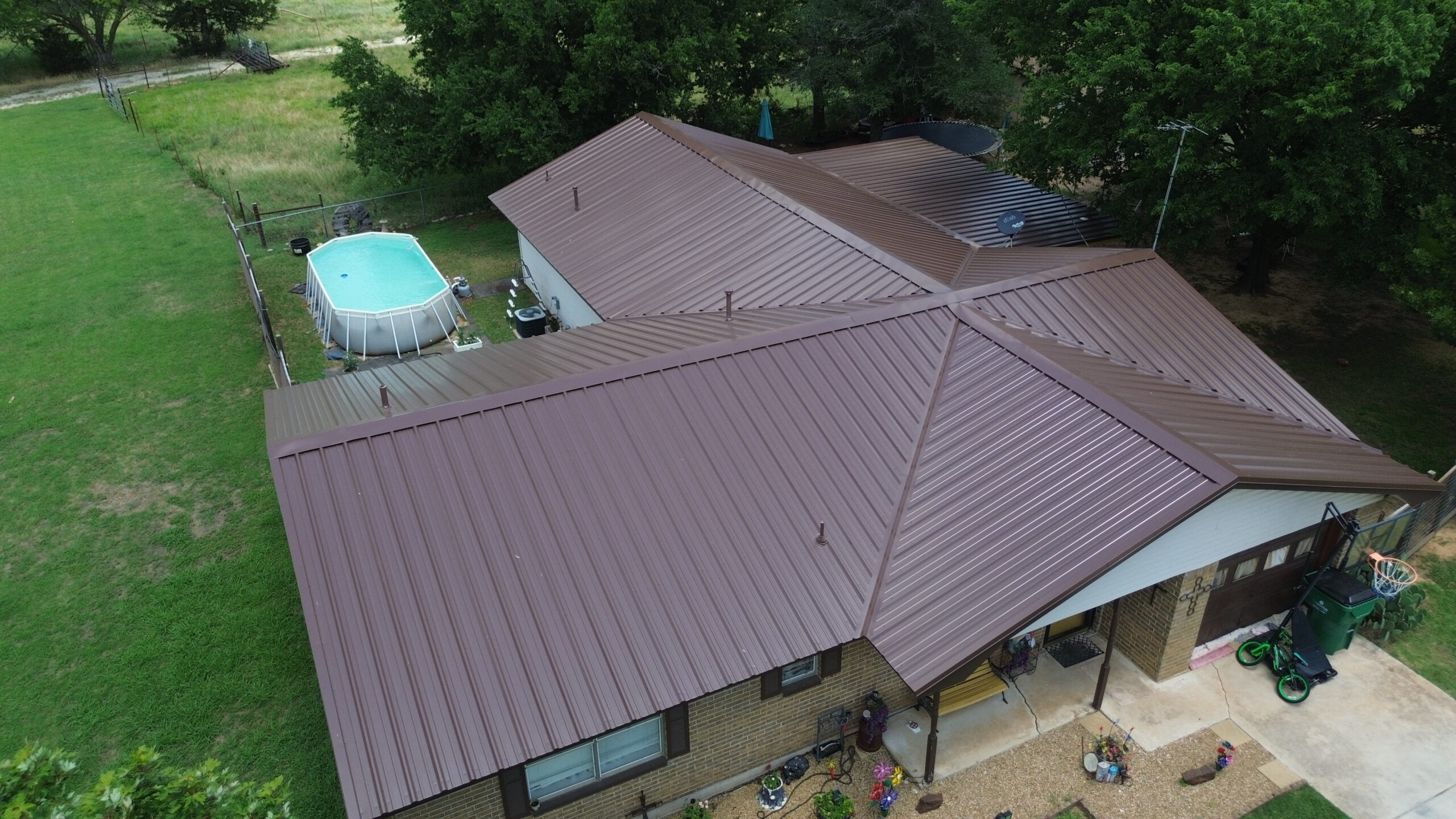
Working Without Continuous Quality Control
Waiting until the end of construction to inspect the completed roof is a major mistake. Roofing quality should be monitored throughout installation so that problems can be identified while they are still accessible. Continuous quality control creates opportunities for correction before defects become hidden.
Inspections can be performed as individual sections are completed. The contractor can review membrane placement, attachment, seams, flashing, penetrations, drainage, and perimeter details before moving on to subsequent work. This creates a systematic process rather than relying on one final inspection.
Documentation can support this process. Photographs, inspection records, material information, and notes about corrective work can provide evidence of how the roof was installed. These records may also be valuable for warranty purposes and future maintenance.
Quality control should involve more than looking for visible damage. The installation should be compared with the project specifications and applicable manufacturer requirements. A roof may look attractive while still containing attachment or detailing problems that are not obvious from ground level.
Other trades should also be included in quality control considerations. HVAC technicians, electricians, maintenance workers, and other contractors may access the roof during construction. Their work can accidentally damage completed roofing areas, so inspections should be repeated after significant rooftop activity.
Corrective work should be completed as soon as practical. Delaying repairs until the end of the project can make them more difficult because additional materials may already cover the affected area.
Consistent quality control protects the business from inheriting problems that could have been identified during installation. It also helps the roofing contractor maintain a clear standard throughout the project.
Allowing Poor Communication During the Project
Communication problems can affect nearly every part of a commercial roofing project. The business owner, property manager, roofing contractor, employees, and other trades need to understand what is happening and when. Without clear communication, even a technically sound roofing plan can experience unnecessary delays or misunderstandings.
The contractor should establish a clear communication process before work begins. The business should know who is responsible for project updates, schedule changes, unexpected conditions, and decisions requiring approval. This prevents important information from becoming lost between different people.
Unexpected roof conditions require particularly good communication. If damaged decking or moisture is discovered after tear-off, the contractor should explain the problem and describe the recommended solution. The business owner can then make an informed decision about additional work instead of discovering the issue after costs or delays have already increased.
Coordination with other contractors is equally important. Mechanical and electrical work may need to be completed around rooftop equipment, and scheduling conflicts can interfere with roofing progress. Poor coordination can also expose completed roof areas to unnecessary foot traffic or damage.
Communication with employees and building occupants should not be overlooked. Construction noise, temporary entrances, equipment movement, restricted areas, and changed parking arrangements can affect daily operations. Providing clear information helps employees and customers understand the construction environment.
Regular project updates can also help businesses prepare for weather-related or schedule-related changes. When everyone understands the current status of the work, it becomes easier to make adjustments without disrupting the entire operation.
Ultimately, good communication does not replace quality workmanship, but it allows quality workmanship to happen more efficiently. Clear expectations and timely updates help keep the project organized from start to finish.
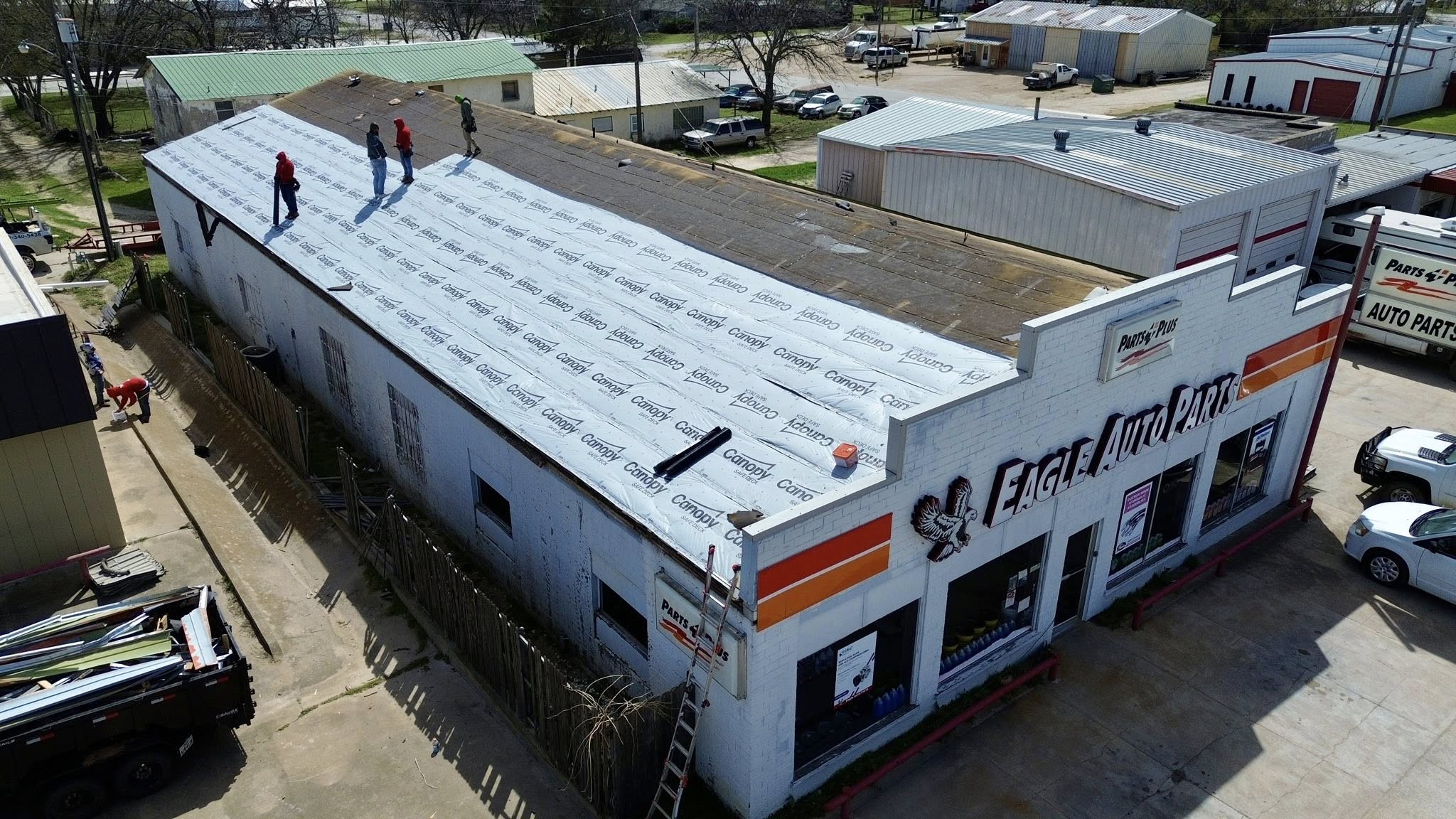
Rushing the Installation Process
One of the most damaging mistakes in commercial roofing is allowing schedule pressure to take priority over proper installation. Businesses naturally want roofing work completed quickly because construction can create noise, access restrictions, and interruptions to normal operations. However, rushing critical stages can increase the risk of mistakes that may remain hidden until the roof begins to experience weather exposure.
A professional roofing project should have a realistic schedule based on roof size, system complexity, crew availability, material requirements, weather conditions, and building operations. Attempting to compress the timeline without considering these factors can force workers to move too quickly through important details. This is particularly risky around seams, flashing, penetrations, drains, and roof edges.
Rushing can also lead to insufficient inspections between installation stages. Workers may move from one section to another without properly checking attachment, alignment, surface preparation, or completed details. When these issues are discovered later, correcting them may require removing materials that have already been installed.
The pressure to finish quickly should never justify ignoring manufacturer requirements or established installation procedures. Roofing systems are designed to perform when their components are installed correctly and under suitable conditions. Skipping steps to save time can undermine the performance that the materials were selected to provide.
Businesses should therefore evaluate contractors based on quality, planning, safety, and reliability rather than simply choosing the company that promises the fastest completion. A carefully managed installation may take slightly longer, but it can help reduce the likelihood of costly problems after the project is finished.
Ignoring Weather Conditions
Weather can have a significant effect on commercial roofing installation, yet ignoring weather conditions is a common mistake. Roofing materials and installation methods can have specific requirements related to temperature, moisture, wind, and other environmental conditions. Continuing work when conditions are unsuitable can compromise both safety and workmanship.
Rain can create problems for exposed roof surfaces and certain installation materials. Moisture may interfere with adhesives, coatings, insulation attachment, or other processes depending on the roofing system. If a roof section cannot be completed properly before weather arrives, temporary protection may be necessary.
Strong winds can also create serious challenges. Large membrane sheets, insulation boards, metal components, and other lightweight materials can be difficult to control during windy conditions. Unsecured materials can become damaged or create hazards for workers and people around the building.
Extreme temperatures may affect both workers and roofing materials. Some products have application ranges that should be respected, while workers may face additional risks during very hot or cold conditions. A responsible contractor should account for these factors when deciding how and when work should proceed.
Weather forecasting should be incorporated into project scheduling, but forecasts cannot eliminate uncertainty. Conditions can change quickly, especially on large commercial sites. The crew should therefore have procedures for securing unfinished areas and protecting the building if weather conditions deteriorate.
A short weather-related delay is usually preferable to installing materials incorrectly. Business owners should understand that stopping work when conditions are unsuitable can protect the quality of the roof and reduce the risk of future repairs.
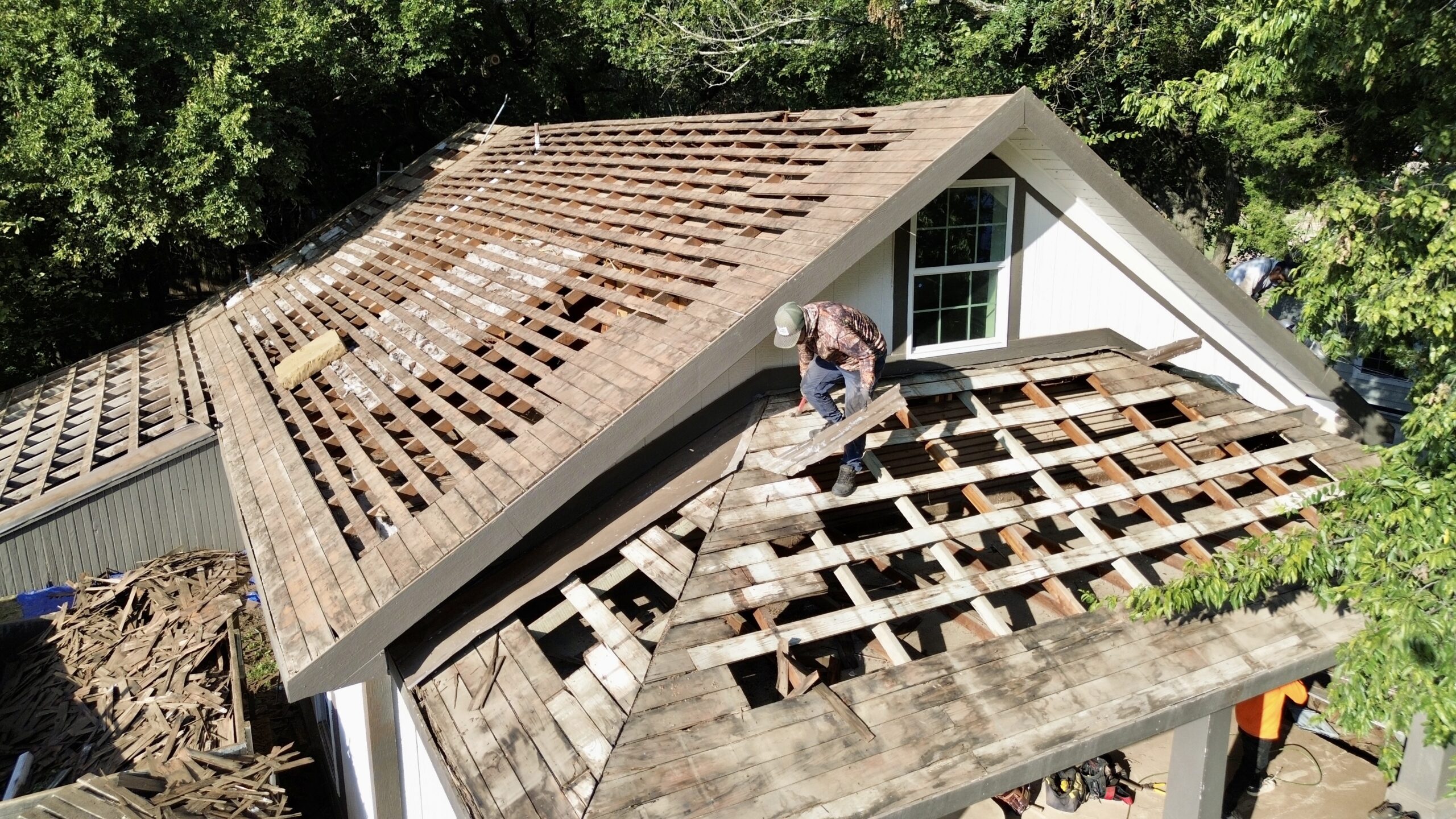
Failing to Protect Newly Installed Roofing
Another mistake occurs when newly installed roofing is left vulnerable to damage from other construction activities. A commercial building may have several contractors working on or around the roof, including HVAC technicians, electricians, mechanical contractors, maintenance personnel, and equipment installers. Their activities can unintentionally damage completed roofing materials.
Foot traffic is one potential concern. Walking repeatedly across sensitive roof areas can cause wear or damage, particularly when workers carry heavy tools or equipment. Designated walkways and appropriate protection should be used where regular access is necessary.
Tools and equipment can also create punctures or impact damage. Sharp objects should not be placed directly on roofing membranes, and heavy equipment should be moved using suitable methods. The roofing contractor should communicate these requirements to other trades before they begin work on the completed roof.
Material storage is another consideration. Storing unrelated construction materials on a finished roof can place excessive loads on the roofing assembly or create opportunities for punctures and abrasion. Storage areas should be planned carefully and should not interfere with drains or other important components.
Damage can also occur during final construction activities. A roof may be technically complete while the building still requires electrical, mechanical, signage, or other work. The completed roofing system should therefore continue to receive protection until all major rooftop activities are finished.
Final inspections should account for this possibility. Even if the roof passed an earlier quality check, the contractor should inspect completed sections after other trades have worked in those areas. Finding and repairing damage before project handover is much easier than discovering it after the contractors have left.
Neglecting Final Inspection and Testing
A commercial roofing project should not be considered complete simply because the visible installation appears finished. A final inspection provides an opportunity to identify incomplete work, installation defects, damaged materials, and other issues before the roof enters normal service.
The inspection should cover the entire roofing system rather than focusing only on large open areas. Seams, flashing, penetrations, drains, scuppers, gutters, edge components, curbs, transitions, and other details should receive careful attention.
The contractor should look for visible gaps, loose materials, incomplete attachment, damaged membrane, exposed fasteners, poor flashing, and other signs that something needs correction. Any deficiencies should be documented and addressed before final handover.
Depending on the roofing system and project requirements, additional testing may also be appropriate. Testing can help identify weaknesses that are not immediately visible during a basic visual inspection. The appropriate method depends on the specific roofing materials and project specifications.
Drainage should receive special attention during final inspection. Construction debris can block drains and outlets, while installation problems may create unintended low areas. Confirming that water can move through the planned drainage system helps protect the building from future water-related problems.
Documentation should also be completed during this stage. Photographs, inspection records, material information, warranty documentation, and other project records can provide a useful reference for the building owner.
A final inspection should be treated as a quality assurance stage rather than a formality. Finding a defect before the project closes is far easier than dealing with a leak or failure after the roof has been returned to normal use.
Poor Cleanup and Job Site Management
Roofing installation creates significant construction waste, particularly when an existing roof has been removed. Leaving debris on the roof or around the property is more than an appearance issue because loose materials can damage the new roof and create safety hazards.
The completed roof should be checked for loose fasteners, metal scraps, membrane pieces, packaging, insulation fragments, tools, and other construction materials. Sharp objects can puncture roofing membranes, while loose materials may eventually block drains.
Drainage components should receive particular attention during cleanup. Small pieces of debris can collect around drains, scuppers, gutters, and outlets. Clearing these areas helps ensure that the newly installed roof can handle rainfall as intended.
The surrounding property should also be restored. Dumpsters, temporary barriers, unused materials, lifting equipment, scaffolding, and other construction resources should be removed according to the project schedule. Parking areas, sidewalks, loading zones, entrances, and landscaping should be checked for construction-related impacts.
Poor site cleanup can also affect business operations after construction. Employees and customers should not have to navigate around leftover materials or temporary construction hazards once the project has been handed over.
A professional closeout should therefore include both roof cleanup and property restoration. The project is not truly finished until the building can safely return to its normal operating environment.
Ignoring Manufacturer and Warranty Requirements
Another mistake is failing to follow the installation requirements associated with the selected roofing system. Roofing manufacturers typically establish specific procedures for preparing surfaces, installing materials, creating seams, attaching components, and completing details. Deviating from these requirements can affect system performance and may create warranty concerns.
The contractor should understand the manufacturer’s requirements before installation begins. This includes identifying compatible materials and approved installation methods. Substituting products or using improvised techniques without proper approval can create compatibility or performance problems.
Documentation is also important. Businesses should retain relevant product information, installation records, inspection reports, photographs, and warranty documents. These records can help demonstrate that the roofing system was installed and maintained appropriately.
Warranty conditions may also include maintenance or inspection requirements. A business should understand what is expected after installation rather than assuming the warranty eliminates the need for routine roof care.
The owner should ask the contractor to explain the scope and limitations of applicable warranties. Material warranties and workmanship warranties may cover different issues, and their terms can vary depending on the roofing system and installation company.
Following manufacturer requirements protects more than warranty coverage. These procedures are designed to help the roofing system perform as intended. Treating them as optional can undermine the benefits of selecting a reputable roofing product in the first place.
Failing to Plan for Post-Installation Maintenance
The final mistake businesses should avoid is treating roof installation as the end of their responsibility. A new commercial roof still requires inspections, maintenance, drainage care, and prompt attention to damage. Even a properly installed system is exposed to weather, rooftop equipment, foot traffic, debris, and environmental conditions throughout its service life.
Regular inspections can help identify small problems before they become significant. Property managers should pay attention to visible membrane damage, deteriorated flashing, blocked drains, loose components, unusual standing water, and signs of moisture intrusion.
Drainage maintenance is particularly important. Leaves, dirt, branches, and other debris can restrict water movement and create unnecessary stress on the roofing system. Keeping drains and outlets clear is a relatively simple maintenance task that can help protect the roof.
Rooftop access should also be managed. Employees and contractors should avoid unnecessary foot traffic and should use designated walkways when available. Any work involving tools, equipment, or mechanical systems should be coordinated to prevent accidental roof damage.
Businesses should maintain a record of inspections and repairs. Useful records can include inspection dates, observed conditions, repairs completed, contractor information, and warranty documentation. A consistent history makes it easier to understand how the roof is performing as it ages.
Problems should be addressed promptly rather than waiting for a major leak. Small punctures, loose flashing, damaged seams, and blocked drainage components may be easier and less expensive to correct when discovered early.
Conclusion
Commercial roofing mistakes can affect far more than the appearance of a building. Poor planning, unsuitable materials, damaged roof decks, incorrect installation, weak seams, inadequate flashing, drainage problems, and insufficient inspections can reduce the performance and service life of an otherwise valuable roofing investment.
The best way to avoid these problems is to treat the roofing project as a complete process from beginning to end. Careful inspection should come before material selection, proper planning should come before installation, and quality control should continue throughout construction rather than being postponed until the final day.
Businesses should also recognize that installation quality depends on the details. Large areas of roofing may appear correctly installed while small areas around drains, penetrations, curbs, walls, edges, and seams contain serious weaknesses. These locations deserve careful attention because they are often critical to keeping water outside the building.
Weather, safety, communication, and coordination with other trades should also remain part of the project plan. A roofing contractor should be prepared to adjust the schedule when conditions require it rather than rushing work that cannot be completed properly. Protecting newly installed materials from other construction activities is equally important.
The project should finish with a detailed inspection, appropriate testing, thorough cleanup, complete documentation, and a clear handover. Business owners should understand the roofing system, applicable warranties, maintenance requirements, and procedures for addressing future problems.
Most importantly, commercial roofing should be viewed as a long-term property investment rather than a one-time construction expense. Choosing suitable materials, using qualified professionals, following manufacturer requirements, maintaining the roof, and correcting problems early can help protect the building for many years.
By avoiding these common commercial roofing installation mistakes, businesses can reduce unnecessary repair costs, minimize operational disruption, and improve the likelihood that their new roofing system will deliver dependable protection throughout its expected service life.