
Choosing Materials for Commercial Roofing Installation Projects
Introduction
Choosing the right materials is one of the most important decisions in any commercial roofing installation project. A commercial roof must protect the building from rain, heat, wind, moisture, debris, and daily environmental exposure while also supporting the operational needs of the property. Because commercial buildings vary significantly in size, structure, usage, climate, and design, there is no single roofing material that is ideal for every project.
The material selected for a new roof can influence durability, maintenance requirements, energy performance, installation time, repair needs, and long-term ownership costs. A material that performs well on one building may not provide the same advantages on another property because the roof assembly, drainage design, rooftop equipment, and environmental conditions can be different. Careful evaluation is therefore necessary before a contractor begins installation.
Property owners should look beyond the initial purchase price when comparing roofing materials. The total value of a roofing system depends on its expected service life, maintenance requirements, installation complexity, resistance to local weather, compatibility with the building, and ability to meet the project’s performance goals. Understanding these factors makes it easier to select a roofing assembly that provides reliable protection over the long term.
Understanding Commercial Roofing Material Options
Commercial roofing systems are available in several material categories, each with different characteristics and installation requirements. Common options include single-ply membranes such as TPO, PVC, and EPDM, modified bitumen, built-up roofing, metal roofing, and specialized roofing assemblies. The best choice depends on the building’s requirements rather than simply on which material is most popular.
Single-ply membranes are widely used because they can provide a lightweight waterproofing layer and are available in different formulations. TPO and PVC membranes are thermoplastic systems that can have heat-welded seams, while EPDM is a synthetic rubber membrane commonly used in commercial applications. Each system has its own installation methods, detailing requirements, strengths, and limitations.
Modified bitumen and built-up roofing systems are multi-layer assemblies that can provide robust waterproofing and durability. These systems may be particularly suitable for buildings where a thicker roofing assembly and specific performance characteristics are desired. Installation methods vary, so contractors must follow the requirements associated with the selected product.
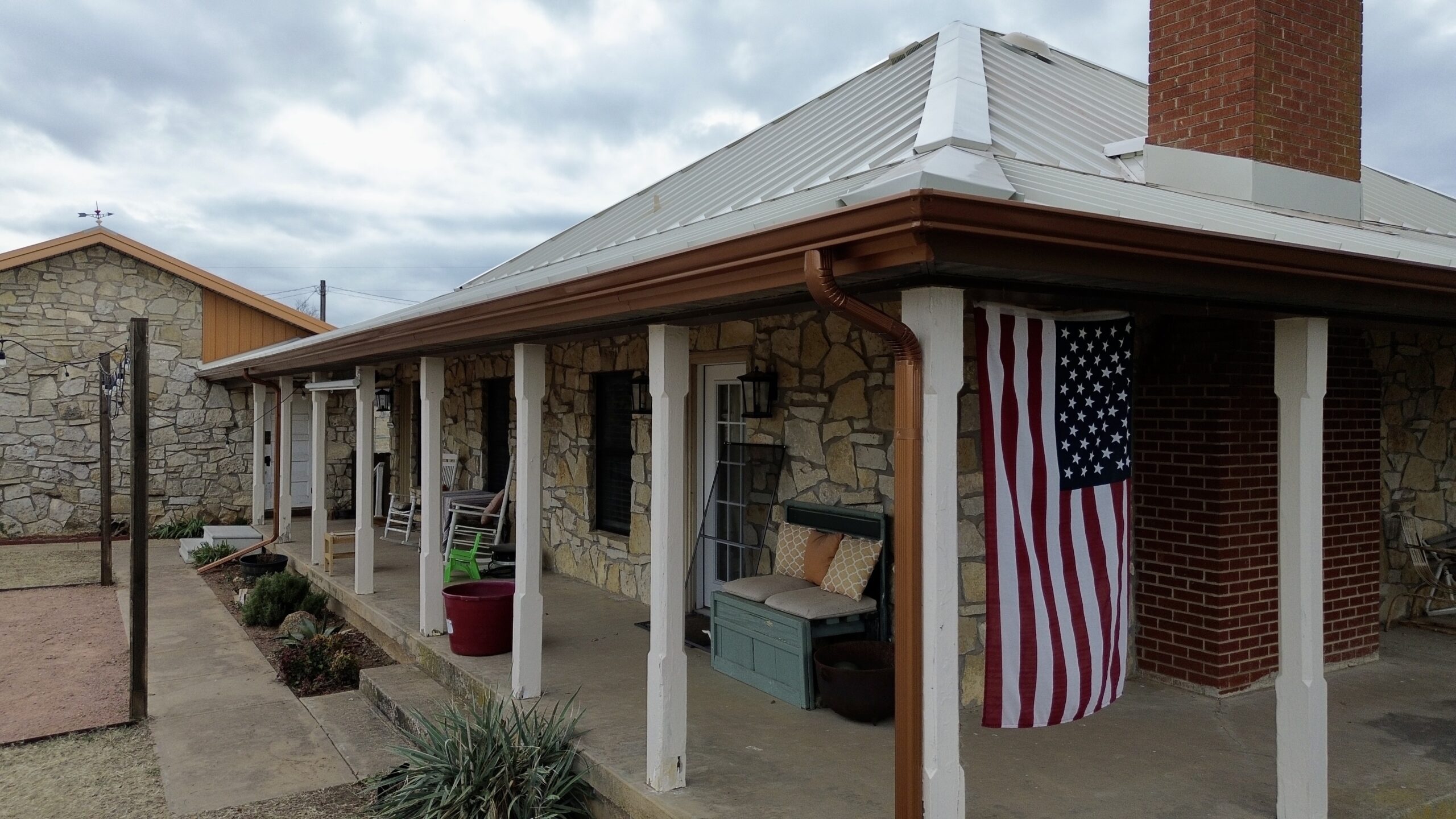
Metal roofing is another option for certain commercial properties. Metal systems can offer durability and a distinctive appearance, while different profiles and coatings can be selected according to the building’s requirements. However, metal roofing also requires careful attention to fasteners, seams, penetrations, expansion, and corrosion protection.
The material category is only one part of the decision. A complete commercial roofing system includes several components that must work together, including insulation, cover boards, fasteners, adhesives, flashing, edge systems, drainage components, and protective accessories.
Evaluating the Building Before Selecting Materials
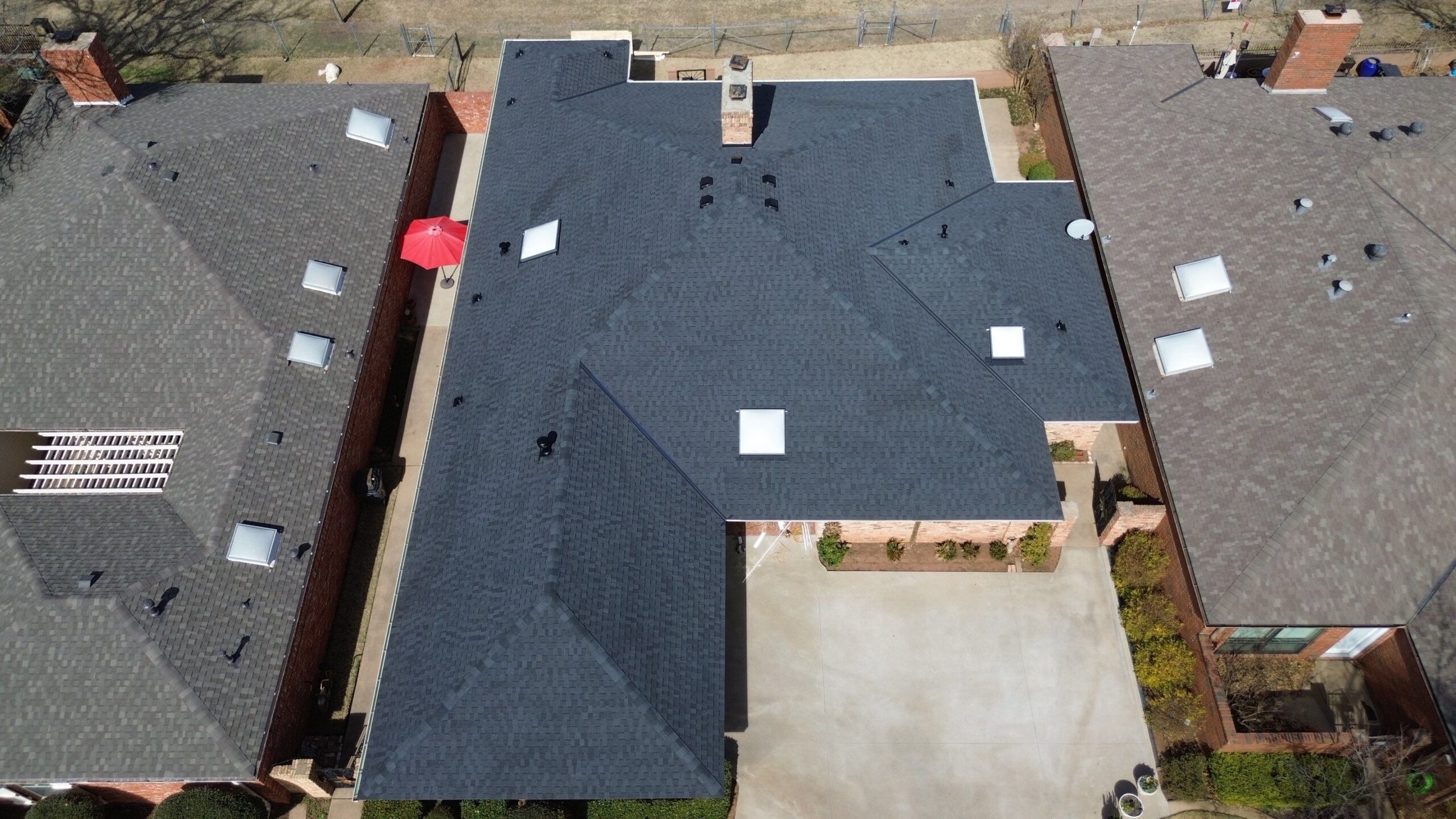
The building itself should be evaluated before a roofing material is chosen. Roof size, slope, deck type, drainage arrangement, rooftop equipment, existing roofing layers, and structural conditions can all influence which materials are practical. A contractor should understand these conditions before recommending a specific system.
The building’s purpose is also important. A warehouse, office building, retail property, manufacturing facility, and institutional building may have very different roofing requirements. For example, a facility with frequent rooftop maintenance activity may need stronger protection in high-traffic areas, while a property with limited roof access may have different priorities.
Rooftop equipment should be considered during material selection as well. HVAC units, vents, pipes, skylights, electrical equipment, and service platforms create penetrations and transition points that must be integrated into the roofing system. The chosen material should allow these details to be properly flashed and maintained.
The existing roof assembly may also affect the project. If the building is undergoing replacement rather than new construction, the contractor needs to determine whether the existing roof will be removed completely or incorporated into an approved recovery system. Moisture, deteriorated insulation, damaged decking, and previous repairs can all influence the final material selection.
Structural capacity should not be overlooked. Different roofing assemblies can have different weights, and some projects may require additional components or protection layers. If structural concerns are identified, the appropriate professionals should evaluate them before the roofing system is finalized.
Considering Local Weather and Environmental Conditions
Climate is one of the most important factors when choosing commercial roofing materials. A roof installed in a hot, sunny environment may face intense ultraviolet exposure and high surface temperatures, while buildings in regions with frequent rainfall need strong resistance to moisture and effective drainage. Areas exposed to strong winds may place additional demands on membrane attachment and perimeter details.
Temperature changes can also affect roofing materials. Some systems expand and contract as temperatures change, while others may respond differently to repeated heating and cooling cycles. The selected system should be appropriate for the expected environmental conditions and installed according to the manufacturer’s requirements.
Rainfall patterns should influence both material selection and roof design. A waterproof membrane is important, but the roof also needs an effective drainage system that moves water toward drains, scuppers, or gutters. Materials should be selected as part of a complete assembly rather than treated as an isolated waterproofing layer.
Ultraviolet exposure is another consideration for commercial buildings. Roofing surfaces are exposed to sunlight for long periods, and prolonged exposure can contribute to material aging. Some roofing products are specifically designed with properties that help them withstand outdoor exposure, but their actual performance still depends on proper installation and maintenance.
Wind exposure can be especially important around roof edges and corners. These areas may experience greater wind forces than the center of the roof, making attachment, edge systems, and membrane termination critical. Material selection should therefore be coordinated with the roof’s attachment strategy and project requirements.
Comparing Durability and Expected Service Life
Durability should be considered when evaluating commercial roofing materials because replacing a roof is disruptive and expensive. A durable system may reduce the frequency of major replacement projects and help maintain reliable building protection over an extended period. However, durability depends on more than the material itself.
Installation quality has a major influence on how a roofing system performs. Even a high-quality membrane can experience premature problems if seams are poorly completed, flashing is incorrectly installed, drainage is inadequate, or the substrate is unsuitable. Material selection and workmanship must therefore be considered together.
The environment can also affect service life. A roof exposed to intense sunlight, severe storms, chemicals, mechanical activity, or frequent foot traffic may experience different wear than a roof in a relatively protected environment. The expected service life should be considered in relation to the actual conditions the roof will face.
Maintenance is another part of durability. Some systems may require specific inspections, cleaning, seam checks, or repairs to maintain their performance. A property owner should understand these requirements before selecting a material so that the maintenance plan can realistically support the roof throughout its service life.
It is also useful to distinguish between expected service life and warranty duration. A warranty can provide valuable protection under defined conditions, but it should not be treated as a guarantee that the roof will require no maintenance or will remain problem-free for the entire warranty period. The system’s design, installation, environment, and maintenance all remain important.
Balancing Initial Cost With Long-Term Value
Cost is naturally an important part of commercial roofing decisions, but focusing only on the lowest installation price can lead to poor long-term results. Roofing materials have different purchase prices, installation requirements, maintenance needs, and expected lifespans. A more expensive system may sometimes provide better overall value when evaluated over the expected ownership period.
The initial project cost may include more than the roofing membrane. Insulation, cover boards, fasteners, adhesives, flashing, edge systems, drainage improvements, labor, equipment, removal of existing materials, waste disposal, and other project requirements can significantly affect the final budget.
Long-term costs should also be considered. A roofing system that requires frequent repairs or specialized maintenance may become more expensive over time than a system with a higher initial price but lower ongoing maintenance needs. Property owners should therefore consider the total cost of ownership when comparing alternatives.
Energy performance can also contribute to long-term value. The roofing assembly, insulation, surface characteristics, and building design can influence heat transfer and indoor conditions. Although roofing materials alone do not determine a building’s energy costs, the right assembly can support broader energy-efficiency objectives.
Budget discussions should also account for future accessibility and repair requirements. A commercial roof with many rooftop systems may require regular technician access, making durable walkways and protective components valuable additions. Spending appropriately on these features during installation can help reduce avoidable damage later.
Selecting Compatible Roofing Components
A commercial roofing system is made up of multiple components, so every material should be evaluated for compatibility with the rest of the assembly. The membrane, insulation, cover board, adhesive, fasteners, flashing, sealants, edge systems, and drainage components must work together according to the approved design.
Compatibility becomes particularly important at transitions. A membrane may perform well across the main roof area but require specialized materials where it connects to drains, walls, curbs, pipes, and other features. These details should be planned before installation rather than improvised after the main roofing material has been installed.
Insulation is another important component to consider. Its thickness, type, attachment method, and placement can affect thermal performance and the substrate available for the waterproofing layer. The selected insulation should be appropriate for the overall roof assembly and compatible with the membrane installation method.
Fasteners and adhesives should also be selected based on the specific roofing system. Using an unsuitable product can interfere with attachment or bonding and may create problems during the roof’s service life. Contractors should follow manufacturer-approved assemblies and installation instructions when specifying these components.
Flashing and edge materials deserve the same level of attention as the primary roof covering. Water intrusion frequently occurs at transitions and penetrations when these areas are not properly detailed. Selecting compatible components from the beginning helps create a more continuous and reliable roofing assembly.
Once the major material categories have been evaluated, the next stage is to compare specific roofing systems based on performance, installation requirements, energy goals, maintenance expectations, and project conditions. A professional contractor can help narrow the choices and determine which complete assembly best fits the building rather than selecting materials based on appearance or initial price alone.
Comparing Single-Ply Roofing Membranes
Single-ply membranes are among the most widely considered materials for commercial roofing projects because they provide a relatively lightweight waterproofing layer and can be installed using several attachment methods. TPO, PVC, and EPDM are common membrane options, but they differ in chemical composition, seam technology, flexibility, installation requirements, and performance characteristics. Choosing between them requires consideration of the building and the environment rather than relying only on general popularity.
TPO membranes are thermoplastic materials that are commonly installed with mechanically attached, adhered, or other approved systems. Their seams can typically be heat welded to create continuous connections between membrane sheets. This makes seam quality particularly important during installation, as the welding process must be performed under appropriate conditions and according to the manufacturer’s requirements.
PVC is another thermoplastic membrane option that can provide waterproofing and heat-welded seams. It may be considered for buildings where particular chemical resistance or other performance characteristics are important. However, the suitability of PVC depends on the specific environment, system design, and manufacturer’s approved assembly.
EPDM is a synthetic rubber membrane commonly used in commercial roofing. It is available in large sheets that can reduce the number of field seams in some applications, although seams, penetrations, edges, and flashing still require careful detailing. EPDM systems may be mechanically attached, adhered, or installed using other approved methods depending on the project.
The choice between these membrane systems should account for installation conditions, rooftop activity, environmental exposure, maintenance expectations, and compatibility with other roofing components. A contractor should evaluate the complete system instead of comparing membrane prices alone.
Evaluating Modified Bitumen and Built-Up Roofing
Modified bitumen and built-up roofing systems provide alternatives to single-ply membranes for commercial properties. These systems generally use multiple layers to create a robust waterproofing assembly. Their construction can provide advantages for certain buildings, particularly where the project calls for a multi-layer roof design with specific durability or redundancy characteristics.
Built-up roofing traditionally consists of multiple layers of roofing felt and bituminous material. The layers work together to create a continuous waterproofing assembly, with the final surface protected according to the system design. Because these roofs contain multiple components, installation must be carefully coordinated to maintain consistency across the entire roof.
Modified bitumen systems use asphalt-based membranes modified with polymers to provide particular performance characteristics. They can be installed using different methods, depending on the product and approved assembly. Some systems are designed for torch application, while others use adhesives or self-adhered technology, so the installation method must be selected according to the manufacturer’s instructions and project conditions.
One consideration with these systems is installation complexity. Multi-layer assemblies require careful sequencing, appropriate substrate preparation, and attention to details at seams, edges, penetrations, and transitions. Experienced installers are important because the quality of each layer contributes to the performance of the completed system.
Property owners should also consider the building’s operational requirements when evaluating these materials. Installation activities may involve odors, heat, equipment, or other considerations that need to be coordinated with occupants and nearby operations. The contractor should explain these factors before the project begins.
Considering Commercial Metal Roofing Materials
Metal roofing can be a practical option for many commercial buildings, particularly where durability, appearance, and long-term performance are important considerations. Commercial metal systems are available in different profiles, gauges, coatings, and finishes, allowing the roof to be selected according to the building’s design and environmental requirements.
Steel and aluminum are among the materials commonly considered for commercial metal roofing. The appropriate choice depends on factors such as structural requirements, exposure to moisture, corrosion concerns, design objectives, and the manufacturer’s system specifications. Protective coatings can also influence how the material performs in outdoor conditions.
Metal roofing requires careful attention to expansion and contraction. Changes in temperature can cause metal panels to move, so the roofing system must be designed and installed to accommodate expected movement. Fasteners, seams, clips, joints, and penetrations all need to work together without restricting the intended movement of the system.
Corrosion protection is another important consideration. Buildings in environments with high moisture or exposure to corrosive substances may require specific metal types or protective coatings. The surrounding environment should be evaluated before selecting a metal roof so that the material is appropriate for the conditions.
Penetrations and transitions are especially important with metal roofing. Pipes, vents, equipment supports, skylights, and roof edges must be properly flashed and sealed according to the system design. Poorly detailed penetrations can create leakage problems even when the metal panels themselves remain in excellent condition.
Choosing the Right Insulation Material
Insulation is a major component of the commercial roofing assembly because it affects thermal performance as well as the overall construction of the roof. Selecting insulation should therefore be treated as an important material decision rather than an accessory choice. The appropriate insulation depends on the building’s energy objectives, roof design, moisture conditions, structural considerations, and applicable requirements.
Different insulation products provide different levels of thermal resistance, moisture behavior, compressive strength, and dimensional stability. Polyisocyanurate, expanded polystyrene, extruded polystyrene, mineral wool, and other products may be considered for different applications. The right selection should be based on the complete roofing assembly.
Insulation thickness also matters. Increasing insulation can improve thermal performance, but the practical solution depends on roof height, drainage design, equipment clearances, attachment requirements, and project specifications. The contractor should ensure that the selected insulation arrangement works with the roof’s drainage and membrane installation strategy.
Compressive strength becomes particularly important in areas that may experience rooftop traffic or equipment activity. Insulation that is not suitable for the expected loads can become damaged or compressed, affecting the surface above it. Where additional protection is needed, a suitable cover board may be incorporated into the roofing assembly.
Moisture considerations should also influence insulation selection. The roof assembly needs to manage moisture appropriately, and materials should be installed over suitable substrates under acceptable conditions. Trapping moisture within a roofing assembly can create long-term problems, so the material selection and installation process should address moisture control from the beginning.
Selecting Flashing, Fasteners, and Edge Components
The main roofing membrane receives much of the attention during material selection, but flashing and accessory components are equally important to the performance of a commercial roof. These materials protect areas where the roof meets walls, equipment, drains, edges, and penetrations. They must be compatible with the primary roofing system and installed according to approved details.
Flashing materials may include membrane accessories, metal components, prefabricated boots, reinforced sections, and other products designed for specific transitions. The correct selection depends on the roofing system and the type of penetration or transition being protected. Using generic materials without confirming compatibility can create weaknesses at critical locations.
Fasteners also need to be selected carefully. Their type, length, corrosion resistance, plate design, and attachment method should match the substrate and roofing assembly. Incorrect fasteners may fail to provide the required attachment or may create damage to the roof system.
Perimeter edge components are especially important because roof edges can experience significant wind exposure. Edge metal, termination bars, clips, and other components should be selected according to the roofing design and required performance. The connection between the membrane and edge system should create a secure transition that resists environmental forces.
Sealants are useful in many roofing details, but they should not be considered a substitute for proper system design. Sealants can deteriorate over time and may require maintenance, so critical waterproofing details should rely on properly designed and installed roofing components wherever possible.
A complete material schedule can help ensure that all of these components are considered before installation begins. It also reduces the risk of crews reaching a critical stage of the project only to discover that a required accessory is missing or incompatible.
Considering Energy Efficiency and Sustainability
Energy performance has become an increasingly important factor in commercial roofing material selection. A roofing assembly can influence how much heat moves through the building envelope, particularly in properties with large roof areas. Insulation, membrane characteristics, roof color, and the overall building design can all contribute to energy performance.
Reflective roofing materials may be considered in buildings exposed to significant solar radiation. Certain roof surfaces are designed to reflect more solar energy and reduce surface temperature under suitable conditions. However, the actual energy benefit depends on factors such as climate, insulation levels, building orientation, HVAC systems, and operating patterns.
Insulation generally plays a major role in reducing heat transfer through the roof. Selecting an appropriate insulation assembly can support indoor comfort and may reduce heating or cooling demand. However, insulation should be chosen based on the entire roof design rather than simply selecting the highest available thermal rating.
Sustainability can also influence material selection. Property owners may consider material durability, recycled content, recyclability, expected service life, waste generation, and maintenance requirements. A longer-lasting roof may reduce the frequency of replacement and the associated material and labor demands over the building’s life.
Roofing material selection can also be coordinated with broader building strategies. Some commercial properties may incorporate solar equipment, rooftop gardens, or other systems that require specific roofing considerations. These additions should be planned with the roofing assembly because future installation or maintenance activities can affect the roof surface.
Reviewing Manufacturer Requirements and Project Specifications
Once potential materials have been identified, the final selection should be checked against manufacturer requirements and the project’s specifications. Roofing products are designed as part of specific assemblies, and their performance depends heavily on proper installation. Contractors should therefore verify that the selected membrane, insulation, fasteners, adhesives, flashing, and other components are approved for the intended application.
Manufacturer documentation can provide important information about substrate conditions, attachment methods, seam preparation, adhesive requirements, storage, weather limitations, and installation procedures. Reviewing these requirements before work begins helps the crew avoid preventable mistakes and ensures that the selected materials can be installed under actual site conditions.
Project specifications should also be reviewed carefully. Commercial roofing projects may have requirements related to insulation levels, wind resistance, fire performance, drainage, warranties, material standards, and approved installation methods. Material choices that do not satisfy these requirements may need to be rejected or changed before installation.
Samples and product data can also help property owners understand what they are purchasing. Appearance, surface finish, thickness, color, texture, and other visible characteristics may matter for some commercial buildings, but performance requirements should remain the primary consideration. A visually appealing material is not necessarily the best option for the building’s environmental and operational demands.
It is also useful to obtain detailed proposals rather than comparing only a single total price. A strong roofing proposal should clearly identify the proposed system, major materials, insulation, attachment method, flashing approach, expected scope of work, and relevant warranty information. This makes it easier to compare different options on an equivalent basis.
With the material choices narrowed down and the complete roof assembly defined, the project can move toward final selection and installation planning. The next stage is to examine how property owners can compare proposals, avoid common material-selection mistakes, and ensure that the chosen roofing system is properly installed and maintained for long-term performance.
Comparing Roofing Proposals and Total Project Value
Once several roofing materials and complete systems have been evaluated, property owners need to compare contractor proposals carefully. A lower price does not automatically represent better value, especially when two proposals include different materials, insulation levels, installation methods, warranties, or preparation work. Comparing the complete scope allows the building owner to understand what is actually being purchased.
A professional proposal should identify the proposed roofing system and the major components included in the installation. This may include the membrane or primary roof covering, insulation, cover boards, fasteners, adhesives, flashing, edge materials, drainage work, removal of existing roofing, and cleanup. If important components are missing from the proposal, the final project cost may increase after work begins.
Labor and preparation should also be considered when comparing options. Some materials may have a lower purchase price but require more complicated installation or extensive substrate preparation. A slightly higher material cost may provide better value if the system is easier to maintain, more appropriate for the building, or expected to provide longer-lasting performance.
Warranty terms should be reviewed as part of the comparison. Property owners should understand what the warranty covers, how long it lasts, what installation requirements apply, and what maintenance responsibilities remain with the building owner. Warranty information should support the decision rather than being the only reason a particular material is selected.
The best proposal is usually the one that provides a suitable balance between quality, performance, installation requirements, durability, and cost. A roofing system should serve the building’s needs for many years, so the decision should be based on long-term value rather than the lowest initial quotation.
Avoiding Common Material Selection Mistakes
Commercial roofing projects can become expensive when material selection is based on incomplete information. One common mistake is choosing a material solely because it has the lowest upfront price. Initial cost matters, but a roofing system also has ongoing maintenance, repair, energy, and replacement considerations that can significantly affect its overall value.
Another mistake is selecting materials without considering the existing building. The roof deck, slope, drainage system, insulation, rooftop equipment, and existing roofing layers can all influence which materials are appropriate. A system that works well on a newly constructed building may require different preparation when installed as a replacement roof.
Ignoring climate is another avoidable problem. Roofing materials are exposed to local weather throughout their service life, so sunlight, rainfall, wind, temperature changes, and other environmental conditions should be considered. The selected system should be appropriate for the conditions it is expected to face.
Property owners should also avoid mixing roofing components without confirming compatibility. A membrane, adhesive, flashing product, sealant, fastener, and insulation board may each appear suitable individually but may not form an approved assembly when combined. The complete system should be reviewed before materials are ordered.
Another common mistake is underestimating the importance of accessories. Roof drains, edge systems, flashing, penetration details, walkway pads, and protective components may represent a smaller portion of the total material cost, but they can have a major influence on roof performance. Critical details should receive the same level of planning as the main roofing material.
Planning for Installation Conditions
The selected material must be practical for the actual conditions in which it will be installed. Roofing manufacturers provide requirements related to temperature, moisture, substrate condition, storage, handling, adhesive application, and other installation factors. These requirements should be reviewed before the project begins.
Weather can affect installation schedules significantly. Rain can interfere with substrate preparation and adhesive applications, while high winds can make large membrane sheets difficult to control. Extremely hot or cold conditions may also affect certain products, so contractors need to plan work around acceptable installation conditions.
Material storage is another important consideration. Roofing products should be protected from damage and exposure to conditions that could affect their performance. Membranes, insulation, adhesives, sealants, fasteners, and other components may have different storage requirements, and the contractor should establish appropriate staging areas before materials arrive.
Delivery planning can also affect the efficiency of the installation. Commercial roofing materials can be bulky and heavy, and large projects may require cranes, hoists, or other equipment to move materials onto the roof. Deliveries should be coordinated with building operations so that materials can be received and positioned safely without creating unnecessary disruption.
The installation team should also understand the sequence in which materials will be used. Insulation, cover boards, membranes, flashing, edge components, and accessories need to be installed in an organized order. Good sequencing helps protect completed work and reduces the possibility of materials being damaged while other parts of the roof are still under construction.
Considering Maintenance and Future Roof Access
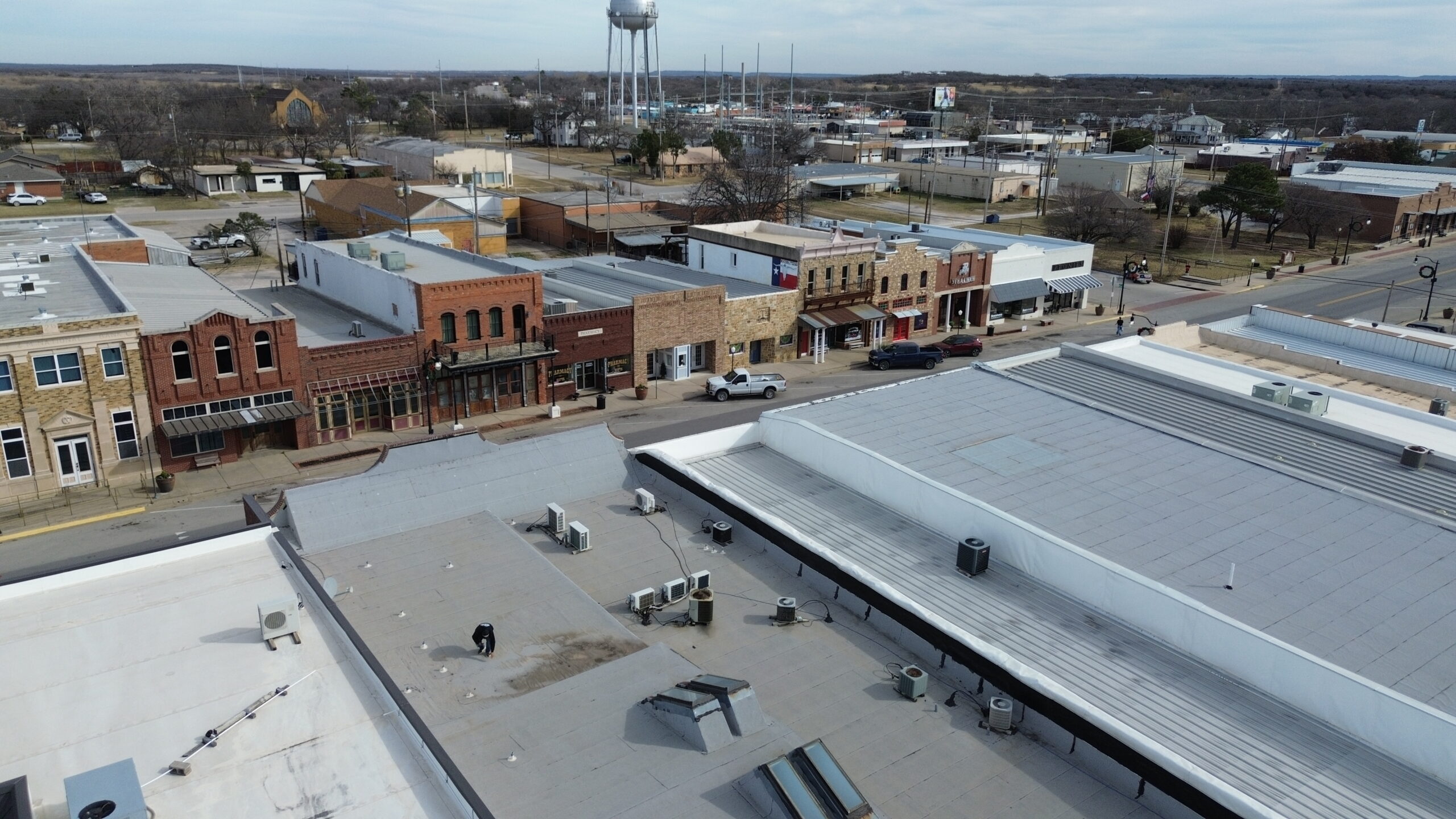
Material selection should account for what will happen after the installation is finished. Commercial roofs often contain HVAC units, vents, electrical equipment, antennas, skylights, and other systems that require regular service. Maintenance personnel may need to access these areas throughout the life of the roof.
Frequent foot traffic can cause unnecessary wear on some roofing surfaces. Where regular access is expected, designated walkways or protective pads may be appropriate. These features create clearer routes for maintenance personnel and help reduce the chance of accidental membrane damage.
The location of rooftop equipment should also influence material planning. If technicians regularly service HVAC units, the roofing system around those units should be designed with appropriate protection and detailing. Equipment supports, curbs, access paths, and drainage should all be coordinated with the roof assembly.
Maintenance requirements can vary between roofing systems. Some materials may require regular seam inspections, flashing checks, cleaning, or other preventive work. Property owners should understand these requirements before selecting a system so that the roof can be maintained properly after installation.
Future repairs should also be considered. A roofing system that is properly documented and supported by accessible manufacturer information can be easier to repair later. Keeping records of materials, installation details, warranties, and previous repairs can help future contractors understand exactly what was installed.
Choosing Materials With Long-Term Building Goals in Mind
A commercial roofing system should support the broader goals of the property rather than being viewed as an isolated construction expense. Building owners may have objectives related to energy efficiency, durability, maintenance reduction, appearance, sustainability, or future expansion. These goals can influence material selection.
For example, a property owner planning to operate a building for many years may place greater emphasis on durability and lifecycle value. Another owner preparing a property for a shorter ownership period may have different financial considerations. Neither approach automatically determines the correct material, but the expected ownership period should be part of the decision.
Future building improvements should also be considered. Solar installations, rooftop mechanical upgrades, additional equipment, or other modifications may affect the roof in the future. If these possibilities are known during the roofing project, the roof assembly can be planned to support appropriate access and protection requirements.
Energy goals may also influence the selection of insulation and surface materials. A well-designed roof assembly can contribute to improved thermal performance, especially when insulation and other building envelope components are selected as part of a coordinated strategy. However, energy performance should be evaluated for the entire building rather than attributed to the roofing material alone.
Sustainability objectives can likewise influence the decision. Durable materials that require fewer replacements may reduce long-term construction waste, while some roofing products incorporate recycled content or can be recycled at the end of their useful life. These factors can be considered alongside durability, performance, and cost.
The key is to select a roofing system that remains appropriate as the building evolves. A material that meets today’s needs but creates difficulties for future maintenance or upgrades may not provide the best long-term value.
Ensuring Professional Installation of Selected Materials
Even the best roofing materials cannot deliver their expected performance without proper installation. Once a material has been selected, the contractor must follow the approved assembly and installation requirements. This includes correct substrate preparation, attachment, seam construction, flashing, drainage detailing, and protection of completed work.
Installation quality is especially important at seams and transitions. A membrane may perform well across the main roof surface, but improperly completed seams, penetrations, edges, and flashing can create opportunities for water intrusion. These areas should receive detailed inspection during installation rather than being left for the final project review.
The contractor should also verify that materials arriving at the site match the approved specifications. Product labels, quantities, dimensions, and other information should be checked before materials are installed. Substitutions should not be made casually because even seemingly similar products may have different installation requirements.
Quality control should continue throughout the project. Supervisors can inspect completed sections, verify fastening or adhesive application, review membrane seams, and check critical details before they become inaccessible. Early correction is generally easier than repairing defects after the roof has been fully completed.
Property owners should also retain appropriate project documentation after installation. Records can include product information, warranties, installation details, photographs, inspection reports, and maintenance recommendations. These documents can become valuable resources when the roof eventually requires inspection, repair, modification, or replacement.
Conclusion
Choosing materials for a commercial roofing installation project requires careful consideration of the building, environment, roof design, budget, maintenance requirements, and long-term goals. TPO, PVC, EPDM, modified bitumen, built-up roofing, metal, insulation, flashing, fasteners, and other components each have different characteristics, so the decision should focus on the complete roofing assembly rather than one product in isolation.
The best material is not necessarily the least expensive or the most widely used option. A suitable system should provide the performance needed for the building’s climate, structure, operational activity, drainage requirements, rooftop equipment, and expected service life. Comparing total project value, installation requirements, maintenance needs, and warranty conditions can help property owners make a more informed decision.
Professional installation is just as important as material selection. Correct preparation, compatible components, proper fastening, reliable seams, effective flashing, and careful drainage detailing all contribute to the final performance of the roof. When quality materials are combined with appropriate design, skilled installation, and regular maintenance, a commercial roofing system has a much stronger opportunity to provide dependable protection for the building over the long term.