
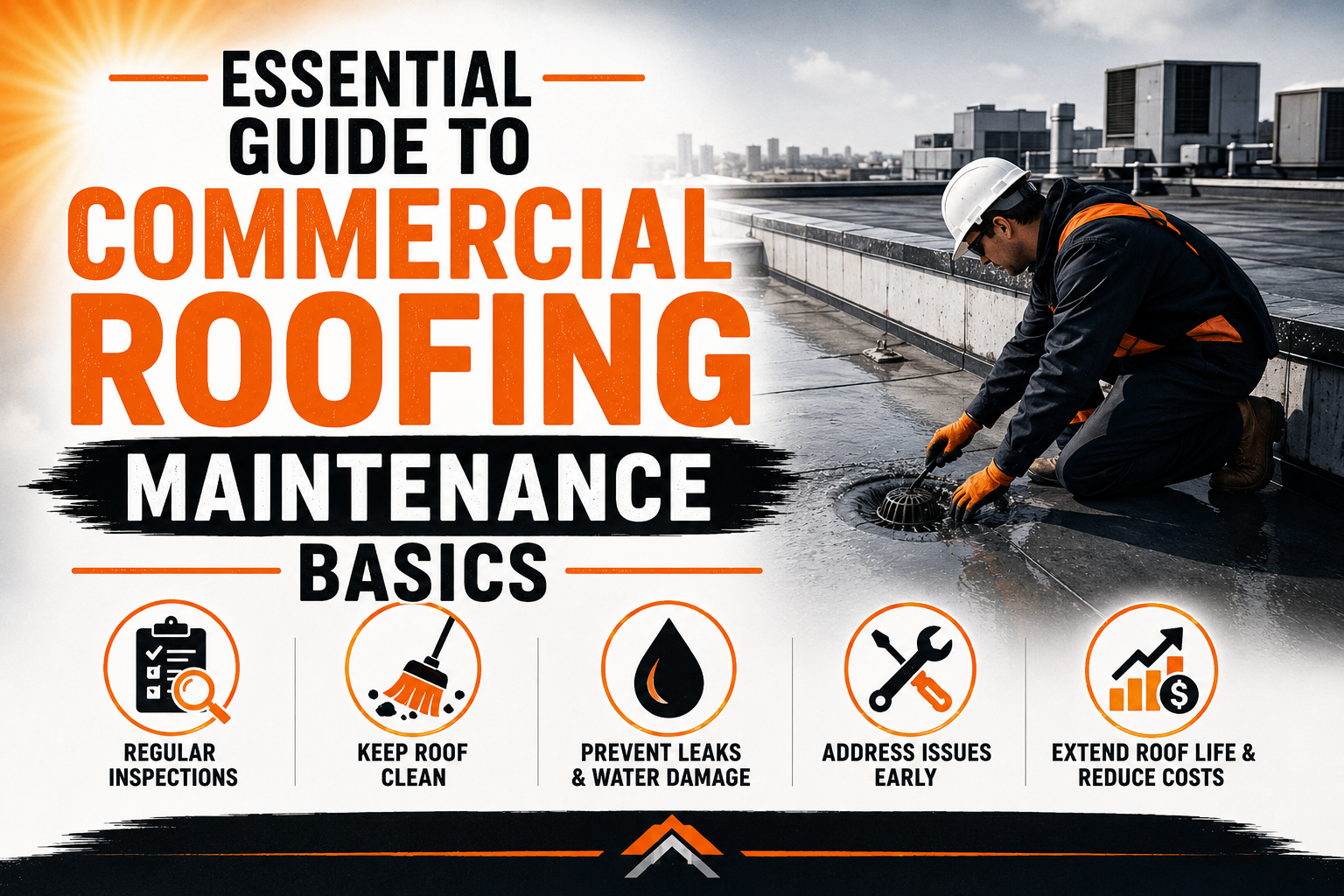
Essential Guide to Commercial Roofing Maintenance Basics
Introduction
A commercial roof is one of the most important protective systems in a business property. It shields employees, equipment, inventory, technology, and interior spaces from rain, heat, wind, moisture, and other environmental conditions. Because commercial roofs often cover large areas and contain multiple components, regular maintenance is essential for keeping the entire building protected and operational.
Without proper maintenance, small roofing problems can gradually become expensive structural issues. A minor seam separation or blocked drain may initially appear harmless, but continued exposure to water can damage insulation, decking, ceilings, walls, and electrical systems. A consistent maintenance program helps identify these problems early, allowing property owners and facility managers to address them before they interrupt business activities.
Commercial roofing maintenance is different from waiting for something to fail and then arranging a repair. Preventive maintenance focuses on regularly inspecting the roof, keeping drainage systems clear, checking vulnerable areas, and documenting changes in roof condition. This approach gives building owners better control over repair costs while helping the roofing system perform reliably throughout its expected service life.
The condition of a commercial roof can also affect everyday business operations. Water intrusion can damage merchandise, disrupt office areas, create uncomfortable working conditions, and force temporary closures of affected spaces. Regular maintenance therefore protects more than the roof itself because it also supports the safety, productivity, and continuity of the business operating underneath it.
Understanding Commercial Roofing Systems
Commercial roofing systems are generally more complex than residential roofs because they often cover larger areas and may contain mechanical equipment, rooftop units, drainage structures, skylights, vents, and other penetrations. The complete system usually consists of several layers and components that work together to control water, manage temperature, provide structural support, and protect the building interior. Understanding these components makes it easier to recognize why regular maintenance is necessary.
The roof membrane is one of the most visible and important parts of many commercial roofing systems. Depending on the building design, the membrane may be made from materials such as single-ply membranes, modified bitumen, built-up roofing, or other specialized systems. The membrane creates a protective barrier against water and weather, so punctures, tears, open seams, and deterioration should be identified as early as possible.
Below the roof covering, insulation helps regulate the building’s internal temperature while also supporting energy efficiency. The roof deck provides the structural base for the roofing assembly and may be constructed from materials such as metal, concrete, or wood-based products. If moisture reaches the insulation or deck, the resulting damage can become considerably more difficult and expensive to correct.
Flashing is another critical component because it helps protect transitions and vulnerable areas where water could otherwise enter the building. Flashing is commonly found around roof edges, walls, vents, skylights, pipes, and mechanical equipment. Because these locations involve changes in direction or interruptions in the roofing surface, they should receive careful attention during inspections.
Drainage components are equally important to overall roof performance. Drains, gutters, scuppers, and downspouts direct water away from the roof and building structure. When these systems become blocked or damaged, water can accumulate on the roof surface and increase pressure on seams, membranes, flashing, and structural components.
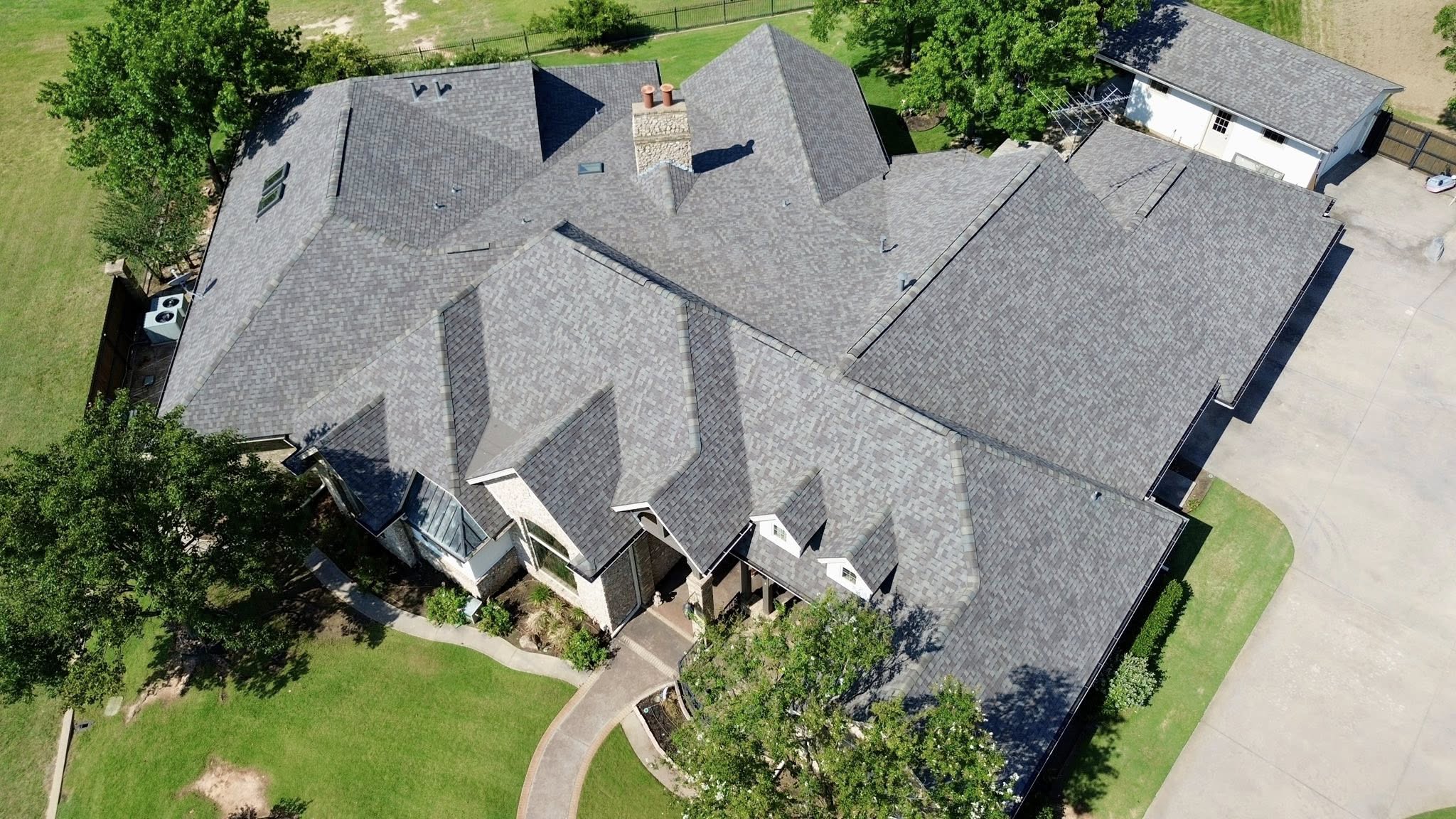
Key Benefits of Regular Commercial Roof Maintenance
Regular maintenance provides several long-term advantages for commercial property owners. Instead of treating the roof as a system that only needs attention after a leak occurs, preventive maintenance keeps potential problems under observation throughout the year. This makes it easier to identify deterioration and plan repairs according to their urgency.
One of the biggest benefits is extending the useful life of the roofing system. Every commercial roof eventually requires significant restoration or replacement, but proper maintenance can help slow premature deterioration. Keeping drainage systems functional, repairing minor damage, and protecting vulnerable areas allows the roofing materials to perform closer to their expected service life.
Maintenance can also reduce the likelihood of expensive emergency repairs. A small defect is usually easier to address than widespread water damage that has developed over several months. Early intervention may prevent moisture from reaching insulation, decking, walls, ceilings, and interior finishes.
Another important benefit is protection of the building’s contents. Commercial properties may contain expensive equipment, computers, documents, machinery, inventory, and other valuable assets. A roofing failure can expose these items to water and humidity, potentially creating losses that are far greater than the cost of routine roof maintenance.
A well-maintained roof can also support energy efficiency. Damaged insulation and moisture intrusion can reduce the effectiveness of the building envelope and make heating or cooling systems work harder. Keeping the roofing assembly in good condition supports more consistent indoor conditions and can contribute to better overall building performance.
Essential Commercial Roof Inspection Basics
Regular inspections are the foundation of an effective commercial roofing maintenance program. Inspections should not be limited to looking for obvious leaks because many roofing problems develop gradually before they become visible inside the building. A thorough inspection considers the roof surface, drainage components, flashing, seams, penetrations, edges, and interior areas beneath the roof.
The frequency of inspections depends on factors such as roof age, material, building use, climate, previous repair history, and exposure to severe weather. Many property managers schedule routine inspections at regular intervals and arrange additional inspections after major storms or unusual weather events. Older roofs and roofs with known problem areas may require more frequent professional attention.
During an exterior inspection, the roof surface should be checked for visible damage, unusual wear, loose materials, punctures, cracks, blistering, open seams, and areas where water may be collecting. Particular attention should be given to locations with rooftop equipment or frequent foot traffic because these areas may experience greater mechanical stress.
Flashing and roof penetrations deserve careful inspection because they are common locations for water intrusion. Sealants can deteriorate over time, metal flashing can become damaged, and connections around pipes or equipment can develop weaknesses. Even when the main roof membrane appears to be in good condition, problems around these details can still allow moisture into the building.
Interior inspection is also valuable because signs of roof problems may appear below the roofing system before damage becomes obvious from above. Property managers should watch for stained ceilings, damp areas, peeling finishes, unusual odors, damaged insulation, or evidence of moisture around roof-related structures. These signs should be investigated rather than simply covered or painted over.
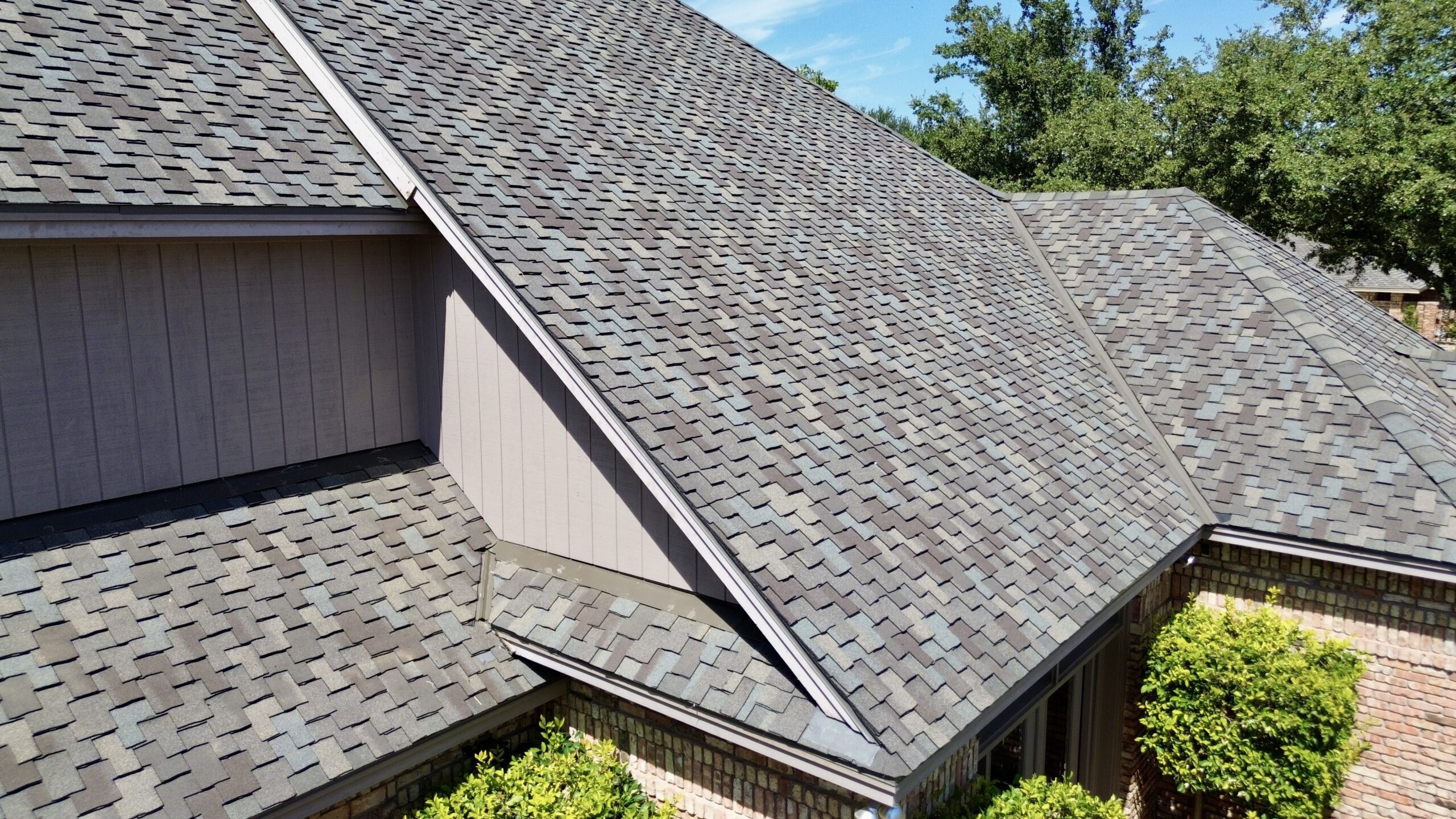
Common Commercial Roofing Problems to Watch For
Leaks are among the most recognizable commercial roofing problems, but the visible location of a leak does not always identify the exact source. Water can travel through roofing layers, insulation, joints, and structural components before appearing on an interior ceiling. For this reason, simply sealing the visible drip point may not solve the underlying problem.
Ponding water is another concern, particularly on low-slope commercial roofs. Water that remains on the roof after reasonable drainage time can place additional stress on roofing materials and may contribute to premature deterioration. Persistent ponding should be investigated to determine whether drainage, slope, structural movement, or another condition is responsible.
Membrane damage can occur through weather exposure, aging, maintenance activity, rooftop traffic, or contact with sharp objects. Punctures and tears may allow water beneath the roofing assembly, while deteriorating surfaces can become increasingly vulnerable to additional damage. Prompt assessment helps determine whether a localized repair or more extensive work is appropriate.
Flashing deterioration can also create significant problems. Damaged or separated flashing may allow water to enter around walls, curbs, vents, skylights, and equipment. Because these details are exposed to weather and movement, they should be included in every routine inspection.
Blocked drains and gutters can prevent water from leaving the roof efficiently. Leaves, dirt, branches, packaging materials, and other debris may accumulate around drainage points, especially on buildings surrounded by trees or exposed to strong winds. Keeping these areas clear is a simple but important part of preventive roof maintenance.
Creating a Practical Commercial Roofing Maintenance Routine
An effective maintenance routine should be organized rather than dependent on occasional visual checks. Property managers can establish a schedule that identifies inspection periods, cleaning tasks, professional evaluations, repair follow-ups, and documentation requirements. The exact schedule should reflect the property’s roofing system and environmental conditions.
A useful maintenance routine can include several levels of attention:
- Routine observations: Look for visible signs of leaks, debris accumulation, damaged surfaces, and drainage problems during normal property management activities.
- Scheduled inspections: Conduct more detailed roof inspections at planned intervals, checking the membrane, flashing, drainage systems, penetrations, and roof edges.
- Seasonal preparation: Address weather-related risks before periods of heavy rain, extreme heat, strong winds, or other challenging conditions.
- Professional assessments: Arrange qualified commercial roofing inspections when the roof is aging, showing deterioration, or experiencing recurring problems.
Documentation is an important part of this process. Inspection dates, photographs, identified defects, repairs, contractor reports, and maintenance activities should be recorded so property managers can track changes over time. These records can make it easier to recognize recurring problems and determine when a roof may require restoration or eventual replacement.
Prioritizing problems is equally important because not every roofing issue requires the same response. Conditions that threaten immediate water intrusion or structural damage should receive prompt attention, while minor cosmetic deterioration may be addressed during scheduled maintenance. A clear maintenance routine allows property owners to make these decisions based on documented roof conditions rather than reacting only when a major failure occurs.
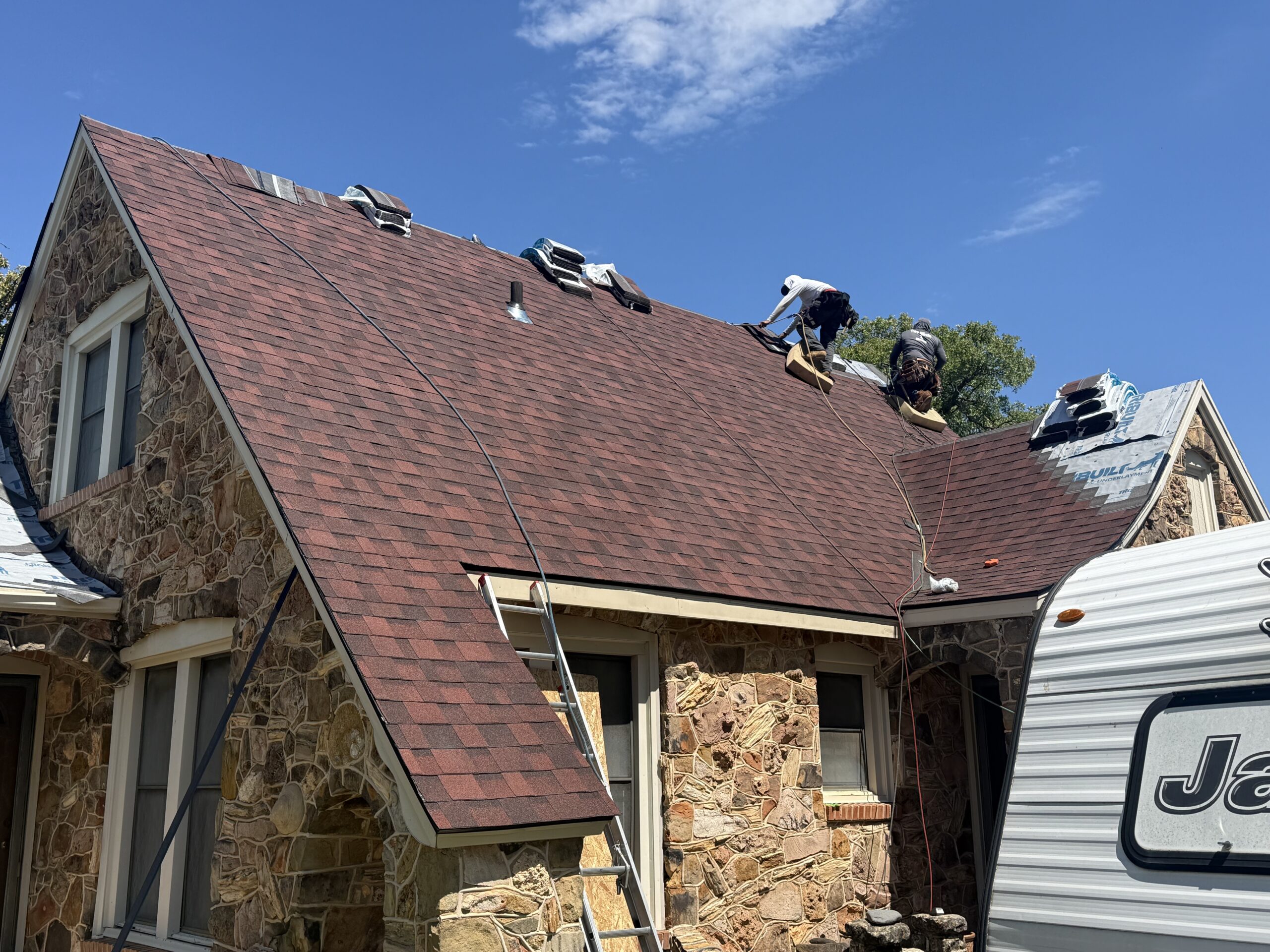
Cleaning and Maintaining Commercial Roof Drainage Systems
A commercial roof can only perform properly when water has a reliable path away from the building. Drainage systems are designed to collect and direct rainwater toward drains, gutters, scuppers, and downspouts, but these components can become obstructed by leaves, dirt, branches, trash, and other debris. Regular cleaning helps prevent water from accumulating on the roof and reduces unnecessary stress on the roofing assembly.
Roof drains deserve particular attention because debris can collect around drain openings and restrict water flow. During maintenance visits, the areas surrounding drains should be checked for accumulated material, damaged components, standing water, and signs that water is not flowing properly. Drain covers and strainers should also be inspected to make sure they remain secure and functional.
Gutters and scuppers require similar care, especially on buildings surrounded by trees or exposed to frequent storms. Blocked gutters can cause water to overflow against exterior walls or collect near vulnerable roof edges. Scuppers should remain clear so that rainwater can leave the roof efficiently rather than remaining on the surface longer than intended.
Downspouts should also be examined as part of the drainage system rather than treated as a separate exterior feature. A damaged, disconnected, or blocked downspout can prevent water from being carried safely away from the building. Water discharged too close to foundations, walls, or entrances may contribute to additional property problems over time.
Drainage maintenance should be performed carefully because roof surfaces can be damaged by improper tools, excessive pressure, or careless movement of materials. Maintenance personnel should avoid dragging equipment across the membrane or placing sharp objects near roofing materials. If a drainage problem appears to involve structural slope, damaged drains, or recurring ponding, a qualified roofing professional should evaluate the condition.
Maintaining Roofing Membranes and Surface Materials
The roofing membrane provides one of the primary barriers between the building interior and outdoor conditions. Although commercial roofing membranes are designed for demanding environments, they are still exposed to sunlight, temperature changes, wind, moisture, foot traffic, equipment activity, and aging. Regular inspections help identify surface changes before they develop into larger failures.
Different commercial roofing materials have different maintenance requirements, but the basic principle remains the same: the roof should be kept clean, protected, and free from preventable damage. Maintenance personnel should look for punctures, tears, open seams, cracks, blisters, loose sections, unusual surface wear, and other signs of deterioration. Any questionable condition should be documented and assessed rather than ignored.
Roof traffic is another important consideration. Technicians, maintenance workers, HVAC personnel, and other contractors may need access to rooftop equipment, but unnecessary foot traffic can increase wear on roofing materials. Designated walkways or protective surfaces can help reduce damage in areas where regular access is required.
Rooftop equipment can also create maintenance challenges. Air-conditioning units, vents, pipes, electrical equipment, and other installations may create penetrations or concentrated areas of traffic on the roof. These locations should be inspected regularly because movement, vibration, installation work, and weather exposure can affect surrounding roofing materials.
Repairs to roofing membranes should be completed using materials and methods appropriate for the existing roofing system. Applying an unsuitable patch or coating may temporarily hide a problem without addressing its actual cause. Professional assessment is especially important when damage is extensive, repeatedly returns, or involves multiple layers of the roofing assembly.
Age should also be considered during membrane inspections. A roof that has performed well for many years may begin to show changes in flexibility, surface condition, seams, or weather resistance as it approaches the later portion of its service life. Regular documentation allows property managers to compare current conditions with earlier inspections and plan maintenance before deterioration becomes widespread.
Flashing, Seams, Penetrations, and Roof Edges
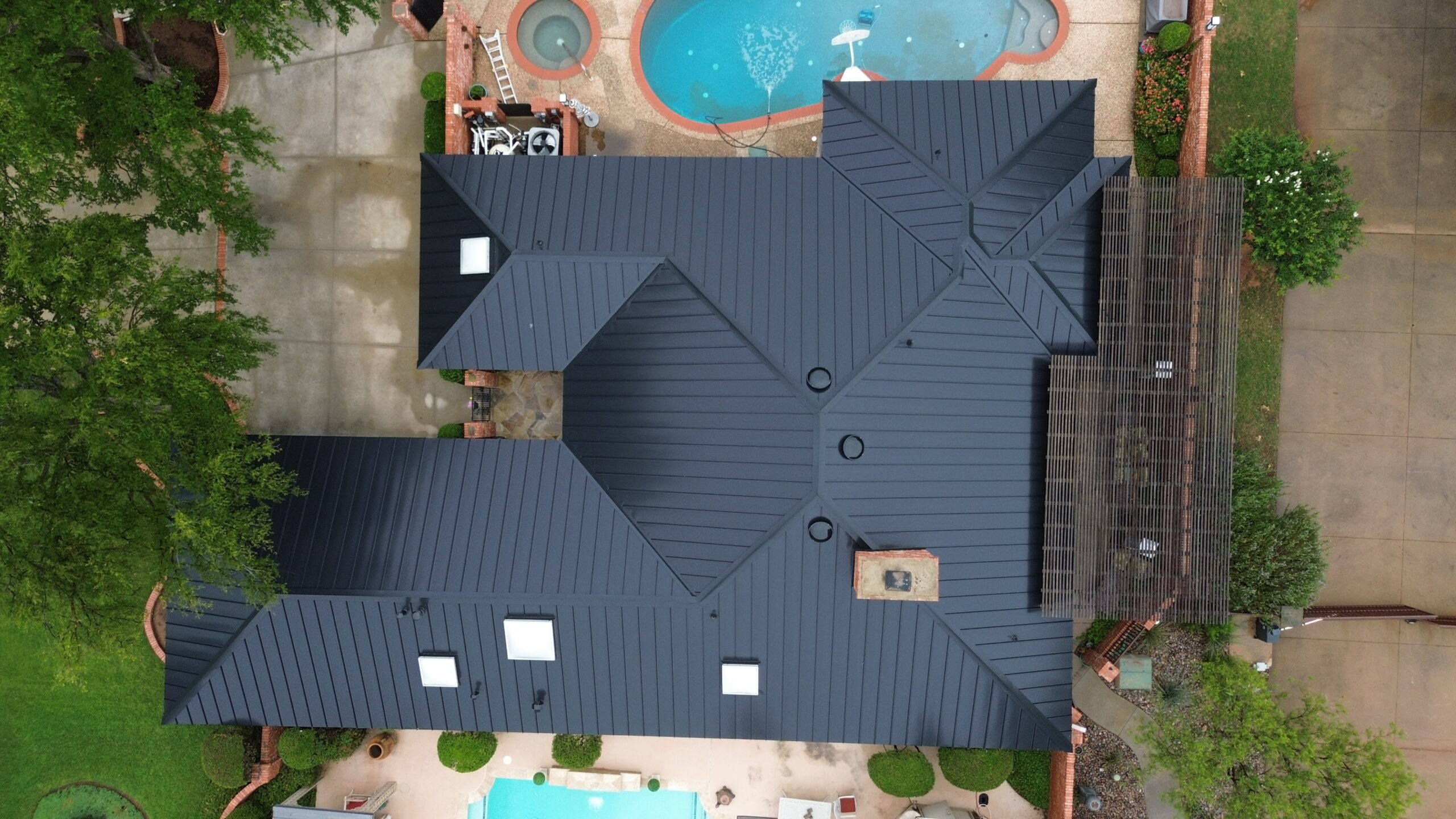
Roofing systems contain numerous transition points where different materials meet. Flashing, seams, penetrations, curbs, edges, and joints are designed to protect these vulnerable locations from water intrusion. Because they are exposed to movement and weather, these details often require more attention than large, uninterrupted areas of the roof membrane.
Flashing should be inspected around walls, rooftop units, vents, skylights, pipes, chimneys, and other structures that interrupt the roof surface. Inspectors should look for loose sections, damaged metal, deteriorated sealants, open joints, corrosion, and separation from adjoining surfaces. A defect in flashing can allow water to enter even when the surrounding membrane appears to be in good condition.
Seams are another critical inspection point, particularly on roofing systems made from multiple sheets or sections of membrane. Temperature changes and material movement can place stress on seams over time. Separation, lifting, wrinkles, or other unusual changes should be evaluated promptly because water can enter through relatively small openings.
Roof penetrations require careful attention because every opening creates an opportunity for moisture intrusion. Pipes, vents, cables, equipment supports, and other penetrations should have properly maintained flashing and seals. If these areas are modified during equipment installation or repair work, the surrounding roofing should be inspected afterward to make sure the system remains watertight.
Roof edges are particularly important because they are exposed to wind and weather forces. Edge metal, coping, fascia, and related components should be checked for looseness, corrosion, physical damage, and separation. Strong winds can place substantial pressure on perimeter areas, so damaged edge components should not be treated as minor cosmetic defects.
Seasonal Commercial Roofing Maintenance
Commercial roofing maintenance should change according to seasonal conditions. Different times of the year can introduce different risks, and preparing for those conditions can reduce preventable damage. A seasonal approach also helps property managers organize maintenance activities instead of trying to address every concern at the same time.
Spring is a useful time to inspect the roof after winter conditions have passed. The inspection can identify damaged flashing, displaced materials, blocked drainage systems, surface deterioration, and other problems that may have developed during colder or wetter weather. Clearing debris and confirming that drainage components are functioning properly can prepare the roof for spring and summer rainfall.
Summer can expose roofing materials to intense sunlight and high temperatures. Prolonged ultraviolet exposure and repeated expansion and contraction can contribute to aging, particularly on older roofing systems. Maintenance teams should monitor areas around rooftop equipment, seams, flashing, and penetrations while also making sure that unnecessary rooftop traffic does not damage the surface.
Autumn often brings increased amounts of leaves, branches, and other organic debris. These materials can accumulate around drains, gutters, corners, and rooftop equipment, creating potential drainage problems. Removing debris before periods of heavy rainfall helps keep water pathways clear and reduces the likelihood of localized ponding.
Winter maintenance depends heavily on the local climate and roofing system. Cold temperatures, heavy rain, strong winds, ice, and occasional snow can place additional demands on commercial roofs. Before severe weather arrives, property managers should confirm that drainage systems are clear and that known vulnerabilities have been addressed.
Severe storms deserve special consideration regardless of the season. High winds can damage edge components, while hail or falling branches can affect roofing membranes and rooftop equipment. After a major weather event, a professional inspection can help identify damage that may not be visible from ground level.
Commercial Roof Maintenance Safety Practices
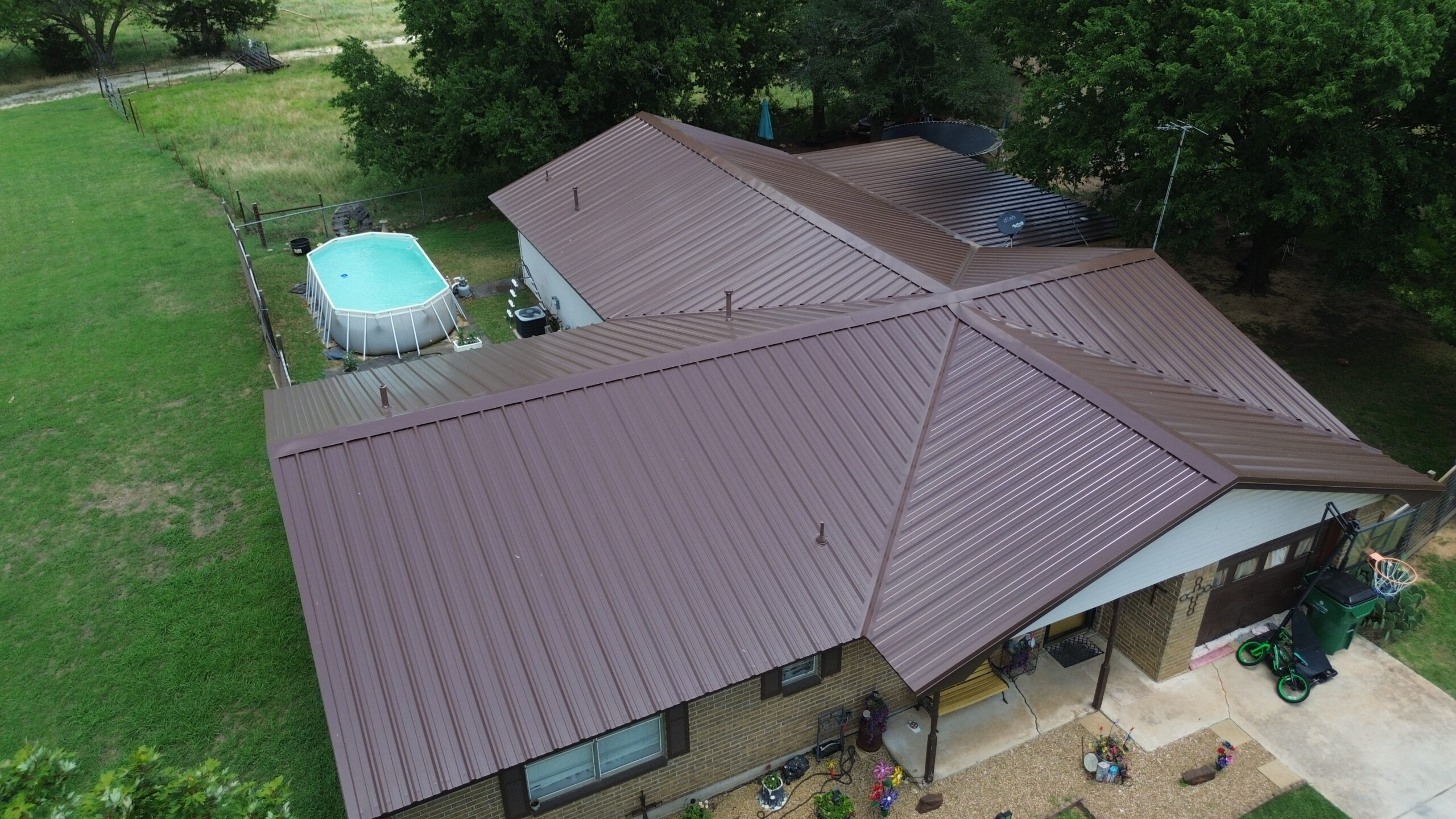
Roof maintenance should always be approached with safety as a priority. Commercial roofs can contain uneven surfaces, fragile areas, rooftop equipment, electrical components, slippery materials, and exposed edges. Even routine tasks such as cleaning drains or inspecting flashing can create hazards when performed without appropriate procedures and equipment.
Access to the roof should be controlled so that only properly trained and authorized personnel perform maintenance activities. Employees who do not have a roofing-related responsibility should not enter rooftop areas simply for convenience. Limiting unnecessary access can protect people while also reducing avoidable foot traffic on the roofing system.
Fall protection is especially important around roof edges, openings, skylights, and other elevated areas. Appropriate safety procedures and equipment should be used according to the property’s conditions and applicable requirements. Workers should never assume that a familiar roof is automatically a safe roof.
Rooftop equipment can introduce additional hazards. Mechanical units, electrical systems, pipes, vents, and other installations may restrict movement or create areas that require specialized knowledge. Maintenance workers should maintain safe clearance and avoid interfering with equipment unless they are qualified to work on it.
Weather conditions should also be considered before beginning rooftop maintenance. Wet surfaces, strong winds, extreme heat, lightning, and other hazardous conditions can increase the risk of accidents. When conditions are unsuitable, work should be postponed or assigned to professionals equipped to manage the situation safely.
Commercial roofing contractors should be involved when maintenance requires specialized tools, extensive repairs, work near dangerous equipment, or access to areas that present significant fall or structural hazards. Attempting to save money by allowing untrained workers to perform complex roofing work can result in injuries, additional property damage, or an improperly repaired roof.
Knowing When Commercial Roof Repairs Are Needed
Routine maintenance can prevent many problems, but it cannot eliminate normal wear, storm damage, aging, or unexpected failures. Property managers need to recognize when a condition has moved beyond basic maintenance and requires a proper repair. Acting at the right time can prevent a localized defect from becoming a larger roofing problem.
A small puncture, loose flashing section, damaged seam, or isolated sealant failure may be repairable when discovered early. These conditions should still be documented and evaluated because their importance depends on their location and the condition of surrounding materials. A minor defect near a critical roof penetration may present a greater risk than a similar defect in a less vulnerable area.
Recurring leaks deserve particular attention. If the same interior area repeatedly experiences moisture after repairs, the underlying source may not have been fully addressed. Water can travel through multiple roofing layers, so repeated symptoms may indicate a more complicated problem requiring professional investigation.
Emergency conditions should be addressed quickly when they threaten the building interior or occupants. Significant leaks, extensive storm damage, major membrane openings, severe ponding, or damaged structural components may require immediate action to reduce further damage. Temporary measures can sometimes limit water intrusion while a permanent repair is arranged.
The decision between repair and replacement should be based on the overall condition of the roofing system rather than one isolated defect. A relatively new roof with localized damage may be a good candidate for targeted repairs, while an older system with widespread deterioration may require restoration or replacement planning. Professional assessments can help property owners understand the condition of the entire system before making a major investment.
A practical repair process can follow these steps:
- Document the problem: Record the location, visible damage, photographs, and any related interior symptoms so the issue can be evaluated accurately.
- Determine the likely cause: Consider whether the problem involves drainage, membrane damage, flashing, equipment, aging materials, or another roofing component.
- Assess the extent of damage: Establish whether the issue is isolated or connected to a larger area of deterioration beneath the visible surface.
- Plan the appropriate response: Decide whether routine maintenance, localized repair, restoration, or broader replacement planning is most suitable for the roof’s condition.
Working with qualified commercial roofing professionals can make this process more reliable. Experienced contractors can inspect difficult areas, identify hidden problems, recommend appropriate repair methods, and help property managers prioritize work according to risk. Maintaining clear records of completed repairs also makes future inspections more effective because contractors can compare new conditions with the roof’s previous history.
Building an Effective Commercial Roofing Maintenance Plan
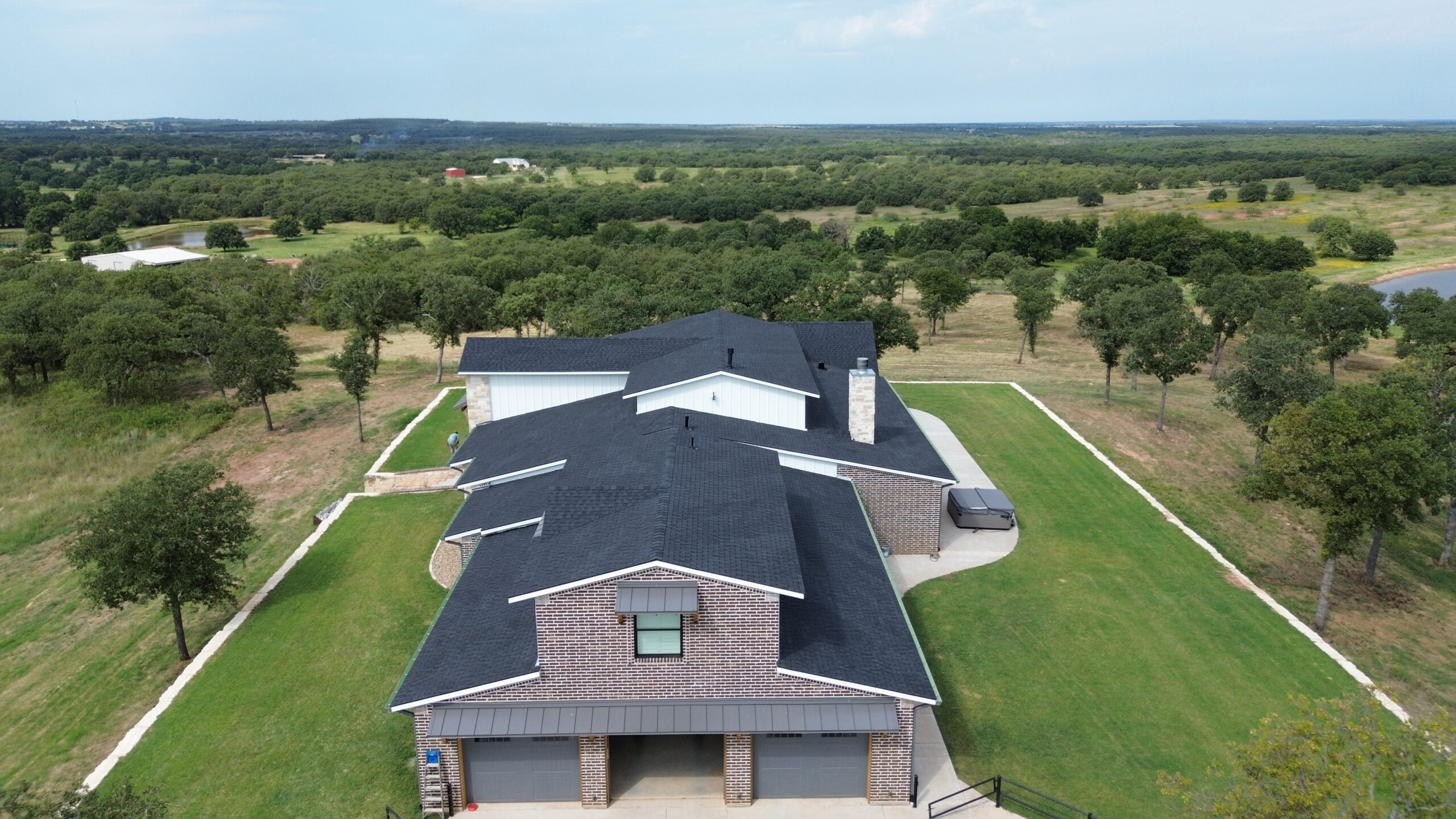
A successful commercial roofing maintenance program should be organized around prevention rather than emergency response. Property owners and facility managers need a clear system for inspecting the roof, recording its condition, scheduling maintenance, and addressing problems according to their urgency. A structured plan makes roof care easier to manage and helps prevent important tasks from being overlooked during busy periods.
The maintenance plan should reflect the specific roofing system, building use, local weather conditions, roof age, and history of previous repairs. A newer roof may require a different approach from an aging system with recurring leaks or extensive repairs. Understanding these factors allows property managers to create a realistic schedule instead of applying the same maintenance routine to every commercial property.
Setting priorities is another important part of the process. Conditions that can allow water into the building or affect the structural integrity of the roofing system should receive prompt attention. Less urgent issues can be included in planned maintenance activities, allowing the property owner to manage expenses without ignoring developing problems.
Detailed documentation should remain part of the maintenance plan. Inspection dates, photographs, repair descriptions, contractor recommendations, warranty information, and previous problem areas can create a useful history of the roof. Over time, this information helps property managers recognize patterns and make better decisions about repairs, restoration, and eventual replacement.
Budgeting should also be considered before major roofing problems appear. Setting aside funds for routine inspections, cleaning, minor repairs, and unexpected work can make maintenance more manageable. A planned budget is generally easier to accommodate than a sudden major expense caused by long-term neglect.
Professional Commercial Roofing Maintenance Services
While building staff can identify visible concerns and handle appropriate routine tasks, professional commercial roofing services remain an important part of long-term roof care. Qualified roofing professionals have the experience and equipment needed to evaluate areas that may not be obvious during a basic visual inspection. Their involvement can provide a more complete understanding of the roof’s current condition.
Professional maintenance may include detailed inspections of the membrane, flashing, seams, drainage systems, roof edges, penetrations, insulation, and other components. Contractors can also identify early signs of deterioration that may require monitoring even when there is no active leak. This allows property owners to plan repairs before damage becomes more extensive.
Scheduled professional inspections are especially valuable for older roofing systems or buildings with a history of recurring problems. A professional can compare current conditions with previous reports and determine whether deterioration is progressing. This information can help property managers decide whether continued repairs remain practical or whether restoration or replacement should be considered.
Preventive repairs are another important service. Addressing damaged flashing, open seams, deteriorated sealants, punctures, or drainage problems at an early stage can reduce the likelihood of larger failures. Professional contractors can also recommend maintenance methods that are compatible with the existing roofing materials.
Choosing the right commercial roofing contractor requires careful consideration. Property owners should look for appropriate experience, clear communication, documented workmanship, and a willingness to explain recommended repairs. A contractor should be able to distinguish between urgent repairs and improvements that can reasonably be planned for a later stage.
Commercial Roofing Maintenance Checklist
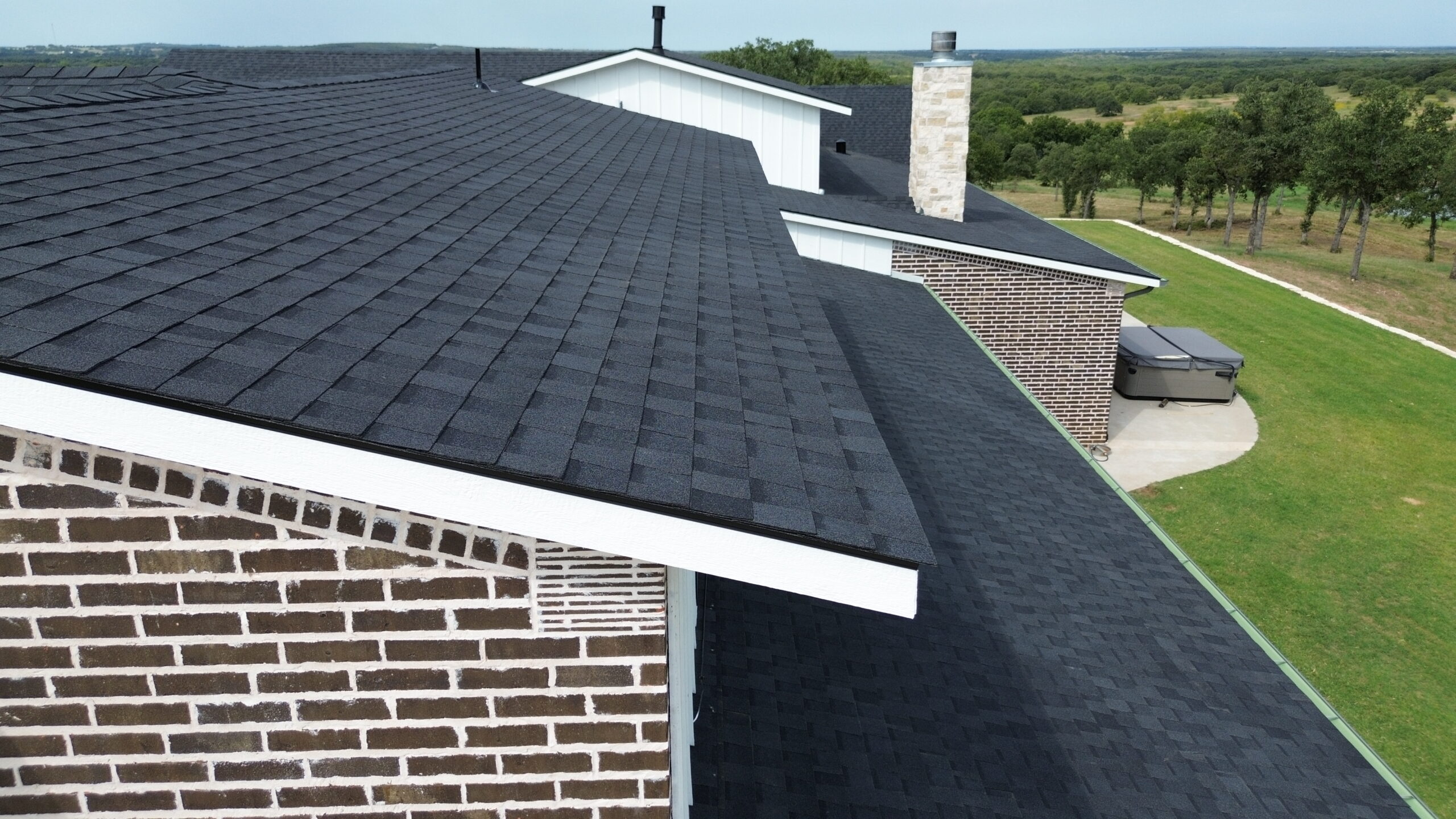
A maintenance checklist can make inspections more consistent and reduce the chance of overlooking vulnerable areas. It should be adapted to the specific property rather than treated as a universal replacement for professional assessment. The checklist can also be used alongside photographs and inspection records to create a clear history of roof conditions.
Important exterior areas to review include:
- Roof membrane condition, including punctures, tears, cracks, blisters, wrinkles, and unusual deterioration.
- Flashing around walls, curbs, vents, skylights, pipes, and rooftop equipment.
- Roof seams, joints, fasteners, edge details, coping, and perimeter components.
- Drains, gutters, scuppers, and downspouts for blockage, damage, and signs of poor drainage.
- Debris accumulation, vegetation growth, standing water, and evidence of repeated moisture exposure.
- Rooftop equipment and areas experiencing frequent maintenance traffic.
Interior inspections should be included as well because some roofing failures become visible inside the building before they are recognized from the roof surface. Ceiling stains, damp insulation, peeling finishes, musty odors, and water marks can all indicate potential moisture intrusion. These signs should be documented and connected with exterior inspection findings whenever possible.
After completing an inspection, findings should be categorized according to urgency. Immediate concerns should be addressed quickly, while moderate problems can be scheduled for repair and minor observations can be monitored during future inspections. This simple prioritization system helps prevent important issues from becoming lost among routine maintenance tasks.
Costs and Long-Term Value of Roof Maintenance
The cost of commercial roofing maintenance depends on several factors, including roof size, material, age, accessibility, building location, existing damage, and the type of maintenance required. Routine inspections and minor repairs generally require less investment than emergency work caused by extensive deterioration. Planning maintenance in advance therefore gives property owners greater control over roofing-related expenses.
Preventive maintenance can also reduce indirect costs. A roof failure may damage ceilings, insulation, walls, flooring, electrical equipment, inventory, office furnishings, or machinery. Business operations may also be interrupted while emergency repairs are completed, creating costs that extend beyond the roofing contractor’s invoice.
Repairing problems early can help preserve the value of the roofing system. For example, addressing a localized flashing failure before repeated water exposure damages surrounding materials may require considerably less work than repairing a widespread moisture problem. Early intervention does not eliminate all major expenses, but it can reduce the likelihood that a manageable defect becomes a costly failure.
Energy performance is another consideration. A damaged roofing assembly may contribute to moisture-related insulation problems or reduced building envelope performance. Keeping the roof and insulation in good condition can support more consistent indoor temperatures and reduce unnecessary strain on heating and cooling systems.
Long-term planning is particularly important for aging roofs. Instead of waiting until a major failure occurs, property managers can use inspection records to estimate when larger restoration or replacement expenses may become necessary. This creates an opportunity to plan budgets, compare options, and schedule major work with less disruption to business operations.
Common Commercial Roofing Maintenance Mistakes
One of the most common mistakes is ignoring a small leak because it appears to be harmless. Even a limited amount of water can reach insulation, decking, walls, and interior finishes if the underlying defect remains unresolved. A small leak should therefore be investigated rather than repeatedly covered with temporary solutions.
Another mistake is delaying routine inspections. A roof may look acceptable from ground level while developing problems around drains, seams, flashing, penetrations, or rooftop equipment. Regular inspections provide an opportunity to identify these less obvious conditions before they become significant failures.
Improper repairs are also a major concern. Using incompatible materials, applying sealant incorrectly, or covering a damaged area without identifying the source can create temporary improvements without solving the actual problem. Commercial roofing systems require repair methods suited to their specific materials and construction.
Neglecting drainage systems is another avoidable error. A roof with a strong membrane can still experience problems if drains and gutters remain blocked. Water needs a reliable path away from the roof, so drainage maintenance should remain a regular part of every commercial roofing program.
Allowing untrained personnel to perform complex roofing work can create additional risks. Workers may accidentally damage the membrane, disturb flashing, interfere with equipment, or expose themselves to fall hazards. Routine observations are useful, but specialized repairs should generally be handled by qualified professionals.
Failing to document maintenance can also create problems over time. Without records, it becomes difficult to determine when repairs were completed, which areas have recurring issues, or how quickly deterioration is progressing. Good documentation provides valuable information for future inspections and maintenance decisions.
Finally, waiting for a major failure before taking action can turn manageable maintenance into an expensive emergency. A proactive approach focuses on identifying changes early, prioritizing risks, and scheduling work before problems interfere with business operations.
Conclusion
Commercial roofing maintenance is an ongoing responsibility that protects both the building and the business operating inside it. A roof performs best when it receives regular inspections, proper cleaning, timely repairs, and professional attention when conditions require specialized knowledge. Treating maintenance as a planned part of property management can help reduce preventable damage and extend the useful life of the roofing system.
The most effective approach begins with understanding the major components of the roof and recognizing the areas most likely to develop problems. Membranes, flashing, seams, penetrations, drainage systems, and roof edges all require attention because failure in any one of these areas can affect the performance of the entire assembly. Regular inspections make it easier to identify changes before they become costly problems.
Preventive maintenance should also be supported by good documentation and realistic budgeting. Keeping records of inspections, repairs, photographs, and contractor recommendations gives property managers a reliable history of the roof. Combining this information with planned maintenance and professional assessments makes it easier to anticipate future needs rather than reacting to unexpected failures.
Safety should remain a priority throughout every maintenance activity. Commercial roofs may contain fall hazards, fragile surfaces, mechanical equipment, electrical components, and other risks that require appropriate training and procedures. When a task involves significant hazards or specialized roofing knowledge, qualified professionals should be brought in rather than relying on untrained personnel.
A commercial roof is a long-term investment, and its condition can influence property protection, operating costs, employee safety, and business continuity. Consistent maintenance cannot prevent every possible roofing problem, but it can significantly improve the ability to detect, manage, and repair problems before they become more disruptive. By establishing a practical maintenance plan and following it consistently, property owners and facility managers can keep their commercial roofing systems more reliable, functional, and prepared for the demands of everyday operation.