How Commercial Roofing Works for Business Properties
Introduction
Commercial roofing is an important part of any business property because it protects the building, equipment, inventory, employees, customers, and daily operations from outdoor conditions. Unlike many residential roofs, commercial roofing systems often cover larger areas and may include specialized equipment, drainage arrangements, walkways, mechanical units, and multiple roof sections. Their design must therefore balance weather protection, durability, maintenance access, drainage, energy performance, and the needs of the business operating inside the building.
A commercial roof is not simply a protective layer placed over a structure. It is a complete assembly made from several components that work together to control water, resist weather, manage temperature, and protect the building envelope. The exact design depends on the building’s size, roof configuration, climate, intended use, structural requirements, and selected roofing materials.
Understanding how commercial roofing works helps property owners make better decisions about installation, inspection, maintenance, repair, and replacement. It also makes it easier to recognize why professional planning is important and why a roofing problem can affect much more than the roof itself.
Understanding the Purpose of a Commercial Roofing System
The primary purpose of a commercial roofing system is to protect the building from water and environmental exposure. Rain, wind, sunlight, temperature fluctuations, debris, and severe weather can place continuous stress on roofing materials. A properly designed system creates a protective barrier while directing water away from vulnerable parts of the structure.
Commercial roofs can also influence the interior environment of a business property. The roof assembly interacts with insulation, ventilation, mechanical equipment, and the building envelope to help control heat transfer and moisture. When these components are properly designed, the roofing system can contribute to a more stable and comfortable indoor environment.
The needs of commercial properties can vary considerably. A warehouse may require a large low-slope roof with extensive drainage infrastructure, while an office building may have rooftop HVAC equipment, service pathways, skylights, and other penetrations. Retail facilities, manufacturing plants, schools, healthcare buildings, and apartment complexes may each require different roofing approaches.
One major distinction between many commercial and residential roofing systems is roof slope. Commercial buildings frequently use low-slope or nearly flat roof designs, although the roof is generally designed with enough slope or drainage planning to move water toward designated outlets. These systems rely heavily on proper drainage because water cannot simply run off the roof as quickly as it does on a steeply sloped residential roof.
The roof must also accommodate business activities and equipment. HVAC units, exhaust systems, vents, electrical equipment, solar installations, and communication equipment may be installed above the occupied space. Each penetration or piece of equipment creates additional areas that require careful detailing to maintain the roof’s weather-resistant performance.
A commercial roofing system should therefore be viewed as part of the building’s overall infrastructure. Its performance can affect operating costs, maintenance requirements, interior conditions, and the protection of valuable business assets. Understanding its purpose provides a foundation for making informed decisions about the entire system.
Main Components of Commercial Roof Assemblies
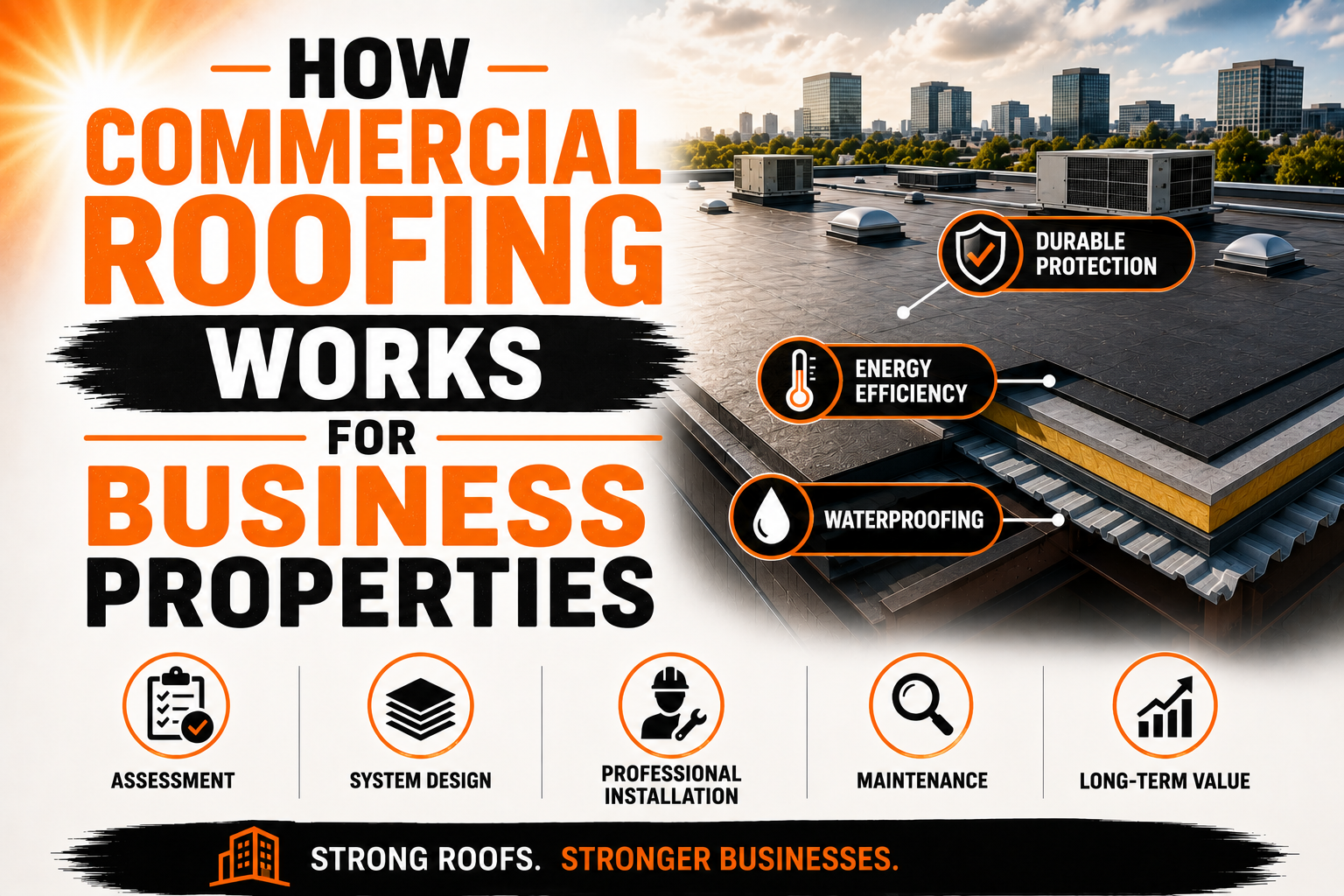
A commercial roof consists of multiple layers and components, and each serves a specific function. Although the exact assembly varies by building and roofing type, most systems include some combination of a structural deck, insulation, membrane or roof covering, flashing, drainage components, and protective details around penetrations.
The structural deck provides the base for the roofing assembly. It may be constructed from materials such as concrete, steel, wood, or other structural systems depending on the building. The deck must provide suitable support and should be evaluated for deterioration or damage before major roofing work begins.
Insulation is commonly incorporated into commercial roofing assemblies to reduce heat transfer between the interior and exterior. Its placement and thickness depend on the building design, climate, energy objectives, and applicable requirements. Proper insulation can contribute to energy performance while also supporting the overall function of the roof assembly.
The roof membrane or covering provides the primary weather-resistant surface. Commercial systems can use materials such as single-ply membranes, modified bitumen, built-up roofing, metal systems, or other specialized products. Each system has different installation methods, characteristics, maintenance requirements, and expected performance.
Flashing protects transitions and penetrations where the primary roof surface meets other building components. These areas may include walls, curbs, vents, drains, skylights, equipment supports, and expansion joints. Proper flashing is essential because these locations can become vulnerable to water intrusion if they are not correctly designed and maintained.
Commercial drainage systems can include internal drains, scuppers, gutters, downspouts, and tapered insulation or other slope-forming components. Their purpose is to direct rainfall away from the roof and building. Drainage design is particularly important on low-slope roofs because standing water can place additional stress on roofing materials.
Protective components may also be installed where regular foot traffic occurs. Walk pads or designated service pathways can help reduce damage caused by maintenance personnel accessing rooftop equipment. Without appropriate protection, repeated foot traffic can affect certain roofing membranes or surface materials.
All of these components must work together. A high-quality membrane cannot compensate for a damaged structural deck, inadequate drainage, or improperly detailed flashing. Commercial roofing performance depends on the complete assembly rather than any single component.
Common Commercial Roofing System Types
Commercial properties use several major roofing system categories, and selecting the appropriate option depends on the building’s requirements. The most suitable system can vary according to roof size, slope, climate, expected service conditions, maintenance preferences, and budget.
Single-ply membrane systems are widely used on commercial buildings. Common categories include thermoplastic membranes and synthetic rubber membranes, which are installed over the roof assembly using methods that may include mechanical fastening, adhesives, or other approved techniques. These systems can provide flexible solutions for many low-slope commercial applications.
Built-up roofing systems use multiple layers of roofing materials to create a durable assembly. They have a long history in commercial construction and can be designed with several layers of reinforcing materials and waterproofing components. Their suitability depends on the building and the desired performance characteristics.
Modified bitumen roofing is another commercial option. These systems are based on asphalt materials modified to improve certain performance characteristics and can be installed using different methods. They are commonly considered for low-slope applications where a robust membrane system is required.
Metal roofing can also be used on commercial properties, particularly where the building design and aesthetic requirements support it. Metal systems can provide durability and may be suitable for certain steep- or low-slope applications depending on the specific product. Proper detailing around seams, fasteners, penetrations, and drainage remains essential.
Spray-applied and coating-based systems can provide additional options in certain situations. Depending on the product and existing roof condition, coatings may help protect surfaces, improve weather resistance, or extend the useful life of an existing system. Their suitability must be determined through professional assessment because not every existing roof is an appropriate candidate.
Choosing a roofing system should not be based only on initial installation cost. Property owners should consider expected service life, maintenance requirements, repairability, energy performance, installation conditions, and compatibility with the existing building. A system that appears inexpensive initially may not provide the best long-term value if it requires frequent repairs or has limitations that conflict with the property’s needs.
How Commercial Roofs Manage Water and Drainage
Water management is one of the most important functions of a commercial roofing system. Because many commercial buildings use low-slope roofs, rainfall must be deliberately directed toward drains and other outlets. If drainage is poorly designed or maintained, water can remain on the roof and increase the risk of deterioration and leakage.
Commercial roof drainage may use internal drains positioned within the roof area. These drains connect to drainage piping that carries water away from the building. Drain strainers and surrounding details must remain clear so that water can enter the drainage system efficiently.
Scuppers are another drainage method. They allow water to pass through openings in the roof edge or parapet wall and discharge outside the building. Gutters and downspouts may then direct the water away from the structure and toward suitable discharge areas.
Some commercial roofing systems use tapered insulation or other design techniques to create drainage slopes. Although a roof may appear flat, the assembly can incorporate subtle slopes that guide water toward drains or edges. Proper design is particularly important around areas where water might otherwise collect.
Drainage maintenance is just as important as initial design. Leaves, dirt, packaging materials, construction debris, and other objects can obstruct drains and outlets. Property owners should ensure that drainage components are inspected and maintained regularly, especially before periods of heavy rainfall.
Standing water can be an important warning sign. Persistent ponding may indicate blocked drainage, inadequate slope, membrane deformation, or another underlying issue. Simply removing the water without investigating why it remains may allow the underlying problem to continue.
Water can also enter around rooftop equipment and penetrations if flashing or seals deteriorate. Maintenance personnel should pay particular attention to these locations during inspections. Early detection of damaged details can help prevent moisture from reaching insulation, decking, and interior spaces.
Effective drainage protects the entire building rather than just the roof surface. When water is moved away efficiently, the roofing membrane experiences less prolonged moisture exposure, while the building structure and interior spaces receive additional protection from water-related damage.
Factors That Influence Commercial Roof Performance
Commercial roof performance depends on a combination of material quality, design, installation, environmental exposure, building use, and maintenance. Even a durable roofing system can experience premature problems when one or more of these factors are neglected.
Climate has a major influence. Intense sunlight can accelerate aging of exposed materials, while strong winds can stress membranes, edge details, and flashing. Heavy rainfall can test drainage systems, and severe storms can cause impact or physical damage.
Roof design also affects performance. A roof with numerous penetrations, equipment curbs, drains, expansion joints, and transitions contains more details that require careful installation and maintenance. Each additional feature can create a potential vulnerability if it is not properly integrated into the roofing system.
Installation quality is another major factor. Roofing materials must be installed according to their specific requirements, including appropriate seams, fasteners, adhesives, overlaps, flashing, and drainage details. Poor workmanship can create weaknesses that become visible only after the roof is exposed to weather.
Building use can also influence the roof. Commercial properties often have maintenance personnel who regularly access rooftop equipment. Frequent foot traffic without designated walkways or protection can damage certain roofing materials. Equipment installation and maintenance activities can also create punctures or other physical damage if appropriate precautions are not taken.
Maintenance is essential for preserving performance. Regular inspections can identify damaged membranes, deteriorated flashing, blocked drains, loose components, and other developing problems. Addressing these issues early can help prevent localized defects from becoming larger failures.
Finally, the age and repair history of the roof should be monitored. A roof that has experienced repeated leaks or repairs may require a more detailed assessment even if the visible surface still appears acceptable. Understanding these factors allows property owners to plan maintenance and future roofing work based on actual building needs rather than reacting only after a major failure occurs.
How Commercial Roof Installation Works
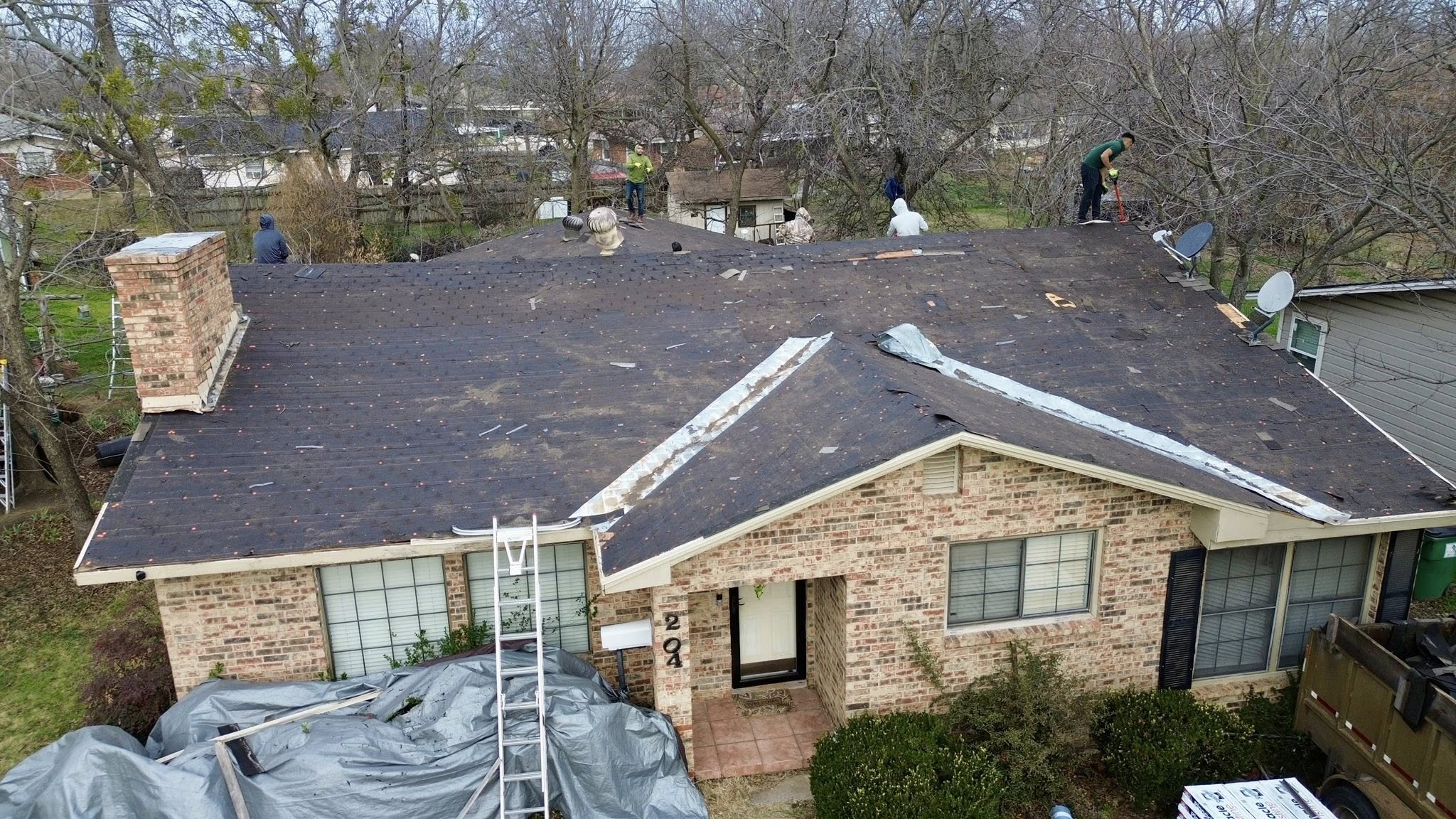
Commercial roof installation is a carefully coordinated process designed to create a weather-resistant system that can protect a business property for many years. Because commercial buildings often have large roof areas, low slopes, rooftop equipment, penetrations, and complex drainage arrangements, installation requires detailed planning before materials are placed.
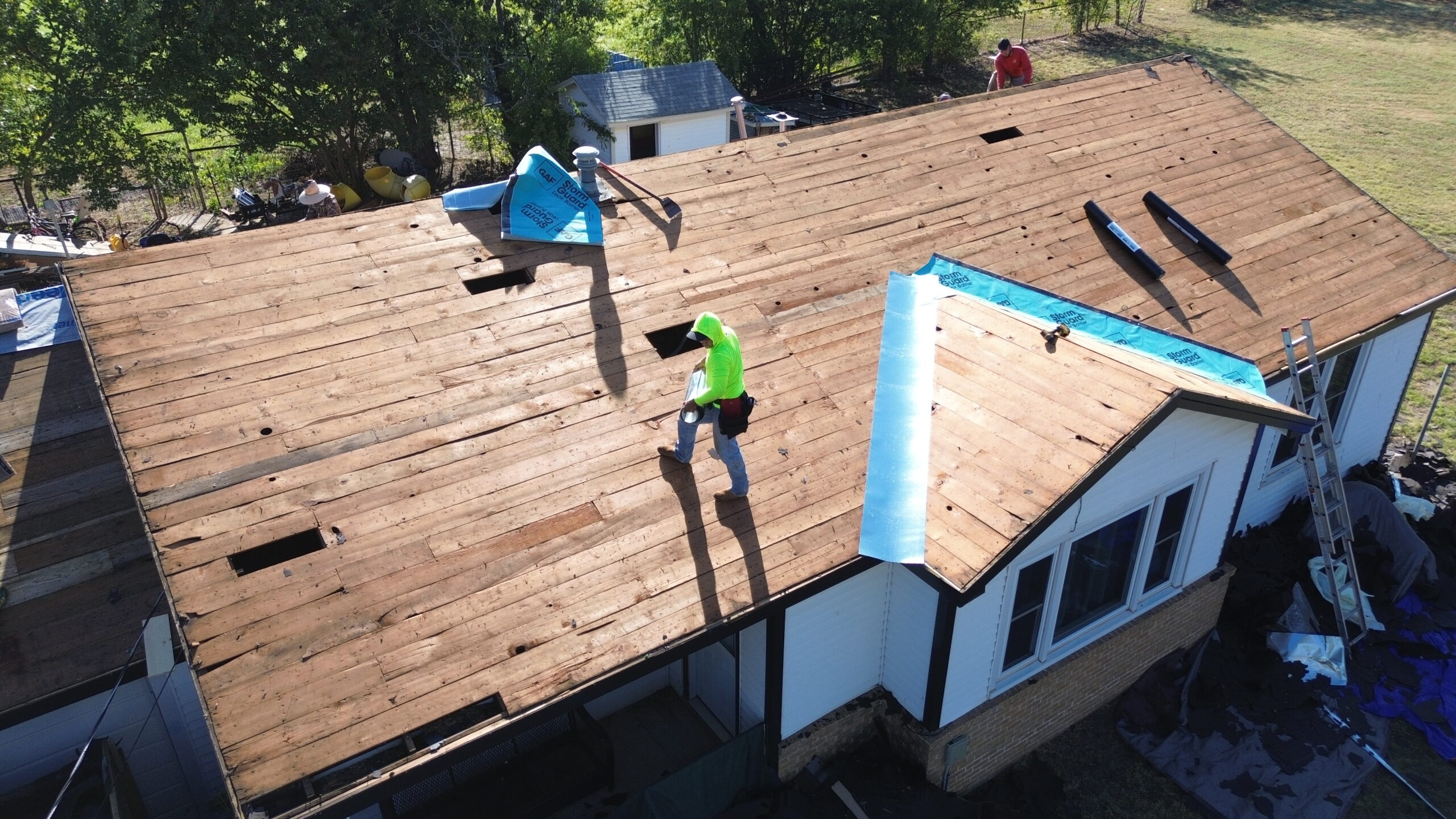
The process usually begins with preparation of the existing roof and building surface. Depending on the project, the contractor may remove the existing roofing system, inspect the structural deck, repair damaged areas, and prepare the surface for the new assembly. Any underlying deterioration should be addressed before the new roofing system is installed.
The roofing assembly is then constructed according to the selected system. Insulation, vapor control components where applicable, underlayment, membranes, flashing, fasteners, adhesives, and other components are installed according to the design and manufacturer’s requirements. Each layer contributes to the overall performance of the completed roof.
Seams and transitions require particular attention. Membrane seams, penetrations, edges, curbs, drains, and wall transitions can become vulnerable points if they are not installed correctly. Contractors must ensure that these areas are properly integrated with the main roofing surface.
Roof edges are also important because wind can place significant pressure on perimeter areas. Edge securement, coping, flashing, and related components should be installed appropriately for the roofing system and building conditions. Weak edge details can compromise the roof during severe weather.
Rooftop equipment must be considered during installation as well. HVAC units, vents, skylights, exhaust systems, and other equipment create penetrations and service areas that require proper detailing. Access pathways may also be installed to reduce damage from routine maintenance traffic.
Quality control should continue throughout the project rather than being left until the end. The contractor should check completed areas for visible defects, incomplete seams, damaged materials, and other concerns. A final inspection helps confirm that the roofing system has been installed according to the agreed scope.
The result should be a complete roofing assembly rather than simply a new surface. Proper installation connects the membrane or roof covering with drainage, flashing, insulation, edges, penetrations, and structural components. This integrated approach is essential for reliable commercial roof performance.
Commercial Roof Inspection and Condition Assessment
Regular inspection allows property owners to understand how a commercial roof is performing before serious problems develop. A professional inspection can identify defects that may not be obvious from inside the building or from ground level. This information helps property managers prioritize repairs and plan future capital expenditures.
A roof inspection typically considers the condition of the main membrane or covering first. Inspectors may look for cracks, punctures, blisters, open seams, surface deterioration, movement, or other visible abnormalities. The significance of each condition depends on the roofing material and overall system.
Flashing and penetration details should receive careful attention. Areas around drains, vents, equipment curbs, walls, skylights, and expansion joints can experience deterioration or movement over time. Because these locations interrupt the main roof surface, they require specialized inspection.
Drainage systems should also be evaluated. Inspectors can look for blocked drains, damaged strainers, deteriorated gutters, obstructed scuppers, and areas where water appears to remain after rainfall. Persistent ponding can indicate a drainage or roof-design issue that requires further investigation.
The condition of insulation and the underlying deck may also need evaluation when signs of moisture or deterioration are present. Water can move beneath the visible roofing surface, meaning a roof may have concealed problems that cannot be identified through a simple visual check. Specialized inspection methods may be appropriate when hidden moisture is suspected.
Interior areas can provide useful evidence as well. Ceiling stains, damaged finishes, unusual odors, damp insulation, or other moisture-related conditions may indicate roof problems. However, interior symptoms do not always correspond directly with the location of the exterior defect.
Inspection findings should be documented clearly. Photographs, written descriptions, roof plans, and repair recommendations can help property owners track changes over time. Maintaining inspection records also makes it easier to compare current conditions with previous evaluations.
The purpose of an inspection is not simply to find defects. It is to understand the condition of the complete roofing system and determine what action is appropriate. Some findings may require immediate repair, while others may simply need monitoring during future inspections.
Commercial Roofing Maintenance and Preventive Care
Preventive maintenance is essential for keeping commercial roofing systems performing properly. A roof that receives regular attention is more likely to have small defects identified before they become extensive failures. Maintenance also gives property owners a structured way to manage roofing costs instead of relying entirely on emergency repairs.
Drainage maintenance should be one of the highest priorities. Drains, gutters, scuppers, and downspouts should remain clear of leaves, dirt, trash, and other debris. Blocked drainage can cause water to remain on the roof and may place unnecessary stress on roofing materials.
Roof penetrations and flashing should also be monitored. Equipment curbs, vents, skylights, and other details can deteriorate due to weather exposure, movement, or maintenance activity. Repairs should be performed when these components show signs of failure.
Commercial properties should control unnecessary rooftop traffic. Employees and contractors may need access to mechanical equipment, but repeated movement across roofing surfaces can cause physical damage. Designated walkways and protective pads can help guide traffic and reduce wear in service areas.
Housekeeping is another part of preventive care. Loose materials, packaging, branches, and construction debris should not be allowed to remain on the roof. Debris can obstruct drainage and may also cause punctures or other damage under certain conditions.
Maintenance activities should be documented. Property managers can record inspection dates, observed defects, completed repairs, photographs, and recommendations for future work. This creates a useful history and helps identify recurring issues.
A preventive maintenance program should be customized to the property. A large manufacturing facility with extensive rooftop equipment may have different needs from a small office building. Roof age, climate, material type, drainage design, and business operations should all be considered.
Preventive care does not mean every minor defect requires immediate replacement. Instead, it provides a system for identifying problems, evaluating their severity, and deciding when action is necessary. This approach can help extend service life while reducing the likelihood of unexpected disruption.
How Commercial Roofs Handle Weather and Environmental Stress
Commercial roofs are exposed to weather throughout their service life. Sunlight, wind, rainfall, temperature changes, debris, and severe storms can gradually affect roofing materials and supporting components. The ability of a roof to handle these conditions depends on its design, materials, installation quality, and maintenance.
Ultraviolet radiation from sunlight can gradually affect exposed roofing materials. Some systems are designed with protective surfaces or formulations that improve resistance to environmental exposure. Regular inspections can help identify signs of surface deterioration before they become more serious.
Wind can place significant stress on roof membranes and perimeter components. The roof edge is particularly important because wind can exert pressure around parapets, coping, flashing, and other perimeter details. Proper installation and maintenance of these areas can support resistance to wind-related problems.
Heavy rainfall tests the drainage system. Commercial roofs must move water toward drains, scuppers, gutters, or other outlets. When drainage components become blocked or damaged, rainfall may accumulate on the roof and increase the risk of leaks or material deterioration.
Hail and falling debris can cause physical damage depending on the roofing material and severity of the event. After major storms, property owners should arrange an appropriate inspection when damage is suspected. Prompt assessment can help identify issues before subsequent weather causes additional deterioration.
Temperature changes can also affect roofing assemblies. Materials expand and contract at different rates, while joints and transitions may experience movement. Properly designed systems account for these conditions through appropriate materials and detailing.
Commercial properties may face additional environmental stresses from their surroundings. Industrial operations, airborne contaminants, nearby trees, and rooftop equipment can introduce conditions that require specialized maintenance. The roofing strategy should account for these property-specific factors.
Weather resistance is therefore not simply a characteristic of the membrane. The complete system must work together, including insulation, flashing, drainage, edge details, penetrations, and structural components. Regular maintenance helps preserve this combined performance over time.
Commercial Roof Repairs and Leak Management
Commercial roof leaks should be investigated promptly because water can affect more than the visible roof surface. Moisture may enter insulation, decking, walls, ceilings, equipment areas, and stored materials. Delayed action can increase repair requirements and disrupt business operations.
The first step is to identify the likely source of the water. A ceiling stain does not necessarily appear directly below the exterior defect because water can travel horizontally within the roof assembly or building structure. Professional inspection may therefore be necessary to trace the leak accurately.
Repairs should address the underlying cause whenever possible. Depending on the situation, this may involve repairing a membrane, resealing a penetration, replacing damaged flashing, correcting a drainage problem, or addressing another component. Applying temporary sealant without identifying the cause may only delay the problem.
The surrounding roofing system should also be evaluated. A localized puncture on an otherwise healthy membrane may require a relatively simple repair, while multiple defects across an aging roof could indicate broader deterioration. Repair decisions should therefore consider both the individual defect and the condition of the overall system.
Emergency measures can sometimes be necessary to reduce immediate water intrusion. Temporary protection may help limit interior damage until permanent repairs can be completed. However, temporary measures should be followed by a proper assessment and durable repair.
Repair records should be maintained after work is completed. Documentation can include the location of the defect, repair method, photographs, materials used, and date of completion. This information helps property managers identify recurring leak locations and evaluate the roof’s repair history.
Repeated leaks in the same area deserve particular attention. They may indicate that the previous repair did not address the underlying issue or that movement, drainage, flashing, or another component continues to create stress. Recurring problems should be professionally investigated rather than repeatedly patched.
Effective leak management protects both the roofing system and the business operating beneath it. Prompt investigation, appropriate repair methods, and accurate documentation can reduce damage and help property owners maintain control over the roof’s long-term condition.
Safety, Building Codes, and Professional Roofing Requirements
Commercial roofing projects involve significant safety considerations because workers may operate at height, handle heavy materials, use specialized equipment, and work around rooftop mechanical systems. Professional roofing contractors should follow applicable safety requirements and use appropriate protective equipment and procedures.
Building codes and local requirements may also affect commercial roofing projects. Requirements can apply to structural considerations, insulation, energy performance, fire resistance, drainage, materials, permits, and other aspects of the work. The exact requirements depend on the property’s location and project scope.
Property owners should understand who is responsible for obtaining required permits and arranging inspections. These responsibilities should be clearly identified before work begins. Keeping copies of applicable permits and inspection documentation provides useful records for future maintenance or property transactions.
Professional contractors should also understand the roofing system being installed. Different membranes and assemblies have specific requirements for fastening, adhesives, seams, flashing, insulation, and other details. Following approved installation procedures helps reduce the risk of premature failures.
Safety is especially important around rooftop equipment. Mechanical units, electrical systems, vents, skylights, and other installations can create additional hazards. Roofing crews should coordinate work carefully so that the roof project does not create unnecessary risks for workers or building occupants.
Business owners and property managers should avoid selecting contractors based solely on the lowest price. Qualifications, insurance, relevant experience, safety practices, written scope, warranty terms, and references should all be considered. A professional approach helps protect both the building and the people involved in maintaining it.
Commercial roofing is ultimately a specialized building service that combines construction, waterproofing, drainage, safety, and long-term asset management. When installation, inspection, maintenance, repairs, and compliance are handled systematically, the roofing system can provide dependable protection while supporting the continued operation of the business property.
How Commercial Roofing Supports Business Operations
A commercial roofing system protects much more than the physical structure of a business property. It helps safeguard employees, customers, inventory, equipment, documents, technology, and other assets located inside the building. When the roof performs properly, businesses can operate without frequent interruptions caused by leaks, moisture damage, or emergency roofing work.
Roof problems can affect business operations in several ways. A small leak may damage ceiling materials, electrical components, insulation, stored products, or interior finishes, while a larger failure can make part of a building unusable. Water intrusion may also create conditions that require additional building repairs beyond the original roofing problem.
Commercial roofs can be especially important for facilities that depend on specialized equipment. Manufacturing plants, warehouses, restaurants, healthcare buildings, offices, and retail properties may have expensive systems located below or directly on the roof. Preventing water intrusion helps protect these investments and reduces the possibility of operational disruption.
Rooftop equipment also makes commercial roofing more complex. HVAC units, exhaust systems, vents, skylights, solar equipment, and communication systems may require regular access. Roofing systems should therefore include appropriate service pathways and carefully designed details around equipment penetrations.
A well-maintained roof can also make facility management more predictable. Instead of responding to unexpected leaks whenever they occur, property managers can identify developing problems through scheduled inspections and maintenance. This allows roofing work to be planned around business schedules and reduces the likelihood of emergency interruptions.
Roofing decisions should therefore be connected to the broader goals of the business. When planning repairs or replacement, property owners should consider how the work will affect employees, customers, tenants, equipment, inventory, and daily operations. A roofing contractor should also explain how the project will be organized to minimize disruption.
Emergency preparation is another important consideration. Businesses should know who to contact if a significant roof leak or storm-related problem occurs. Having maintenance records, roof plans, warranties, contractor information, and previous repair documentation readily available can help accelerate the response.
Commercial roofing is ultimately part of business continuity planning. A reliable roof reduces exposure to water-related damage and supports the building’s ability to remain functional. Investing in appropriate maintenance and timely repairs can therefore protect not only the property but also the operations that depend on it.
Energy Efficiency and Building Performance
The roofing system can influence how efficiently a commercial building manages heat. The roof is exposed directly to sunlight and outdoor temperatures, making insulation, membrane characteristics, reflective surfaces, and overall assembly design important considerations. A properly designed roof can contribute to more consistent indoor conditions and may help reduce heating and cooling demands.
Insulation is one of the major components affecting thermal performance. It reduces the transfer of heat between the interior and exterior and can help maintain desired indoor temperatures. The appropriate insulation design depends on the building, climate, roof assembly, energy objectives, and applicable requirements.
Roof color and surface characteristics can also influence how much solar energy the roof absorbs. Some roofing systems are designed with reflective surfaces that can reduce heat absorption under suitable conditions. However, the potential benefit depends on the building’s location, design, HVAC system, and other factors.
Air and moisture control should also be considered. Uncontrolled moisture can affect insulation performance and contribute to deterioration within the roof assembly. Proper detailing and appropriate building-envelope design can help manage these conditions.
Energy performance should not be considered separately from roof durability. A roofing solution that provides strong thermal performance but is poorly installed may still experience leaks or premature deterioration. The most effective approach considers energy characteristics together with waterproofing, drainage, structural requirements, and maintenance.
Rooftop solar installations may also affect commercial roofing decisions. Solar equipment can introduce additional penetrations, mounting systems, service requirements, and maintenance considerations. If solar is being considered, the roofing system’s remaining service life should be evaluated before installation so that future roof replacement does not create unnecessary complications.
Building owners should evaluate energy-related improvements based on the property’s actual needs. Not every building will benefit equally from the same roofing strategy. A qualified roofing or building professional can help determine which improvements are appropriate for the particular structure.
Energy efficiency is therefore one part of overall commercial roofing performance. When insulation, surface characteristics, moisture control, and building systems are properly coordinated, the roof can contribute to a more efficient and dependable property.
Roof Lifespan and Long-Term Asset Management
A commercial roof represents a significant investment, so its condition should be managed as part of the property’s long-term assets. Waiting until a major failure occurs can lead to emergency expenses, business disruption, and difficult decisions. Proactive roof management gives property owners more control over when and how major work is performed.
Roof lifespan depends on several factors, including roofing material, installation quality, climate, building use, maintenance, drainage, and exposure to severe weather. Two roofs using similar materials can perform differently if their installation conditions and maintenance histories are different.
Regular inspections provide information needed for long-term planning. Property managers can use inspection reports to identify areas requiring immediate repair, conditions that should be monitored, and components that may need replacement in the future. This creates a progression from reactive maintenance toward planned asset management.
Repair history is particularly useful. If a roof has required increasingly frequent repairs, those costs may indicate that the system is approaching the end of its practical service life. Tracking repair frequency and expenses helps property owners compare continued maintenance against future replacement.
Budget planning should begin before replacement becomes urgent. Property owners can estimate future capital requirements by considering roof age, condition, previous repairs, material type, building size, and likely replacement scope. Early planning allows time to obtain competitive proposals and evaluate different roofing systems.
Documentation should remain part of the asset management process. Important records include installation information, warranties, inspection reports, repair invoices, photographs, permits, and maintenance activities. These records create a history that can help future contractors understand the roof and make more informed recommendations.
Roof asset management should also account for business priorities. A building that houses sensitive equipment or high-value inventory may require a different risk-management approach from a low-occupancy storage facility. The consequences of roof failure should be considered when determining maintenance priorities.
The goal is not to prevent every repair. Roofing materials naturally age and occasionally require corrective work. Effective asset management instead focuses on understanding condition, controlling risks, planning expenditures, and extending useful service life where practical.
Repair vs Replacement for Commercial Roofing Systems
Deciding whether to repair or replace a commercial roof requires careful evaluation. A localized defect does not automatically mean the entire roof has failed, while repeated repairs do not always mean replacement is immediately necessary. The correct decision depends on the condition and performance of the complete roofing system.
Repairs are often appropriate when damage is limited and the surrounding roof remains in good condition. Examples may include isolated membrane damage, specific flashing defects, or localized problems around a penetration. Correcting these issues promptly can prevent them from developing into larger failures.
Replacement becomes more likely when deterioration is widespread. Extensive membrane damage, recurring leaks across multiple areas, severe substrate deterioration, or repeated repair requirements may indicate that continued patching is becoming less effective. At that point, property owners should evaluate the long-term value of replacement.
The age of the roof should also be considered. An older roof with several developing defects may have limited remaining service life, making extensive repairs less attractive. However, age alone should not determine the decision because actual condition and maintenance history provide important context.
Property owners should compare the expected cost of continued repairs with the cost and benefits of replacement. A series of small repairs may appear inexpensive individually but become significant when accumulated over several years. Replacement may provide better long-term predictability when the existing system is approaching the end of its useful life.
A professional assessment should identify the causes of existing problems. If leaks are caused by a correctable drainage or flashing issue, replacement may not be necessary. If the problems result from widespread deterioration throughout the assembly, a larger project may be more appropriate.
The decision should also consider business timing. Planned replacement can be scheduled during a period that minimizes disruption, while emergency replacement may occur when the business has fewer options. Early planning gives property owners greater control over project scheduling and budgeting.
The best choice is the one that balances technical condition, financial value, risk, and operational needs. Professional evaluation can help property owners avoid spending excessively on a failing roof while also preventing unnecessary replacement of a system that can still provide reliable service.
Creating a Commercial Roofing Maintenance Strategy
A structured maintenance strategy helps property owners move from emergency response toward predictable roof management. The strategy should account for routine inspections, drainage maintenance, repairs, documentation, rooftop traffic, equipment access, and long-term replacement planning.
The roof should be inspected at appropriate intervals based on its age, material, environment, and condition. Additional inspections may be appropriate following significant storms or construction activity. The purpose is to identify changes early and determine whether action is necessary.
Drainage components should receive regular attention. Drains, scuppers, gutters, strainers, and downspouts need to remain free of debris so that rainfall can leave the roof efficiently. Property managers should also investigate recurring ponding instead of simply removing accumulated water.
Rooftop equipment areas should be managed carefully. Maintenance personnel and contractors should use designated pathways where appropriate and avoid unnecessary contact with roofing surfaces. Any damage caused during equipment work should be reported and addressed promptly.
A practical commercial roofing maintenance program can include:
- Scheduled professional roof inspections
- Regular drainage and gutter maintenance
- Monitoring of flashing, seams, penetrations, and roof edges
- Prompt evaluation of leaks and storm damage
- Documentation of repairs and inspection findings
- Periodic review of roof condition and remaining service life
- Long-term budgeting for major repairs or replacement
Maintenance priorities should be based on risk rather than appearance alone. A small defect around a critical roof penetration may deserve more immediate attention than a larger cosmetic issue that does not affect waterproofing. Professional assessments can help property managers establish sensible priorities.
The maintenance strategy should also be coordinated with other building activities. HVAC work, solar installations, renovations, and equipment replacement can affect the roofing system. Communication between contractors helps prevent accidental damage and ensures that roof penetrations or service areas are properly addressed.
A well-organized maintenance program creates a continuous record of roof performance. Over time, property owners can identify recurring problems, evaluate repair costs, and determine whether the system is approaching replacement. This information supports better financial and operational planning.
Conclusion
Commercial roofing works as a complete building system designed to manage water, weather, temperature, equipment access, and structural protection. Its performance depends on the interaction between the roof covering, insulation, deck, flashing, drainage, penetrations, edges, and other components. Understanding these relationships allows business owners and property managers to make more informed decisions.
A properly installed roof can provide dependable protection, but installation alone does not guarantee long-term performance. Regular inspections, drainage maintenance, controlled rooftop traffic, prompt repairs, and careful monitoring are necessary to preserve the system. Preventive maintenance can also help identify problems before they become expensive failures.
Commercial roofing can directly affect business continuity. Leaks and roof damage may threaten inventory, equipment, interior finishes, and daily operations, while poorly managed emergency work can disrupt employees and customers. A planned roofing strategy helps reduce these risks and allows necessary work to be scheduled more effectively.
Energy performance is another important consideration. Insulation, roof surface characteristics, moisture control, and compatible building systems can influence the property’s overall efficiency. Roofing improvements should be evaluated as part of the complete building rather than treated as isolated upgrades.
Long-term asset management is equally important. Tracking inspections, repairs, warranties, roof age, and maintenance expenses gives property owners a clearer picture of the system’s condition. This information makes it easier to determine when continued repairs remain practical and when replacement should be planned.
Ultimately, successful commercial roofing is based on proactive management rather than emergency reaction. By selecting appropriate materials, using qualified professionals, maintaining drainage and critical details, addressing damage promptly, and planning for future replacement, businesses can protect their properties and reduce avoidable operational risks. A well-managed commercial roofing system becomes a valuable part of the property’s long-term performance and business continuity strategy.