
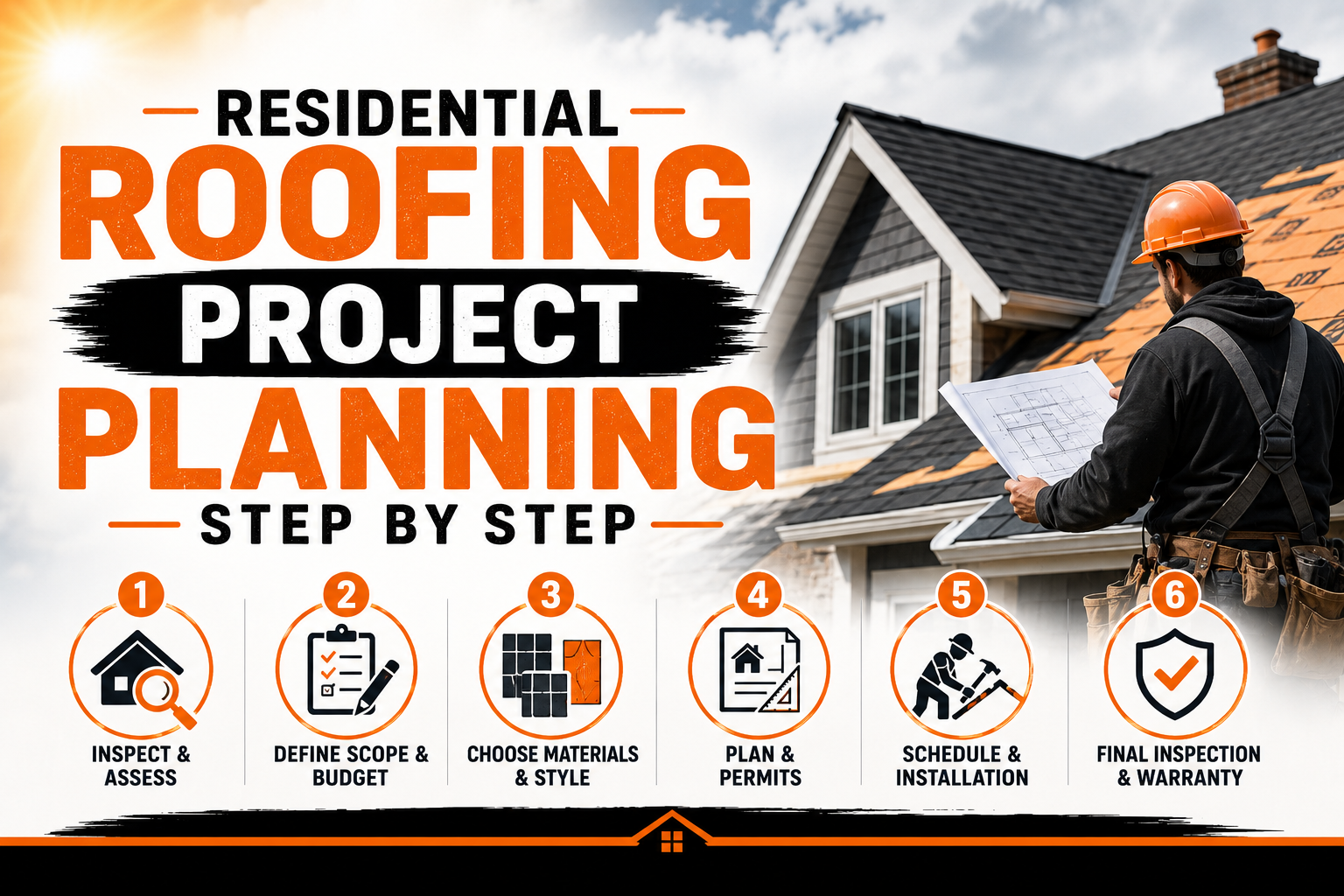
Residential Roofing Project Planning Step by Step
Introduction
Planning a residential roofing project carefully can make the difference between a smooth installation and a costly, stressful experience. A roof protects the structure from rain, wind, sunlight, temperature changes, and other environmental conditions, so roofing work should be approached as an important home improvement project rather than a simple replacement of exterior materials. Proper planning helps homeowners understand what needs to be done, how much it may cost, and what decisions should be made before construction begins.
A successful roofing project starts long before materials arrive at the property. Homeowners need to assess the existing roof, identify problems, establish priorities, create a realistic budget, choose appropriate materials, and develop a practical schedule. Each decision affects the next stage, which is why rushing into installation without sufficient preparation can lead to unexpected costs or delays.
The planning process should also account for the complete roofing system. The visible roof covering is only one component, while underlayment, flashing, ventilation, decking, drainage, and edge protection all contribute to performance. By considering these elements together, homeowners can create a project plan that focuses on long-term protection rather than appearance alone.
Understanding the Scope of a Residential Roofing Project
The first planning step is determining exactly what the roofing project involves. Some projects may require a few targeted repairs, while others may involve complete roof replacement and upgrades to several supporting components. Understanding the scope helps homeowners avoid paying for unnecessary work while ensuring that important problems are not overlooked.
A roofing project may involve removing existing materials, repairing damaged decking, installing new underlayment, replacing flashing, improving ventilation, installing new roofing materials, and upgrading drainage. The exact combination depends on the roof’s condition, age, design, material, and previous maintenance history. Homeowners should ask a qualified professional to explain which parts of the system require attention.
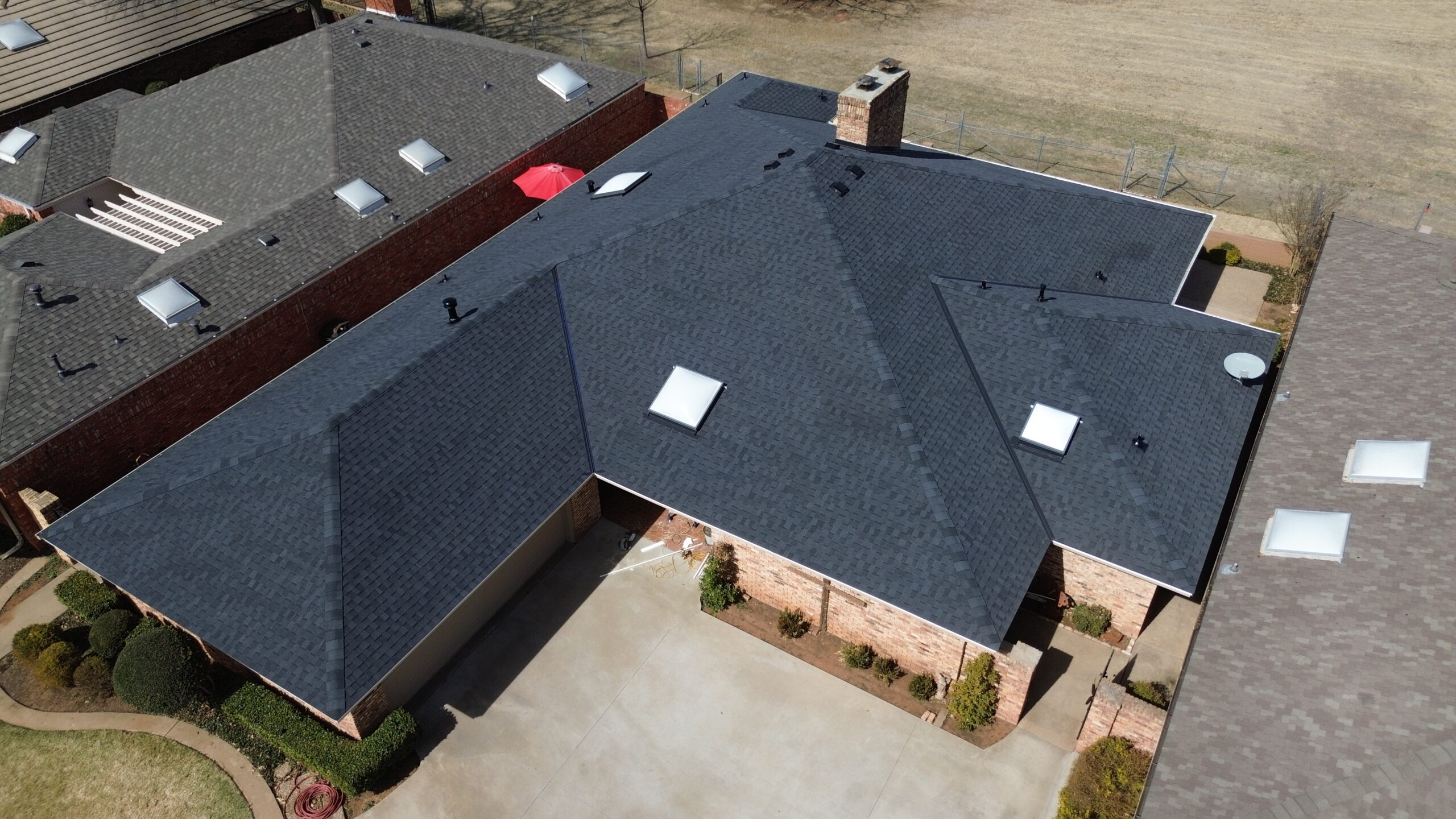
Roof complexity can also affect the project scope. A simple roof with broad slopes may be easier to work on than a property with multiple valleys, dormers, skylights, chimneys, steep sections, or unusual architectural features. These details can increase labor requirements and influence the amount of material needed.
Homeowners should also consider whether the project is primarily corrective or improvement-focused. Corrective work addresses existing problems such as leaks, damaged materials, or deteriorated flashing. Improvement-focused work may involve better insulation, ventilation, weather resistance, energy performance, or appearance.
Defining the scope early creates a clearer foundation for the rest of the planning process. Instead of asking only how much a new roof costs, homeowners can determine what work the property actually needs and which improvements may provide useful long-term value.
Inspecting the Existing Roof and Identifying Problems
A thorough assessment of the existing roof should take place before final project decisions are made. Homeowners may notice obvious problems from the ground, but many roofing issues are difficult to identify without professional inspection. Hidden moisture damage, deteriorated decking, ventilation deficiencies, or failing flashing may not be visible during a basic visual check.
The roof’s age is an important starting point. Knowing when the current system was installed can help homeowners understand its expected remaining life. However, age alone should not determine whether replacement is necessary because maintenance history, installation quality, climate, and material type can all affect actual performance.
Visible warning signs should also be documented. These may include missing or damaged roofing materials, cracked areas, curling, exposed surfaces, deteriorated flashing, sagging sections, or excessive wear. Interior signs such as ceiling stains, damp insulation, musty odors, and attic moisture can provide additional evidence of roofing problems.
The roof deck should receive particular attention during a professional assessment. If the deck has been affected by prolonged moisture exposure, it may require repair before new roofing materials can be installed. Discovering this possibility early makes it easier to prepare an accurate project budget.
Drainage and ventilation should also be evaluated. Gutters and downspouts need to move water away from the property effectively, while attic ventilation should support appropriate heat and moisture management. Problems in these areas can reduce the performance of an otherwise well-installed roof.
A professional inspection can therefore provide information that homeowners cannot reliably determine from appearance alone. The findings should be documented and used to create a clear list of repairs, replacements, and potential upgrades that can guide the rest of the project.
Defining Roofing Goals, Priorities, and Project Requirements
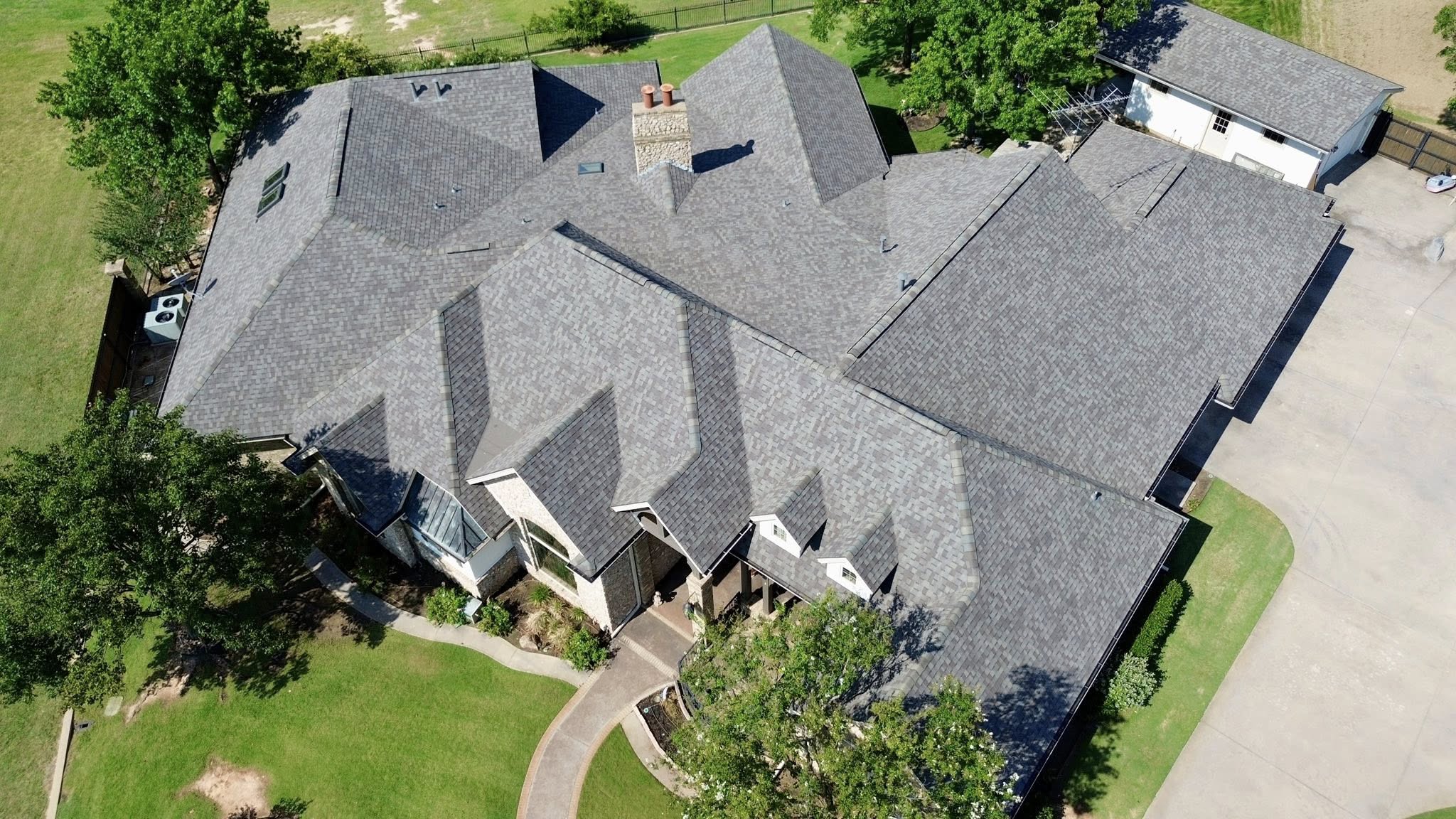
Once the roof’s condition is understood, homeowners should determine what they want the project to accomplish. Having clear goals makes it easier to choose materials, compare contractors, and decide which improvements deserve priority. Without defined goals, homeowners may become overwhelmed by the number of available roofing options.
Protection should normally be the first priority. The roofing system must provide reliable resistance against rain, wind, sunlight, and other environmental conditions. Any structural or moisture-related problems should be addressed before optional cosmetic improvements are considered.
Durability may be another important goal. Homeowners planning to remain in the property for many years may prefer a system designed for long-term performance and reduced maintenance. Those with shorter ownership plans may have different priorities, particularly when balancing project cost with expected remaining time in the home.
Energy performance can also influence project requirements. Homeowners may want to evaluate insulation, ventilation, roofing materials, and attic conditions if indoor comfort or energy consumption is a concern. These improvements should be planned as part of the building system rather than treated as completely separate from the roof.
Appearance is another consideration because the roof has a major effect on curb appeal. Color, profile, texture, and material can influence the home’s exterior character. However, appearance should be balanced with structural suitability, weather performance, maintenance, and budget.
Homeowners can organize their priorities into three simple groups:
- Essential: Leak prevention, structural repairs, weather protection, drainage, and proper installation.
- Performance: Durability, ventilation, insulation, energy efficiency, and storm resistance.
- Appearance: Color, texture, architectural style, and other visual preferences.
This prioritization helps homeowners distinguish between necessary work and optional enhancements. It also provides a useful framework for evaluating competing project proposals.
Setting a Realistic Roofing Project Budget
A realistic budget should include more than the price of the roofing material. Labor, removal, disposal, underlayment, flashing, ventilation, roof-edge details, permits, equipment, and potential repairs can all contribute to the total project cost. Homeowners should therefore create their budget only after gaining a clear understanding of the project scope.
Roof size and complexity are major cost factors. Larger roofs generally require more materials and labor, while steep slopes and complicated designs can increase installation difficulty. Features such as skylights, chimneys, valleys, and multiple roof levels may also require additional detailing.
The condition of the existing roof can create unexpected expenses. Once old materials are removed, contractors may discover damaged decking, deteriorated flashing, or moisture-related problems that were not visible during the initial assessment. Homeowners should allow some financial flexibility for necessary additional work.
Material selection also affects the budget. Different roofing systems vary in purchase price, labor requirements, service life, maintenance needs, and installation complexity. A higher initial price may sometimes provide better long-term value, but homeowners should determine whether the additional performance is actually useful for their property.
Several contractor estimates should be compared before finalizing the budget. Each estimate should describe the scope of work clearly so homeowners can determine whether differences in price are caused by different materials, preparation requirements, labor, warranties, or omitted components.
Homeowners should also understand payment expectations before signing an agreement. Deposits, progress payments, and final payments should be clearly documented, and any additional work should require appropriate approval. A detailed financial plan reduces surprises and makes the project easier to manage.
Choosing Roofing Materials and System Components
Selecting roofing materials is one of the most visible decisions in a residential roofing project, but homeowners should evaluate the complete system rather than focusing only on the roof covering. The chosen material must be compatible with the roof’s structure, slope, climate, appearance, maintenance expectations, and budget.
Asphalt shingles are widely used in residential construction and are available in different quality levels and styles. They can provide a practical balance of cost, appearance, and performance. Homeowners should compare product specifications and expected service life rather than assuming all shingles offer the same benefits.
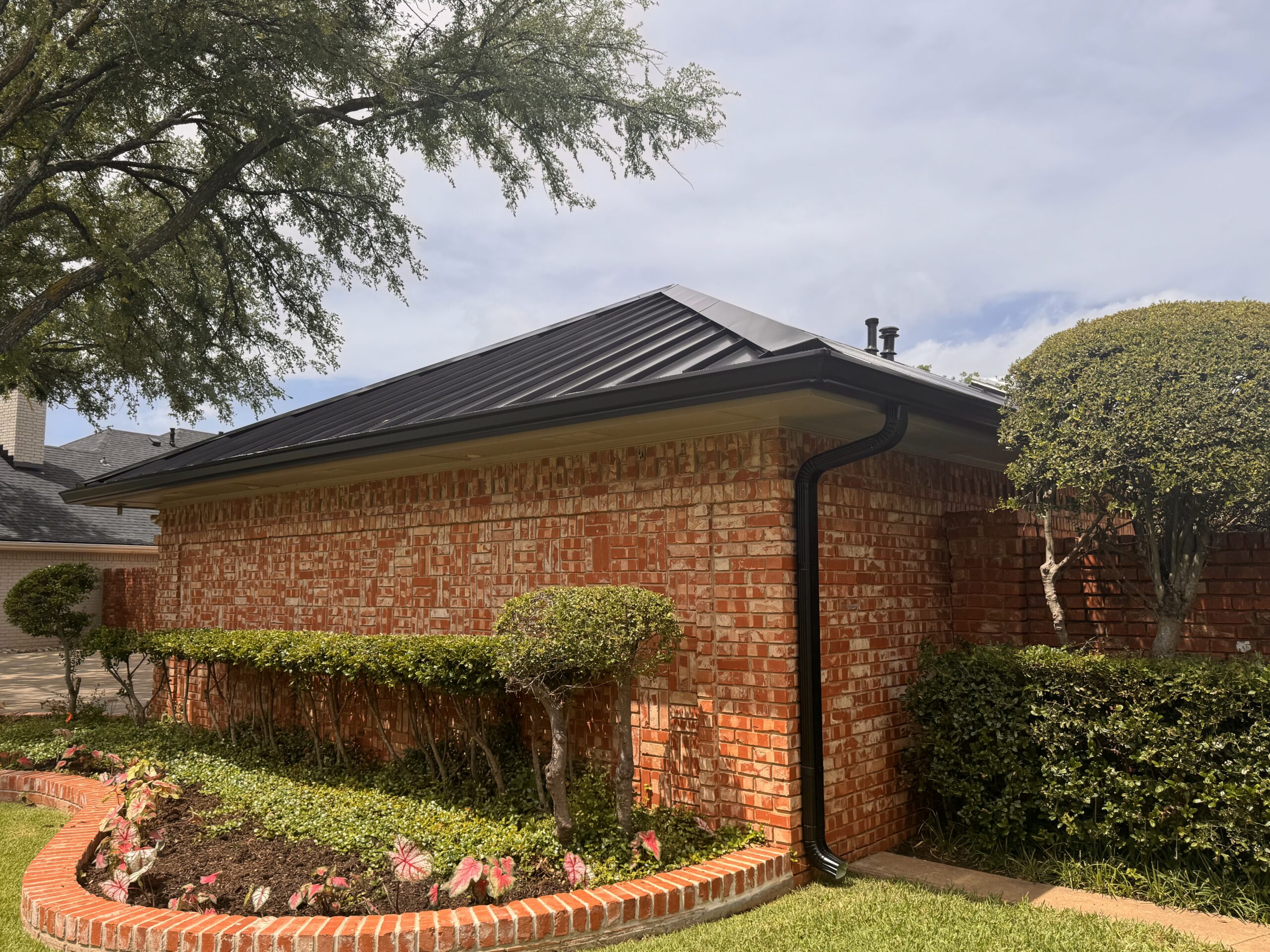
Metal roofing provides another option for homeowners seeking durability and a different architectural appearance. It can be available in several profiles and finishes, but installation requirements, structural compatibility, and local conditions should be evaluated before selection.
Tile roofing can provide distinctive appearance and long-term performance, although some tile systems are heavier than other materials. The home’s structural capacity should therefore be considered before installation. Maintenance and replacement requirements should also be understood.
The roofing surface is only one part of the system. Underlayment provides additional moisture protection, flashing protects vulnerable transitions, ventilation supports attic conditions, and drainage manages rainwater. Roof-edge components and appropriate fastening methods also contribute to overall performance.
Homeowners should ask contractors to explain how these components will work together. A premium roofing material cannot compensate for poor installation or inadequate supporting components. Choosing a complete, compatible system is therefore more important than selecting a material based only on its appearance or advertised features.
Planning the Roofing Project Timeline
A realistic timeline helps homeowners prepare financially, organize household activities, and understand what to expect during construction. The project schedule can depend on roof size, material availability, contractor workload, weather conditions, permit requirements, and the complexity of the installation.
Material selection should be completed early enough to avoid unnecessary delays. Some products may require ordering before installation can begin, particularly when homeowners choose specific colors, profiles, or specialized roofing systems. Confirming availability before signing a final schedule can make the project more predictable.
Weather should also be considered when developing the timeline. Roofing installation may be affected by rain, strong winds, extreme temperatures, or other unsafe conditions. Homeowners should understand that appropriate weather delays may be necessary to protect workers and maintain installation quality.
Preparation time should be included in the schedule. The property may need areas cleared for materials, vehicles, equipment, and waste containers. Homeowners may also need to protect outdoor furniture, landscaping, vehicles, and other belongings before work begins.
The installation period itself can vary considerably. A straightforward residential roof may progress differently from a complex project involving structural repairs, multiple roofing materials, or significant upgrades. Homeowners should ask contractors for an estimated sequence rather than assuming every project follows the same schedule.
Planning should continue through the final inspection and cleanup stage. The project is not complete simply because the new roofing material has been installed. Homeowners should allow time for final checks, removal of construction debris, documentation, and confirmation that agreed work has been completed.
A well-planned timeline gives homeowners a practical roadmap from initial assessment through installation. With the scope, condition, goals, budget, materials, and schedule established, the project can move into the contractor selection and preparation stages with fewer uncertainties and a clearer understanding of what needs to happen next.
Finding and Evaluating Qualified Roofing Contractors
Choosing the right roofing contractor is one of the most important steps in planning a residential roofing project. Even high-quality roofing materials can perform poorly when installation is rushed, incomplete, or performed incorrectly. Homeowners should therefore evaluate contractors based on experience, workmanship, communication, documentation, and overall project value rather than choosing solely according to price.
Experience with residential roofing should be a major consideration. Homeowners should look for contractors who regularly work on properties similar to theirs and understand the selected roofing system. Experience with local weather conditions, common roof designs, ventilation requirements, drainage, and installation practices can help reduce avoidable problems.
Homeowners should also verify applicable licensing and insurance requirements. Roofing work involves elevated surfaces, heavy materials, tools, and potential property damage, so appropriate coverage is important. Documentation should be reviewed before work begins instead of relying only on verbal statements.
References and previous projects can provide additional insight into a contractor’s reliability. Homeowners can ask about completed projects and pay attention to feedback concerning scheduling, communication, cleanup, workmanship, and how unexpected problems were handled. A contractor who is comfortable explaining previous work and answering detailed questions can provide greater confidence.
Communication should remain consistent throughout the selection process. A professional contractor should explain the recommended work in understandable language and provide clear answers about materials, preparation, costs, and timelines. Homeowners should be cautious when a contractor avoids written details, gives vague explanations, or pressures them to make an immediate decision.
Several contractors should be considered before a final selection is made. Comparing multiple qualified professionals can reveal differences in project scope and help homeowners understand whether an estimate is realistic. However, the cheapest proposal should not automatically be considered the best choice.
The final selection should reflect the complete value offered by the contractor. Experience, installation quality, project documentation, warranty support, communication, and the ability to manage unexpected conditions are all important parts of a successful roofing project.
Comparing Roofing Estimates and Project Proposals
Once homeowners have identified potential contractors, detailed estimates should be requested and compared carefully. A roofing estimate should explain what the contractor intends to do rather than simply provide a single project price. Clear estimates make it easier to identify differences between proposals and determine whether important work has been excluded.
Homeowners should check whether each estimate includes removal of existing roofing materials, disposal, labor, underlayment, flashing, ventilation, roof-edge details, and cleanup. If these components are included in one proposal but omitted from another, the difference in price may not represent a genuine cost saving.
Material specifications should also be compared. Different roofing products can have different quality levels, expected service lives, warranties, and installation requirements. Homeowners should make sure they are comparing similar products before deciding that one contractor offers a better price.
The estimate should explain how unexpected conditions will be handled. Removing an existing roof may reveal damaged decking or moisture-related problems that could not be identified earlier. Homeowners should understand whether additional work requires written approval and how those costs will be calculated.
The following areas are useful when comparing proposals:
| Project Area | What to Compare |
|---|---|
| Roofing material | Product, quality, style, and expected performance |
| Preparation | Removal, decking inspection, and surface preparation |
| Protection | Underlayment, flashing, edges, and weather protection |
| Labor | Installation scope and project responsibilities |
| Cleanup | Debris removal and property cleanup |
| Warranty | Material and workmanship coverage |
| Cost | Total price and payment schedule |
| Schedule | Expected start and completion timeframe |
Homeowners should also look at the payment structure. Deposits, progress payments, and final payments should be clearly explained before the contract is signed. Payment terms that are vague or significantly different between contractors should be discussed before proceeding.
A detailed proposal should make homeowners feel informed rather than confused. If a contractor cannot clearly explain what is included in the quoted price, the homeowner may have difficulty determining whether the proposal provides adequate value. Taking time to compare estimates carefully can prevent misunderstandings later in the project.
Reviewing Contracts, Warranties, Permits, and Insurance
A written contract transforms the roofing plan into a documented agreement between the homeowner and contractor. Before signing, homeowners should read the entire document and make sure it accurately reflects the work that was discussed. Important verbal promises should not be left undocumented.
The contract should identify the roofing materials, project scope, estimated schedule, total price, payment terms, and procedures for additional work. It should also explain who is responsible for removing old materials, disposing of waste, protecting the property, and completing final cleanup.
Permits and local requirements should be discussed before construction begins. Requirements can vary depending on location and the nature of the project. Homeowners should confirm which party is responsible for obtaining any required permits or approvals so that these responsibilities do not become a source of delay.
Insurance is another important consideration. Homeowners should understand what coverage the contractor maintains and what protection may apply to workers or property during the project. They should also review their own homeowner policy when appropriate rather than assuming that every type of roofing damage or construction issue is automatically covered.
Warranties require careful attention as well. A manufacturer warranty generally relates to the roofing product, while workmanship coverage may address installation-related problems. These protections can have different conditions, exclusions, durations, and procedures.
Homeowners should ask whether warranty coverage requires specific installation methods or maintenance practices. They should also understand how warranty claims are handled and whether the contractor remains available to address workmanship concerns after the project is finished.
Before signing, homeowners should make sure the final contract matches the selected estimate. Changes made during negotiations should be included in the written agreement. A complete contract creates a clearer record of expectations and gives both homeowner and contractor a practical reference throughout the project.
Preparing the Home and Property Before Roofing Work
Preparing the property before roofing work begins can make construction safer and more efficient. Roofing projects involve materials, equipment, workers, noise, falling debris, and temporary changes to the surrounding area. Homeowners should discuss preparation requirements with the contractor before the scheduled start date.
Outdoor furniture, decorations, tools, and other loose items should be moved away from areas where construction activity will occur. Vehicles may also need to be relocated because roofing materials and equipment can require temporary access to driveways or other parts of the property.
Landscaping should be considered as well. Homeowners can discuss how plants, trees, garden areas, and other features will be protected during installation. Contractors may use protective coverings or designated work zones to reduce the impact of construction activities.
Children and pets should be kept away from active work areas. Roofing materials, nails, tools, ladders, and equipment can create hazards even when workers are following appropriate safety practices. Establishing safe areas around the property can help reduce unnecessary risks.
Homeowners should also prepare for noise and vibration. Roofing work can be disruptive, particularly when old materials are being removed. If anyone in the household works from home, studies, rests during the day, or has other scheduling needs, these considerations should be discussed before construction begins.
Access to the attic or interior areas may occasionally be necessary. Homeowners should ask whether contractors need access to attic spaces or other parts of the house during the project. Removing fragile belongings or protecting sensitive areas can make the process easier.
Communication with neighbors may also be helpful when the project is expected to involve significant noise, equipment, or temporary access restrictions. A little preparation can reduce inconvenience and make the construction period more manageable for everyone involved.
Planning for Weather Delays and Unexpected Conditions
Weather is one of the most important factors that can affect a roofing schedule. Rain, strong winds, extreme temperatures, and other unsafe conditions can interrupt installation. Homeowners should understand that weather-related delays may sometimes be necessary to protect workers and maintain the quality of the finished roof.
The project schedule should therefore include some flexibility. A contractor may provide an estimated start and completion period rather than guaranteeing exact dates. Homeowners should ask how weather delays are communicated and how they may affect material deliveries or other planned activities.
Unexpected structural conditions can also change the project. When existing roofing materials are removed, contractors may discover damaged decking, deteriorated framing, moisture problems, or other conditions that were not visible during the initial inspection. These issues may require additional work before the new roof can be installed safely.
A clear change-order process can help homeowners manage these situations. The contractor should explain what was discovered, why the additional work is necessary, how much it will cost, and whether the schedule will change. Homeowners should understand the proposed change before authorizing additional work.
Material availability can create another potential delay. Certain colors, profiles, or specialized products may require additional ordering time. Selecting materials early and confirming availability can reduce the likelihood of unnecessary scheduling problems.
Homeowners should also avoid rushing work simply to meet an original completion date. Roofing installation performed during unsuitable conditions can create greater problems later. Quality and safety should take priority over maintaining an unrealistic schedule.
The best approach is to plan for reasonable uncertainty while maintaining clear communication. When homeowners understand the possible causes of delays and the process for handling unexpected conditions, they can respond to changes without losing sight of the project’s main objectives.
Managing the Roofing Installation Process
Once preparation is complete, the project moves into the installation stage. Homeowners do not need to supervise every construction activity, but they should remain informed about progress and understand the major stages of the work. Clear communication with the contractor can help ensure that the project remains aligned with the agreed plan.
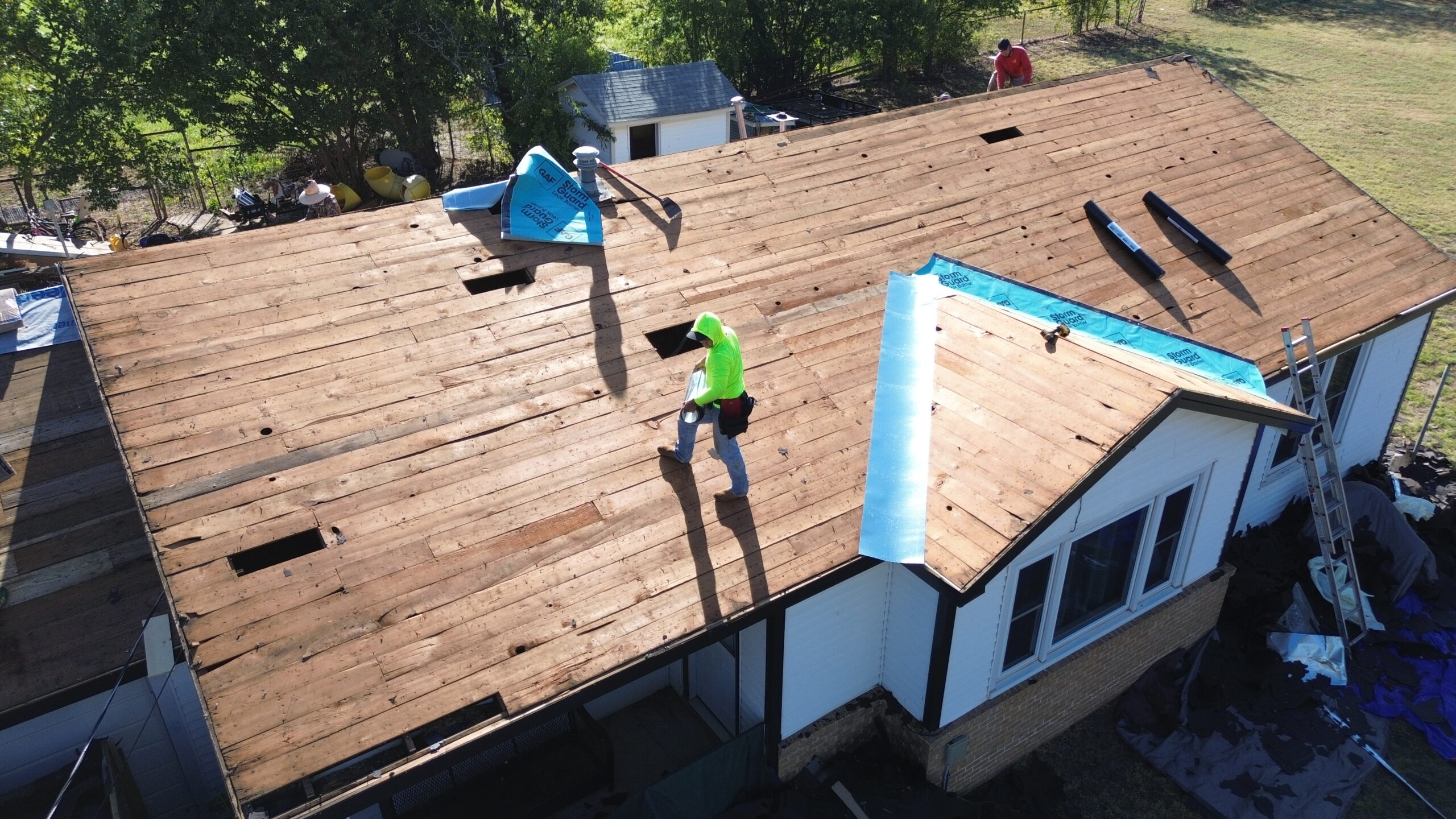
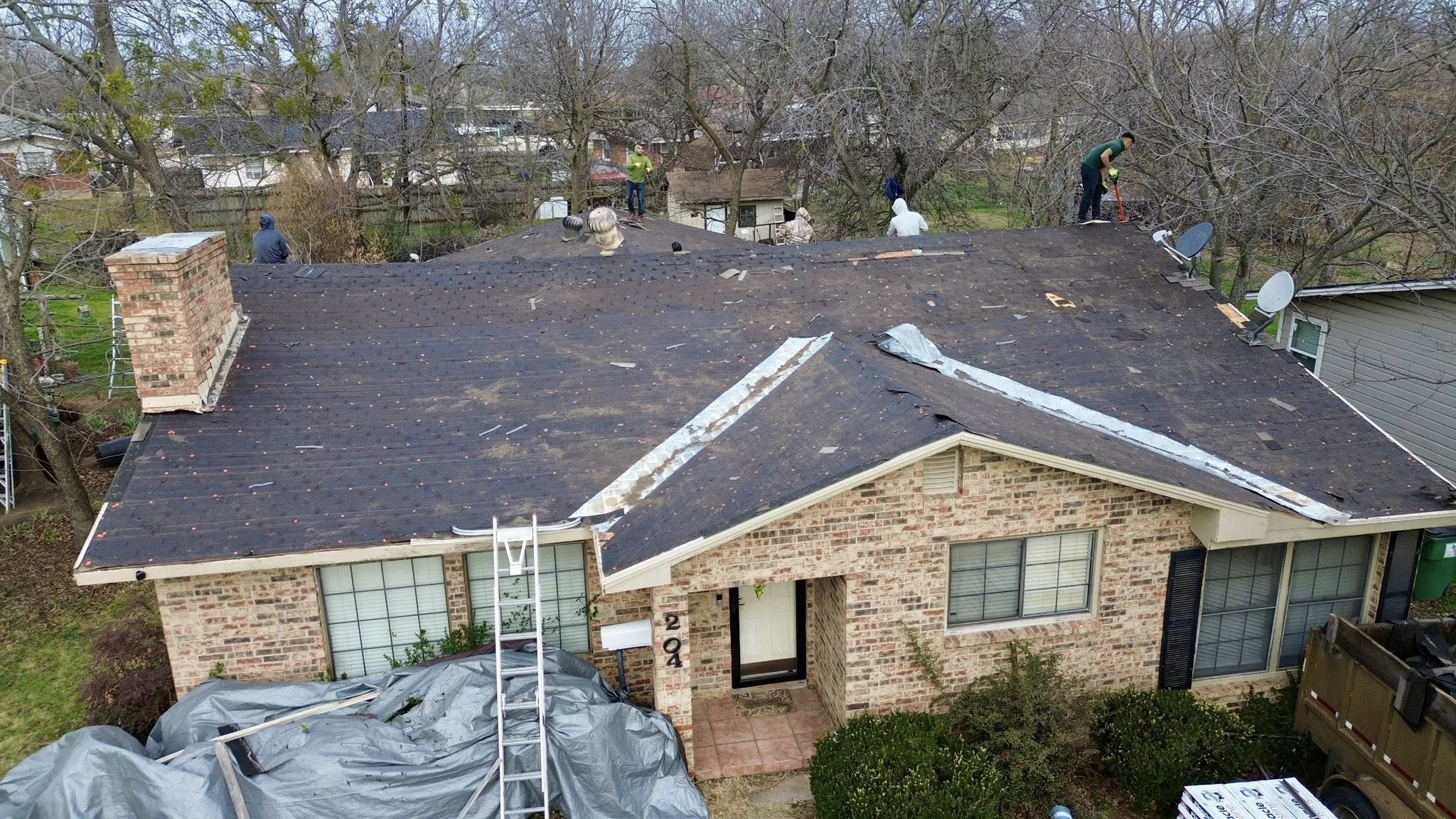
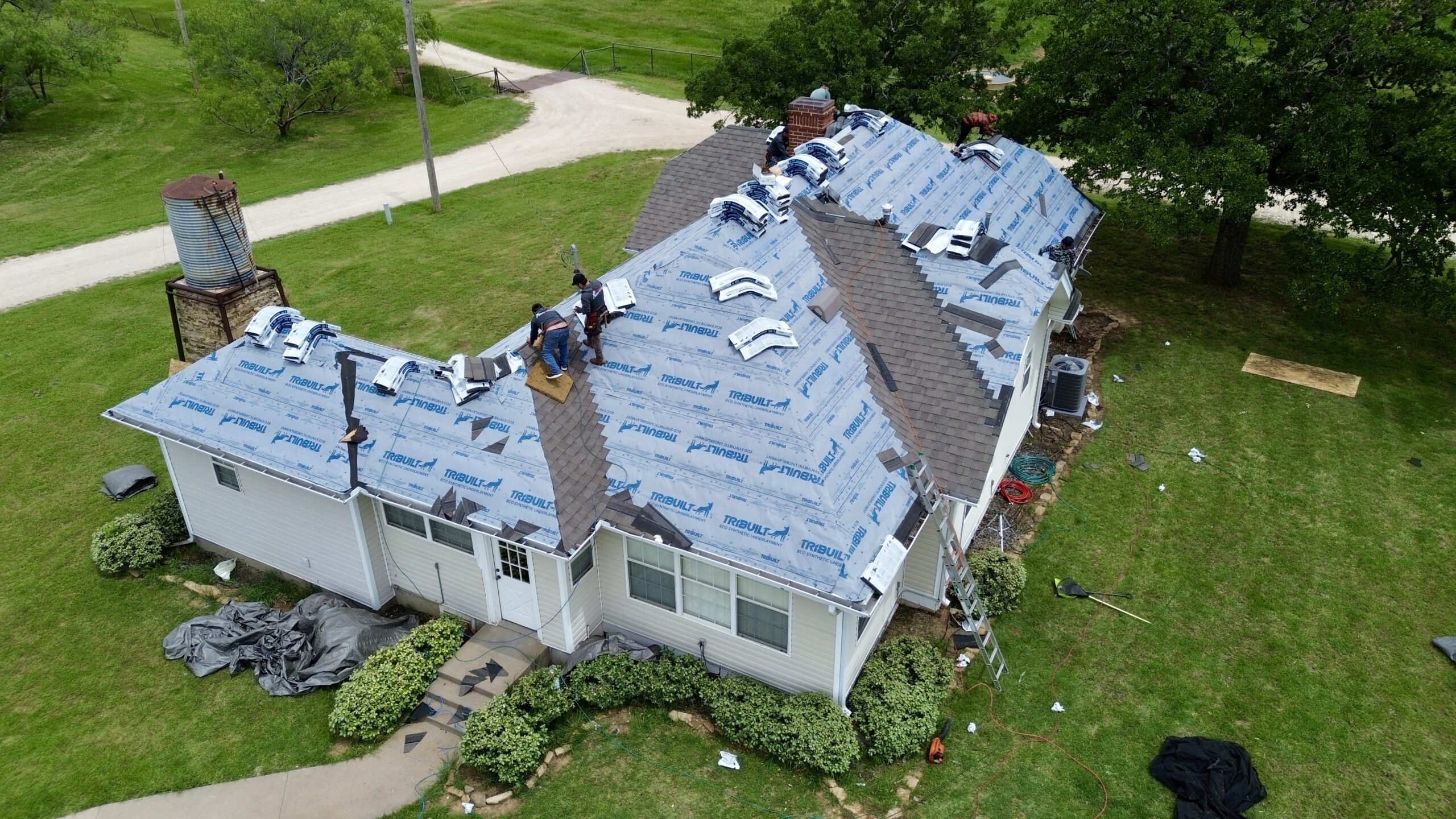
The installation generally begins with preparing the work area and removing existing roofing materials when replacement is required. The exposed roof surface can then be inspected for damage or conditions that need correction. Any approved repairs should be completed before the new roofing system is installed.
The roof deck should provide a suitable foundation for the new materials. Underlayment and other protective components are then installed according to the selected roofing system. Flashing, valleys, roof edges, penetrations, and ventilation details require careful attention because these areas can have a major effect on weather resistance.
The visible roofing material is installed according to the manufacturer’s requirements and the contractor’s agreed scope. Homeowners should avoid making changes during installation unless they are necessary or properly documented. Unplanned changes can affect cost, materials, scheduling, and warranty conditions.
Progress communication is especially important when unexpected conditions are discovered. Homeowners should receive an explanation before approving significant changes to the original project. Written documentation can help keep both parties aligned regarding revised costs or additional work.
The property should also be kept reasonably organized throughout construction. Materials, equipment, and debris should be managed in designated areas, while access routes should remain as safe as possible. Cleanup should be addressed continuously rather than left entirely until the final day.
Before the project is considered complete, homeowners should review the finished work with the contractor. The final stage should include checking agreed project components, confirming cleanup, collecting relevant documentation, and identifying any remaining items that need attention. This creates a smooth transition from construction into the inspection and maintenance phase of the roofing project.
Inspecting the Completed Roofing Work
The completion of the roofing installation does not mean the project should immediately be considered finished. A final inspection gives homeowners an opportunity to confirm that the agreed work has been completed properly and that important roofing components are in place. This inspection should take place after installation but before the final payment is made whenever the contract allows for that arrangement.
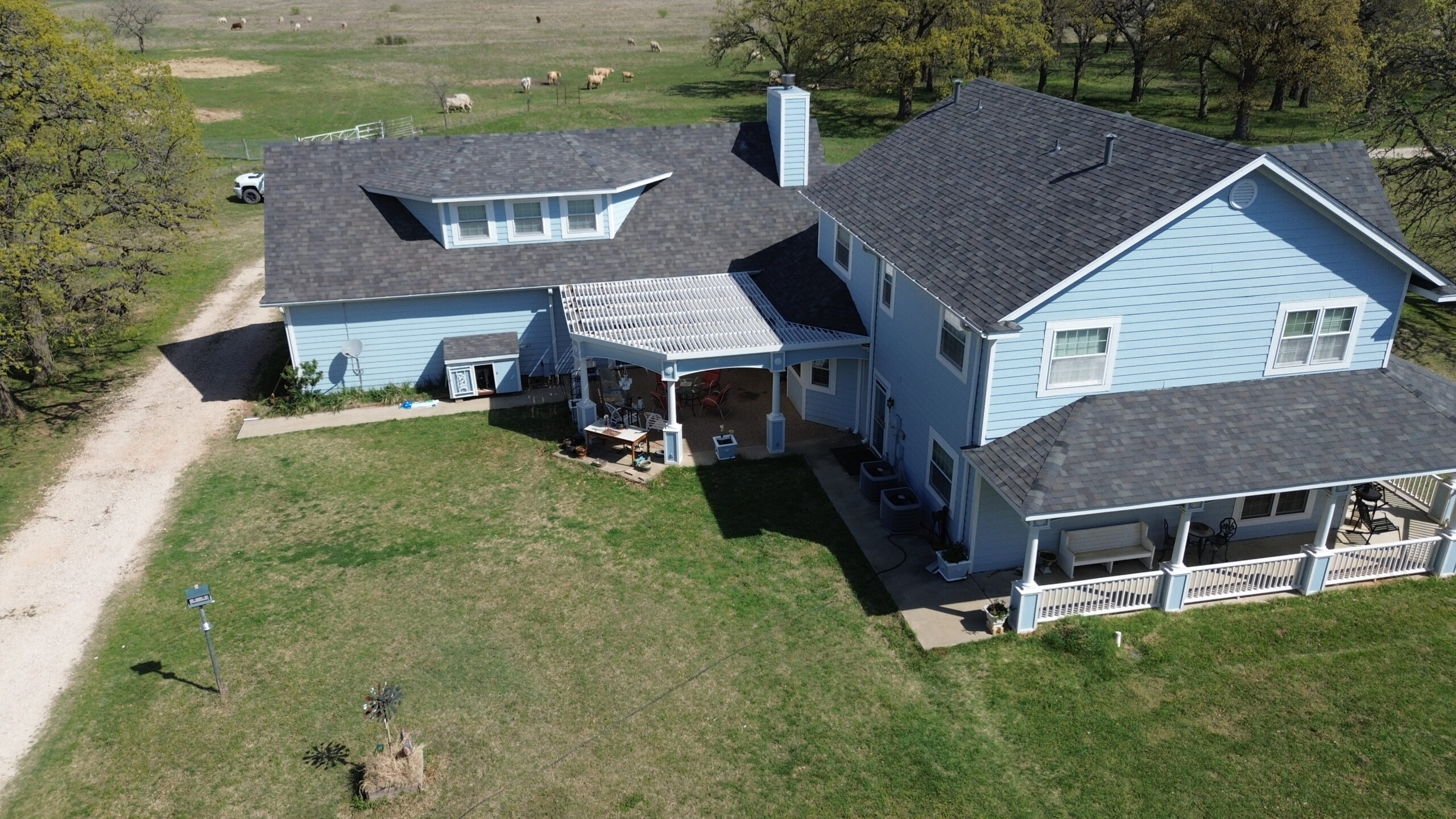
Homeowners should review the roof with the contractor and compare the finished work with the original project proposal. The inspection should consider the roofing material, visible installation quality, flashing, roof edges, valleys, vents, penetrations, and other components included in the agreement. Any differences between the planned scope and completed work should be discussed before the project is formally closed.
The roof surface should appear consistent with the selected material and installation specifications. Homeowners should look for obvious missing, damaged, loose, or improperly positioned components, while remembering that detailed roof inspection is generally best handled by a qualified professional. Walking on a roof without appropriate training can create safety risks and may also damage some roofing materials.
Flashing around chimneys, skylights, vents, walls, and other penetrations deserves particular attention. These areas are especially important for moisture protection, so homeowners should confirm that the agreed flashing work has been completed. Gutters, downspouts, and roof-edge components should also be checked to make sure they are properly connected and positioned.
The attic can provide another useful area for final evaluation. Where appropriate, homeowners can check for visible signs of moisture, exposed areas, damaged insulation, or other concerns identified during the original inspection. If the contractor completed ventilation or insulation upgrades, the homeowner should receive an explanation of what was changed.
A final inspection should also include confirmation that the property has been left in the agreed condition. Roofing work can generate nails, material fragments, packaging, and other debris. The contractor should complete the promised cleanup and remove construction equipment before the project is closed.
Homeowners should document any outstanding issues in writing. If corrections are needed, they should be clearly identified along with the expected completion date. A careful final inspection helps ensure that small issues are addressed before they become forgotten after the contractor leaves the property.
Handling Cleanup, Final Payments, and Documentation
Cleanup is an important part of a roofing project because construction can affect driveways, landscaping, outdoor areas, and other parts of the property. Homeowners should confirm that the cleanup responsibilities described in the contract have been completed. This can include removing old roofing materials, packaging, equipment, and construction debris.
A professional cleanup should also involve checking the surrounding work area for smaller pieces of material and loose fasteners. Roofing contractors commonly use procedures to collect debris during and after installation, but homeowners should still perform a general inspection of accessible areas. Any concerns should be communicated to the contractor promptly.
Final payment should follow the terms established in the contract. Homeowners should avoid making payments based on verbal requests that differ significantly from the written agreement. If approved additional work was completed, the final invoice should clearly identify those changes and their associated costs.
Documentation should be collected before the project is closed. Important records may include the final contract, invoices, material information, warranty documents, inspection records, photographs, permits, and details about completed upgrades. Keeping these documents together can make future maintenance and repair decisions easier.
Material information can be particularly useful years later. If a repair becomes necessary, knowing the exact roofing product, color, installation date, and relevant specifications can help a contractor match the existing system. This information may also be useful if warranty service is required.
Homeowners should also keep records of any structural repairs or improvements completed during the project. For example, if damaged decking was replaced or ventilation was upgraded, documenting the work creates a more complete history of the property.
Photographs can provide additional documentation of the completed roof. Images taken after installation can help homeowners remember the condition of the roof and identify areas that may require future attention. They can also provide a useful visual record when combined with written project documents.
Once the final inspection, cleanup, documentation, and agreed payments have been completed, the project can transition into normal maintenance. A well-organized closeout gives homeowners a clear record of what was installed and provides a useful starting point for protecting the new roofing system.
Establishing a Post-Installation Maintenance Plan
A new or upgraded roof still requires regular attention to remain in good condition. Maintenance should begin soon after installation rather than waiting until the first visible problem appears. A simple maintenance plan can help homeowners identify developing issues early and protect the investment made during the roofing project.
Routine inspections are an important part of this plan. The exact frequency depends on the roofing material, property conditions, weather exposure, and manufacturer’s recommendations. Homeowners should also consider arranging an inspection after significant storms when strong winds, hail, or falling branches may have affected the roof.
Drainage maintenance should be included in the routine schedule. Gutters and downspouts need to remain clear so water can move away from the roof and foundation effectively. Leaves, branches, dirt, and other debris can restrict drainage and increase moisture exposure around roof edges.
Trees near the home should also be monitored. Overhanging branches can scrape roofing materials, deposit debris, and create risks during storms. Maintaining appropriate clearance can reduce these problems and make future roof maintenance easier.
Homeowners should watch for interior warning signs as well. Ceiling discoloration, damp areas, unusual odors, or visible moisture in attic spaces may indicate a developing problem. These signs should not be ignored simply because the roof is relatively new.
Ventilation and insulation should also remain part of the maintenance plan. If the roofing project included attic improvements, homeowners should monitor the area for moisture or other changes. Any unusual conditions should be evaluated rather than assuming that a newly installed system cannot develop problems.
Maintenance records should be updated whenever inspections or repairs occur. The date, type of work, contractor, materials used, and relevant costs can be recorded for future reference. This creates a continuous history of the roofing system and can make future planning more accurate.
A maintenance plan protects more than the roof itself. Prompt attention to small problems can reduce the chance of water reaching insulation, decking, walls, ceilings, or other parts of the home. Consistent care can therefore help protect the broader property investment.
Planning for Future Repairs and Roof Replacement
Every roofing system eventually requires repairs, maintenance, or replacement, even when it has been installed correctly. Homeowners should therefore treat the completed roofing project as the beginning of another long-term planning cycle. Understanding future needs can make later decisions less stressful and more financially manageable.
The installation date should be recorded because it provides an important reference point for future planning. Homeowners can use this information alongside inspection reports and maintenance records to monitor how the roof performs over time. However, the calendar alone should not determine replacement timing because actual roof condition remains important.
Future repairs may involve isolated damage rather than complete replacement. Storm events, falling branches, flashing deterioration, or localized moisture problems can affect individual areas. Addressing these issues promptly may help preserve the rest of the roofing system.
Homeowners should also establish a long-term roofing reserve when possible. Setting aside money gradually for future repairs or replacement can reduce the financial pressure associated with major work. The appropriate amount depends on the property, roofing material, expected service life, and household budget.
As the roof ages, inspections may become increasingly valuable. Signs such as repeated leaks, widespread material deterioration, damaged flashing, sagging areas, or frequent repairs can indicate that continued investment in isolated repairs may no longer be the most practical option.
When replacement eventually becomes necessary, homeowners should begin planning before the roof reaches a critical failure point. Early planning provides time to compare contractors, evaluate materials, review financing options, and schedule work according to property needs rather than responding to an emergency.
The previous roofing project can provide useful information for future decisions. Records showing which materials were used, what repairs were completed, and which contractors performed the work can help establish a more accurate starting point for the next project.
Long-term planning also allows homeowners to consider future home improvements. If solar equipment, exterior renovations, insulation changes, or other major projects are being considered, roof condition should be evaluated before those investments are made. Coordinating major improvements can sometimes reduce unnecessary future labor and disruption.
Creating a Complete Roofing Project Planning Checklist
A complete checklist helps homeowners bring together all stages of the roofing process, from the initial assessment to long-term maintenance. The first stage should focus on understanding the existing roof, identifying problems, and defining the project’s goals. This creates a clear foundation before money is committed.
The planning process should then move into budgeting and material selection. Homeowners should obtain detailed estimates, compare complete project scopes, evaluate appropriate roofing systems, and include a reasonable allowance for unexpected conditions. Choosing materials should involve durability, appearance, maintenance, climate, structural suitability, and long-term value.
Contractor selection should receive equal attention. Homeowners should verify qualifications, insurance, relevant experience, references, communication practices, warranties, and written project details. A reliable contractor should be able to explain the proposed work and answer questions without creating unnecessary pressure.
Before installation, the property should be prepared and the project schedule confirmed. Homeowners should understand how weather delays, additional repairs, material shortages, and other unexpected conditions will be handled. Clear communication at this stage can prevent many misunderstandings during construction.
A practical roofing project checklist includes:
- Inspect the existing roof and document its condition.
- Define essential repairs and project goals.
- Establish a realistic budget and emergency allowance.
- Select suitable roofing materials and system components.
- Obtain and compare detailed contractor estimates.
- Review insurance, warranties, permits, and contract terms.
- Prepare the property before construction begins.
- Confirm the installation schedule and weather procedures.
- Document approved changes and unexpected repairs.
- Inspect completed work before project closeout.
- Confirm cleanup and collect project documentation.
- Establish regular maintenance and inspection routines.
- Record future repairs and plan for eventual replacement.
This checklist should be treated as a working document rather than something that is used only once. Homeowners can update it as the project progresses and retain it with their roofing records after installation. Having a consistent process makes future roofing decisions easier and reduces the chance of overlooking important details.
Conclusion
Residential roofing project planning is most effective when homeowners approach the process as a series of connected decisions rather than a single purchase. Assessing the existing roof, defining project goals, establishing a budget, selecting suitable materials, comparing qualified contractors, and preparing the property all contribute to a smoother installation.
Careful planning also helps homeowners manage uncertainty. Weather delays, hidden structural damage, material availability, and other unexpected conditions can affect roofing projects, but clear contracts and communication make these situations easier to handle. A realistic schedule should provide enough flexibility to prioritize safe and correct installation.
The project should not be considered complete when the last roofing material is installed. A final inspection, thorough cleanup, documentation, and review of outstanding work are important steps before the project is formally closed. These records can become valuable references for future repairs, warranty needs, and maintenance decisions.
Long-term care is equally important. Regular inspections, clean drainage systems, appropriate tree maintenance, prompt repairs, and accurate maintenance records can help preserve the new roofing system. Homeowners should also begin thinking about future repairs and eventual replacement well before those needs become emergencies.
Ultimately, a well-planned residential roofing project protects more than the roof itself. It supports the structure, comfort, appearance, and long-term value of the entire home. By taking each planning step seriously and making decisions based on condition, performance, quality, cost, and future needs, homeowners can approach roofing work with greater confidence and achieve a more dependable long-term result.