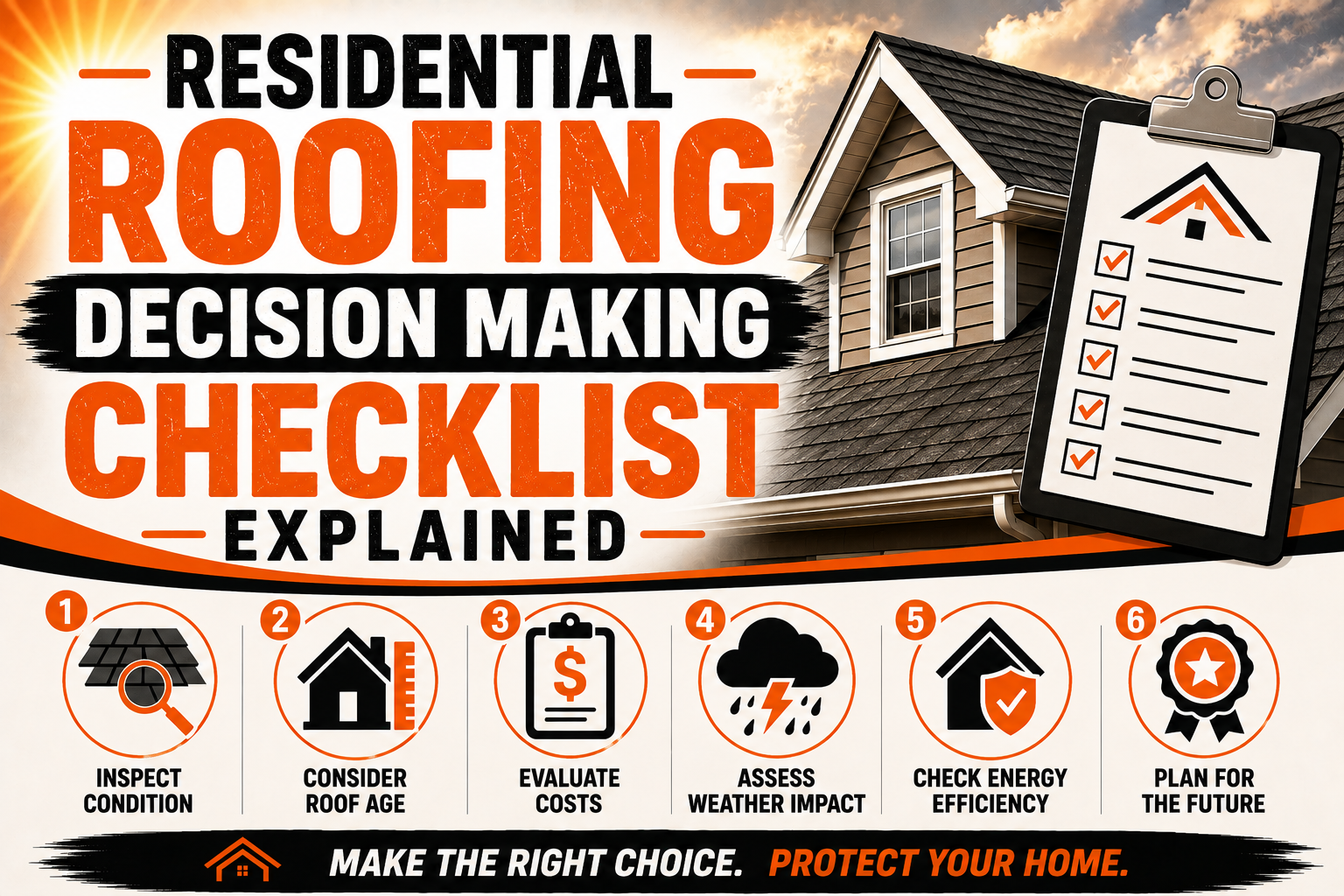
Residential Roofing Decision Making Checklist Explained
Introduction
Making decisions about a residential roof can feel overwhelming because homeowners must consider condition, cost, materials, contractors, weather, maintenance, and long-term value at the same time. A roof is one of the home’s most important protective systems, so choosing an option simply because it has the lowest price or looks attractive may create problems later. A structured decision-making process helps homeowners compare their choices carefully and select a roofing solution that fits both the property and the household’s needs.
The right roofing decision begins with understanding what the home actually requires. Some roofs need only minor repairs, while others have reached the end of their useful service life and require replacement. In other situations, homeowners may be considering a new roof because they want better energy performance, improved appearance, stronger weather resistance, or a more suitable material.
A practical checklist makes this process easier by breaking a complicated project into manageable decisions. Instead of trying to answer every question at once, homeowners can evaluate the roof’s condition, define their priorities, compare material options, consider environmental factors, and establish a realistic budget. This approach can reduce rushed decisions and provide a clearer path toward a successful roofing project.
Assessing Your Current Roof Condition
Before deciding what to do with a residential roof, homeowners should determine its current condition. A roof can appear acceptable from the ground while having hidden problems beneath the surface, so visual observations should be treated as an initial assessment rather than a complete diagnosis. Professional inspection can provide a more detailed understanding of the roofing system and identify issues that may not be obvious to an untrained observer.
The age of the roof is one of the first factors to consider. Different roofing materials have different expected service lives, and actual performance can vary according to installation quality, maintenance, weather exposure, and ventilation. Knowing when the existing roof was installed can provide useful context when deciding whether continued repairs are reasonable or whether replacement planning should begin.
Homeowners should look for visible signs of deterioration, including cracked, broken, missing, curled, or loose roofing materials. Discoloration, exposed areas, damaged edges, and excessive wear can indicate that the roof needs professional attention. After severe weather, additional damage may appear in the form of displaced materials, impact marks, damaged flashing, or fallen branches.
Interior conditions can provide another source of information. Water stains on ceilings, damp insulation, peeling paint, musty odors, or moisture in attic spaces may indicate that water is entering the building. However, an interior stain does not always appear directly beneath the point where water enters, so locating the exact source may require professional investigation.
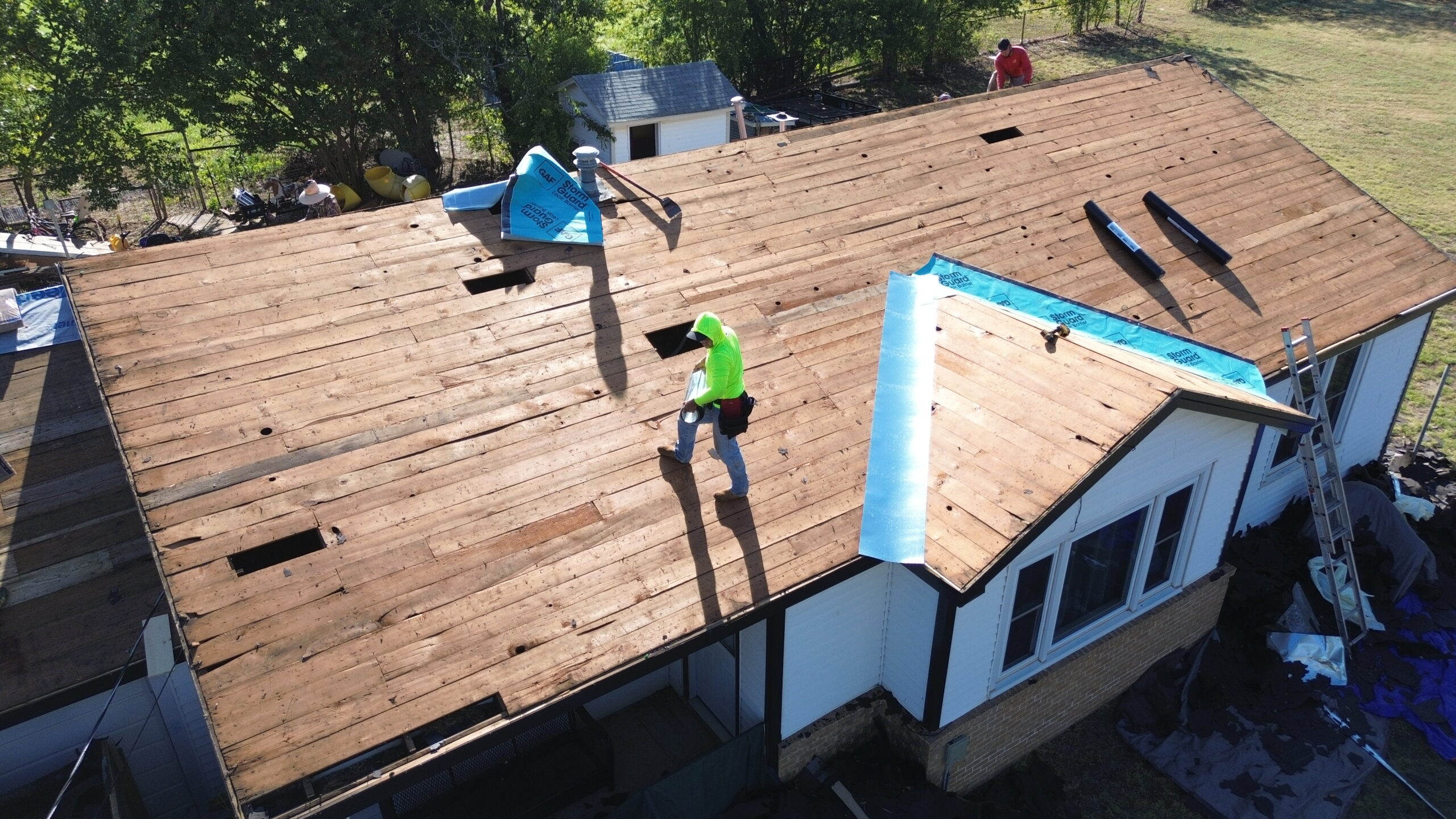
The condition of the roof deck should also be considered. The deck provides the surface beneath many roofing systems, and moisture damage or deterioration can affect the integrity of the installation. If sections of the deck are compromised, those areas may need to be repaired or replaced before new roofing materials are installed.
A simple initial assessment can focus on several important questions:
- How old is the existing roof?
- Are there visible damaged or missing roofing materials?
- Have there been repeated leaks or repairs?
- Is the roof showing widespread deterioration?
- Are gutters and drainage components working properly?
- Has the roof recently experienced severe weather?
Answering these questions does not replace a professional inspection, but it gives homeowners a useful starting point. Understanding the existing condition helps prevent unnecessary work and provides a stronger basis for the decisions that follow.
Determining Whether You Need Repair or Replacement
One of the most important roofing decisions is determining whether the existing roof should be repaired or completely replaced. A repair may be appropriate when damage is limited and the majority of the roof remains in good condition. Replacement may make more sense when deterioration is widespread, the roof is approaching the end of its service life, or repeated repairs are becoming increasingly expensive.
The extent of damage is an important consideration. A small number of damaged shingles or isolated flashing problems may be repairable without replacing the entire roof. However, multiple areas of failure across the roof can indicate that the problem is not limited to one location.
The roof’s age should also influence the decision. If an older roof has begun experiencing frequent problems, homeowners should consider how much useful life remains after a repair. Spending money repeatedly on an aging system may not be the most economical approach if replacement is likely to become necessary soon.
Previous repair history can provide valuable information. A roof that has required repeated leak repairs may have underlying issues that are not being fully resolved. Homeowners should ask whether previous repairs addressed the actual source of the problem or simply provided temporary protection.
Long-term costs should be considered rather than comparing only today’s expense. A repair may have a lower initial price, but if additional repairs are likely to follow, the total cost can become significant. Conversely, replacement can involve a much larger upfront investment, so it should be justified by the roof’s condition and expected remaining service life.
Homeowners should avoid making the decision based solely on visual appearance or a single contractor’s recommendation. Getting a professional assessment and understanding the reasons behind the recommendation can make the decision more objective. A reputable contractor should be able to explain which components are damaged, what repairs are possible, and why replacement may or may not be appropriate.
Setting Your Roofing Priorities
Once the condition of the roof is understood, homeowners should identify what they want the roofing project to accomplish. Different homeowners may have completely different priorities, even when their homes have similar roofing problems. One household may focus on controlling costs, while another may prioritize durability, energy efficiency, appearance, or stronger protection against local weather.
Safety and protection should generally come first. A roof needs to prevent water intrusion, withstand appropriate environmental conditions, and protect the structure and occupants. Issues involving active leaks, structural concerns, or major damage should therefore receive attention before cosmetic improvements.
Durability is another important priority. Homeowners who expect to remain in the property for many years may prefer a roofing system designed for extended service life. Those planning to move in the near future may evaluate the investment differently, although adequate protection and proper installation should remain essential considerations.
Energy performance may also influence roofing decisions. Roofing materials, attic ventilation, insulation, and other building-envelope components can affect how the home manages heat. Homeowners interested in improving indoor comfort should consider the roof as part of the broader energy performance of the property.
Appearance can be important as well. The roof occupies a large portion of the home’s exterior and can strongly influence curb appeal. Material style, color, texture, and compatibility with siding, brick, stone, windows, and trim should be evaluated together rather than selecting the roof in isolation.
A useful way to organize priorities is to separate essential requirements from preferences. Essential requirements might include leak protection, appropriate structural support, weather resistance, and compliance with applicable requirements. Preferences could include a particular color, texture, material style, or upgraded feature that improves appearance or convenience.
When priorities are clearly established, homeowners can evaluate roofing options more effectively. Instead of asking which roof is universally best, they can ask which roofing system best satisfies their particular combination of requirements.
Choosing the Right Roofing Material
Selecting a roofing material is a major decision because the material affects appearance, durability, maintenance, installation requirements, and cost. Homeowners should compare materials according to the characteristics that matter most for their property rather than choosing solely based on popularity.
Asphalt shingles are widely used in residential construction and are available in different styles and quality levels. They can provide a practical balance of appearance, availability, installation requirements, and cost. Homeowners considering asphalt shingles should still compare product specifications and expected performance rather than assuming every shingle system is equivalent.
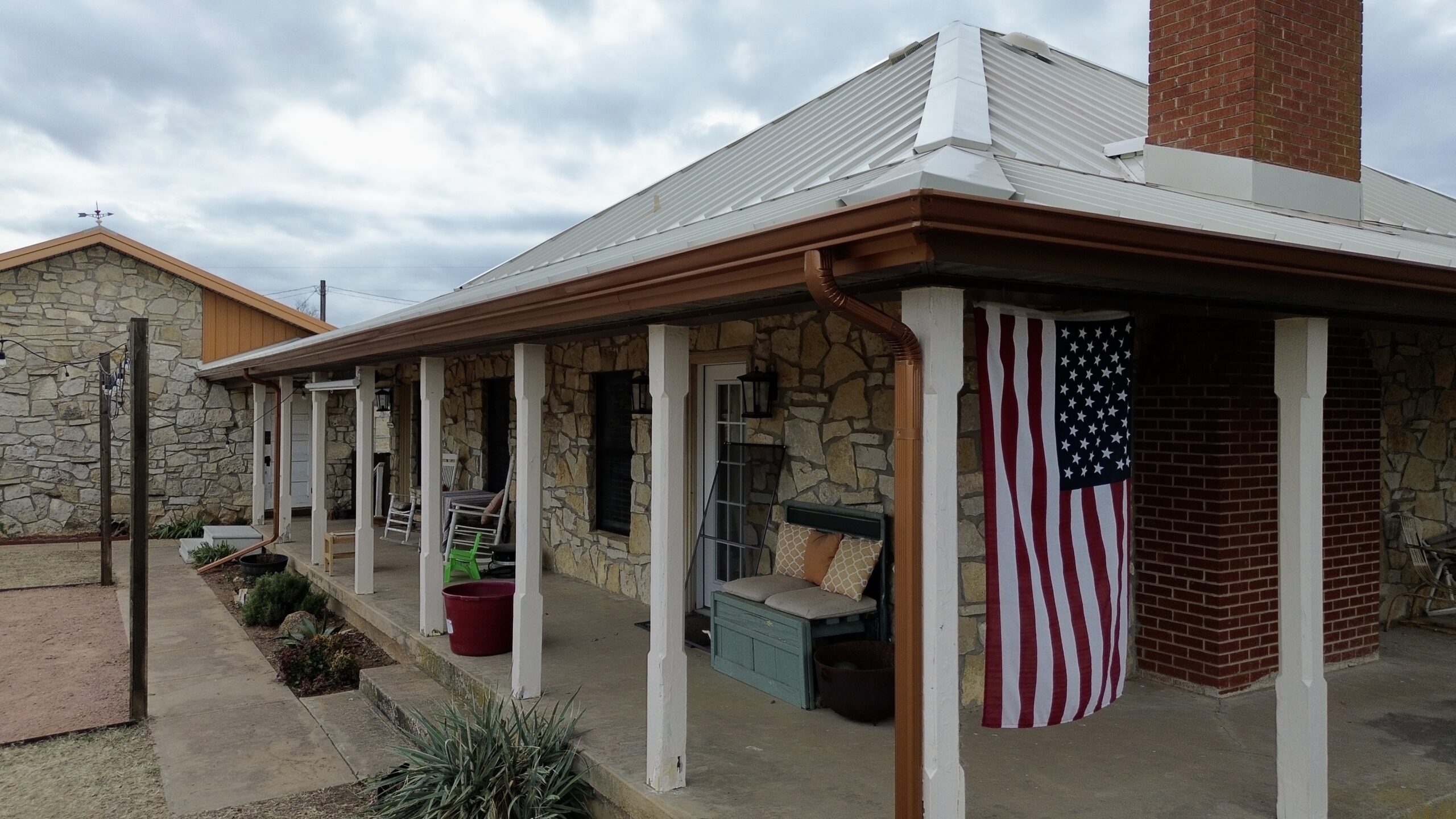
Metal roofing is another option that can provide durability and distinctive appearance. Metal systems are available in different profiles and finishes, allowing them to suit a variety of residential designs. Homeowners should consider installation quality, material characteristics, maintenance expectations, and compatibility with the home’s structure when evaluating this option.
Clay and concrete tiles can offer durability and a distinctive architectural appearance. However, these materials can be heavier than some alternatives, so the structure supporting the roof should be evaluated before installation. Their installation requirements may also differ from those associated with lighter roofing materials.
Other roofing systems may be appropriate depending on the home’s design, location, budget, and performance requirements. The key is to evaluate the complete system rather than focusing only on the visible covering.
When comparing materials, homeowners should consider:
| Decision Factor | Questions to Consider |
|---|---|
| Durability | How long is the material expected to perform under local conditions? |
| Cost | What are the material, installation, and long-term maintenance costs? |
| Weather resistance | How well does it suit the home’s exposure to wind, rain, heat, or storms? |
| Maintenance | What routine care and inspections will it require? |
| Appearance | Does the material complement the home’s architectural style? |
| Installation | Are specialized installation methods or structural considerations required? |
The best material is one that provides an appropriate balance between performance, appearance, cost, and maintenance. Homeowners should also confirm that the selected system is compatible with the existing roof structure and other components.
Evaluating Climate, Home Design, and Roof Performance
A roofing decision should always account for the environment in which the home is located. Weather conditions can influence how quickly roofing materials age and which characteristics are most important. A material that performs well in one climate may not necessarily be the best choice for another property.
Rainfall and moisture exposure should be considered carefully. Homes in areas that experience frequent or heavy rain need effective drainage and reliable protection around roof penetrations, valleys, edges, and other vulnerable areas. Poor drainage can create recurring moisture problems even when the roofing material itself is durable.
Wind exposure is another important factor. Homes located in areas that regularly experience strong winds should use roofing systems and installation practices appropriate for those conditions. The quality of fastening and edge detailing can be just as important as the material selected.
Heat and sunlight can also affect roofing performance. Long periods of intense sun exposure may contribute to material aging, while attic heat and poor ventilation can influence indoor comfort and roof-system performance. Homeowners should therefore consider ventilation and insulation alongside material selection rather than treating them as separate decisions.
The architectural design of the home matters as well. Roof pitch, shape, valleys, dormers, chimneys, skylights, and other features can influence installation complexity and material suitability. A roofing system should work with the home’s existing design instead of creating unnecessary complications.
Homeowners should also think about long-term performance rather than focusing only on installation day. The selected roof should be capable of handling expected weather conditions, fit the property’s structural characteristics, and support the household’s maintenance expectations.
By evaluating climate, architecture, and performance together, homeowners can narrow their choices to roofing systems that are genuinely appropriate for the property. This makes the final decision more practical and reduces the risk of selecting a material simply because it looks appealing or has a low initial price.
Creating a Realistic Roofing Budget
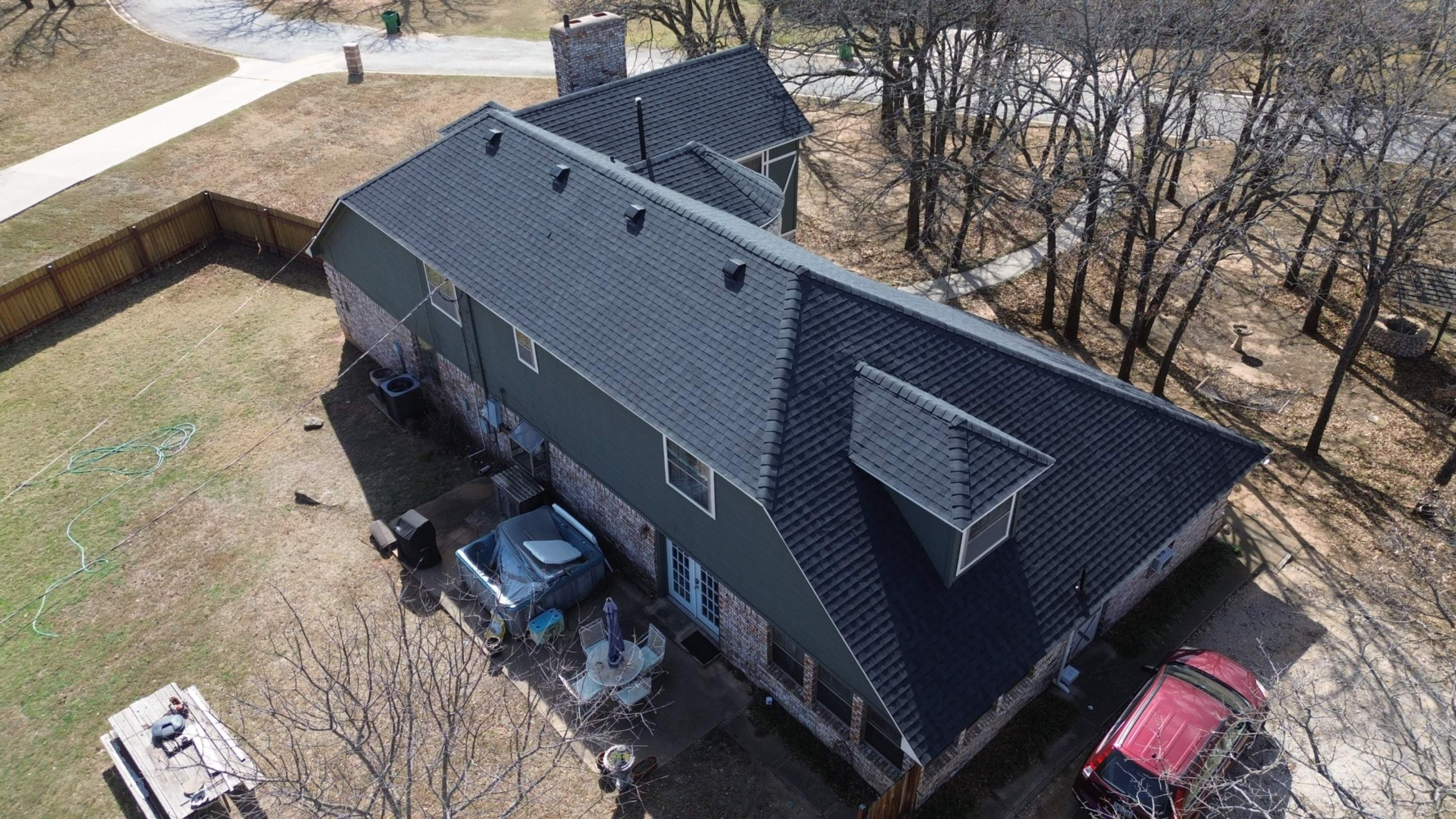
A realistic budget gives homeowners a financial framework for evaluating roofing options without sacrificing essential quality. Roofing costs can vary significantly depending on roof size, complexity, material, labor, accessibility, existing damage, removal requirements, and additional components. Establishing a budget early helps homeowners understand which options are financially practical.
The initial budget should include more than the visible roofing material. Costs may involve removal of existing materials, disposal, underlayment, flashing, ventilation, roof deck repairs, gutters, permits, labor, and other preparation work. Homeowners should ask contractors to clearly identify what is included in each estimate.
Comparing multiple estimates can help reveal whether a proposed price is reasonable, but homeowners should compare the scope of work as well as the total amount. A lower estimate may exclude important components that another contractor has included. Looking at the details makes price comparisons more meaningful.
Homeowners should also consider long-term value. A roofing system with a higher initial cost may provide longer service life or lower maintenance requirements, while a cheaper option may require earlier replacement. The best financial decision is therefore not always the option with the lowest starting price.
Unexpected conditions should also be included in the planning process. Once existing roofing materials are removed, contractors may discover damaged decking, deteriorated flashing, or other problems that were not visible during the initial inspection. Maintaining a reasonable financial reserve can help homeowners handle necessary additional work without disrupting the entire project.
Before approving a roofing project, homeowners should be able to answer three basic questions: What work is required, what will the complete project cost, and what value will the investment provide over time? When these questions are answered clearly, the roofing decision becomes much easier to evaluate.
A well-planned budget should support the homeowner’s priorities rather than force the project toward the cheapest available option. By balancing affordability with durability, performance, installation quality, and future maintenance, homeowners can make a roofing decision that provides dependable protection and better long-term value.
Comparing and Selecting the Right Roofing Contractor
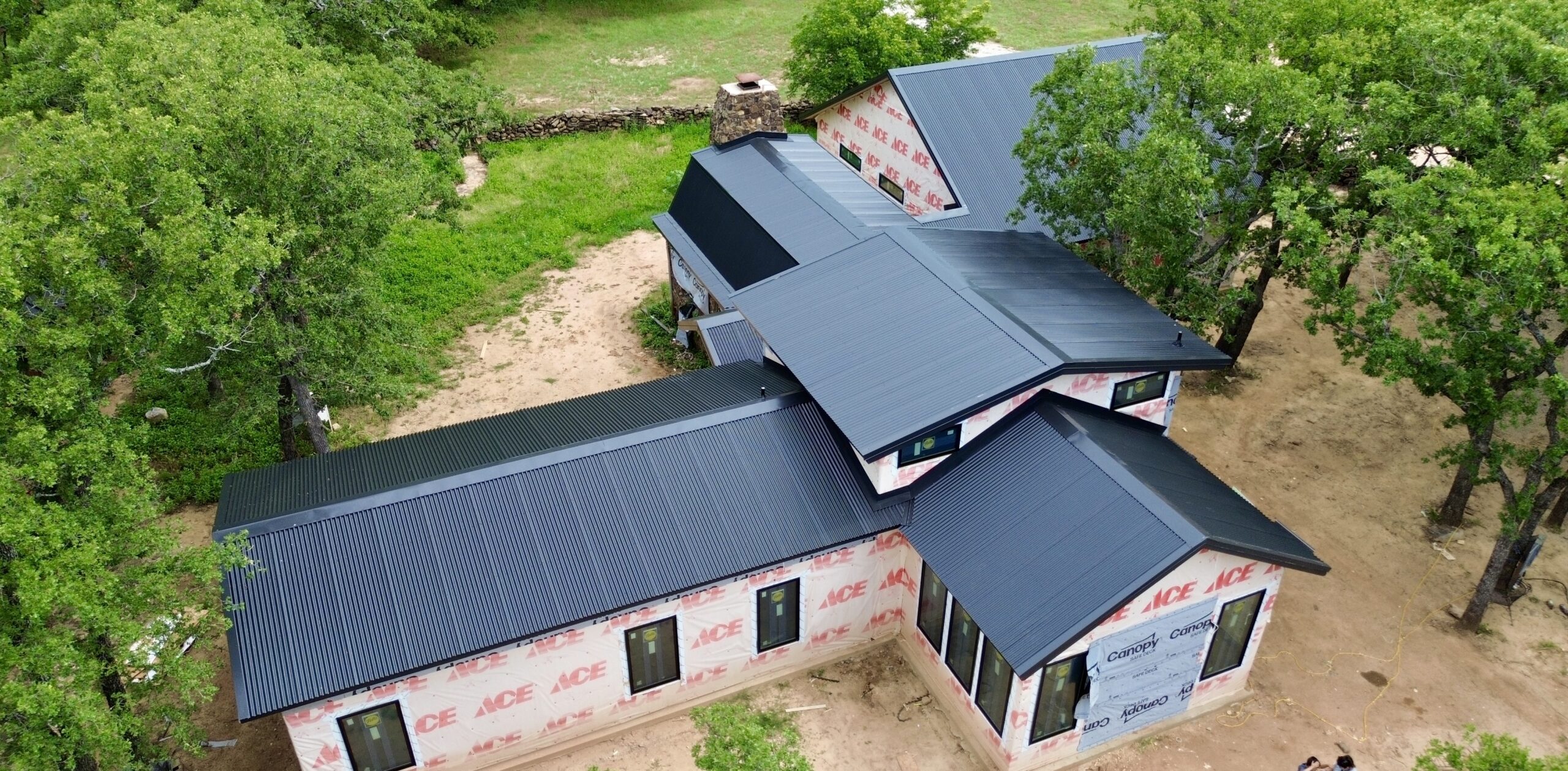
Choosing a qualified roofing contractor is one of the most important decisions after determining what type of roofing work the home requires. The quality of installation can have a major effect on how well the roofing system performs, regardless of how good the selected materials are. Homeowners should therefore evaluate contractors carefully instead of selecting one based only on the lowest estimate.
Experience is an important starting point when comparing contractors. Homeowners should look for professionals who regularly handle residential roofing projects and understand the type of roofing system being considered. Experience with similar homes, roof designs, materials, and local weather conditions can provide useful confidence that the contractor understands the project’s requirements.
Homeowners should also verify applicable licensing, insurance, and business information according to local requirements. Insurance can be particularly important because roofing involves elevated work, tools, materials, and potential property risks. A homeowner should not assume that a contractor is properly covered simply because the company says it is.
References and previous projects can provide additional insight into workmanship and reliability. Rather than relying entirely on promotional claims, homeowners can ask about completed projects and look for consistent feedback from previous customers. Questions about communication, cleanup, scheduling, workmanship, and how the contractor handled unexpected problems can reveal useful information.
Communication should also be part of the decision. A reliable contractor should explain the recommended work clearly and answer questions without making the homeowner feel pressured. If a contractor refuses to explain materials, avoids written documentation, or insists on an immediate decision, homeowners should consider whether another professional would provide a better experience.
Getting several detailed estimates can make comparison easier. However, the lowest estimate should not automatically be considered the best choice because differences in materials, preparation, labor, warranties, and project scope can produce large price differences. The objective is to find a contractor who offers an appropriate combination of experience, workmanship, communication, documentation, and overall value.
Reviewing Roofing Estimates and Contracts
A roofing estimate should give homeowners enough information to understand what they are paying for. A total price without a clear description of the work makes it difficult to compare contractors or identify missing components. Detailed documentation provides a better foundation for making a confident decision.
Homeowners should check whether the estimate identifies the roofing material and major system components. It should also clarify whether existing roofing will be removed, how damaged decking will be handled, and whether disposal and cleanup are included. Items such as flashing, underlayment, ventilation, and roof-edge details should not be overlooked simply because they may not be visible after installation.
The payment schedule should also be clearly documented. Homeowners should understand when deposits, progress payments, and final payments are expected. Payment terms should correspond reasonably with project progress and should be clearly stated before work begins.
A written contract should establish the agreed scope of work and provide a process for handling changes. Unexpected conditions can occur when an existing roof is removed, particularly on older properties. If additional repairs become necessary, homeowners should know how those repairs will be documented, approved, and priced before they are performed.
Homeowners should carefully review the contract for important details such as:
- Materials and installation specifications
- Total project price and payment schedule
- Estimated start and completion dates
- Procedures for additional work
- Cleanup and disposal responsibilities
- Warranty terms and exclusions
- Responsibilities of the homeowner and contractor
The contract should also identify who is responsible for obtaining required approvals or permits where applicable. Homeowners should not assume that every contractor handles these responsibilities in the same way. Clarifying them in advance can prevent delays or misunderstandings later.
A strong contract protects both sides by creating a shared understanding of the project. Homeowners should read the document carefully and ask questions about anything that is unclear before signing. Written clarity at the beginning is much easier to manage than disagreements after construction has started.
Evaluating Installation Requirements and Roof Components
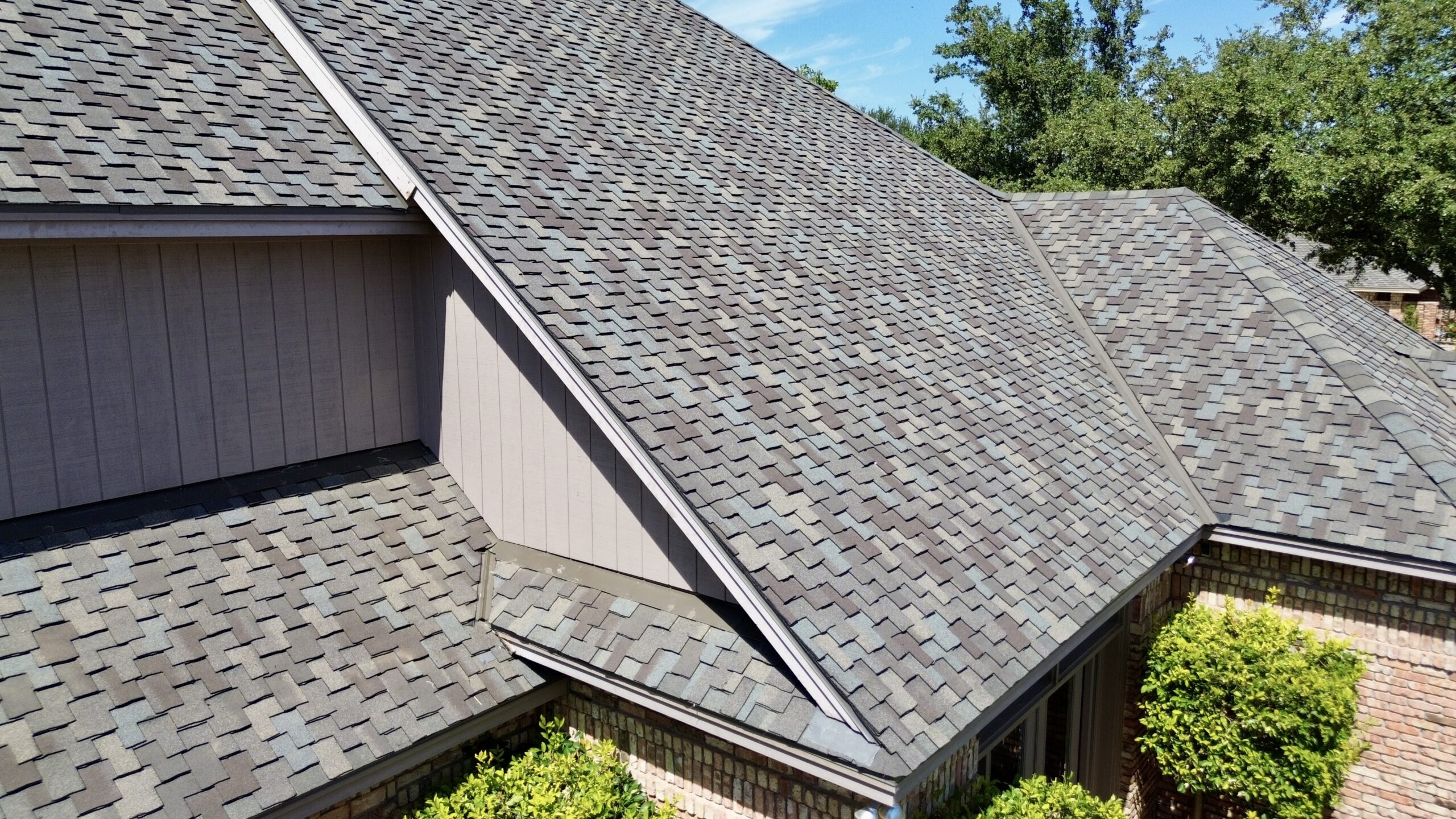
Selecting a roofing material is only part of the decision-making process. Homeowners should also understand how the complete roofing system will be installed and what components are required underneath and around the visible roof covering. Proper installation can significantly influence durability, water resistance, ventilation, and overall performance.
The roof deck should be evaluated before new materials are installed. This structural surface must provide a suitable foundation for the roofing system. If sections have been damaged by moisture, rot, age, or other problems, they may require repair or replacement before the new roof is installed.
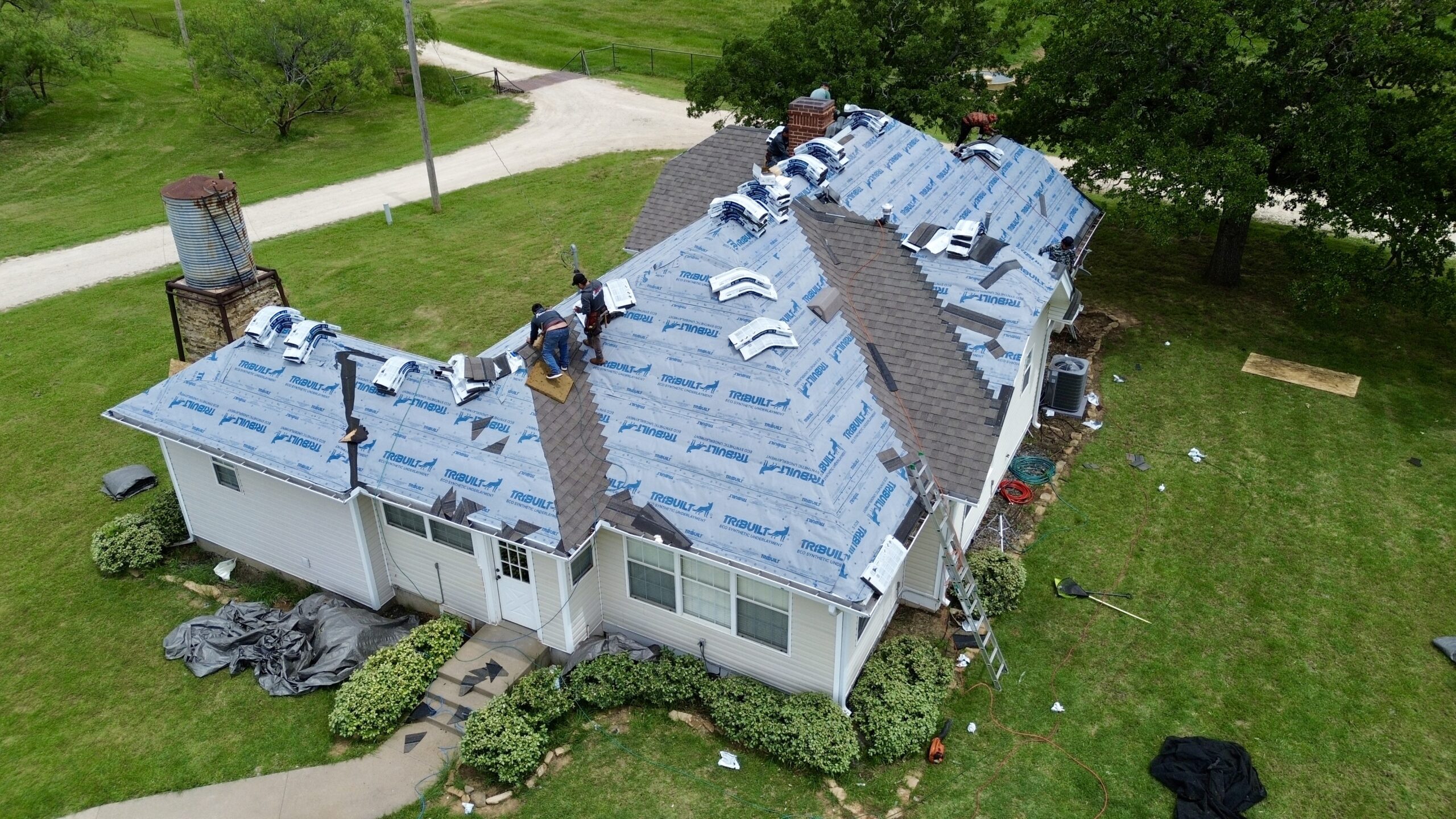
Underlayment provides another layer of protection beneath many roofing materials. It can help protect the roof deck from moisture and support the overall weather-resistance strategy. Homeowners should ask what type of underlayment will be used and whether it is appropriate for the selected roofing system and local conditions.
Flashing is particularly important around areas where the roof intersects with other structures or contains openings. Chimneys, skylights, walls, valleys, vents, and roof edges can all require carefully installed flashing. Poor flashing details can create water-entry points even when the main roofing material is installed correctly.
Ventilation should also be considered before installation begins. A properly planned attic ventilation system can help manage heat and moisture and work together with insulation to support the home’s overall performance. The exact ventilation approach should be compatible with the roof design rather than added as an afterthought.
Roof slope and architectural complexity can also influence installation requirements. Steeper roofs, multiple valleys, dormers, skylights, and unusual roof shapes can require additional labor and specialized installation techniques. These factors should be reflected in the estimate and discussed before the project starts.
Homeowners should ask contractors to explain the complete installation process in understandable terms. Knowing what happens beneath the finished roofing surface makes it easier to judge whether a proposal provides a complete roofing system or focuses primarily on the visible material.
Planning for Gutters, Drainage, and Water Management
Water management should be an essential part of every residential roofing decision. A roof may be constructed from durable materials, but poor drainage can still create serious problems around the roof edges, exterior walls, landscaping, and foundation. Homeowners should therefore evaluate gutters, downspouts, roof slopes, valleys, and drainage paths as part of the roofing project.
Gutters collect water flowing from the roof and direct it toward downspouts. If gutters are damaged, undersized, poorly positioned, or regularly blocked by debris, water may overflow instead of being controlled. During a roof replacement, homeowners should consider whether the existing gutter system remains suitable for the new roof.
Downspouts should direct water away from vulnerable areas around the home. Water discharged directly beside the foundation can contribute to moisture problems and erosion. The appropriate drainage arrangement depends on the property’s layout, grading, climate, and existing drainage infrastructure.
Roof valleys deserve particular attention because they collect water from intersecting roof sections. Proper installation and maintenance of valley areas can reduce the risk of water intrusion. Homeowners should ask contractors how valleys will be designed and protected as part of the roofing system.
Roof edges are another important area. Drip edges and other edge details can help control water movement and protect vulnerable portions of the roof structure. These components may not attract much attention visually, but they contribute to the overall performance of the system.
Homeowners should also consider drainage when planning future maintenance. Even a well-designed gutter system can perform poorly when it becomes blocked with leaves or debris. The final roofing decision should therefore include a practical plan for keeping drainage pathways clear and functioning.
A roofing project that manages water effectively protects more than the roof itself. Proper drainage helps reduce moisture exposure to exterior walls, fascia, soffits, landscaping, and foundation areas. Considering these connections during the decision-making process can help homeowners avoid problems that might otherwise appear after installation.
Understanding Roofing Warranties and Product Coverage
Warranties can influence a roofing decision, but homeowners should understand exactly what the warranty covers before treating it as a reason to select one product or contractor over another. Roofing warranties can involve different forms of coverage, including manufacturer protection for materials and contractor coverage for workmanship.
A manufacturer’s warranty generally relates to the roofing product itself and may have specific requirements for installation, maintenance, and use. Homeowners should review the warranty documentation rather than relying on a contractor’s general statement that the materials are covered.
Workmanship coverage is separate and may address problems resulting from installation. Its duration and conditions can vary depending on the contractor and project. Homeowners should ask how workmanship issues are reported and what responsibilities the contractor accepts if a problem develops.
Warranty exclusions are equally important. Certain forms of damage, improper maintenance, modifications, severe weather events, or installation outside specified requirements may not be covered. Understanding exclusions can prevent homeowners from assuming that every future roofing problem will automatically qualify for warranty service.
Homeowners should also determine whether warranty coverage can be transferred if the property is sold. Transfer rules can differ by product and manufacturer, and some may require specific procedures within a defined period. This information may be relevant to homeowners who expect to sell the property in the future.
It is helpful to keep warranty documents with other important roofing records. The homeowner should retain product information, installation documentation, contractor contact details, inspection records, and receipts when applicable. Keeping these records organized makes it easier to determine whether a future issue may qualify for coverage.
A warranty should be viewed as one part of the overall roofing decision rather than a substitute for quality installation and maintenance. The best protection comes from selecting appropriate materials, using qualified installation professionals, maintaining the roof properly, and understanding the limits of the available warranty.
Making the Final Roofing Decision
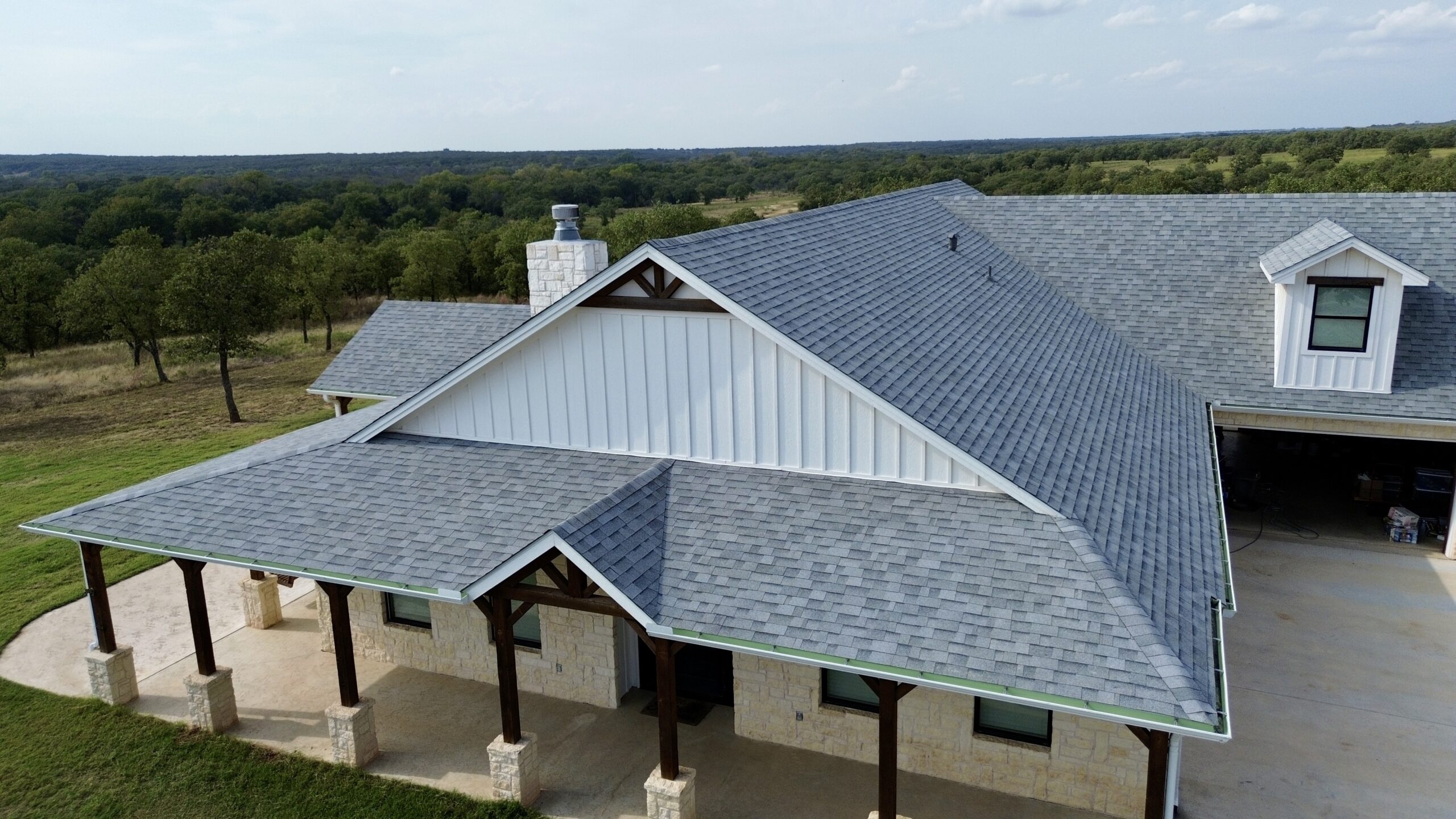
Once homeowners have evaluated the roof’s condition, priorities, materials, budget, contractor options, installation requirements, drainage, and warranties, they can begin comparing the complete proposals. At this stage, the goal is not simply to choose the cheapest option but to identify the solution that provides the strongest overall fit for the property.
Homeowners should review whether each proposal addresses the problems identified during the initial assessment. If a contractor recommends replacement, the proposal should explain why replacement is appropriate and what components will be included. If repair is recommended, homeowners should understand what the repair is expected to accomplish and how it affects the remaining life of the roof.
The total cost should then be considered alongside expected durability and maintenance. A higher-priced roofing system may provide stronger long-term value if it offers greater durability and appropriate performance. However, homeowners should avoid paying for features that do not meaningfully address their property’s needs.
The decision should also account for installation quality. A premium roofing material cannot compensate for poor preparation or incorrect installation. Homeowners should therefore give significant weight to the contractor’s experience, project scope, communication, documentation, and warranty support.
Before signing a contract, homeowners can use a final decision check:
- Does the proposed roofing system address the roof’s actual condition?
- Does the material suit the home’s design and local weather?
- Is the complete project cost understood?
- Are installation details and additional work clearly documented?
- Has the contractor’s experience and coverage been verified?
- Are warranty terms and maintenance expectations understood?
If important questions remain unanswered, homeowners should resolve them before construction begins. Taking additional time at this stage is usually easier than trying to correct misunderstandings after materials have been ordered or installation has started.
The final roofing decision should provide confidence that the project is practical, financially manageable, and appropriate for the property. Once these choices are settled, homeowners can move from decision-making into detailed preparation and long-term planning, including maintenance, storm readiness, energy performance, and future property value.
Planning for Long-Term Roof Maintenance
A roofing decision should account for what happens after installation, not just the condition of the roof on project day. Regular maintenance helps homeowners identify developing problems early, protect roofing materials, and extend the useful life of the system. A roof that receives consistent attention is generally easier to manage than one that is ignored until a major leak or visible failure occurs.
Homeowners should create a practical maintenance routine based on the roof’s material, age, design, and exposure to local weather. Routine checks can focus on visible roofing materials, gutters, downspouts, flashing, roof edges, and areas around vents or other penetrations. Professional inspections should also be considered when the roof is aging, has experienced severe weather, or shows signs of deterioration.
Keeping maintenance records can make future decisions easier. Homeowners should retain information about installation dates, roofing materials, repairs, inspections, warranties, and contractor details. These records provide useful background when evaluating whether a problem requires repair, whether warranty coverage may apply, or when replacement planning should begin.
Drainage should receive particular attention during maintenance. Leaves, branches, dirt, and other debris can restrict gutters and downspouts, causing water to overflow or collect near vulnerable areas. Keeping drainage pathways clear helps protect both the roof and other parts of the property from unnecessary moisture exposure.
Trees around the home should also be monitored. Overhanging branches can scrape roofing materials, drop debris onto the roof, and create additional hazards during storms. Maintaining appropriate clearance can reduce these risks while making routine roof maintenance easier.
Homeowners should respond promptly when they notice warning signs. Small problems can sometimes become much more expensive when moisture reaches insulation, roof decking, ceilings, walls, or other structural components. A maintenance plan therefore works best when it combines regular observation with timely professional evaluation.
Preparing for Weather and Storm Damage
Weather conditions should remain part of the roofing decision even after a new roof has been installed. Strong winds, heavy rainfall, hail, falling branches, and other severe events can affect roofing materials and supporting components. Homeowners who understand how to respond after a storm can reduce the chance of additional damage.
Safety should always come before inspection. A damaged roof may contain loose materials, exposed components, or structural weaknesses that are unsafe to approach. Homeowners can inspect visible areas from a safe location and contact a qualified professional when a detailed roof assessment is necessary.
After severe weather, homeowners should look for signs such as missing roofing materials, damaged flashing, displaced components, fallen branches, or water entering the home. Interior areas should also be checked for new stains, dampness, or other indications of moisture intrusion. Problems discovered soon after a storm may be easier to address before they develop into larger repairs.
If emergency protection is needed, homeowners should rely on qualified professionals for temporary measures. Temporary protection may reduce further exposure while permanent repairs are being arranged, but it should not be treated as a substitute for a complete assessment. Repeated temporary fixes can become costly if the underlying roofing problem remains unresolved.
Documentation can also be useful after a significant weather event. Homeowners may safely photograph visible damage and record when the event occurred. Keeping these records with inspection reports, repair invoices, and roofing documents creates a clearer history of the property’s condition.
Storm preparedness can also influence future roofing decisions. When replacing a roof, homeowners may want to discuss material characteristics, installation practices, edge protection, and other features that are appropriate for local weather conditions. Planning for the conditions a roof is likely to experience can provide better long-term value than choosing a system based only on appearance or initial price.
Evaluating Energy Efficiency and Home Comfort
Roofing decisions can influence more than protection from rain and wind. The roof is part of the home’s overall building envelope, so materials, insulation, ventilation, and attic conditions can affect indoor comfort and energy performance. Homeowners interested in efficiency should evaluate these elements together rather than focusing exclusively on the roof covering.
Attic ventilation is particularly important because heat and moisture can accumulate in poorly ventilated spaces. A properly designed ventilation strategy can help manage attic conditions and work with insulation to support more consistent indoor temperatures. The appropriate approach depends on the home’s construction, roof design, climate, and existing ventilation system.
Roofing material can also influence how the home responds to sunlight and heat. Different materials and finishes have different characteristics, so homeowners should discuss suitable options with roofing professionals when heat management is an important priority. However, material selection should be considered alongside insulation and ventilation rather than expected to solve every energy concern on its own.
Homeowners should also consider the condition of existing insulation when planning major roofing work. If attic insulation is inadequate or damaged, replacing the roof may provide an opportunity to evaluate the broader condition of the building envelope. Coordinating related improvements can sometimes reduce the need to disturb completed roofing work later.
Energy-related improvements should still fit within the overall roofing budget. Homeowners should compare the expected benefits of upgrades against their installation costs and long-term usefulness. The most effective decision is usually one that addresses genuine performance needs without adding unnecessary features.
Indoor comfort can be another useful measure of roofing performance. Excessive attic heat, inconsistent temperatures, or moisture concerns may indicate that the home’s roofing and insulation systems need closer evaluation. Addressing these issues as part of a broader roofing strategy can help homeowners make decisions that improve both protection and everyday living conditions.
Considering Curb Appeal and Property Value
A roof has a significant visual impact because it covers a large portion of the home’s exterior. Roofing material, color, texture, and profile can influence the overall character of the property. Homeowners should therefore consider appearance alongside performance when making a final roofing decision.
The selected roofing material should complement the home’s architectural style. Traditional homes may suit certain textures and profiles, while contemporary properties may benefit from cleaner lines or modern materials. The roof should also work visually with siding, brick, stone, windows, doors, and exterior trim.
Color selection deserves careful consideration because roofing materials can appear different depending on lighting and surrounding exterior colors. Homeowners should review samples in conditions similar to the property’s environment before making a final choice. A color that looks attractive in a showroom may create a different visual effect when installed across the entire roof.
Property value can also influence the decision. A well-maintained, professionally installed roof can contribute to a home’s overall condition and appearance. However, homeowners should avoid selecting expensive materials solely because they believe a higher price will automatically increase property value.
Practical value often comes from a balance of durability, appearance, performance, and appropriate installation. A roof that complements the home while providing dependable protection can make the property more attractive to current occupants and future buyers. Good documentation of the installation and maintenance history can also provide useful information when the property is eventually sold.
Homeowners should therefore view curb appeal as one factor within a larger decision. Appearance matters, but it should not outweigh essential considerations such as weather resistance, structural compatibility, installation quality, maintenance requirements, and affordability.
Reviewing the Final Roofing Decision
Before committing to a roofing project, homeowners should review the complete decision from both a short-term and long-term perspective. The selected system should solve the identified roofing problem while remaining financially manageable and suitable for the property’s design and environmental conditions.
A final review should confirm that the chosen material, contractor, installation scope, price, warranty, and maintenance expectations are understood. Any unclear item should be addressed before signing the final agreement or allowing work to begin. Clear decisions at this stage can prevent confusion during construction.
Homeowners should also compare the chosen proposal with the original roofing priorities. If the main goal was durability, the selected system should provide an appropriate service life and installation method. If weather resistance, energy performance, appearance, or budget was a major priority, the final choice should clearly support those objectives.
The decision should also account for future maintenance and replacement. Homeowners should know what routine care the roof will require and understand how the roof’s expected service life affects future planning. This creates a more complete picture of the investment rather than treating installation as the end of the process.
Before final approval, homeowners can review these essential questions:
- Does the roof address the actual problems identified during inspection?
- Is the selected material appropriate for the property?
- Is the full project cost clearly understood?
- Has the contractor provided adequate documentation?
- Are warranty terms and exclusions understood?
- Is the maintenance plan realistic?
- Has future repair or replacement planning been considered?
If these questions can be answered confidently, the homeowner is in a stronger position to move forward. A roofing decision should provide more than a completed installation; it should provide confidence that the system has been selected and planned with the property’s long-term needs in mind.
Conclusion
Residential roofing decisions are easier to manage when homeowners approach them as a structured process rather than a single purchase. Assessing the existing roof, deciding between repair and replacement, establishing priorities, comparing materials, evaluating contractors, reviewing contracts, and understanding installation requirements all contribute to a more informed choice.
The decision should also extend beyond the immediate project. Drainage, ventilation, energy performance, storm preparedness, maintenance, curb appeal, and future property needs can all influence whether a roofing system continues to provide value over time. Considering these factors before installation helps homeowners avoid decisions that may create unnecessary costs or maintenance challenges later.
A practical roofing checklist ultimately gives homeowners a way to compare options based on their actual needs. Instead of choosing simply by price or appearance, they can evaluate protection, durability, installation quality, maintenance, warranty coverage, and long-term value together.
The strongest roofing decision is one that fits the home, climate, budget, and future plans of the homeowner. With careful evaluation and professional guidance where needed, homeowners can choose a roofing solution that protects the property, supports everyday comfort, and provides dependable performance for years to come.