
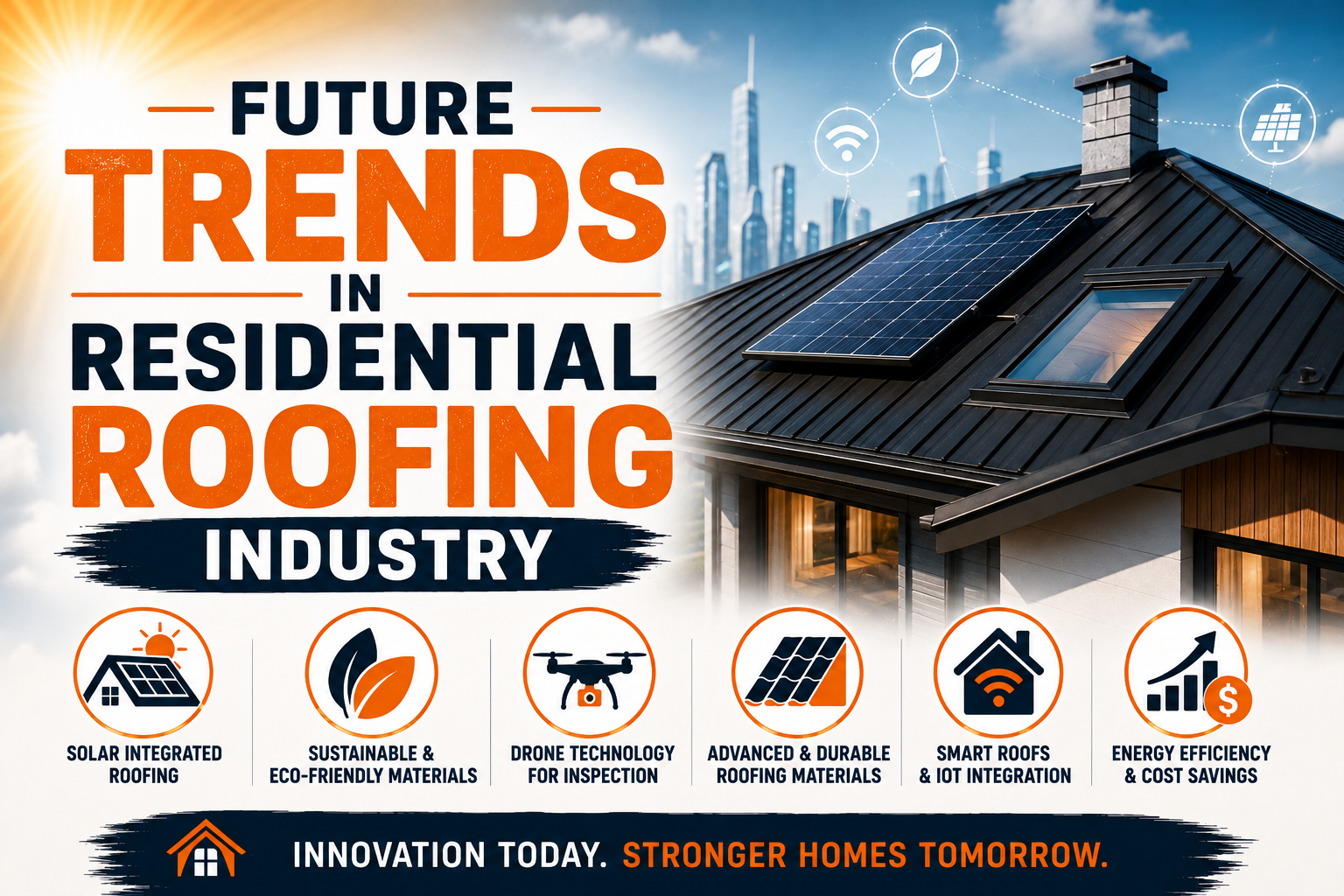
Future Trends in Residential Roofing Industry
Introduction
The residential roofing industry is entering a period of significant change as homeowners, builders, architects, and contractors look for roofing systems that provide better durability, energy performance, sustainability, and technological integration. Traditional roofing materials and installation methods will continue to play an important role, but new technologies are changing how roofs are designed, installed, monitored, and maintained.
Several factors are driving these changes. Increasing energy costs are encouraging homeowners to consider roofs that improve thermal performance and support renewable energy generation. At the same time, changing weather patterns and severe storms are increasing interest in stronger roofing assemblies that can withstand wind, heavy rainfall, hail, heat, and other environmental stresses.
Sustainability is another major influence. Manufacturers are developing roofing materials with recycled content, longer service lives, improved recyclability, and lower environmental impacts. Homeowners are also becoming more interested in materials that reduce energy consumption and support responsible water management.
Technology is becoming increasingly important as well. Smart sensors, drones, digital roof measurements, artificial intelligence, and connected monitoring systems can provide information about roof conditions that was difficult to obtain in the past. These technologies may help identify problems earlier and make maintenance more proactive.
Solar energy is also changing residential roof design. Photovoltaic panels are already widely used, while solar shingles and building-integrated photovoltaic systems are creating new possibilities for combining energy generation with architectural design.
Future residential roofing will therefore be shaped by the interaction of durability, energy efficiency, sustainability, technology, and changing homeowner expectations. The most successful roofing systems are likely to be those that combine several of these characteristics instead of focusing on a single feature.
Smart Roofing Technology and Digital Monitoring
Smart technology is becoming an increasingly important part of modern residential roofing. Traditional roofs are generally passive systems that protect the building without actively communicating information about their condition. Future roofing systems may provide homeowners and contractors with continuous information about temperature, moisture, structural conditions, and other performance indicators.
Small sensors can be installed in strategic areas of a roof assembly to monitor environmental conditions. Moisture sensors may help identify unusual water levels before visible damage becomes extensive. Temperature sensors can provide information about heat conditions in attic spaces and roof assemblies.
Connected systems can transmit this information to digital platforms. Homeowners may be able to review roof conditions through a mobile application, while contractors could receive alerts when readings indicate a potential problem. This approach could encourage earlier maintenance rather than waiting until a leak becomes obvious.
Smart monitoring may be especially useful for complex roofs. Areas around valleys, skylights, chimneys, and roof-to-wall intersections can be more vulnerable to water intrusion. Sensors placed in appropriate locations could provide additional information about conditions in these areas.
Technology may also help track the performance of energy-efficient roofing systems. For example, sensors could monitor roof temperatures or provide information related to solar energy generation. This data can help homeowners understand how their roof performs under different environmental conditions.
However, smart roofing should not be viewed as a replacement for physical inspections. Sensors can provide useful information, but they may not detect every form of deterioration. Professional inspections will continue to play an important role in identifying surface damage, flashing problems, structural concerns, and other physical conditions.
The future is likely to involve a combination of traditional inspection practices and digital monitoring. This combination can provide a more complete understanding of roof performance throughout its service life.
Growth of Energy-Efficient and Cool Roofing
Energy efficiency is expected to remain one of the strongest influences on residential roofing trends. Roofs are exposed directly to sunlight and can become extremely hot, particularly during summer conditions. This heat can transfer into the building and increase the demand for cooling.
Cool roofing technologies are designed to reflect a greater portion of solar radiation and reduce surface temperature. Depending on the climate and roof assembly, reflective coatings, membranes, and specially designed roofing products can contribute to lower heat absorption.
The effectiveness of an energy-efficient roof depends on more than the surface material. Insulation, ventilation, air sealing, building orientation, windows, and shading all influence the building’s overall thermal performance. Future roofing designs are likely to consider these elements as a coordinated system.
Improved insulation materials are also expected to become more common. High-performance insulation can reduce heat transfer between the interior and exterior, helping maintain more stable indoor temperatures.
Roof ventilation will remain important as well. Properly designed ventilation can help manage heat and moisture in attic spaces. Future systems may combine improved ventilation designs with sensors that provide information about temperature and humidity.
Roof color and finish will also continue to influence energy performance. Light-colored and reflective surfaces can be useful in warm climates, while other regions may have different thermal requirements. Designers will increasingly select roof finishes according to local environmental conditions rather than applying one approach everywhere.
Energy-efficient roofing can provide benefits beyond reduced utility consumption. Better thermal performance may improve indoor comfort and reduce stress on heating and cooling equipment. This can make roofing an increasingly important part of whole-building energy strategies.
Solar Roofing and Building-Integrated Photovoltaics
Solar energy is one of the most significant trends shaping the future of residential roofing. Conventional solar panels are already installed on many homes, but newer technologies are making it possible to integrate energy generation more closely with the roof itself.
Building-integrated photovoltaics replace or complement traditional roofing components. Solar shingles and other integrated products can provide a roof surface while generating electricity. This approach can create a more visually uniform appearance than conventional panels mounted above the roof.
Architectural integration is becoming increasingly important. Homeowners may want renewable energy without significantly changing the appearance of their property. Integrated solar roofing can address this preference by making energy generation part of the roof design.
Solar technology is also influencing roof orientation and geometry. Designers may reserve larger roof surfaces for photovoltaic systems and minimize shading from chimneys, dormers, trees, and neighboring structures.
Roof durability must also be considered when integrating solar systems. A solar installation can remain in place for many years, so the underlying roof should have an appropriate expected service life. Installing solar equipment on an aging roof may create complications if the roofing system needs replacement later.
Electrical integration is another important consideration. Photovoltaic roofing involves wiring, inverters, disconnects, grounding, and other components that must be coordinated with the building’s electrical system. Proper installation by qualified professionals is essential.
Battery storage may further increase the value of solar roofing. Homes equipped with solar generation and storage can potentially use more of their own generated electricity and manage energy use more effectively.
Future residential roofs may therefore become active energy-producing components rather than passive building covers. This represents a major change in how roofing is understood within residential construction.
Sustainable and Recyclable Roofing Materials
Environmental concerns are encouraging the roofing industry to reconsider how materials are produced, installed, maintained, and disposed of. Future roofing products are likely to place greater emphasis on recycled content, resource efficiency, durability, and end-of-life recovery.
Recycled materials can reduce the demand for new raw materials. Some roofing products already incorporate recycled components, and manufacturers continue to explore ways to increase recycled content without reducing performance.
Durability is another important part of sustainability. A roofing material that lasts longer may require fewer replacements throughout the life of a building. This can reduce material consumption, transportation, installation activity, and construction waste.
Recyclability at the end of a roof’s service life is also becoming more relevant. Roofing products that can be separated and processed into new materials may reduce the amount of waste sent to landfills.
Manufacturing processes may become more efficient as well. Manufacturers are exploring methods to reduce energy consumption, water use, emissions, and material waste during production.
Lightweight materials can provide additional environmental benefits in some applications. Reduced material weight may simplify transportation and handling while also reducing structural demands. However, lightweight construction should still meet appropriate durability and performance requirements.
Synthetic roofing materials may also become more common. Advanced composite products can imitate the appearance of natural slate, wood, or tile while offering different weight and performance characteristics. Their environmental value depends on manufacturing processes, service life, recycled content, and end-of-life options.
Homeowners are increasingly likely to consider the complete life cycle of roofing materials rather than focusing only on purchase price. This means future roofing decisions may evaluate production, transportation, installation, maintenance, service life, and disposal together.
Stronger Roofing for Extreme Weather
Severe weather is expected to remain a major factor in residential roofing development. High winds, hail, heavy rainfall, intense heat, and other environmental stresses can cause significant damage to conventional roofing systems.
Manufacturers are developing products designed to improve resistance to impact and wind. Reinforced shingles, stronger fastening systems, impact-resistant materials, and improved edge details can help roofs perform better during severe weather.
Roof attachment is particularly important in high-wind regions. A roofing material can be strong, but poor fastening or weak connections may still lead to failure. Future installation practices will likely place greater emphasis on complete roof assemblies rather than individual material ratings.
Hail-resistant roofing is another area of development. Some products are designed to better withstand impact from hailstones, potentially reducing damage during storms. Homeowners in hail-prone regions may increasingly consider impact performance when selecting materials.
Heat resistance is also becoming important as temperatures rise in many areas. Roofing materials need to withstand repeated cycles of heating and cooling without excessive deterioration. Reflective surfaces, improved coatings, and more stable material formulations may help address these conditions.
Water management will continue to receive attention as well. Heavy rainfall can overwhelm poorly designed drainage systems, making roof slope, gutters, valleys, flashing, and downspouts important parts of storm resilience.
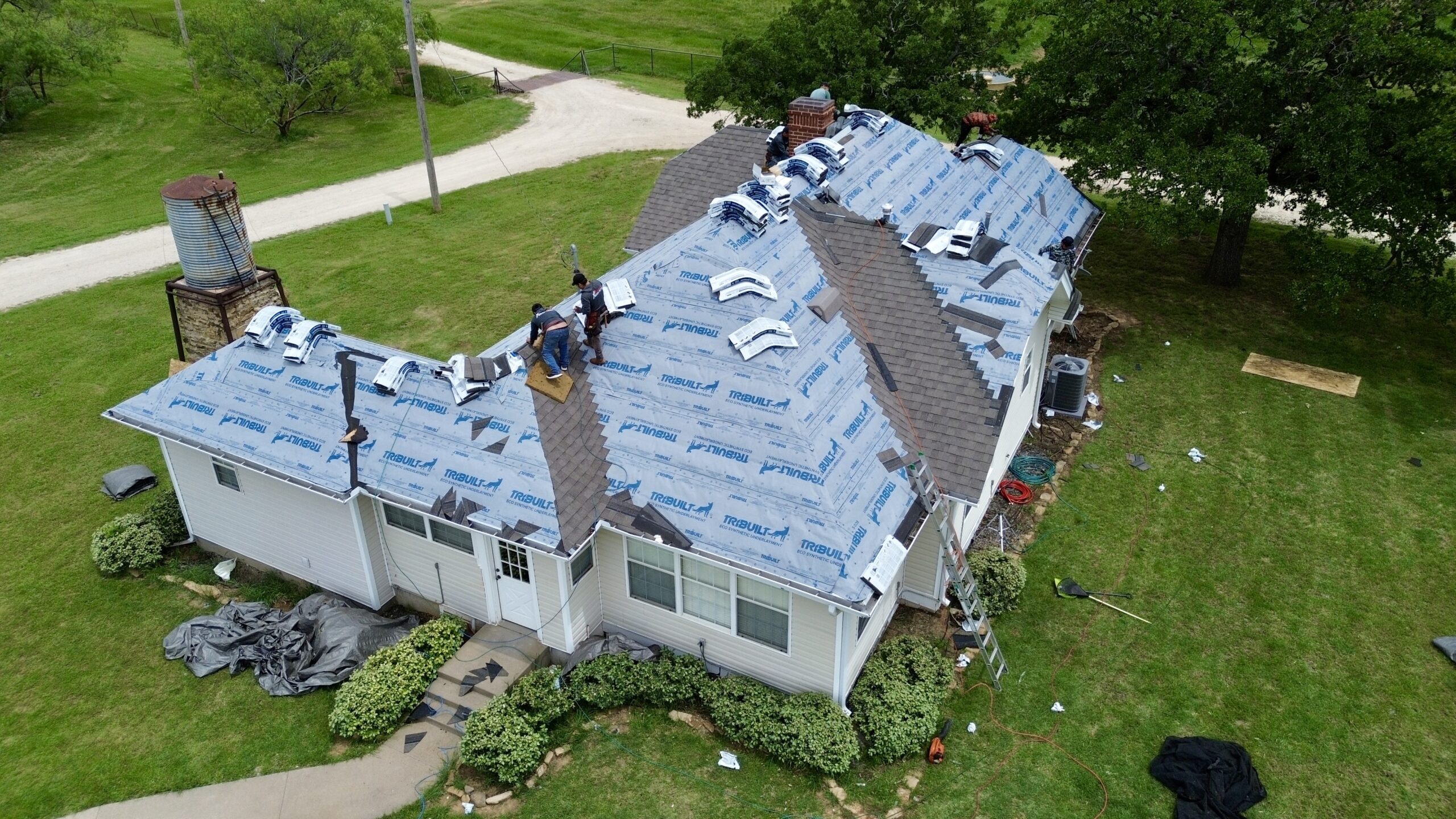
Future roofing design is likely to focus increasingly on the entire system’s ability to withstand environmental stress. Materials, fasteners, flashing, underlayment, roof edges, and structural connections all need to work together.
Climate-resilient roofing does not mean that every roof must use the most expensive materials available. Instead, homeowners and designers can select systems based on the specific risks present at the property. Matching roofing performance to local environmental conditions can provide better protection while keeping costs under control.
The future of residential roofing is therefore moving toward systems that are smarter, more efficient, more sustainable, and more resilient. As technology and materials continue to improve, homeowners will have more opportunities to select roofing systems that provide not only protection from the elements but also energy generation, environmental benefits, and useful performance information.
Artificial Intelligence and Drone-Based Roof Inspections
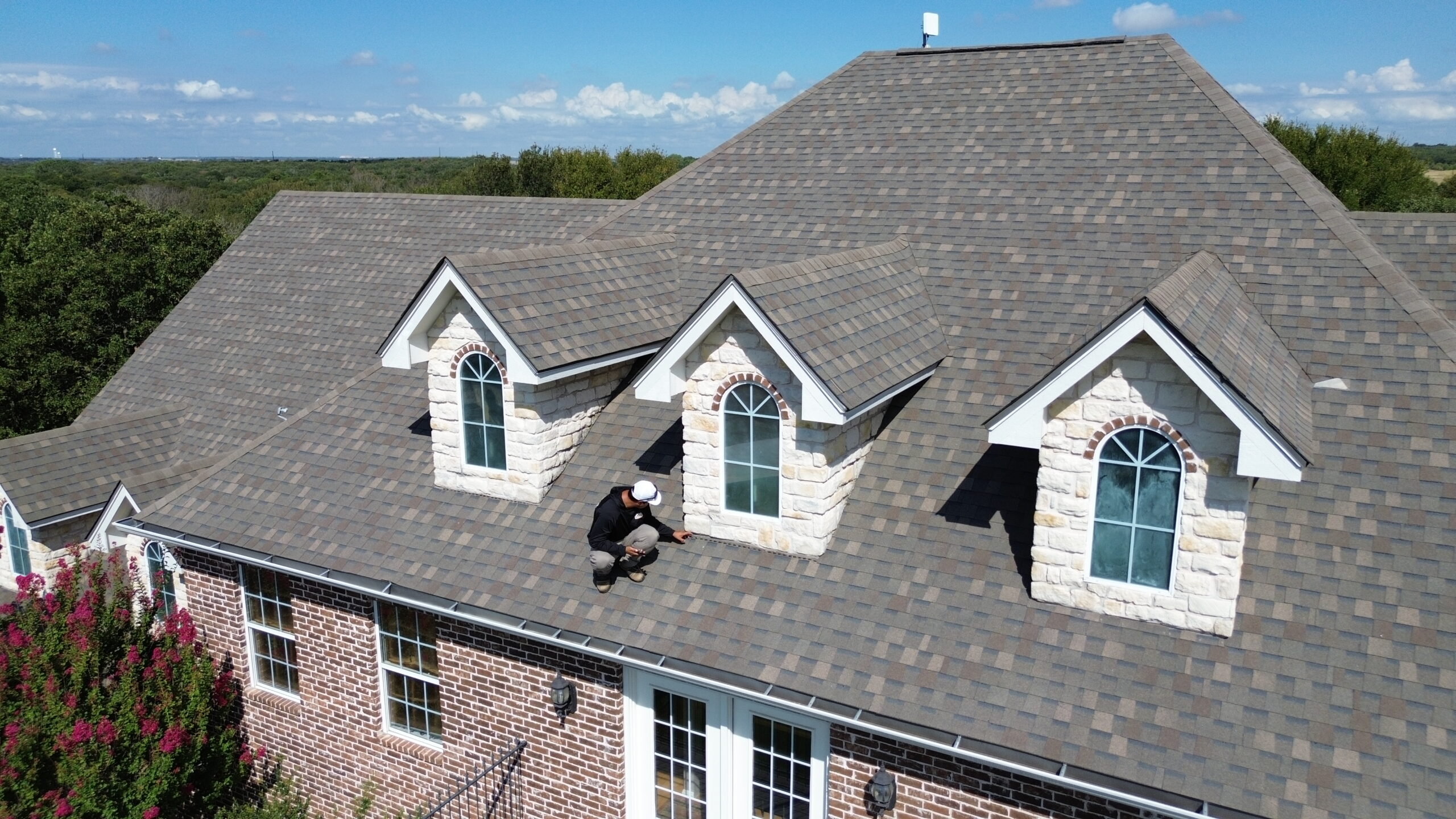
Artificial intelligence and aerial technology are expected to transform residential roof inspection and maintenance. Traditional inspections depend heavily on physical access and visual observation, while modern systems can collect larger amounts of information without requiring an inspector to walk across every roof surface.
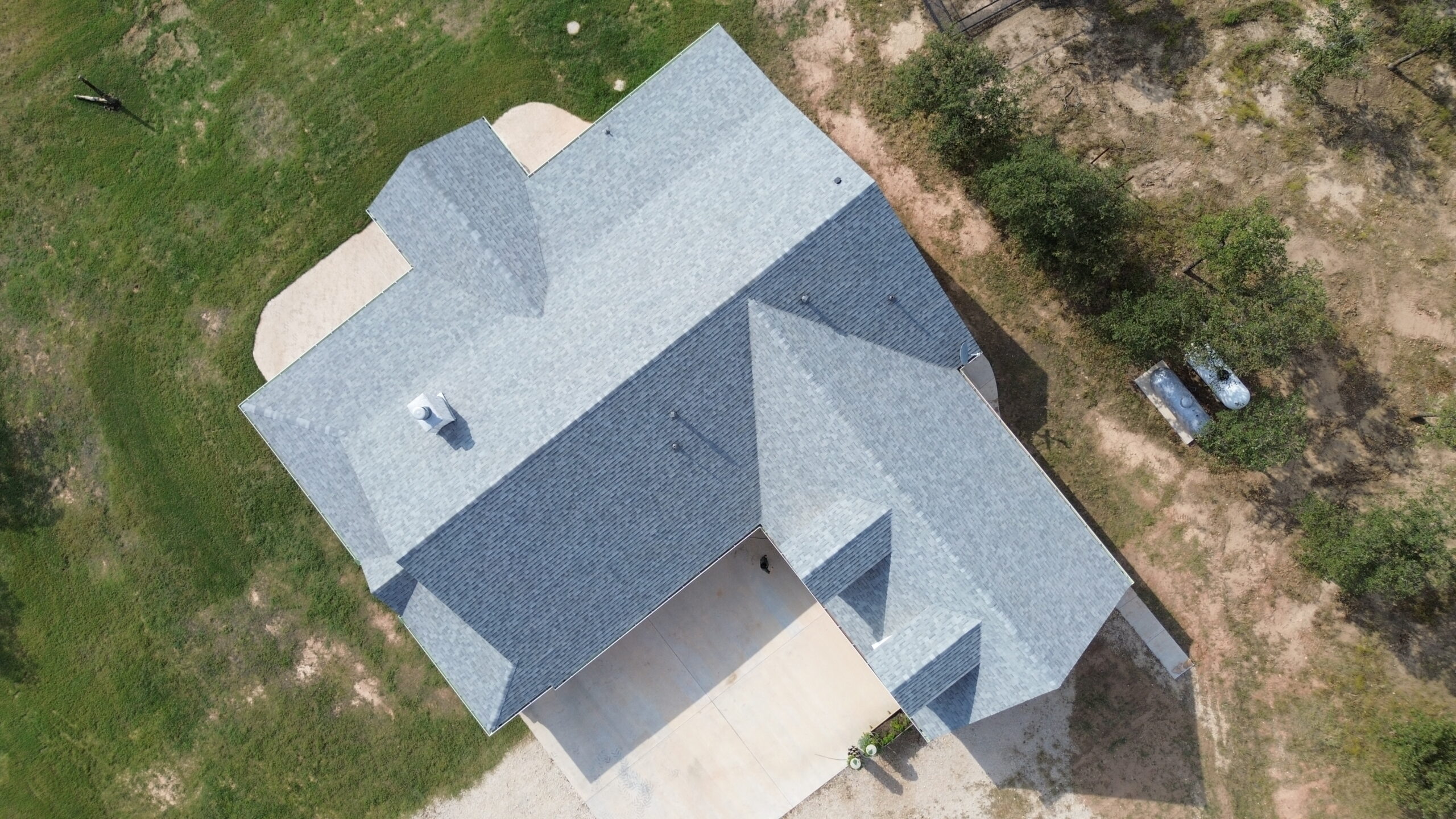
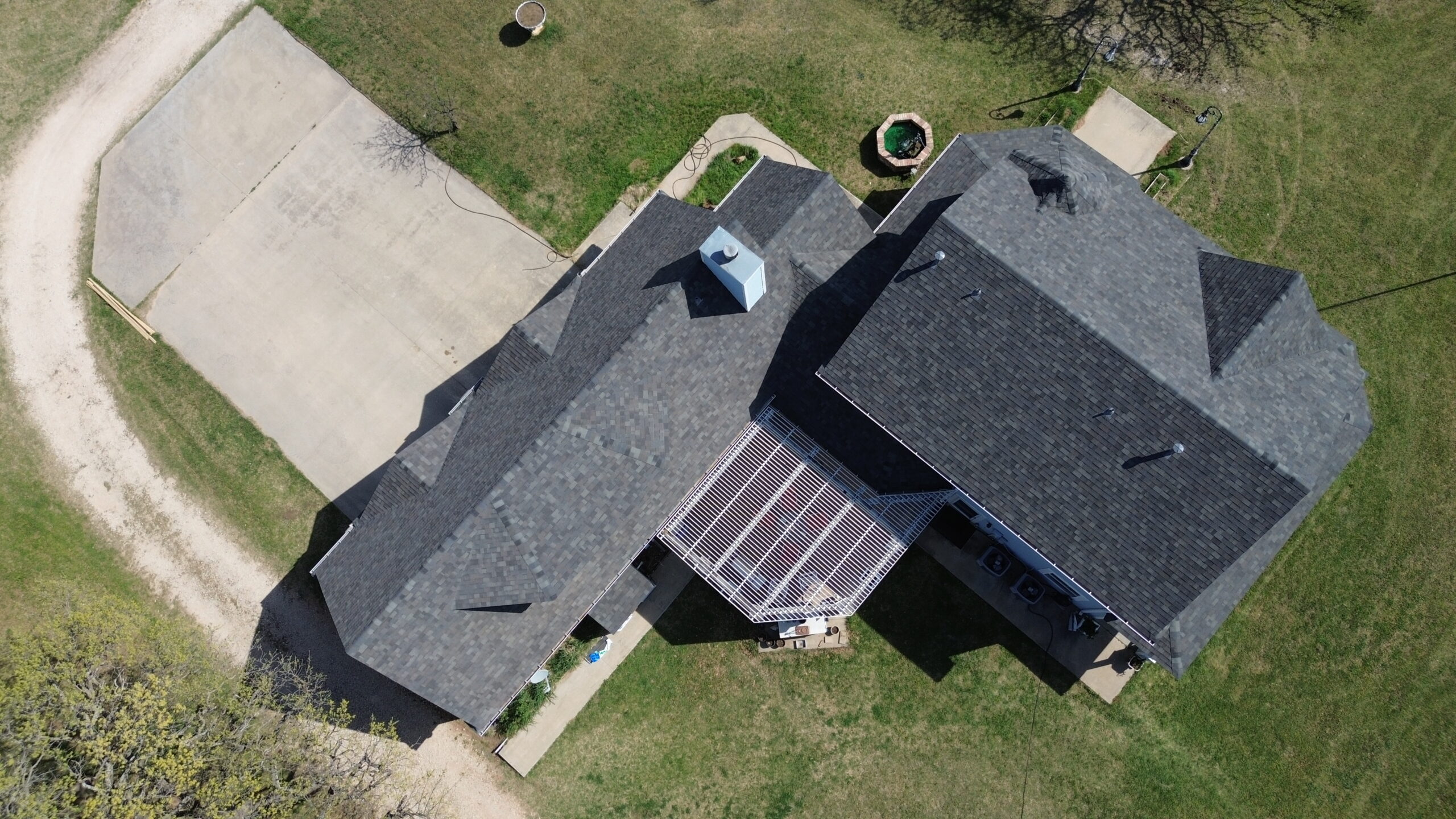
Drones can capture high-resolution images of large or difficult roof areas. They can document ridges, valleys, flashing, roof penetrations, damaged materials, and drainage components while reducing the need for unnecessary movement on steep or fragile surfaces.
Artificial intelligence can then assist in analyzing these images. Computer vision systems may identify patterns associated with missing shingles, surface deterioration, damaged flashing, standing water, or other visible concerns. This can help contractors prioritize areas that require closer professional examination.
Digital roof measurements can also improve estimating. Aerial data can be used to calculate roof dimensions, identify roof sections, and support material planning. More accurate measurements can reduce material waste and improve project preparation.
Thermal imaging can add another layer of information. Unusual temperature patterns may indicate areas that deserve further investigation, particularly where moisture or insulation problems could be present. Thermal information should still be interpreted carefully because temperature differences can have many causes.
AI-supported inspections may also help establish maintenance histories. Images collected at different times can be compared to identify changes in specific roof areas. This could allow contractors to recognize gradual deterioration before it becomes a major repair issue.
However, automated inspection should not replace professional judgment. A digital system may identify an unusual pattern but cannot always determine its cause or severity. Qualified roofing professionals will remain responsible for confirming conditions and recommending appropriate repairs.
The future will likely combine drone data, artificial intelligence, physical inspection, and professional expertise. This approach can make residential roof maintenance more efficient while helping homeowners identify potential problems earlier.
Advanced Roofing Materials and Synthetic Products
Material development is another major trend shaping the future of residential roofing. Manufacturers are creating products designed to improve durability, energy performance, impact resistance, appearance, and environmental characteristics.
Synthetic roofing products are becoming increasingly sophisticated. Some can imitate the appearance of natural slate, clay tile, or wood while offering different weight and installation characteristics. These products can provide homeowners with more design flexibility.
Composite materials may also improve resistance to environmental stresses. Advanced formulations can be designed to withstand ultraviolet exposure, temperature changes, moisture, and impact. The exact performance depends on the product and installation conditions.
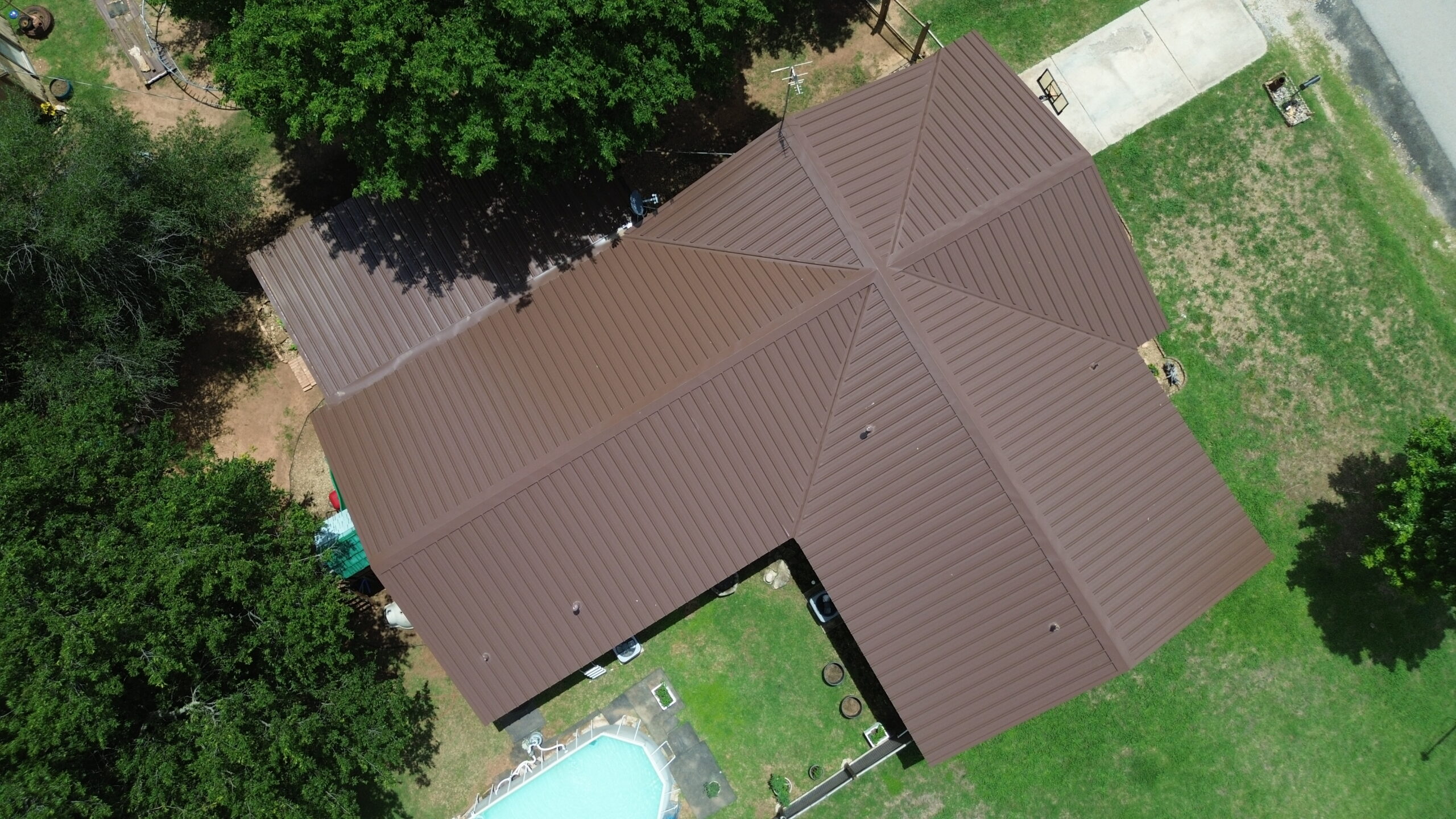
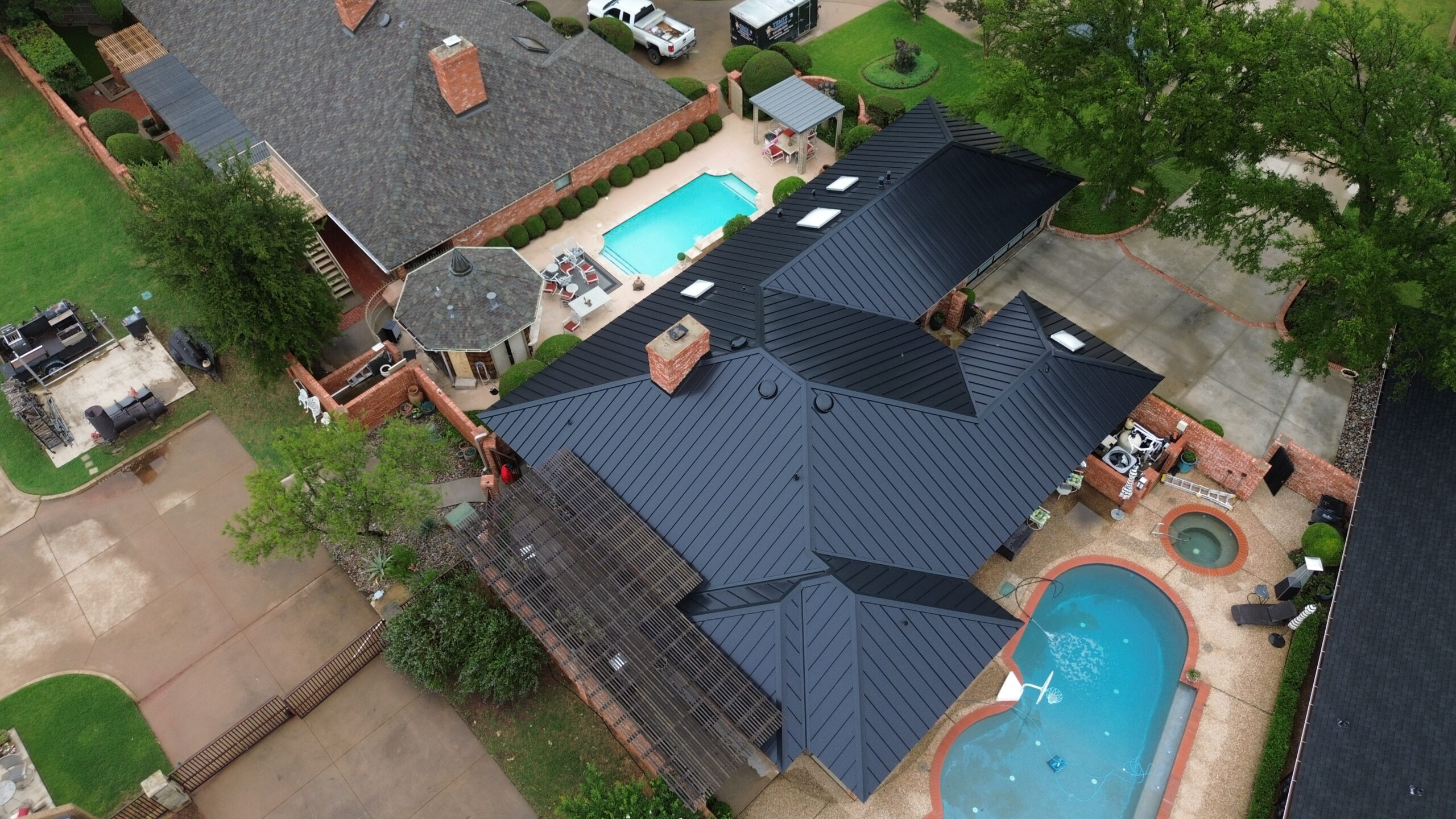
Metal roofing is likely to remain important as manufacturers develop improved coatings, finishes, and profiles. Modern metal systems can support both traditional and contemporary architectural styles while offering long service lives when properly installed and maintained.
Roofing membranes and protective coatings are also evolving. New formulations may provide improved resistance to heat, moisture, and ultraviolet exposure. These technologies can be particularly useful for low-slope residential applications where waterproofing is critical.
Material development is increasingly connected to sustainability. Manufacturers are exploring recycled content and more efficient production processes while attempting to maintain product performance.
Longer service life can also support sustainability. A roof that lasts for decades may reduce the frequency of replacement and associated construction waste. Homeowners may therefore evaluate products based on their expected life-cycle value rather than initial purchase price alone.
Future material selection is likely to become more personalized. Instead of selecting a roof based mainly on appearance and cost, homeowners may compare durability, climate resistance, energy performance, environmental impact, maintenance needs, and recyclability.
Prefabrication and Labor-Efficient Installation
Labor availability and construction efficiency are encouraging the roofing industry to explore prefabrication and improved installation methods. Prefabricated roofing components can be prepared in controlled environments before being transported to the construction site.
Factory-controlled production can improve consistency. Components can be measured, cut, and assembled using standardized processes, potentially reducing certain installation errors.
Prefabrication may be particularly useful for complex roof sections. Certain flashing assemblies, roof components, or modular sections can be prepared before installation, reducing the amount of detailed fabrication required on site.
New fastening systems may also improve installation efficiency. Products designed for faster and more consistent attachment can reduce labor requirements while maintaining appropriate performance when installed according to manufacturer specifications.
Improved measurement technology can support this trend. Digital roof measurements can provide accurate dimensions that can be used to prepare components before delivery.
Robotic and semi-automated equipment may eventually assist with repetitive roofing tasks. However, residential roofs vary considerably in shape and condition, so human workers will continue to be needed for judgment, detailing, troubleshooting, and quality control.
Prefabrication can also reduce material waste. Components can be manufactured using precise measurements, which may reduce unnecessary cutting and leftover material.
Construction schedules could benefit as well. When certain components arrive ready for installation, contractors may be able to complete specific stages more quickly.
The future of roofing installation is therefore likely to combine skilled workers with improved digital planning, prefabricated components, specialized tools, and automation. This combination can improve productivity without eliminating the importance of craftsmanship.
Climate-Responsive Roofing Design
Future residential roofs will increasingly be designed according to specific climate conditions rather than relying on standardized solutions. Temperature patterns, rainfall, wind, humidity, sunlight, and severe weather risks all influence how a roof should be designed.
In hot climates, reflective surfaces, ventilation, insulation, and shading can help manage heat. Roof orientation may also be planned to support solar generation while limiting unwanted solar exposure.
In areas with heavy rainfall, drainage capacity becomes particularly important. Roof slopes, valleys, gutters, downspouts, and surrounding site drainage should work together to move water away from the structure.
Wind-prone regions may require stronger roof-to-wall connections, enhanced fastening, reinforced edges, and roofing materials designed for higher wind resistance. Future roofing systems may increasingly focus on the performance of the complete assembly rather than individual components.
Cold climates create different requirements. Roof structures may need to support snow loads, while insulation and ventilation help manage heat loss and moisture. Roof geometry can also influence where snow accumulates.
Humid regions require careful moisture management. Air sealing, ventilation, vapor control, and moisture-resistant materials can work together to reduce condensation-related problems.
Climate-responsive design also involves considering future conditions. Homeowners may expect roofs to remain functional for several decades, so designers need to consider not only current weather patterns but also the possibility of changing environmental stresses.
This approach can produce more resilient roofing systems without requiring every property to use the same materials. The most appropriate roof is the one designed around the risks and opportunities specific to its location.
Green Roofs and Improved Stormwater Management
Green roofing is another trend that may become more common in suitable residential applications. A green roof uses vegetation and specialized layers above the structural roof assembly to create a planted surface.
Green roofs can provide environmental benefits by retaining some rainfall and reducing the immediate amount of water entering drainage systems. Vegetation can also contribute to urban biodiversity and provide additional surface coverage.
However, green roofs require careful structural planning. The roof must support the weight of the complete system, including growing media and water. Waterproofing and root-resistant layers must also be installed correctly.
Extensive green roofs with relatively lightweight vegetation may be more practical for certain residential projects than deeper systems designed to support larger plants. The appropriate design depends on structural capacity, climate, maintenance expectations, and project objectives.
Stormwater management extends beyond green roofs. Traditional roofs can also incorporate improved drainage strategies, rainwater collection, permeable landscaping, and controlled discharge systems.
Rainwater harvesting can allow homeowners to collect roof runoff for suitable non-potable applications where local regulations and system design permit. This can reduce dependence on treated water for certain outdoor uses.
Future residential roof designs may therefore treat rainfall as a resource rather than simply something that must be removed. Roofs, gutters, storage systems, landscaping, and drainage can be planned as one connected water-management strategy.
Connected Roofing and Predictive Maintenance
Connected roofing systems represent another potential shift in residential maintenance. Instead of relying only on periodic inspections, future roofs may continuously collect information about important conditions.
Sensors can monitor moisture, temperature, humidity, movement, or other measurable characteristics. When readings change unexpectedly, the system could provide an alert for further investigation.
Predictive maintenance uses collected information to identify conditions that may indicate developing problems. For example, repeated moisture readings in a specific location could encourage an inspection before visible interior damage appears.
This approach can change the traditional maintenance cycle. Rather than repairing a roof only after a problem becomes obvious, homeowners may increasingly use condition-based maintenance to address issues earlier.
Connected systems may also integrate with broader smart-home platforms. Roof conditions could potentially be viewed alongside energy use, indoor temperature, solar production, and weather information.
Solar roofs could provide additional performance data. Homeowners may monitor energy generation and compare output with expected conditions. A sudden change in production could indicate an issue requiring inspection.
Digital maintenance records can also improve long-term roof management. Information about installation dates, materials, repairs, inspections, and sensor readings can create a detailed history of the roofing system.
Privacy and cybersecurity should be considered as connected roofing becomes more common. Devices that collect and transmit information need appropriate protection, particularly when they are connected to broader home networks.
Connected technology will not eliminate the need for skilled roofing professionals. Instead, it can provide professionals with better information and allow homeowners to respond to potential issues more quickly.
The future residential roof is therefore likely to become more than a passive protective structure. It may generate energy, manage heat, control water, communicate its condition, and interact with other building systems. As these technologies mature, homeowners will have more options for creating roofing systems that are resilient, efficient, sustainable, and easier to manage over the long term.
Changing Residential Roofing Aesthetics
The future of residential roofing will not focus only on technical performance. Architectural appearance will continue to influence homeowner decisions, and manufacturers are developing products that combine modern performance with a wide range of visual styles.
Traditional roof forms such as gable and hip roofs will remain popular, but contemporary interpretations will become more common. Clean rooflines, mixed materials, concealed drainage, and minimalist details can create modern appearances while maintaining practical weather protection.
Color choices are also becoming more diverse. Homeowners can increasingly choose from different finishes, textures, and profiles rather than relying on a limited selection of standard roofing colors. Digital visualization tools may help homeowners preview these choices before installation.
Synthetic materials can expand design possibilities by reproducing the appearance of slate, wood, or tile. These products may provide architectural flexibility while offering different weight, maintenance, and installation characteristics.
Metal roofing is also likely to become more prominent in residential architecture. Standing seam systems, textured finishes, and modern profiles can complement contemporary homes while also working with traditional designs when selected appropriately.
Solar roofing will influence aesthetics as well. Integrated photovoltaic shingles and other solar products can make renewable energy systems less visually separate from the roof. This may appeal to homeowners who want energy generation without the appearance of conventional panels.
Future roofing design is therefore likely to combine architectural character with technical performance. Homeowners will increasingly expect roofs to protect the property while also contributing to the overall visual identity of the home.
Longer-Life and Low-Maintenance Roofing Systems
Longer service life is likely to become a major priority as homeowners seek to reduce the frequency and disruption of roof replacement. A roofing system that lasts longer can provide practical and financial benefits over its lifetime.
Manufacturers are developing materials with improved resistance to ultraviolet exposure, moisture, impact, temperature changes, and wind. These improvements can help roofing systems remain functional for longer periods when installed and maintained correctly.
Low-maintenance roofing is also becoming more attractive. Homeowners may prefer materials that require fewer specialized treatments, frequent cleaning, or repeated repairs.
Durability should not be evaluated based only on the roofing material itself. Flashing, underlayment, fasteners, ventilation, drainage, and installation quality all contribute to the service life of the complete system.
Preventive maintenance will remain important even with advanced materials. Regular inspection of gutters, flashing, roof penetrations, and drainage systems can help identify small problems before they develop into expensive repairs.
Longer-life products may also support sustainability. Fewer replacements can reduce material consumption, transportation, construction waste, and the environmental impact associated with manufacturing and installation.
Homeowners should therefore consider total life-cycle value rather than simply comparing initial prices. A more durable roof may cost more initially but provide greater value if it lasts longer and requires fewer repairs.
Integration With Smart Home and Energy Systems
Residential roofing is increasingly becoming connected to other building systems. Future roofs may communicate with solar panels, batteries, heating and cooling equipment, energy-management platforms, and smart-home devices.
Solar roofing can generate electricity that is used directly within the home or stored in batteries. Energy-management systems can help coordinate generation, storage, and household consumption.
Roof sensors may provide information about temperature and moisture. This information could be combined with indoor environmental data to help homeowners and building professionals understand how the roof is affecting overall comfort.
Smart ventilation systems may also become more sophisticated. Sensors could provide information about attic temperature and humidity, allowing ventilation strategies to respond to changing conditions where suitable equipment is available.
Weather information could also be incorporated into connected systems. A smart home platform may use forecast information to support preparation for severe weather, such as reminding homeowners to inspect vulnerable areas before a major storm.
The roof could therefore become an active part of the home’s energy and environmental management system. Instead of functioning independently, it may exchange information with other components throughout the building.
Integration will require appropriate installation and cybersecurity practices. Connected equipment should be properly configured and maintained to reduce risks associated with unauthorized access or unreliable data.
Future Roofing Standards and Building Requirements
Building requirements are likely to continue evolving as governments, industry organizations, and communities respond to energy consumption, severe weather, sustainability, and building resilience.
Energy-efficiency requirements may encourage better insulation, air sealing, reflective roofing, ventilation, and solar readiness. Roofing systems will increasingly be evaluated as part of the overall building envelope rather than as isolated construction components.
Severe-weather requirements may also become more important in areas exposed to high winds, hail, heavy rainfall, or other hazards. These requirements can influence fastening, roof edges, structural connections, impact resistance, and drainage design.
Sustainability standards may encourage recycled materials, responsible material sourcing, energy efficiency, and waste reduction. Roofing manufacturers and contractors may need to provide more information about product life cycles and environmental characteristics.
Solar-ready construction could become more common as renewable energy adoption expands. Roof orientation, structural capacity, electrical planning, and unobstructed roof areas may be considered during initial home design.
Water-management requirements may also influence roofing. Better drainage, stormwater control, rainwater collection, and site management can reduce pressure on local drainage infrastructure.
These developments mean that homeowners should consider future requirements when planning a roof replacement or new construction project. A roofing system designed only for current expectations may not provide the same flexibility as one prepared for emerging technologies and standards.
Professional advice will remain important because requirements can vary by location, building type, climate, and project characteristics. Contractors and designers should confirm applicable requirements before installation.
What Homeowners Should Consider When Choosing Future-Ready Roofing
Homeowners preparing for a new roof should consider more than immediate appearance and installation cost. A future-ready roofing system should support the property’s long-term needs and provide flexibility for changing technology and environmental conditions.
The first consideration should be local climate. Homeowners should understand whether the property is primarily exposed to intense heat, heavy rain, high winds, hail, snow, humidity, or combinations of these conditions. Roofing materials and installation methods should be selected accordingly.
Expected service life is another important factor. Comparing products based on durability and maintenance requirements can help homeowners understand the long-term value of different options.
Energy performance should also be considered. Insulation, ventilation, reflective materials, roof orientation, and solar compatibility can influence future energy costs and comfort.
Homeowners considering solar energy should evaluate the roof’s condition before installing photovoltaic equipment. It is generally more practical to coordinate roof replacement and solar installation when the existing roof is already approaching the end of its useful life.
Maintenance access should not be overlooked. Gutters, valleys, vents, skylights, solar equipment, and other components need periodic inspection. A roof that is difficult to access can become more expensive to maintain.
Homeowners can use several basic questions when comparing future roofing systems:
- How well does the roofing system match the local climate and severe-weather risks?
- What is the expected service life and maintenance requirement?
- Can the roof support future solar or smart-home technology?
- How well do the materials perform in terms of energy efficiency and sustainability?
- Are installation, repair, and replacement requirements clearly understood?
Cost should remain part of the decision, but it should be viewed in relation to the complete life cycle of the roofing system. A cheaper roof may require more frequent replacement, while a higher-quality system may provide better long-term value.
Working with experienced roofing professionals is also important. Contractors should understand the specific materials being installed and should follow manufacturer requirements and applicable building standards.
Conclusion
The future of the residential roofing industry is moving toward systems that are more durable, intelligent, energy efficient, sustainable, and adaptable. Traditional roofing materials will continue to serve homeowners, but new technologies and improved products are expanding what a residential roof can provide.
Smart sensors and connected monitoring systems may make it easier to understand roof conditions. Instead of discovering problems only after a leak becomes visible, homeowners may increasingly receive useful information about moisture, temperature, or other conditions that deserve attention.
Artificial intelligence and drones are also changing inspection practices. Aerial images, digital measurements, thermal information, and automated analysis can improve the speed and accuracy of roof assessment. Professional expertise will remain essential because technology cannot replace physical evaluation and construction knowledge.
Roofing materials themselves are expected to continue improving. Synthetic products, advanced metal systems, impact-resistant materials, reflective surfaces, and longer-lasting composites can provide homeowners with more choices. The emphasis will increasingly be on complete life-cycle performance rather than simply the initial purchase price.
Solar roofing represents another major change. Photovoltaic panels, solar shingles, and building-integrated systems are turning roofs into energy-producing components. Future residential designs may consider solar generation from the beginning, incorporating roof orientation, structural capacity, electrical requirements, and appearance into the architectural plan.
Sustainability will remain an important consideration. Recycled materials, recyclable products, longer service lives, improved manufacturing processes, green roofs, and stormwater-management systems can help reduce environmental impacts. Durable roofing can also contribute to sustainability by reducing the frequency of replacement.
Climate resilience will be equally important. Roofing systems will need to respond to increasingly demanding environmental conditions through stronger attachment, improved impact resistance, better drainage, heat management, and climate-specific design.
The industry is also likely to become more efficient through digital measurements, prefabrication, advanced tools, and improved installation methods. These developments may help contractors reduce waste, improve consistency, and complete projects more efficiently.
At the same time, homeowners will have more choices than ever before. Selecting the right roof will require consideration of climate, architecture, durability, maintenance, energy performance, sustainability, technology, and long-term cost.
The most successful future roofing systems will not necessarily be the ones with the greatest number of technologies. Instead, they will be systems in which materials, structure, drainage, ventilation, energy features, monitoring technology, and installation methods work together effectively.
Residential roofing is therefore evolving from a primarily protective building component into a multifunctional part of the home. Future roofs may protect against severe weather, generate electricity, manage heat, control stormwater, provide environmental benefits, and communicate information about their own condition.
For homeowners, the best approach is to think beyond the immediate installation. A well-planned roofing system should be capable of meeting current needs while providing reasonable flexibility for future improvements. With careful material selection, professional installation, appropriate maintenance, and thoughtful integration of emerging technologies, residential roofs can become more resilient, efficient, sustainable, and valuable for the homes they protect.