
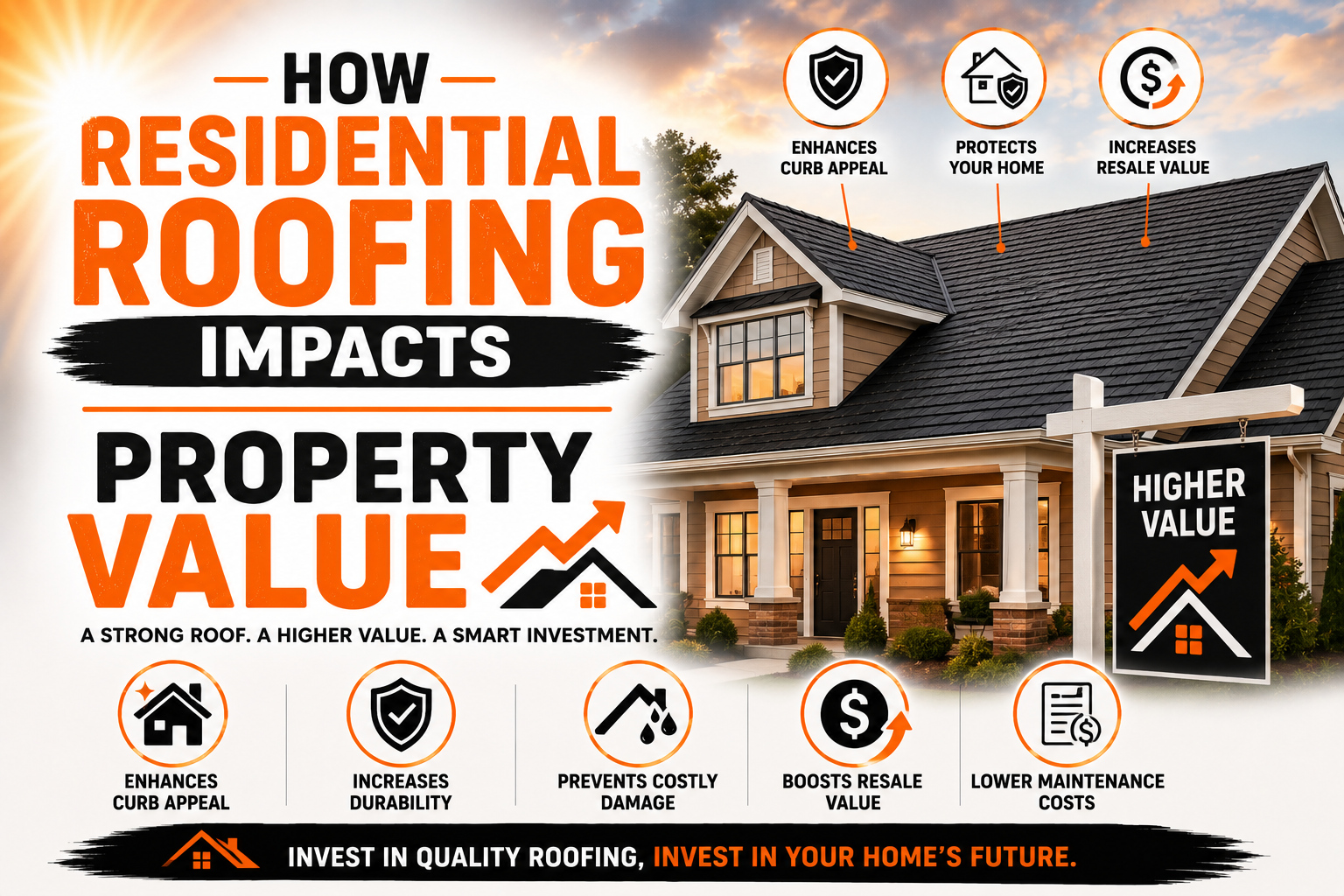
How Residential Roofing Impacts Property Value
Introduction
A residential roof is one of the most important structural and visual components of a home. It protects the property from rain, wind, sunlight, temperature changes, and other environmental conditions while also contributing to the appearance and overall condition of the building. Because of these functions, the condition and quality of a roof can influence how buyers, inspectors, appraisers, and real estate professionals view a property.
Property value is determined by many factors, including location, size, layout, neighborhood conditions, interior features, and market demand. Roofing is only one part of the equation, but it can have an important influence because roof problems can create concerns about future repair costs. A well-maintained roof can help support buyer confidence, while a visibly deteriorated roof may make buyers more cautious.
A roof does not necessarily increase property value simply because it is new. Its contribution depends on factors such as material quality, installation standards, appearance, remaining service life, energy performance, and suitability for the local climate. A properly installed roof that fits the home’s design and performs reliably can be a stronger selling feature than an expensive roofing system that does not match the property’s needs.
Roofing can also affect the perceived maintenance requirements of a home. Buyers often consider the cost of major repairs when deciding how much they are willing to pay. If the roof appears to require immediate attention, buyers may factor expected expenses into their offers or request repairs before completing a purchase.
Understanding the relationship between roofing and property value can help homeowners make better decisions about maintenance, repair, replacement, and future resale. The goal is not always to install the most expensive roof, but to maintain a dependable system that protects the property and supports its overall condition.
Why Roofing Matters to Residential Property Value
The roof is a major part of a home’s building envelope, which means its condition can influence both structural protection and everyday comfort. A properly functioning roof helps keep water outside the building and protects walls, ceilings, insulation, electrical components, and structural materials from moisture exposure. When a roof performs poorly, problems can extend beyond the visible roofing surface.
Water intrusion is one of the main reasons roof condition matters to property value. A small leak can eventually damage roof decking, insulation, drywall, framing, and interior finishes if it remains unresolved. Buyers who notice signs of water damage may worry that the visible problem is only part of a larger issue.
Roof condition can also influence the results of a home inspection. Inspectors generally examine visible roofing components and identify conditions that may require repair or further evaluation. Significant concerns can become part of negotiations between buyers and sellers.
A roof nearing the end of its expected service life can create a different concern. Even if there are no active leaks, buyers may recognize that replacement could become necessary in the near future. This can affect their perception of the property’s overall financial requirements.
A newer or well-maintained roof can reduce uncertainty. Buyers may feel more comfortable purchasing a home when they know that a major exterior system has been recently maintained or replaced. Documentation such as installation records, warranties, inspection reports, and repair receipts can further support this confidence.
Roofing can also influence the property’s market presentation. Because the roof covers a large portion of the visible exterior, deterioration can be noticeable from the street or neighboring properties. A clean, consistent, and properly maintained roof can contribute to a more positive first impression.
However, roofing should be viewed as part of the entire property rather than an isolated investment. A new roof cannot compensate for serious problems with the foundation, plumbing, electrical system, location, or overall condition of the home. Its value comes primarily from protecting the property, reducing concerns, and supporting the condition of the building.
How Roof Condition Influences Buyer Perception
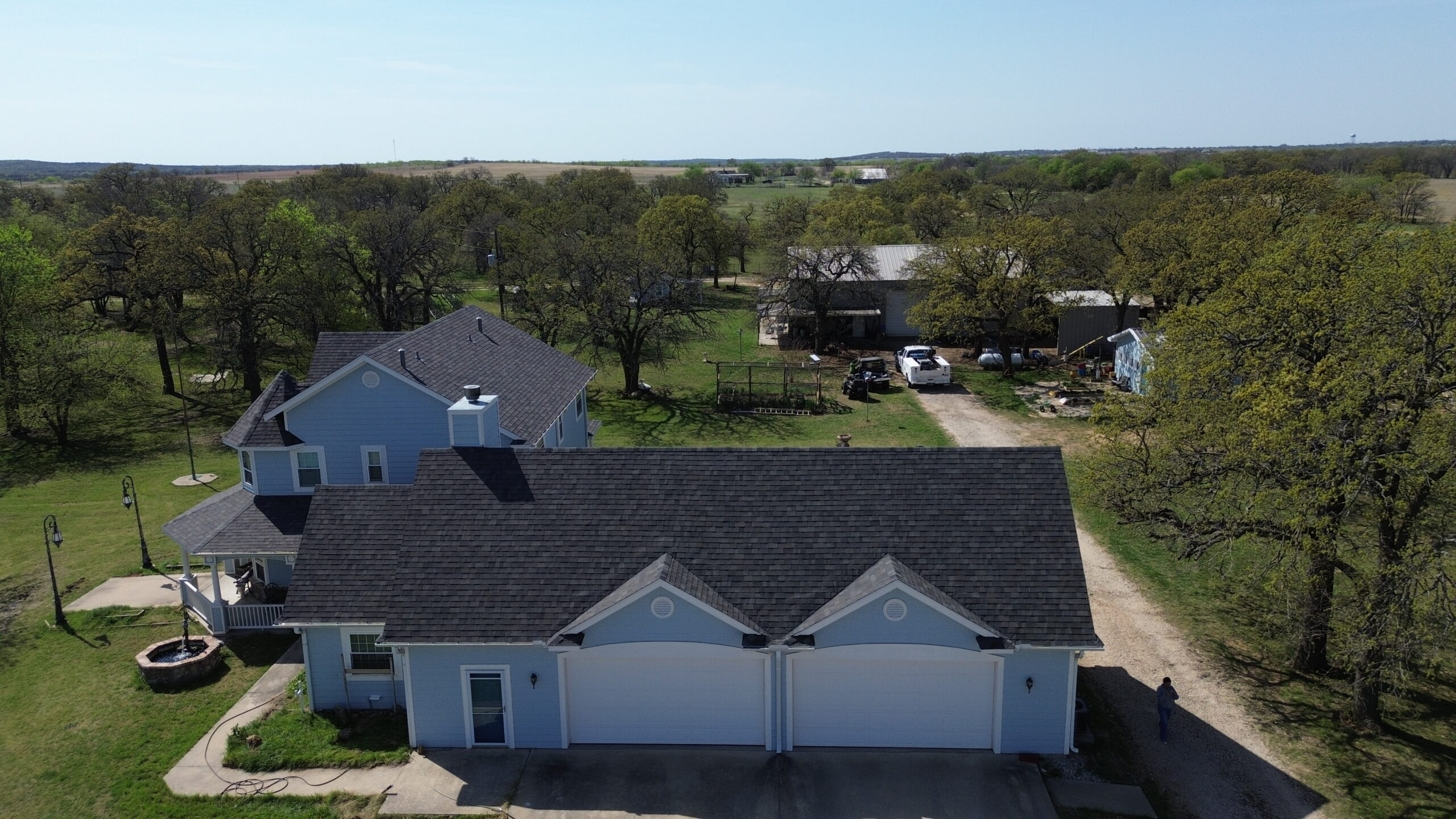
Buyers often form an opinion about a property before they enter the home. Exterior appearance, landscaping, siding, windows, doors, and roofing can influence that initial impression. Since the roof is one of the largest exterior surfaces, its condition can contribute significantly to how maintained or neglected the property appears.
A roof with missing shingles, visible staining, sagging sections, damaged flashing, or excessive debris may immediately raise concerns. Even if some of these issues are cosmetic, buyers may wonder whether they indicate deeper maintenance problems. This uncertainty can make a property less attractive compared with a similar home that appears well maintained.
A clean and intact roof can communicate that the homeowner has taken care of the property. Consistent roofing materials, properly maintained edges, functional gutters, and clean drainage areas can contribute to a sense of overall upkeep. This does not guarantee a higher sale price, but it can strengthen the property’s presentation.
Roof appearance can be especially important when buyers compare similar homes. If two properties have comparable locations, sizes, and layouts, the condition of major exterior systems may influence which property appears to offer better value. A roof that looks newer or better maintained can reduce one source of concern during the buying process.
Buyers may also consider the potential inconvenience associated with roofing work. Replacing a roof can involve construction noise, temporary disruption, contractor scheduling, and changes to the home’s exterior. A buyer who can avoid these issues may place greater value on a property with a recently completed roof.
Perception should not be confused with actual roof performance. A roof can look attractive while having hidden installation or moisture problems, just as an older roof may continue performing effectively despite showing normal signs of aging. Professional inspection remains important when determining actual condition.
Homeowners preparing to sell should therefore avoid relying only on cosmetic improvements. Cleaning visible debris and maintaining the exterior can improve presentation, but underlying roof problems should also be evaluated. Addressing significant defects before listing can provide greater value than simply improving appearance.
Roof Age and Its Effect on Home Value
Roof age is an important factor when considering residential property value. Every roofing material has an expected service life, although actual performance depends on climate, installation quality, maintenance, ventilation, exposure, and material characteristics. A roof’s age therefore provides useful information but should not be treated as the only measure of its condition.
An older roof may still perform well when it has been properly maintained. Regular inspections and timely repairs can help extend the useful life of many roofing systems. However, buyers may still consider the remaining service life when evaluating the overall cost of purchasing the property.
A relatively new roof can provide reassurance because buyers may expect fewer immediate roofing expenses. If installation documentation is available, the buyer may also be able to understand when the roof was installed and what materials were used. This information can reduce uncertainty during the purchase process.
The impact of roof age can vary by material. A roof made from a material with a potentially longer service life may be viewed differently from a roof using a product that typically requires earlier replacement. Buyers and inspectors may consider the specific material rather than looking only at the installation date.
Climate also affects how roof age should be interpreted. Strong sunlight, high temperatures, heavy rainfall, humidity, wind, hail, and freeze-thaw conditions can affect materials differently. A roof exposed to severe environmental conditions may age differently from a similar roof in a milder environment.
Homeowners should therefore maintain records throughout the roof’s life. Installation dates, product information, warranties, repairs, inspections, and maintenance activities can provide useful evidence of how the roof has been cared for. These records can become valuable when the property is eventually placed on the market.
Replacing a roof solely because it has reached a particular age may not always be necessary. Condition, remaining service life, repair history, and local market expectations should be considered. Professional evaluation can help determine whether maintenance, repair, or replacement is the most reasonable option.
Curb Appeal and Exterior Appearance
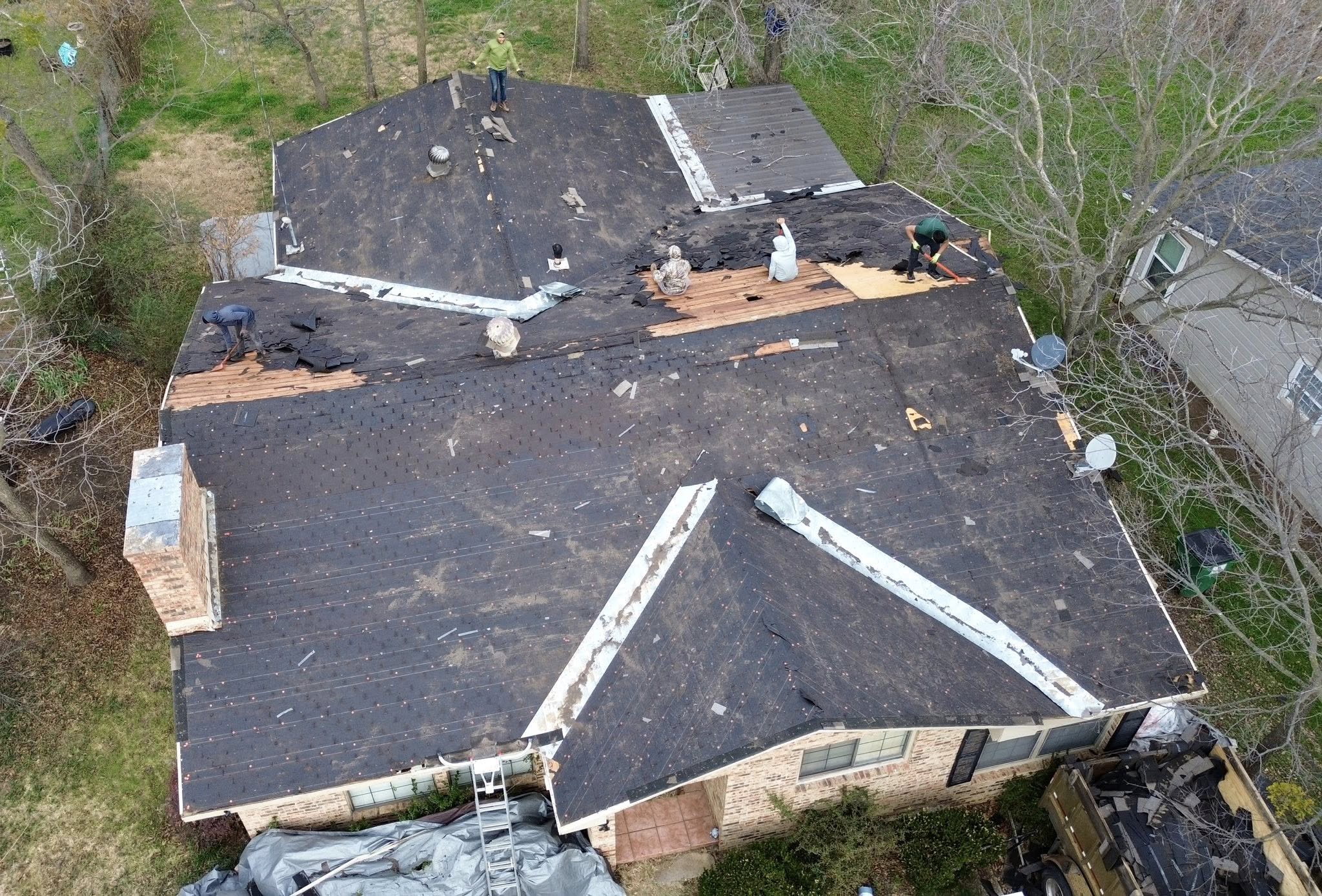
Roofing contributes significantly to curb appeal because it occupies a large and highly visible area of a residential property. Buyers may notice the roof from the street, driveway, online listing photographs, or neighboring properties before they closely examine other features. A well-maintained roof can therefore contribute to a more polished overall exterior.
Color and material style can affect how the roof fits with the home’s architecture. Shingles, tiles, metal panels, slate, and synthetic materials each create different visual effects. Choosing a roofing style that complements the structure can improve the property’s exterior appearance without relying on unnecessary decorative changes.
Visible deterioration can have the opposite effect. Discolored areas, missing materials, excessive moss or algae growth, damaged edges, and inconsistent repairs can make a property appear poorly maintained. These conditions may influence buyer expectations even before a professional inspection takes place.
Roof maintenance can support curb appeal without requiring complete replacement. Removing appropriate debris, maintaining gutters, correcting visible damage, and addressing biological growth where suitable can help preserve the roof’s appearance. However, cleaning methods should be compatible with the specific roofing material.
Roofing should also coordinate with other exterior features. Siding, brick, stone, trim, windows, doors, and landscaping all contribute to the property’s visual character. A roofing material that complements these features can create a more cohesive appearance.
When selling a home, photographs are particularly important because many buyers first encounter properties through online listings. A deteriorated roof may be visible in exterior photographs and could influence a buyer’s decision to schedule a viewing. A well-maintained exterior can make the property appear more appealing from the beginning.
Nevertheless, curb appeal should not encourage homeowners to make unnecessary roofing changes. The most valuable improvement is generally one that combines visual improvement with functional benefits. Maintaining the roof properly can support both appearance and long-term protection.
Energy Efficiency and Modern Roofing Features
Energy efficiency is becoming increasingly relevant to residential property value as homeowners pay greater attention to operating costs and indoor comfort. Roofing can influence energy performance through its surface characteristics, insulation, ventilation, and overall construction. These factors can affect how much heat enters or leaves the home.
Reflective roofing materials can reduce solar heat absorption in appropriate climates. By reflecting more sunlight, these surfaces may help keep the roof cooler during periods of intense solar exposure. The potential benefit depends on climate, roof construction, insulation, ventilation, and the home’s overall energy system.
Insulation is another important factor. Proper insulation can reduce heat transfer between the roof area and living spaces. A home with effective insulation and air sealing may maintain more consistent indoor temperatures and require less energy for heating or cooling.
Modern roofing systems may also incorporate solar technology. Solar panels and integrated solar roofing can allow a roof to contribute to household electricity generation. These systems can be attractive to buyers who value renewable energy and long-term energy planning, although their financial and property-value benefits vary by location and individual market conditions.
Ventilation can support roof durability and indoor comfort when correctly designed. Appropriate attic airflow can help manage heat and moisture in suitable roof assemblies. However, ventilation needs to work together with insulation and air sealing rather than being treated as an isolated feature.
Energy-efficient roofing features may therefore contribute to a property’s overall appeal. Buyers may consider not only how the home looks but also how efficiently it operates. A roofing system that combines durability, appropriate insulation, reflective performance, and modern energy features can support the broader value proposition of the property.
The key is choosing improvements that fit the home and local market. Expensive technologies do not automatically provide proportional increases in property value. Homeowners should consider expected performance, local buyer preferences, installation costs, maintenance requirements, and the remaining service life of the existing roof before making major upgrades.
Roofing Materials and Their Influence on Property Value
The type of roofing material used on a home can influence how buyers perceive its durability, appearance, maintenance requirements, and long-term cost. Different materials offer different service lives, performance characteristics, and visual styles, so the best choice depends on the property’s design, climate, and local market expectations.
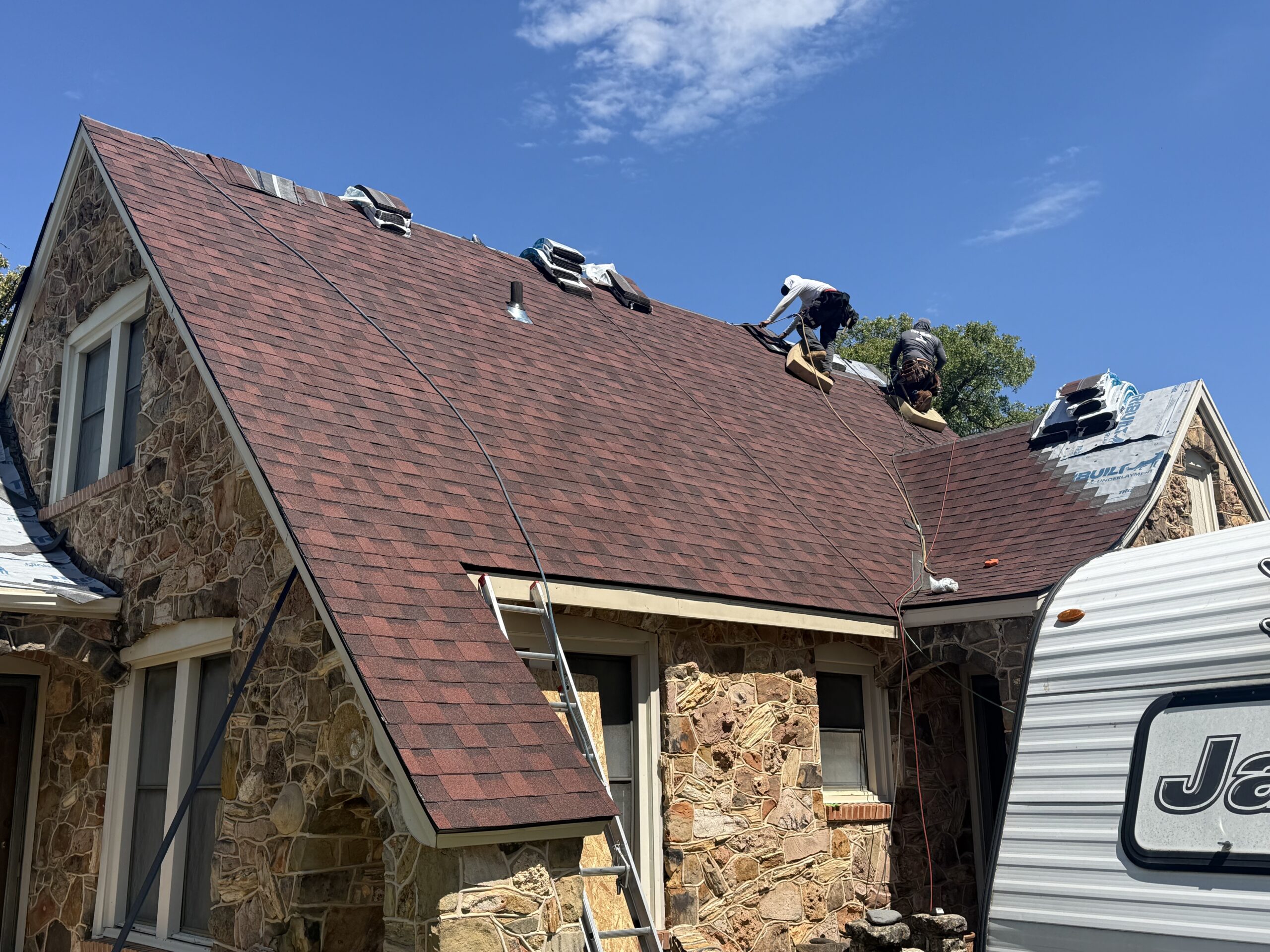
Asphalt shingles remain popular because they are widely available, relatively practical to install, and offered in many styles and colors. A well-maintained asphalt roof can provide an attractive appearance and dependable protection, while premium versions may offer enhanced durability and visual appeal.
Metal roofing can provide a distinctive appearance and potentially long service life. Modern metal systems are available in different finishes and profiles, allowing them to complement both traditional and contemporary homes. Their durability and resistance to certain environmental conditions can make them attractive to buyers who prioritize long-term performance.
Clay and concrete tiles can contribute to a home’s architectural character while providing durable weather protection. They are often associated with particular architectural styles and climates, but their weight means that the home’s structure must be suitable for the system. Buyers may value their appearance and longevity, particularly when the material is appropriate for the property.
Slate roofing can create a premium appearance and may provide a very long service life when properly installed and maintained. However, slate can require specialized installation and repairs, and its higher cost may not be appropriate for every property. Its contribution to property value therefore depends strongly on the home and local market.
Synthetic roofing materials can offer the appearance of slate, wood, or tile while providing different weight and maintenance characteristics. Some products are engineered for impact resistance, weather performance, or easier installation. Their value depends on product quality and whether buyers in the local market recognize and appreciate the benefits.
Material selection should always consider the surrounding property. A roof that looks appropriate, performs well, and complements the home’s architecture can contribute more positively to buyer perception than a costly material that appears out of place. The goal is to achieve a balance between performance, appearance, and reasonable investment.
Roof Maintenance and Long-Term Investment
Regular roof maintenance can protect property value by preventing small defects from becoming expensive building problems. Roofing components are exposed to weather throughout the year, so normal aging and environmental stress can gradually affect their condition. Early maintenance can help preserve both the roof and the parts of the home it protects.
Routine inspections can identify damaged shingles, cracked tiles, loose metal panels, deteriorated flashing, blocked gutters, and other concerns. Addressing these issues before they become severe can reduce the likelihood of water intrusion and structural damage. This can be particularly important before placing a home on the market.
Maintenance records can also strengthen buyer confidence. Documentation showing that the roof has been inspected and repaired when necessary provides evidence that the homeowner has taken responsible care of the property. Receipts, warranties, contractor records, and inspection reports can help explain the roof’s history.
Roof maintenance should focus on the complete system rather than only the visible surface. Gutters, downspouts, flashing, vents, penetrations, and drainage areas can all influence roof performance. A roof may appear acceptable while a neglected drainage or flashing component creates a serious long-term problem.
Homeowners should also avoid unnecessary repairs that do not address the cause of deterioration. For example, repeatedly applying temporary sealants to a recurring leak may not solve a damaged flashing or drainage problem. Proper diagnosis can provide a more durable solution and reduce repeated repair costs.
A well-maintained roof can also reduce the possibility of unpleasant surprises during a buyer’s inspection. While no roofing system is completely free from normal aging, visible evidence of regular care can make the property appear more responsibly maintained.
Maintenance is therefore a long-term investment rather than simply an expense. Protecting the roof can help preserve the condition of the home, reduce emergency repair costs, and support buyer confidence when the property eventually enters the market.
How Roof Damage Can Reduce Property Value
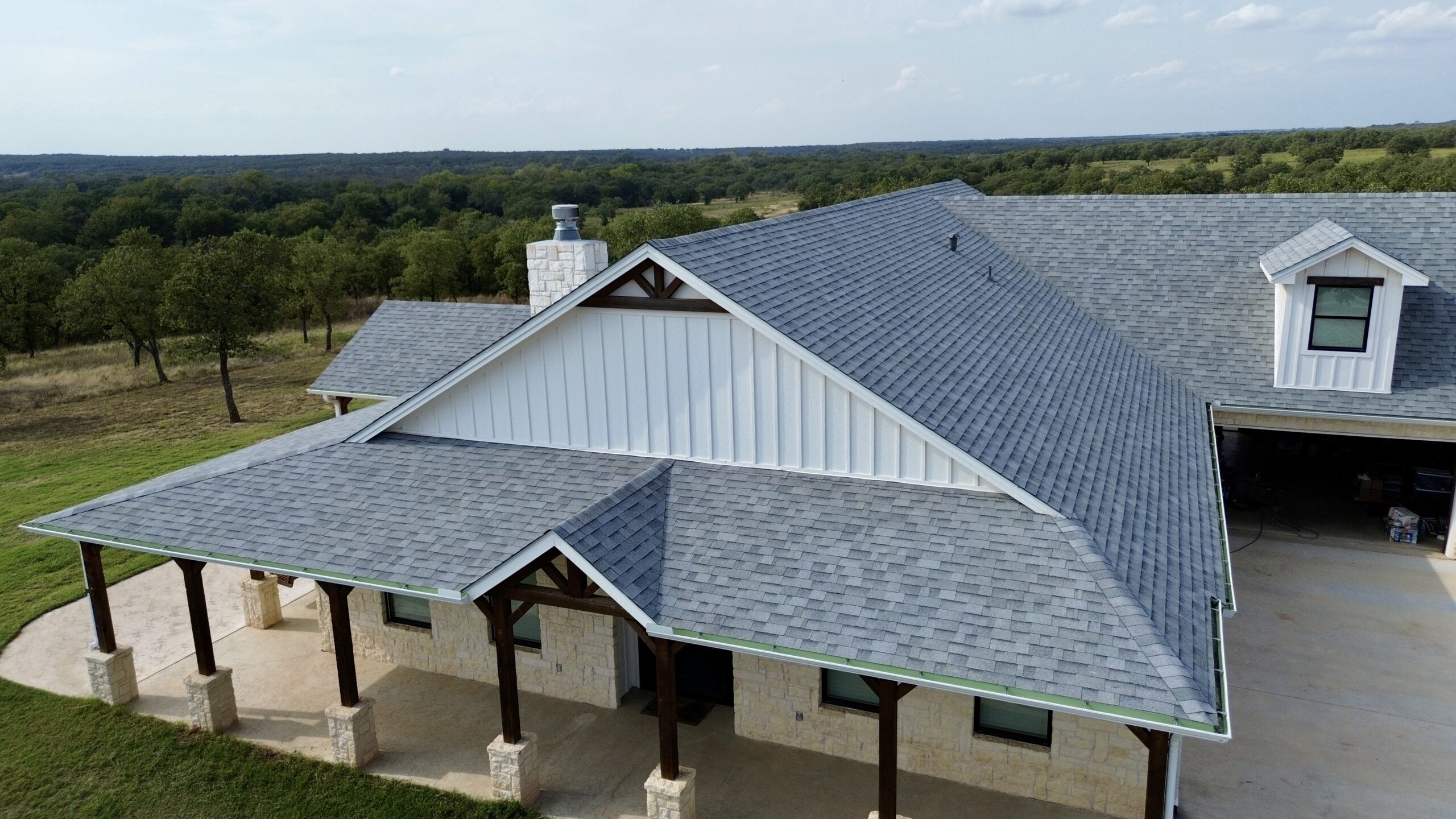
Roof damage can have a direct and indirect effect on property value. Visible damage may reduce curb appeal, while hidden moisture problems can create concerns about structural integrity and future repair expenses. Buyers often consider these risks when deciding how much they are willing to offer.
Common visible warning signs include missing or broken roofing materials, sagging sections, damaged flashing, exposed underlayment, excessive staining, and deteriorated roof edges. These conditions may suggest that the roof requires immediate professional attention.
Water intrusion can be particularly concerning. A roof leak can damage ceilings, walls, insulation, electrical components, and structural materials. Even after the roof is repaired, evidence of previous moisture damage may lead buyers to request additional investigation.
A damaged roof can also make negotiations more difficult. Buyers may request repairs, ask for a price reduction, or seek other concessions to account for anticipated costs. The actual outcome depends on the severity of the damage, the local market, and the buyer’s willingness to accept the property in its current condition.
Major roof problems can also affect financing or insurance considerations in some situations. Requirements vary by location and provider, but significant roof deterioration may create additional questions during the transaction. Addressing serious issues before listing can make the sales process more straightforward.
Homeowners should not hide or temporarily cover significant roof defects before selling. Problems that are discovered later can damage trust and potentially complicate the transaction. Honest documentation and professional evaluation provide a stronger foundation for negotiations.
Not every roof defect requires full replacement. Some problems can be repaired effectively when the primary roofing system still has sufficient useful life. A professional assessment can help determine whether localized repair, larger restoration, or complete replacement is appropriate.
Roofing Improvements Before Selling a Home
Deciding whether to replace or improve a roof before selling requires careful consideration. A new roof can improve appearance, reduce concerns about immediate maintenance, and strengthen buyer confidence, but the cost of the project should be evaluated against the home’s market position and condition.
A roof inspection is a useful starting point. An inspection can identify visible defects, remaining service-life concerns, drainage issues, and areas that may require repair. This information allows homeowners to make decisions based on actual roof condition rather than assumptions.
Minor repairs may be sufficient when the roof remains fundamentally sound. Fixing damaged materials, correcting flashing problems, cleaning appropriate surfaces, and improving drainage can improve presentation without the cost of a full replacement.
A replacement may make more sense when the roof is severely deteriorated or near the end of its useful life. A new roof can remove a significant concern for buyers and may make the property easier to market. However, homeowners should select materials appropriate for the home’s architecture and neighborhood.
Before making major improvements, homeowners should consider the expected time before sale. A costly roofing upgrade made shortly before listing may not provide enough opportunity to recover its full cost. The decision should consider both financial return and the practical benefit of making the property easier to sell.
The surrounding market also matters. In a neighborhood where buyers expect modern, well-maintained homes, a visibly old roof may be a disadvantage. In another market, buyers may prioritize location and interior features more heavily and accept an older but functional roof.
Roof improvements can be particularly useful when they address both appearance and performance. Replacing visibly damaged sections, improving drainage, and correcting flashing can make the property look better while reducing potential inspection concerns.
Homeowners should avoid choosing a roofing system solely because it appears expensive or luxurious. Buyers generally want a roof that is dependable, appropriate for the property, and unlikely to create immediate problems. A practical, high-quality installation may provide more value than an unnecessarily elaborate design.
Roofing Warranties, Documentation, and Buyer Confidence
Documentation can play an important role in communicating the condition and history of a residential roof. Buyers may want to know when the roof was installed, which materials were used, whether repairs were completed, and whether any applicable warranties remain available.
A roofing warranty can provide additional reassurance when its terms are clearly documented and transferable where applicable. Homeowners should understand that warranties can have specific conditions related to installation, maintenance, inspections, and product requirements.
Installation records can also help establish the age and specifications of the roof. Without documentation, buyers may have difficulty determining whether the roofing system is relatively new or nearing the end of its expected service life. Clear records can reduce uncertainty during the transaction.
Repair receipts provide another useful source of information. They can show that previous problems were professionally addressed and may identify recurring issues. A history of regular maintenance can support the impression that the property has been responsibly managed.
Homeowners can organize important roofing information before listing the property. Useful records may include:
- Original installation documentation
- Roofing material and product information
- Warranty documents
- Professional inspection reports
- Repair invoices
- Maintenance records
- Documentation of major improvements
Good documentation does not guarantee a higher selling price, but it can make the roof easier to evaluate. Buyers are generally better positioned to assess a property when reliable information is available.
Records can also help prevent misunderstandings. If a roof was replaced several years earlier but appears older because of normal weathering, installation documentation can clarify its history. Similarly, records of repairs can demonstrate that known problems were addressed rather than ignored.
Keeping roofing documents is therefore a simple practice that can provide long-term benefits. The information may be useful not only when selling the property but also when planning maintenance, filing insurance claims, or evaluating future replacement needs.
Regional Climate and Roofing Value
The value of a roofing system can vary depending on the climate where the property is located. A material that performs exceptionally well in one region may not provide the same benefits in another. Buyers often understand local weather challenges and may place greater value on roofing features designed to address them.
Homes in hot climates may benefit from roofing systems designed to manage solar heat. Reflective surfaces, suitable insulation, and effective ventilation can improve comfort and potentially reduce cooling requirements. These features may be attractive to buyers who expect high summer temperatures.
Properties in areas with heavy rainfall require effective moisture management. Strong flashing, appropriate underlayment, reliable gutters, and well-designed drainage can help protect the building from water intrusion. A roof with a strong history of handling local rainfall may provide greater buyer confidence.
High-wind regions may place greater emphasis on secure roofing attachment. Wind-resistant materials and appropriate installation techniques can reduce the risk of damage during severe weather. Buyers in these areas may pay closer attention to roof condition because storm damage can lead to significant repair costs.
Hail-prone areas may create demand for impact-resistant roofing products. These materials are designed to withstand greater levels of impact than standard products, although actual performance depends on the product and installation. Such features may be viewed positively when they match local environmental risks.
Coastal environments can create additional concerns related to moisture and corrosion. Roofing materials and fasteners suitable for these conditions can help reduce deterioration. Proper material selection can therefore contribute to long-term property protection and buyer confidence.
Climate suitability is ultimately more important than simply choosing the most expensive roofing material. A roof that is specifically designed and installed for local environmental conditions can provide better long-term performance. This can support property value by reducing the likelihood of premature deterioration and major repair needs.
Return on Investment From Residential Roofing Improvements
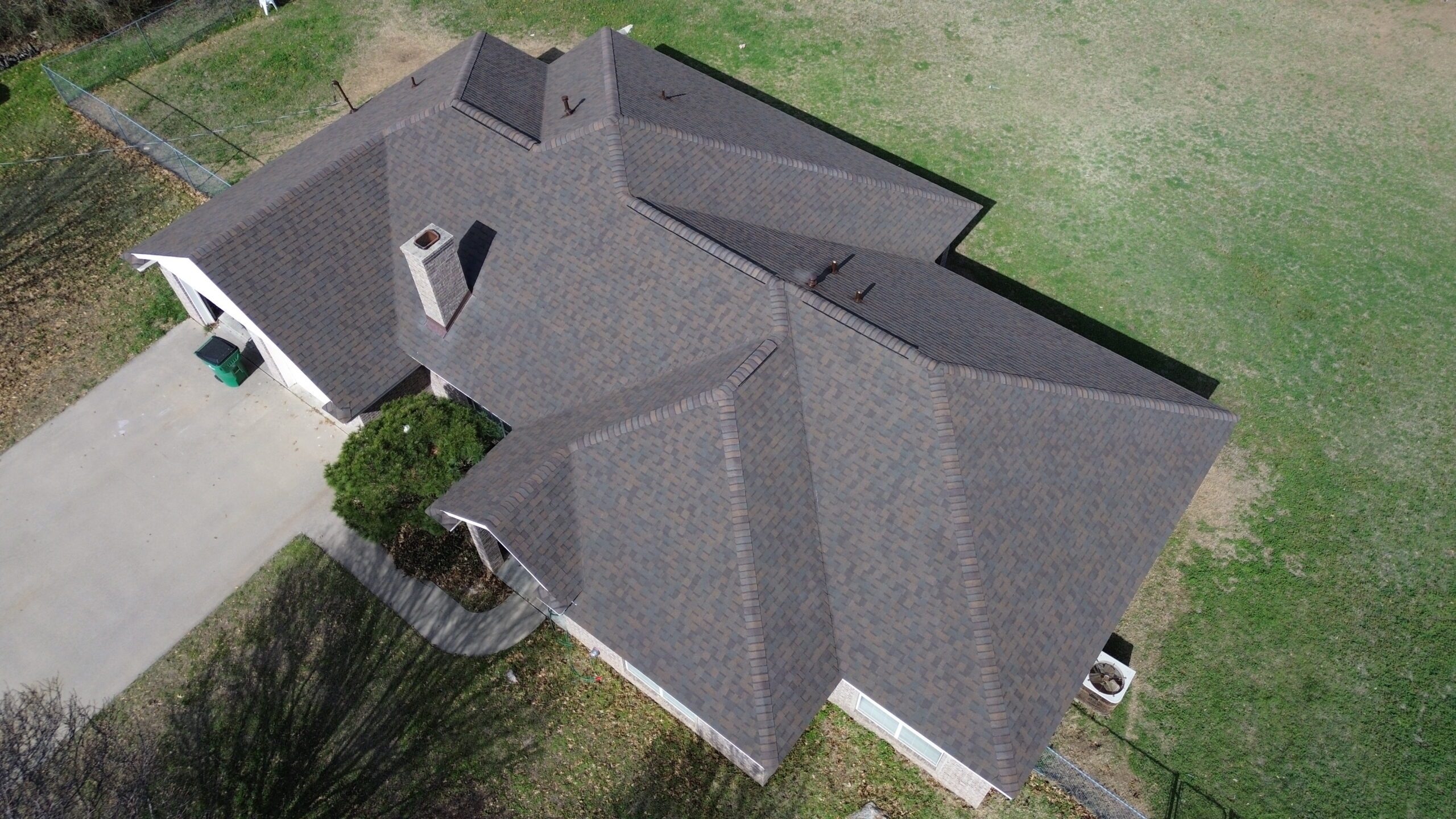
Roofing improvements can represent a significant investment, so homeowners naturally want to understand how those improvements may affect the property’s resale value. The financial return from roofing work is not always equal to the amount spent, and the outcome can vary depending on the home’s location, market conditions, roof condition, and quality of installation.
A roof replacement can provide value by addressing a major property component before buyers have to deal with it. When a roof is severely aged or damaged, replacement can remove concerns about immediate repair expenses and make the home easier to present as well maintained.
However, homeowners should not assume that every expensive roofing upgrade will produce an equivalent increase in selling price. Property value depends on many factors, and buyers may not pay substantially more simply because premium materials were installed. The strongest value often comes from solving an existing problem and improving the home’s overall condition.
Roof repairs can sometimes provide a better return than complete replacement. If most of the roof remains in good condition, targeted repairs may restore functionality without requiring the cost and disruption of removing the entire system. This approach can also preserve usable roofing materials and reduce unnecessary waste.
The expected remaining service life is an important consideration. A roof with many years of useful performance remaining may not need replacement simply because the homeowner is planning to sell. On the other hand, a roof that is already showing widespread deterioration may become a significant negotiation issue if left untreated.
Homeowners should consider the following before investing in major roofing improvements:
- Assess the current roof condition through a professional inspection.
- Determine whether repairs can reasonably extend its useful life.
- Compare replacement costs with the property’s expected selling price.
- Consider the expectations of buyers in the local market.
- Select materials that suit the property’s architecture and climate.
The timing of the improvement can also affect its practical value. A roof installed well before selling can provide the homeowner with years of use, while a replacement completed immediately before listing may primarily serve as a selling feature. In either situation, quality installation and proper documentation can make the investment more useful.
Roofing improvements can also protect value indirectly. Preventing leaks, structural damage, mold-related deterioration, and interior repairs can preserve the condition of other parts of the property. In this sense, roofing investment is not only about increasing the sale price but also about preventing the home from losing value.
How Professional Roof Installation Protects Property Value
The quality of roof installation can be just as important as the roofing material itself. Even high-quality shingles, tiles, metal panels, or membranes can fail prematurely if they are installed incorrectly. Poor workmanship can lead to leaks, wind damage, drainage problems, and premature material deterioration.
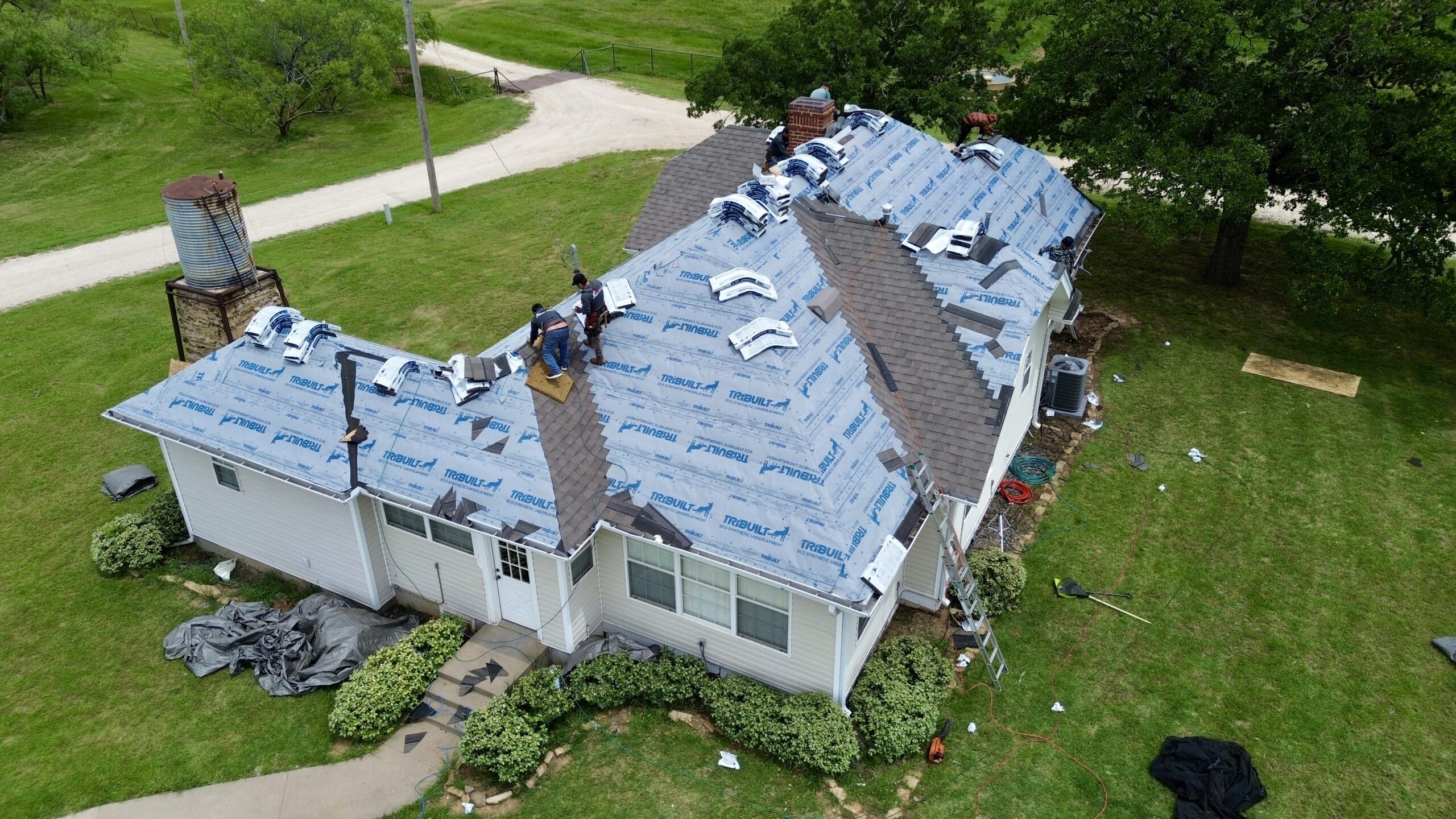
Professional installation begins with proper preparation. The roof deck should be evaluated for visible deterioration, and damaged areas should be addressed before new materials are installed. Flashing, underlayment, ventilation, and drainage should also be integrated correctly into the roofing system.
Correct fastening is particularly important. Roofing components must be secured according to the product requirements and local conditions. Incorrect fastener placement or inadequate attachment can reduce resistance to wind and contribute to premature failure.
Flashing details deserve careful attention because many roof leaks occur around transitions and penetrations. Areas around chimneys, vents, skylights, walls, valleys, and roof edges require appropriate detailing. A visually attractive roof can still develop serious problems if these areas are not properly protected.
Ventilation and insulation should also be considered during installation or replacement. Poorly managed attic conditions can contribute to excessive heat and moisture, which may affect roofing materials and structural components. A professional approach considers the roof as a complete assembly rather than simply installing a new exterior surface.
Installation records can provide useful evidence of professional work. Homeowners should retain invoices, product details, warranties, inspection documents, and photographs where available. These records can help future buyers understand the roof’s history and may support confidence in the property’s condition.
Professional installation can therefore protect property value by reducing the likelihood of premature roofing failure. It also helps ensure that the expected performance of the selected material is actually achieved. A durable material combined with poor workmanship may provide less value than a properly installed material that is well suited to the property.
Roofing and Home Inspection Results
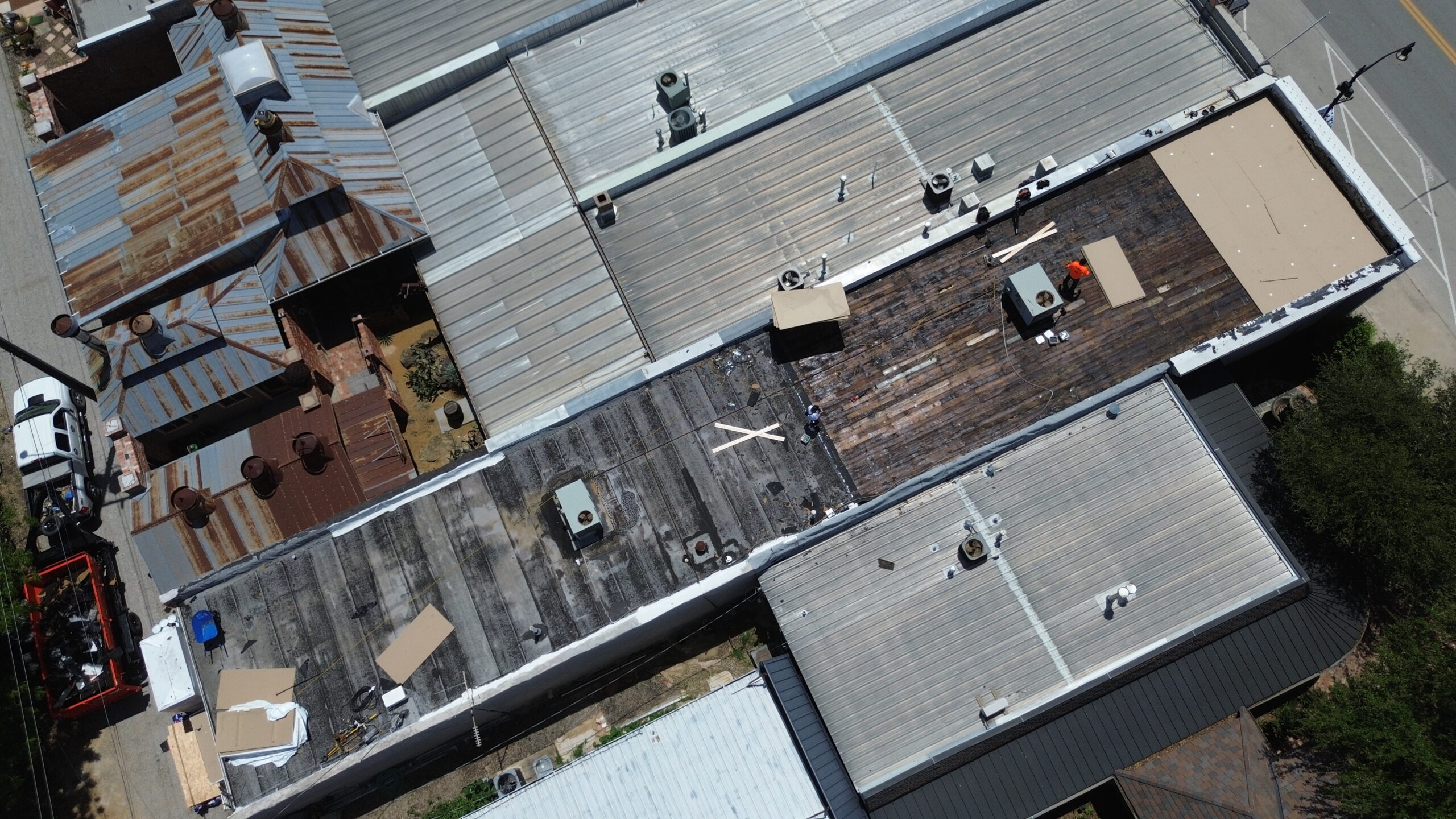
Home inspections are an important part of many residential property transactions. Roofing is typically one of the exterior systems that receives attention because its condition can affect moisture protection and potential future maintenance costs.
Inspectors may identify visible issues such as missing roofing materials, damaged flashing, deteriorated surfaces, ponding water where applicable, blocked drainage, or signs of previous leakage. They may also recommend additional evaluation when parts of the roof cannot be adequately assessed through a visual inspection.
The presence of roof concerns does not automatically mean that a home has low value. The significance depends on the severity and scope of the findings. A minor maintenance issue is very different from widespread deterioration requiring immediate replacement.
Buyers may use inspection findings during negotiations. Depending on the circumstances, they may request repairs, ask for a credit, negotiate the purchase price, or accept the property in its current condition. The outcome is influenced by the local market and the buyer’s willingness to undertake future work.
Homeowners can prepare for this process by addressing known roofing problems before listing the property. A professional inspection can help identify issues that might otherwise surprise the seller during negotiations. Completing appropriate repairs can also provide documentation that demonstrates responsible maintenance.
It is important not to conceal roof problems with temporary cosmetic solutions. Covering visible damage without correcting its cause can create larger problems later. Honest evaluation and proper repairs generally provide a stronger foundation for a successful transaction.
Roof inspection records can also help establish a clear maintenance history. If a roof has been inspected regularly and repaired when necessary, buyers may have more confidence in its condition. Documentation cannot eliminate the need for an inspection, but it can make the roof’s history easier to understand.
Common Roofing Decisions That Can Hurt Resale Value
Some roofing decisions can unintentionally reduce a property’s appeal or create concerns for future buyers. One common mistake is delaying necessary repairs until serious damage has developed. Small problems can become larger and more expensive when water or wind is allowed to affect the underlying structure.
Another mistake is choosing materials based solely on appearance or initial price. A roofing product that is not appropriate for the local climate may deteriorate faster than expected. Selecting materials based on climate, roof design, durability, maintenance, and architectural compatibility can provide better long-term results.
Over-improving the roof can also create financial challenges. Installing an unusually expensive roofing system in a neighborhood where comparable homes use standard materials may not produce a proportional increase in market value. Improvements should generally be consistent with the property’s overall quality and local buyer expectations.
Poor installation can be particularly damaging. Even if the roofing material itself is attractive, visible workmanship problems can reduce buyer confidence. Uneven materials, poorly finished edges, exposed fasteners where they should not be visible, damaged components, or inconsistent repairs can suggest broader maintenance concerns.
Ignoring drainage is another common problem. Gutters and downspouts that are blocked, damaged, or poorly positioned can allow water to affect the roof and exterior of the home. Since water management is essential to property protection, drainage should be maintained as part of the roofing system.
Homeowners should also avoid relying on repeated temporary repairs when the roof has reached the end of its practical service life. Short-term fixes may postpone a necessary replacement but can become increasingly expensive and may not resolve underlying deterioration.
Finally, failing to keep documentation can make a good roof harder to evaluate. Without installation records or repair information, buyers may have difficulty determining the roof’s age and maintenance history. Keeping organized records is a simple way to make a property’s roofing condition easier to understand.
Planning Roofing Improvements for Long-Term Value
Roofing decisions should ideally be based on long-term property goals rather than short-term appearance. Whether a homeowner plans to remain in the property for many years or expects to sell soon, maintaining the roof can help protect the building and reduce avoidable expenses.
The first step is understanding the existing roof. A professional assessment can identify current defects, remaining service life, drainage concerns, and areas requiring maintenance. This information allows homeowners to compare repair and replacement options realistically.
Climate should remain a major part of the decision. A roof that performs well under local environmental conditions is more likely to provide dependable protection and maintain its condition. Heat, rainfall, wind, humidity, hail, and other regional factors can all influence material selection.
Architectural compatibility is also important. Roofing materials should complement the home’s design rather than creating an appearance that feels disconnected from the property. A balanced combination of color, texture, material, and architectural style can improve curb appeal while supporting practical performance.
Energy efficiency may provide additional value when it aligns with the home’s needs. Appropriate insulation, reflective roofing, ventilation improvements, or solar technology can contribute to energy performance. However, homeowners should evaluate these features based on actual benefits and local market expectations rather than assuming every technology will provide a direct increase in resale price.
Maintenance should continue after improvements are completed. A new roof still requires appropriate inspections, drainage maintenance, and timely repairs. Keeping the roofing system in good condition helps preserve the investment and provides stronger evidence of responsible ownership.
When planning for future resale, homeowners should retain all relevant documentation. Useful records include installation dates, product information, warranties, permits where applicable, inspection reports, repair invoices, and maintenance records. A complete history can make it easier for future buyers to understand the roof’s condition.
The most effective approach is to view roofing as a long-term property protection system. A roof that performs reliably, looks appropriate, has documented maintenance, and matches local conditions can contribute to a stronger overall property presentation.
Conclusion
Residential roofing can have a meaningful influence on property value because it affects protection, appearance, maintenance expectations, energy performance, and buyer confidence. Although roofing is only one component of a home’s value, its condition can become particularly important when buyers are comparing similar properties or evaluating potential future expenses.
A well-maintained roof can create a positive first impression and reduce concerns about immediate repairs. A damaged or aging roof may have the opposite effect, especially when visible deterioration suggests possible water intrusion or the need for replacement.
Roof age should always be considered alongside actual condition. An older roof that has been properly maintained may continue to perform effectively, while a relatively new roof with poor installation may already have significant problems. Professional inspection provides a more reliable understanding than age alone.
Material selection can also influence property appeal. Asphalt shingles, metal roofing, tile, slate, and synthetic materials each offer different advantages. The best option is generally one that provides suitable durability, appearance, energy performance, and weather resistance for the property and its local environment.
Maintenance remains one of the most practical ways to protect roofing-related property value. Regular inspections, drainage maintenance, timely repairs, and proper documentation can help extend service life and demonstrate responsible ownership. Preventing small problems from becoming major defects can protect both the roof and the rest of the building.
When preparing a property for sale, homeowners should carefully evaluate whether repair, restoration, or replacement makes the most sense. A new roof can improve buyer confidence when the existing system is severely deteriorated, but an expensive replacement is not always necessary when targeted repairs can restore reliable performance.
Professional installation is equally important. Proper flashing, fastening, underlayment, ventilation, drainage, and material selection all contribute to long-term roof performance. High-quality workmanship can protect the investment and reduce the risk of problems that could affect future buyers.
Documentation can further strengthen the property’s position in the market. Installation records, warranties, inspection reports, and repair receipts help buyers understand the roof’s history and may reduce uncertainty during negotiations.
Ultimately, the strongest relationship between roofing and property value comes from maintaining a roof that is reliable, appropriate, attractive, and well documented. Homeowners who treat roofing as a long-term investment in property protection can preserve the condition of their homes while creating a more appealing proposition for future buyers.