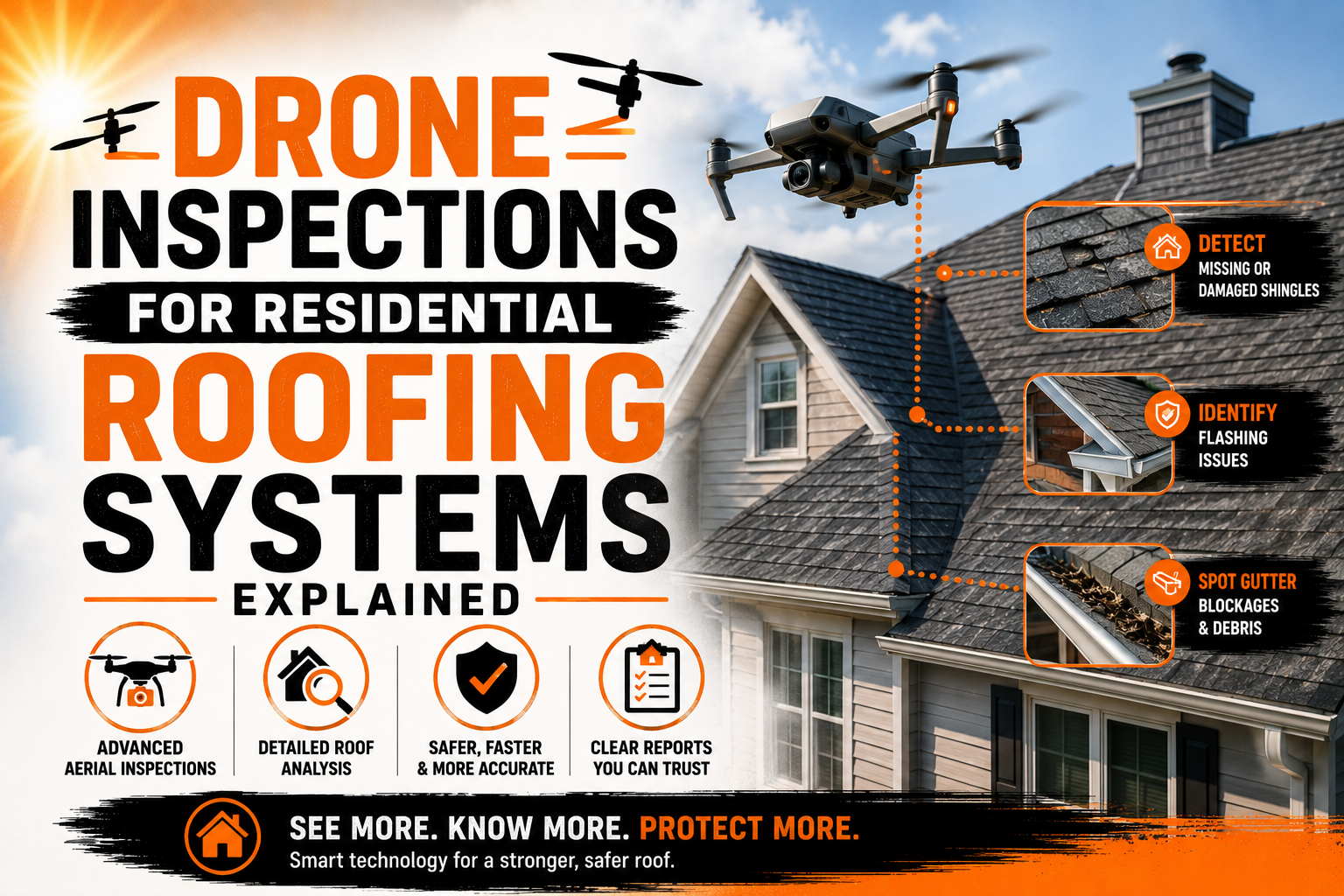
Drone Inspections for Residential Roofing Systems Explained
Introduction
Residential roofing inspections have traditionally involved walking across the roof, examining individual components, and checking accessible areas for visible damage. While this approach can provide valuable information, modern technology has introduced another useful option for evaluating roofing systems. Drone inspections use remotely controlled aircraft equipped with cameras to capture detailed aerial images of roof surfaces and difficult-to-view areas.
Drone technology can make roof inspections safer and more efficient in many situations. Instead of requiring an inspector to immediately climb onto a steep, high, or difficult roof, a drone can capture images from above while the operator remains on the ground. These images can provide a broad view of the roofing system and help identify areas that deserve closer attention.
A drone inspection is not simply a matter of flying over a property and taking random photographs. A properly performed inspection involves planning the flight, collecting useful images, reviewing roofing components, and documenting visible conditions. The information can then be organized into photographs, measurements, observations, or a more detailed inspection report.
Drones are particularly useful for documenting roof conditions before and after severe weather, comparing changes over time, and examining large or complex roof structures. However, they also have limitations. A camera can identify many visible conditions, but it cannot always determine what is happening beneath roofing materials or inside the roof assembly.
Understanding how drone inspections work can help homeowners decide when this technology may be useful. It can also clarify why aerial imagery is becoming a valuable part of modern residential roofing assessments while still working alongside traditional inspection methods.
What Drone Roof Inspections Are
A drone roof inspection uses an unmanned aerial vehicle equipped with a camera or other sensing equipment to collect information about a residential roofing system. The drone is operated from a safe location by a trained operator who controls its movement and captures images of the roof from different angles.
The primary purpose is to obtain a clear aerial view of roofing components without requiring immediate physical access to every area. High-resolution images can show shingles, roof edges, valleys, ridges, vents, chimneys, skylights, and other visible features. Depending on the equipment used, additional data may also be collected to support measurements or specialized assessments.
One of the main differences between a drone inspection and a traditional visual inspection is the viewing position. A person standing on the ground may have difficulty seeing the upper sections of a roof because of trees, roof geometry, neighboring structures, or viewing angles. A drone can move above the structure and capture images that would otherwise be difficult to obtain.
Drone inspections can also create a visual record of the roof. Photographs can be stored and compared with images collected during future inspections. This makes it easier to identify changes such as new missing shingles, expanding areas of deterioration, or damage following severe weather.
The quality of a drone inspection depends heavily on the equipment, flight planning, lighting, weather conditions, and experience of the operator. A poorly planned flight may produce images that are too distant, blurry, obstructed, or inconsistent for meaningful analysis.
For this reason, drone inspection should be viewed as a professional inspection method rather than simply a technology demonstration. The value comes from combining appropriate aerial data with roofing knowledge and careful interpretation.
Why Drones Are Used for Residential Roofing
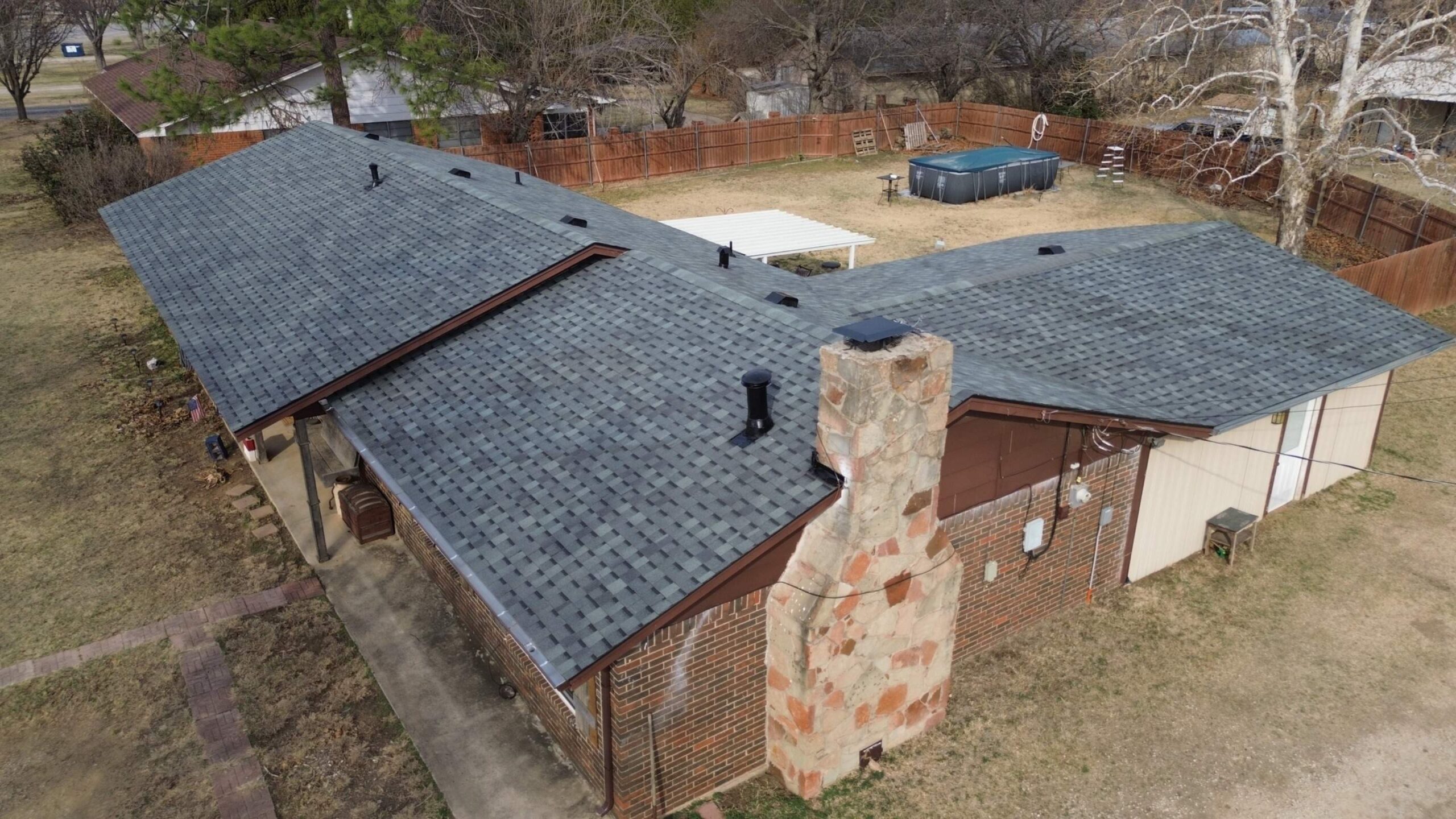
One of the strongest reasons for using drones in residential roofing is improved access to difficult areas. Some roofs are steep, high, fragile, or complicated in design, making physical access challenging. A drone can capture aerial images without requiring the inspector to immediately walk across the roofing surface.
Safety is another important consideration. Roof inspections can involve risks associated with ladders, steep slopes, slippery materials, fragile roofing, and unstable areas. Keeping the inspector on the ground during the initial visual assessment can reduce exposure to some of these hazards.
Drones can also make inspections more efficient. A large residential property may contain several roof slopes, additions, dormers, valleys, and other features. Capturing an aerial overview can help an inspector understand the roof layout quickly before deciding which areas require additional attention.
Another advantage is documentation. Aerial photographs can provide homeowners with a visual record of the roof’s condition. Instead of relying entirely on written descriptions, a report can include photographs showing specific areas of concern.
Drone imagery may also be useful after storms. Strong winds, hail, heavy rainfall, and falling branches can create roofing damage that is difficult to identify from the ground. Aerial photographs can help reveal missing materials, displaced components, debris, and other visible changes.
Drones are also useful for monitoring roof conditions over time. If images are captured from similar angles during different inspections, homeowners and roofing professionals can compare the condition of the roof. This can help identify whether certain areas are deteriorating or whether previously observed damage has changed.
However, drones should not be considered a replacement for every type of inspection. They are primarily a tool for collecting visual information. Physical testing, attic examination, moisture investigation, and evaluation of hidden components may still require other inspection methods.
How a Drone Roof Inspection Works
A professional drone roof inspection usually begins with planning rather than immediately launching the aircraft. The operator first considers the property layout, roof design, surrounding obstacles, weather conditions, and safe operating area. Trees, utility lines, neighboring structures, and other obstacles must be considered before the flight begins.
The operator then establishes a flight path that allows the drone to capture useful images of the roof. The aircraft may approach the roof from different directions and altitudes to provide both broad overview photographs and closer views of specific components.
High-quality images are particularly important because roofing defects can sometimes be small. The camera should capture enough detail to show the condition of shingles, flashing, roof edges, vents, and other components. Images should also provide enough context to identify where each finding is located.
During the flight, the operator may capture several types of photographs. Wide images can document the overall roof layout, while closer images can focus on areas showing possible damage. Different viewing angles may also help reveal raised, displaced, cracked, or deteriorated materials.
After the flight, the collected images are reviewed. The inspector may organize photographs according to roof sections and identify visible findings that deserve attention. Depending on the inspection service, images may be accompanied by measurements, annotations, roof diagrams, or other documentation.
The final findings should be interpreted by someone with appropriate roofing knowledge. A drone camera can show a damaged-looking area, but determining its significance requires an understanding of roofing materials and installation methods.
Weather conditions can affect the process significantly. Strong winds, rain, poor visibility, or other unfavorable conditions may make drone operations unsafe or reduce image quality. A responsible operator should postpone or modify a flight when conditions are unsuitable.
Areas Drones Can Inspect
A major advantage of drone technology is its ability to provide views of many roof areas from above. The main roof surface is usually the first area examined because aerial imagery can show the overall condition of roofing materials. This can include patterns of wear, missing components, discoloration, and visible storm damage.
Roof valleys are another important area. Valleys direct water toward drainage points and can be difficult to view clearly from the ground. A drone can capture images looking directly into these areas, helping identify visible debris, damaged materials, or other conditions.
Roof edges and ridges can also be documented from multiple angles. These areas may experience significant wind exposure and can show signs of lifted or displaced materials. Aerial photographs can help inspectors identify irregularities that might be difficult to see from below.
Drones can also capture images around roof penetrations. Chimneys, skylights, vents, plumbing pipes, and other structures interrupt the roof surface and require careful weatherproofing. Images from above can show visible flashing conditions, gaps, displaced components, and surrounding roofing materials.
Complex roof designs can particularly benefit from aerial documentation. Dormers, multiple roof levels, extensions, and intersecting slopes can create areas that are difficult to understand from one ground-level viewpoint. A drone can provide an overall map-like perspective of these structures.
Gutters and drainage areas may also be visible from above. Aerial images can sometimes reveal accumulated debris, sagging sections, or other visible conditions. However, a camera cannot always determine whether a gutter is properly draining or whether an internal blockage exists.
Solar panels and other rooftop equipment can also be documented. A drone can capture the relationship between these installations and surrounding roofing materials without requiring immediate physical access. Any suspected damage should still be evaluated according to the requirements of the specific equipment and roofing system.
Benefits of Drone-Based Roofing Inspections
Drone inspections offer several practical benefits for residential roofing assessments. One of the most important is the ability to collect detailed visual information while reducing the need for immediate physical access to the roof. This can be particularly valuable when the roof is steep, high, fragile, or difficult to navigate.
Another benefit is improved documentation. Aerial photographs can provide a clear visual record of the roof’s condition at a specific point in time. These images can be useful when discussing maintenance needs, documenting storm damage, or comparing the roof with future inspection results.
Drones can also help inspectors evaluate large areas quickly. Rather than spending significant time moving around every section of a complex roof, an inspector can first obtain aerial imagery and identify locations that need closer attention. This can make the inspection process more organized and efficient.
The technology can also improve communication with homeowners. Roofing terminology and written descriptions can sometimes be difficult for property owners to understand. Clear aerial photographs can show exactly where a concern is located and help explain why a particular area may require repair or additional investigation.
Drone imagery may also support preventative maintenance. Identifying early signs of deterioration allows homeowners to monitor affected areas and consider maintenance before problems become more severe. When combined with regular inspections, aerial records can contribute to a more organized long-term roof maintenance plan.
Despite these advantages, homeowners should understand that drone inspections have limits. Aerial imagery primarily shows visible surface conditions. It cannot reliably identify every hidden defect, determine the strength of roof decking, confirm all moisture problems, or replace interior and physical inspection methods.
The most effective approach is therefore to use drone technology as part of a broader roofing inspection strategy. When aerial imagery is combined with professional roofing knowledge and appropriate physical or interior assessment, it can provide a more complete understanding of residential roofing conditions.
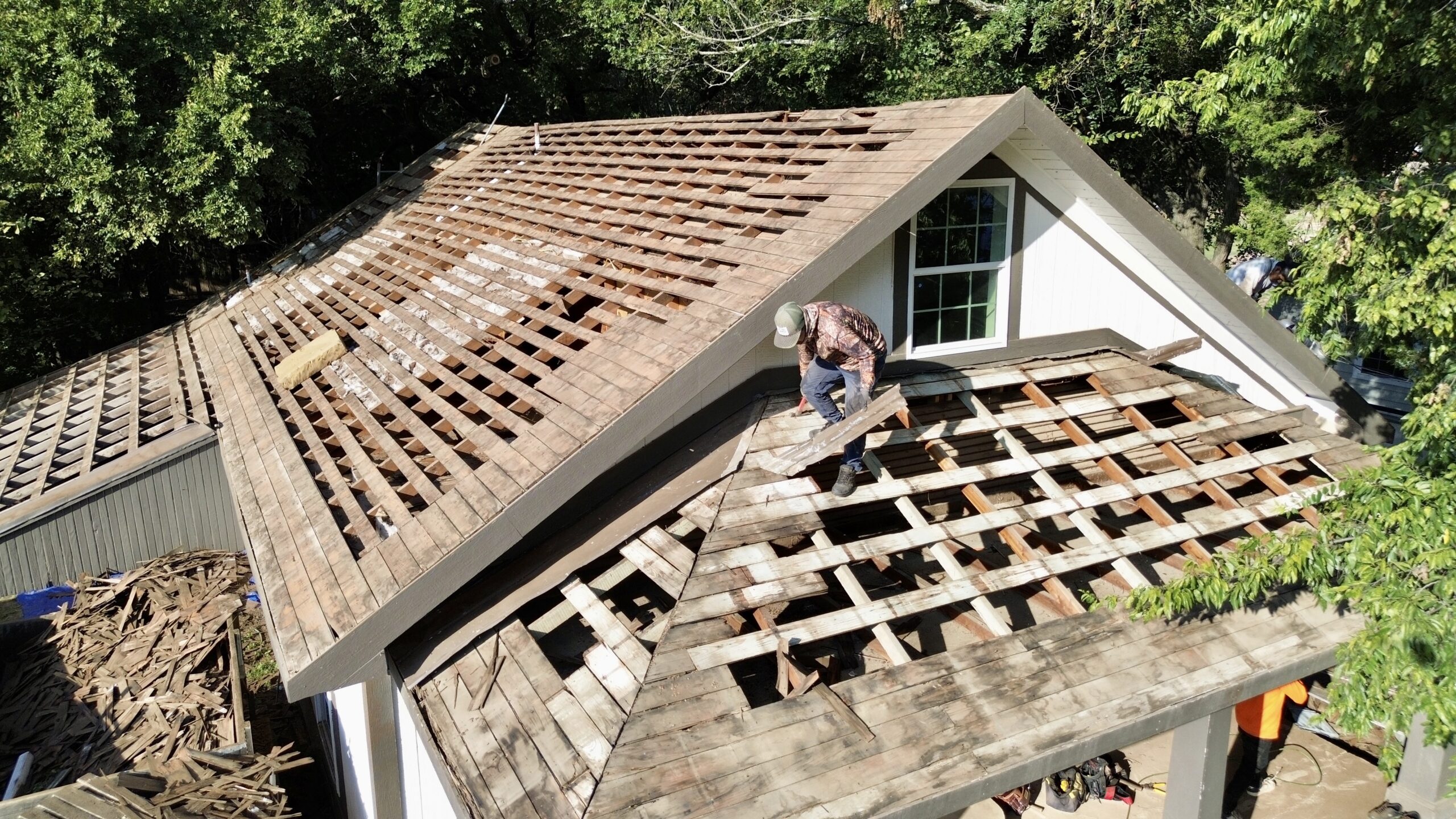
Inspecting Shingles and Roofing Materials With Drones
Shingles and other roofing materials are among the first components examined during a drone-based residential roof inspection. An aerial camera can provide a clear view of large sections of the roof, making it easier to identify visible changes that may be difficult to recognize from the ground. The inspector can review the imagery for missing, cracked, curled, lifted, or displaced materials.
Drone images can be especially useful for identifying patterns of deterioration. One damaged shingle may represent an isolated problem, while similar damage across several roof slopes may indicate broader aging or weather exposure. Aerial photography allows inspectors to compare different sections and determine whether visible concerns are concentrated in particular areas.
Color and texture changes can also be documented. Areas with unusual discoloration may be associated with aging, organic growth, moisture exposure, or other conditions. However, the appearance of a roof surface alone cannot establish the exact cause, so visible findings should be interpreted alongside other inspection information.
For asphalt shingles, drones may help document granule loss and surface wear. Large areas of exposed or deteriorated shingle surfaces can become more noticeable from an elevated angle. Granules collected in gutters may also provide additional information, although this condition cannot be fully assessed from aerial images alone.
Curling and lifted edges can be easier to see from above because the camera can capture the surface at an angle. Shingles that appear raised or displaced may be vulnerable to wind and water exposure. A professional can determine whether the condition requires localized repair, monitoring, or more extensive work.
Other roofing materials can also benefit from aerial inspection. Metal panels, tiles, membrane systems, and other materials each have different visual characteristics and failure signs. The drone provides the imagery, while the inspector’s knowledge determines how those observations should be interpreted.
Drone imagery should always be reviewed carefully rather than relying on a single photograph. Lighting, shadows, camera angle, and image resolution can affect how roofing defects appear. Multiple images from different angles can provide a clearer understanding of a suspected problem.
Identifying Storm and Weather Damage
Severe weather can change the condition of a residential roof quickly, making post-storm inspections particularly important. Drones can provide a fast way to document visible damage after strong winds, hail, heavy rainfall, or falling branches. The operator can capture the roof from above without immediately placing an inspector on potentially unstable surfaces.
Wind damage may appear as missing, lifted, or displaced shingles. Roof edges, corners, ridges, and other exposed areas can be particularly important during a post-storm inspection. Aerial photographs can show the location and extent of visible displacement more clearly than some ground-level views.
Hail damage can be more challenging because impacts may be small or difficult to distinguish in photographs. A drone may help document areas that appear unusual, but camera images cannot always confirm whether a surface mark represents hail damage. Close physical assessment may still be required.
Fallen branches can produce obvious and hidden damage. Aerial images may show broken roofing materials, displaced components, debris, or areas where the roof surface has been impacted. The imagery can help identify where additional inspection should be focused.
Heavy rain can also expose weaknesses around valleys, flashing, roof penetrations, and drainage areas. A drone cannot directly observe every leak, but it can document exterior conditions that may be associated with water intrusion. Interior and attic inspection may still be necessary to determine whether water has entered the home.
After a storm, documentation is especially valuable. Images can establish the visible condition of the roof at a particular time and help homeowners and roofing professionals understand the extent of damage. If the roof is inspected again later, the images can also be compared to identify changes.
Drone operators should consider weather conditions before flying. Strong winds, rain, poor visibility, and other hazards can affect flight safety and image quality. A responsible inspection should be postponed when conditions make drone operation unsafe or unreliable.
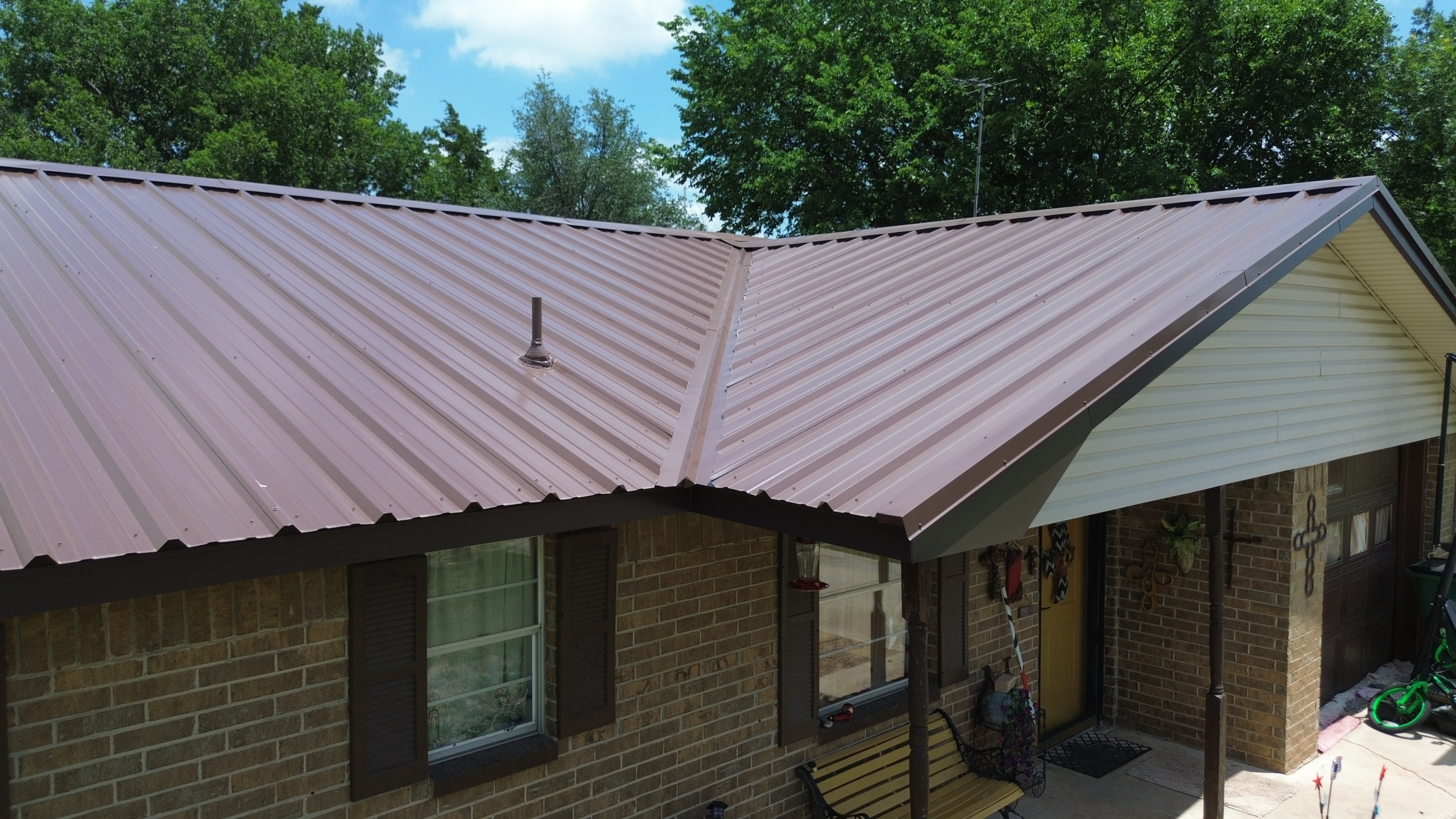
Examining Roof Edges, Valleys, and Ridges
Roof edges, valleys, and ridges can be difficult to inspect from the ground because of their position and angle. Drone photography can provide a more direct view of these areas and reveal visible conditions that may otherwise remain unnoticed. These locations are important because they perform specific functions within the roofing system and can experience significant weather exposure.
Roof edges are particularly vulnerable to wind. Loose or lifted materials along the perimeter can become more exposed during future storms. Drone imagery can document displaced shingles, damaged edge components, missing materials, and other visible concerns.
Ridges are the highest points of many sloped roofs and often contain specialized ridge materials or ventilation components. Aerial images can show whether these components appear intact and properly positioned. If a ridge section appears damaged or displaced, the images can help identify its approximate location.
Valleys require careful observation because water naturally flows through them. Leaves, branches, and roofing debris can accumulate in these areas and interfere with drainage. A drone can capture overhead views that make it easier to identify visible debris or deteriorated materials.
Damage in a valley can have broader consequences because water may continue to pass through the area during rainfall. Cracked, displaced, or deteriorated materials can increase the risk of moisture entering the roof assembly. However, the presence of a visible defect does not always indicate that a leak is occurring.
Drone images can also help compare different valleys on the same roof. If one valley appears significantly different from another, the difference may warrant closer inspection. This type of comparison is useful when evaluating complex residential roofs with multiple drainage paths.
The roof’s overall geometry can also be better understood through aerial imagery. Multiple slopes, intersecting sections, dormers, and additions can be difficult to visualize from the ground. A drone can provide an overview that helps inspectors organize their findings by roof section.
Inspecting Flashing and Roof Penetrations
Flashing is an important part of a roofing system because it helps protect transitions and vulnerable areas from water intrusion. Chimneys, skylights, vents, walls, and other penetrations require appropriate flashing or weatherproofing. Drone imagery can provide useful views of these components without requiring immediate physical access.
Around chimneys, aerial photographs can show visible flashing, surrounding roofing materials, and the transition between the chimney and roof. Loose, damaged, or visibly deteriorated flashing may be identified through close imagery. However, the camera cannot always determine whether the flashing is properly installed beneath overlapping materials.
Skylights can also be documented from above. The drone may capture the condition of the skylight frame, surrounding shingles, and visible flashing. If there are interior water stains around the skylight, the aerial images can be compared with interior observations to determine whether further investigation is necessary.
Plumbing vents and exhaust vents are additional areas that can benefit from aerial photography. The camera may reveal cracked components, damaged flashing, displaced materials, or visible gaps. A closer physical inspection may still be needed to evaluate seals and connections that are not visible from above.
Other roof penetrations, including rooftop equipment and mounted structures, should also be included in the inspection. Attachments can create additional points where roofing materials interact with external equipment. Drone images can help document the condition of these areas and identify locations that require professional attention.
One limitation is that many flashing systems contain components beneath the visible surface. A drone can only document what its camera can see. It cannot confirm whether hidden flashing layers, underlayment, fasteners, or seals are correctly installed.
For this reason, aerial inspection is most effective when used as a screening and documentation tool. Visible concerns can be identified and prioritized, while areas requiring deeper evaluation can be inspected using appropriate methods.
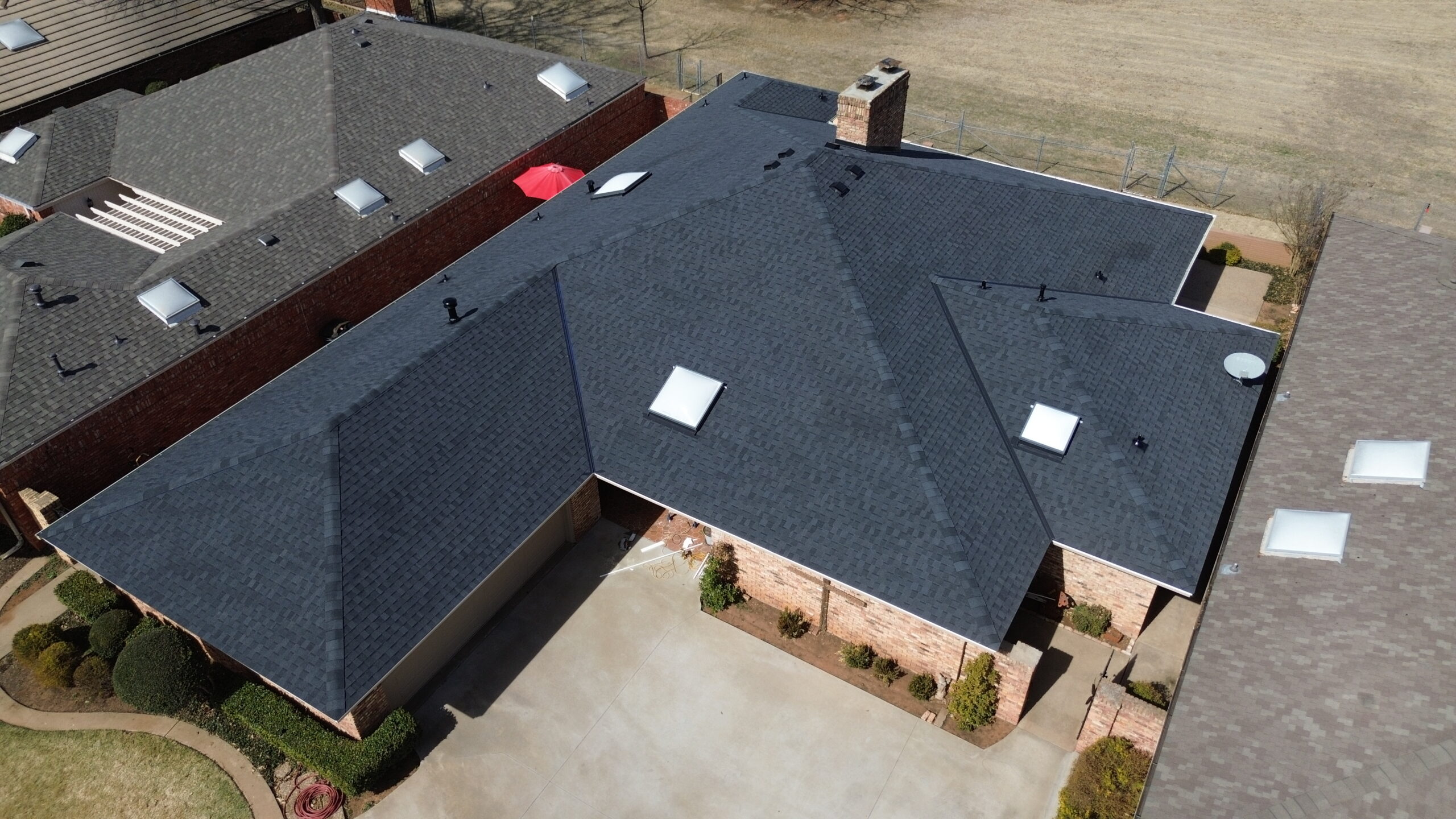
Using Drone Images to Identify Moisture-Related Concerns
Moisture damage is one of the most important concerns in residential roofing, but it can also be one of the most difficult to identify through standard aerial photographs. A drone camera may show surface conditions associated with moisture, but it cannot directly see through roofing materials to determine whether water is present beneath them.
Visible staining, discoloration, algae growth, deteriorated roofing materials, or debris accumulation may provide clues. For example, an unusually dark area could warrant closer inspection, especially if it appears near a valley, roof penetration, or drainage location. However, discoloration can have many causes and should not automatically be interpreted as a leak.
Some specialized drones or inspection systems may incorporate thermal imaging equipment. Thermal images can sometimes reveal temperature differences across a roof surface that may justify further investigation. These findings still require careful interpretation because temperature patterns can be affected by sunlight, insulation, ventilation, moisture, and weather conditions.
Interior observations remain important when moisture is suspected. Ceiling stains, damp insulation, attic condensation, or water marks can provide evidence that cannot be obtained from an exterior drone image alone. Combining aerial imagery with interior observations creates a more complete picture.
A drone can also help identify possible drainage problems. Blocked valleys, debris near drains, or damaged gutters may be visible from above. These conditions can contribute to water accumulation and should be documented for maintenance or professional evaluation.
Moisture-related findings should therefore be described carefully. A professional report should distinguish between visible evidence and suspected conditions rather than claiming that an aerial image proves a hidden leak. This helps homeowners understand what has actually been observed and what requires further investigation.
Comparing Drone Inspections With Traditional Roof Inspections
Drone and traditional roof inspections each have advantages, and the most appropriate method depends on the property and purpose of the assessment. A traditional inspection may involve ground-level observation, ladder access, roof walking, attic examination, and physical evaluation of roofing components. A drone inspection focuses primarily on aerial visual documentation.
One major advantage of drones is reduced physical exposure. An inspector can view difficult roof areas while remaining on the ground, which can be especially useful when the roof is steep, high, fragile, or complicated. This does not eliminate all inspection risks because drone operation itself requires careful planning around people, structures, and obstacles.
Traditional inspections can provide information that aerial cameras cannot. A trained professional can physically examine certain materials, check conditions that require close contact, inspect accessible attic spaces, and evaluate components hidden from the camera. These capabilities are important when investigating suspected leaks or structural concerns.
Drone inspections are particularly strong for documentation. Aerial images can provide a broad overview of the roof and show the location of visible defects. They can also be stored for future comparison, making them useful for maintenance records and post-storm documentation.
Traditional inspections may be more suitable when the roof requires detailed physical assessment. However, physically walking on a roof can sometimes disturb fragile or aging materials and may create safety risks. The inspection method should therefore be selected based on the roof’s condition and the information required.
In many cases, the best approach is not to choose one method exclusively. Drone imagery can provide an efficient initial assessment and identify areas that deserve closer attention, while traditional methods can investigate specific concerns in greater depth.
The goal of any inspection is to understand the roof’s condition accurately and safely. When drone technology and traditional inspection techniques are used appropriately, they can complement each other and provide homeowners with better documentation, improved access to difficult views, and more informed roofing maintenance decisions.
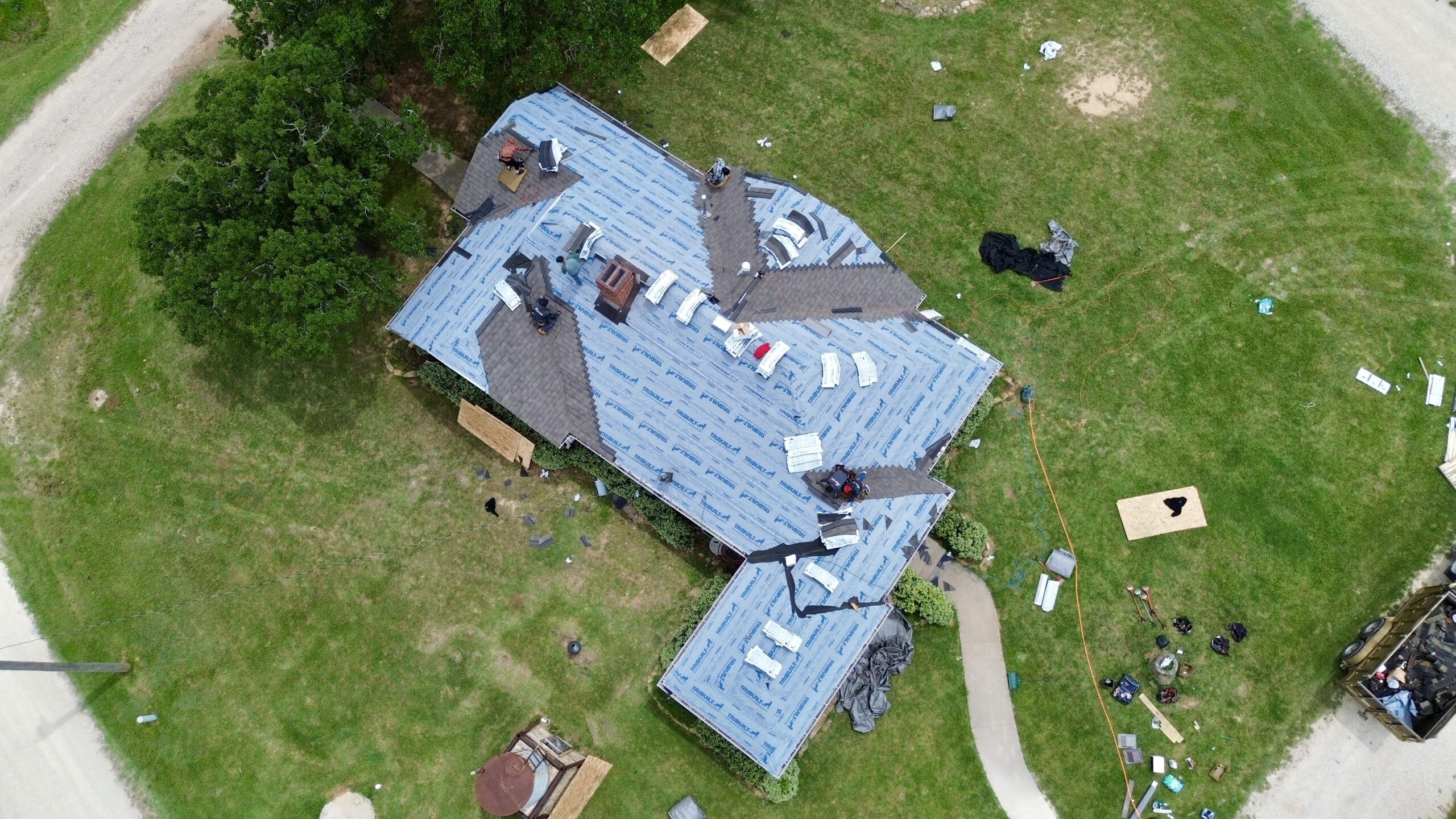
Drone Inspection Reports and Documentation
A drone roof inspection becomes significantly more useful when the images and observations are organized into a clear inspection report. Simply receiving hundreds of aerial photographs can make it difficult for a homeowner to understand what matters and which areas need attention. A well-prepared report connects each image with a specific roof location, observed condition, and recommended next step.
A typical report may include an overview of the property, photographs of individual roof sections, descriptions of visible findings, and notes about areas that require further evaluation. Images should be clear enough to show the relevant roofing component while also providing enough surrounding detail to identify its location.
Good documentation should distinguish between confirmed visible conditions and suspected problems. For example, an aerial image may clearly show a missing shingle, but it may not prove that moisture has entered the roof assembly. Clear wording helps homeowners understand what the drone actually identified and what requires additional inspection.
Drone imagery can also be useful for creating a visual history of the roof. If similar photographs are captured during future inspections, homeowners can compare conditions over time. Changes such as additional missing shingles, expanding areas of deterioration, or new storm damage may become easier to recognize.
Reports may also include roof measurements or diagrams when appropriate. These details can help with maintenance planning and provide roofing professionals with a clearer understanding of the property. However, measurements should be generated using appropriate equipment and methods rather than estimated from ordinary photographs.
Photographs should be labeled consistently so that homeowners can easily understand where each concern is located. For example, images may be organized according to front slope, rear slope, left section, right section, valleys, ridges, and roof penetrations. This organization makes future repairs and follow-up inspections easier to manage.
Documentation is particularly valuable after severe weather. Aerial photographs can create a record of visible conditions after a storm and help identify areas that need immediate attention. Homeowners should still seek professional assessment when the damage is extensive, but clear images can support the inspection process and provide useful historical information.
How Aerial Images Help With Roof Maintenance Planning
Drone inspections can support a more proactive approach to residential roof maintenance. Instead of waiting until a major leak or obvious failure occurs, homeowners can use periodic aerial imagery to monitor the condition of visible roofing components. This can help identify areas that may need maintenance before they become more serious.
One useful benefit is the ability to identify localized deterioration. If a particular roof section consistently shows more wear than surrounding areas, homeowners can monitor that location more closely. A roofing professional can then determine whether the difference is related to exposure, drainage, material aging, installation, or another factor.
Aerial photographs can also help homeowners understand how different roof sections are performing. One slope may receive more direct sunlight, while another may remain shaded by nearby structures or trees. These environmental differences can influence how quickly roofing materials weather.
Maintenance planning can also include drainage components. Drone imagery may reveal leaves or debris in valleys, visible gutter issues, or areas where water movement could be affected. These observations can encourage timely cleaning and professional evaluation when necessary.
Another advantage is prioritization. A homeowner may have several visible roofing concerns but limited time or budget to address everything immediately. A detailed inspection report can help distinguish conditions that require prompt attention from those that can be monitored.
Aerial records can also be useful when planning future roof replacement. Rather than waiting until the roof has severe problems, homeowners can use inspection history to understand how the system has changed. This can make budgeting and scheduling more predictable.
However, maintenance planning should never rely exclusively on drone photographs. Hidden moisture, underlayment problems, structural deterioration, attic conditions, and other issues may not appear in aerial images. Drone findings should therefore be combined with other inspection information whenever necessary.
When Homeowners Should Consider a Drone Roof Inspection
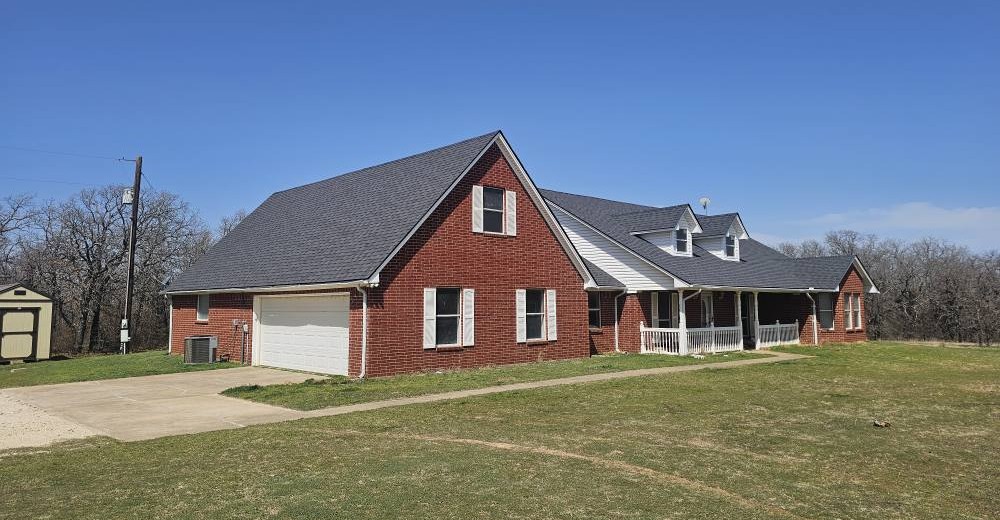
A drone inspection can be particularly useful when a homeowner wants a detailed visual assessment without immediately requiring physical access to the roof. This can be helpful for tall homes, steep roofs, complex roof designs, and properties where some areas are difficult to view safely from the ground.
Homeowners may also consider drone inspection after significant weather. Strong winds, hail, heavy rain, and falling branches can affect roofing materials in ways that are difficult to identify from street level. Aerial imagery can provide a broader view of the roof and help identify areas that deserve closer examination.
Another useful situation is routine maintenance documentation. A drone inspection can establish a visual baseline that can be compared with future images. This can be especially helpful for homeowners who want to monitor an aging roof and plan maintenance before problems become emergencies.
Drone inspections may also be useful when buying or selling a property. Aerial images can provide additional information about the visible condition of the roof and help identify areas that may require further assessment. However, buyers should not treat a drone inspection as a complete substitute for a full property inspection.
After a repair or roof replacement, aerial imagery can also document the finished condition. Photographs can provide a record of the completed work and help homeowners maintain organized property records. Future inspections can then be compared against the documented condition.
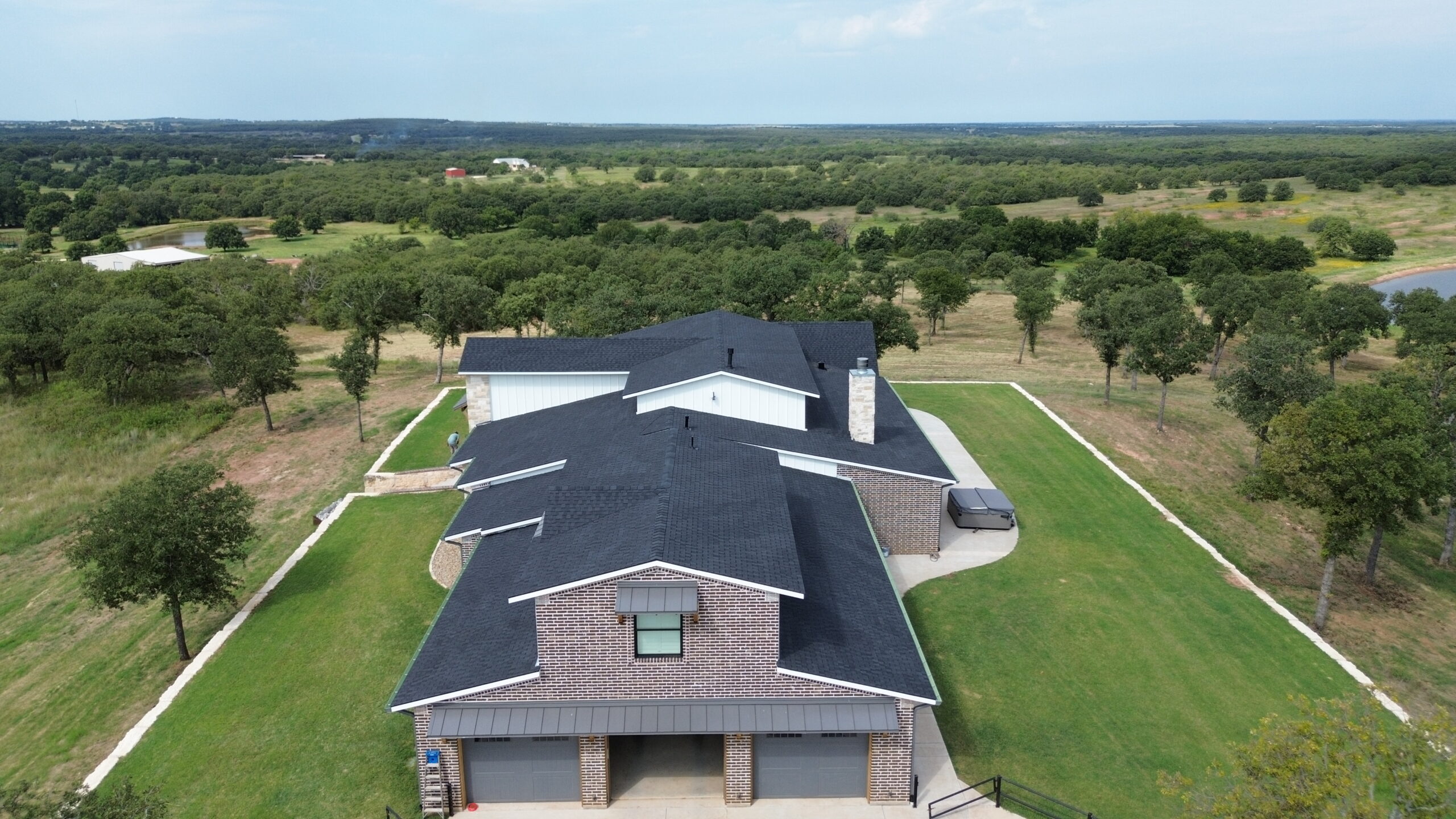
Properties with multiple roof sections can benefit from aerial documentation because the overall layout may be difficult to understand from ground level. Dormers, additions, intersecting slopes, valleys, skylights, and rooftop equipment can all be captured in a broader visual record.
The decision to use a drone should ultimately depend on the information needed and the condition of the property. A drone is especially valuable when improved visibility and documentation are the primary goals, but additional inspection methods may be required when hidden or structural problems are suspected.
Situations Where a Physical Inspection Is Still Necessary
Although drones provide valuable aerial information, they cannot replace every aspect of a professional roofing inspection. Cameras can document visible surfaces, but many roofing conditions exist beneath the materials or inside the building. Physical inspection may therefore be necessary when the available images cannot answer important questions.
Active leaks are a common example. A drone may identify damaged shingles, flashing, or other potential entry points, but it cannot always determine whether water is entering the roof assembly. Interior and attic inspections can provide important evidence about moisture movement and the extent of water exposure.
Structural concerns also require additional assessment. Aerial images may show a sagging or uneven roof area, but they cannot determine the condition of the underlying framing or roof decking. A qualified professional may need to inspect these components directly.
Some flashing systems contain hidden layers that are not visible from above. A drone photograph may show the exterior surface while concealing problems underneath. When a leak is suspected around a chimney, skylight, or other penetration, closer inspection may be necessary.
Roofing materials can also have defects that are difficult to confirm visually. Certain forms of hail damage, surface deterioration, loose fasteners, or material weakness may require physical examination. The inspector may need to evaluate the roofing material at close range to determine whether damage is present.
Attic ventilation and insulation conditions are another area where drones have limited usefulness. Aerial images cannot show whether insulation is wet, whether indoor air is entering the attic, or whether condensation is occurring beneath the roof. These conditions require access to interior areas.
A professional should also determine whether the roof is safe to access. Even when a physical inspection is required, the inspector should use appropriate safety procedures and equipment. The goal is to obtain accurate information without creating unnecessary risk.
Drone inspection should therefore be viewed as a valuable part of an inspection strategy rather than a universal replacement for physical evaluation. The right combination of methods depends on the roof, the suspected problem, and the information required.
Choosing a Qualified Drone Roofing Inspector
The quality of a drone inspection depends not only on the aircraft and camera but also on the person operating the equipment and interpreting the images. Homeowners should look for professionals who understand both drone operation and residential roofing systems. Strong photography alone is not enough to accurately evaluate roofing conditions.
Experience with residential roof types is important because different materials have different inspection characteristics. Asphalt shingles, metal roofing, tile, and low-slope systems can show different signs of wear and damage. A knowledgeable inspector can interpret aerial findings in the context of the specific roofing system.
Safety and regulatory compliance should also be considered. Drone operations may be subject to local aviation requirements, property restrictions, and operational rules. A responsible operator should understand the requirements applicable to the inspection and should plan flights accordingly.
Homeowners should ask how the inspection will be performed and what will be included in the final report. Useful questions may include whether the service provides high-resolution photographs, annotated findings, roof measurements, documentation of damaged areas, and recommendations for additional inspection.
It is also helpful to ask whether the inspection includes only aerial photography or whether a broader roofing assessment is available. A drone-only service may be appropriate for visual documentation, while a comprehensive roofing inspection may require additional ground-level, attic, or physical evaluation.
The final report should be understandable to a homeowner. Technical terms may be necessary, but findings should be explained clearly enough to show what was observed and why it matters. Homeowners should also receive enough visual information to connect recommendations with specific areas of the roof.
Conclusion
Drone inspections have become a useful technology for evaluating and documenting residential roofing systems. By providing aerial views of roof surfaces, edges, valleys, ridges, flashing, penetrations, and other visible components, drones can help inspectors collect information efficiently while reducing the need for immediate physical access to difficult areas.
One of the strongest advantages of drone technology is improved visual documentation. High-quality aerial photographs can show the overall condition of a roof and provide detailed images of specific concerns. When these images are organized into a clear report, homeowners can better understand the condition of their roofing system and identify areas that require attention.
Drone inspections are especially useful after severe weather, during routine maintenance planning, and when roofs are difficult or unsafe to access. Aerial imagery can reveal missing materials, visible storm damage, debris, deterioration, and other surface conditions that may not be obvious from the ground.
At the same time, homeowners should understand the limitations of this technology. A drone camera cannot see every hidden roofing defect, determine all moisture conditions, evaluate structural strength, or inspect the interior of an attic. Physical inspection may still be necessary when there are active leaks, structural concerns, hidden damage, or questions that aerial imagery cannot answer.
The most effective roofing inspection strategy often combines multiple methods. Drone imagery can provide broad visual coverage and valuable documentation, while ground-level observation, attic inspection, and physical assessment can provide information that a camera cannot capture.
For homeowners, the goal should not simply be to use the newest inspection technology. The goal is to obtain accurate, useful information about the roof while maintaining appropriate safety. When operated by a qualified professional and combined with sound roofing knowledge, drone inspections can be a valuable tool for understanding roof conditions, documenting changes, planning maintenance, and responding to storm damage.
A well-documented drone inspection can ultimately give homeowners greater visibility into one of the most important protective systems in their property. By using aerial technology appropriately and recognizing when additional professional assessment is needed, homeowners can make better-informed decisions about roof maintenance, repairs, and long-term roofing care.