
Residential Roofing Inspection Schedule for Homeowners
Introduction
A residential roof is constantly exposed to weather and environmental conditions that can gradually affect its performance. Rain, wind, sunlight, temperature changes, falling branches, debris, and moisture can all contribute to roofing deterioration over time. Regular inspections help homeowners identify changes early and understand when maintenance or professional repairs may be necessary.
A roof inspection does not always require climbing onto the roof. Many useful checks can be completed safely from the ground, inside the attic, or around the home’s exterior. Professional inspections are important when the roof is steep, difficult to access, damaged, or requires a detailed evaluation.
Creating a consistent inspection schedule makes roof care easier to manage. Instead of waiting for a leak or visible failure, homeowners can check the roof at planned intervals and after significant weather events. This approach can help identify minor problems before they develop into more extensive damage.
The appropriate inspection frequency depends on several factors, including the roof’s age, material, condition, local climate, surrounding trees, and exposure to severe weather. A newer roof in a mild environment may need less frequent professional attention than an older roof exposed to frequent storms.
A residential roof inspection should examine more than the visible roofing surface. Gutters, flashing, valleys, vents, roof penetrations, attic conditions, and interior ceilings can all provide important information about the roofing system. Looking at these areas together gives homeowners a better understanding of how well the roof is performing.
Homeowners should also distinguish between inspection and repair. An inspection identifies conditions that may require attention, but repairing roofing materials can involve significant safety risks. If a problem requires climbing onto the roof or handling damaged components, a qualified roofing professional should be contacted.
A well-planned inspection schedule gives homeowners a practical way to protect their property. By checking the roof regularly, documenting changes, and responding promptly to warning signs, families can make better decisions about maintenance, repairs, and eventual roof replacement.
Why a Regular Residential Roof Inspection Schedule Matters
Regular roof inspections help homeowners discover developing problems before they become difficult and expensive to address. Roofing damage often begins in a small area, such as one missing shingle, a cracked tile, or deteriorating flashing. If the issue is ignored, continued exposure to water and weather may affect surrounding materials.
Moisture is one of the main reasons early inspection matters. A small opening in the roofing system can allow water to enter beneath the surface and travel into insulation, roof decking, framing, ceilings, or walls. The interior damage may not become visible until the problem has already existed for some time.
Routine inspections also help homeowners understand normal aging. Roofing materials naturally change as they are exposed to sunlight, wind, rain, and temperature variations. Comparing the roof over time makes it easier to distinguish gradual aging from sudden damage.
A regular schedule can also support better financial planning. When homeowners know that a roof is aging or requires increasing maintenance, they have more time to prepare for future expenses. This can reduce the pressure of arranging an emergency replacement after a major failure.
Inspection records may also be useful when discussing the property with contractors. A history of photographs, dates, repairs, and previous observations gives professionals additional information when evaluating recurring problems.
Another benefit is improved storm preparedness. A roof that is already missing materials or has damaged flashing may be more vulnerable during severe weather. Identifying those weaknesses before a storm can give homeowners an opportunity to address them.
Homeowners should not assume that a roof is healthy simply because there are no leaks inside the home. Some problems remain hidden until they become more advanced. Regular exterior and interior checks provide a more complete picture.
A simple inspection schedule can include routine visual observations throughout the year, seasonal checks, post-storm inspections, and professional evaluations when necessary. The schedule should be adjusted according to the property’s individual conditions rather than followed as a rigid rule.
Recommended Roof Inspection Frequency
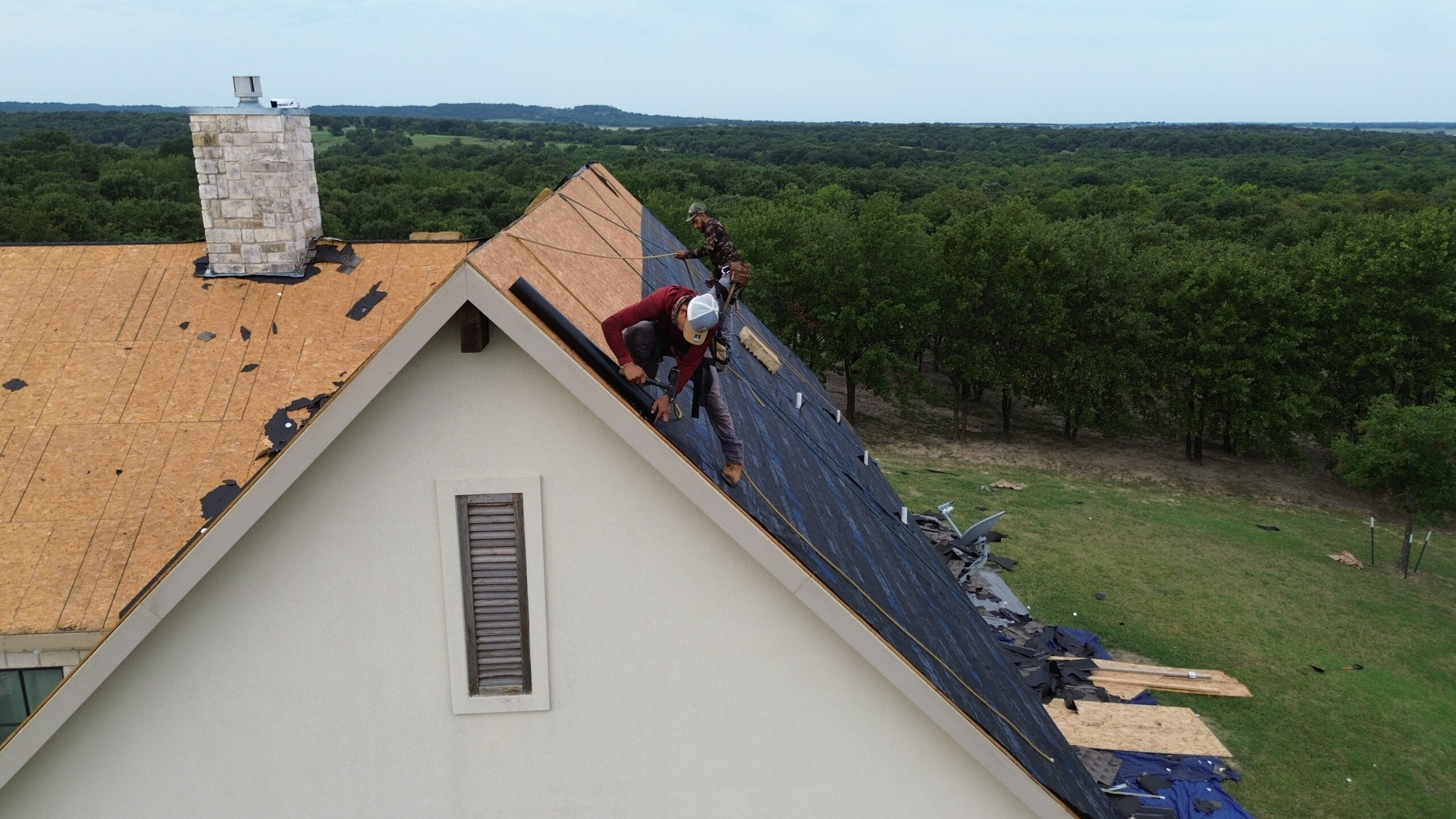
There is no single inspection schedule that applies equally to every residential roof. The ideal frequency depends on factors such as roof age, roofing material, weather exposure, maintenance history, and surrounding vegetation. However, homeowners can use a general routine as a starting point.
A basic visual check can be performed periodically from the ground. Homeowners can look for missing or displaced roofing materials, visible debris, damaged gutters, fallen branches, and other obvious changes. Binoculars can help examine higher areas without requiring roof access.
Seasonal inspections can provide a more structured approach. Checking the roof before periods of severe weather and again afterward can help identify vulnerabilities and storm-related damage. The timing should reflect the climate and weather patterns in the area.
Professional inspections may be appropriate at regular intervals, particularly for older roofs or properties exposed to harsh conditions. A professional can inspect areas that homeowners cannot safely reach and identify problems involving flashing, ventilation, roofing layers, or structural components.
Older roofs generally deserve closer attention. As roofing materials age, they can become more vulnerable to cracking, deterioration, leaks, and weather damage. This does not mean an older roof automatically needs replacement, but its condition should be monitored carefully.
Homes surrounded by large trees may also require more frequent inspections. Branches can scrape roofing materials, while leaves and twigs can accumulate in valleys and gutters. Storms can increase the risk of falling branches and other debris.
After significant weather events, homeowners should inspect the property as soon as conditions are safe. High winds, hail, heavy rain, and falling branches can cause damage that may not be immediately obvious.
A practical schedule can be organized around four types of checks:
- Routine visual observations from safe locations
- Seasonal roof and drainage inspections
- Post-storm inspections
- Professional inspections when required by age, condition, or risk
The purpose of scheduling inspections is not to create unnecessary work. It is to establish a predictable system that helps homeowners notice changes before they become serious.
Seasonal Roof Inspection Tasks
Seasonal inspections allow homeowners to focus on conditions that may affect the roof during different times of the year. The exact tasks depend on local weather, but the basic principle remains the same: inspect before demanding conditions and check for damage afterward.
Before a period of heavy rainfall, homeowners should examine visible roofing materials and drainage components. Gutters and downspouts should be clear, while roof valleys should be free from excessive debris where they can be safely observed.
Nearby trees should also be checked. Dead or unstable branches can become a hazard during strong winds or heavy rain. Large branches should be handled by qualified tree professionals rather than homeowners attempting risky trimming.
After a major storm, the roof should be visually checked from a safe position. Missing shingles, broken tiles, displaced panels, fallen branches, damaged gutters, and other unusual changes should be documented.
During warmer periods, homeowners can pay attention to attic conditions. Excessive heat, moisture, condensation, or unusual odors may indicate ventilation or moisture concerns. Significant attic changes should be professionally evaluated when necessary.
In areas with substantial autumn leaf fall, homeowners should pay particular attention to gutters and valleys. Accumulated leaves can interfere with drainage and retain moisture against roofing materials.
In colder climates, homeowners may need to consider snow, ice, and freezing temperatures. Roof inspections should not involve walking on icy surfaces, and professional assistance may be required when weather creates unsafe conditions.
Seasonal inspections can also reveal gradual changes in the roofing material. Comparing photographs from different seasons may help homeowners recognize areas that are deteriorating faster than the surrounding roof.
A seasonal inspection does not need to involve complicated procedures. The objective is to identify visible changes, drainage problems, moisture concerns, and potential hazards before they create larger issues.
What Homeowners Should Check During a Roof Inspection
A complete homeowner inspection should cover several areas rather than focusing only on shingles or tiles. The visible roof covering is important, but other components can also affect the performance and lifespan of the roofing system.
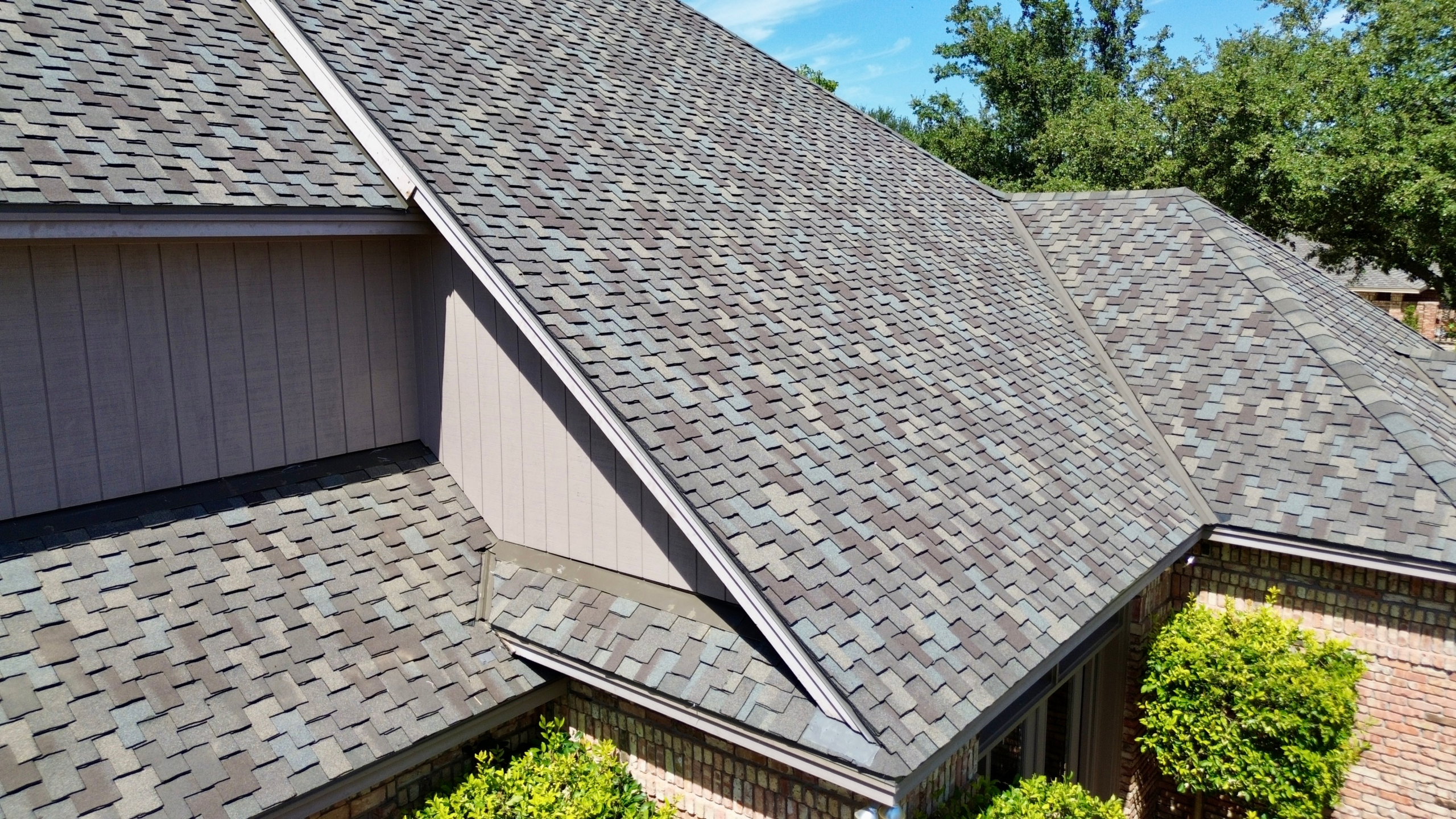
Homeowners should begin by looking for missing, cracked, curled, broken, or displaced roofing materials. Uneven areas or sections that look noticeably different from surrounding surfaces may also deserve further attention.
Flashing around chimneys, vents, skylights, and roof-to-wall transitions should be observed from safe locations. Signs of lifting, corrosion, gaps, or deterioration may indicate that professional evaluation is needed.
Gutters and downspouts should be checked for debris, sagging, separation, or visible damage. Water should have a clear route away from the roof and the home’s foundation.
Roof valleys deserve attention because they collect water from multiple sections. Excessive leaves or debris in these areas can interfere with drainage.
Homeowners should also check the interior of the home. Ceiling stains, peeling paint, damp areas, or unusual odors can indicate moisture intrusion. Attic areas can provide additional clues, including wet insulation, condensation, or staining beneath the roof.
Nearby trees should be included in the inspection. Branches touching the roof or extending over vulnerable areas can increase the risk of damage, especially during storms.
Vents and other roof penetrations should also be observed for obvious damage. These areas can become pathways for water if their surrounding flashing or seals deteriorate.
A homeowner inspection should focus on observation rather than repair. If something appears damaged, the safest approach is usually to document it and arrange an appropriate evaluation rather than attempting an unfamiliar repair.
Inspecting Shingles, Tiles, and Other Roofing Materials
The condition of the roof covering provides important information about the overall roofing system. Different materials have different warning signs, so homeowners should understand what deterioration may look like on their particular roof.
Asphalt shingles should be checked for missing, cracked, curled, lifted, or visibly deteriorated areas. Granules in gutters can provide additional information about aging, although some granule loss can occur naturally.
Tile roofs should be inspected for cracked, broken, or displaced tiles. Homeowners should avoid walking on tile surfaces because they can be fragile and may break under foot traffic. Ground-level inspection or professional assessment is safer.
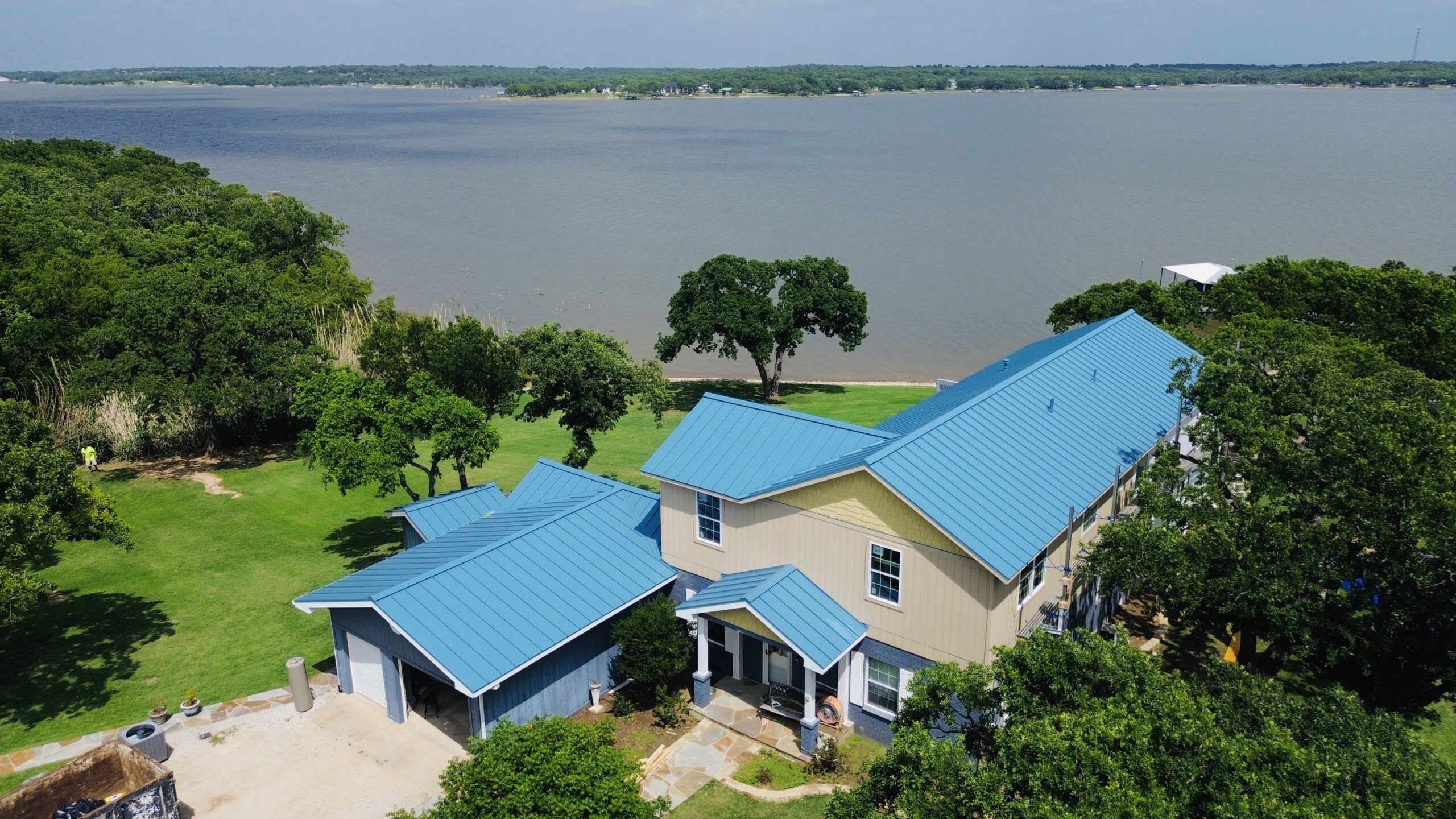
Metal roofing should be checked for loose panels, visible corrosion, damaged coatings, open seams, and problems around fasteners or flashing. Any unusual movement or significant surface damage should be evaluated professionally.
Wood shingles and shakes can develop splitting, decay, moisture damage, or biological growth. Their condition can vary significantly according to climate and maintenance history. Homeowners should avoid aggressive cleaning or handling of fragile wood roofing.
Synthetic roofing materials can have different inspection requirements depending on the specific product. The manufacturer’s care guidance can help homeowners understand appropriate maintenance and warning signs.
The age of the roofing material should also be considered. Aging does not automatically mean failure, but older materials may require more frequent inspection as their resistance to weather gradually changes.
Homeowners should look for patterns rather than focusing on a single isolated mark. Widespread deterioration, repeated damage, or multiple affected areas may indicate a larger roofing concern.
When the condition is difficult to determine from the ground, a professional inspection can provide a more accurate assessment. Qualified roofers can safely access difficult areas and determine whether the observed changes represent normal aging, localized damage, or a need for more extensive work.
Checking Flashing, Roof Penetrations, and Seals
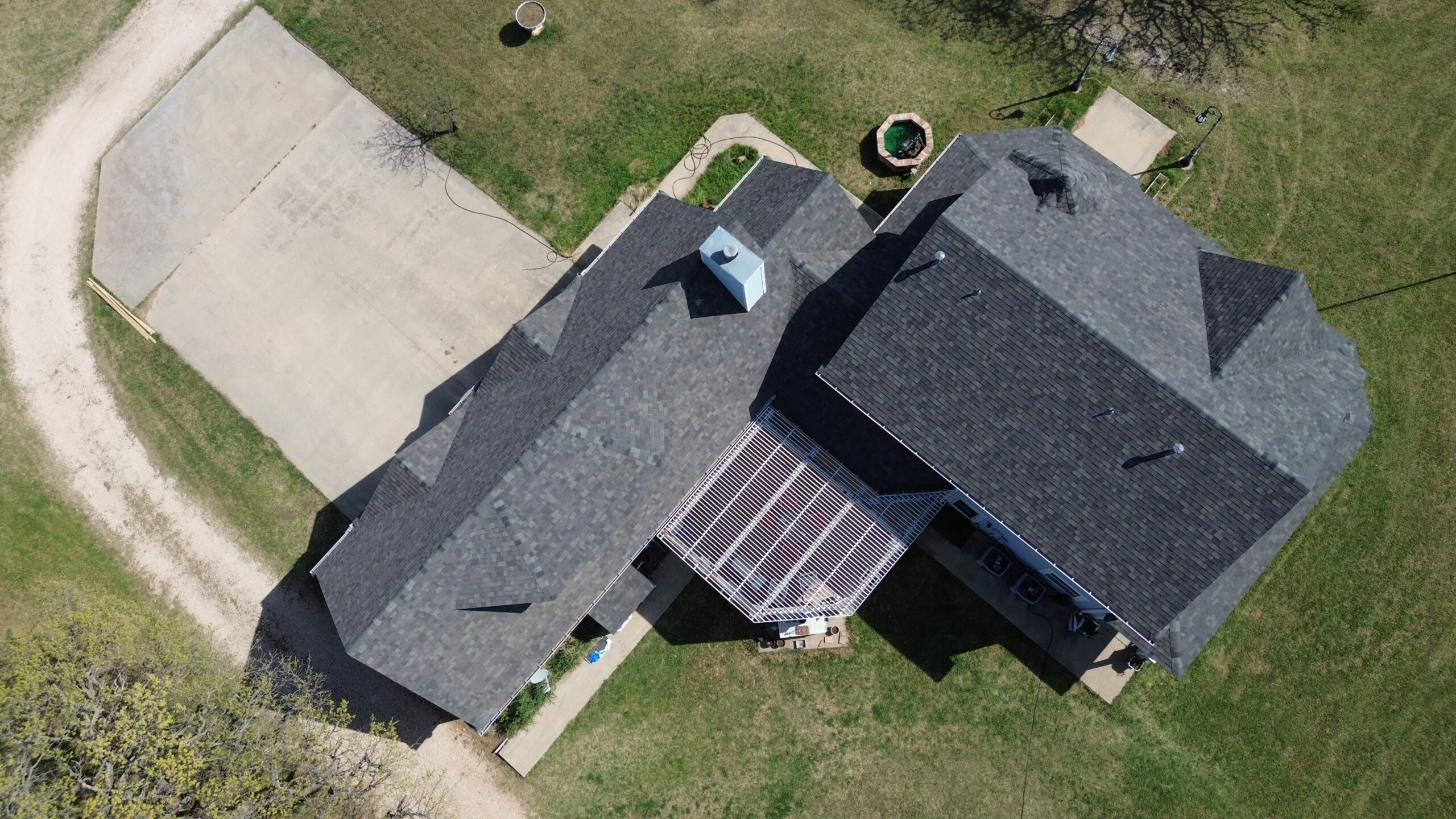
Flashing is an important part of the roofing system because it helps protect areas where the roof meets walls, chimneys, skylights, vents, and other structures. These transition points can be vulnerable to water intrusion if flashing becomes loose, damaged, corroded, or improperly sealed. During a routine inspection, homeowners should pay particular attention to these areas from a safe viewing position.
Flashing problems are not always obvious from the ground. A small gap or lifted section may allow water to enter beneath roofing materials while the exterior still appears relatively normal. Homeowners should therefore look for visible changes such as bent metal, rust, separated sections, cracked sealant, or materials that appear displaced.
Chimneys deserve special attention because they involve a transition between masonry and roofing materials. Water can enter where the chimney meets the roof if flashing or surrounding seals deteriorate. Interior stains near a chimney may be an additional warning sign that professional evaluation is needed.
Skylights and roof vents should also be checked during scheduled inspections. The surrounding flashing and seals can deteriorate over time because these areas are exposed to sunlight, rain, and temperature changes. Any visible cracking, separation, or water staining should be documented rather than ignored.
Roof-to-wall transitions are another important inspection area. Water can collect or travel along these locations when flashing is damaged or drainage is poor. Homeowners should look for obvious gaps or deterioration and arrange professional inspection if something appears unusual.
Sealants should not be treated as permanent solutions. They can deteriorate as the roof expands and contracts with changing temperatures. Applying new sealant over a damaged component may temporarily hide a problem without addressing the underlying cause.
Homeowners should also avoid disturbing flashing during a visual inspection. Pulling, bending, or lifting components to see underneath them can create damage that was not previously present. The safest inspection is observational unless a qualified professional is performing a detailed assessment.
A regular inspection schedule helps identify changes in these vulnerable areas before water intrusion becomes extensive. When homeowners notice recurring moisture, damaged flashing, or deterioration around roof penetrations, professional evaluation can help determine whether repair or replacement is appropriate.
Inspecting Gutters, Downspouts, and Roof Drainage
A roof inspection is incomplete without checking the drainage system. Rainwater needs to move from the roof into gutters, through downspouts, and away from the home’s foundation. Blocked or damaged drainage components can allow water to remain against roofing materials or overflow onto exterior walls.
Gutters should be checked for accumulated leaves, twigs, dirt, and other debris. Heavy buildup can restrict water flow and increase the possibility of overflow during rainfall. Homeowners should inspect gutters from a safe position and avoid climbing onto the roof simply to reach difficult areas.
Sagging gutters can indicate that sections are overloaded, improperly supported, or damaged. Separations between gutter sections can also allow water to escape before reaching the downspout. These problems may become more noticeable during rainfall.
Downspouts should provide a clear path for water to leave the gutter system. Homeowners should check for visible blockages, disconnected sections, or damaged outlets. Water should discharge away from the home’s foundation rather than collecting directly beside it.
Roof valleys should also be observed because they naturally concentrate water from multiple roof sections. Leaves and debris can accumulate in these areas and interfere with drainage. If valleys are difficult or dangerous to access, a professional should perform the inspection.
Drainage problems can contribute to roof deterioration even when the roofing material itself initially appears healthy. Repeated exposure to standing or slowly moving water may affect vulnerable areas over time. Proper drainage is therefore an important part of preserving the roof.
After heavy rainfall, homeowners can observe drainage performance from the ground when conditions are safe. Overflowing gutters, unusual streams of water, or water collecting around the foundation can indicate a drainage issue that needs attention.
Gutter guards can reduce certain types of debris but do not eliminate maintenance requirements. Leaves and small particles may still collect on or beneath the system, and the gutters and downspouts should remain part of the inspection schedule.
Maintaining drainage also protects other parts of the home. Properly directed water can reduce the risk of damage to siding, exterior walls, landscaping, and foundation areas. This makes gutter and downspout inspection an important part of the overall residential roofing schedule.
Attic and Interior Inspection for Roof Problems
Some roofing problems are easier to identify from inside the home than from outside. Water can enter through a small roof opening and travel along structural components before becoming visible on a ceiling. Regular interior and attic inspections can therefore provide useful information about the condition of the roofing system.
Ceilings should be checked for new or changing stains. Brown or discolored areas can indicate previous or current moisture intrusion, although the visible mark may not be directly below the actual roof problem. Homeowners should document changes and arrange professional evaluation when necessary.
Walls near the upper sections of the home can also provide clues. Peeling paint, bubbling surfaces, dampness, or discoloration may indicate moisture problems. These signs should not automatically be blamed on the roof because plumbing, condensation, and other building issues can produce similar symptoms.
Attic spaces can reveal additional information. Homeowners can safely observe accessible areas for damp insulation, water staining, mold-like growth, condensation, or unusual odors. Any serious concern should be assessed by an appropriate professional.
Ventilation is another consideration. Poor attic ventilation can contribute to moisture accumulation and temperature-related stress. Vents should not be blocked by insulation or stored items where they are designed to provide airflow.
Homeowners should also look for daylight entering through areas where it should not be visible. Small amounts of light can sometimes be normal around certain ventilation components, but unexpected openings may indicate gaps in the roof system.
During inspections, the condition of wooden roof components can also provide useful clues. Dark staining, dampness, or deterioration may indicate prolonged moisture exposure. These conditions should receive professional attention because structural components can be difficult for homeowners to evaluate accurately.
Interior inspections are particularly important after heavy rainfall. A roof may appear normal from the outside while water is entering through a small damaged area. Checking ceilings and attic spaces after severe weather can help identify problems earlier.
Homeowners should keep records of interior observations. Photographs with dates can help determine whether a stain is new, expanding, or unchanged. This information can be useful when communicating with a roofing contractor or another building professional.
The purpose of an interior inspection is not to diagnose every possible cause of moisture. Instead, it provides another layer of monitoring that can help homeowners recognize when professional investigation is needed.
Post-Storm and Severe Weather Roof Inspections
Severe weather can create roofing damage that is not immediately obvious. Strong winds may loosen shingles or panels, hail can affect roofing surfaces, and falling branches can cause direct impact damage. A post-storm inspection helps homeowners identify these issues before additional weather creates further deterioration.
The inspection should only begin when weather conditions are safe. Homeowners should not climb onto a wet, icy, damaged, or unstable roof after a storm. A ground-level inspection is often enough to identify obvious changes that require professional attention.
From the ground, homeowners can look for missing shingles, displaced tiles, loose panels, fallen branches, and damaged gutters. Binoculars can make higher areas easier to observe without creating unnecessary fall risks.
Large branches resting on the roof should not be removed without appropriate expertise. They may be unstable and could cause additional damage when moved. Tree professionals and roofing contractors can determine the safest way to address significant debris.
Hail damage can be difficult to recognize without experience. Small impacts may affect roofing materials without creating an immediate leak. If the property experienced significant hail, a professional roof inspection can help determine whether damage occurred.
Wind damage may include lifted or missing roofing materials. Even when only a small section appears affected, surrounding components may also need evaluation. Prompt inspection can reduce the possibility of water entering beneath damaged materials.
After a storm, homeowners should also inspect the attic and upper ceilings for signs of moisture. New stains, damp insulation, dripping water, or unusual odors can indicate that the roof’s protective layer has been compromised.
Photographs can be useful when documenting storm conditions. Homeowners should take pictures from safe locations and record the date and type of weather event. This documentation can help contractors understand what occurred and may be useful when discussing applicable insurance procedures.
Storm inspections should not be limited to roofs. Gutters, downspouts, vents, flashing, siding, and nearby trees may also have been affected. A complete exterior assessment provides a better understanding of the property’s condition.
Prompt professional evaluation is particularly important when storm damage is extensive. Temporary protective measures may be appropriate while permanent repairs are arranged, but homeowners should not attempt risky emergency repairs themselves.
Warning Signs That Require Immediate Attention
Some roofing problems can be monitored during routine inspections, while others require prompt professional attention. Recognizing the difference can help homeowners respond before a minor problem becomes extensive property damage.
An active interior leak is one of the clearest warning signs. Water dripping through a ceiling, wet insulation, or rapidly expanding water stains should be addressed promptly. The source may not be directly above the visible moisture, so professional investigation is often necessary.
Sagging areas of the roof are another serious concern. A sagging surface may indicate problems involving the roof structure or underlying materials. Homeowners should avoid walking near the affected area and arrange professional assessment.
Large areas of missing or displaced roofing materials should also receive immediate attention. Open sections can expose the underlying system to rain and other weather conditions. Temporary protection may be necessary until permanent repairs can be completed.
Severely damaged flashing can create pathways for water intrusion. This is particularly important around chimneys, skylights, vents, and roof-to-wall transitions. Prompt inspection can help determine whether the component can be repaired or needs replacement.
Large fallen branches should be treated as both a roofing and safety concern. They can create structural damage and may remain unstable after the storm. Professional assistance is safer than attempting to remove heavy debris without suitable equipment.
Homeowners should also take recurring leaks seriously. If the same location repeatedly develops moisture problems after repairs, the underlying cause may not have been fully addressed. A more detailed inspection may be necessary.
Signs of widespread deterioration can also indicate that the roof requires more than routine maintenance. Extensive cracking, curling, splitting, corrosion, or material loss may mean that repair or replacement planning should be considered.
A useful approach is to document the warning sign rather than immediately attempting to fix it. Photographs, dates, weather conditions, and the affected location can help a professional evaluate the situation more efficiently.
When to Schedule a Professional Roof Inspection
Homeowner inspections are useful for regular monitoring, but they cannot replace professional evaluation in every situation. Roofing professionals have the training, equipment, and experience required to assess difficult areas and identify conditions that may not be visible from the ground.
A professional inspection is particularly valuable when the roof is older. Aging materials can develop subtle deterioration that may not be obvious during a basic visual check. A professional can assess whether the roof remains suitable for continued maintenance or should be considered for larger repairs.
Professional inspections are also recommended after significant storms. Hail, high winds, falling branches, and severe rainfall can create hidden damage. An experienced inspector can evaluate the roofing materials and supporting components more thoroughly.
Homeowners should also consider professional evaluation when they notice repeated leaks. Recurring moisture often indicates that the underlying problem needs further investigation rather than another temporary patch.
Buying or selling a home can also be an appropriate time for a professional roof inspection. A detailed assessment provides useful information about the roof’s current condition and potential future maintenance requirements.
Before major remodeling work, a roof inspection may also be beneficial. New equipment, skylights, solar installations, or structural changes can affect the roofing system. Identifying existing problems beforehand can help avoid complications.
The inspection itself should provide useful information rather than simply recommending work. Homeowners should expect a clear explanation of observed conditions, photographs or documentation when appropriate, and a description of recommended next steps.
When choosing a roofing professional, homeowners should consider experience, licensing requirements where applicable, insurance, references, and the clarity of the inspection report. A detailed evaluation is more useful than a quick visual check followed by an immediate replacement recommendation.
A professional inspection does not automatically mean that repairs or replacement are necessary. In many cases, the result may simply confirm that the roof is performing normally and should continue to be maintained. That information can give homeowners confidence and help them plan future maintenance responsibly.
Creating a Long-Term Residential Roof Inspection Calendar
A long-term inspection calendar makes roof maintenance easier because homeowners do not have to rely on memory or wait for visible problems. A simple schedule can combine routine visual checks, seasonal inspections, post-storm observations, and professional evaluations. The exact timing should be adjusted according to the roof’s age, material, condition, and local weather exposure.
Routine checks can be completed from safe areas around the property. Homeowners can observe the roof from the ground, inspect gutters, look for visible debris, and check ceilings for signs of moisture. These simple observations can help identify changes that deserve closer attention.
Seasonal inspections provide an opportunity to prepare the roof for changing weather conditions. Before periods of heavy rain or severe storms, homeowners can check visible roofing materials and drainage areas. After significant weather events, another inspection can help identify newly damaged materials.
A professional inspection should be added when the roof is older, has experienced severe weather, or shows warning signs. Professional inspectors can examine areas that are difficult or unsafe for homeowners to reach. This is particularly useful when damage may exist beneath the visible roofing surface.
A basic inspection calendar can include:
- Routine visual observations throughout the year
- Seasonal roof and drainage checks
- Inspections after significant storms
- Interior and attic checks for moisture
- Professional inspections based on roof condition
The purpose of the calendar is not to create unnecessary maintenance. Instead, it provides a structured way to notice changes early and make informed decisions about repairs.
Homeowners should also keep the schedule flexible. A roof surrounded by trees may require more frequent debris checks, while a property exposed to severe weather may need additional inspections after storms. A roof’s condition should always take priority over a fixed calendar.
Roof Inspection Considerations Based on Roof Age
Roof age is an important factor when creating an inspection schedule. Roofing materials gradually experience wear from sunlight, rain, wind, temperature changes, and other environmental conditions. As a roof becomes older, homeowners should generally pay closer attention to changes in its condition.
A newer roof may not require the same level of monitoring as an older system, particularly if it was properly installed and has experienced limited severe weather. However, new roofs should still be inspected after major storms and checked periodically for obvious defects.
As the roof approaches the middle portion of its expected service life, regular inspection becomes increasingly valuable. Homeowners should look for changes in roofing materials, flashing, drainage, and areas around roof penetrations.
Older roofs deserve particular attention because deterioration can become more widespread. Materials may become brittle, protective surfaces can wear away, and previously repaired areas may require additional monitoring. An aging roof does not automatically need replacement, but its condition should be evaluated carefully.
The roofing material also affects how age should be interpreted. Asphalt shingles, metal roofing, tile, wood, and synthetic products have different characteristics and maintenance requirements. A professional can help homeowners understand how age relates to the specific roofing system.
Previous repair history should also be considered. A roof that has required frequent repairs may need closer inspection even if it is not particularly old. Recurring problems can indicate an underlying issue that requires more detailed evaluation.
Environmental exposure can accelerate deterioration as well. Roofs beneath large trees, in areas with frequent storms, or in locations with substantial moisture may experience different aging patterns from roofs in more moderate conditions.
Homeowners should therefore avoid making decisions based solely on the number of years since installation. Age is an important indicator, but physical condition, maintenance history, installation quality, and environmental exposure also matter.
A professional inspection can provide a clearer picture when homeowners are uncertain. Instead of automatically replacing an older roof, homeowners can use inspection findings to determine whether continued maintenance, repairs, or replacement planning makes the most sense.
Keeping Inspection Records and Photographs
Maintaining inspection records can make long-term roof management much easier. A simple file can contain inspection dates, photographs, repair invoices, contractor reports, and notes about visible changes. This information creates a useful history of the roofing system.
Photographs are particularly valuable because they provide a visual reference for future inspections. Homeowners can compare the same roof sections over time and determine whether cracking, discoloration, material loss, or other changes are becoming more noticeable.
Photos should be taken from safe locations whenever possible. There is no need to climb onto the roof simply to obtain a closer image. Ground-level photographs, attic pictures, and images of gutters or exterior walls can still provide useful documentation.
Homeowners should record the date of each inspection and briefly describe what was observed. If no problems are found, that can also be recorded. A history showing that the roof was inspected regularly can make future evaluations more organized.
Repair records should be kept with inspection notes. Information about replaced shingles, repaired flashing, gutter work, leaks, or other maintenance can help professionals understand what has already been addressed.
Weather events should also be documented. If a major storm occurs, homeowners can record the date and note any visible changes afterward. This can help distinguish older deterioration from more recent storm-related damage.
Keeping records can also help with future budgeting. When homeowners know when major repairs occurred and how the roof has changed, they can better anticipate upcoming maintenance or replacement expenses.
A simple digital folder can be enough for most homeowners. Files can be organized by year or inspection date, with photographs labeled according to location. The goal is to create a useful history without making recordkeeping complicated.
Common Homeowner Roof Inspection Mistakes
One common mistake is inspecting only when a leak appears. A roof can develop damage long before water reaches the interior. Waiting for an obvious problem can allow a relatively small defect to become more extensive.
Another mistake is assuming that every inspection requires climbing onto the roof. Roof access creates fall risks and may damage fragile roofing materials. Many warning signs can be identified safely from the ground or inside the home.
Homeowners may also focus only on shingles or tiles. Flashing, gutters, valleys, vents, chimneys, skylights, and attic conditions are all important parts of the roofing system. Ignoring these areas can leave significant problems undetected.
Using unsuitable tools during an inspection can also cause damage. Pulling at shingles, lifting flashing, walking across tiles, or scraping surfaces can turn a minor concern into a repair. A homeowner inspection should generally remain observational.
Another mistake is ignoring small interior stains. Even a small ceiling mark can indicate moisture intrusion. The visible stain may not be directly beneath the roof defect, so professional evaluation may be needed to identify the actual source.
Homeowners may also assume that a clean roof is automatically a healthy roof. Dirt and debris can hide deterioration, but cleaning does not repair damaged materials. Inspection should focus on the condition and performance of the roofing system rather than appearance alone.
Failing to inspect after severe weather is another common problem. Wind, hail, heavy rainfall, and falling branches can cause damage that may not immediately produce an interior leak. A safe post-storm check can help identify problems sooner.
Finally, homeowners sometimes delay professional evaluation because a problem appears minor. If damage is recurring, widespread, difficult to access, or associated with water intrusion, professional assessment is usually the safer choice.
Preparing for Roof Repairs and Replacement
A regular inspection schedule can help homeowners prepare for repairs and eventual roof replacement rather than facing these expenses unexpectedly. Early observations provide time to research options, obtain estimates, and plan financially.
When an inspection identifies a repair need, homeowners should determine whether the problem is localized or part of a larger pattern. A damaged shingle may require a simple repair, while widespread deterioration may require more extensive work.
Professional evaluation is particularly important before deciding on replacement. Roofing professionals can assess the condition of the materials and determine whether continued maintenance is reasonable. Homeowners should be cautious about recommendations that provide little explanation about the roof’s actual condition.
When obtaining estimates, homeowners should compare the scope of work rather than simply choosing the lowest price. Estimates should clearly identify materials, labor, removal and disposal, flashing work, ventilation considerations, and other relevant components.
Inspection records can make this process easier. Photographs and previous repair information allow contractors to understand the roof’s history and may help identify recurring problems.
Homeowners should also consider timing. If an inspection suggests that replacement may be needed within the foreseeable future, planning ahead can provide more flexibility. Waiting until a major leak occurs may limit choices and create additional interior damage.
Budgeting should account for both expected and unexpected costs. Removing existing roofing can sometimes reveal damaged decking or other underlying conditions. A realistic budget should therefore include some allowance for unforeseen work.
Roof replacement should not be based solely on age or appearance. Physical condition, repair frequency, weather exposure, and remaining serviceability should all be considered. A professional inspection can help homeowners make a more informed decision.
Practical Roof Inspection Checklist for Homeowners
A simple checklist can help homeowners perform consistent inspections without overlooking important areas. The checklist should focus on safe observation and should not encourage homeowners to take unnecessary risks.
Start with the exterior and observe the roof from the ground. Look for missing, cracked, curled, broken, or displaced roofing materials. Check whether any areas appear noticeably different from surrounding sections.
Next, examine gutters and downspouts for visible debris, sagging, separation, or damage. Make sure drainage pathways appear capable of moving water away from the home.
Check visible flashing around chimneys, skylights, vents, and roof-to-wall transitions. Look for obvious gaps, corrosion, lifted sections, or deteriorated sealant.
Observe nearby trees and branches. Branches that touch or hang heavily over the roof may increase the risk of damage, particularly during storms.
Inside the home, inspect ceilings and upper walls for new stains, discoloration, peeling surfaces, or signs of dampness. If the home has an accessible attic, look for moisture, staining, condensation, or damaged insulation.
After severe weather, repeat the exterior observation when conditions are safe. Look for fallen branches, missing roofing materials, damaged gutters, or other changes that were not present before the storm.
A practical inspection checklist includes:
- Check visible roofing materials for damage.
- Look at flashing around roof penetrations.
- Inspect gutters, downspouts, and visible drainage areas.
- Observe nearby trees and branches.
- Check ceilings and upper walls for moisture signs.
- Inspect accessible attic areas.
- Document unusual findings with photographs.
- Schedule professional evaluation when problems are significant.
The checklist should be used as a monitoring tool rather than a replacement for professional inspection. Homeowners should never climb onto an unsafe roof or attempt repairs beyond their knowledge and equipment.
Conclusion
A consistent residential roofing inspection schedule gives homeowners a practical way to monitor one of the home’s most important protective systems. Regular observations can help identify missing materials, damaged flashing, drainage problems, moisture signs, and storm damage before these conditions develop into more extensive concerns.
The most effective schedule combines routine visual checks with seasonal inspections and post-storm evaluations. Professional inspections should be added when the roof is aging, difficult to access, repeatedly leaking, or showing signs of significant deterioration.
Roof age should be considered, but it should not be the only factor in determining the condition of the system. Roofing material, weather exposure, installation quality, maintenance history, nearby trees, and previous repairs can all influence how a roof performs over time.
Keeping photographs and inspection records can make long-term maintenance easier. These records allow homeowners to compare changes, document repairs, understand the roof’s history, and plan for future expenses with greater confidence.
Homeowners should also avoid common inspection mistakes such as climbing onto unsafe roofs, ignoring small moisture stains, focusing only on shingles, or delaying professional evaluation. A safe inspection is primarily about observation and documentation, while repairs should be handled appropriately based on the complexity and risk involved.
Regular inspection can also make future repair or replacement decisions less stressful. Instead of waiting for a major leak or storm failure, homeowners can identify aging conditions early and begin planning for necessary work. This provides more time to research contractors, compare estimates, and prepare a realistic budget.
Ultimately, a roof inspection schedule is not about predicting every possible roofing problem. It is about creating a consistent habit of observation and timely action. When homeowners monitor their roofs, maintain drainage, document changes, respond to storm damage, and seek professional assistance when necessary, they can help protect the roof and the home beneath it for many years.