
How Climate Impacts Residential Roofing Material Selection
Introduction
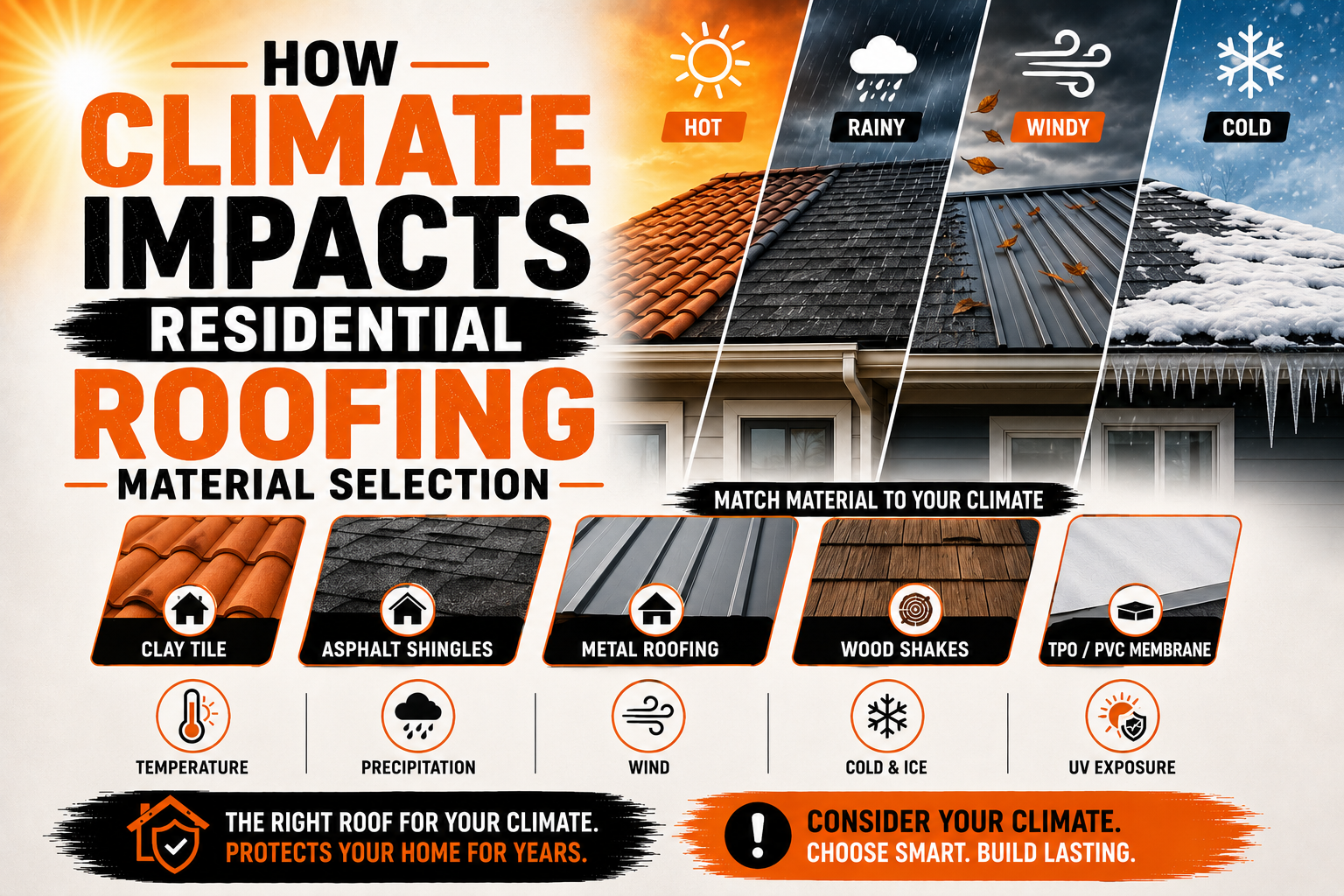
Climate is one of the most important factors homeowners should consider when selecting a residential roofing material. A roof is constantly exposed to outdoor conditions, including sunlight, rain, wind, temperature changes, humidity, snow, and storms. Choosing a material without considering these conditions can result in premature deterioration, higher maintenance costs, and reduced roof performance.
A roofing material that performs well in one region may not be equally suitable in another. For example, a roof designed for a hot and sunny environment may require strong resistance to ultraviolet exposure and heat absorption, while a roof installed in a cold region may need to handle snow loads, freezing temperatures, and repeated expansion and contraction.
Climate also influences the design of the complete roofing system. Material selection needs to work together with insulation, ventilation, flashing, drainage, underlayment, and structural support. These components help the roof respond to the environmental conditions surrounding the home.
Homeowners should therefore evaluate local weather patterns before choosing between asphalt shingles, metal, tile, slate, wood, synthetic materials, or other roofing options. The goal is not simply to select the strongest material, but to choose a system that is appropriate for the property’s specific climate.
Long-term performance should also be considered. A material that costs slightly more initially may provide better value if it withstands local weather conditions and requires fewer repairs over time.
Understanding the Relationship Between Climate and Roofing Materials
Climate affects roofing materials in several different ways. Continuous exposure to environmental conditions can gradually change the appearance, strength, flexibility, and waterproofing performance of a roof.
Sunlight is one of the most common sources of roof exposure. Ultraviolet radiation can cause certain materials to fade, become brittle, or deteriorate over time. Roofing products with suitable protective coatings or UV-resistant properties can be more appropriate for areas that receive intense sunlight.
Temperature is another important consideration. Roofing materials expand when temperatures increase and contract when temperatures decrease. Repeated thermal movement can place stress on roofing components, particularly when installation does not properly accommodate these changes.
Rain and humidity create different challenges. Persistent moisture can contribute to biological growth, corrosion, material deterioration, and water intrusion when roofing components are poorly maintained.
Wind can affect both the roofing material and its attachment system. Strong winds can lift shingles, damage flashing, loosen components, or carry debris onto the roof.
Snow introduces additional concerns because accumulated weight can place pressure on the roof structure. Ice formation can also interfere with drainage and create moisture-related problems in certain conditions.
Hail is another climate-related threat. Depending on its severity, hail can crack, dent, puncture, or otherwise damage roofing materials. Impact resistance can therefore be an important consideration in areas where severe hailstorms occur frequently.
Local environmental conditions should also be considered. Coastal properties may experience salt exposure, while homes near dense vegetation may be more exposed to falling branches, leaves, and moisture retention.
The roof’s slope and design also need to match the climate. Steeper slopes can help shed rain and snow, while certain low-slope systems require carefully designed drainage to prevent water accumulation.
Climate should therefore be considered during the entire roofing selection process. Homeowners should evaluate not only the visible roofing material but also the supporting components that allow the roof to perform under local conditions.
Choosing Roofing Materials for Hot and Sunny Climates
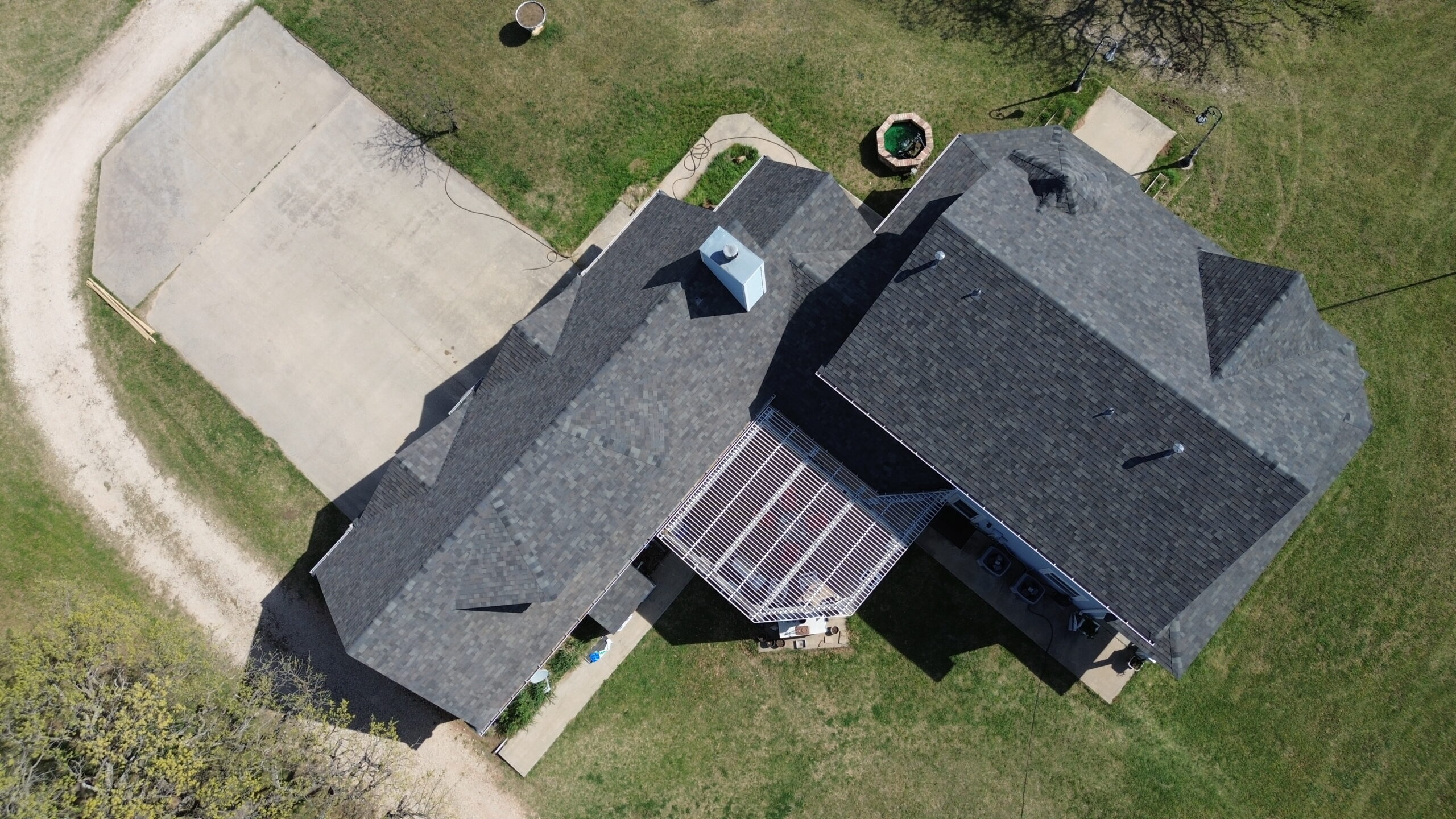
Homes located in hot and sunny regions require roofing materials that can handle prolonged exposure to high temperatures and ultraviolet radiation. Solar heat can increase roof surface temperatures and contribute to heat transfer into the building.
Roof color can influence how much solar energy the surface absorbs. Darker materials generally absorb more heat, while lighter or specially designed reflective surfaces can reduce solar absorption.
Metal roofing can be a useful option in hot climates, particularly when it includes an appropriate reflective finish. Metal systems are available in many colors and coatings, allowing homeowners to combine appearance with solar performance.
Tile roofing can also perform well in warm environments. Clay and concrete tiles can provide durability and may work effectively when combined with appropriate ventilation and insulation.
Some asphalt shingles are manufactured with reflective properties designed to reduce solar heat absorption. Homeowners should examine product specifications rather than assuming that every shingle has the same energy performance.
The complete roof assembly is important in hot climates. A reflective roof surface can help reduce heat absorption, but insulation and ventilation are still necessary to control heat transfer into the living space.
Ventilation can help manage excessive heat and moisture in the attic. A properly designed ventilation system can support the performance of the roof and help maintain more stable conditions within the building envelope.
Ultraviolet exposure should also influence material selection. Roofing products with durable protective finishes can help maintain their appearance and performance when exposed to strong sunlight for long periods.
Thermal expansion should be considered as well. Materials and fastening systems should be installed according to manufacturer requirements so that normal temperature-related movement does not create unnecessary stress.
Homeowners in hot regions should also consider maintenance. Regular inspection can identify fading, cracking, loose components, damaged sealants, or other signs of weather exposure.
Energy efficiency should not be evaluated based on roofing material alone. Windows, insulation, exterior walls, air sealing, and cooling equipment all influence the home’s overall energy consumption.
For a hot climate, the most suitable roofing system is generally one that combines weather durability with appropriate solar performance. Choosing the right material, color, insulation, and ventilation together can improve the roof’s overall effectiveness.
Roofing Materials for Rainy and Humid Conditions
Homes in regions with frequent rainfall or high humidity need roofing systems that can manage moisture effectively. Persistent exposure to water can create problems when roofing materials, flashing, drainage systems, or underlayment are not properly installed or maintained.
Water-resistant roofing materials are important, but drainage is equally critical. A roof should be designed so that rainwater moves efficiently toward gutters, drains, valleys, or other designated drainage points.
Asphalt shingles are widely used in many rainy climates, provided they are properly installed and maintained. The underlayment and flashing beneath and around the shingles provide additional protection against water intrusion.
Metal roofing can also be effective in wet environments. Properly installed metal panels can direct water efficiently, while suitable protective coatings can help reduce corrosion.
Tile roofing can provide long-term weather resistance as well. However, individual tiles can become damaged or displaced, so inspections remain important after severe storms.
Flat and low-slope roofs require particular attention in rainy areas. Because water moves more slowly across these surfaces, drainage design becomes especially important.
Humidity can create conditions favorable to algae, moss, and other biological growth on some roofing materials. The likelihood depends on local environmental conditions, roof orientation, shade, and moisture retention.
Homes surrounded by trees may experience additional moisture because leaves and organic debris can remain on the roof. This material can block drainage points and keep roofing surfaces damp for extended periods.
Roof ventilation can also be important in humid climates. Properly designed ventilation and moisture control can help reduce condensation within the attic and roof assembly.
Flashing deserves special attention in rainy environments. Areas around chimneys, vents, skylights, walls, and roof valleys can become common locations for leaks if flashing is damaged or incorrectly installed.
Gutters and downspouts should be sized appropriately and kept clear. Overflowing water can damage exterior walls and foundations even when the main roofing material remains in good condition.
Homeowners should inspect their roof after periods of severe rainfall. Missing materials, damaged flashing, blocked gutters, and unusual interior moisture should be addressed promptly.
A roofing system for a humid or rainy climate should therefore focus on complete moisture management. The material itself is important, but drainage, flashing, underlayment, ventilation, and maintenance all contribute to reliable performance.
Selecting Roofs for Wind and Storm-Prone Areas
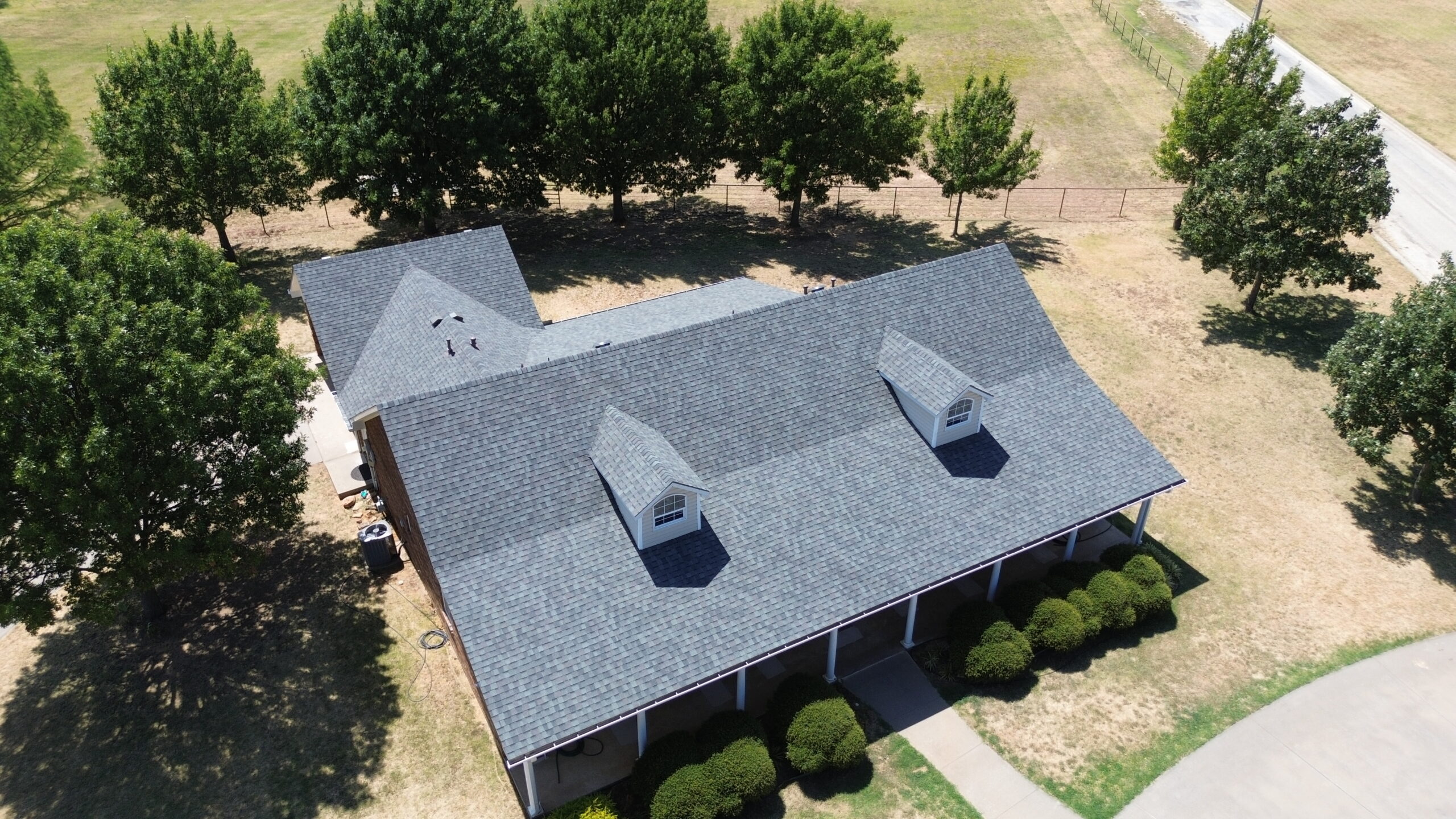
Strong winds and severe storms can place significant stress on residential roofing systems. In areas where hurricanes, tropical storms, thunderstorms, or high winds are common, homeowners should consider both the roofing material and the method used to secure it.
Wind resistance depends heavily on installation quality. Even a durable roofing material can fail if fasteners, adhesives, flashing, or edge components are incorrectly installed.
Asphalt shingles can perform well in windy regions when appropriate products are selected and installed correctly. Some shingles are specifically designed and tested for higher wind resistance.
Metal roofing can also provide strong wind performance when the panels and fastening system are properly designed. Standing seam systems, for example, can use concealed fastening methods depending on the product.
Tile roofs can be durable but require careful installation in high-wind environments. Individual tiles need appropriate attachment so they do not become loose during severe weather.
Roof edges and corners deserve special attention because wind forces can be significant in these areas. The fastening and flashing details should meet applicable requirements for the local environment.
Roof shape can also influence storm performance. Certain roof designs may experience different wind pressures than others, so material selection should be considered alongside architectural design.
Storm debris presents another risk. Branches, outdoor objects, and other materials can strike the roof during strong winds, potentially causing cracks, dents, punctures, or displaced roofing components.
Homeowners should inspect their roofs after major storms. Even when there is no visible leak, wind damage may have affected fasteners, flashing, seals, or roofing materials.
Regular maintenance is particularly important in storm-prone regions. Loose components should be corrected before severe weather arrives, and trees near the property should be managed to reduce the risk of falling branches.
A storm-resistant roofing system is therefore based on more than choosing a heavy or strong material. Proper product selection, secure installation, strong edge detailing, suitable roof design, and routine inspection all work together to improve resilience.
Roofing Considerations for Cold and Snowy Climates
Cold and snowy climates create different roofing challenges. Homeowners must consider snow accumulation, freezing temperatures, ice, moisture, thermal movement, and the ability of the roof structure to support seasonal loads.
Snow can become heavy when it accumulates over time. The structural capacity of the roof should therefore be appropriate for local snow conditions and building requirements.
Roof slope can influence snow and water movement. Steeper roofs may allow snow to slide more readily, while low-slope roofs can retain larger amounts of accumulated snow.
Metal roofing is often used in snowy regions because its smooth surface can allow snow to slide. However, uncontrolled snow movement can create hazards, so appropriate snow-management measures may be necessary.
Asphalt shingles can also perform in cold climates when the correct product and installation methods are used. Repeated freezing and thawing can affect roofing materials, making proper installation and maintenance important.
Tile and slate can provide durability in cold environments, but their weight and resistance to freeze-thaw conditions should be considered. Some materials may be more suitable for certain climates than others.
Ice formation can create additional problems around roof edges and drainage areas. Proper insulation, ventilation, and roof design can help reduce conditions that contribute to ice-related moisture problems.
Insulation is especially important during winter. Good insulation can help reduce heat loss through the roof while maintaining more consistent indoor temperatures.
Ventilation also plays a role in managing moisture. Warm air escaping into the roof assembly can contribute to condensation when it meets colder surfaces.
Homeowners should inspect roofs after periods of heavy snow or freezing weather. Damaged shingles, displaced materials, blocked drainage, or signs of moisture inside the home should be addressed promptly.
The best roofing material for a cold climate is one that can withstand the local temperature range while working effectively with the building’s insulation, ventilation, drainage, and structural design. Careful planning before installation can help reduce weather-related problems throughout the winter season.

Roofing Materials for Hail and Impact-Prone Regions
Hail can cause significant damage to residential roofing systems, particularly during severe thunderstorms. The size, density, and speed of hailstones can affect the level of damage, while the roofing material, installation quality, roof age, and slope can influence how well the roof withstands an impact.
Homeowners in hail-prone areas should consider impact resistance when comparing roofing products. Some roofing materials are specifically designed and tested for improved resistance to impact, although no residential roofing material can guarantee complete protection against severe hail.
Metal roofing can provide strong resistance to many weather conditions, but certain panels can still develop dents from large hailstones. The thickness and type of metal, panel profile, and finish can influence how visible and significant impact damage becomes.
Asphalt shingles are also available in products designed with enhanced impact resistance. These shingles may contain specialized construction features that help them withstand certain impact conditions better than standard products.
Tile and slate can be durable roofing materials, but individual pieces may crack or break when struck by large hailstones. After a severe storm, damaged tiles should be replaced promptly to prevent water from reaching the layers underneath.
Synthetic roofing products can provide another option for homeowners seeking impact-resistant characteristics. Some synthetic materials are manufactured to imitate slate, wood, or tile while offering different performance characteristics.
Roof pitch can influence how hail strikes the surface, although material selection remains important. Roofs with different slopes can experience different levels of exposure during storms.
The condition of an existing roof also matters. Older materials may become more vulnerable to cracking, brittleness, or other forms of deterioration, making them less capable of handling severe impacts.
After a major hailstorm, homeowners should inspect the roof for cracked shingles, dents, broken tiles, exposed areas, damaged flashing, and other visible problems. Some damage may not be obvious from the ground, so a professional inspection can be useful.
Hail protection should also be considered alongside other storm-related factors. Strong wind, heavy rainfall, and falling branches can occur during the same weather event, meaning the complete roofing system needs to provide suitable protection.
Selecting a roofing material with appropriate impact characteristics can help reduce the risk of premature damage. However, proper installation and regular maintenance remain equally important for maintaining the roof’s performance.
Fire and Wildfire Climate Considerations
In regions where hot, dry conditions increase wildfire risk, fire performance can become an important part of residential roofing material selection. A roof can be exposed to airborne embers, radiant heat, and direct flames during a nearby wildfire.
Some roofing materials provide stronger fire resistance than others. Metal, tile, and slate are commonly considered when homeowners want a roof with strong resistance to ignition, although the performance of the complete roofing assembly should always be evaluated.
Asphalt shingles are available in different fire classifications and constructions. Homeowners should review the manufacturer’s specifications and applicable local requirements rather than assuming all asphalt shingles provide identical protection.
Wood roofing can have a different fire-performance profile. In areas with elevated wildfire risk, homeowners should carefully review local requirements before selecting wood-based roofing materials.
The roof is only one part of a home’s wildfire defense. Debris accumulation, nearby vegetation, gutters, vents, windows, siding, and other exterior components can also influence how embers interact with the building.
Keeping the roof clear of dry leaves and branches can help reduce combustible material. Gutters should be cleaned regularly because accumulated organic debris can become a potential fuel source during extreme conditions.
Roof vents and other openings should also be evaluated according to local wildfire guidance. Appropriate ember-resistant components may be required or recommended in some areas.
Roof maintenance becomes especially important during prolonged dry seasons. Damaged roofing materials should be repaired because gaps, cracks, or exposed areas can reduce the protective performance of the building envelope.
Homeowners should consider local building requirements when selecting materials for wildfire-prone properties. Some jurisdictions may have specific requirements concerning roof coverings, fire classifications, installation methods, or defensible space.
Fire resistance should not be evaluated based on the roofing material alone. Underlayment, decking, flashing, roof penetrations, and other components can influence the performance of the complete assembly.
A fire-conscious roofing strategy combines suitable materials with good maintenance and responsible property management. Choosing a roof that matches local wildfire conditions can provide an important layer of protection while supporting the home’s long-term durability.
Coastal Climate and Salt Exposure
Coastal homes face environmental conditions that can affect roofing materials differently from properties located farther inland. Salt-laden air, high humidity, strong winds, intense sunlight, and heavy rain can all contribute to roof deterioration.
Corrosion is one of the main concerns for certain metal roofing systems in coastal environments. Salt particles can settle on exposed surfaces and contribute to corrosion when the material and protective coating are not appropriate for the conditions.
Aluminum roofing can be attractive in coastal areas because of its natural resistance to corrosion. Appropriately coated steel can also be suitable, depending on the level of exposure and product specifications.
Homeowners should not assume that all metal roofing products have the same coastal performance. The type of metal, protective coating, fasteners, trim, and installation details should be evaluated together.
Strong coastal winds can also place additional stress on roofing systems. Secure fastening, appropriate edge details, and suitable installation practices are important for reducing the risk of wind-related damage.
Asphalt shingles can be used in many coastal environments, but product selection should account for wind and moisture exposure. Proper underlayment and flashing are also important for protecting the structure from water intrusion.
Tile roofing can provide a durable option in some coastal regions, although tiles and attachment systems must be suitable for local wind conditions. Loose or broken tiles can create openings through which rainwater can enter.
Salt exposure can also affect fasteners and other small components. Using compatible corrosion-resistant fasteners can help reduce premature deterioration.
Regular maintenance is especially important near the coast. Homeowners should inspect exposed metal surfaces, fasteners, flashing, and other components for signs of corrosion or deterioration.
The roof should also be cleaned according to the manufacturer’s recommendations when salt and debris accumulate. Improper cleaning products can damage protective finishes, so homeowners should avoid using harsh chemicals without professional guidance.
Coastal climate selection should therefore consider moisture, salt, wind, and sunlight at the same time. A roofing material that performs well in a dry inland environment may require different specifications when installed close to the ocean.
How Climate Affects Roof Insulation and Energy Efficiency
Climate has a direct relationship with roofing insulation and energy performance. The roof is a major part of the building envelope, so its ability to control heat transfer can influence indoor comfort and energy consumption throughout the year.
Hot climates generally place greater emphasis on reducing unwanted solar heat gain. Reflective roofing surfaces can help reduce the amount of solar energy absorbed by the roof.
Light-colored or specially coated metal roofs, reflective membranes, and certain asphalt shingles can provide solar-reflective characteristics. Their actual performance depends on the product’s design and specifications.
Insulation remains essential even when a reflective roof is installed. A reflective surface can reduce heat absorption, while insulation slows the movement of heat between the roof and interior spaces.
Cold climates have different priorities. Insulation helps reduce heat loss during winter and can help maintain more consistent indoor temperatures.
Ventilation can support both hot- and cold-climate roof performance when it is designed correctly. It can help manage heat and moisture within appropriate attic assemblies, although ventilation requirements depend on the roof and building design.
Humidity also influences energy and moisture performance. Poorly controlled moisture can contribute to condensation, which may affect insulation and other roofing components.
Roof color, orientation, insulation, windows, walls, and HVAC efficiency all contribute to the home’s overall energy performance. Therefore, roofing material should be selected as part of a broader energy strategy.
Some modern roofing products are designed to support energy-efficient construction. Homeowners can review product information relating to reflectance, thermal emittance, insulation compatibility, and other relevant characteristics.
Climate-specific insulation requirements may also be established by local building regulations. These requirements can help homeowners determine an appropriate level of thermal protection for the property.
When replacing an older roof, homeowners should consider whether the existing insulation remains adequate. A roofing project can provide an opportunity to improve insulation and address areas where heat or conditioned air is being lost.
A climate-appropriate roof should therefore balance material durability with thermal performance. The right combination of roofing material, insulation, ventilation, and building-envelope design can improve comfort and help control long-term energy use.
Roof Design, Ventilation, and Drainage for Different Climates
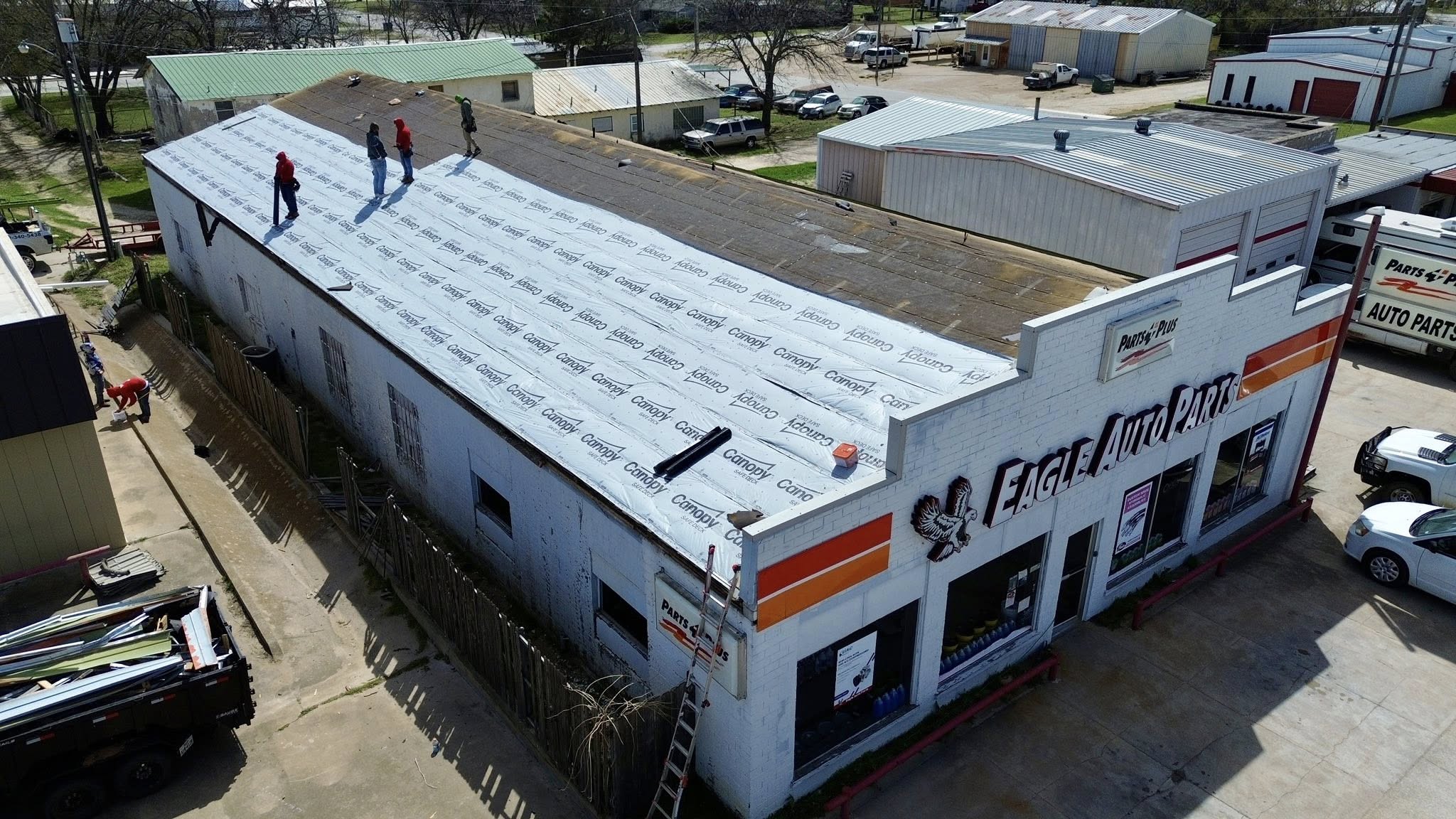
Roofing material selection cannot be separated from roof design. The slope, drainage system, ventilation, flashing, and structural details all influence how effectively a roof responds to local weather conditions.
Rainy climates require efficient water management. Steeper roof slopes can encourage faster runoff, while gutters, valleys, drains, and downspouts must be properly designed to move water away from the building.
Flat and low-slope roofs require particular attention because water moves more slowly across their surfaces. These systems may depend on internal drains, scuppers, or other carefully designed drainage components.
Cold climates create different drainage challenges. Ice and snow can obstruct normal water movement, while freezing and thawing can affect certain roofing components.
Hot climates require attention to ventilation and heat transfer. An appropriately designed attic or roof assembly can help manage excessive heat while supporting the performance of insulation and other components.
Wind-prone areas require strong attention to roof edges, corners, flashing, and fastening. These areas may experience higher wind forces and therefore need appropriate installation details.
Roof penetrations should also be carefully designed in every climate. Vents, skylights, chimneys, pipes, and equipment create potential points of water entry if they are not properly flashed.
Ventilation must match the building design. Adding ventilation components without considering the overall roof assembly can create unintended moisture or air-leakage problems.
Drainage systems also require regular maintenance. Gutters, downspouts, drains, and scuppers can become blocked by leaves, dirt, branches, and other debris.
Climate-specific roof design can significantly improve material performance. A durable roofing material may still fail prematurely if water cannot drain properly or if ventilation and flashing are inadequate.
Homeowners should therefore evaluate the complete roofing system when selecting materials. The best result comes from coordinating the roofing product with the roof slope, drainage, ventilation, insulation, and local environmental conditions.
Comparing Common Roofing Materials by Climate
Different roofing materials can perform well under different climate conditions, but their suitability depends on product quality, installation, maintenance, and the specific environment. Homeowners should compare materials based on the challenges most likely to affect their property.
Asphalt shingles are widely available and can be suitable for many climates. They are offered in different designs and performance levels, including products intended for wind, impact, and solar exposure.
Metal roofing is versatile and can perform in hot, rainy, snowy, and windy environments when the appropriate material and protective finish are selected. Its performance can vary depending on the metal, coating, fastening system, and local exposure.
Clay and concrete tiles can be useful in hot climates and can provide long-term durability. Their weight and resistance to freezing conditions should be considered before installation.
Slate can provide exceptional durability and resistance to many weather conditions. However, it is heavy and requires a structure and installation system capable of supporting it.
Wood roofing can offer natural appearance and insulation characteristics but may require greater maintenance in wet environments and special consideration in wildfire-prone regions.
Synthetic roofing materials can provide alternatives that imitate natural materials while offering different combinations of weight, durability, and weather resistance.
The following table provides a general climate comparison:
| Roofing Material | Suitable Climate Considerations | Key Concern |
|---|---|---|
| Asphalt Shingles | Many moderate and varied climates | Wind, hail, heat, and aging |
| Metal | Hot, rainy, windy, and snowy regions | Corrosion, dents, and installation quality |
| Clay or Concrete Tile | Hot and sunny environments | Weight and freeze-thaw conditions |
| Slate | Many climates with suitable structure | High weight and installation requirements |
| Wood | Moderate climates with appropriate maintenance | Moisture and fire exposure |
| Synthetic Roofing | Various climates depending on product | Product-specific performance |
This comparison is only a starting point because climate conditions can vary significantly within the same region. A local area may experience intense sunlight, seasonal storms, high humidity, or occasional freezing temperatures that require a more specific evaluation.
Homeowners should also consider the roof’s expected service life and maintenance requirements. A material that performs well but requires frequent specialized maintenance may not be appropriate for every property.
The best decision combines climate performance with budget, architectural preferences, structural requirements, and long-term maintenance expectations. By evaluating these factors together, homeowners can select a roofing system that is better prepared for the weather conditions it will face throughout its service life.
Choosing Roofing Materials for Changing Weather Patterns
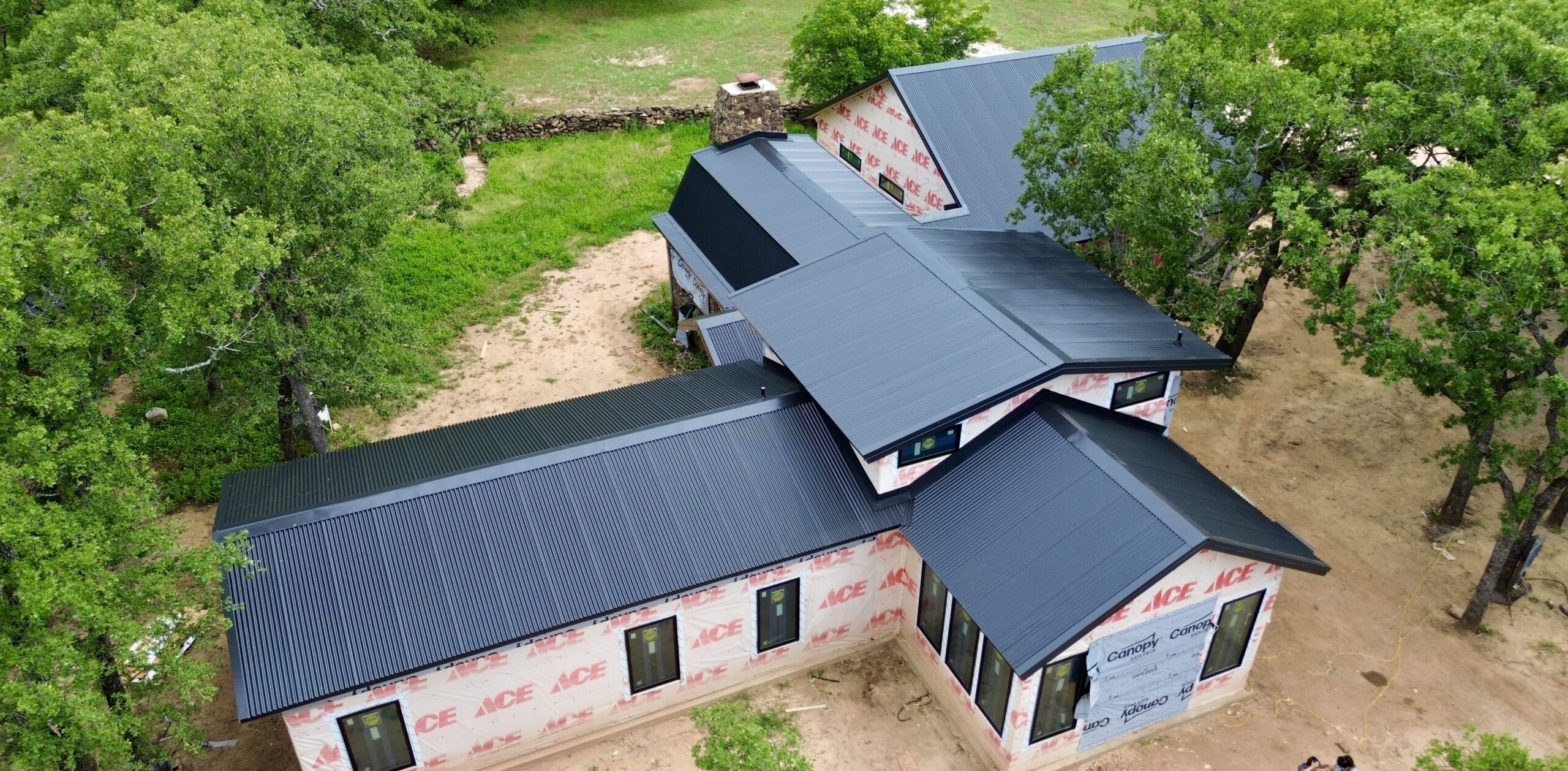
Weather conditions can vary significantly over the lifetime of a residential roof. A roofing system selected for today’s typical conditions may eventually experience more frequent heat, intense rainfall, stronger storms, prolonged dry periods, or larger temperature fluctuations. For this reason, homeowners should consider both current climate conditions and the range of weather the roof is likely to encounter.
Extreme heat can accelerate aging in some roofing materials. Continuous sunlight and high surface temperatures may contribute to fading, brittleness, coating deterioration, or loss of flexibility. Materials with suitable UV resistance and protective finishes can help maintain performance when properly installed.
Heavy rainfall creates another challenge. Roofs must move water efficiently through slopes, valleys, gutters, drains, and downspouts. A durable material cannot compensate for inadequate drainage, so homeowners should evaluate the entire water-management system when selecting roofing materials.
Severe storms can combine several hazards at once. Strong winds may lift roofing materials while heavy rain tests flashing and drainage, and hail or flying debris can create physical damage. A roofing system should therefore be selected with the property’s most significant storm risks in mind.
Temperature changes can also influence roof performance. Materials naturally respond to changes in temperature, and repeated expansion and contraction can place stress on fasteners, seams, flashing, and other components.
Modern roofing products increasingly offer specialized features for different environmental conditions. Reflective coatings, impact-resistant construction, enhanced wind ratings, corrosion-resistant finishes, and improved waterproofing can help homeowners match a roof to local weather requirements.
However, homeowners should avoid selecting materials based on a single extreme-weather feature. A roof designed for high wind still needs suitable drainage, insulation, flashing, and maintenance. Climate performance is most reliable when all parts of the roofing assembly are designed to work together.
Matching Roofing Materials With Local Environmental Conditions
Local environmental conditions provide a more useful guide than simply choosing a roofing material based on general climate categories. Two homes in the same broad region may experience different conditions because of elevation, nearby vegetation, coastal exposure, building orientation, and surrounding structures.
Sun exposure is one example. A roof with little shade may experience greater ultraviolet exposure than another roof located beneath mature trees. In such situations, UV-resistant finishes and suitable material specifications may become more important.
Homes surrounded by trees can face additional moisture and debris. Leaves may accumulate in valleys and gutters, while branches can fall during storms. Roofing materials should therefore be selected alongside a maintenance plan that addresses the property’s surroundings.
Coastal properties have different environmental demands. Salt in the air can increase corrosion risk, particularly for certain metals and exposed fasteners. Corrosion-resistant materials and appropriate protective coatings may provide better long-term performance.
Properties in mountainous or elevated regions may experience snow, freezing temperatures, strong winds, and rapid weather changes. Roofing materials and structural systems should be selected according to the conditions expected at the specific property.
Urban homes can also experience unique exposure. Pollution, airborne particles, heat from surrounding surfaces, and limited airflow may affect roof surfaces differently from homes in open rural areas.
The home’s orientation can influence solar exposure as well. Roof sections facing strong afternoon sunlight may experience different thermal conditions from shaded or differently oriented sections.
Local building requirements should always be considered before selecting materials. Codes and regulations may establish minimum requirements for wind resistance, fire performance, snow loads, insulation, ventilation, or other climate-related factors.
Homeowners can also ask local roofing professionals about materials commonly used successfully in the area. Contractors familiar with regional conditions may understand recurring problems that are not obvious from product specifications alone.
A useful approach is to identify the property’s major environmental risks first. Once those risks are understood, homeowners can compare materials based on their ability to handle those specific conditions.
Maintenance Requirements in Different Climates
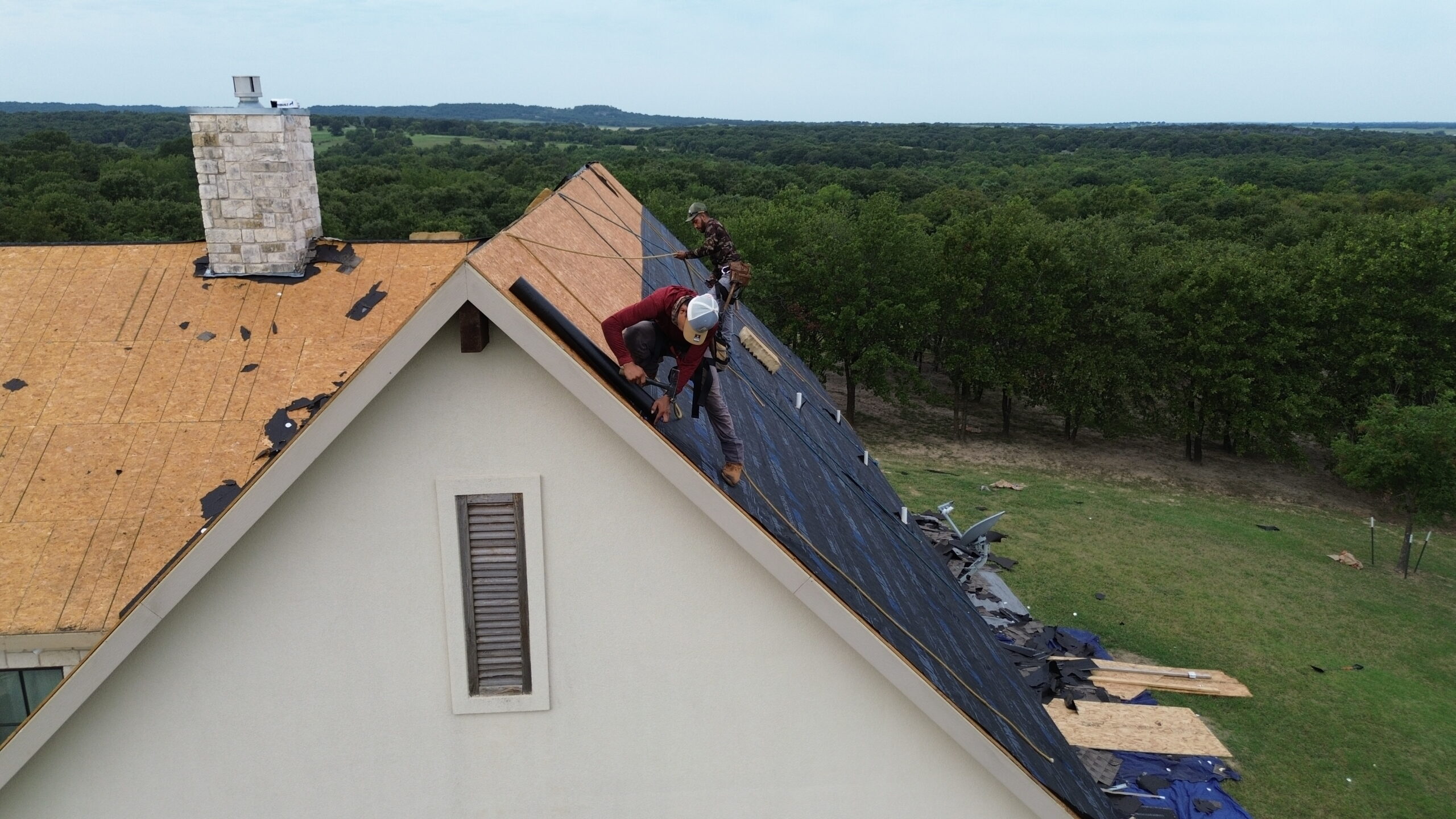
Climate influences not only which roofing material should be selected but also how often it should be inspected and maintained. A roof exposed to demanding weather may require more frequent attention than one operating under mild conditions.
Hot and sunny climates can accelerate surface aging, so homeowners should watch for fading, cracking, brittle areas, damaged coatings, and deteriorated sealants. Regular inspections can identify these issues before they affect the waterproofing system.
Rainy climates require particular attention to drainage. Gutters, downspouts, valleys, drains, and scuppers should remain clear so water can leave the roof efficiently.
Humidity can encourage algae, moss, or other biological growth on some roofing materials. Removing excessive growth according to manufacturer recommendations can help protect the roof surface and maintain drainage.
Storm-prone areas require inspections after major weather events. Homeowners should look for missing shingles, displaced tiles, damaged flashing, dents, punctures, and other signs of impact.
Cold climates require attention after heavy snow and freezing conditions. Accumulated snow can place additional weight on the roof, while ice can interfere with drainage and contribute to moisture problems.
Coastal roofs should be inspected for corrosion and salt-related deterioration. Fasteners, flashing, metal panels, and other exposed components may require particular attention.
Homes near trees should have branches maintained away from the roof where practical. Removing dead or unstable branches can reduce the risk of impact damage and limit debris accumulation.
Maintenance should always follow the roofing manufacturer’s recommendations. Different materials require different cleaning methods, inspection procedures, repair products, and maintenance schedules.
Homeowners should avoid walking on roofing materials without proper knowledge. Some products can be damaged by unnecessary foot traffic, and roof access also creates fall hazards.
Keeping records of inspections and repairs can make maintenance easier. Documenting the roof’s material, installation date, previous repairs, and observed conditions can help homeowners plan future work.
Climate-specific maintenance is ultimately about prevention. Identifying problems early can reduce the chance that weather exposure will turn a minor defect into extensive structural or interior damage.
Balancing Cost, Durability, and Climate Performance
Choosing a roofing material involves more than finding the lowest installation price. Homeowners should consider how the material will perform under local weather conditions and how much maintenance it may require throughout its useful life.
A lower-cost material may be appropriate when the climate is moderate and the product meets all relevant performance requirements. However, spending more on a climate-appropriate material can sometimes provide better long-term value in demanding environments.
Initial material costs should be considered alongside installation expenses. Complex roof designs, difficult access, multiple penetrations, and specialized installation requirements can increase project costs regardless of the material selected.
Maintenance should also be included in long-term planning. A material that requires frequent cleaning, specialized repairs, or regular coating work may have different lifetime costs from a system requiring less maintenance.
Durability is particularly important in severe climates. Replacing a roof after repeated storm damage can be expensive and disruptive, so homeowners may benefit from selecting products designed for the property’s most significant environmental risks.
Energy performance can influence long-term costs as well. Reflective roofing, appropriate insulation, and good ventilation may help manage heating and cooling demands when they are properly matched to the climate.
Warranty coverage should also be reviewed carefully. Homeowners should understand what the manufacturer covers, how long coverage lasts, and whether specific installation or maintenance requirements apply.
The complete roofing system should be considered rather than the surface material alone. Underlayment, flashing, insulation, ventilation, fasteners, decking, and drainage all contribute to durability.
Homeowners should also consider the expected time they will remain in the property. A long-lasting premium roofing system may be more attractive to someone planning to stay for many years than to someone expecting to move shortly.
Professional advice can help balance these factors. A qualified roofing contractor can evaluate the existing structure and recommend materials appropriate for the property’s climate and design.
The most economical choice is not always the cheapest option at installation. A roofing material that provides dependable performance with manageable maintenance can offer stronger value over its entire service life.
Practical Tips for Selecting the Right Residential Roofing Material
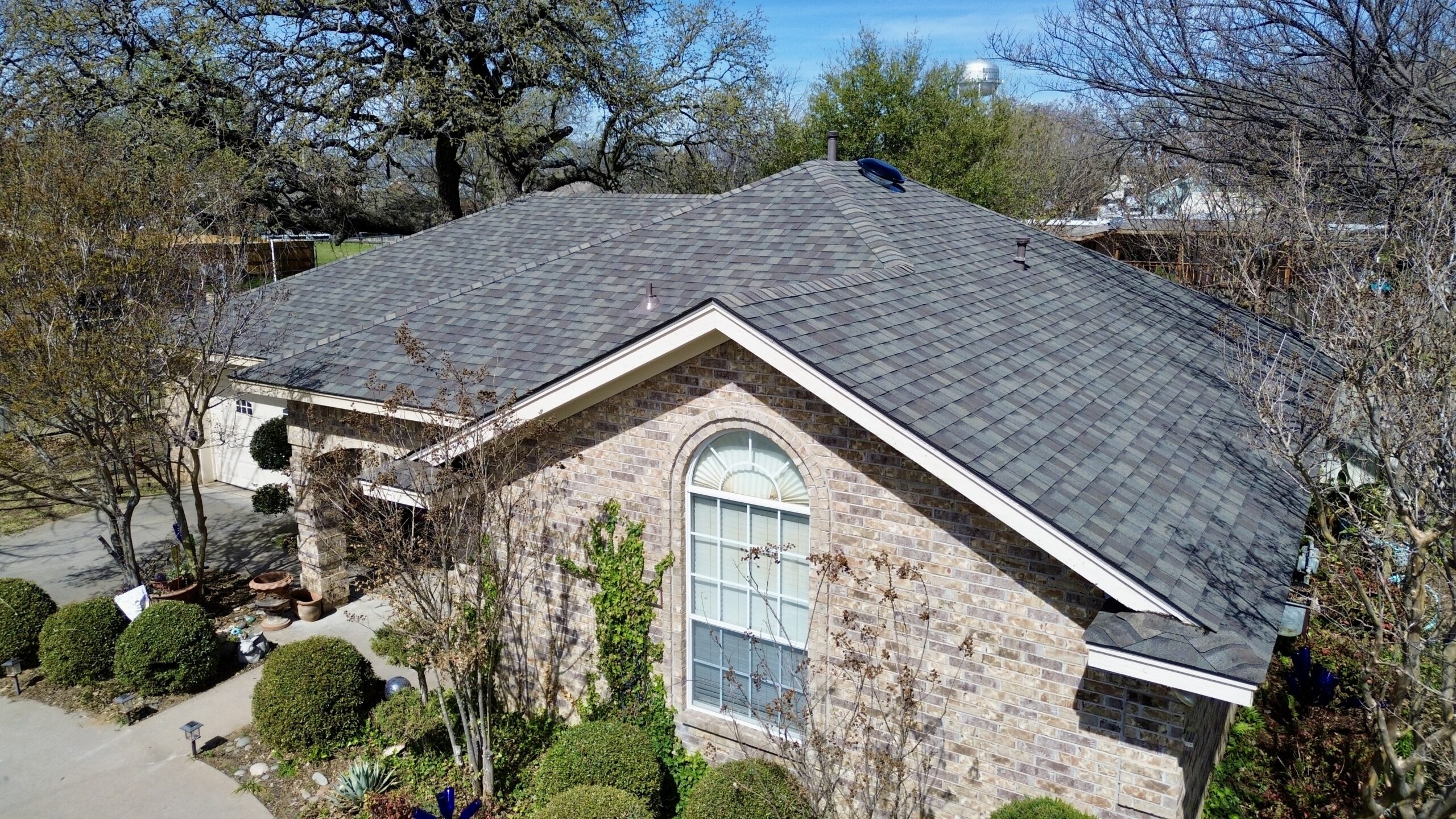
Homeowners can make the roofing selection process easier by following a structured approach. The first step is to identify the property’s primary climate risks, including heat, rain, wind, hail, snow, humidity, wildfire exposure, or coastal conditions.
Next, homeowners should evaluate the existing roof. The condition of the decking, ventilation, insulation, flashing, drainage, and structural components can influence which materials are appropriate.
Material comparisons should focus on climate-specific performance. Instead of asking which roofing material is generally the best, homeowners should ask which suitable materials perform well under the conditions their property regularly experiences.
Product specifications should be reviewed carefully. Important characteristics may include wind resistance, impact performance, fire classification, solar reflectance, corrosion resistance, and temperature-related performance.
Homeowners should obtain estimates from qualified roofing professionals who have experience with the selected materials. Comparing several detailed proposals can reveal differences in materials, installation methods, warranties, and included work.
It is also useful to ask contractors about maintenance requirements. Knowing how frequently the roof should be inspected and which components commonly require attention can help homeowners plan future expenses.
Drainage should receive special attention in every climate. Gutters, valleys, downspouts, drains, and flashing should be appropriate for the roof design and expected rainfall.
Insulation and ventilation should be considered at the same time as the roofing material. A climate-appropriate roof will perform better when the complete building envelope is properly designed.
Homeowners should also avoid making decisions based solely on appearance. Color and style matter, but they should come after essential performance requirements have been addressed.
Finally, homeowners should keep all roofing documentation after installation. Product details, warranties, contractor information, and maintenance records can be valuable when repairs or future replacement become necessary.
Conclusion
Climate has a major influence on residential roofing material selection because every roof must withstand the environmental conditions surrounding the home. Heat, sunlight, rain, wind, hail, snow, humidity, fire risk, and salt exposure can all affect roofing materials in different ways.
There is no single roofing material that is ideal for every climate. Asphalt shingles can provide a practical solution for many homes, while metal, tile, slate, wood, and synthetic products may offer specific advantages under particular environmental conditions.
The most suitable choice depends on more than the material itself. Roof slope, drainage, insulation, ventilation, flashing, structural support, fastening systems, and installation quality all influence how well the complete roofing system performs.
Homeowners should also consider how local conditions affect maintenance. Hot climates may require attention to UV exposure, rainy areas require effective drainage, storm-prone regions benefit from regular post-storm inspections, and coastal properties may require careful monitoring for corrosion.
Long-term value should be considered alongside initial cost. A climate-appropriate roofing system may have a higher upfront price but can provide better durability, fewer repairs, improved energy performance, and greater reliability over time.
Changing weather patterns make thoughtful planning even more important. Selecting materials based on a broad range of realistic conditions can help homeowners avoid choosing a system that performs well only under mild weather.
Professional guidance is valuable when making the final decision. A qualified roofing contractor can evaluate the property’s existing structure, local environmental exposure, and specific installation requirements.
Ultimately, successful residential roofing begins with matching the roofing system to the environment. By considering climate, material performance, roof design, maintenance, energy efficiency, and long-term costs together, homeowners can choose a roofing solution that provides dependable protection and lasting value.