
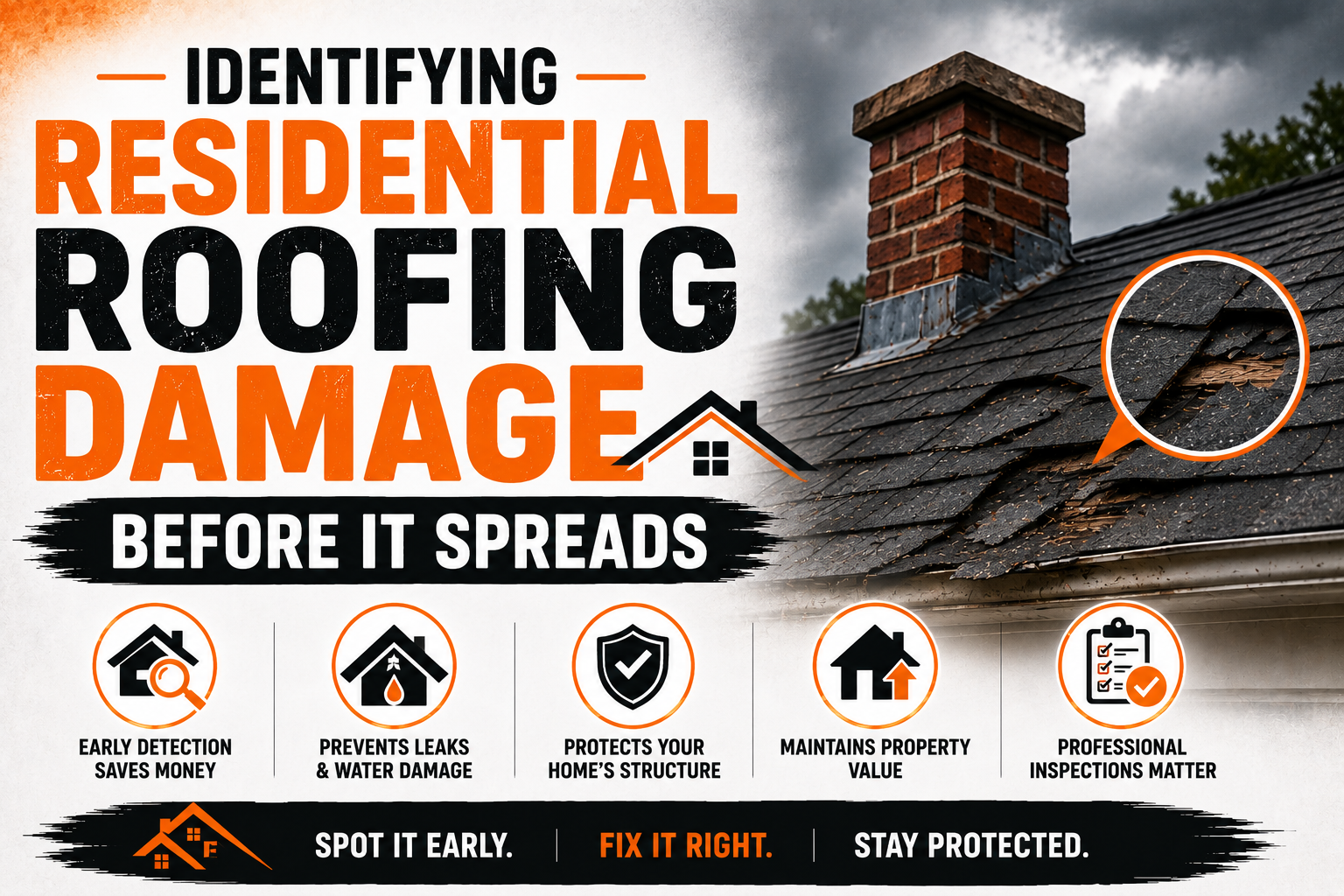
Identifying Residential Roofing Damage Before It Spreads
Introduction
Residential roofing damage rarely becomes serious without showing some warning signs first. Small cracks, loose shingles, damaged flashing, blocked drainage, or minor water stains may appear insignificant, but ignoring them can allow moisture and structural problems to spread into other parts of the roofing system.
Early identification gives homeowners an opportunity to address problems while they are still manageable. A small damaged area may require a localized repair, whereas prolonged moisture exposure can eventually affect underlayment, roof decking, insulation, framing, ceilings, and interior finishes.
Roof damage can develop for many reasons. Age, severe weather, poor installation, falling branches, excessive moisture, temperature changes, and inadequate maintenance can all contribute to deterioration. Because roofing materials are constantly exposed to outdoor conditions, even a well-maintained roof needs regular observation.
Homeowners do not need to become roofing experts to recognize basic warning signs. Many problems can be noticed from the ground or during a safe inspection of accessible areas, while more complex conditions should be evaluated by a qualified roofing professional.
It is also important to understand that visible damage does not always show the full extent of a problem. Water can travel beneath roofing materials before appearing inside the home, and structural deterioration can remain hidden until materials are removed.
A useful approach is to treat every unusual change as a reason for closer observation. Discoloration, missing materials, sagging areas, unusual debris, or repeated leaks may indicate that the roofing system needs attention.
Early action does not necessarily mean replacing the entire roof. In many situations, identifying the problem early allows homeowners to repair the affected component and protect the surrounding roofing system.
Why Early Roof Damage Detection Matters
Roofing damage can spread because individual components work together as one system. When one part fails, nearby materials may become exposed to water, wind, sunlight, or mechanical stress.
For example, a missing shingle can expose the underlayment beneath it. If the opening remains unrepaired, moisture can eventually reach the roof deck and create deterioration that is more expensive to correct.
Flashing problems can create a similar chain of damage. A small opening around a chimney or skylight may allow water to enter repeatedly, even when the surrounding shingles appear to be in good condition.
Early detection also helps homeowners distinguish between isolated damage and widespread deterioration. One damaged shingle may be easy to replace, while extensive curling, cracking, or granule loss across the roof may indicate that the roofing material is aging more broadly.
Regular observation can also reveal changes that develop gradually. Roof deterioration is not always caused by a single dramatic event, and problems may become noticeable only after months or years of exposure.
After severe weather, inspection becomes especially important. Wind, hail, heavy rain, and falling branches can create damage that is not immediately obvious from the ground.
Homeowners should consider checking the roof after major storms, particularly when nearby properties have experienced visible damage. Even when no leak appears inside the house, roofing materials may have been loosened or impacted.
Early detection can also reduce disruption. Small repairs can often be planned around household schedules, while major water damage may require urgent work and temporary relocation of belongings or affected areas.
A proactive approach therefore provides both practical and financial benefits. Addressing a developing roofing problem early can protect the structure, reduce the chance of secondary damage, and help homeowners make better repair decisions.
The key is not to inspect the roof obsessively but to establish sensible routines. Seasonal checks, post-storm observations, and attention to interior warning signs can provide valuable information about changing roof conditions.
Inspecting Shingles and Other Visible Roofing Materials
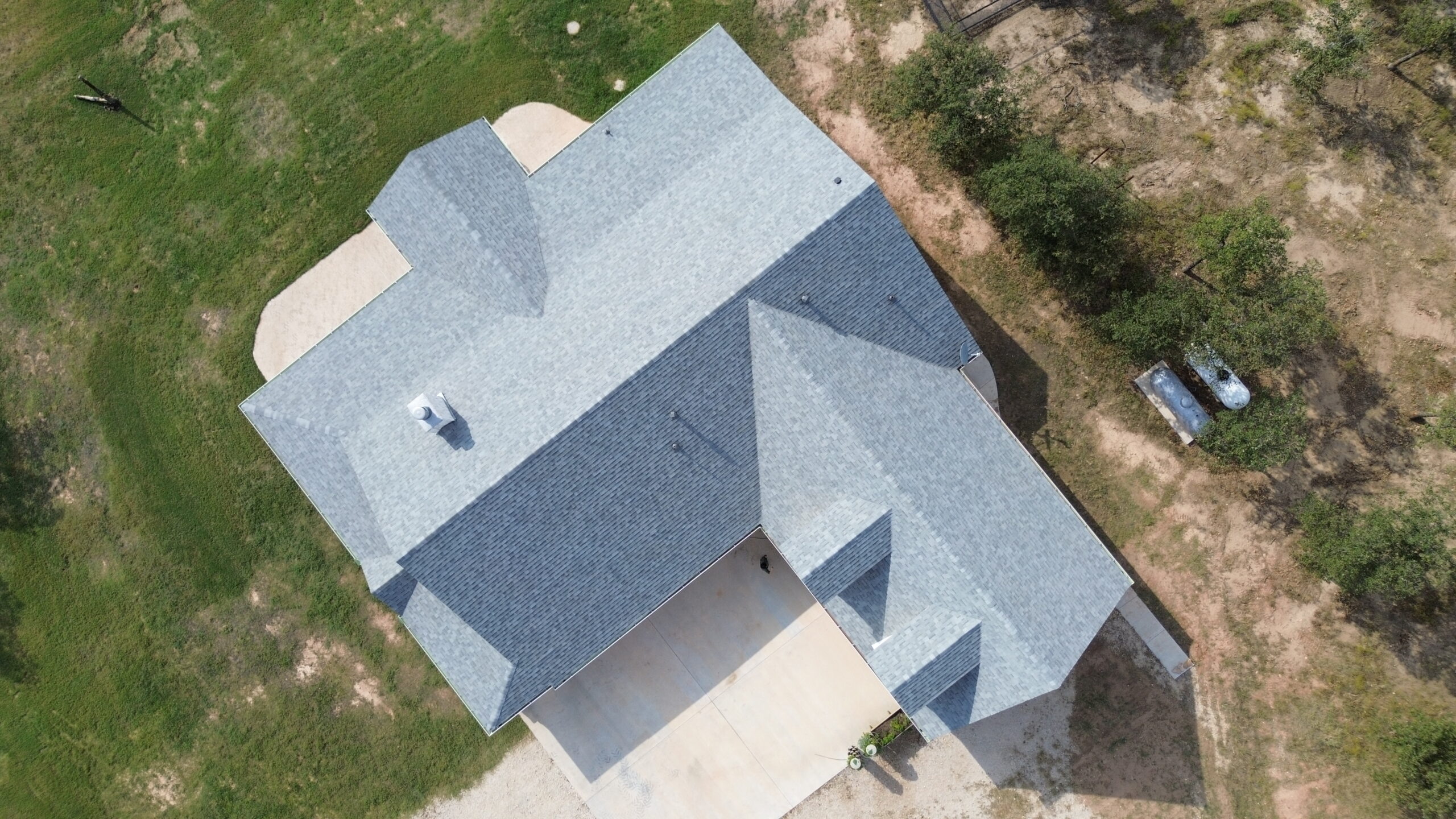
Shingles are among the easiest roofing components for homeowners to observe because they form the visible exterior surface. Changes in their condition can provide important clues about the health of the roofing system.
Missing shingles are an obvious warning sign. When a shingle is completely gone, the underlying layers may be exposed to weather, increasing the possibility of moisture intrusion.
Loose or lifted shingles can be less obvious but still require attention. Strong winds, aging adhesive seals, or improper fastening can cause shingles to move away from their intended position.
Cracked shingles should also be monitored. Cracks can allow water to move beneath the roofing material and may become more significant as temperature changes and weather exposure continue.
Curling edges can indicate aging or deterioration. When shingles begin to curl upward or downward, their ability to create a consistent weather-resistant surface can be reduced.
Granule loss is another condition homeowners may notice. Small amounts of granules naturally wear away over time, but widespread or excessive loss can indicate significant aging or damage.
Dark or unusual areas should not automatically be assumed to represent serious roof failure. Dirt, natural weathering, algae growth, and other conditions can change the appearance of roofing materials, so professional evaluation may be necessary when the cause is uncertain.
Homeowners can safely observe these conditions from the ground using binoculars when necessary. Walking across the roof simply to inspect shingles can create safety risks and may damage fragile roofing materials.
It is also useful to look for debris that has accumulated on the roof. Branches, leaves, and other material can hold moisture against roofing surfaces and interfere with normal drainage.
Different roofing materials have different warning signs. Metal panels may show dents, corrosion, loose fasteners, or displaced sections, while tile roofs may develop cracked, broken, or missing tiles.
The overall pattern of damage matters as much as individual defects. A few isolated problems may indicate localized damage, while deterioration appearing across large sections may suggest that the roof requires more extensive evaluation.
Homeowners should document noticeable changes rather than attempting complicated repairs themselves. Photographs taken from safe locations can help compare the roof’s condition over time and provide useful information to a roofing professional.
Recognizing Signs of Water Intrusion
Water intrusion is one of the most important signs that roofing damage needs prompt attention. Even a small leak can become a larger problem if moisture continues entering the roof assembly.
Interior water stains are common warning signs. Brown, yellow, or discolored areas on ceilings and walls can indicate that water has entered somewhere above or nearby.
A stain does not necessarily identify the exact location of the roof problem. Water can travel along decking, framing, insulation, and other surfaces before appearing inside the home.
Damp or wet insulation can also indicate moisture intrusion. When insulation remains wet, it may lose performance and can contribute to prolonged moisture exposure within the building.
Musty odors may provide another clue. Persistent moisture in concealed spaces can produce noticeable smells even when visible staining has not yet appeared.
Peeling paint, bubbling surfaces, or damaged drywall can also develop when moisture repeatedly affects an interior area. These signs should be investigated rather than treated only as cosmetic problems.
Homeowners may notice leaks during heavy rainfall but not during dry weather. This does not mean the problem is minor because intermittent leaks can still cause deterioration over time.
Water can also enter through roof penetrations, flashing, valleys, or damaged roofing materials. Finding the true source is important because repairing only the visible interior damage will not stop the water from entering.
Attic inspections can sometimes provide additional clues. From a safe and accessible location, homeowners may notice water stains, damp wood, or visible moisture around the underside of the roof.
If water is near electrical fixtures or wiring, homeowners should exercise particular caution. Electrical hazards can exist in wet areas, so professional assistance may be necessary before investigating further.
Prompt action is especially important when water intrusion is accompanied by sagging ceilings or visible structural deterioration. These conditions may indicate a larger problem that should be assessed quickly.
The most effective response is to arrange a professional roof inspection when unexplained moisture appears. Identifying the source early can help prevent the problem from spreading into additional roofing and interior components.

Checking Flashing, Roof Edges, and Valleys
Flashing, roof edges, and valleys are among the areas that deserve careful attention because they manage water movement and connect different parts of the roofing system. Problems in these locations can create leaks even when the main roof surface appears to be in good condition.
Flashing is commonly installed around chimneys, skylights, vents, walls, and other transitions. Damaged, loose, corroded, or improperly installed flashing can create openings where water enters.
Roof valleys require attention because they collect and direct water from two sloping sections. Leaves and debris can interfere with drainage, while damaged materials can allow water to move beneath the surrounding roofing layers.
Roof edges can also become vulnerable to wind and water. Damaged edge components may allow moisture to reach the underlying deck or affect nearby fascia and soffit materials.
Homeowners can observe these areas from the ground for obvious signs of movement, missing materials, or accumulated debris. Detailed roof access should generally be left to trained professionals.
Gutters provide another clue about roof-edge conditions. Excessive shingle granules, pieces of roofing material, or unusual debris in gutters may indicate deterioration somewhere above.
Water overflowing from gutters can also signal drainage problems. While blocked gutters are a common cause, improper slope, damaged components, or roof drainage issues may also contribute.
After storms, homeowners should pay particular attention to flashing and roof edges. Strong winds can loosen components, while falling branches can bend or damage vulnerable sections.
Sealant deterioration may also be visible around certain roof transitions. However, homeowners should not assume that applying new sealant is always the correct repair because the underlying flashing may require replacement or adjustment.
If a leak repeatedly appears near the same chimney, skylight, wall, or valley, professional evaluation is recommended. Recurring leaks can indicate that a previous repair did not address the actual source.
Maintaining these areas can significantly reduce the chance of water damage spreading. Proper drainage and secure flashing help keep moisture moving away from vulnerable sections of the roof.
Looking for Attic and Interior Warning Signs
Some of the most useful clues about roof damage can be found inside the home rather than on the exterior. Attic and interior warning signs can reveal moisture intrusion that is difficult to identify from the ground.
Homeowners may notice stains on rafters, roof decking, or other accessible attic surfaces. These marks can indicate previous or ongoing moisture exposure.
Wet insulation should also receive attention. Insulation can conceal moisture, making it difficult to determine how long a leak has been present without closer inspection.
Visible mold-like growth, persistent dampness, or musty odors may indicate that moisture has been present for an extended period. These conditions should not be ignored because continued moisture can affect multiple materials.
Light entering through unexpected openings can also be a warning sign in some attic spaces. If daylight is visible where the roof should be sealed, a damaged or missing roofing component may be allowing an opening.
Homeowners should observe whether warning signs appear after rainfall. Changes that consistently occur following storms can provide useful clues about potential water intrusion.
Ceiling and wall damage should also be monitored. Cracking, bubbling paint, discoloration, or peeling surfaces may indicate that moisture is moving through the building.
Sagging areas require particular caution. A sagging ceiling or roof section can indicate moisture-related deterioration or structural problems and should be professionally assessed.
These interior signs should be considered alongside exterior observations. A ceiling stain combined with damaged flashing above the same general area can provide a stronger indication that the roofing system requires attention.
However, homeowners should avoid assuming that every interior moisture problem comes from the roof. Plumbing leaks, condensation, and ventilation issues can produce similar symptoms.
Professional diagnosis is therefore important when the source is unclear. Correctly identifying the cause allows the appropriate repair to be made before the damage spreads.
Early attention to attic and interior warning signs can protect the home from more extensive deterioration. When homeowners respond to small changes instead of waiting for obvious leaks or major damage, roofing problems are often easier to manage and repair.
Identifying Damage Around Roof Penetrations
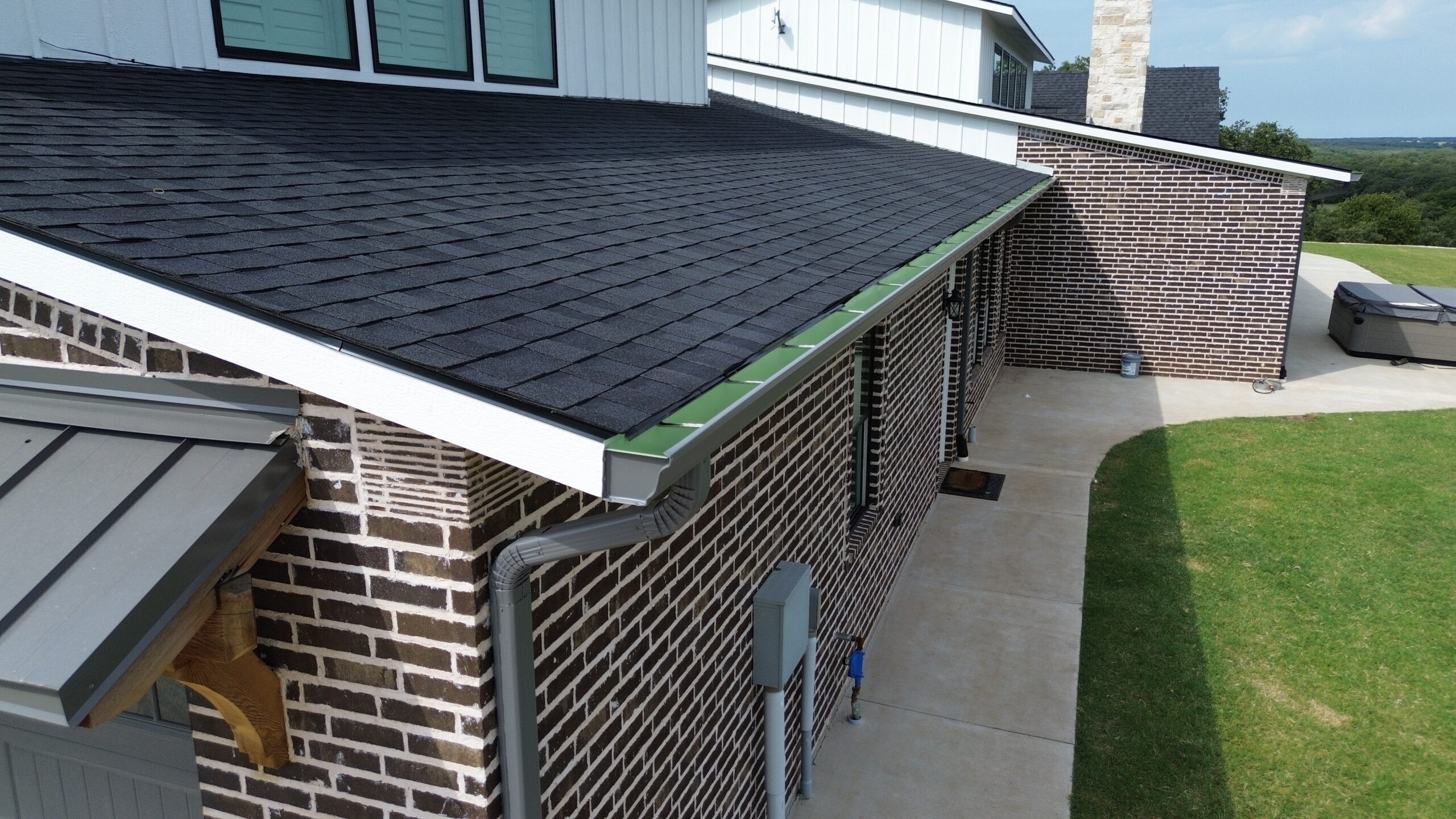
Roof penetrations are areas where something passes through the roofing surface, creating a potential pathway for water if the surrounding materials become damaged. Common examples include plumbing vents, skylights, chimneys, exhaust vents, and other roof-mounted components. Because these areas interrupt the continuous roofing surface, they require careful installation and regular inspection.
One of the earliest warning signs is discoloration around an interior ceiling or wall near a penetration. Water can enter around damaged flashing and travel through the roof assembly before appearing indoors, so the visible stain may not be directly beneath the actual entry point.
Flashing around chimneys deserves particular attention. Strong winds, heavy rainfall, aging materials, and previous installation problems can cause flashing to loosen or deteriorate. Small gaps around the chimney can allow repeated moisture exposure that gradually affects the roofing materials underneath.
Skylights can develop similar problems. Cracked seals, damaged flashing, deteriorated surrounding shingles, or problems with the skylight frame can create opportunities for water to enter. A homeowner may initially notice a small stain around the skylight, but continued moisture can eventually affect insulation, drywall, and roof decking.
Plumbing vent boots are another common area of concern. These components create a seal around pipes that extend through the roof, and they can deteriorate because of age, temperature changes, and weather exposure.
Homeowners should also look for visibly loose or displaced components from the ground whenever possible. However, climbing onto the roof to inspect these areas can create unnecessary safety risks, especially when the surface is steep, wet, or damaged.
A professional inspection may involve examining both the penetration and surrounding roofing materials. If water has entered underneath the shingles, simply replacing a visible seal or applying surface sealant may not address the entire problem.
Previous repairs should also be considered. Repeated patches around the same penetration may indicate that the original source was never fully corrected. A contractor may need to remove surrounding materials to determine whether hidden damage has developed.
Early identification is valuable because penetration-related leaks can remain small for a long time. Once moisture begins affecting decking or interior materials, the repair can become considerably more involved.
Homeowners should therefore pay attention to recurring stains, damp attic areas, damaged flashing, and visible deterioration around roof penetrations. Addressing these signs early can help prevent a localized problem from spreading into surrounding roofing and interior components.
Recognizing Gutter and Drainage Problems
A residential roof depends on effective drainage to move rainwater away from vulnerable areas. Gutters, downspouts, valleys, roof slopes, and edge components work together to control where water travels. When one part of this drainage system fails, moisture can remain against roofing materials or overflow into areas that are not designed to handle continuous water exposure.
Clogged gutters are one of the most common drainage problems. Leaves, branches, dirt, and roofing granules can accumulate inside gutters and prevent water from flowing freely. During heavy rain, blocked gutters may overflow against the roof edge or exterior walls.
Sagging gutters can also indicate a problem. When gutters pull away from the fascia or develop an uneven slope, water may collect instead of moving toward the downspouts.
Downspouts should direct water away from the building. A blocked or damaged downspout can cause water to back up into the gutter system, increasing the chance of overflow around the roof edge.
Roof valleys should also be monitored for debris. Because valleys collect water from two roof sections, leaves and branches can interfere with drainage and keep moisture against nearby roofing materials.
Water stains or deterioration around the fascia and soffit can indicate that water is repeatedly overflowing or entering where it should not. These signs should be investigated before the affected wood or other materials become extensively damaged.
Homeowners can often identify obvious gutter problems from ground level. However, repairs involving roof edges or elevated gutters should be handled carefully because ladders and roof access introduce additional risks.
After heavy rainfall, homeowners can observe whether water flows normally through the gutters and downspouts. Overflowing water does not always mean the gutters are clogged because improper slope, damaged components, or inadequate drainage capacity may also be involved.
Roofing debris found in gutters can provide useful clues about the roof’s condition. Large amounts of shingle granules, broken pieces, or other roofing material may indicate deterioration that deserves further inspection.
Maintaining drainage systems is one of the simplest ways to reduce moisture-related roofing problems. Regular gutter cleaning, proper downspout maintenance, and attention to roof valleys can help prevent water from remaining where it can cause damage.
When drainage problems are corrected early, homeowners can often avoid more extensive repairs involving roof edges, fascia, soffits, exterior walls, and foundations. Good water management is therefore an important part of protecting the entire residential roofing system.
Detecting Wind, Hail, and Storm Damage
Severe weather can create roofing damage that is not always immediately visible. Wind can lift or remove shingles, hail can impact roofing surfaces, and falling branches can puncture or scrape materials. After significant weather, homeowners should inspect the property from safe locations and arrange a professional evaluation when damage is suspected.
Missing shingles are an obvious sign of wind damage. A missing shingle exposes the layers underneath and can create an opening where rainwater enters.
Partially lifted shingles can be more difficult to recognize. They may still appear attached from the ground but can have weakened fasteners or lost their original seal, making them vulnerable to additional wind.
Hail damage can appear as localized impact marks or changes in the surface of roofing materials. Asphalt shingles may experience granule loss or surface bruising, while metal roofing can develop visible dents.
Not every mark on a roof is necessarily storm damage. Roofing materials naturally weather over time, and professional inspection can help distinguish normal aging from damage caused by a specific event.
Fallen branches can create more severe problems. Even a relatively small branch can crack shingles or damage flashing, while a larger object may penetrate the roof and affect the decking underneath.
Gutters, vents, ridge components, and roof edges can also be affected by high winds. These areas may show movement or damage even when the main field of the roof appears normal.
After a storm, homeowners should document visible damage from safe locations. Photographs can help compare conditions over time and provide useful information to roofing professionals.
If a roof has an exposed opening, temporary protection may be necessary to prevent further water intrusion. Homeowners should not climb onto the damaged roof to install coverings themselves unless they have the necessary training, equipment, and experience.
Storm damage can also reveal weaknesses that existed before the event. An older roof with deteriorated materials may experience more extensive damage than a newer, well-maintained system.
Prompt inspection allows homeowners to identify both immediate storm damage and pre-existing conditions that could cause future problems. Addressing affected areas quickly can prevent rain and wind from turning localized damage into a larger roofing issue.
Understanding Structural Roof Damage
Structural roof damage can be more serious than surface-level deterioration because it may affect the components responsible for supporting the roofing system. Structural concerns can develop because of prolonged moisture exposure, severe impacts, excessive loads, poor construction, or other conditions.
One visible warning sign is sagging. A roof section that appears lower than surrounding areas may indicate deterioration of the decking, framing, or other structural components.
Interior ceiling sagging can also indicate a problem. Moisture can weaken materials over time, particularly when a leak has remained unresolved for an extended period.
Cracked or deteriorated roof decking may not be visible from outside. In some cases, the condition becomes apparent only when roofing materials are removed during a professional repair.
Water damage is an important contributor to structural deterioration. If moisture repeatedly enters through a damaged roof, it can affect wooden components and gradually reduce their strength.
Large fallen trees or heavy debris can cause sudden structural damage. These situations should be treated as serious emergencies because the roof may no longer safely support normal loads.
Homeowners should never walk across a visibly sagging or severely damaged roof. A surface that appears stable may contain hidden weaknesses.
Structural concerns should be evaluated by qualified professionals. Depending on the circumstances, a roofing contractor may need to coordinate with other specialists to determine whether structural components require repair.
Early identification is especially valuable with structural problems. Addressing the source of moisture before significant deterioration occurs may prevent more extensive repairs.
Homeowners should also pay attention to doors, windows, or interior finishes that suddenly develop unusual movement or cracking after a major roofing problem. These signs do not automatically indicate structural roof failure, but they may justify professional evaluation.
Structural damage should never be hidden beneath new roofing materials. Installing a new exterior surface over weakened components can leave the underlying problem unresolved.
A complete inspection can determine whether the issue is limited to roofing materials or extends into the supporting structure. This distinction is important when deciding the appropriate repair strategy.
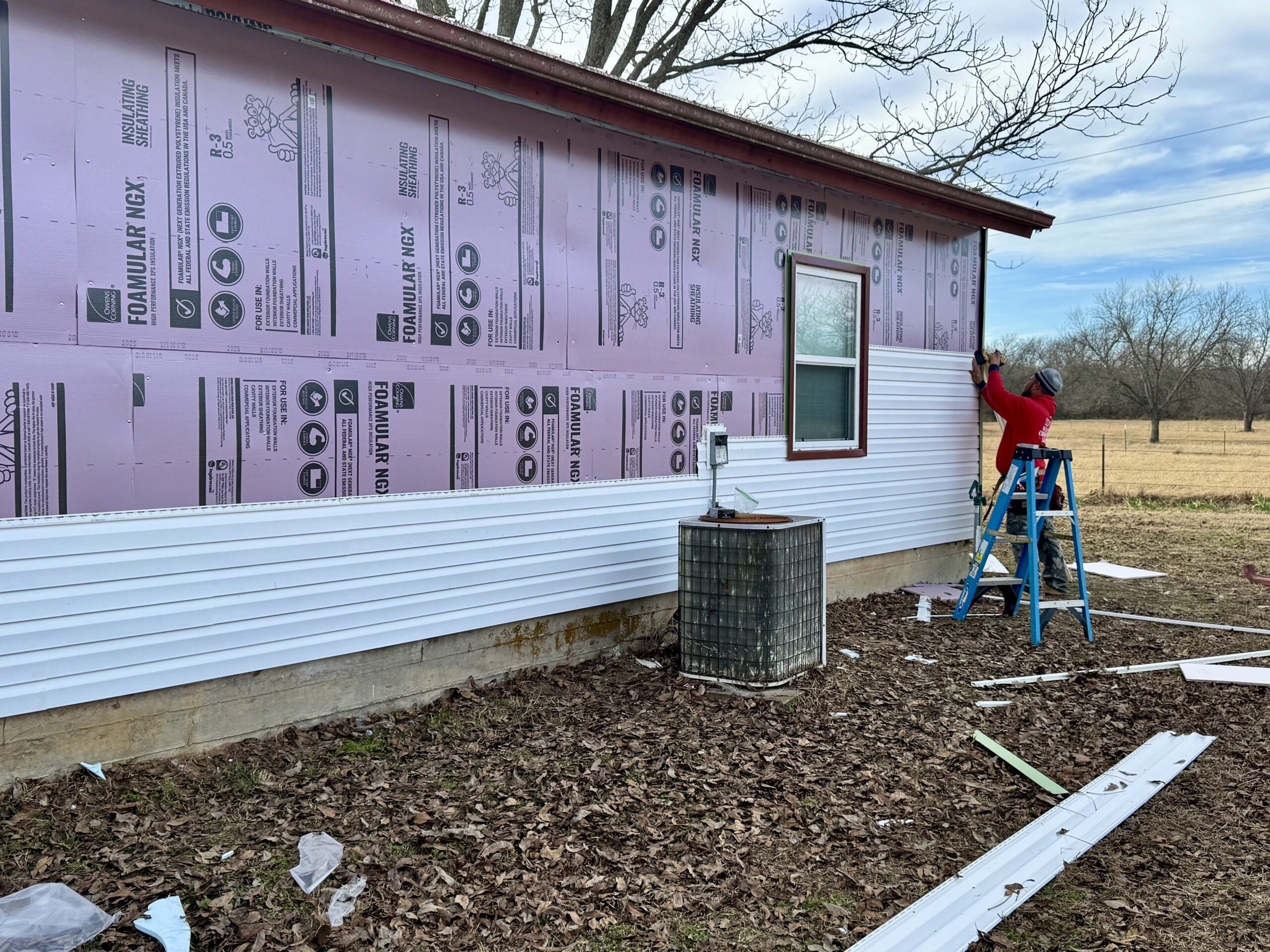
Evaluating Aging and Deteriorating Roofing Materials
Roofing materials naturally deteriorate as they are exposed to sunlight, temperature changes, wind, rain, and other environmental conditions. Understanding the difference between normal aging and active damage helps homeowners decide when a roof needs maintenance or professional evaluation.
Asphalt shingles may become brittle as they age. Curling, cracking, granule loss, and widespread surface deterioration can indicate that the roofing material is becoming less effective.
Metal roofs may develop corrosion, loose fasteners, damaged coatings, or separated seams. Small areas of deterioration should be monitored because moisture can eventually spread beneath damaged surfaces.
Tile roofing can develop cracked or broken tiles. Damaged tiles may allow water to reach the layers beneath, especially when the problem remains unresolved.
Aging does not automatically mean that a roof needs immediate replacement. The overall condition, maintenance history, climate exposure, and extent of deterioration should be considered before making that decision.
However, frequent repairs can indicate that the roofing system is approaching the end of its useful service life. Replacing individual components repeatedly may become less practical when deterioration is widespread.
Homeowners should look for patterns rather than isolated defects. One cracked shingle is different from large sections showing curling, cracking, or extensive granule loss.
Roof age should also be recorded. Knowing when the roof was installed can help homeowners and contractors evaluate whether current problems are likely to be isolated or part of broader aging.
Maintenance can extend the useful life of a roof, but it cannot stop materials from eventually deteriorating. Early recognition allows homeowners to plan future repairs or replacement rather than waiting for a major failure.
Knowing When a Professional Roof Inspection Is Needed
Homeowners can identify many warning signs without climbing onto the roof, but there are situations where professional evaluation is the safest and most effective choice. A roofing professional can examine areas that are difficult to see from the ground and identify problems that may be hidden beneath the visible surface.
A professional inspection is particularly important when a leak keeps returning after a previous repair. Repeated leakage can indicate that the original source was not correctly identified or that another nearby component is allowing water to enter.
Storm damage should also receive professional attention. Wind, hail, and falling debris can affect multiple areas of a roof, including components that appear intact from ground level.
Sagging, extensive deterioration, exposed decking, or suspected structural damage should never be treated as simple maintenance concerns. These conditions can involve safety risks and require careful assessment.
A professional can also evaluate whether damage is localized or widespread. This distinction helps homeowners determine whether a targeted repair is reasonable or whether broader roofing work may be necessary.
The inspection should consider shingles, flashing, valleys, roof edges, penetrations, drainage, attic conditions, and other relevant components. Looking at the entire system provides a better understanding of how one defect may affect another.
Homeowners should ask for a clear explanation of identified problems. A good inspection should help them understand what needs immediate attention, what can be monitored, and what may require future maintenance.
Written findings and photographs can also be useful. They provide a record of the roof’s condition and can help homeowners track changes over time.
The goal of an inspection is not simply to find reasons for repair. It is to understand the condition of the roofing system and make informed decisions before minor damage becomes extensive.
Early professional assessment can save time and reduce the risk of secondary damage. When homeowners combine regular observation with qualified inspections, they are better positioned to identify residential roofing damage before it spreads.
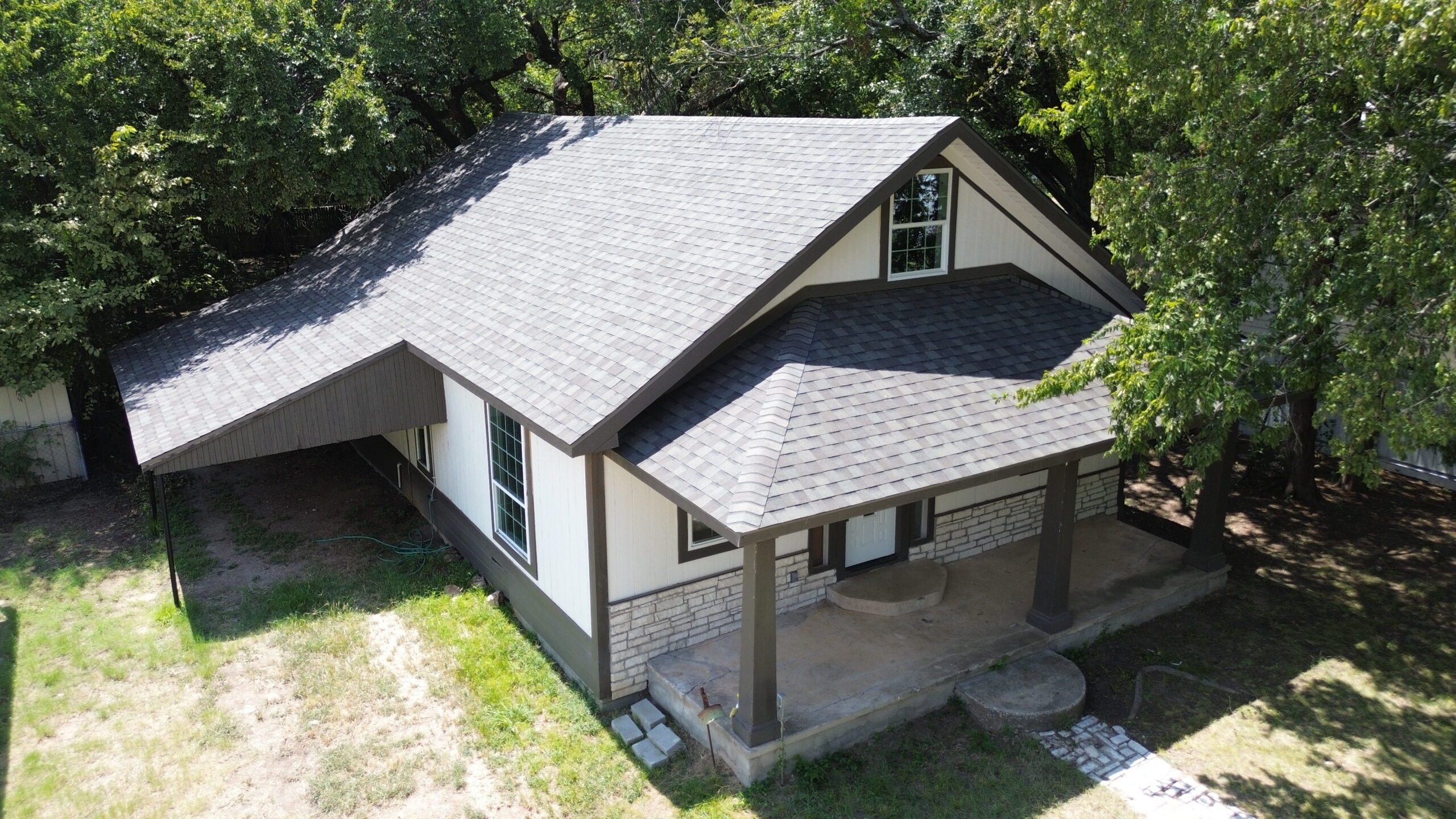
Prioritizing Roofing Damage That Needs Immediate Attention
Not every roofing problem requires emergency action, but some warning signs should never be ignored. Homeowners should learn to distinguish minor maintenance issues from conditions that can quickly lead to water intrusion, structural deterioration, or widespread roof damage. Acting quickly on serious problems can prevent a small repair from becoming a much larger project.
Active leaks should receive immediate attention, especially when water is entering living areas or the attic. A small drip may seem manageable, but continued moisture can damage insulation, drywall, decking, framing, and interior finishes.
Missing or severely damaged shingles also deserve prompt repair. Exposed sections of the roof can allow rain and sunlight to reach underlying materials that were not designed for prolonged exposure.
Sagging roof areas are another serious warning sign. A sag may indicate moisture-related deterioration, damaged decking, structural problems, or excessive loads, so homeowners should avoid walking on affected areas and arrange professional evaluation.
Damage around chimneys, skylights, vents, and valleys can also become urgent when water is entering through these areas. These locations depend on properly installed flashing and transitions to prevent moisture from reaching the underlying roof structure.
After severe weather, homeowners should pay particular attention to exposed roofing materials and fallen debris. Temporary protection may be necessary when permanent repairs cannot be completed immediately.
A practical priority system can help homeowners respond appropriately:
- Immediate attention: active leaks, large roof openings, severe sagging, major storm damage, or exposed structural components.
- Prompt repair: missing shingles, damaged flashing, cracked roofing materials, blocked drainage, or recurring minor leaks.
- Routine monitoring: limited cosmetic deterioration, normal aging, or minor changes that do not currently affect roof performance.
Prioritizing damage does not mean ignoring smaller problems. Even minor deterioration should be documented and monitored because roofing issues can develop gradually.
Preventing Small Roof Problems From Becoming Major Repairs
The best way to prevent roofing damage from spreading is to address problems when they are still localized. A damaged shingle, loose flashing component, or blocked gutter may require relatively simple attention when discovered early, but prolonged exposure can affect several additional components.
Water is one of the main causes of spreading roof damage. Once moisture enters beneath the exterior roofing surface, it can travel along the roof deck or framing before becoming visible inside the home.
Homeowners should therefore avoid treating only the visible symptom. If a ceiling has a stain, repairing or repainting the ceiling without finding the source of the moisture does not solve the roofing problem.
Gutters and drainage systems should also remain clear. When water cannot flow away properly, it may accumulate around roof edges and vulnerable transitions.
Trees should be maintained around the property as well. Branches that repeatedly contact the roof can scrape materials, while dead branches can fall during storms and cause impact damage.
Regular inspections provide another layer of protection. A professional can identify deteriorating materials, loose components, and early moisture problems that may not be obvious from ground level.
Homeowners should also avoid unnecessary roof traffic. Walking across roofing materials can cause damage, particularly when shingles or other components have become brittle with age.
Promptly repairing storm damage is equally important. Even if no leak is visible immediately, wind or hail may have weakened roofing materials and created conditions that allow water to enter during later rainfall.
Preventive maintenance is generally less disruptive than emergency repair. By responding to warning signs early, homeowners can protect surrounding materials and reduce the possibility of extensive deterioration.
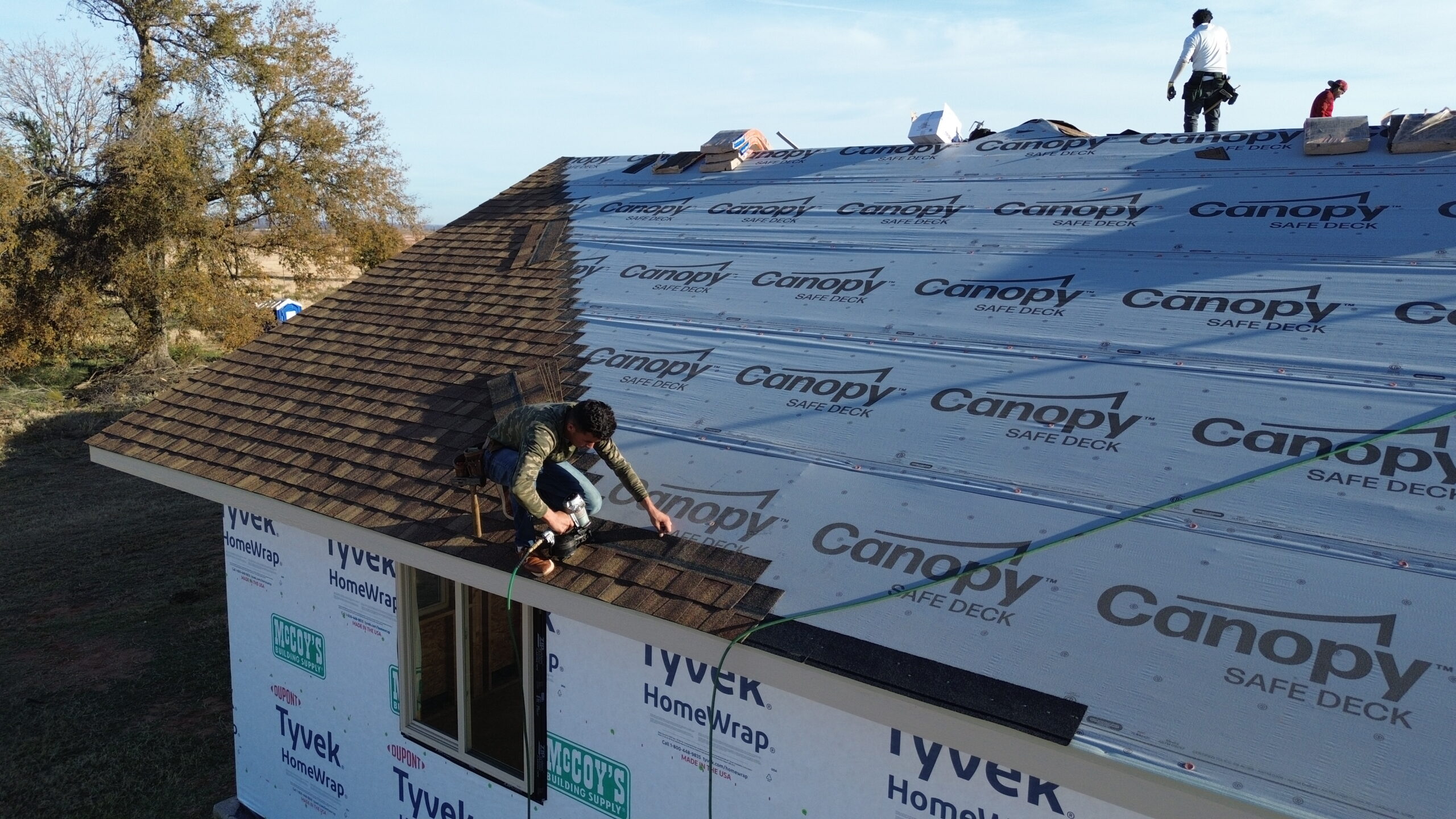
Documenting and Monitoring Roofing Damage
Keeping accurate records can help homeowners understand how a roofing problem changes over time. Documentation is particularly useful when damage develops gradually or when a roof has received several repairs.
Photographs can provide a simple record of visible conditions. Homeowners can photograph damaged shingles, flashing, gutters, roof edges, interior stains, and other areas from safe locations.
Taking photographs periodically can help identify changes. A small crack that becomes larger, a stain that expands, or a roof section that begins to sag may indicate that the problem is progressing.
Homeowners should also record the approximate date when a problem was first noticed. Weather events, repairs, inspections, and changes in the roof’s condition can then be connected more easily.
Repair records should include invoices, estimates, material information, and descriptions of completed work. This information can help future contractors understand what has already been repaired.
Monitoring is particularly important after temporary repairs. A temporary patch or covering may protect the roof for a limited period, but it should not be forgotten once the immediate emergency has passed.
Interior areas should be monitored as well. New ceiling stains, peeling paint, musty odors, damp insulation, or recurring moisture can indicate that a roofing problem remains unresolved.
Documentation should remain factual and accurate. Homeowners should record what they observe rather than assuming the cause of the damage.
A well-maintained record can also help with future maintenance planning. When homeowners know where previous problems occurred and how they were repaired, they can make better decisions about inspections and future work.
Planning Repairs and Maintenance
Once roofing damage has been identified, homeowners should determine which problems require immediate repair and which can be addressed through planned maintenance. A professional inspection can help establish the appropriate order of work.
Repair planning should consider the condition of the entire roofing system. Fixing one damaged shingle may be appropriate when surrounding materials remain healthy, while widespread deterioration may require a larger repair strategy.
Homeowners should request clear estimates for significant work. The estimate should explain the damaged areas, proposed repairs, materials, labor, and any potential additional work that could become necessary after materials are removed.
The age of the roof should also be considered. An older roof with repeated repairs may require a different long-term strategy than a newer roof with isolated storm damage.
Maintenance should include regular attention to gutters, drainage, roof penetrations, nearby trees, and accessible attic areas. These components can influence how well the roofing system performs.
Seasonal inspections can be useful because different weather conditions create different risks. Heavy rainfall can reveal leaks, while strong winds may expose loose roofing materials.
Homeowners should also plan financially for maintenance and eventual replacement. Setting aside funds for roofing work can make unexpected repairs easier to manage.
Good planning prevents homeowners from making rushed decisions during emergencies. When the roof’s condition is monitored regularly, there is more time to compare repair options and select qualified professionals.
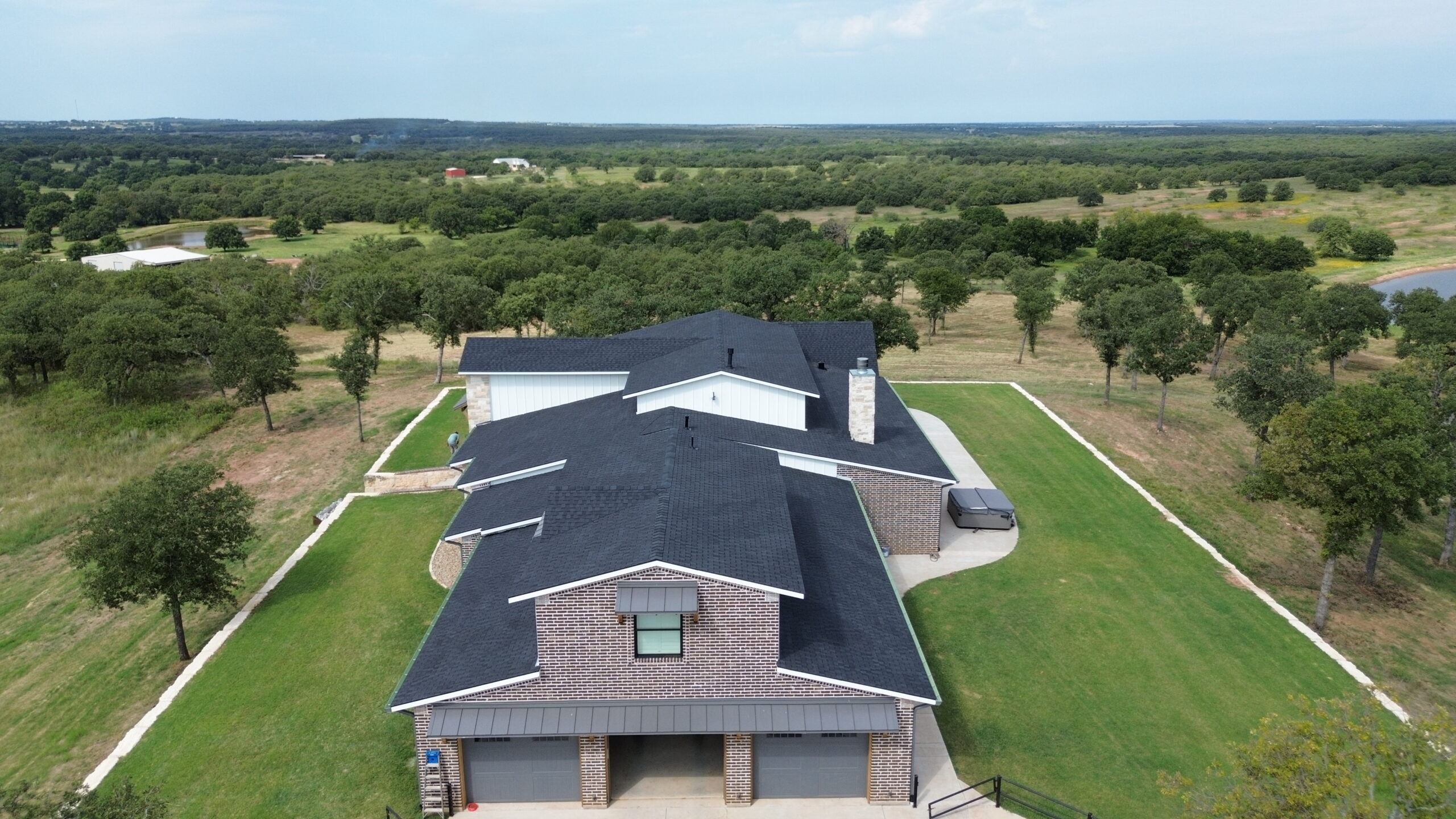
Preparing the Roof for Future Weather
A roof that has been repaired should still be prepared for future weather conditions. Strong winds, heavy rain, hail, and falling debris can create new damage even after previous problems have been corrected.
Before severe weather, homeowners can check the property from safe locations for obvious loose materials or damaged gutters. Nearby trees should be maintained to reduce the risk of branches falling onto the roof.
Gutters and downspouts should remain clear so heavy rainfall can move away efficiently. Poor drainage can increase stress on roof edges and contribute to water-related deterioration.
After a major storm, homeowners should perform another ground-level inspection. Missing shingles, unusual debris, damaged flashing, or interior moisture should prompt further evaluation.
A roof’s ability to handle severe weather also depends on its overall condition. Aging or deteriorated materials may be more vulnerable than properly maintained roofing components.
Homeowners should not attempt risky emergency repairs during dangerous weather. If the roof has suffered significant damage, professional assistance can provide safer and more reliable temporary protection.
Maintaining records of previous storm damage can also help identify recurring weak areas. If the same section repeatedly develops problems, a more detailed evaluation may be necessary.
Preparing for future weather does not mean eliminating every possible risk. Instead, it involves reducing preventable problems and responding quickly when damage occurs.
Conclusion
Identifying residential roofing damage before it spreads is one of the most effective ways to protect a home and control repair costs. Small roofing problems can become significantly more serious when moisture, wind, or other environmental conditions continue affecting damaged areas.
Homeowners should pay attention to missing or damaged shingles, cracked materials, deteriorating flashing, blocked gutters, roof-edge problems, interior stains, attic moisture, and unusual changes in the roof’s appearance. These warning signs can provide valuable clues that a roofing system needs attention.
Some conditions require immediate action, particularly active leaks, major storm damage, sagging areas, exposed decking, and significant structural concerns. Other problems can be monitored and included in a planned maintenance schedule, but they should not be ignored indefinitely.
Regular inspections are an important part of early detection. Homeowners can safely observe the roof from the ground and monitor accessible interior areas, while qualified roofing professionals can perform more detailed inspections when damage is suspected.
Proper documentation also makes roof management easier. Photographs, inspection reports, repair records, and maintenance information can help homeowners track changes and provide useful information to contractors.
Preventive maintenance further reduces the chance of damage spreading. Keeping gutters clear, maintaining nearby trees, monitoring roof penetrations, and addressing small repairs promptly can help preserve the roofing system.
The most important principle is to respond to warning signs before they become emergencies. A small roofing defect may be manageable when discovered early, but delaying action can allow moisture and deterioration to spread into hidden components.
With regular observation, timely repairs, professional inspections, and sensible maintenance planning, homeowners can identify residential roofing damage earlier and protect their homes from more extensive and costly problems.