How Weather Impacts Residential Roofing Installation Projects
Introduction
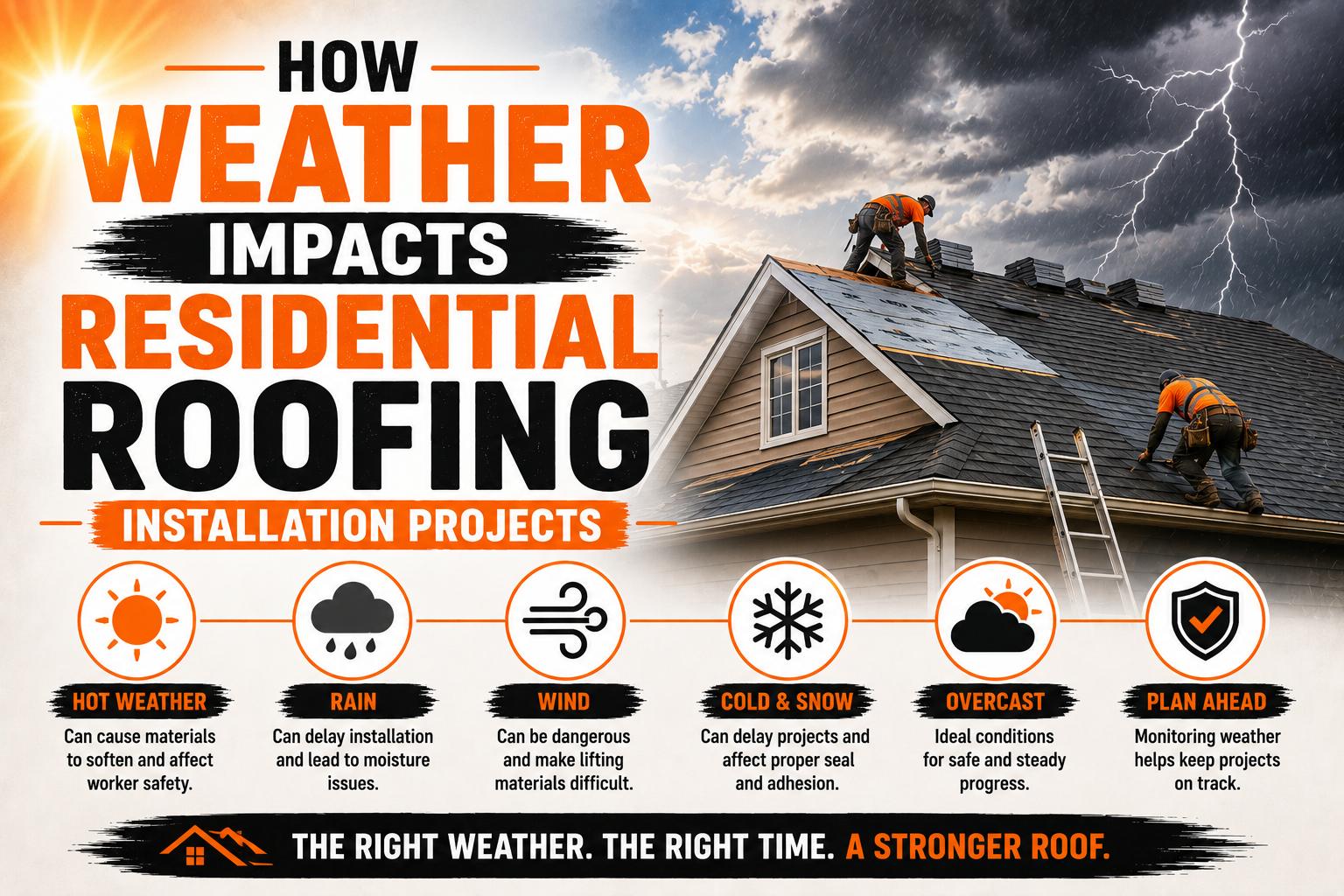
Weather is one of the most important factors affecting a residential roofing installation project. Roofing work takes place outdoors, and the materials, tools, workers, roof surface, and unfinished structure can all be influenced by changing environmental conditions. Rain, wind, heat, cold temperatures, humidity, and severe storms can affect both the safety of the crew and the quality of the finished roof.
A roofing project may be carefully planned, but weather conditions can change unexpectedly. A contractor may need to adjust the installation schedule when conditions become unsafe or when moisture could interfere with roofing materials. These changes can sometimes be frustrating for homeowners, but postponing work during unsuitable weather can protect the property and improve the quality of the installation.
Different roofing materials also respond differently to weather. Asphalt shingles may require suitable temperatures for proper sealing, while metal roofing can become extremely hot under direct sunlight. Tile and other materials may require careful handling in wet or windy conditions. Contractors need to understand these differences before deciding when and how installation should proceed.
Weather can also affect the roof after installation. A newly installed roof may need time for certain materials or components to settle, seal, or achieve their intended performance. Severe weather immediately after installation can create additional concerns, particularly if sections of the roof were not fully completed or protected.
Homeowners can make better decisions when they understand the relationship between weather and roofing work. Rather than focusing only on the planned completion date, they should consider whether the conditions are appropriate for safe and effective installation.
Good contractors monitor weather forecasts before and during a project and have procedures for dealing with changing conditions. They also understand when work should continue, when additional precautions are required, and when postponing installation is the safer option.
How Temperature Affects Roofing Installation
Temperature can influence several stages of a residential roofing installation. Extremely hot or cold conditions may affect roofing materials, worker safety, adhesives, sealants, and installation techniques. Contractors should therefore consider the temperature before beginning work and throughout the project.
Asphalt shingles are particularly affected by temperature because many products use factory-applied adhesive strips that help shingles seal together after installation. Warm conditions can support this sealing process, while very cold conditions may slow it down.
Cold temperatures can also make some roofing materials less flexible. Shingles may become more brittle and require additional care during handling and installation. Walking on or manipulating materials in unsuitable temperatures can increase the possibility of cracking or damage.
Contractors may use approved installation techniques when working in cooler conditions, depending on the manufacturer’s requirements. Additional fastening or manual sealing may sometimes be appropriate, but the correct procedure depends on the specific product.
Extreme heat creates a different set of challenges. Roofing surfaces can become significantly hotter than the surrounding air when exposed to direct sunlight. Workers may experience increased heat stress, dehydration, fatigue, and reduced concentration.
High temperatures can also affect certain adhesives, sealants, coatings, and other installation products. Materials should be stored and applied according to their specified temperature ranges.
Temperature changes throughout the day can also affect scheduling. A contractor may choose to work during cooler parts of the day when temperatures become excessive, particularly when roof surfaces receive direct sunlight for long periods.
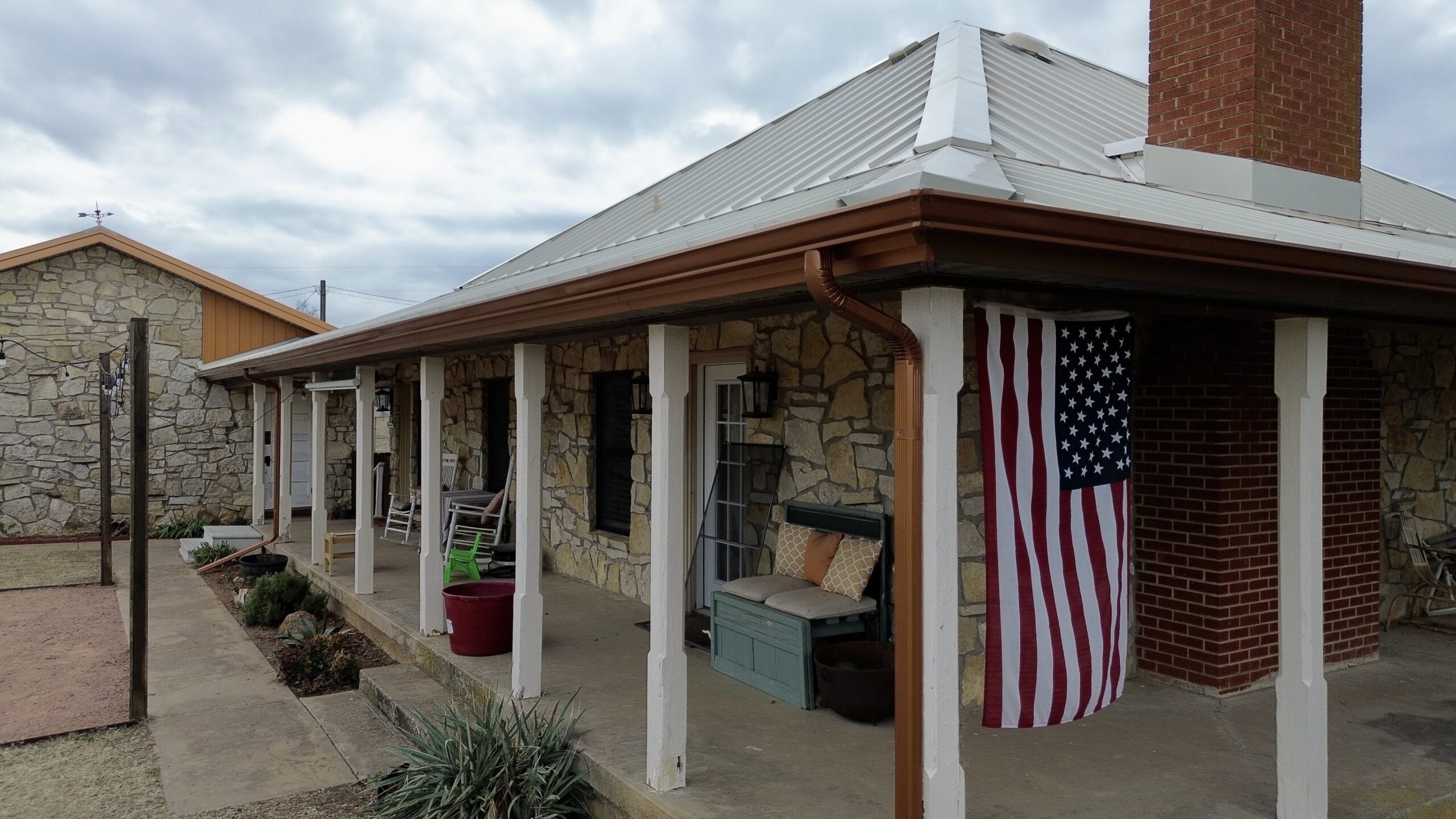
Metal roofing can become extremely hot under strong sunlight. This affects worker comfort and safety and can make handling panels more difficult. Contractors need appropriate procedures for moving and installing materials without causing damage or creating unnecessary risks.
Cold weather can also affect worker safety. Frost, ice, and freezing surfaces can make roofs slippery and increase the risk of falls. Even when the roofing materials themselves can technically be installed, unsafe working conditions may require postponement.
Homeowners should therefore understand that temperature affects more than material performance. It also influences worker safety and the efficiency of the installation process.
A professional contractor should consider product requirements, local conditions, and worker safety when deciding whether installation can proceed. Following these considerations helps ensure that the roof is installed under conditions that support proper performance.
The Impact of Rain and Moisture
Rain is one of the most significant weather conditions affecting roofing installation. Roofing systems are designed to protect homes from water, but installation itself requires many layers to be temporarily exposed while the project progresses. Rain can interfere with this process and increase the risk of moisture entering the structure.
Roofing materials generally need to be installed on a suitable surface. If the roof deck becomes wet, contractors may need to wait until conditions improve and the surface is sufficiently dry before continuing with certain installation activities.
Moisture beneath roofing materials can create problems if it becomes trapped within the roof assembly. A new roof should be installed over appropriately prepared surfaces, and contractors need to prevent unnecessary moisture from being enclosed between layers.
Rain can also make roofing surfaces slippery. This creates a significant safety concern for workers who are moving across sloped surfaces while carrying materials and equipment. Even light rainfall can make certain roof surfaces more hazardous.
Heavy rainfall presents additional challenges because it can quickly expose unfinished sections of the roof. Contractors need to protect open areas before or during changing weather conditions so that water does not enter the building.
Underlayment can provide temporary protection in some situations, but it should not be treated as a substitute for proper weather management. The exact protection required depends on the roofing system and the stage of installation.
Rain can also interfere with adhesives, sealants, coatings, and other products. Some materials require dry surfaces or specific environmental conditions for proper application. Applying them during unsuitable weather can affect their performance.
Humidity can remain a concern even after rainfall stops. A roof surface may appear dry while moisture remains in surrounding materials or the roof deck. Contractors should evaluate conditions rather than immediately continuing simply because the rain has ended.
Homeowners may become concerned when a contractor pauses work because of rain. However, a weather-related delay can be preferable to rushing installation and creating hidden moisture problems.
A professional roofing company should have procedures for securing the property before bad weather arrives. Materials may need to be covered, unfinished roof sections protected, and equipment moved or secured.
Once conditions improve, the contractor should inspect the affected areas before continuing. Any moisture, damage, or compromised materials should be addressed before additional roofing layers are installed.
Managing rain properly helps protect both the home and the quality of the roofing installation. The goal is not simply to finish quickly but to ensure that each roofing layer is installed under appropriate conditions.
Wind Conditions During Roof Installation
Wind can significantly affect residential roofing installation because roofing materials are often lightweight and handled at elevated heights. Strong gusts can create safety risks for workers and make it difficult to position or secure materials correctly.
Roofing materials such as shingles, underlayment, flashing, insulation components, and lightweight accessories can be affected by wind before they are permanently secured. Materials stored on the property may also become hazards if they are not properly secured.
Strong winds can make carrying large or flexible materials particularly difficult. Workers need both hands and stable footing for many installation tasks, so conditions that interfere with balance or material handling can increase the risk of accidents.
Wind also creates problems when large sections of the roof are exposed. If underlayment or other temporary protective materials are not secured correctly, gusts may lift or damage them.
The roof edges and corners are particularly exposed to wind forces. These areas require careful installation and fastening because wind pressure can be greater around the perimeter of the structure.
Wind direction can also influence working conditions. A roof that is relatively sheltered from one direction may become more exposed when the wind changes. Contractors should therefore monitor actual conditions rather than relying only on a general forecast.
High winds can also affect cleanup. Loose packaging, small pieces of roofing material, and debris can be carried away from the work area. Proper site management is necessary to protect nearby property and people.
Homeowners should never pressure a contractor to continue work during unsafe wind conditions simply to maintain the original schedule. Professional crews are responsible for determining whether conditions are appropriate for their workers and equipment.
A weather delay caused by wind can protect both the crew and the roof. Continuing work under dangerous conditions may increase the possibility of installation errors, damaged materials, or accidents.
When wind speeds decrease, the contractor should assess any exposed or partially completed areas before continuing. Materials that may have shifted or become damaged should be corrected before installation resumes.
Proper wind management is especially important during the early stages of a roofing project because the roof may not yet have its complete protective layers. Careful scheduling and secure material handling help reduce weather-related risks.
Heat, Sunlight, and Material Handling
Strong sunlight can make roofing installation challenging even when there is no rain or wind. Roof surfaces can become much hotter than the surrounding air, creating difficult working conditions for contractors and affecting how certain materials behave.
Heat exposure can increase the risk of worker fatigue and dehydration. Roofing crews may need to schedule breaks, maintain hydration, and adjust working hours during periods of extreme heat.
Direct sunlight can also affect material handling. Asphalt shingles can become softer when heated, while metal panels and other surfaces can become uncomfortable or hazardous to handle without appropriate precautions.
Some roofing products contain adhesives or sealants that respond to temperature. Excessive heat may influence their working properties, so contractors should follow product requirements rather than assuming that warmer conditions are always beneficial.
Material storage is also important. Roofing products should be stored according to manufacturer recommendations and protected from conditions that could cause deformation, damage, or premature deterioration.
Heat can also affect the roof deck and attic environment. A roof under direct sunlight may create extremely warm conditions beneath the surface, especially when ventilation is incomplete during construction.
Contractors need to balance productivity with worker safety. Starting earlier in the day or completing certain tasks during less intense sunlight can help reduce heat exposure.
Homeowners should recognize that a weather delay is not always caused by rain or storms. Extreme heat can also make roofing work unsafe or affect the handling of certain materials.
Proper planning allows contractors to account for temperature, sunlight, material requirements, and worker safety. These factors help determine when roofing installation can proceed efficiently without unnecessarily increasing risk.
How Storms Affect Roofing Installation
Severe storms can have a major impact on residential roofing installation projects because they combine several difficult conditions at once. Strong winds, heavy rainfall, hail, lightning, and rapidly changing temperatures can make roof work unsafe and can also affect materials that have not yet been permanently installed.
Contractors typically monitor weather conditions before beginning work, particularly when storms are expected during the installation period. A forecast showing severe weather may cause the crew to change the schedule, delay certain stages, or prepare additional protection for exposed sections of the roof.
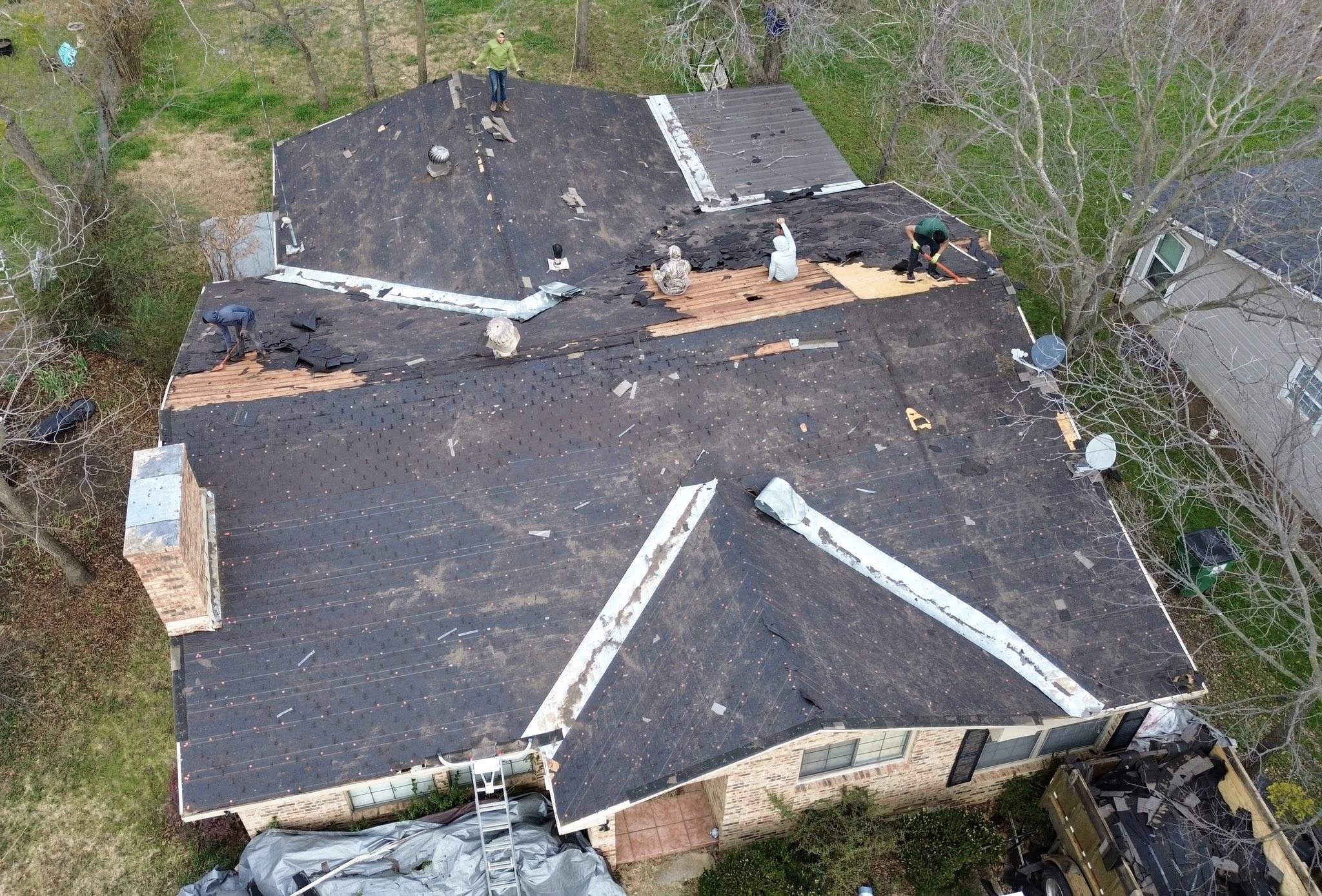
Heavy rain is especially concerning when the existing roof has already been removed. Once the old roofing material is stripped away, portions of the roof deck may be more exposed to moisture. Contractors need to have appropriate procedures for protecting the structure if unexpected rainfall develops.
Strong winds can create similar challenges. Loose roofing materials, underlayment, packaging, and equipment can become dangerous when exposed to high wind speeds. Workers may also have difficulty maintaining stable footing while carrying materials across a sloped roof.
Hail can damage roofing materials that have already been installed but may also affect materials stored at the property. Contractors should inspect roofing products after significant hail events if there is a possibility that they were damaged before installation.
Lightning presents an additional safety concern because roofing crews are working at elevated positions. Work should be suspended when electrical storms create unsafe conditions, with workers returning only when conditions are considered appropriate.
Storms can also affect the surrounding property. Heavy rainfall may create muddy areas, strong winds can damage landscaping, and falling branches may create additional hazards around the work zone.
A professional contractor should have a plan for securing materials and protecting unfinished sections of the roof before severe weather arrives. This preparation can reduce the possibility of water intrusion and material damage.
After a storm passes, work should not necessarily resume immediately. The contractor should inspect the roof surface, materials, temporary protection, and surrounding work area before continuing.
Weather-related delays can sometimes extend the installation timeline, but they are generally preferable to rushing through unsafe conditions. A roofing project should be completed under conditions that allow the crew to work safely and install materials correctly.
Cold Weather and Roofing Material Performance
Cold weather can create challenges for residential roofing installation, particularly when temperatures fall outside the range recommended for specific products. Materials can become less flexible, adhesives may behave differently, and workers may face additional safety concerns.
Asphalt shingles are one example of a material that can be affected by cold conditions. Their adhesive strips may require sufficient warmth and sunlight to seal effectively. In colder weather, the sealing process may take longer or require manufacturer-approved installation methods.
Cold temperatures can also make shingles more brittle. Handling, bending, or walking on materials when they are extremely cold can increase the possibility of cracking or damage.
Contractors may use hand-sealing techniques or other approved methods when conditions require additional attention. The appropriate procedure depends on the specific product and manufacturer’s instructions.
Metal roofing also needs careful handling during cold weather. Panels can become less comfortable to handle, and workers may need additional precautions when surfaces are cold, wet, or slippery.
Ice and frost create a more immediate safety concern. A roof covered with frost can become extremely slippery, increasing the possibility of falls. Work should be postponed when surfaces cannot be accessed safely.
Cold weather can also affect sealants and adhesives used around flashing, vents, and other roofing components. Some products have specific application temperature requirements, so contractors should verify those conditions before use.
Homeowners should understand that a cold-weather delay does not necessarily mean the contractor is unwilling to work. It may indicate that the conditions are unsuitable for achieving the expected installation quality.
Winter installation can still be possible in some climates and with certain roofing systems. The important consideration is whether the materials, methods, and weather conditions are compatible with the manufacturer’s requirements and safe working practices.
The roof deck should also be appropriately dry and free from unsuitable conditions before installation. Moisture trapped beneath roofing layers can create problems after the project is completed.
When cold weather is expected, contractors can plan work around warmer periods of the day when practical. However, safety and product requirements should always take priority over maintaining a rigid schedule.
Proper cold-weather planning allows roofing companies to complete projects without unnecessarily compromising material performance. Homeowners should discuss weather expectations with the contractor before installation begins so that possible delays are understood in advance.
Humidity and Moisture Management
Humidity can influence residential roofing installation even when there is no active rainfall. High moisture levels can affect drying conditions, material handling, roof deck preparation, and the performance of certain adhesives and coatings.
A roof deck should be appropriately dry before protective layers and roofing materials are installed. If moisture becomes trapped between layers, it may contribute to deterioration or other problems later.
High humidity can slow the drying process for some products. Sealants, coatings, and adhesives may require specific environmental conditions to achieve their intended performance.
The attic environment also deserves attention during installation. A roofing project may provide an opportunity to identify existing moisture problems, condensation, or ventilation weaknesses that could affect the new roof.
If the home has excessive indoor humidity, warm moist air can enter the attic through gaps and condense on cooler surfaces. A new roof does not automatically eliminate this problem because the source may be related to ventilation or air leakage.
Bathroom and kitchen exhaust systems should be reviewed as part of overall moisture management. Humid air should be directed outside rather than into the attic space.
Proper ventilation helps manage moisture after installation. Intake and exhaust pathways should be designed to work together, and insulation should not block intended airflow routes.
Humidity can also make roofing surfaces feel damp even when there has been no rain. This can affect worker footing and create additional safety concerns on sloped surfaces.
Contractors should consider actual site conditions rather than relying exclusively on weather forecasts. The roof surface, deck, materials, and work environment all need to be suitable before installation proceeds.
Moisture management is particularly important because some roofing problems remain hidden after installation. If damp materials are enclosed beneath a finished roof, identifying and correcting the problem later may require removal of completed roofing sections.
Homeowners should therefore ask contractors how they handle moisture before installing new roofing layers. A professional approach includes inspecting exposed surfaces and allowing unsuitable materials or areas to dry before continuing.
Good moisture management helps ensure that the roof begins its service life in appropriate conditions. It also reduces the possibility of hidden moisture becoming a long-term roofing problem.
Weather-Related Safety Considerations
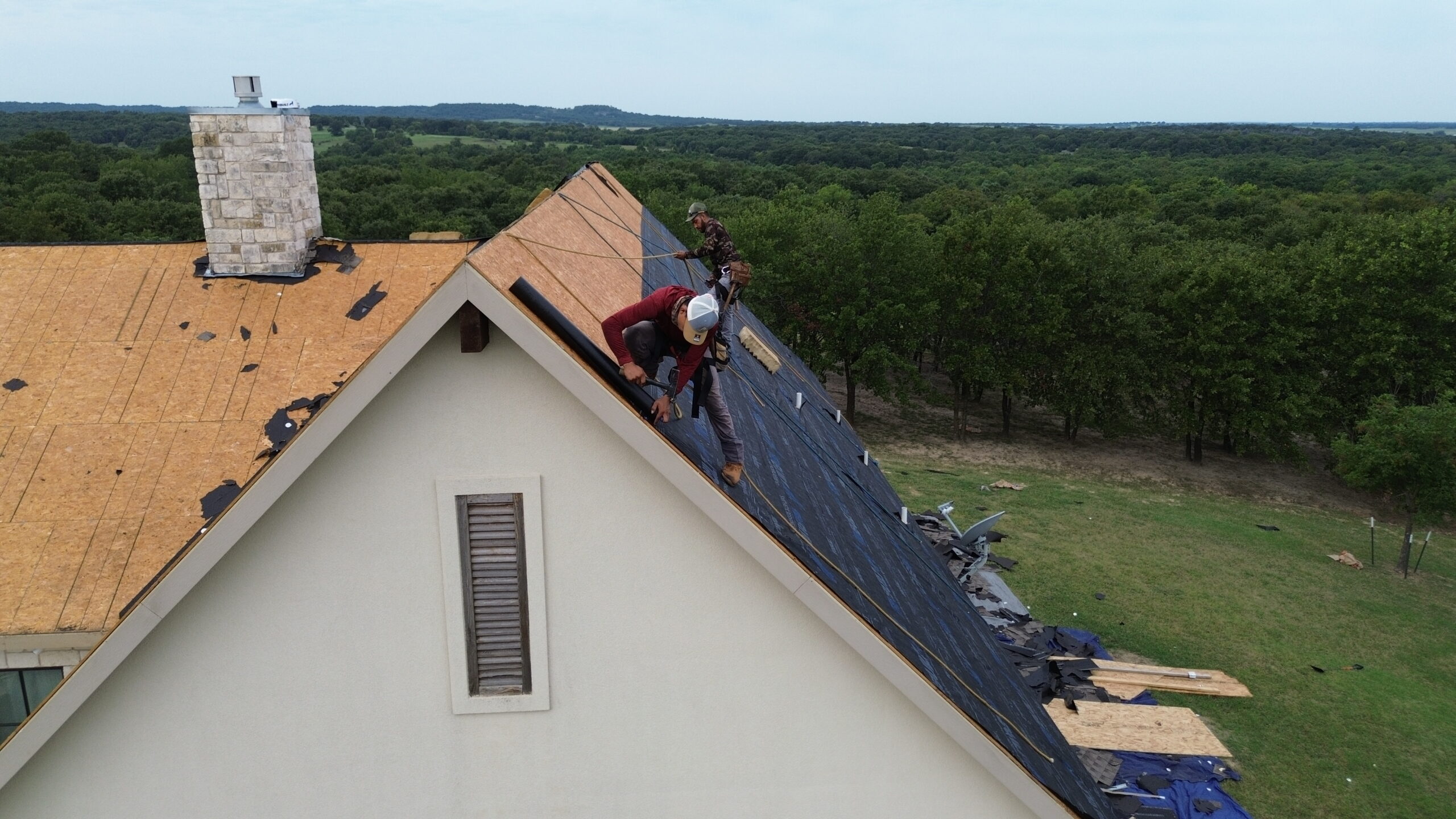
Safety is one of the most important reasons weather conditions must be considered during roofing installation. Roofing crews work at height, often on steep surfaces, while handling materials and tools. Weather can increase these risks significantly.
Rain can make roofing surfaces slippery and reduce traction. Even experienced workers may have difficulty maintaining stable footing when surfaces are wet.
Strong winds can interfere with balance and material handling. Carrying large panels, underlayment, or other lightweight materials during gusty conditions can increase the possibility of accidents.
Extreme heat can cause dehydration, fatigue, and heat-related illness. Workers may need additional breaks, hydration, protective equipment, and schedule adjustments during periods of intense heat.
Cold weather presents different challenges. Frost, ice, and cold surfaces can increase slipping hazards, while reduced flexibility in materials may make installation more difficult.
Lightning is particularly dangerous for crews working on roofs. Electrical storms should be treated seriously, and work should stop when conditions create a significant risk.
Visibility can also become a concern during heavy rain, storms, fog, or low-light conditions. Workers need adequate visibility to position materials, use tools, and move safely around the roof.
Weather can also affect ladders, scaffolding, lifts, and other equipment. Wet or unstable ground can make equipment placement more difficult, while wind can affect elevated equipment and materials.
A professional roofing company should have clear safety procedures for changing weather conditions. The crew should know when to pause work, secure materials, leave the roof, and return after conditions improve.
Homeowners should respect these decisions even when a delay affects the project schedule. A short delay is preferable to an accident or installation mistake caused by unsafe conditions.
Weather safety is also connected to installation quality. Workers who are rushing because of poor conditions may be more likely to make errors with fastening, alignment, flashing, or material placement.
A safe roofing project gives workers the conditions needed to concentrate on their tasks. This supports both personal safety and the quality of the completed roofing system.
Protecting an Unfinished Roof
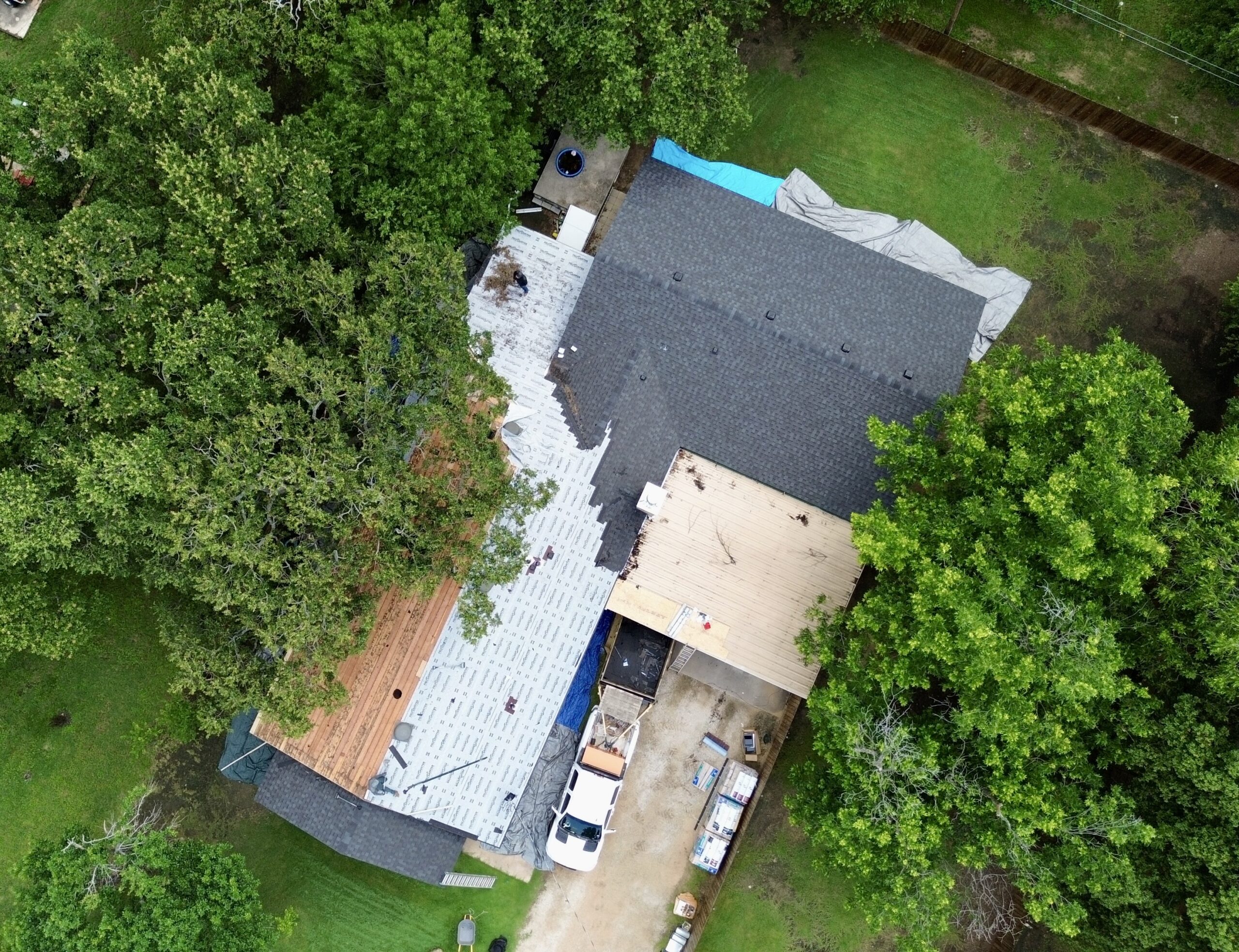
One of the most important responsibilities during weather-sensitive roofing work is protecting areas that have not yet received their final roofing materials. An unfinished roof can be more vulnerable to rain and wind than a completed system.
Temporary protection may be necessary when an existing roof has been removed and the new materials cannot be installed immediately. Contractors may use suitable coverings or other approved methods to limit exposure to unexpected weather.
The protection method should be appropriate for the condition of the roof. It needs to remain secure during expected weather while avoiding unnecessary damage to the roof deck or surrounding components.
Underlayment can provide an important layer of protection during installation, but it should be installed correctly and should not be treated as a guarantee against all weather conditions.
Edges and transitions require particular attention because water can enter through exposed openings. Contractors should ensure that temporary protection covers vulnerable areas adequately.
Wind can make temporary coverings difficult to manage. Materials need to be secured properly so they do not become loose or create hazards around the property.
If rain occurs during a project, contractors should inspect the exposed roof after conditions improve. Any wet materials or areas showing signs of water entry should be evaluated before additional layers are installed.
The roof deck may need time to dry before installation continues. Covering a damp surface permanently can trap moisture and create future problems.
Temporary protection also applies to materials stored on the property. Roofing products should be protected from excessive moisture and wind according to their storage requirements.
A good contractor should have a weather contingency plan before beginning a roofing project. Homeowners can ask how the company handles unexpected rain, wind, or storms during installation.
Protecting an unfinished roof is ultimately about preventing temporary exposure from becoming permanent damage. Careful weather management helps maintain the condition of the structure while the project moves toward completion.
Adjusting Installation Schedules During Poor Weather
Weather-related schedule changes are a normal possibility during residential roofing projects. Contractors need to balance the planned timeline with actual conditions, material requirements, and worker safety.
A roofing schedule may change because of rain, strong winds, extreme heat, cold temperatures, severe storms, or unexpected weather patterns. The length of the delay depends on the severity and duration of the conditions.
Homeowners should understand that a weather delay does not necessarily mean the project is poorly managed. In many cases, delaying work is evidence that the contractor is prioritizing safety and installation quality.
Contractors should communicate schedule changes clearly. Homeowners should be informed when weather is expected to affect the project and, when possible, given an updated estimate of when work can resume.
Material availability can also be affected by weather. If a project is delayed, materials may need to remain stored at the property or be rescheduled for delivery.
The contractor should also consider the condition of the roof before restarting work. A surface that appears suitable from a distance may still contain moisture or damage that needs attention.
Flexible scheduling can be particularly useful during seasons with unpredictable weather. Contractors may adjust working hours or prioritize certain tasks based on forecast conditions.
Homeowners should avoid insisting that work continue simply because a previously agreed date has arrived. Roofing requires appropriate environmental conditions, and rushing can increase the risk of poor workmanship.
At the same time, weather should not be used as an unexplained excuse for indefinite delays. A professional contractor should communicate openly about the conditions affecting the project and provide reasonable updates.
Good planning, weather monitoring, temporary protection, and clear communication allow roofing projects to adapt when conditions change. These practices help maintain both safety and installation quality while reducing unnecessary disruption to the homeowner.
Weather is ultimately an important part of roofing project management. Contractors who plan for changing conditions can protect the home, workers, materials, and completed work while keeping the project moving whenever conditions safely allow.
How Weather Affects Different Roofing Materials
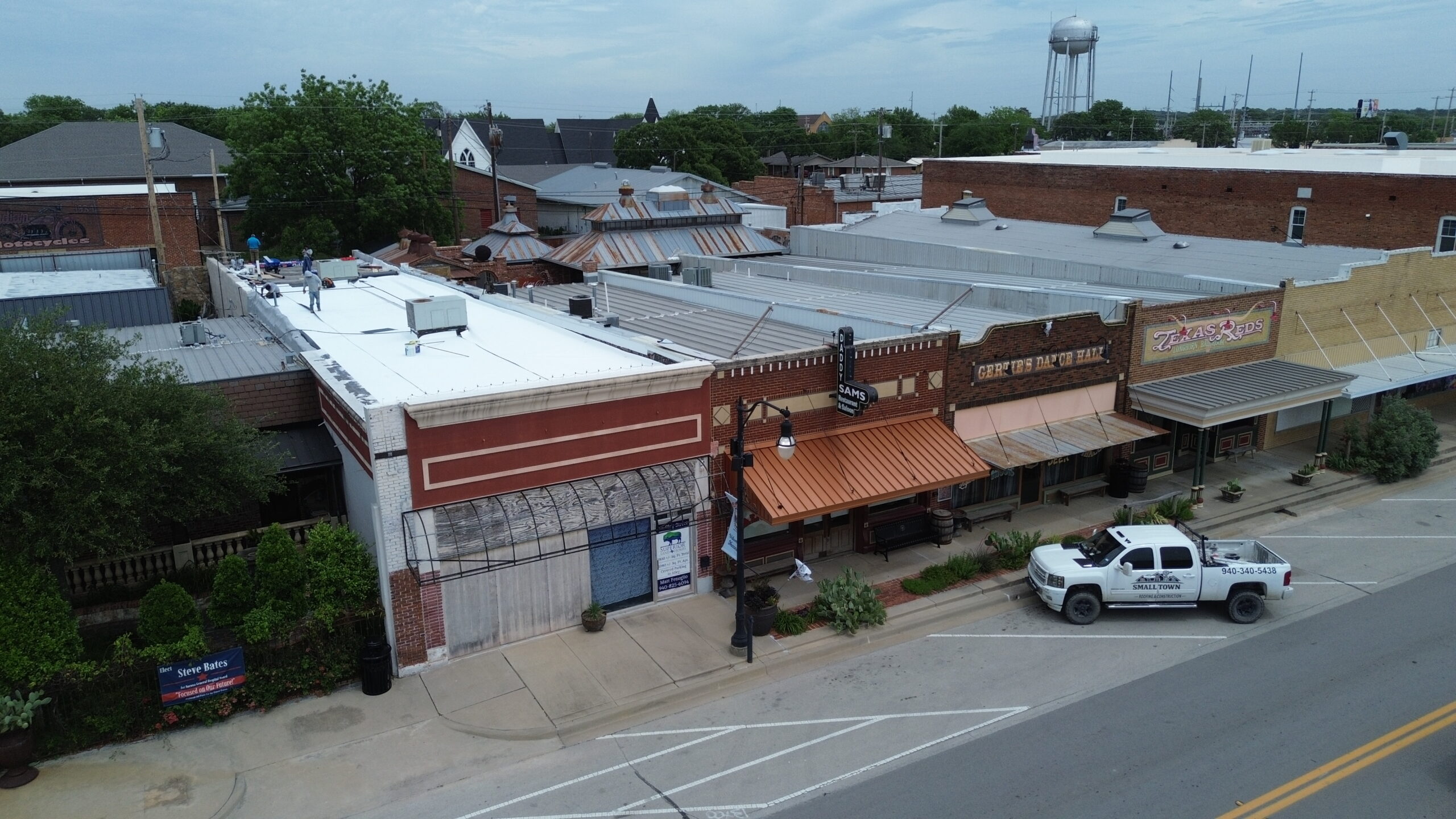
Weather can affect roofing materials differently, which is why contractors need to consider the selected product before scheduling installation. Asphalt shingles, metal panels, tile, slate, and synthetic roofing products each have different handling and installation requirements. Understanding these differences helps contractors avoid installing materials under conditions that could affect their performance.
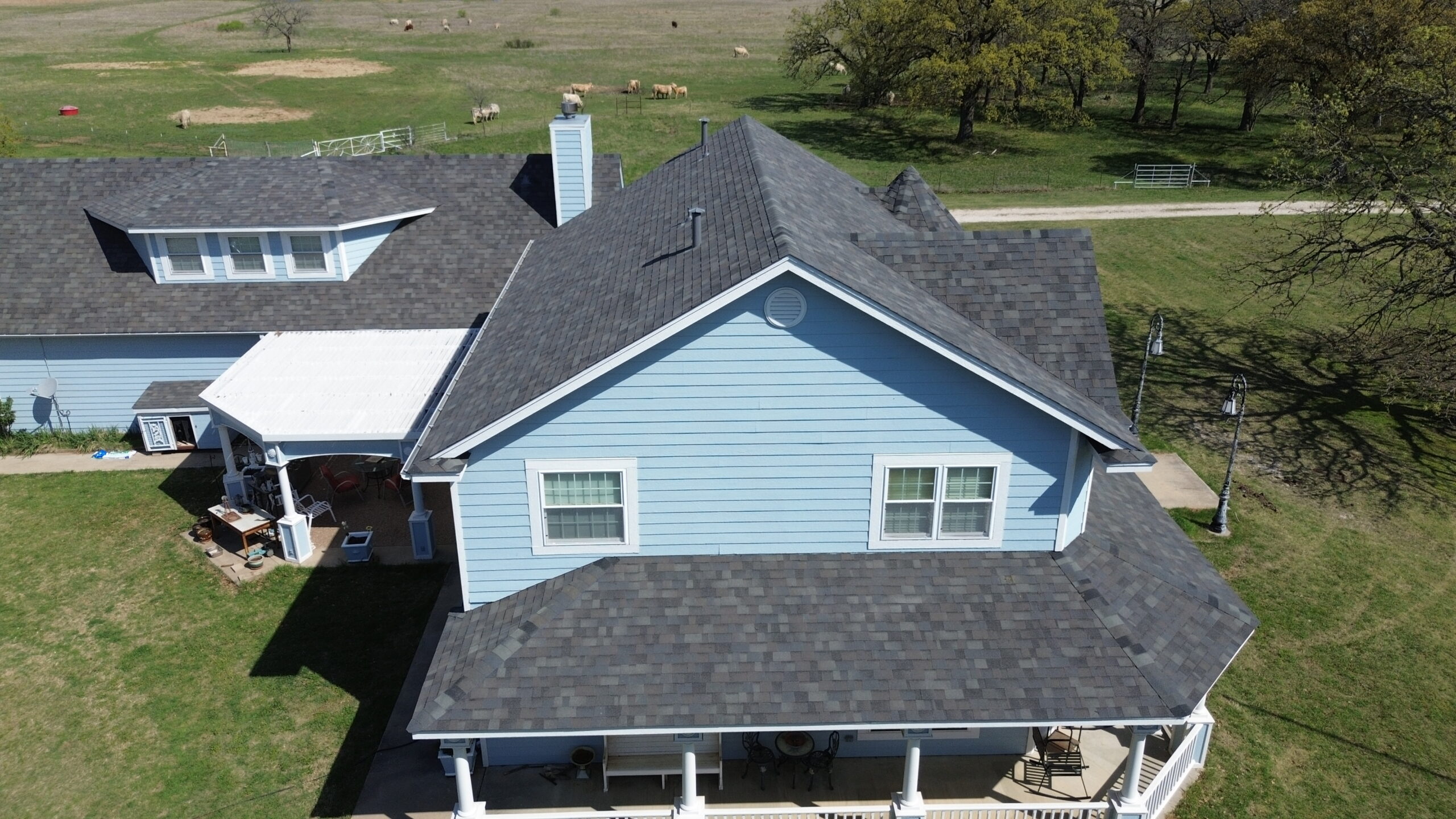
Asphalt shingles can be influenced by temperature because their adhesive components need suitable conditions to seal properly. Extremely cold temperatures may slow the sealing process, while very hot surfaces can make shingles softer and more difficult to handle. Contractors should follow the manufacturer’s requirements when installing shingles during unusual weather.
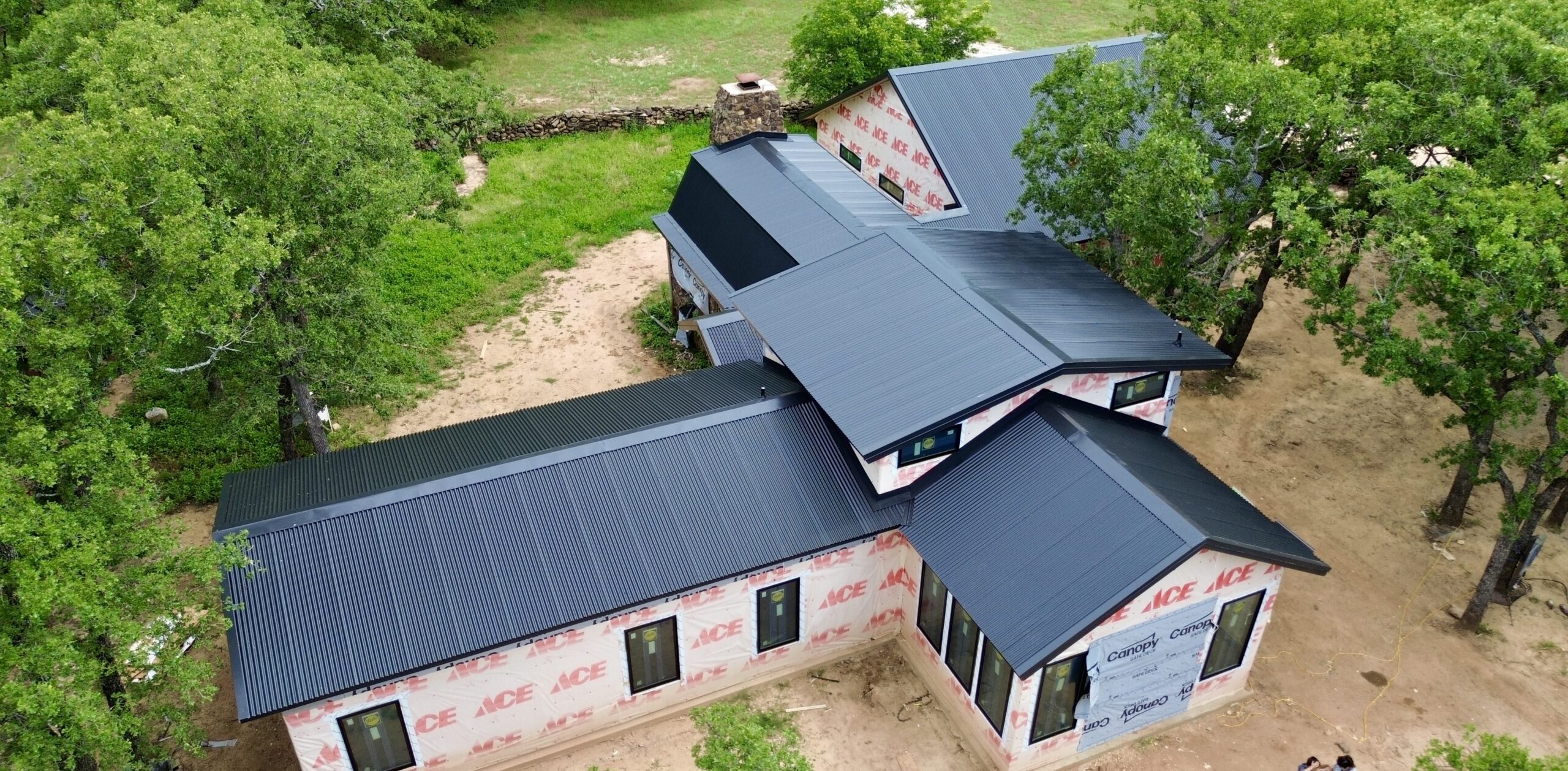
Metal roofing has different weather considerations. Panels can become extremely hot under direct sunlight, creating difficult working conditions for installers. Wind can also make large panels harder to control before they are securely fastened.
Tile and slate require careful handling regardless of weather, but wet conditions can increase the risk of slipping or damaging materials. Contractors also need to protect these materials from unnecessary impact during transportation and installation.
Synthetic roofing products can have their own temperature and installation requirements. Homeowners should not assume that one installation method applies to every product simply because two materials have similar appearances.
Weather can also affect adhesives, sealants, coatings, and membranes used as part of the roofing system. Some products require dry surfaces or specific temperature ranges for proper application. Applying them outside those conditions may reduce their effectiveness.
The roofing material should therefore be considered together with the forecast and actual conditions at the property. A professional contractor can determine whether the selected system can be installed safely and according to manufacturer requirements.
The following factors can influence material selection and installation timing:
- Temperature and direct sunlight
- Rain and surface moisture
- Wind speed and direction
- Humidity and drying conditions
- Expected weather immediately after installation
Choosing the right material is only the first step. Proper weather planning ensures that the product is installed under conditions that support its intended performance and durability.
Post-Installation Weather Considerations
Weather remains important even after the main roofing installation has been completed. A newly installed roof may require appropriate conditions immediately afterward so that certain components can settle, seal, cure, or become fully integrated into the roofing system.
Asphalt shingles, for example, may rely on sunlight and suitable temperatures to activate their adhesive strips. In cooler or cloudy conditions, this process may take longer. Contractors may use manufacturer-approved methods when necessary to help ensure the shingles remain properly secured.
Rain immediately after installation can also require attention. If the roofing system has been fully completed and properly installed, normal rainfall should generally be managed by the finished roof. However, any incomplete sections or areas affected during construction may require inspection.
Strong winds shortly after installation can be particularly important because recently installed materials may not yet have reached their full sealing or bonding condition. Contractors should follow the product requirements and inspect the roof if unusually severe weather occurs soon after completion.
Homeowners should monitor the property after major weather events. Missing materials, unusual debris, water stains, damaged gutters, or visible changes in the roof may indicate that an inspection is appropriate.
Newly installed roofing should not be considered completely maintenance-free. Weather exposure begins immediately after installation, and regular observation helps identify unexpected issues early.
The contractor should also explain any post-installation precautions to the homeowner. These instructions may include avoiding unnecessary roof access, waiting before performing certain maintenance tasks, or watching for specific conditions.
Weather can also affect landscaping and drainage after installation. Heavy rainfall may reveal problems with gutters or downspouts that were not obvious during dry conditions.
If severe weather occurs soon after installation, homeowners should avoid climbing onto the roof themselves. A professional inspection is safer and can provide a more accurate assessment of potential damage.
Understanding post-installation weather considerations helps homeowners protect their new investment. It also ensures that any unusual conditions are addressed before they develop into larger roofing problems.
Preventing Weather-Related Roofing Problems
Preventing weather-related problems begins before the first roofing material is installed. Proper planning, material selection, roof preparation, installation methods, and weather monitoring all contribute to a roofing system that can withstand normal environmental exposure.
Contractors should review weather forecasts before starting major roofing work. Forecasts are not perfect, but they can help crews identify periods of rain, strong wind, extreme heat, or severe storms that may interfere with installation.
Material storage should also be managed carefully. Roofing products should be protected from excessive moisture and stored according to manufacturer recommendations. Poor storage can damage materials before they are even installed.
The roof deck should be dry and properly prepared before new roofing layers are applied. Installing materials over wet or unsuitable surfaces can trap moisture and create problems that remain hidden after completion.
Flashing and underlayment should be installed carefully around vulnerable areas. These components provide important protection against water intrusion, particularly around roof penetrations, valleys, walls, and edges.
Drainage should also be planned correctly. Valleys, gutters, and downspouts need to direct rainwater away from the roof and structure. Poor drainage can increase the effects of heavy rainfall even when the roofing material itself is in good condition.
Ventilation is another preventive consideration. Proper attic airflow can help manage heat and moisture, reducing conditions that may contribute to condensation and deterioration.
Homeowners can support prevention by maintaining the property after installation. Trees should be managed, gutters should remain clear, and visible roofing problems should be reported promptly.
Regular inspections can identify weather-related deterioration before it becomes extensive. Professional inspections are particularly useful after major storms or when the roof shows unusual changes.
Preventive planning is more effective when it considers the complete roofing system. A durable roofing material cannot compensate for poor drainage, inadequate flashing, improper fastening, or moisture problems beneath the surface.
The goal is to reduce the number of weather-related problems that occur during the roof’s service life. Proper installation and consistent maintenance work together to provide stronger long-term protection.
Choosing the Right Time for Roof Installation
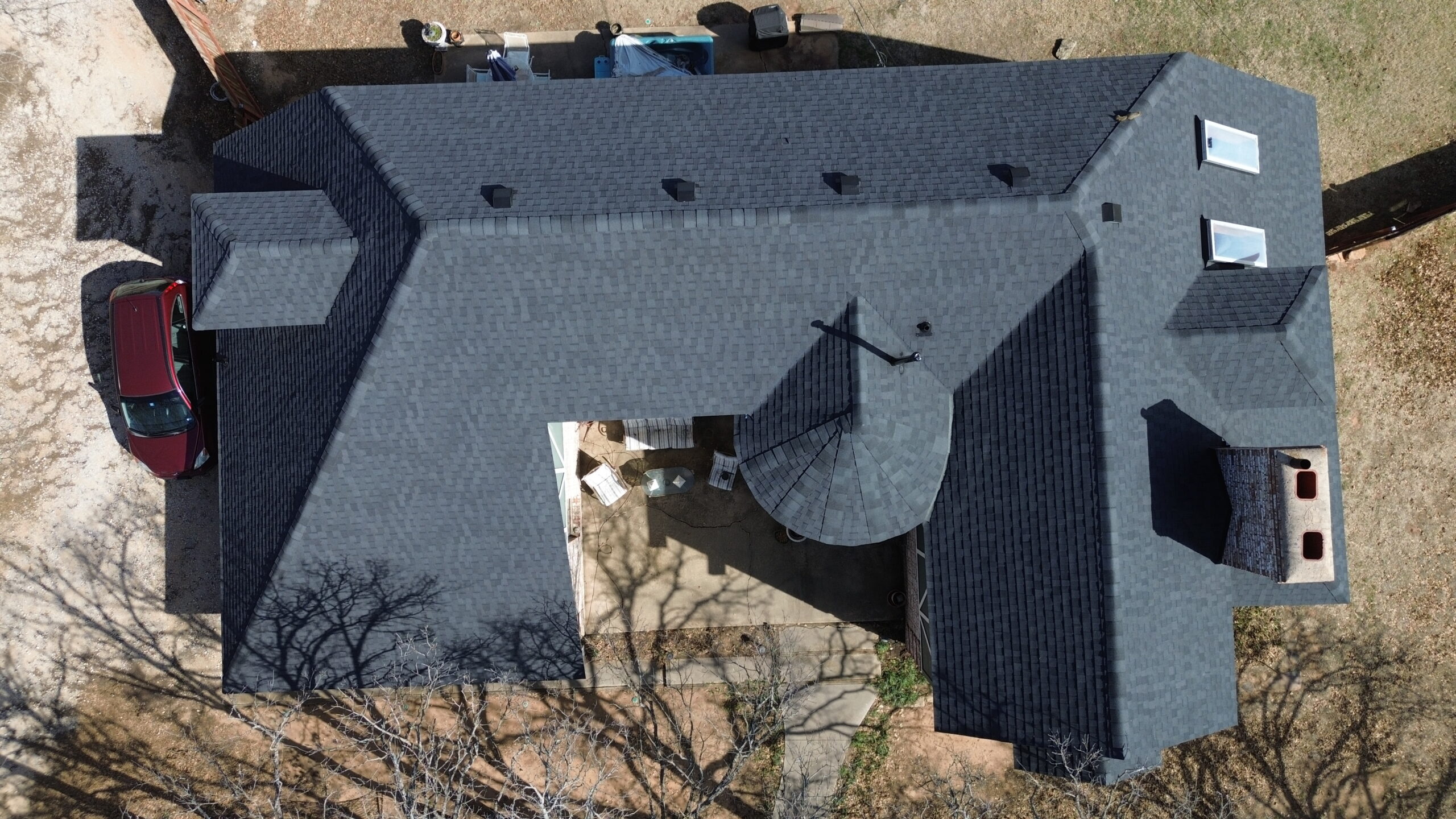
Selecting an appropriate installation period can make a residential roofing project more efficient and predictable. There is no single ideal season for every property because local climate, roof material, contractor availability, and weather patterns all influence the decision.
Dry periods are generally helpful because roofing materials and roof decks can be installed without continuous exposure to rainfall. However, dry weather alone does not guarantee suitable conditions if temperatures or winds are extreme.
Moderate temperatures can be beneficial for many roofing systems. They can provide comfortable working conditions for crews while allowing materials such as adhesives and sealants to perform according to their requirements.
Homeowners should consider the local weather pattern rather than relying only on a calendar season. One region may experience relatively stable conditions during a particular month, while another may have frequent storms during the same period.
Contractor availability can also influence scheduling. Roofing companies may have busy periods when demand is high, particularly after widespread storms. Planning ahead can provide more flexibility in selecting an appropriate installation window.
The roof’s condition should also influence timing. If an existing roof has active leaks, major damage, or structural concerns, homeowners may not be able to wait for a perfect weather period. In such cases, the contractor should determine the safest practical approach and use temporary protection when necessary.
Homeowners should also allow some schedule flexibility. A project scheduled during generally favorable weather can still encounter an unexpected storm or temperature change.
When selecting an installation date, homeowners should ask the contractor how weather delays will be handled. Understanding the process in advance can prevent frustration if conditions change.
The best installation period is ultimately one that provides suitable conditions for the roofing material, workers, and property. A slightly later start may produce a better result than beginning during unsuitable weather simply to meet a preferred date.
Working With Contractors During Weather Delays
Weather delays can be one of the most challenging parts of a residential roofing project for homeowners. A delayed installation may affect personal schedules, property access, and expectations about when the project will be completed. However, communication with the contractor can make these situations easier to manage.
Homeowners should ask the contractor how weather is monitored and what conditions would cause work to stop. Clear expectations help homeowners understand why a crew may leave the property even when the weather does not appear severe from the ground.
Contractors should also explain how unfinished areas will be protected. This is particularly important when the existing roof has been removed or sections of the new roofing system remain incomplete.
An updated schedule should be provided when practical. Weather conditions can be unpredictable, so contractors may not always be able to provide an exact restart time, but they should communicate meaningful changes as they become known.
Homeowners should avoid pressuring crews to work during unsafe conditions. Roofing involves significant fall and material-handling risks, and poor weather can increase those hazards considerably.
At the same time, homeowners should expect professional project management. A legitimate weather delay should be supported by actual site or forecast conditions, and repeated unexplained delays should be discussed with the contractor.
Written agreements can help clarify responsibilities. The contract may explain procedures for weather delays, material protection, additional work, and schedule adjustments.
Good communication also helps when weather exposes unexpected damage. Heavy rain may reveal a leak, while roof removal may uncover moisture-damaged decking. The contractor should explain the condition and discuss the appropriate solution before performing significant additional work.
A cooperative relationship between the homeowner and contractor can keep the project moving safely. Weather is outside anyone’s control, but clear planning and communication can reduce its effect on the overall project.
Conclusion
Weather has a direct influence on nearly every stage of a residential roofing installation project. Temperature, rainfall, humidity, wind, sunlight, storms, and seasonal changes can affect roofing materials, worker safety, project scheduling, and the condition of the unfinished roof.
Different roofing materials respond differently to environmental conditions. Asphalt shingles may require suitable temperatures for sealing, metal panels can become difficult to handle in strong sunlight or wind, and tile or slate may require additional care during wet or unstable conditions.
Rain and moisture deserve particular attention because roofing systems are designed to keep water outside the structure. Contractors need to ensure that roof decks are appropriately dry and that unfinished sections are protected before additional layers are installed.
Wind and severe storms can create both safety and material-handling challenges. Strong gusts can move unsecured materials, while lightning and heavy rainfall can make roof work unsafe. Pausing work during dangerous conditions is often necessary to protect workers and maintain installation quality.
Temperature also affects the roofing process. Extreme heat can create dangerous working conditions, while cold temperatures can influence material flexibility, adhesives, sealants, and worker safety. Professional contractors should consider manufacturer requirements and actual site conditions before proceeding.
Weather planning should continue after the roof is installed. Homeowners should monitor the new roof after severe weather and arrange professional inspection when visible damage or unusual moisture appears.
The timing of a roofing project should be based on suitable environmental conditions rather than a calendar date alone. Dry, moderate weather is often helpful, but local climate patterns, material requirements, contractor availability, and the existing roof’s condition all need to be considered.
Weather delays can be frustrating, but they are a normal possibility in outdoor construction. A responsible contractor should communicate clearly, protect unfinished areas, secure materials, and resume work when conditions are safe and appropriate.
Ultimately, successful residential roofing installation requires more than choosing quality materials and skilled workers. It requires understanding how weather affects every stage of the project and adjusting the installation process when conditions change.
By planning around weather, following manufacturer requirements, protecting unfinished areas, prioritizing worker safety, and maintaining clear communication with the roofing contractor, homeowners can reduce weather-related risks and support a stronger final result. A weather-aware installation approach helps ensure that the new roofing system is installed correctly and prepared to protect the home through the seasons ahead.