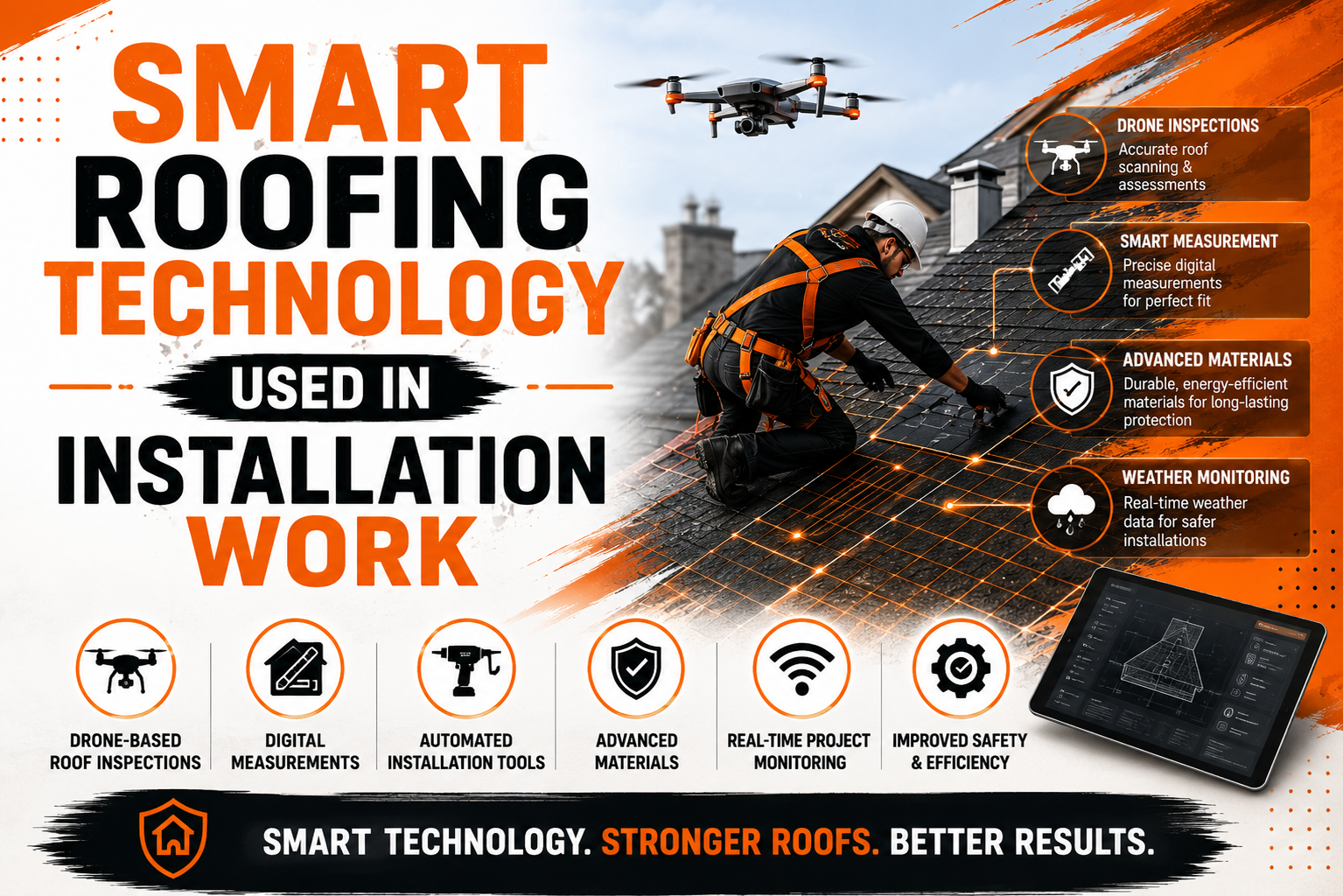
Smart Roofing Technology Used in Installation Work
Introduction
Roof installation has traditionally depended on physical measurements, manual inspections, hand tools, and the experience of roofing professionals. While these methods remain important, modern technology is changing how roofing projects are planned, measured, installed, and inspected. Digital tools now allow contractors to collect more detailed information about a roof before work begins and use that information to make installation decisions more accurately.
Smart roofing technology refers to a broad range of digital tools, connected devices, advanced materials, imaging systems, and data-based methods used to improve roofing work. These technologies can support everything from initial roof assessment to material planning and quality control. Their purpose is not necessarily to replace skilled workers but to give them better information and more precise ways to complete their work.
Modern roofing projects can involve complex roof shapes, multiple materials, solar equipment, insulation requirements, ventilation systems, and demanding weather conditions. Traditional measurement methods may not always provide enough information for these projects. Digital mapping, drone photography, thermal imaging, and other technologies can provide additional details that help contractors understand the roof before installation begins.
Technology can also improve communication between homeowners, designers, contractors, and inspectors. Digital photographs, measurements, models, and project records can provide a shared reference throughout the installation process. This can make it easier to explain existing roof problems, confirm planned work, and document completed installation details.
Another advantage is improved safety. Some roof areas are difficult or dangerous to access, particularly steep sections, high structures, or areas with visible damage. Remote inspection tools can allow contractors to gather useful information without immediately placing workers in hazardous locations.
Smart technology does not guarantee a successful roofing project on its own. The quality of the final result still depends on appropriate materials, skilled installation, proper building practices, and professional judgment. Technology works best when it supports experienced roofing professionals rather than being treated as a replacement for their knowledge.
As roofing systems become more advanced, technology is likely to become a more common part of installation work. Understanding how these tools are used can help homeowners and property owners recognize the benefits of technology-assisted roofing and make better decisions when planning a new roof.
Understanding Smart Roofing Technology
Smart roofing technology combines modern digital tools and advanced roofing components to improve the way roofs are designed, installed, monitored, and maintained. Unlike traditional roofing work, which may rely heavily on manual measurements and visual inspection, technology-assisted projects can use digital data to provide more detailed information about roof conditions and installation requirements.
One important difference is the ability to collect and store information digitally. Measurements, photographs, inspection reports, roof models, material calculations, and installation records can all be stored electronically. This information can be accessed later when contractors need to verify measurements or review areas of the roof.
Digital planning can also help contractors understand complex roof layouts before materials are ordered. A roof may contain multiple slopes, valleys, dormers, penetrations, skylights, and other features that require careful coordination. Digital tools can help map these areas and create a clearer representation of the roof.
Connected devices provide another part of smart roofing technology. Sensors can be used in certain applications to monitor conditions such as temperature or moisture. When connected to monitoring systems, these devices can provide information that may help identify changes before they develop into larger roofing problems.
Advanced roofing materials can also contribute to smarter roofing systems. Reflective materials can help manage solar heat, while solar-integrated roofing products can combine weather protection with energy generation. Advanced membranes, insulation products, and other materials can provide additional performance benefits when correctly selected and installed.
The use of technology can also improve project documentation. Contractors can capture images before, during, and after installation, creating a record of the work. These records may be useful for quality control, future maintenance, warranty documentation, or communication with property owners.
Smart roofing should therefore be viewed as a complete approach rather than one specific device. A modern roofing project might use several technologies together, with each tool serving a different purpose. Digital measurements can support planning, drones can assist with inspection, thermal imaging can identify temperature differences, and sensors can support long-term monitoring.
The value of these technologies depends on how appropriately they are used. A sophisticated tool cannot compensate for poor interpretation or incorrect installation decisions. Roofing professionals still need to understand building structures, materials, weather protection, drainage, ventilation, and installation requirements.
Digital Roof Inspection and Assessment Tools
Roof inspection is one of the areas where technology has made significant changes. Traditional inspections require professionals to examine the roof directly, but digital tools can now provide additional information while reducing the need to access certain difficult areas.
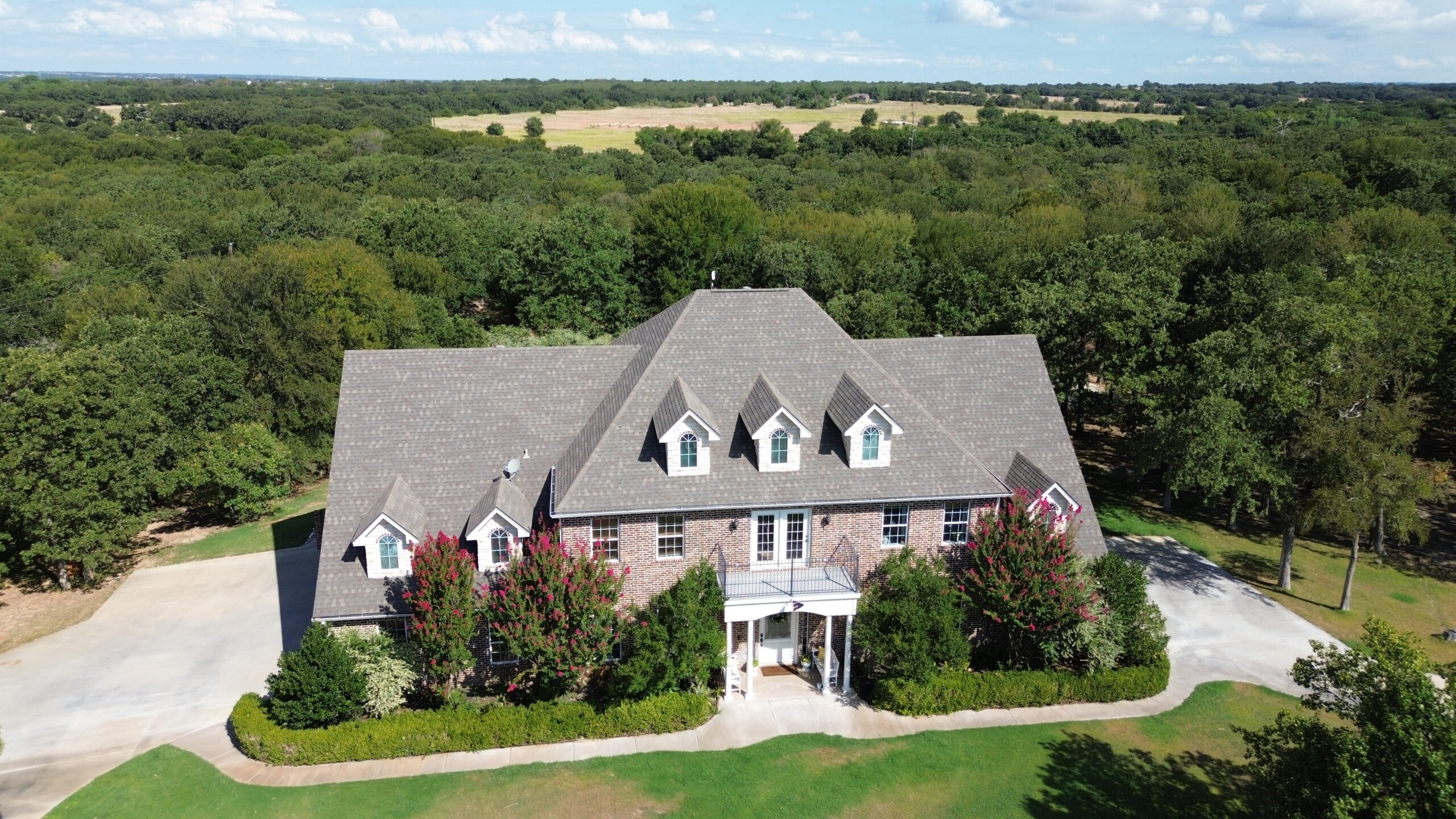
Drones are increasingly useful for collecting aerial images of roofs. A drone can capture photographs or video from different angles, allowing contractors to inspect areas that may be difficult to view safely from the ground. This can be especially useful for large buildings, steep roofs, and structures with complicated layouts.
High-resolution imaging can reveal details that may be difficult to identify from a distance. Contractors can review images of damaged shingles, deteriorated surfaces, blocked drainage areas, flashing conditions, and other visible problems. Digital images can also be stored for comparison during later inspections.
Thermal imaging provides another layer of information. Thermal cameras detect differences in surface temperature, which may help identify areas associated with moisture, insulation irregularities, or unusual heat patterns. The results require professional interpretation because temperature differences can have several possible causes.
Digital measurement tools can also improve the accuracy of roof assessments. Instead of relying entirely on manual measurements, contractors may use laser-based tools, aerial measurements, digital mapping systems, or specialized roofing software. These tools can help determine roof dimensions, surface areas, slopes, and material requirements.
Moisture detection equipment can be useful when a roof has suspected water intrusion. Certain devices can help identify areas with elevated moisture levels within roofing assemblies. Detecting these conditions before installation begins can help contractors determine whether damaged materials need to be removed or replaced.
Technology-assisted inspections can be particularly valuable before a roof replacement. A contractor can collect detailed information about the existing roof and use it to develop a more accurate installation plan. Identifying problems early can reduce the chance of unexpected issues appearing after the project has already started.
Digital inspection records also improve communication. Instead of describing a damaged area only with words, a contractor can provide photographs, measurements, or thermal images showing the condition. Homeowners can then better understand why particular repairs or replacements may be recommended.
However, digital inspection tools should not be treated as completely independent decision-making systems. Images can miss hidden conditions, thermal readings can be affected by environmental factors, and automated measurements may require verification. A qualified professional should interpret the information and determine what action is appropriate.
The strongest inspection process often combines technology with physical assessment. Digital tools can identify useful patterns and provide detailed documentation, while experienced roofing professionals can examine materials and structural conditions directly when necessary.
Smart Roof Measurement and Installation Planning
Accurate measurement is essential for efficient roof installation. Contractors need reliable information about roof dimensions, slopes, valleys, edges, penetrations, and other features to determine material quantities and develop installation plans. Smart measurement technologies can make this process faster and more detailed.
Digital roof measurement systems can use aerial imagery, mapping technology, and specialized software to create measurements without requiring extensive physical access to every roof section. This can be especially useful for large or complicated buildings where manual measurement would take more time.
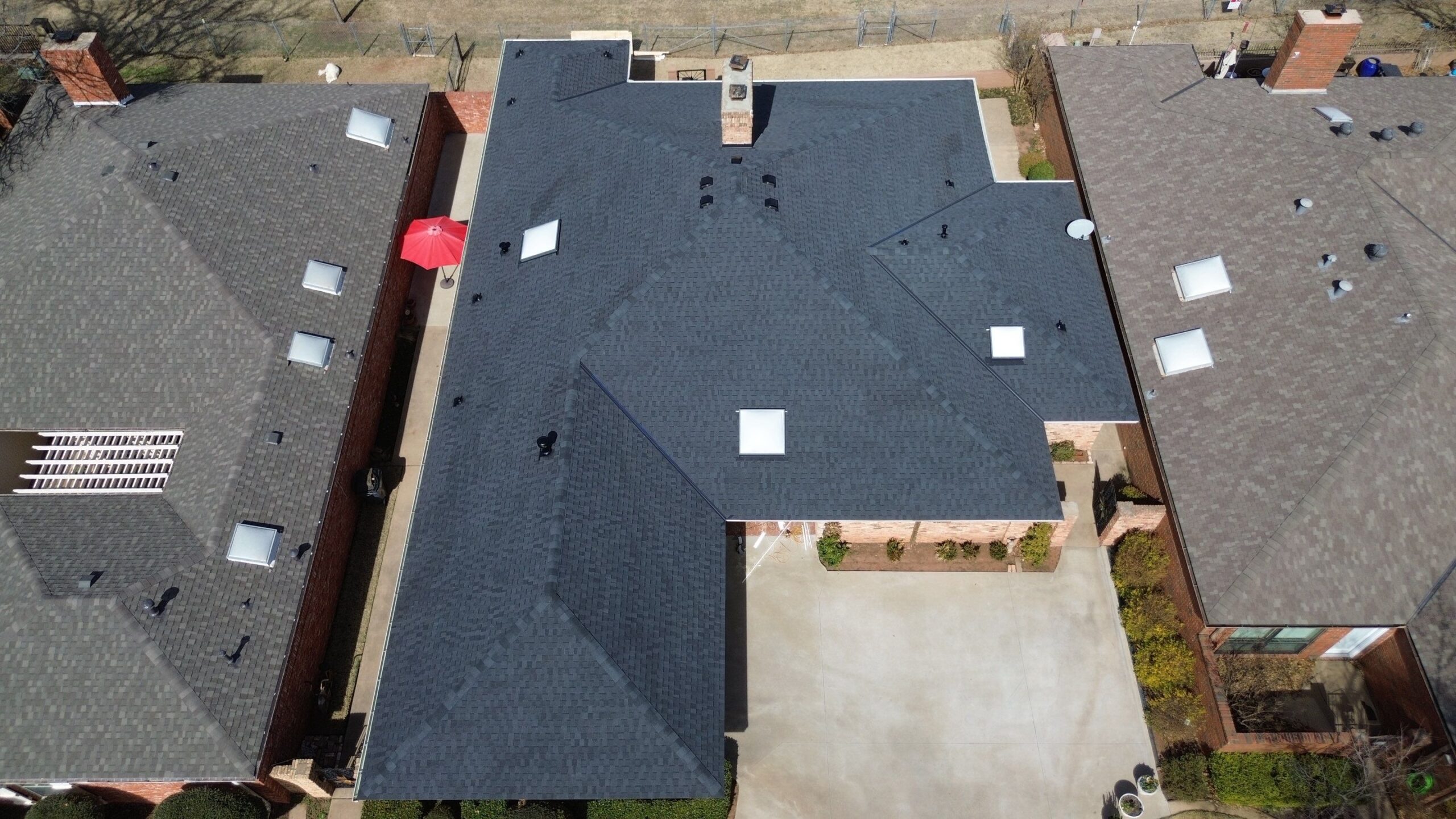
Three-dimensional roof models can provide an additional planning advantage. A digital model can represent different roof surfaces and features, helping contractors visualize how materials will be arranged. This can make complex layouts easier to understand before installation begins.
Accurate measurements also support material estimation. Roofing projects require careful calculations because ordering too little material can delay work, while ordering excessive amounts can increase waste and cost. Digital measurement tools can help contractors create more consistent estimates when the collected data is accurate.
Installation planning can also benefit from digital layouts. Contractors can identify areas where flashing, vents, skylights, solar equipment, or other components need to be accommodated. This can reduce the possibility of conflicts during construction.
Digital planning is particularly useful for projects involving multiple roof materials. A property might use shingles on steep sections, membranes on low-slope areas, and metal around specific architectural features. Mapping these areas in advance can help contractors organize materials and installation sequences.
Technology can also help document changes made during the project. If unexpected structural damage or material conditions are discovered after the old roof is removed, the updated information can be added to the project record. This creates a more complete history of the roof installation.
Another benefit is improved communication between project participants. A digital roof model or measurement report can provide a common reference for the homeowner, roofing contractor, architect, and other professionals involved in the project. Everyone can work from the same information rather than relying on different manual measurements.
However, digital measurements still need verification when necessary. Roof surfaces can contain irregularities that are difficult for automated systems to interpret accurately. Experienced contractors should review measurements before final material orders or major installation decisions are made.
Smart measurement technology is therefore most useful when it improves planning without removing professional oversight. By combining accurate digital data with practical roofing knowledge, contractors can create more organized installation plans and reduce avoidable measurement errors.
Smart Materials and Roofing Components
Technology is also influencing the materials used in modern roofing systems. Smart roofing does not always involve electronic devices because some advanced materials provide improved performance through their physical design and engineered properties.
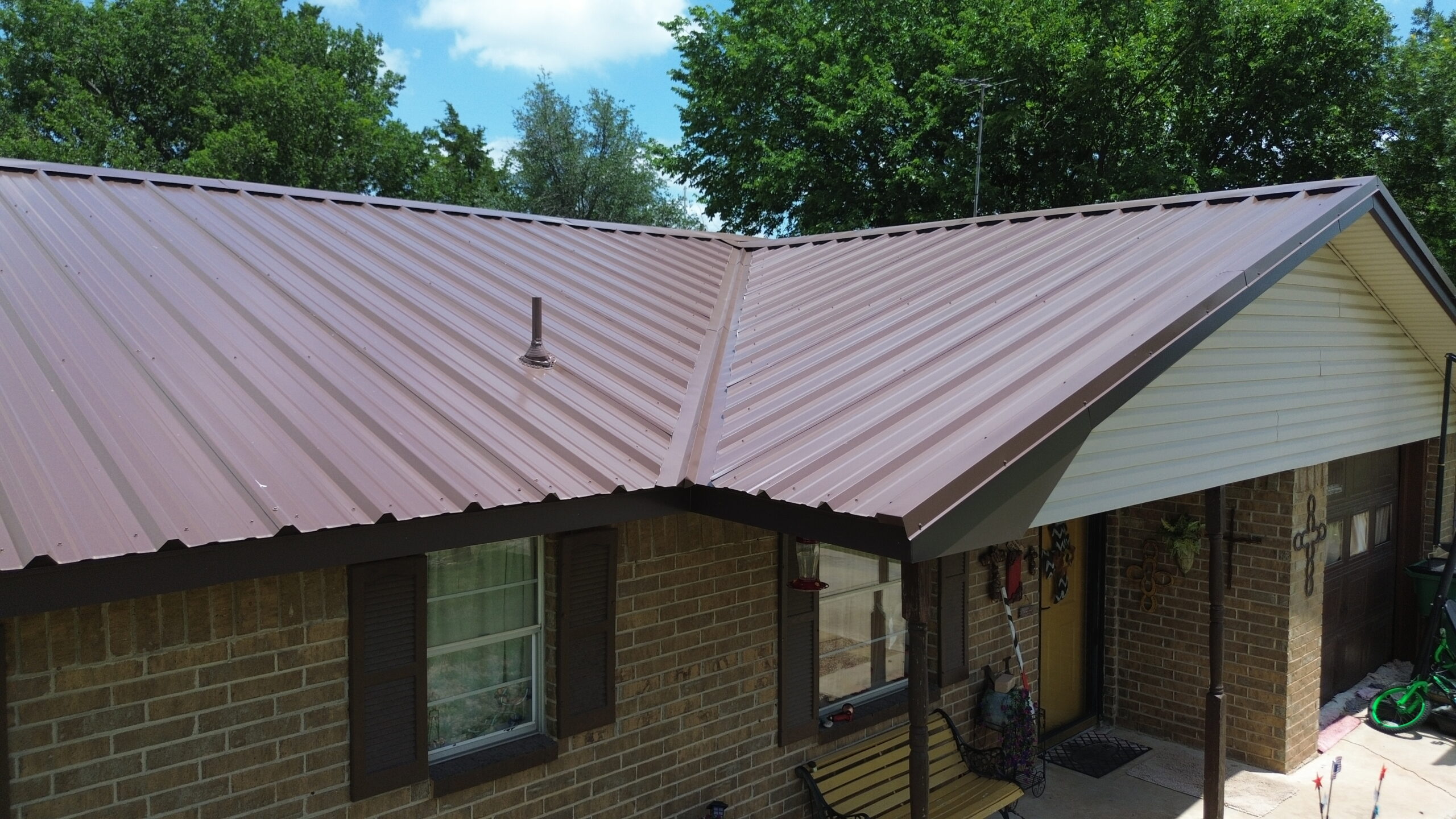
Reflective roofing materials are one example. These products can reflect more solar radiation than conventional surfaces, helping reduce roof temperatures during strong sunlight. This can support improved indoor comfort and potentially reduce cooling demand in suitable climates.
Solar-integrated roofing is another developing area. Solar shingles and other integrated products can combine roofing functions with electricity generation. These systems are designed to become part of the roof rather than simply placing conventional panels above an existing roof surface.
Advanced insulation materials can also contribute to smarter roofing performance. Improved insulation can reduce heat transfer between the roof and interior spaces, helping buildings maintain more stable temperatures. When combined with reflective roofing and appropriate ventilation, insulation can contribute to a more energy-conscious roof assembly.
Modern roofing membranes can also include specialized properties designed for durability, reflectivity, waterproofing, or energy performance. These materials may be particularly useful for low-slope roofs and commercial applications where large roof surfaces are exposed to sunlight.
Sensors represent another category of smart roofing components. Depending on the system, sensors can monitor conditions such as moisture, temperature, or other changes within or around the roofing assembly. Data from these devices can support maintenance decisions when properly installed and interpreted.
The use of advanced materials should always begin with the requirements of the building. A technologically advanced roofing product is not automatically the best choice for every property. Climate, roof structure, installation method, durability, maintenance, cost, and compatibility with other building systems all need to be considered.
Modern roofing technology is therefore creating more opportunities for roofs to perform multiple functions. A roof can provide weather protection while also supporting energy efficiency, solar generation, environmental monitoring, and long-term condition tracking.
The key is selecting technologies that provide practical value for the specific project. When advanced materials and digital tools are combined with careful installation and professional oversight, smart roofing technology can make modern roof installation more accurate, efficient, and adaptable.
Drone Technology in Roof Installation
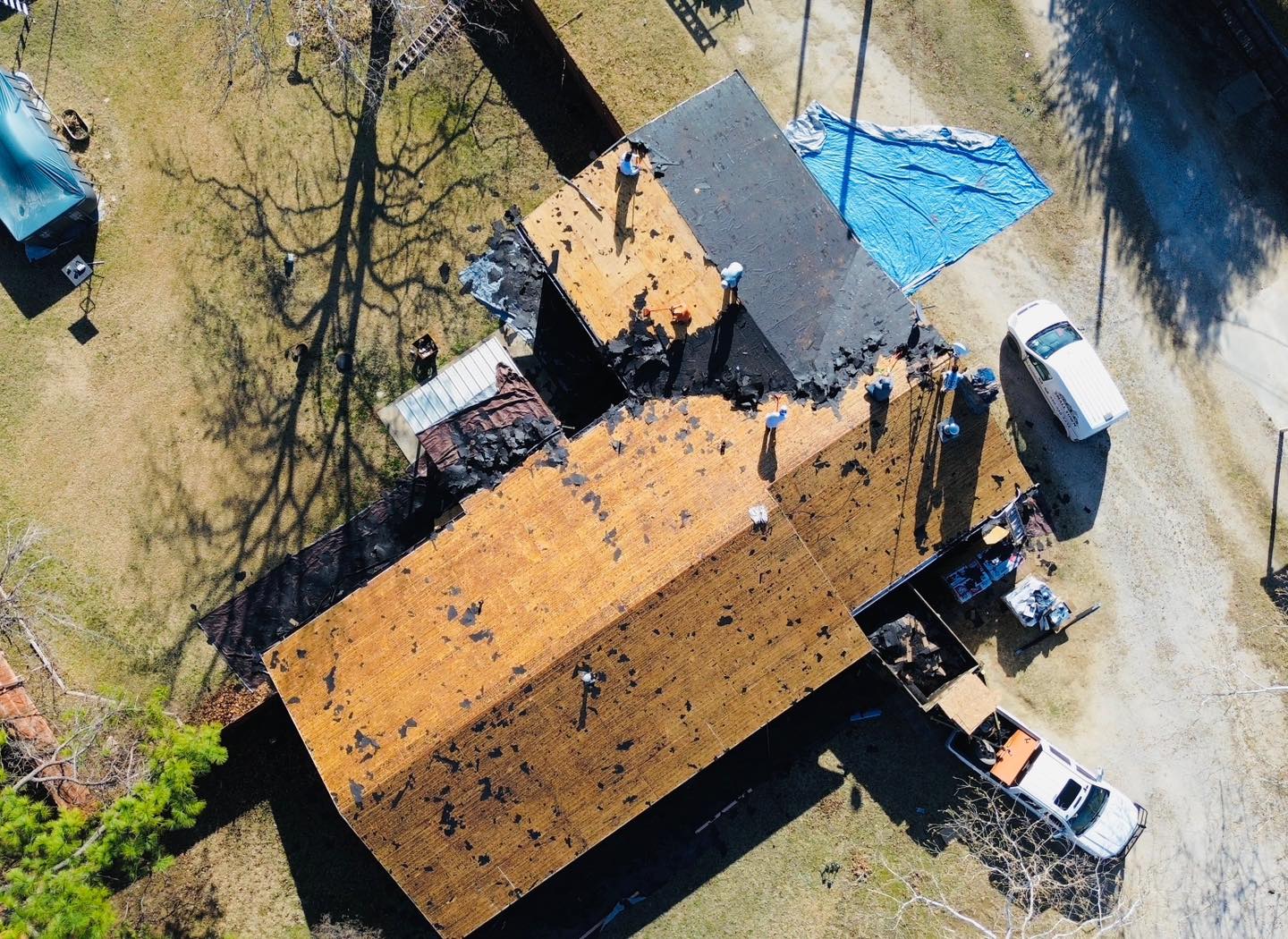
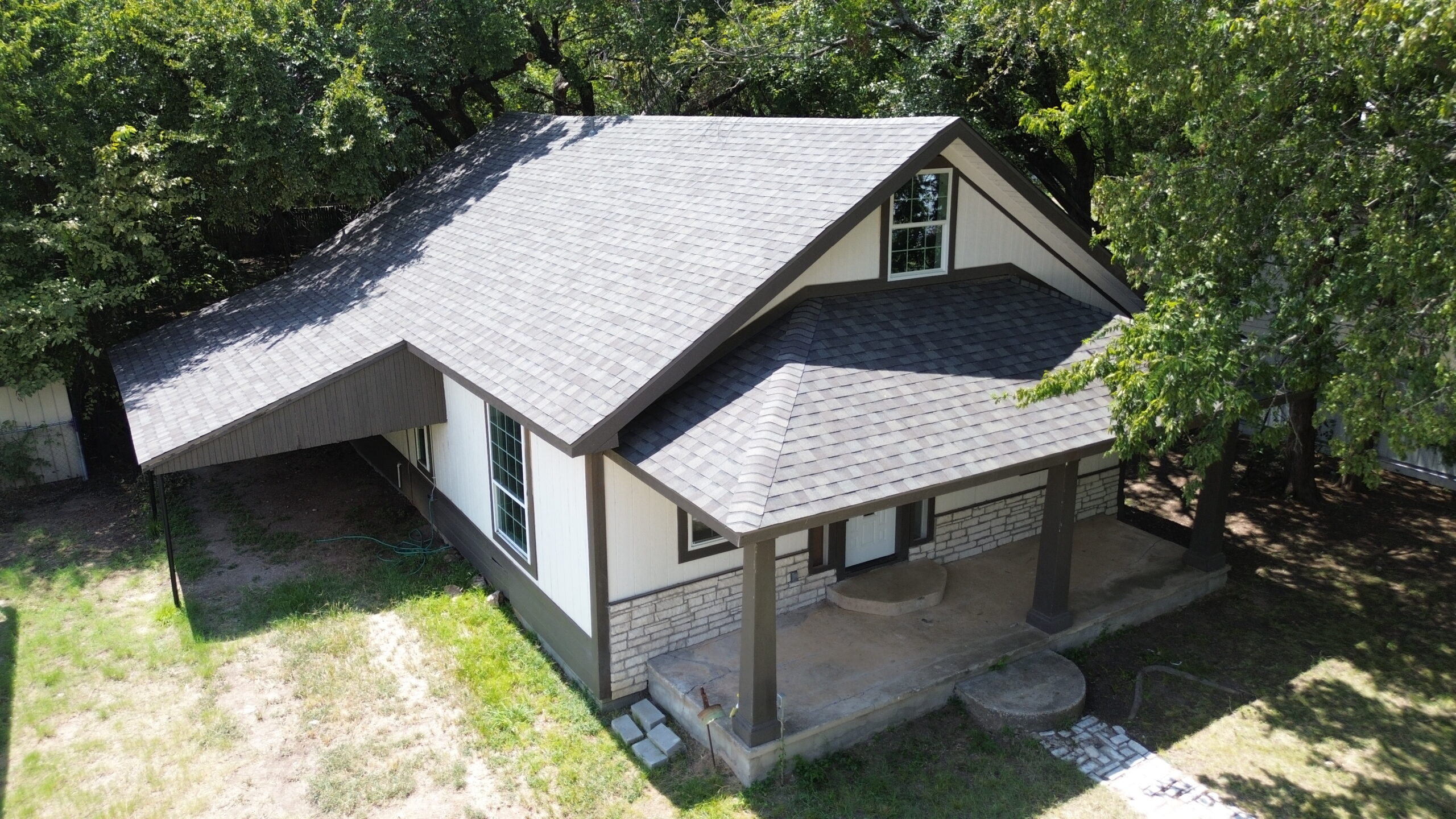
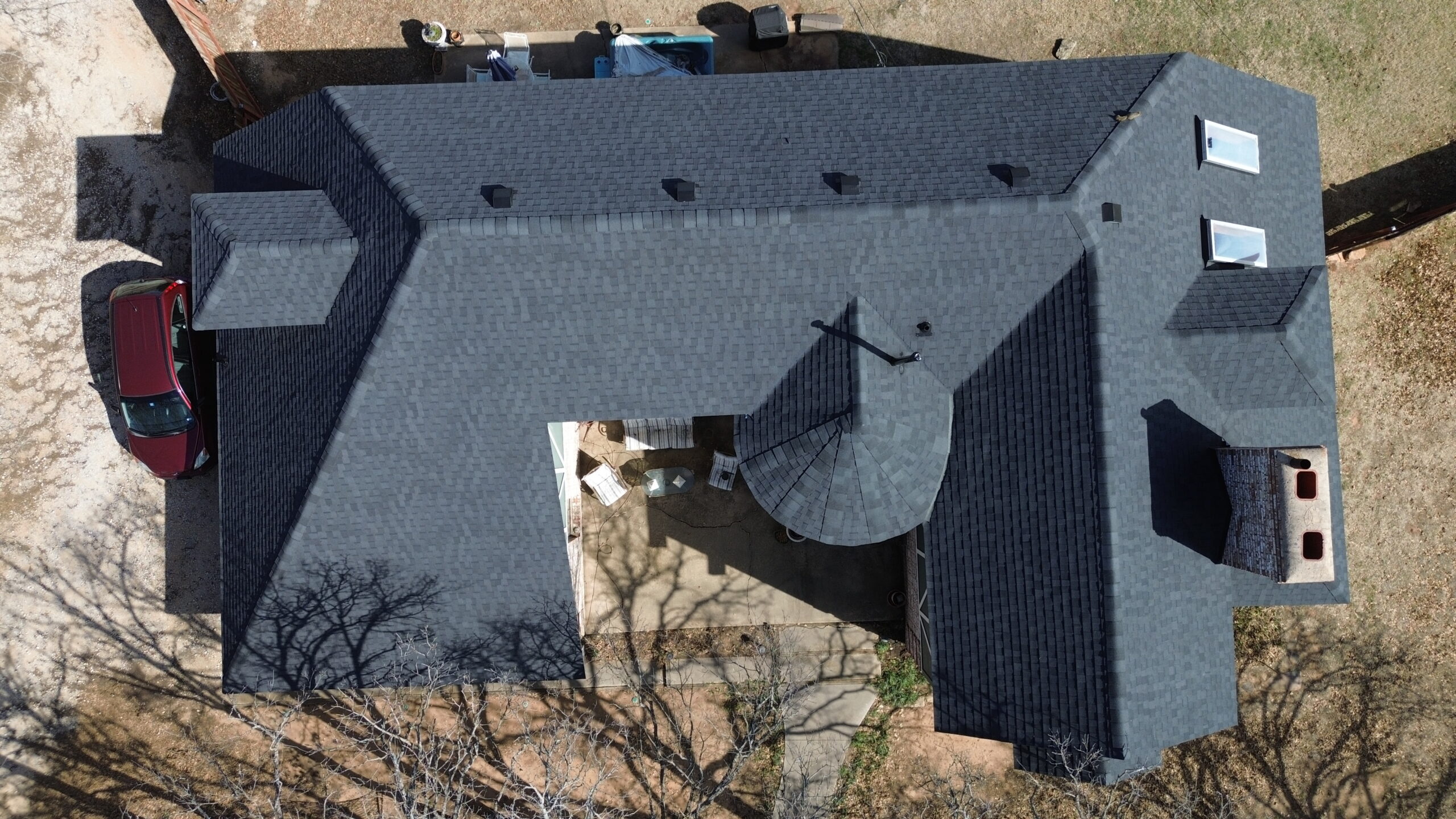
Drone technology has become a useful tool for modern roofing projects because it allows contractors to collect detailed information without requiring immediate physical access to every roof area. A drone equipped with a high-resolution camera can capture photographs and video from different angles, helping roofing professionals examine surfaces, edges, valleys, penetrations, and other features. This can be particularly useful for large, steep, or difficult-to-access roofs.
Before installation begins, aerial images can help contractors understand the existing roof condition. Visible damage such as missing roofing materials, cracked surfaces, deteriorated flashing, blocked drainage areas, and other concerns can be documented digitally. The images can then be reviewed when preparing estimates and developing the installation plan.
Drones can also support roof measurements. When combined with specialized software, aerial imagery can help generate information about roof dimensions, surface areas, slopes, and layout. This can reduce the amount of time workers need to spend taking measurements manually, although measurements should still be reviewed for accuracy before final material orders are placed.
Safety is another major advantage. Some roofs have sections that are difficult to reach safely because of their height, steep pitch, fragile surfaces, or surrounding obstacles. Aerial inspection can provide useful visual information before workers decide whether physical access is necessary.
During installation, drones can also document project progress. Images captured at different stages can show whether roofing materials are being installed according to the planned sequence. These records can help contractors communicate progress with property owners and identify areas that may require additional attention.
After installation, aerial photographs can provide a record of the completed roof. This documentation may be useful for maintenance planning, warranty records, insurance purposes, or future inspections. Comparing later images with the original installation record can also help identify changes over time.
Drones do have limitations. Weather conditions, battery capacity, local regulations, obstacles, and image quality can affect their usefulness. Aerial images also cannot reveal every hidden condition beneath roofing materials, so physical inspection remains necessary when structural, moisture, or material problems require closer examination.
The most effective use of drone technology is therefore as an additional inspection and documentation tool. When combined with professional roofing knowledge, drones can make roof assessment faster, safer, and more informative.
Thermal Imaging and Moisture Detection
Thermal imaging technology provides roofing professionals with information that may not be visible through ordinary photographs. Thermal cameras detect differences in surface temperature and display them as patterns that can be analyzed. These temperature variations can sometimes help identify areas associated with moisture, insulation irregularities, air leakage, or other conditions within a roofing assembly.
A roof exposed to sunlight can develop different temperature patterns across its surface. Areas affected by moisture may behave differently from dry areas because water can change how heat is stored and released. Under suitable conditions, thermal imaging can help identify unusual patterns that deserve further investigation.
Insulation problems can also create temperature differences. Missing, compressed, or damaged insulation may allow more heat to move through certain areas of the roof. A thermal image can highlight these differences, giving contractors a reason to inspect the affected area more closely.
Moisture detection is particularly useful before roof replacement. A roof may appear relatively intact from the outside while water has already affected insulation or other underlying materials. Identifying potential moisture-related areas early can help contractors determine whether additional investigation or material replacement is needed.
Thermal imaging can also be useful after installation. If unusual temperature patterns appear during a later inspection, they may indicate changes in insulation performance, moisture conditions, or other issues. However, thermal images should not be interpreted as direct proof of a leak or defect because environmental conditions can produce similar patterns.
Weather conditions can significantly influence thermal readings. Sunlight, wind, outdoor temperature, surface materials, and the timing of the inspection can all affect the results. For this reason, trained professionals need to interpret thermal data rather than relying solely on the colors or patterns displayed by the camera.
Moisture meters and other specialized detection tools can complement thermal imaging. When a thermal scan identifies a suspicious area, additional testing can help determine whether moisture is actually present. Combining multiple sources of information provides a stronger basis for deciding whether repairs are necessary.
The main benefit of thermal and moisture technology is that it can help roofing professionals investigate conditions that are difficult to identify through visual inspection alone. Used correctly, these tools can improve assessment accuracy and help contractors make better-informed installation decisions.
Digital Modeling and Roof Design
Digital modeling has become increasingly useful for roofing projects involving complex designs. A digital model can represent the roof’s shape, dimensions, slopes, penetrations, and other features in a format that is easier to visualize than traditional sketches or written measurements.
Three-dimensional models can be particularly helpful when a roof contains several intersecting sections. Valleys, dormers, multiple pitches, skylights, chimneys, and other architectural elements can make installation planning more complicated. A digital representation allows contractors to examine how different sections connect before materials are installed.
Material placement can also be planned using digital models. Contractors can identify areas where different roofing products will be used and determine how transitions should be handled. This can reduce confusion during installation and help organize the sequence of work.
Digital models can also support communication. Homeowners may find it difficult to understand technical drawings or measurements, but a visual model can make the proposed roof design easier to explain. Contractors can use the model to show roof sections, material changes, and planned features before construction begins.
Design changes can be easier to manage digitally. If a roof layout changes because of structural conditions or homeowner preferences, the model can be updated before work continues. This can help reduce the risk of ordering materials or preparing installation details based on outdated information.
Digital modeling may also support solar planning, drainage design, and energy-efficiency improvements. A roof model can help identify areas suitable for solar panels, examine potential shading, and consider where vents or other equipment should be located. The same digital information can therefore support several aspects of the project.
Despite these benefits, digital models depend on the quality of the information used to create them. Incorrect measurements or incomplete data can result in an inaccurate model. Contractors should verify important dimensions and physical conditions before relying on a digital representation for final installation decisions.
Digital modeling works best as a planning and communication tool that complements real-world inspection. The model can provide a clear overview of the project, while roofing professionals confirm that the design matches actual site conditions.
Smart Sensors for Roof Monitoring
Smart sensors can provide information about roof conditions after installation and, in some applications, during the installation process. These devices can monitor specific environmental or structural conditions and transmit data to a monitoring system. The information may help property owners or maintenance professionals identify changes that require attention.
Temperature sensors can be used to track conditions within roof or attic spaces. Monitoring temperature patterns over time can provide insight into how the roofing system responds to seasonal weather. Unusual changes may indicate that insulation, ventilation, or other components require investigation.
Moisture sensors are another potential application. They can be installed in suitable locations to detect changes in moisture levels. If moisture reaches a monitored area, the system may provide an alert before visible damage becomes extensive.
Some smart roofing systems may also incorporate sensors designed to monitor structural movement or other conditions. These applications are more specialized and are particularly relevant to buildings where continuous monitoring provides meaningful value.
Connected sensors can support preventive maintenance. Instead of waiting for a visible leak or major deterioration, property owners may receive information about changing conditions that justify an inspection. Early investigation can sometimes prevent small problems from becoming larger repairs.
Sensor data can also create a long-term history of roof conditions. This information may help contractors understand how the roof behaves over different seasons and identify recurring patterns. A documented history can be useful when planning maintenance or evaluating the performance of roofing components.
However, smart sensors require proper installation and maintenance. A sensor that is poorly positioned, damaged, disconnected, or affected by environmental conditions may provide inaccurate information. Monitoring systems also need appropriate power, connectivity, and data management.
Sensors should therefore be viewed as an additional layer of information rather than a replacement for professional roof inspections. A roof can experience problems in areas that are not monitored, and sensor readings may require interpretation. Regular physical inspections remain important even when a building has a smart monitoring system.
Technology for Installation Accuracy and Quality Control
Technology can help roofing professionals improve installation accuracy by providing digital measurements, alignment tools, documentation systems, and other forms of quality control. These tools can reduce reliance on estimates and help workers verify that important installation details match the project plan.
Digital leveling and measurement tools can assist with alignment and positioning. Accurate measurements are particularly important around roof edges, valleys, flashing, panels, and other areas where small errors can affect the final result.
Installation documentation can also be created digitally. Workers can photograph completed sections and record important details as the project progresses. This creates a traceable record that can be reviewed by supervisors or property owners.
Digital inspection records can help identify problems before the project is completed. Instead of discovering an issue during a later maintenance visit, supervisors can review images and documentation during installation and request corrections while workers are still on site.
Material tracking is another possible application. Digital systems can help contractors organize deliveries, quantities, and installation progress. Better tracking can reduce the likelihood of material shortages and make it easier to identify unused or excess materials.
Technology can also improve communication between different teams. Roofing workers, project managers, inspectors, electricians, and other professionals can share relevant information through digital platforms. This is particularly useful when roofing projects include solar equipment, advanced ventilation systems, or other specialized components.
Quality control still depends on human judgment. Digital tools can identify measurements or provide records, but experienced professionals must determine whether the completed work meets appropriate installation requirements. Technology is most valuable when it strengthens the inspection process rather than replacing skilled oversight.
Smart Roofing Technology and Worker Safety
Safety is one of the strongest reasons to use technology during roofing projects. Working at height presents significant risks, and unnecessary roof access can increase exposure to falls, unstable surfaces, extreme weather, and other hazards.
Drone inspections can reduce the need for workers to physically access certain areas during the initial assessment. High-resolution aerial images can provide useful information before a worker climbs onto the roof. This can help contractors identify potential hazards and plan safer access methods.
Remote monitoring can also reduce unnecessary exposure during certain inspections. Cameras and digital communication tools can allow supervisors to review project conditions without being physically present in every location.
Wearable technology and connected safety equipment may provide additional options for larger or more technology-focused projects. Depending on the system, devices may help track worker locations, communicate safety information, or provide alerts under specific conditions.
Weather monitoring can also support safer decisions. Roofing work can become hazardous during high winds, heavy rain, lightning, extreme heat, or other severe conditions. Digital weather information can help project managers make informed decisions about when work should pause.
Technology does not remove the need for safety procedures, protective equipment, training, or supervision. Instead, it provides additional information that can help workers and managers recognize hazards and organize work more carefully.
When smart technology is integrated into roofing installation appropriately, it can improve more than speed and convenience. It can support better inspection, more accurate planning, stronger quality control, and safer working conditions, making it an increasingly useful part of modern roofing projects.
Artificial Intelligence in Modern Roofing Projects
Artificial intelligence is becoming increasingly useful in roofing because it can help professionals analyze large amounts of visual and measurement data. AI-assisted systems can examine roof photographs, identify patterns, and highlight areas that may require closer inspection. These tools can support contractors during planning without replacing the need for professional assessment.
Image-based analysis can help identify visible conditions such as damaged shingles, missing materials, surface deterioration, and other irregularities. When used with photographs captured by drones or inspection cameras, AI can process information more quickly and provide contractors with potential areas of concern. The final decision should still be made by a qualified roofing professional.
AI can also support predictive maintenance. By analyzing inspection records and historical information, software may help identify patterns associated with deterioration or recurring problems. This can allow property owners to plan inspections and repairs before minor conditions develop into more extensive damage.
Material planning is another possible application. Digital systems can analyze roof measurements and help estimate material quantities based on the project design. This may reduce waste and improve organization, particularly on large or complicated roofing projects.
However, AI-based roofing technology has limitations. It depends on the quality of the images and data provided, and unusual roof conditions may not be interpreted correctly. Professional experience remains essential because roofing decisions often require physical inspection and knowledge of construction materials, weather protection, and structural conditions.
Smart Roofing and Energy Efficiency
Smart roofing technology can also support energy-efficient installation projects. Modern roofing systems may combine reflective materials, advanced insulation, solar technology, and monitoring devices to improve how a building responds to outdoor conditions. These technologies can help reduce unwanted heat transfer and provide information about roof performance.
Reflective roofing materials can reduce solar heat absorption during hot weather. When combined with appropriate insulation, they can help limit the amount of heat moving toward conditioned interior spaces. This may reduce cooling demand and contribute to improved indoor comfort.
Solar-integrated roofing is another example of technology changing roof installation. Solar panels and solar roofing products can generate electricity while forming part of the building’s overall roof system. Proper planning is important because structural support, waterproofing, electrical pathways, and roof orientation all need to be considered.
Smart insulation and monitoring systems can provide additional benefits. Sensors may track temperature or moisture conditions in suitable areas, giving property owners information that can support maintenance decisions. Monitoring can help identify unusual changes before they become visible roofing problems.
Energy-focused roofing technology can therefore provide several functions at the same time:
- Reduce solar heat gain
- Support better insulation performance
- Integrate renewable energy systems
- Monitor selected roof conditions
- Improve long-term maintenance planning
The most effective approach is to combine these technologies according to the building’s actual needs. Installing advanced products without considering climate, roof design, insulation, ventilation, and HVAC performance may not provide meaningful energy improvements.
Costs and Benefits of Smart Roofing Technology
Smart technology can increase the initial cost of a roofing project because specialized equipment, software, sensors, digital modeling, and advanced materials may require additional investment. However, the financial value should be evaluated alongside potential savings in labor, materials, maintenance, and future repairs.
Digital inspections can reduce the time required to assess large or difficult roofs. Drone photography may provide information without requiring extensive physical access, while digital measurement systems can help contractors prepare more accurate material estimates. These improvements may reduce certain project inefficiencies.
Technology can also help minimize material waste. More accurate measurements can reduce over-ordering, while digital project planning can help contractors organize materials according to the roof layout. Better planning can become particularly valuable on large or complicated installations.
Long-term maintenance can provide another potential benefit. Smart sensors and digital inspection records may help identify developing conditions earlier, allowing property owners to investigate problems before they become more expensive. However, these benefits depend on proper installation, monitoring, and professional interpretation.
| Smart technology | Potential benefit |
|---|---|
| Drones | Safer inspection and detailed roof documentation |
| Thermal imaging | Helps identify unusual temperature patterns |
| Digital measurements | More accurate project planning |
| Smart sensors | Ongoing condition monitoring |
| AI analysis | Supports image and data assessment |
| Digital models | Improved visualization and coordination |
Homeowners should compare the expected benefits with the project’s size and complexity. A simple residential roof may not require every available technology, while a large commercial building or complex roofing project may benefit substantially from advanced digital tools.
Common Challenges With Smart Roofing Technology
Despite its advantages, smart roofing technology has several challenges. Equipment and software can increase project costs, and contractors may need specialized training to use certain systems correctly. Technology that is not properly understood can provide limited value or even lead to incorrect conclusions.
Data accuracy is another concern. Digital measurements, thermal images, drone photographs, and sensor readings all depend on environmental conditions and equipment quality. Poor weather, inadequate lighting, incorrect calibration, or obstructed views can affect the information collected.
Connectivity can also become a problem for connected monitoring systems. Sensors may depend on reliable communication networks or power sources to transmit information. If a device stops communicating, important data may be unavailable until the problem is corrected.
Technology can also create a false sense of certainty. A digital image may appear highly detailed while still failing to reveal hidden structural or moisture problems. Physical inspection may still be necessary when the condition of the roof cannot be determined through digital tools alone.
For these reasons, smart technology should support professional roofing practices rather than replace them. Experienced contractors can combine digital information with direct observation and knowledge of roofing materials. This combination provides a stronger basis for installation and maintenance decisions.
How to Choose Technology for a Roofing Project
Homeowners and property managers should begin by identifying the actual needs of the roofing project rather than selecting technology simply because it is modern. A small roof replacement may only benefit from digital measurements and photographic documentation, while a large or complicated project may justify drones, thermal imaging, digital modeling, and monitoring systems.
A practical planning process can include the following steps:
- Assess the size, condition, and complexity of the roof.
- Identify inspection or measurement challenges that technology could address.
- Determine whether advanced materials or monitoring systems provide practical benefits.
- Compare technology costs with expected time, material, safety, or maintenance advantages.
- Select qualified professionals who understand both roofing practices and the chosen technology.
- Review digital information alongside physical inspection findings.
- Keep useful digital records for future maintenance and roof replacement planning.
Technology should be selected according to the project’s purpose. A drone is valuable when aerial inspection is difficult, while thermal imaging may be useful when investigating suspected moisture or insulation problems. Smart sensors may make more sense for buildings where continuous monitoring provides meaningful long-term value.
Maintaining Technology-Enhanced Roofing Systems
Technology-enhanced roofs require normal roofing maintenance as well as attention to their digital components. The roof surface, flashing, drainage, insulation, and ventilation should continue to receive regular inspections. Smart technology does not eliminate the need for physical roof care.
Sensors should be checked periodically to ensure that they remain connected and functional. Digital monitoring systems may also require software updates, battery replacement, or other maintenance depending on the equipment. Keeping these systems operational ensures that collected information remains useful.
Digital records should be organized and preserved. Inspection photographs, roof measurements, installation documents, sensor information, and maintenance reports can create a valuable history of the roofing system. This information can help future contractors understand previous work and identify changes over time.
Future Trends in Smart Roofing Installation
Smart roofing technology is likely to become increasingly integrated with automated inspection, artificial intelligence, advanced sensors, robotics, and digital modeling. These technologies may allow contractors to collect more detailed information while reducing repetitive tasks and improving project planning.
Future roofing systems may also become more connected to broader building management platforms. Roof temperature, moisture conditions, solar energy production, and other information could potentially be monitored through integrated systems. This could make roofing maintenance more proactive and data-driven.
Robotics and automation may also assist with certain repetitive or hazardous installation tasks. However, complex roofing work will continue to require skilled professionals because buildings have different structures, materials, and site conditions.
The long-term direction of smart roofing is therefore likely to focus on combining technology with professional expertise. Digital tools can improve information, accuracy, safety, and monitoring, while experienced workers remain responsible for interpreting conditions and completing quality installation.
Frequently Asked Questions About Smart Roofing Technology
What is smart roofing technology?
Smart roofing technology refers to digital tools, advanced materials, sensors, imaging systems, and data-based methods used to improve roof inspection, planning, installation, monitoring, or maintenance.
How are drones used in roof installation?
Drones can capture aerial photographs and videos, assist with measurements, document roof conditions, monitor project progress, and reduce the need for workers to access difficult areas during certain inspections.
Can thermal cameras detect roof leaks?
Thermal imaging can identify unusual temperature patterns that may be associated with moisture or insulation problems, but a thermal image alone does not prove that a leak exists. Further professional investigation may be necessary.
Are smart roof sensors worth installing?
They can be useful when continuous monitoring provides meaningful value, particularly for larger or complex buildings. The decision should consider installation costs, maintenance requirements, and the type of information the sensors can provide.
Conclusion
Smart roofing technology is changing modern installation work by providing contractors with better ways to inspect, measure, plan, install, document, and monitor roofing systems. Drones, thermal imaging, digital measurements, three-dimensional models, artificial intelligence, sensors, and advanced roofing materials can each address different challenges throughout the life of a roof.
The greatest value comes from using technology as a complement to professional roofing expertise. Digital tools can provide detailed information, but experienced professionals are still needed to interpret conditions, select suitable materials, manage installation details, and confirm that the completed roof meets appropriate requirements.
For homeowners and property owners, smart technology can provide advantages in accuracy, safety, efficiency, documentation, and long-term maintenance planning. The right technology depends on the size, condition, design, climate, and goals of each roofing project.
As roofing technology continues to develop, installation work will likely become more data-driven and connected. When modern tools are combined with careful planning and skilled workmanship, smart roofing technology can help create roofing systems that are safer, more efficient, easier to monitor, and better prepared for long-term performance.