

Cool Roofing Systems Installed for Energy Savings
Introduction
A roof is one of the most exposed parts of a home, receiving direct sunlight, rain, wind, and changing outdoor temperatures throughout the year. During hot weather, the roof can absorb a significant amount of solar energy and transfer some of that heat toward the attic and living spaces below. This added heat can increase the workload on an air conditioning system, which may contribute to higher household energy consumption.
Cool roofing systems are designed to address this problem by reducing the amount of solar heat absorbed by the roof. These systems typically use roofing materials or surface treatments with higher solar reflectance and suitable thermal emittance, allowing the roof to reflect more sunlight and release absorbed heat more effectively. As a result, the roof surface can remain cooler than a conventional roof under similar outdoor conditions.
The energy-saving potential of a cool roof depends on several factors rather than the roofing material alone. Local climate, roof orientation, insulation levels, attic ventilation, roof construction, building size, and HVAC efficiency all influence the final result. A cool roof can reduce heat entering a building, but it works best when it is installed as part of a complete energy-conscious roofing system.
For homeowners considering a roof replacement, cool roofing can provide an opportunity to improve both protection and energy performance. Instead of selecting a roof only according to color, appearance, or initial cost, homeowners can consider how the roofing surface will respond to sunlight and how it will work with insulation and ventilation.
Understanding the basic principles behind cool roofing can make it easier to choose suitable materials and installation methods. It can also help homeowners set realistic expectations about energy savings and understand why professional installation is important for achieving the intended performance.
Understanding Cool Roofing Systems
A cool roofing system is designed to keep the roof surface cooler by reflecting a greater portion of incoming solar radiation and releasing absorbed heat efficiently. Conventional roofing materials can become very hot under direct sunlight, particularly when they have dark surfaces that absorb a large amount of solar energy. Cool roofing products are developed to reduce this heat buildup through their surface properties.
Two important characteristics used to understand cool roof performance are solar reflectance and thermal emittance. Solar reflectance refers to the amount of sunlight a surface reflects instead of absorbing. Thermal emittance describes how effectively the surface releases the heat it has absorbed, allowing these two properties to work together in controlling roof temperature.
A roof with high solar reflectance can send more sunlight away from the building before it becomes heat. A surface with suitable thermal emittance can then release much of the heat that it does absorb. This combination can help prevent the roof from reaching extremely high temperatures during periods of strong solar exposure.
The difference can be significant during hot weather. A conventional roof exposed to direct afternoon sunlight may become considerably hotter than the surrounding outdoor air. A properly selected cool roofing surface can remain comparatively cooler, reducing the amount of heat available to move into the roof assembly.
Cool roofing does not mean that the roof will remain completely cold. Every roof exposed to sunlight receives solar energy and will warm to some degree. The purpose of the system is to reduce unnecessary heat absorption and manage the absorbed energy more effectively.
Cool roofing systems can be created in several ways depending on the building and roof type. Some roofing products are manufactured with reflective surfaces, while others can receive specialized coatings designed to improve solar performance. The appropriate solution depends on the existing roof, structural condition, climate, roof slope, and manufacturer’s installation requirements.
The overall roofing assembly is also important. A reflective surface can reduce the amount of heat reaching the roof structure, but insulation still plays an important role in limiting heat transfer into conditioned spaces. Similarly, ventilation may help manage heat and moisture in attic spaces when the roof design uses a vented attic system.
Cool roofing should therefore be viewed as one part of a broader energy-efficiency strategy. Its greatest value comes when the roof surface, insulation, ventilation, air sealing, and other components are properly coordinated.
How Cool Roofs Reduce Solar Heat Gain
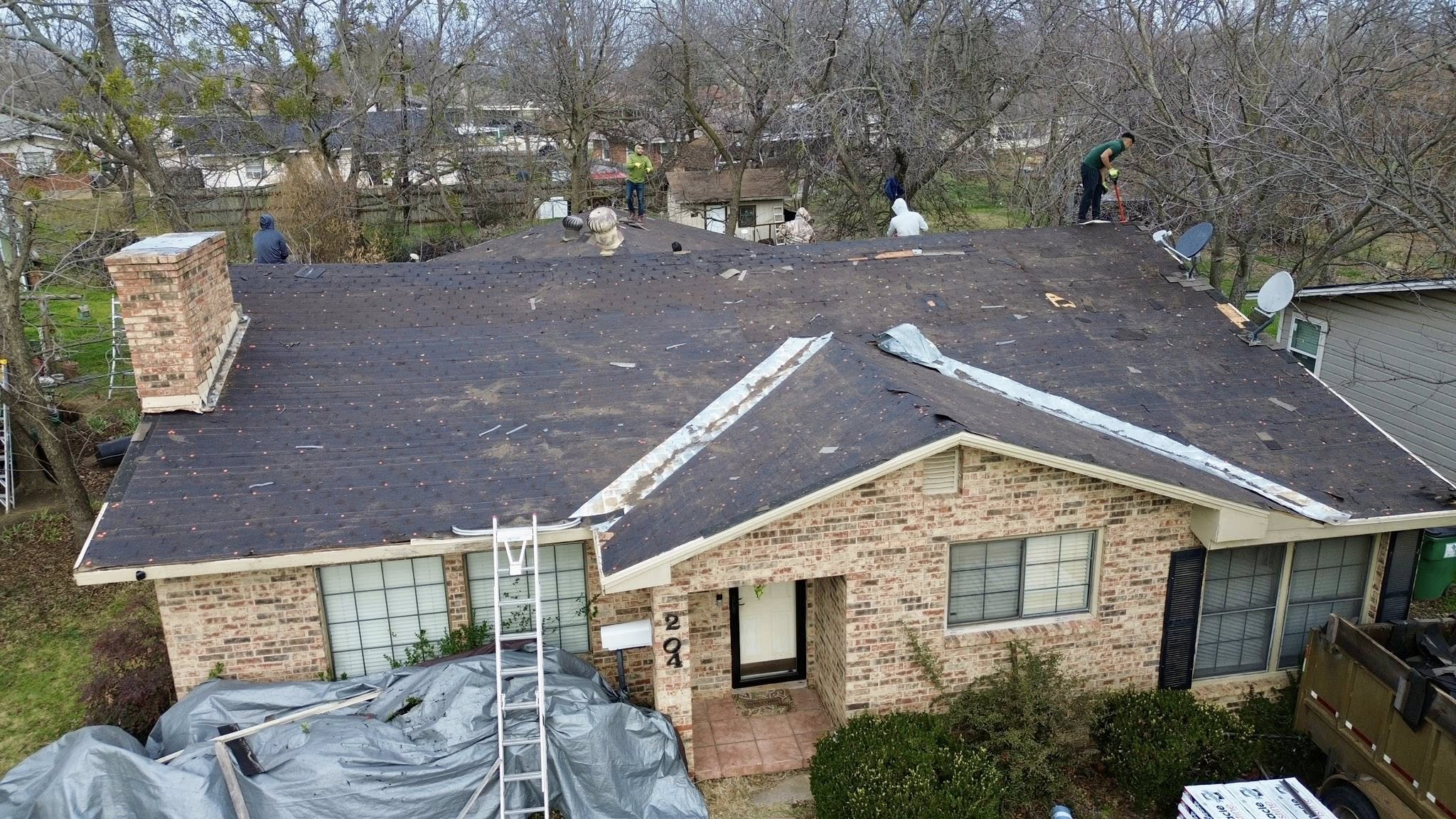
Solar heat gain begins when sunlight reaches the roof surface. Some of the sunlight is reflected back toward the atmosphere, while the remainder is absorbed by the roofing material. The absorbed energy increases the temperature of the roof and can contribute to heat movement through the layers beneath it.
A cool roof is designed to increase the amount of solar energy reflected away from the building. Because less solar radiation is absorbed, the roof surface may remain cooler during periods of strong sunlight. This can reduce the amount of heat that becomes available to move into the attic and eventually toward the living areas.
The effect can be particularly useful in homes with large roof surfaces exposed to direct sunlight. When a conventional roof becomes extremely hot, the attic can also become significantly warmer, especially when insulation and ventilation are inadequate. A cooler roof surface can reduce the amount of heat entering this space and may help improve overall indoor comfort.
The reduction in solar heat gain can also affect the workload placed on air conditioning equipment. If less heat enters the home, the cooling system has less heat to remove. Depending on the property’s existing conditions, this may reduce operating time or energy consumption during periods of high cooling demand.
The following factors influence how effectively a cool roof can limit solar heat gain:
- Roof material and surface characteristics
- Roof color and solar reflectance
- Local climate and outdoor temperature
- Amount of direct sunlight received
- Roof orientation and pitch
- Insulation beneath the roof
- Attic ventilation and air sealing
A home’s location can make a major difference in the practical benefits of a cool roof. In a region with long, hot summers and intense sunlight, reducing solar heat gain may provide noticeable comfort and energy advantages. In a cooler climate, the same roofing feature may have a smaller effect on annual energy consumption because cooling demand is lower.
Roof orientation also matters because not every roof surface receives the same amount of sunlight. One section may receive strong afternoon exposure while another remains shaded for much of the day. Nearby buildings, trees, and other structures can further change the amount of solar radiation reaching different roof areas.
Insulation determines how much of the remaining heat moves toward the conditioned interior. Even when a roof surface is highly reflective, some heat will still be absorbed. Adequate insulation helps slow its movement, creating a second layer of protection between the roof and the living space.
This is why a cool roof should not be considered a replacement for insulation. The two features address different parts of the heat-transfer process. Reflective roofing reduces the amount of solar energy absorbed at the surface, while insulation reduces the movement of heat through the building envelope.
A properly installed cool roof can therefore contribute to a chain of benefits. More sunlight is reflected, less heat is absorbed, the roof surface can remain cooler, and less heat may move into the attic and conditioned areas. When the HVAC system has less heat to remove, the home may use less energy for cooling.
Actual savings will vary, however, and homeowners should avoid assuming that every cool roof will produce the same reduction in energy bills. The condition of the existing home and the efficiency of other building systems remain important factors.
Cool Roofing Materials and Their Energy Performance
Cool roofing can be achieved using different types of materials, and each option has its own characteristics. The best choice depends on the roof structure, slope, climate, appearance requirements, maintenance expectations, and energy goals. Homeowners should evaluate the roofing system as a whole instead of choosing a material based on reflectivity alone.
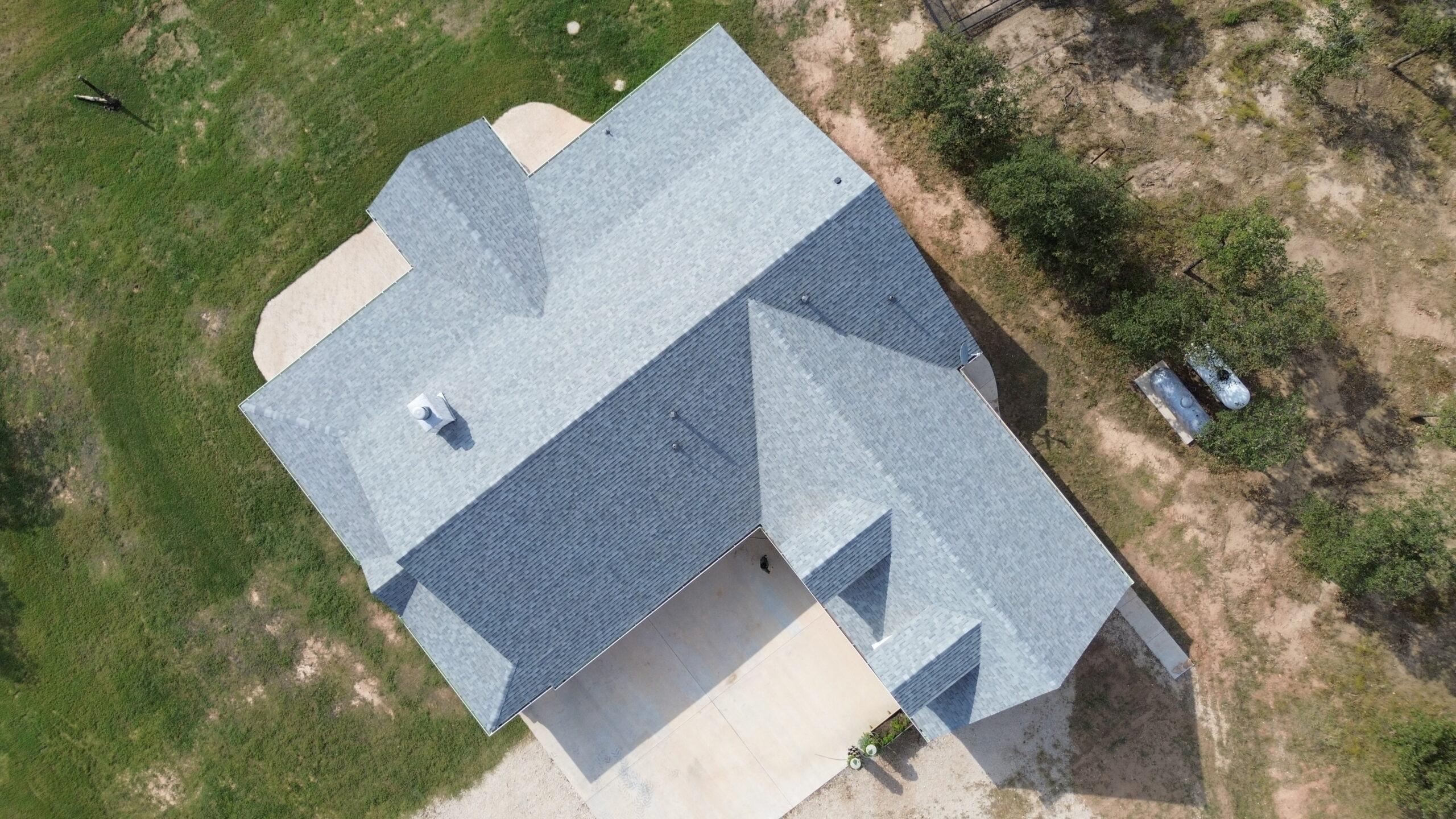
Reflective asphalt shingles are one option for homeowners who want the familiar appearance of shingles while improving solar performance. Certain products are manufactured with reflective granules or surface treatments that help reflect more sunlight than conventional dark shingles. Their performance depends on the specific product rather than simply the fact that the roof is made from asphalt.
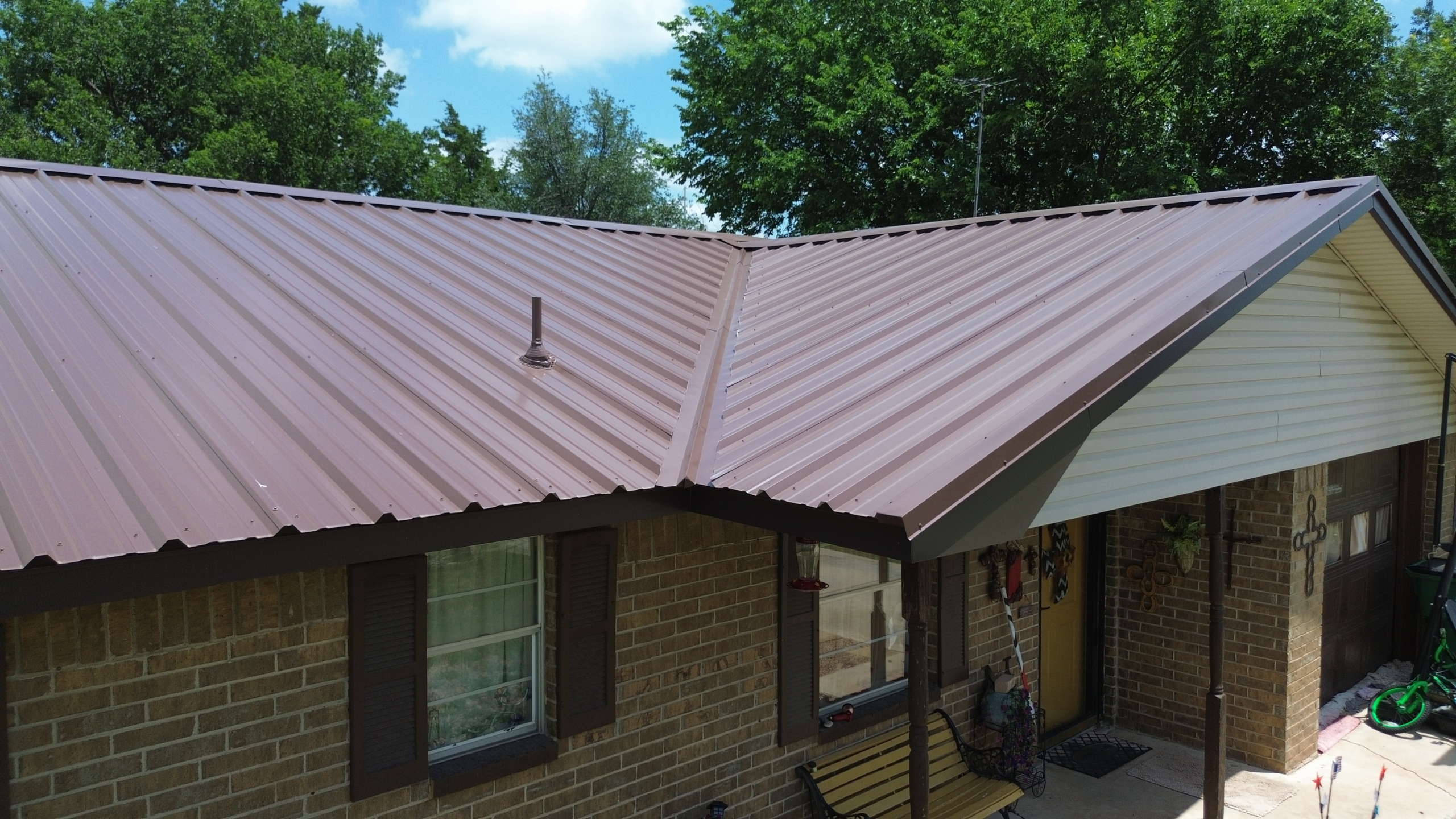
Metal roofing can also be designed for energy-conscious applications. Metal surfaces can be manufactured with reflective finishes, coatings, or colors that reduce solar absorption. Metal roofs can also provide long service life when properly installed and maintained, making them an option for homeowners considering both energy performance and durability.
Roof coatings are another approach, particularly for certain existing roof systems. Reflective coatings can be applied to suitable roof surfaces to increase solar reflectance and reduce surface temperatures. However, the existing roof must be compatible with the coating, and proper preparation and application are essential for the coating to perform correctly.
Single-ply membrane systems are commonly used on low-slope and commercial buildings, although suitable applications can vary. Some membranes are manufactured with highly reflective surfaces that help reduce solar heat absorption. Their installation requires attention to seams, penetrations, drainage, and other details to maintain weather protection and long-term performance.
Tile roofing can also contribute to energy-conscious roof designs when the material, color, installation method, and underlying assembly are appropriate. Clay and concrete tiles may provide useful thermal characteristics, while their shape can create air spaces within the roofing assembly. The final energy performance still depends on the complete system rather than the tile alone.
Homeowners should compare products using their actual performance characteristics instead of assuming that one material category is always more energy efficient than another. A reflective asphalt shingle may perform differently from a conventional dark shingle, just as a reflective metal roof may perform differently from a dark metal roof.
Installation quality can also change the practical performance of roofing materials. Poorly sealed penetrations, damaged surfaces, incorrect fasteners, inadequate underlayment, or other installation problems can reduce durability and compromise the roofing assembly. Energy performance should therefore be considered alongside weather resistance and proper construction.
When selecting materials, homeowners should also consider the existing roof structure. Some roofing products may require specific installation methods or structural support, particularly when replacing one type of roofing system with another. A professional assessment can help determine whether the desired cool roofing material is appropriate for the building.
The most effective choice is generally the one that balances solar performance, durability, climate suitability, installation requirements, maintenance needs, and overall cost. A highly reflective material is useful, but it must also provide reliable protection and work properly with the rest of the roof assembly.
The Role of Roof Color and Surface Reflectivity
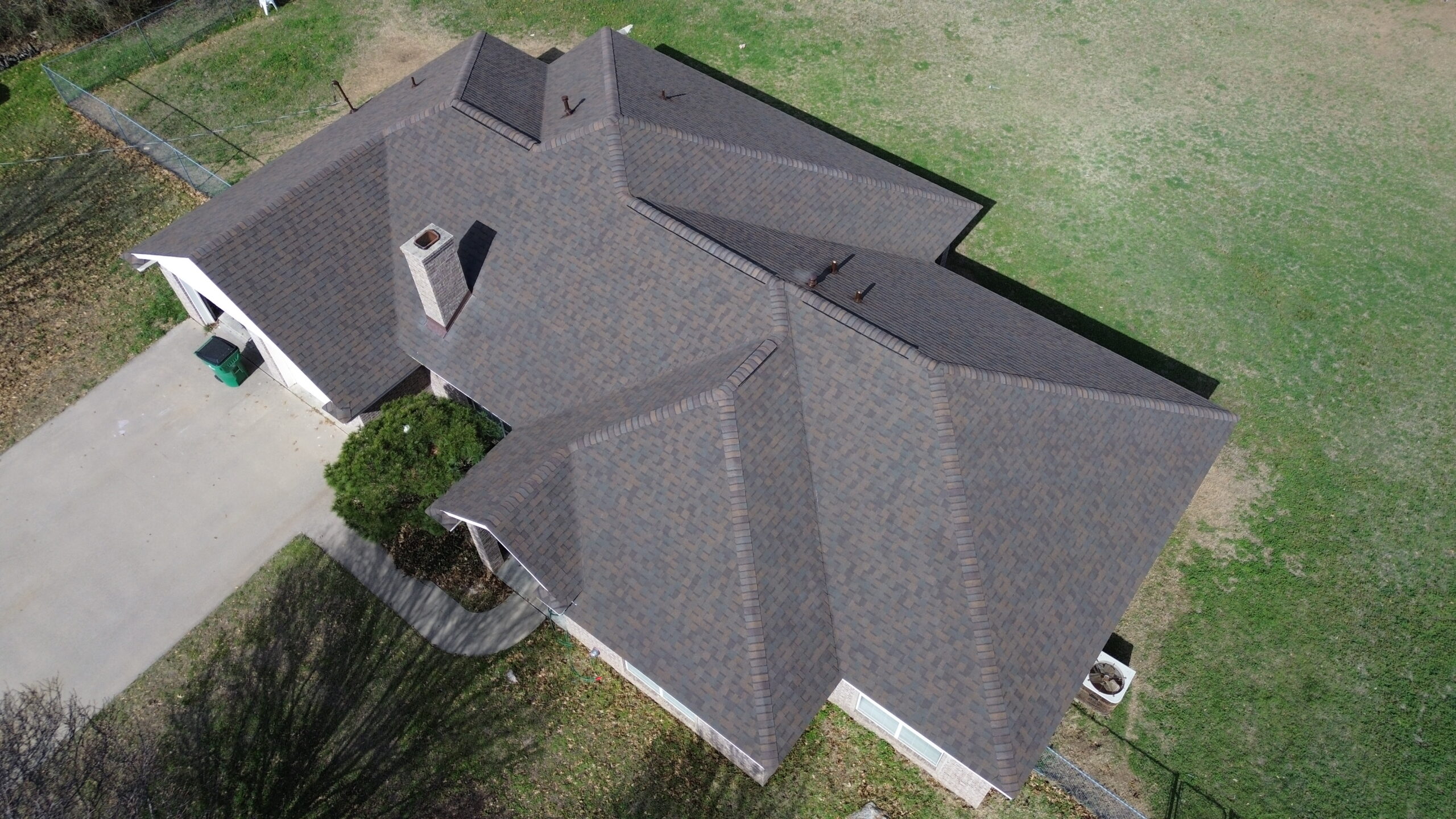
Roof color is one of the most visible characteristics of a roofing system, but it can also influence solar heat absorption. Dark surfaces generally absorb more sunlight than lighter or more reflective surfaces, which can cause them to reach higher temperatures during strong solar exposure. This is one reason lighter-colored and specially designed reflective roofing products are often considered for hot climates.
However, roof color alone does not determine whether a roof is cool. Two roofs with similar visible colors can have different solar performance depending on their surface composition, coatings, pigments, and manufacturing processes. Homeowners should therefore look at the performance characteristics of the specific roofing product rather than relying only on its appearance.
Reflective roofing surfaces are designed to send a greater portion of incoming solar energy away from the building. This can reduce the amount of energy absorbed by the roof and help control surface temperatures. The benefit is particularly relevant during periods when the roof receives direct and prolonged sunlight.
Specialized roof coatings can also change the reflective properties of an existing or new roof. These coatings may be formulated to reflect solar radiation while maintaining the protective qualities required for the roofing system. Before applying a coating, the roof should be evaluated to determine whether the surface is suitable and whether repairs or preparation are necessary.
Homeowners should consider the climate when selecting roof color and reflectivity. In hot and sunny areas, reducing solar heat gain can be especially valuable because cooling systems may operate for long periods. In colder regions, the energy balance can be different, making insulation and heat retention more important considerations.
Roof color should also complement the home’s architectural design and surrounding environment. Fortunately, modern roofing products can provide a range of colors while still offering improved solar performance. This allows homeowners to consider appearance without automatically sacrificing energy efficiency.
The roof’s surface condition should be maintained after installation as well. Dirt, debris, biological growth, and other buildup can affect the appearance and potentially alter the surface characteristics of some roofing systems. Regular inspections and appropriate maintenance can help preserve the intended performance of the roof.
Ultimately, cool roofing is not simply about choosing a white or light-colored roof. It involves selecting a roofing surface with appropriate solar properties and installing it correctly over a properly prepared roof assembly. When combined with adequate insulation and suitable ventilation, a reflective roof can become an important part of a strategy for reducing solar heat gain and supporting more efficient home cooling.
Cool Roofing and Summer Energy Savings
Summer heat can place considerable pressure on residential cooling systems, especially when a roof receives direct sunlight for many hours each day. Conventional roofing surfaces can become significantly hotter than the surrounding air, allowing heat to accumulate in the roof assembly and attic. A cool roofing system is designed to reduce this heat buildup by reflecting more solar radiation and releasing absorbed heat more effectively.
When less solar energy is absorbed at the roof surface, less heat is available to move downward through the roofing assembly. This can help moderate attic temperatures and reduce the amount of heat that eventually reaches conditioned living spaces. The result may be a more comfortable interior environment and lower cooling demand during periods of high outdoor temperatures.
The benefits can be particularly noticeable in upper-floor rooms located directly below the roof. These spaces often experience greater exposure to heat from the attic than rooms located on lower floors. A cooler roof combined with suitable insulation can help reduce temperature differences and make these areas easier to keep comfortable.
A cool roof does not eliminate the need for air conditioning. Instead, it can reduce one source of heat entering the building, allowing the cooling system to focus on other sources of indoor heat. Windows, walls, doors, appliances, occupants, and outdoor air infiltration can all contribute to cooling demand, so roofing improvements should be viewed as one part of a complete energy strategy.
Actual energy savings depend on the characteristics of the home. A property with poor insulation may experience different results from a cool roof than a highly insulated home. Similarly, a house in a very hot climate may have greater potential for cooling-related benefits than one in a region with mild summers.
Roof orientation and shading also influence performance. A roof that receives strong afternoon sunlight may experience more heat gain than a roof that is shaded by trees or nearby structures. Homeowners should therefore consider how much direct sunlight reaches the roof throughout the day before estimating potential energy savings.
The efficiency of the existing HVAC system is another important factor. If an air conditioner is already old or poorly maintained, a cool roof may reduce the amount of cooling required, but it cannot correct mechanical inefficiencies within the equipment. Combining roofing improvements with appropriate HVAC maintenance can provide a more comprehensive approach to reducing household energy consumption.
Cool roofing may also help improve comfort without requiring homeowners to make large thermostat adjustments. If upper rooms remain cooler during hot periods, occupants may be less likely to lower the thermostat excessively to compensate for uncomfortable conditions. Small changes in thermostat behavior can influence energy use over time.
Homeowners should also consider the timing of energy savings. The greatest benefits from reflective roofing are generally associated with periods of significant solar exposure and cooling demand. The effect may be less noticeable at night or during cloudy and mild weather because the roof receives less solar radiation.
Cool Roof Insulation and Attic Performance
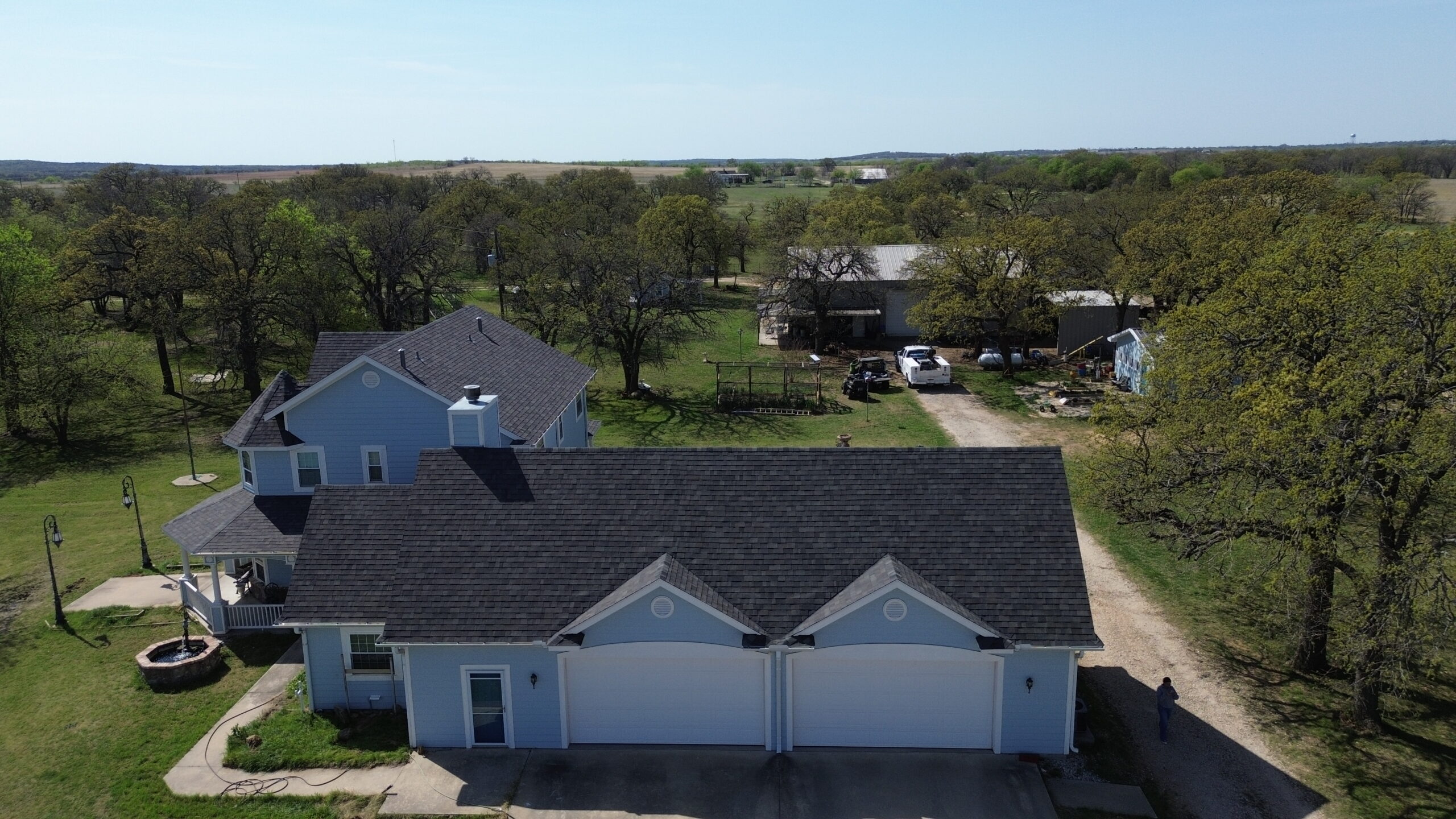
A cool roof can reduce solar heat absorption, but insulation remains essential for controlling the heat that does enter the roofing assembly. Even a highly reflective roof absorbs some solar energy, and that heat can still move through the roof structure if the thermal barrier is inadequate. Proper insulation helps slow this movement and protects conditioned areas from unwanted heat.
The location of insulation depends on the design of the home and roof. In many houses, insulation is installed across the attic floor, separating the conditioned rooms below from the unconditioned attic. Other designs place insulation within the roof assembly, creating a different relationship between the roof surface, attic space, and living areas.
Before installing a cool roof, existing insulation should be inspected where accessible. Older insulation may have settled, become compressed, suffered moisture damage, or developed gaps. Installing a reflective roofing product without addressing significant insulation problems can limit the overall energy benefits of the project.
Insulation must also be installed continuously. Areas with missing or compressed insulation can create thermal weak points where heat moves more easily. Even if most of the attic has adequate insulation, a few poorly protected areas can contribute to uneven indoor temperatures.
Air sealing should be considered alongside insulation. Insulation slows conductive heat transfer, while air sealing helps control uncontrolled movement of air through cracks and openings. Gaps around pipes, electrical fixtures, ducts, attic access points, and other penetrations can allow hot outdoor air to enter or cooled indoor air to escape.
A cool roof and properly insulated attic can therefore provide complementary protection. The reflective surface reduces the amount of solar heat absorbed by the roof, while insulation limits the movement of remaining heat toward conditioned spaces. Together, these features can create a more effective thermal barrier.
Moisture management is equally important. Water entering through a damaged roof can affect insulation and other components beneath the roofing surface. Wet or deteriorated insulation may not perform as intended, while persistent moisture can contribute to structural and indoor air-quality concerns.
Roof replacement provides a useful opportunity to inspect these hidden components. Once the old roofing material is removed, contractors may be able to identify conditions that were not visible from inside or outside the home. Addressing significant problems during the project can help ensure that the new cool roofing system performs as part of a complete assembly.
Homeowners should avoid assuming that more insulation automatically means better performance in every situation. Insulation needs to be appropriate for the climate, roof design, and ventilation strategy. Poorly planned installation can interfere with intended airflow or create moisture-management problems.
The goal is to create a coordinated system in which the roof surface, insulation, air barrier, and ventilation work together. When these components are properly installed, a cool roof can provide stronger protection against summer heat while the insulation helps maintain the benefit as heat attempts to move toward the living space.
Roof Ventilation and Cool Roofing Performance
Roof ventilation can influence the performance of a roofing system by helping manage heat and moisture in attic spaces where a vented design is used. During hot weather, air movement through a properly designed attic ventilation system can help remove accumulated heat. This can complement the heat-reducing properties of a cool roof.
A typical vented attic system may use intake openings near the lower portion of the roof and exhaust openings near the higher portion. The design allows outdoor air to enter and warmer air to leave, helping support airflow through the attic. The exact configuration depends on the roof structure and applicable building requirements.
Ventilation does not replace insulation. The two systems perform different functions and should be designed to work together. Insulation slows heat transfer into the living space, while ventilation helps manage conditions within an appropriately designed attic.
A common problem occurs when ventilation openings are blocked. Insulation may be installed in a way that covers intended airflow pathways, while debris, construction materials, or poorly installed components can restrict vents. Such obstructions can reduce the effectiveness of the ventilation strategy.
Balance is also important. Adding exhaust vents without providing appropriate intake airflow may not produce the expected result. Similarly, creating openings in random locations can interfere with the intended airflow pattern and may introduce weather-related problems.
Cool roofing can reduce the amount of heat entering the attic from above, while ventilation can help manage the heat that remains. This combination can be particularly useful during long periods of hot weather. However, the system must be designed according to the specific roof configuration rather than relying on a one-size-fits-all approach.
Moisture management is another reason ventilation deserves attention. Temperature differences can contribute to condensation under certain conditions, especially when warm, moist air reaches colder surfaces. Properly designed ventilation, air sealing, and insulation can help manage these conditions when used together.
During installation, roofing professionals should check that existing ventilation components are compatible with the new roof. Replacing a roof can change how certain components are installed, and improper placement can reduce airflow or compromise weather protection. Vents, flashing, and roofing materials need to be integrated carefully.
Homeowners should also understand that excessive ventilation is not automatically better. The goal is controlled and appropriate airflow rather than simply creating as many openings as possible. The roofing design, attic configuration, climate, and insulation strategy should all be considered.
Cool Roofing for Different Climate Conditions
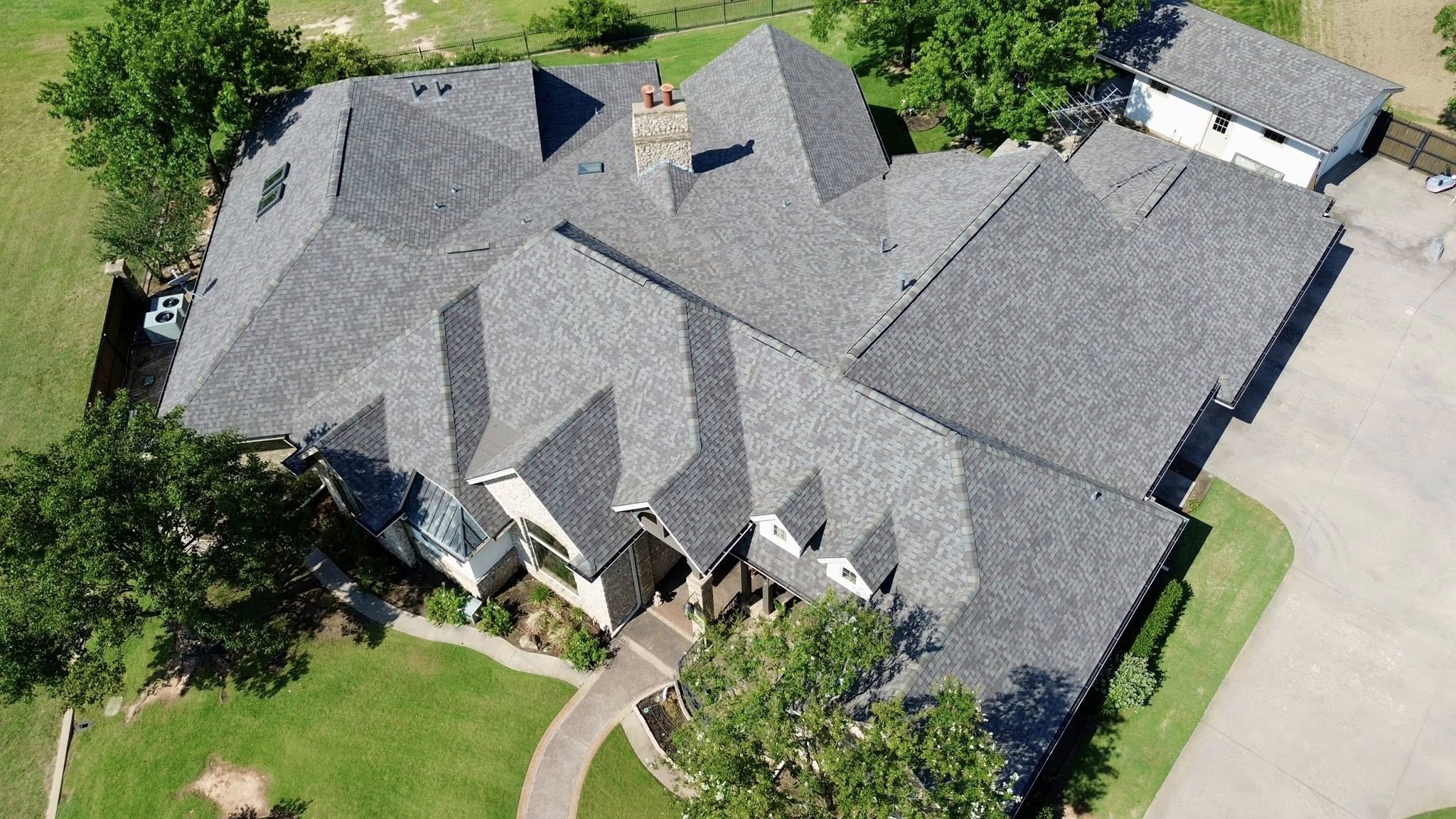
Climate is one of the most important factors when evaluating whether a cool roofing system is appropriate. A roof designed for a hot and sunny environment may have different priorities from one installed in a colder region. Solar reflectance, insulation, ventilation, moisture management, and seasonal heating requirements should all be considered.
In hot climates, cool roofing can be particularly useful because solar heat gain can represent a significant part of cooling demand. Reflective surfaces can reduce the amount of solar radiation absorbed by the roof, while insulation limits heat transfer into the living space. This combination can support indoor comfort during prolonged periods of high temperatures.
Warm and humid climates present additional challenges. Homes in these regions often need substantial cooling while also managing high levels of outdoor moisture. The roof should provide reliable water protection, while insulation, air sealing, and ventilation need to be coordinated to reduce unwanted moisture movement.
Mixed climates require a more balanced approach. A homeowner may need cooling during summer and heating during winter, making it important to evaluate both heat gain and heat loss. A roofing system that performs well during the hottest months should not create unnecessary disadvantages during colder periods.
Cool roofing can still be appropriate in many mixed climates, but product selection should consider annual conditions rather than focusing on summer performance alone. Insulation and air sealing may become particularly important because they help control heat movement in both directions.
In cooler climates, the energy benefits of high solar reflectance may be less significant if cooling demand is limited. However, the roofing system still needs to provide effective protection from weather and support appropriate thermal performance. The best choice may depend more heavily on insulation, air sealing, durability, and moisture management.
Regional weather patterns should also influence material selection. Areas exposed to strong winds, heavy rain, hail, snow, or frequent temperature changes require roofing systems designed to withstand those conditions. Energy performance should complement, not replace, essential weather resistance.
Homeowners can consider the following priorities when evaluating climate suitability:
- Hot climates: Focus on solar reflectance, heat reduction, insulation, and cooling performance.
- Humid climates: Give additional attention to moisture control, ventilation, and weather protection.
- Mixed climates: Balance summer heat reduction with winter thermal performance.
- Cool climates: Prioritize insulation, air sealing, durability, and overall year-round performance.
The local climate can also influence roof color decisions. A highly reflective surface may be especially valuable where sunlight is intense and cooling costs are substantial. In other regions, homeowners may find that insulation and other building-envelope improvements provide greater energy benefits.
A professional assessment can help determine whether a cool roofing system is suitable for a particular property. The recommendation should consider the roof’s orientation, pitch, existing construction, attic configuration, local weather, and expected energy use rather than relying on general assumptions.
Cool Roof Installation Process
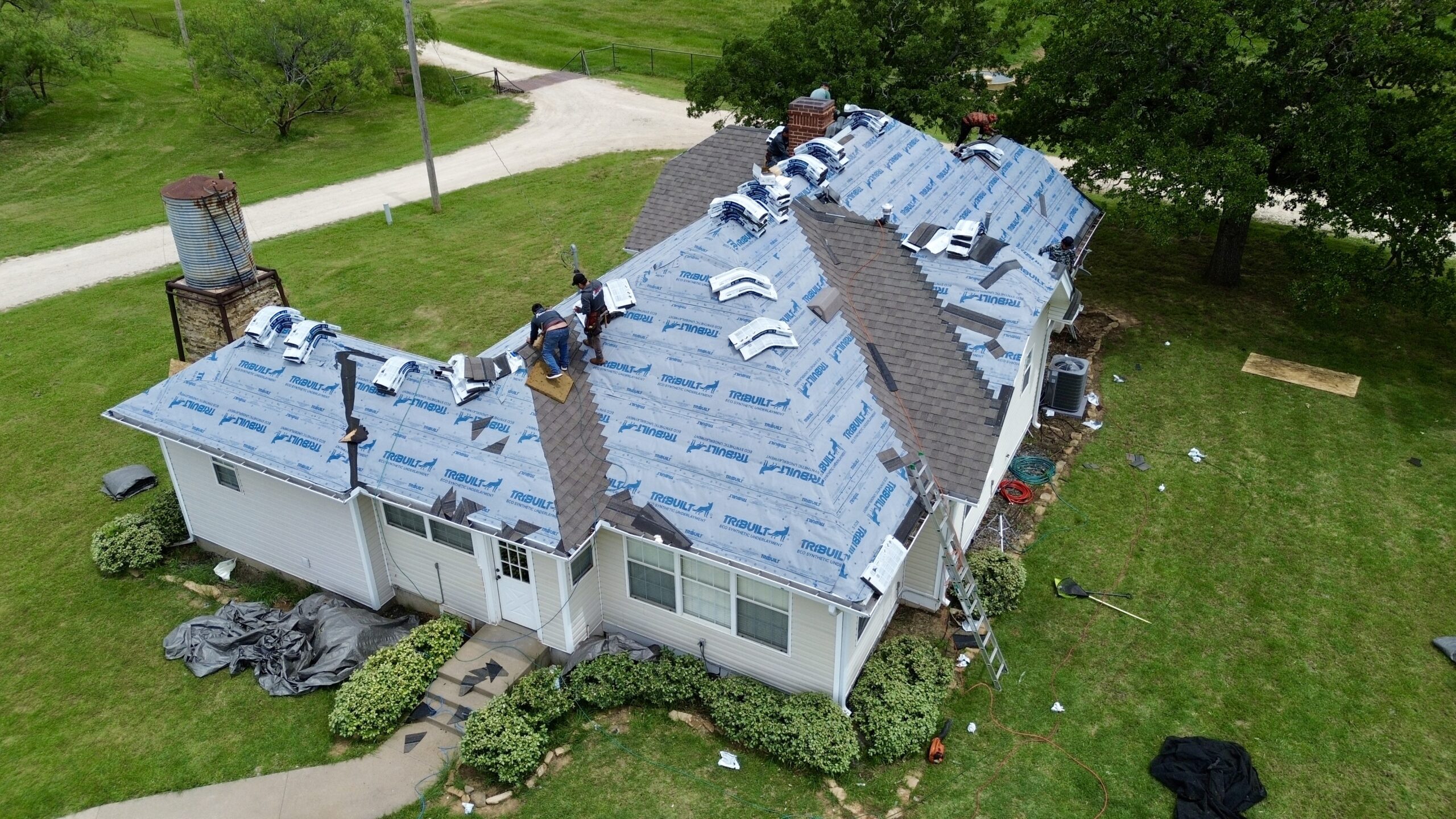
Installing a cool roof begins with evaluating the existing roofing system. Before new materials are applied, the contractor should examine the roof surface, decking, flashing, drainage, penetrations, insulation, and ventilation where accessible. Identifying problems early helps prevent the new roofing system from being installed over conditions that could reduce its performance.
The next step is selecting an appropriate roofing product. The material should provide suitable solar performance while also meeting the home’s structural, weather, appearance, durability, and maintenance requirements. Product specifications should be reviewed rather than assuming that any light-colored material automatically qualifies as a high-performance cool roof.
Roof preparation is important because the new system needs a stable and suitable surface. Damaged decking may require repair or replacement, while existing roofing materials may need to be removed according to the installation plan. The roof should be clean and properly prepared before subsequent layers are installed.
Underlayment is then installed where required by the roofing system. This layer provides additional protection against moisture and helps create a reliable foundation for the exterior roofing material. Proper overlaps, fastening, and detailing are important because poorly installed underlayment can compromise weather protection.
The reflective roofing material or coating is then installed according to manufacturer requirements. For roof coatings, surface preparation is especially important because dirt, moisture, loose material, and existing damage can interfere with adhesion and performance. Application thickness, curing conditions, and coverage should follow the product specifications.
Roof penetrations require careful attention during installation. Pipes, vents, chimneys, skylights, and other openings create transitions where water and air can potentially move through the roof. Proper flashing and sealing help protect these areas and preserve the integrity of the complete roofing system.
Ventilation components should also remain functional when the roof uses a vented attic design. Intake and exhaust openings should not be accidentally blocked by insulation or roofing materials. Maintaining intended airflow helps the ventilation system complement the cool roof rather than working against it.
After installation, the roof should be inspected for visible defects and incomplete details. Seams, flashing, edges, penetrations, drainage points, and other critical areas deserve attention. A thorough final inspection can identify problems before they develop into leaks or other performance issues.
The installation process should ultimately produce more than a reflective roof surface. It should create a complete roofing system in which the exterior material, underlayment, roof deck, insulation, ventilation, flashing, and air-sealing details work together. This coordinated approach gives homeowners a stronger opportunity to achieve the energy and comfort benefits associated with cool roofing.
Common Cool Roof Installation Mistakes
Even high-performance cool roofing materials can provide disappointing results when installation problems undermine the rest of the system. One common mistake is selecting a product based solely on color or appearance without reviewing its actual solar performance. A roof that looks light-colored may not necessarily have the same reflective characteristics as a purpose-designed cool roofing product.
Another problem is ignoring the condition of the existing roof assembly. Installing new materials over damaged decking, deteriorated components, or significant moisture problems can create long-term issues. A roof replacement should provide an opportunity to identify and address conditions that could affect durability and energy performance.
Inadequate insulation is another important weakness. A reflective roof can reduce solar heat absorption, but remaining heat can still move toward living spaces when insulation is insufficient. Homeowners seeking meaningful energy improvements should consider the condition of the insulation rather than focusing entirely on the exterior roof.
Blocked or poorly designed ventilation can also reduce attic performance. Ventilation pathways need to remain clear and appropriately configured for the roof system. Randomly adding vents or blocking existing intake openings can prevent the intended movement of air.
Improper roof coating application can create additional problems. If a coating is applied to an unsuitable, dirty, wet, or damaged surface, adhesion and durability may be affected. Following the manufacturer’s preparation and application requirements is essential for achieving reliable performance.
Poor sealing around roof penetrations can allow air and moisture to move through vulnerable areas. These openings may be small individually, but multiple weaknesses can affect the overall integrity of the roofing system. Proper flashing and sealing should therefore receive the same attention as the main roof surface.
Comparing Cool Roofing With Conventional Roofing
Cool roofing systems differ from conventional roofing mainly in how they respond to solar radiation. Traditional dark roofing surfaces can absorb substantial amounts of sunlight and convert much of that energy into heat. Cool roofing products are designed to reflect more solar energy and release absorbed heat efficiently, helping limit excessive roof temperatures.
The difference can become particularly important during hot summer weather. A conventional roof may become extremely warm under direct sunlight, increasing the temperature of the roof assembly and attic. A cool roof can reduce this heat buildup, which may help lower the amount of heat transferred toward conditioned areas.
Energy performance is not the only factor homeowners should consider. Conventional and cool roofing systems can both provide reliable weather protection when properly selected and installed, while differences in durability, maintenance, appearance, and cost depend on the specific materials. A cool roof should therefore be evaluated according to the complete roofing system rather than its reflective surface alone.
Cool Roofing Installation Costs and Energy Savings
The cost of installing a cool roofing system depends on the material, roof size, labor requirements, existing roof condition, insulation needs, ventilation work, and other project details. Reflective materials or specialized coatings may have different prices from standard roofing products. Additional preparation may also be necessary if the existing roof has damaged decking, inadequate insulation, or ventilation problems.
Although a cool roof can require a higher initial investment in some cases, homeowners should consider potential long-term benefits. Reducing solar heat gain can lower cooling demand during hot weather, potentially reducing electricity consumption over time. The actual financial savings will depend on climate, energy prices, building design, HVAC efficiency, and household usage.
A simple comparison of initial cost alone may therefore overlook the long-term value of improved energy performance. Homeowners should consider expected service life, maintenance requirements, comfort improvements, and potential energy savings when comparing roofing options. A professional roofing estimate can help clarify which improvements are necessary for the property.
How to Choose the Right Cool Roofing System
Selecting the right cool roofing system begins with understanding the home’s existing conditions. The roof’s age, slope, orientation, construction, insulation, ventilation, and exposure to sunlight can all influence which materials are appropriate. A roofing professional can inspect these areas and identify improvements that may be useful during installation.
Local climate should also guide the decision. Hot and sunny areas may benefit strongly from reflective roofing, while mixed or cooler climates may require greater emphasis on insulation and year-round thermal performance. Moisture, wind, rain, snow, and other regional conditions should also be considered when choosing materials.
Homeowners should compare roofing products according to documented performance rather than appearance alone. Important considerations include solar reflectance, thermal emittance, durability, warranty coverage, maintenance requirements, and installation specifications. The selected product should also be compatible with the existing roof structure.
Professional installation can help ensure that the roofing system performs as intended. Correct preparation, underlayment installation, flashing, sealing, ventilation, and finishing details are essential for protecting both the roof and the home beneath it.
Maintenance After Cool Roof Installation
A cool roofing system needs regular care to maintain its protective and energy-related performance. Dirt, debris, damaged surfaces, blocked drainage, and deteriorated flashing can affect the roof over time. Routine inspections can help identify small problems before they develop into expensive repairs.
Reflective surfaces should be kept in suitable condition according to the roofing manufacturer’s maintenance recommendations. For coated systems, damage or deterioration may require specific repair methods to maintain the intended surface characteristics. Homeowners should avoid using cleaning methods or chemicals that could damage the roofing material.
Ventilation openings should also remain clear when the roof uses a vented attic design. Blocked intake or exhaust pathways can interfere with airflow and reduce the effectiveness of the attic ventilation strategy. Insulation should also be checked when accessible to ensure that it remains dry and properly positioned.
Roof penetrations deserve particular attention during inspections. Flashing around vents, chimneys, skylights, and other openings can deteriorate before larger sections of the roof show visible problems. Prompt repairs can protect the roof assembly and prevent moisture from reaching insulation or structural components.
Benefits of Installing a Cool Roofing System
The primary benefit of cool roofing is reduced solar heat absorption. By reflecting more sunlight and releasing absorbed heat efficiently, the roof can remain cooler during periods of strong solar exposure. This can help reduce the amount of heat transferred into the attic and living spaces.
A cooler roof may also support improved indoor comfort. Rooms directly beneath the roof can be particularly vulnerable to summer heat, and reducing heat transfer may help create more consistent temperatures. When less heat enters the home, the cooling system may have less work to do.
Potential energy savings are another important benefit. Reduced cooling demand can contribute to lower electricity consumption, although the amount saved varies by property. Homeowners should consider cool roofing as one part of a larger efficiency strategy that includes insulation, ventilation, air sealing, efficient windows, and properly maintained HVAC equipment.
Cool roofing can also provide long-term value when the selected material offers suitable durability. A well-installed roof protects the building from weather while supporting thermal performance. Maintaining that system properly can help preserve its benefits throughout its service life.
Frequently Asked Questions About Cool Roofing Systems
What is a cool roof?
A cool roof is designed to reflect more solar radiation and release absorbed heat efficiently, helping reduce roof surface temperatures. It can be made from specially designed roofing materials or suitable reflective coatings.
Can a cool roof reduce energy bills?
A cool roof may reduce cooling demand by limiting solar heat gain, which can potentially lower energy consumption during hot weather. Actual savings depend on climate, roof design, insulation, HVAC efficiency, and other characteristics of the home.
Are cool roofs suitable for every climate?
Cool roofing is particularly useful in hot and sunny climates, but it can also be used in other regions when properly selected. Climate, heating needs, insulation, and local weather conditions should be considered before installation.
Does roof color affect cool roof performance?
Color can influence solar absorption, but visible color alone does not determine performance. The specific product’s solar reflectance and thermal properties provide a better indication of how it will respond to sunlight.
Does a cool roof replace insulation?
No. A reflective roof reduces solar heat absorption, while insulation slows heat movement through the building envelope. Using both appropriately can provide stronger overall thermal performance.
Conclusion
Cool roofing systems can be an effective way to reduce solar heat gain and support more energy-efficient home cooling. By reflecting a greater portion of sunlight and managing absorbed heat, these roofing systems can help limit excessive roof and attic temperatures during hot weather.
The greatest benefits come when cool roofing is combined with suitable insulation, effective ventilation, proper air sealing, and professional installation. Choosing a material based on local climate, roof design, durability, and documented performance can also help homeowners achieve better long-term value.
A cool roof is not a guarantee of dramatically lower energy bills, because household energy consumption depends on many factors. However, when properly selected, installed, and maintained, it can reduce unnecessary heat entering the home, improve indoor comfort, support HVAC efficiency, and contribute to a more energy-conscious roofing system.
For homeowners planning a roof replacement, considering cool roofing during the design stage can provide an opportunity to improve both protection and energy performance. A well-planned installation can turn the roof from a simple weather barrier into an important component of the home’s overall energy-efficiency strategy.