
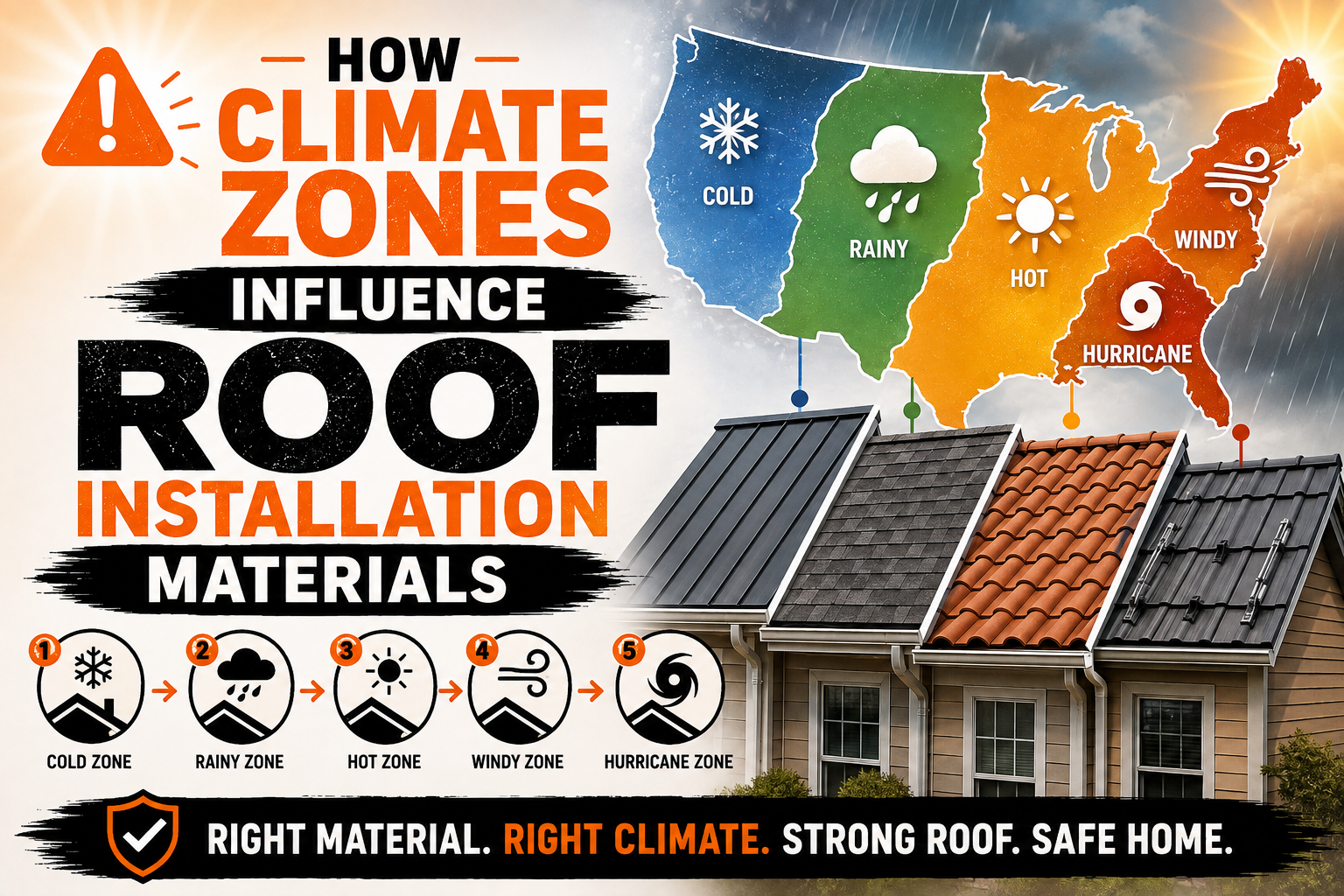
How Climate Zones Influence Roof Installation Materials
Introduction
Climate plays a major role in determining which roofing materials are suitable for a building. A roof must do more than cover a structure because it also protects the interior from heat, cold, rain, wind, snow, humidity, and changing weather conditions. Choosing a roofing material without considering the local climate can lead to premature deterioration, higher maintenance costs, uncomfortable indoor temperatures, and unnecessary repairs.
Different climate zones create different demands for roofing systems. A material that performs well in a hot and dry region may not be the best choice for an area that experiences heavy snowfall or frequent tropical storms. Factors such as temperature range, rainfall, humidity, sunlight, wind exposure, and seasonal weather patterns should therefore be considered before roof installation begins.
Climate also influences how roofing materials should be installed. Proper ventilation, insulation, underlayment, flashing, drainage, and fastening methods can vary depending on environmental conditions. Understanding these differences helps property owners and roofing professionals select materials that provide reliable protection while supporting the long-term performance of the entire roof system.
Understanding Climate Zones and Roofing Requirements
Climate zones are generally defined by the typical weather conditions experienced in a particular geographic area. These conditions can include average temperatures, seasonal temperature changes, precipitation levels, humidity, wind patterns, and exposure to sunlight. While two locations may have similar building styles, their roofing requirements can be very different because of their local environmental conditions.
For example, roofs in hot climates often need materials that can tolerate prolonged exposure to intense sunlight and high temperatures. In contrast, roofs in cold regions must handle freezing temperatures, snow accumulation, ice formation, and repeated freeze-thaw cycles. Coastal locations introduce another challenge because salt-laden air and strong winds can accelerate the deterioration of certain roofing components.
A climate-conscious roofing decision considers both the material itself and the complete roofing assembly. A durable roof may still perform poorly if it has inadequate ventilation or improperly installed flashing. The following factors are especially important when matching roofing systems to local conditions:
- Temperature and seasonal changes
- Rainfall, snow, and moisture exposure
- Wind speed and storm frequency
- Humidity and salt exposure
- Sunlight and ultraviolet radiation
- Freeze-thaw cycles
- Local building requirements
Climate should be evaluated before selecting the final roofing product because the right material depends on how the roof will perform under repeated environmental stress. Professional roofers can assess local conditions and recommend a system designed around the property’s specific needs.
How Temperature Extremes Affect Roofing Materials
Temperature is one of the most important factors affecting roofing performance. Roofing materials are exposed to outdoor temperatures throughout the year, and some surfaces can become significantly hotter than the surrounding air when exposed to direct sunlight. Repeated heating and cooling can cause materials to expand and contract, which may gradually affect seams, fasteners, coatings, and other components.
In very hot climates, roofing materials can experience prolonged thermal stress. Dark-colored surfaces generally absorb more solar energy, which can increase roof surface temperatures and contribute to faster aging in some materials. Reflective or light-colored roofing systems may help reduce heat absorption and can be particularly useful when managing cooling demand is a priority.
Cold climates create a different set of challenges. Materials must remain functional when temperatures drop below freezing, while the roof structure must also handle snow and ice loads. Repeated freezing and thawing can allow moisture to enter small openings and then expand when it freezes, potentially contributing to cracking or deterioration.
Roof installation practices should therefore account for local temperature patterns rather than relying only on the material’s general durability rating. The correct fasteners, sealants, underlayment, ventilation strategy, and installation methods can help a roofing system accommodate temperature changes more effectively.
Roofing Materials for Hot and Arid Climates
Hot and arid climates are characterized by high temperatures, strong sunlight, and relatively low humidity and rainfall. Roofing systems installed in these areas must withstand intense ultraviolet exposure while helping prevent excessive heat from transferring into the building. Material selection can have a noticeable impact on both roof longevity and indoor comfort.
Metal roofing can be a practical option in hot environments because properly selected metal systems can provide strong durability and reflect solar radiation, particularly when finished with an appropriate reflective coating. Metal roofs can also be installed with ventilation and insulation systems that help manage heat beneath the roof surface.
Clay and concrete tiles are also widely associated with hot-weather roofing because they can tolerate high temperatures and provide a distinctive appearance. Their durability can make them suitable for areas where roofs experience significant solar exposure, although the supporting structure must be designed to accommodate their weight.
Reflective roof coatings and light-colored roofing products can also help reduce heat absorption. These solutions may be particularly valuable for buildings where reducing cooling demand is an important consideration.
When selecting roofing materials for hot and dry regions, property owners should consider:
- The material’s resistance to ultraviolet exposure and high temperatures.
- Its ability to reflect or manage solar heat.
- The expected expansion and contraction caused by temperature changes.
- The compatibility of insulation and ventilation with the roofing system.
A roofing professional can evaluate these factors together instead of choosing a material based only on appearance or initial price. A roof that performs well under intense heat may provide better long-term value even if its initial installation cost is higher.
Roofing Materials for Tropical and Humid Climates
Tropical and humid climates expose roofing systems to high moisture levels, frequent rainfall, strong sunlight, and, in some locations, severe storms. Roofing materials must be able to resist moisture while maintaining their structural and protective properties over time. Poor material selection can increase the risk of corrosion, biological growth, leaks, and premature deterioration.
Metal roofing can perform well in humid regions when the appropriate corrosion-resistant material and protective finish are selected. Not all metal roofing products provide the same level of resistance to moisture and corrosive environments, so the surrounding conditions should be considered before installation.
Asphalt shingles can also be used in many humid areas, provided they are properly installed and supported by an appropriate underlayment and ventilation system. Moisture management becomes especially important because trapped humidity beneath the roof can contribute to deterioration of roofing components and the underlying structure.
Roof ventilation is particularly important in humid climates because it helps manage moisture and heat within the roofing assembly. Adequate airflow can reduce condensation-related problems and help maintain more stable conditions beneath the roof covering.
Rainfall also makes drainage a critical part of roof design. Gutters, valleys, flashing, and roof slopes must be installed correctly so water can move away from vulnerable areas instead of collecting around joints and penetrations. Even a highly water-resistant roofing material can experience problems if water is allowed to remain on the roof for extended periods.
Roofing Materials for Cold and Snowy Climates
Cold and snowy climates require roofing systems capable of handling low temperatures, snow accumulation, ice, and moisture. The roof must be strong enough to support expected snow loads while also preventing water from entering the structure during melting and refreezing conditions.
Metal roofing is often considered for snowy environments because smooth surfaces can allow snow to slide away under suitable conditions. However, snow retention systems may be necessary on some buildings to control how and where snow falls from the roof. Installation should account for the building’s design, roof slope, expected snow loads, and local requirements.
Asphalt shingles can also be suitable for cold climates when products designed for the conditions are properly installed. The roofing system should include appropriate underlayment and flashing to help protect areas that are vulnerable to water intrusion.
Ice dams can become a major concern in regions with repeated snow and freezing temperatures. They can form when heat escaping from the building causes snow to melt on warmer sections of the roof, with the resulting water refreezing near colder roof edges. Proper insulation and ventilation can help maintain more consistent roof temperatures and reduce conditions that contribute to ice dam formation.
Cold-weather roofing decisions should therefore consider the entire system rather than focusing solely on the outer roofing material. Insulation, ventilation, underlayment, flashing, drainage, and structural capacity all contribute to reliable winter performance.
Roofing Materials for Temperate and Moderate Climates
Temperate climates generally experience a mixture of seasonal conditions without the extreme heat, cold, or moisture found in some other regions. Even though these environments may appear less demanding, roofing materials still need to withstand seasonal changes, rainfall, sunlight, wind, and occasional severe weather.
Asphalt shingles are commonly used in moderate climates because they offer a balance of affordability, appearance, installation flexibility, and durability. Different grades and designs are available, allowing roofing professionals to select products according to the expected environmental conditions.
Metal roofing can also be effective in temperate areas because it provides durability and can handle a broad range of weather conditions. It may be particularly attractive for property owners seeking a long-lasting roofing system with relatively low routine maintenance requirements.
Composite roofing materials can provide another option for moderate climates. Some products are designed to replicate the appearance of slate, wood, or other traditional materials while offering resistance to moisture and weather exposure.
Even in a moderate climate, the best roofing choice depends on local weather patterns. A region that is generally temperate may still experience periods of heavy rain, strong winds, hail, or unusually high temperatures. Selecting a material with sufficient performance characteristics helps the roof remain dependable when seasonal conditions become more challenging.
Roofing Materials for Coastal and High-Wind Regions
Coastal regions create some of the most demanding conditions for roofing systems because roofs may be exposed to strong winds, heavy rainfall, high humidity, salt-laden air, and tropical storms. These conditions can affect both the visible roofing material and the components underneath it. A material that performs well in an inland environment may require additional protection when installed near the coast.
Salt exposure is particularly important when selecting metal roofing and fasteners. Salt carried through the air can accelerate corrosion on susceptible metals and can gradually weaken exposed components. Roofing professionals may therefore recommend corrosion-resistant metals, protective coatings, compatible fasteners, and carefully sealed connections for coastal properties.
Wind resistance is another major consideration. Strong winds can create uplift forces that place stress on shingles, panels, flashing, ridge caps, and other roof components. Proper fastening becomes essential because even a durable roofing material can fail if it is not secured according to the requirements of the local environment.
Roof shape can also influence wind performance. Certain roof designs may experience greater pressure at edges, corners, and other exposed areas. These locations often require careful installation because wind can get beneath improperly secured roofing components and begin lifting them.
For coastal and high-wind areas, a roofing system should generally focus on:
- Strong attachment of roofing materials and accessories
- Corrosion-resistant fasteners and components
- Properly installed flashing around vulnerable areas
- Wind-rated roofing products
- Secure ridge, hip, and edge detailing
Local building requirements are particularly important in these regions because areas exposed to hurricanes or other severe wind events may have specific installation requirements. Meeting these requirements helps ensure that the roof is designed and installed for the environmental forces it is expected to withstand.
How Rainfall and Moisture Influence Material Selection
Rainfall is one of the most common environmental factors affecting roofing performance. A roof continuously exposed to moisture must direct water away from the structure while preventing leaks around seams, penetrations, valleys, and other vulnerable areas. The amount and frequency of rainfall can influence both the roofing material and the design of the complete drainage system.
Regions with frequent heavy rainfall often benefit from roofing systems that provide effective water shedding. Roof slope is important because steeper surfaces generally allow water to drain more quickly, while low-slope systems require specialized materials and drainage solutions. The material must therefore be selected in combination with the roof’s design rather than considered separately.
Asphalt shingles can perform effectively in many rainy climates when installed correctly. However, damaged shingles, exposed fasteners, deteriorated flashing, and blocked drainage pathways can create opportunities for water intrusion. Regular inspections become increasingly important when a roof experiences frequent rainfall.
Metal roofing can also provide effective protection against rain when seams, fasteners, penetrations, and flashing are properly installed. Standing-seam systems, for example, are designed with concealed or protected connections that can reduce certain water-entry risks when installed according to manufacturer requirements.
Moisture can also affect the layers beneath the roof covering. If water enters the roofing assembly, it can contribute to deterioration of sheathing, insulation, framing, and interior finishes. Proper underlayment provides an additional protective layer, but it cannot compensate for poor installation or unresolved drainage problems.
In humid climates, moisture management extends beyond rainfall. Warm, moist air can contribute to condensation when it encounters cooler surfaces within the roofing assembly. Proper ventilation and insulation can help control these conditions and support the long-term performance of the roof.
Choosing Roofing Materials for Areas With Severe Storms
Severe storms can combine several environmental stresses at the same time. A single weather event may expose a roof to heavy rain, powerful wind, hail, flying debris, and rapid temperature changes. This makes material selection especially important in regions that frequently experience thunderstorms, hurricanes, tornadoes, or other severe weather events.
Roofing materials should be evaluated according to their resistance to the specific hazards common in the area. For example, wind resistance may be the primary concern in a hurricane-prone region, while impact resistance may receive greater attention in an area where large hail is common.
Asphalt shingles are available in different performance levels, including products designed with enhanced wind or impact resistance. However, the performance of these products depends heavily on installation quality. Incorrect nail placement, insufficient fastening, improperly installed starter strips, or weak edge details can reduce the effectiveness of the roofing system.
Metal roofing can provide strong resistance to many severe weather conditions when properly designed and attached. Its performance depends on the type of panel, gauge, fastening method, seam design, and supporting structure. Professional installation is especially important because wind forces can place significant stress on connections.
Tile roofing can be durable against many weather conditions, but individual tiles may be vulnerable to impact or movement if they are improperly secured. Severe storms can also create debris impacts that damage otherwise durable roofing materials. For this reason, homeowners should consider both material strength and the likelihood of repair after extreme weather.
A storm-resistant roof should not be selected only by looking at the outer covering. The underlayment, flashing, edge systems, fasteners, roof deck, and attachment methods all contribute to overall performance.
The Role of UV Exposure in Roof Material Performance
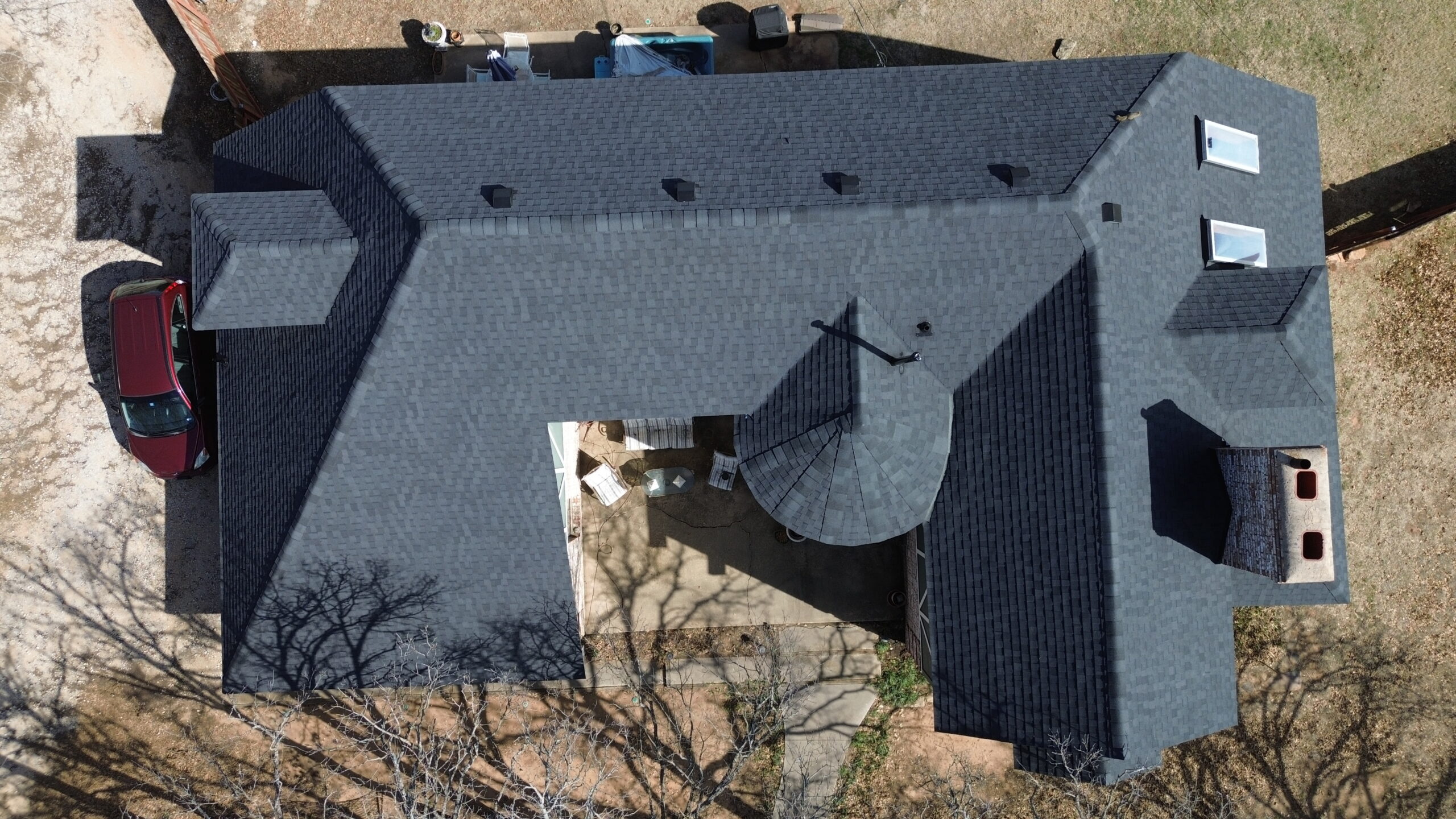
Sunlight can have a significant effect on roofing materials, particularly in regions that receive strong and consistent ultraviolet radiation. UV exposure occurs gradually but continuously, and long-term exposure can contribute to fading, surface deterioration, brittleness, and degradation of certain roofing components.
Dark roofing materials may absorb more solar energy, causing the roof surface to become extremely hot during periods of direct sunlight. Repeated heating can increase thermal movement and place stress on roofing components. Light-colored or reflective roofing products can reduce the amount of solar energy absorbed by the roof surface.
Roof coatings can also be used in some roofing systems to provide additional protection and reflect sunlight. However, coatings are not universally appropriate for every roof and should be selected according to the existing material, roof condition, climate, and manufacturer’s recommendations.
UV exposure can be particularly important in hot and dry climates where rainfall is limited and sunlight is intense. In these areas, roofing materials may remain exposed to direct sunlight for long periods without the cooling effect of frequent rainfall.
Ventilation and insulation can help manage the heat that reaches the building interior. While these components do not eliminate UV exposure to the roof covering, they can reduce heat transfer and help maintain more stable indoor conditions.
When comparing roofing products, property owners should consider how the material is expected to age under local sunlight conditions. A product that retains its protective characteristics over a longer period may provide greater value than a cheaper material that requires frequent replacement.
Wind Resistance and Roof Installation Considerations
Wind can affect roofing materials in several different ways. Strong air movement can create pressure differences across the roof surface, while gusts can place upward forces on edges, corners, and exposed components. If roofing materials are not properly secured, wind can lift or damage them even when the material itself is considered durable.
Installation technique therefore plays an important role in climate-specific roofing performance. Fastener type, spacing, placement, and penetration depth must be appropriate for the selected roofing material and the structure underneath it. Roofing professionals also need to pay close attention to areas where wind forces can be greater.
The roof edge is particularly important because it can experience significant wind pressure. Ridge caps, hip areas, eaves, rakes, and flashing should be installed carefully so that these sections remain secure during strong weather.
Roofing manufacturers provide installation instructions for their products, and these requirements should not be treated as optional recommendations. Deviating from specified fastening patterns or installation procedures can affect the roof’s ability to perform under the conditions for which the product was designed.
Wind resistance also depends on the condition of the roof deck. A strong roofing material cannot compensate for a damaged or weak substrate. Before installation, roofing professionals should inspect the deck and address areas that may compromise the attachment of the new roofing system.
Comparing Common Roofing Materials Across Climate Zones
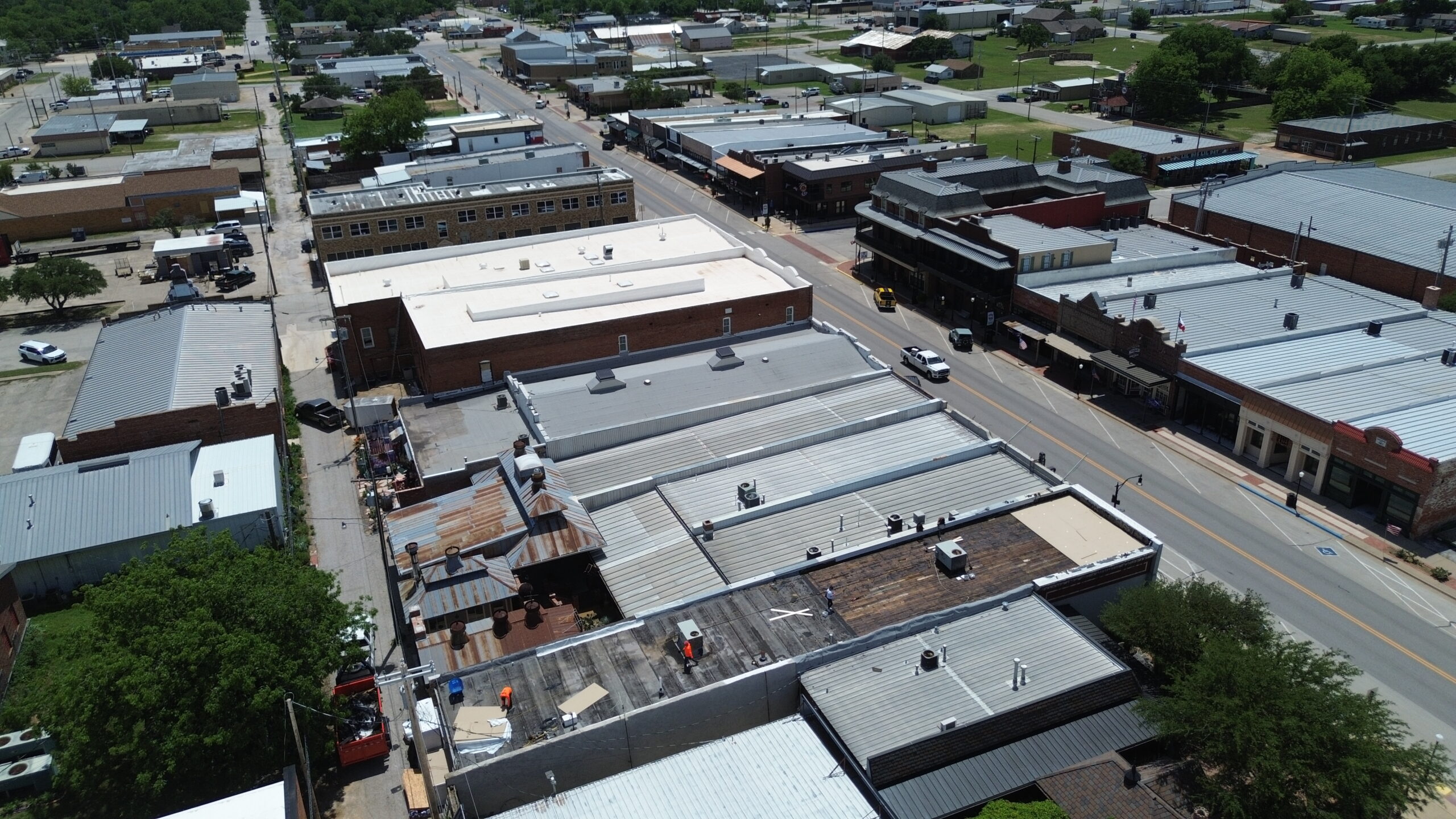
Different roofing materials have different strengths, weaknesses, costs, and climate considerations. No single material is ideal for every environment, so the selection process should consider both local weather and the property’s structural requirements.
| Roofing Material | Hot Climates | Wet Climates | Cold Climates | High-Wind Areas |
|---|---|---|---|---|
| Asphalt Shingles | Good with suitable products | Good with proper installation | Good with appropriate system | Good when properly rated and fastened |
| Metal Roofing | Very good with suitable coatings | Very good with corrosion protection | Very good | Very good when properly secured |
| Clay Tile | Very good | Good | Good in suitable conditions | Requires careful securement |
| Concrete Tile | Very good | Good | Good | Requires appropriate fastening |
| Slate | Good | Very good | Very good | Strong but requires proper installation |
| Composite Roofing | Depends on product | Good with suitable product | Good with suitable product | Depends on product rating |
This comparison shows why climate should be considered alongside material characteristics. A roofing material may perform well in one environment but require additional design features or maintenance in another.
For example, metal roofing can be a versatile choice across several climate zones, but coastal installations may require additional corrosion protection. Similarly, asphalt shingles may work well in cold or temperate climates, while homeowners in severe storm regions may want products with stronger wind or impact performance.
The building’s design also matters. Roof slope, structural capacity, ventilation, insulation, drainage, and existing construction can influence which materials are practical. A material should therefore be selected as part of a complete roofing system rather than simply based on its appearance or advertised lifespan.
Underlayment, Insulation, and Ventilation by Climate
The outer roofing material receives most of the attention during a roof installation, but the layers beneath it are equally important. Underlayment, insulation, and ventilation help the roof respond to moisture, temperature changes, and airflow. Their importance can vary significantly depending on the climate zone.
Underlayment provides an additional layer of protection beneath many roofing materials. It can help protect the roof deck from moisture that gets beneath the primary covering, particularly around vulnerable areas such as valleys and roof penetrations. The appropriate underlayment depends on the roofing material, roof design, weather conditions, and applicable installation requirements.
Insulation is especially important in regions with extreme temperatures. In hot climates, adequate insulation can help reduce heat transfer from the roof into the living space. In cold climates, insulation can help maintain indoor warmth while reducing the amount of heat reaching the roof surface from the building interior.
Ventilation supports moisture and temperature management within the roofing assembly. A properly designed ventilation system can allow unwanted heat and moisture to escape while supporting more stable conditions beneath the roof covering. Poor ventilation can contribute to excessive heat buildup in warm climates and condensation problems in colder or humid environments.
The relationship between these components is important because changing one part of the roofing system can affect the others. A professional installation should therefore consider the roof covering, underlayment, insulation, ventilation, flashing, and drainage as connected parts of one system.
How Local Building Codes Influence Roofing Material Choices
Local building codes play an important role in determining which roofing materials and installation methods can be used in a particular climate. These requirements are designed to address regional hazards such as high winds, heavy snow, wildfires, extreme heat, and severe storms. A roofing material may appear suitable based on its general performance, but it still needs to meet the requirements applicable to the property.
Building requirements can address factors such as wind resistance, fire classification, structural loading, fastening patterns, underlayment, flashing, and ventilation. In areas exposed to hurricanes or heavy snowfall, requirements may be more demanding because roofs must withstand greater environmental forces. Following these standards helps reduce the risk of premature failure and can also simplify the permit and inspection process.
Homeowners should not assume that a roofing product approved for one location will automatically meet requirements elsewhere. Climate conditions can vary significantly even between nearby regions, and local authorities may establish requirements based on specific hazards. Roofing professionals can help identify the applicable requirements before materials are ordered or installation begins.
Building codes should be considered alongside manufacturer instructions rather than treated as a separate concern. The selected material, installation technique, structural support, and protective components should work together as a compliant roofing system. This approach can help prevent expensive changes after installation has already started.
Balancing Durability, Cost, and Climate Performance
The cheapest roofing material is not always the most economical choice over the life of a building. Initial installation cost is only one part of the overall expense because maintenance, repairs, energy use, and eventual replacement can significantly affect long-term value. Climate should therefore be included when comparing roofing materials at different price levels.
A moderately priced material that performs well under local conditions may provide better value than an inexpensive product that deteriorates quickly. For example, a roofing system designed for intense sunlight may cost more initially but could reduce the frequency of repairs in a hot climate. Similarly, a wind-resistant system may be worth the investment in an area that regularly experiences severe storms.
Energy performance can also influence the financial value of a roof. Reflective materials may reduce heat absorption in hot regions, potentially helping buildings maintain more comfortable indoor temperatures. In colder areas, an appropriately insulated roofing assembly can reduce unwanted heat loss and support more efficient heating.
Durability should also be evaluated according to the actual climate rather than a general lifespan estimate. A roofing product may have a long expected service life under moderate conditions but experience greater stress in a region with extreme weather. Comparing products based on climate-specific performance provides a more realistic understanding of their potential value.
Common Mistakes When Choosing Roofing Materials by Climate
One of the most common roofing mistakes is choosing a material based primarily on appearance. A particular color, texture, or architectural style may look attractive, but appearance does not determine whether the material can handle the local weather. Climate performance should be evaluated before aesthetic preferences are finalized.
Another mistake is assuming that all roofing materials within the same category perform equally. Asphalt shingles, metal panels, tiles, and composite products can have different ratings, coatings, construction methods, and installation requirements. Product specifications should be reviewed carefully rather than treating an entire material category as having identical characteristics.
Ignoring the supporting roofing components can also create problems. A high-quality roof covering may still experience premature failure if the underlayment, flashing, ventilation, or fastening system is poorly selected. The complete assembly must be considered because every layer contributes to the roof’s ability to handle environmental stress.
Some common climate-related mistakes include:
- Selecting materials without considering local weather conditions
- Ignoring wind, snow, or impact ratings
- Choosing products based only on the lowest initial price
- Using unsuitable fasteners or installation methods
- Overlooking ventilation and insulation requirements
- Failing to consider moisture and drainage
- Ignoring local building requirements
Another problem occurs when homeowners copy roofing choices from neighboring properties without understanding why those materials were selected. A nearby building may have different construction, roof slope, orientation, insulation, or exposure to wind and sunlight. A roofing decision should therefore be based on the specific property rather than visual comparison alone.
How Professional Roofers Evaluate Climate Conditions
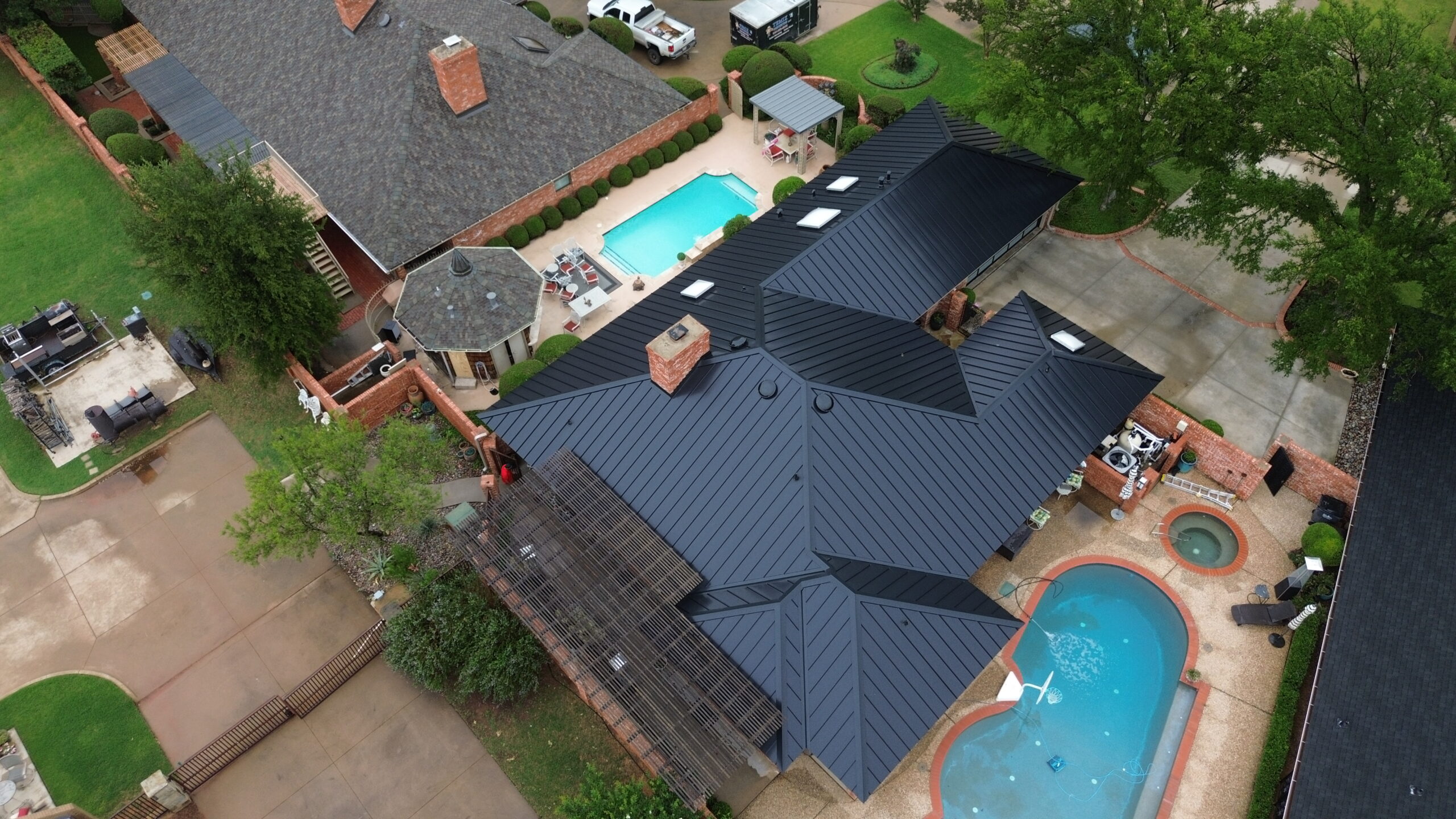
Professional roofers typically consider multiple environmental and structural factors before recommending a roofing material. The assessment begins with the property’s location and the weather conditions commonly experienced in that region. This provides a starting point for identifying the types of environmental stress the roof must withstand.
The existing roof structure is also important. A contractor may inspect the roof deck, framing, slope, drainage, flashing, ventilation, and previous repairs before recommending replacement materials. These details help determine whether a particular roofing system is appropriate for the building.
Roof orientation can influence solar exposure as well. Sections that receive strong afternoon sunlight may experience different thermal conditions from areas that remain shaded for longer periods. Wind exposure can also vary depending on surrounding buildings, trees, terrain, and the roof’s position.
A professional assessment may generally follow this process:
- Evaluate the property’s climate and common weather hazards.
- Inspect the existing roof structure and supporting components.
- Determine suitable roofing materials and system requirements.
- Compare durability, installation requirements, and long-term costs.
- Select and install the system according to applicable requirements.
This process helps prevent decisions based on a single factor. Climate, structure, budget, appearance, and expected service life can all be considered together before the final material is selected.
Maintenance Requirements for Different Climate Zones
Even the most suitable roofing material requires maintenance to remain effective. Climate affects how frequently inspections may be needed and which components deserve particular attention. A roof exposed to heavy rainfall may require regular drainage inspections, while a roof in a snowy region may need closer attention to ice and snow-related issues.
In hot and sunny climates, inspections should focus on signs of surface deterioration, cracking, fading, and damage associated with prolonged heat and UV exposure. Roof coatings and sealants may also require periodic evaluation depending on the roofing system and manufacturer recommendations.
Humid and rainy climates create greater opportunities for moisture-related problems. Gutters, downspouts, valleys, flashing, and roof penetrations should be kept in good condition so water can drain properly. Areas where moisture remains trapped should be investigated before minor issues develop into structural damage.
Cold climates require attention to snow accumulation, ice formation, flashing, ventilation, and potential ice dams. After major winter weather, inspections can help identify displaced materials or damage that may not be immediately visible from inside the building.
Coastal properties require additional attention to corrosion and storm damage. Salt exposure can gradually affect exposed metal components, while strong winds may loosen or damage roofing materials. Routine inspection can help identify small problems before they become larger repairs.
Making a Climate-Specific Roofing Material Decision
Selecting a roofing material should begin with the climate rather than the product catalog. Once the primary environmental conditions are understood, homeowners can compare materials based on their ability to handle those conditions. This approach narrows the options and makes the final decision more practical.
The first consideration should be the most significant weather threat in the area. In a hot region, heat and UV exposure may receive the greatest attention. In a snowy region, snow loads and freeze-thaw conditions may be more important, while coastal properties may require stronger corrosion and wind resistance.
The second consideration is the complete roofing system. The outer material is only one component of the installation. Underlayment, insulation, ventilation, flashing, fasteners, drainage, and roof structure all need to be compatible with the selected product.
The third consideration is long-term value. Homeowners should compare expected durability, maintenance requirements, repair needs, energy performance, and replacement costs rather than looking only at the initial installation price. A slightly higher upfront investment can sometimes provide better value when the material is better suited to the local environment.
The final consideration should be professional installation. Even a climate-appropriate material can perform poorly when installed incorrectly. Proper fastening, flashing, ventilation, underlayment, and drainage are essential for turning a suitable product into a reliable roofing system.
Conclusion
Climate has a direct influence on how roofing materials perform and how long a roof can protect a building. Heat, sunlight, rainfall, humidity, snow, ice, wind, and coastal exposure can all place different demands on roofing systems. Choosing materials without considering these conditions can result in unnecessary maintenance, premature deterioration, higher energy costs, and avoidable repairs.
Hot and arid regions often require roofing solutions that can handle intense sunlight and high surface temperatures. Humid and tropical environments place greater emphasis on moisture resistance, drainage, ventilation, and corrosion protection. Cold and snowy regions require systems that can handle freezing temperatures, snow loads, ice, and repeated freeze-thaw cycles.
Coastal and storm-prone locations introduce additional concerns, including strong winds, salt exposure, heavy rainfall, and debris impacts. In these environments, the performance of fasteners, flashing, underlayment, and edge details can be just as important as the roofing material itself.
A successful roof installation therefore depends on viewing the roof as a complete system rather than simply choosing a covering for the building. Roofing professionals can evaluate climate conditions, roof structure, local requirements, material characteristics, and installation methods to create a solution suited to the property.
Ultimately, the best roofing material is not necessarily the most expensive or the most visually appealing option. It is the material and roofing system that can reliably withstand the conditions of its environment while providing suitable durability, protection, maintenance requirements, and long-term value. By understanding how climate zones influence roofing materials, property owners can make more informed decisions and build roofing systems that are prepared for the weather they will face throughout their service life.